13+ Practical Front Porch Extension Ideas for More Space
Do you have a really small front porch that you can’t even decorate properly? If you’re willing to spend quite a bit, a front porch extension could finally give you the porch of your dreams.
Why a Front Porch Extension is One of the Best Home Improvements You Can Make
If you’re on the fence about whether a front porch extension is worth it, let us settle that for you right now. It absolutely is. A front porch extension is one of the most affordable, most impactful, and most universally loved home improvements you can make. It changes how your home looks from the street, how it feels to come home every day, and how guests experience arriving at your front door.


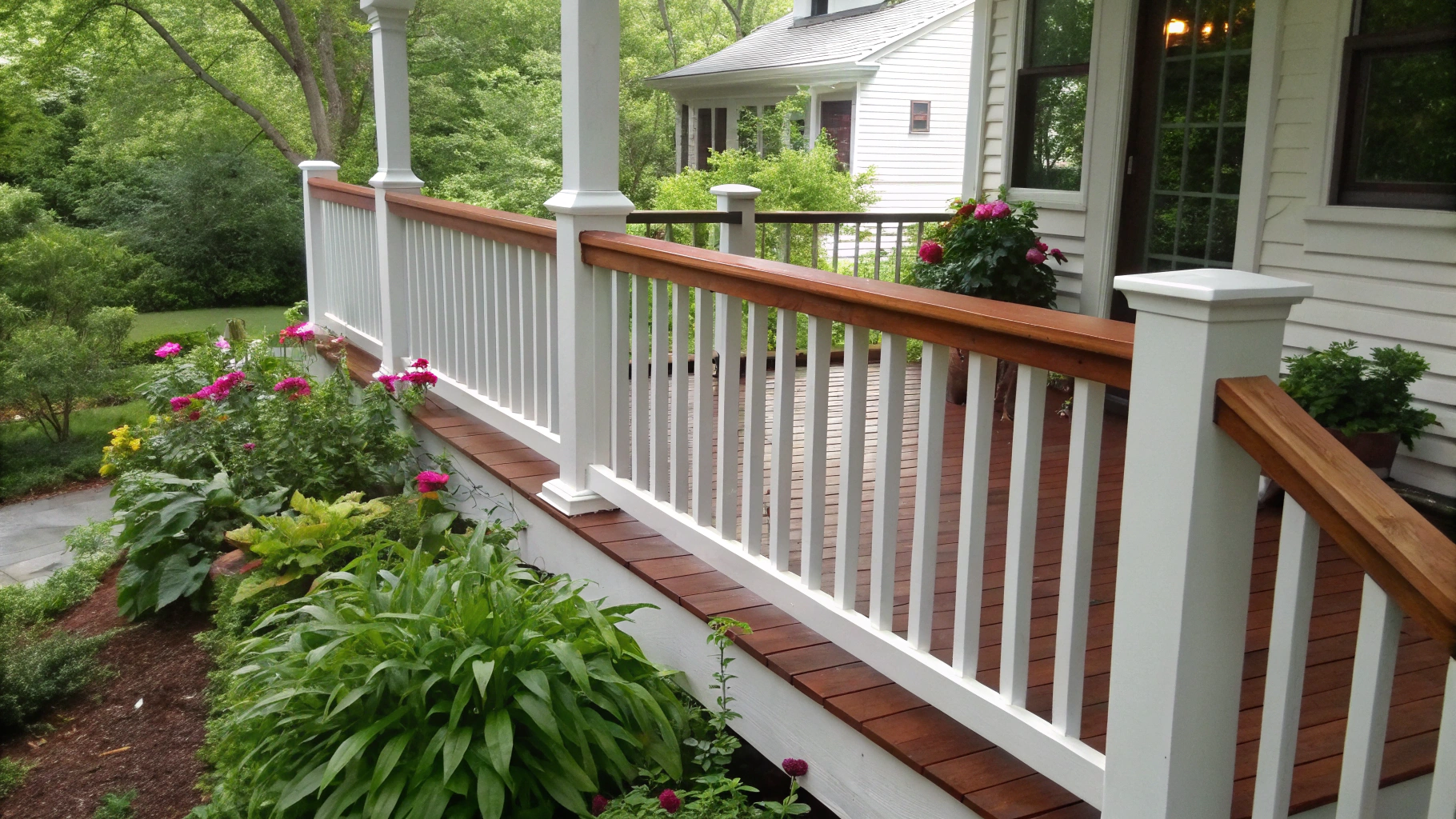
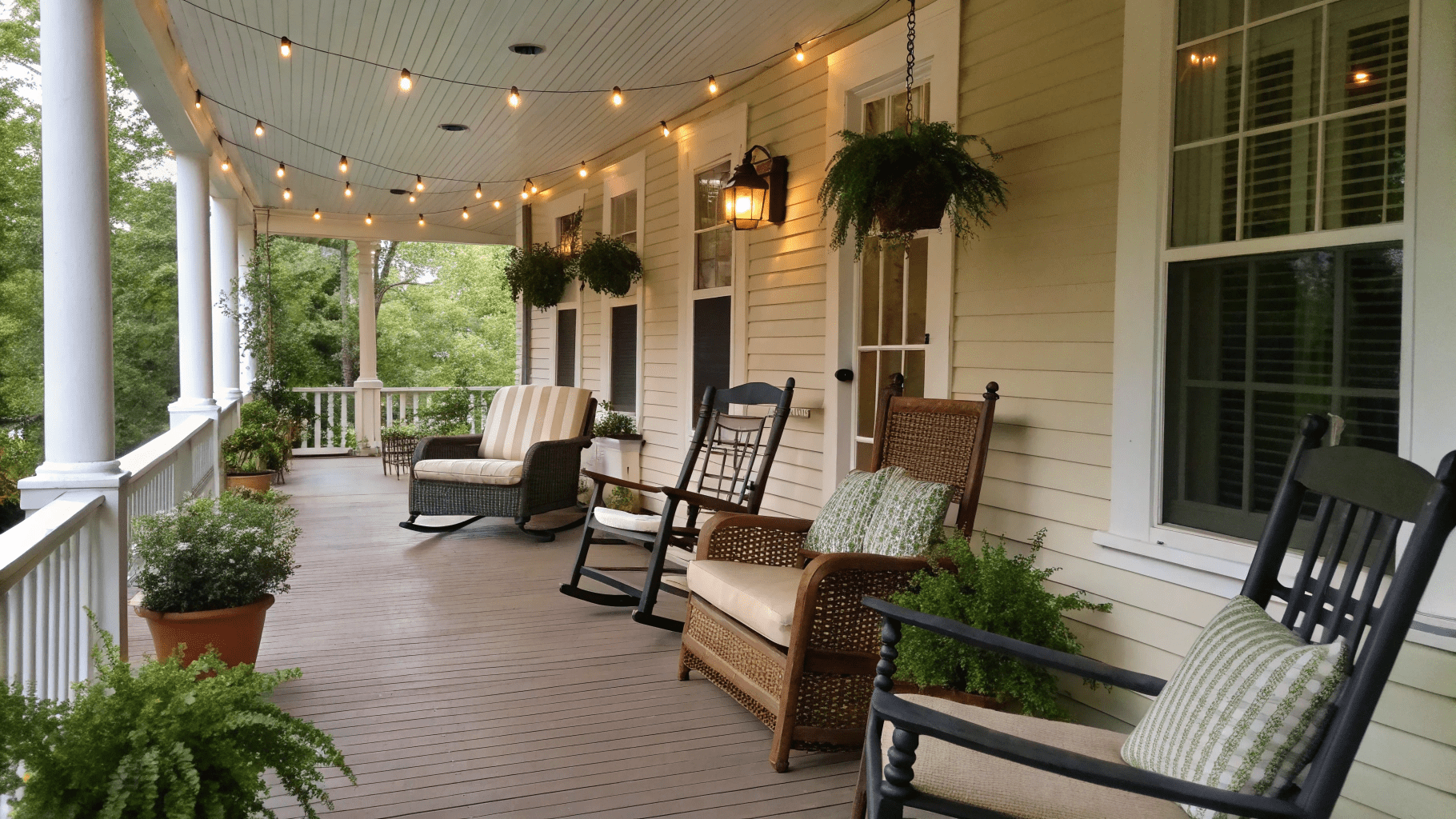
Unlike a loft conversion or kitchen extension, a porch doesn’t require months of disruption, a huge budget, or major structural work. Most porch extensions can be completed in one to three weeks. They add storage, shelter, kerb appeal, and a proper transitional space between the outside world and your home. For the money involved, very few home improvements come close to matching the return.
And the visual impact? Transformative doesn’t even cover it. A well-designed front porch extension takes a flat, forgettable frontage and turns it into something with real character and warmth.
Types of Front Porch Extension: Which One is Right for Your Home?
Not all porch extensions are the same. The right style depends on your home’s architecture, your available space, your budget, and what you want the porch to actually do. Here’s a breakdown of the main types:
Open Porch Extension
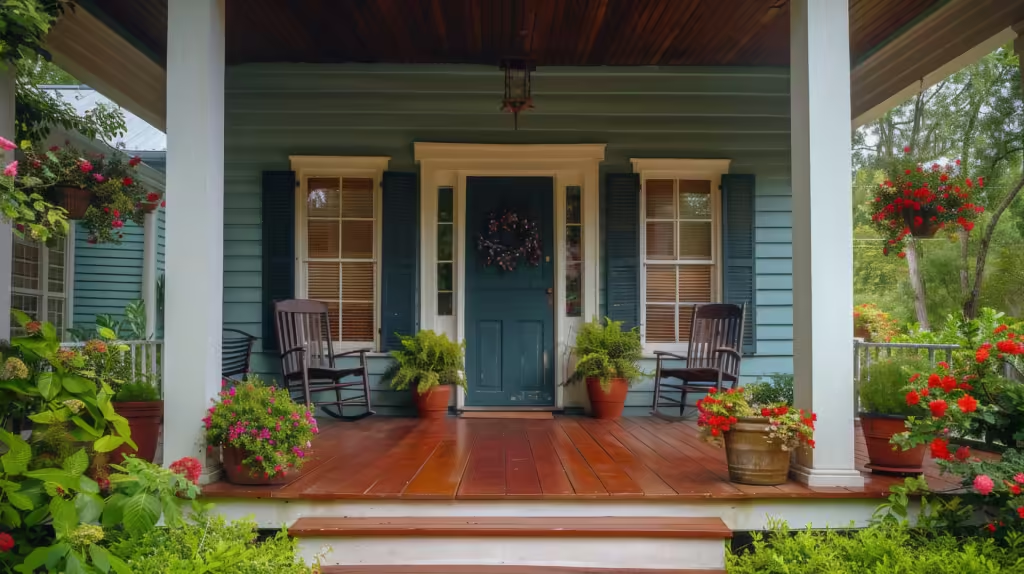
An open porch has a roof and columns but no walls or door. It provides shelter from rain and sun and creates a covered outdoor space at your entrance. It’s the most classic and architecturally traditional option, and works beautifully on period homes, cottage-style properties, and farmhouse styles. It doesn’t add an enclosed room but it absolutely transforms the look of a frontage.
Enclosed Porch Extension
An enclosed porch adds a full structure with walls, windows, and a door, creating an actual room between your front door and the outside. This is the option that gives you the most functional benefit. It acts as a boot room, a coat storage area, a buffer against cold air in winter, and an airlock that keeps draughts out. If practicality is your priority, this is the one.
Lean-to Porch Extension
A lean-to porch uses a single-pitch roof that slopes away from the house wall. It’s one of the most cost-effective options and works particularly well on modern or contemporary homes. Simple, clean, and very effective at what it does.
Gable Porch Extension
A gable porch has a pointed, triangular roof that mirrors the shape of many traditional British and American homes. It’s the most visually striking option and adds real architectural character. It works brilliantly on Victorian, Edwardian, and colonial-style homes.
Glass and Steel Porch Extension
A fully glazed porch with a steel or aluminium frame is the most modern option. It floods the entrance hall with light, looks incredibly sleek, and suits contemporary homes particularly well. It’s typically more expensive but the visual result is stunning.
Wraparound Porch Extension
A wraparound porch extends along the front and continues around one or both sides of the home. It dramatically increases usable covered outdoor space and creates a real lifestyle feature. More common in American and Australian homes but increasingly popular in the UK for larger properties.
Do You Need Planning Permission for a Front Porch Extension?
This is the question everyone asks first, and the good news is that in most cases, the answer is no. Most front porch extensions qualify as permitted development, which means you can build without applying for planning permission, provided you meet certain conditions.

The Permitted Development Rules for Porch Extensions
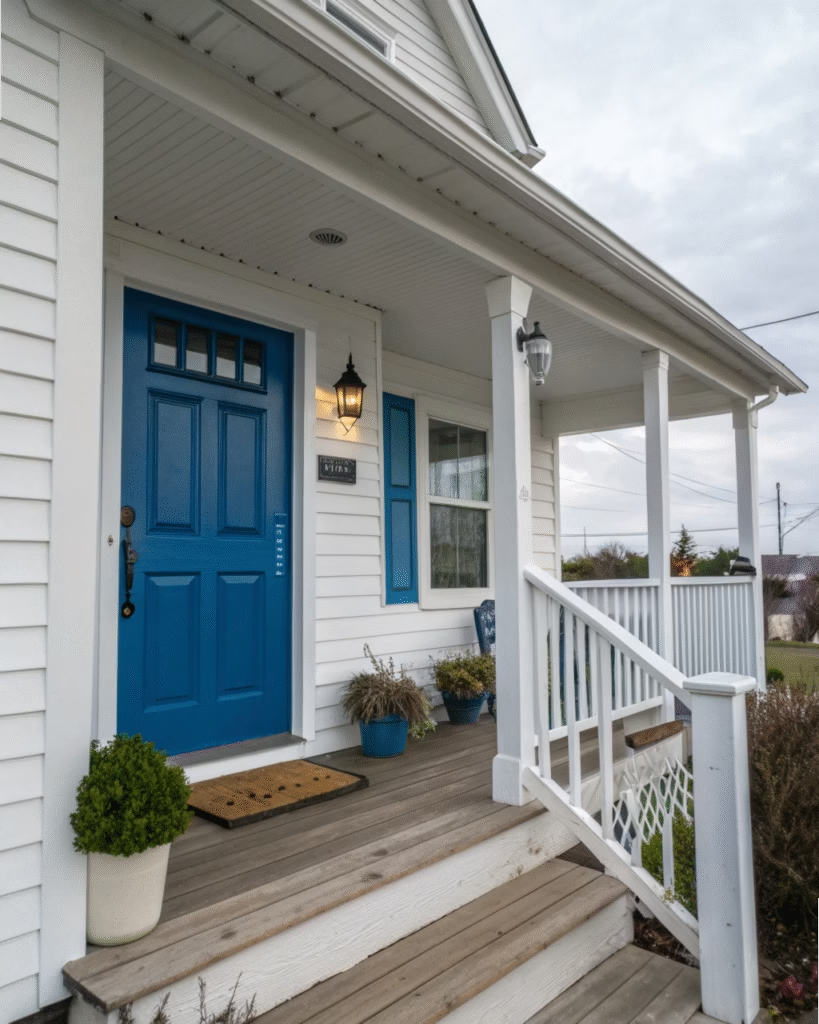
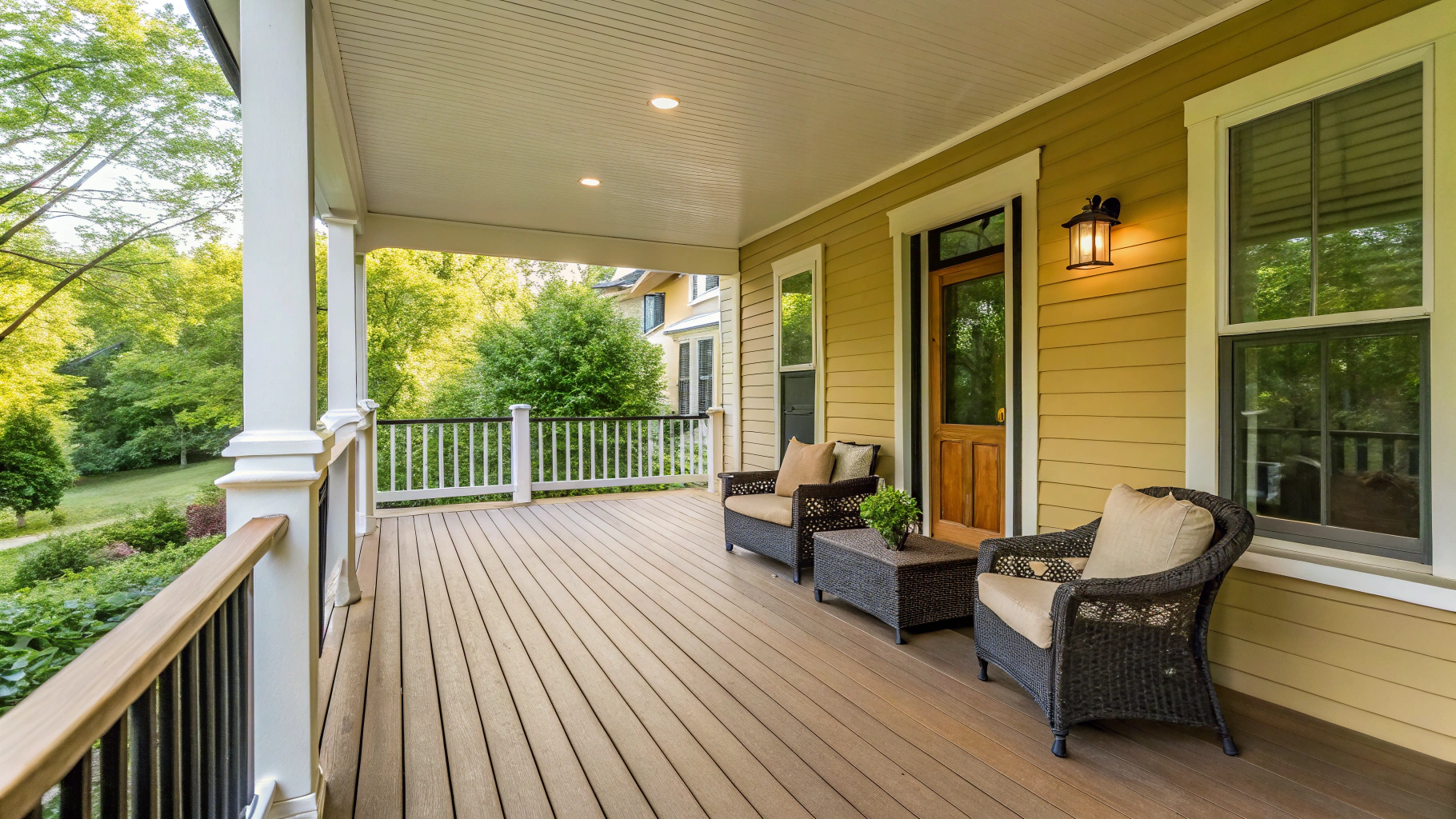
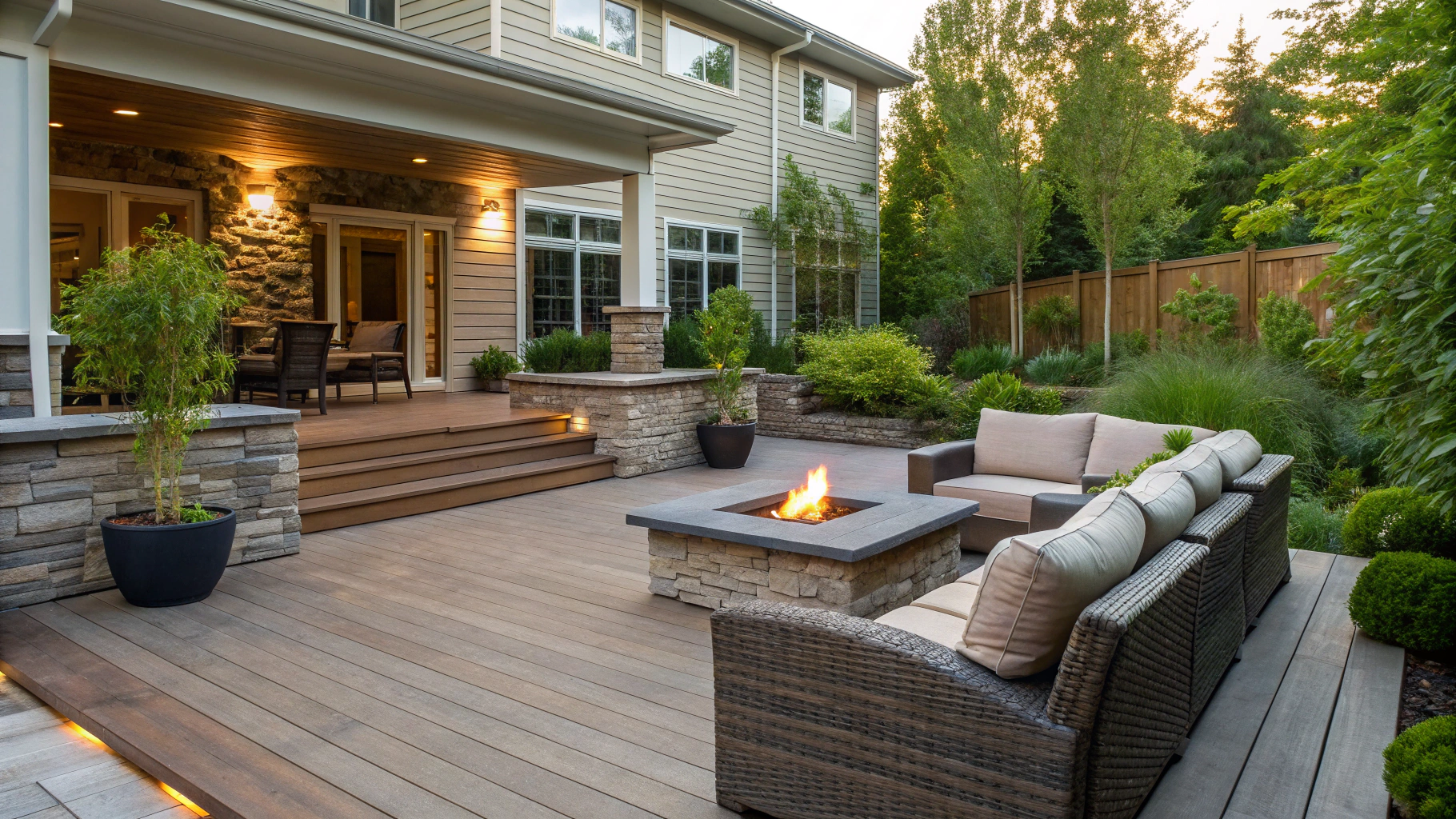
In England, a front porch extension does not need planning permission if it meets all of the following criteria. The external ground area must not exceed three square metres. No part of the porch can be more than three metres above ground level. No part of the porch can be within two metres of any boundary that faces a highway.
One important thing to note: the three square metre limit refers to the external ground area as seen from above, including any overhanging canopy or guttering. This is different to how most other extensions are measured, so it’s worth being aware of before you finalise your design.
When You Do Need Planning Permission
You will need to apply for planning permission if your porch exceeds any of the limits above, if your home is a listed building, if your property is in a conservation area or area of outstanding natural beauty, or if you live in a flat or maisonette rather than a house. Planning permission fees are currently around £258 in England, and decisions typically take six to eight weeks.
Building Regulations
Planning permission and building regulations are two separate things. Even if your porch doesn’t need planning permission, it may still need to comply with building regulations. Porches are usually exempt from building regulations approval if the existing front door between the house and porch remains in place, and the porch doesn’t affect any ramped or level access for disabled people. Always check with your local authority before starting work, as rules can vary.
How Much Does a Front Porch Extension Cost?
Cost is usually the first practical question after planning permission, so here’s an honest breakdown. In the UK, a typical porch extension costs between £3,500 and £15,000 depending on size, materials, and complexity. In the US, costs range roughly from $5,000 to $30,000 depending on the type of porch and your location.
Cost by Porch Type
| Porch Type | Typical UK Cost | Typical US Cost |
|---|---|---|
| Simple lean-to canopy | £1,500 to £4,000 | $3,000 to $8,000 |
| Timber framed open porch | £3,000 to £7,000 | $5,000 to $15,000 |
| Enclosed brick porch | £5,000 to £12,000 | $10,000 to $25,000 |
| Glass and steel porch | £7,000 to £15,000 | $15,000 to $30,000 |
| Wraparound porch | £10,000 to £25,000+ | $20,000 to $50,000+ |
What Affects the Cost
The main factors that drive porch extension costs up or down are the size of the structure, the materials you choose (uPVC is the most affordable, brick and oak are the most expensive), the complexity of the roof design, whether any groundwork or drainage is needed, and labour rates in your area. Urban areas typically have higher labour costs than rural ones.
Always get at least three quotes from local builders and make sure each quote covers the same scope of work so you’re comparing like for like.
Front Porch Extension Ideas by House Style
The best porch extension is one that looks like it was always part of the house. Here’s how to match your porch to your home’s architecture:


Victorian and Edwardian Homes
These homes suit classic enclosed porches with brick construction, tiled floors, stained glass panels in the door and side windows, and a pitched or gable roof. Original period details like decorative barge boards, corbels, and cast iron column bases look absolutely gorgeous and keep the extension feeling authentic.
Modern and Contemporary Homes
Clean lines, flat roofs, and frameless glazing are the order of the day here. A glass and steel lean-to porch or a slim canopy with large format paving and minimal detailing suits the architecture perfectly. Stick to a neutral palette and avoid any fussy ornamental details.
Cottage and Farmhouse Homes
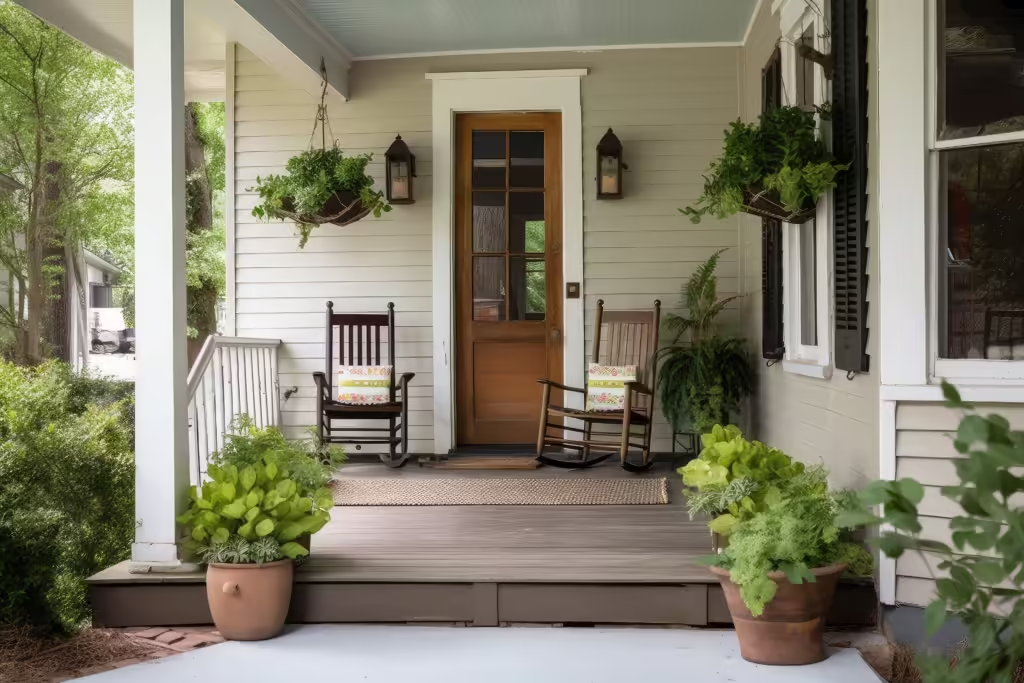
Oak framing, slate or clay tile roofing, reclaimed brick or stone, and climbing plants make a cottage porch feel completely at home. Keeping it open or semi-open with simple timber posts rather than fully enclosed works beautifully with this style. Add a boot scraper and a lantern and it’s perfect.
Colonial and Traditional American Homes
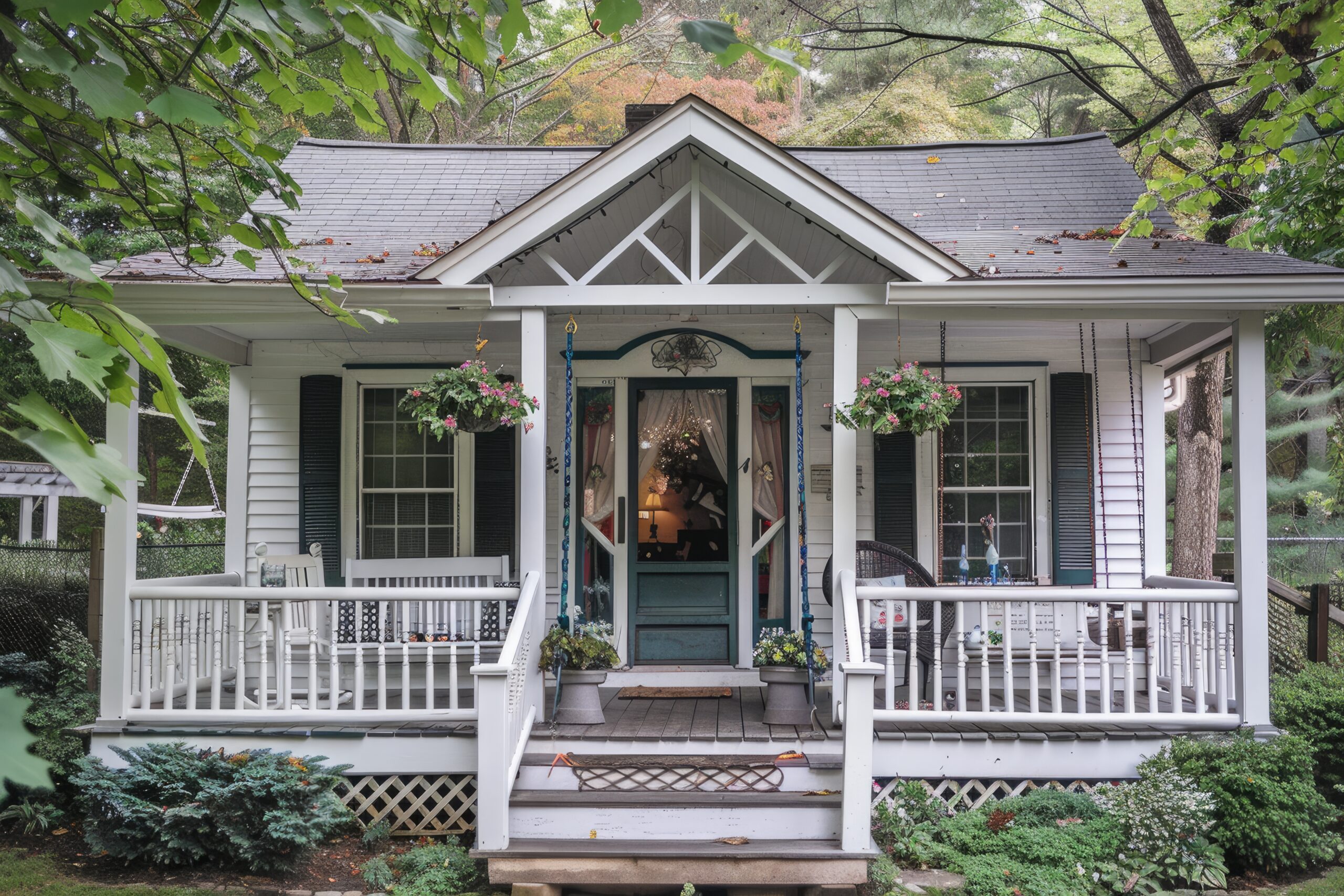
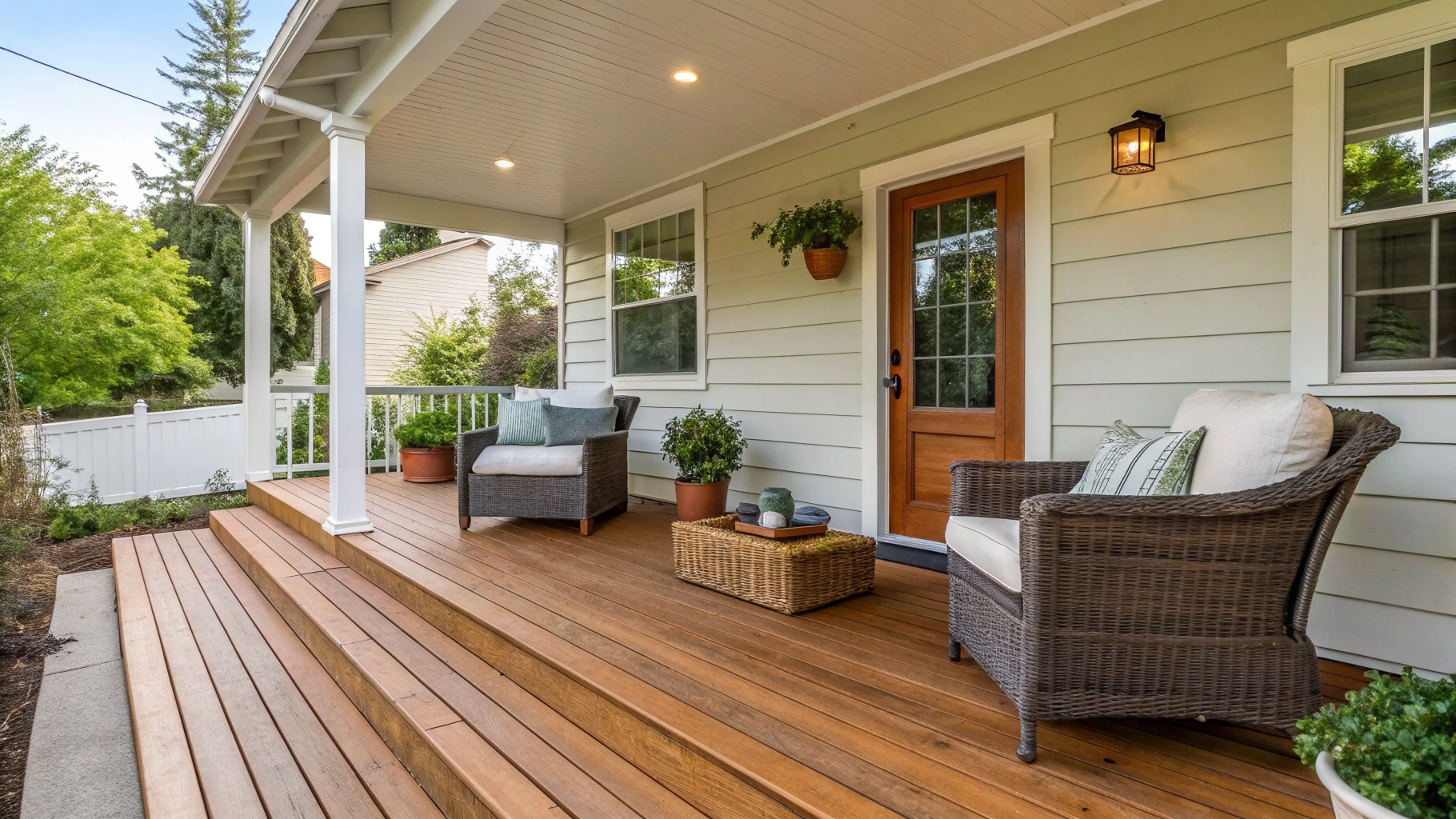
Wide, covered porches with white-painted timber columns, a gable or hipped roof, and a painted timber or composite deck floor are the classic choice here. A wraparound porch is the dream for this style of home and one of the most iconic architectural features in residential design.
New Build and Semi-Detached Homes
New builds often have very plain, flat frontages that cry out for a porch to add character. A simple gable-roofed porch in brick or render to match the existing house, with a panel door and good lighting, can completely transform the look for a very reasonable budget.
How to Style a Front Porch Extension
Getting the structure right is only half the job. How you finish and style a front porch extension is what takes it from a building project to something you genuinely love coming home to every day.
Choose the Right Front Door
Your front door is the centrepiece of your porch and the first thing anyone notices. A quality door in a considered colour, with good hardware, makes an enormous difference. Don’t be timid with colour here. A deep navy, forest green, rich burgundy, or glossy black door with brass or brushed gold hardware looks stunning against almost any porch material and immediately lifts the whole entrance.
Get the Flooring Right
Porch flooring takes a lot of traffic and needs to handle mud, wet shoes, and general wear. Porcelain tiles, encaustic cement tiles, quarry tiles, and natural stone all look beautiful and are very practical. If you want a warmer, more traditional look, Victorian-style geometric tiles in black and white are eternally stylish and work with a huge range of house styles.
Add Proper Lighting
Good lighting on a front porch extension is non-negotiable. A pendant lantern or wall-mounted lantern on either side of the door is the classic approach and it works brilliantly. Make sure your lights are weatherproof and choose a warm white bulb temperature (2700 to 3000K) for the most welcoming, inviting glow. If your porch has a ceiling, a flush-mount outdoor fitting prevents any water ingress issues.
Use the Space for Storage
An enclosed porch is a golden opportunity to solve the eternal hallway problem of coats, shoes, bags, and general clutter. Built-in bench seating with storage underneath, wall hooks at different heights for adults and children, and a small shelf or console table for keys and post turn a porch into the hardest-working space in the house.
Add Greenery
Plants on a front porch make it feel genuinely alive and welcoming. A pair of large planters flanking the door with topiary balls, bay trees, or seasonal planting is the classic approach. Climbing plants on a trellis or winding around porch columns soften the structure beautifully over time. Even a simple window box on a porch sill adds an enormous amount of charm.
Common Mistakes to Avoid With a Front Porch Extension
Choosing Materials That Don’t Match the House
This is the most common and most visible mistake. A uPVC porch bolted onto a Victorian brick terrace, or a timber porch on a modern rendered new build, looks completely out of place and can actually detract from your home’s value rather than adding to it. Always match your porch materials to the existing house as closely as possible.
Making It Too Small
It’s tempting to go small to stay within permitted development limits, but a porch that’s too tiny to be functional is a missed opportunity. Three square metres is the permitted development threshold, and a well-planned three square metre enclosed porch can genuinely transform how your home works day to day.
Ignoring the Ceiling Height
A low ceiling on an enclosed porch feels cramped and unwelcoming. Aim for a minimum of 2.1 metres of internal headroom. If your design allows it, higher is always better.
Skimping on the Door
The new front door on your porch is doing a huge amount of visual heavy lifting. Choosing a cheap, lightweight door because it’s the most affordable option will undermine everything else you’ve invested in. It’s worth spending properly on a good quality door with solid hardware.
Not Thinking About Storage From the Start
If you’re building an enclosed porch, think about storage before the build rather than after. Built-in benches, niches, and hooks are infinitely better than freestanding furniture added as an afterthought in a small space.
Here are 13+ front porch extension ideas for more space that are not only practical but also multifunctional.
1. Glass-Covered Porch Extension

Source: Richard Kiely
Is anyone really gonna attempt to grow an actual garden in this climate? It’s quite impossible. This glass-covered porch extension would be perfect to grow your garden outdoors while still being in a controlled environment.
2. Add Some Steps

Source: Richard Parsons

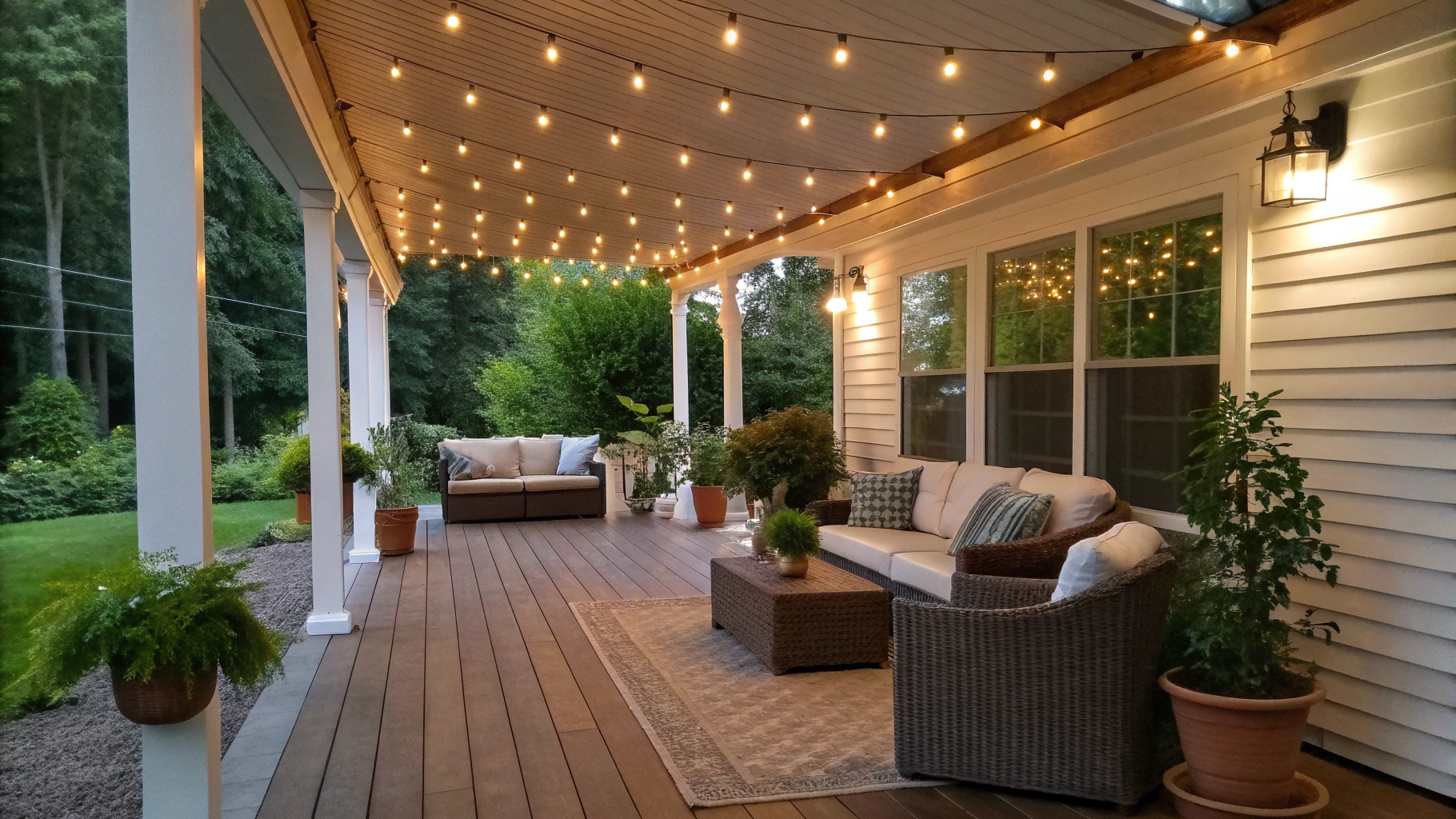
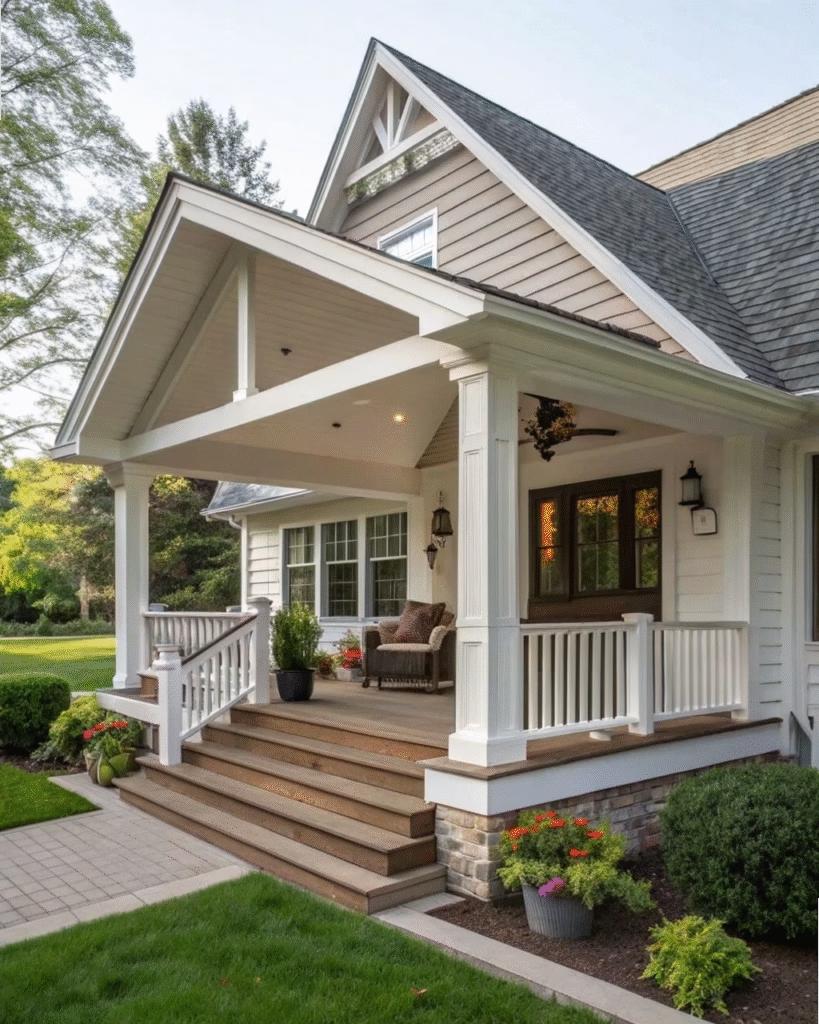
We’re absolutely horrified seeing all the floods taking over cities these days. If there’s one thing we learned from this scenario, it’s that we should for sure build our houses higher than ground level. You should add some steps as a starter to make that happen.
3. Push the Door Out

Source: Stay Warm Energy
If you’re living in a super cold country, the last thing you want is to let all that cold air enter your warm home when the door opens. The best thing we can recommend is that you should literally push your front porch out and get another door installed so there’s a two-way block for air.
4. Get a Front Porch Canopy Roof

Source: Alistair Nicholls
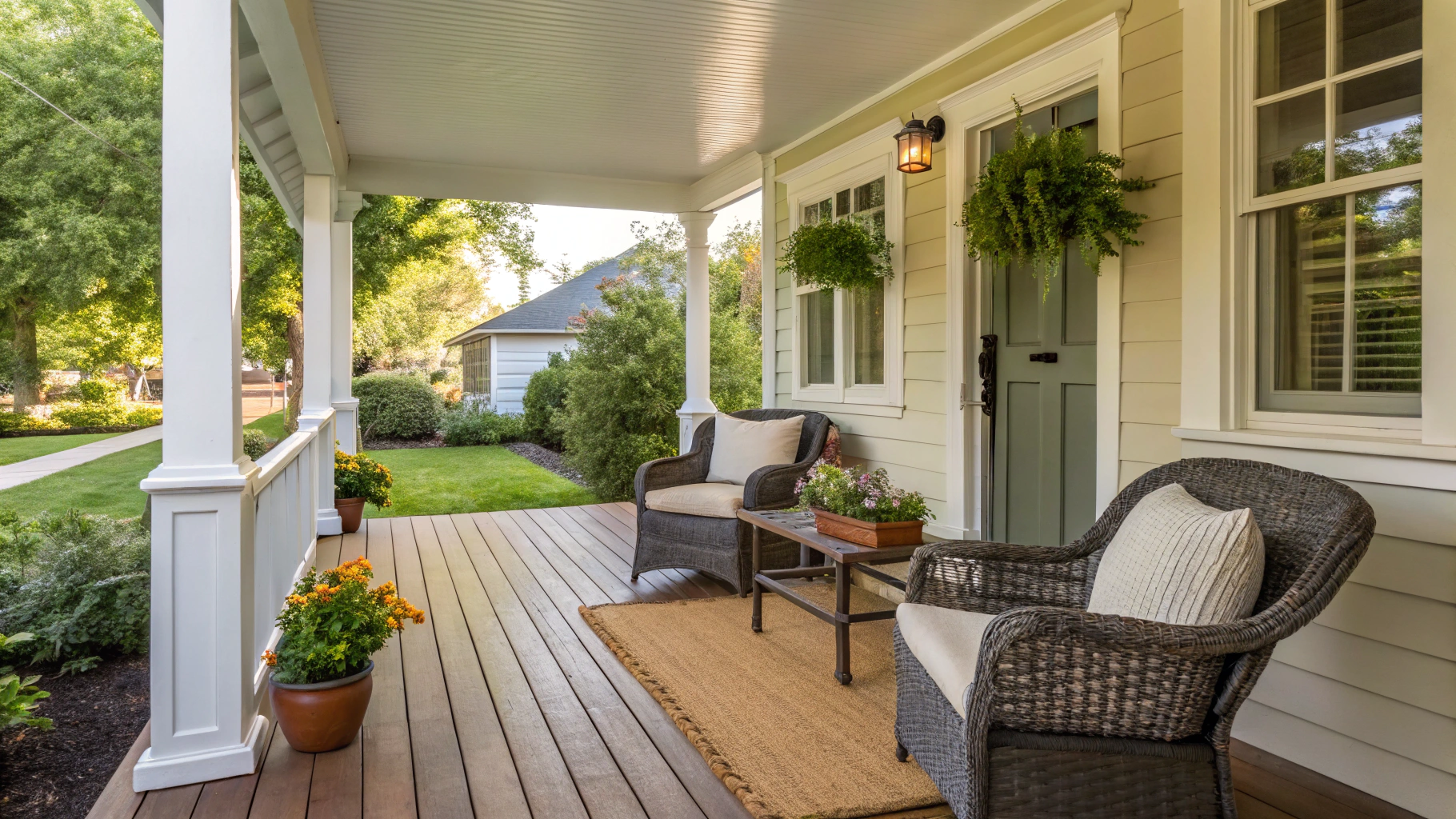
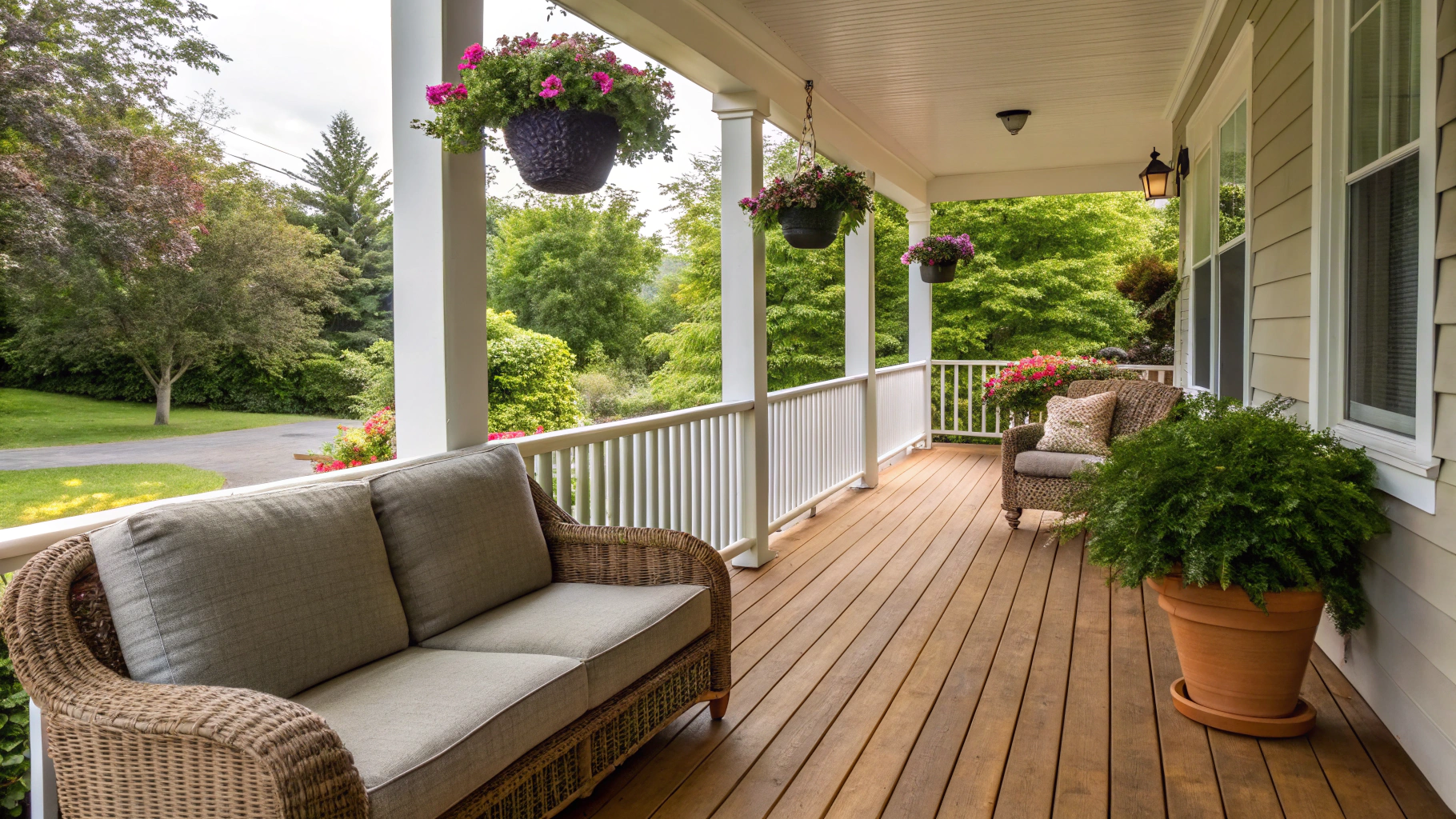

If your front porch door is literally the only thing on your porch without any space for anything else, you should for sure extend your front porch with a canopy roof. This way, you get more floor space and a super cute canopy to go with it.
5. The Contemporary Extension

Source: Simon Maxwell
We actually couldn’t believe our eyes when we saw how this house owner extended their front porch to make their entrance a glass walkway. You could totally do the same if you’ve got some room to work with and a good budget in your pocket.
6. Build an Oak Porch Arch

Source: Welsh Oak Frame
If you’re looking for more of a vintage look, you should for sure build an oak porch arch extension. This idea literally changes the look of your entire home while also bringing in more space for you to put literally anything you want on your porch.
7. The Weather-Proof Extension

Source: Inside No 8
If your front porch has no roof and you’re literally struggling with the weather in your area, you should for sure weatherproof your front porch extension. The best way to do this is by building a literal roof that is tilted on one side so snow and rain can just pour down easily.
8. Extend Your Windows

Source: Our Home by The River
Most homes don’t have the best-looking windows. If you’re totally in love with yours, why not extend it to your front porch door so it matches perfectly? This is a great front porch extension idea if you can’t seem to make up your mind.
9. Add a Fancy Brickwork Arch

Source: A House Reborn
This fancy brickwork arch totally reminds us of some ancient regal hallway we’ve seen in movies every now and then. We’re gonna say this now so you don’t get a heart attack, but these are actually really cheap to make if you get a good carpenter who really knows what they’re doing.
10. A Corner Porch Extension

Source: Houzz
Let’s be real. Every house has a bad side if you really look closely. One of our pet peeves is a really badly done corner front door. If you’ve got a front door that’s literally at the corner of your house, you should extend it a little outward and rebuild the door so it finally comes out the way you want.
11. An Entirely New Front Porch

Source: Niche Design Architects
Let’s say your house literally never had a front porch to begin with. All you had was a door that opened to your house. You could totally build an entirely new front porch so you don’t miss out on the experience. The best part? Your packages would look super cute on it too!
12. An Extended Living Room

Source: Niche Design Architects
If you’re someone who always has guests over like literally all the time, there’s nothing better you could do than get a front porch extension that’s really just an extended living room. Bonus points if you get it in all-glass so you can enjoy the outdoors while being inside.
13. The Aesthetic Entryway

Source: Nathan Schroder
We obviously had to save our absolute fav for last. If you get a front porch extension, you could totally have enough space to get the aesthetic entryway of your dreams. You could have an entry table in the middle that is perfect for greeting guests with a show of love.

- What to Do With a Linen Closet You Don’t Actually Need - March 30, 2026
- How to Organize a Linen Closet So It Doesn’t Fall Apart in a Week - March 30, 2026
- How to Style an Open Pantry So It Looks Good, Not Chaotic - March 30, 2026