How to Decorate the Wall Under Stairs Without Building Anything (2026 Guide)
The space under the stairs is one of those areas that most decorating advice completely overcomplicates. Search for under stair ideas and within seconds you are looking at custom built-in libraries, elaborate wine cellars, home offices with fitted joinery, and bespoke storage solutions that require a contractor, a permit, and a budget that most people simply do not have.
But what if you just want to make that wall look good without building a single thing? What if you are renting and cannot make permanent changes? What if the budget is tight but the wall is driving you crazy every time you walk past it? What if you just want something that looks intentional and beautiful without a weeks-long renovation project?
This guide is entirely about that. No building. No contractors. No fitted joinery. No custom cabinetry. Just smart, creative, achievable decorating ideas for the wall under your stairs that you can do yourself, often in a single afternoon, with tools you already own or can pick up for next to nothing.
Why the Wall Under the Stairs Gets Neglected
Before getting into ideas it is worth understanding why this wall gets ignored so consistently. The under stair wall is an awkward shape. It has a diagonal upper edge that follows the slope of the staircase above it which means it does not behave like a normal rectangular wall. Standard decorating advice does not quite fit it. The space is often dark. It is sometimes in a high-traffic area which makes people feel like anything placed there will get damaged or be in the way. And because it is not a room in its own right it tends to fall into the gap between spaces that get proper decorating attention.
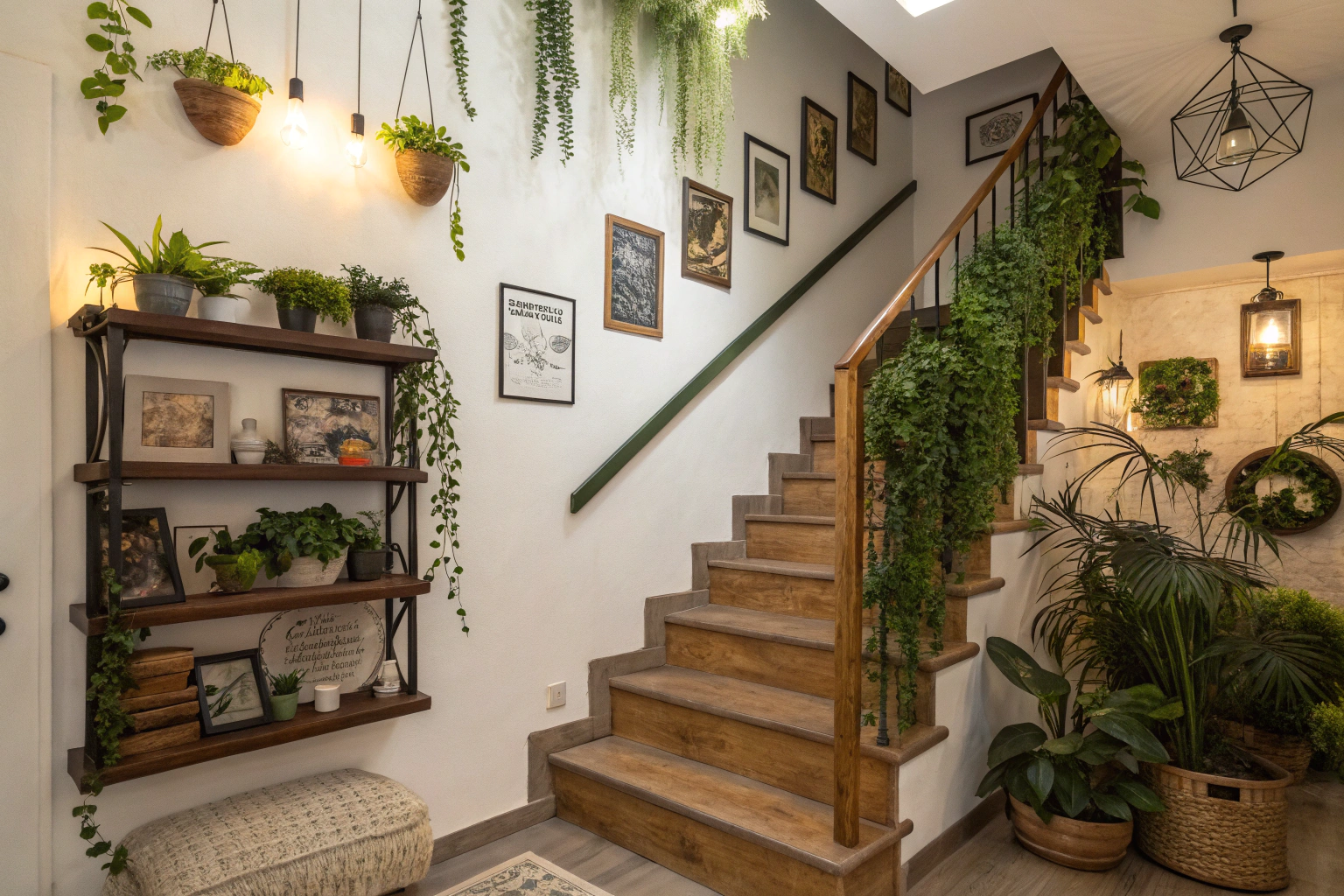
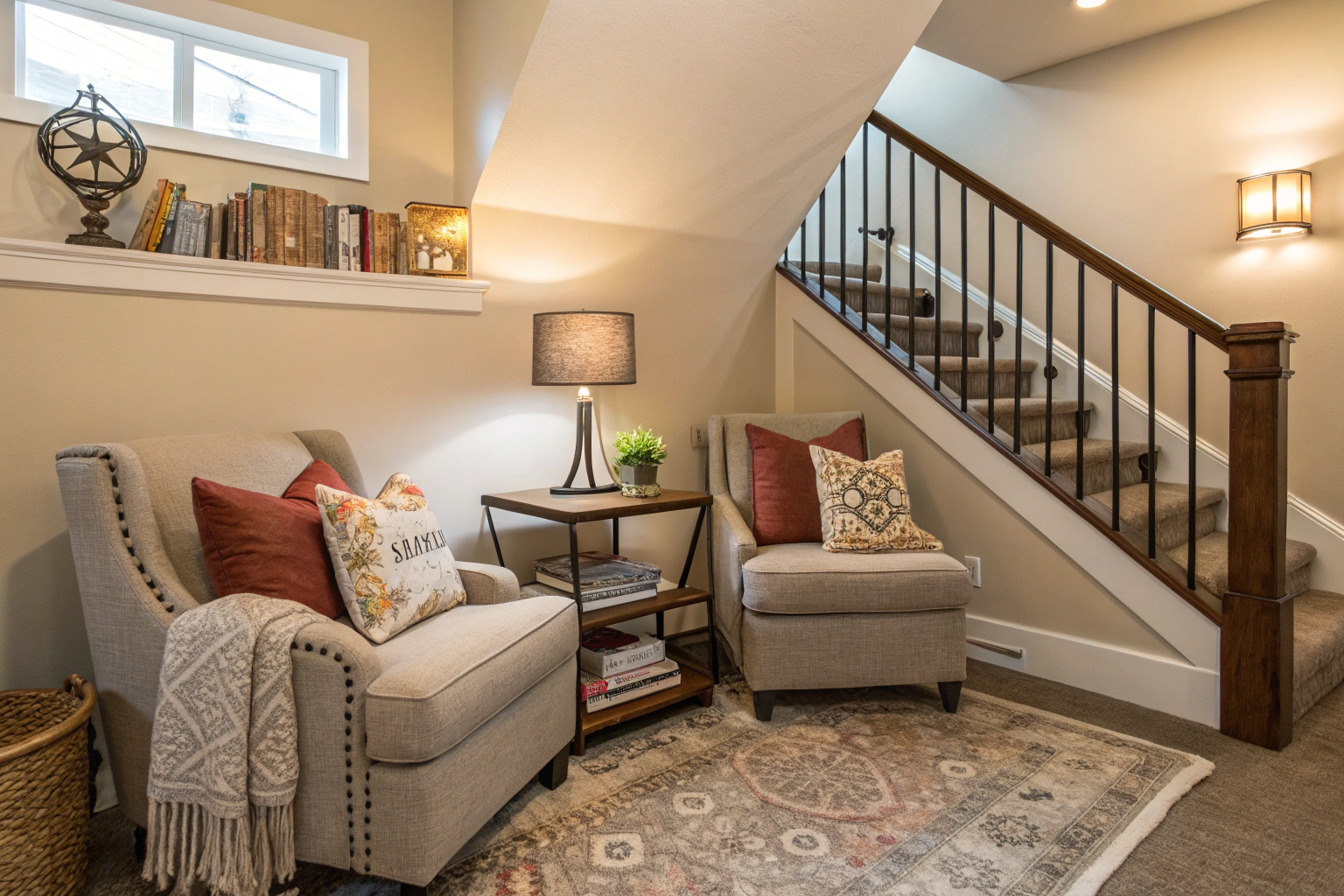
The result is that most under stair walls end up bare and beige or covered in scuffs and marks because nobody ever quite decided what to do with them. Which is a genuine shame because this wall is often one of the first things you see when you walk into a home and it has far more potential than most people ever tap into.
1. Create a Gallery Wall That Works With the Diagonal
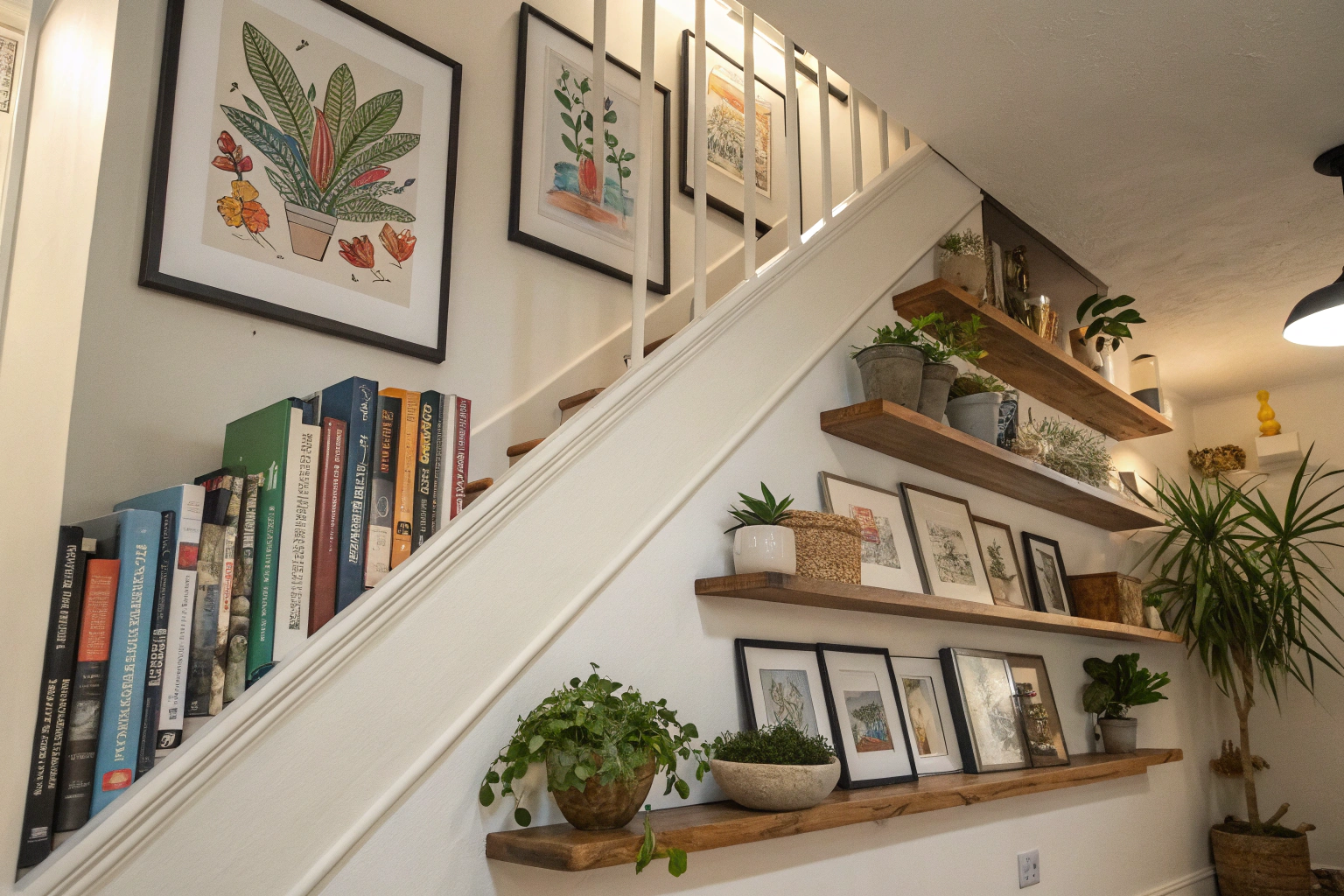
The wall under the stairs is one of the best locations in the entire home for a gallery wall. The diagonal upper edge created by the underside of the staircase actually gives you something most gallery walls lack which is a natural boundary that contains and shapes the arrangement. Instead of fighting the diagonal, design with it.
How to Plan the Gallery Wall
The key is letting the diagonal edge of the staircase guide the top line of your arrangement. Your frames should step downward as the wall gets lower following the slope of the stairs above. Think of the diagonal as the ceiling of your gallery wall and keep your frames below it with a consistent gap between the top of the highest frame and the underside of the stairs.
Use the paper template method before hanging a single frame. Cut pieces of paper or brown craft paper to the exact dimensions of each frame you plan to hang. Tape them to the wall with painter’s tape. Step back and look. Live with the paper layout for a day. Move pieces around until the arrangement feels right. Only then do you pick up a nail or a picture hook.
What to Hang
Mix frame sizes for the most visually interesting result. Larger frames toward the taller end of the wall where you have the most space, smaller frames toward the lower end where the ceiling gets tight. Keep frames in a consistent color family, all black, all white, all natural wood, or a combination of two complementary finishes. The contents can vary as much as you like. Family photographs, art prints, botanical illustrations, abstract pieces, small mirrors, even postcards in simple frames all work beautifully together when the frames themselves have cohesion.
The Diagonal Arrangement Specifically
One approach that works particularly well under stairs is a true diagonal arrangement where the frames step down the wall at roughly the same angle as the staircase above. This creates a strong visual echo between the architecture and the art which feels harmonious and intentional. Another approach is to fill the wall more densely with a cluster of frames that respects the diagonal boundary at the top but fills the space below it generously and abundantly. Both work well and the choice depends on your personal style and how much wall space you are working with.
2. Paint the Wall a Bold Color or Add a Mural
This is the decorating move that costs the least and delivers the most drama. Painting the under stair wall a completely different color from the surrounding walls immediately defines it as its own intentional space. It creates a frame within a frame, drawing attention to the architectural shape of the area and making it feel like a designed feature rather than an overlooked corner.
Choosing the Right Color
The under stair wall is one of those locations where you can be bolder than you would dare to be in a full room. Because the area is contained and relatively small, a deep or dramatic color feels exciting and jewel-like rather than overwhelming. Forest green is a perennially beautiful choice that makes the space feel grounded and lush. Deep navy gives it a moody, sophisticated quality. Terracotta or burnt orange adds warmth and an earthy richness. Dusty rose or blush adds softness and a gentle unexpectedness that works beautifully in traditional or eclectic homes.
In 2026 the most popular under stair paint choices lean toward deep, saturated tones that create contrast with the surrounding hallway or living space. The goal is for the under stair wall to feel like a deliberate accent rather than something that just happens to be there.
Painting the Ceiling Too
If the underside of the staircase above the wall is accessible and paintable, painting it the same color as the wall creates a fully enveloping, cocooning effect. The diagonal ceiling and the wall below it become one unified surface in a single rich color which looks extraordinary and requires nothing more than a tin of paint and a brush.
A Hand-Painted Mural
A painted mural on the under stair wall is one of the most personal and impactful things you can do in a home. It does not require professional skill. Simple murals, a painted arch, a large-scale botanical branch, a geometric pattern, a sun or moon motif, or a simple landscape scene, are achievable for most people with a steady hand and a bit of patience. There are also peel-and-stick mural panels available in 2026 that require no painting skills at all and can be removed cleanly when you want a change.
3. Hang Mirrors to Brighten and Expand the Space
The under stair area is frequently dark and enclosed. A mirror or a collection of mirrors on the under stair wall solves this problem beautifully while also making the space feel significantly larger and more open than it actually is.
One Large Mirror
A single large mirror hung on the under stair wall is the most impactful option. It reflects light from the hallway or room into what is often one of the darker corners of the home and creates a visual depth that makes the whole area feel less closed in. An arched mirror works particularly well here because the curved top echoes the diagonal of the staircase in a softer, more organic way. A full-length leaner mirror propped against the under stair wall rather than hung is an even simpler option that requires no tools at all and looks deliberately casual and styled.
A Collection of Mirrors
Multiple mirrors in different shapes and sizes arranged on the under stair wall like a gallery creates a collected, eclectic feel that is both beautiful and practical. Round mirrors, oval mirrors, arched mirrors, and small rectangular mirrors mixed together in a thoughtful arrangement reflect light from multiple angles and create a dynamic, interesting wall that would not look out of place in a boutique hotel. Keep the frames in a consistent finish, all brass, all black, all white, or a mix of antique-style finishes, for cohesion.
Mirrors Combined With Art
A mirror as the centerpiece of an under stair gallery wall, surrounded by framed art prints, is a combination that works particularly well in this location. The mirror anchors the arrangement and adds light while the art adds personality and color. The two elements together create something more interesting and layered than either would on its own.
4. Style It as a Reading Nook Display Without Any Building
This is one of the most popular under stair decorating ideas in 2026 and the clever part is that you can create the look and feel of a cozy reading nook display without building a single shelf or installing any fitted furniture.
How to Create the Look Without Building
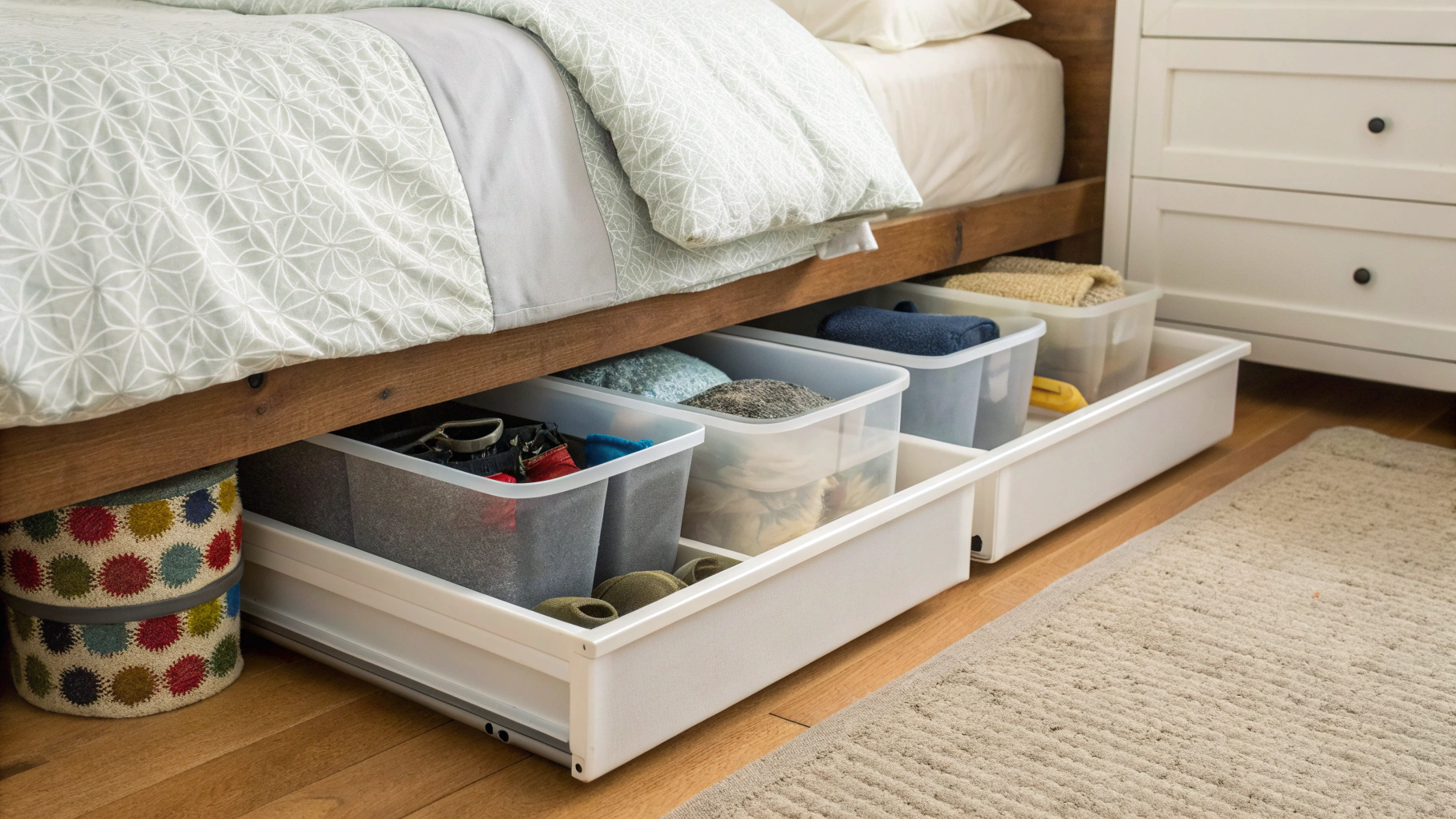
Place a freestanding floor lamp in the corner where the wall height is greatest. Add a comfortable chair or pouffe directly against the under stair wall. Lean a large mirror or oversized art print against the wall behind the chair rather than hanging it. Add a small freestanding side table beside the chair for a book and a drink. Put a plant in a pot on the floor. Layer a rug underneath everything to define the space and add warmth.
None of these elements require any building, any drilling beyond perhaps a single hook for the lamp cord, or any permanent changes to the wall or space. But together they create an intentional, styled nook that looks like it was designed specifically for that location. The under stair wall becomes the backdrop for a vignette rather than a problem to be solved.
Adding Wall Elements Above the Seating
Once you have the furniture arrangement in place, the wall above it becomes an obvious place for a few carefully chosen hanging elements. A single large print or mirror directly above the chair, hung at a comfortable height for someone sitting beneath it, anchors the arrangement to the wall. One or two additional smaller frames on either side complete the picture. The result looks layered, lived-in, and genuinely beautiful.
5. Use Peel and Stick Wallpaper for Maximum Impact
Peel-and-stick wallpaper on the under stair wall is one of the best decorating decisions you can make in this space. The reasons are numerous. The area is small so even premium wallpaper is affordable here. The contained shape of the under stair wall makes it a manageable first wallpaper project. The diagonal edge at the top means you will need to cut the paper at an angle but this is entirely achievable with careful measuring and a sharp craft knife. And the transformation is immediate and dramatic.
What Pattern to Choose
The under stair wall suits almost any wallpaper pattern but some work particularly well. A large-scale botanical or jungle print creates a lush, immersive quality that feels like a secret garden tucked beneath the stairs. A classic geometric pattern in bold colors adds graphic energy and a modern confidence. A grasscloth or linen texture adds warmth and depth without overwhelming the space with pattern. A mural-style wallpaper, a painted sky, a woodland scene, a mountain landscape, turns the entire under stair wall into a work of art.
In 2026 maximalist botanical prints and earthy textural wallpapers are both particularly popular for under stair walls because they transform what is usually a blank, forgotten surface into the most interesting wall in the home.
Peel and Stick for Renters
The removable nature of peel-and-stick wallpaper makes it the perfect solution for renters who want to transform the under stair wall without making permanent changes. Applied carefully and removed gently, quality peel-and-stick wallpaper leaves walls completely undamaged. This makes it one of the most genuinely useful innovations in interior decorating of recent years.
6. Create a Plant Wall or Green Display
If you love plants, the wall under the stairs is a genuinely wonderful location for a green display. The triangular shape of the space suits a layered, varied arrangement of plants at different heights and the organic forms of the plants soften the hard geometry of the staircase architecture beautifully.
Freestanding Plants of Different Heights
You do not need to mount anything to the wall to create a beautiful plant display under the stairs. A selection of freestanding plants in varying heights placed against the wall creates an instant green corner that looks lush, abundant, and alive. A tall fiddle leaf fig or monstera at the back where the ceiling is highest. Medium plants like a snake plant or peace lily in the middle. Small trailing plants in pots on the floor at the front where the ceiling gets low.
The varying heights naturally follow the diagonal line of the staircase and the result looks like the plants were made for that exact space.
Wall-Mounted Planters With No Damage
Removable adhesive wall hooks rated for the appropriate weight can hold lightweight wall-mounted planters without putting permanent holes in the wall. In 2026 there are beautiful ceramic and woven wall planters specifically designed to work with adhesive mounting. A series of these along the under stair wall, planted with trailing pothos, string of pearls, or small succulents, creates a living wall installation that is genuinely stunning and entirely removable.
A Single Statement Plant
If a full plant display feels like too much, a single large statement plant in a beautiful pot placed in the corner of the under stair space is enough to completely transform the feeling of the area. A large monstera, an olive tree, a bird of paradise, or a dramatic fiddle leaf fig placed deliberately against the under stair wall becomes a sculptural element that does more for the space than almost any hung or built solution.
7. Add Lighting to Make the Space Come Alive
The wall under the stairs is almost always underlit and this is a big part of why it feels neglected and uninviting. Adding lighting to the space costs very little, requires no building, and makes a transformation that is honestly hard to believe until you see it.
Battery-Operated Wall Sconces
Battery-operated or rechargeable wall sconces mounted with adhesive or small removable hooks are one of the best options for under stair wall lighting in 2026. They require no electrician, no wiring, and no permanent fixture installation. Position one or two sconces on the under stair wall at a comfortable height and the warm, atmospheric light they cast immediately makes the space feel welcoming and intentional.
LED Strip Lights Along the Staircase Edge
LED strip lights adhered along the underside edge of the staircase, the diagonal line where the stairs meet the wall above, cast a warm downward glow onto the under stair wall that creates a beautiful, soft illumination. This is a particularly effective technique when the under stair wall has been painted a rich color or covered in wallpaper because the light reveals the color and texture beautifully.
A Floor Lamp
The simplest solution is often the most effective. A floor lamp placed in the under stair space, positioned in the corner where the ceiling is at its highest, adds warm atmospheric light and a decorative element at the same time. A sculptural lamp base in brass, ceramic, or natural rattan adds character and style while solving the lighting problem completely.
Fairy Lights or String Lights
For a softer, more whimsical approach, a string of warm white fairy lights draped along the underside of the staircase edge or hung from a simple hook on the under stair wall adds a magical quality to the space that is particularly beautiful in the evening. This works especially well if the under stair area has been styled as a reading nook or a plant display.
8. Lean Things Rather Than Hang Them
One of the simplest and most underrated decorating approaches for any wall is leaning things against it rather than hanging them. Under stair walls are particularly well-suited to this approach because the space is often enclosed enough that leaned items stay put naturally and the casual, relaxed quality of leaned décor suits the informal character of the space.
What to Lean Against the Under Stair Wall
A large framed mirror leaned against the wall has already been mentioned but it bears repeating because it is one of the most effortless and effective solutions for this space. A large unframed canvas or art print leaned against the wall looks deliberately artistic and avant-garde. A collection of framed prints of different sizes leaned in layers against the wall creates a styled, gallery-like display without a single nail. A decorative ladder leaned against the wall adds a rustic, organic element and can hold throws, bags, or small plants on its rungs.
Layering Leaned Items
The most sophisticated version of this approach involves layering leaned items at different heights and depths. A large mirror at the back. A medium framed print leaned in front of it slightly to one side. A small plant or decorative object on the floor in front of both. This layered, vignette approach creates a display that looks styled and intentional and is entirely flexible since nothing is fixed to the wall.
9. Hang a Tapestry or Textile
A large textile hung on the under stair wall is one of the most underused and most beautiful options for this space. Tapestries, woven wall hangings, macramé pieces, and fabric panels add texture, warmth, and color in a way that flat art prints simply cannot.
Why Textiles Work So Well Here
The under stair wall is often a hard, cold surface in an area that gets a lot of foot traffic. A textile introduces softness and warmth that makes the space feel more human and welcoming. Textiles also handle the awkward diagonal edge of the under stair space gracefully since they can be cut or trimmed to fit the angle without any of the precision required when hanging framed art near the diagonal.
What Kind of Textile to Choose
A woven tapestry in earthy tones, geometric patterns, or abstract designs adds warmth and an artisanal quality that suits both modern and traditional homes. A large macramé wall hanging brings bohemian texture and organic movement. A vintage or kilim-style textile adds color and cultural richness. A simple linen or cotton panel in a beautiful color or with a subtle print is a quieter, more minimal option that still adds warmth and softness.
How to Hang a Textile Without Damage
A wooden dowel rod threaded through a sleeve at the top of the tapestry, suspended from two small hooks or a single central hook in the wall, is the most common and cleanest method. Adhesive hooks rated for the appropriate weight are a damage-free alternative that works well for lighter textiles.
10. Style a Vignette on the Floor Against the Wall
Sometimes the most effective thing you can do with an under stair wall is not something on the wall at all but something against it. A well-styled floor vignette placed directly against the under stair wall creates a display that draws the eye, fills the space, and requires no tools, no holes, and no permanent changes whatsoever.
What Goes Into a Floor Vignette
Think of a floor vignette as a small, curated scene. A large plant in a beautiful pot is usually the anchor. Add a stack of beautiful books or a small stool beside it. Lean a large framed print or mirror against the wall behind the plant. Add a small decorative object like a ceramic vase, a sculptural piece, or a lantern at the base. Layer a small rug underneath everything to ground the arrangement.
The key to a floor vignette that looks designed rather than random is varying height. Tall elements at the back, medium elements in the middle, low elements at the front. This layering creates depth and visual interest that a flat arrangement simply cannot achieve.
Seasonal Flexibility
One of the great advantages of a floor vignette is how easy it is to change seasonally. Swap the plant for a different one. Change the decorative object. Replace the print with something different. Add seasonal elements like dried botanicals in autumn, bare branches in winter, or fresh flowers in spring. The under stair wall becomes a rotating display that keeps the home feeling fresh and considered throughout the year.
Conclusion
The wall under your stairs does not need a contractor, a carpenter, or a custom joinery budget to look beautiful. It does not need built-in shelves, a fitted wine rack, or a bespoke home office installation. What it needs is intention. A decision that this wall is going to be something rather than nothing. And then a few well-chosen, well-executed decorating moves that work with the space rather than against it.
In 2026 there are more creative, affordable, and renter-friendly ways to decorate the under stair wall than ever before. A bold paint color or peel-and-stick wallpaper transforms the surface itself. A gallery wall of mixed frames turns it into a personal art display. Mirrors add light and depth. Plants add life. Textiles add warmth. A floor vignette adds dimension. Lighting adds atmosphere. And leaning things rather than hanging them gives you flexibility and a casual elegance that perfectly suits the informal character of the space.
You do not have to do all of it. Pick one or two ideas that resonate with you and your home and execute them well. That is always better than attempting everything and doing nothing particularly well. The under stair wall has been waiting for attention. Give it some and it will reward you every single time you walk past it.
Frequently Asked Questions (FAQs)
How do you decorate the wall under stairs without drilling?
Use adhesive hooks rated for appropriate weights to hang lightweight frames, mirrors, and planters. Lean large mirrors, art prints, and frames against the wall rather than hanging them. Use peel-and-stick wallpaper to transform the wall surface. Place freestanding plants, lamps, and decorative objects on the floor against the wall. Battery-operated sconces mounted with adhesive strips add lighting without any wiring or drilling. All of these approaches create a beautifully decorated under stair wall without a single permanent hole.
What is the best thing to put on an under stair wall?
It depends on what the space needs most. If it feels dark and small, a large mirror or a collection of mirrors is the most effective choice. If it feels bare and unloved, a gallery wall of mixed frames or a bold paint color makes the biggest immediate impact. If it feels cold and unwelcoming, a textile wall hanging or a plant display adds warmth and life. The best choice is the one that addresses the most pressing problem the space has while also reflecting your personal style.
Can you put wallpaper on an under stair wall?
Absolutely and it is one of the most transformative things you can do in this space. Peel-and-stick wallpaper is particularly good for under stair walls because it is removable, affordable for a small area, and available in a huge range of beautiful patterns and textures. The main challenge is cutting the paper neatly at the diagonal upper edge where the staircase meets the wall. Measure carefully, use a sharp craft knife, and take your time with this cut for the cleanest result.
How do you hang art on the wall under stairs when the top edge is diagonal?
Let the diagonal guide your arrangement rather than fighting it. Keep the tops of your highest frames below the diagonal edge with a consistent gap between the frame and the underside of the staircase. Use the paper template method, taping paper cut-outs of your frames to the wall before hanging anything, to plan the arrangement. As a general rule frames should step downward as the wall gets lower following the slope of the stairs and maintaining consistent spacing between all frames throughout.
What colors work best for the wall under stairs?
Deep, saturated colors work particularly well on under stair walls because the contained, small nature of the space makes bold color feel exciting rather than overwhelming. Forest green, deep navy, terracotta, dusty rose, and rich ochre are all beautiful choices in 2026. If you prefer something lighter, a warm off-white or soft sage that contrasts gently with the surrounding walls is a more subtle but still intentional approach. Avoid leaving it in the same color as the surrounding walls if you want the space to feel designed rather than overlooked.
Can renters decorate the wall under stairs?
Yes very effectively. Peel-and-stick wallpaper transforms the surface without permanent damage. Adhesive hooks and strips rated for appropriate weights hang lightweight frames, mirrors, and planters without drilling. Leaned mirrors and art prints require no wall attachment at all. Battery-operated sconces add lighting without wiring. Freestanding plants, lamps, and floor vignettes require no wall contact whatsoever. Renters have more options for decorating this space than almost any other wall in the home.
How do you make a dark under stair wall feel brighter?
Start with lighting. A floor lamp, battery-operated wall sconces, or LED strip lights along the staircase edge all add warmth and brightness to what is usually a dark area. Add a large mirror or collection of mirrors to reflect whatever light is available. Paint the wall a warm light color if it is currently a dark or dull tone. Keep any floor vignette or plant display uncluttered so the space does not feel more enclosed than it already is.
What plants work well in the under stair space?
Choose plants based on your light conditions. If the under stair area gets some natural light, a fiddle leaf fig, monstera, or bird of paradise all make beautiful statement plants. If the space is quite dark, snake plants, ZZ plants, and pothos are the most reliable choices since they handle low light conditions very well. Peace lilies also manage well in lower light and add beautiful white blooms. For wall-mounted planters, trailing pothos and string of pearls are both excellent choices that handle varying light conditions gracefully.
- Why Pantry Organization Never Lasts (And What Actually Works) - March 26, 2026
- How to Organize a Pantry That Has No Shelves (2026 Guide) - March 26, 2026
- How to Style a Staircase Landing as a Reading Nook Without Renovation (2026 Guide) - March 26, 2026