15+ Japandi Style Interior Makeover Ideas
Japandi design blends the simplicity of Scandinavian style with the serenity of Japanese aesthetics.
The result is a home that feels warm, minimal, natural, and deeply calming.
If you’re drawn to clean lines, soft textures, natural materials, and mindful living, these Japandi makeover ideas will help you create a space that feels peaceful and beautifully intentional.
1. Choose a Soft Neutral Color Palette
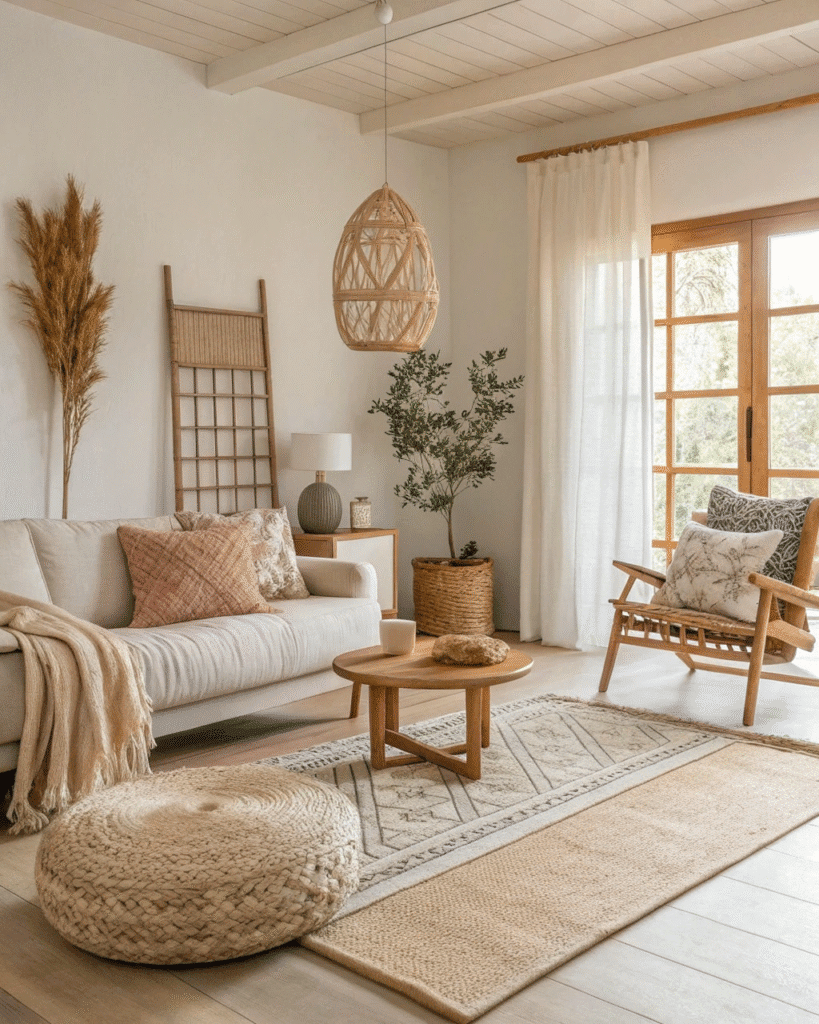
Japandi homes lean into warm whites, beige, taupe, muted clay, and soft gray to create an inviting, grounded atmosphere.
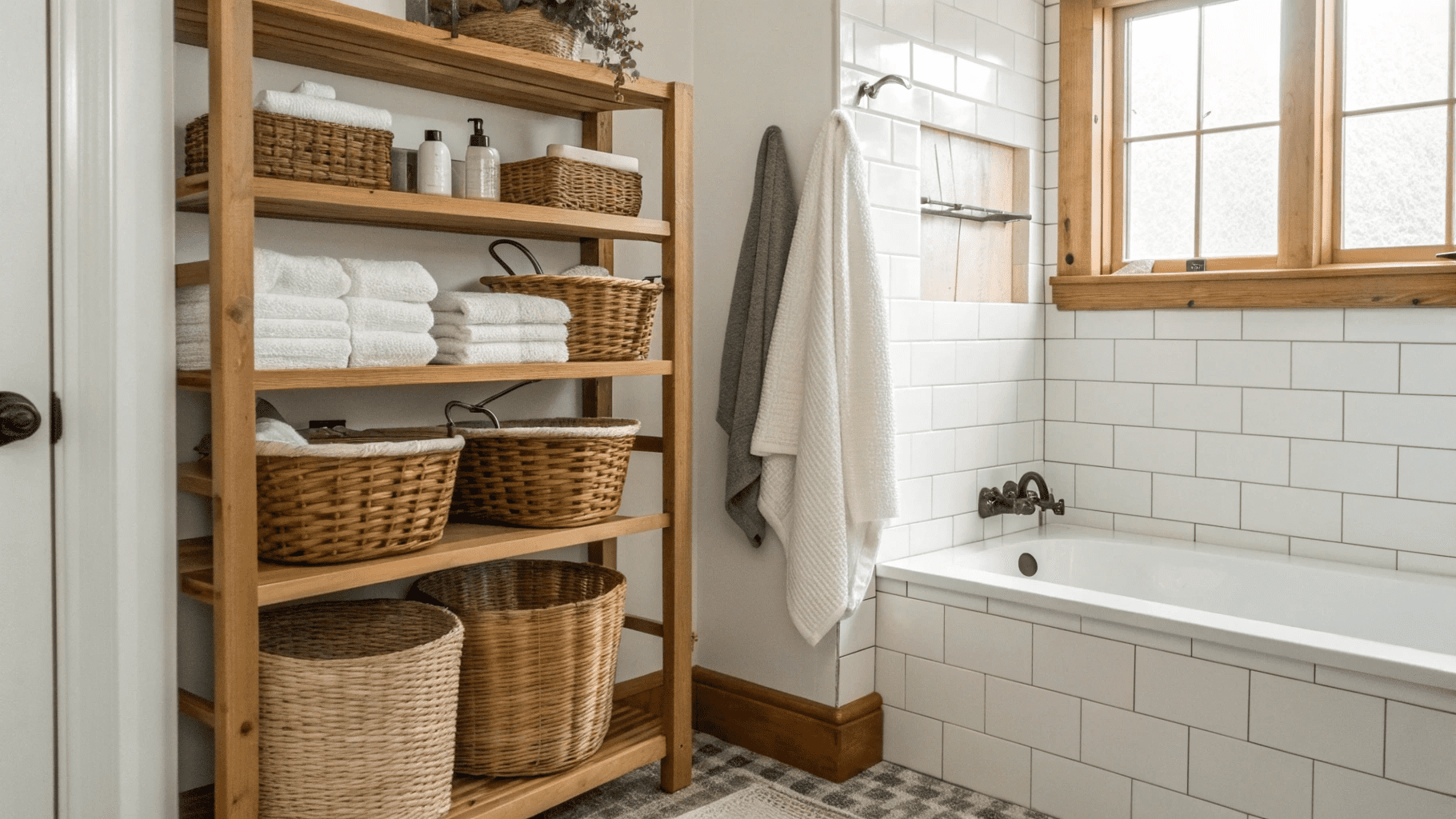
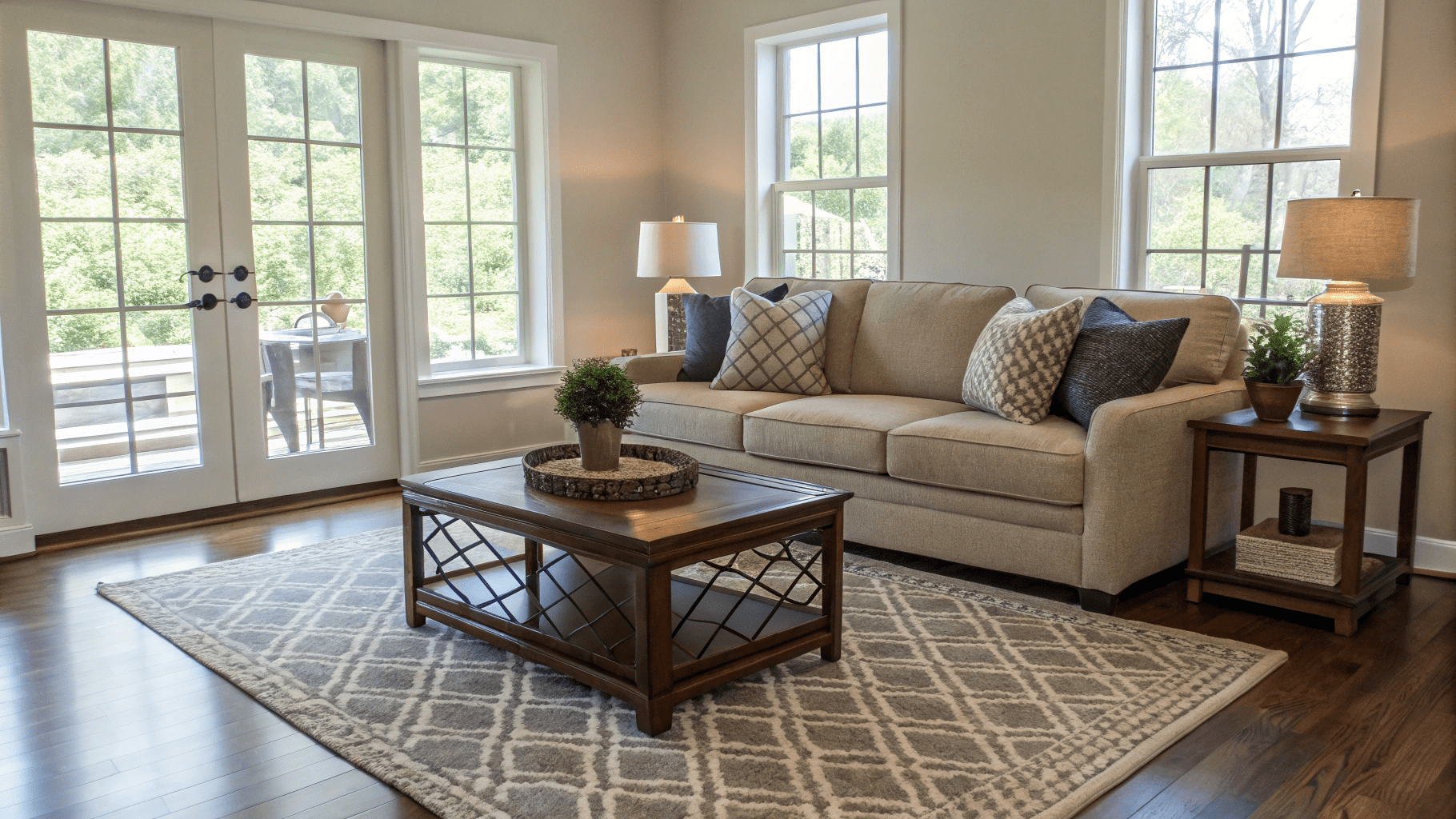
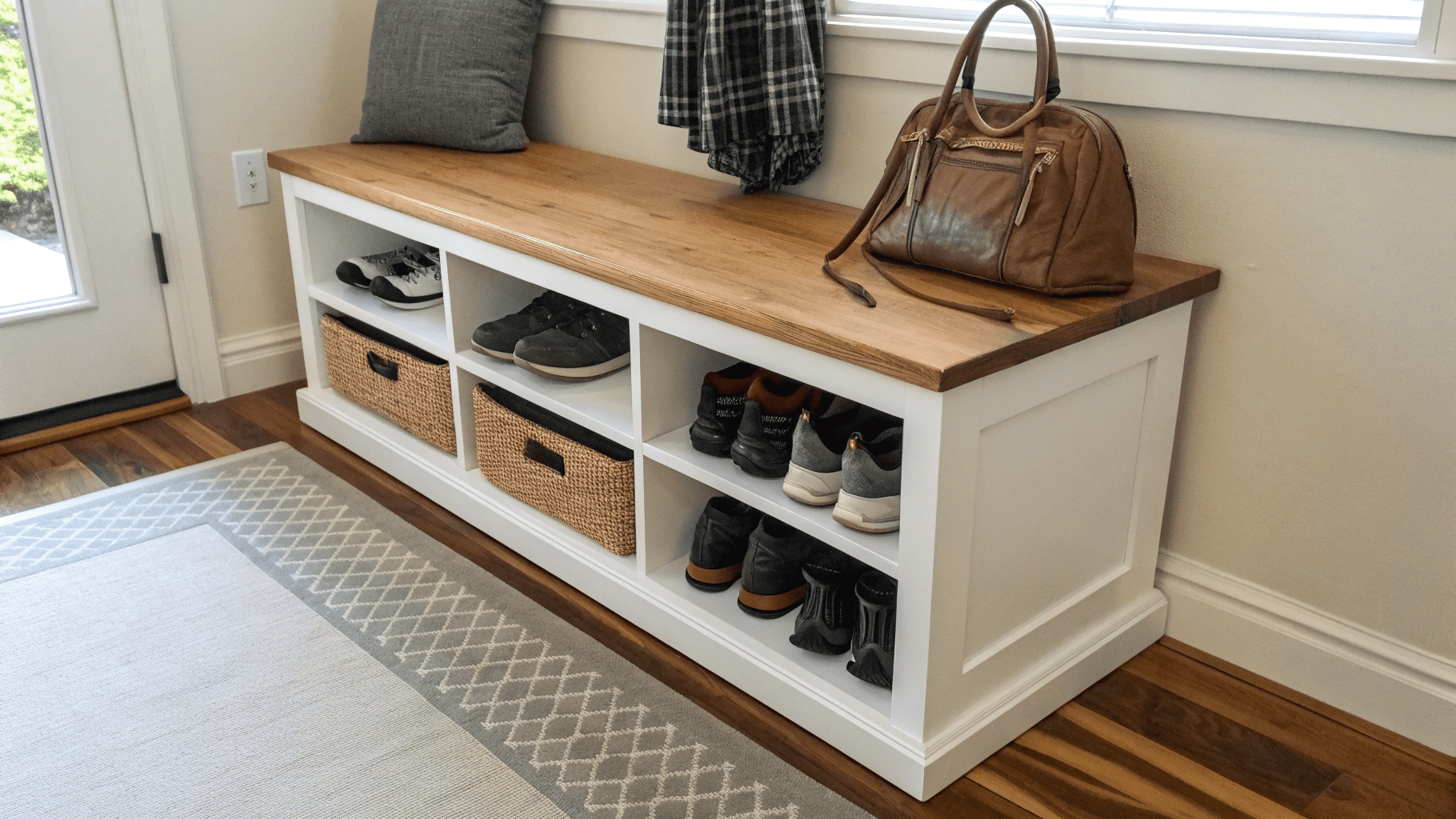
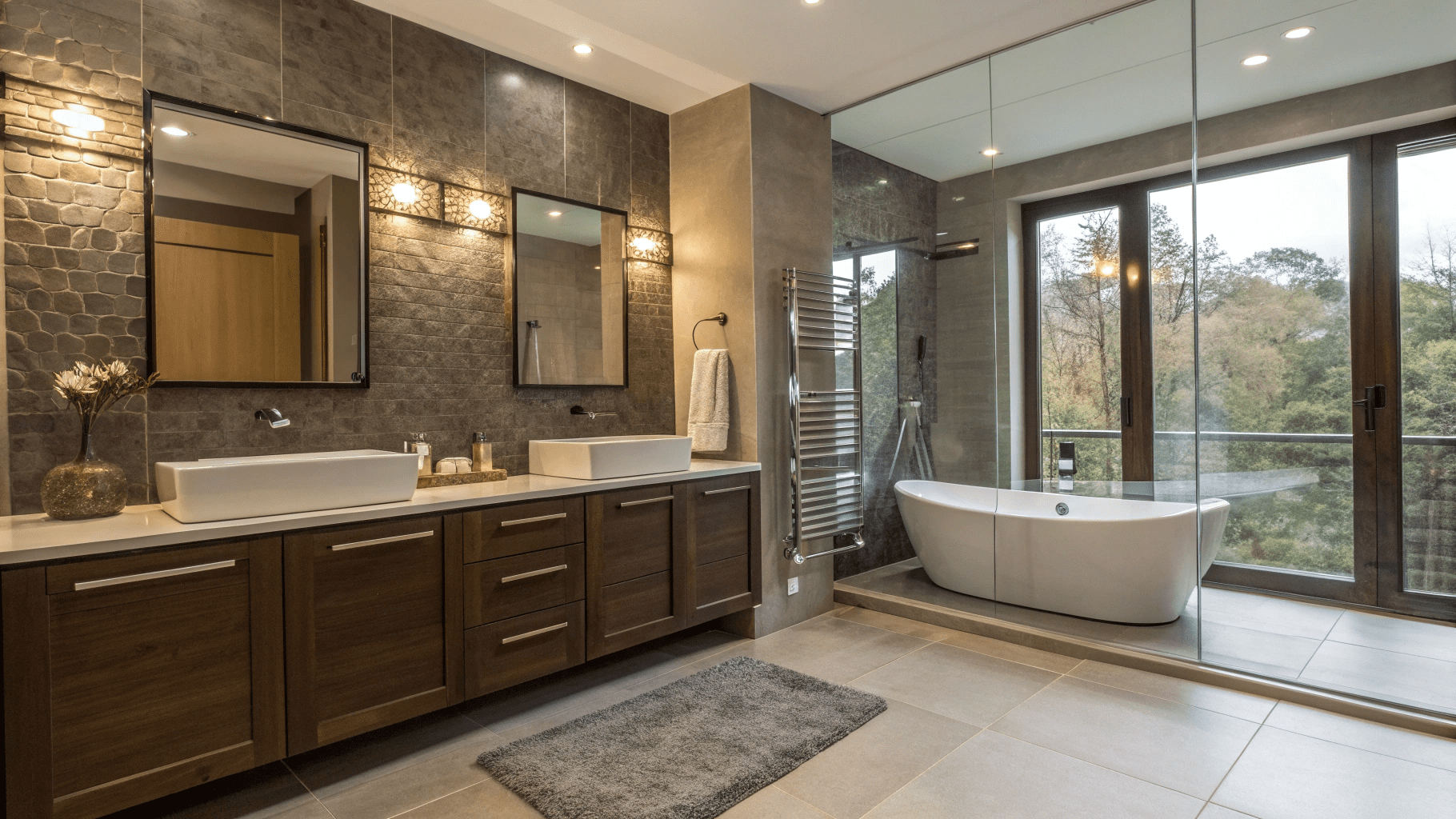
Pro Tip: Keep your palette earthy and muted to maintain that calm Japandi balance.
2. Add Low-Profile Furniture
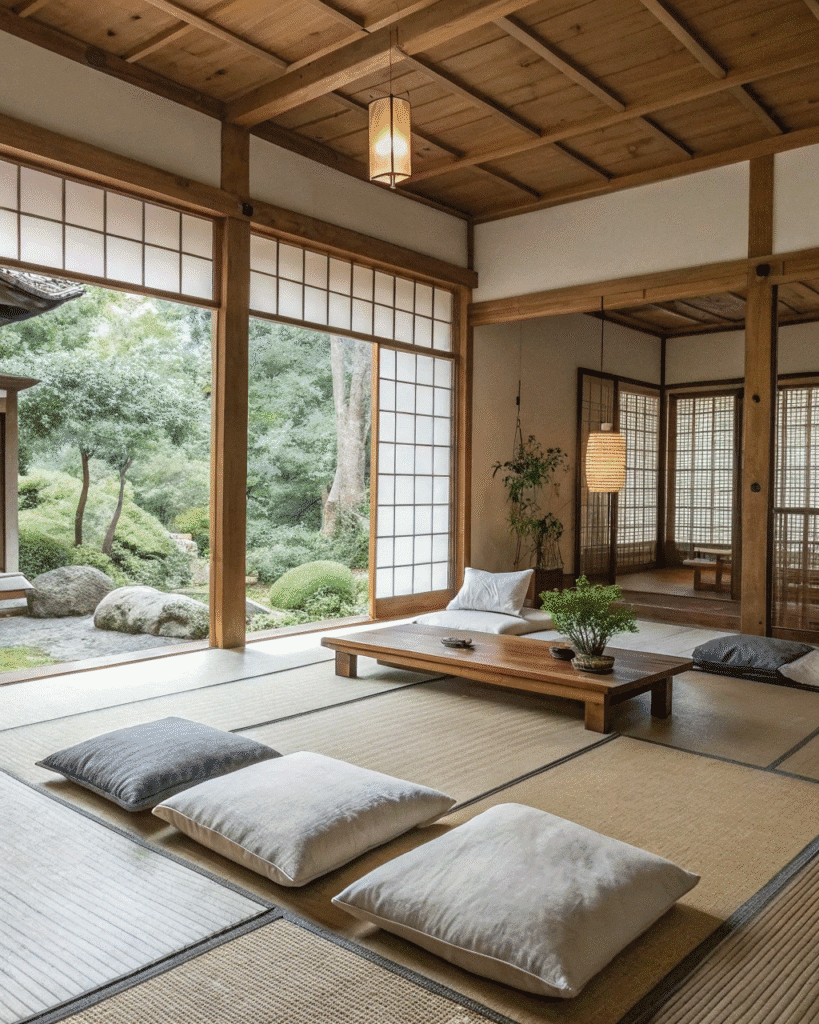
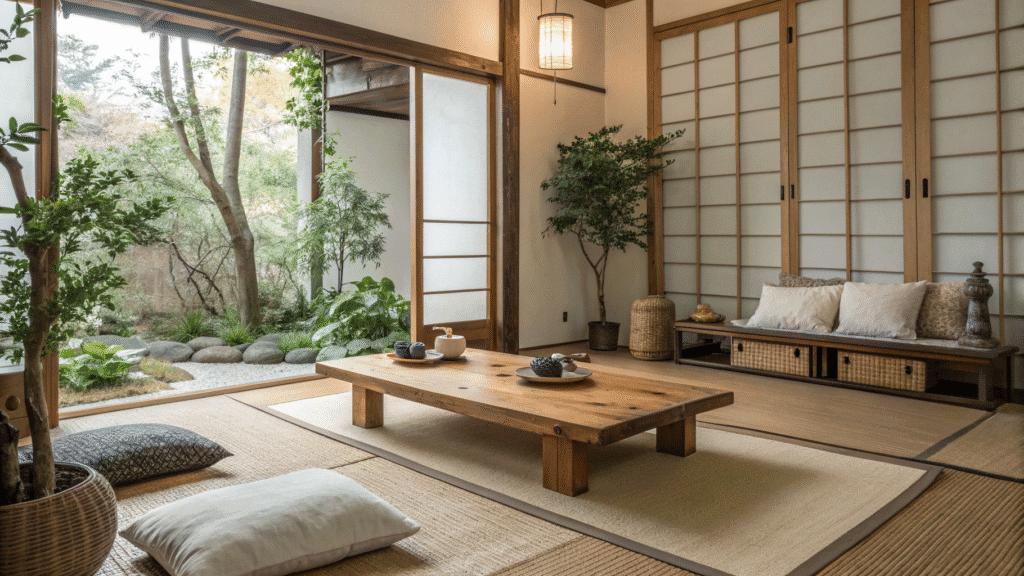
Low sofas, floor cushions, and simple wooden seating create an open, airy look inspired by Japanese interiors.
Pro Tip: Choose furniture with clean lines and natural wood finishes like oak or ash.
3. Use Natural Wood Throughout the Space
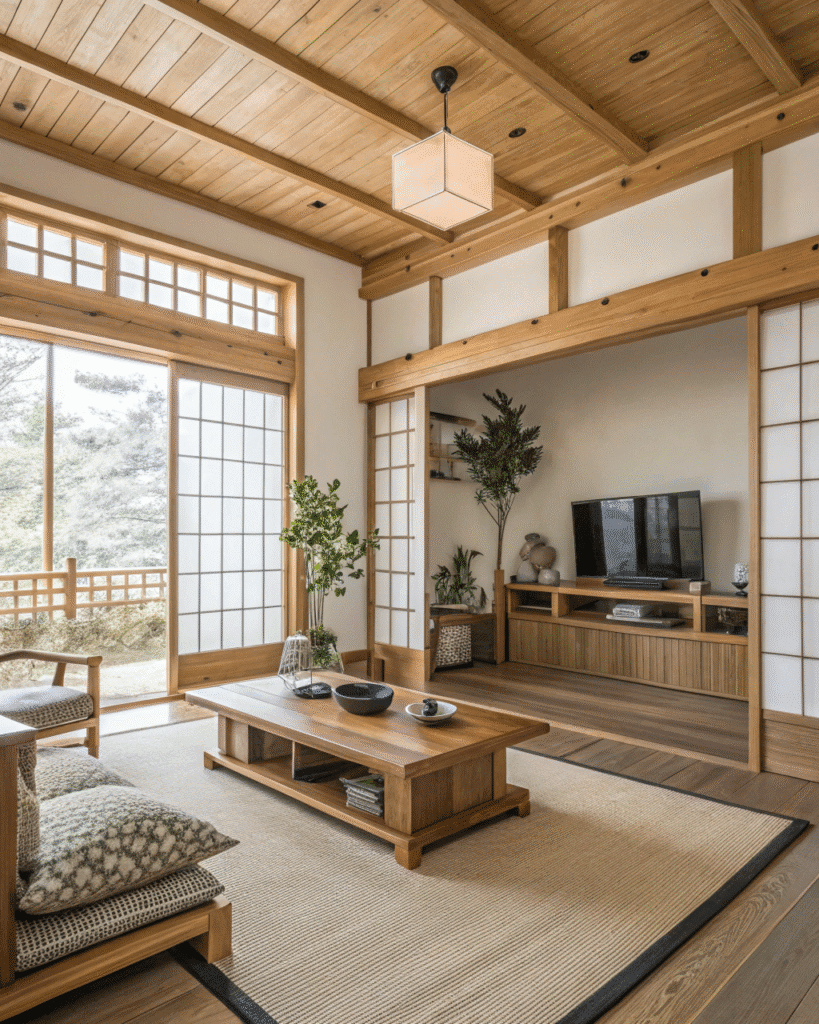
Light woods bring Scandinavian brightness, while darker tones add Japanese depth—together they create perfect harmony.
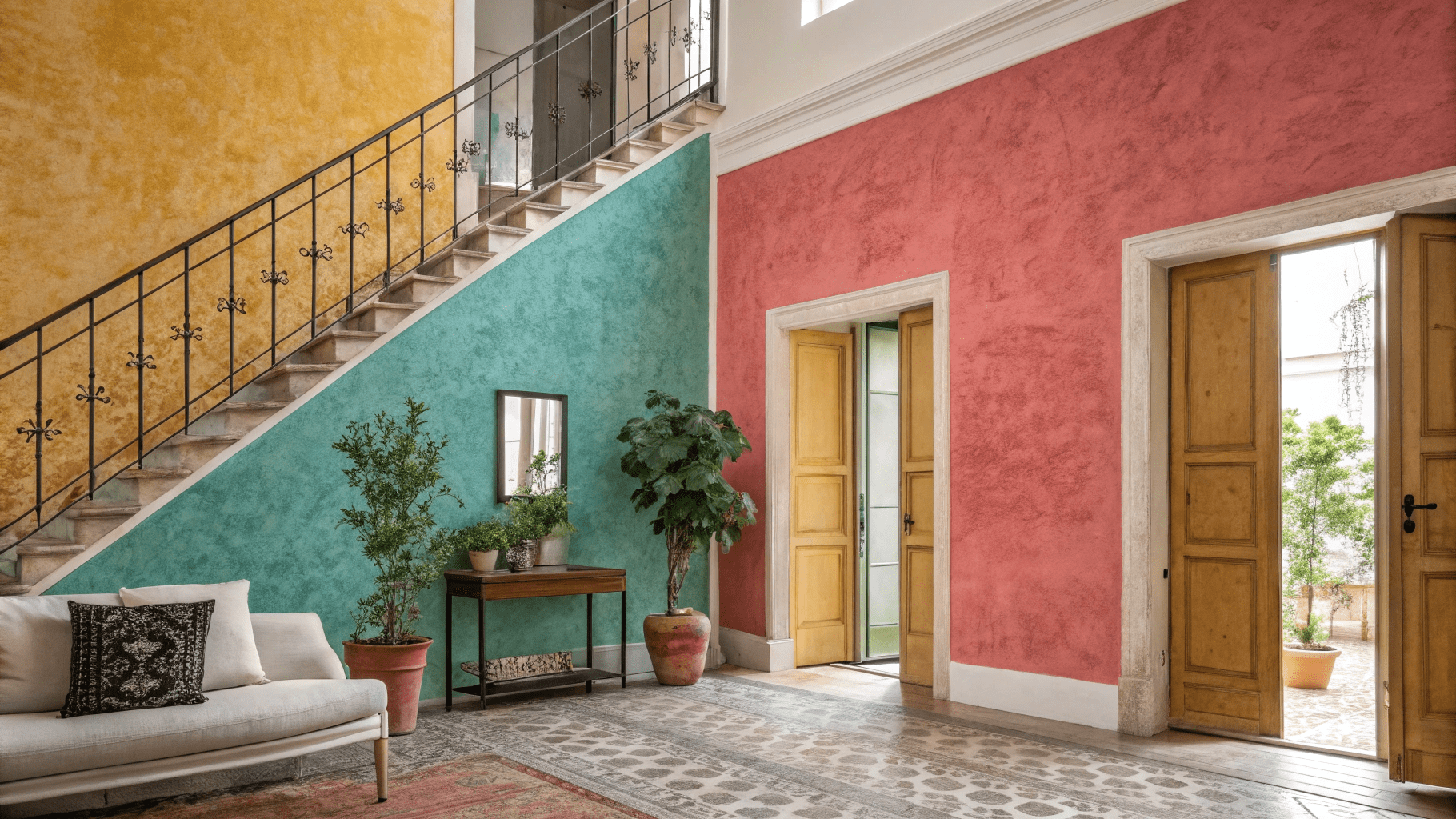
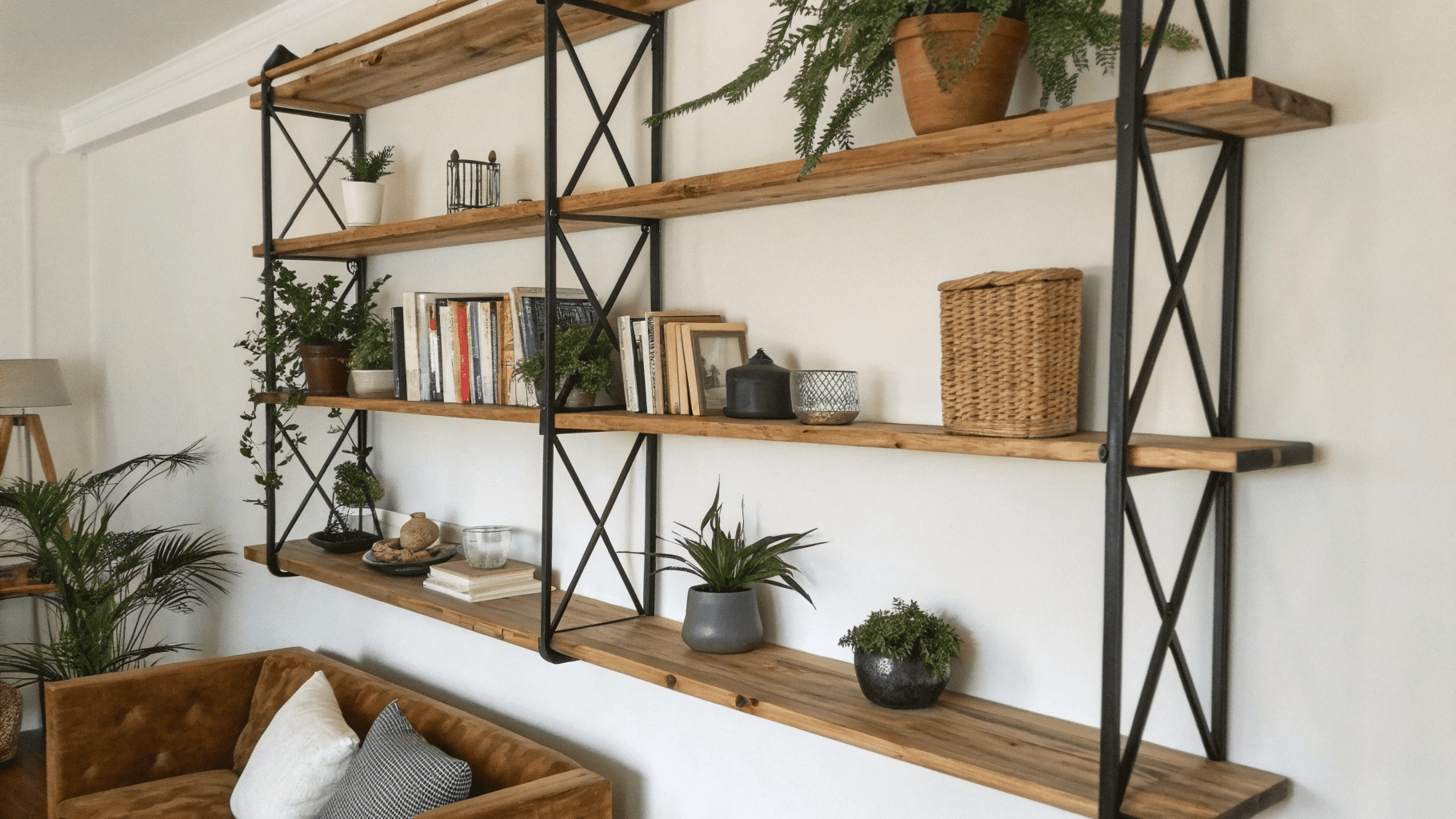
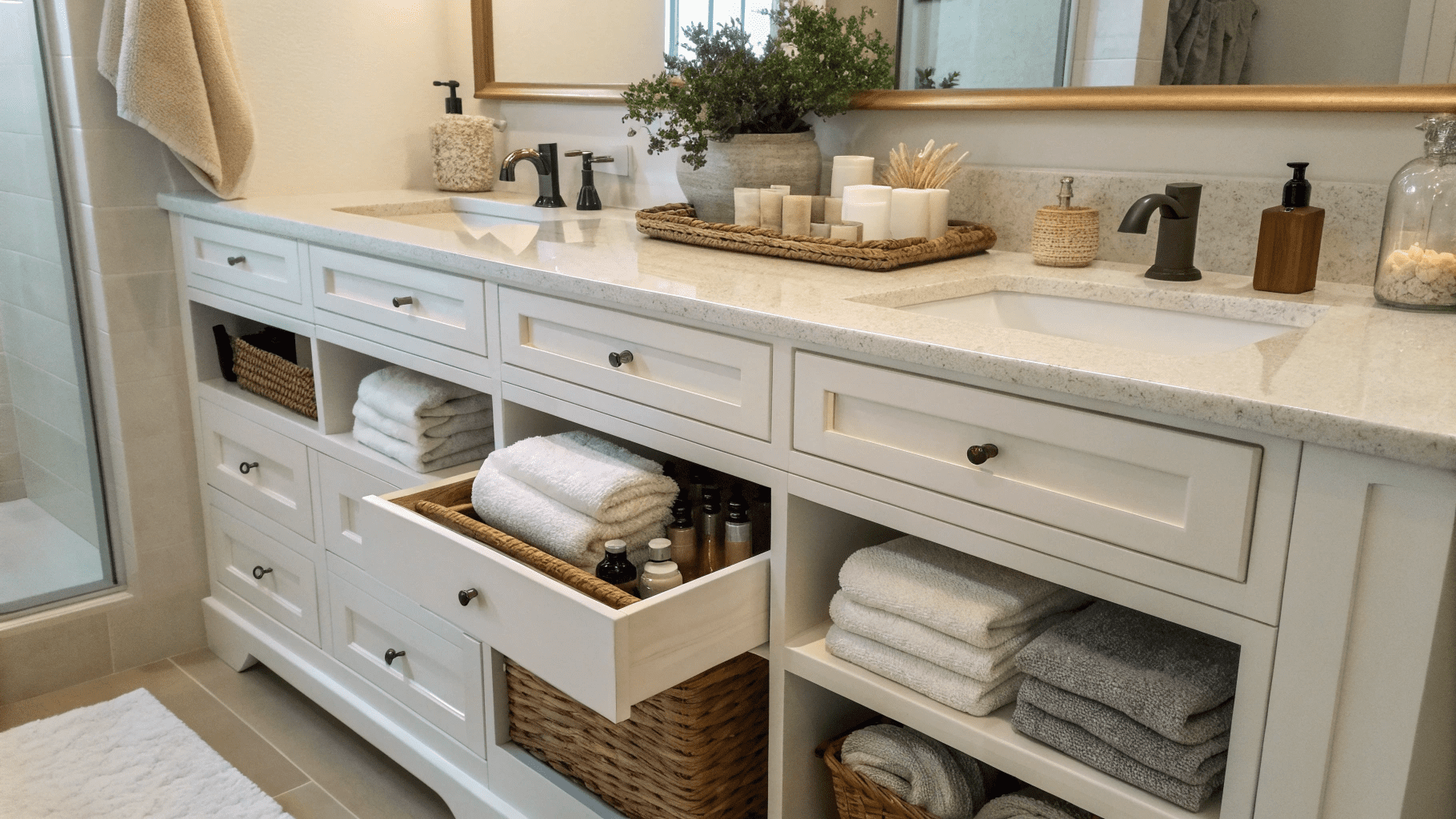
Pro Tip: Mix one light wood and one medium tone to keep the look cohesive.
4. Incorporate Organic Textures
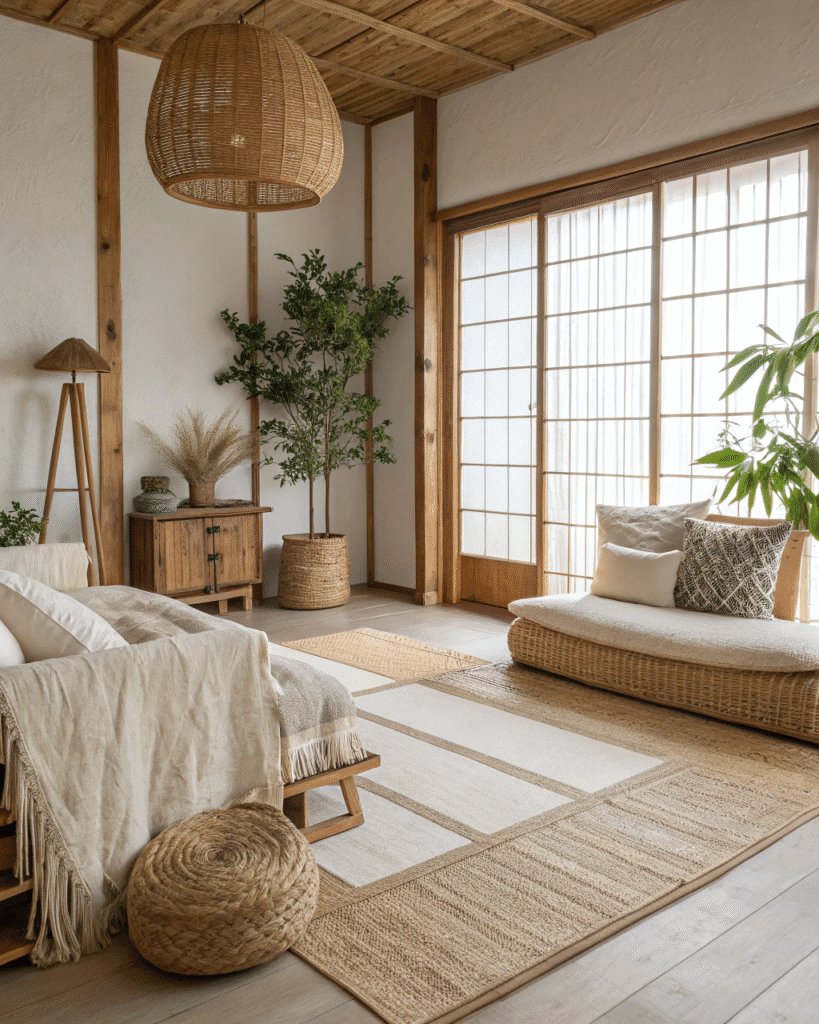
Linen, cotton, wool, bamboo, and jute give the room warmth without cluttering the space.
Pro Tip: Stick to neutral textures so the room stays serene.
5. Keep Decor Minimal and Intentional
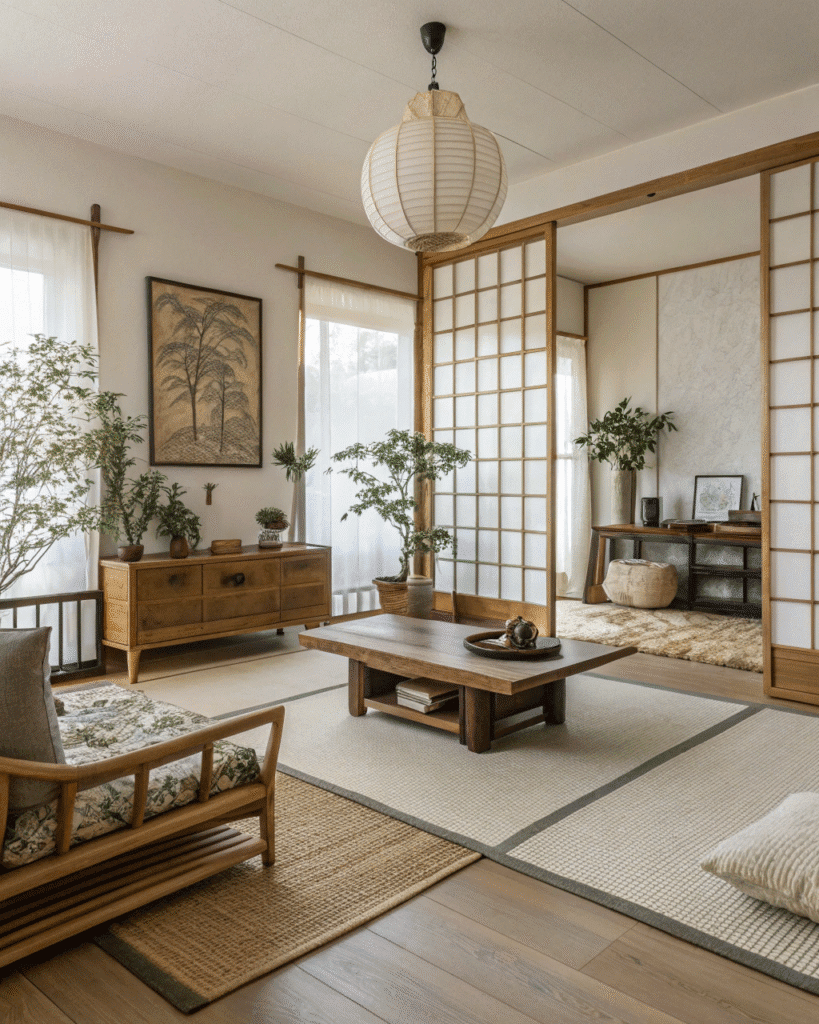
Japandi style prioritizes meaningful, functional pieces rather than excessive decor.


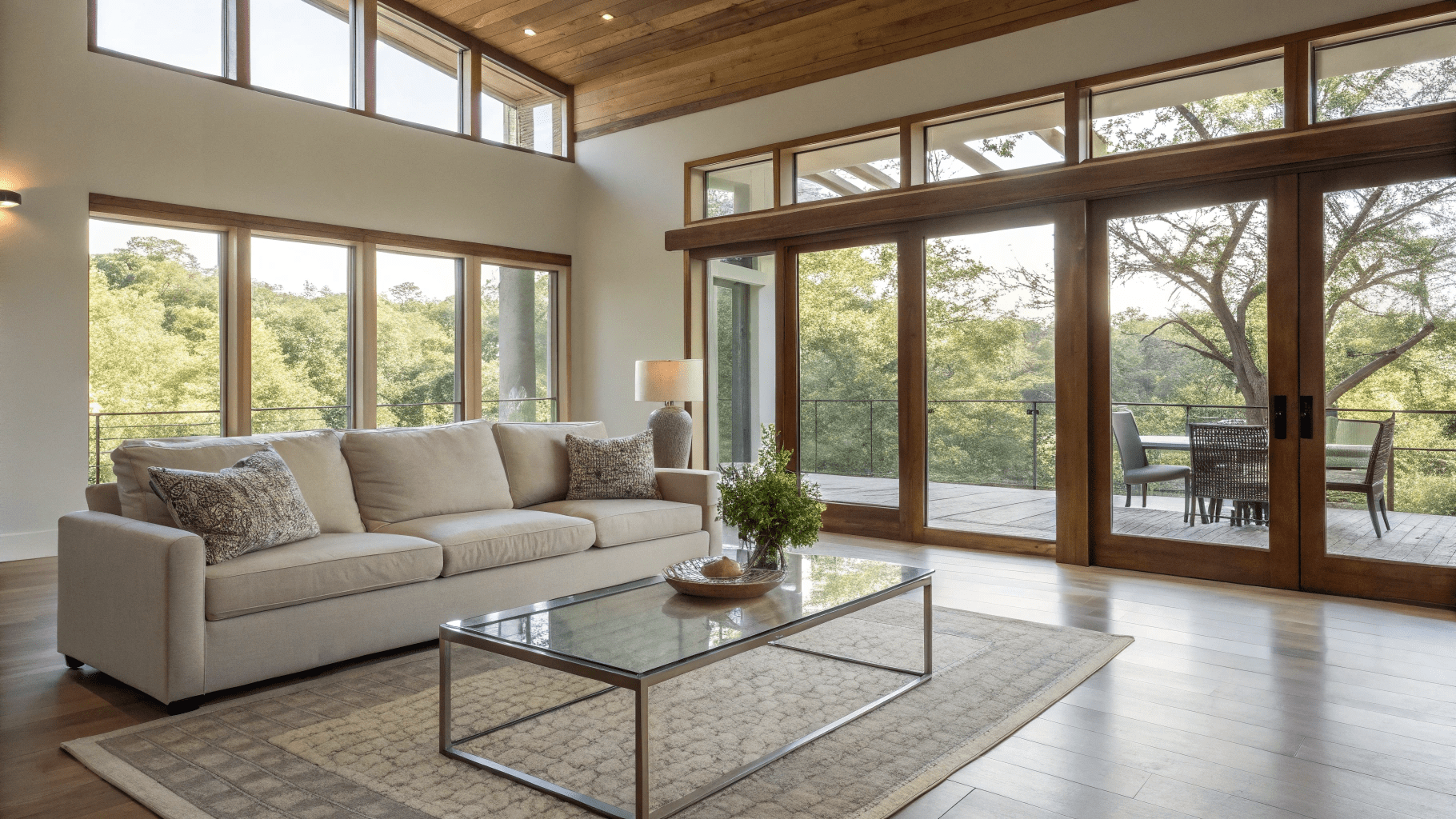
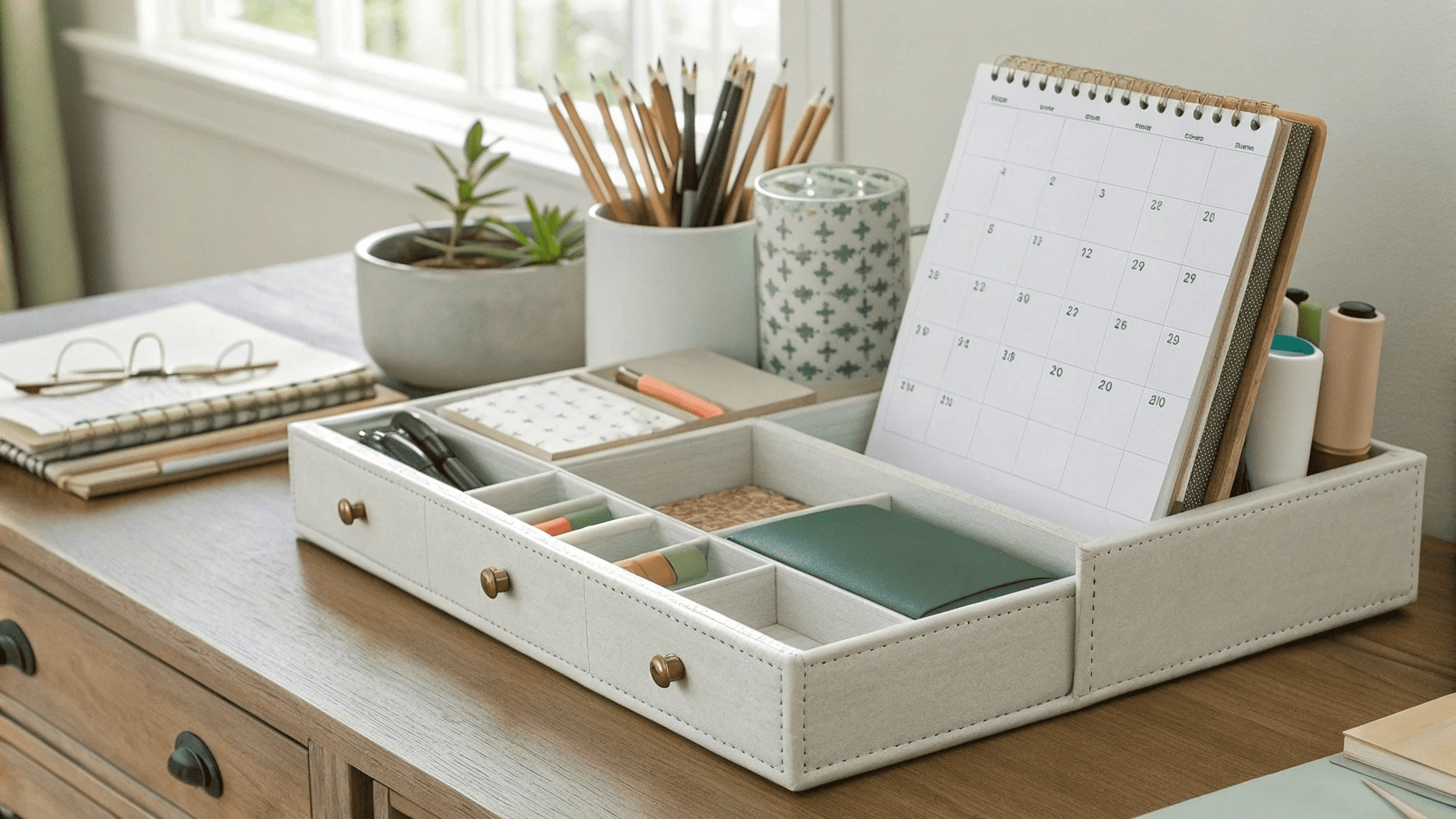
Pro Tip: Display only the items you truly love—less is more here.
6. Add Soft Ambient Lighting
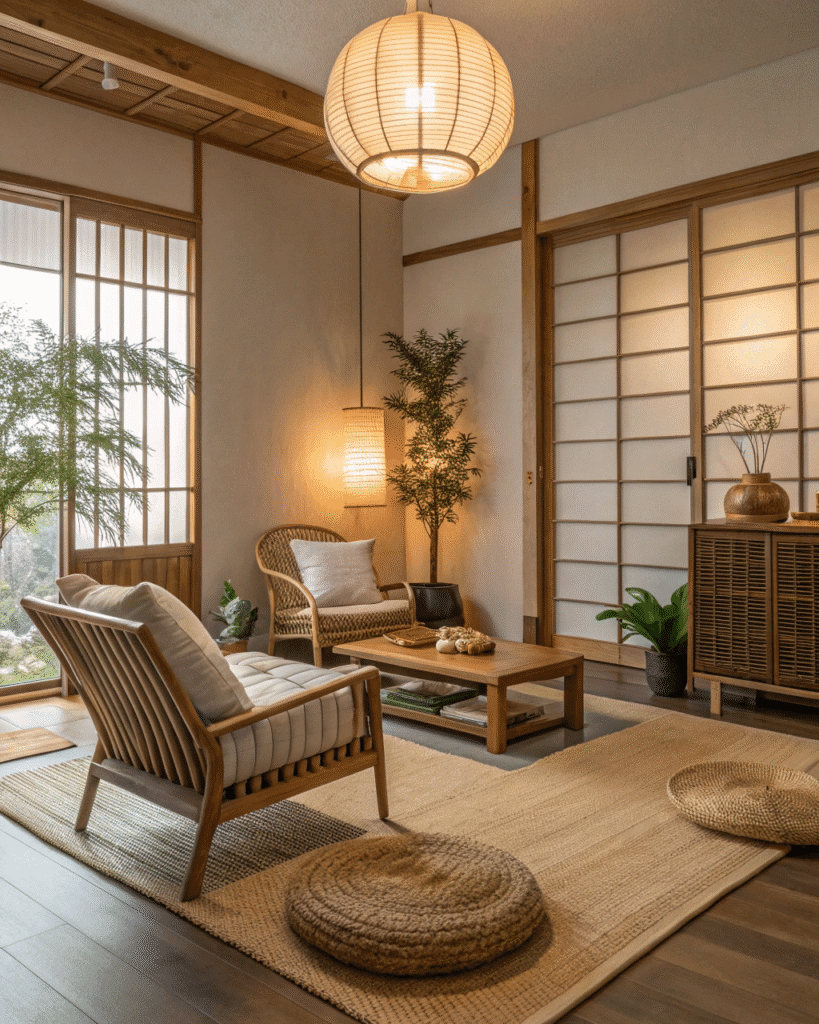
Warm, diffused lighting creates a soothing atmosphere and highlights natural textures.
Pro Tip: Use paper lanterns, linen lampshades, or soft LED strips for gentle light.
7. Bring in Houseplants and Greenery
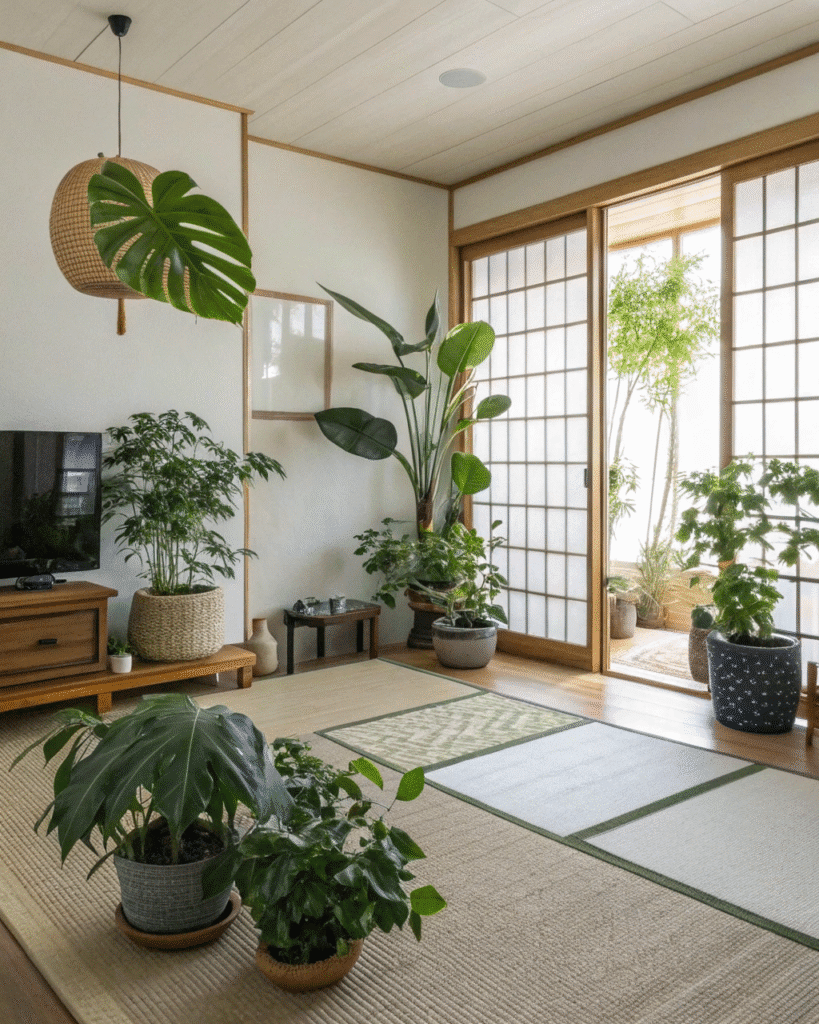
Simple greenery adds life and freshness without overwhelming the calm aesthetic.
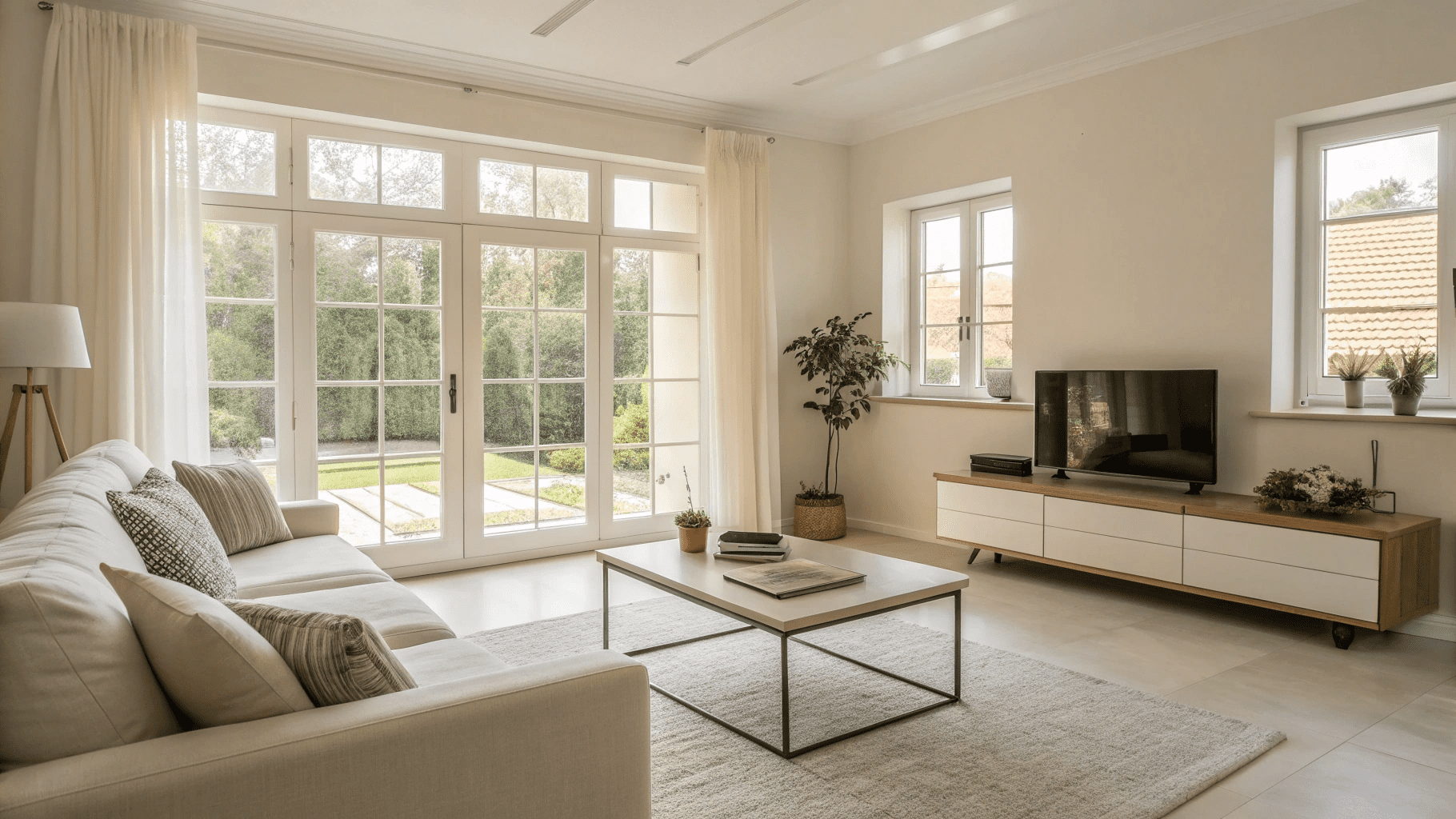

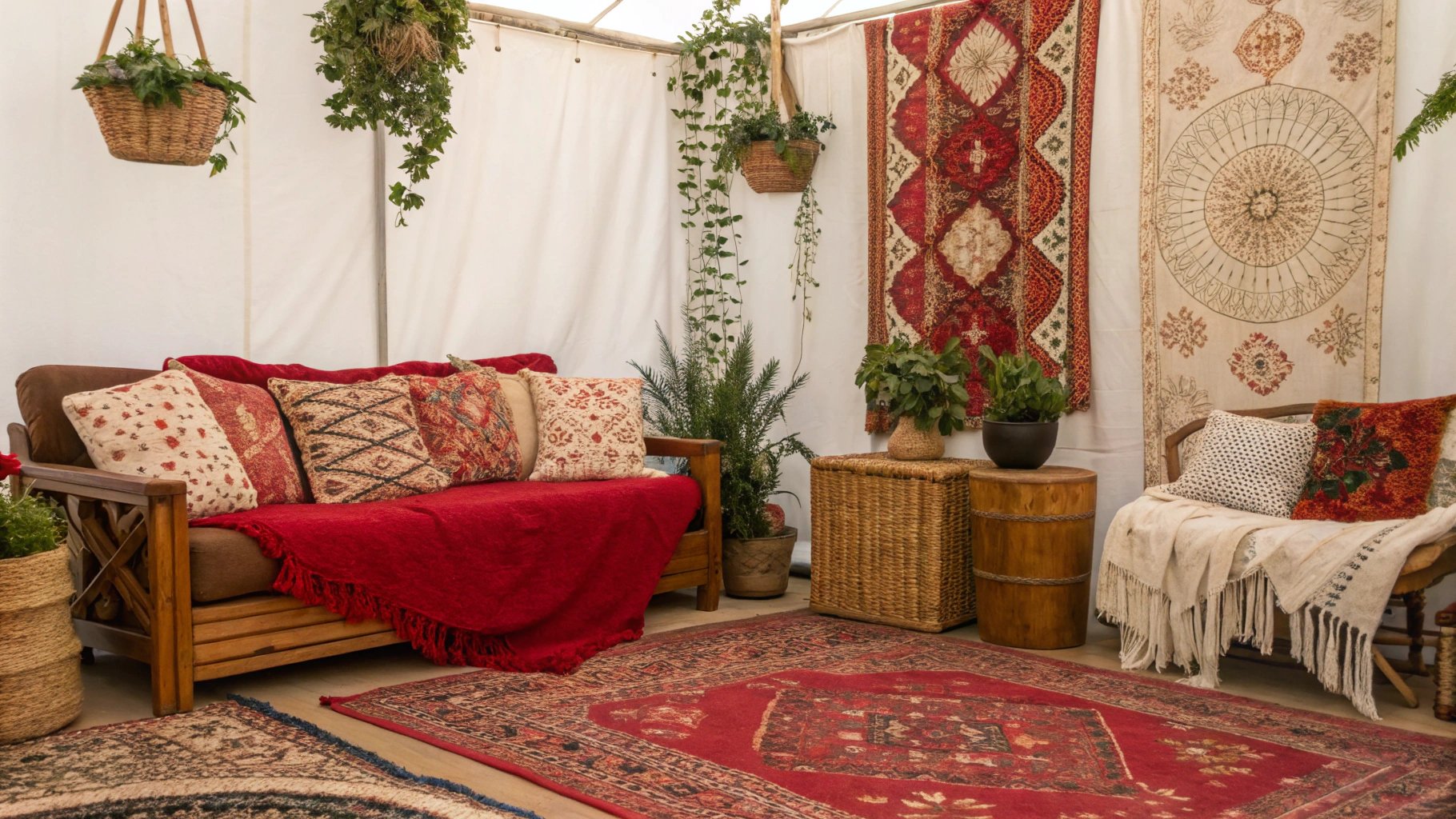
Pro Tip: Choose structured plants like snake plants, bonsai, or olive trees.
8. Embrace Wabi-Sabi Imperfections
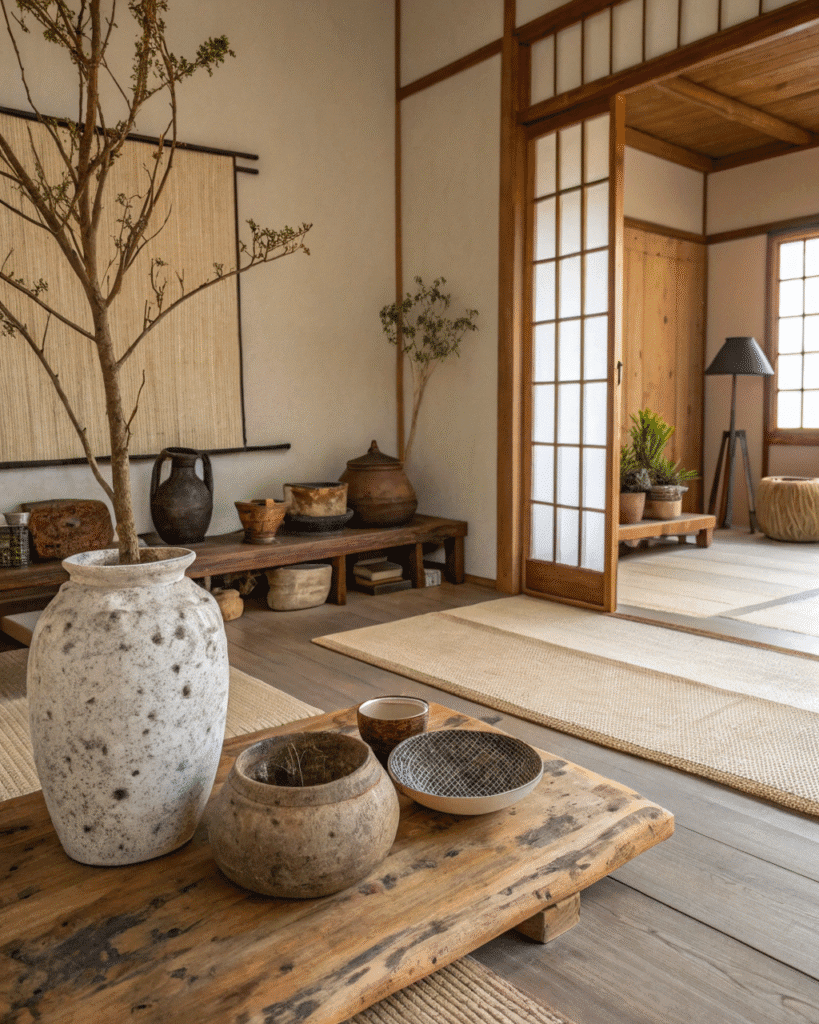
Japandi design appreciates beauty in imperfection—handmade ceramics, uneven textures, and raw wood fit perfectly.
Pro Tip: Choose decor with subtle, organic flaws for authenticity.
9. Add Large Floor Rugs for Softness
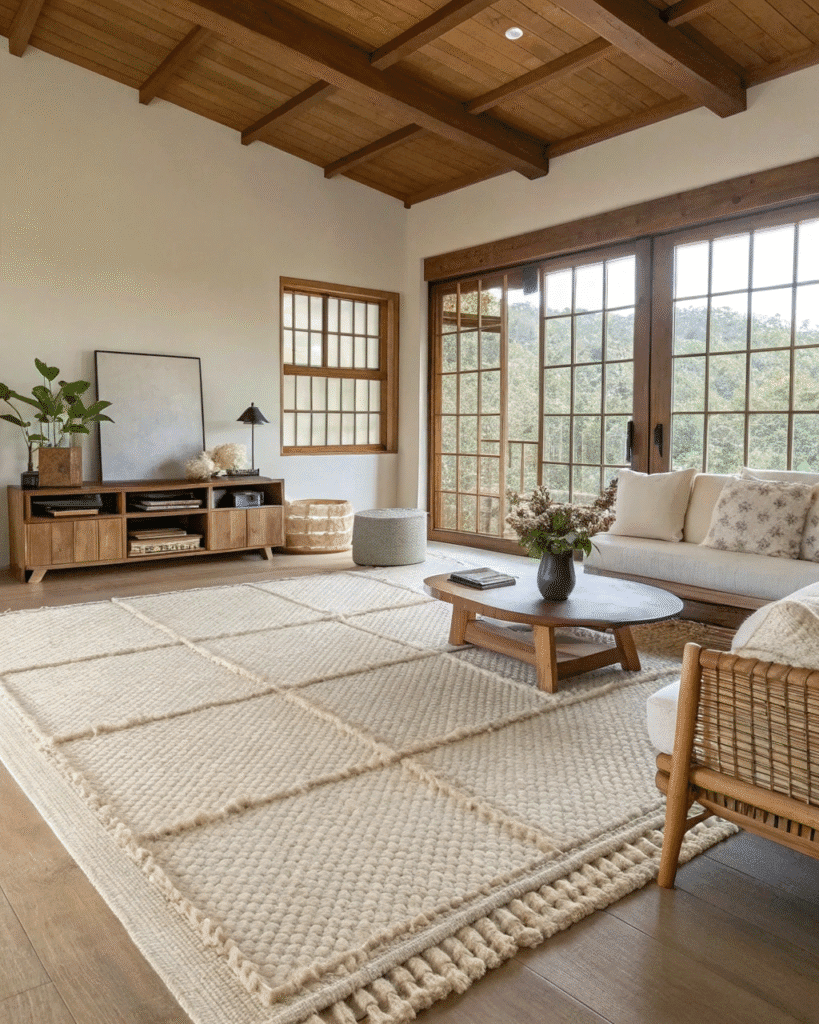
Neutral-toned rugs soften clean-lined furniture and add comfort to open spaces.
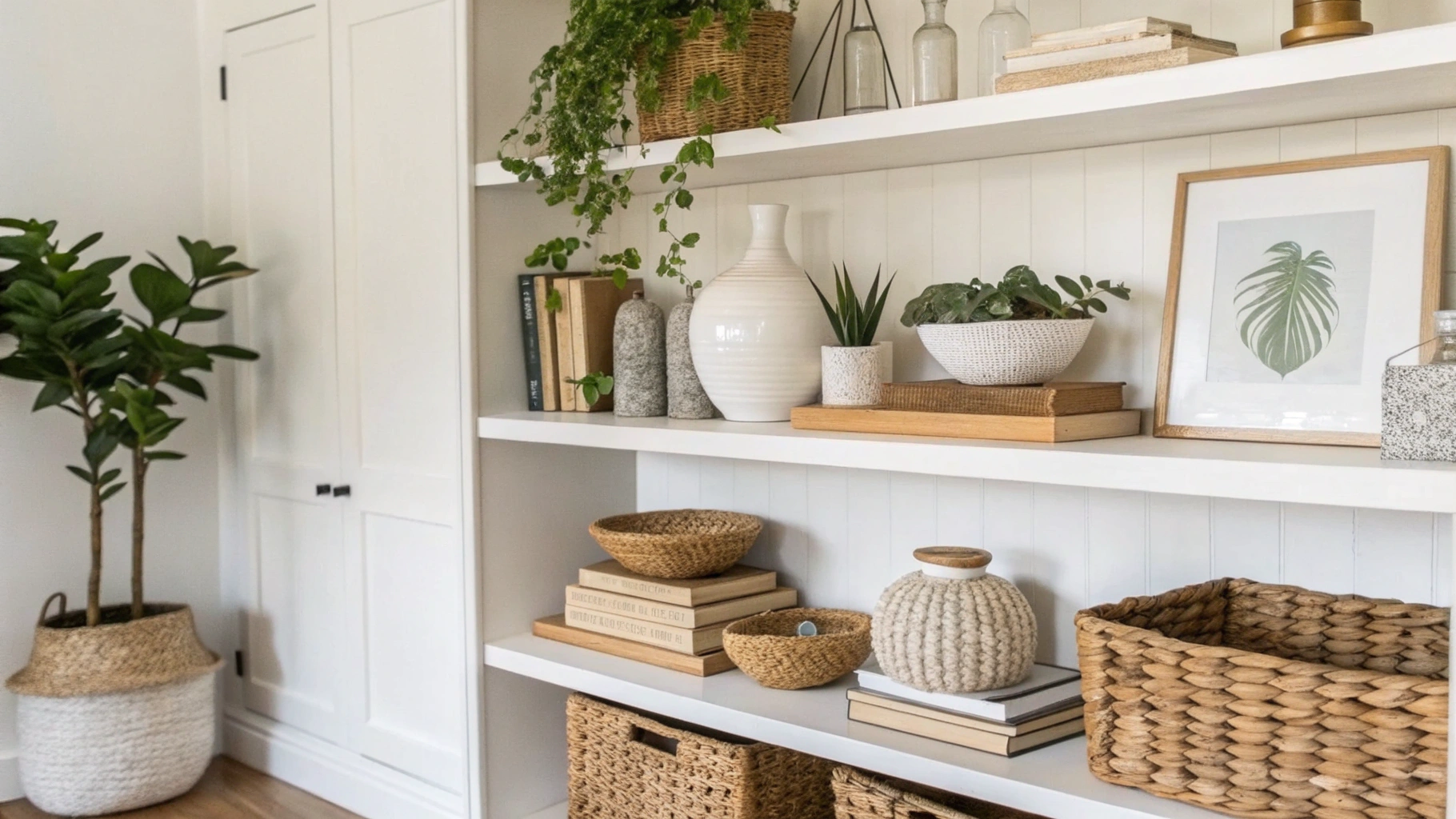
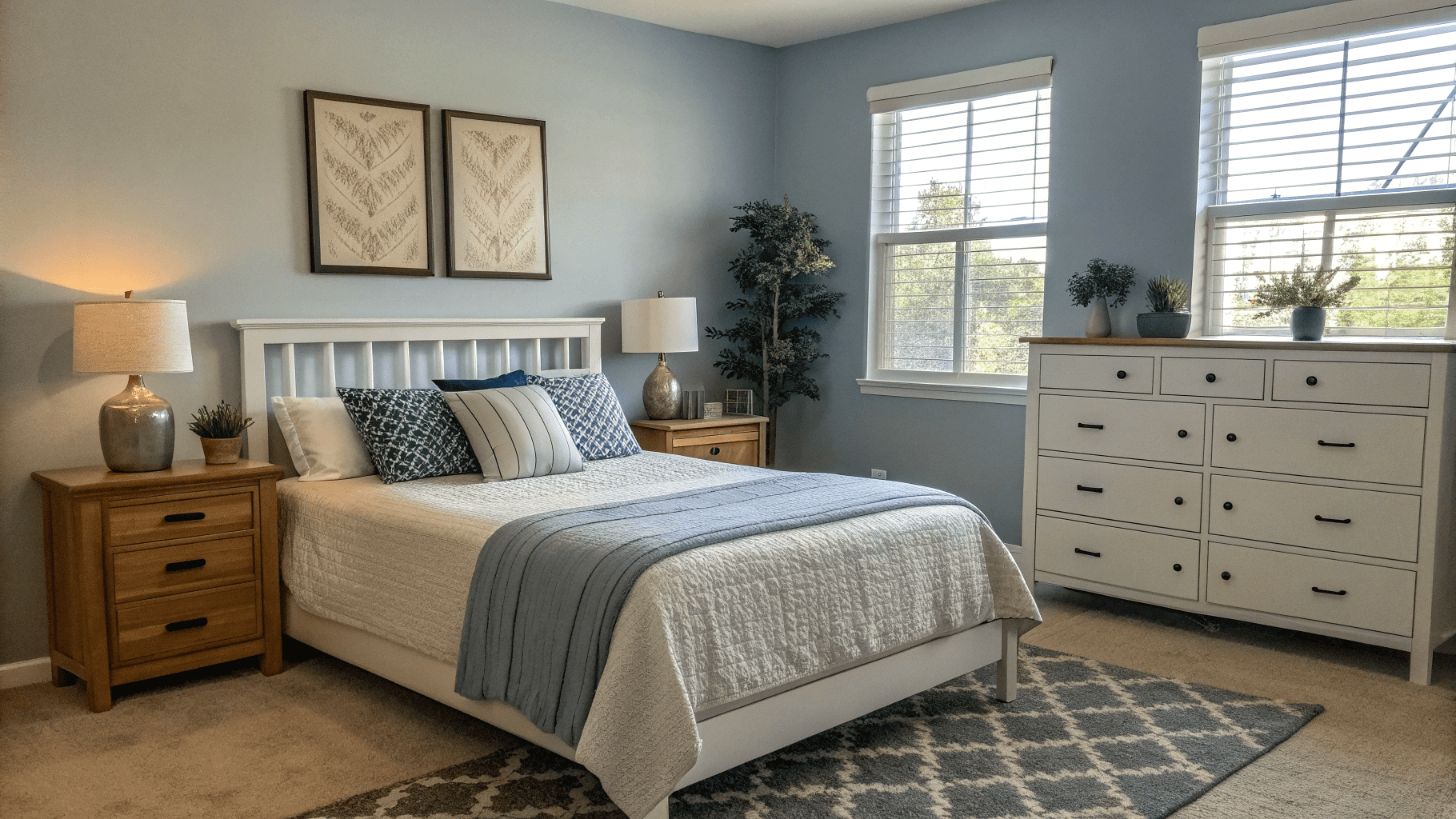


Pro Tip: Go for wool, jute, or soft woven textures that complement natural materials.
10. Install Sliding or Minimalist Doors
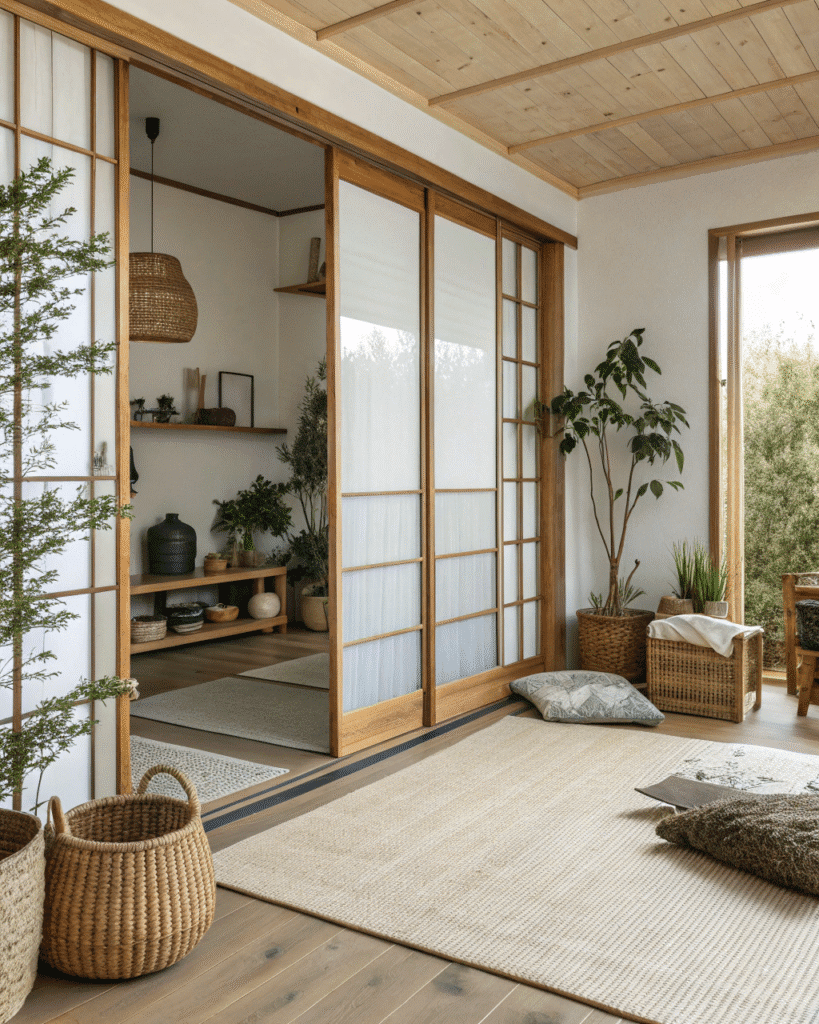
Sliding doors, glass partitions, or simple panel doors enhance flow and bring a Japanese-inspired feel.
Pro Tip: Frosted or ribbed glass adds privacy while keeping the light soft.
11. Use Simple Wall Art and Natural Frames
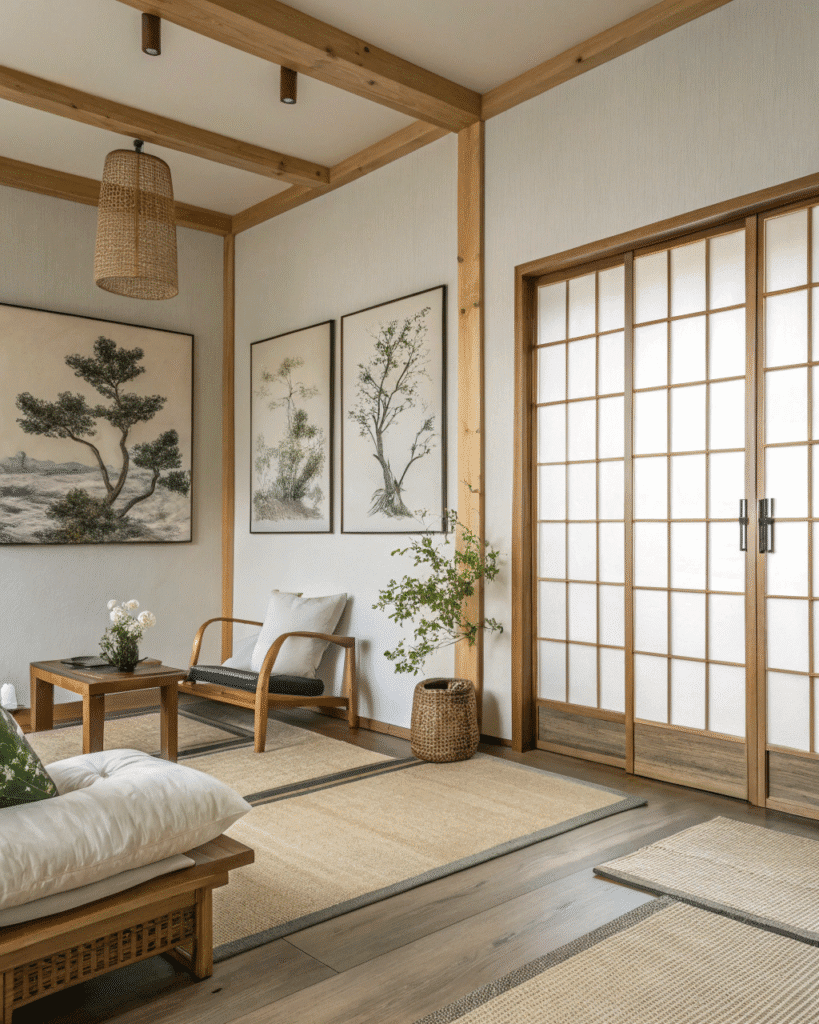
Japandi walls are clean, with just a few serene art pieces in calm colors.
Pro Tip: Wood frames in light or medium tones blend beautifully with natural palettes.
12. Create a Cozy Tea or Reading Corner
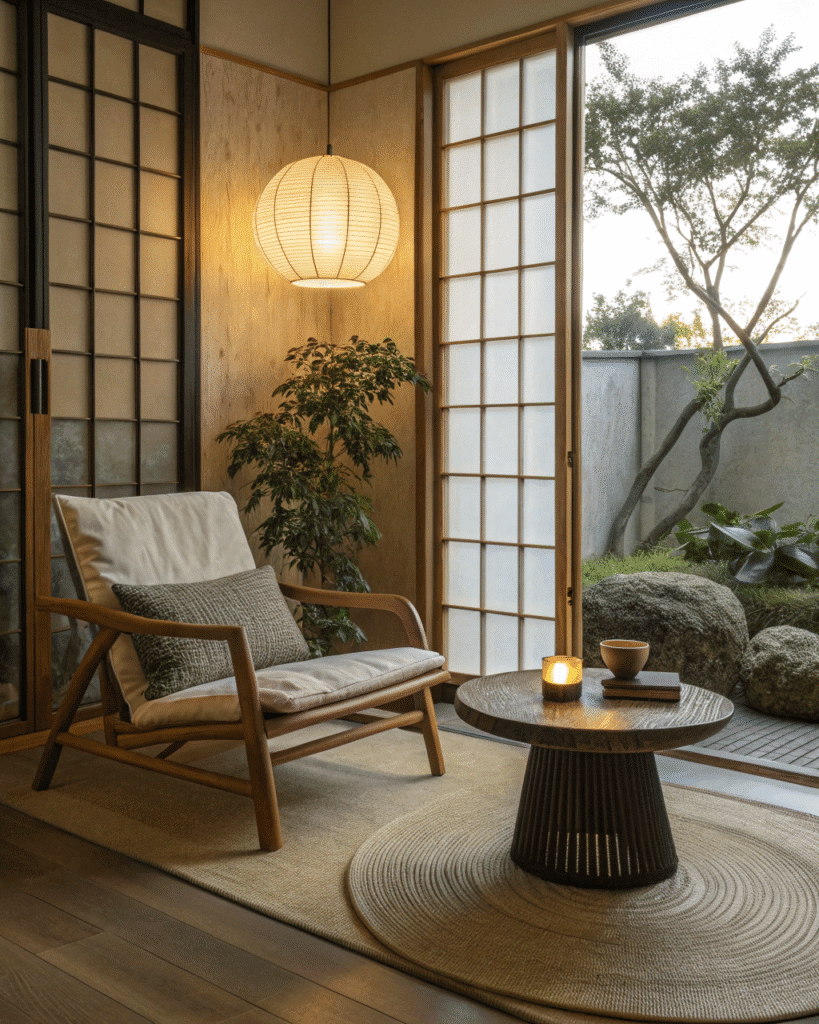
Just a chair, low table, cushion, and soft lighting can become a peaceful retreat.
Pro Tip: Keep this corner clutter-free to honor the calm Japandi mood.
13. Choose Functional Storage Solutions
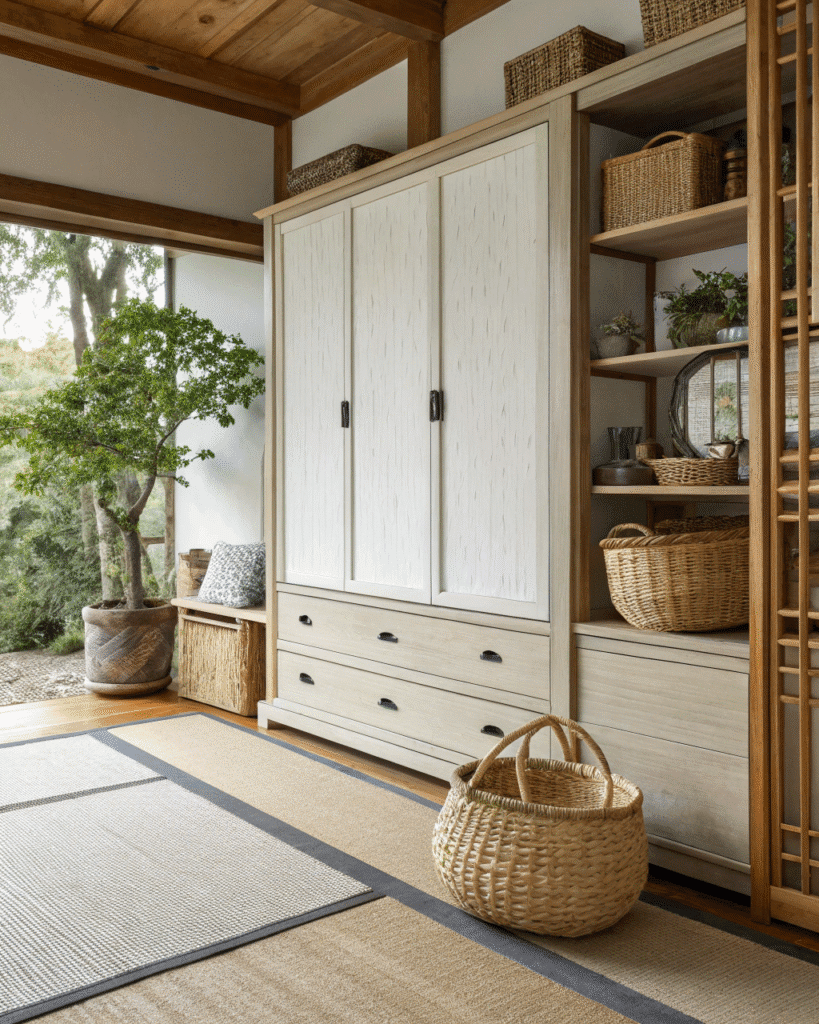
Closed cabinets, woven baskets, and built-in storage keep visual clutter out of sight.
Pro Tip: Opt for handleless or soft-close cabinetry for a sleek appearance.
14. Add Stone or Ceramic Decor Pieces
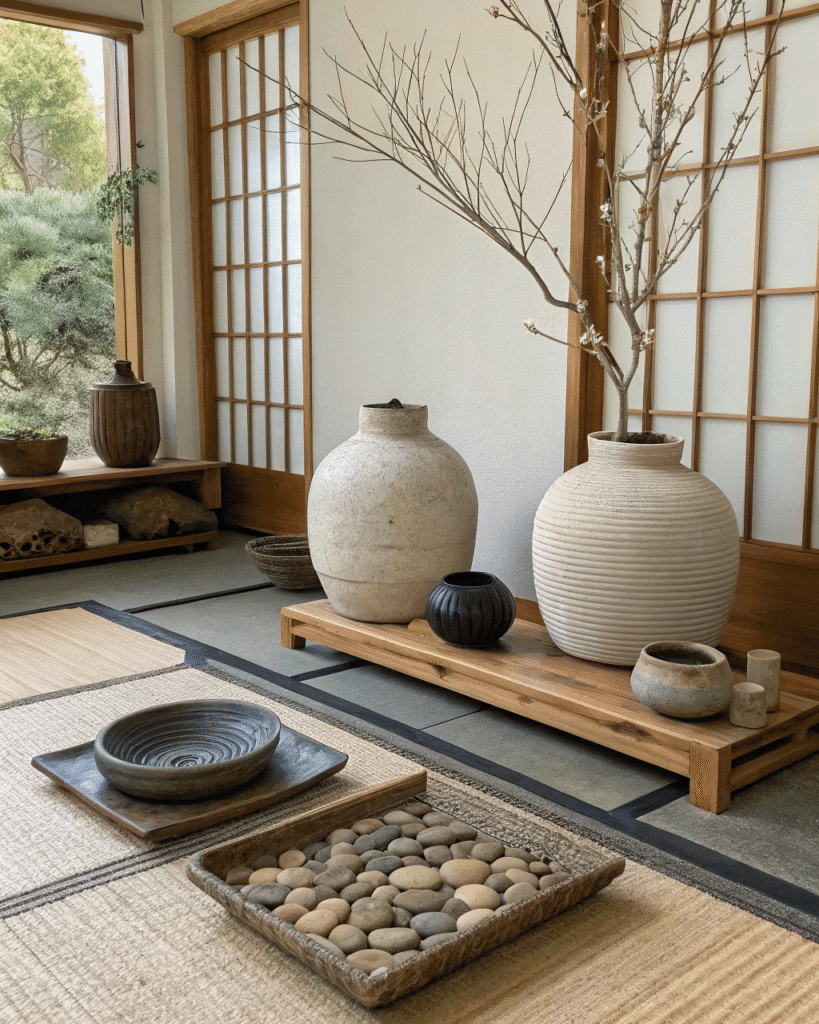
Ceramic vases, stone trays, or matte pottery add grounding, natural energy to the room.
Pro Tip: Stick to matte finishes to match Japandi’s understated elegance.
15. Mix Scandinavian Comfort With Japanese Simplicity
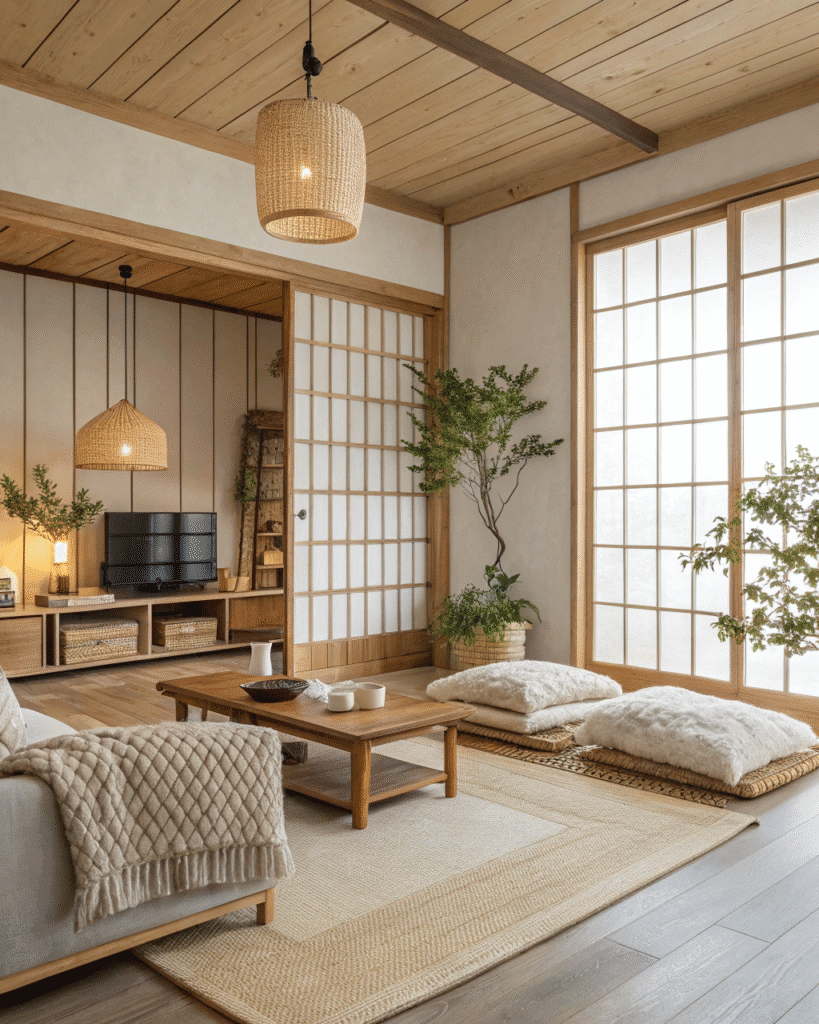
A balance of cozy textures and clean silhouettes defines the Japandi look—light yet warm, simple yet soulful.
Pro Tip: Use soft cushions on structured chairs to create that perfect blend.
16. Prioritize Open Space and Flow
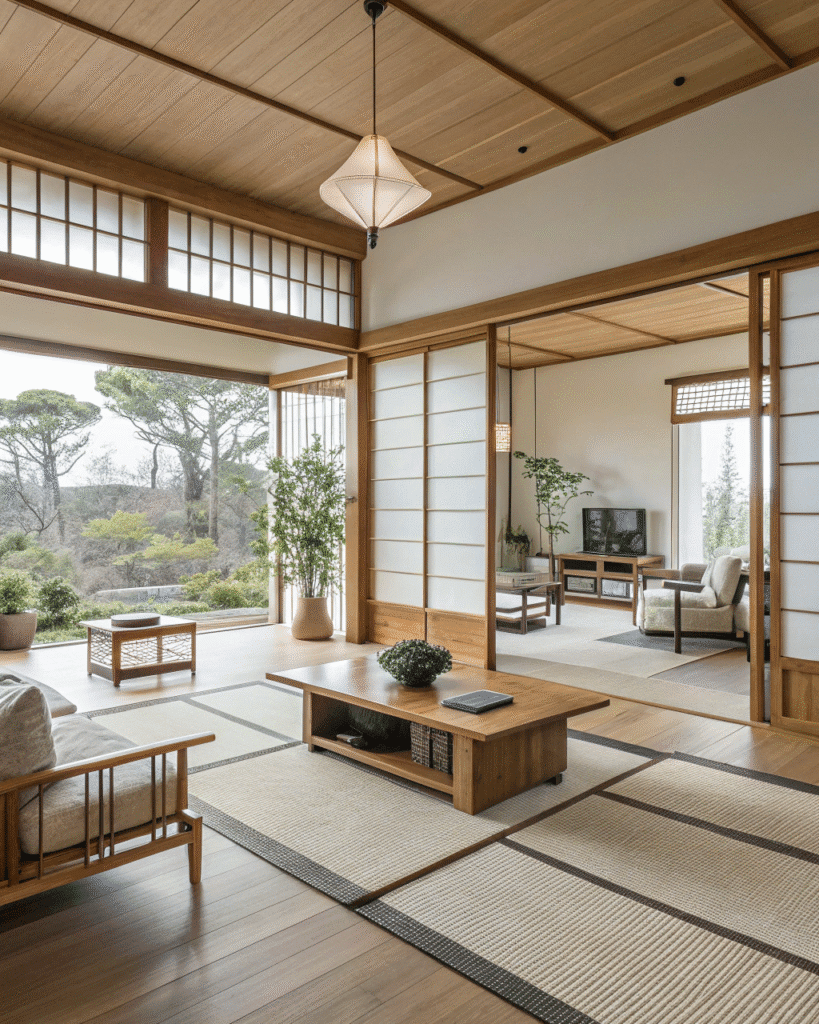
Keep walkways clear, avoid overfilling rooms, and let your furniture breathe.
Pro Tip: Try removing one item from each room—it often makes the space feel instantly calmer.
Final Thoughts
Japandi style brings together the best of two calming design worlds, Scandinavian comfort and Japanese minimalism.
With natural materials, thoughtful decor, and a warm neutral palette, your home becomes a peaceful retreat that supports slow, mindful living.
Even small changes can bring a sense of balance, clarity, and quiet beauty into your space.
FAQs
1. What colors define Japandi style?
Warm neutrals like taupe, beige, white, gray, and soft earthy tones.
2. Is Japandi expensive to create?
It doesn’t have to be — focus on fewer, high-quality pieces rather than many decor items.
3. What materials work best?
Wood, linen, cotton, bamboo, stone, and ceramic all reflect Japandi’s natural roots.
4. Can Japandi work in small homes?
Yes, the minimalism and clean lines actually make small spaces feel larger.
5. How do I start decorating in Japandi style?
Begin by decluttering, choosing soft neutrals, and adding natural, simple furniture and decor.

- 12 Small Guest Room Ideas People Love - March 13, 2026
- 18 Thoughtful Guest Room Ideas Your Friends and Family Will Appreciate - March 13, 2026
- 16 Easy Ways to Make Your Guest Bedroom Feel More Inviting - March 13, 2026