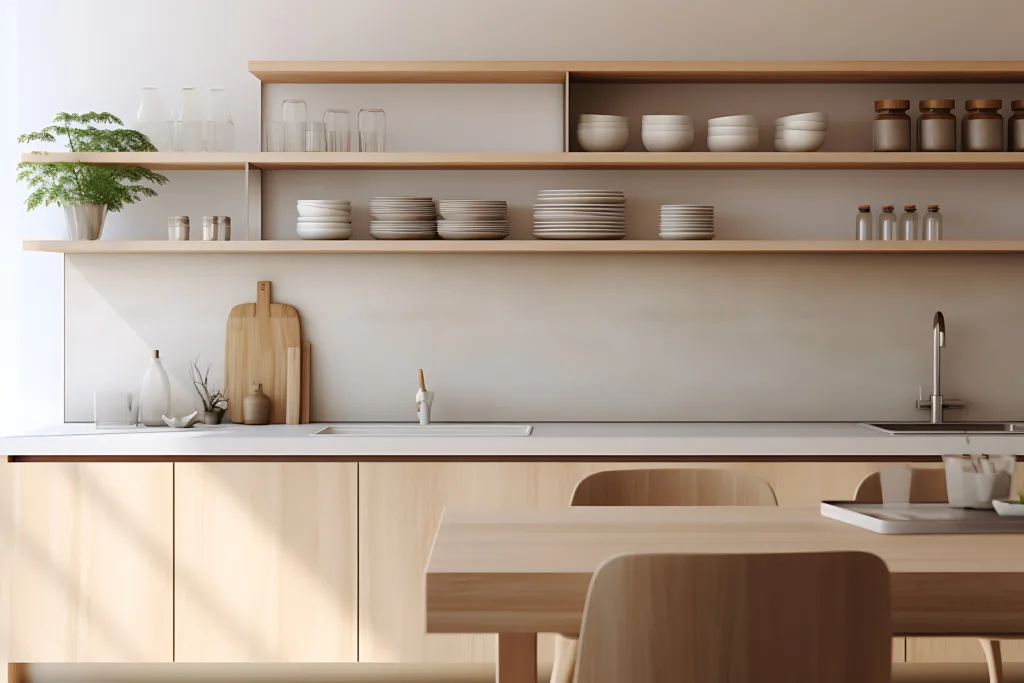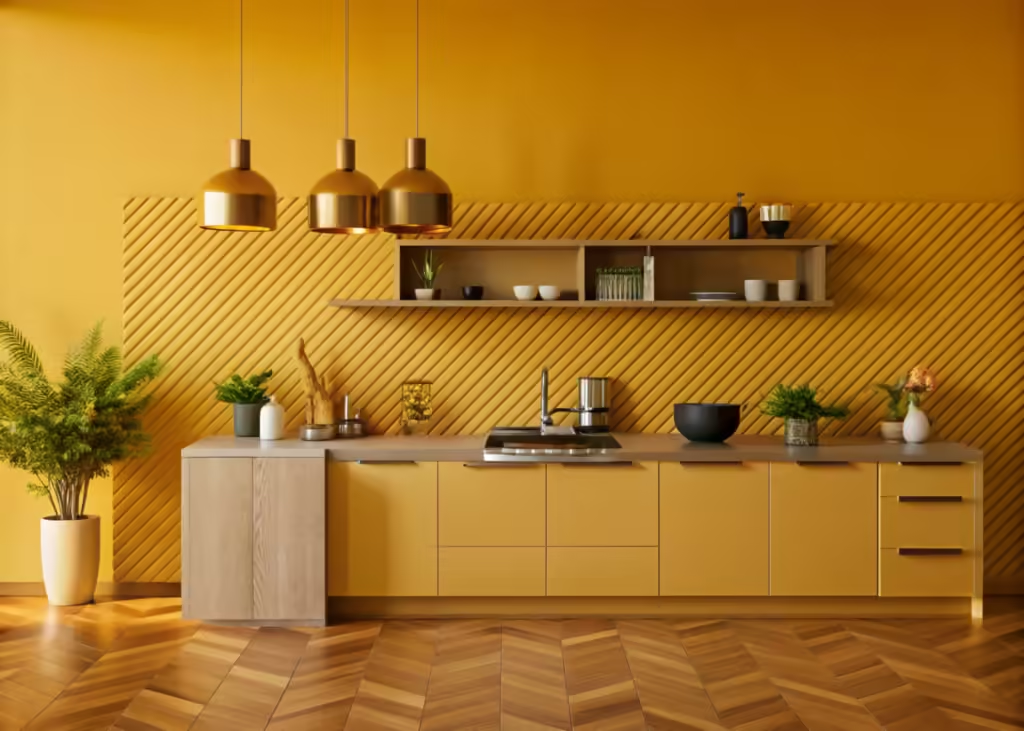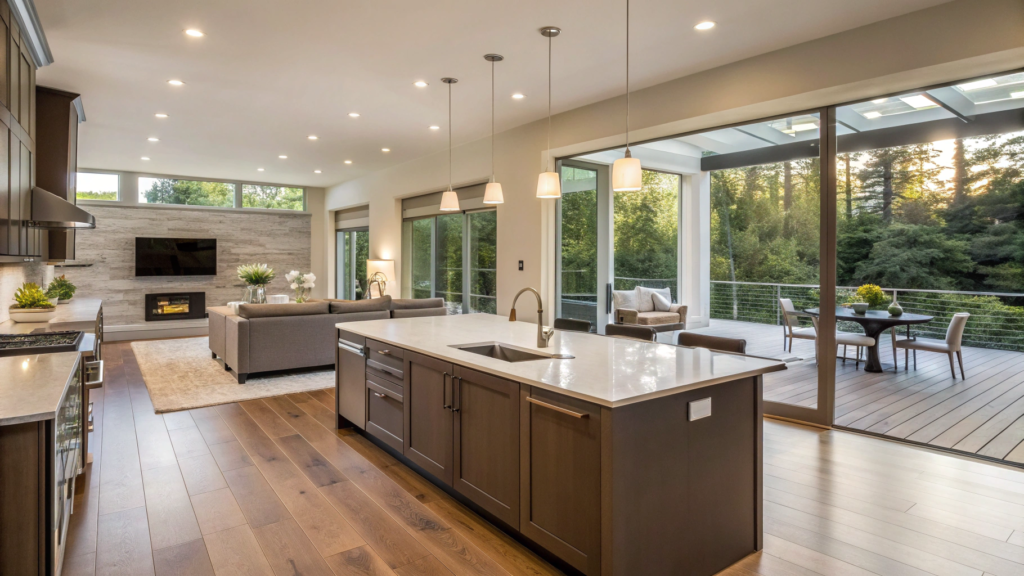
17+ Kitchen Color Palette Ideas for Remodels
Choosing a kitchen color palette can feel overwhelming because it sets the mood for everything — cabinets, countertops, flooring, even how warm or cool the space feels day to day. The good news? The best palettes aren’t complicated. They’re balanced, flexible, and easy to live with long after the remodel dust settles.
Here are kitchen color palette ideas that designers keep coming back to, explained like a friend helping you narrow things down without second-guessing every choice.
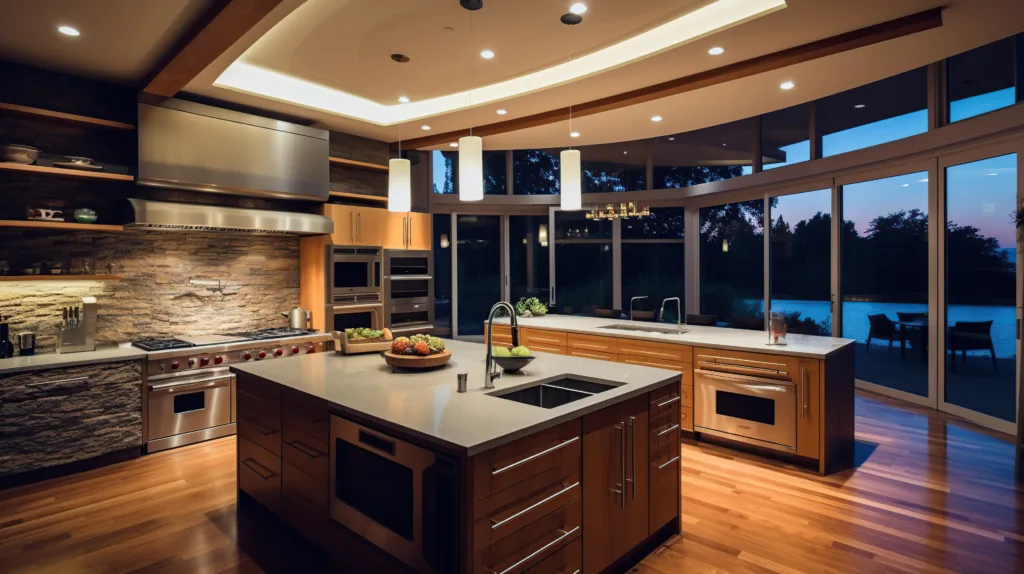
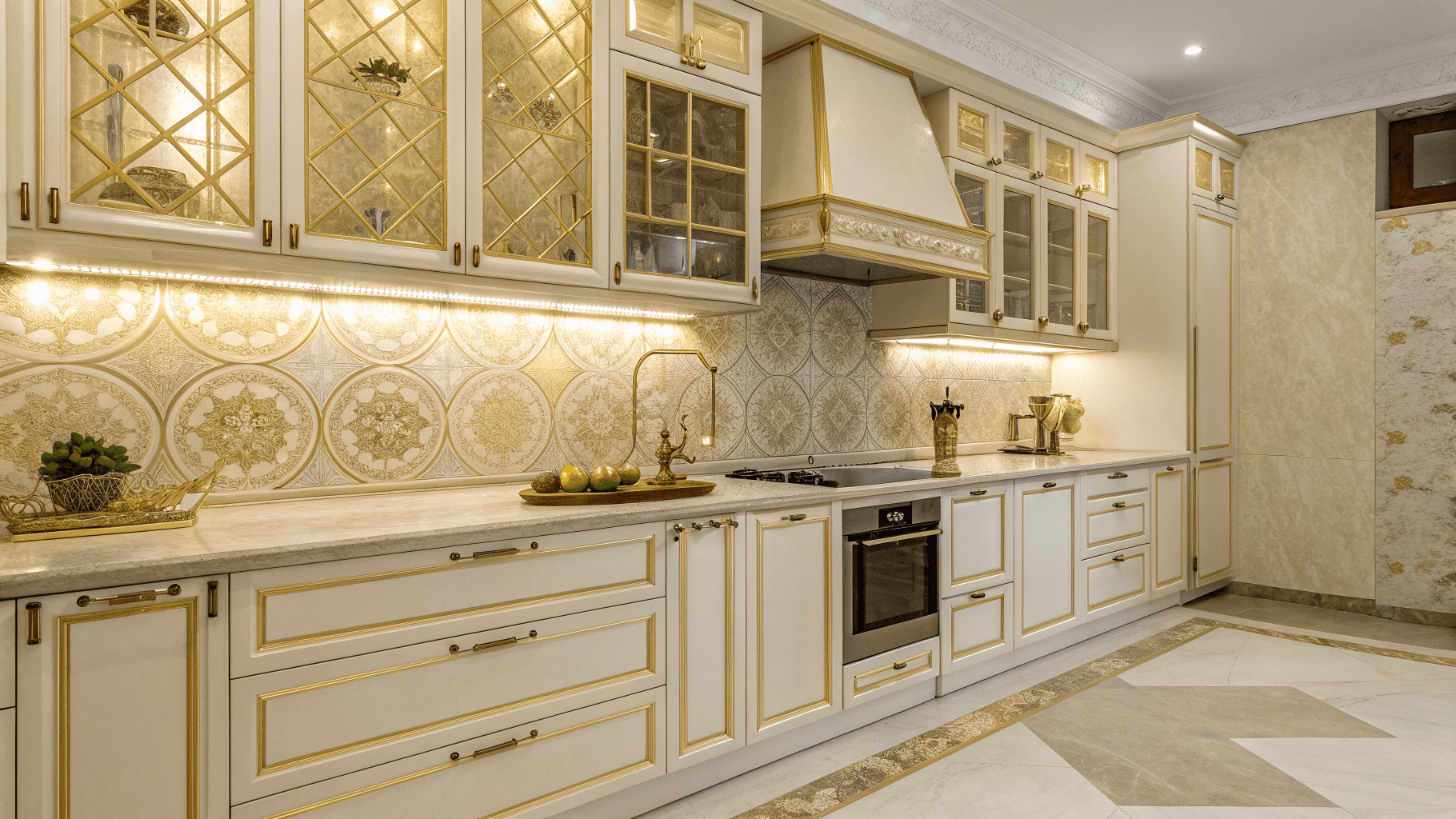
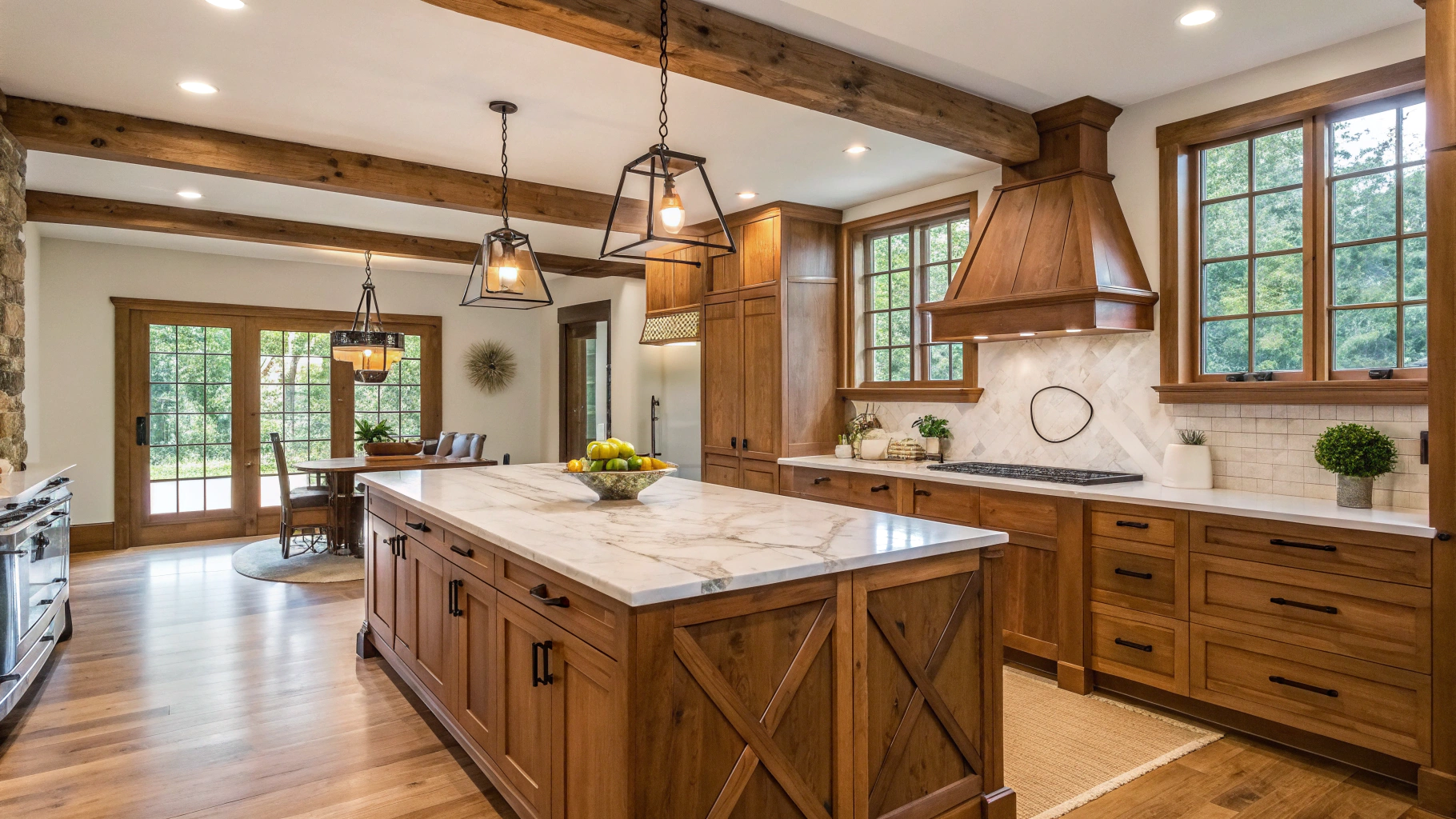
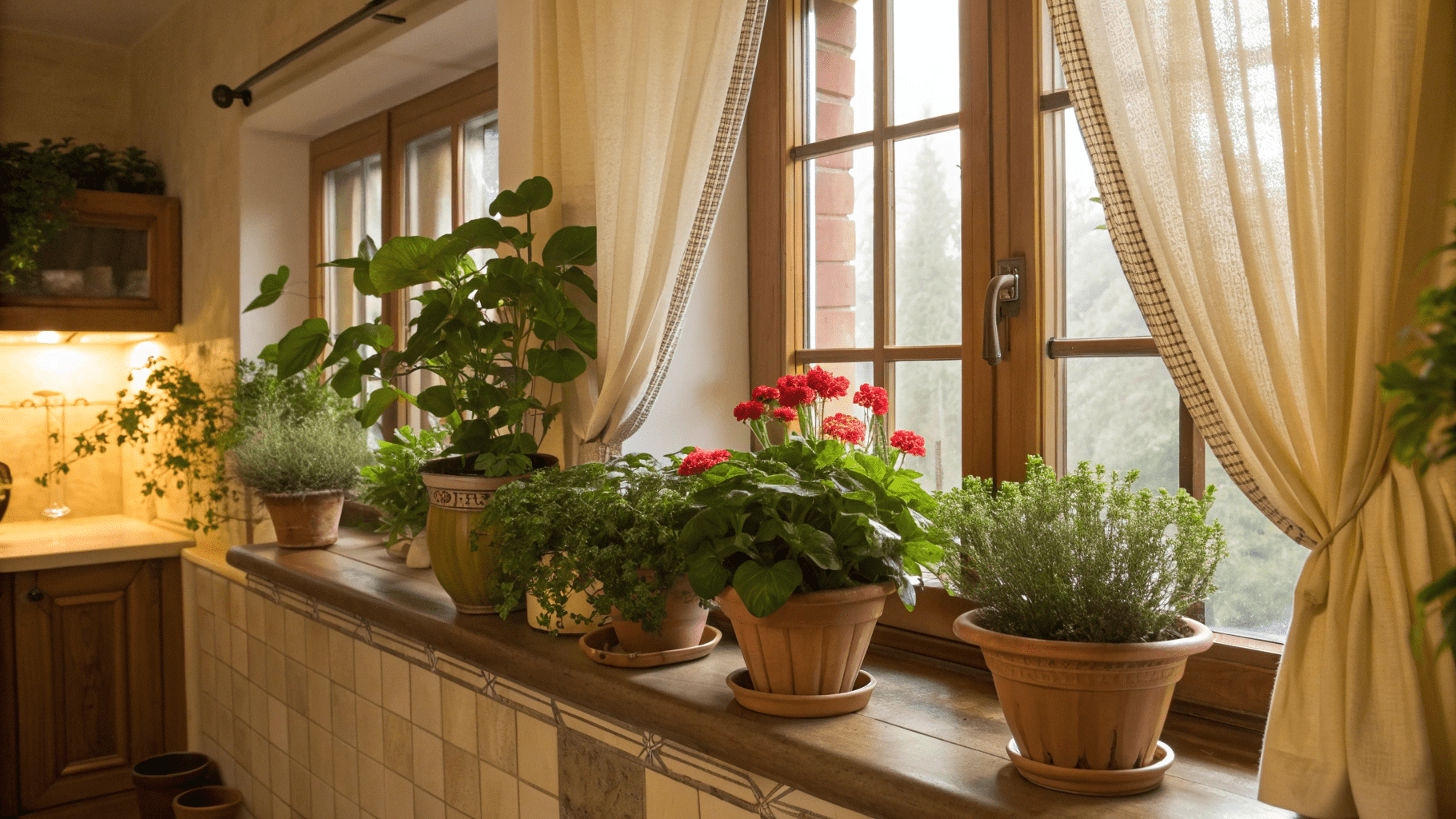
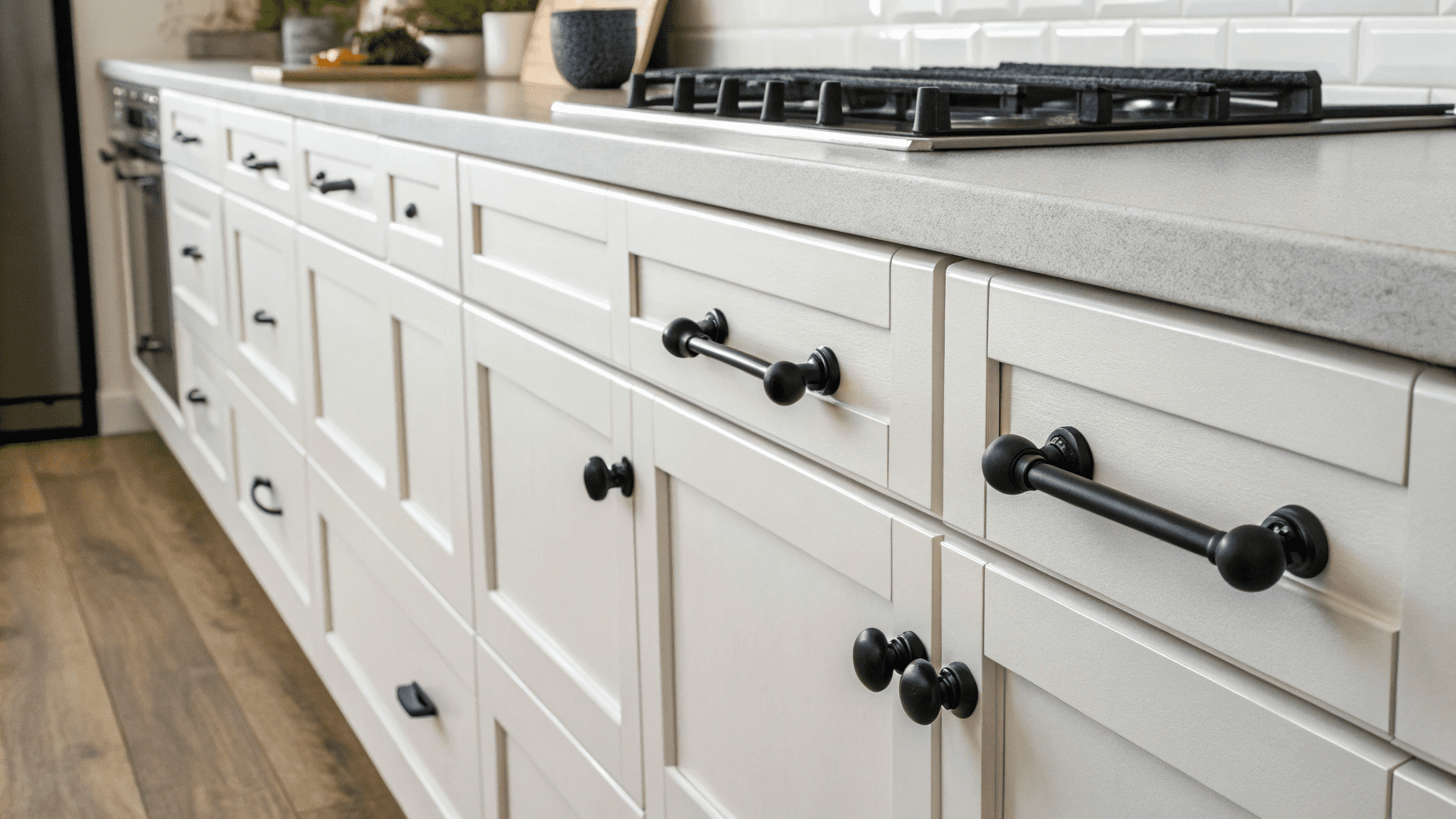
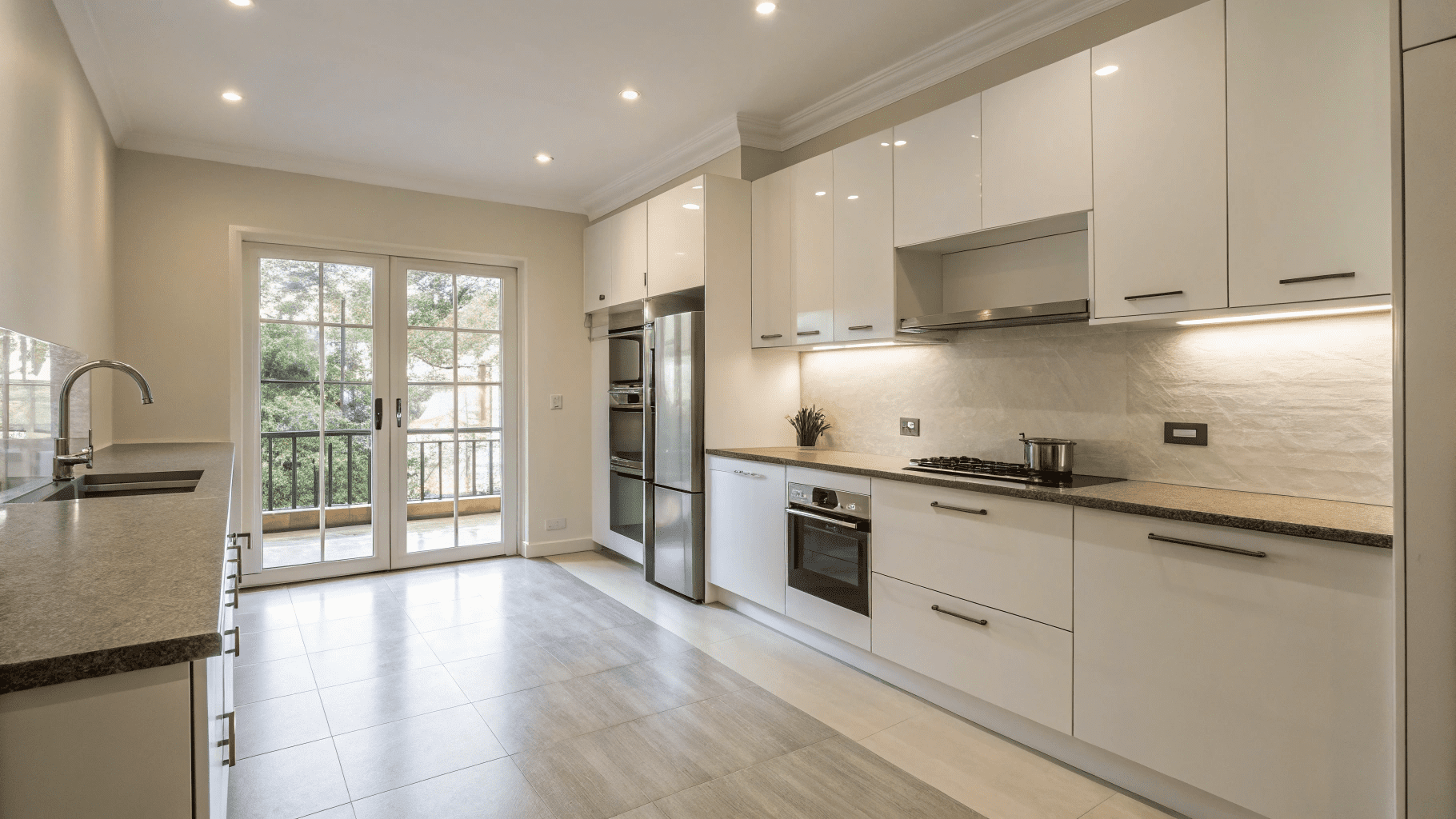
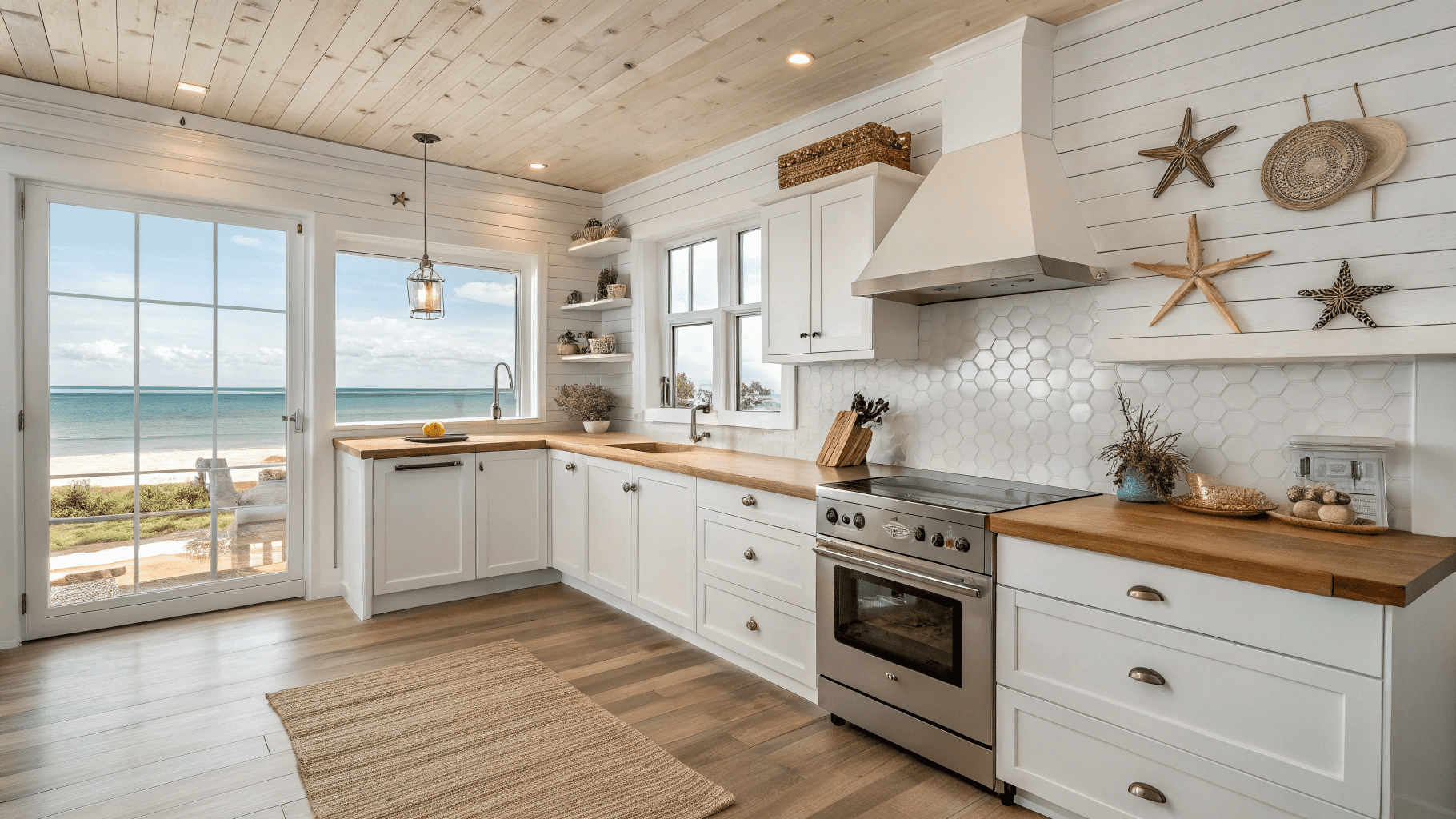
1. Warm White and Natural Wood
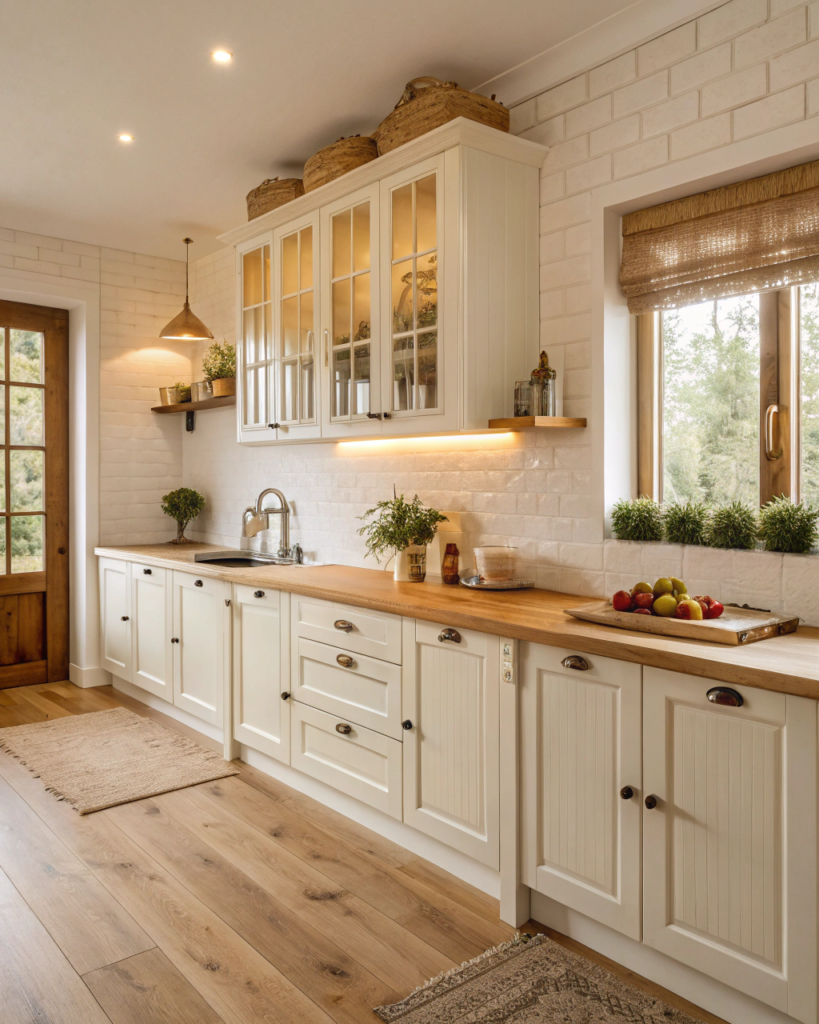
This combo is timeless for a reason.
Use:
• Warm white cabinets
• Oak, maple, or walnut accents
2. Soft Greige and Cream

Greige adds depth without feeling cold.
Use:
• Greige cabinetry or walls
• Cream countertops or backsplashes
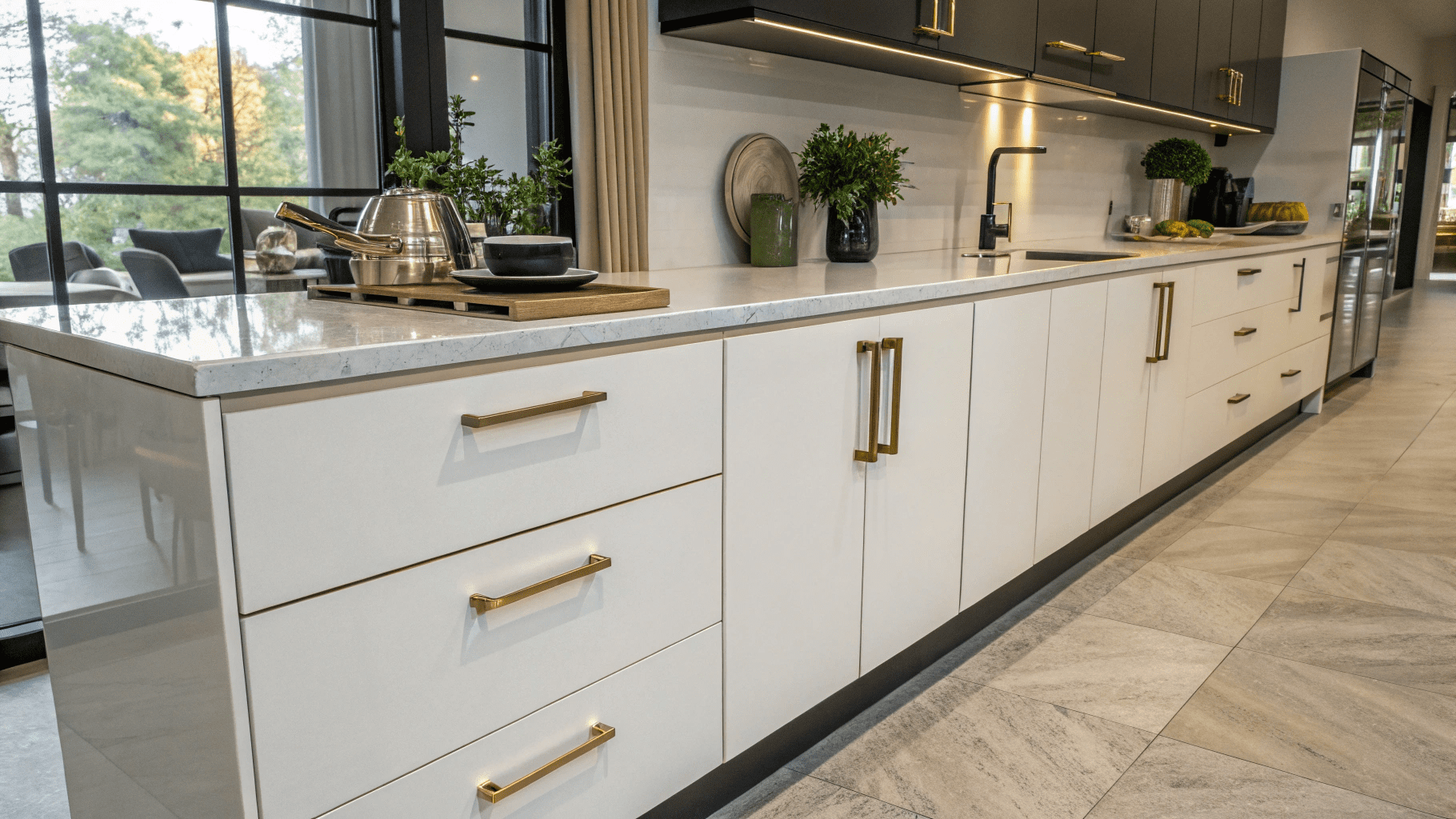
3. White, Black, and Brass

Classic, but never boring when done right.
Use:
• White cabinets
• Black accents
• Brass hardware for warmth
4. Sage Green and Warm Neutrals

Sage feels calm and grounded.
Use:
• Sage cabinets or islands
• Beige or off-white walls
5. Navy and Crisp White

A strong contrast that still feels classic.
Use:
• Navy lower cabinets or island
• White uppers to keep things light
6. Beige, Taupe, and Soft Brown

Perfect if you want cozy, not stark.
Use:
• Taupe cabinetry
• Warm stone or wood finishes
7. Gray With Warm Undertones
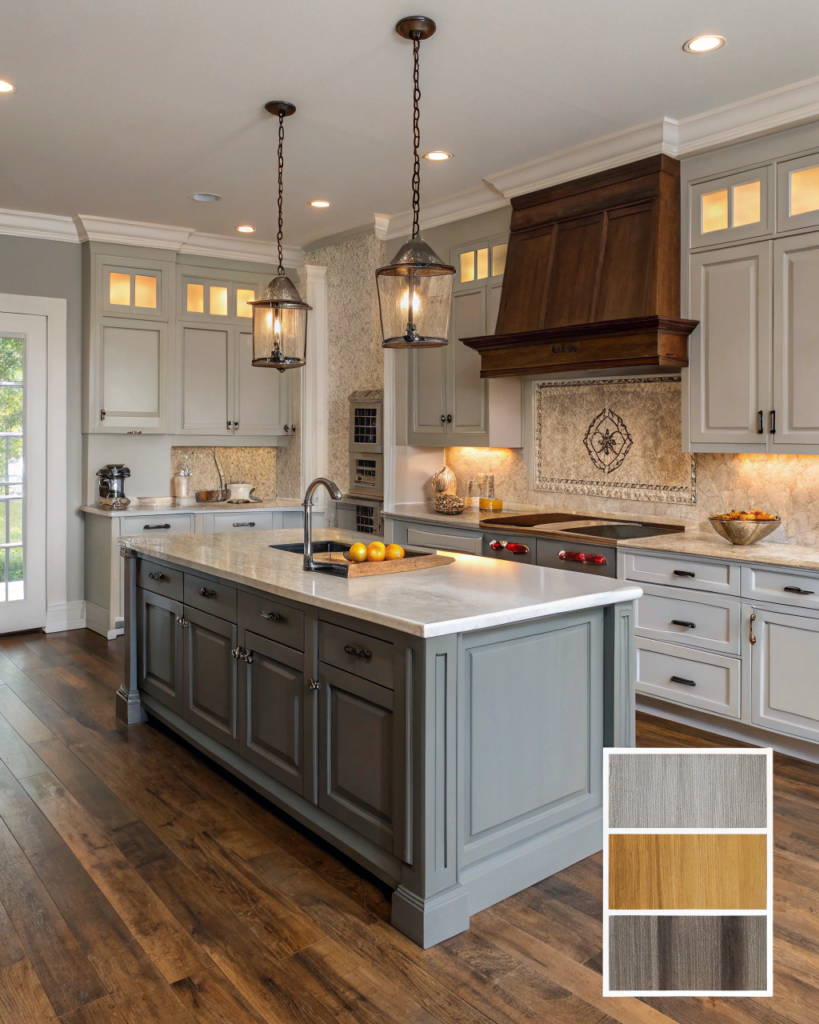
Not all gray is cold—this version ages better.
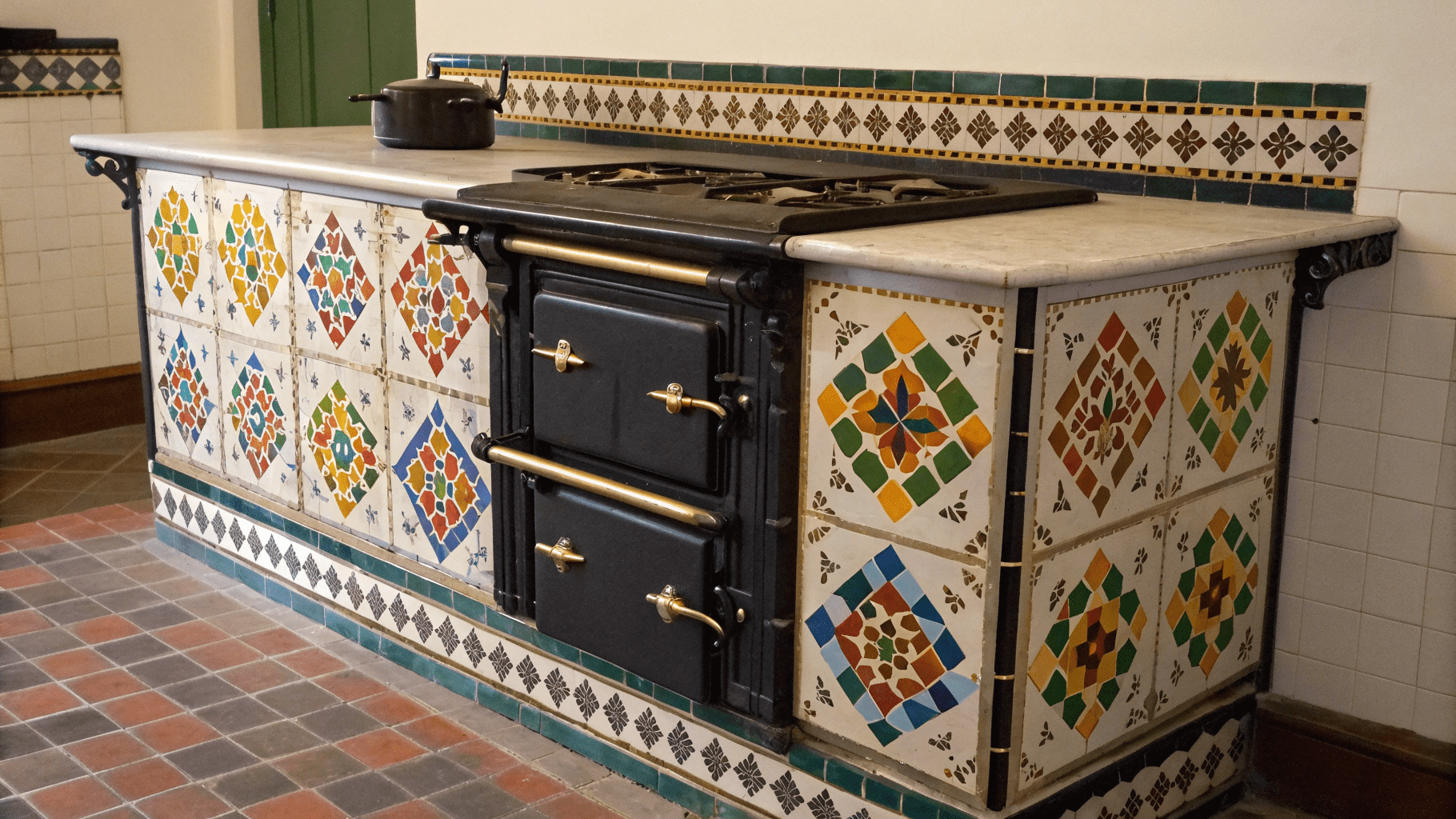
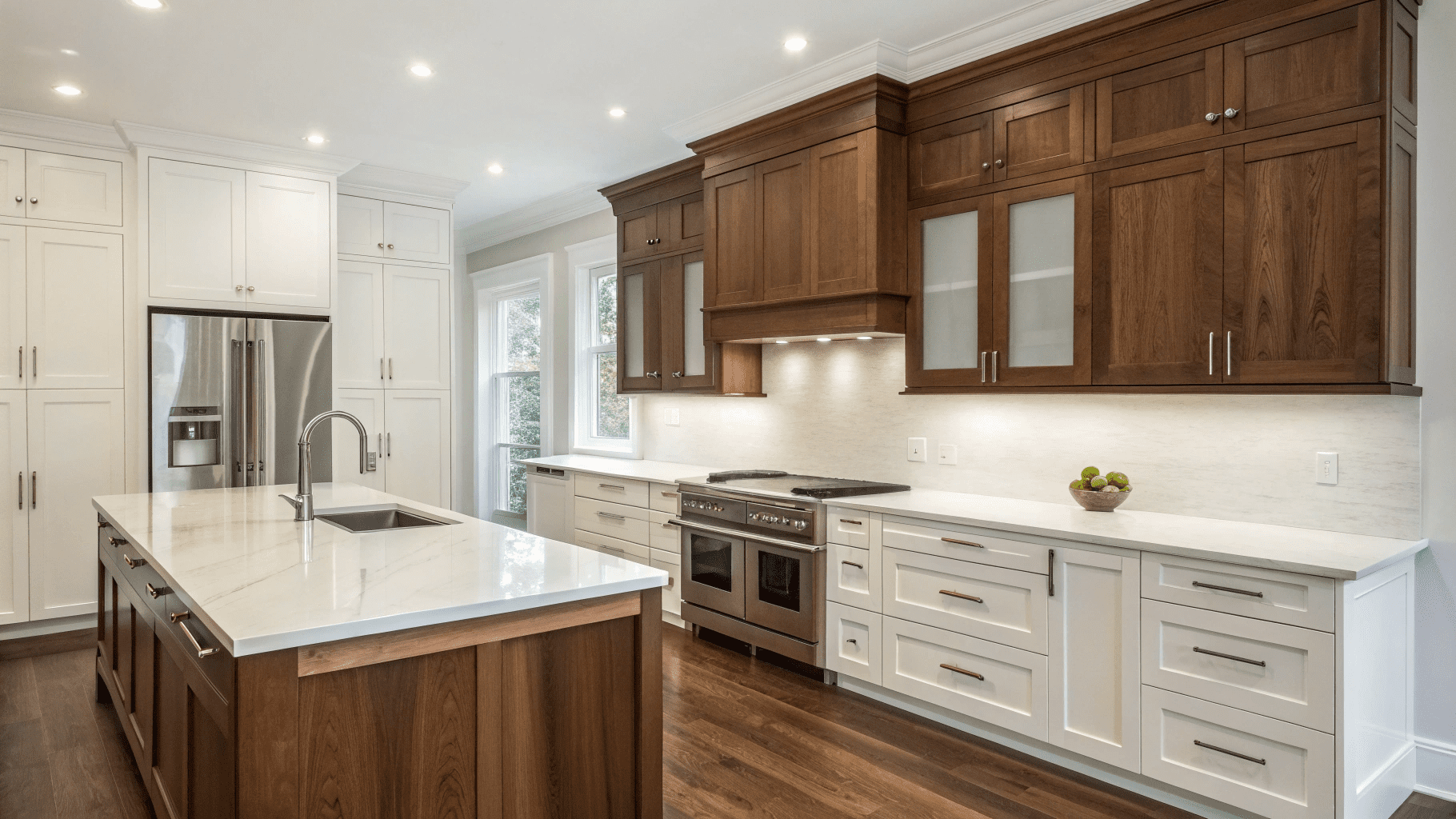
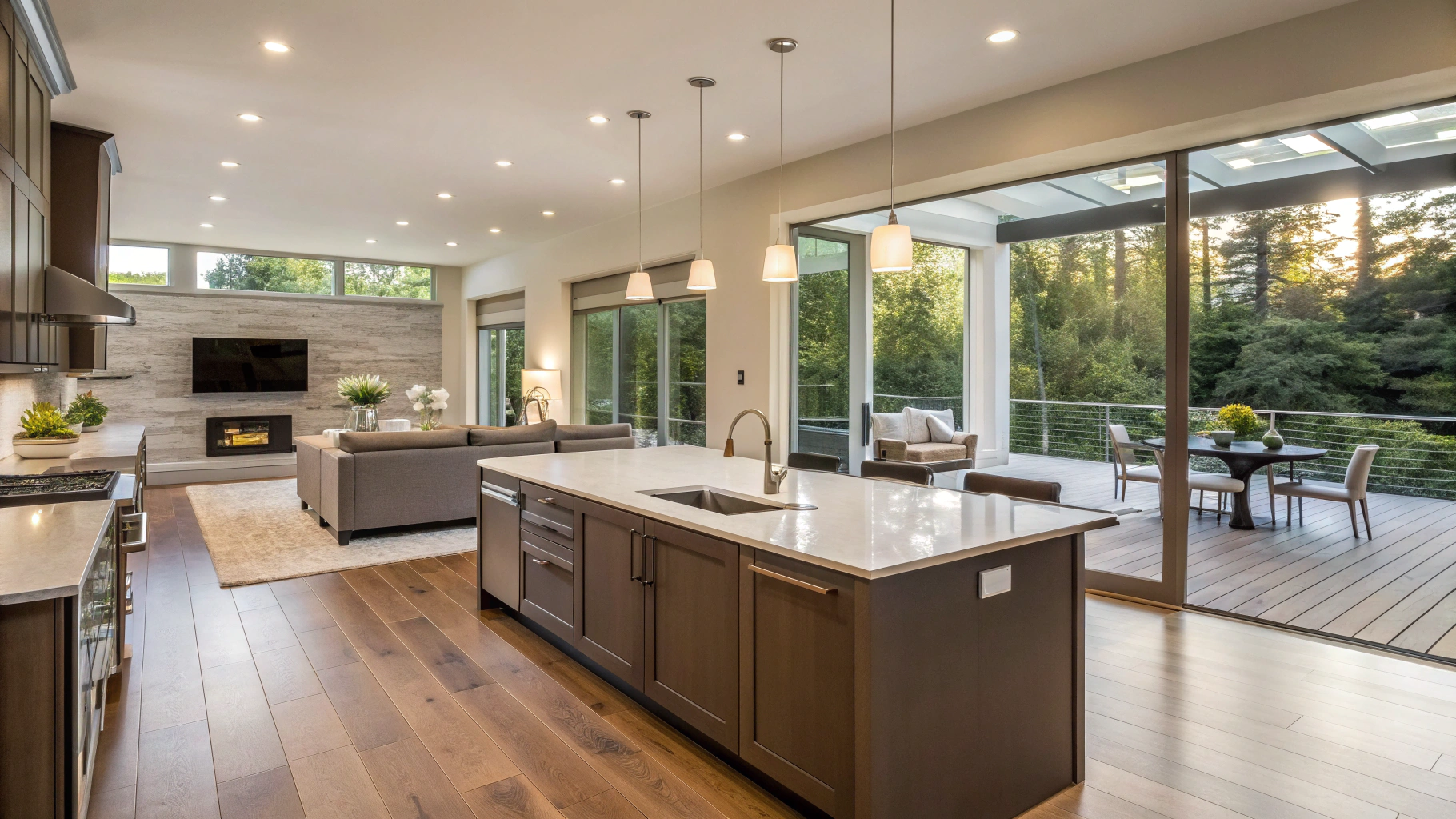
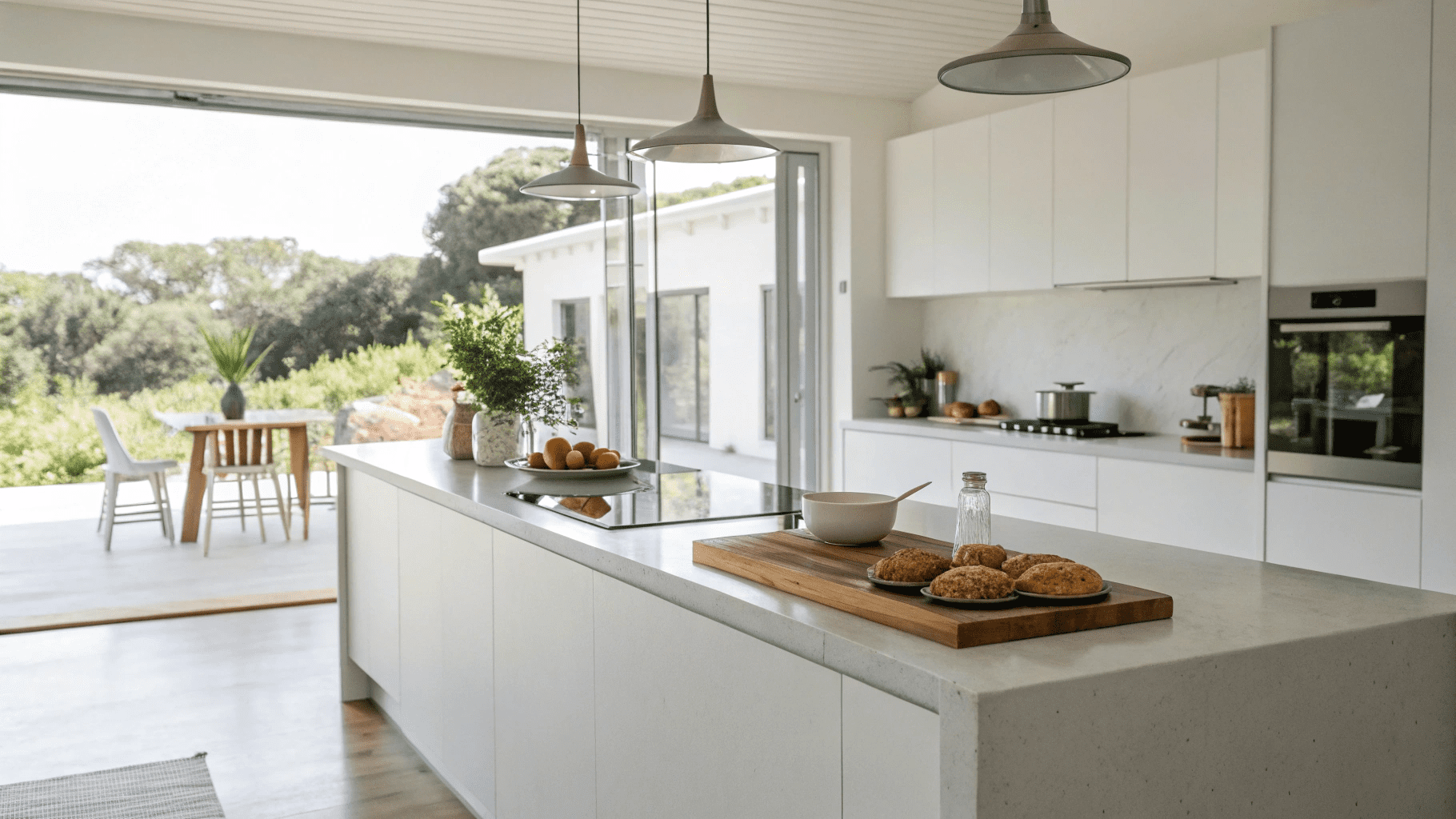
Use:
• Greige or warm gray cabinets
• Brass or wood accents
8. Cream and Black Accents
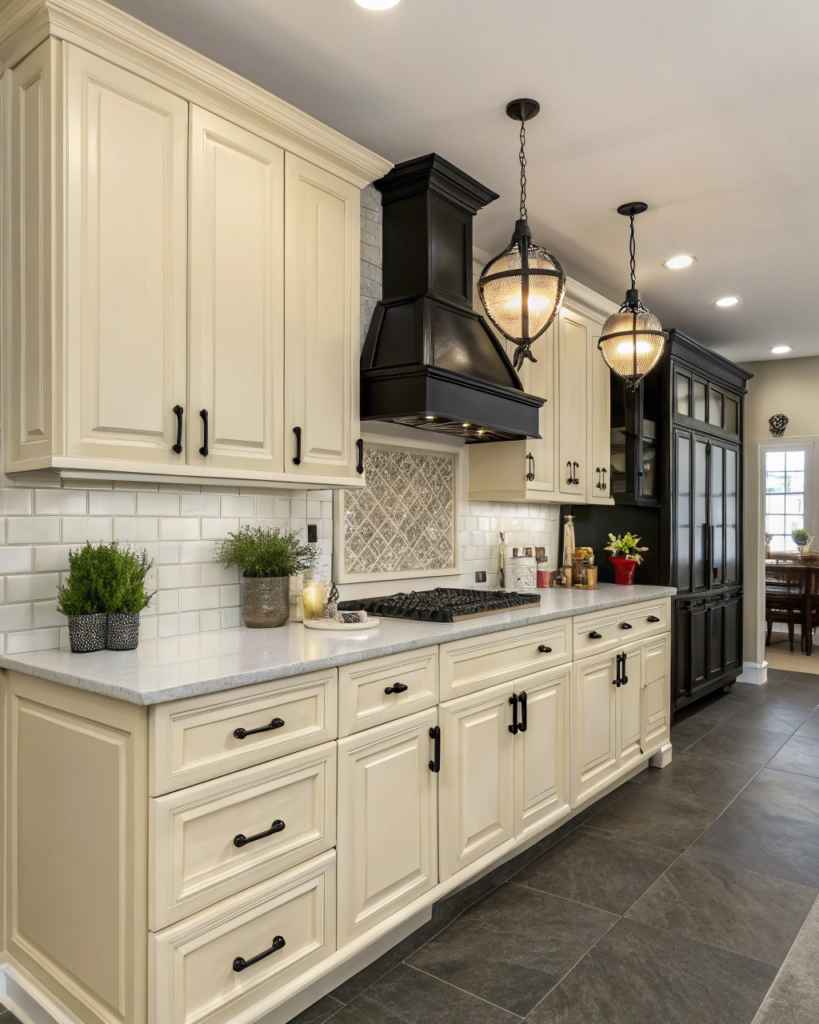
Simple, clean, and very livable.
Use:
• Cream cabinets or walls
• Black fixtures or lighting
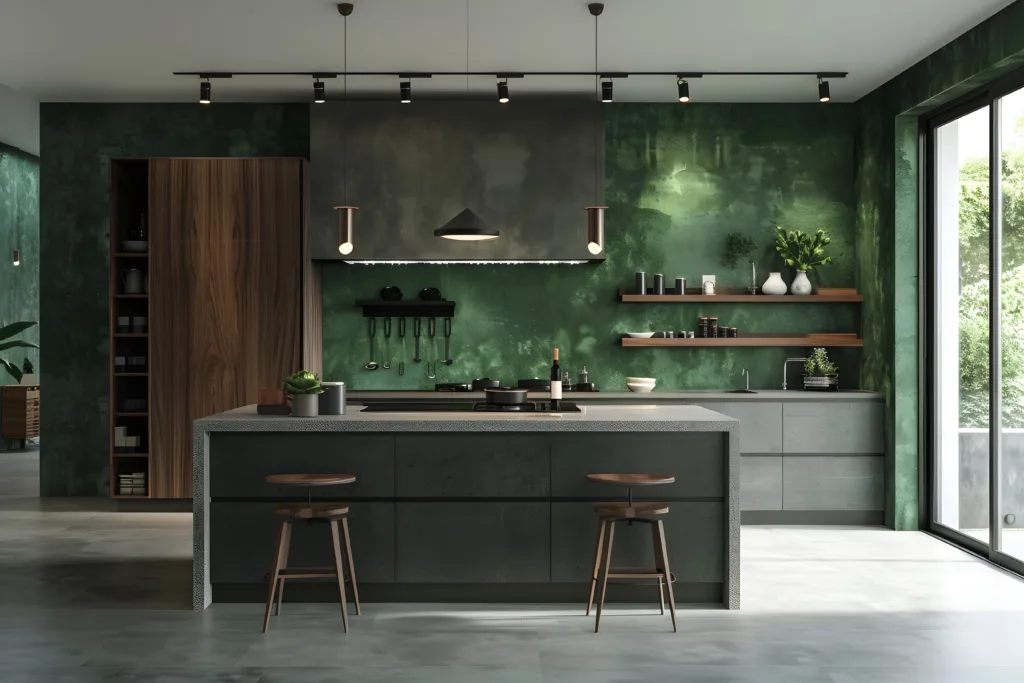
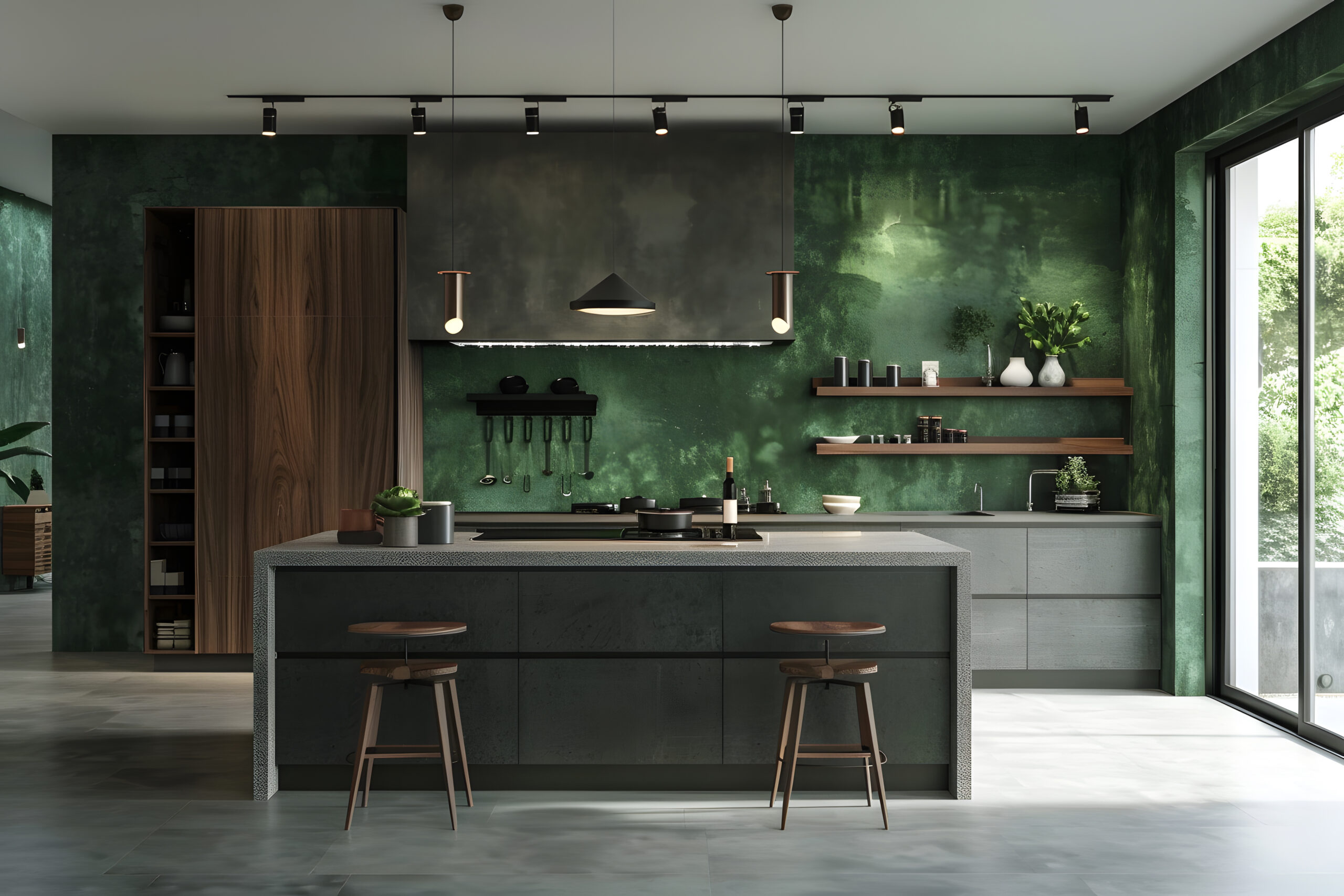
9. Earthy Green and Natural Wood

This feels especially good in kitchens with light.
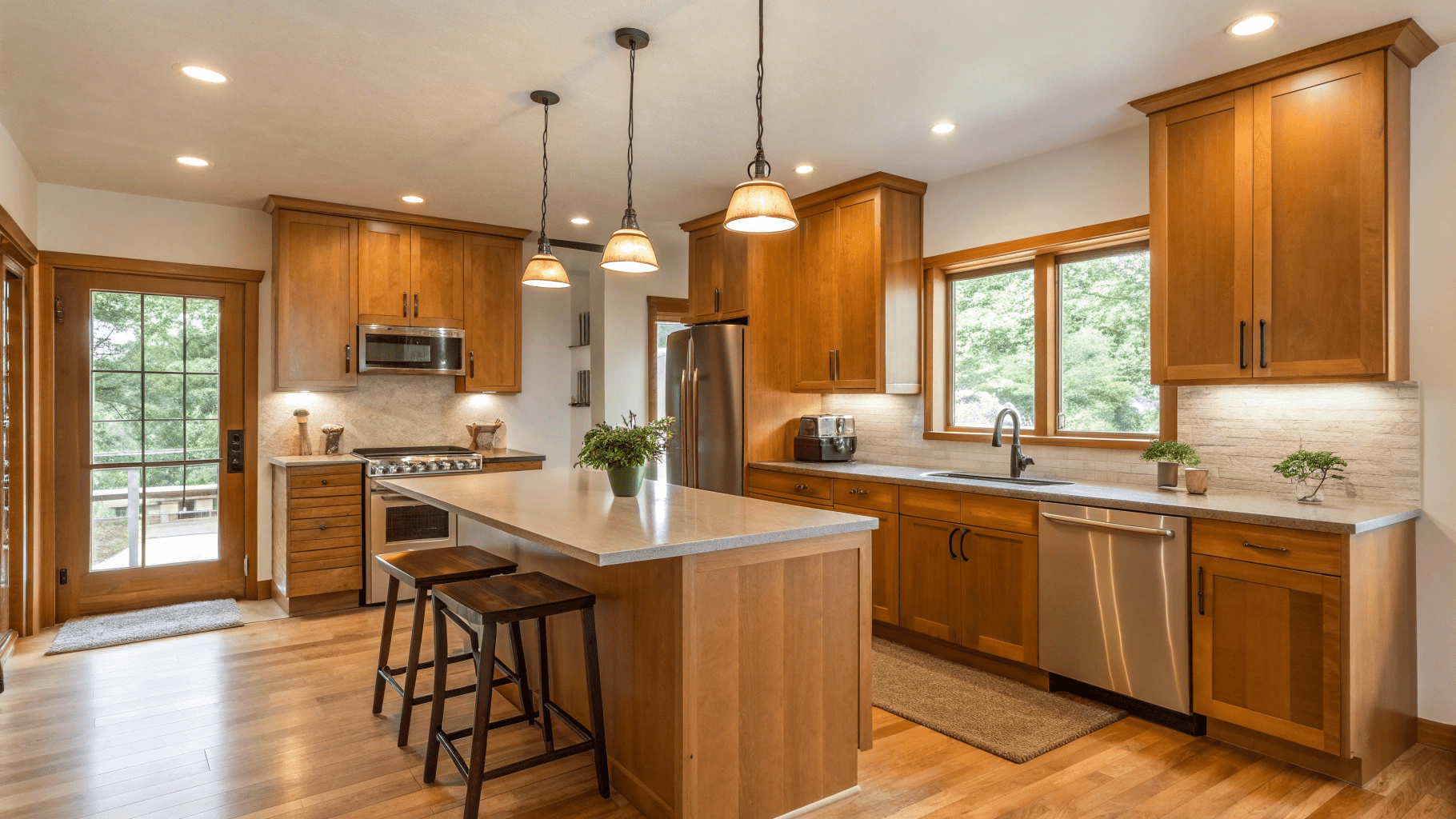
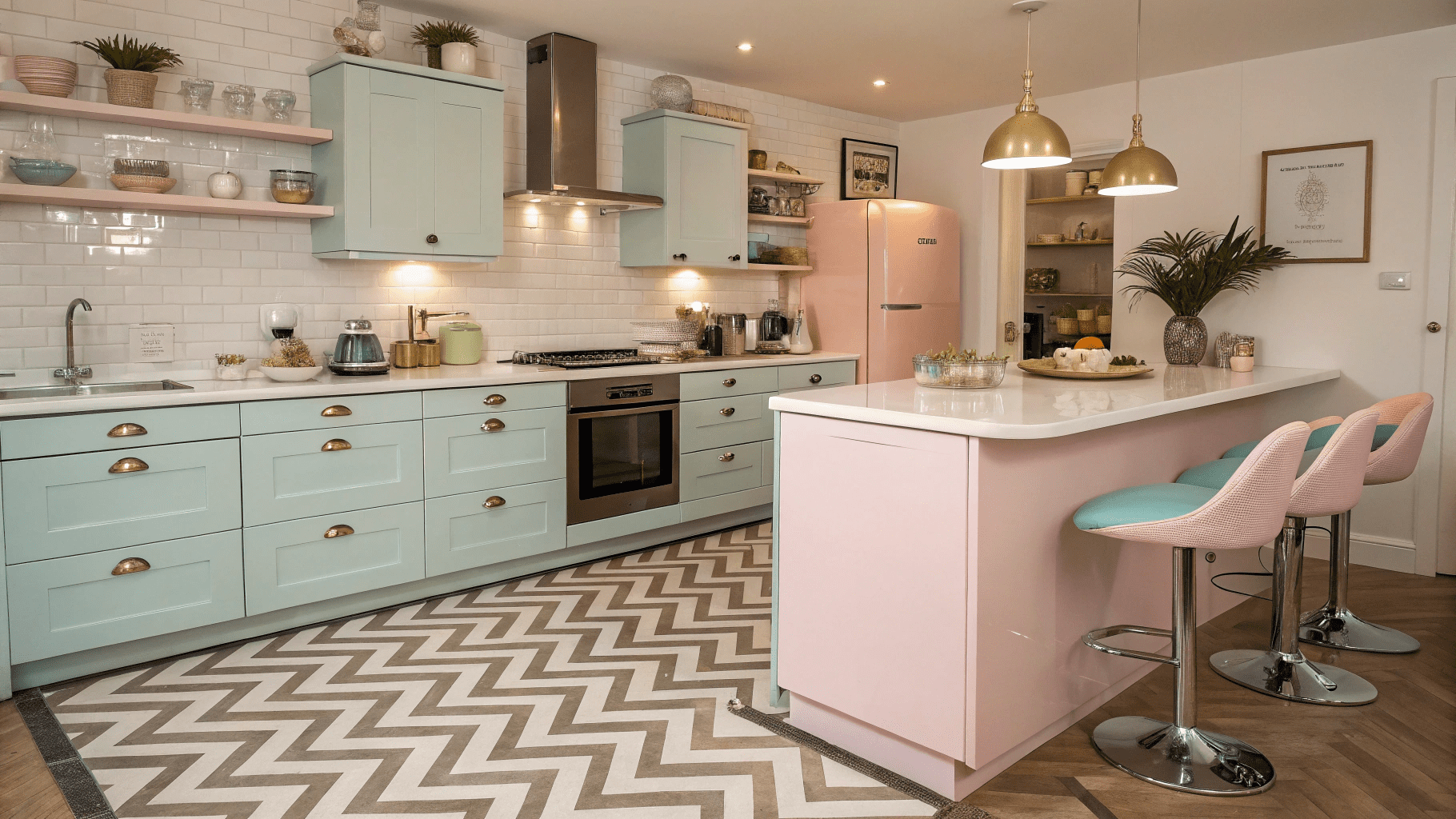
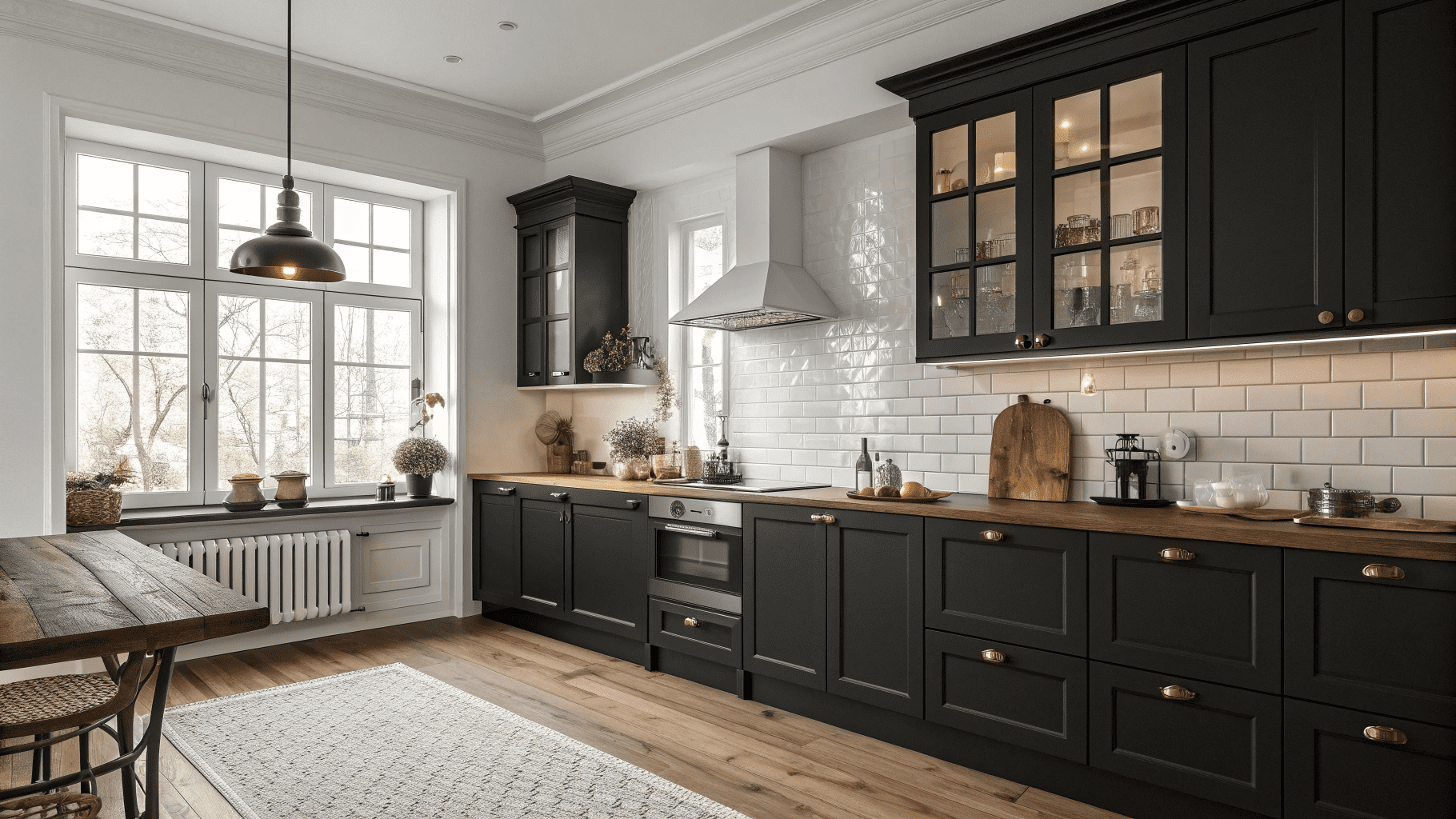
Use:
• Olive or moss green tones
• Wood shelving or islands
10. Soft Blue and White
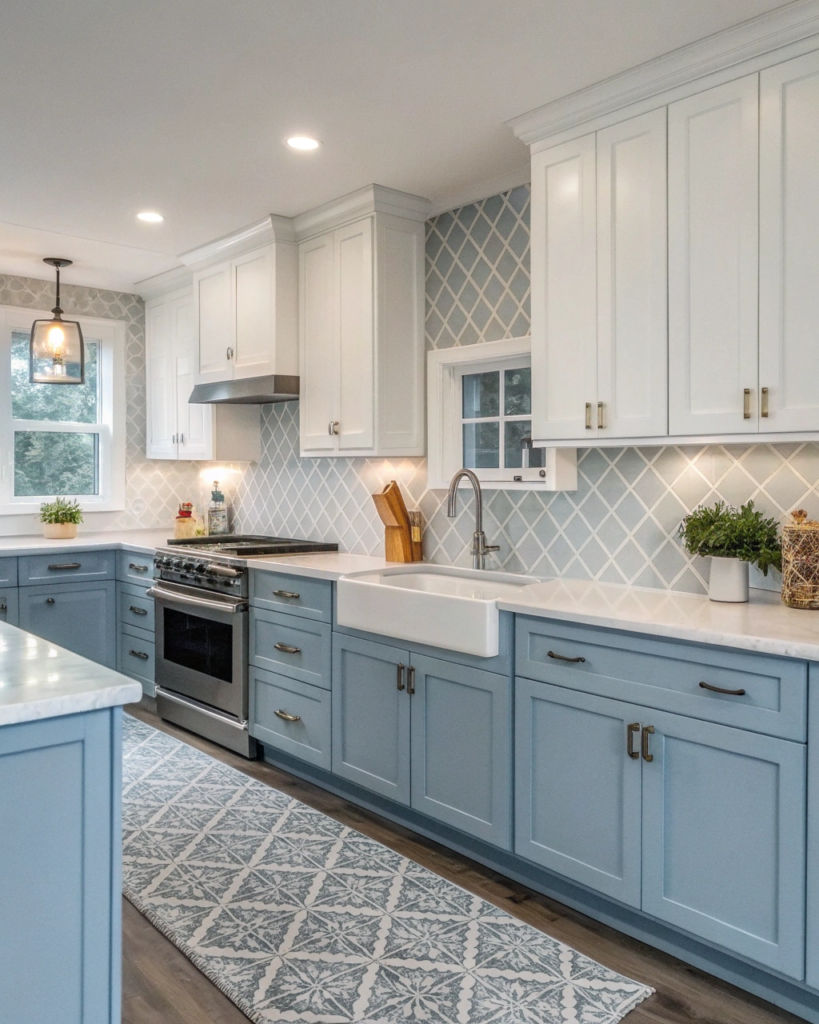
Light blues add color without overwhelming.
Use:
• Blue-gray or dusty blue cabinets
• White countertops and tile
11. Mushroom and Warm White
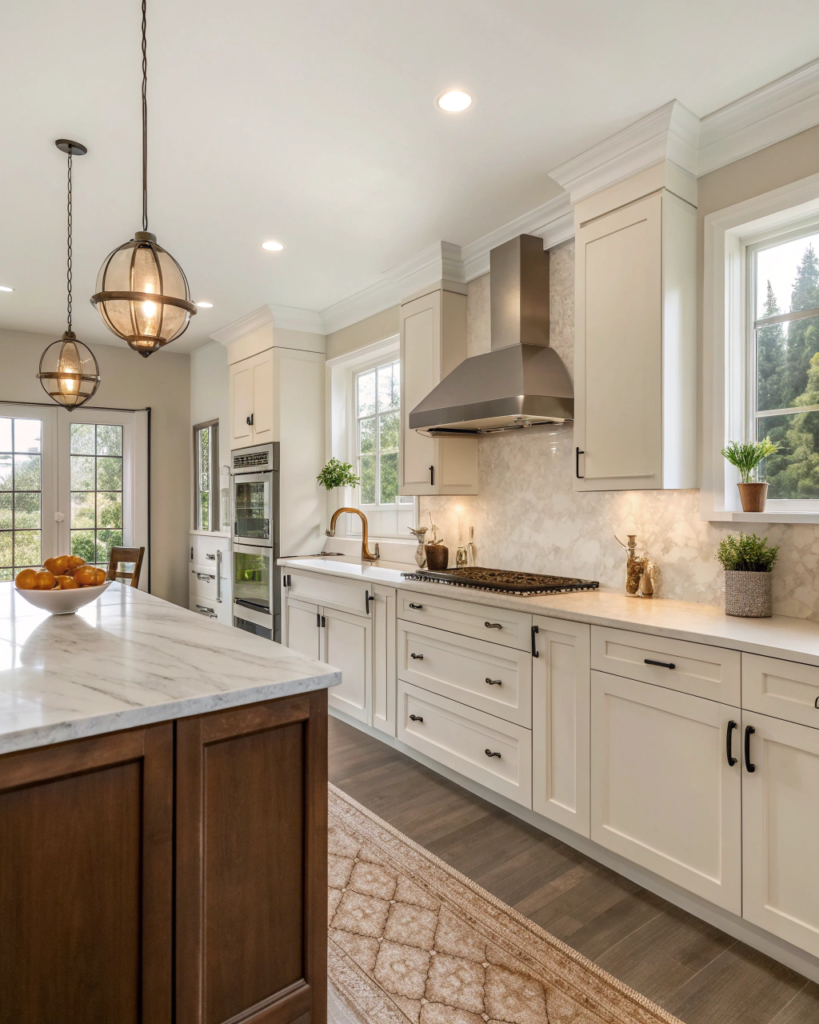
Subtle, elegant, and very designer-approved.
Use:
• Mushroom-toned cabinetry
• Warm white walls and ceilings
12. Charcoal and Light Neutrals

Dark, but still balanced.
Use:
• Charcoal islands or lowers
• Light counters and walls
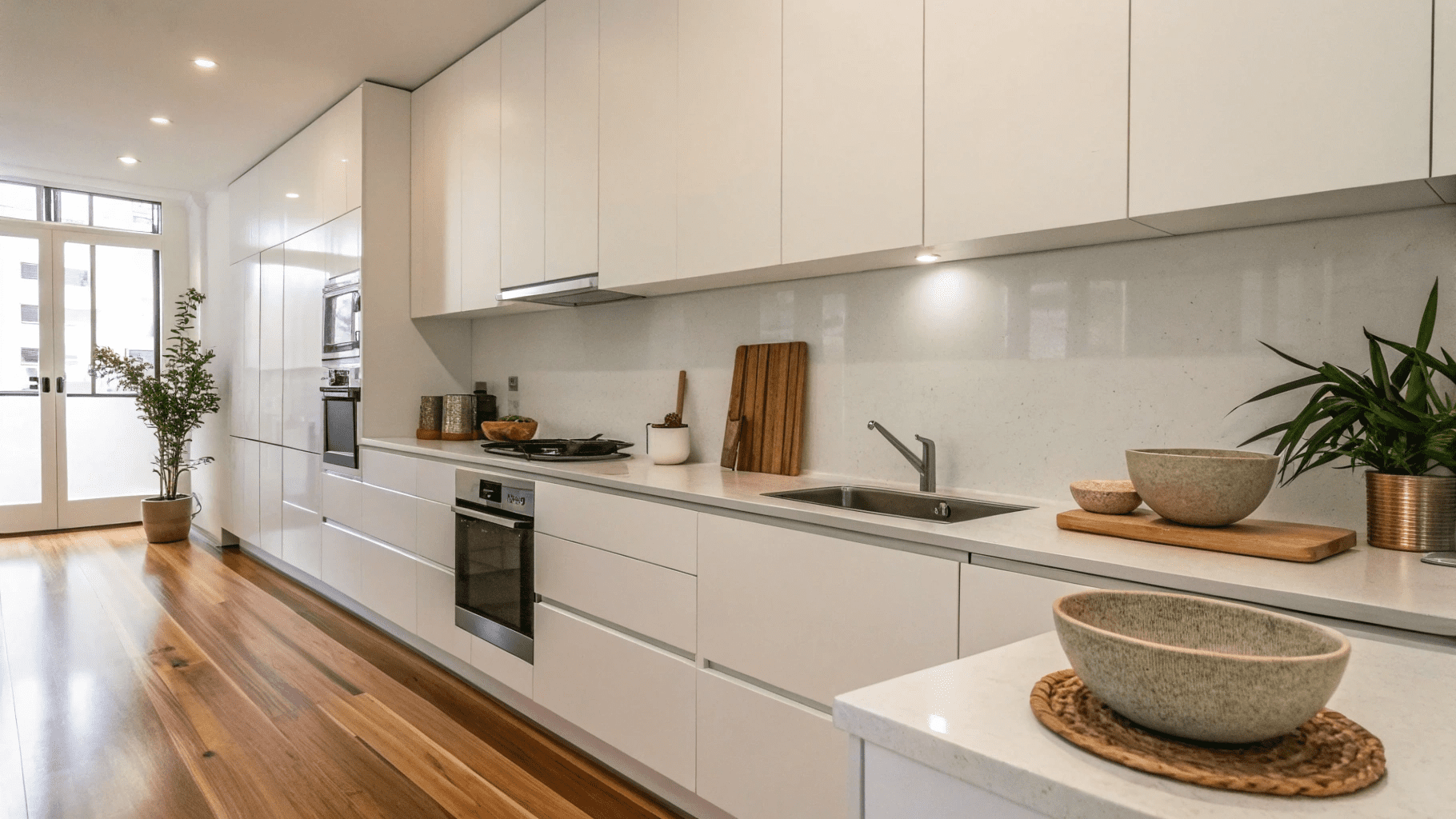
13. All-White With Texture
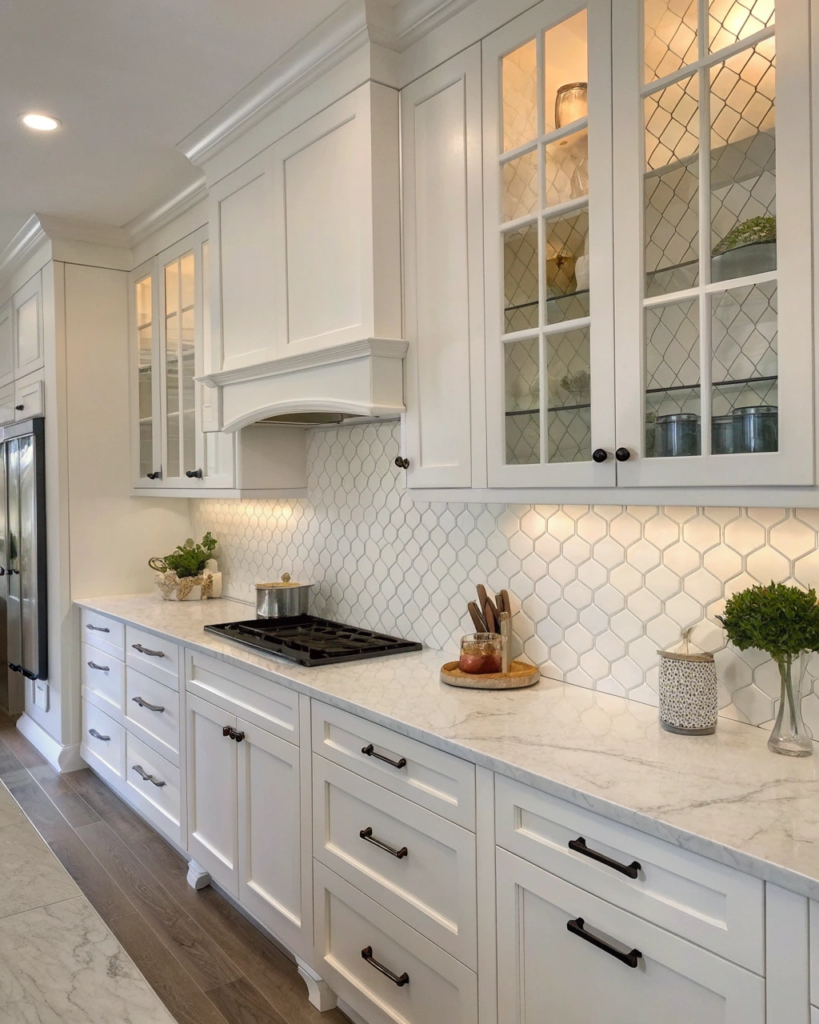
Color comes from materials, not paint.
Use:
• White cabinets
• Wood, stone, or textured tile
14. Warm Wood and Matte Black

Modern but still welcoming.
Use:
• Wood cabinetry or islands
• Matte black fixtures or hardware
15. Soft Neutral Monochrome

Sticking to one family keeps things calm.
Use:
• Layers of beige, cream, and taupe
• Texture for interest
16. White, Gray, and Wood

A safe choice that still feels fresh.
Use:
• White cabinets
• Gray counters or backsplash
• Wood accents
17. Muted Color With Neutral Backdrop
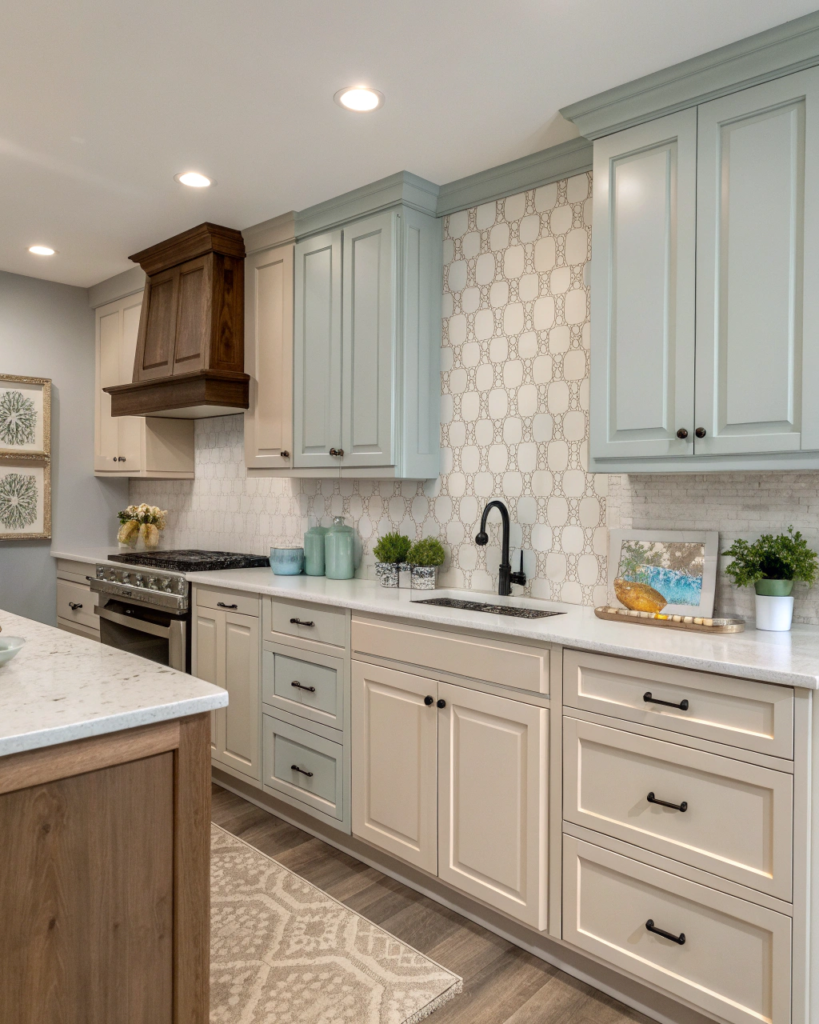
A great way to try color without committing too hard.
Use:
• Colored island or lower cabinets
• Neutral uppers and walls
Final Thoughts
The best kitchen color palettes aren’t about following trends—they’re about choosing combinations you’ll enjoy every single day. Start with a neutral base, add warmth through wood or metals, and introduce color in ways that feel flexible. When in doubt, calm and balanced always wins.
FAQs
What kitchen color palette is the safest choice for remodels?
Warm neutrals paired with wood are one of the safest and most timeless options.
Are dark kitchen colors a bad idea?
Not at all. They work beautifully when balanced with light countertops, walls, or good lighting.
Should cabinets and walls be the same color?
They can be, but contrast often adds depth and visual interest.
What kitchen colors age the fastest?
Very bold or ultra-trendy colors tend to date faster than muted tones.
How do I add color without regretting it later?
Use color on islands, lower cabinets, or accessories instead of everywhere.
Do warm or cool colors work better in kitchens?
Warm tones generally feel more welcoming, but the best choice depends on natural light and finishes.

- 12 Small Guest Room Ideas People Love - March 13, 2026
- 18 Thoughtful Guest Room Ideas Your Friends and Family Will Appreciate - March 13, 2026
- 16 Easy Ways to Make Your Guest Bedroom Feel More Inviting - March 13, 2026