18+ Smart Space Planning Ideas for Compact Homes
Compact homes can feel surprisingly spacious when designed thoughtfully. It’s all about using every inch wisely, choosing multifunctional pieces, and creating layouts that feel open and airy.
With the right planning, even the smallest spaces can feel comfortable, stylish, and incredibly efficient.
These smart space planning ideas will help you make the most of your home without sacrificing beauty or comfort.
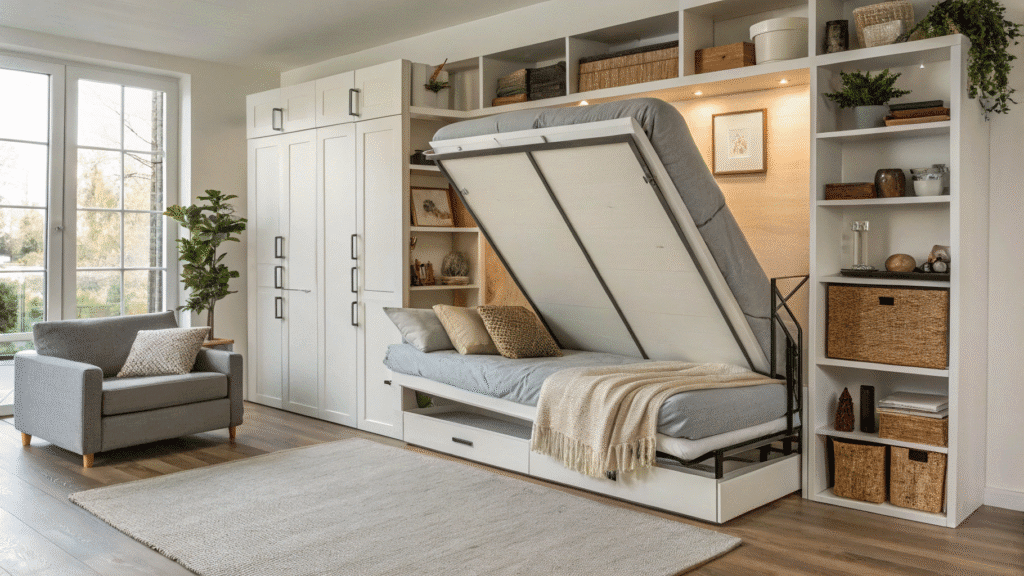
1. Choose Multifunctional Furniture
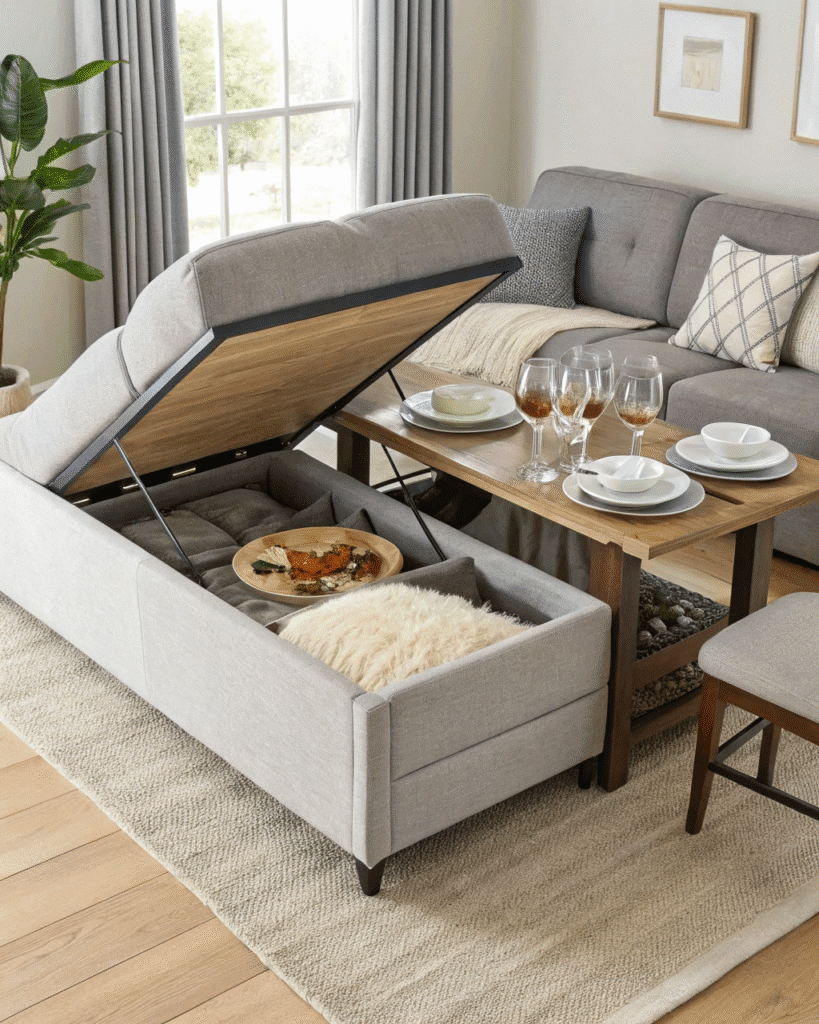
Furniture that serves more than one purpose like sofa beds, extendable tables, or ottomans with storage saves space and keeps your home flexible.
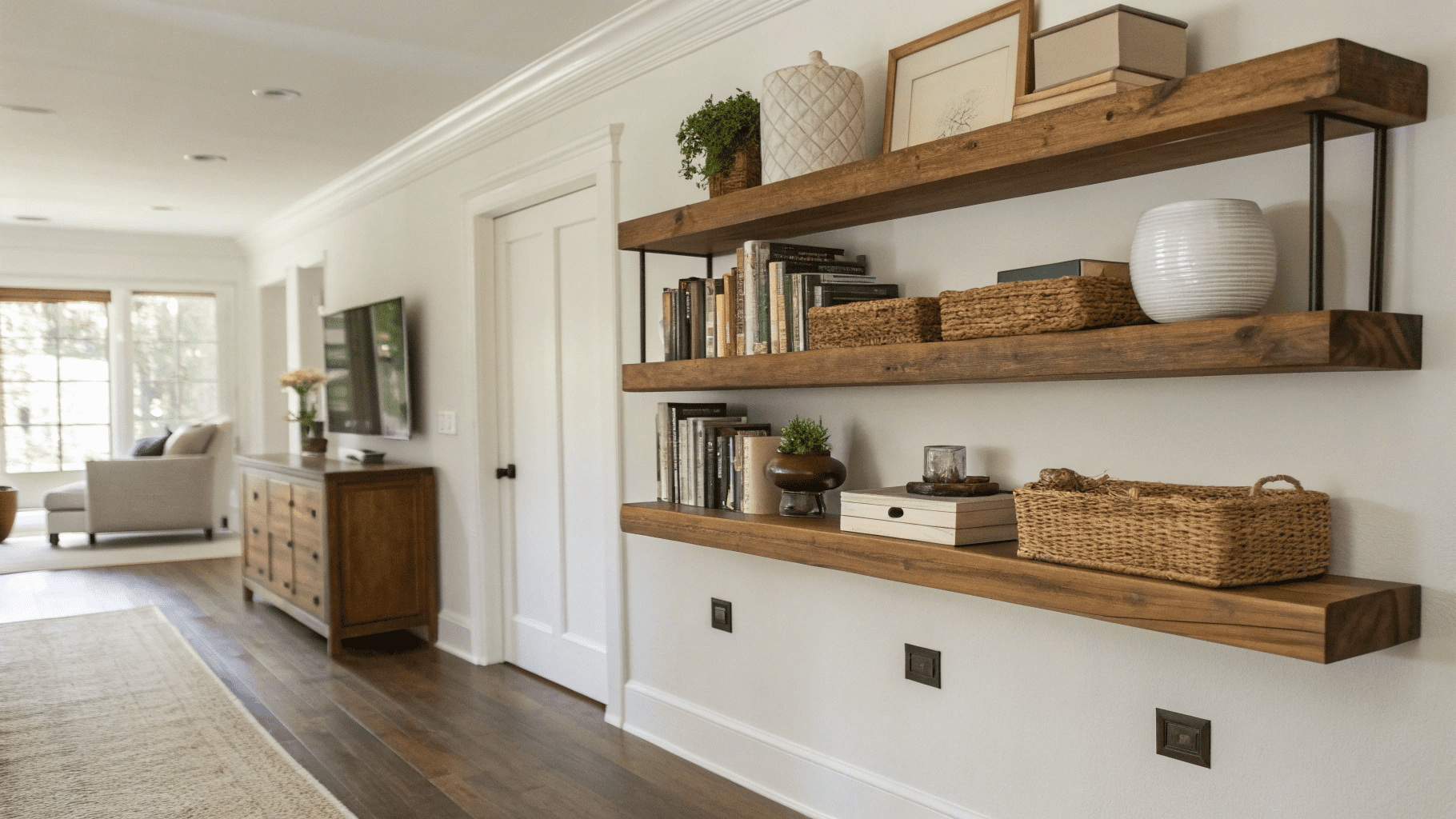
Pro Tip: Look for pieces that fold, stack, or transform for maximum versatility.
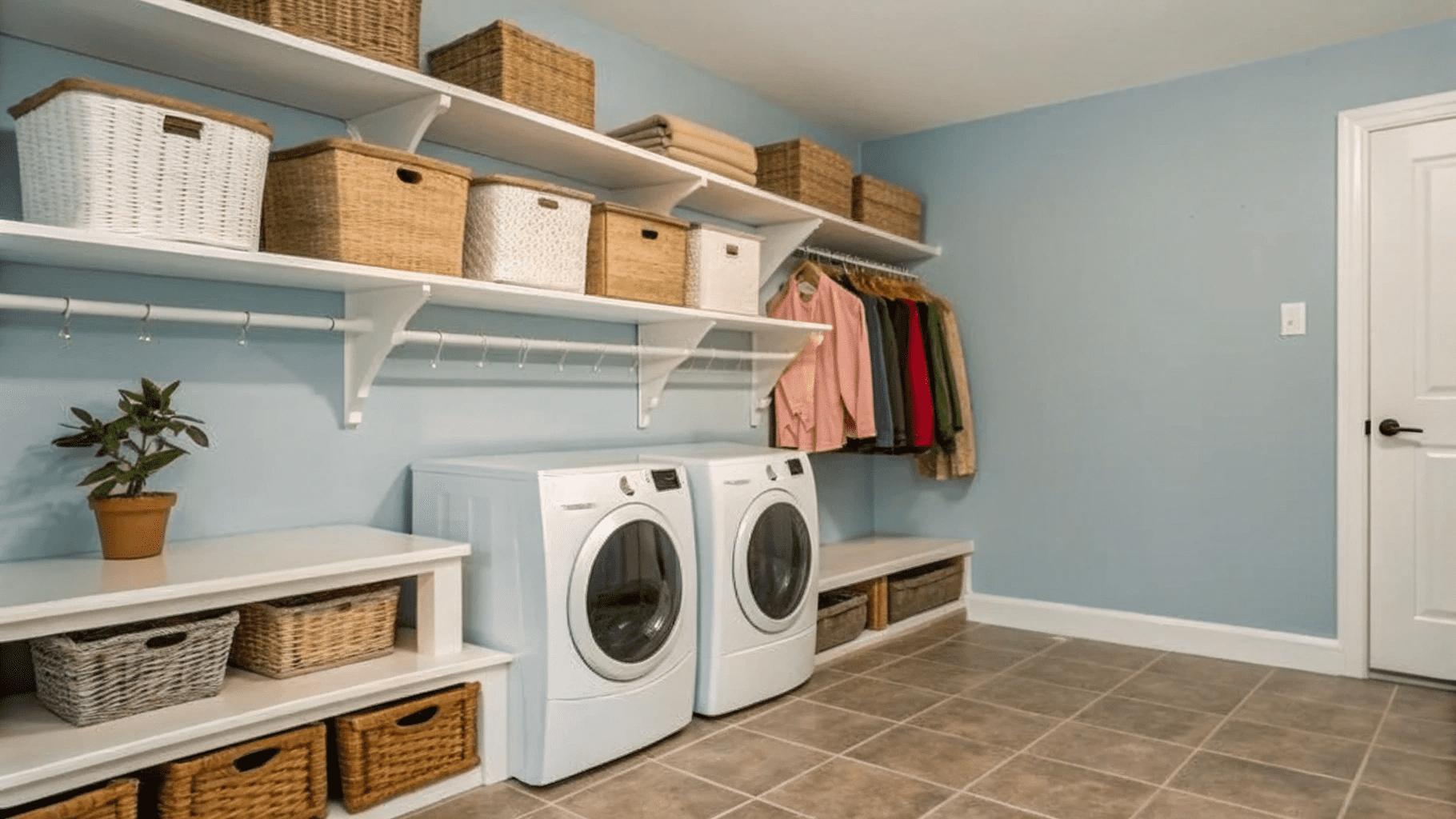
2. Use Vertical Storage on Every Wall
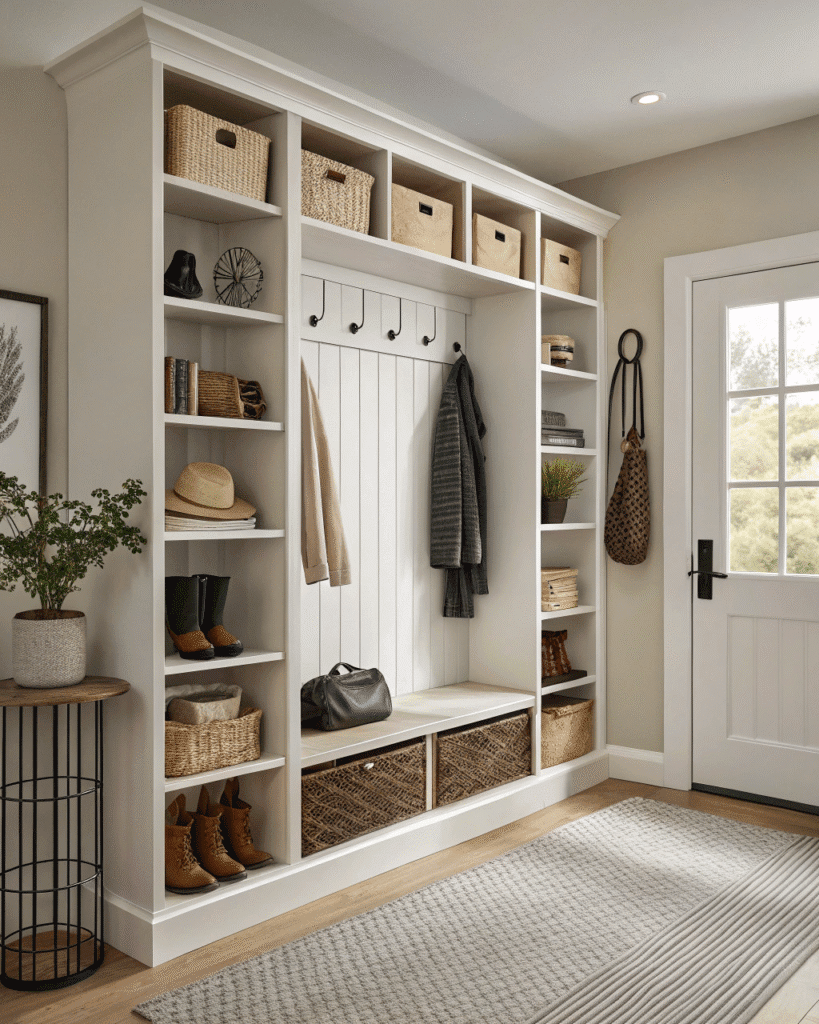
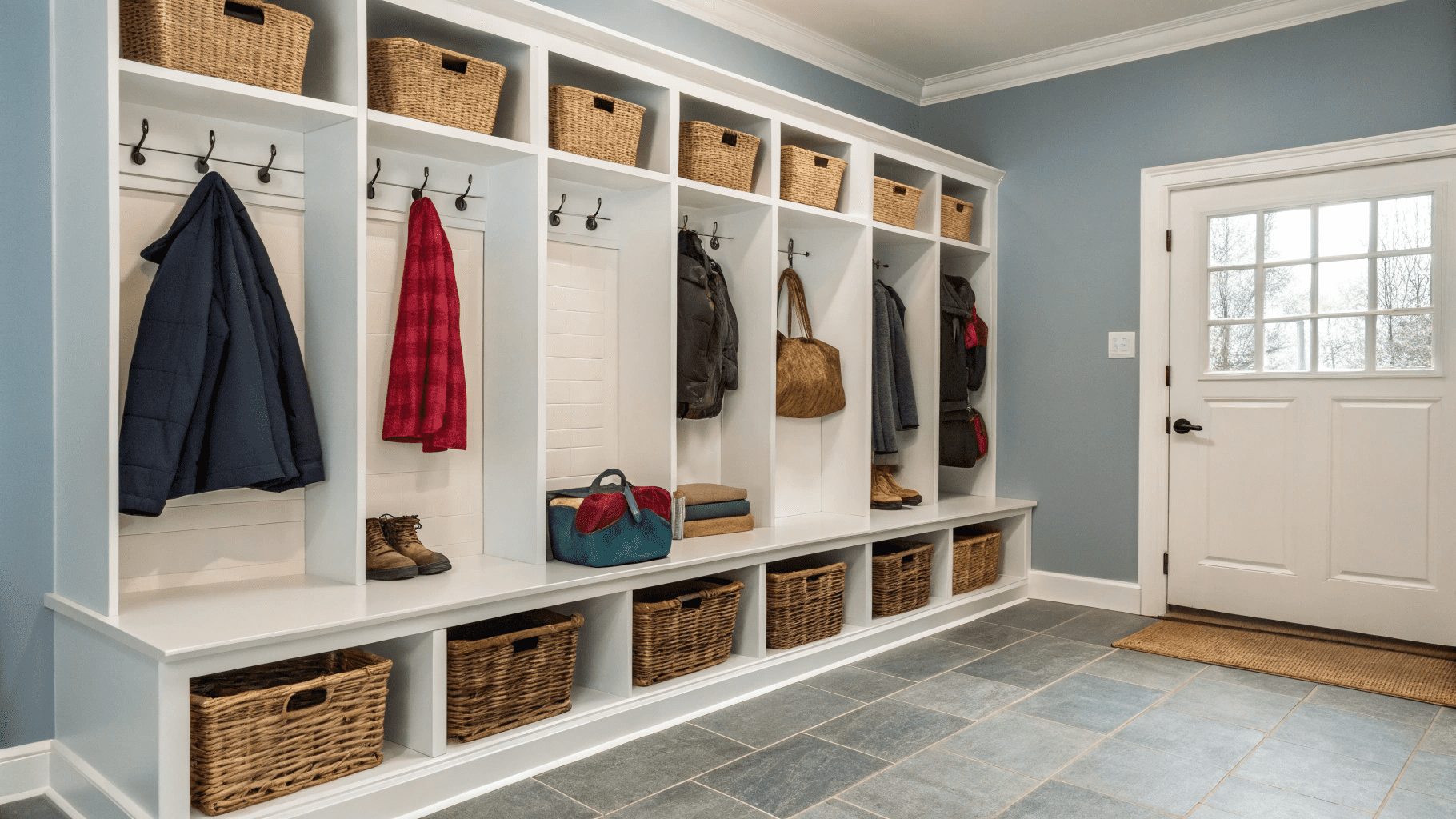
Tall shelves, wall hooks, and vertical built-ins help free up floor space and increase storage capacity.
Pro Tip: Keep items you use often on the lower shelves and decor up high.
3. Create Clear Zones in Open Spaces
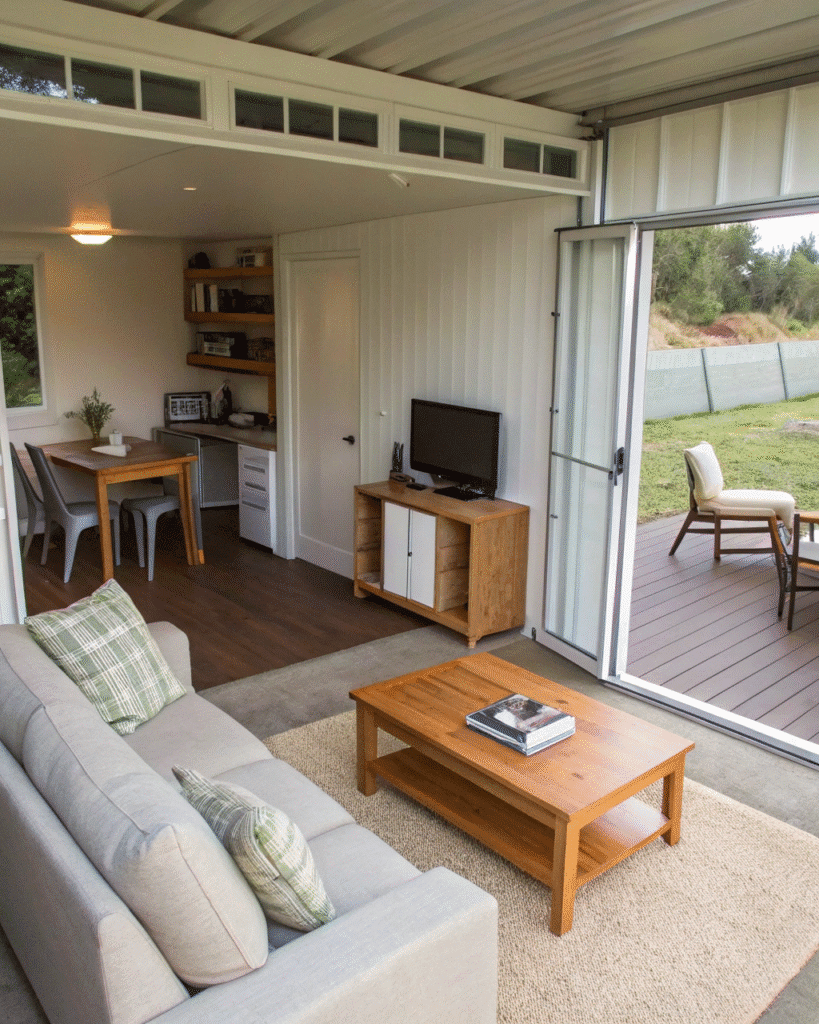
Even in compact homes, defining areas for living, dining, and working helps the space feel organized and functional.
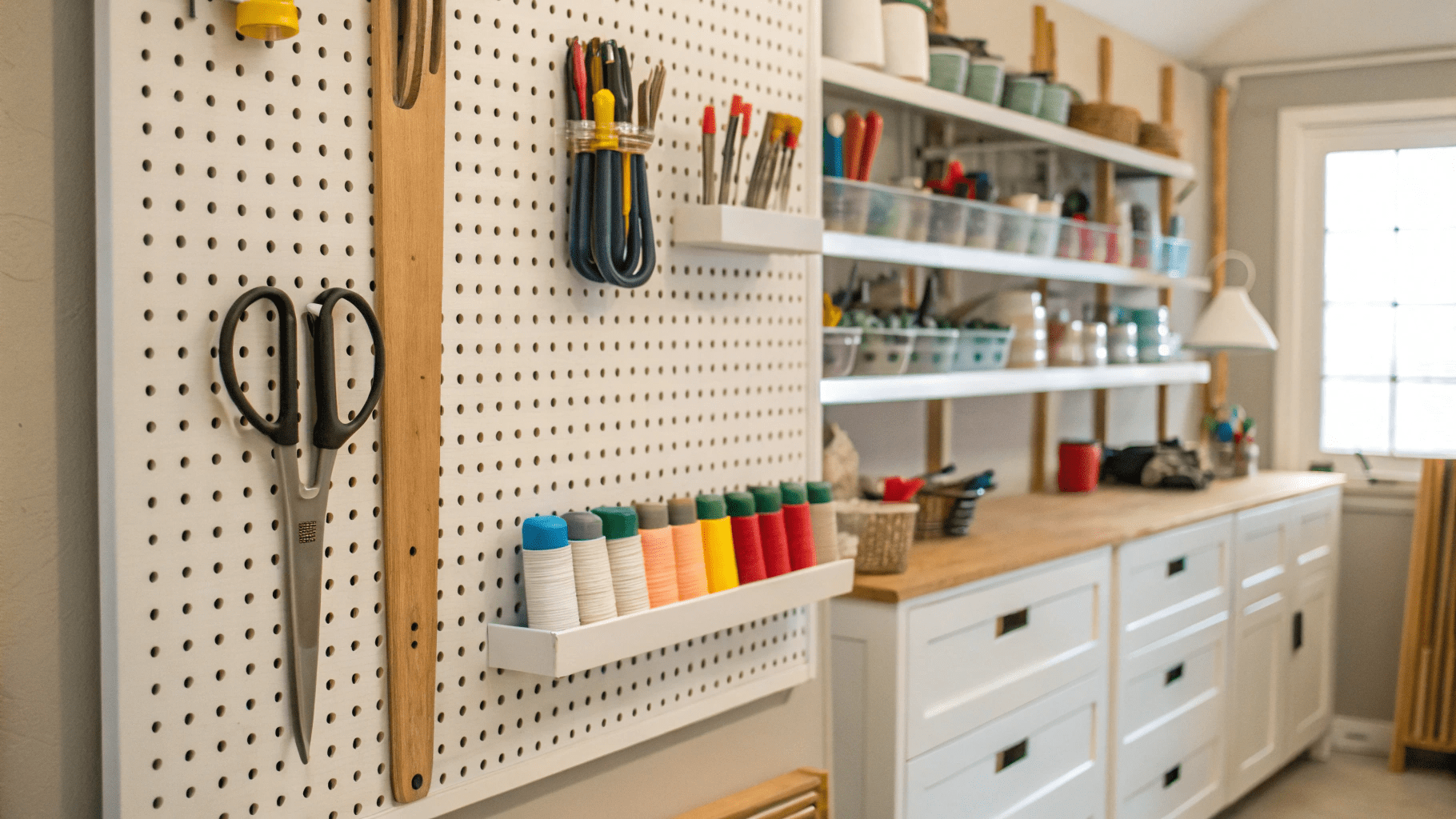
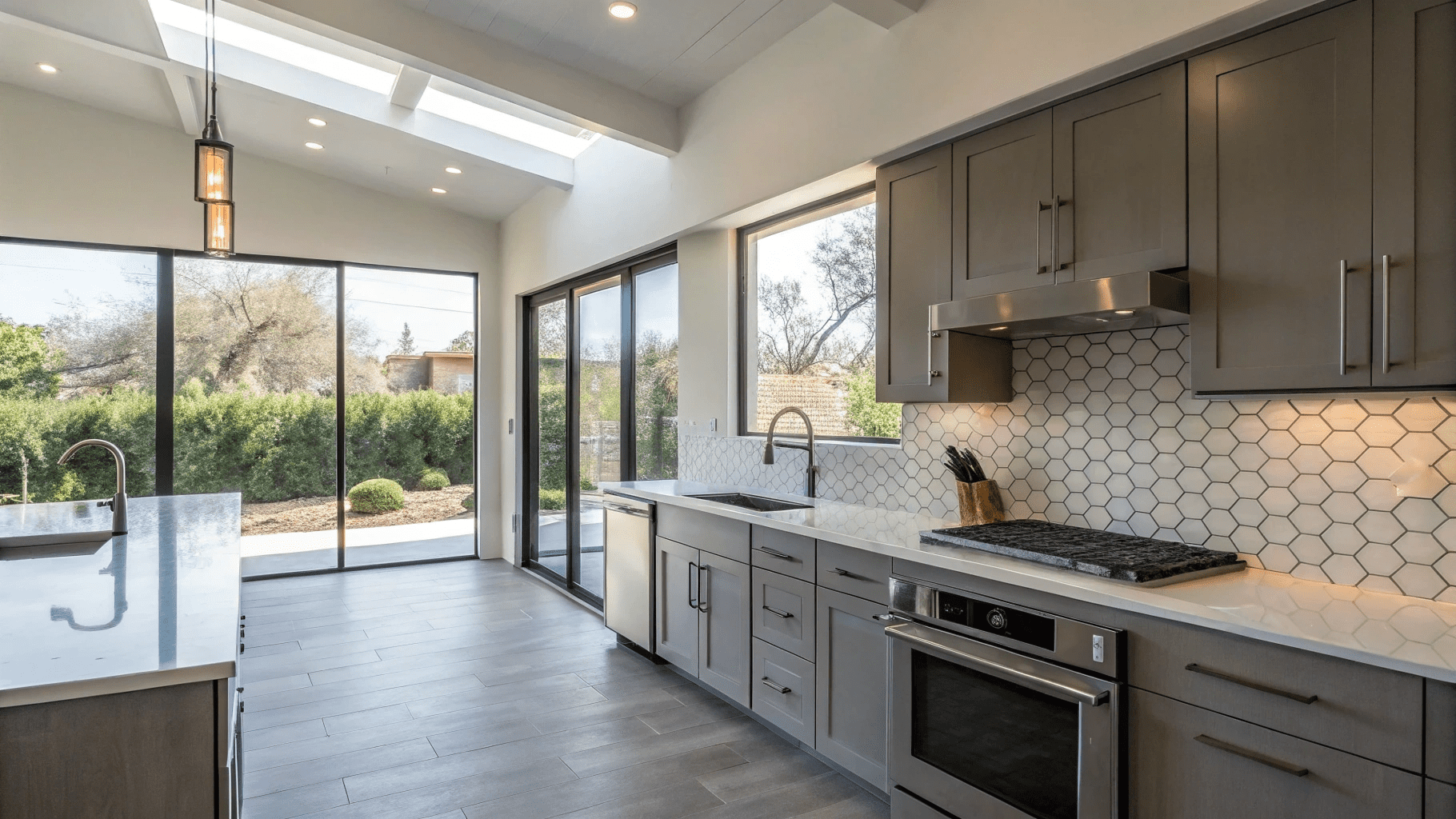
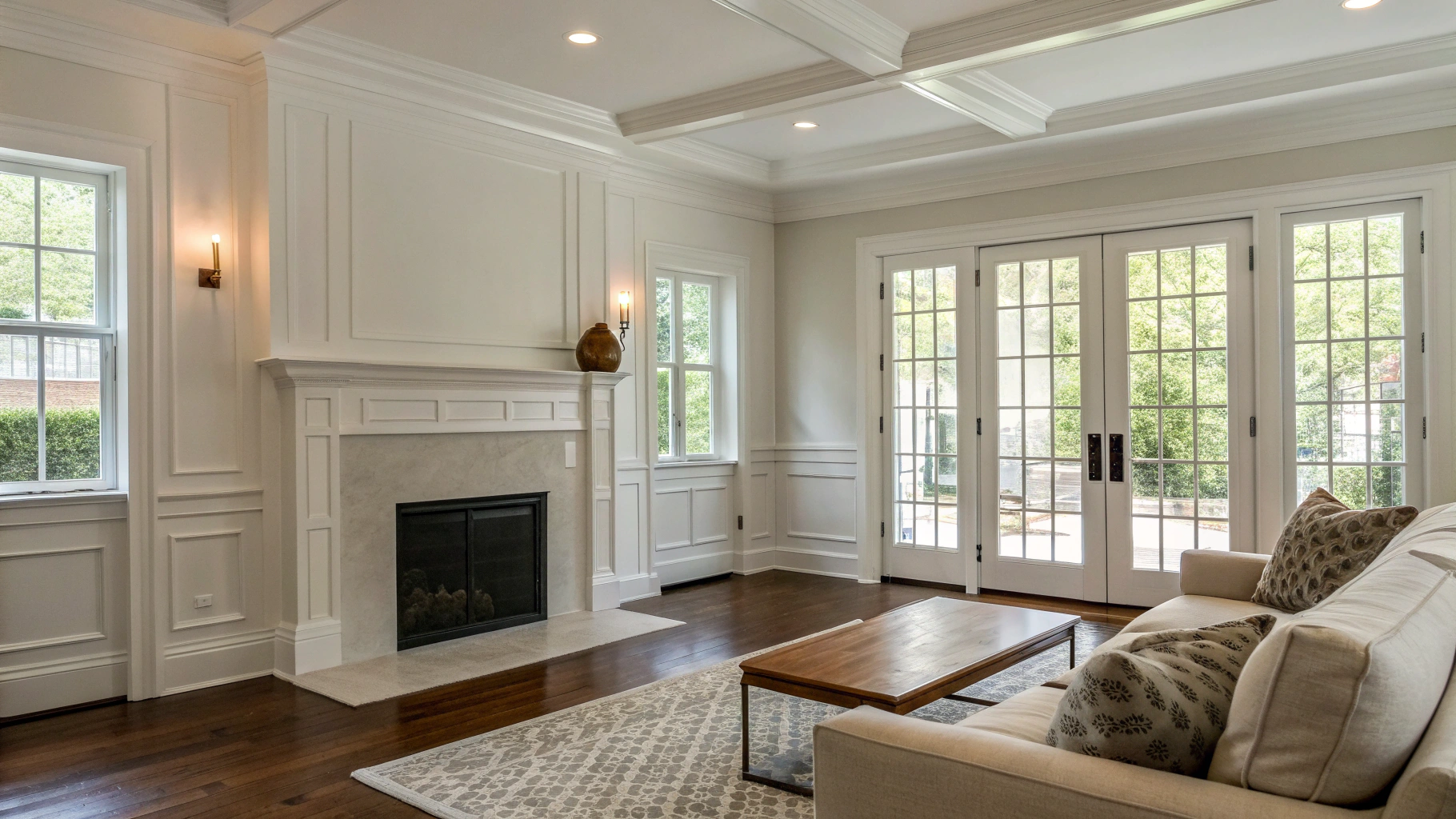
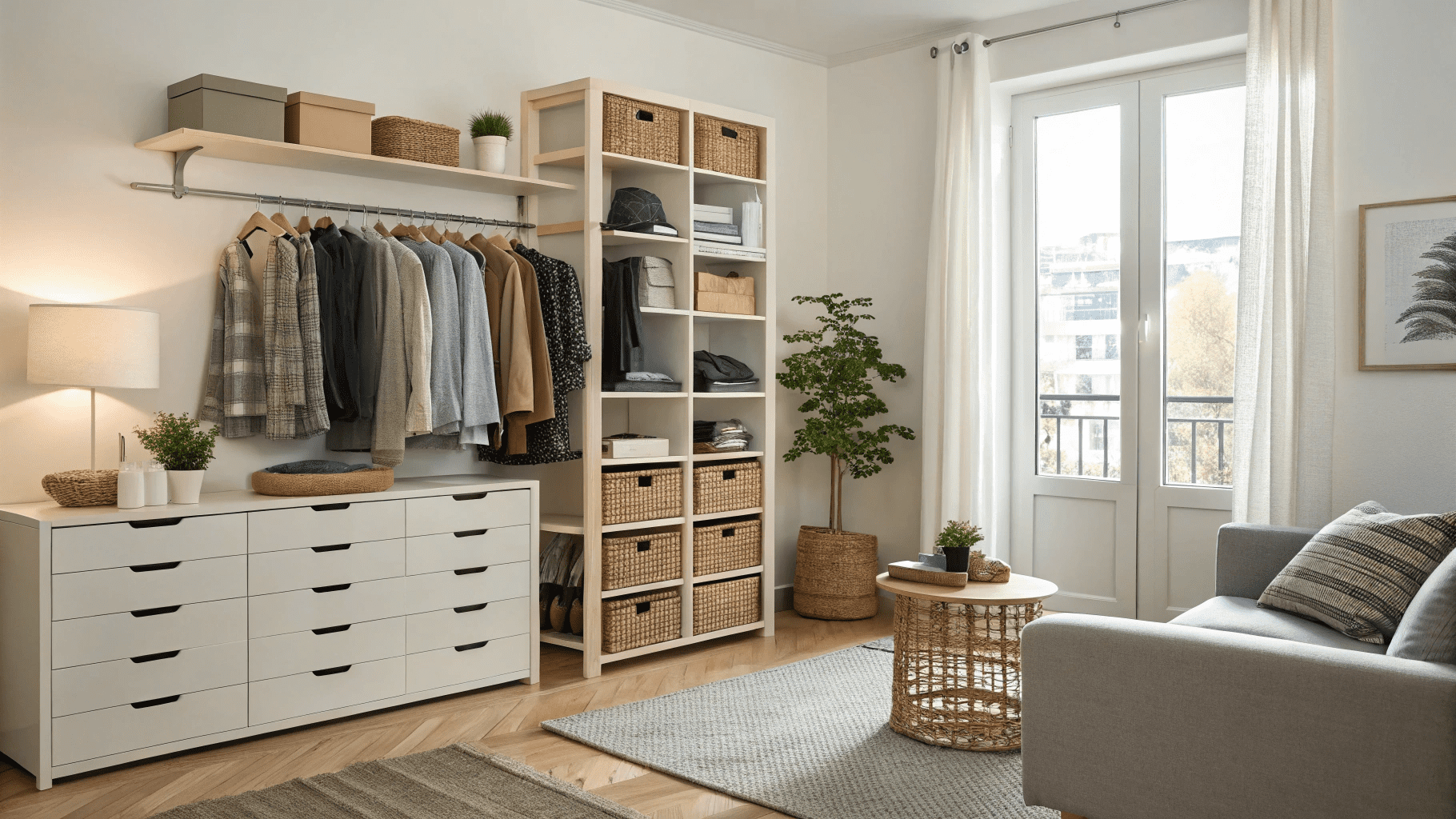
Pro Tip: Use rugs or lighting to subtly separate each zone.
4. Install Floating Shelves and Cabinets
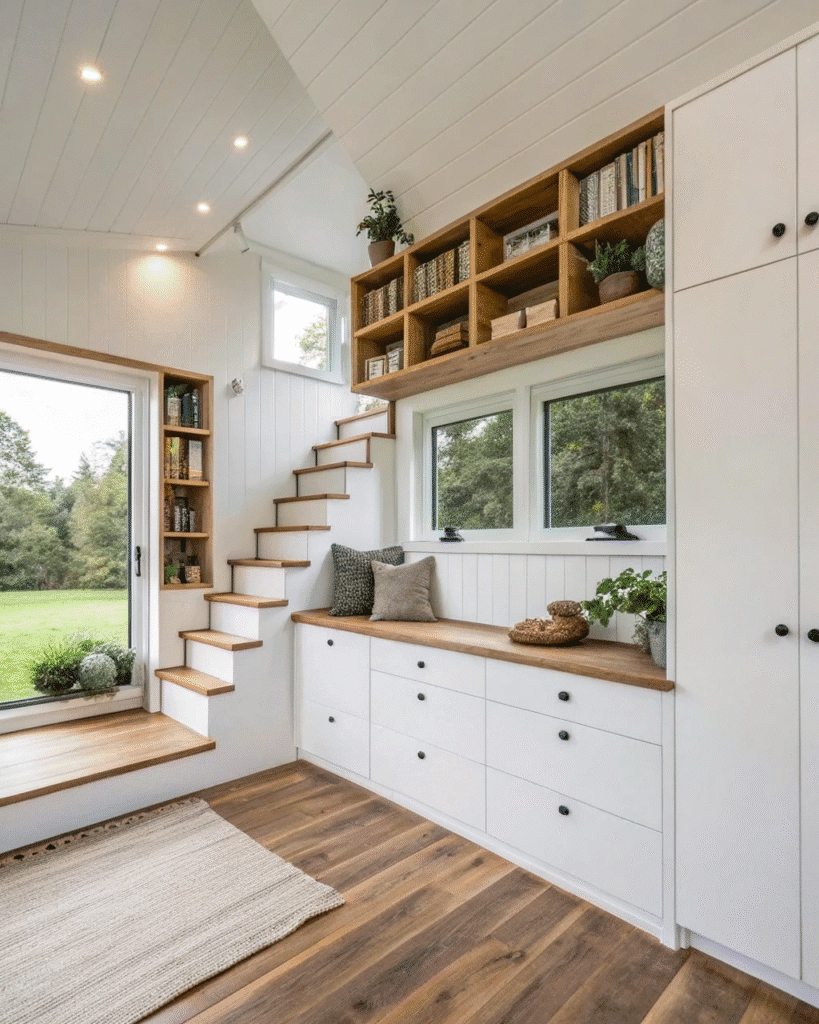
Floating storage keeps the floor open and visually light while providing plenty of practical space.
Pro Tip: Match floating units to your wall color for a seamless look.
5. Opt for Pocket or Sliding Doors
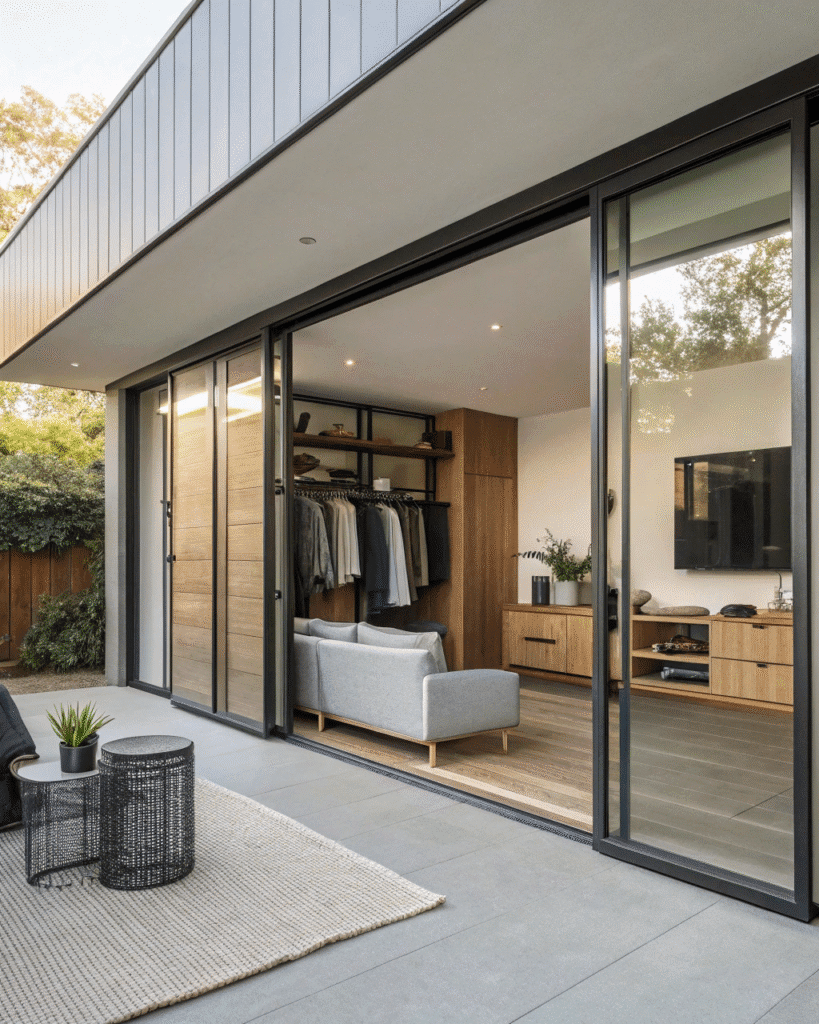
Sliding doors save precious clearance space and improve flow between rooms.
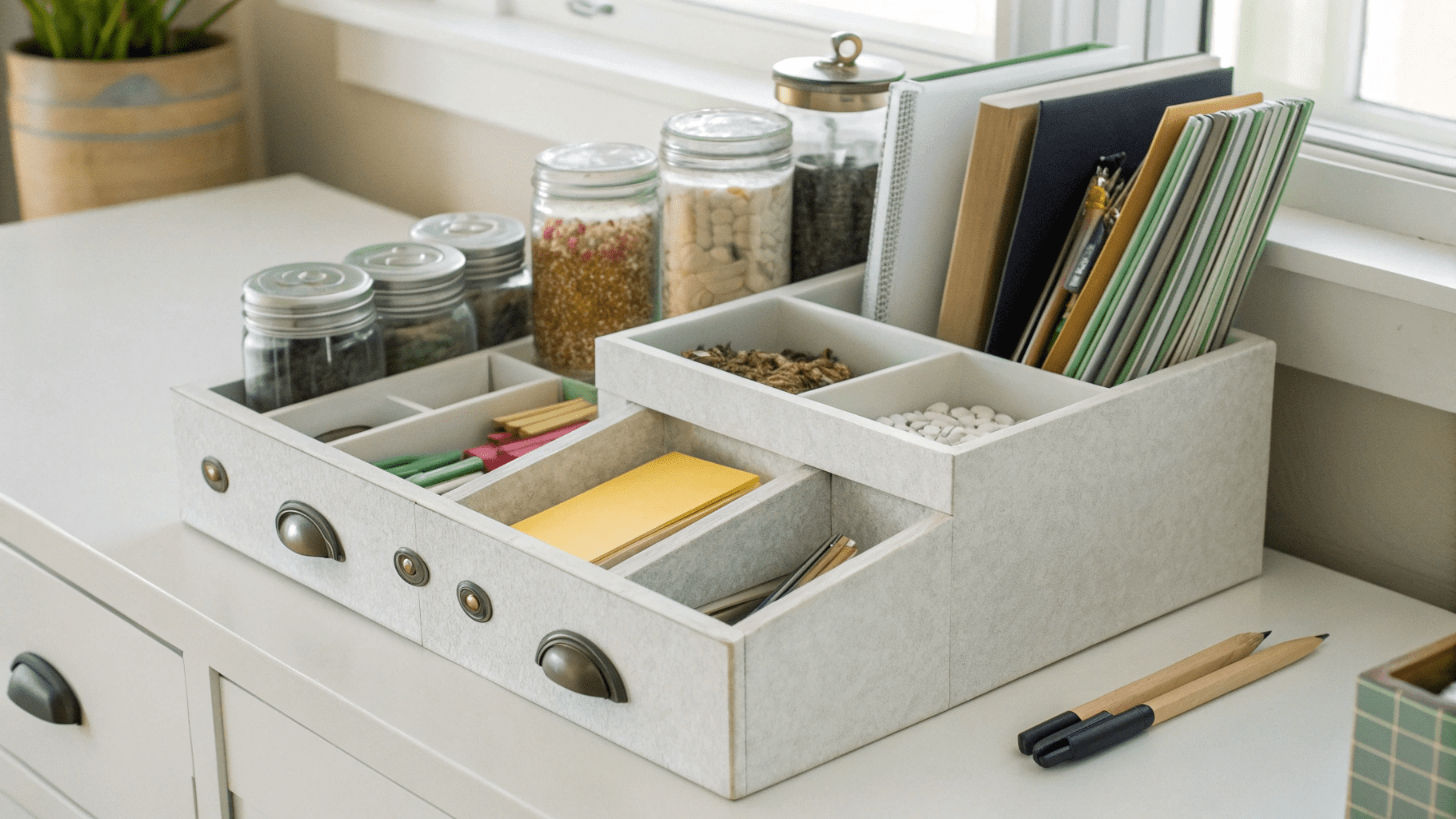
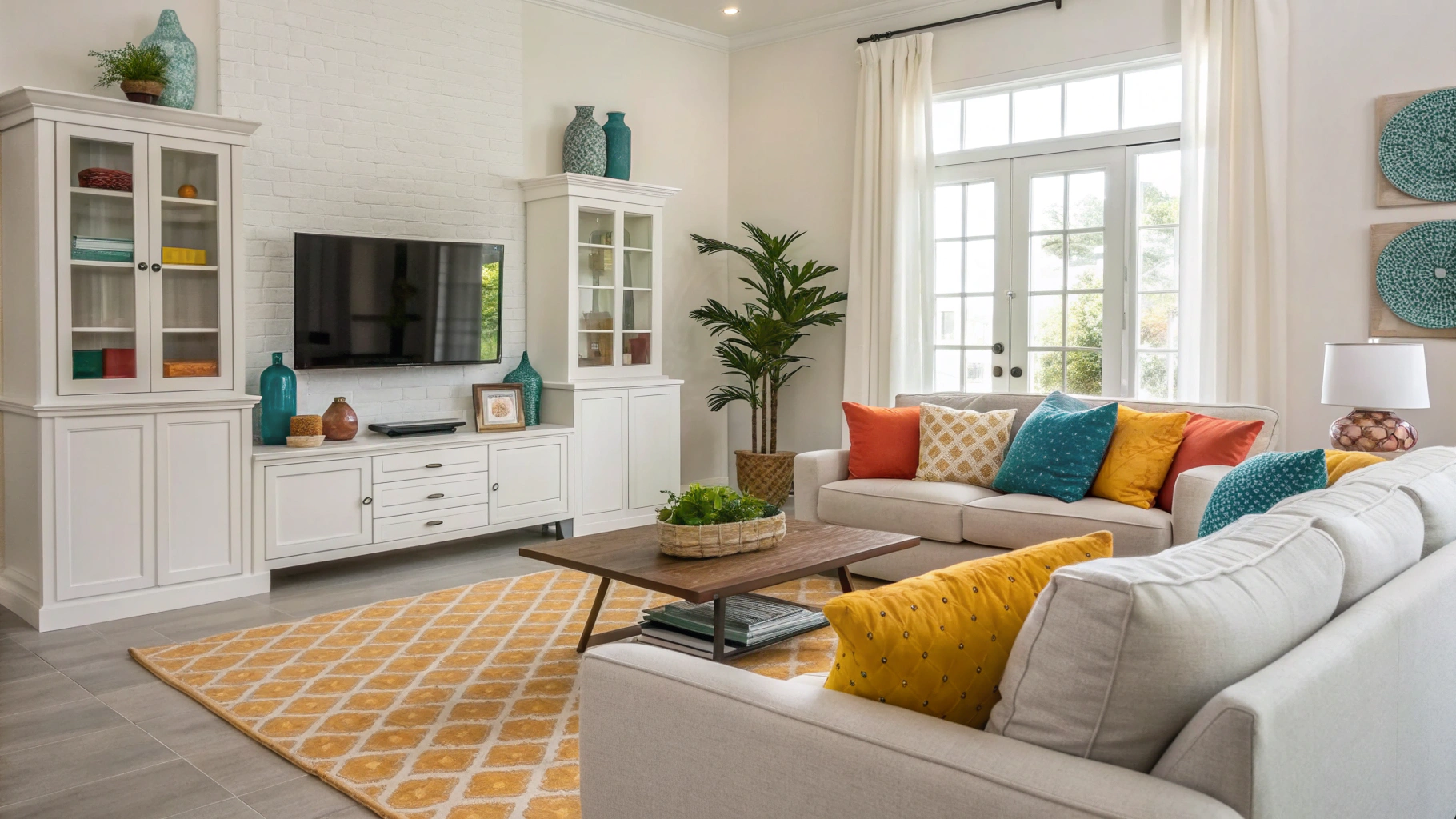
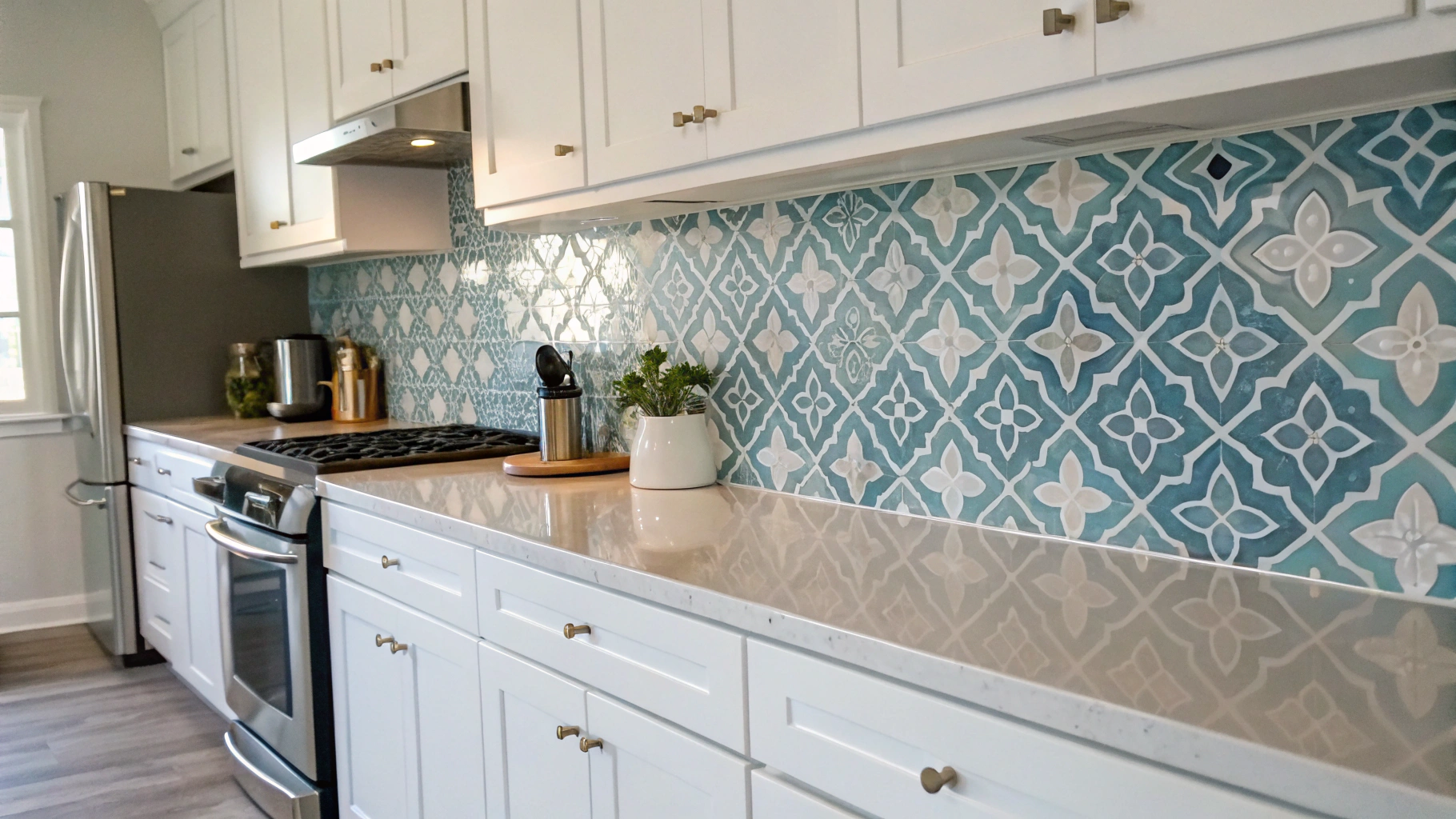
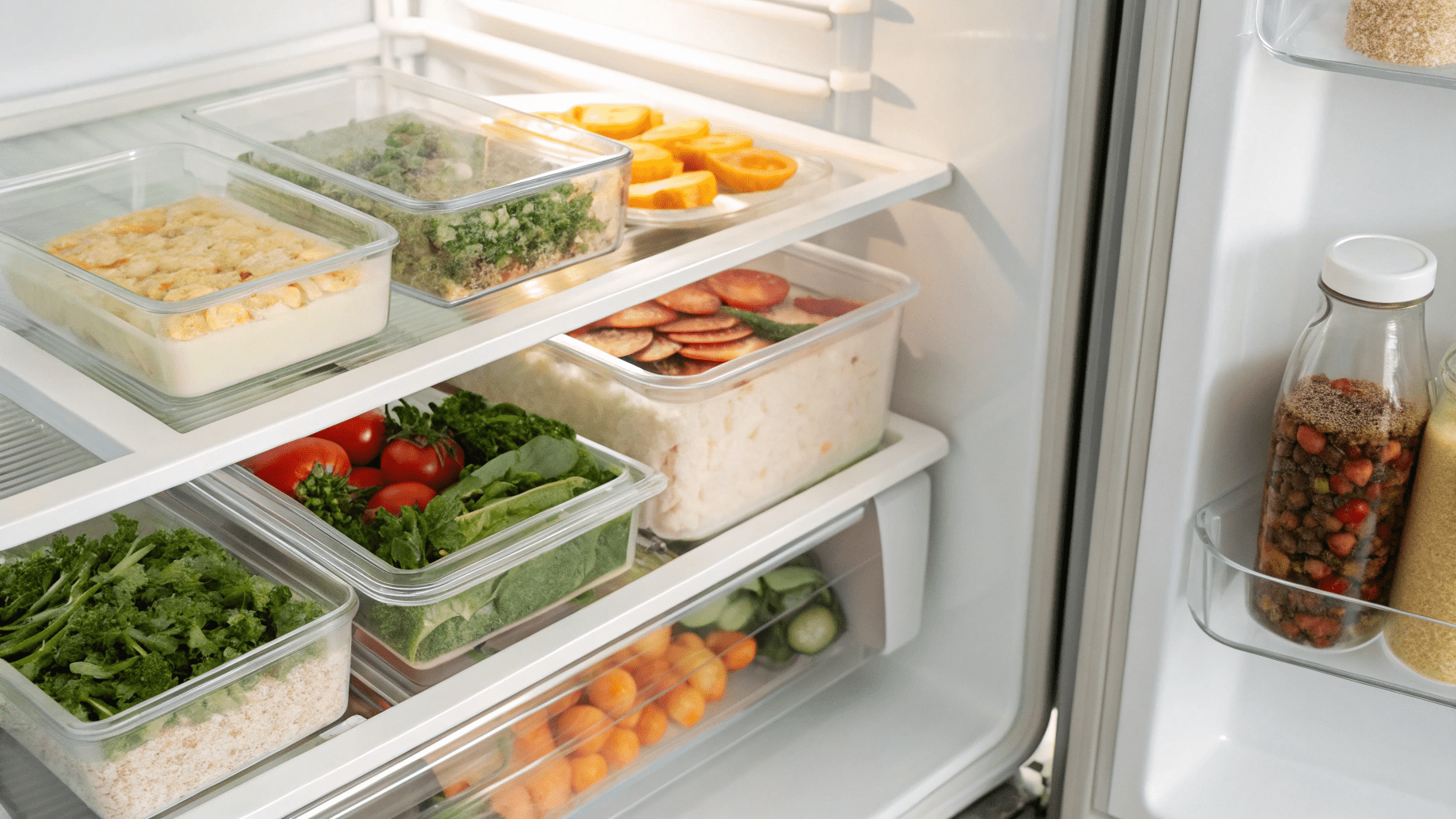
Pro Tip: Frosted glass doors add privacy while keeping spaces bright.
6. Use Mirrors to Visually Expand the Room
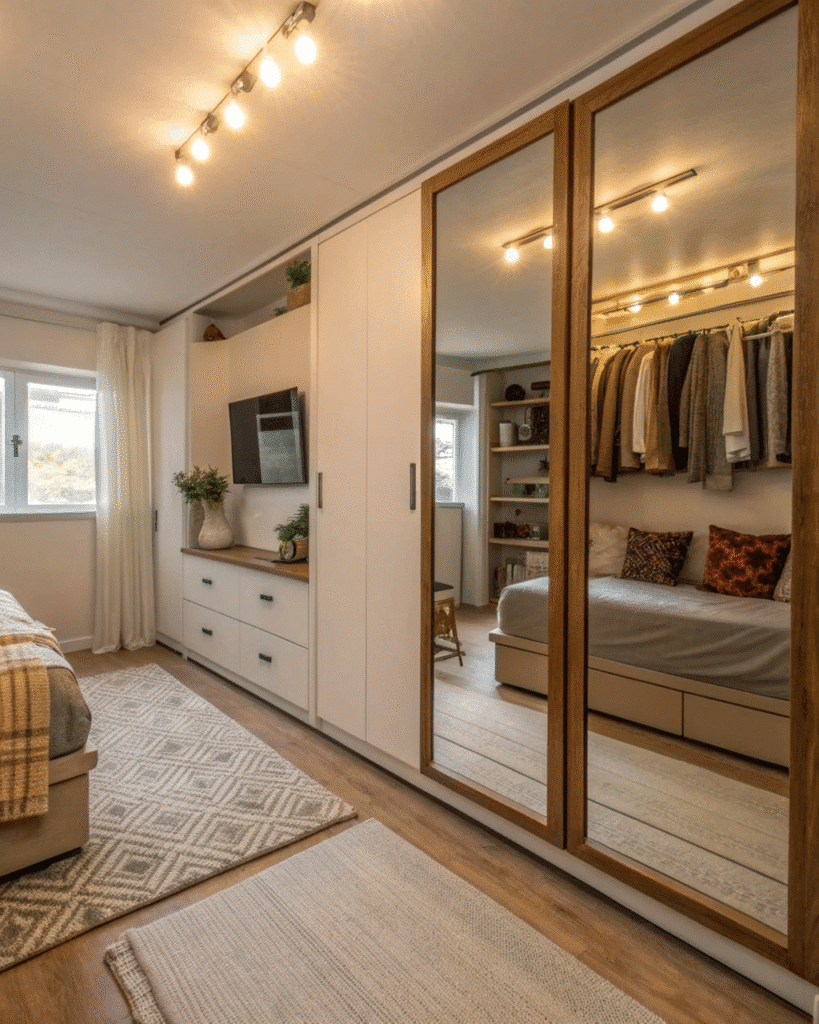
Mirrors bounce light around and make small spaces feel double their size.
Pro Tip: A full-height mirror near a window works best for brightening the room.
7. Keep Furniture Low and Lightweight
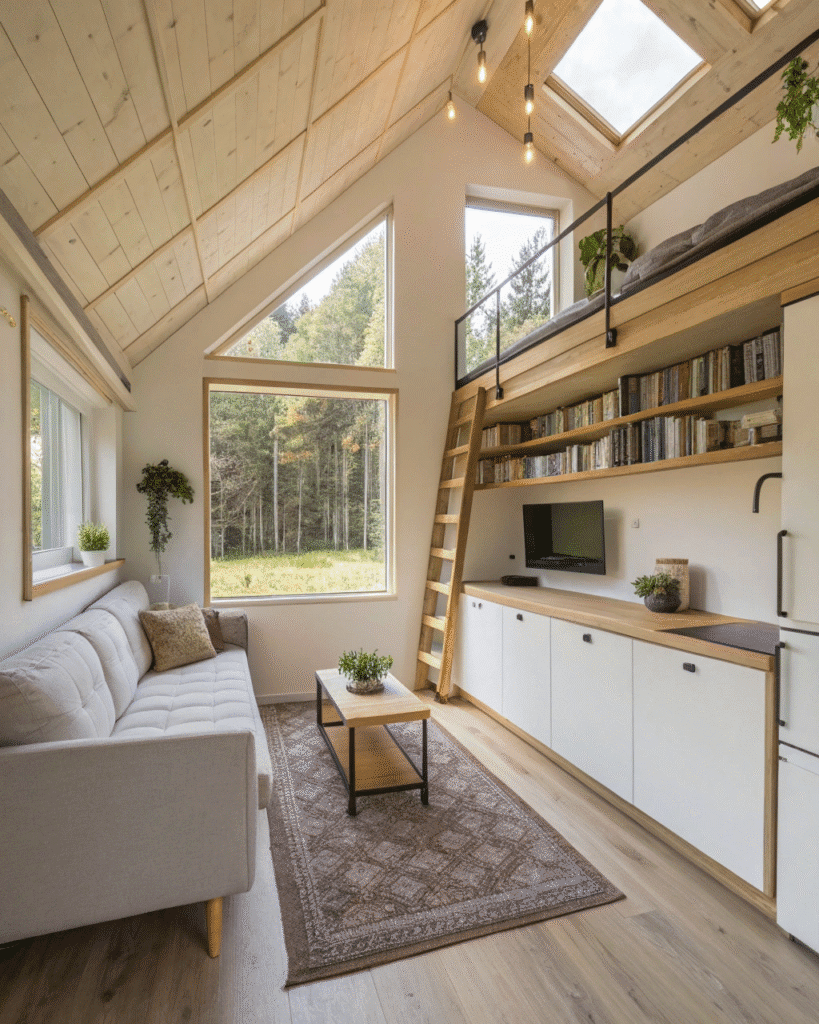
Low-profile furniture creates the illusion of higher ceilings and more open space.
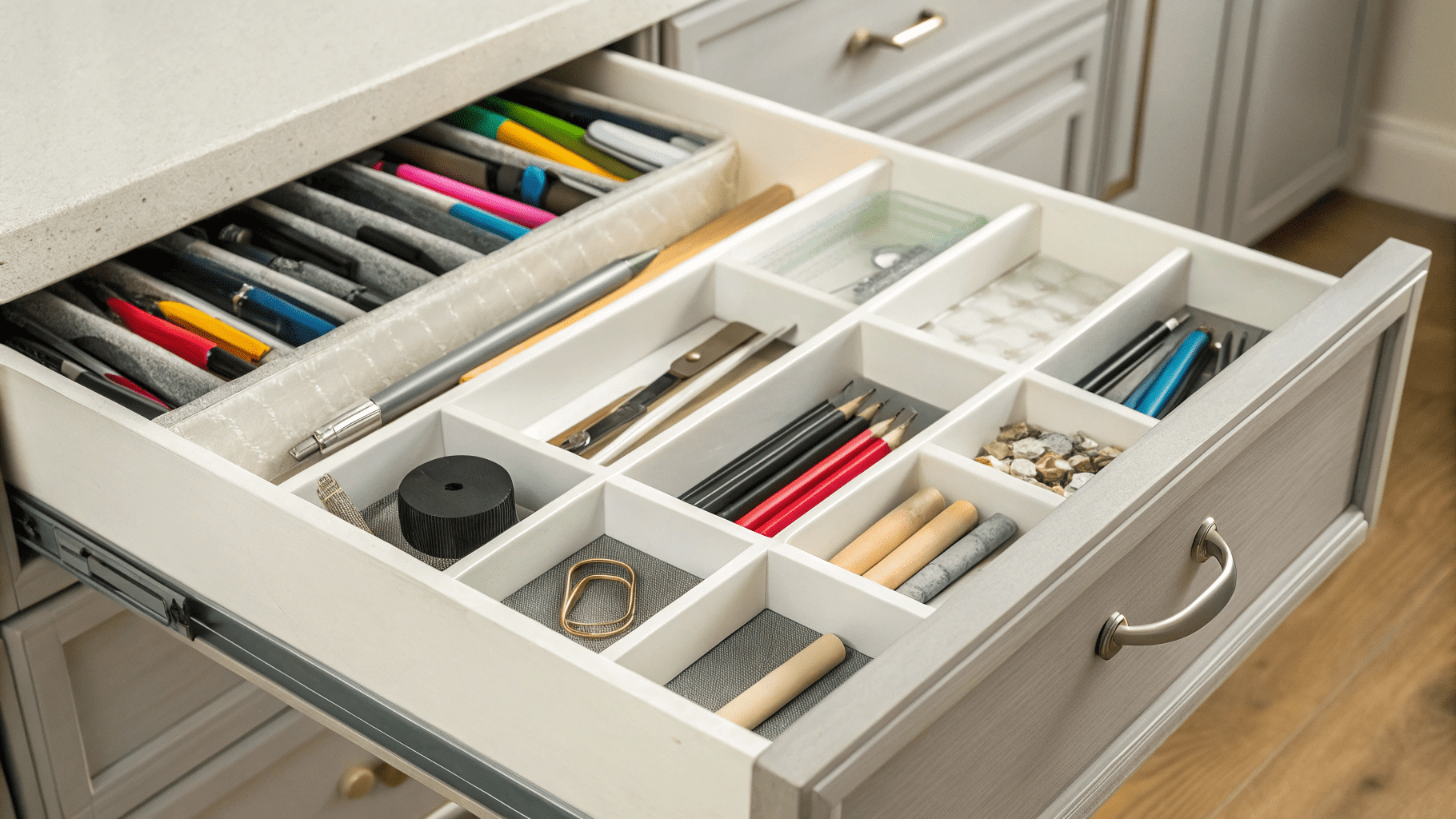
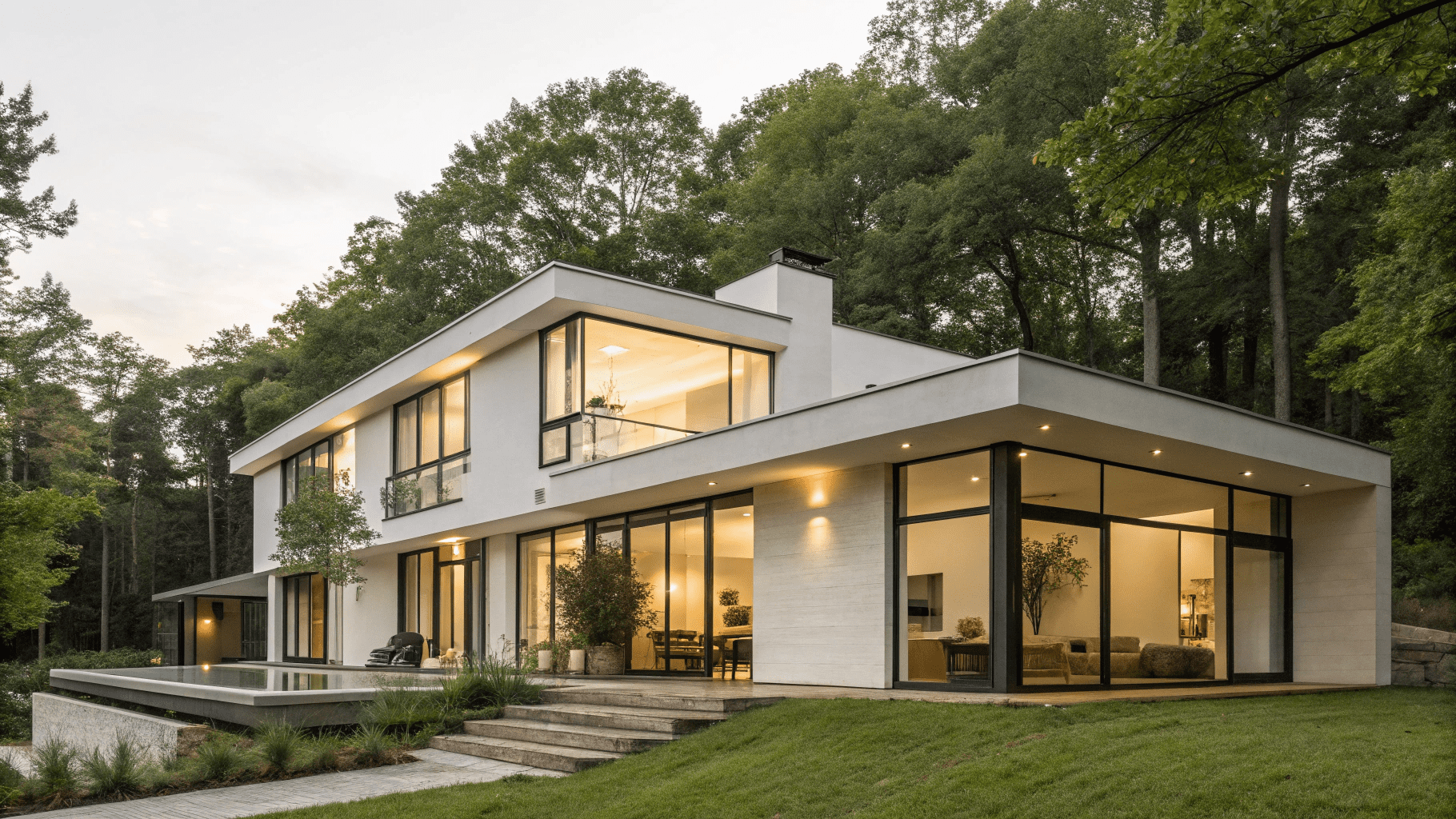
Pro Tip: Choose pieces with exposed legs to keep the room visually airy.
8. Add Built-In Seating With Hidden Storage
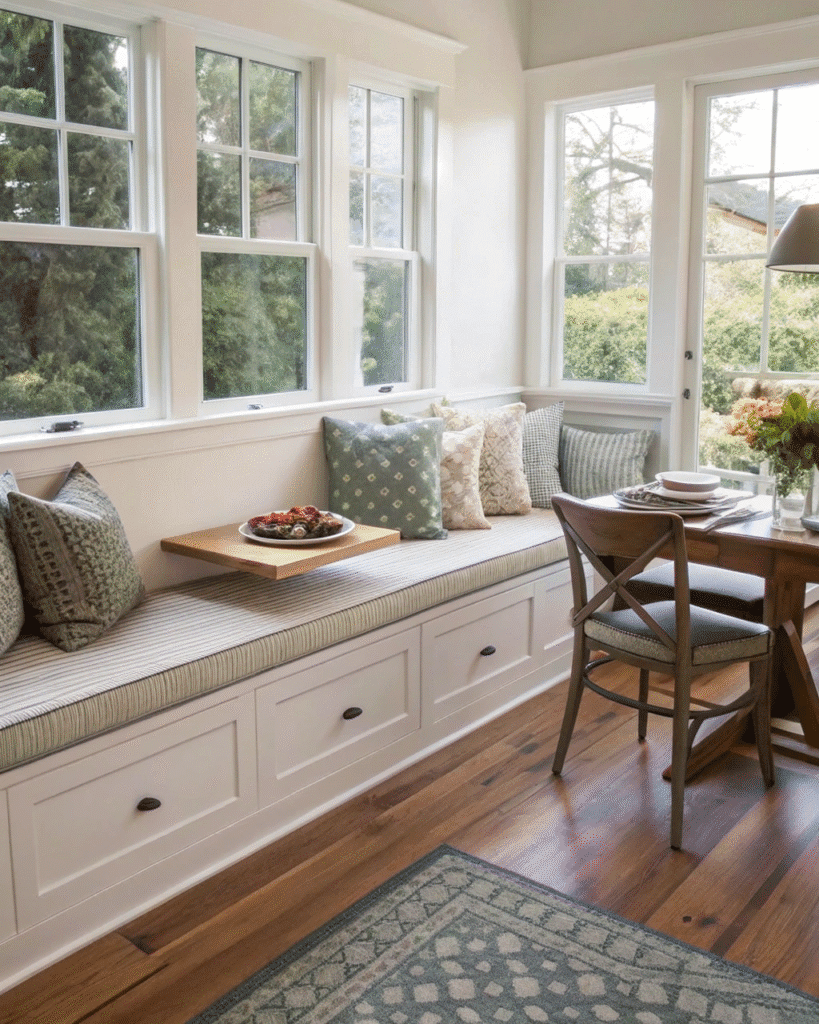
Window benches, corner seating, or dining nooks with storage underneath save space and add comfort.
Pro Tip: Use seat cushions in neutral tones to keep the space calm and uncluttered.
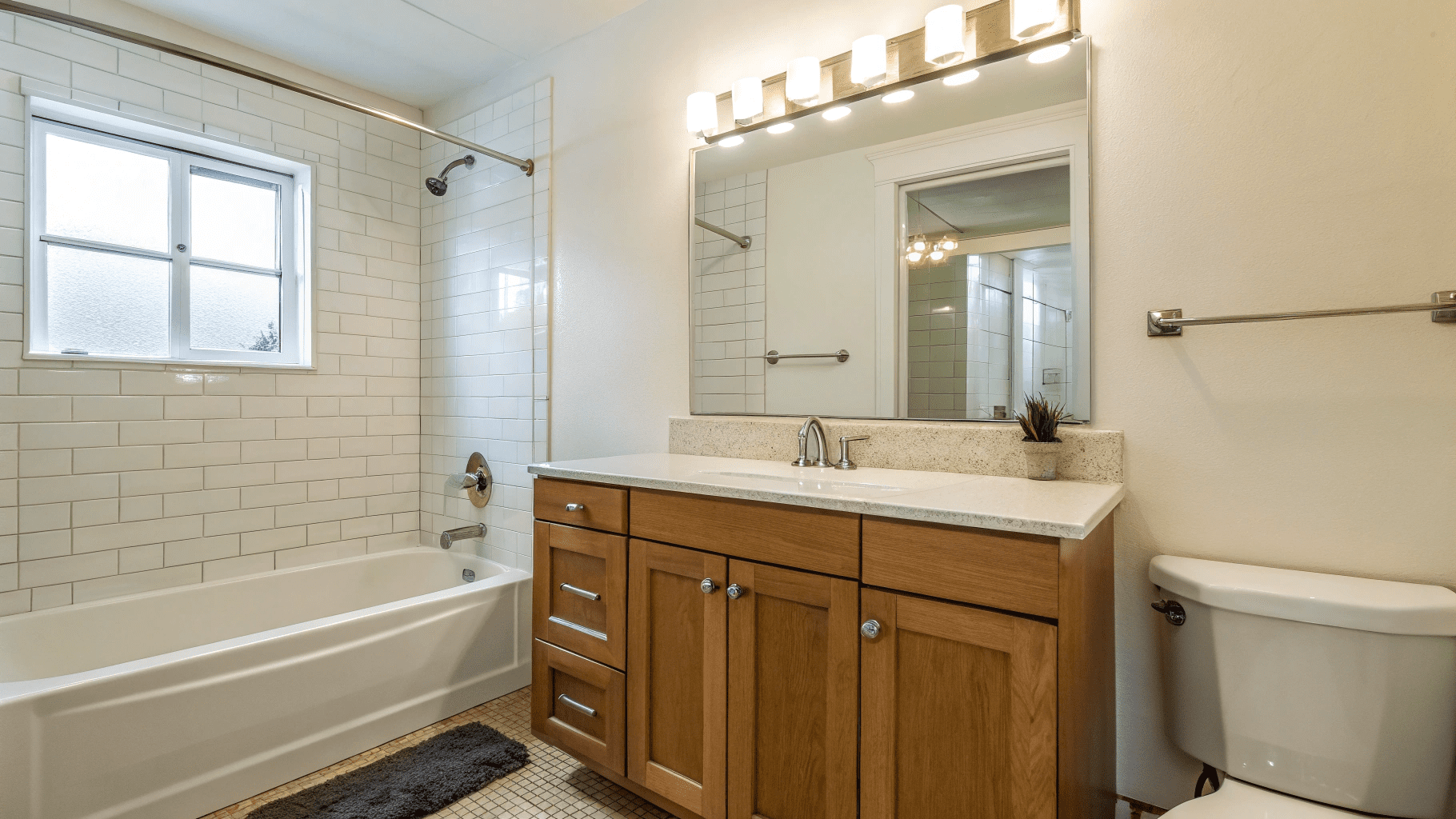
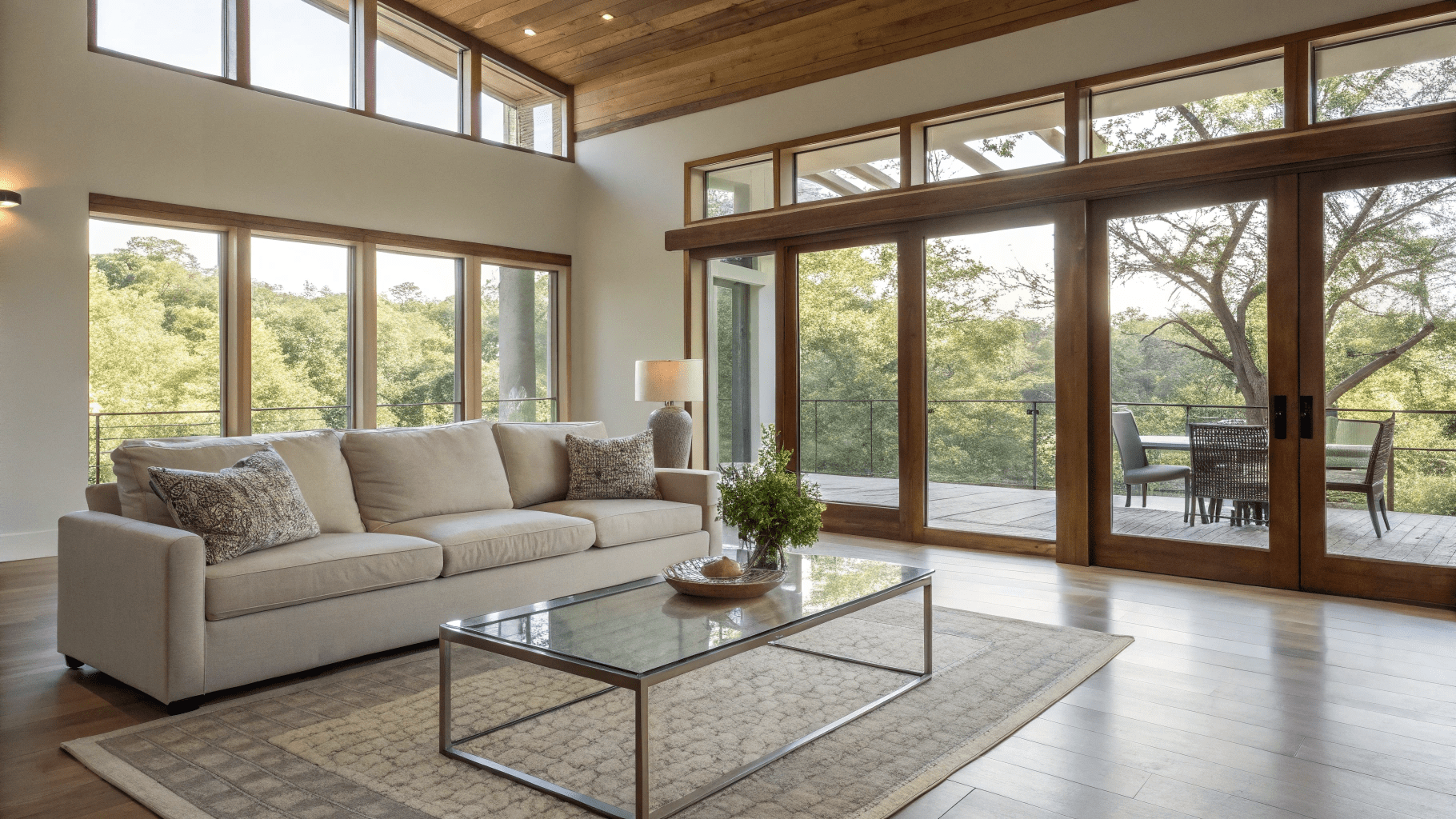
9. Choose Light and Neutral Color Palettes
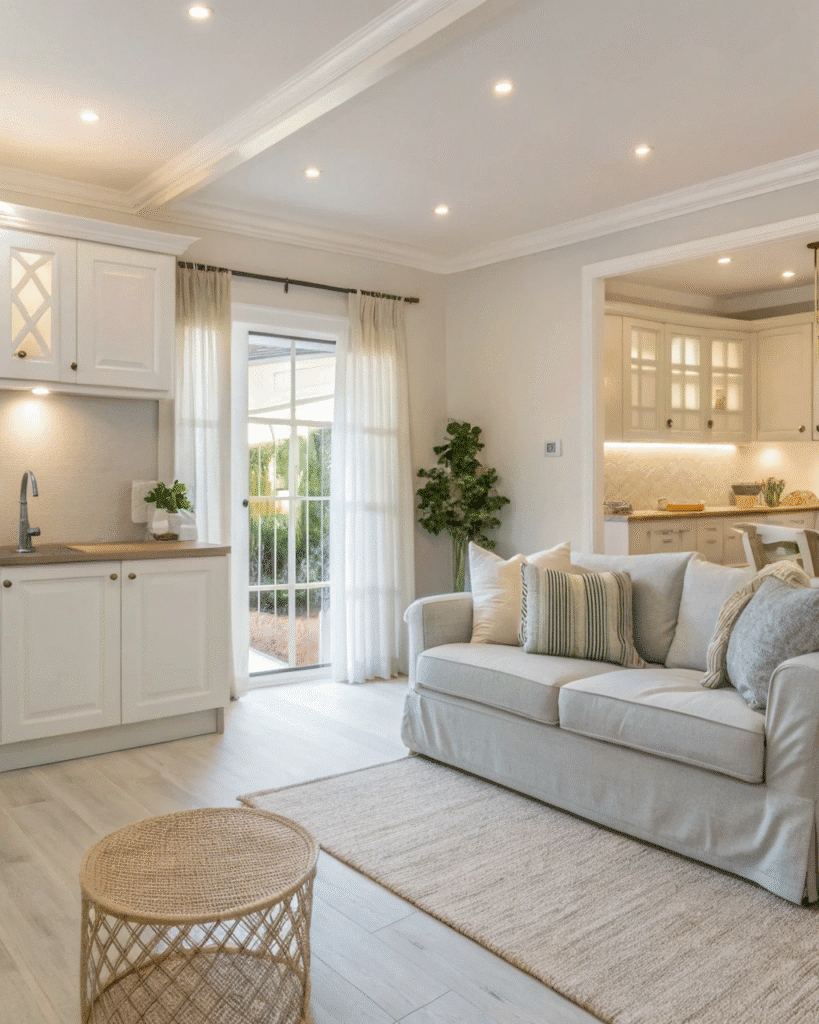
Soft tones like white, cream, and light gray expand visual space and keep rooms from feeling crowded.
Pro Tip: Add texture instead of color for warmth without overwhelming the room.
10. Use Foldable or Stackable Furniture
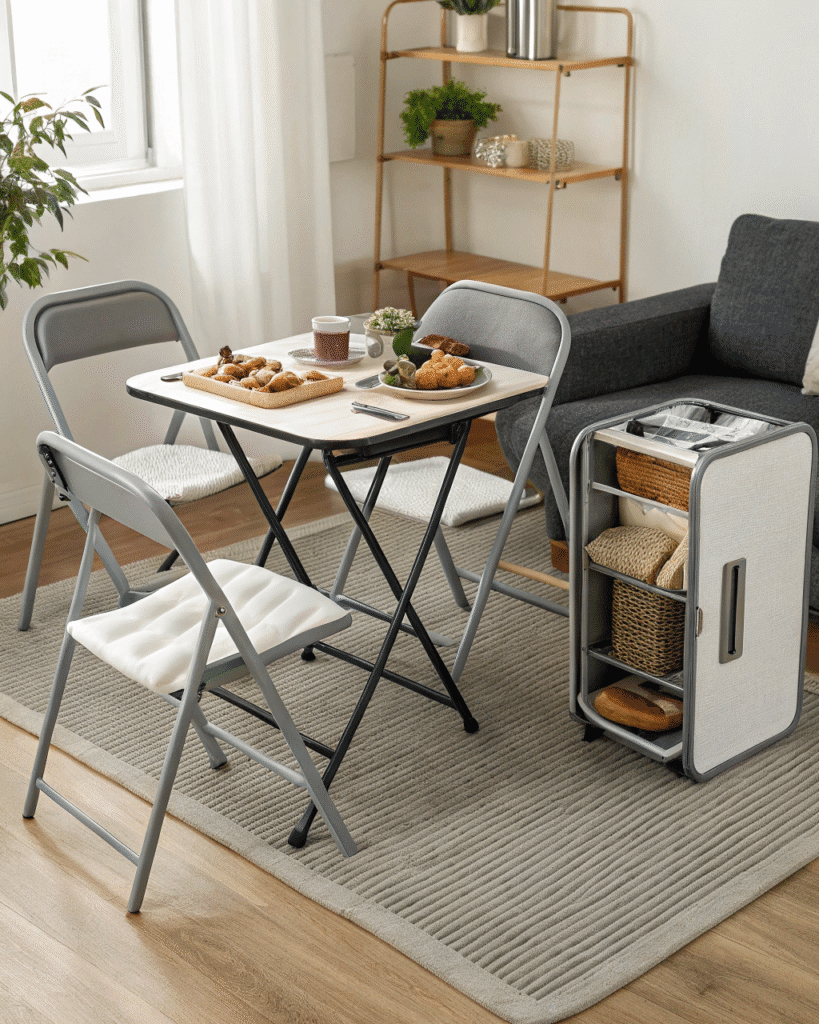
Chairs, tables, and desks that fold away allow you to reclaim valuable floor space when not in use.
Pro Tip: Store these foldable pieces behind a curtain or inside a tall cabinet.
11. Maximize Corners With Smart Storage
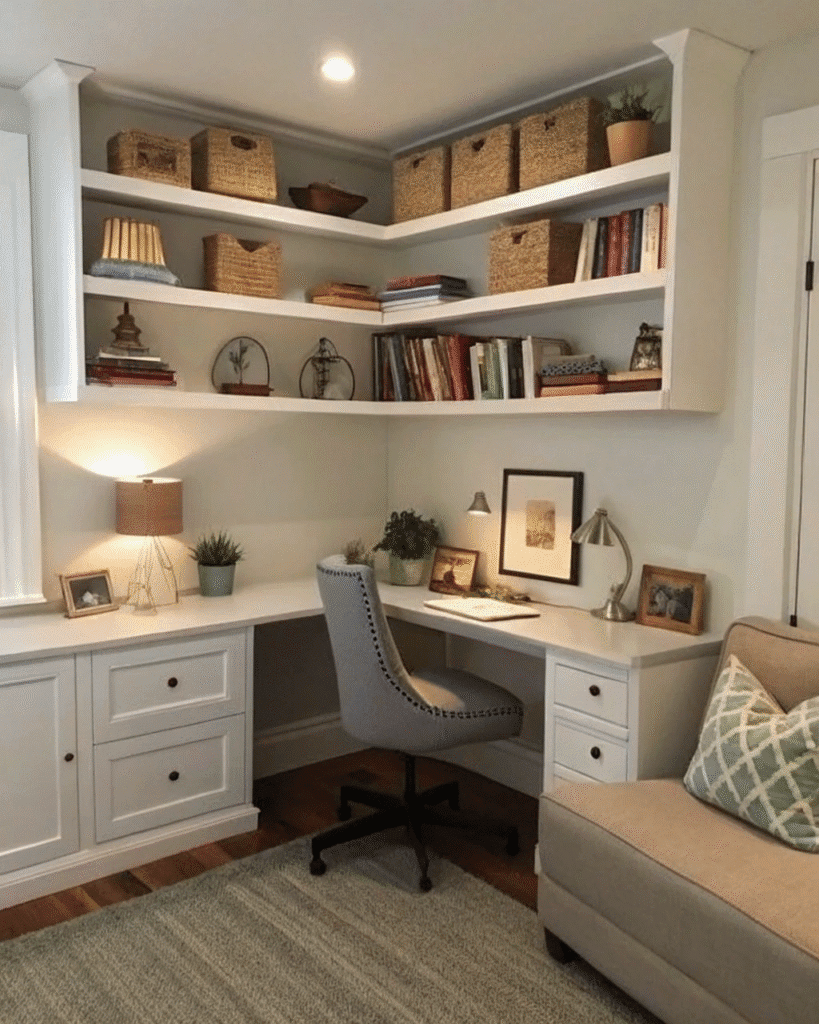
Corners are often underused—corner shelves, desks, or seating can make them functional.
Pro Tip: A corner desk is perfect for compact home offices.
12. Lift the Bed With Under-Bed Storage
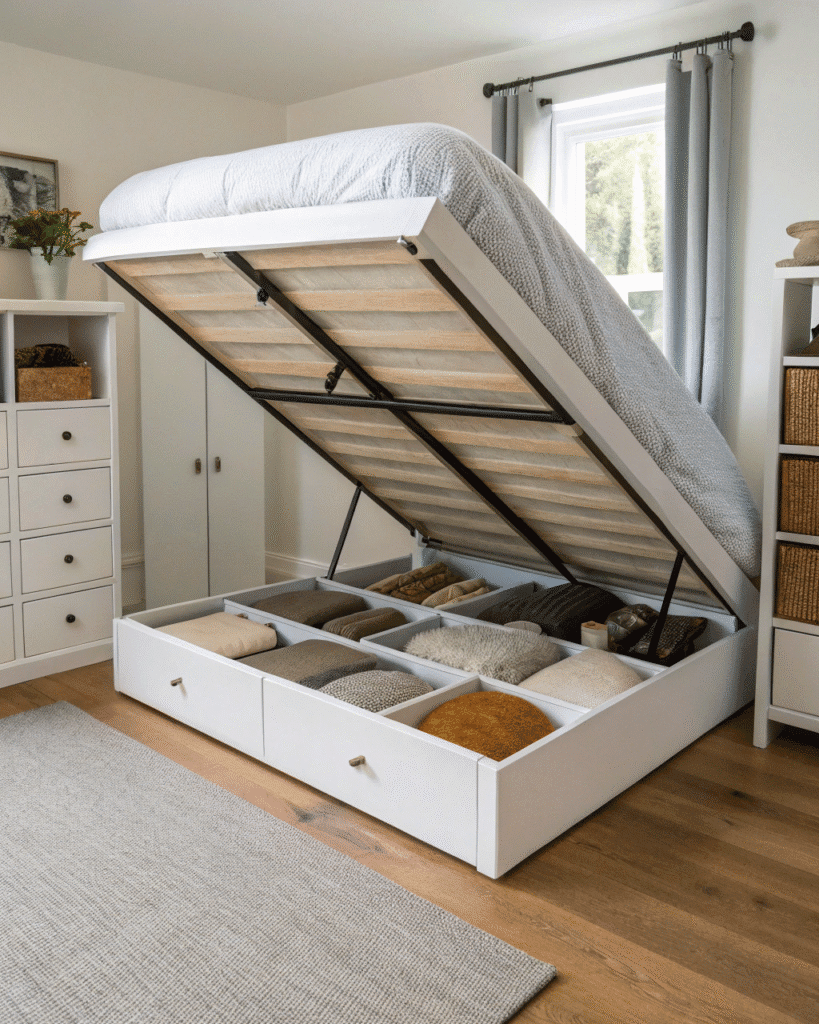
Use the space under the bed for boxes, rolling drawers, or built-in storage to keep clutter hidden.
Pro Tip: Choose beds with lift-up storage for easy access.
13. Choose Narrow Furniture for Tight Spaces
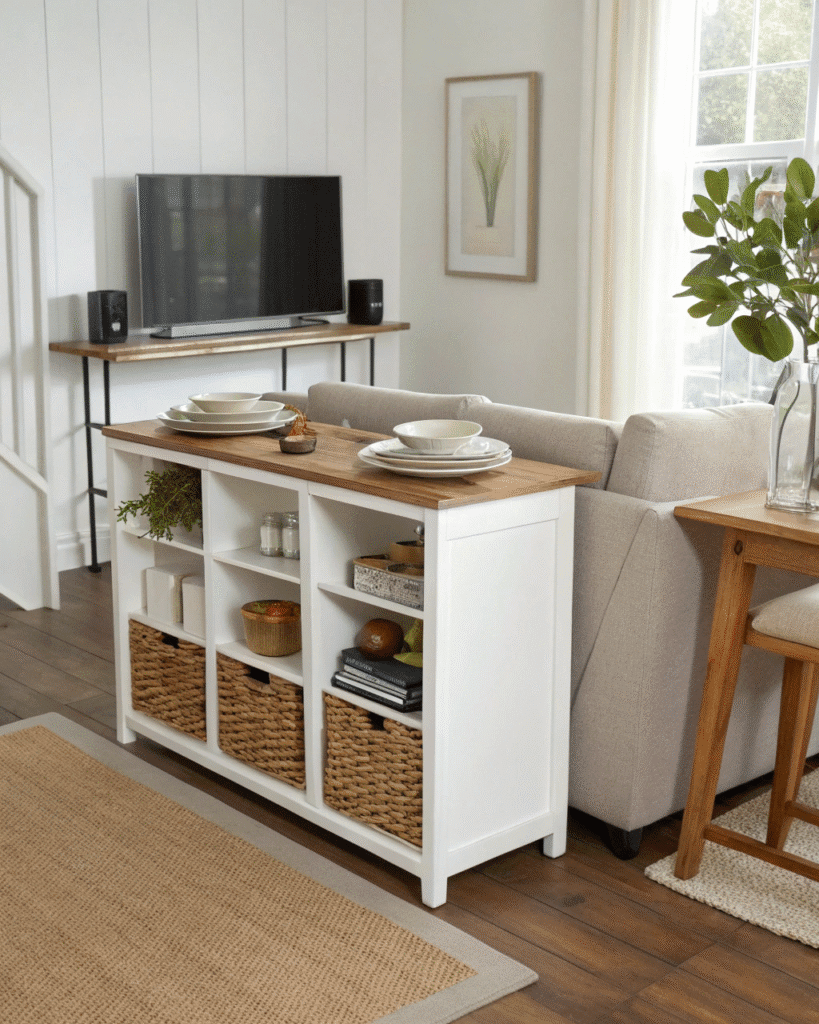
Slim consoles, narrow dining tables, and minimalist nightstands help small rooms breathe.
Pro Tip: Measure carefully to avoid crowding walkways.
14. Use Clear or Glass Furniture Pieces
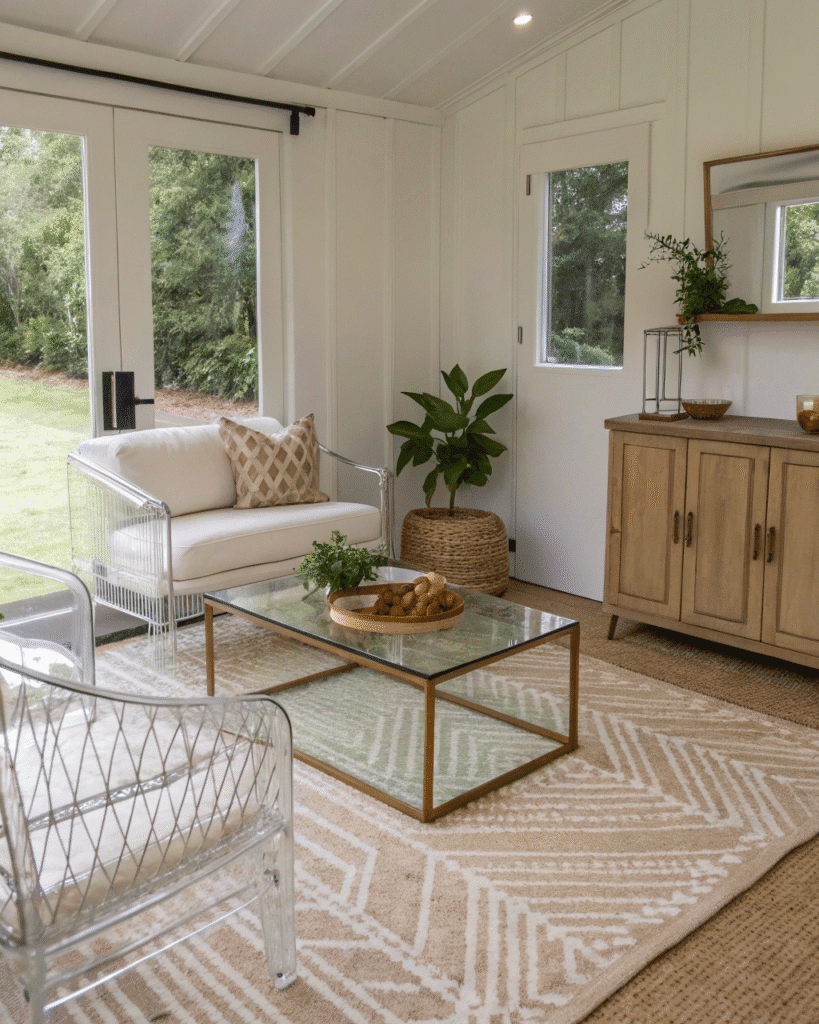
Transparent furniture, like acrylic chairs or glass coffee tables, keeps the room feeling open.
Pro Tip: Pair clear pieces with textured rugs to maintain visual warmth.
15. Add Smart Wall Hooks and Rails
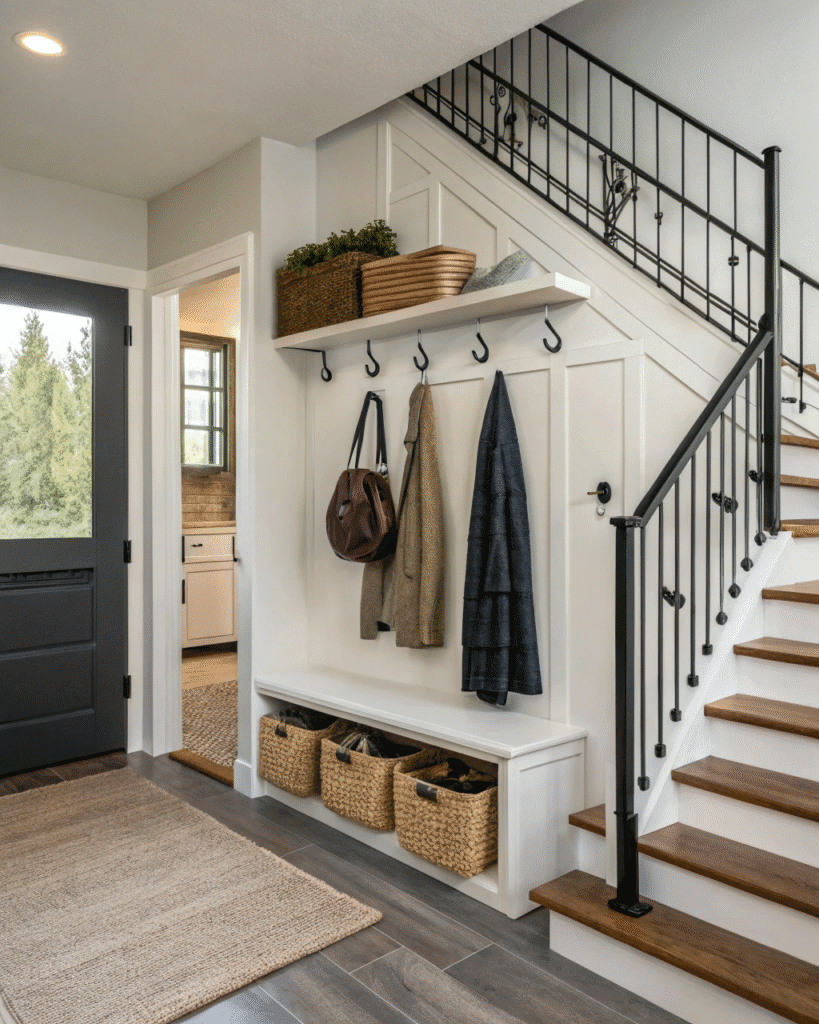
Hooks and rails on entry walls, kitchens, and bathrooms add storage without sacrificing space.
Pro Tip: Keep hooks minimal and in matching finishes to maintain neatness.
16. Create a Fold-Down Workspace
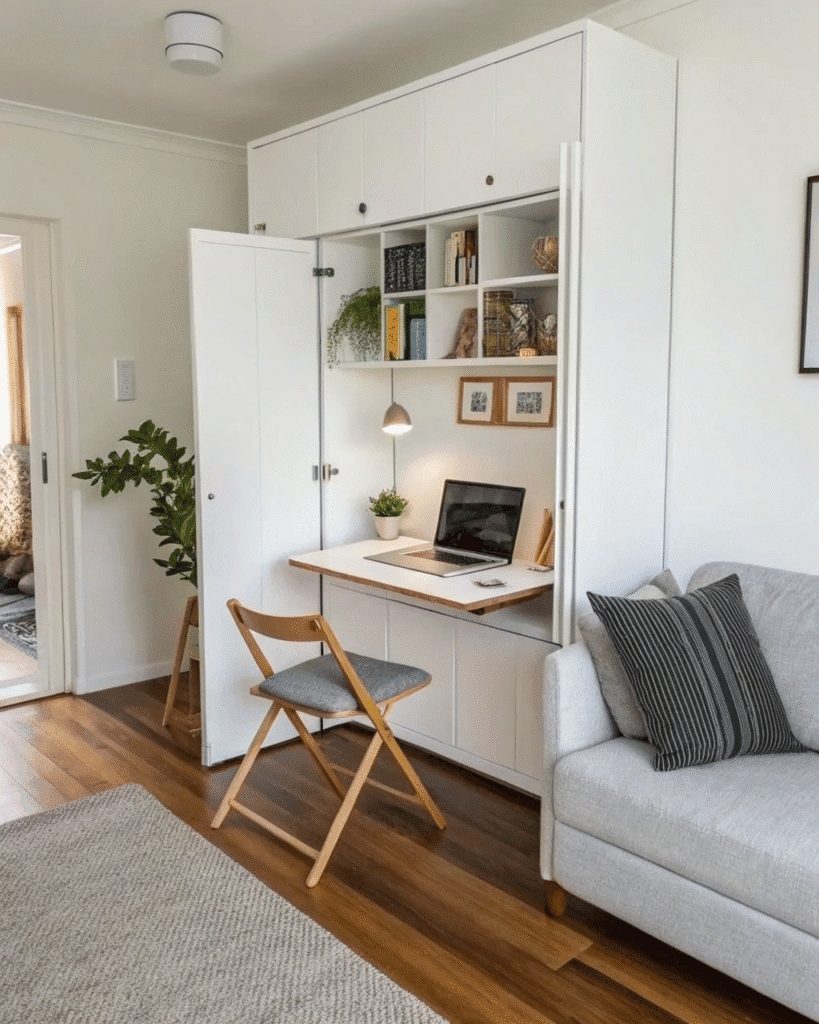
A wall-mounted desk that folds away is ideal for small living rooms, bedrooms, or kitchens.
Pro Tip: Add a floating shelf above it to store work essentials.
17. Extend Storage Into Hallways
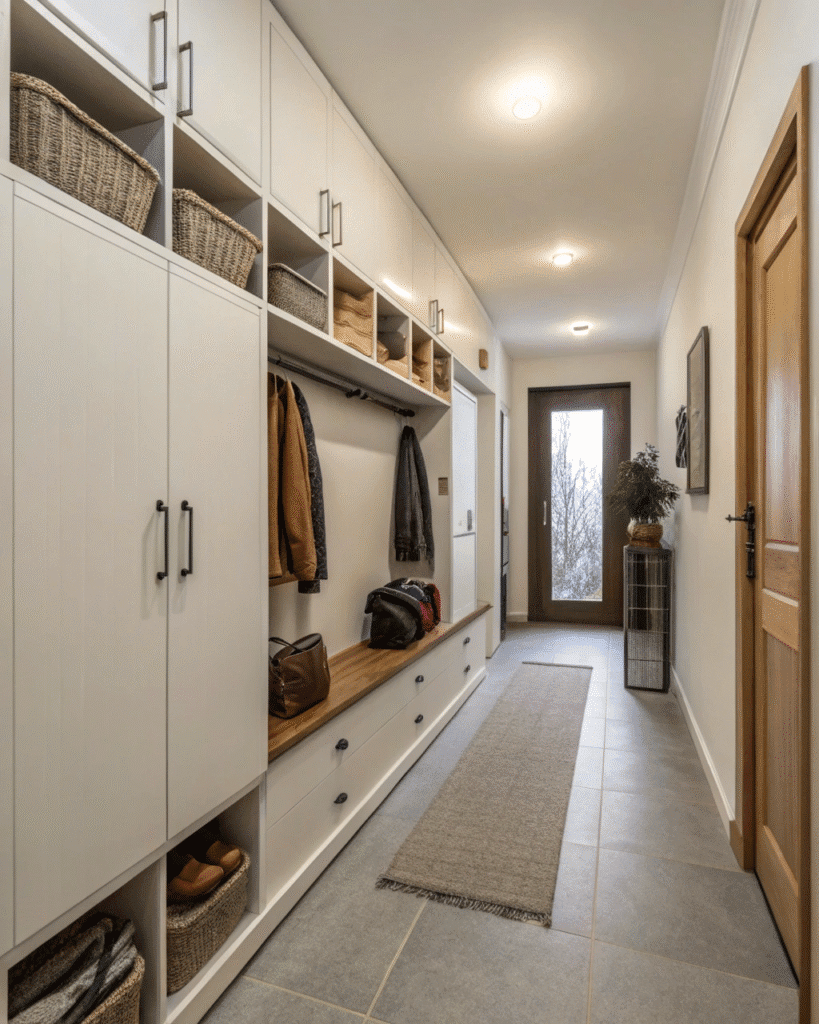
Hallways can double as storage zones with slim cabinets or overhead shelves.
Pro Tip: Keep hallway storage shallow so the walkway stays open.
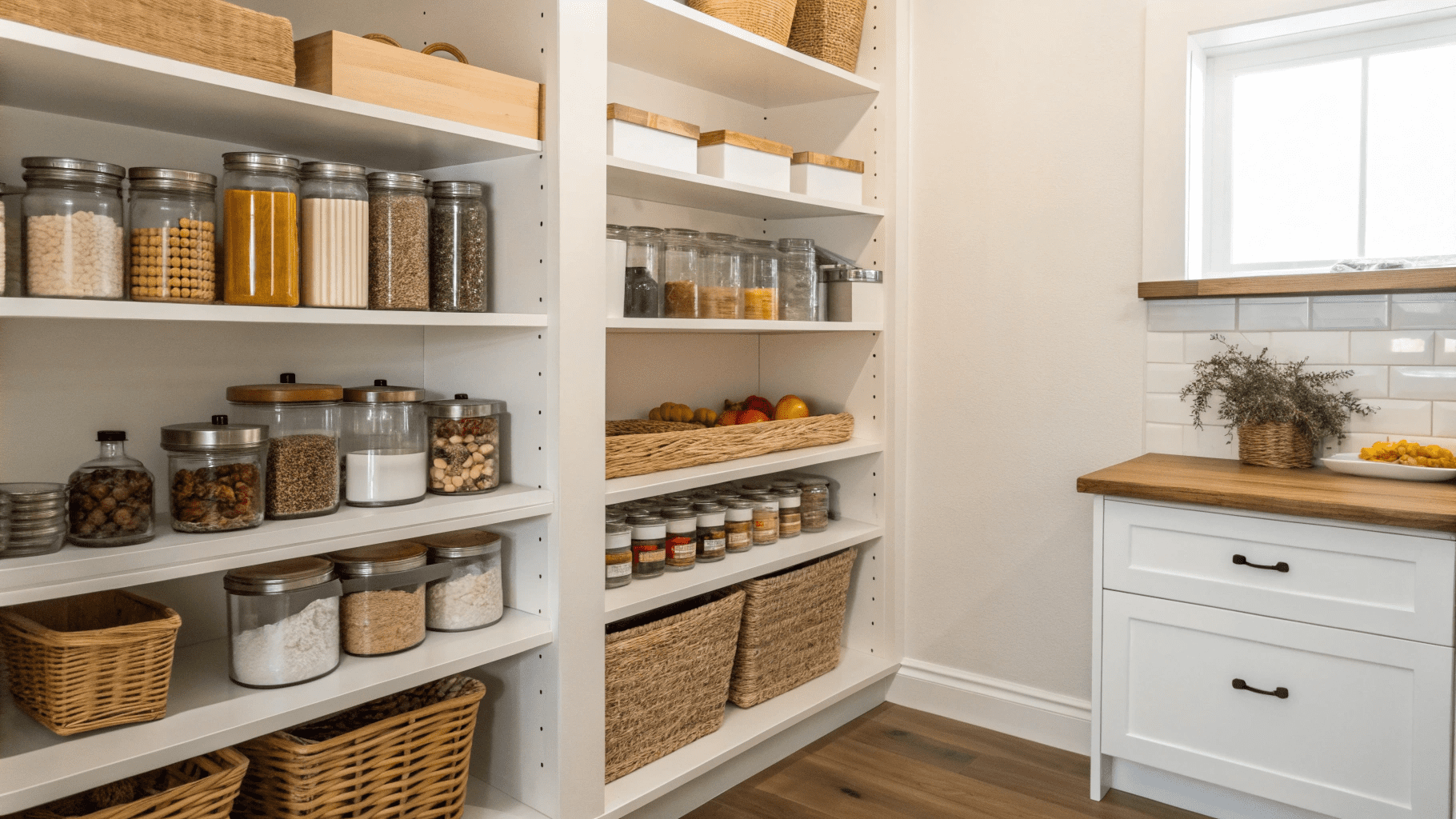
18. Choose Open Shelving Wisely
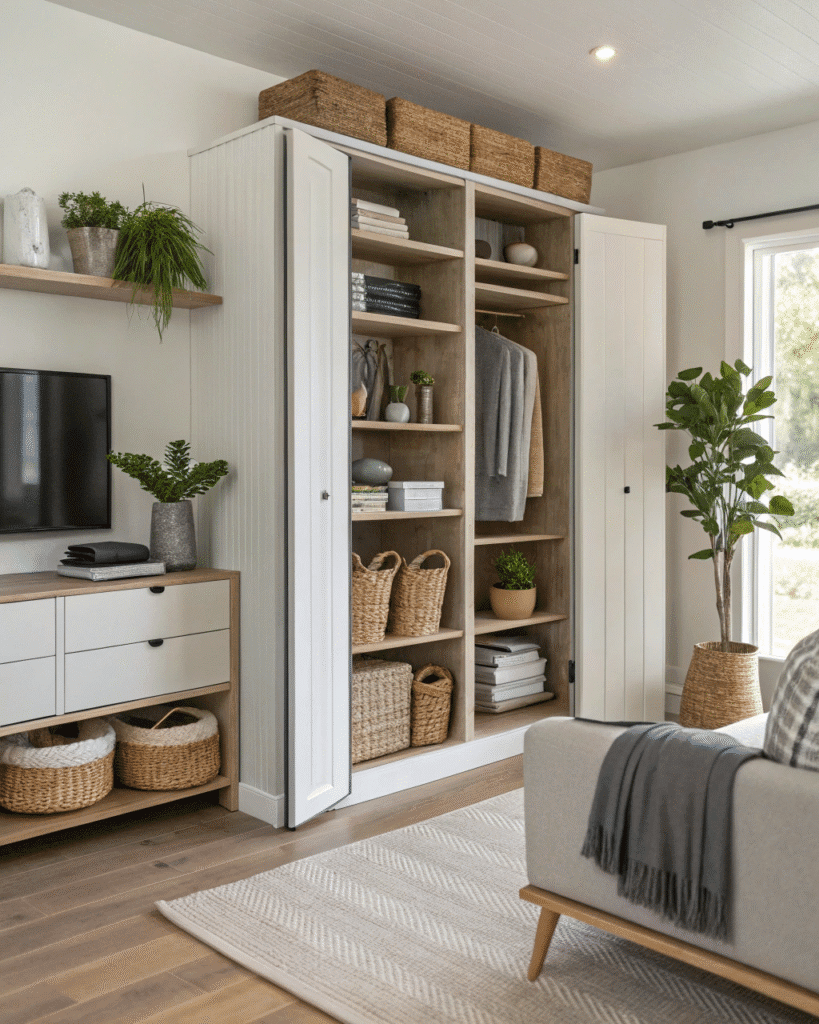
Open shelves create a light look but can get cluttered—use them for curated decor and essentials.
Pro Tip: Mix closed storage below with open shelves above for balance.
19. Keep the Floor as Clear as Possible
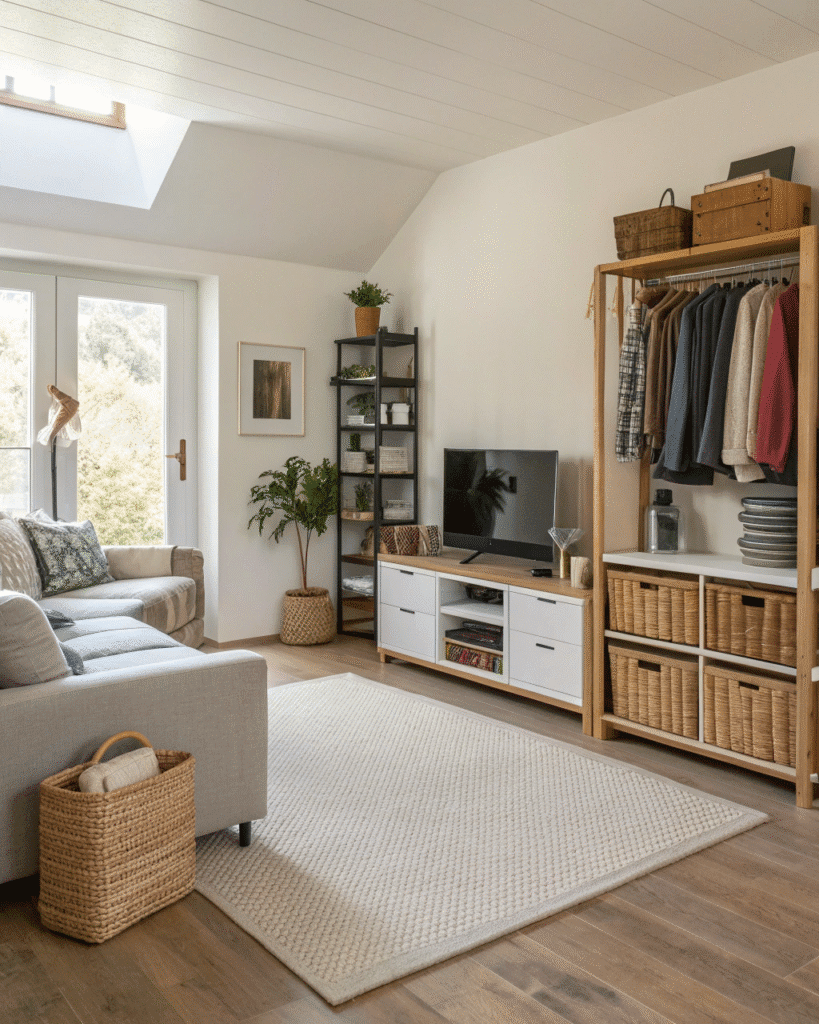
The more floor you can see, the bigger the room feels—opt for wall-mounted lighting, shelves, and furniture.
Pro Tip: Use small rugs instead of oversized ones to keep the space visually open.
Final Thoughts
Compact homes have incredible potential when planned thoughtfully.
By focusing on multifunctional furniture, vertical storage, clean layouts, and visually light elements, you can create a home that feels open, organized, and welcoming.
With smart choices and a little creativity, every inch of your space can work harder and look better.
FAQs
1. What’s the best way to make a small home feel bigger?
Use light colors, mirrors, and low-profile furniture to open up the space visually.
2. How do I add storage without cluttering the room?
Choose vertical storage, floating cabinets, and furniture with built-in compartments.
3. Can compact homes still have designated zones?
Yes — use rugs, lighting, or furniture placement to define each area.
4. What furniture works best in small spaces?
Multifunctional pieces, foldable items, and slim-profile designs.
5. How do I keep tiny homes from feeling cramped?
Avoid bulky furniture, minimize clutter, and maximize floor visibility.

- 12 Small Guest Room Ideas People Love - March 13, 2026
- 18 Thoughtful Guest Room Ideas Your Friends and Family Will Appreciate - March 13, 2026
- 16 Easy Ways to Make Your Guest Bedroom Feel More Inviting - March 13, 2026