13+ Creative Backyard Sensory Garden Ideas
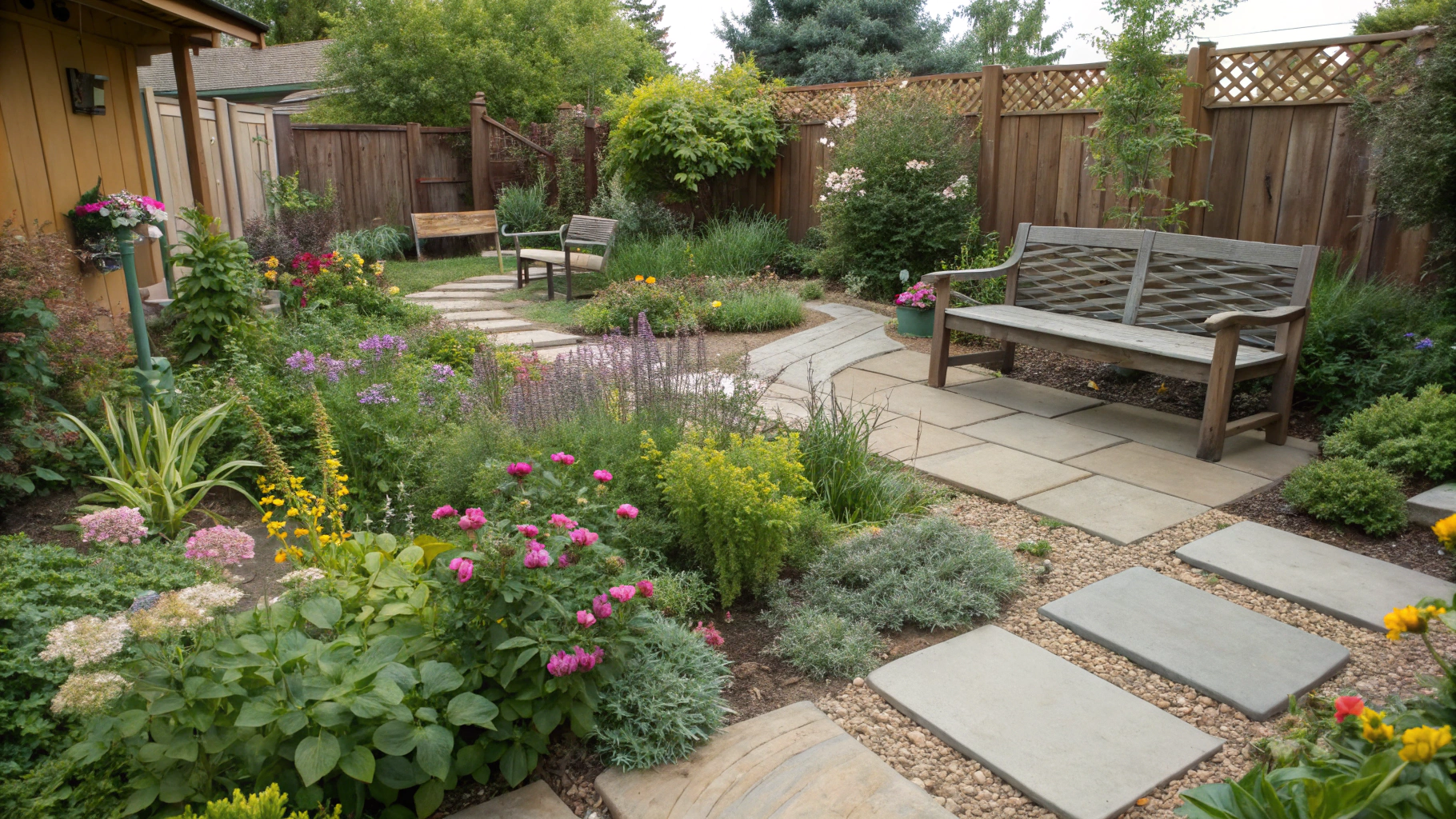
A backyard sensory garden is designed to engage the senses through texture, fragrance, sound, color, and movement, creating an outdoor space that feels calming, interactive, and deeply relaxing.
Sensory gardens are perfect for families, children, wellness-focused spaces, and anyone who wants a backyard that feels immersive and peaceful instead of purely decorative.
By combining soft plants, fragrant flowers, water features, pathways, and interactive elements, you can create a garden that feels alive and inviting in every season.
Why Sensory Gardens Feel So Special
Sensory gardens encourage people to slow down and experience the backyard in a more mindful and interactive way.
Love Chic Living Club?
Add us as one of your preferred Google sources and discover more home decor, DIY, outdoor, and lifestyle inspiration from us.
Gentle sounds, scented plants, textured foliage, and colorful blooms help create a space that feels peaceful, playful, and comforting at the same time.
Simple Ways to Create a Better Sensory Garden
Layering different textures, adding fragrant plants near seating areas, including movement through grasses or water, and using pathways that encourage exploration can make a sensory garden feel much more immersive and enjoyable.
| Sensory Element | Best Features | Creates This Feeling |
| Fragrant plants | Lavender & jasmine | Relaxing atmosphere |
| Water features | Fountains & ponds | Calm soothing sound |
| Textured plants | Lamb’s ear & grasses | Interactive garden feel |
| Wind movement | Bamboo & grasses | Soft natural motion |
| Colorful flowers | Bright seasonal blooms | Cheerful visual interest |
1. Create a Fragrant Herb Garden
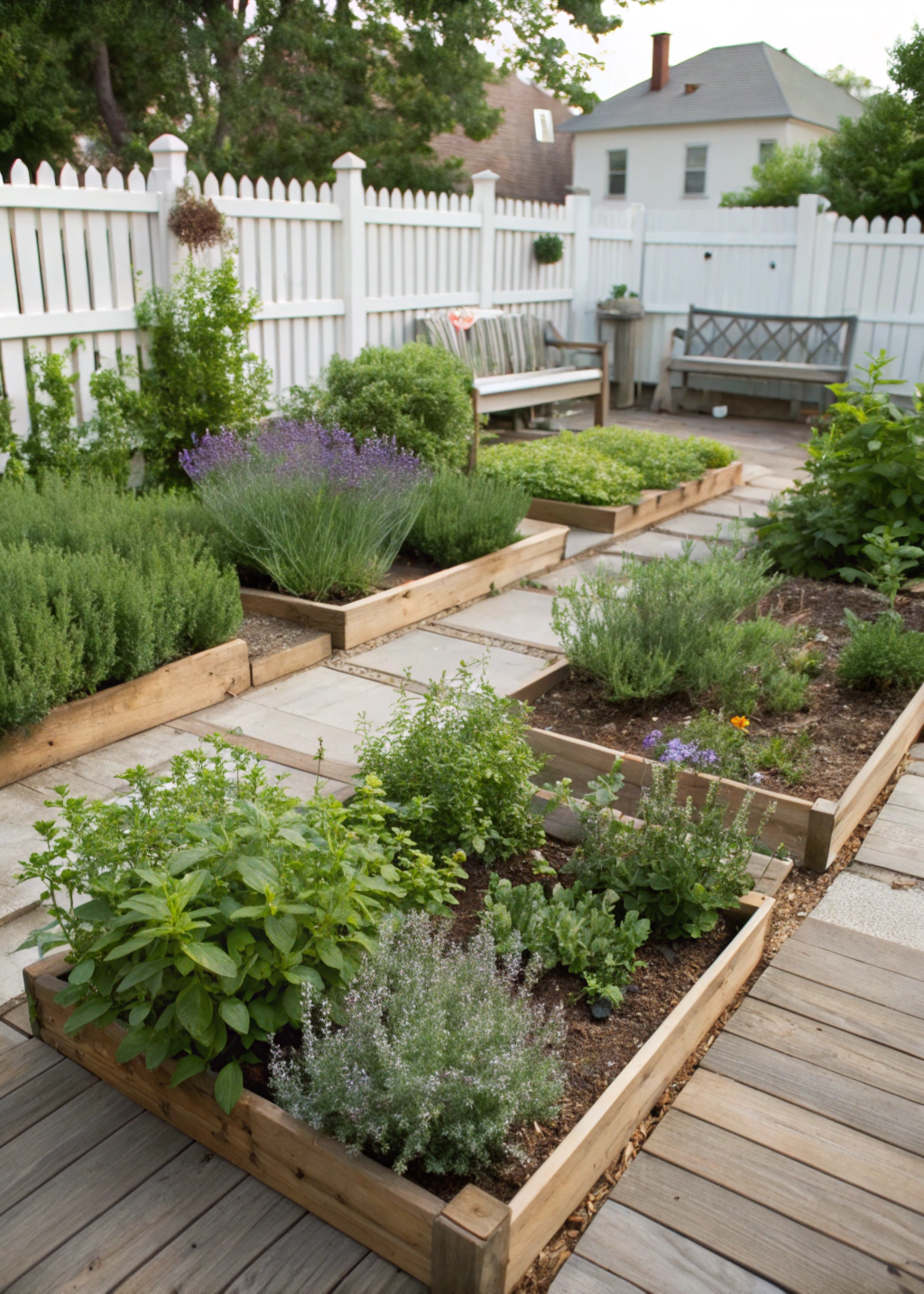
Herbs make sensory gardens feel calming and refreshing.
Best Fragrant Herbs
- Lavender
- Mint
- Rosemary
- Lemon balm
Perfect For
- Relaxing seating areas
- Patio borders
- Small backyard gardens
2. Add a Backyard Water Feature
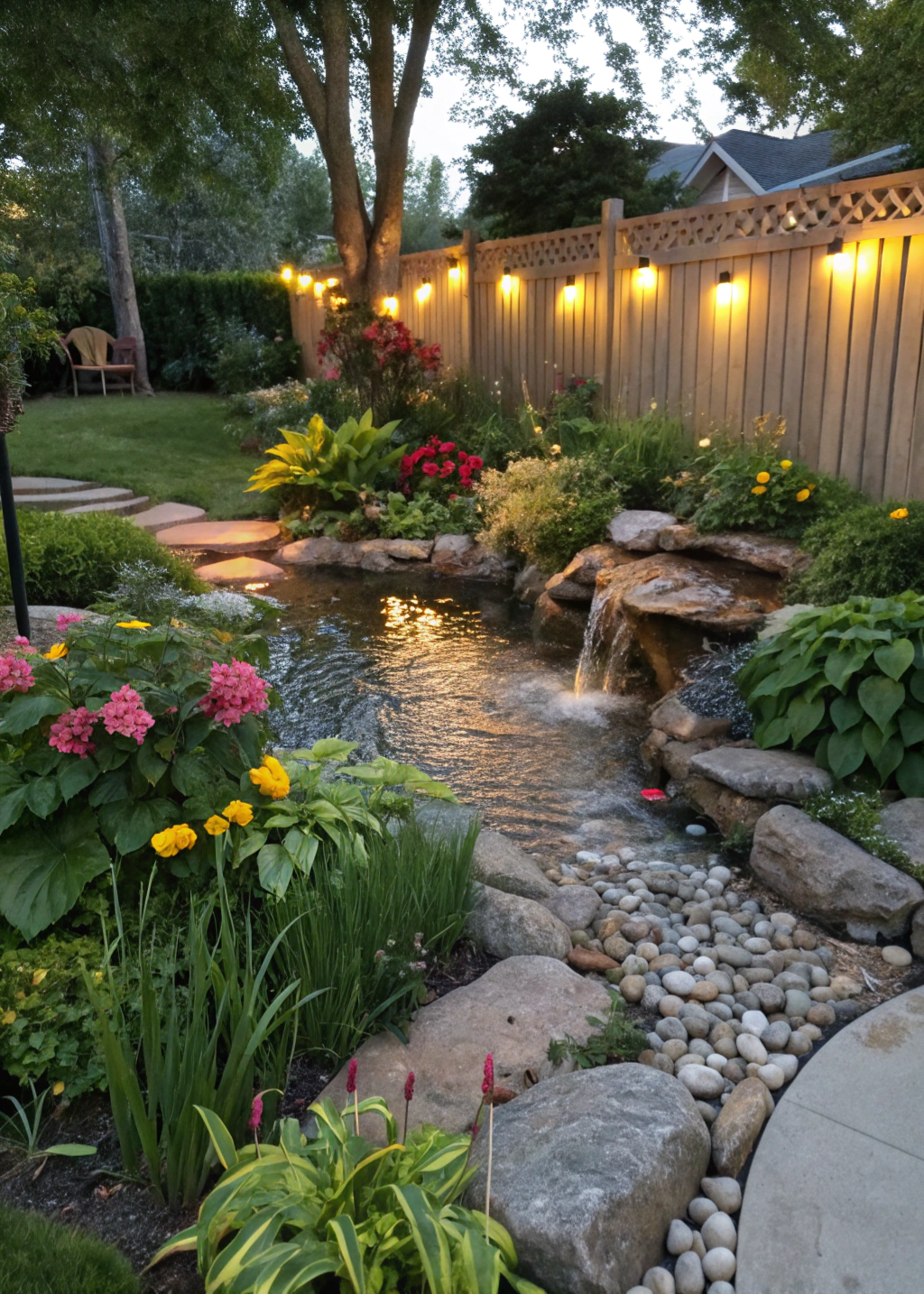
Water adds soothing sound and peaceful movement.
Beautiful Water Ideas
- Small fountains
- Pondless waterfalls
- Birdbaths
Why It Looks Stunning
Flowing water creates a calming backyard atmosphere.
3. Plant Soft Textured Foliage
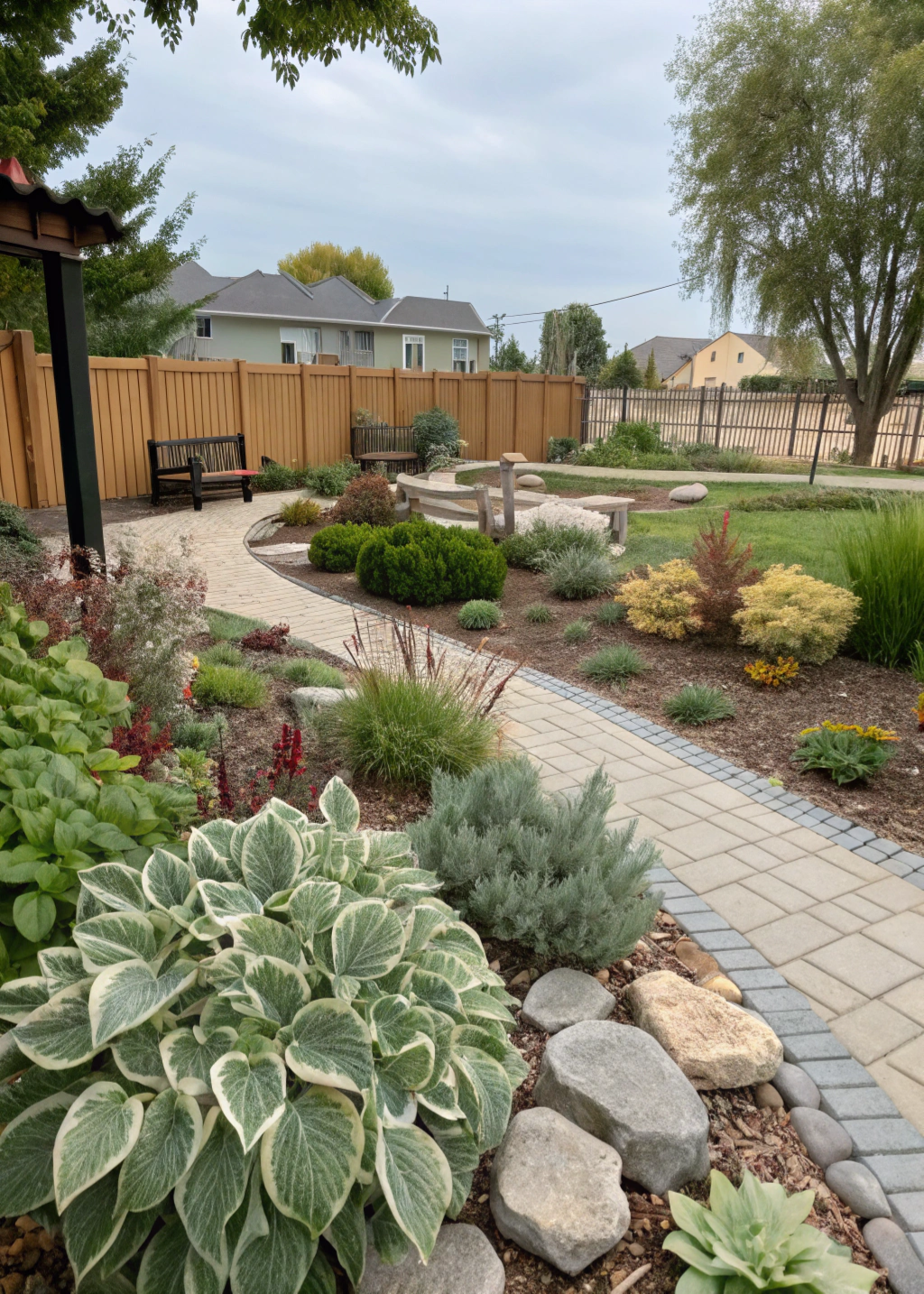
Texture makes gardens more interactive and visually layered.
Best Textured Plants
- Lamb’s ear
- Ferns
- Ornamental grasses
- Moss
Sensory Bonus
Soft leaves encourage touch and exploration.
4. Create a Wind-Friendly Grass Garden
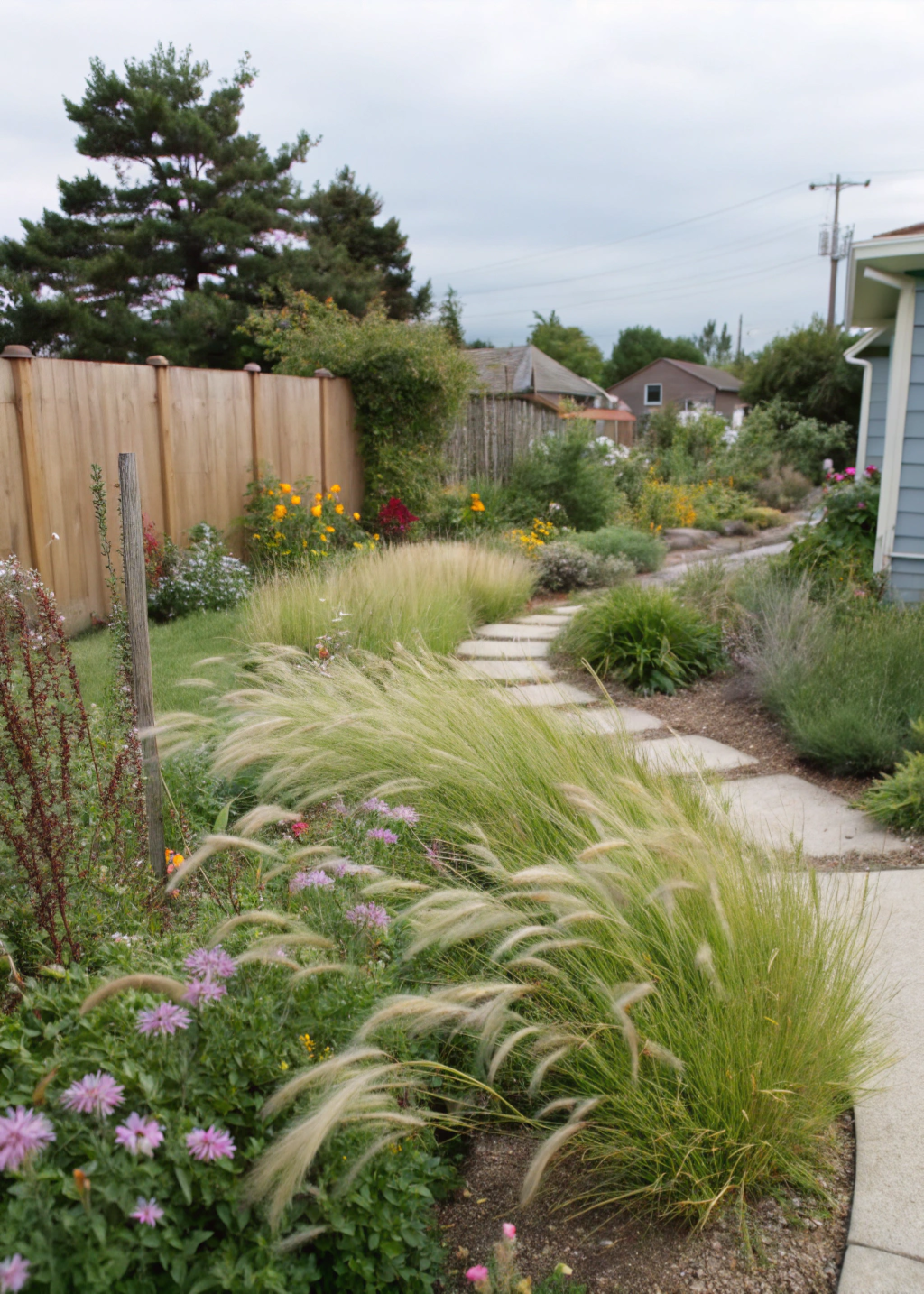
Movement helps sensory gardens feel alive and relaxing.
Gorgeous Grass Choices
- Fountain grass
- Switchgrass
- Feather reed grass
Backyard Mood
Soft, peaceful, and naturally calming.
5. Add a Sensory Pathway
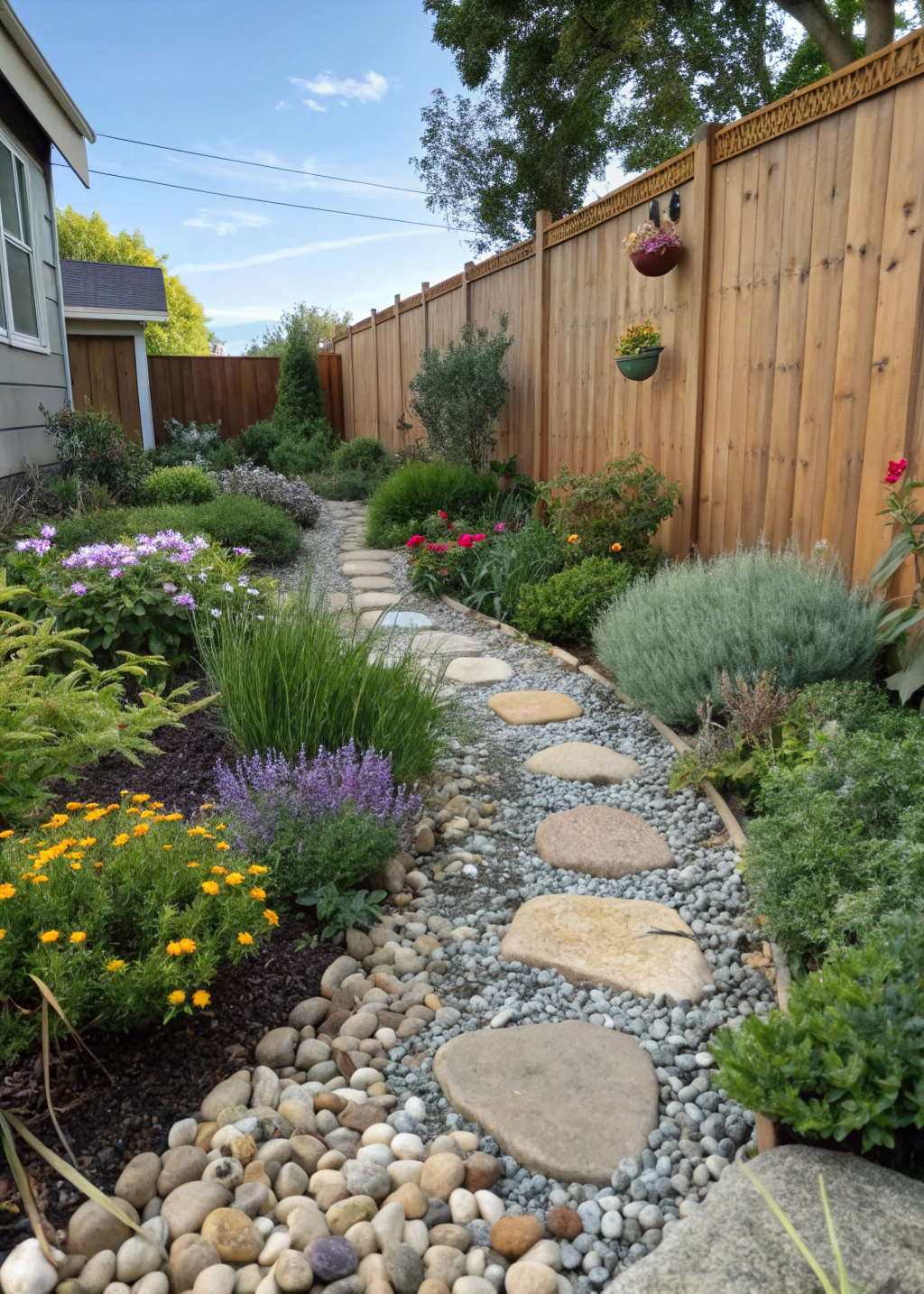
Interactive pathways encourage movement through the garden.
Best Path Materials
- Pebbles
- Gravel
- Wood slices
- Stepping stones
Why Homeowners Love It
Pathways make the garden feel immersive and playful.
6. Create a Butterfly & Pollinator Garden
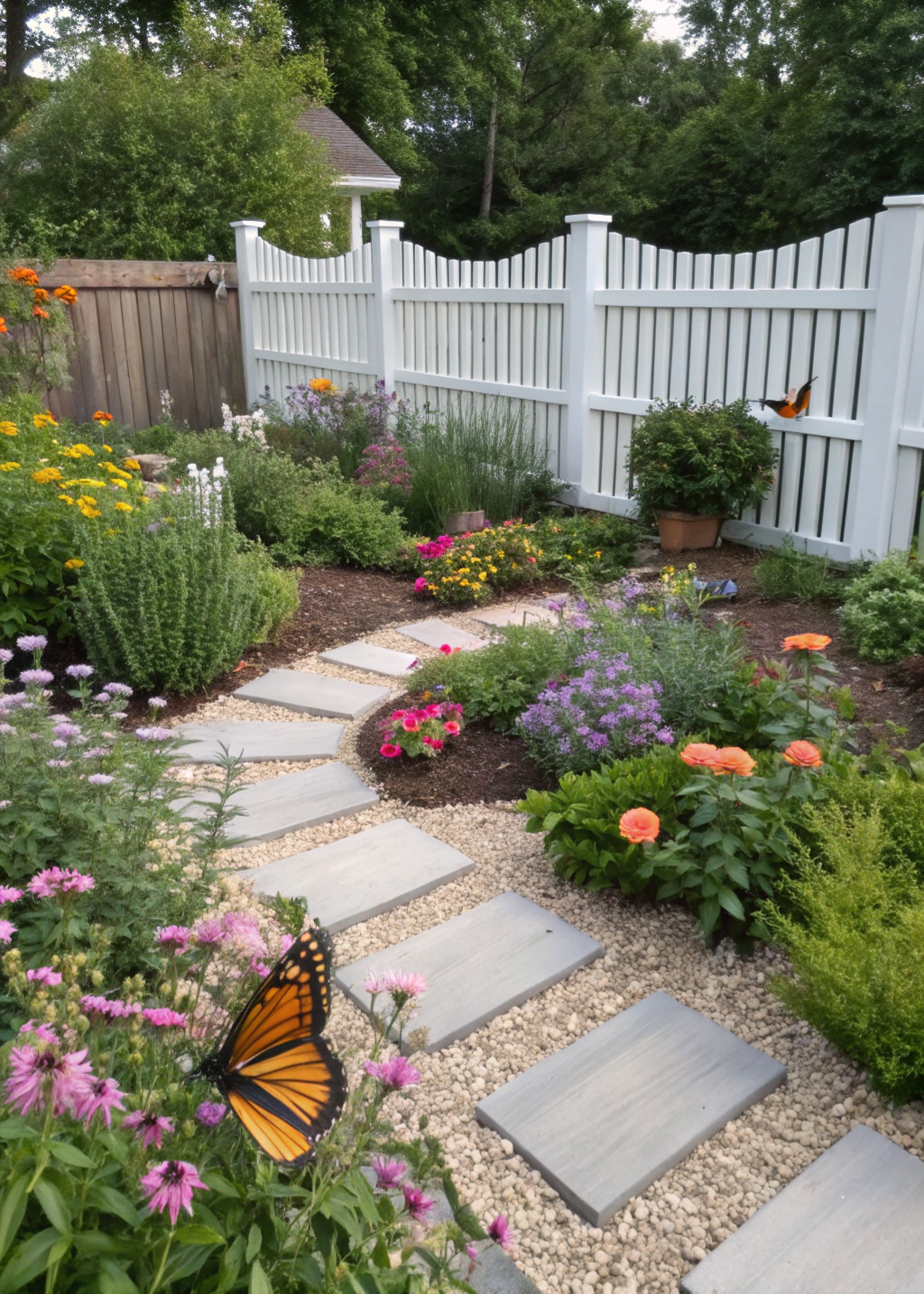
Pollinator gardens add movement, color, and life.
Best Pollinator Plants
- Bee balm
- Milkweed
- Coneflowers
- Salvia
Creates This Feeling
A lively backyard filled with butterflies and hummingbirds.
7. Make a Color-Themed Flower Garden
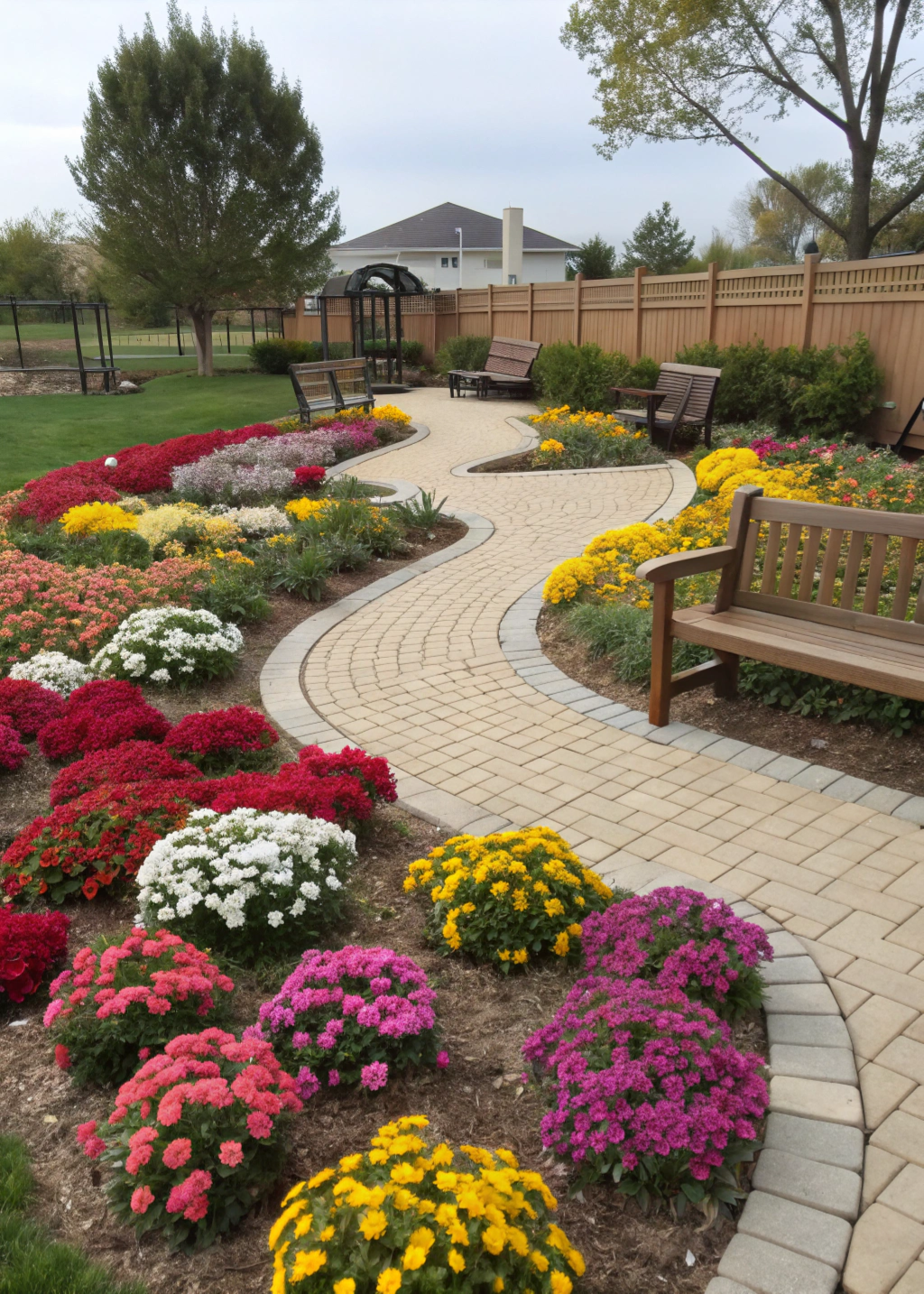
Bright flowers create strong visual sensory appeal.
Beautiful Color Themes
- Purple and white
- Tropical bright tones
- Soft pastel flowers
Why It Works
Colorful blooms instantly energize the space.
8. Add Wind Chimes & Natural Sounds
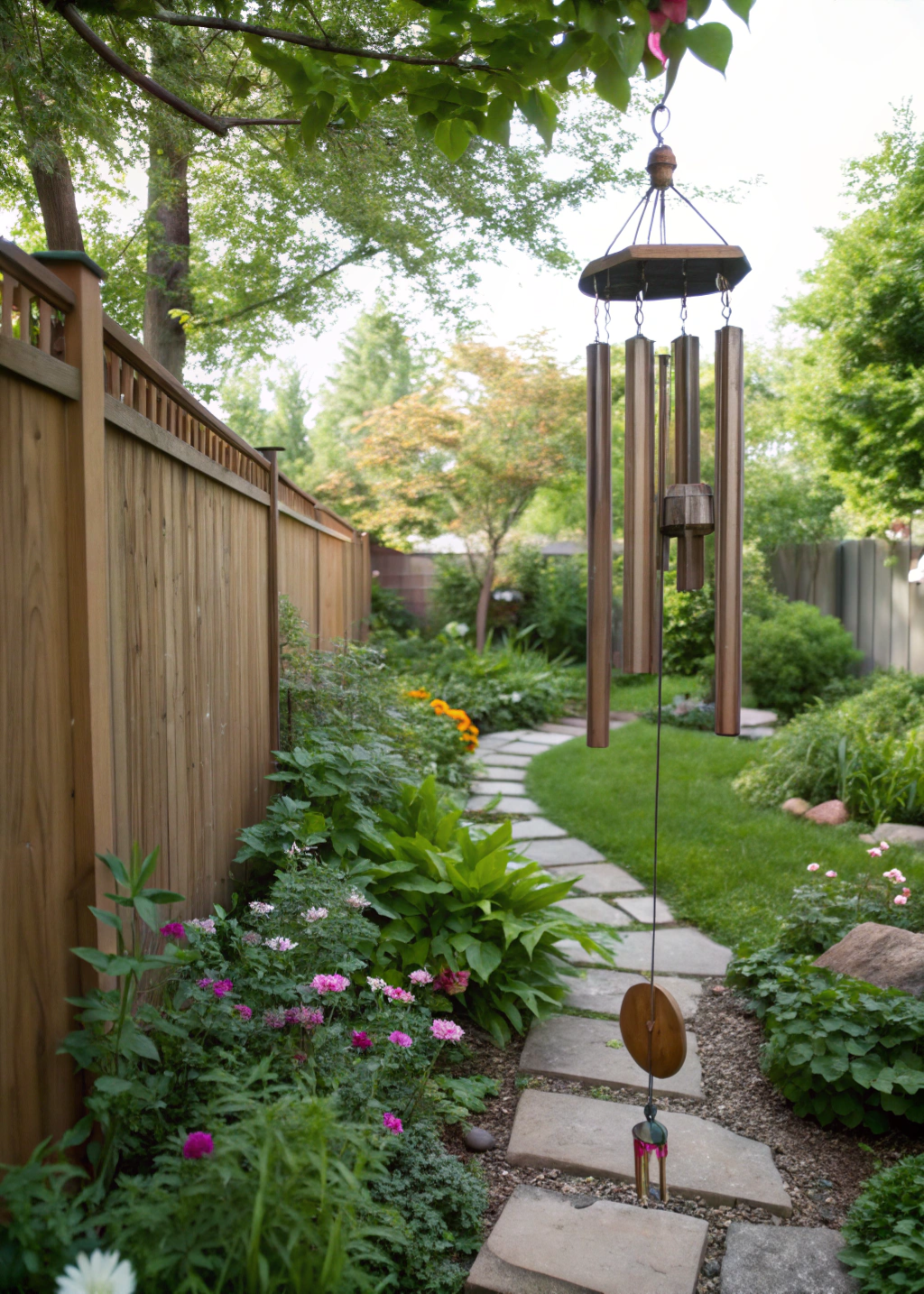
Sound is one of the most relaxing sensory garden elements.
Best Sound Features
- Wind chimes
- Bamboo fountains
- Rustling grasses
Perfect Backyard Style
Peaceful Zen-inspired gardens.
9. Create a Shady Relaxation Corner
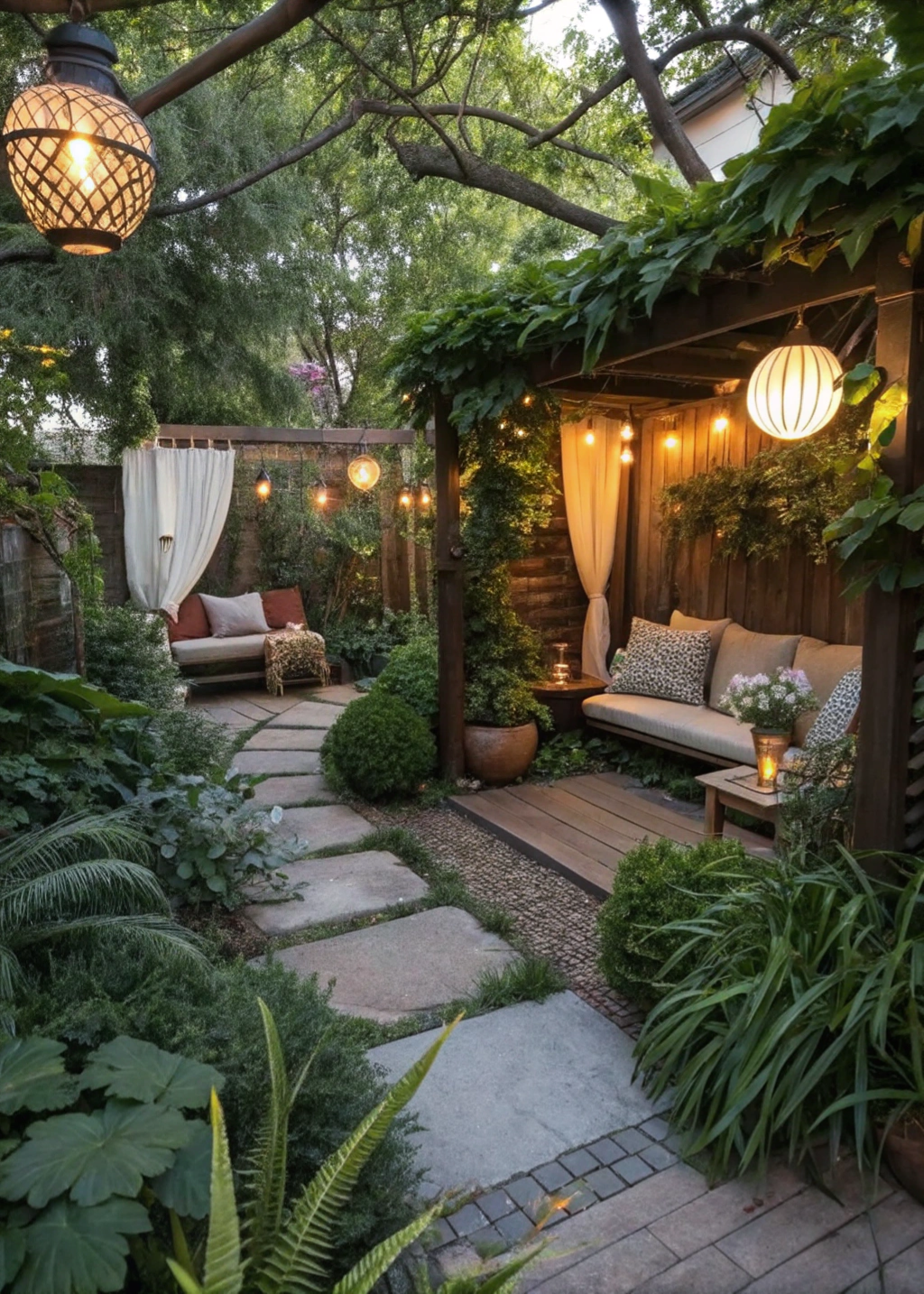
Shaded sensory spaces feel cool and comforting.
Best Shade Plants
- Ferns
- Hostas
- Hydrangeas
- Moss
Why It Stands Out
Cool shaded spaces naturally feel calming and restorative.
10. Add Raised Garden Beds for Interaction
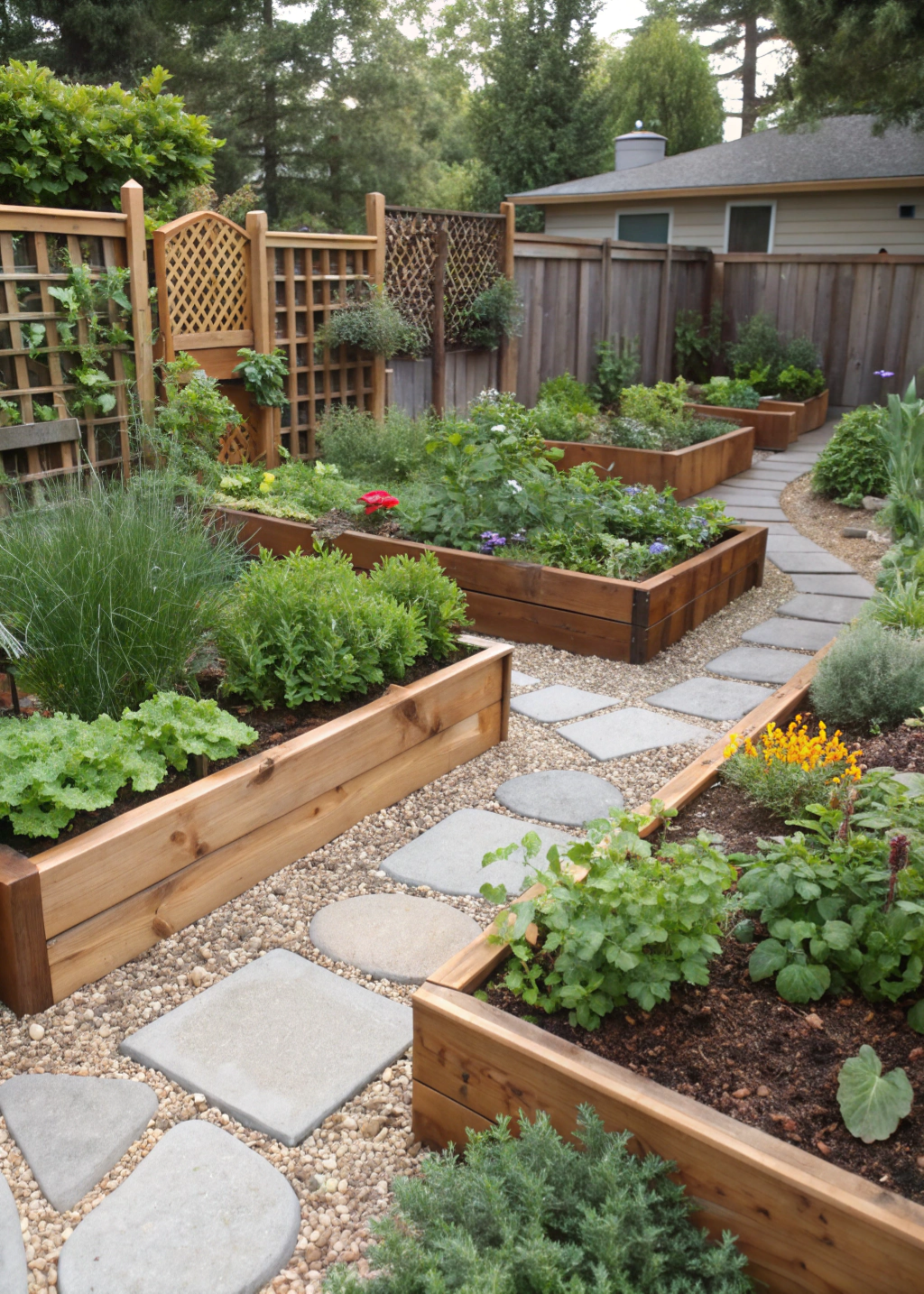
Raised beds make sensory gardens easier to explore and maintain.
Great Raised Bed Plants
- Herbs
- Edible flowers
- Strawberries
- Soft grasses
Small-Space Bonus
Raised beds work beautifully in compact backyards.
11. Create a Backyard Zen Sensory Garden
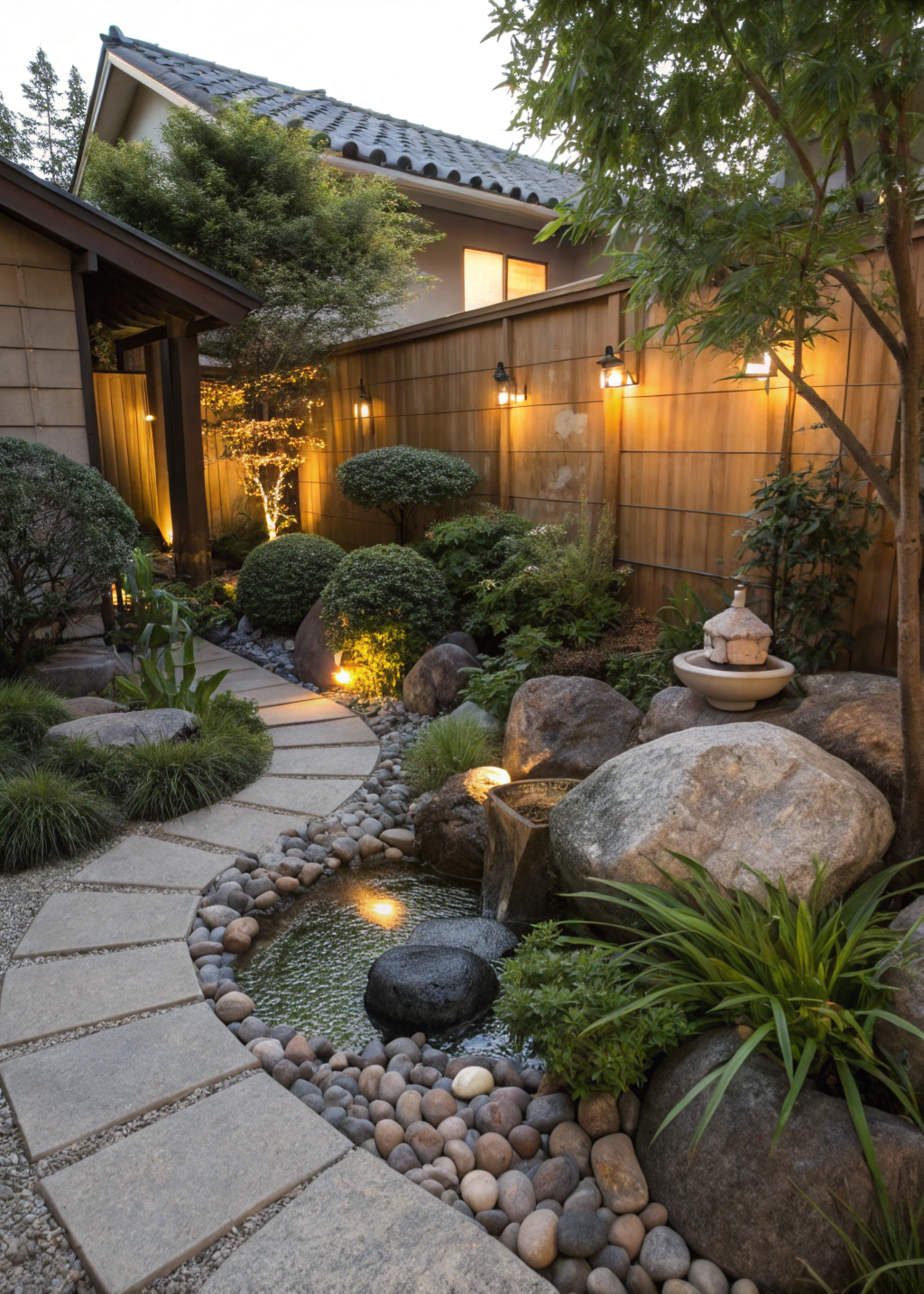
Zen-inspired spaces encourage relaxation and mindfulness.
Best Zen Features
- Gravel pathways
- Bamboo
- Natural stone
- Minimalist planting
Backyard Feeling
Quiet, peaceful, and balanced.
12. Add Edible Plants to the Garden
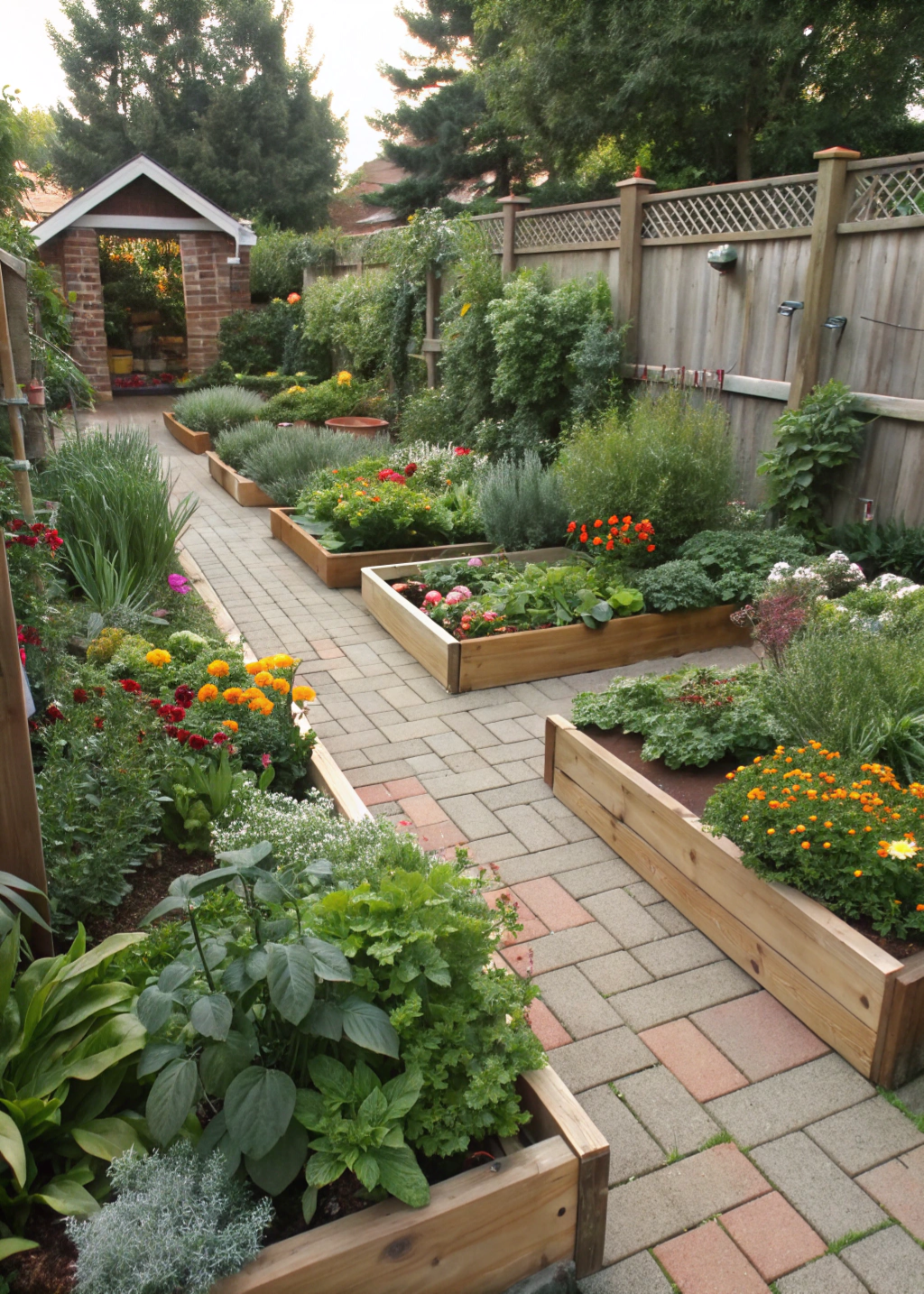
Taste can become part of the sensory experience too.
Best Edible Garden Additions
- Strawberries
- Basil
- Cherry tomatoes
- Mint
Why It Looks Beautiful
Edible plants add both texture and functionality.
13. Use Lighting for Evening Ambiance
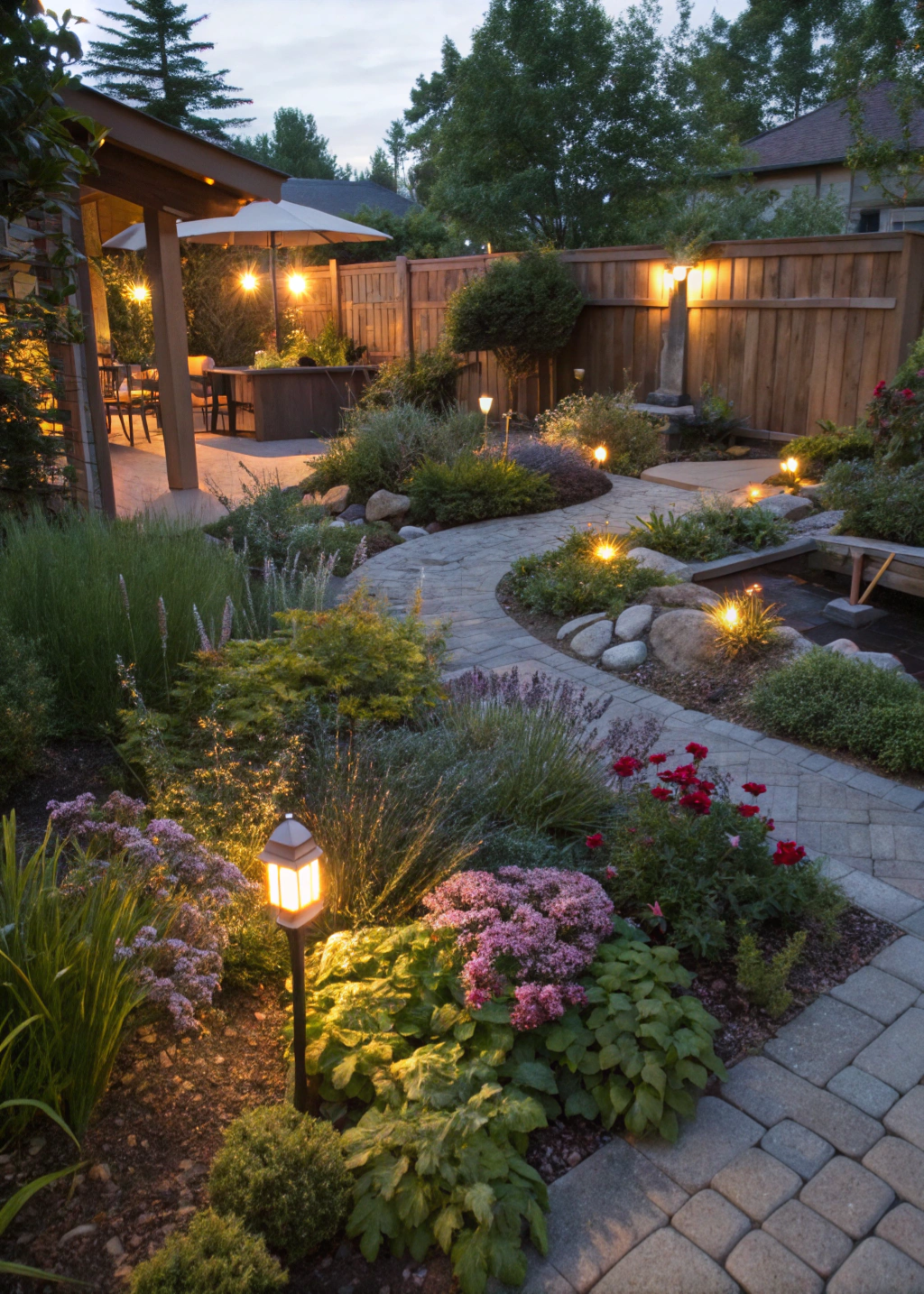
Lighting transforms sensory gardens after dark.
Best Lighting Ideas
- Lanterns
- String lights
- Solar path lights
- Fairy lights
Why It Works
Soft lighting creates a magical nighttime atmosphere.
14. Create a Sensory Garden for Kids
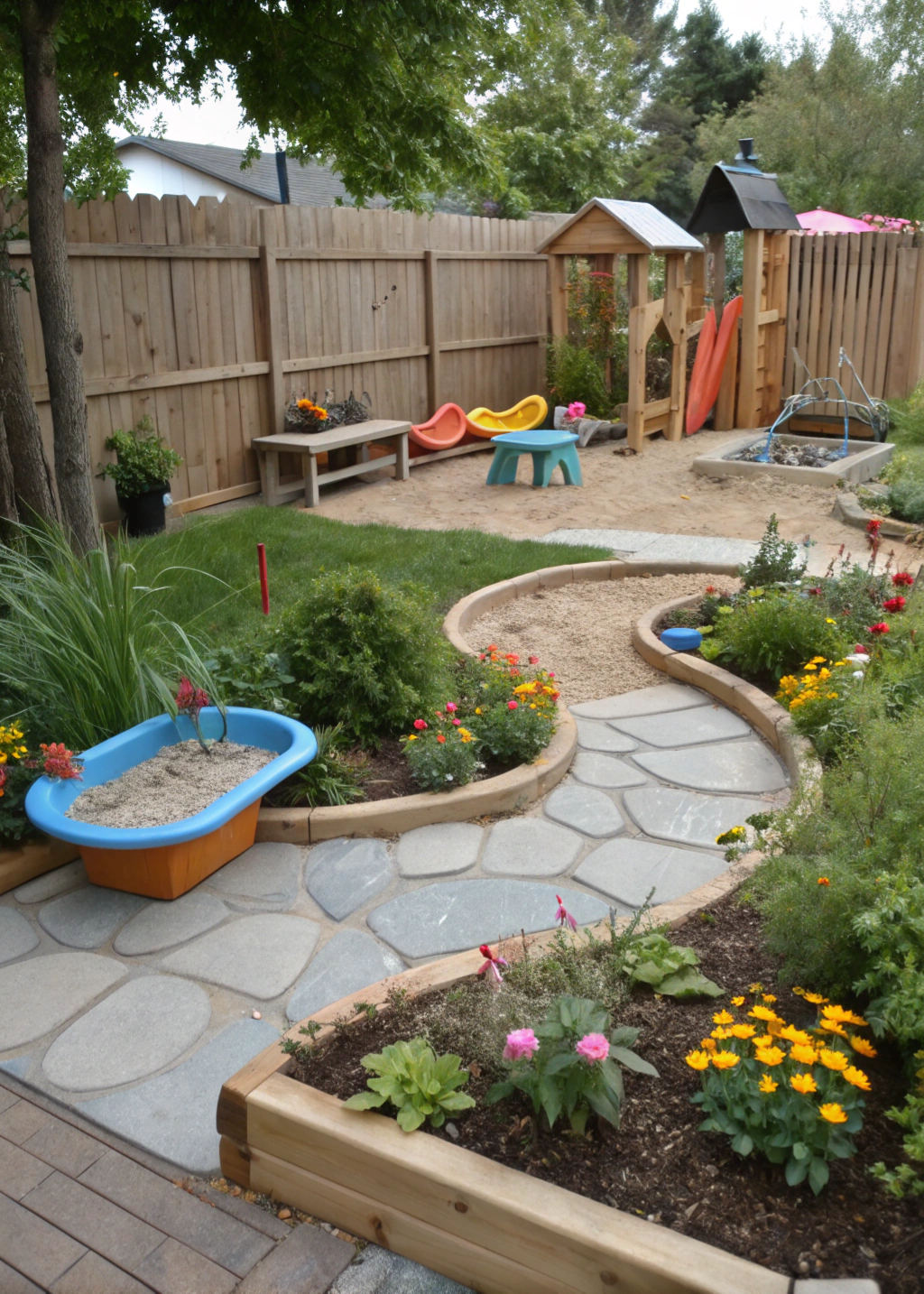
Interactive elements make gardens fun and engaging for children.
Best Kid-Friendly Features
- Sand areas
- Water play
- Bright flowers
- Touch-friendly plants
Creates This Mood
Playful, creative, and nature-focused.
Final Thoughts
Backyard sensory gardens create peaceful and interactive outdoor spaces by combining fragrance, texture, movement, sound, color, and natural beauty into one relaxing environment. Whether you prefer a calm Zen-inspired retreat, a playful family garden, or a lush pollinator paradise, sensory elements can make your backyard feel more immersive and enjoyable throughout every season.
FAQs
What is a sensory garden?
A sensory garden is designed to engage the senses through plants, textures, sounds, fragrances, and movement.
What plants work best in sensory gardens?
Lavender, mint, ornamental grasses, lamb’s ear, jasmine, and pollinator flowers are popular choices.
Are sensory gardens good for small backyards?
Yes, even small spaces can include fragrant plants, textures, lighting, and water features.
How do you make a garden feel relaxing?
Use calming colors, flowing water, soft lighting, layered greenery, and comfortable seating.
What are the best sensory garden features for kids?
Interactive pathways, soft plants, edible herbs, water play, and colorful flowers work well for children.
Can sensory gardens be low maintenance?
Absolutely. Choosing hardy plants and simple layouts can keep sensory gardens easy to care for.