15+ Pendant Lamp Styling Ideas for Living and Dining Areas
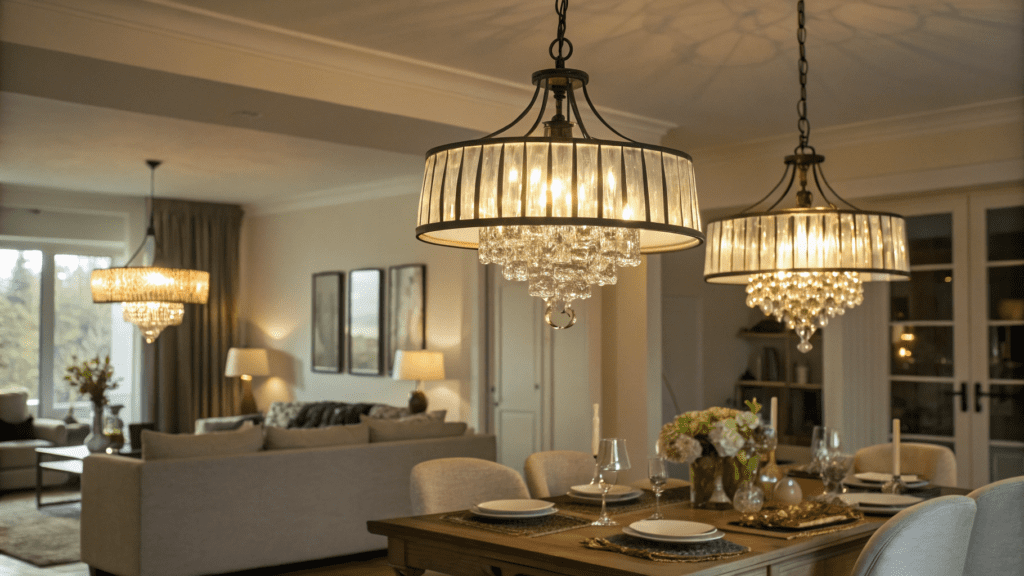
Pendant lamps do more than light up a room because they set the mood, define zones, and add personality to your living and dining spaces. The right styling can make a room feel cozy, elegant, dramatic, or relaxed, all without changing the furniture. Think of pendants as the finishing touch that pulls everything together.
Here are pendant lamp styling ideas for living and dining areas, shared in a relaxed, friend-to-friend way so they’re easy to use at home.
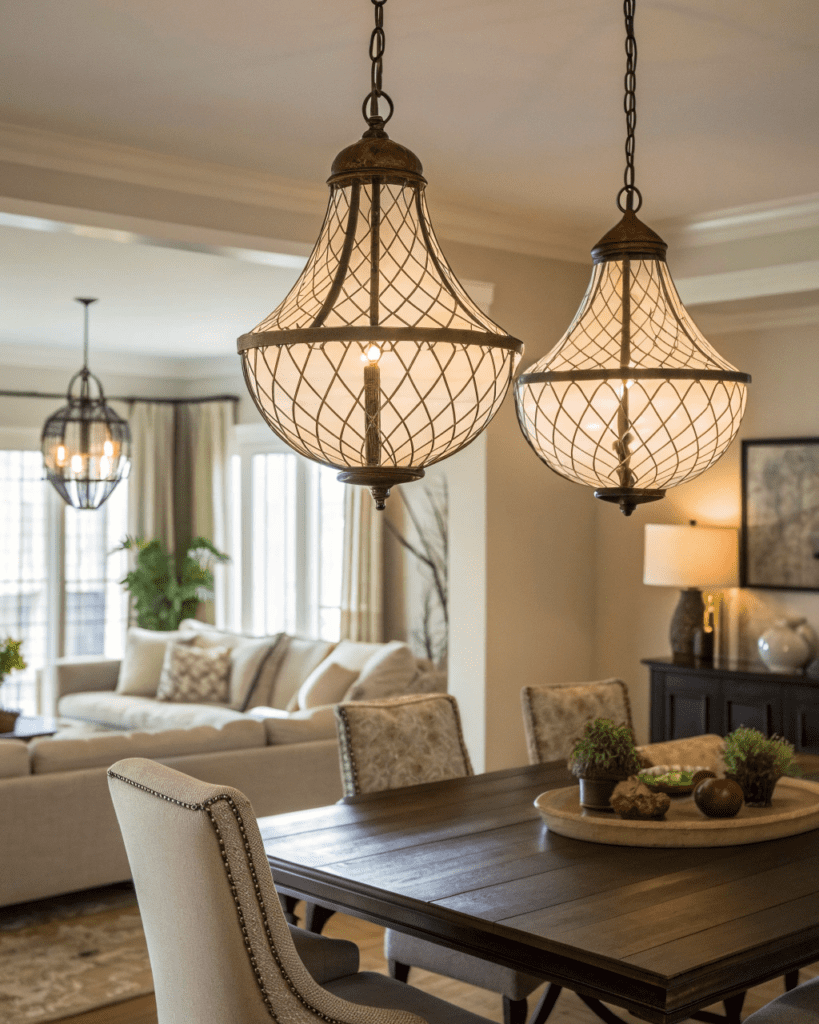
1. Center Pendants Over Key Furniture
This is the easiest place to start.
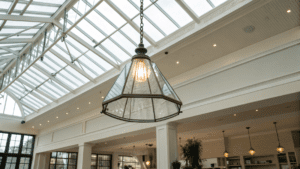
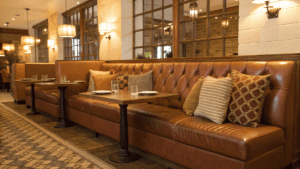
Use:
• A pendant centered over the dining table
• One positioned above a coffee table or seating area
2. Choose the Right Scale for the Room
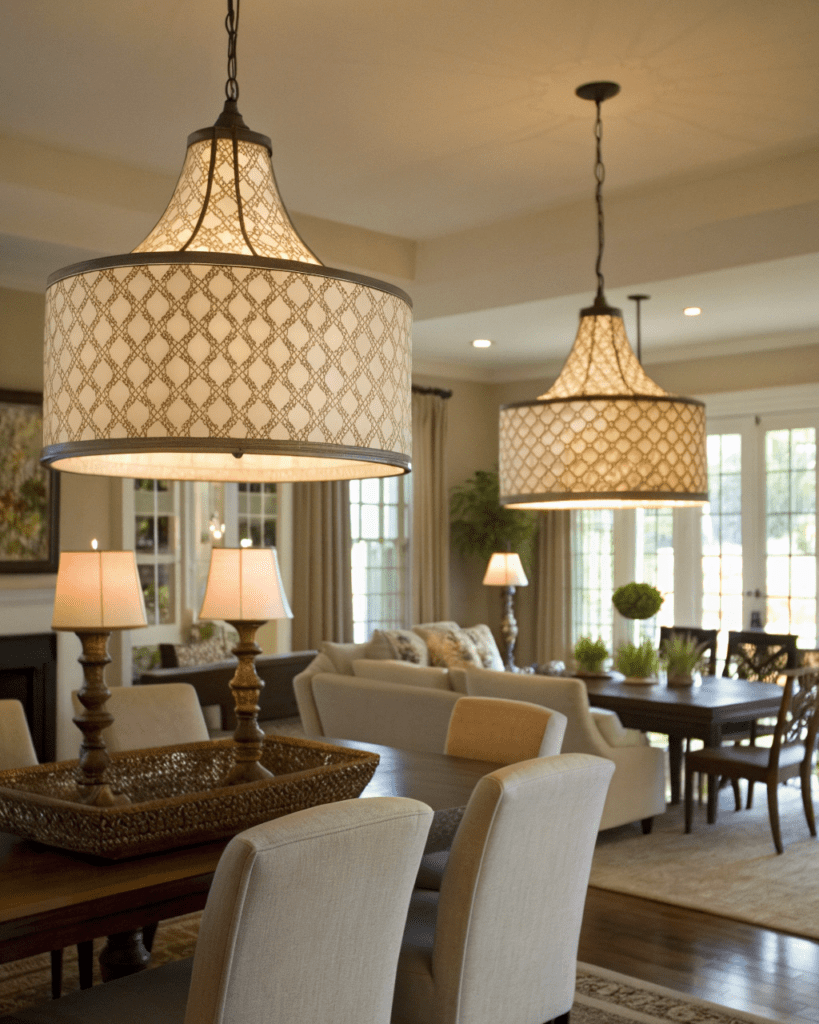
Size really matters with pendants.
Choose:
• Larger pendants for open dining spaces
• Slimmer designs for smaller living rooms
3. Hang Pendants at the Right Height
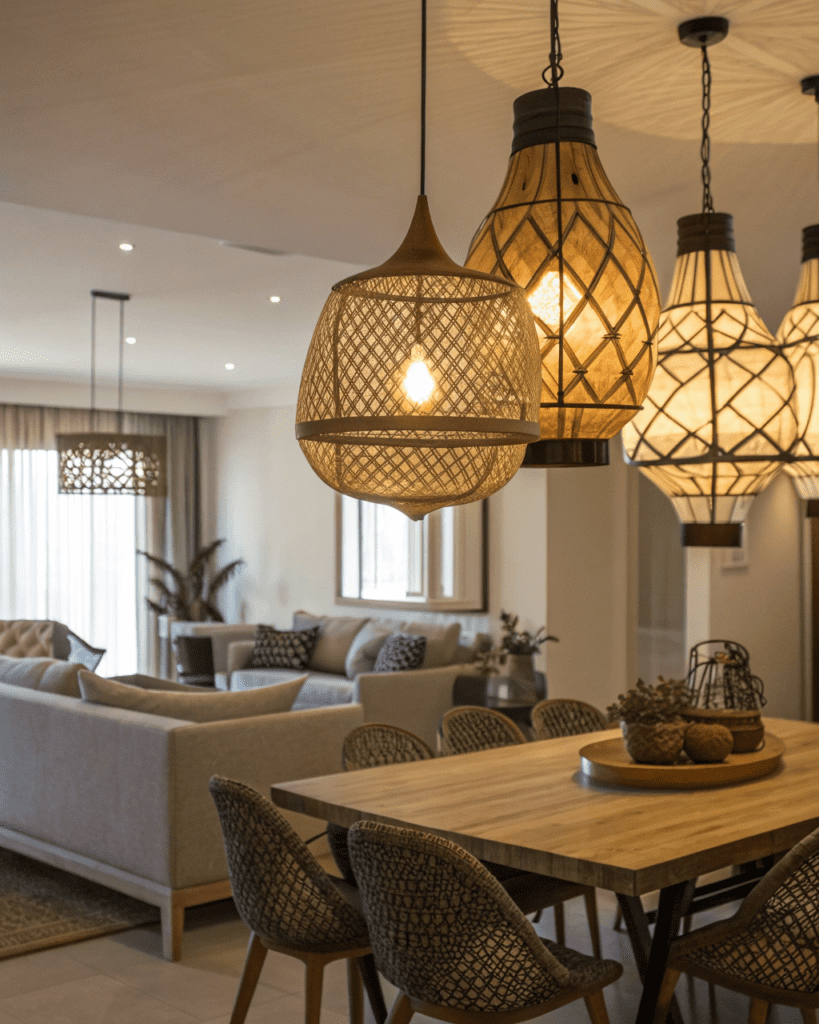
Too high or too low can throw everything off.
Aim for:
• About 30–36 inches above a dining table
• Enough clearance to see across the room
4. Use Pendant Clusters for Visual Interest
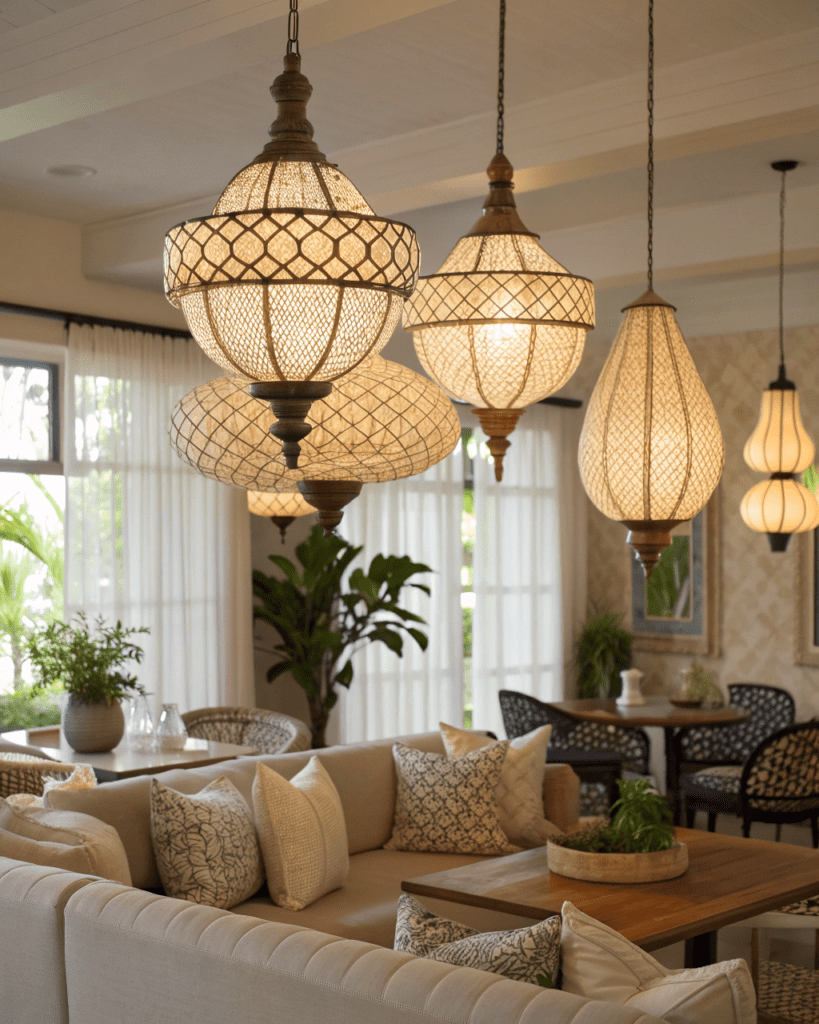
Clusters feel modern and styled without being formal.
Use:
• Two or three pendants grouped together
• Slightly varied heights for a relaxed look
5. Pair Pendants With Layered Lighting
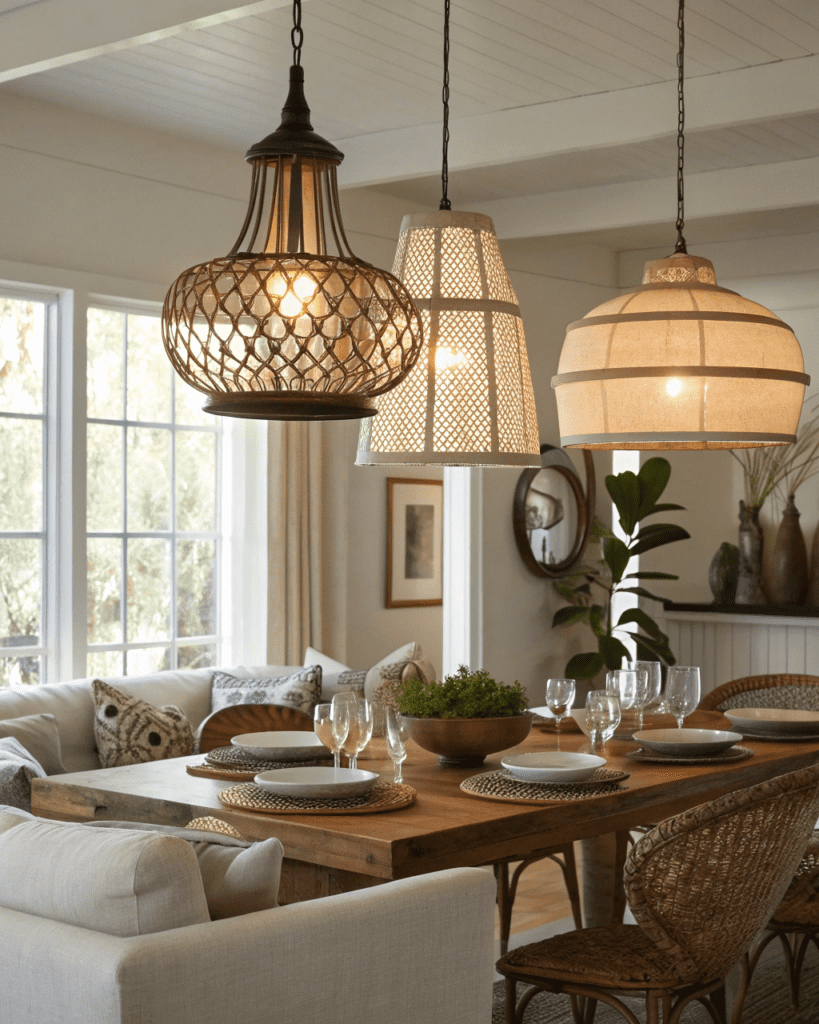
Pendants work best when they’re not doing all the work.
Pair with:
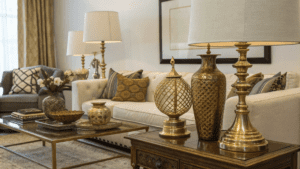
• Floor or table lamps
• Wall sconces for softer light
6. Match Pendant Style to Furniture
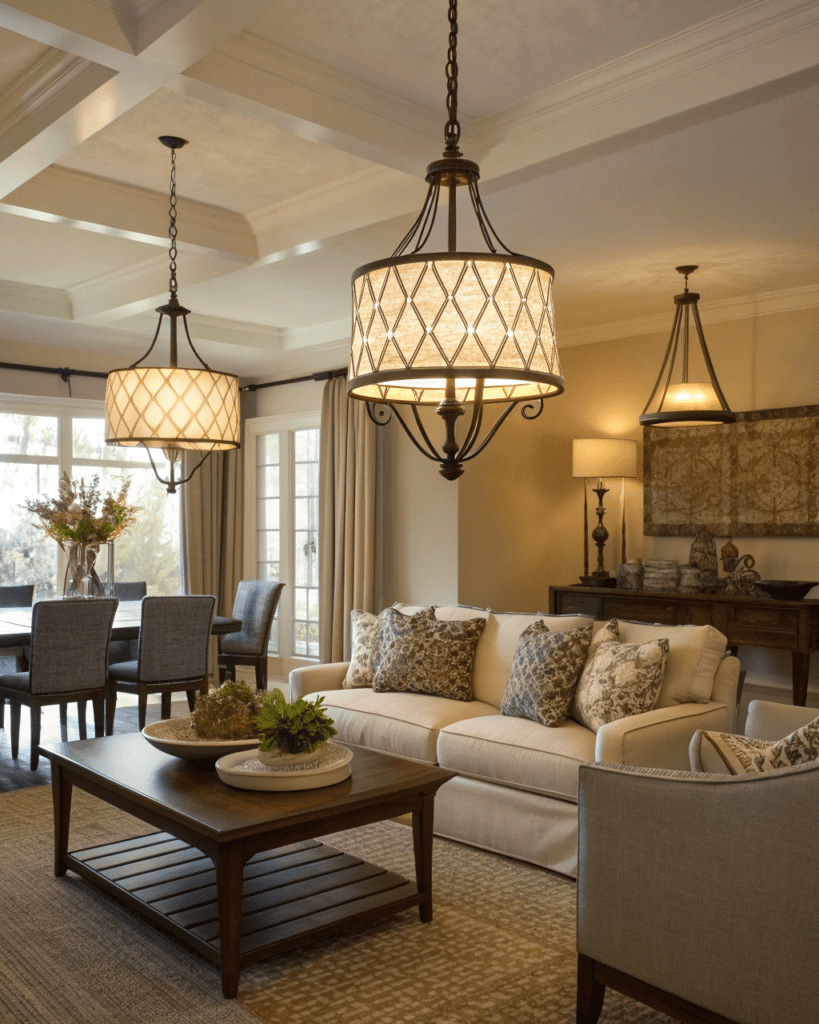
The best rooms feel cohesive, not chaotic.
Match:
• Clean pendants with modern furniture
• Decorative pendants with classic or eclectic pieces
7. Use Warm Light for a Cozy Feel
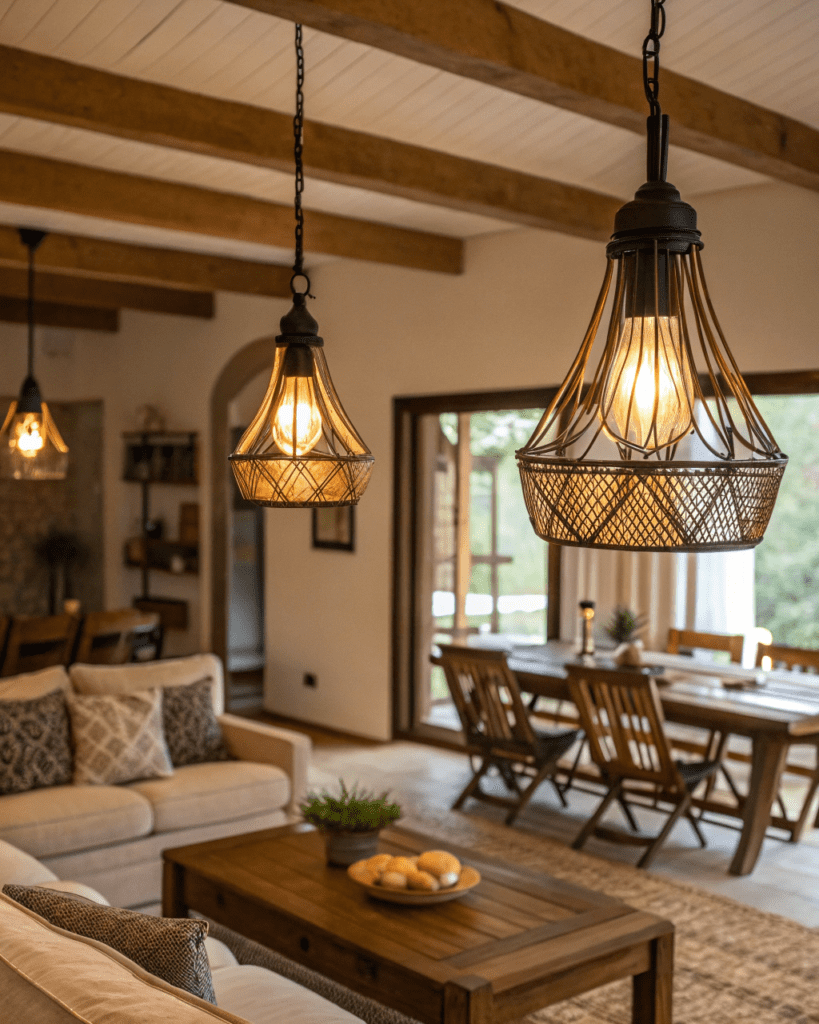
Lighting temperature makes a big difference.
Choose:
• Warm bulbs for dining areas
• Soft lighting for living rooms
8. Highlight the Dining Table Shape
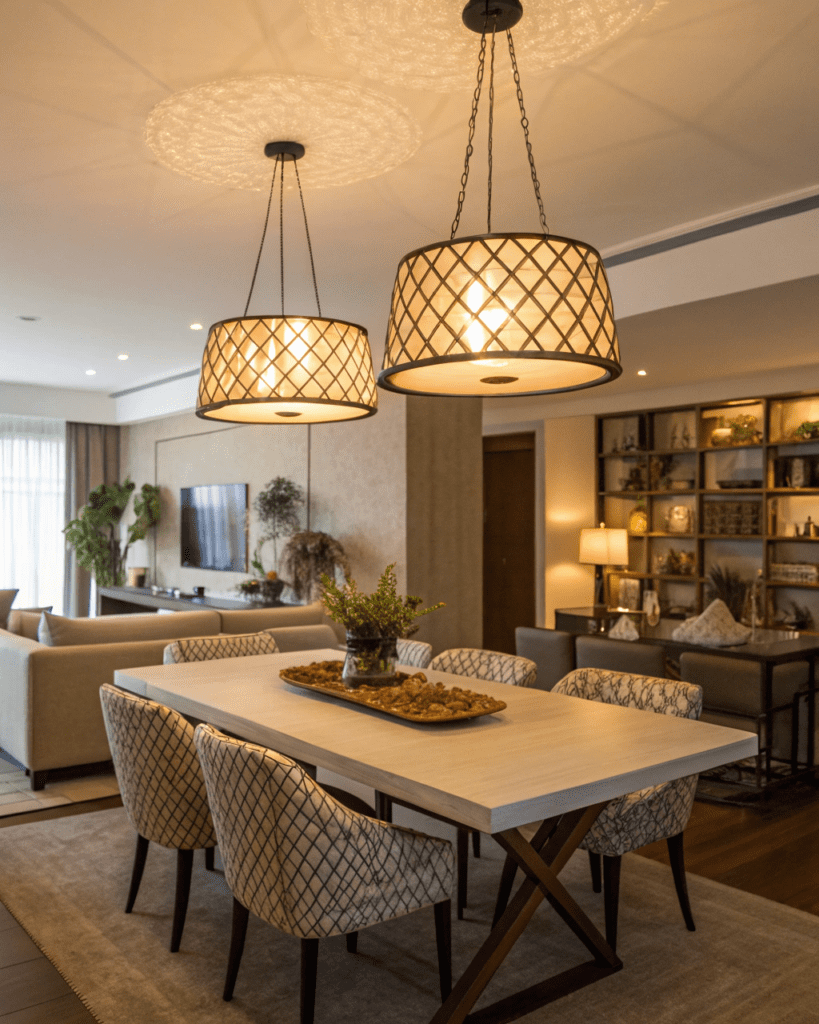
Let the table guide your pendant choice.
Use:
• Long pendants over rectangular tables
• Round pendants over round tables
9. Try Symmetry for a Polished Look
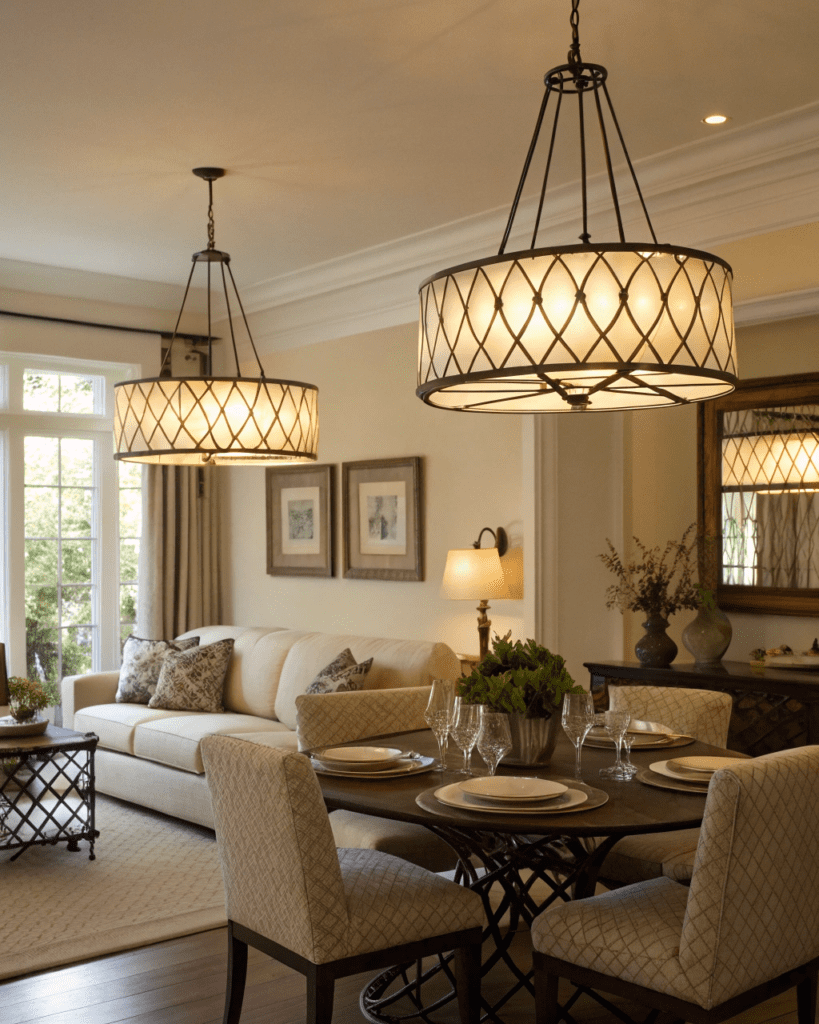
Symmetry always feels intentional.
Use:
• Matching pendants on either side of a table
• Even spacing for balance
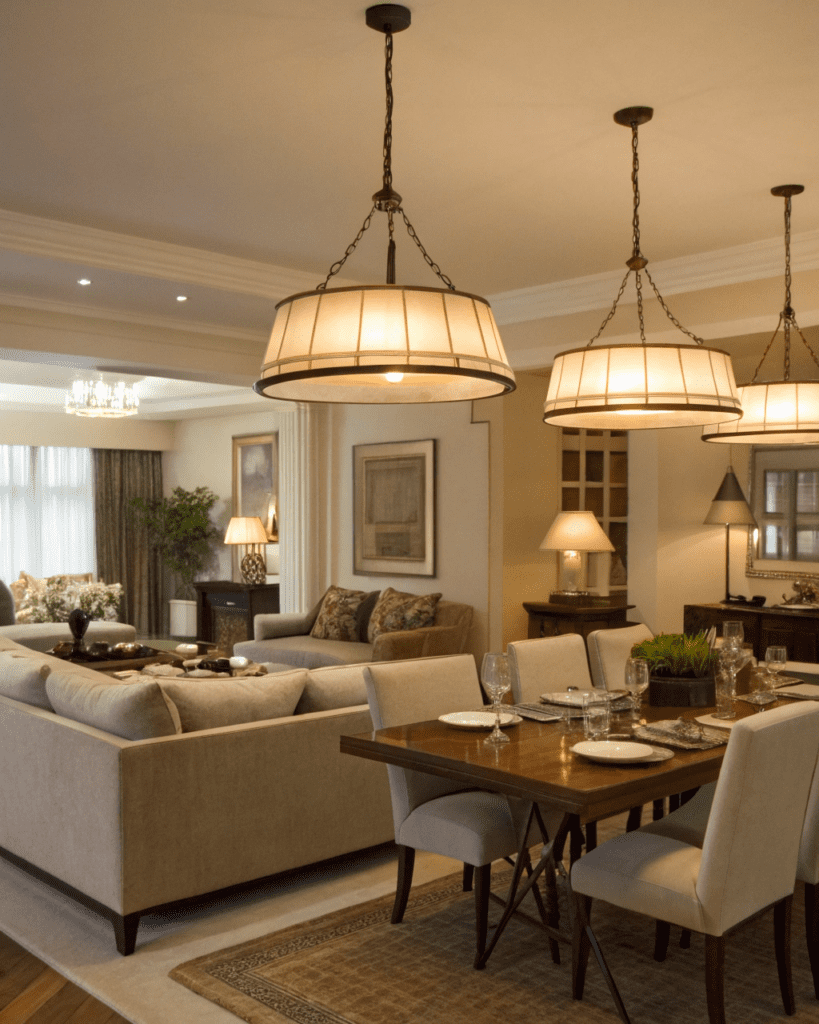
10. Use Pendants to Define Zones
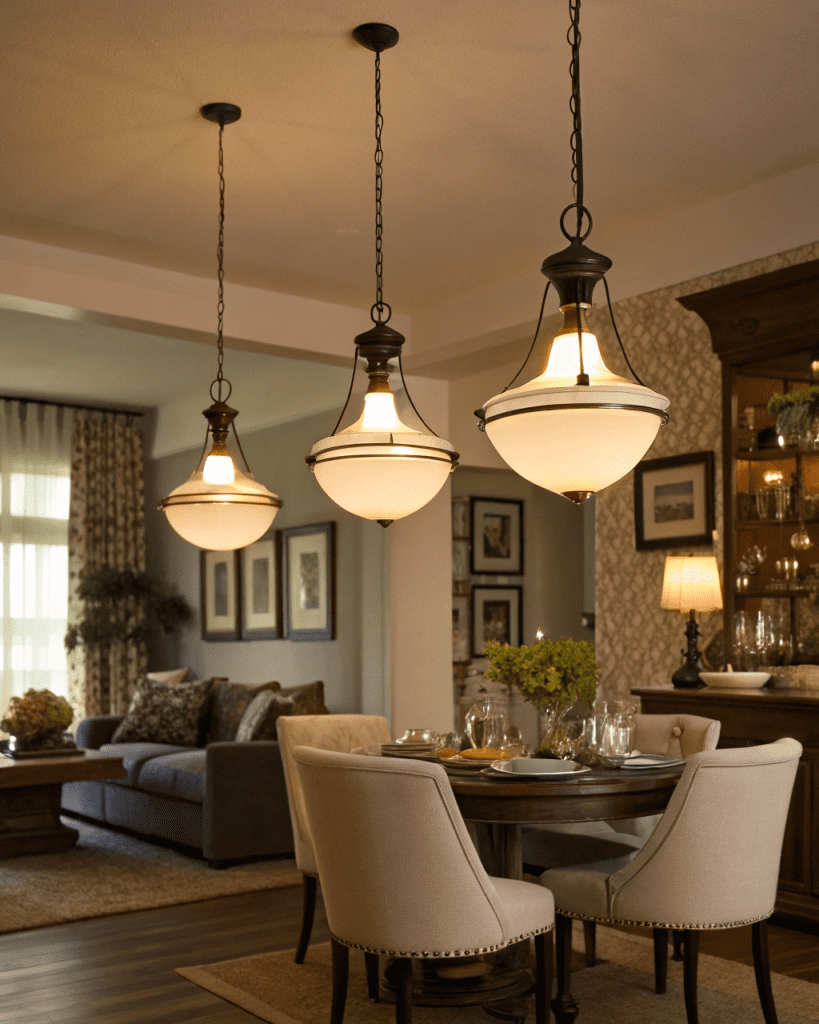
Especially helpful in open-plan homes.
Use:
• Pendants to separate dining and living areas
• Different styles to signal different zones
11. Keep Finishes Consistent
Too many finishes can feel messy.
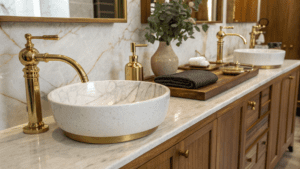
Stick to:
• One or two metal finishes
• Similar tones across the space
12. Add Drama With Statement Pendants
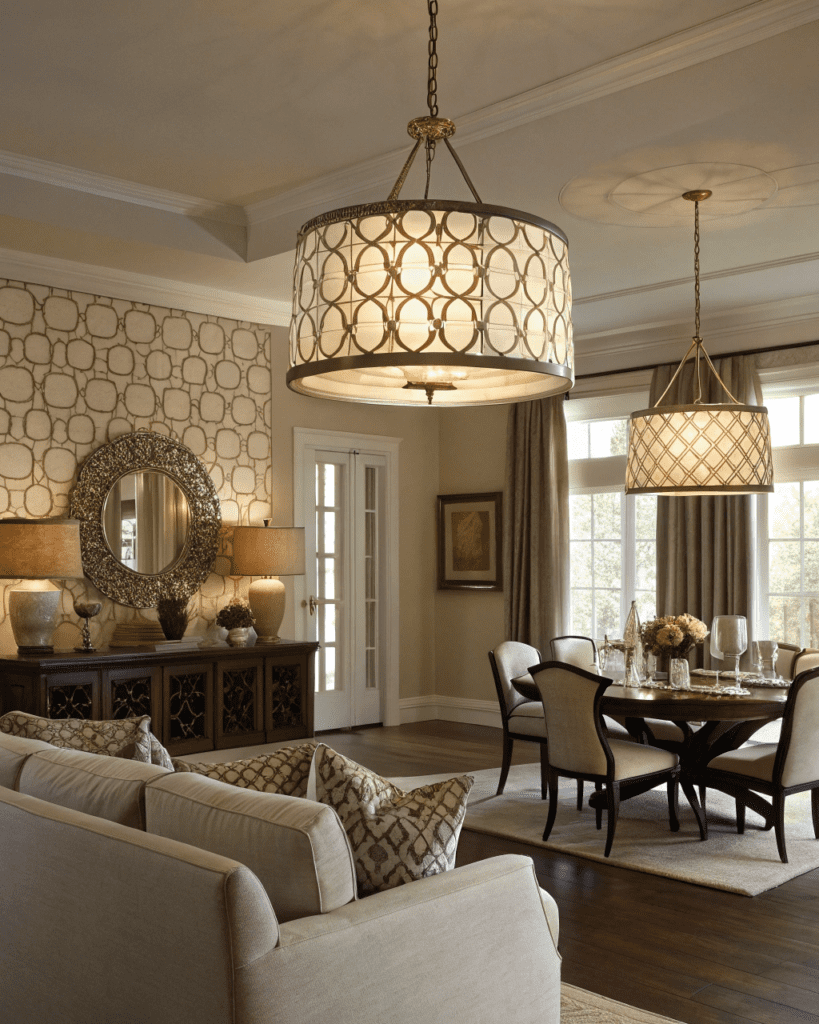
Sometimes one bold piece is all you need.
Use:
• Sculptural or oversized pendants
• Simple decor elsewhere so it stands out
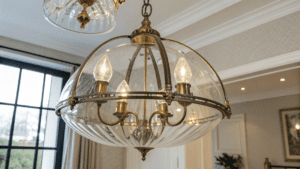
13. Soften the Look With Curved Shapes
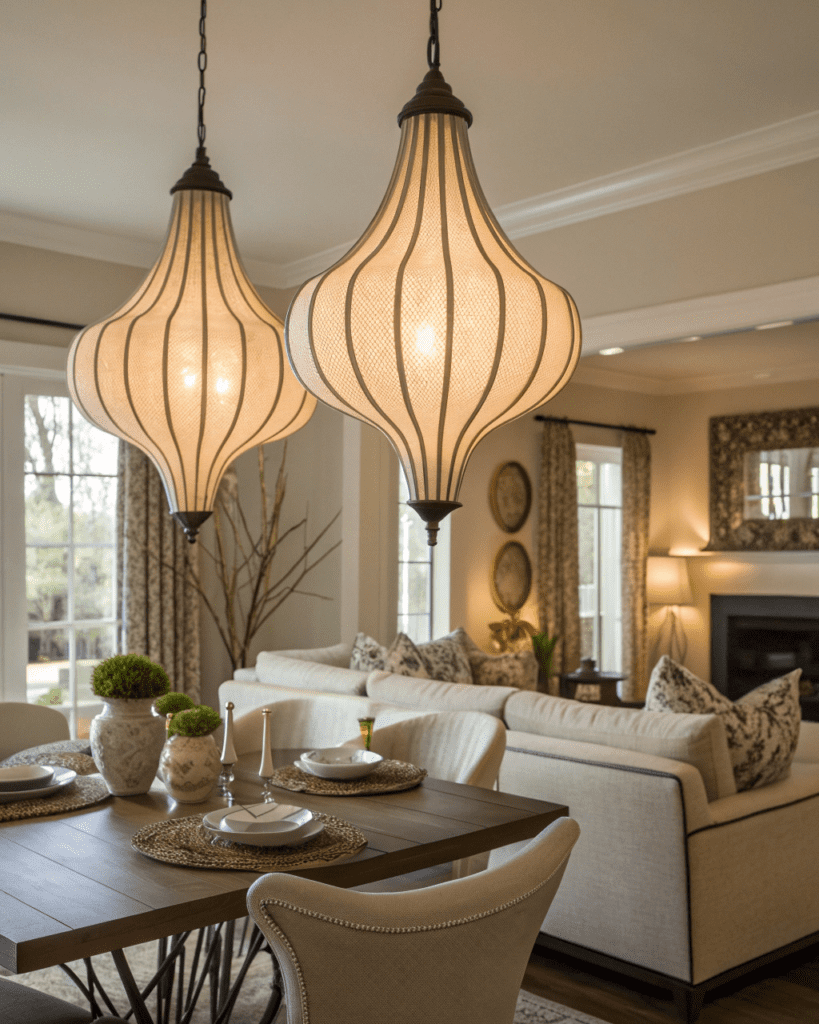
Curves add warmth and flow.
Use:
• Globe or dome pendants
• Rounded shades in relaxed spaces
14. Don’t Overcrowd the Ceiling
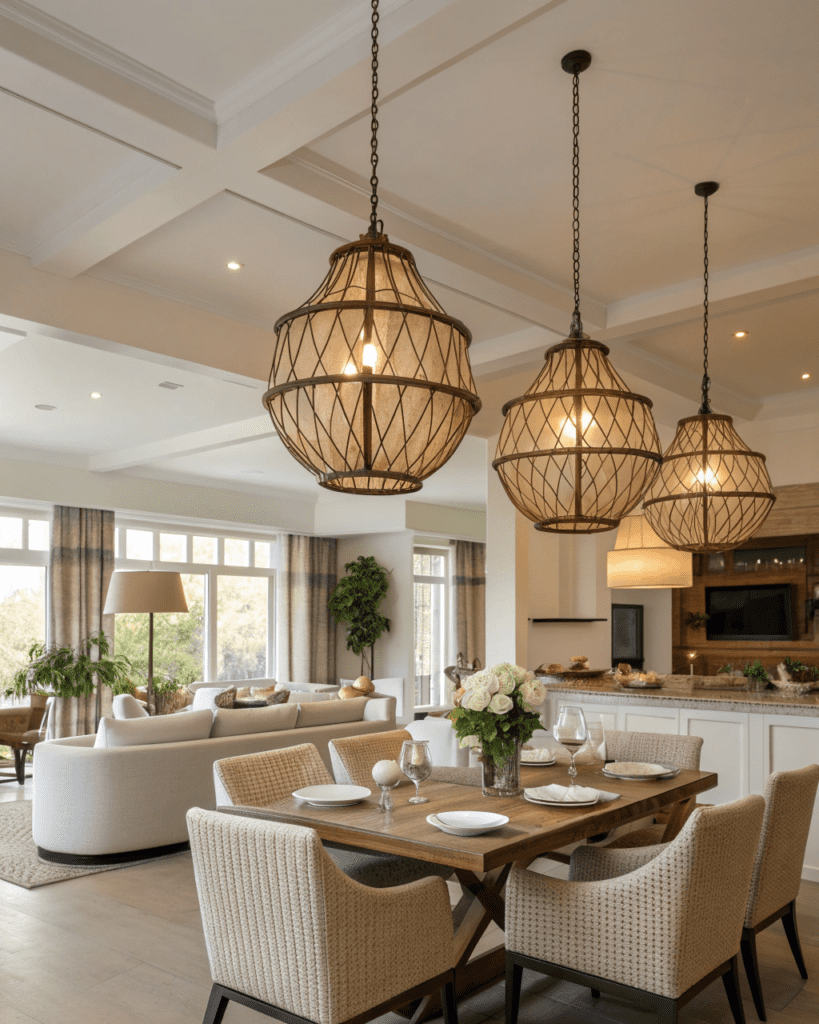
More lights aren’t always better.
Remember:
• Give pendants room to breathe
• Let each piece be seen
15. Think of Pendants as Decor, Not Just Lighting
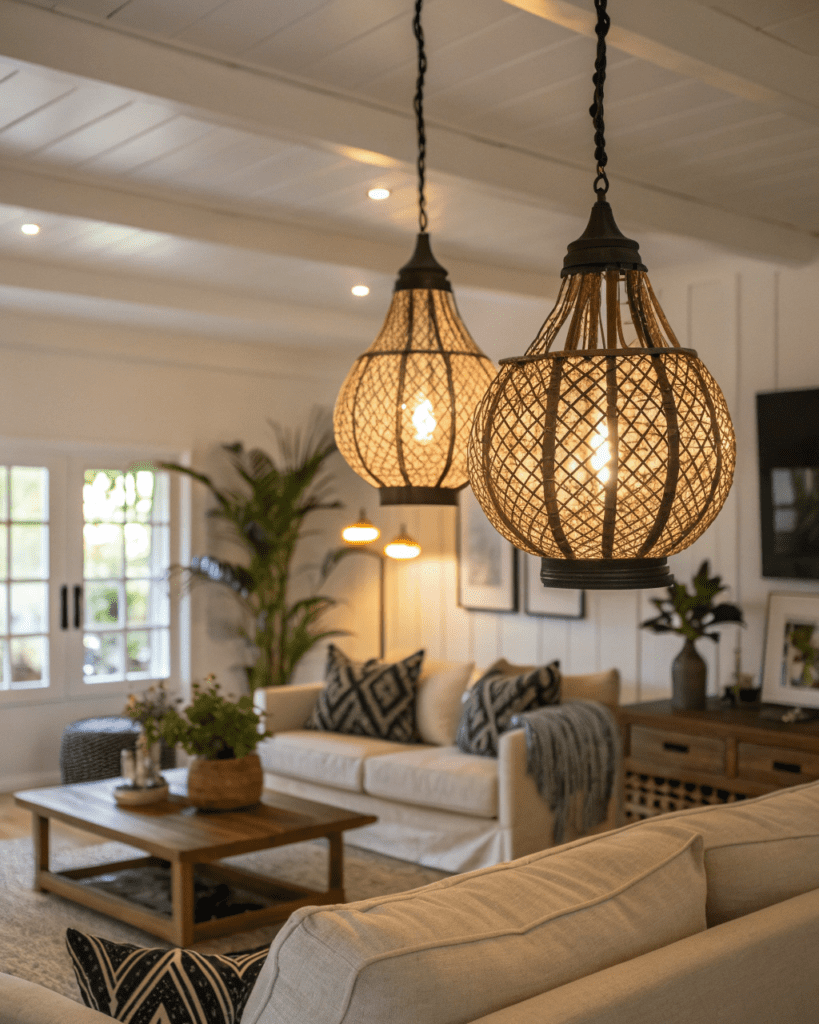
They should look good even when they’re off.
Choose:
• Beautiful shapes
• Finishes that complement your room
Final Thoughts
Styling pendant lamps in living and dining areas is really about balance. When you get the scale right, hang them at the proper height, and layer them with other lighting, pendants can completely change how a space feels. Trust your eye, keep things simple, and let the lighting enhance how you actually live in the room.
FAQs
How many pendant lamps should I use in a dining area?
It depends on the table size. One large pendant works well for small tables, while two or three pendants suit longer tables.
Can pendant lamps work in living rooms?
Yes. They’re great for defining seating areas, especially in open-plan spaces.
What height should pendant lights hang above a dining table?
Typically around 30–36 inches above the tabletop works well.
Should pendant lamps match other lights in the room?
They don’t have to match exactly, but similar finishes or styles help keep the look cohesive.
Are pendant lamps better than chandeliers?
It depends on the style you want. Pendants feel more relaxed and modern, while chandeliers feel more formal.
What bulb color is best for living and dining spaces?
Warm white bulbs create a cozy, inviting atmosphere that works best in these areas.

- 17+ Summer Decor Ideas That Look Straight From Pinterest - March 4, 2026
- 14+ Creative Ways to Style Your Home for Summer - March 4, 2026
- 19+ Summer Decor Ideas That Bring the Outdoors Inside - March 4, 2026