15+ Statement Floor Plants Perfect for Living Room Corners
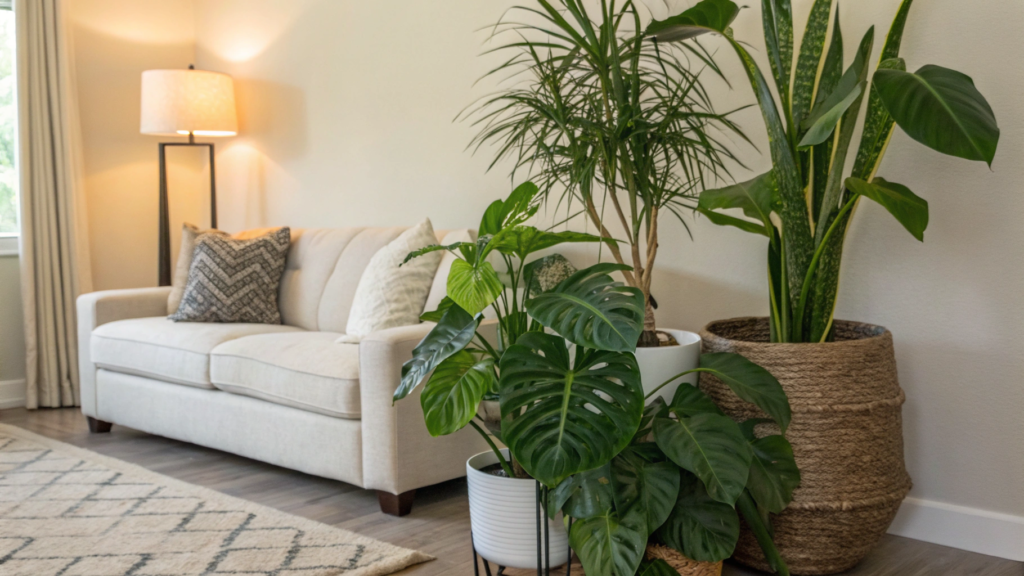
Empty corners in living rooms often feel unfinished or awkward but the right statement floor plant can change everything.
Tall greenery not only fills vertical space, it brings life, texture, and a designer look to your setup.
Whether your style is modern, boho, cozy, or minimalist, the right plant can turn an unused corner into a focal point.
How to Choose the Right Statement Floor Plant for Your Living Room
Picking the perfect floor plant isn’t just about grabbing the tallest, most dramatic thing at the garden centre and hoping for the best. There are a few things worth thinking about before you bring one home and getting this right means your plant will actually thrive rather than slowly decline in the corner while you pretend not to notice.
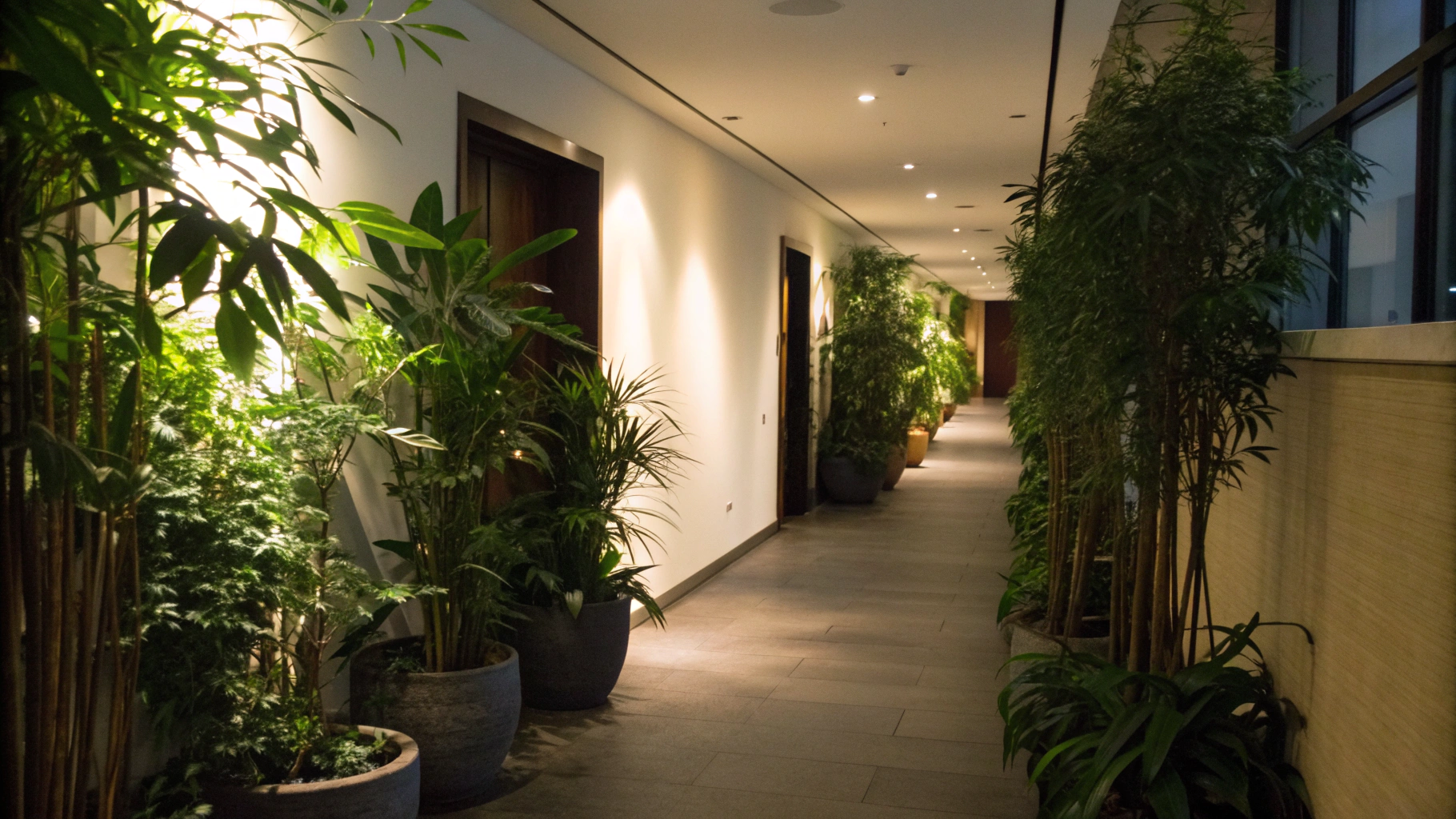
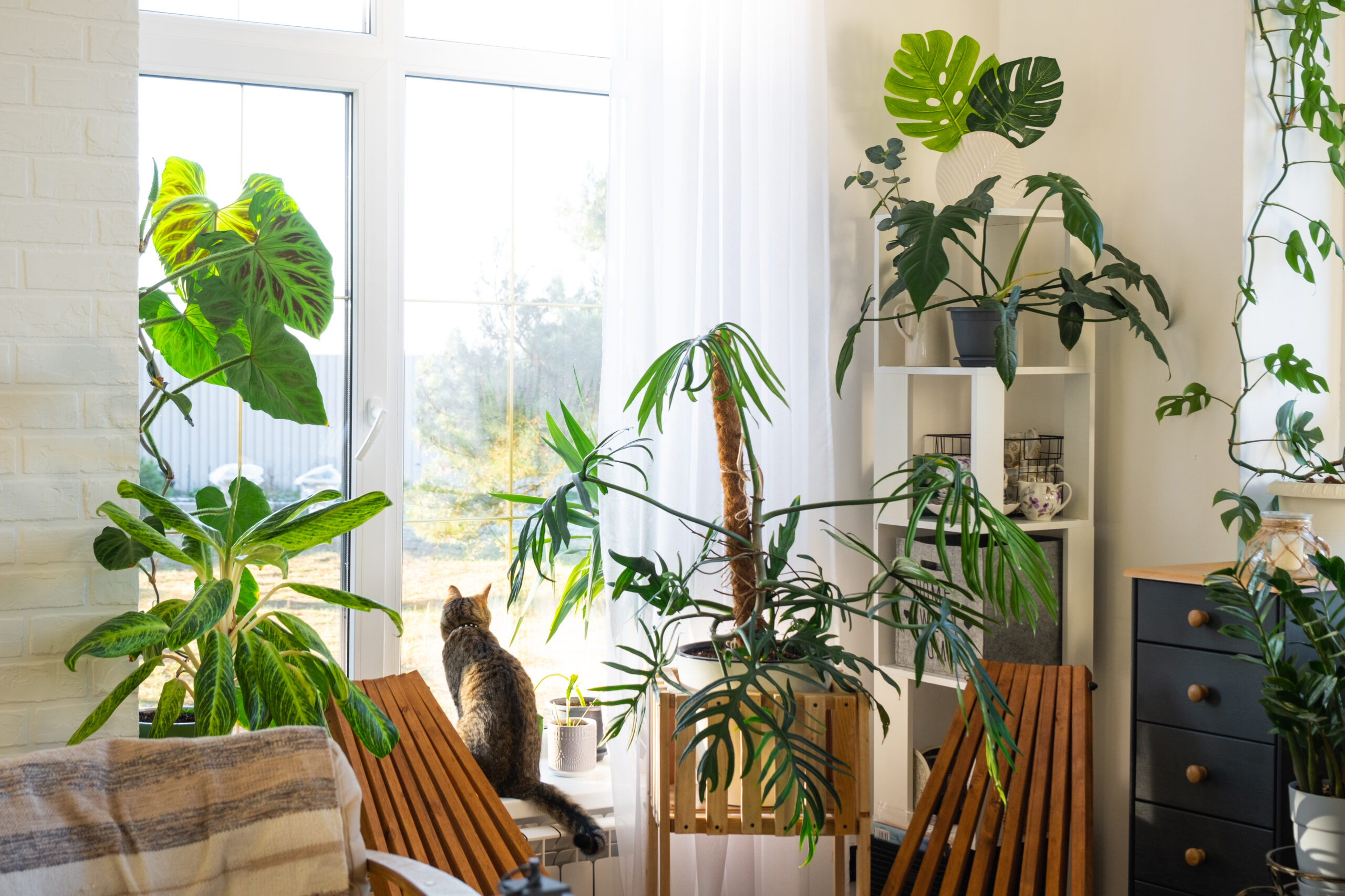
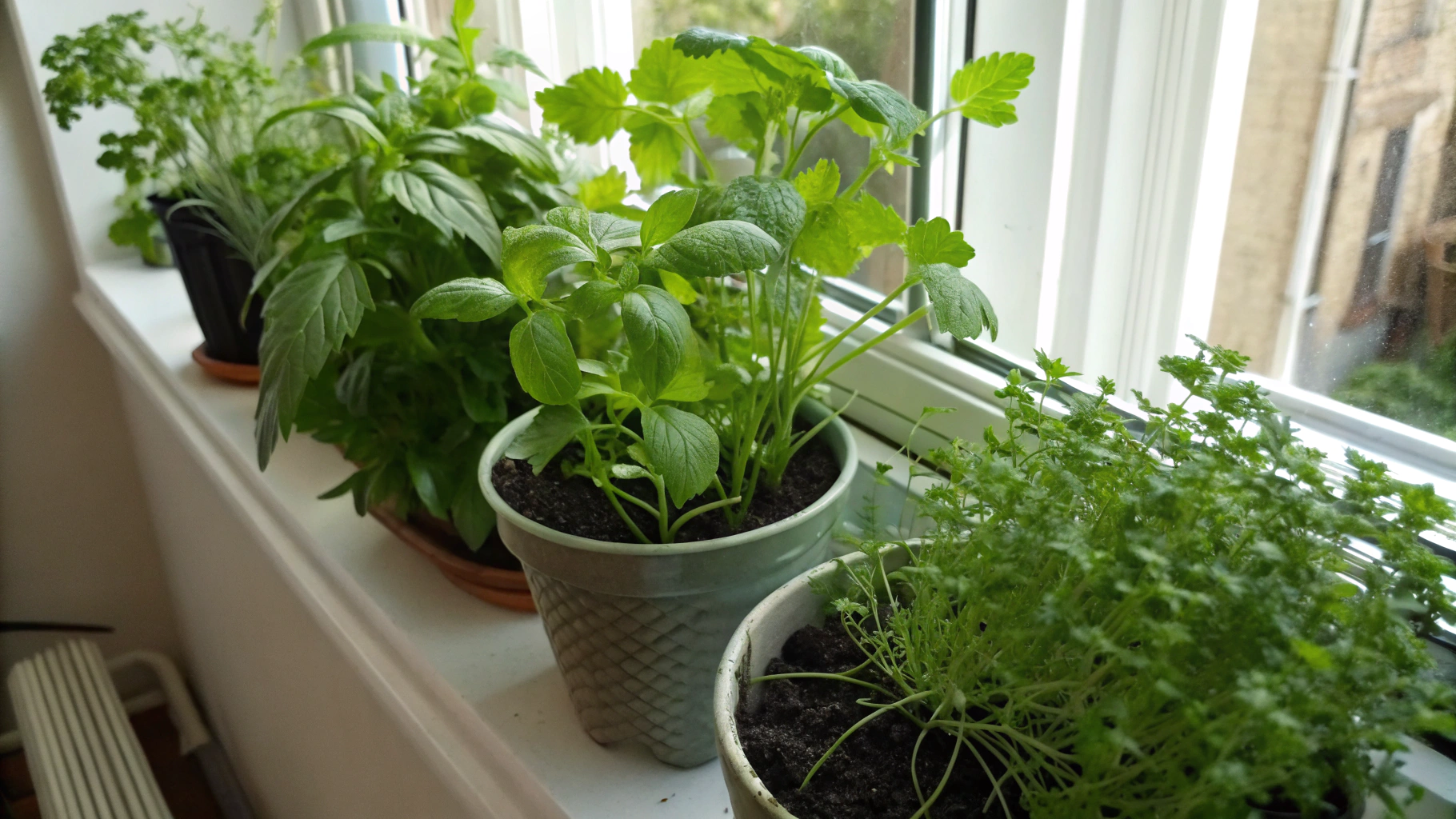
Light is the big one. Stand in your living room at different times of day and notice where the sun hits. South-facing rooms get the most light and can handle almost any plant. East and west-facing rooms get gentle morning or afternoon sun, perfect for most popular choices like the Fiddle Leaf Fig or Bird of Paradise. North-facing rooms are low light, but don’t worry. Snake Plants and ZZ Plants were practically made for them.
Room size matters too. A dramatic 6-foot Monstera in a tiny flat might feel more overwhelming than beautiful. In a smaller space, go for plants that grow up rather than out. Think tall and narrow, not wide and sprawling.
Your lifestyle is worth being honest about. If you travel a lot or simply forget to water things (no judgement!), lean towards drought-tolerant plants like the Snake Plant or Ponytail Palm. If you love a little daily ritual of caring for something, a Fiddle Leaf Fig or Peace Lily will reward that attention.
Finally, if you have pets or young children, always check toxicity before buying. More on that in a later section. It’s important enough to deserve its own space.
The Best Statement Floor Plants for Every Interior Style
Not every plant suits every home. Here’s a quick guide to matching your green to your aesthetic:
| Plant | Best For | Why It Works |
|---|---|---|
| Fiddle Leaf Fig | Modern, Minimalist, Japandi | Clean architectural shape, bold leaves |
| Bird of Paradise | Contemporary, Maximalist | Dramatic tropical leaves, real wow factor |
| Areca Palm | Boho, Coastal, Tropical | Soft feathery fronds, laid-back vibe |
| Snake Plant | Scandinavian, Industrial | Graphic upright silhouette, very unfussy |
| Monstera Deliciosa | Eclectic, Retro, Mid-Century | Iconic split leaves, instant personality |
| Olive Tree | Mediterranean, Rustic, Farmhouse | Soft grey-green tones, relaxed elegance |
| Rubber Plant | Contemporary, Dark & Moody | Deep burgundy leaves, rich and dramatic |
| Ponytail Palm | Boho, Quirky, Desert-inspired | Sculptural trunk, unique character |
The rule of thumb? Choose a plant whose shape echoes the lines of your room. A room full of clean straight lines (modern, Scandi) suits the sharp verticals of a Snake Plant. A room with curves, rattan, and layered textures (boho, eclectic) wants something softer and more organic, like a Palm or Monstera.
How to Style a Statement Floor Plant in a Living Room Corner
A great plant in the wrong spot or in a sad plastic nursery pot won’t do your living room any favours. Here’s how to make it look truly intentional.
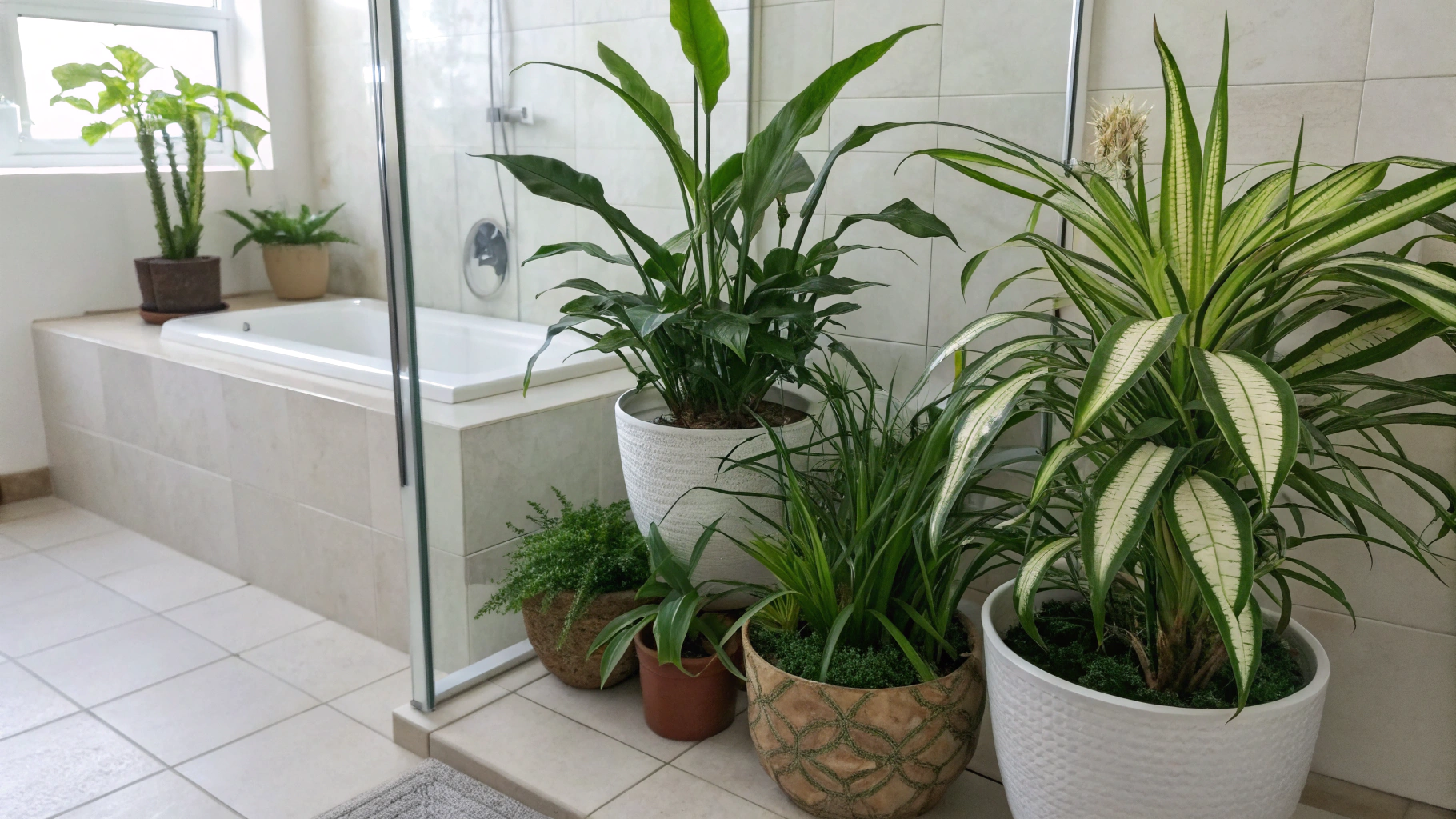
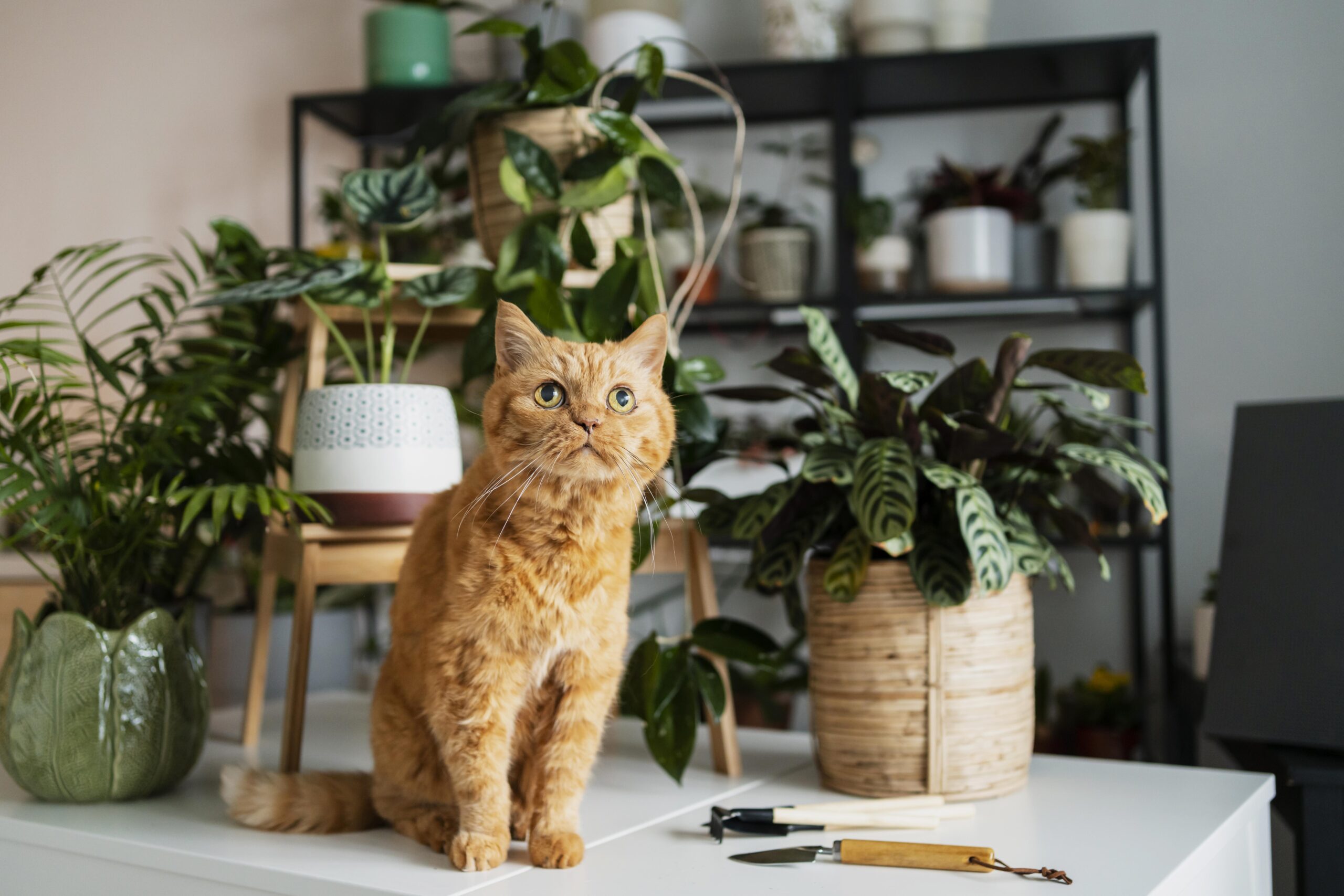
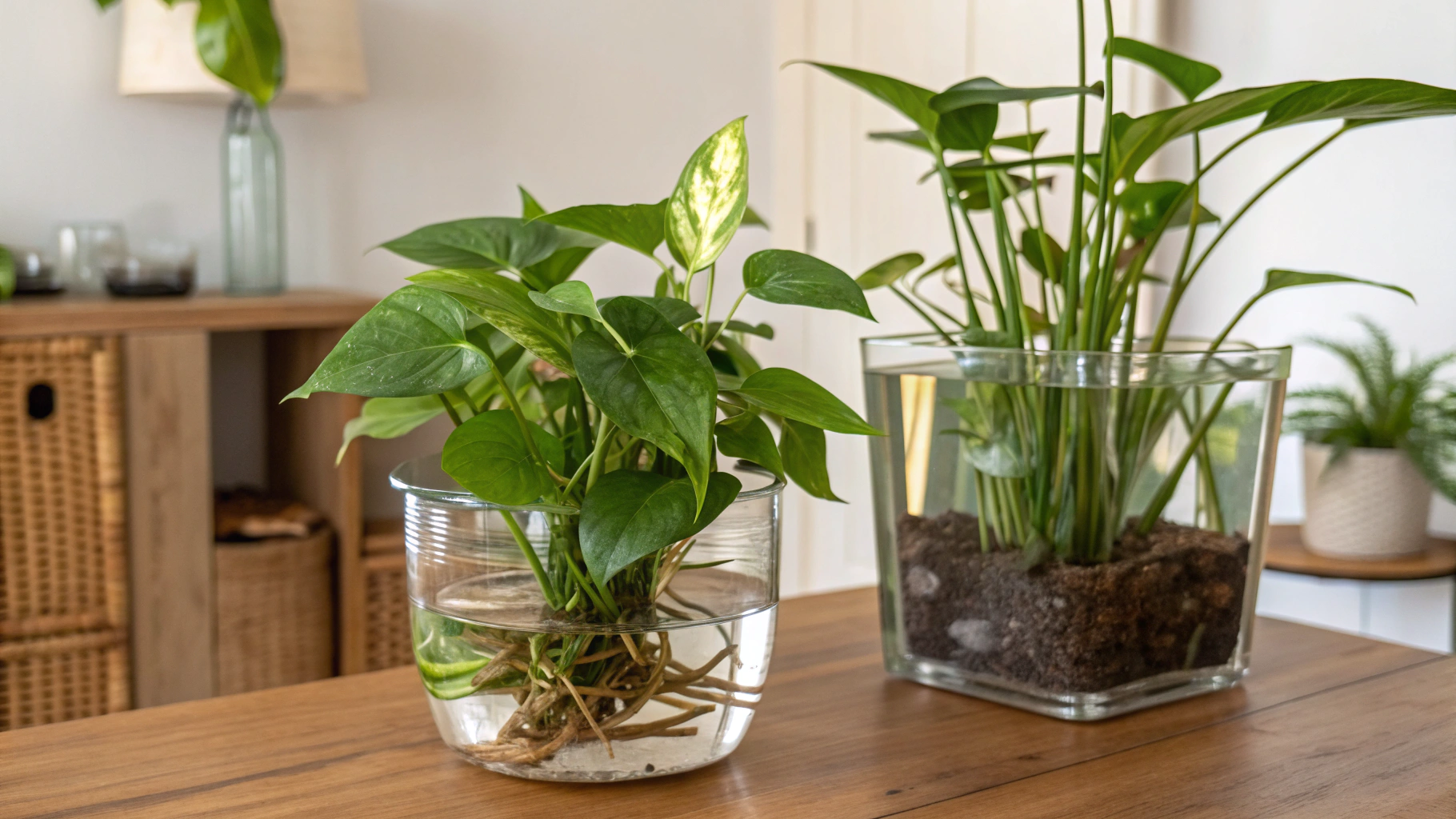
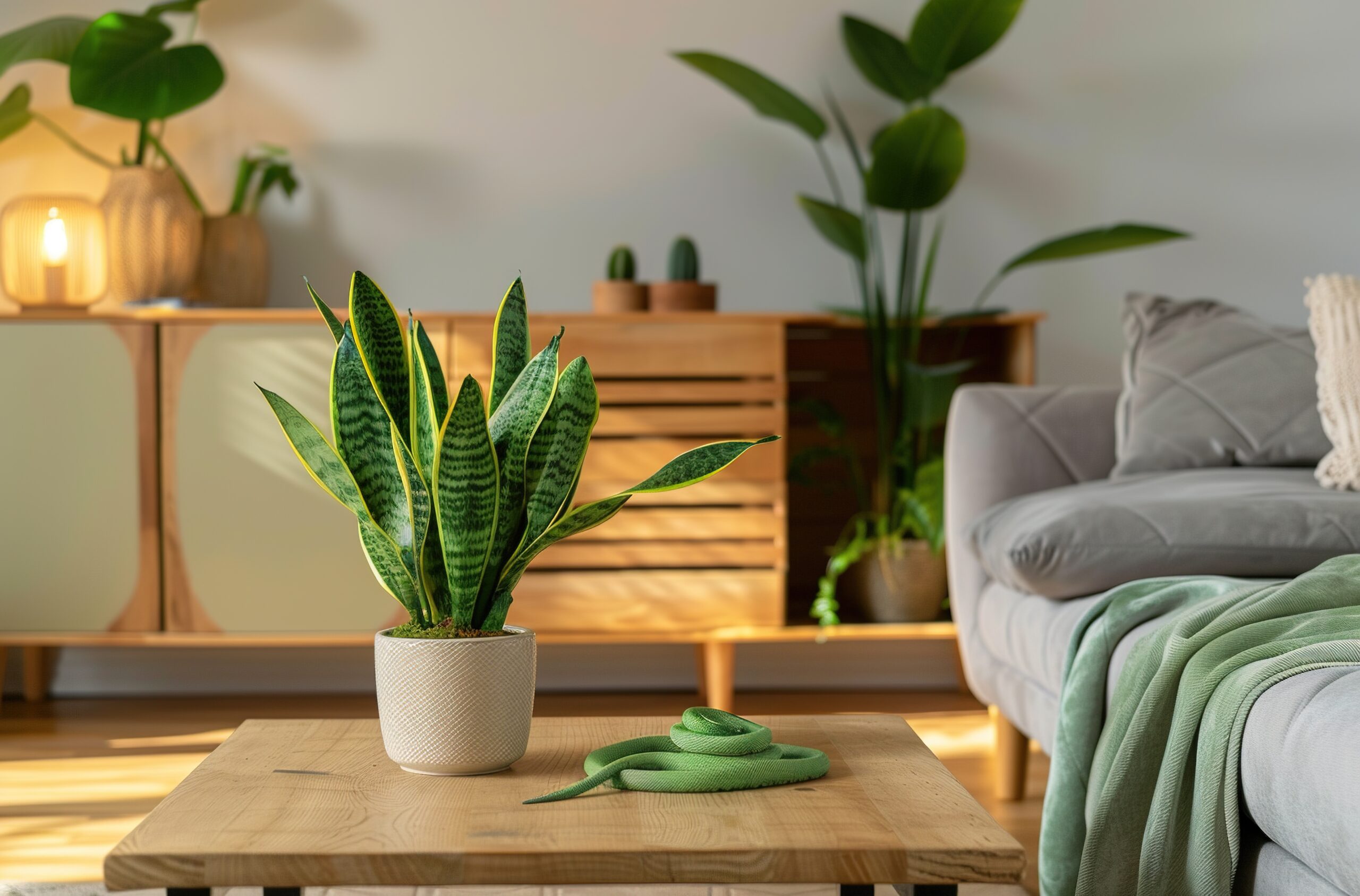
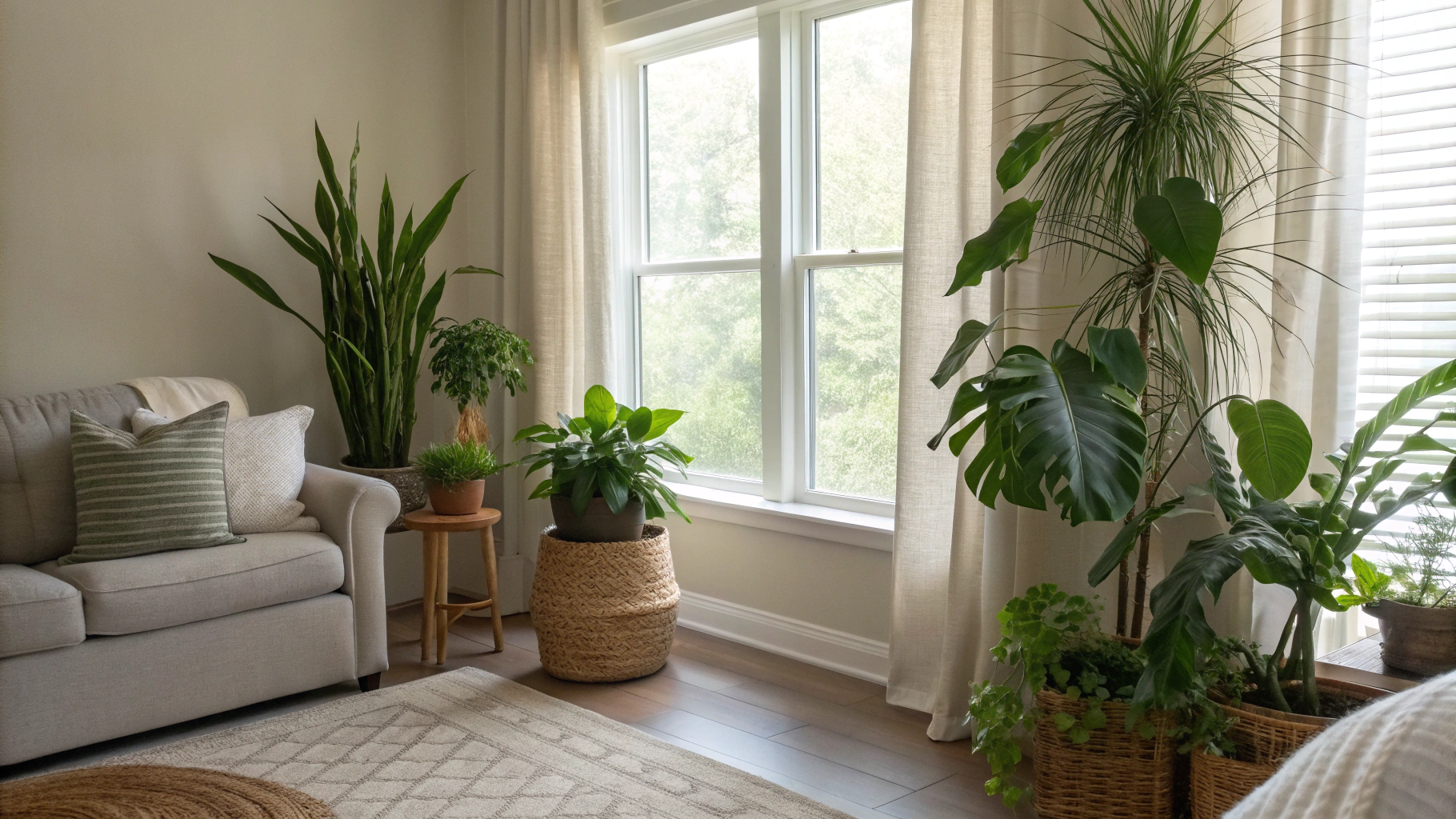
Start with the pot. This is often overlooked but makes an enormous difference. Upgrade your plant into a pot that actually matches your decor. Terracotta for a warm earthy look, white ceramic for something minimal and clean, or a woven basket for a relaxed boho feel. Make sure it has drainage (or use it as a cache pot with the nursery pot sitting inside).
Use a plant stand. Raising your plant even a few inches off the ground adds visual elegance and stops it from looking like it was just put down and forgotten. Rattan stands, wooden tripods, or sleek metal frames all work beautifully depending on your style.
Think about what’s behind it. A large leafy plant against a plain, light-coloured wall is a classic for a reason. The wall acts as a backdrop and lets the plant’s silhouette really sing. If you have a gallery wall or busy wallpaper, opt for a more sculptural, minimal plant shape so it doesn’t compete.
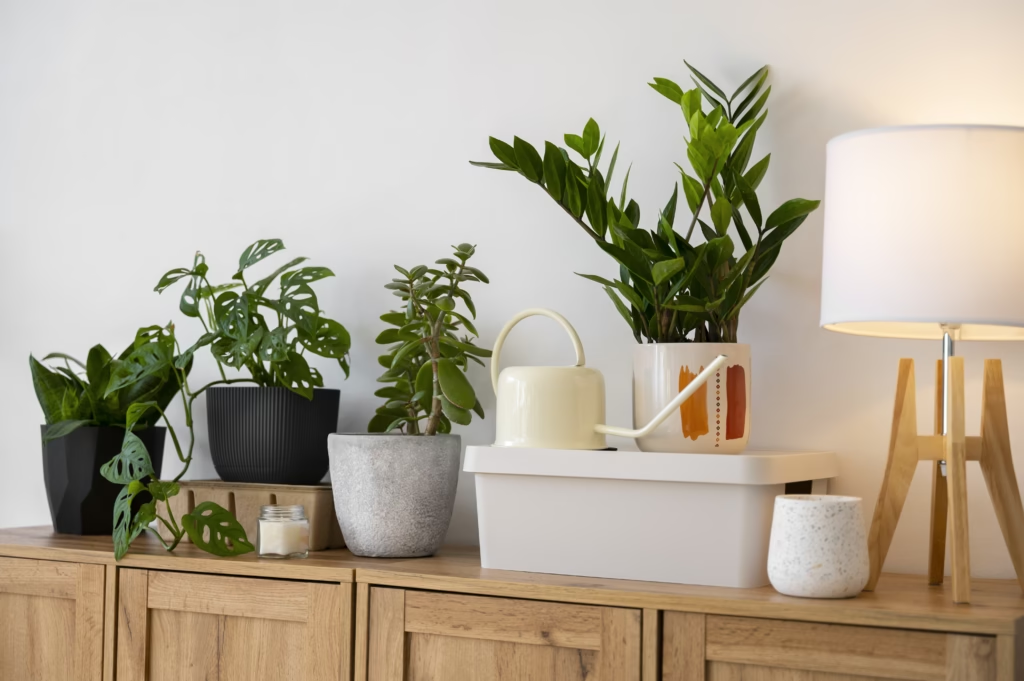
Layer with smaller plants. Rather than having one lone floor plant, group it with a couple of smaller plants at different heights nearby. The visual rule here is simple. Odd numbers (3 or 5) look more natural and styled than even numbers. Vary the leaf shapes and textures too. Something tall and spiky next to something soft and trailing looks far more interesting than three plants that look the same.
Get the scale right. A floor plant should be roughly two-thirds the height of the wall or furniture it sits beside. Too short and it gets lost; too tall and it can feel oppressive.
Statement Floor Plants for Small Living Rooms
Small living room? You absolutely do not have to miss out. The trick is choosing plants that make an impact vertically rather than taking up precious floor space.
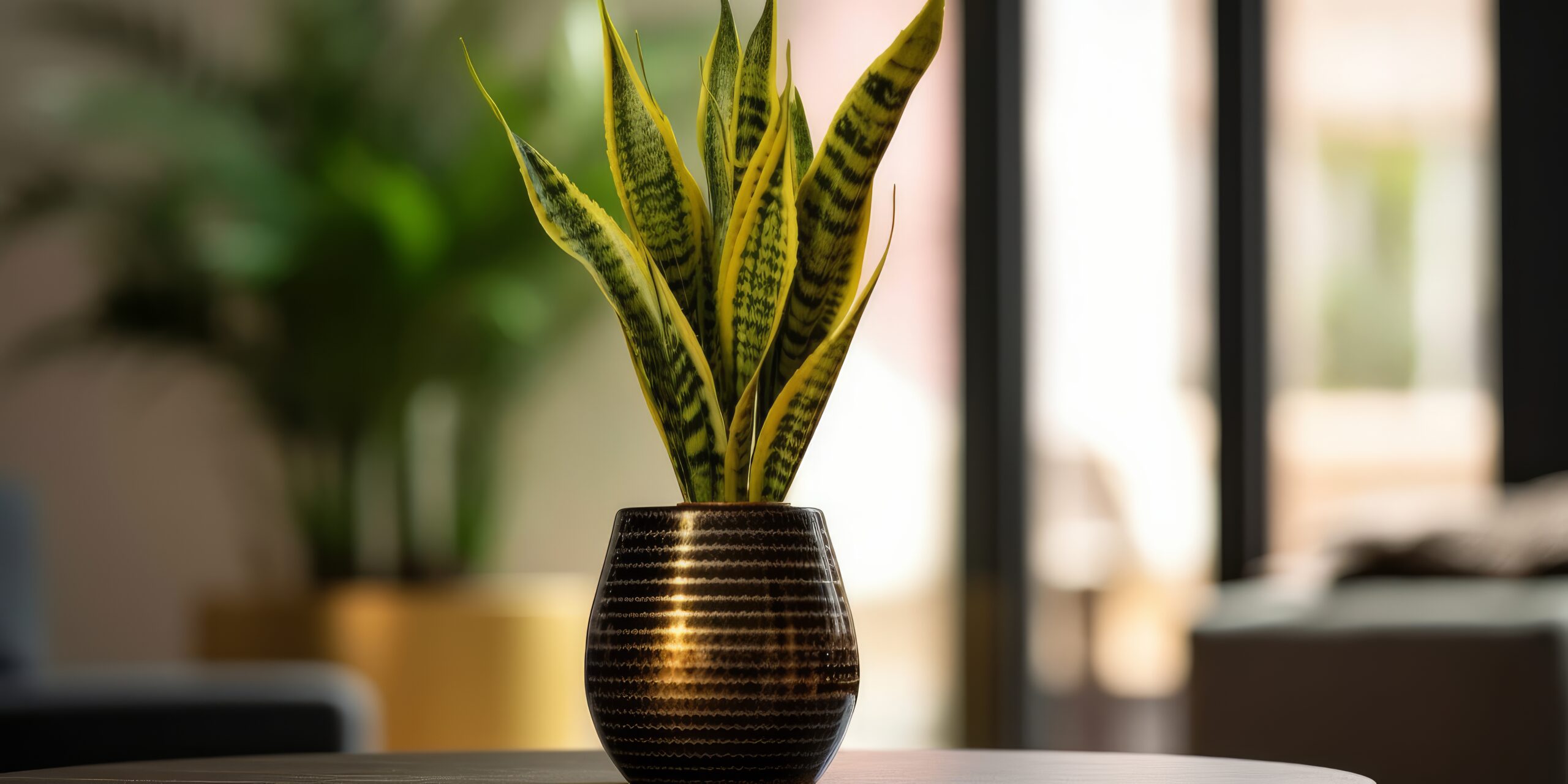
Snake Plant (Sansevieria) is your best friend here. It grows straight up, stays relatively narrow, and is almost impossible to kill. It genuinely looks striking in a small space and does the work of a much larger plant in terms of visual presence.
Tall Olive Tree in a slim pot is another brilliant option. The airy, delicate foliage doesn’t feel visually heavy, so it adds life without crowding the room.
Slim Fiddle Leaf Fig — if you buy a younger, single-stem variety (rather than the wide bushy version), this can work well in a smaller space. Train it to grow upward and it stays elegant without sprawling.
Things to avoid in small spaces: wide-spreading palms, large Monsteras (they get big), and anything described as a “bush” variety. You want height, not width.
One more tip. Placing a floor plant near a mirror is a small-space styling trick that genuinely works. The reflection makes the plant feel even more lush and the room feel bigger at the same time.
Common Mistakes to Avoid with Floor Plants in the Living Room
Even the most enthusiastic plant parents make these mistakes. Here’s what to watch out for:
Overwatering
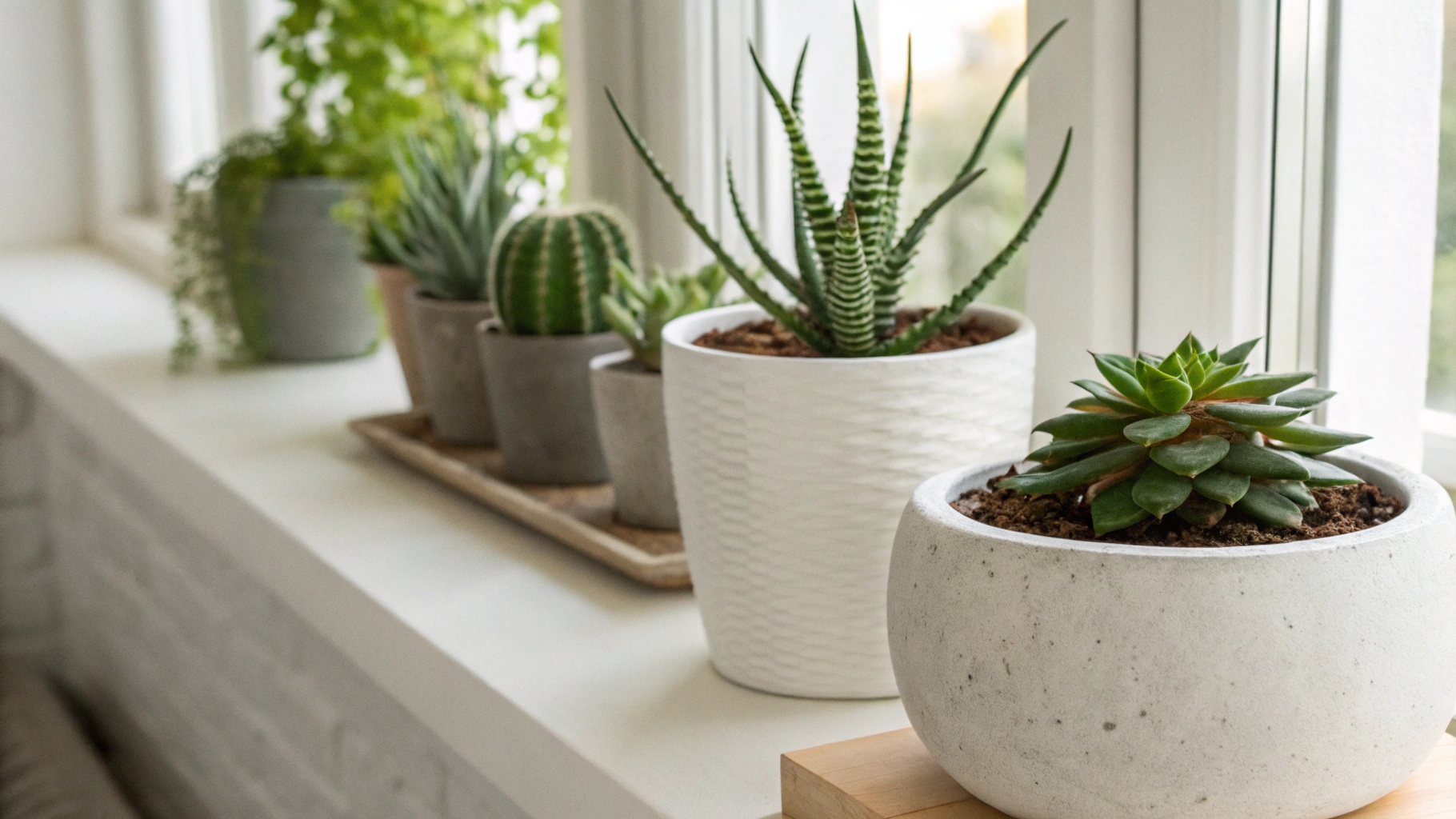
By far the most common way to kill a houseplant. Most large floor plants need far less water than people assume, especially in winter when growth slows right down. Always check the soil with your finger before watering. If it’s still damp an inch down, leave it alone.
Wrong light placement
Putting a light-loving Fiddle Leaf Fig in a dark corner because it “looks nice there” is a recipe for disappointment. Be honest about the light your space actually gets and choose accordingly.
No drainage
Large decorative pots are beautiful but often have no drainage hole. If you’re planting directly into one of these, roots will eventually sit in water and rot. Either use your decorative pot as a cache pot (with the plant still in its original nursery pot inside), or add a thick layer of pebbles at the bottom to create a buffer.
Buying too big, too soon
It’s tempting to buy the most dramatic, fully-grown version of a plant. But larger plants take longer to adjust to a new environment and can go into shock. Buying a slightly smaller plant and letting it grow in your space often leads to a happier, healthier plant in the long run.
Ignoring seasonal light changes
The beautiful bright spot in your living room in summer might become quite dim in winter as the sun’s angle changes. Check in with your plants seasonally and move them if needed. They can’t tell you when they’re struggling, but drooping, yellowing, or slow growth are all signs.
Forgetting to feed
Soil nutrients deplete over time. During the growing season (spring and summer), a liquid feed once a month makes a real difference to how lush and healthy your plant looks.
Statement Floor Plants That Are Safe for Pets and Children
This one matters. Many of the most popular and stunning houseplants are actually toxic to cats, dogs, or young children if chewed or ingested. If you share your home with little ones or curious pets, this section is for you.
Pet and child-safe options:
Areca Palm is one of the most beautiful and lush floor plants available, and completely non-toxic. It’s also brilliant for air quality.
Spider Plant is technically more of a hanging plant, but in a large pot it can make a great floor plant with trailing fronds. Totally safe for cats, dogs, and children.
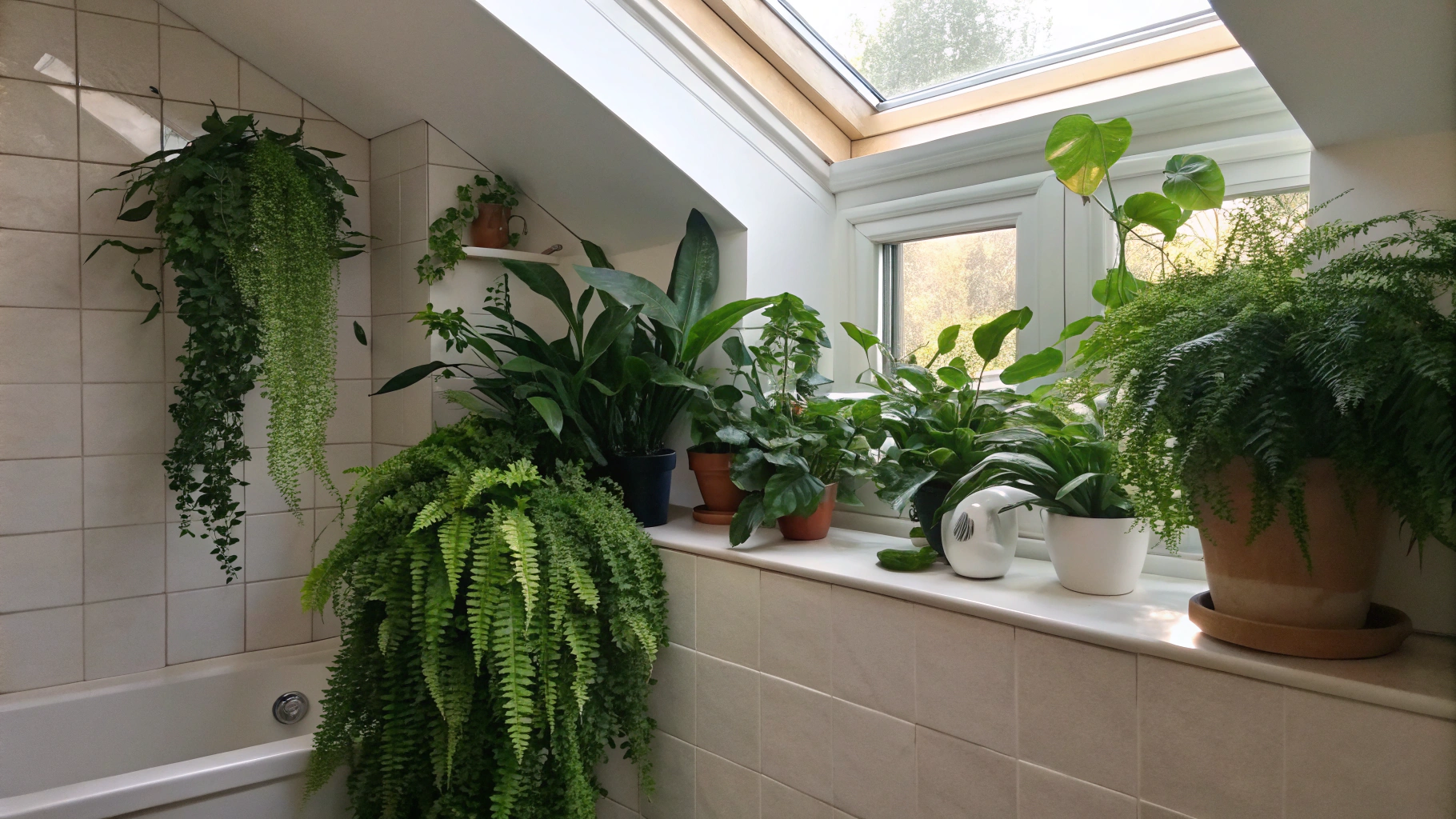
Boston Fern is lush, feathery, and non-toxic. It does like humidity, so it’s particularly happy near a window or in a room that gets a bit of moisture.
Calathea has stunning patterned leaves, is safe for pets, and adds serious drama to a living room.
Money Tree (Pachira Aquatica) is safe for pets, easy to care for, and brings a lovely tropical feel.
Plants to avoid if you have pets or children: Fiddle Leaf Fig, Pothos, Peace Lily, Philodendron, Dracaena, and Monstera are all toxic to varying degrees if ingested. This doesn’t mean you can never have them, but keep them out of reach and never leave pets unsupervised around them.
How to Care for Your Statement Floor Plant
Here’s a quick care guide for the most popular statement floor plants, so you know exactly what you’re signing up for:
Fiddle Leaf Fig
Bright, indirect light. Water when the top inch of soil is dry, usually every 7 to 10 days in summer, less in winter. Hates being moved once it’s settled. Keep away from draughts and radiators. Feed monthly in spring and summer.
Bird of Paradise
Loves bright light, the more the better. Water generously in summer, reduce in winter. Wipe the large leaves occasionally to keep them dust-free (this helps with photosynthesis). Feed every two weeks in the growing season.
Areca Palm
Bright, indirect light. Keep the soil evenly moist in summer, drier in winter. Mist the fronds occasionally or sit the pot on a tray of pebbles and water for added humidity. Will go brown at the tips if the air is too dry.
Snake Plant
Practically indestructible. Tolerates low light and infrequent watering. Water every 2 to 3 weeks in summer, once a month or less in winter. Do not overwater. Root rot is the one thing that will actually finish it off.
Monstera Deliciosa
Bright to medium indirect light. Water when the top two inches of soil are dry. Wipe the leaves to keep them glossy. Give it a moss pole or something to climb and it will reward you with larger, more dramatic leaves.
Olive Tree
Needs the brightest spot in the room, as close to a sunny window as possible. Let the soil dry out between waterings. In summer, it will thrive if you can move it outside. Feed monthly in the growing season.
This list features the best statement floor plants for living room corners.
1. Fiddle Leaf Fig for a Bold Corner Focal Point
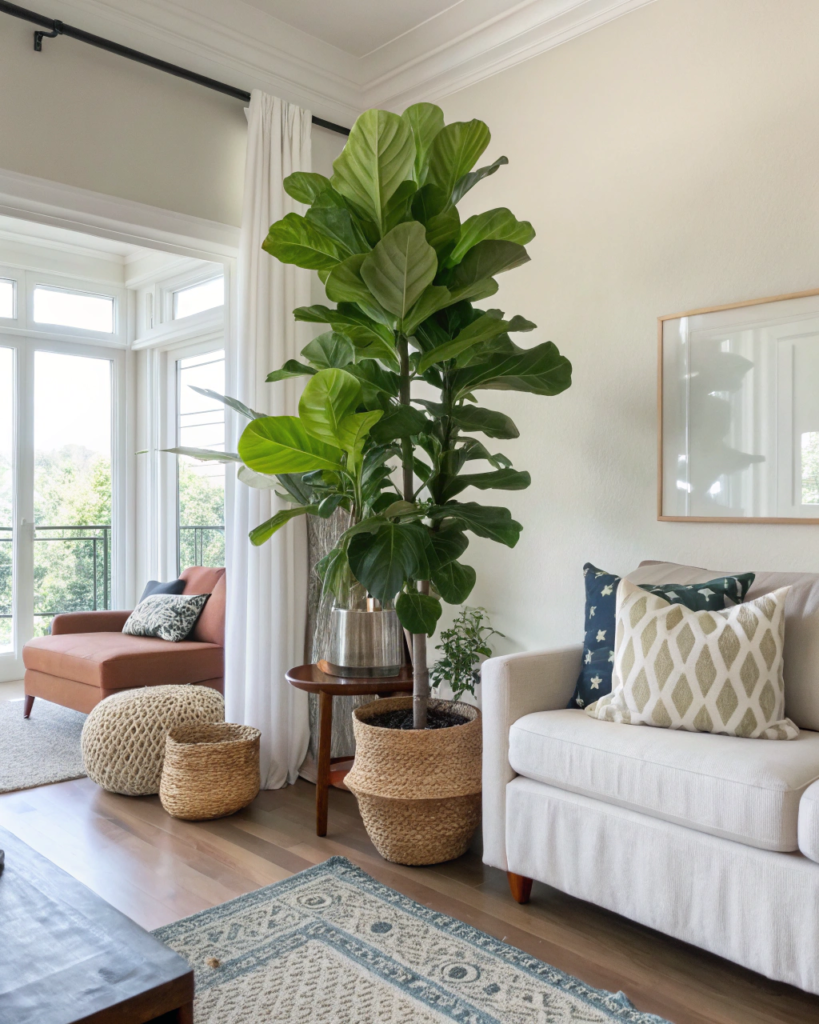
The fiddle leaf fig is one of the most iconic statement plants thanks to its large leaves and strong vertical presence.
- Instantly fills empty corners with height
- Best near bright indirect light
- Works beautifully with neutral decor
2. Bird of Paradise for Tropical Drama
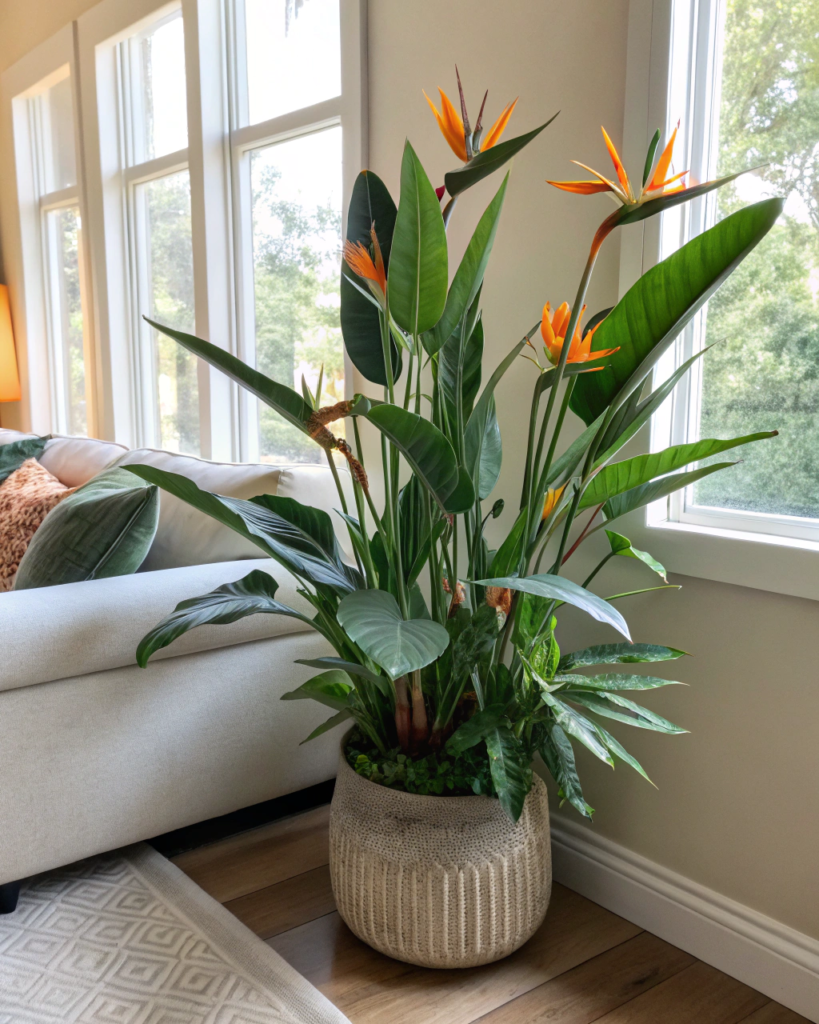
Bird of paradise brings a lush, dramatic look with its broad, banana-like leaves.
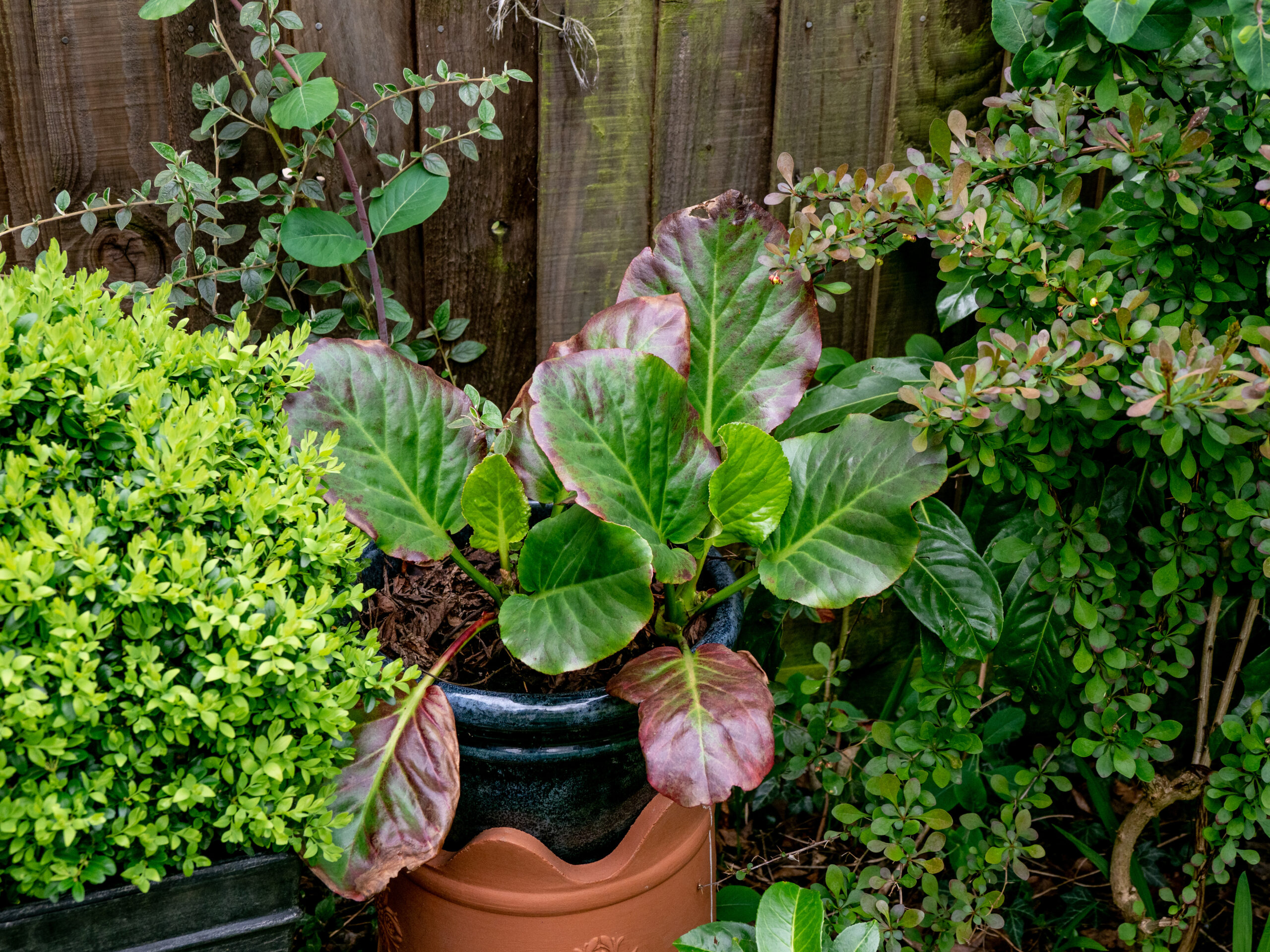
- Creates a resort-style feel
- Ideal in bright rooms
- Needs space to spread
3. Monstera Deliciosa for Wide Sculptural Greenery
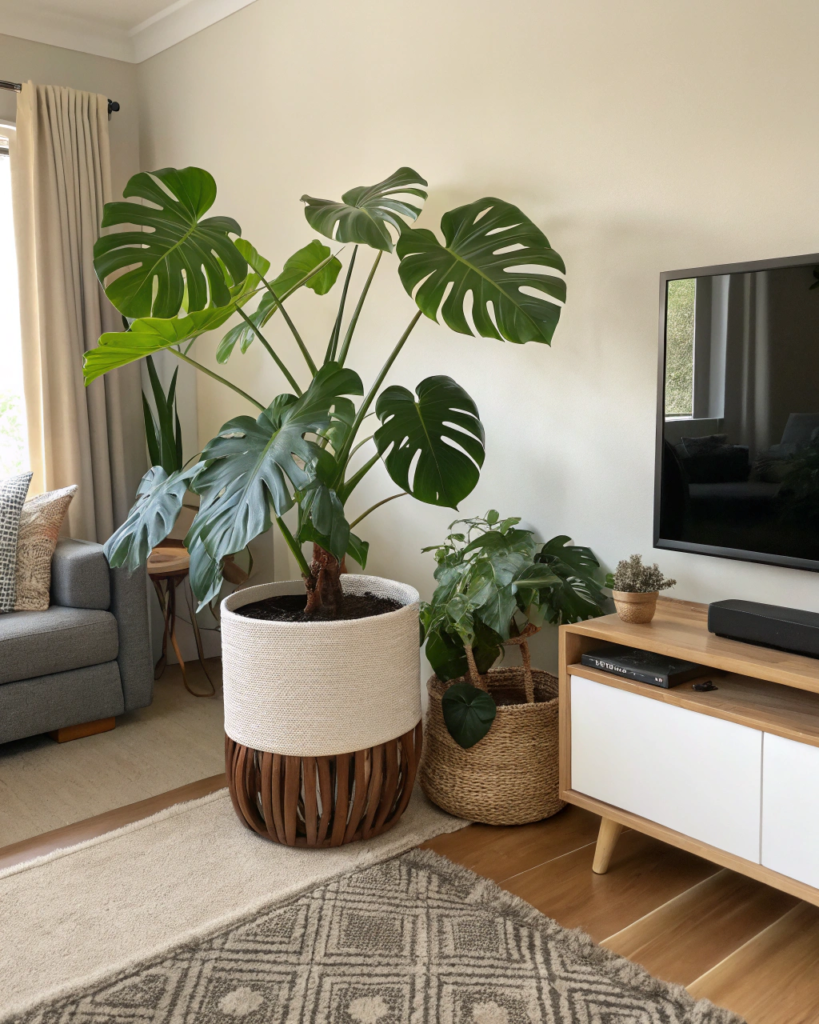
Monstera adds both height and width, making corners feel lush and lively.
- Split leaves add visual interest
- Great for modern and boho spaces
- Prefers bright indirect light
4. Rubber Plant for Deep Green Structure
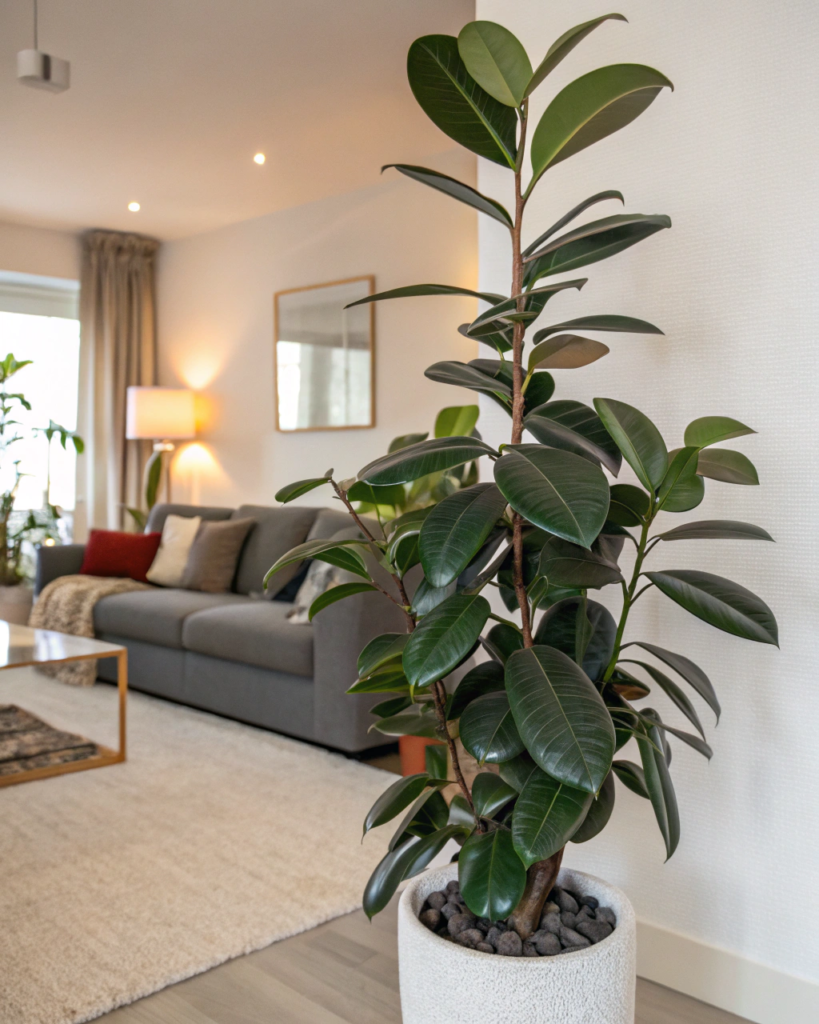
Rubber plants offer glossy foliage and a refined architectural look.
- Strong upright growth
- Adds depth against light walls
- Easy to care for
5. Areca Palm for Soft Vertical Texture
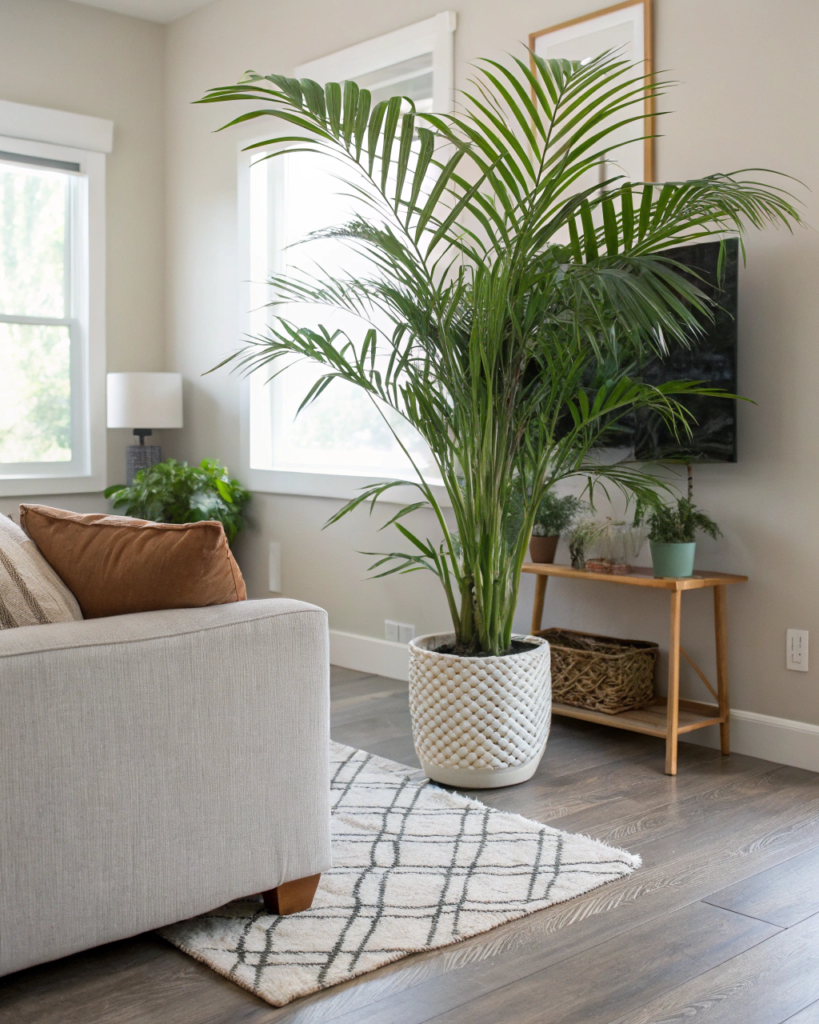
Areca palms create a gentle, airy green corner without overpowering the room.
- Perfect for relaxed decor styles
- Adds height with soft fronds
- Prefers bright filtered light
6. Kentia Palm for Elegant Classic Height

Kentia palms have long arching fronds that feel graceful and timeless.
- Great for contemporary and classic interiors
- Can handle moderate light
- Adds subtle height without bulk
7. Dracaena Marginata for Slender Tall Style

Dracaena marginata is ideal when you want height but have limited floor space.
- Slim footprint fits narrow corners
- Striking linear leaves add interest
- Low to moderate care
8. Yucca Plant for Bold Minimalist Shape

Yucca plants bring sculptural, sword-like leaves for a bold minimalist statement.
- Perfect in bright spaces
- Drought tolerant and hardy
- Works great with modern decor
9. Olive Tree for a Mediterranean Calm

Indoor olive trees add a soft, relaxed presence with subtle silvery leaves.
- Great for neutral palettes
- Best in sunny corners
- Adds a refined vibe
10. Bamboo Palm for Lush Vertical Interest
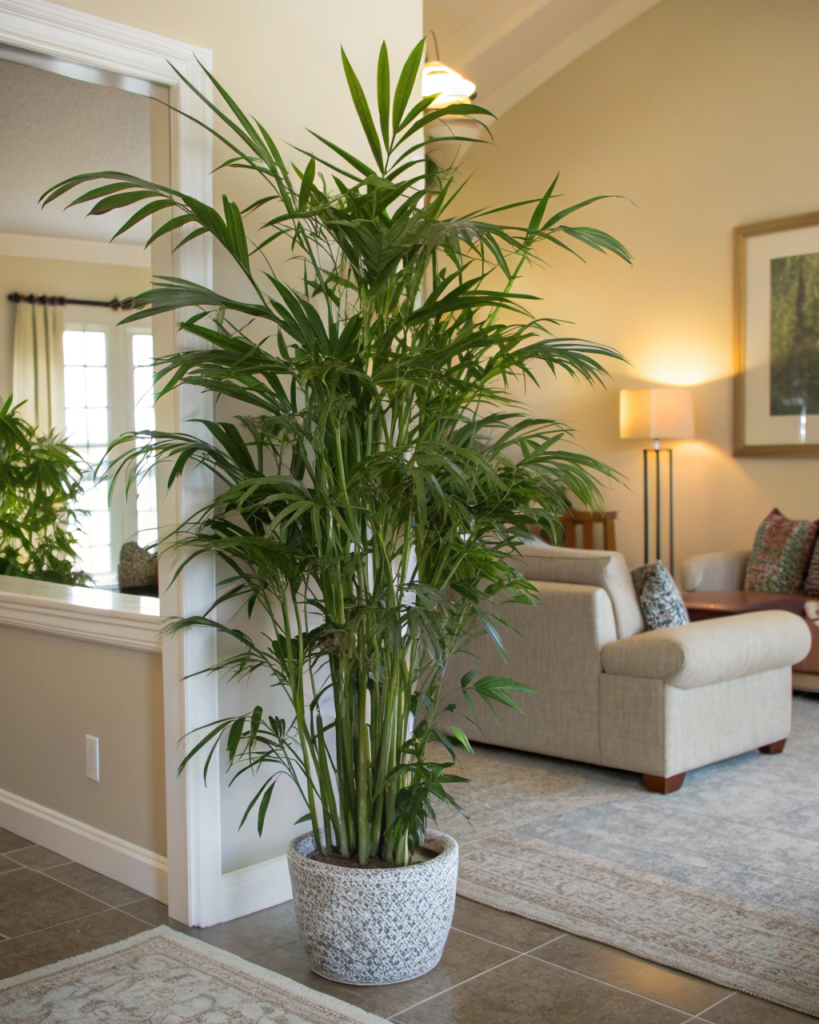
Bamboo palms are ideal when you want height and layered texture.
- Perfect for medium light rooms
- Adds tropical warmth
- Great for cozy corners
11. Parlor Palm for Compact Classic Elegance
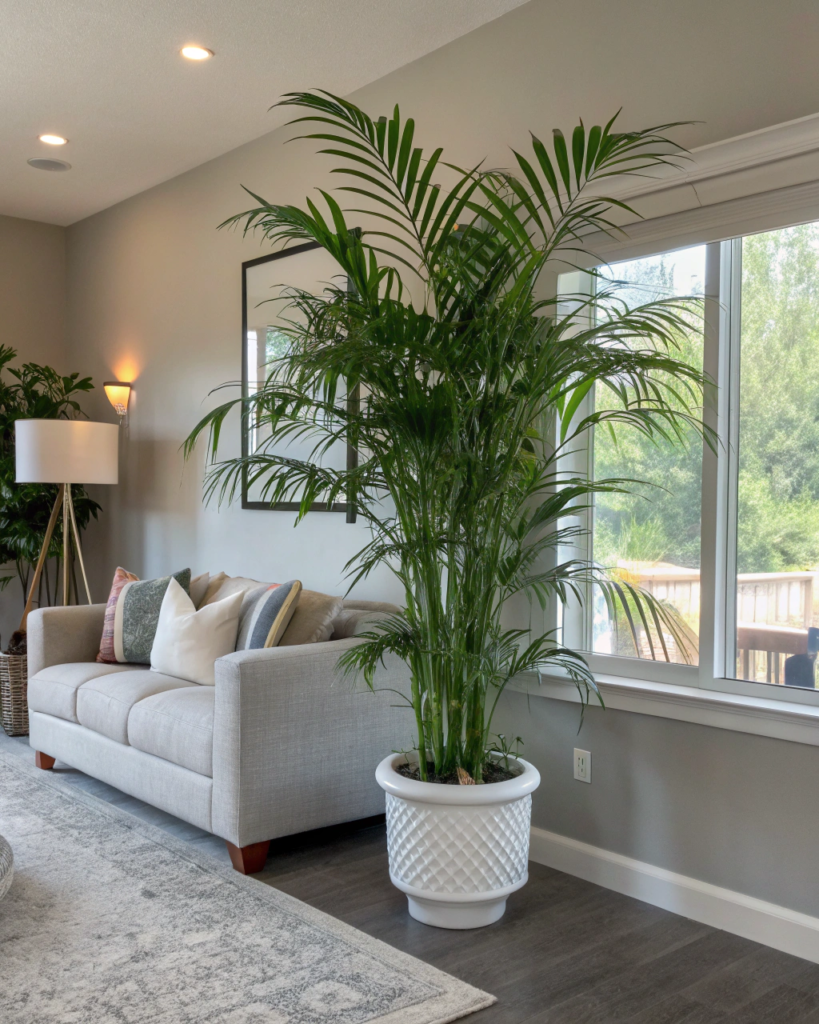
Parlor palms are smaller than many statement plants but still fill corners beautifully.
- Perfect for apartments and smaller rooms
- Tolerates lower light
- Classic and timeless look
12. Schefflera (Umbrella Plant) for Full Rounded Volume
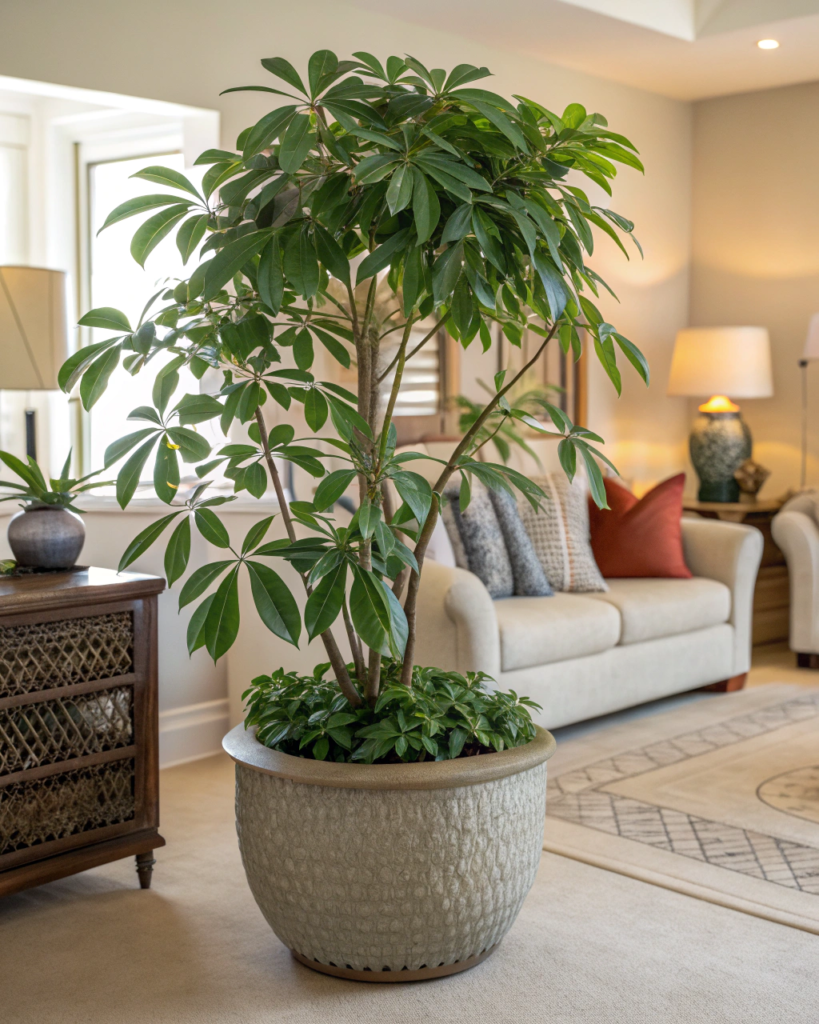
Schefflera has lush clusters of leaves that make corners feel balanced and vibrant.
- Bright cheerful green color
- Easy to grow indoors
- Works well in medium light
13. Tall Snake Plant for Clean Architectural Height

A large snake plant gives you height without taking up much width.
- Perfect for narrow corners
- Extremely low maintenance
- Works in low light spots
14. Corn Plant (Dracaena Fragrans) for Natural Tree Form

Corn plants resemble small indoor trees and give corners a grounded look.
- Thick cane stems with arching leaves
- Best in medium light
- Great for classic styling
15. Weeping Fig for Classic Indoor Tree Presence

Weeping fig offers a more refined indoor tree look with delicate branching.
- Great for traditional or contemporary spaces
- Prefers consistent light and care
- Adds a calm vertical silhouette
16. Large ZZ Plant for Glossy Statement Green

A mature ZZ plant makes a bold corner accent with rich, shiny foliage.
- Very hardy and low maintenance
- Tolerates low to medium light
- Works well with modern spaces
Final Thoughts
Statement floor plants are one of the easiest ways to fill awkward living room corners and elevate your space instantly. Start with one tall plant as your focal point, then layer in smaller stylistic accents if needed. Choose plants that match your light conditions and decor style, and let the greenery become a natural centerpiece of your room.
FAQs
What is the best statement floor plant for a living room?
The Fiddle Leaf Fig and Bird of Paradise are consistently the most popular choices for a reason. They’re dramatic, beautiful, and look incredible in most living room styles. If you want something lower maintenance, the Snake Plant delivers serious visual impact with minimal effort.
How tall should a floor plant be in a living room?
Ideally, your floor plant should be at least 3 to 4 feet tall to make a real statement. For high-ceilinged rooms, you can go much taller, up to 6 feet. As a general rule, the plant should be roughly two-thirds the height of the ceiling or the tallest furniture nearby.
Where is the best place to put a floor plant in a living room?
Corners are the classic choice. They fill dead space and frame the room beautifully. Next to a sofa, beside a fireplace, or flanking a large window are also great options. Avoid placing plants directly in front of radiators or in draughty spots near doors.
How do I stop my floor plant’s leaves going yellow?
Yellow leaves are usually a sign of overwatering, poor drainage, or low light. Check you’re not watering too frequently, make sure water can drain freely, and assess whether your plant is getting enough light. Occasionally, yellowing can also signal that the plant needs feeding.
Can I have a statement floor plant in a room with no windows?
A truly windowless room is very challenging for most plants. However, if you have some ambient light, a Snake Plant or ZZ Plant can survive in surprisingly low-light conditions. You can also use a dedicated grow light to supplement natural light. They’re widely available and more aesthetically pleasing than they used to be.
Do large floor plants need bigger pots?
Not necessarily, and repotting too often can actually stress a plant. Only go up a pot size when you start to see roots coming out of the drainage holes or the plant drying out very quickly after watering. When you do repot, go up just one size at a time. A pot that’s too large holds excess moisture and can cause root rot.
How do I make a floor plant look styled, not just plonked?
The biggest upgrades are choosing a pot that matches your decor (not the plastic nursery pot), elevating it on a stand, and grouping it with one or two smaller plants nearby at different heights. These three things alone transform a plant from an afterthought to a genuine interior feature.

- 12 Small Guest Room Ideas People Love - March 13, 2026
- 18 Thoughtful Guest Room Ideas Your Friends and Family Will Appreciate - March 13, 2026
- 16 Easy Ways to Make Your Guest Bedroom Feel More Inviting - March 13, 2026