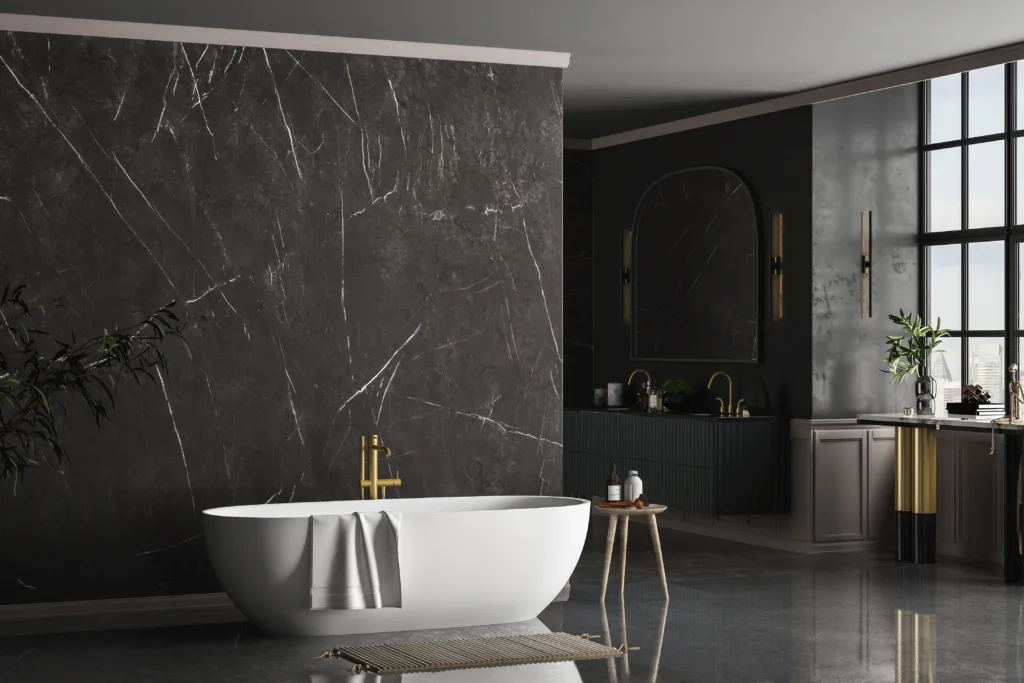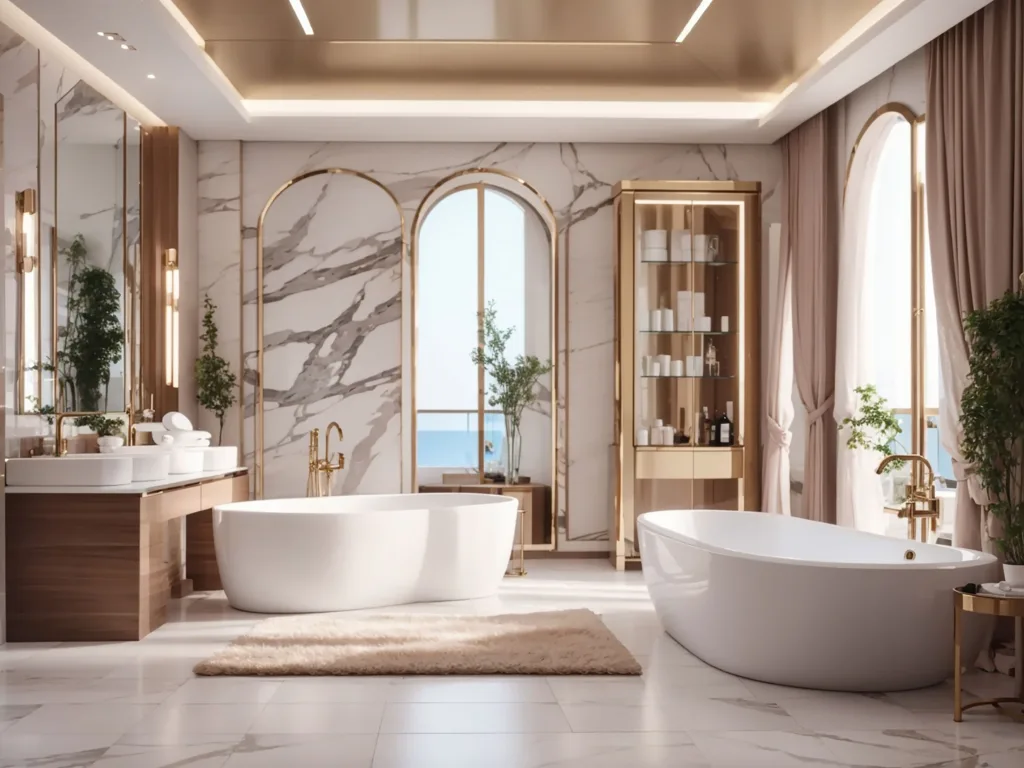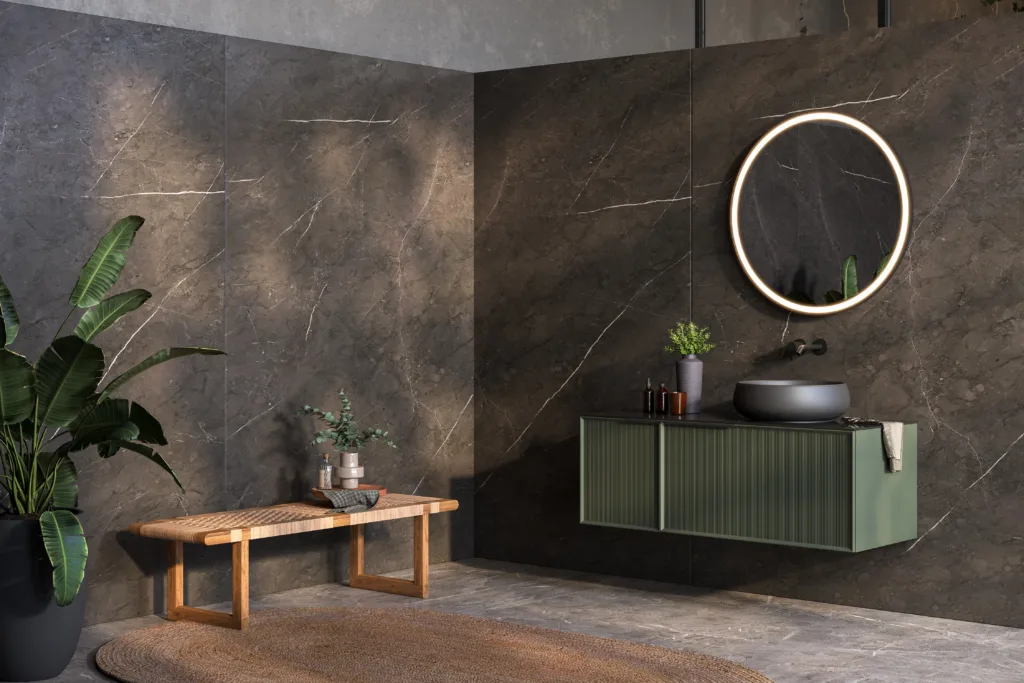
14+ Textured Bathroom Walls That Bring Character and Warmth
Textured walls can completely transform a bathroom, adding depth, warmth, and personality.
From subtle patterns to bold 3D tiles, textures make the space feel more inviting and visually interesting.
Here are 14+ ideas to create textured bathroom walls that feel stylish yet cozy.
1. Subway Tiles with Raised Patterns

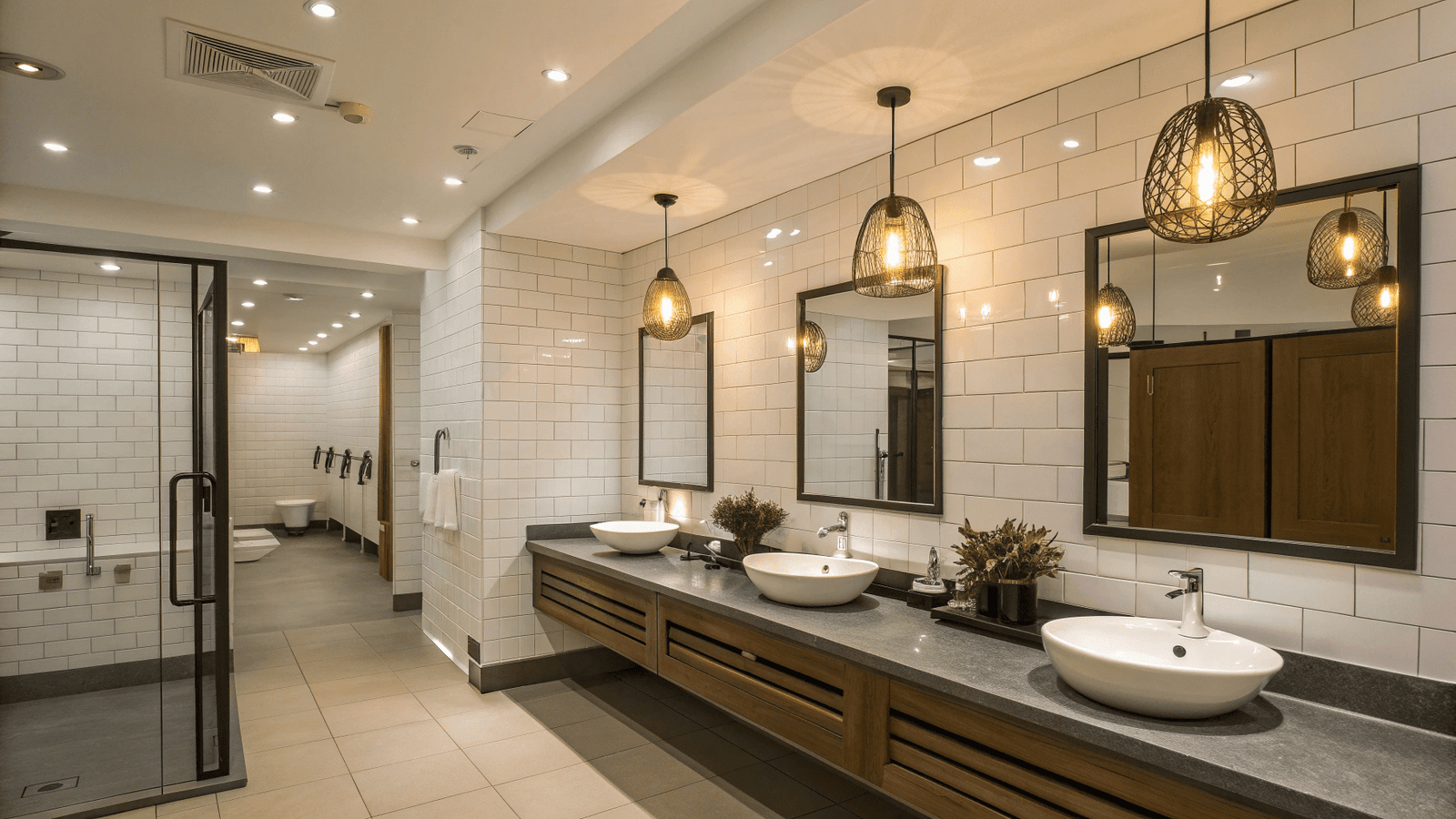
Classic subway tiles with embossed or raised designs add subtle texture and timeless elegance.
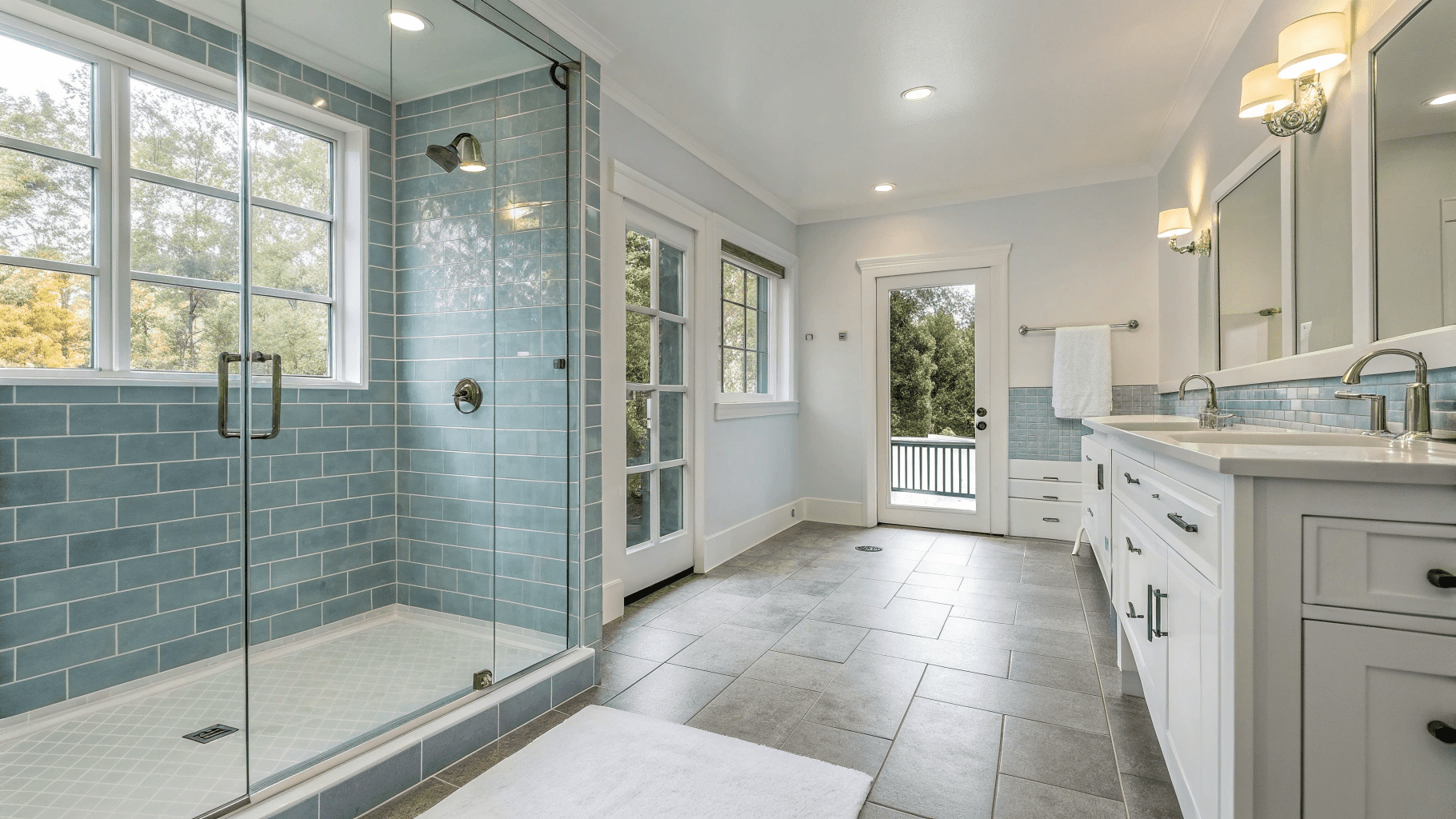
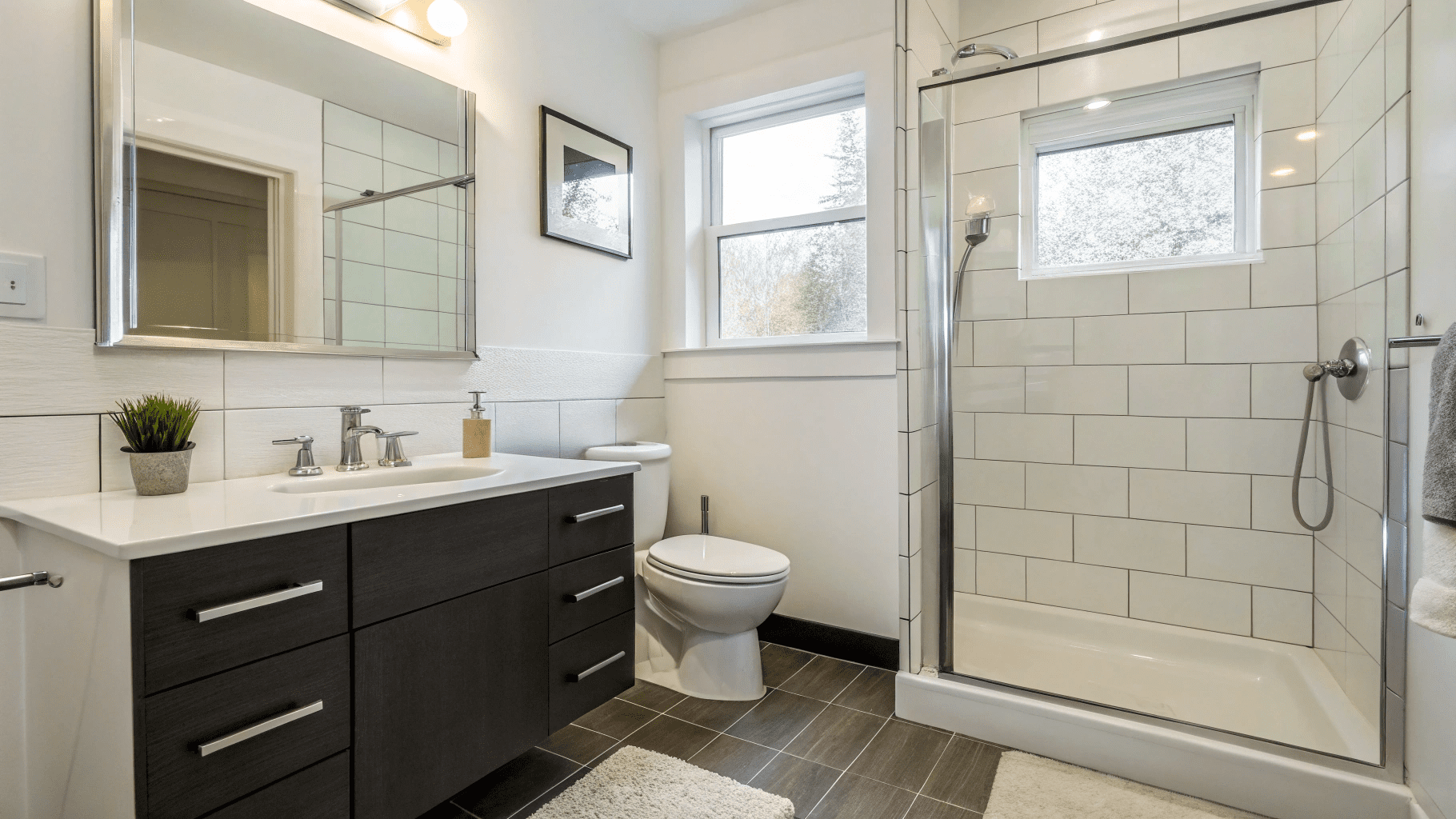
Pro Tip: Keep grout lines neutral to highlight the texture without overwhelming the space.
2. Herringbone or Chevron Tiles

Arranging tiles in herringbone or chevron patterns creates movement and visual interest on the walls.
Pro Tip: Stick to neutral tones to maintain a warm, inviting feel.
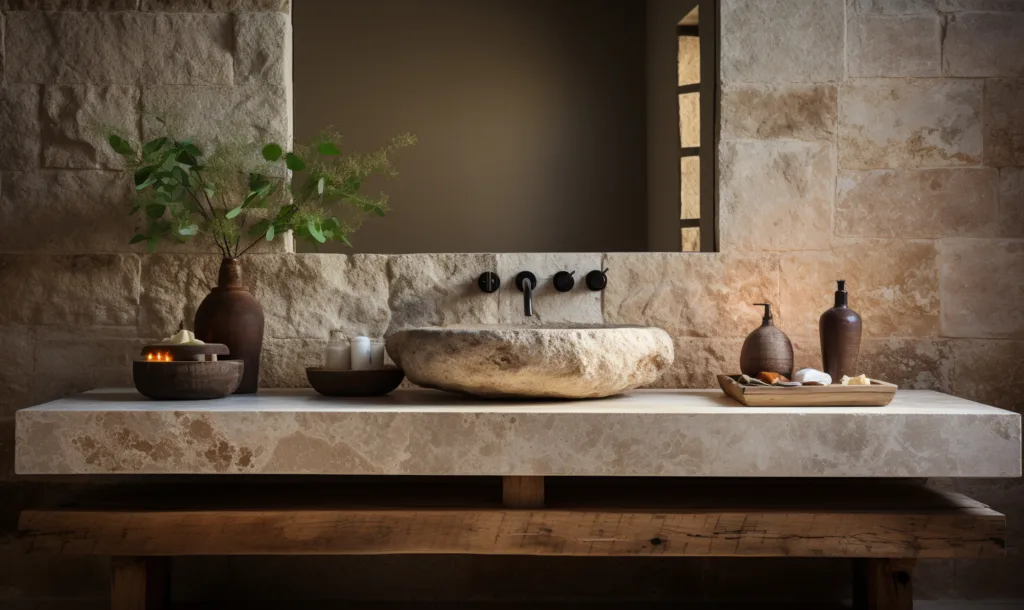
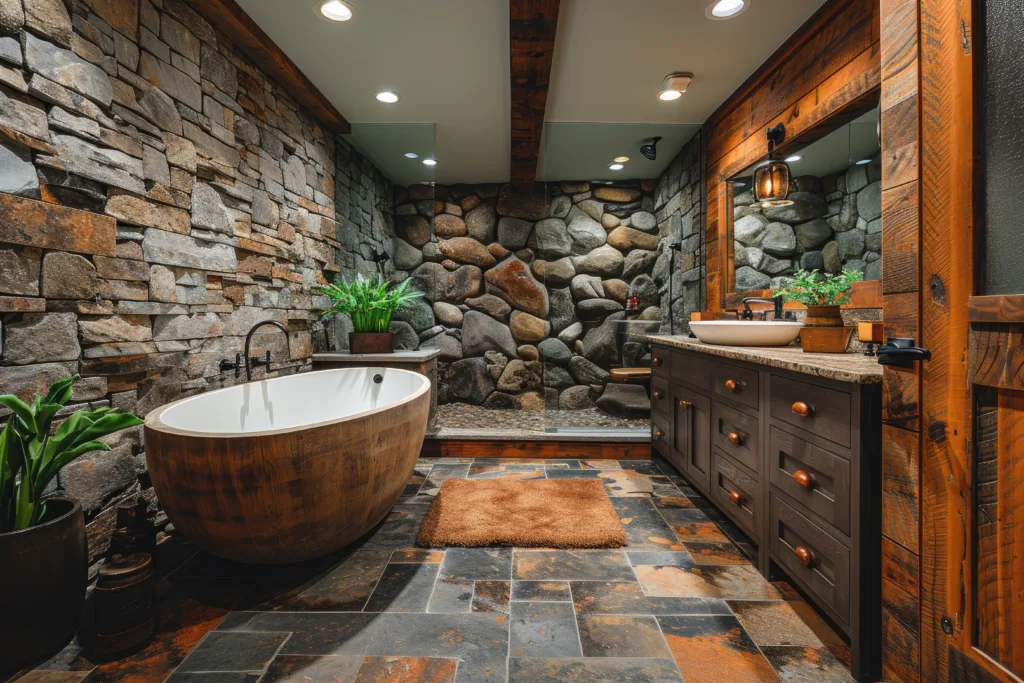
3. Natural Stone Walls

Stone walls bring an organic, earthy texture that instantly adds warmth.
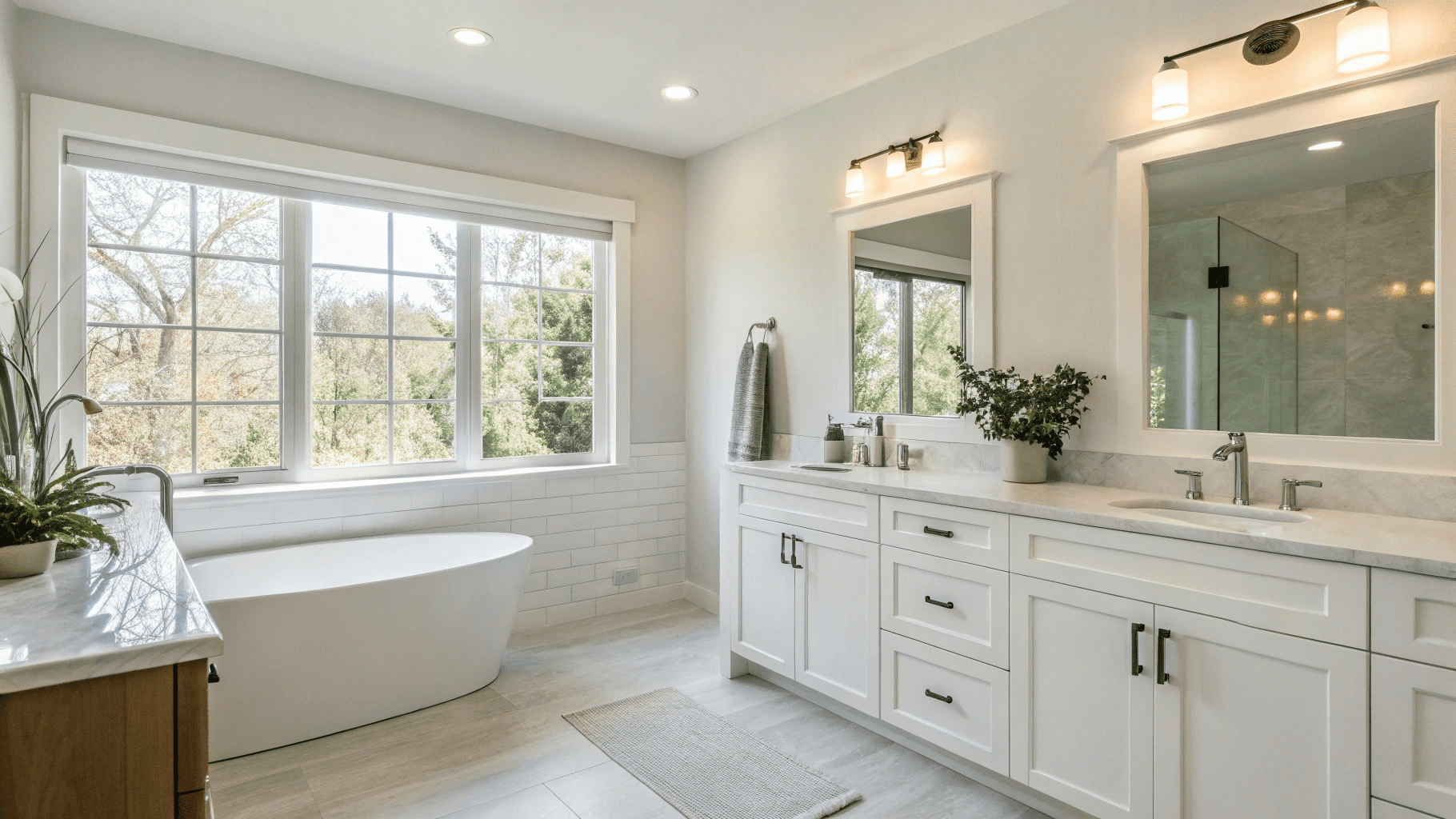
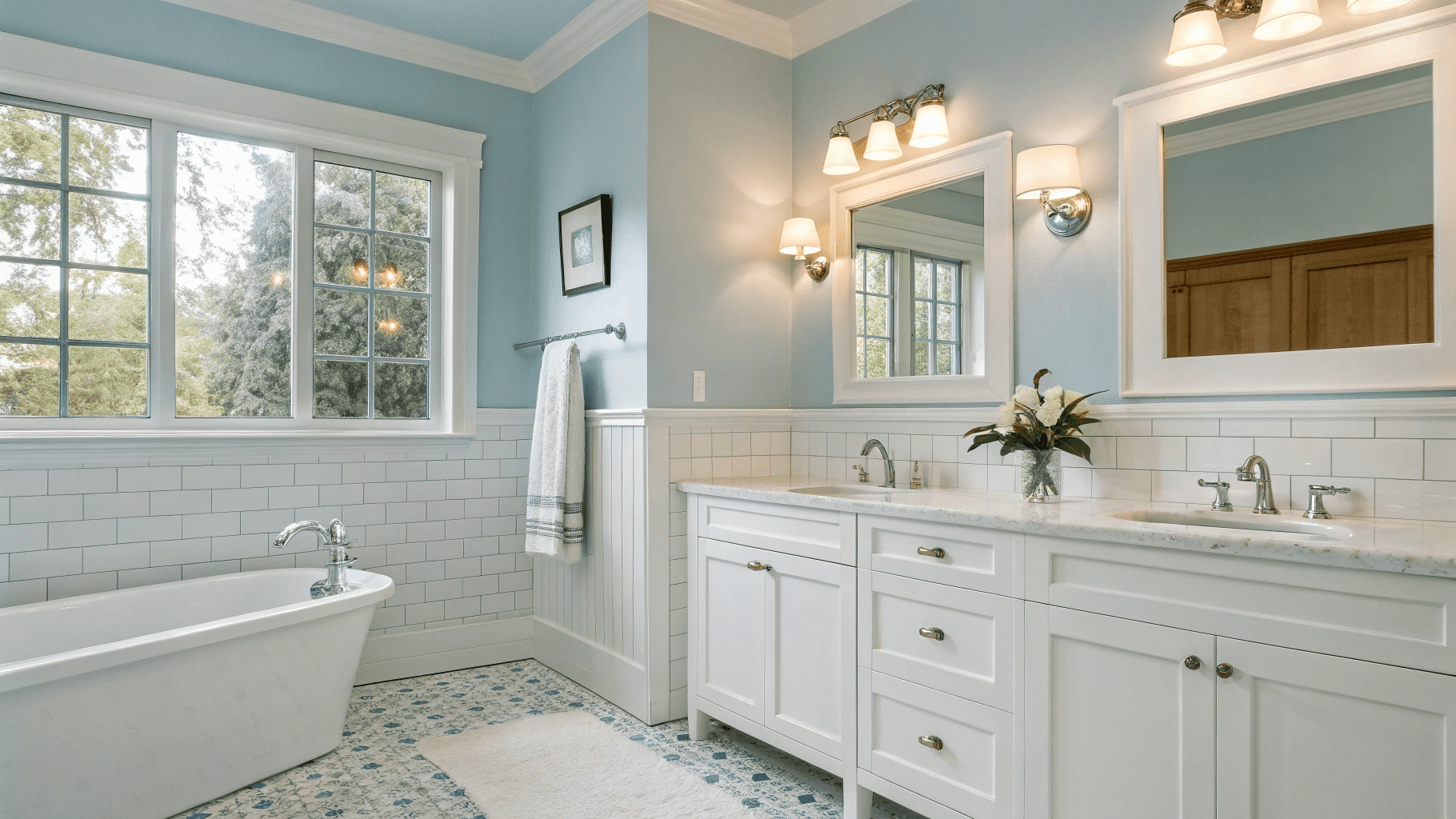
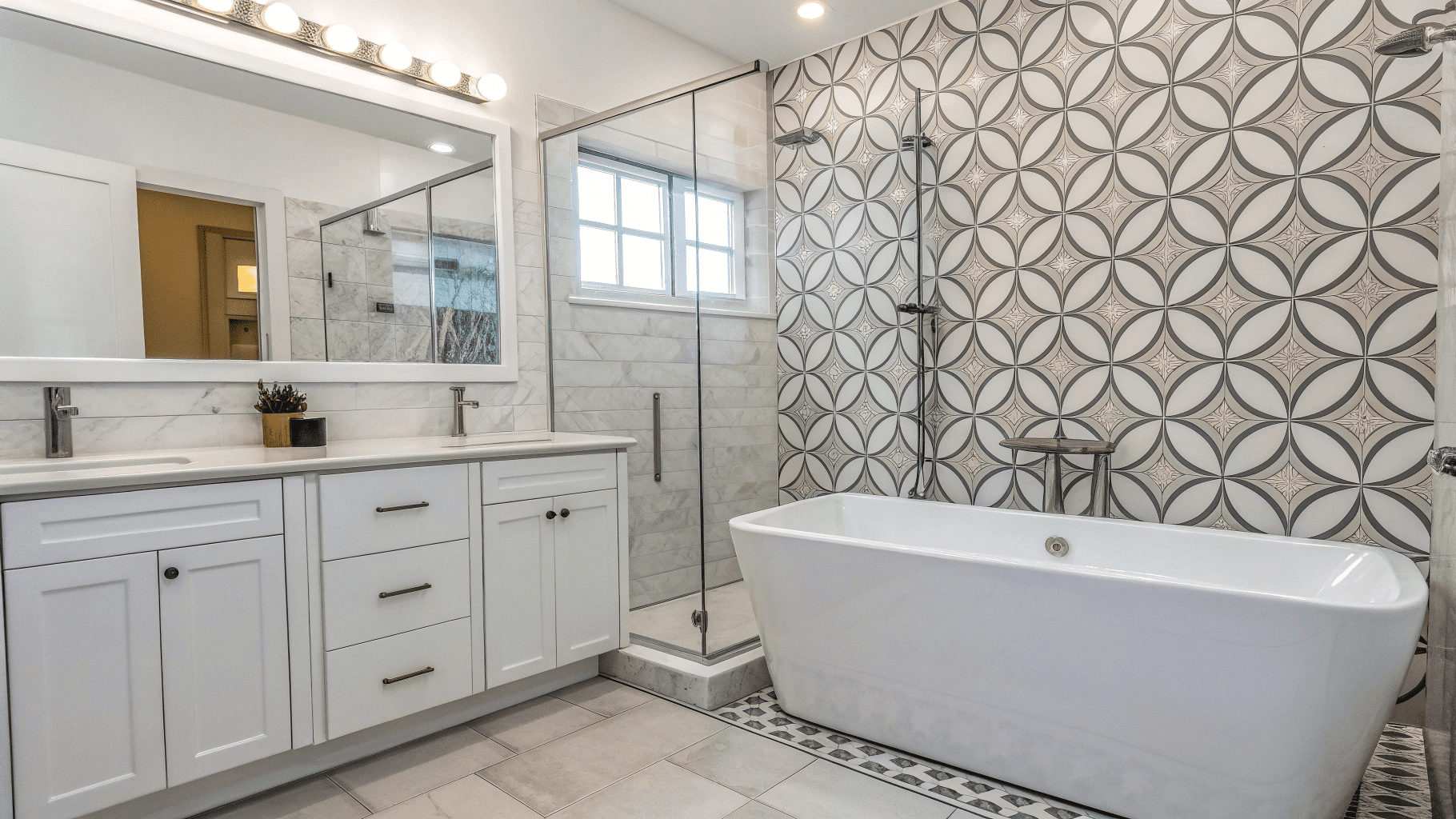
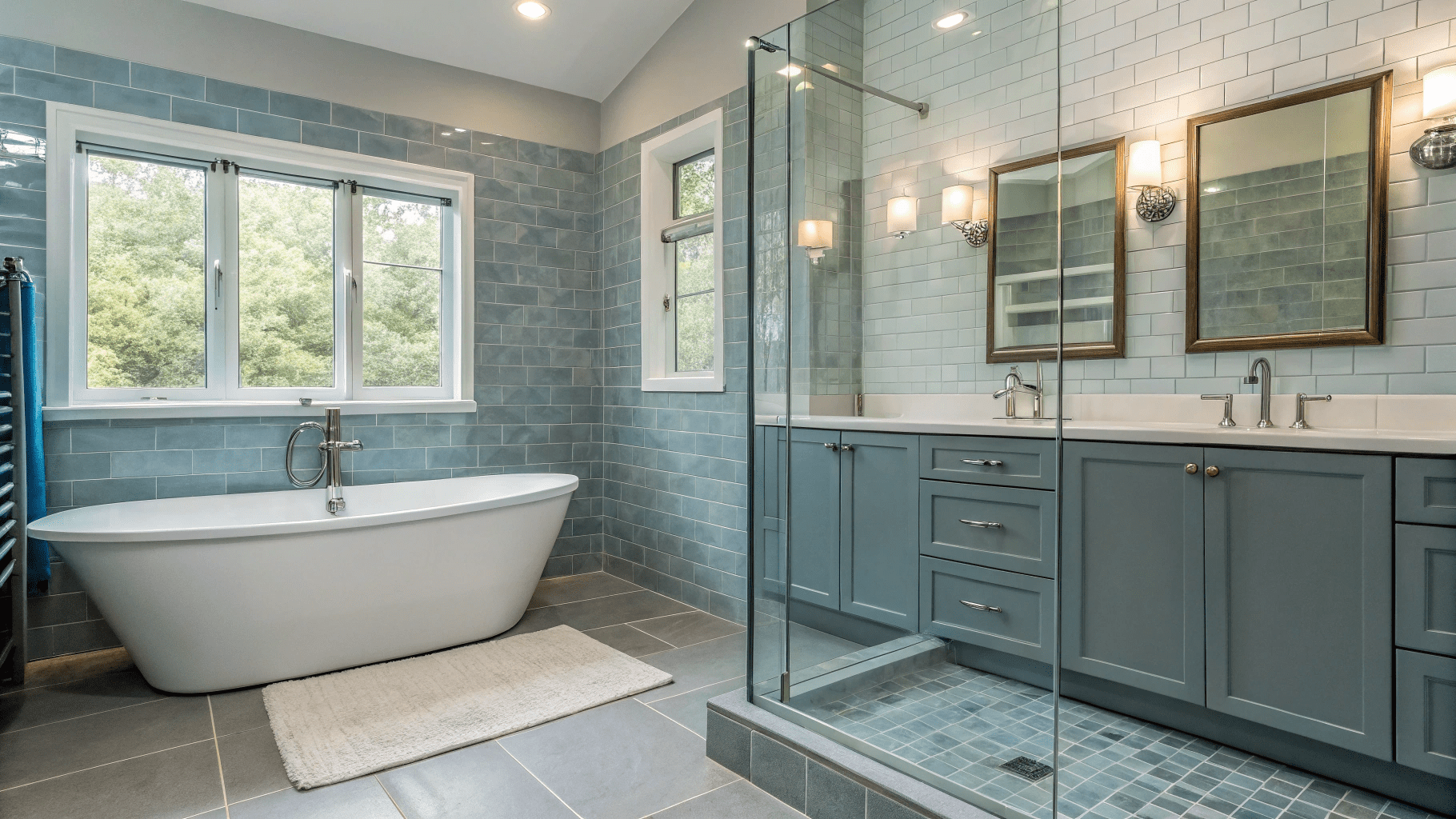
Pro Tip: Use polished or honed finishes for a refined yet tactile look.
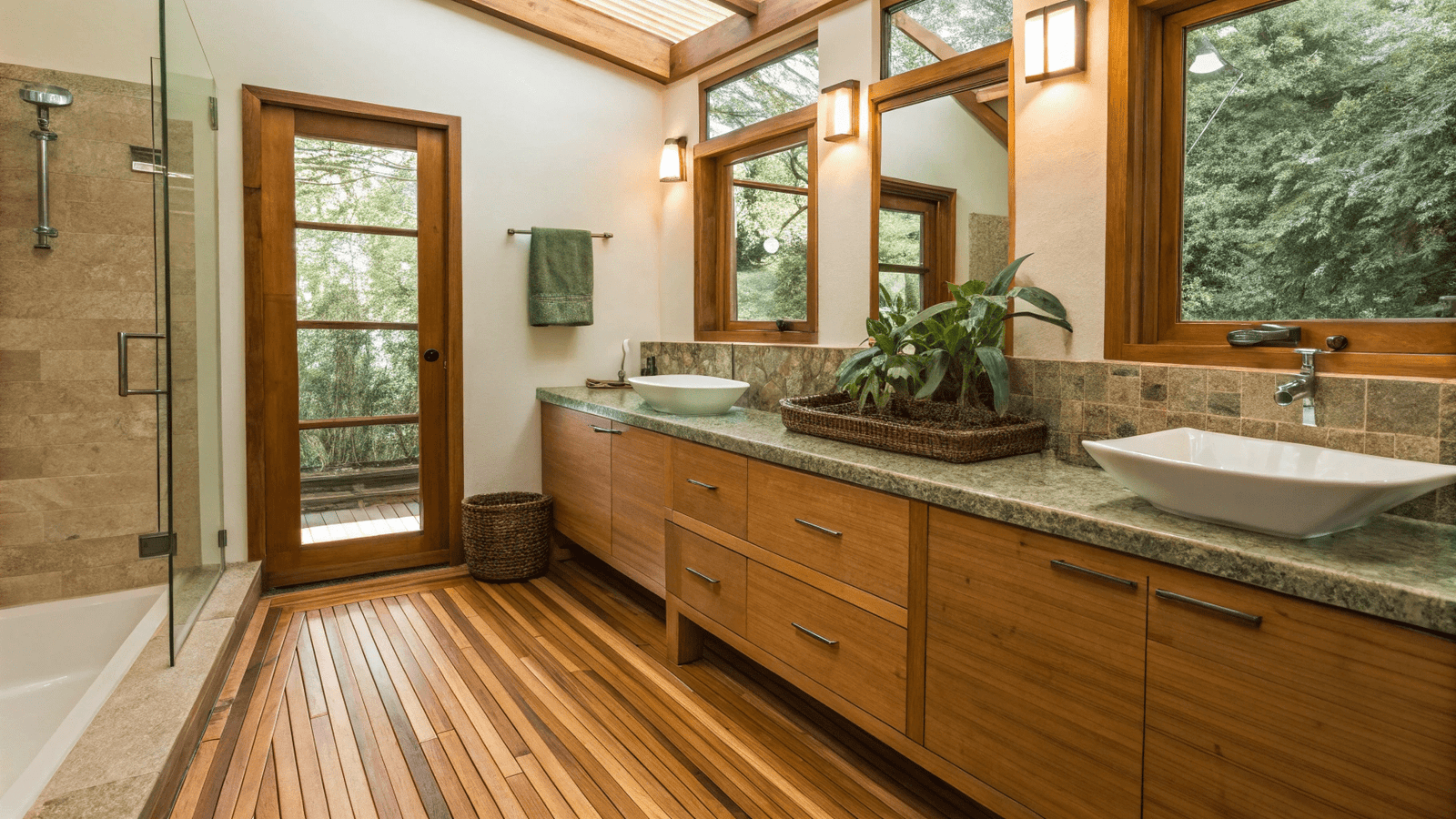
4. Wood Paneling

Wood wall panels introduce softness and warmth, perfect for spa-inspired bathrooms.
Pro Tip: Choose moisture-resistant or treated wood to prevent warping.
5. Textured Wallpaper

Subtle, moisture-resistant wallpapers can add intricate patterns or linen-like textures.
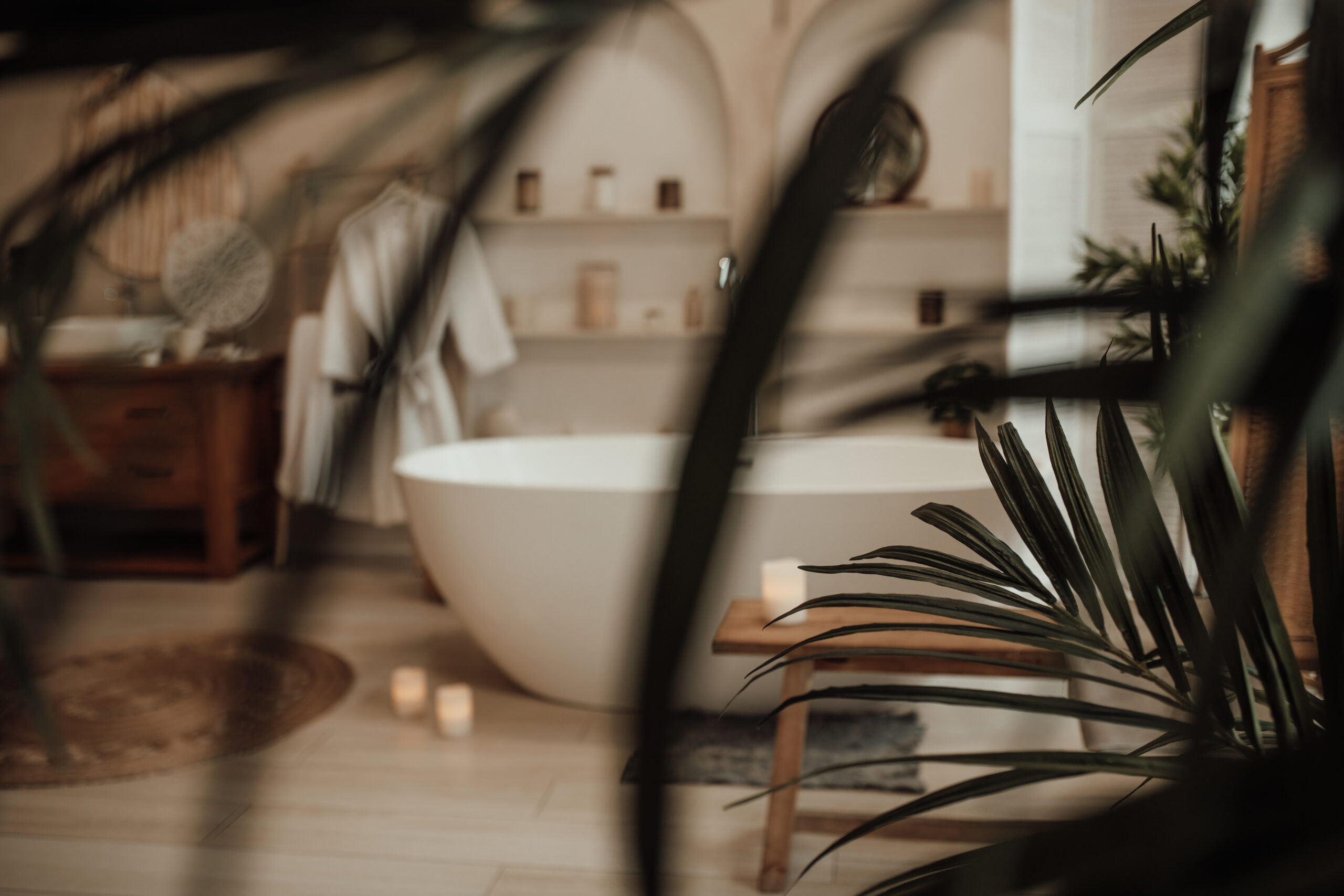
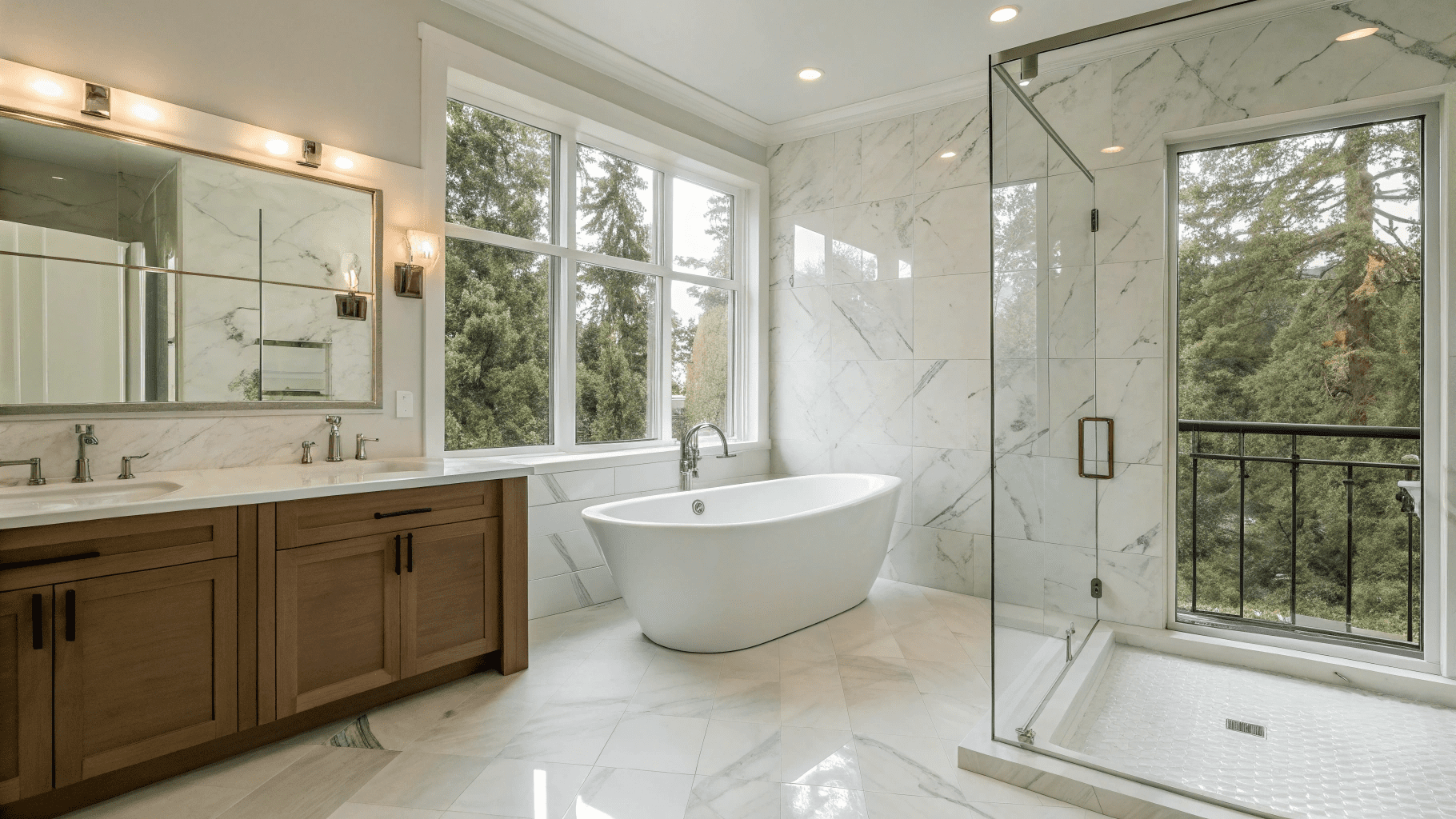
Pro Tip: Limit wallpaper to an accent wall for balance and easy maintenance.
6. Brick Accent Wall

Exposed brick or brick-look tiles create rustic character and cozy charm.
Pro Tip: Pair with modern fixtures to balance rustic and contemporary elements.
7. 3D Ceramic Tiles

Geometric or wave-like 3D tiles add drama and depth to a small or large bathroom.
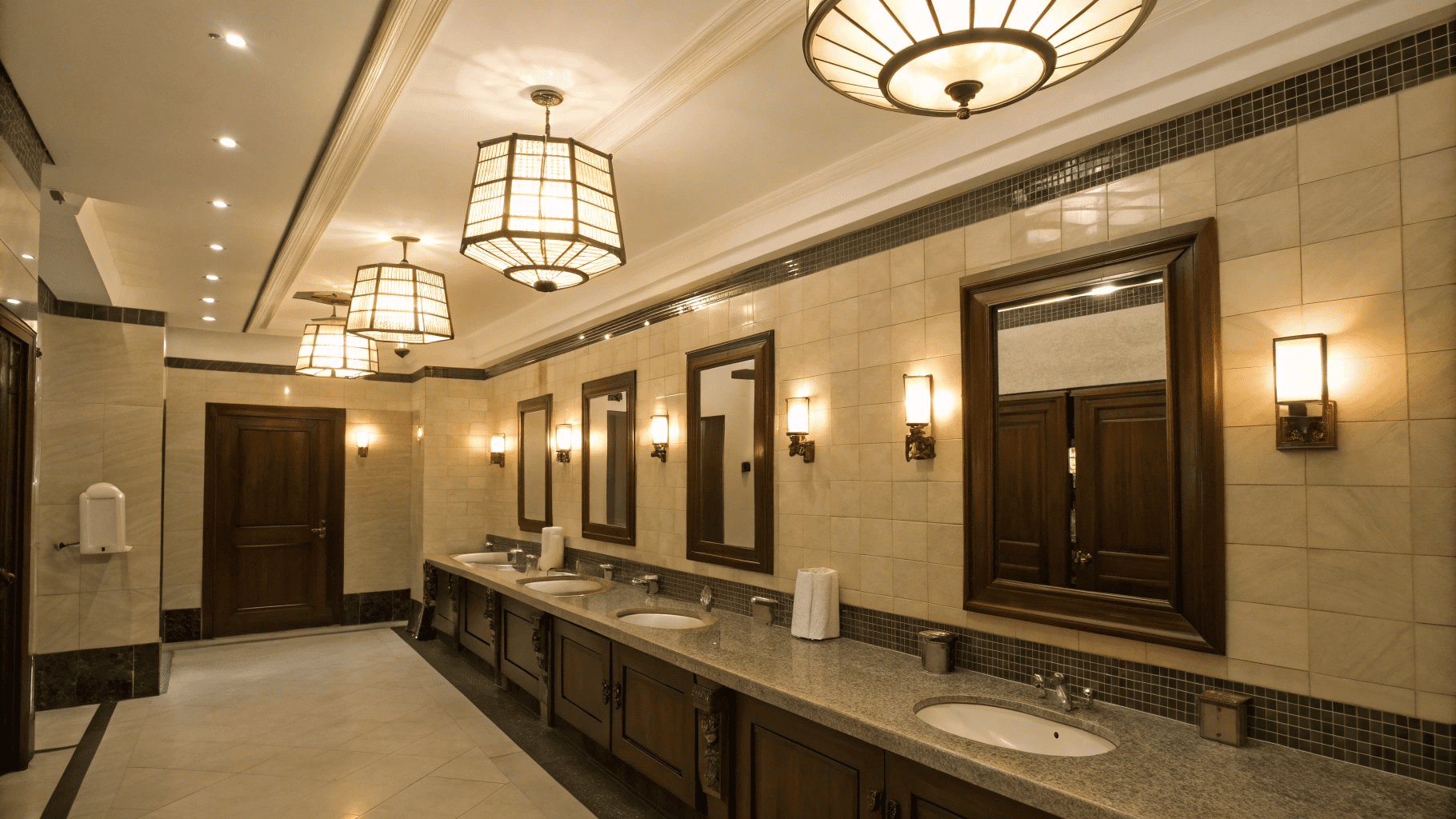
Pro Tip: Keep colors neutral to allow the texture to shine without overpowering the space.
8. Venetian Plaster Finish

Smooth yet subtly textured plaster walls give a luxurious, soft matte effect.
Pro Tip: Use in earthy or warm tones to enhance the cozy, spa-like feel.
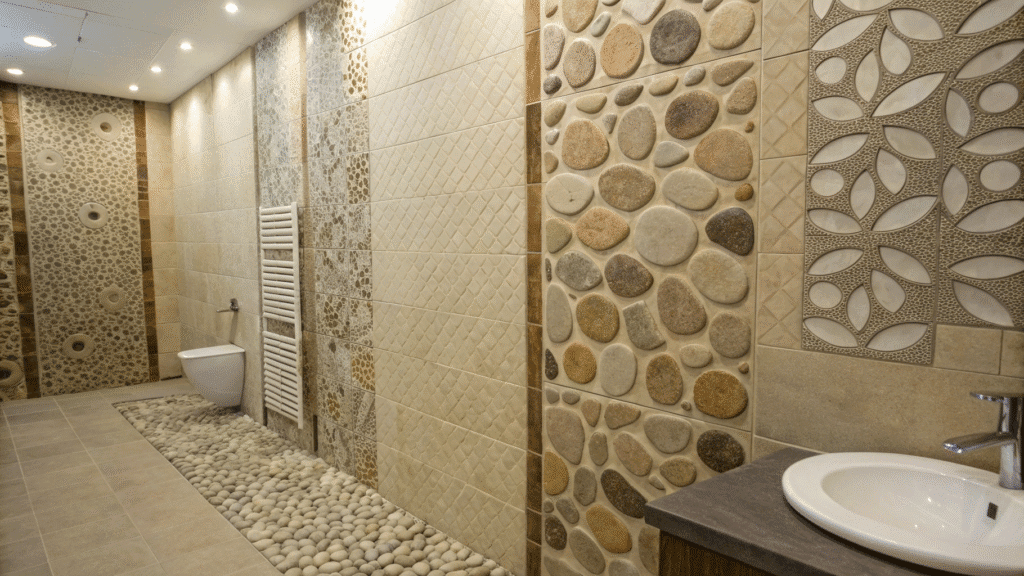
9. Mosaic Tile Panels

Small mosaic tiles create intricate patterns and subtle sparkle.
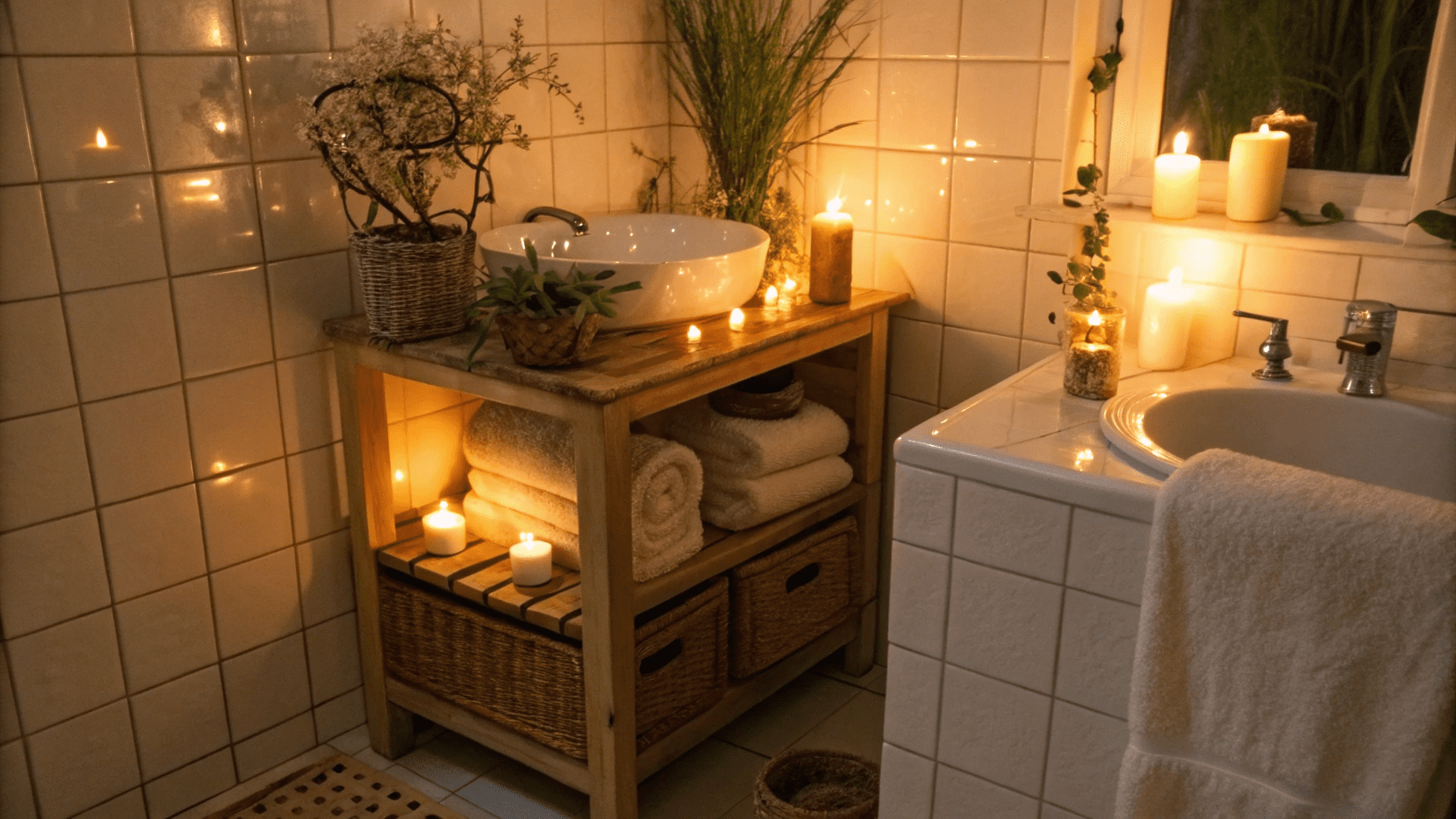
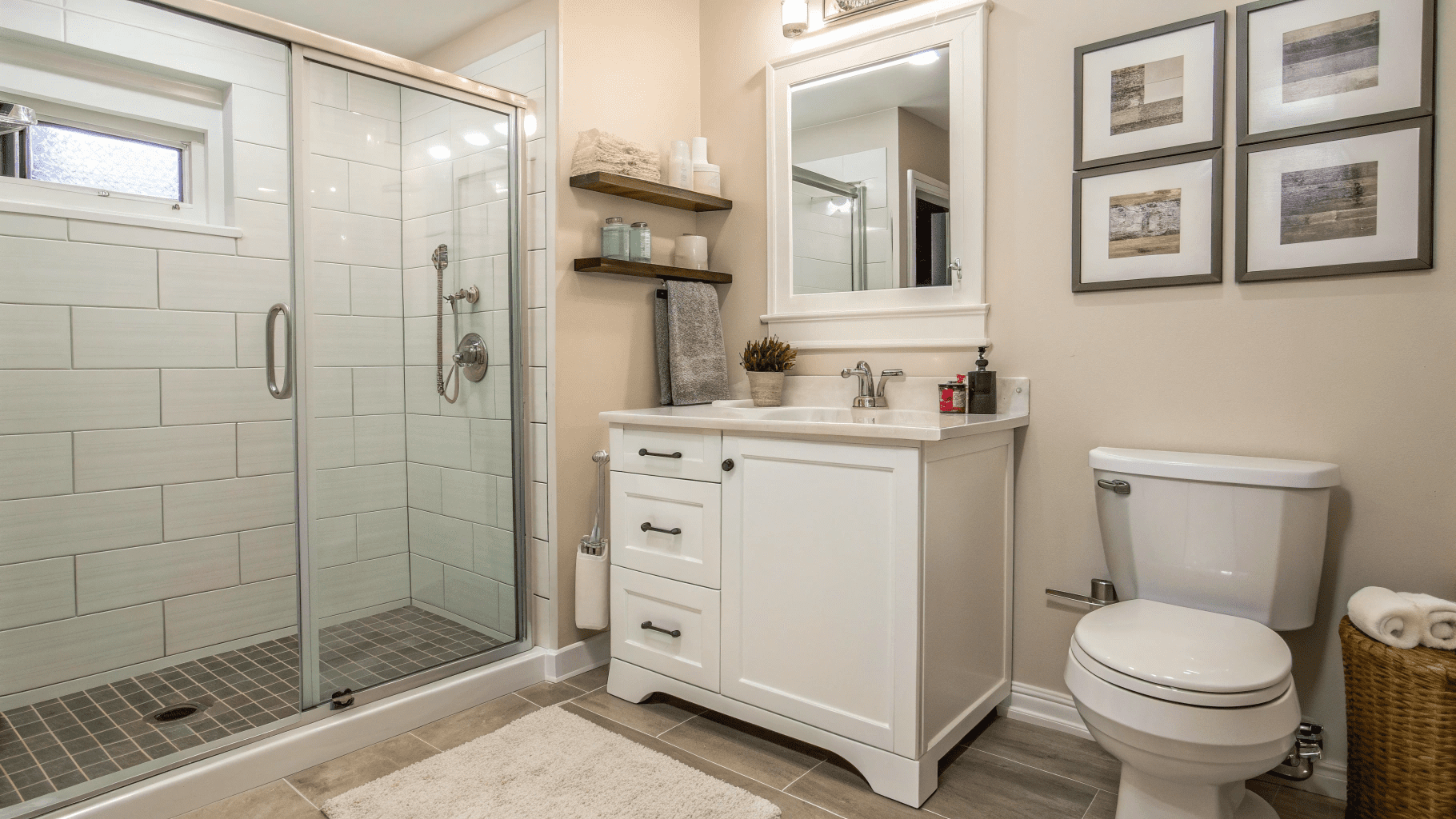
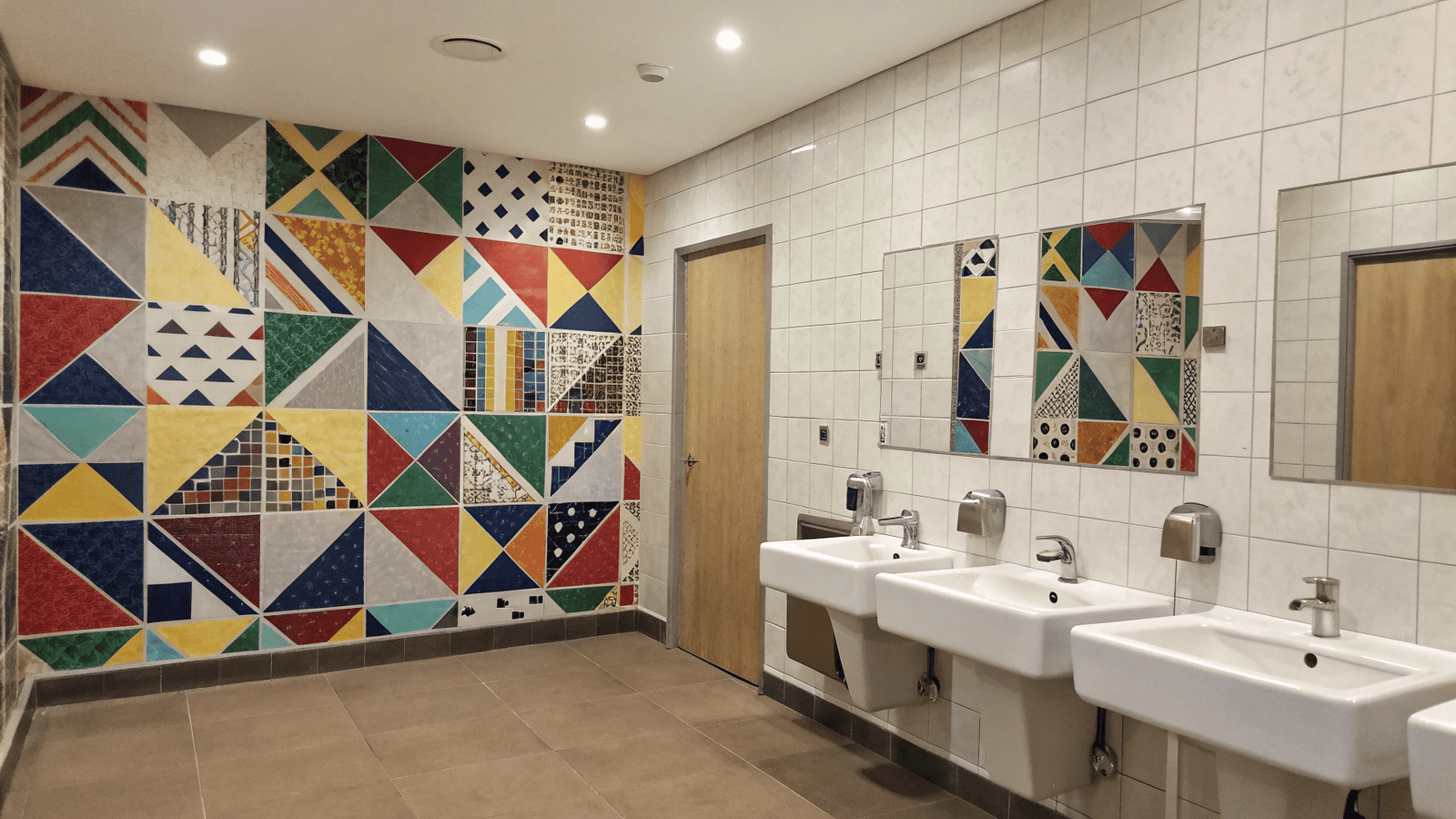
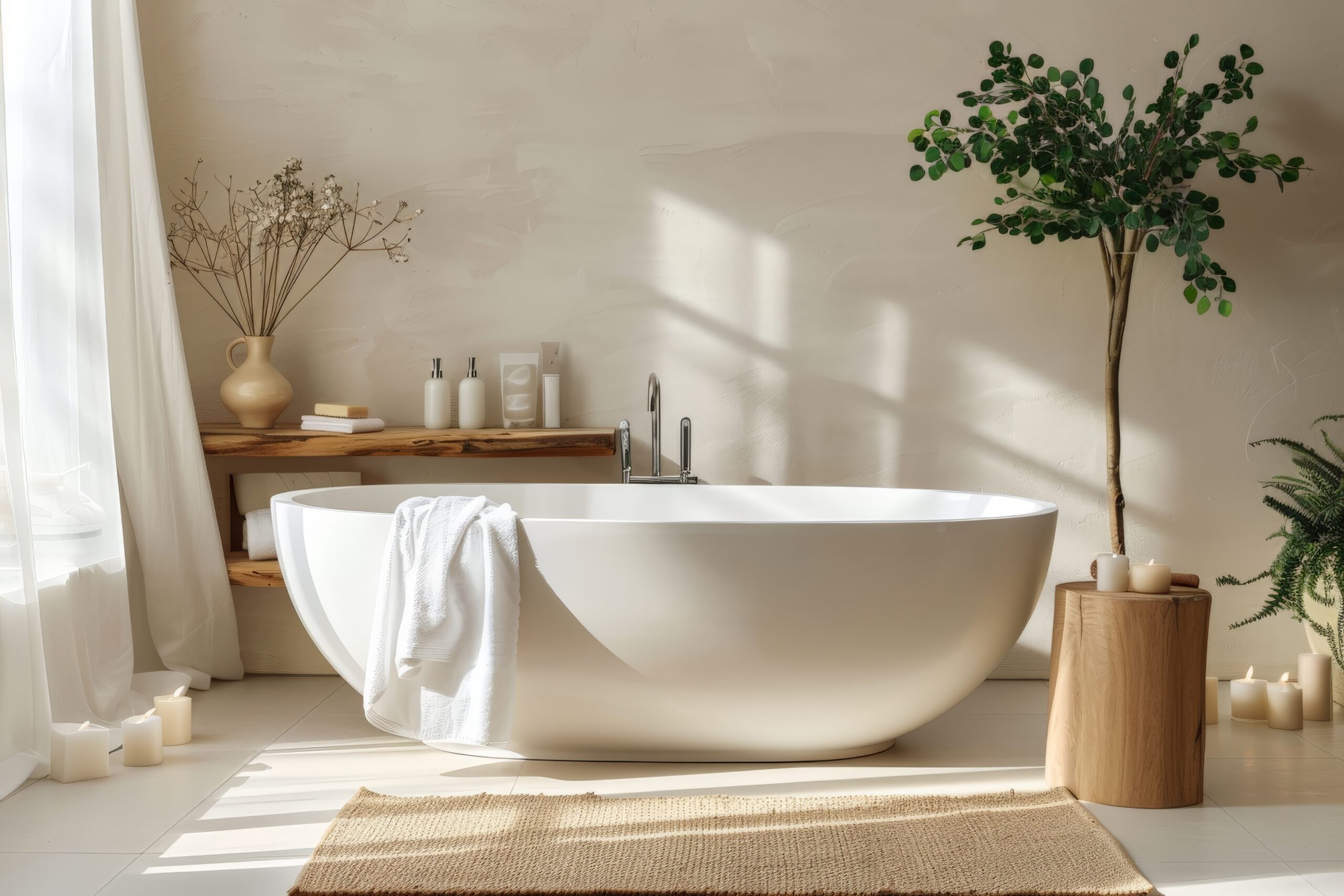
Pro Tip: Limit mosaic panels to a feature wall or shower niche to avoid visual clutter.
10. Painted Texture Techniques

Techniques like sponging, rag rolling, or stucco-style painting add unique, soft texture.
Pro Tip: Test the technique on a small section first to ensure the desired effect.
11. Wainscoting or Beadboard

Vertical panels add structure and texture while giving a classic, elegant look.
Pro Tip: Paint wainscoting in a soft neutral tone to keep the space feeling bright.
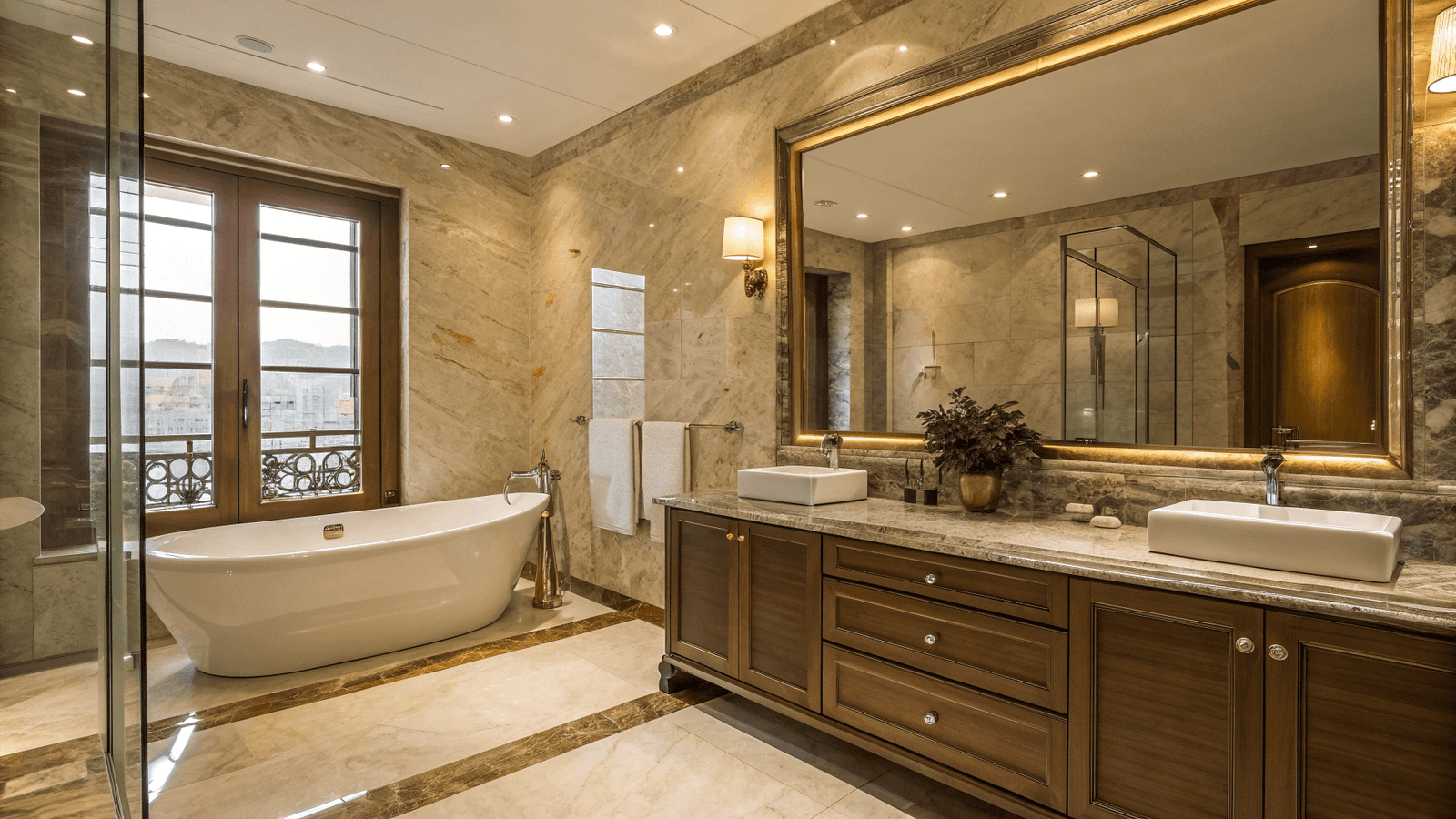
12. Concrete or Cement Walls

Polished or raw concrete adds industrial texture while remaining warm when paired with wood accents.
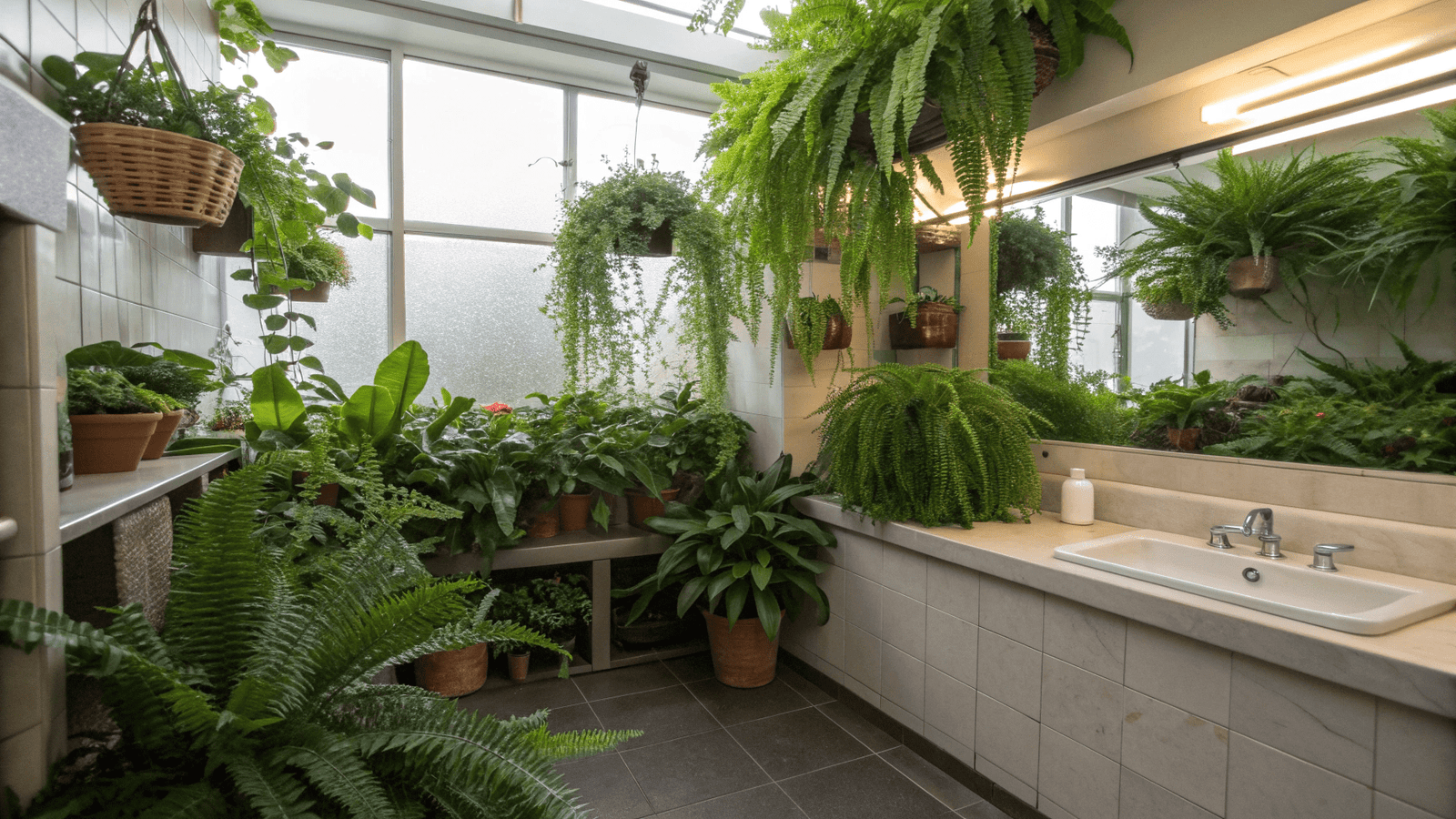
Pro Tip: Balance with soft textiles and natural elements to prevent a cold atmosphere.
13. Fabric Wall Panels

Specially treated fabric panels bring softness, pattern, and depth to bathroom walls.
Pro Tip: Keep fabrics moisture-resistant or in areas away from direct water splashes.
14. Stucco or Textured Plaster Accents
Stucco walls add tactile warmth and a Mediterranean-inspired aesthetic.
Pro Tip: Pair with simple, clean fixtures to let the texture be the focal point.
Final Thoughts
Textured bathroom walls bring warmth, character, and dimension to your space.
From subtle embossed tiles to bold stone or brick accents, textures make your bathroom feel inviting and stylish.
The key is balancing texture with smooth surfaces and neutral tones to create a harmonious and cozy environment.
FAQs
Are textured walls suitable for small bathrooms?
Yes! Subtle textures like embossed tiles or light-colored panels add depth without overwhelming the space.
How do I prevent textured walls from feeling busy?
Limit bold textures to one accent wall or niche and balance with smooth, neutral surfaces.
What materials work best for bathroom textures?
Tiles, stone, wood, plaster, and moisture-resistant wallpaper all work well.
Can textured walls withstand bathroom humidity?
Yes, if you choose water-resistant materials and finishes designed for wet environments.
How do I clean textured bathroom walls?
Use gentle cleaning solutions and soft brushes to reach crevices, avoiding harsh scrubbing that may damage surfaces.

- 12 Small Guest Room Ideas People Love - March 13, 2026
- 18 Thoughtful Guest Room Ideas Your Friends and Family Will Appreciate - March 13, 2026
- 16 Easy Ways to Make Your Guest Bedroom Feel More Inviting - March 13, 2026