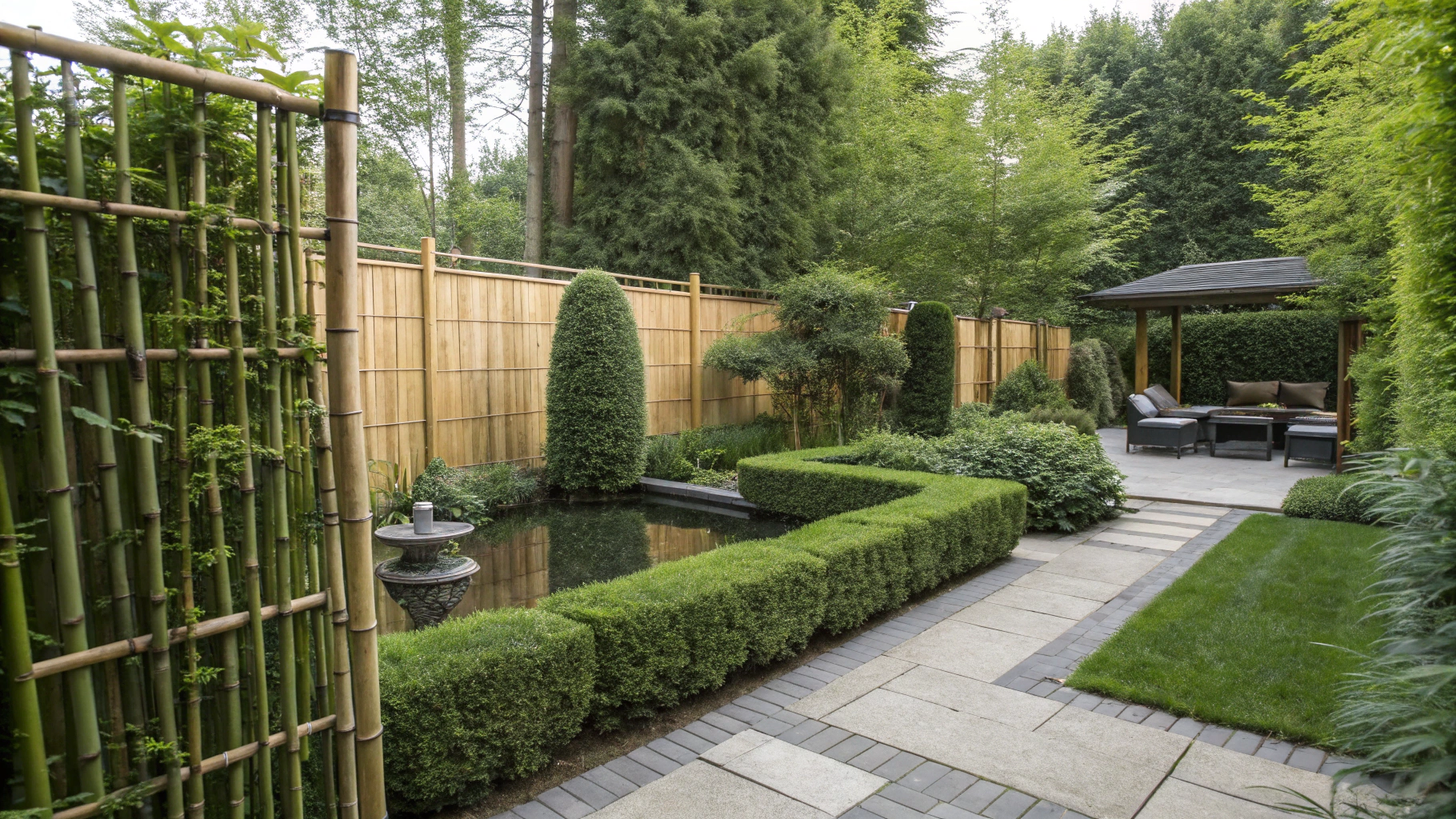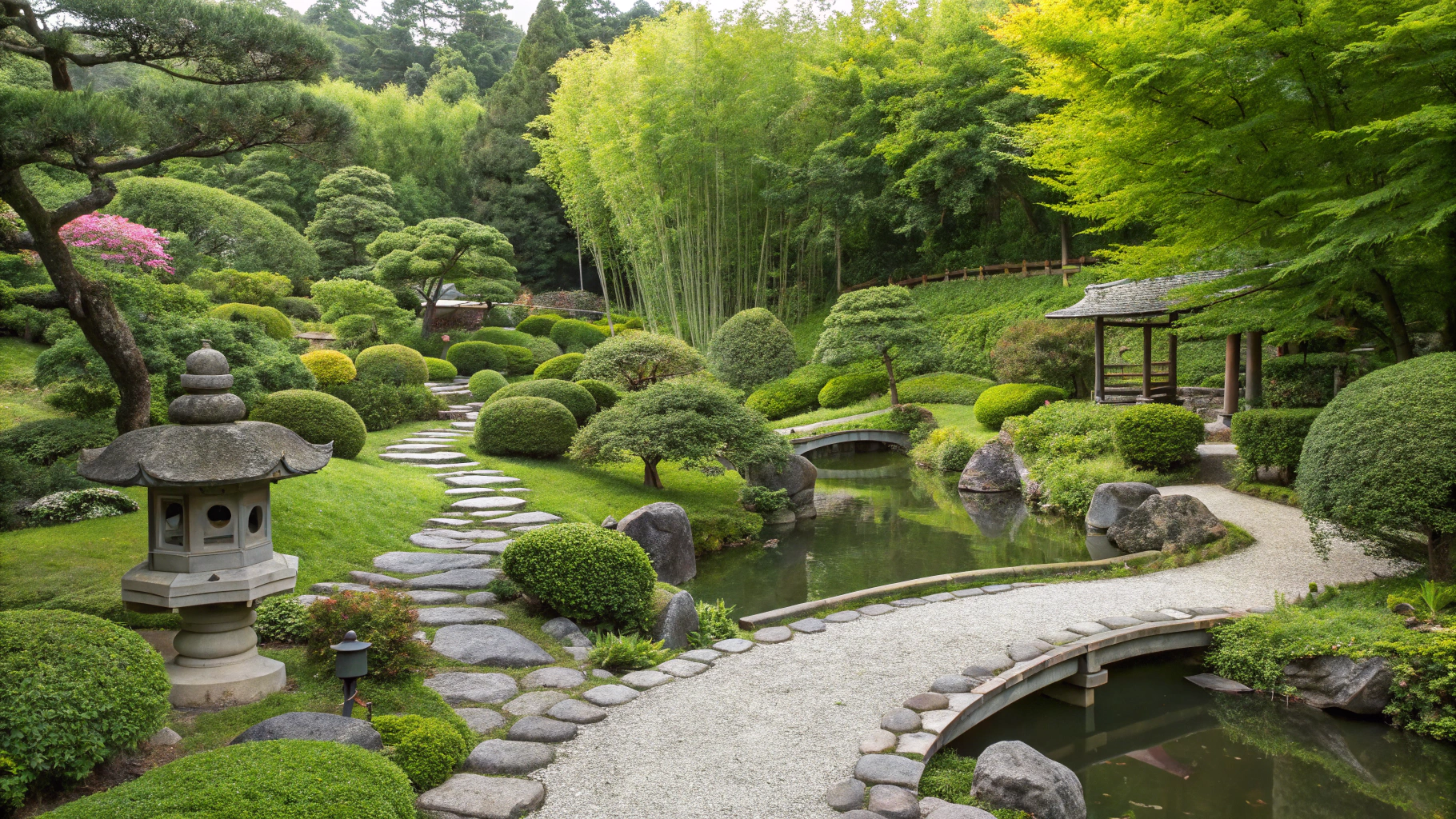
10+ Inspiring Japanese Garden Landscaping Ideas
Japanese garden landscaping creates outdoor spaces that feel peaceful, balanced, and deeply connected to nature through simplicity, texture, and intentional design. Rather than relying on excessive flowers or decoration, Japanese gardens focus on harmony between stone, water, plants, pathways, and open space to create calming environments that encourage relaxation and reflection.
Whether you want a small Zen courtyard, a tranquil backyard retreat, or a modern Japanese-inspired landscape, these inspiring Japanese garden landscaping ideas will help you design an outdoor space that feels timeless, elegant, and beautifully serene.
What Makes Japanese Garden Landscaping Unique?
Japanese gardens are designed to create harmony, balance, and natural flow using carefully selected materials and minimalist layouts.
Classic Japanese garden elements include:
Love Chic Living Club?
Add us as one of your preferred Google sources and discover more home decor, DIY, outdoor, and lifestyle inspiration from us.
- Stone pathways
- Gravel and sand
- Water features
- Moss and greenery
- Bamboo accents
- Curved bridges
- Layered natural textures
The overall goal is creating a peaceful atmosphere where every feature feels intentional and calming.
Best Plants for Japanese Garden Landscaping
| Plant | Best For | Benefit |
| Japanese Maple | Focal points | Elegant seasonal color |
| Bamboo | Privacy and texture | Vertical movement |
| Moss | Ground cover | Soft calming texture |
| Azaleas | Layered planting | Controlled seasonal blooms |
| Japanese Forest Grass | Borders & pathways | Graceful movement |
How to Create a Beautiful Japanese Garden
Focus on Simplicity
Avoid overcrowding plants and decorative elements.
Use Natural Materials
Stone, wood, bamboo, gravel, and water are essential components.
Embrace Asymmetry
Japanese gardens feel more natural with balanced but imperfect layouts.
Create Quiet Spaces
Include seating areas or pathways that encourage slow movement and reflection.
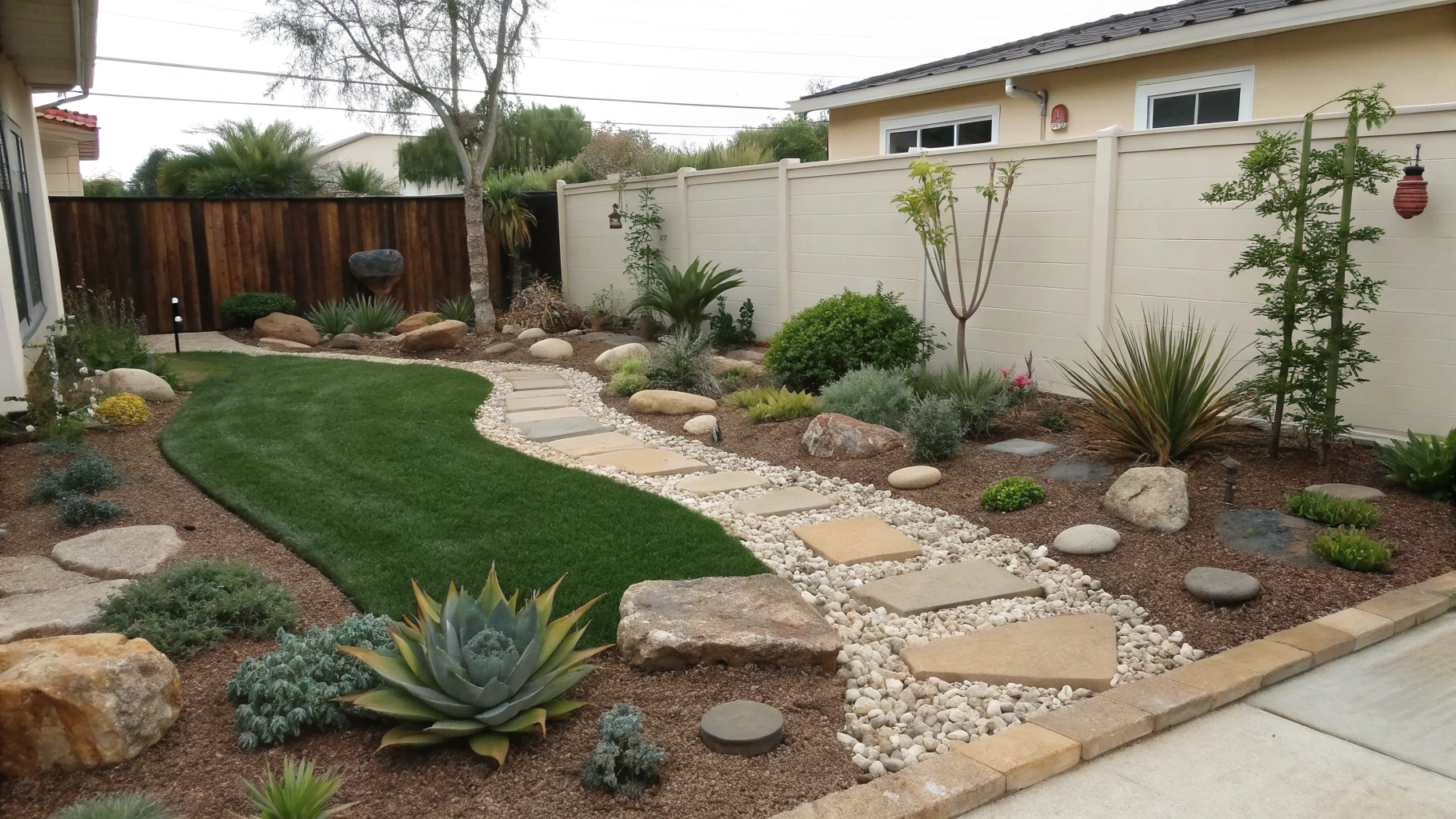
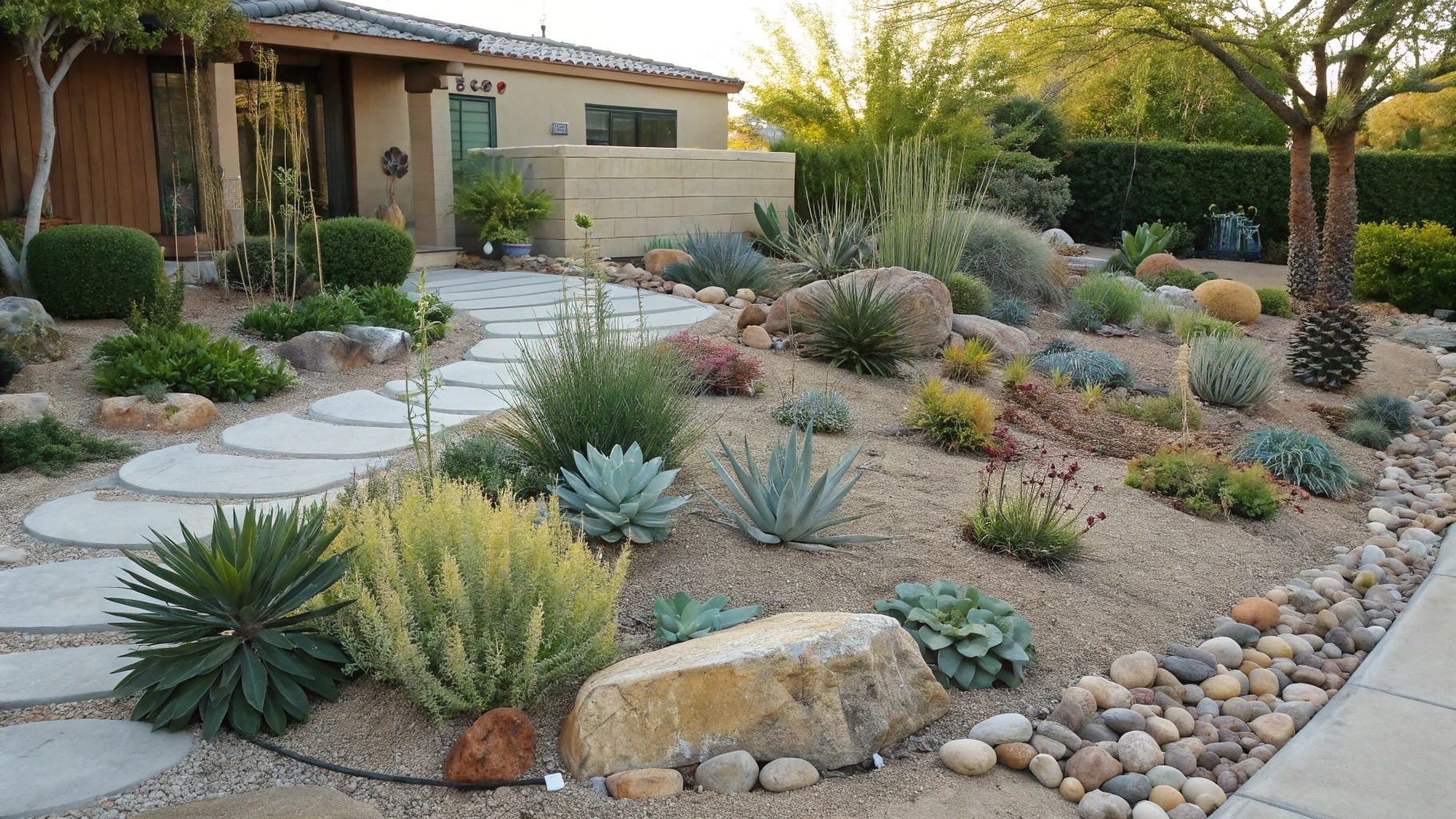
1. Create a Zen Rock Garden
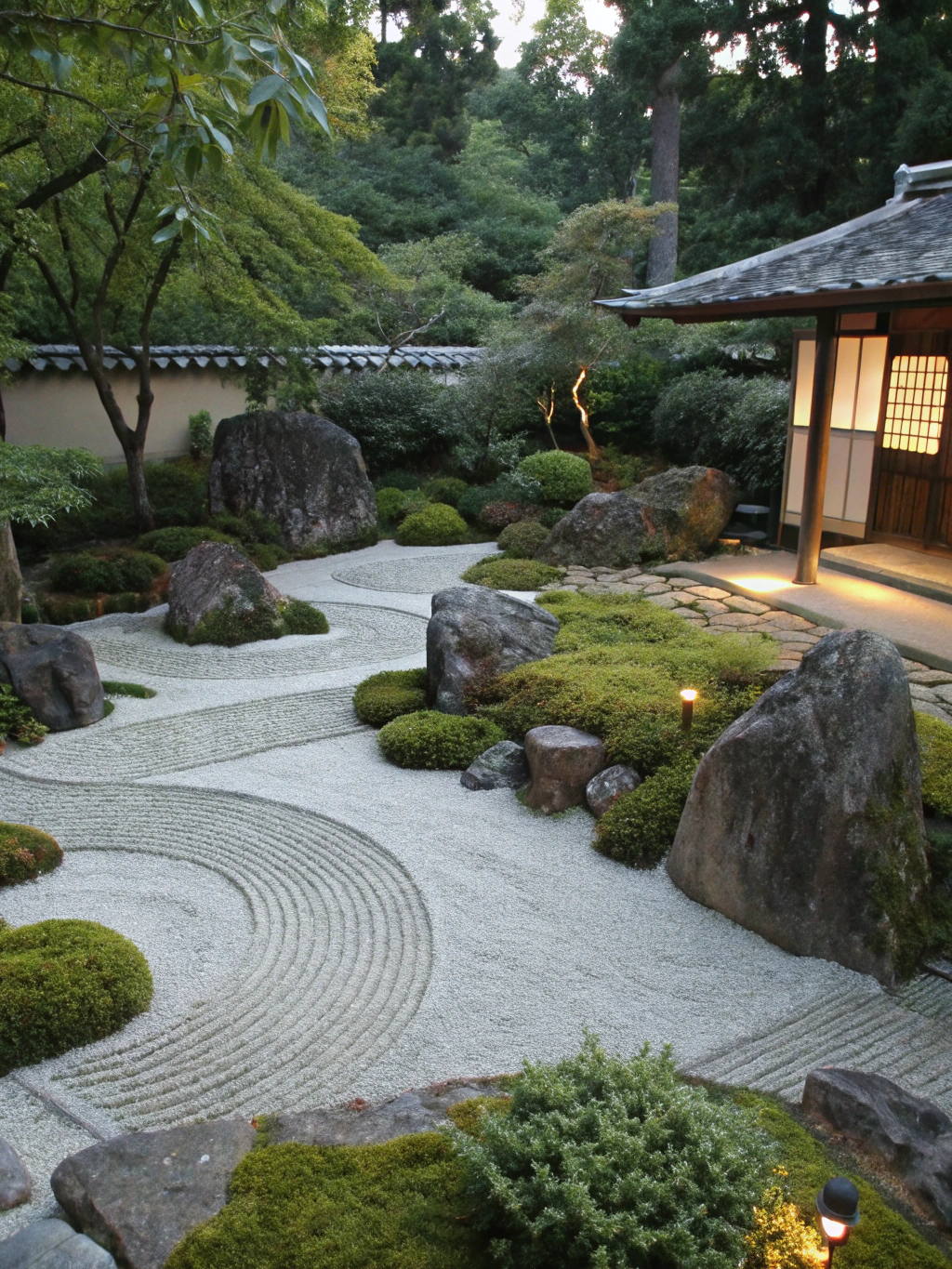
Zen gardens are one of the most iconic Japanese landscaping styles.
Best Features
- Raked gravel
- Large natural stones
- Minimal planting
- Clean open space
Why It Works
- Creates a calming atmosphere
- Extremely low maintenance
- Encourages mindfulness and simplicity
Design Tip
Use asymmetrical stone placement for a more authentic Zen garden look.
2. Add a Japanese Maple as a Focal Point
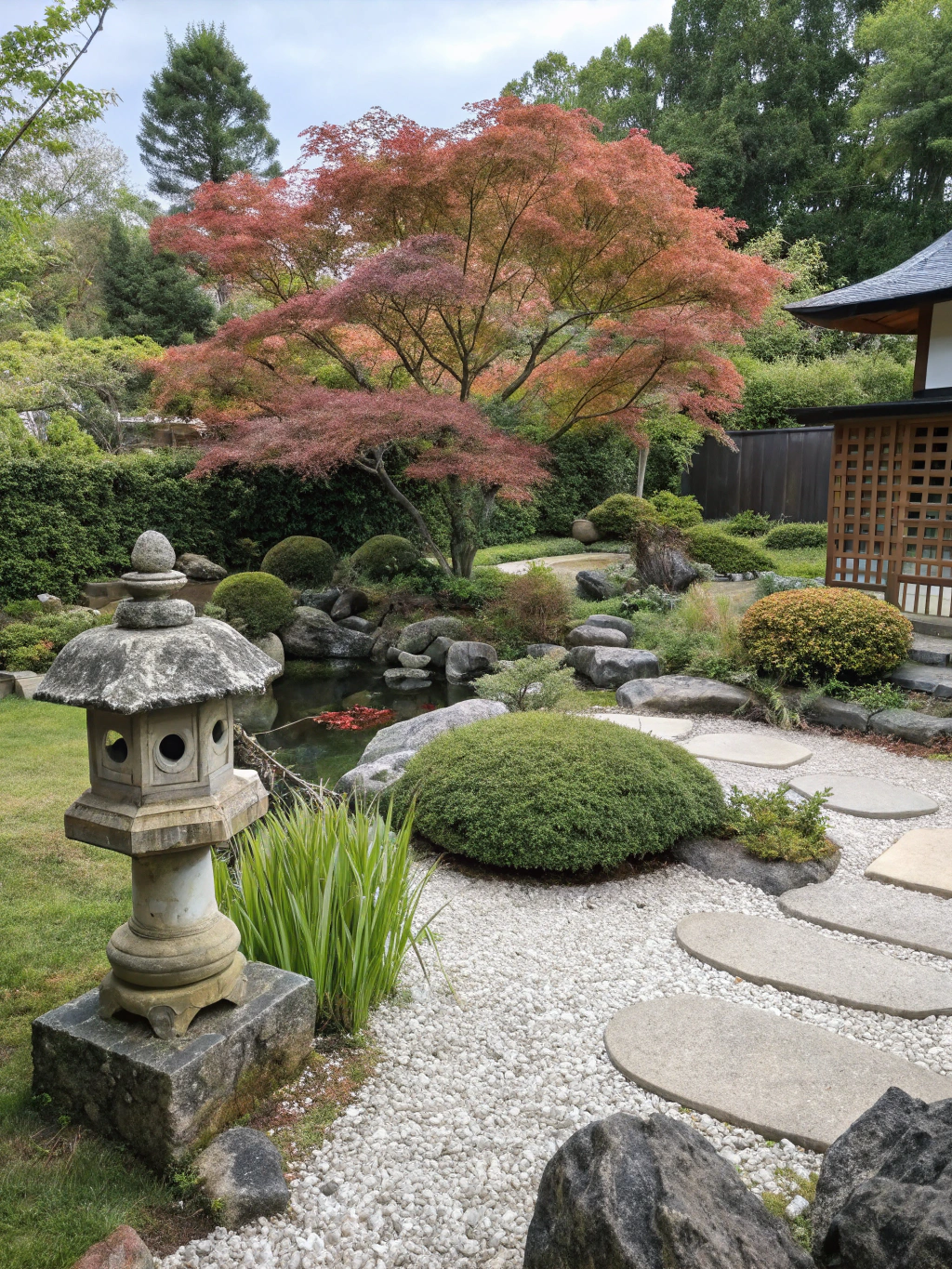
Japanese maples instantly create elegant structure and seasonal beauty.
Best Maple Features
- Delicate branching
- Red or green foliage
- Sculptural shape
Why Homeowners Love It
- Stunning fall color
- Graceful appearance
- Ideal for small gardens
You May Also Love
Best Pairings
- Moss
- Stone pathways
- Gravel beds
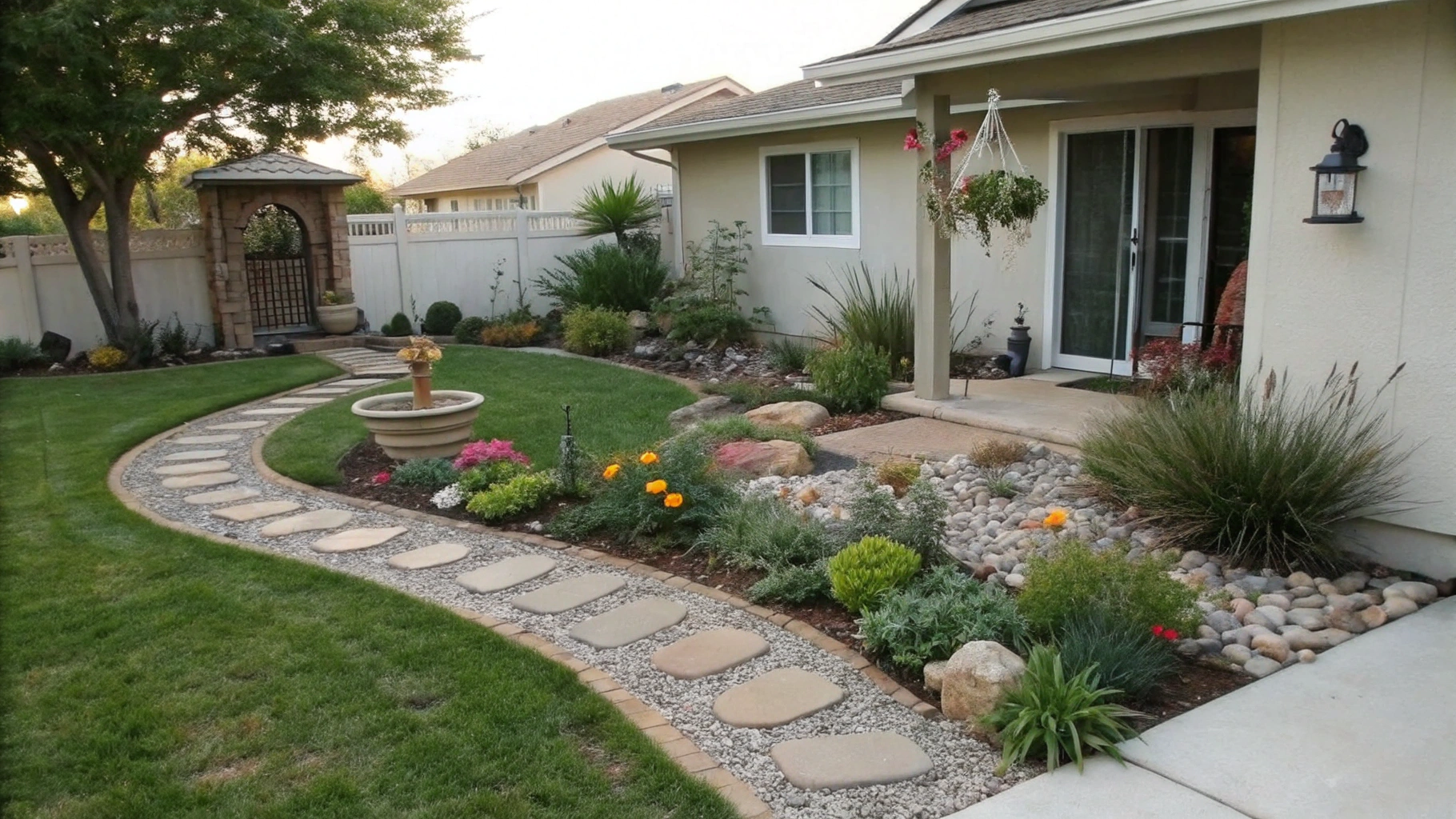
3. Create a Curved Stone Garden Path
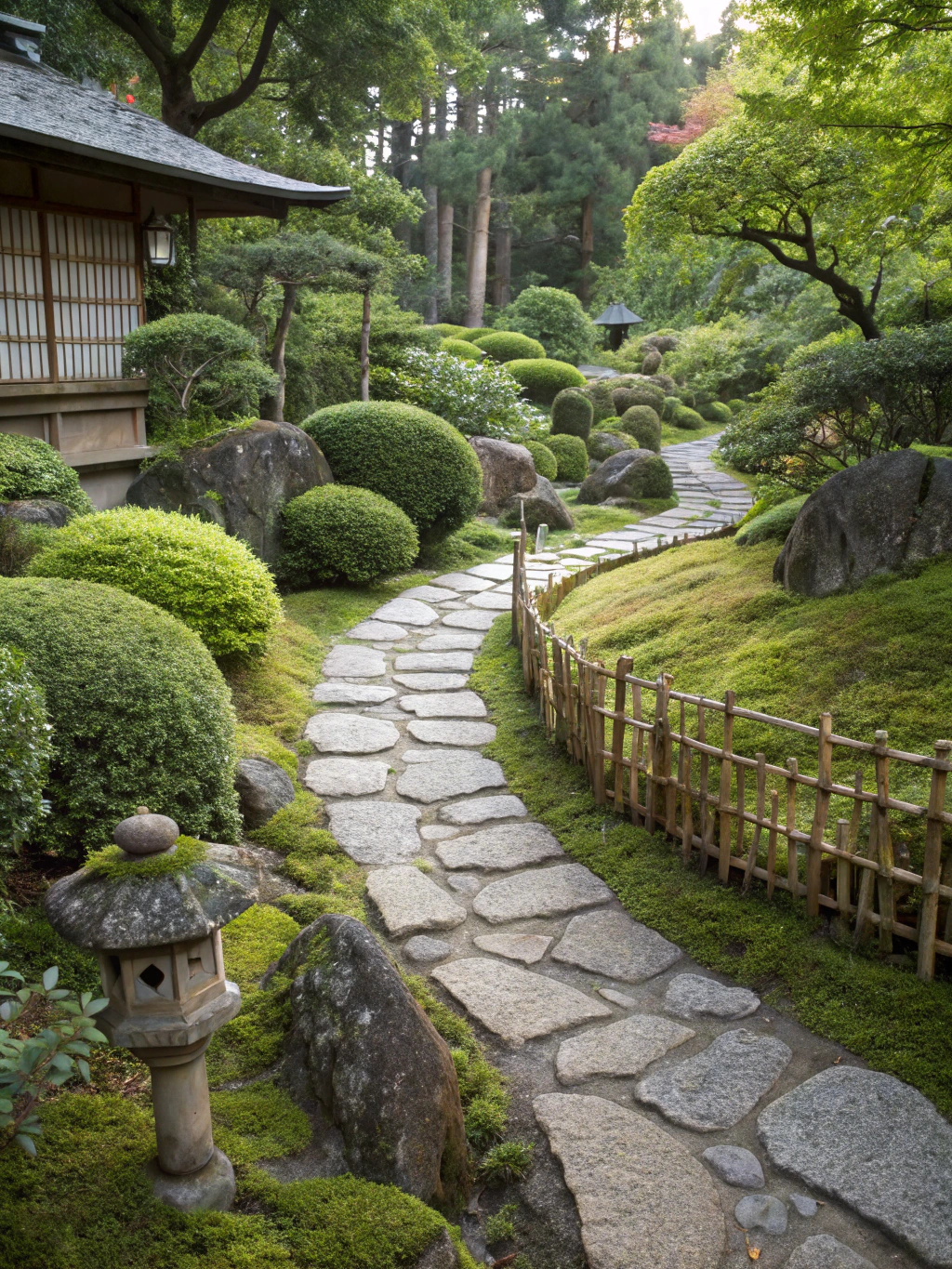
Winding pathways create peaceful movement through the garden.
Best Pathway Materials
- Irregular stepping stones
- Gravel
- Slate
Why It Works
Curved paths encourage slower and more intentional movement.
4. Add a Bamboo Privacy Screen
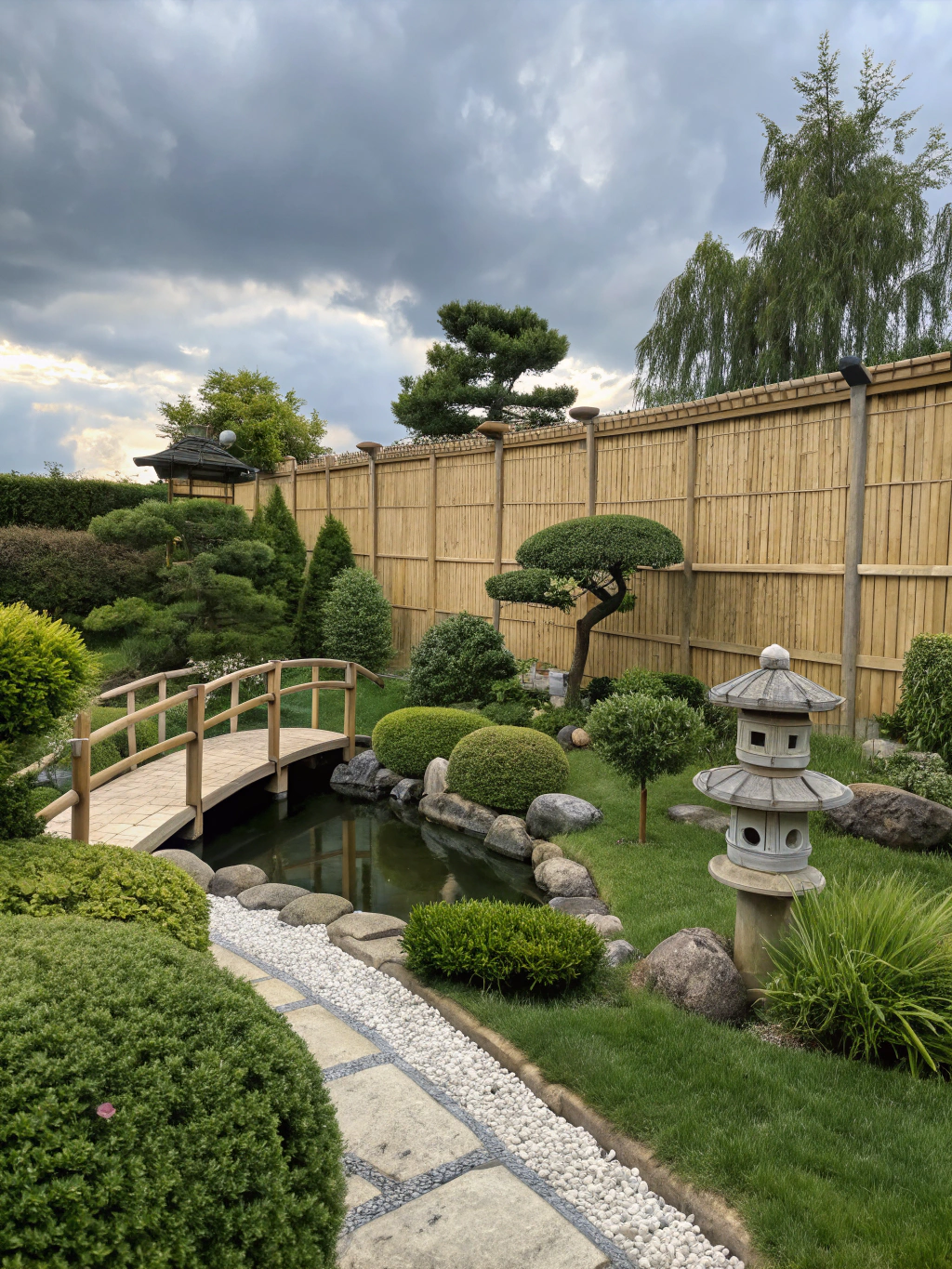
Bamboo creates natural enclosure and vertical texture.
Best Bamboo Uses
- Garden borders
- Courtyard screening
- Background planting
Why It Works
Bamboo adds movement and soothing sound in the wind.
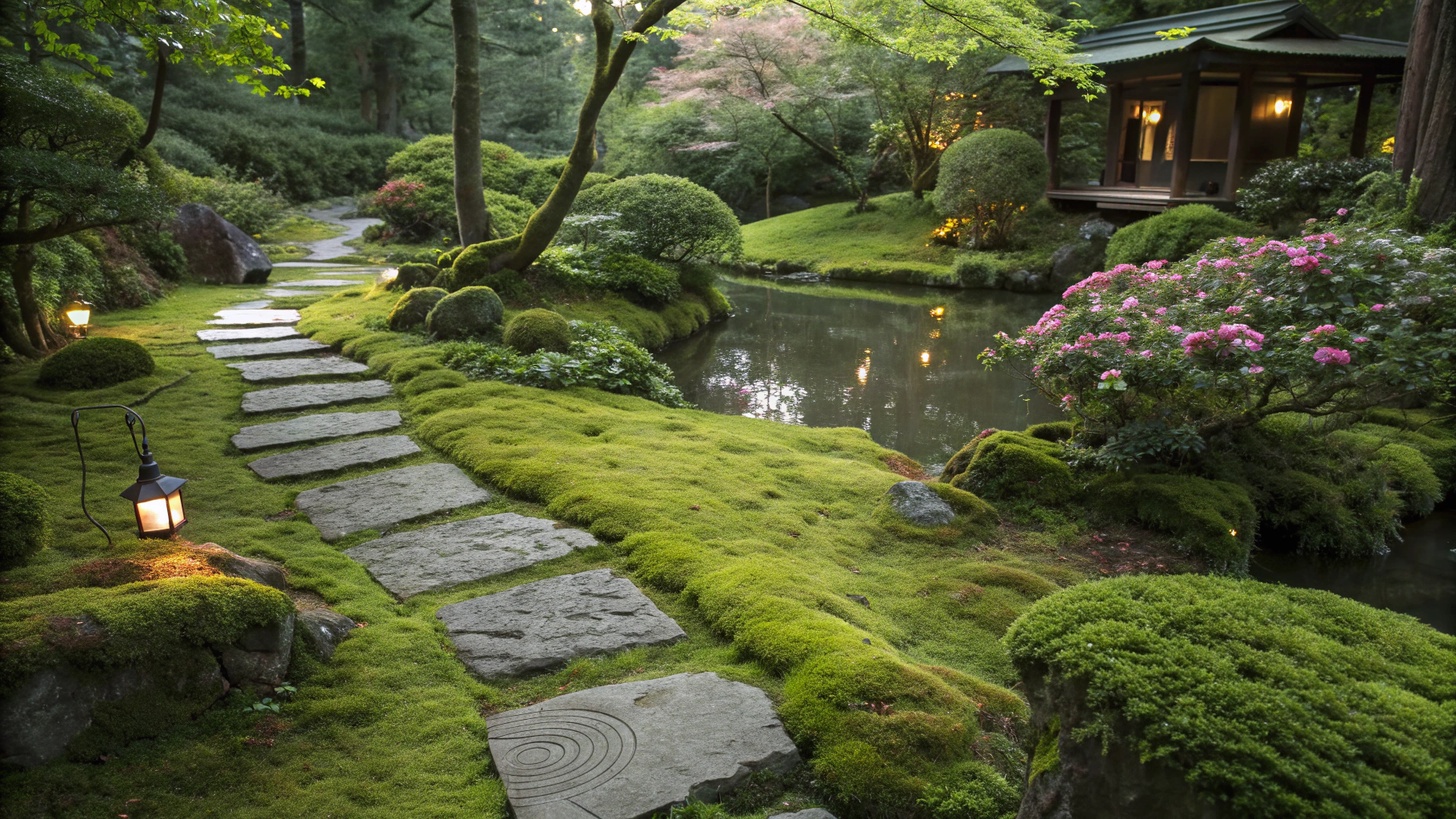
5. Create a Moss & Stone Garden
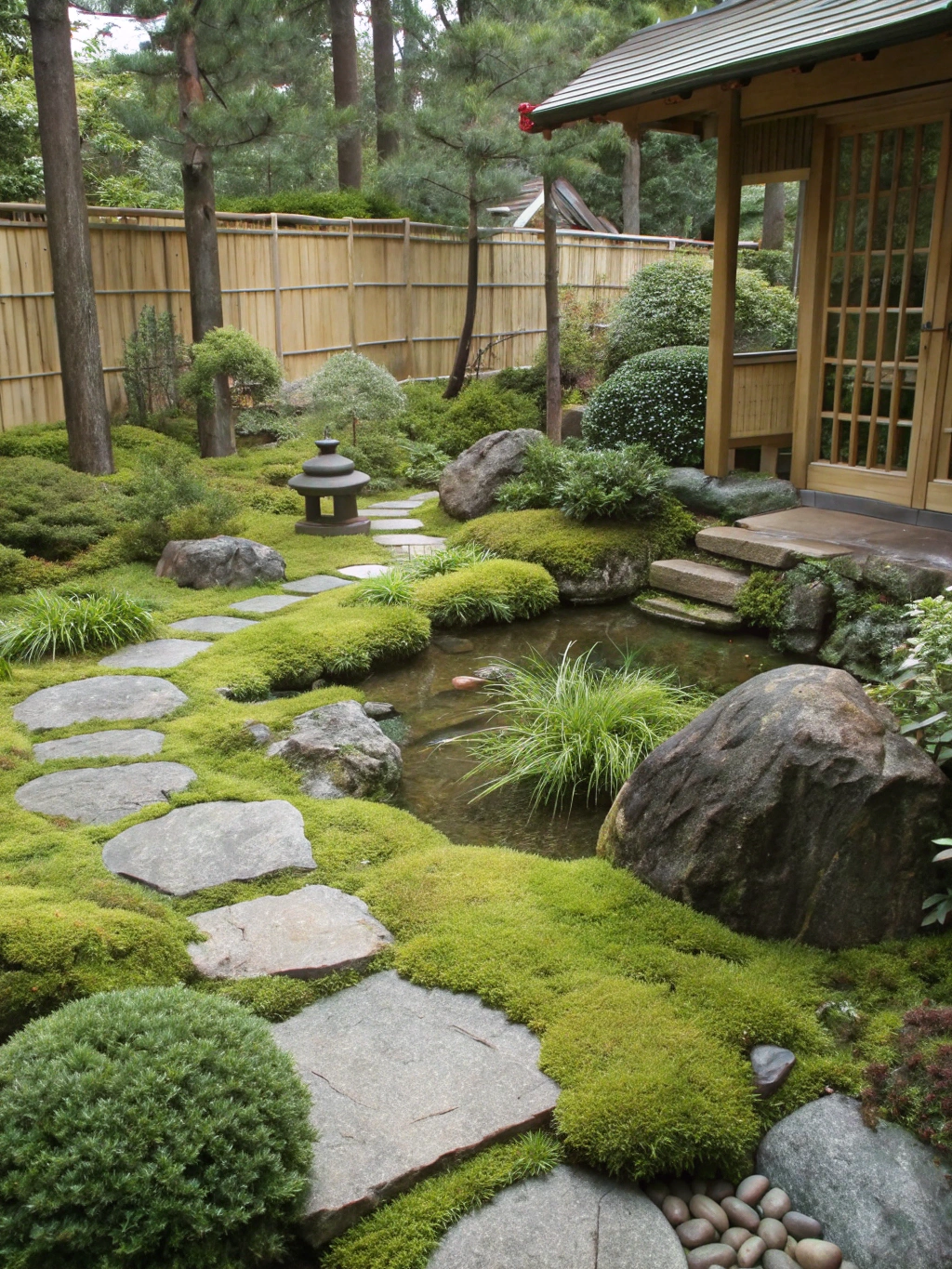
Moss softens hardscape surfaces beautifully.
Best Moss Garden Features
- Stone lanterns
- Water basins
- Shaded planting
- Woodland textures
Why It Works
Moss creates a peaceful aged appearance.
Don't miss: 14+ Gorgeous Tropical Landscaping Ideas for Backyards →
6. Add a Small Water Feature
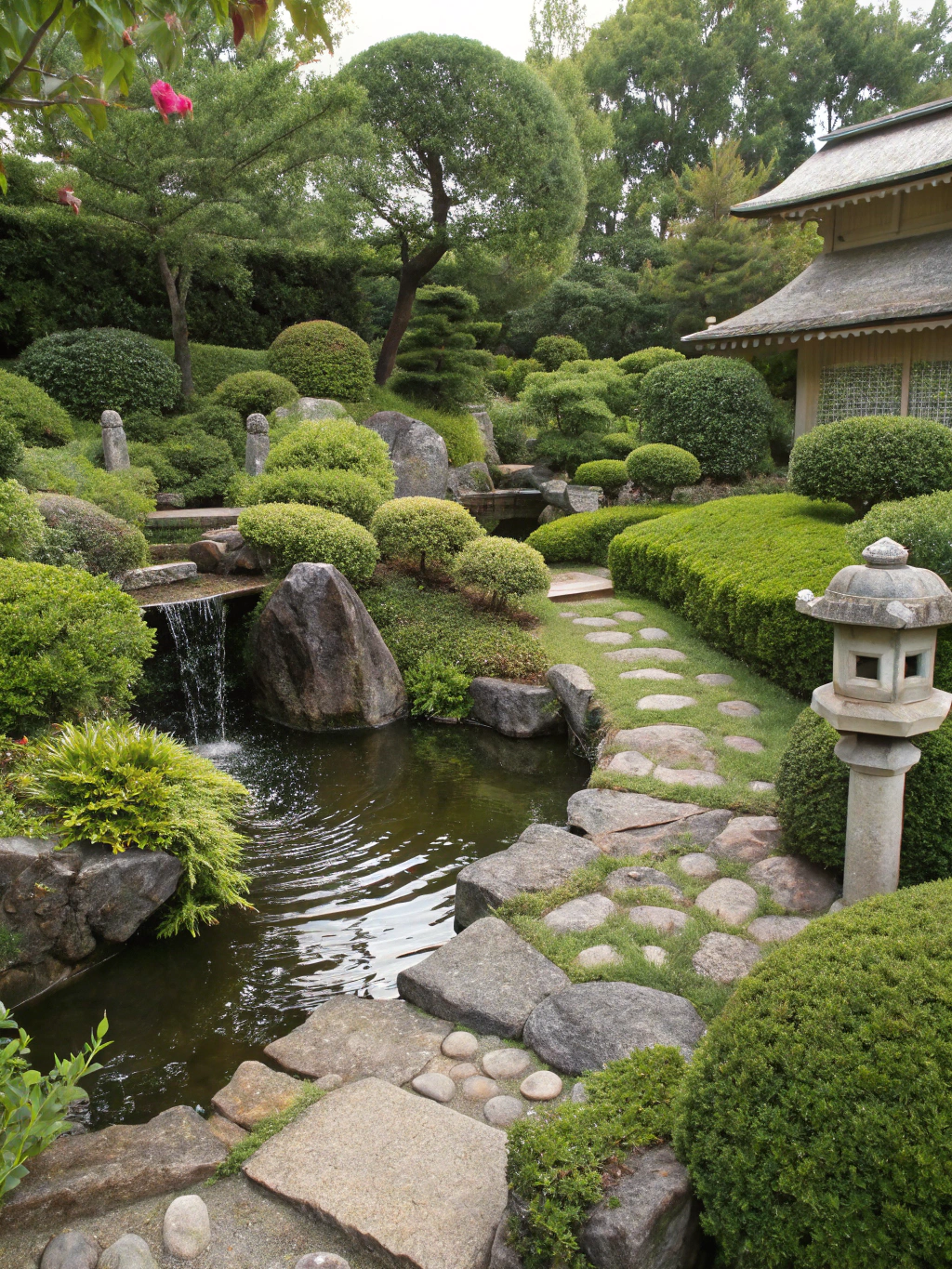
Water elements symbolize tranquility and balance.
Best Water Features
- Stone fountains
- Reflecting ponds
- Bamboo water spouts
Why It Works
The sound of water enhances relaxation and calmness.
7. Create a Japanese Courtyard Garden
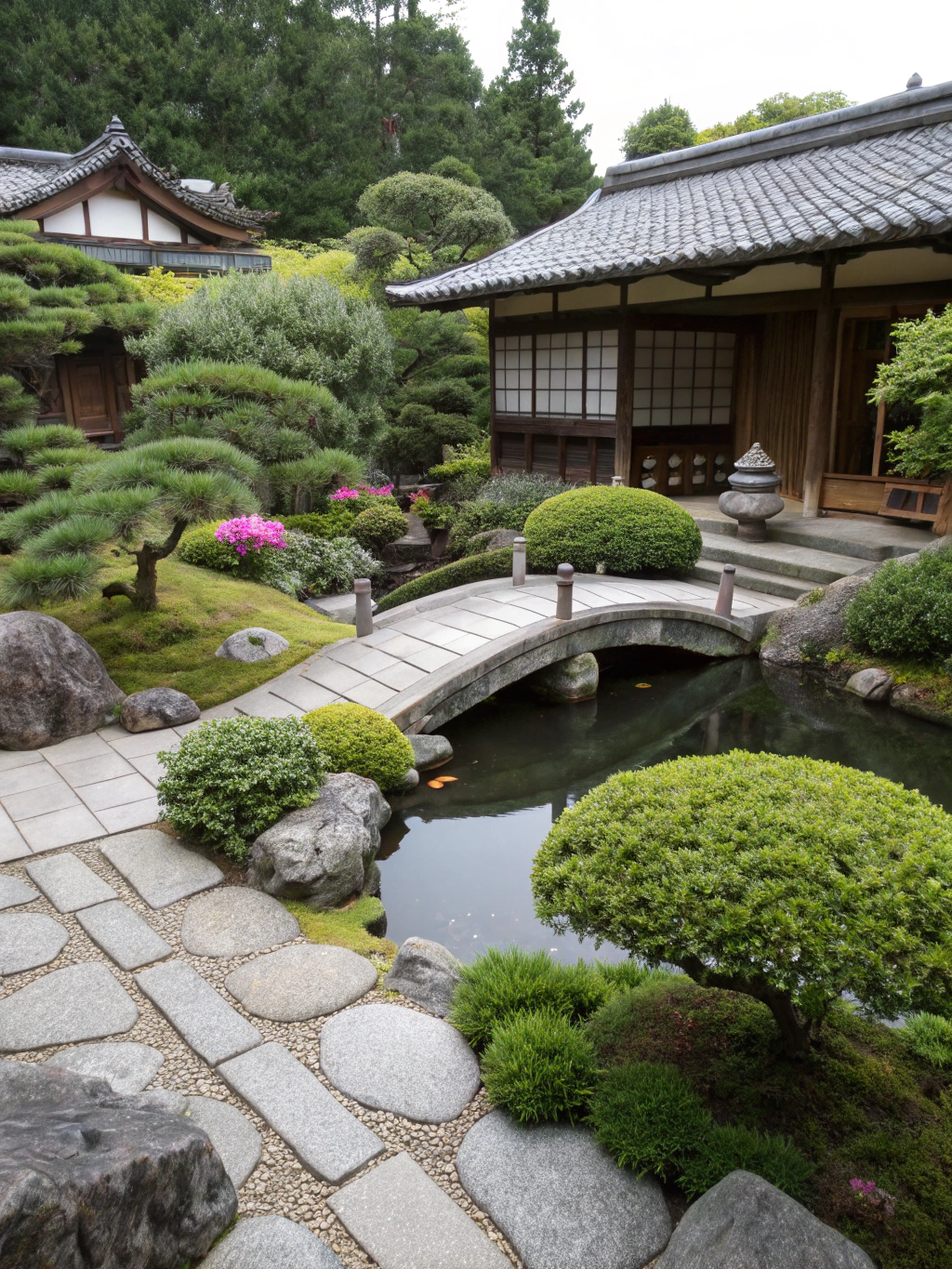
Courtyard gardens feel private and deeply peaceful.
Best Courtyard Features
- Gravel flooring
- Minimal seating
- Stone walls
- Bamboo accents
Why It Works
Enclosed layouts create intimacy and quietness.
8. Add Stone Lanterns & Sculptural Accents
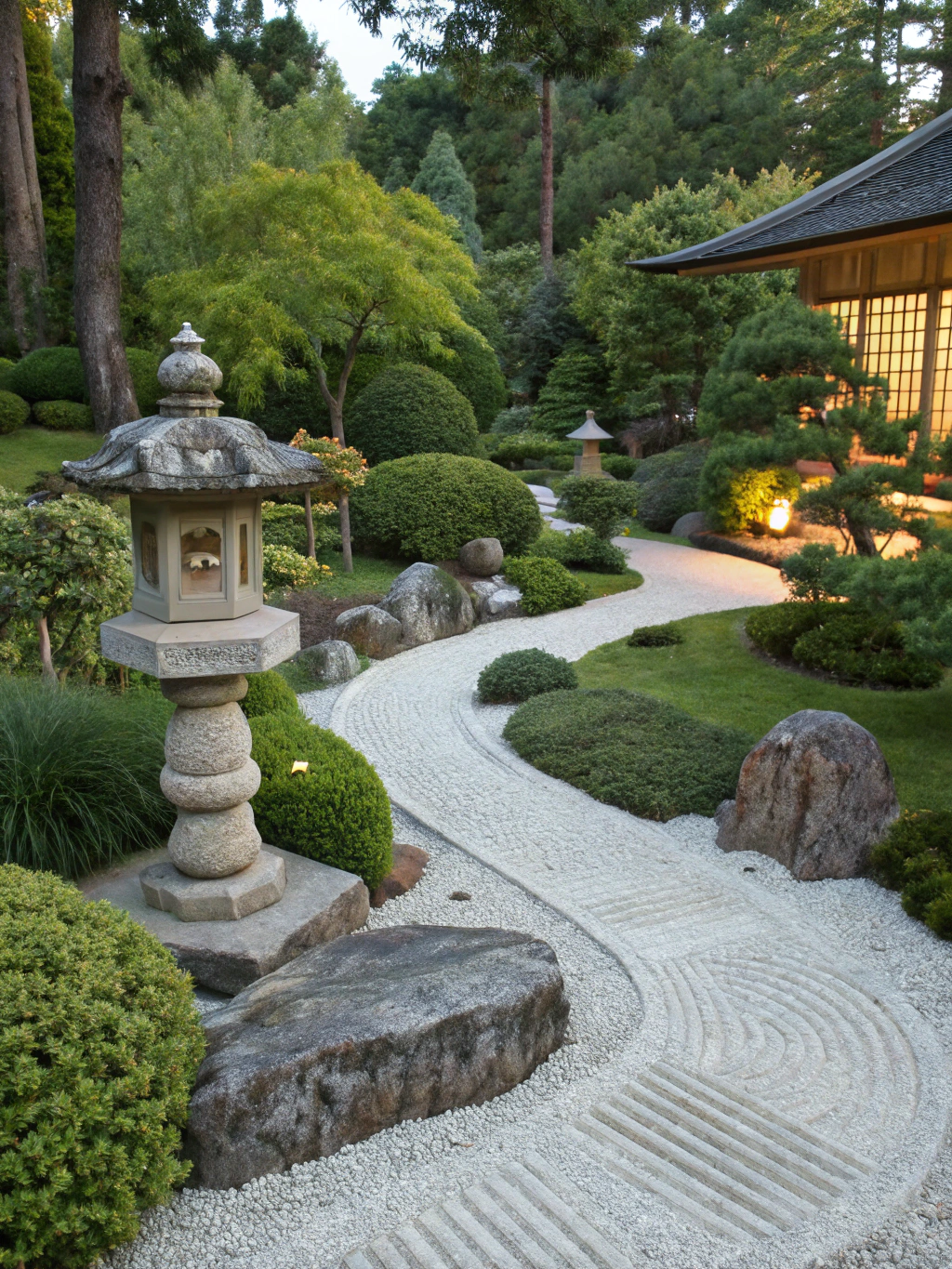
Traditional garden accents create timeless Japanese character.
Best Decorative Features
- Stone lanterns
- Water basins
- Wooden bridges
Why It Works
Simple decorative details enhance authenticity without clutter.
9. Create a Japanese-Inspired Shade Garden
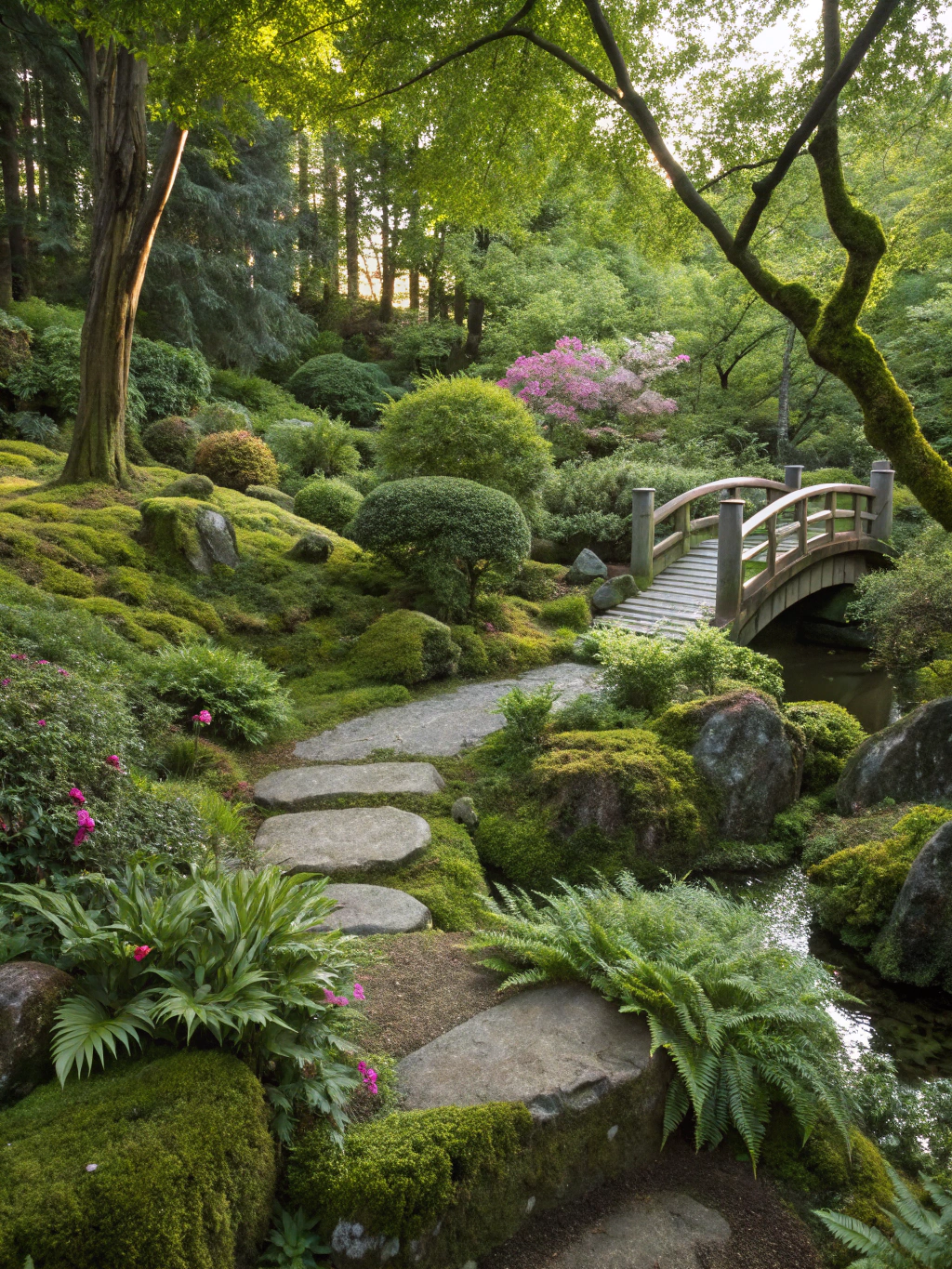
Shade gardens naturally complement Japanese landscaping.
Best Shade Plants
- Ferns
- Hostas
- Moss
- Japanese forest grass
Keep Exploring
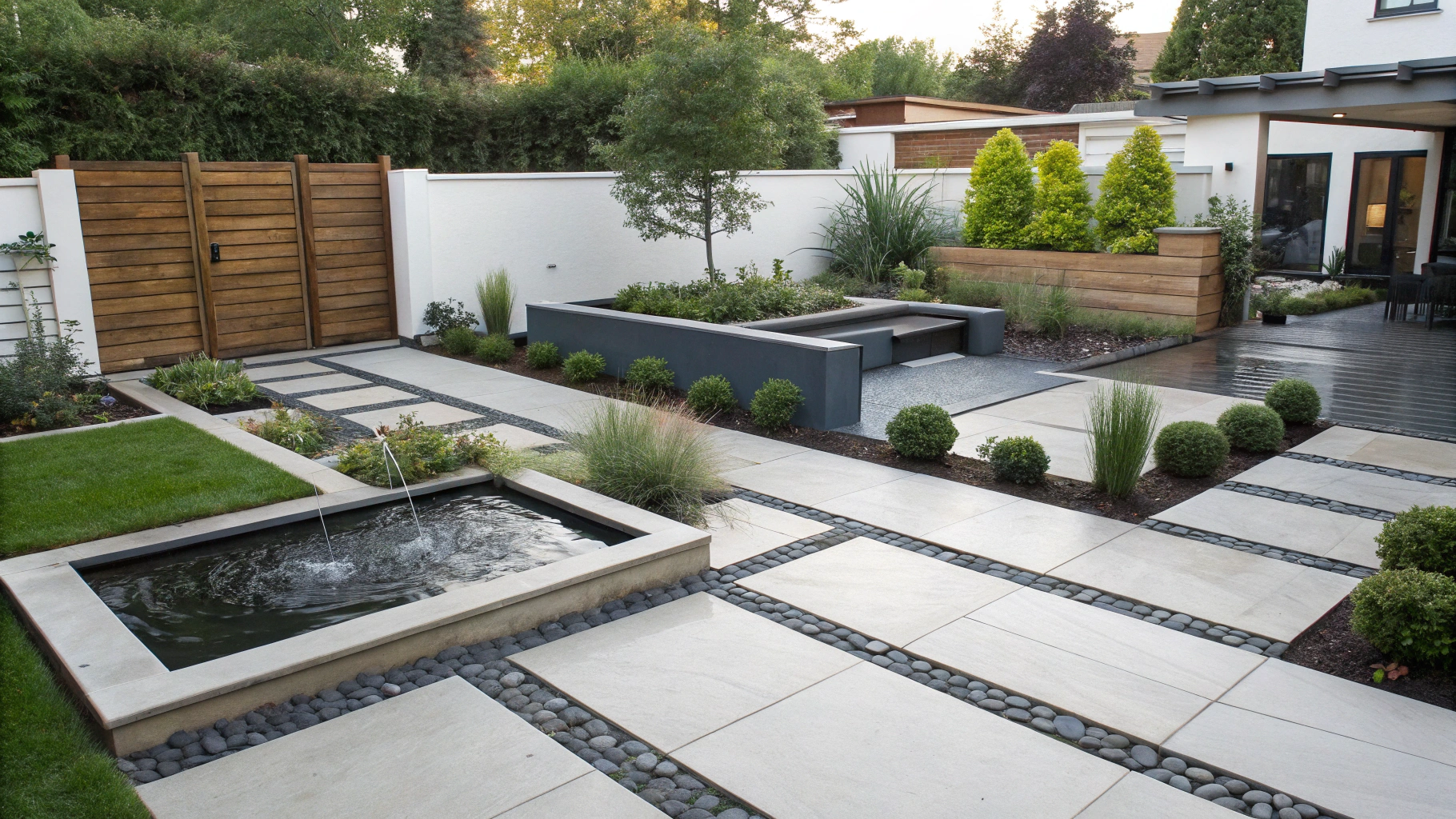
Why It Works
Layered greenery creates soft calming textures.
10. Add Soft Garden Lighting
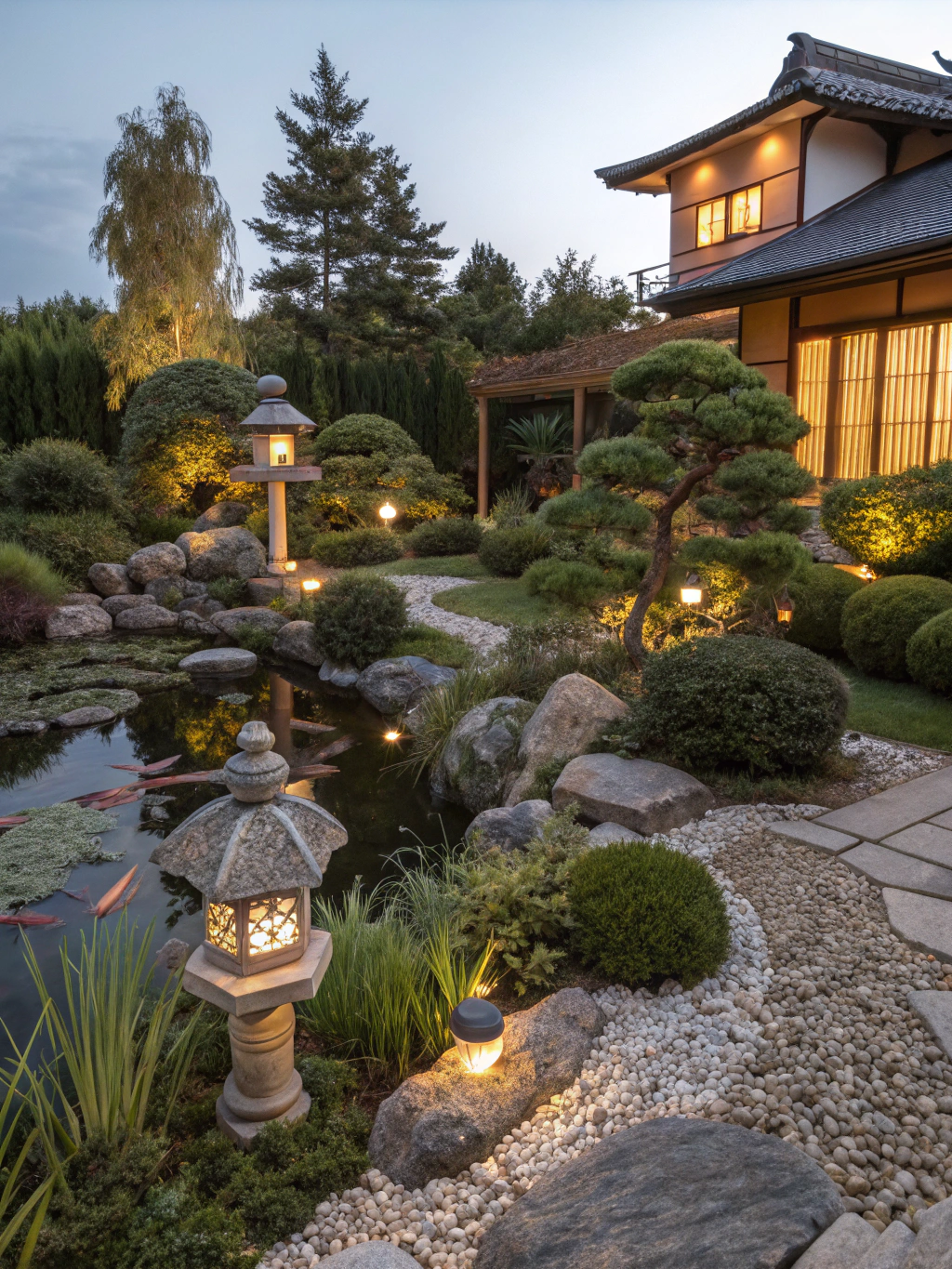
Lighting highlights textures and pathways beautifully during evenings.
Best Lighting Ideas
- Lantern-style lights
- Hidden uplighting
- Pathway lighting
Why It Works
Subtle lighting creates a peaceful nighttime atmosphere.
11. Create a Minimalist Japanese Patio Space
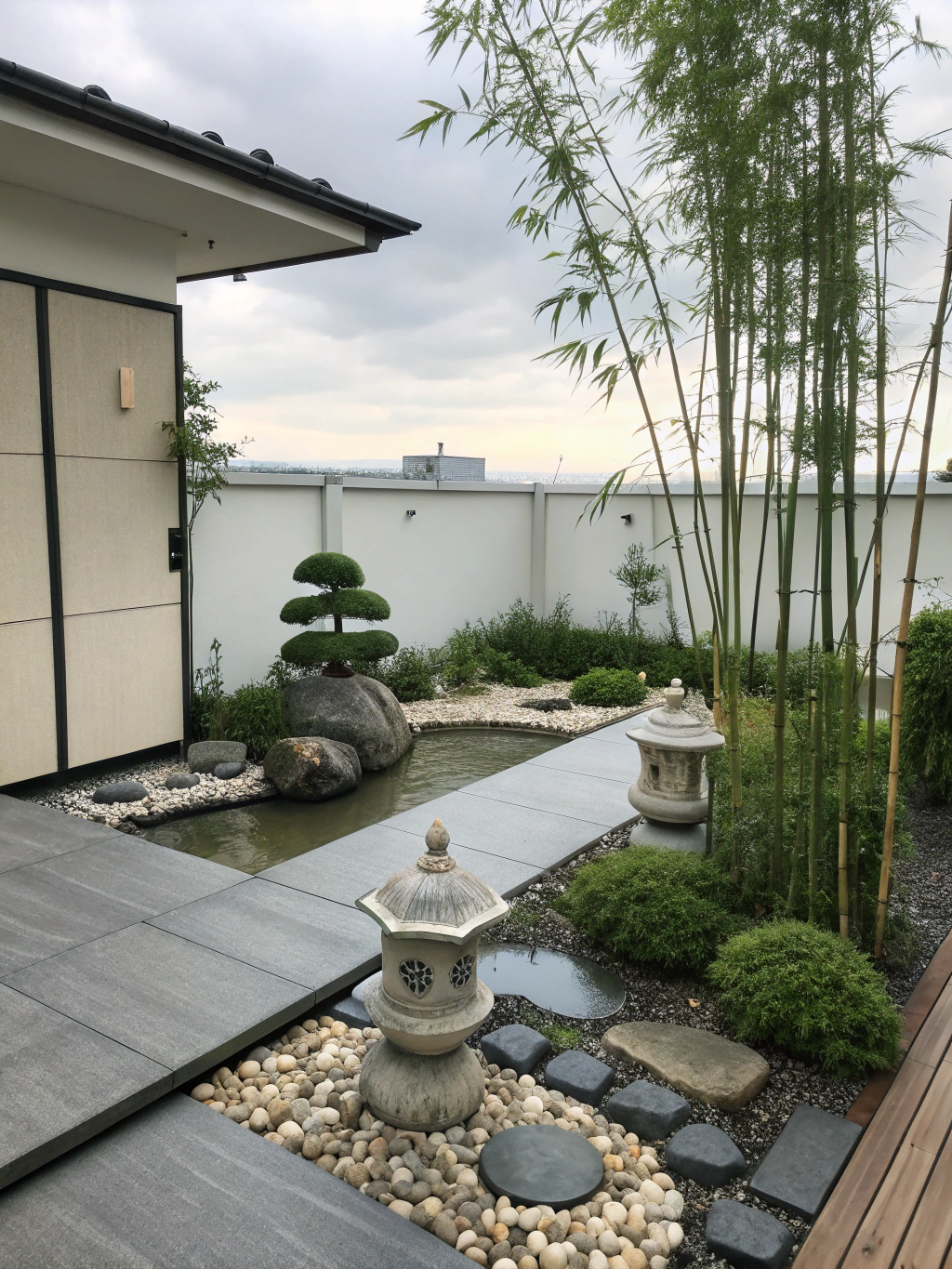
Japanese-inspired patios feel simple and balanced.
Best Patio Features
- Wood decking
- Gravel borders
- Minimal furniture
- Sculptural greenery
Why It Works
Minimal layouts create visual calm and openness.
Final Thoughts
Japanese garden landscaping creates outdoor spaces that feel peaceful, timeless, and beautifully balanced through the use of stone, water, greenery, gravel, and minimalist design. By combining natural textures, curved pathways, layered planting, and calming focal points, you can create a landscape that encourages relaxation and quiet reflection.
Whether you prefer Zen rock gardens, moss-covered woodland spaces, Japanese courtyard retreats, or modern minimalist landscapes, the key is embracing simplicity, asymmetry, and harmony with nature. With thoughtful design and carefully chosen materials, Japanese gardens can transform any backyard into a serene and elegant sanctuary.
FAQs
What defines a Japanese garden?
Japanese gardens focus on simplicity, balance, natural materials, water features, stone, and peaceful outdoor design.
What plants are commonly used in Japanese gardens?
Japanese maples, bamboo, moss, azaleas, ferns, and Japanese forest grass are popular choices.
Are Japanese gardens low maintenance?
Many Japanese gardens are relatively low maintenance because they rely on minimalist layouts and evergreen structure rather than excessive flowers.
What materials work best in Japanese landscaping?
Natural stone, gravel, wood, bamboo, moss, and water features are essential Japanese garden materials.
Can Japanese gardens work in small spaces?
Yes, Japanese landscaping works beautifully in small courtyards, patios, side yards, and compact backyards.
What is the purpose of a Zen garden?
Zen gardens are designed to encourage meditation, mindfulness, simplicity, and calm through minimalist landscape design.