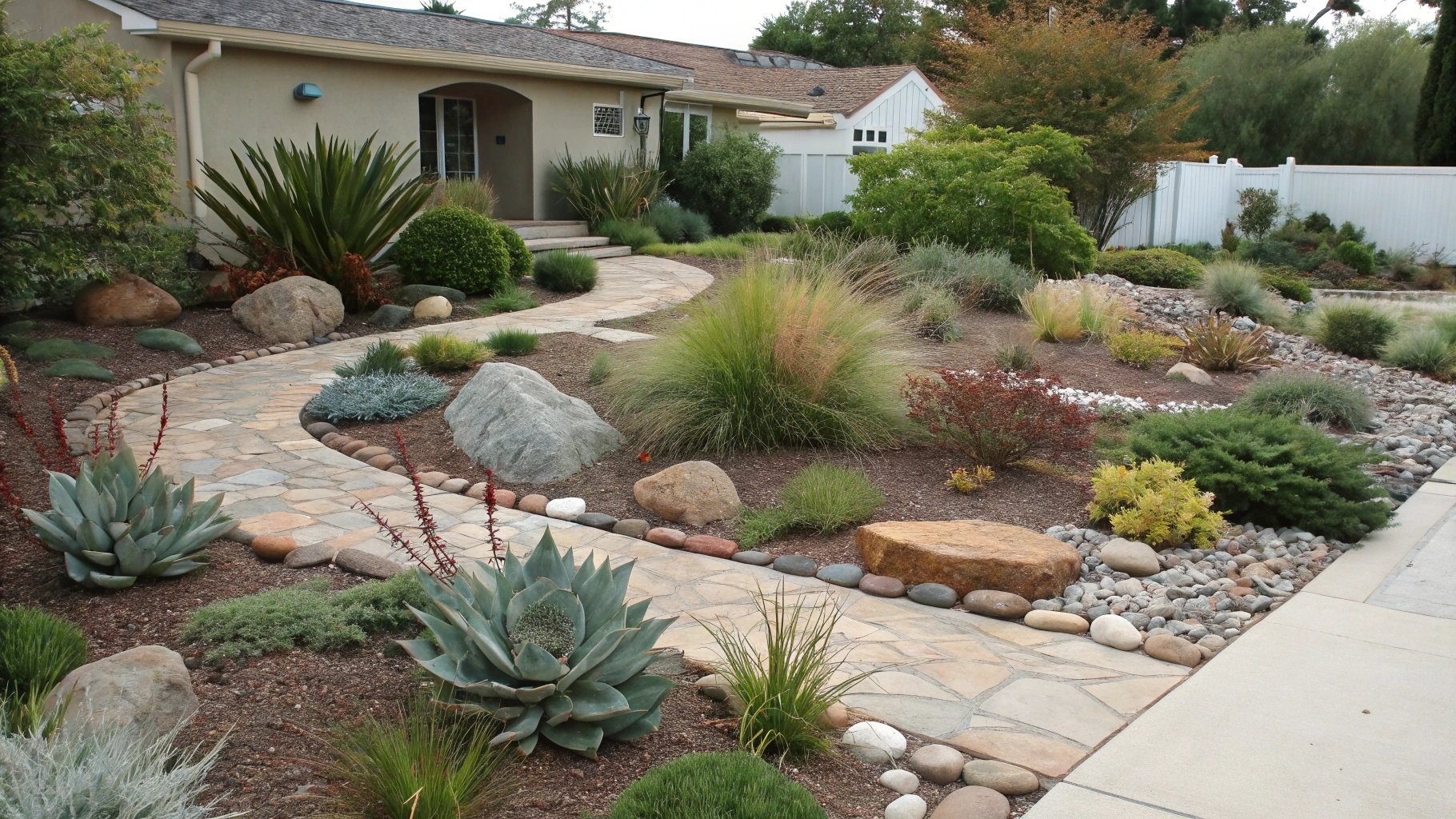
12+ Inspiring Water Wise Landscaping Ideas
Water wise landscaping is one of the smartest ways to create a beautiful outdoor space while reducing water usage, lowering maintenance, and designing a yard that thrives in dry conditions. Instead of relying on thirsty grass lawns and high-maintenance flower beds, water wise landscapes use drought-tolerant plants, efficient layouts, gravel, mulch, and natural textures to create outdoor spaces that feel stylish, sustainable, and easy to maintain.
Whether you want a modern xeriscape front yard, a Mediterranean-inspired garden, or a lush drought-friendly backyard retreat, these inspiring water wise landscaping ideas will help you design a landscape that looks beautiful while conserving water year-round.
Why Water Wise Landscaping Is So Popular
Water wise landscaping creates sustainable outdoor spaces that require less irrigation and long-term maintenance.
Benefits of water wise landscaping include:
Love Chic Living Club?
Add us as one of your preferred Google sources and discover more home decor, DIY, outdoor, and lifestyle inspiration from us.
- Reduces water bills
- Requires less maintenance
- Supports drought tolerance
- Improves sustainability
- Reduces lawn upkeep
- Creates modern natural beauty
Water wise landscapes also work especially well in hot climates and regions with water restrictions.
Best Plants for Water Wise Landscaping
| Plant | Best For | Benefit |
| Lavender | Borders & pathways | Fragrant and drought tolerant |
| Agave | Modern xeriscapes | Sculptural texture |
| Ornamental Grasses | Soft movement | Low water needs |
| Salvia | Pollinator gardens | Long-lasting color |
| Olive Trees | Mediterranean landscapes | Heat and drought tolerant |
How to Create a Beautiful Water Wise Landscape
Reduce Large Lawn Areas
Replacing grass with gravel, mulch, and planting beds dramatically lowers water use.
Group Plants by Water Needs
Plants with similar watering requirements are easier to maintain efficiently.
Use Mulch Generously
Mulch helps retain moisture and reduce evaporation.
Focus on Texture & Structure
Water wise gardens rely more on texture and form than excessive flowers.
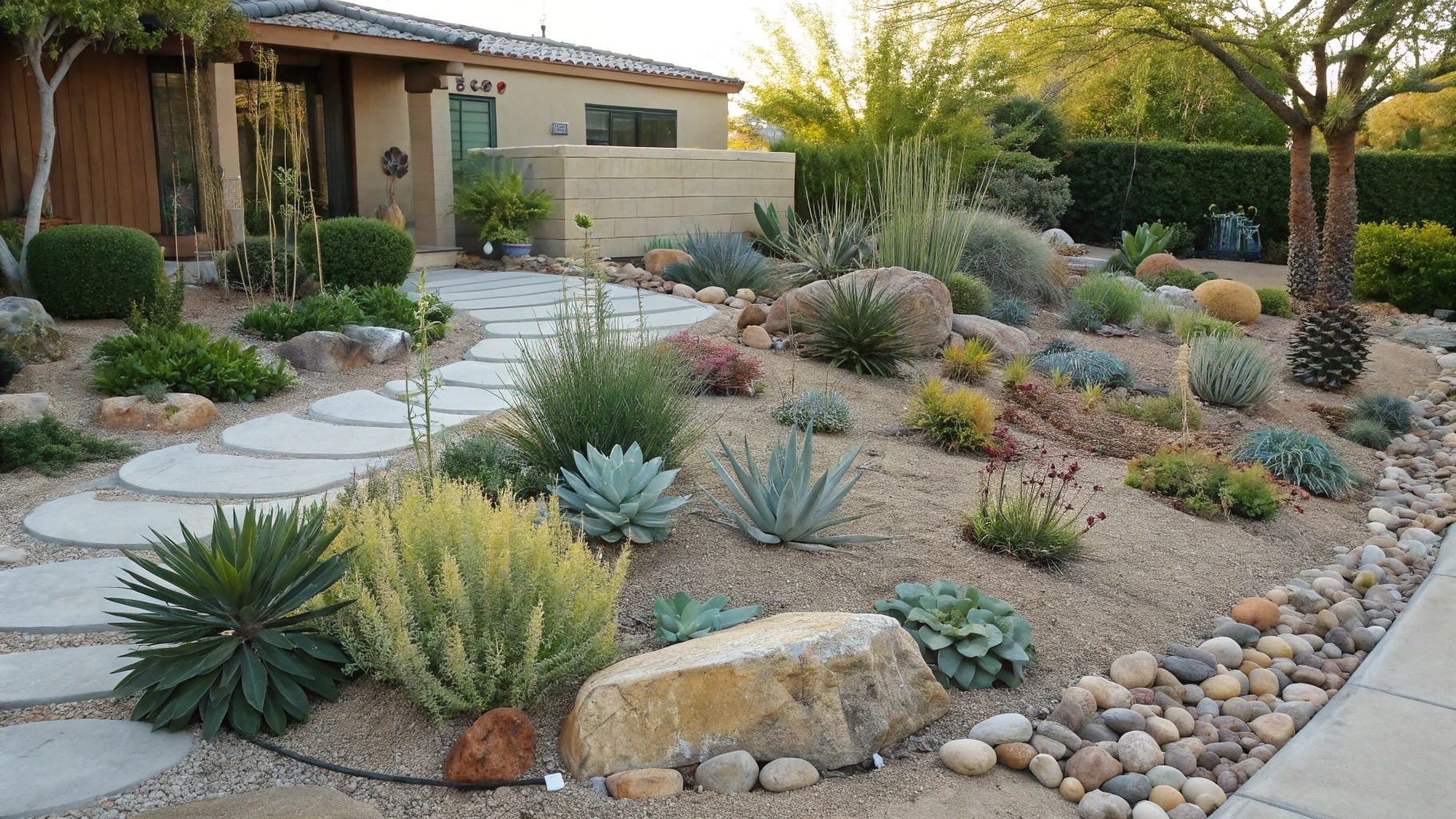
1. Create a Modern Xeriscape Front Yard
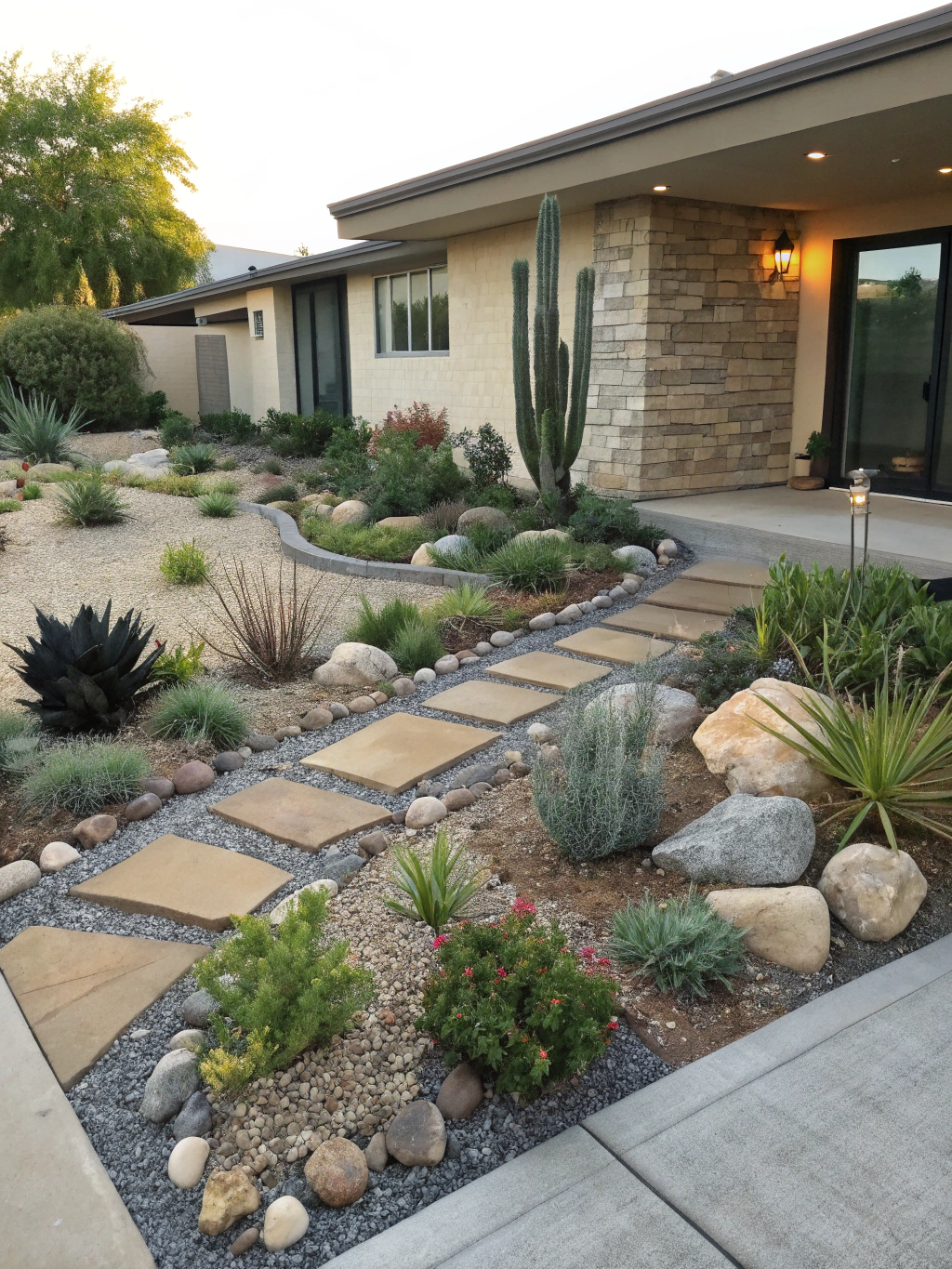
Xeriscaping combines drought-tolerant plants with decorative hardscaping.
Best Features
- Gravel beds
- Succulents
- Sculptural plants
- Minimal lawn
Why It Works
- Extremely low maintenance
- Modern clean appearance
- Excellent drought resistance
Design Tip
Use contrasting gravel and stone colors for added visual interest.
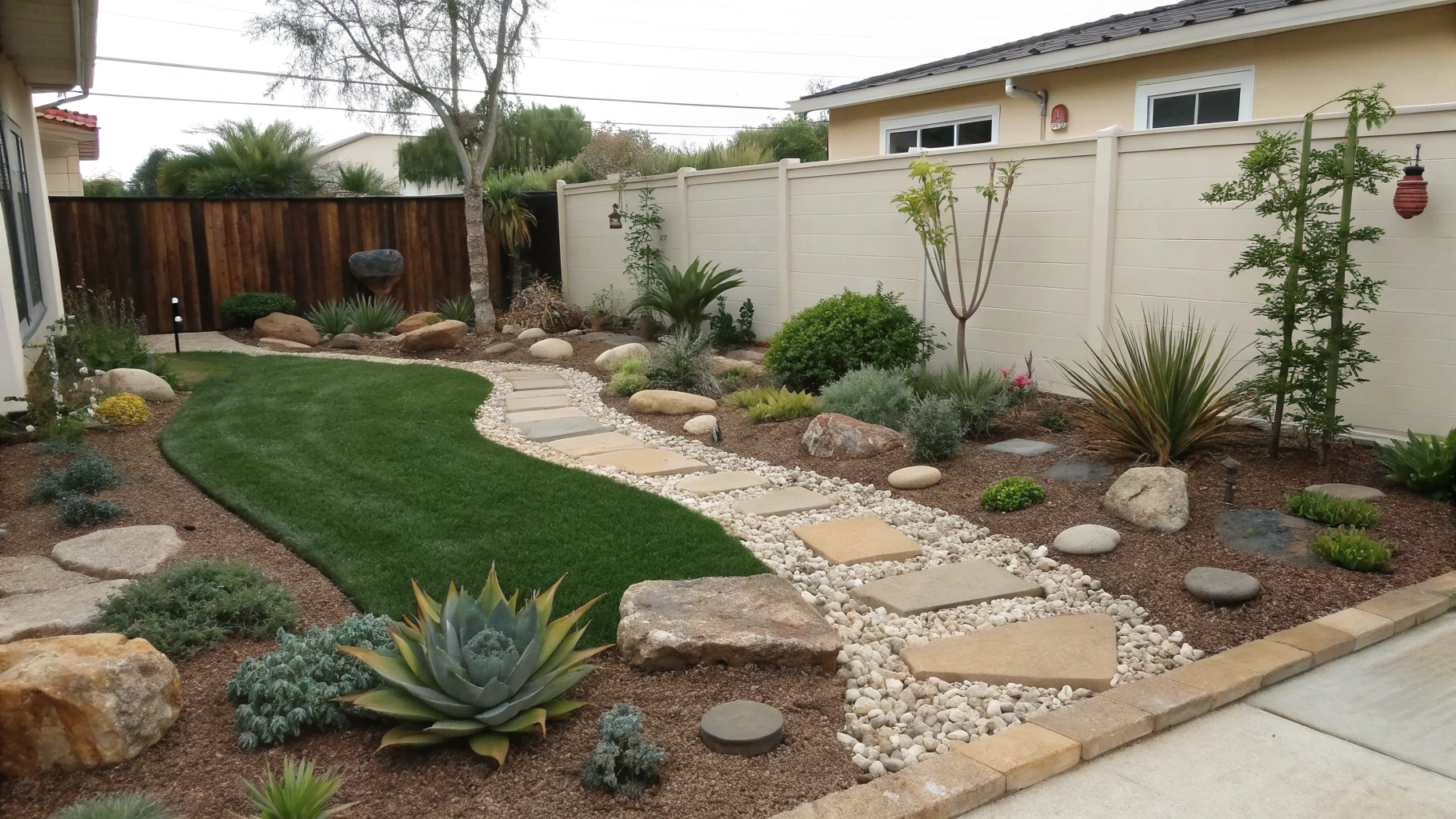
2. Add Gravel Pathways Throughout the Landscape
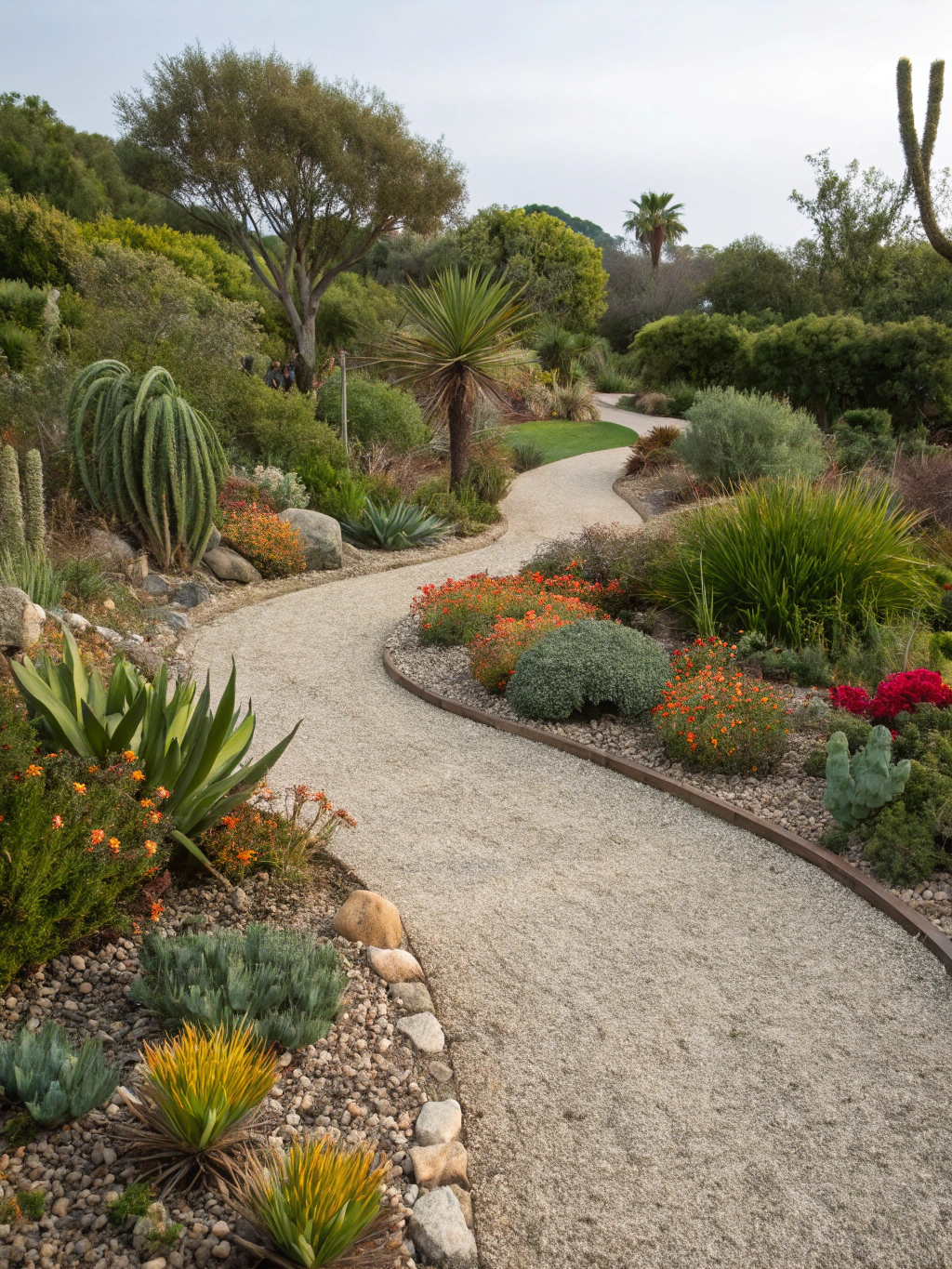
Gravel creates texture while reducing water demand.
Best Gravel Types
- Crushed granite
- Pea gravel
- River rock
Why Homeowners Love It
- Excellent drainage
- Low maintenance
- Natural modern appearance
Best Pairings
- Lavender
- Agave
- Ornamental grasses
You May Also Love
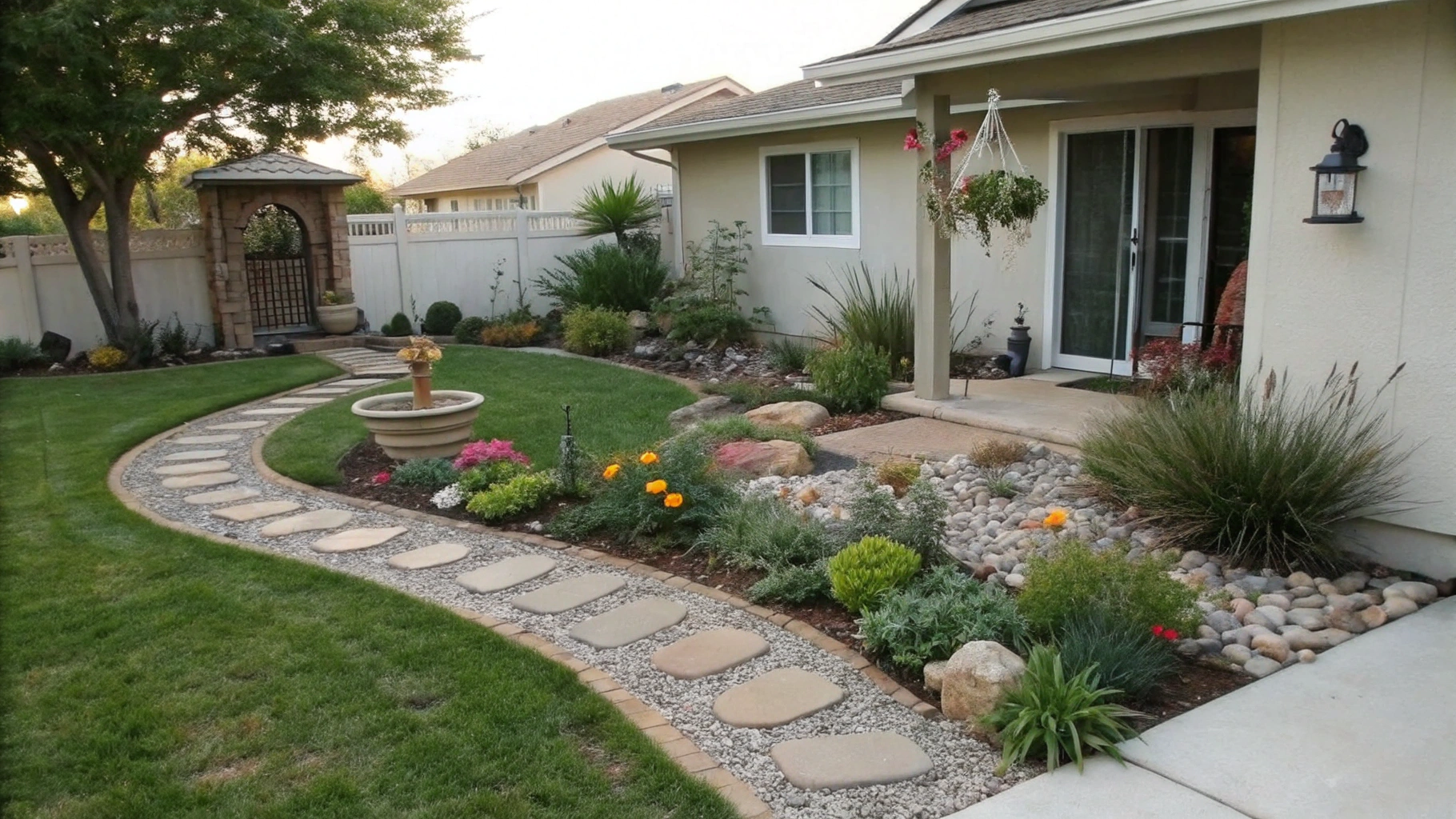
3. Create a Mediterranean Water Wise Garden
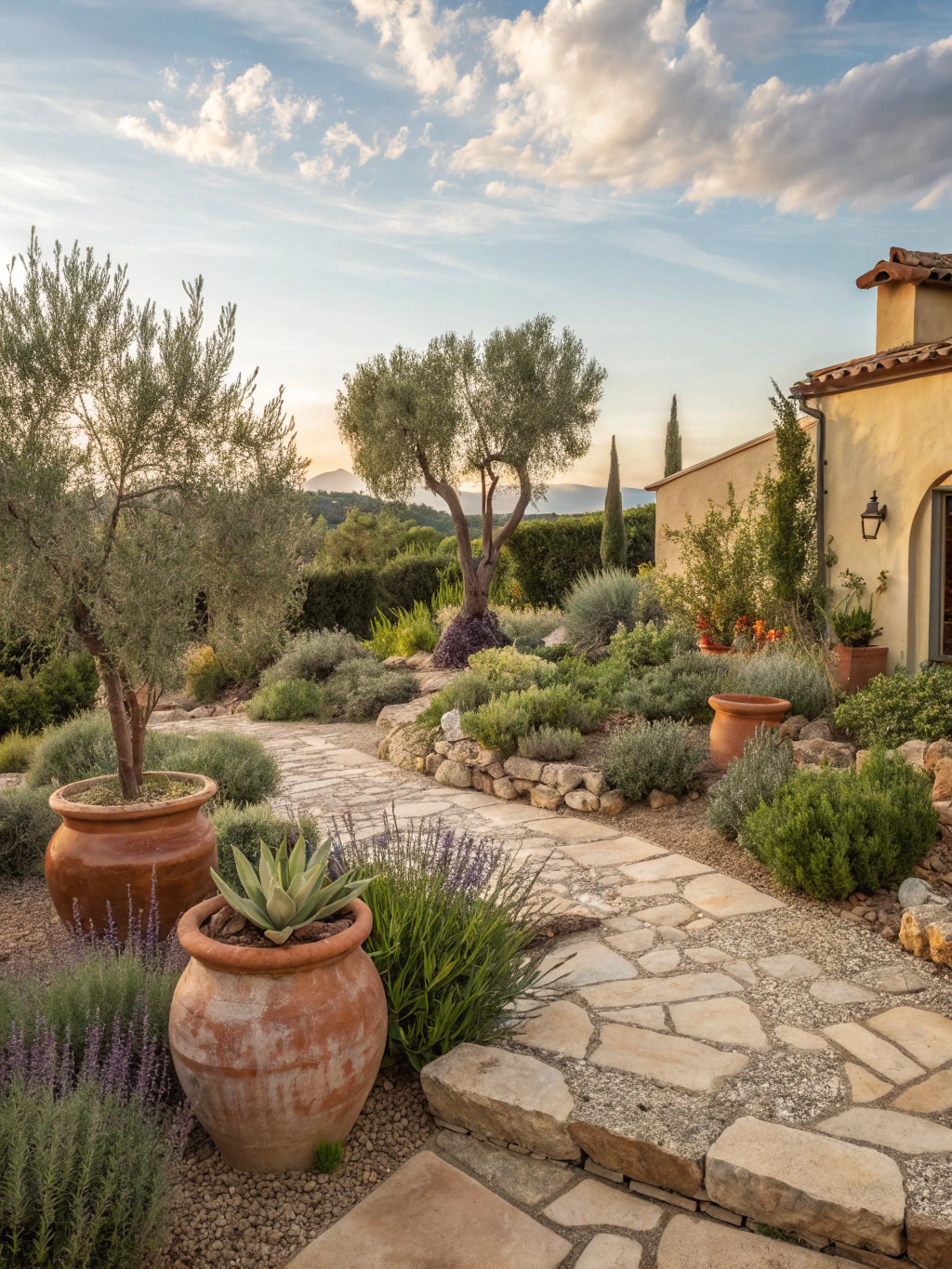
Mediterranean landscapes naturally thrive with minimal water.
Best Mediterranean Features
- Olive trees
- Terracotta pots
- Gravel beds
- Herb gardens
Why It Works
Warm natural textures create timeless outdoor beauty.
4. Add Mulch Beds Around Drought-Tolerant Plants
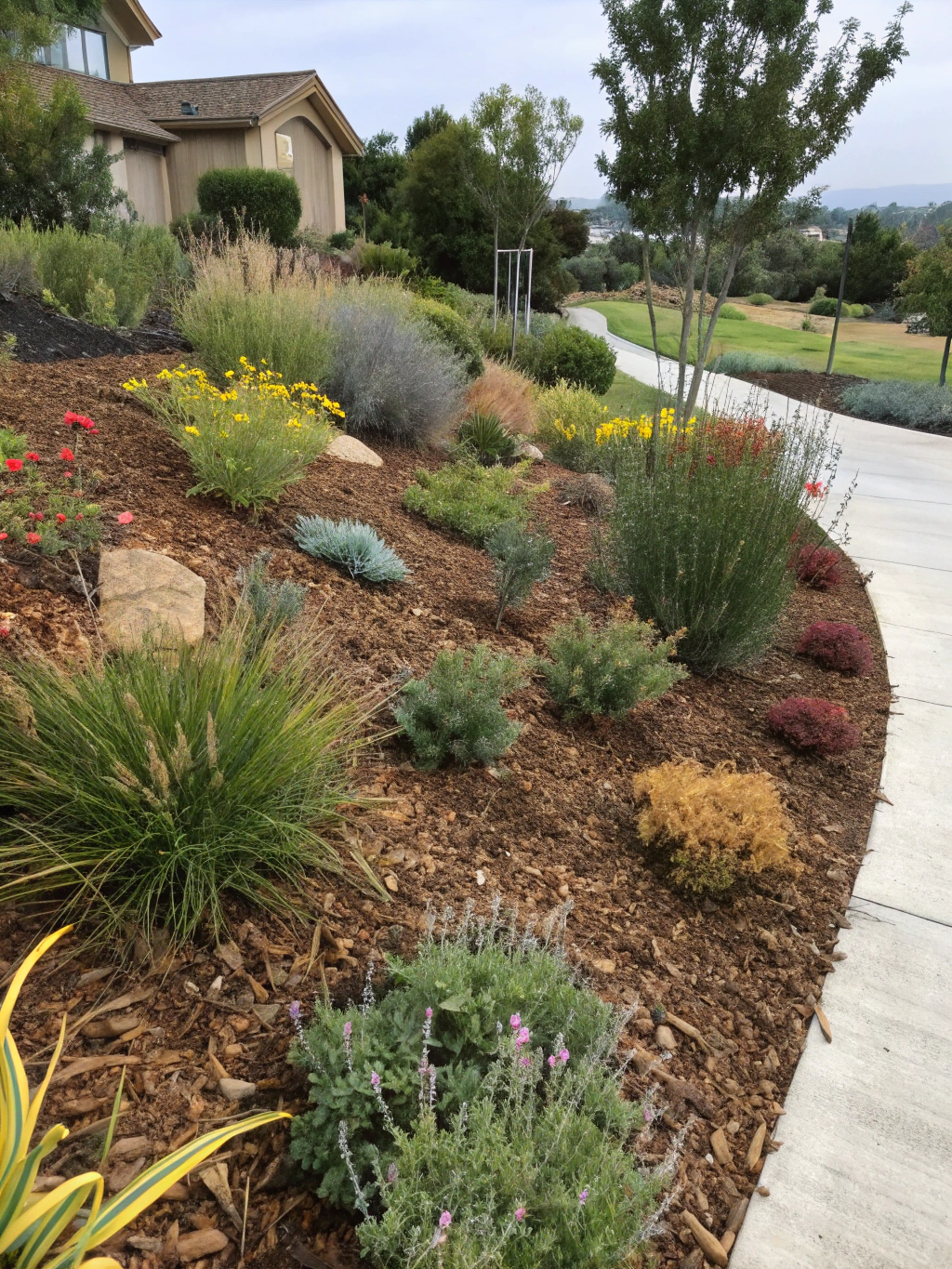
Mulch helps conserve soil moisture naturally.
Best Mulch Types
- Bark mulch
- Cedar mulch
- Pine bark
Why It Works
Mulch reduces evaporation and weed growth.
5. Create a Succulent & Cactus Garden
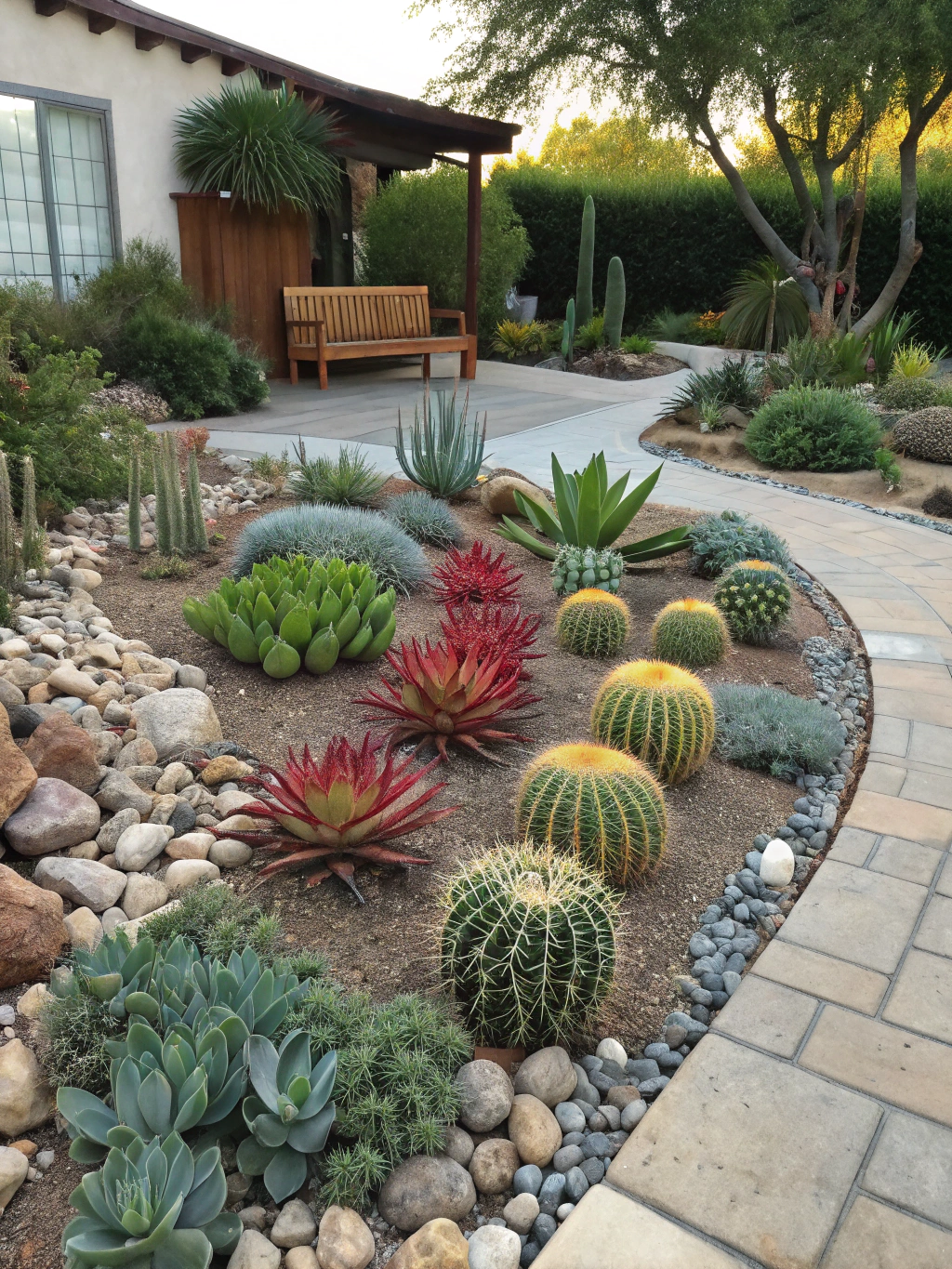
Succulent gardens thrive in dry climates with very little watering.
Best Succulent Plants
- Aloe
- Agave
- Echeveria
- Barrel cactus
Why It Works
Architectural plants create bold texture and shape.
6. Add Ornamental Grasses for Soft Movement
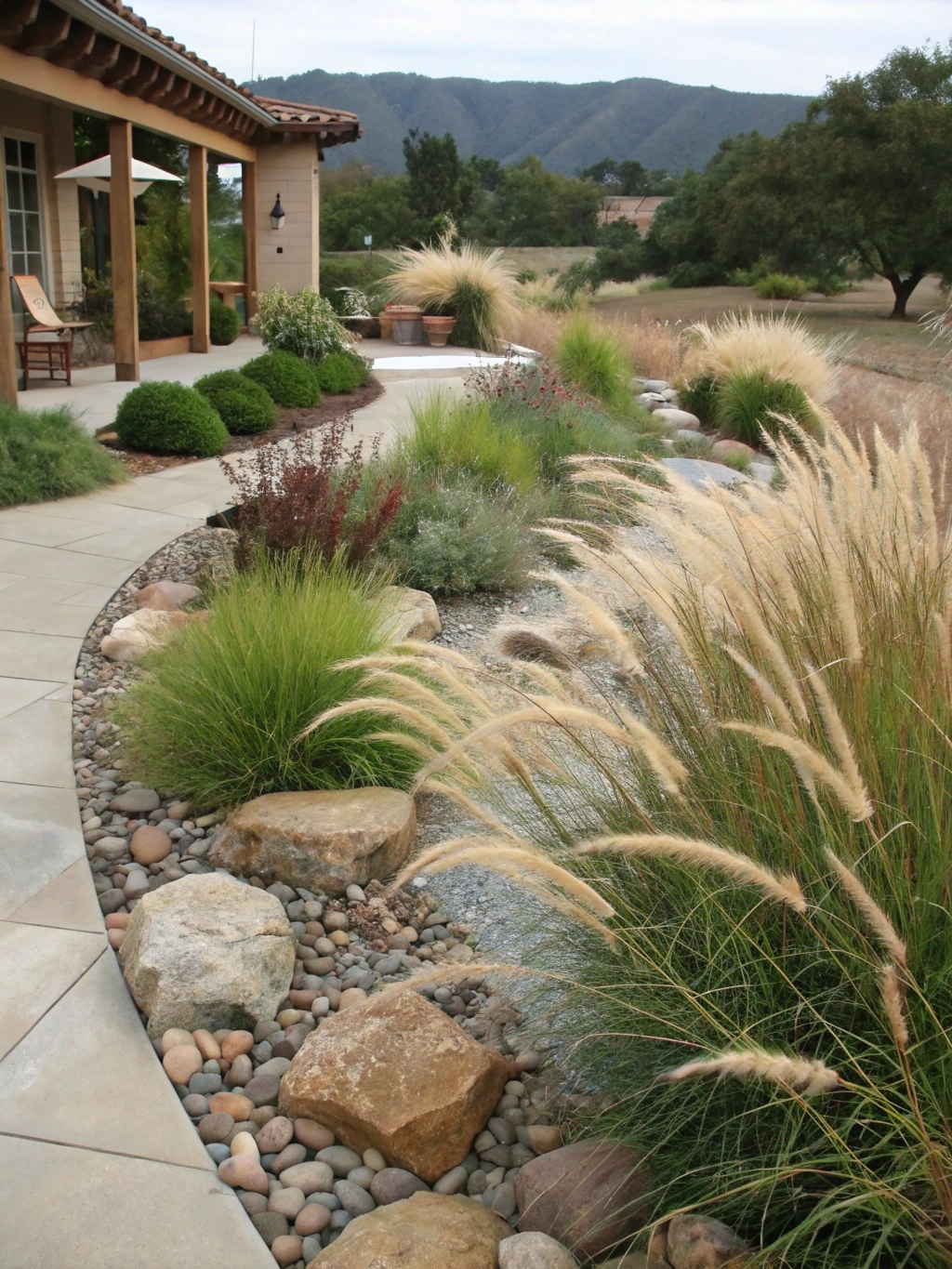
Grasses create natural texture and seasonal interest.
Best Ornamental Grasses
- Fountain grass
- Blue oat grass
- Mexican feather grass
Why It Works
Grasses soften dry landscapes beautifully.
Don't miss: 15+ Unique Bamboo Landscaping Ideas for Screening →
7. Create a Water Wise Backyard Seating Area
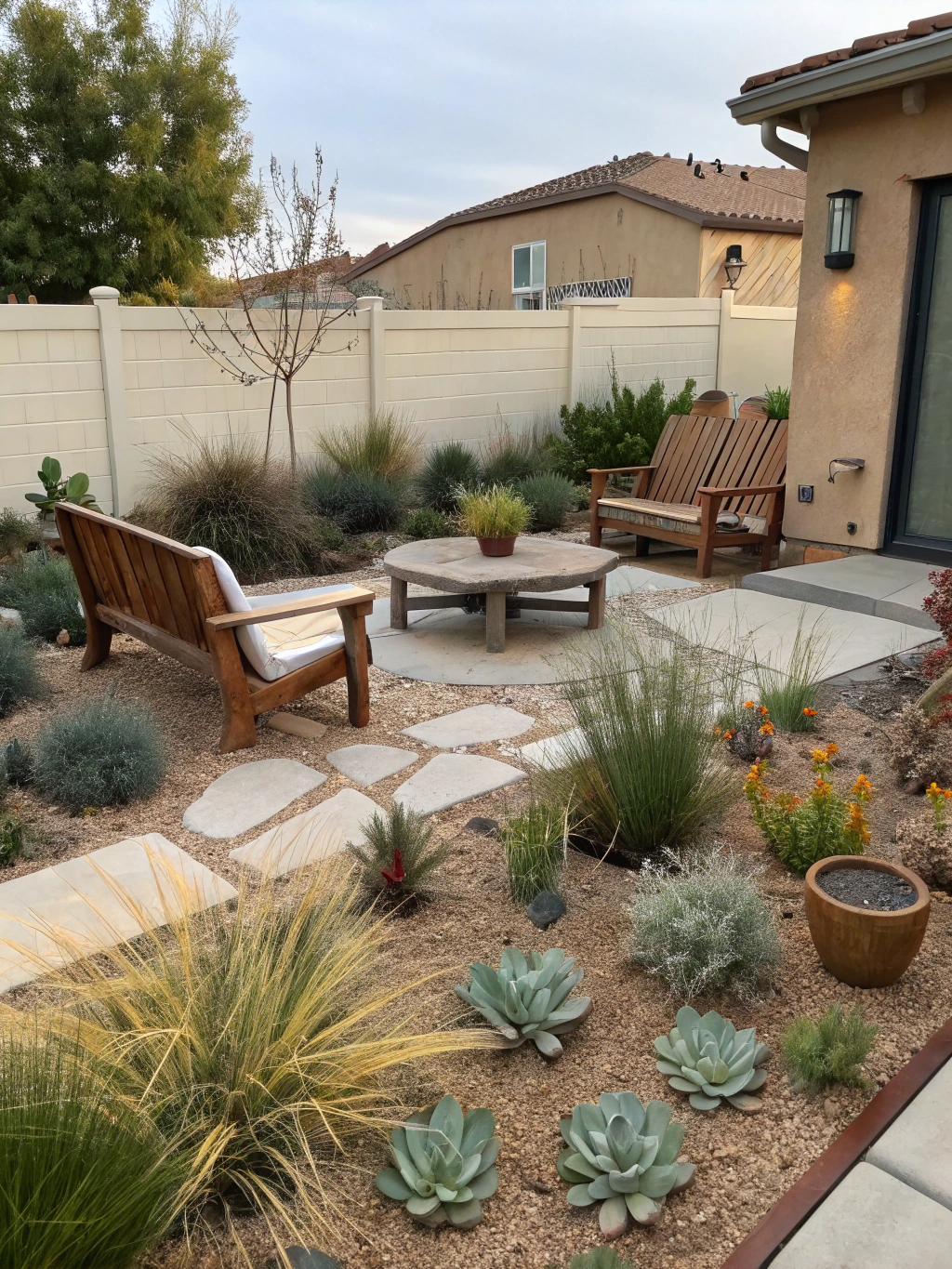
Outdoor living spaces reduce unnecessary lawn areas.
Best Seating Features
- Gravel patios
- Pergolas
- Fire pits
- Native planting
Why It Works
Functional outdoor zones create inviting gathering spaces.
8. Add Native Plants Throughout the Landscape
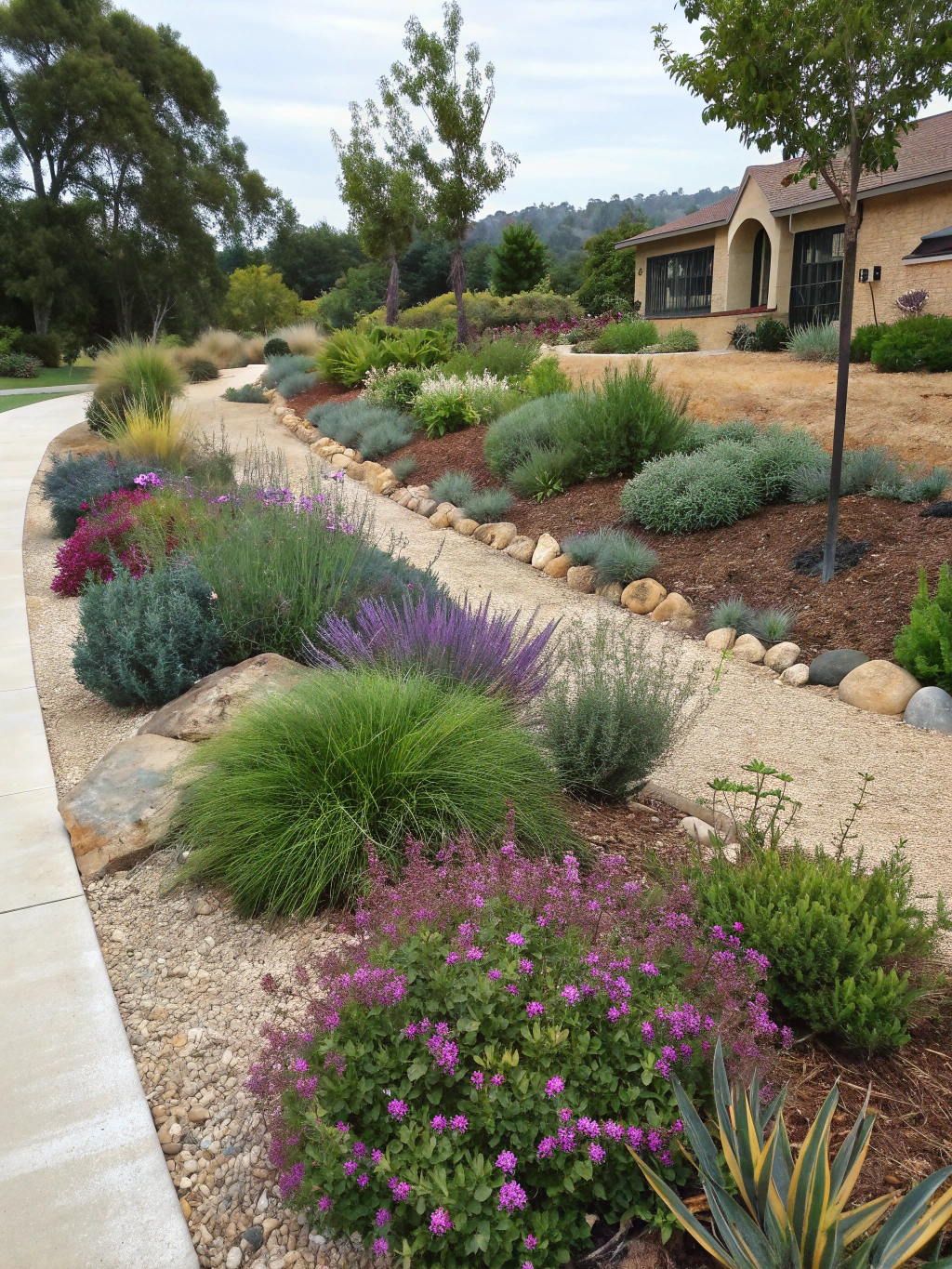
Native plants naturally adapt to local rainfall and climate conditions.
Best Native Plant Benefits
- Less watering
- Better pest resistance
- Supports pollinators
Why It Works
Native landscapes feel natural and sustainable.
9. Create a Dry River Bed Landscape Feature
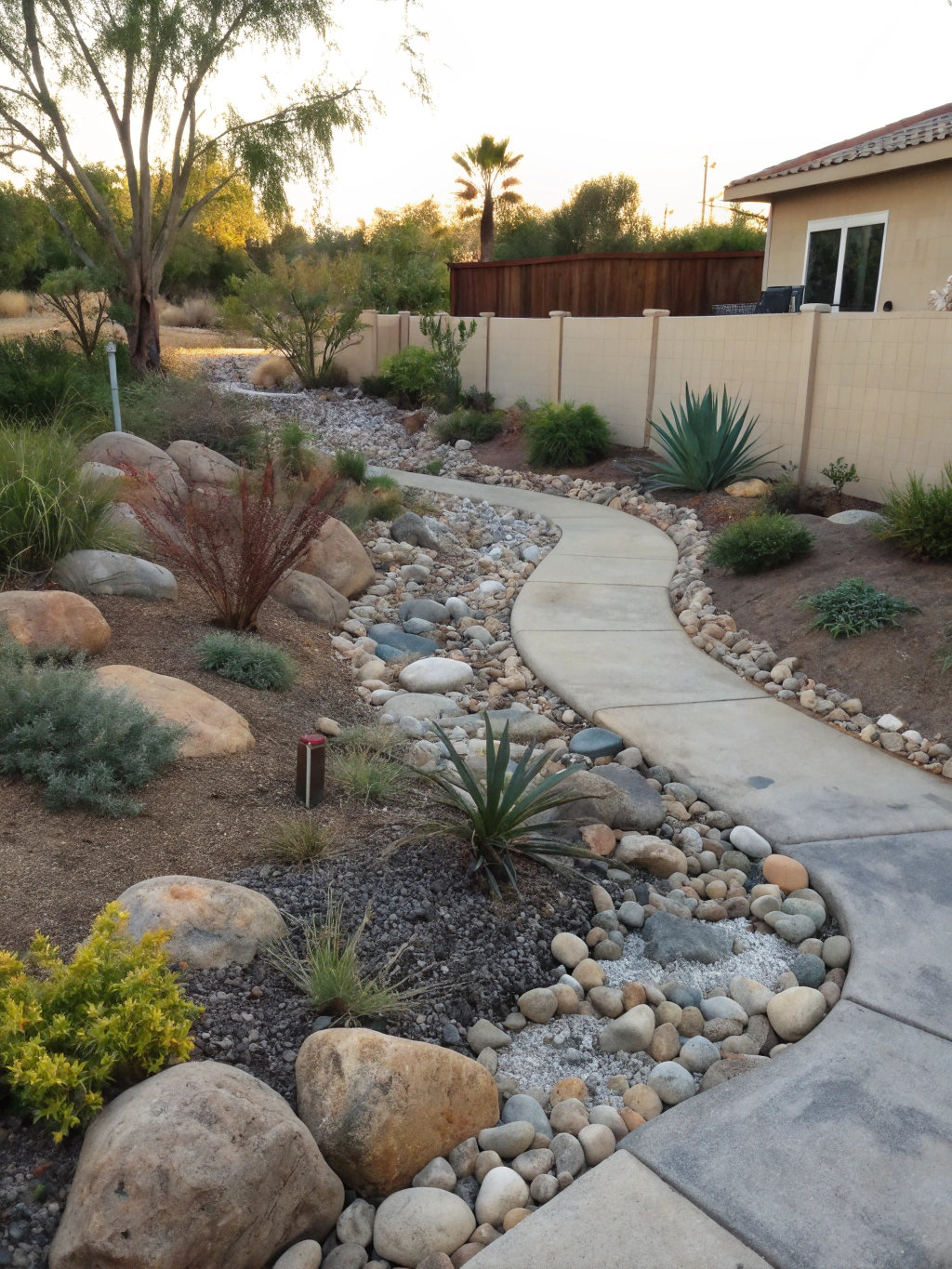
Dry creek beds add movement and drainage to water wise yards.
Best Dry River Bed Features
- River rocks
- Gravel channels
- Drought plants
- Stone edging
Why It Works
Dry river beds create visual flow while managing runoff.
10. Add Raised Planters with Drought-Tolerant Plants
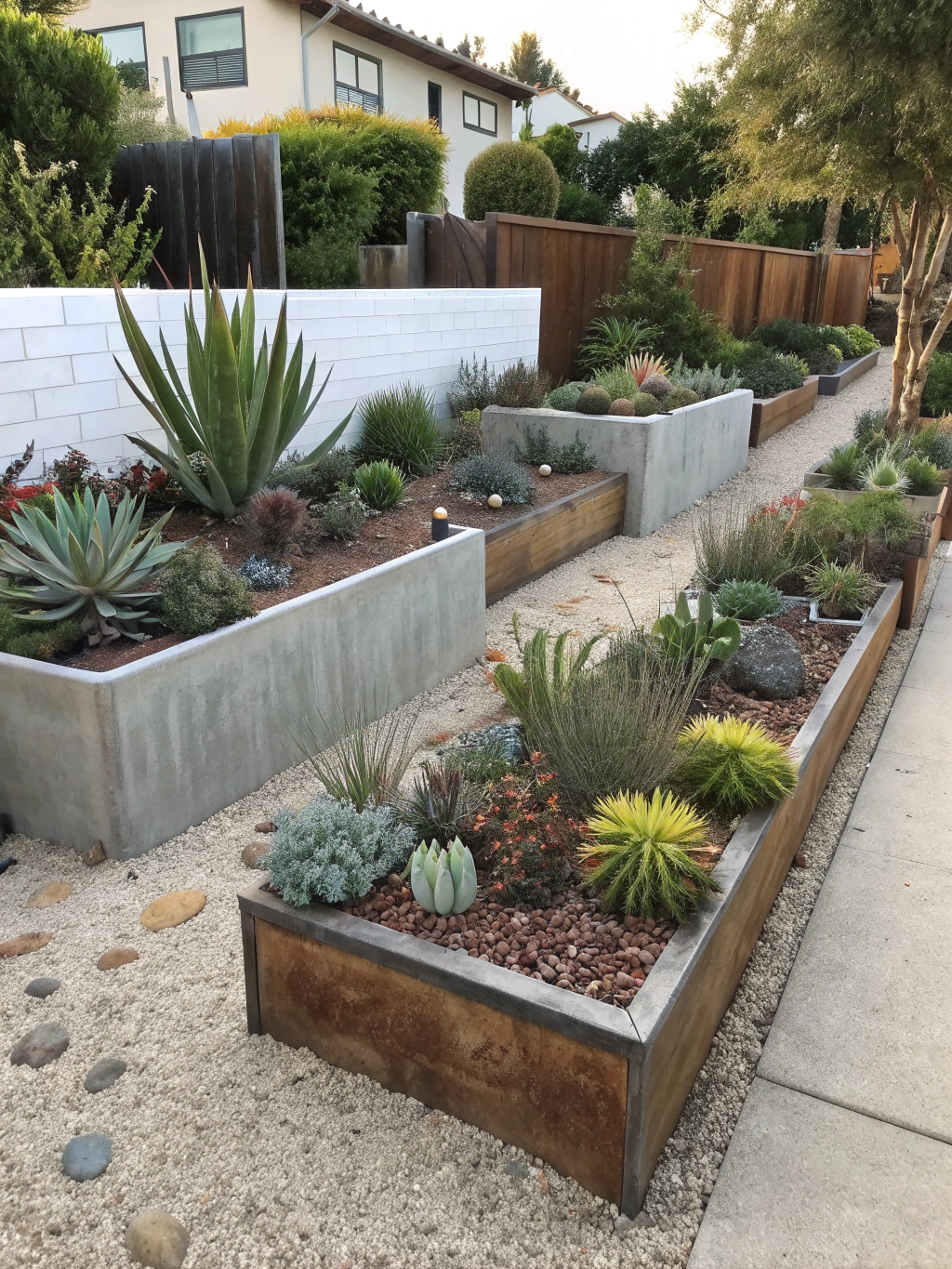
Raised beds create organized and efficient planting areas.
Best Raised Bed Plants
- Lavender
- Salvia
- Succulents
- Herbs
Why It Works
Raised beds improve drainage and simplify maintenance.
Keep Exploring

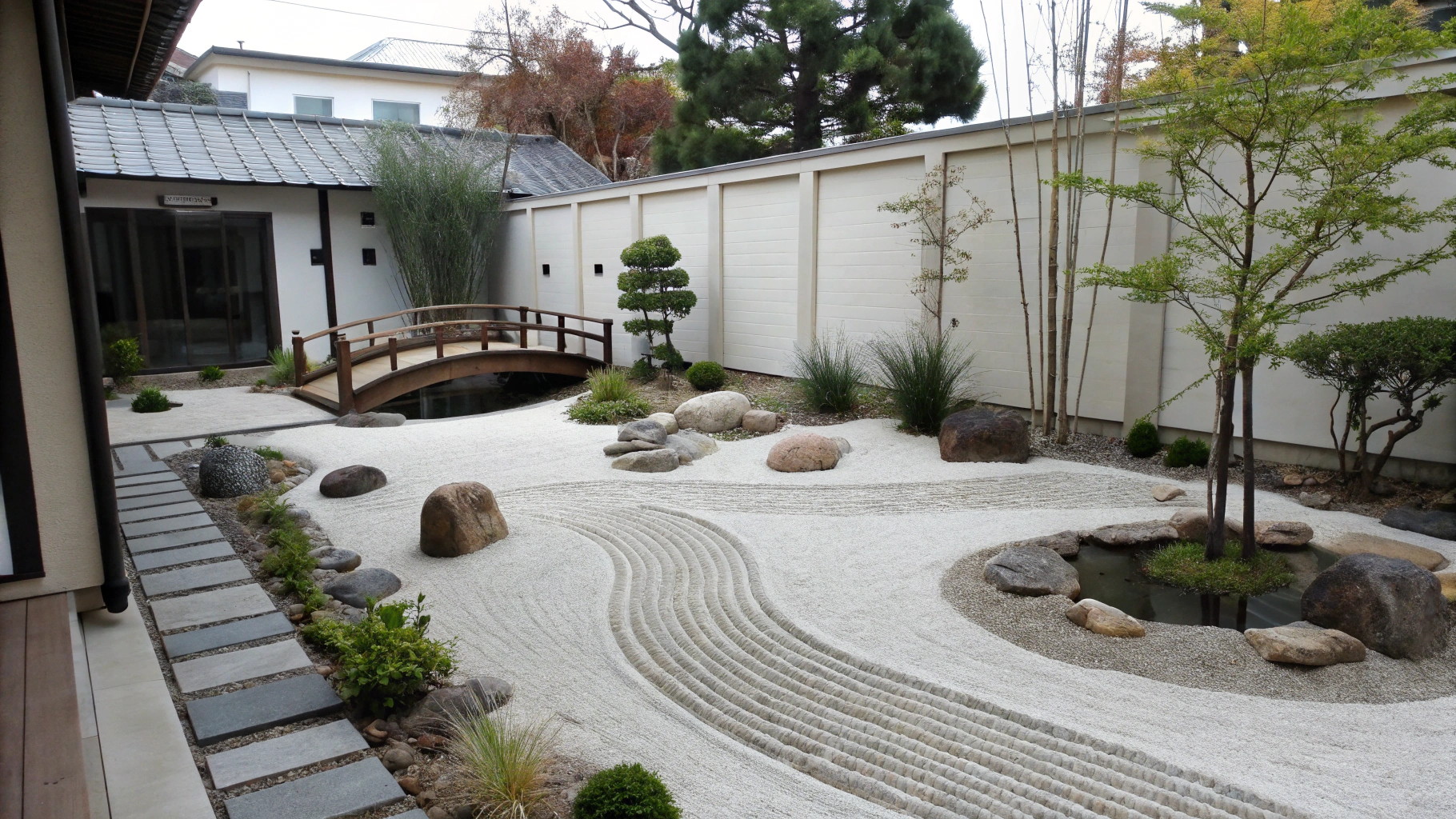
11. Create a Minimalist Water Wise Landscape
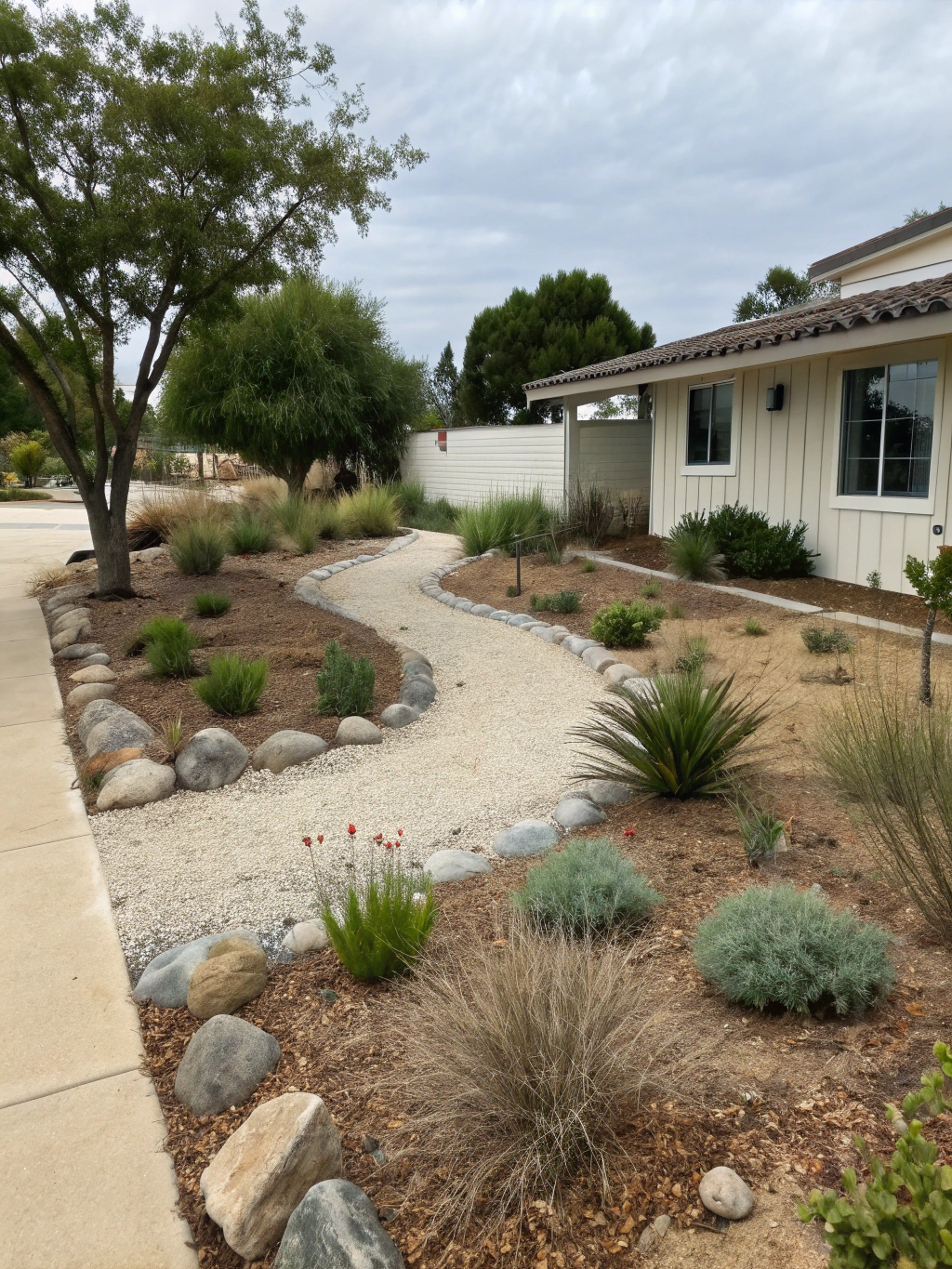
Minimalist designs focus on simplicity and texture.
Best Minimalist Features
- Neutral gravel
- Sculptural plants
- Clean lines
- Limited plant palette
Why It Works
Simple layouts feel calm and highly modern.
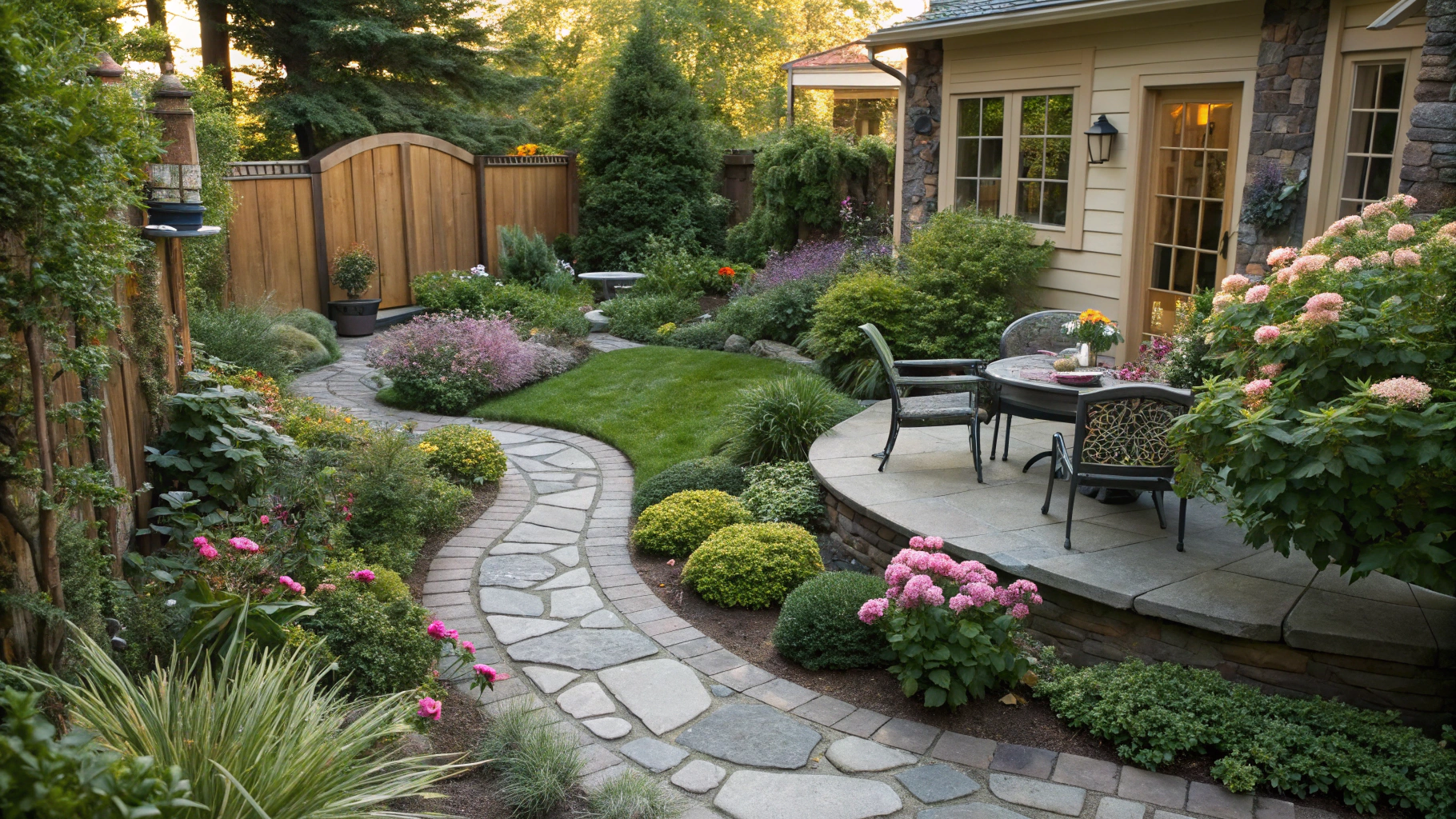
12. Add Stone Pathways Through the Landscape
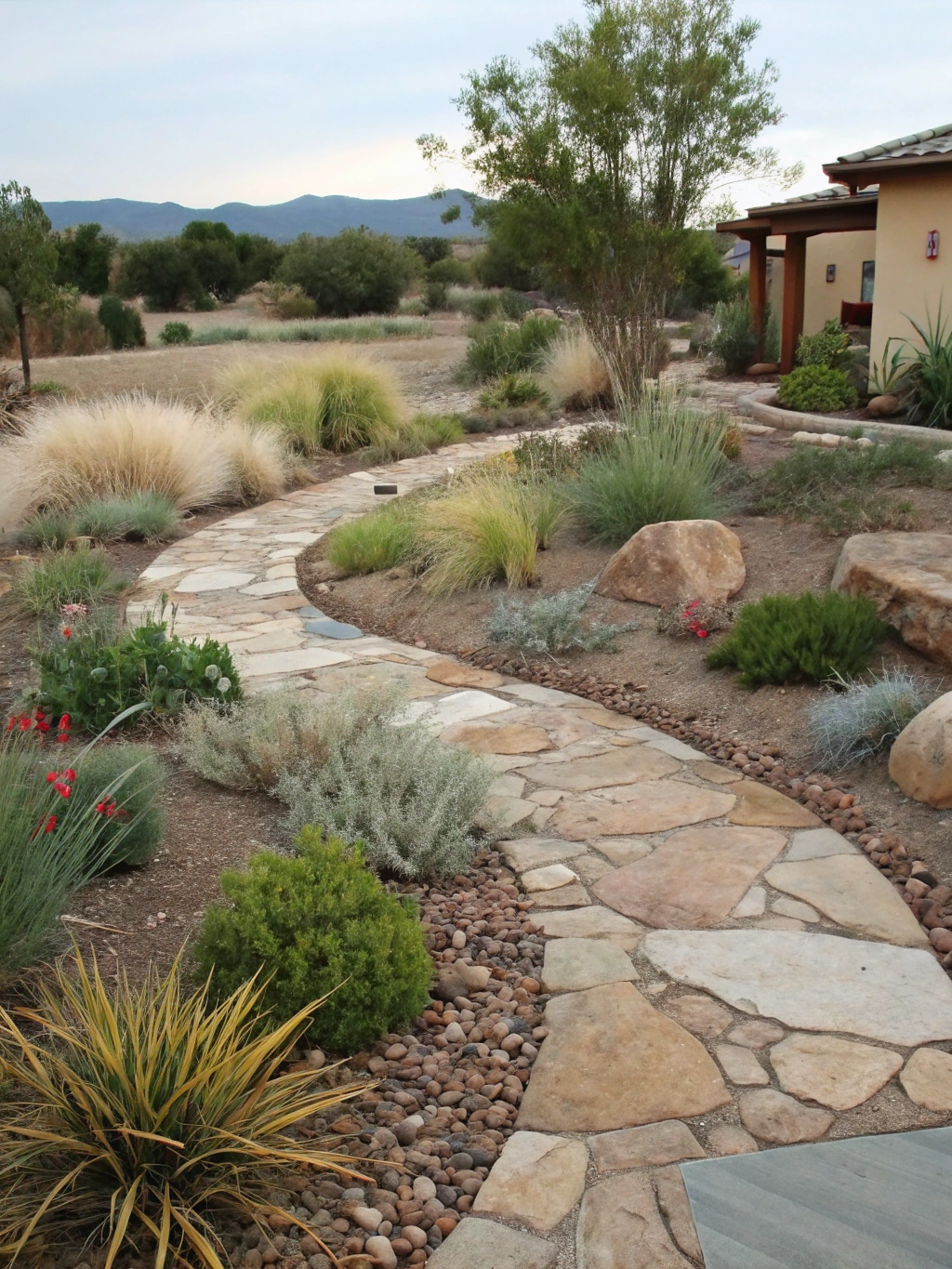
Stone walkways create structure and visual contrast.
Best Pathway Materials
- Flagstone
- Slate
- Concrete pavers
Why It Works
Stone adds durability and timeless natural texture.
13. Create a Pollinator-Friendly Water Wise Garden
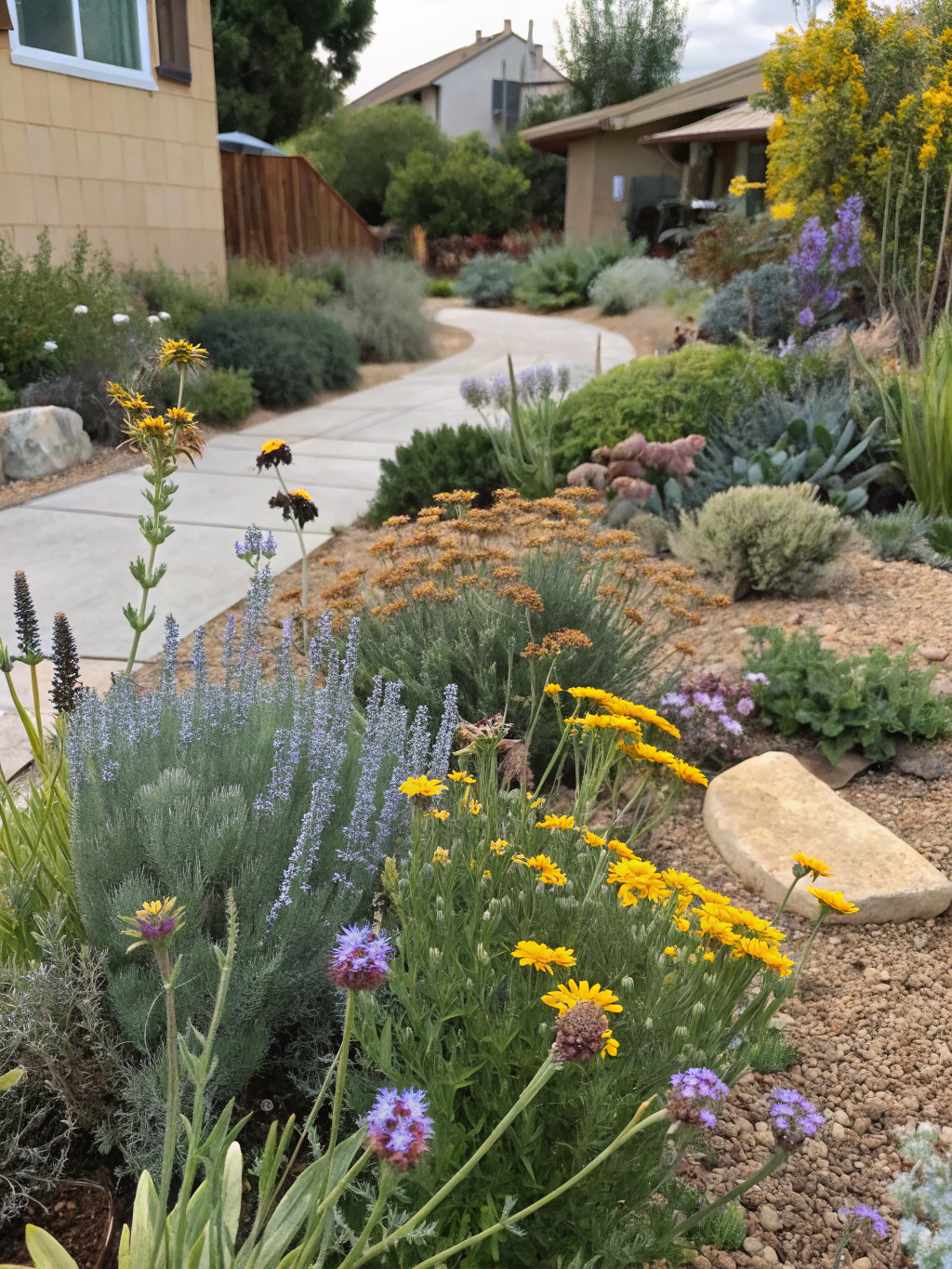
Drought-tolerant flowers can still attract butterflies and bees.
Best Pollinator Plants
- Salvia
- Coneflowers
- Lavender
- Yarrow
Why It Works
Pollinator gardens add movement and biodiversity.
Final Thoughts
Water wise landscaping creates beautiful and sustainable outdoor spaces that thrive with less watering, lower maintenance, and more climate-friendly design. By combining drought-tolerant plants, gravel, mulch, native landscaping, and thoughtful hardscaping, you can create a yard that feels both visually stunning and highly practical.
Whether you prefer Mediterranean-inspired gardens, modern xeriscapes, minimalist gravel landscapes, or pollinator-friendly native plantings, the key is focusing on texture, efficient design, and climate-appropriate plants. With smart planning and creative landscaping choices, water wise gardens can deliver beauty and sustainability year-round.
FAQs
What is water wise landscaping?
Water wise landscaping uses drought-tolerant plants, efficient irrigation, mulch, gravel, and low-water design techniques to reduce water usage.
What plants are best for water wise landscaping?
Lavender, agave, succulents, ornamental grasses, salvia, olive trees, and native plants are excellent water wise choices.
Is xeriscaping the same as water wise landscaping?
Xeriscaping is a type of water wise landscaping focused specifically on drought-tolerant and low-water design.
How do you reduce water use in landscaping?
Reduce lawn areas, use mulch, install drip irrigation, plant drought-tolerant species, and group plants by watering needs.
Can water wise landscaping still look lush?
Yes, layered planting, ornamental grasses, textured foliage, and strategic design can create full and visually rich landscapes.
Is water wise landscaping low maintenance?
Most water wise landscapes require less mowing, watering, fertilizing, and long-term upkeep than traditional lawns.