16+ Plants That Double as Natural Humidifiers
If your indoor air feels dry, adding the right houseplants can help naturally increase humidity while making your space look fresher and more inviting. Many plants release moisture into the air through a process called transpiration, acting like gentle, natural humidifiers. While they won’t replace a machine in very dry climates, they absolutely help improve comfort in everyday rooms.
This list features indoor plants known for higher moisture release and lush leaf surfaces, perfect for bedrooms, living rooms, and workspaces.
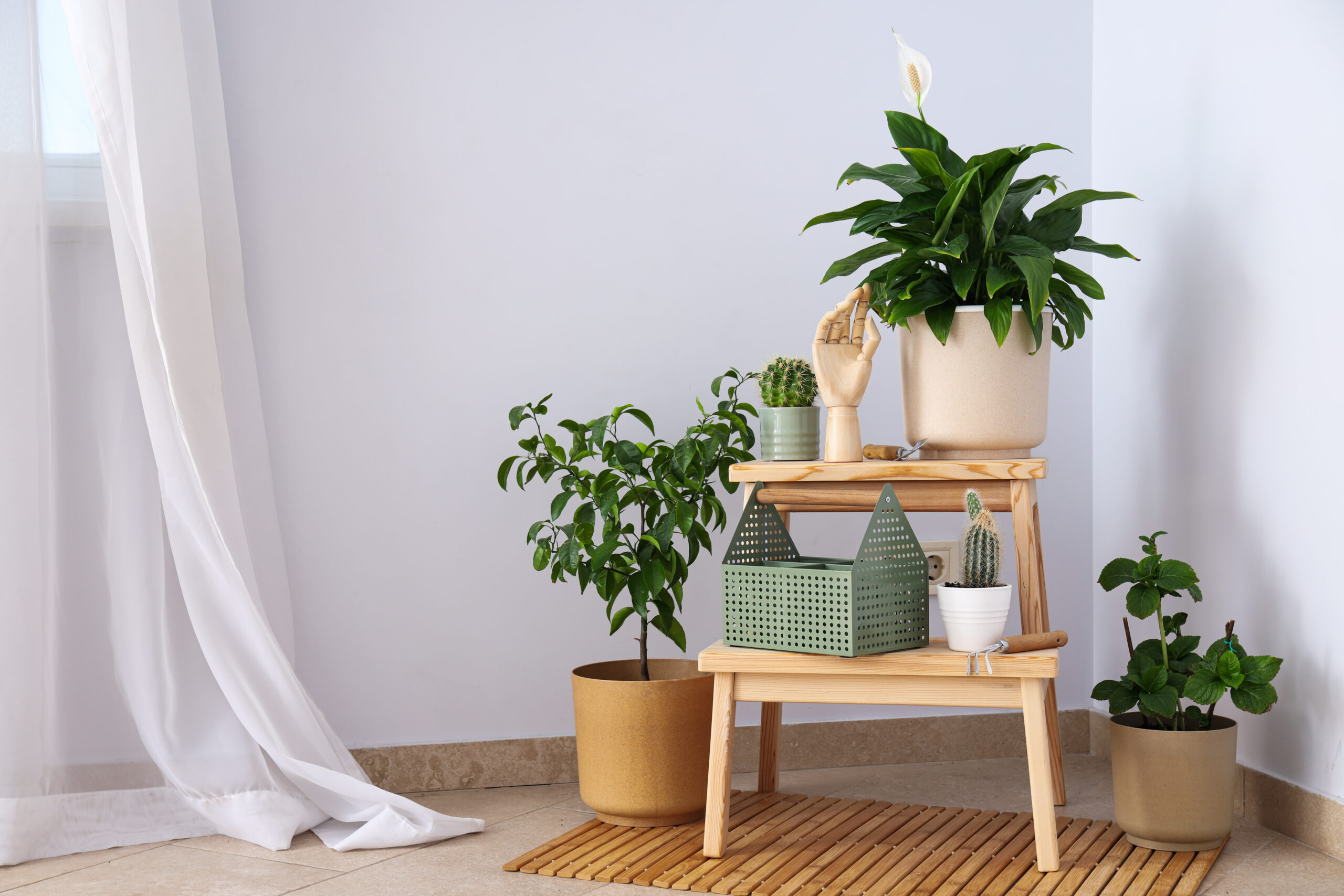
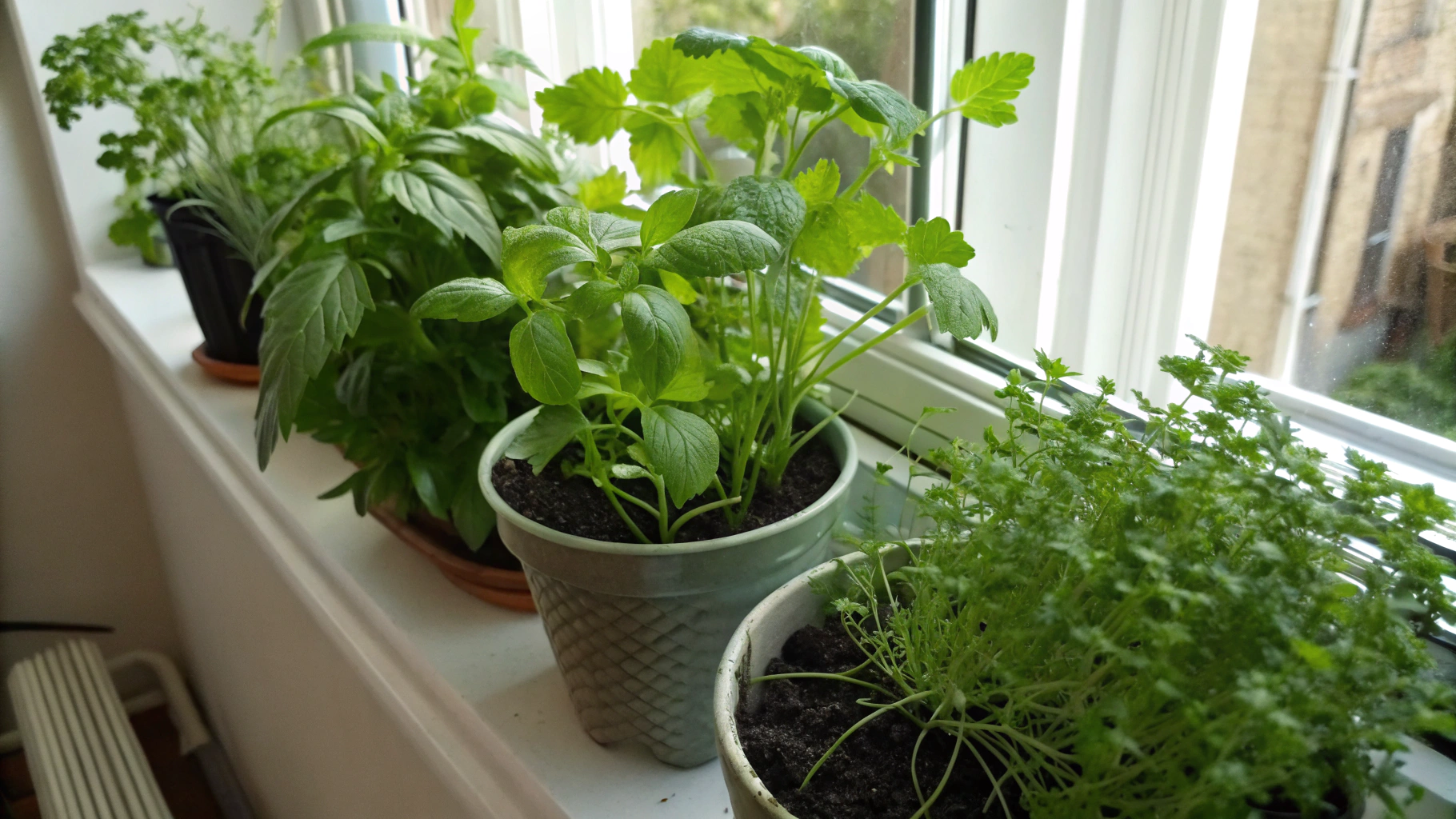
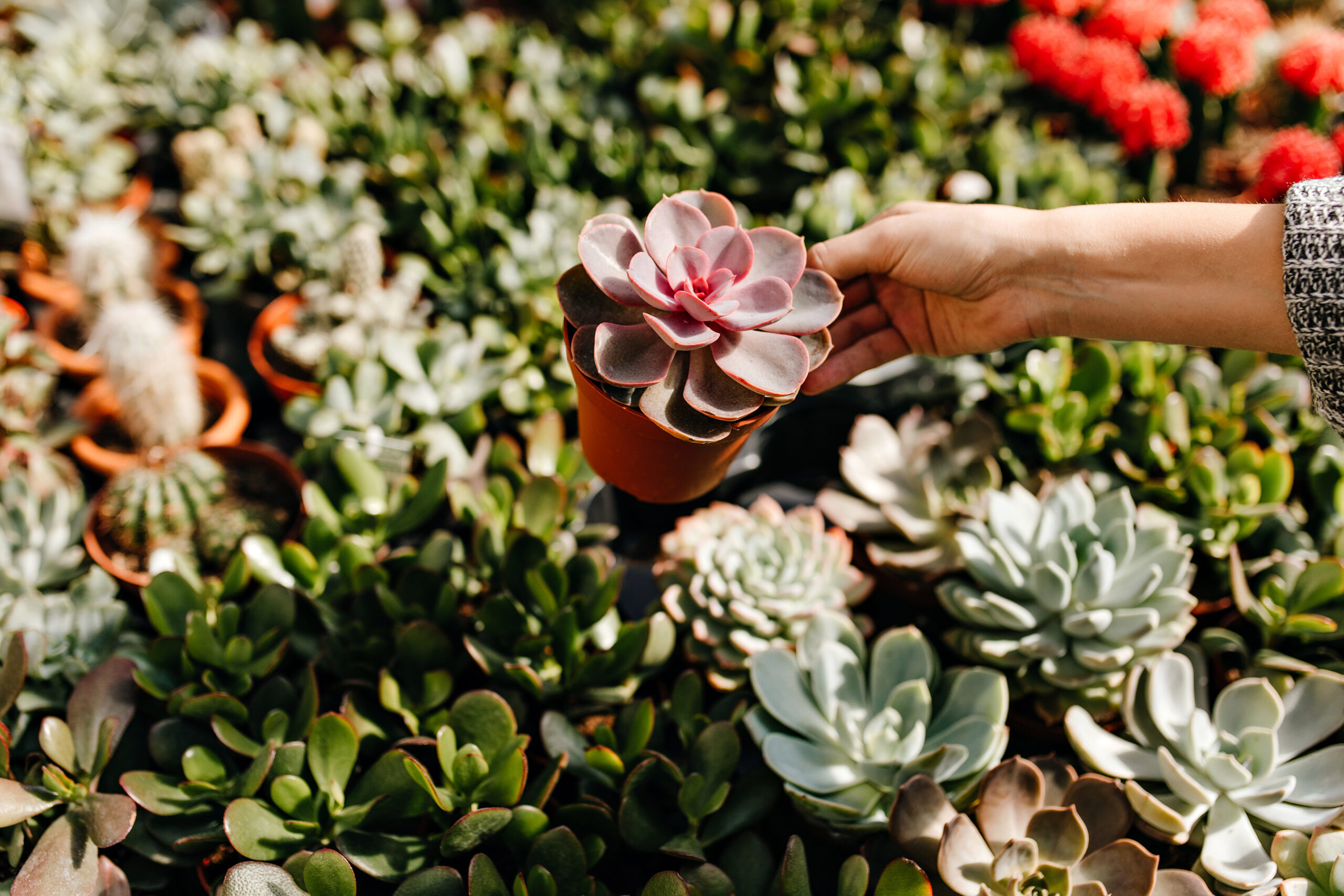
1. Areca Palm for Strong Moisture Release
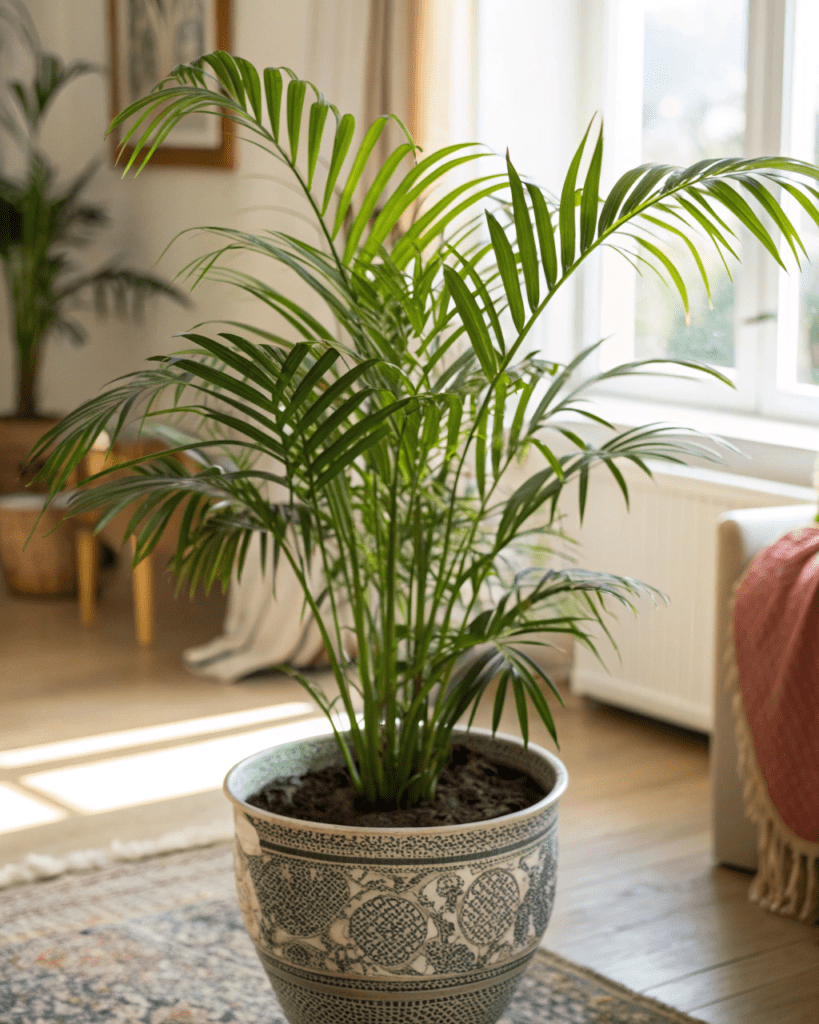
Areca palms are one of the best plants for boosting indoor humidity.
- Releases significant moisture
- Soft, feathery foliage
- Great for living rooms and bedrooms
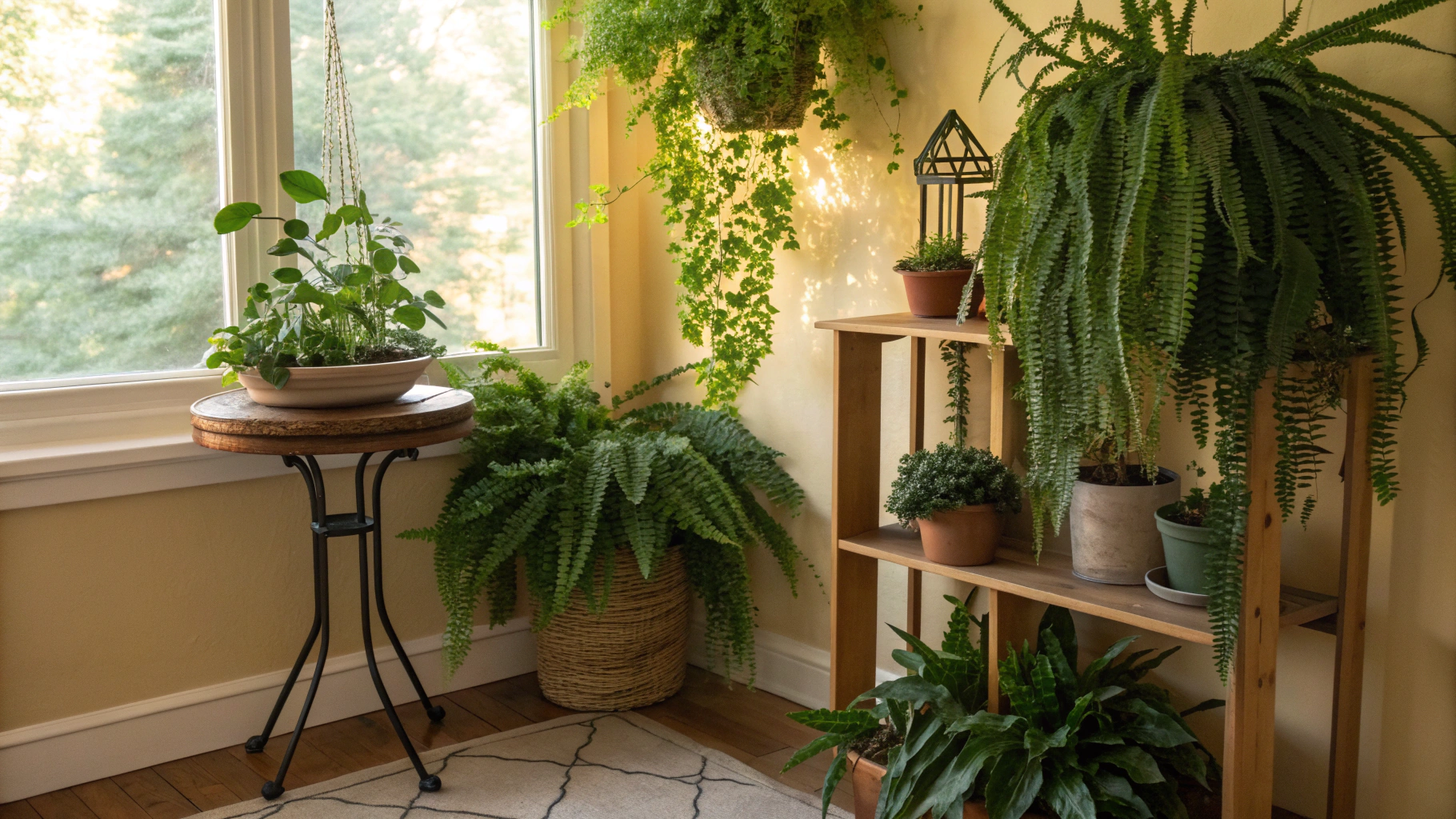
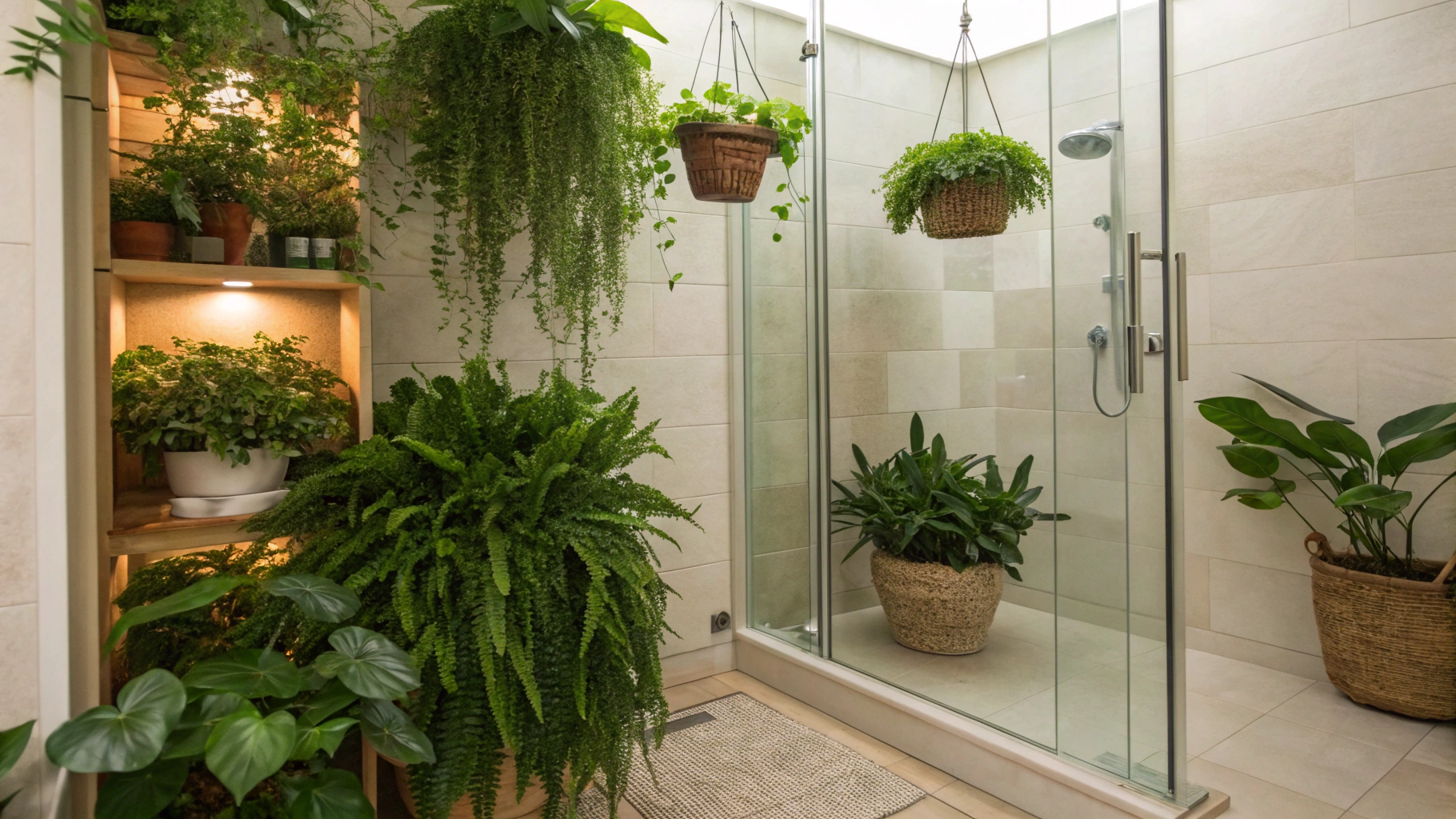
2. Boston Fern for High Transpiration
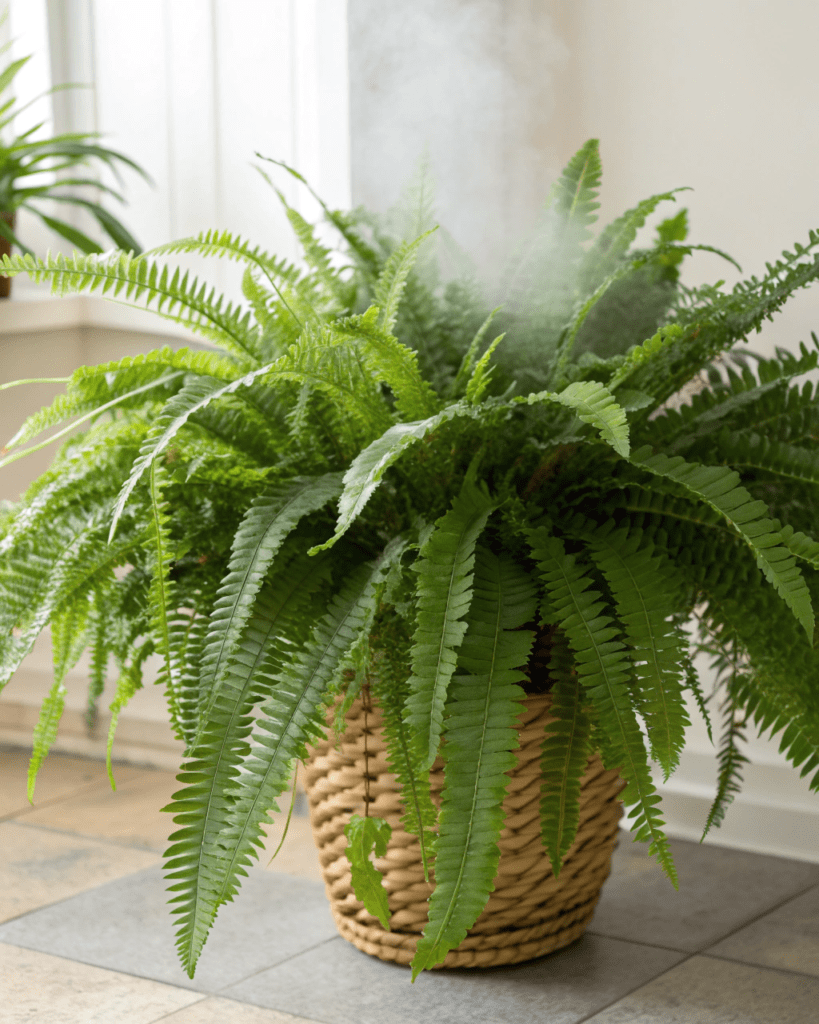
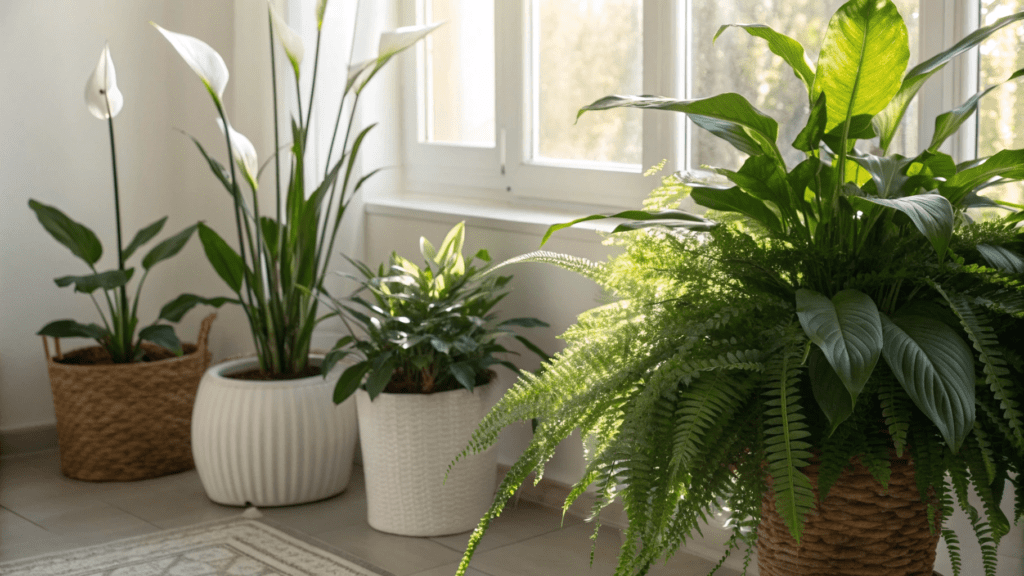
Boston ferns have dense fronds and high water needs, which increases moisture output.
- Excellent natural humidifier
- Loves regular watering
- Perfect for dry rooms
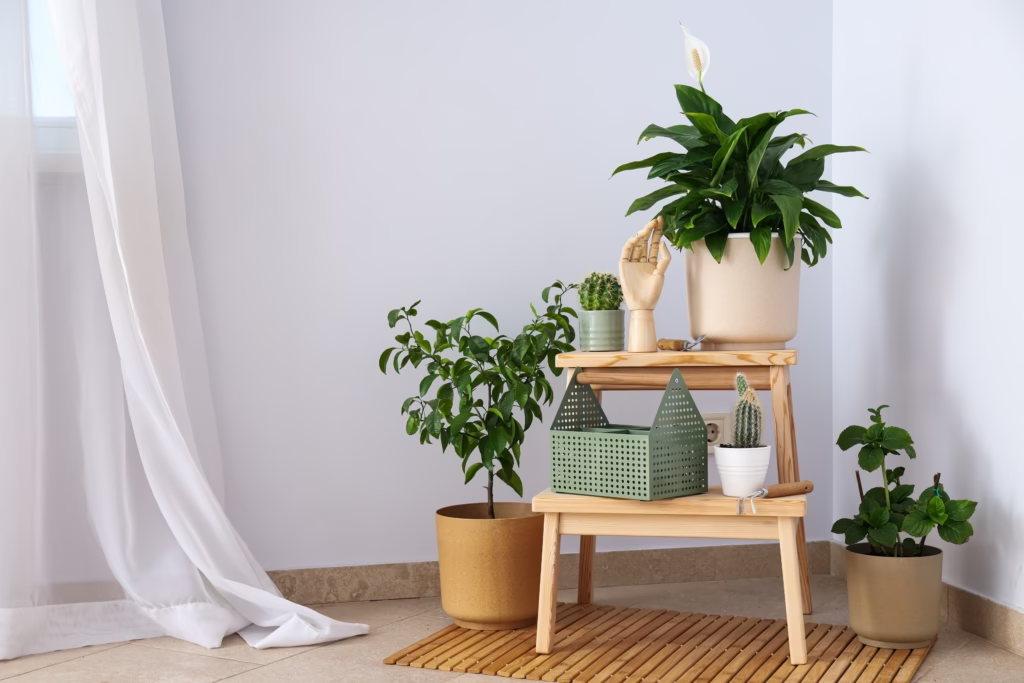
3. Peace Lily for Compact Humidity Boost

Peace lilies both transpire well and signal watering needs clearly.
- Medium-size leafy surface
- Good for bedrooms
- Tolerates moderate light
4. Spider Plant for Easy Air Moisture Support
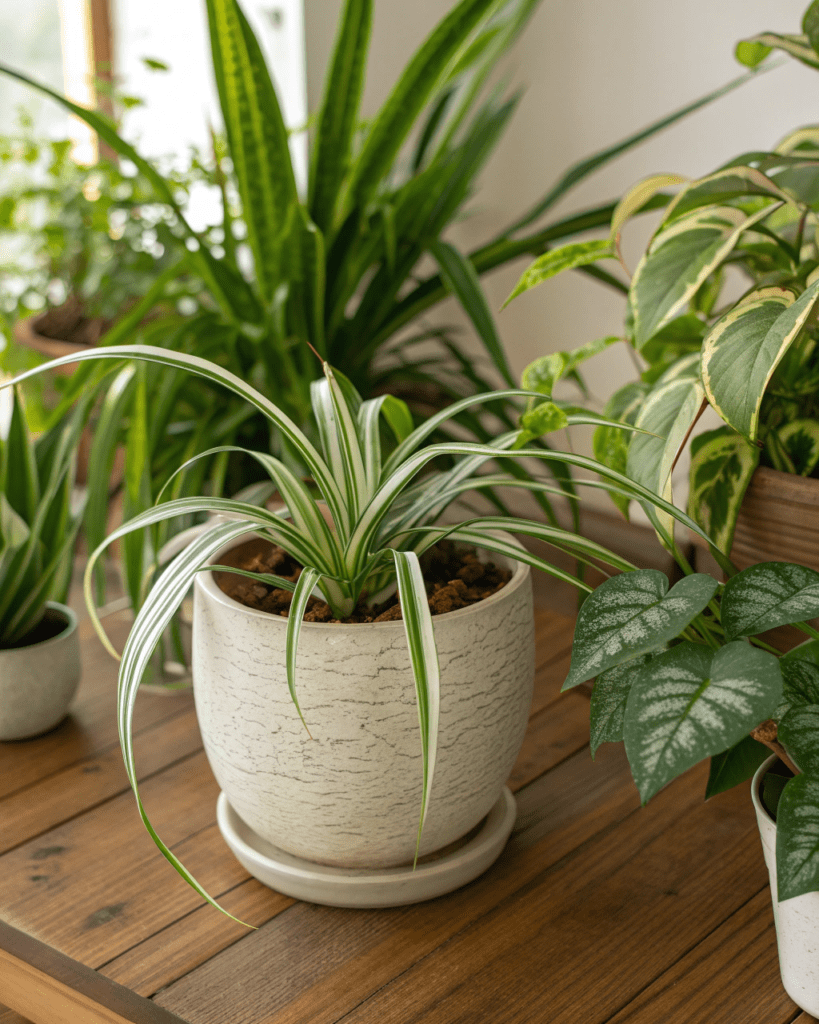
Spider plants are hardy and contribute steady moisture.
- Fast growing foliage
- Easy care routine
- Great for shelves and hangers
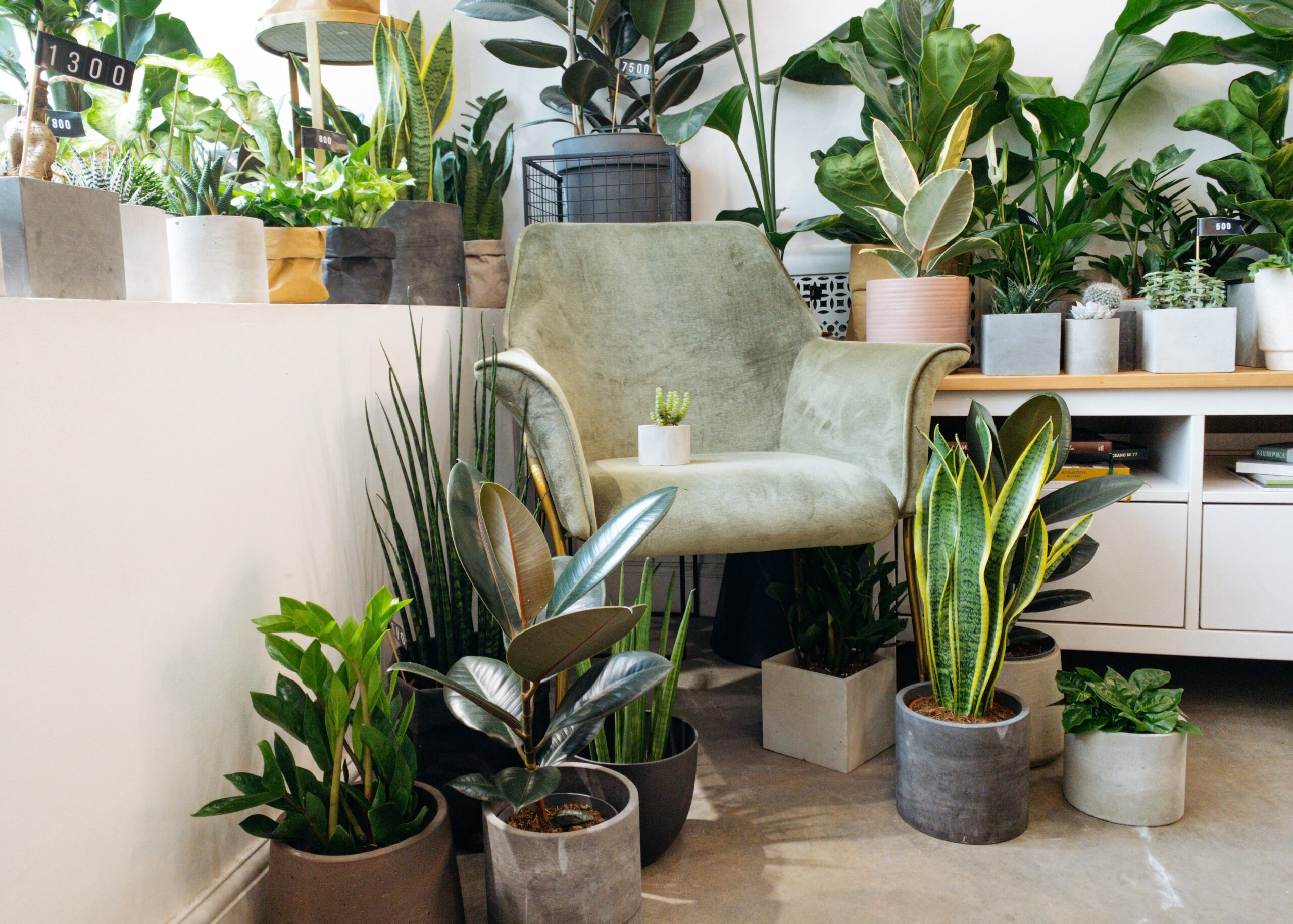
5. Rubber Plant for Large Leaf Surface Area
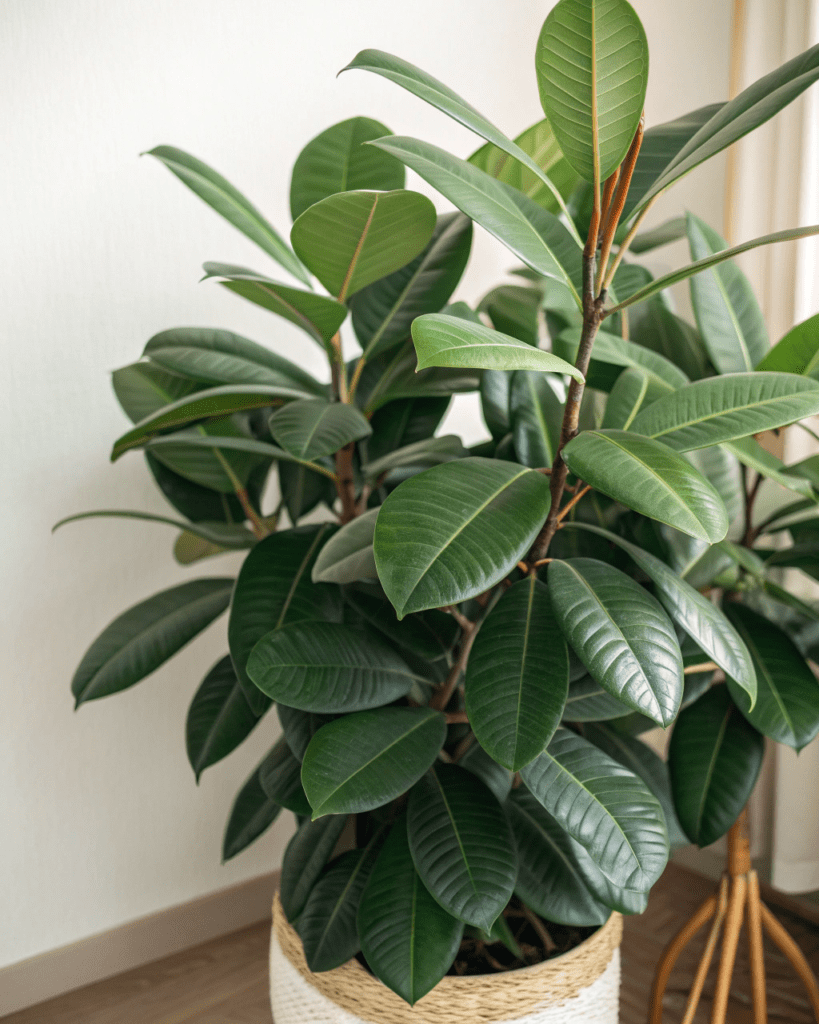
Rubber plants have broad leaves that release moisture gradually.
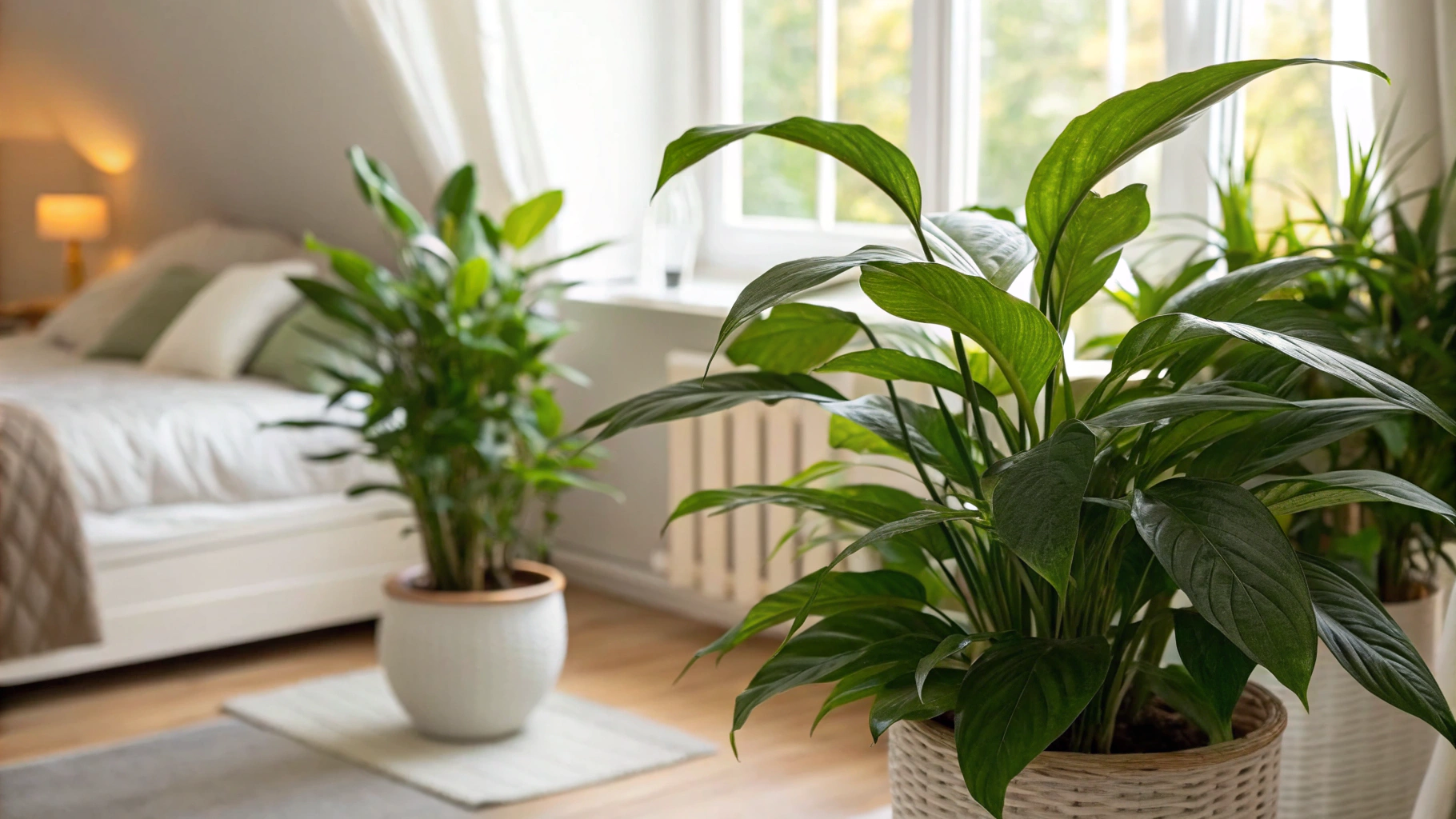
- Thick glossy leaves
- Strong visual presence
- Moderate care needs
6. Philodendron for Lush Leaf Mass
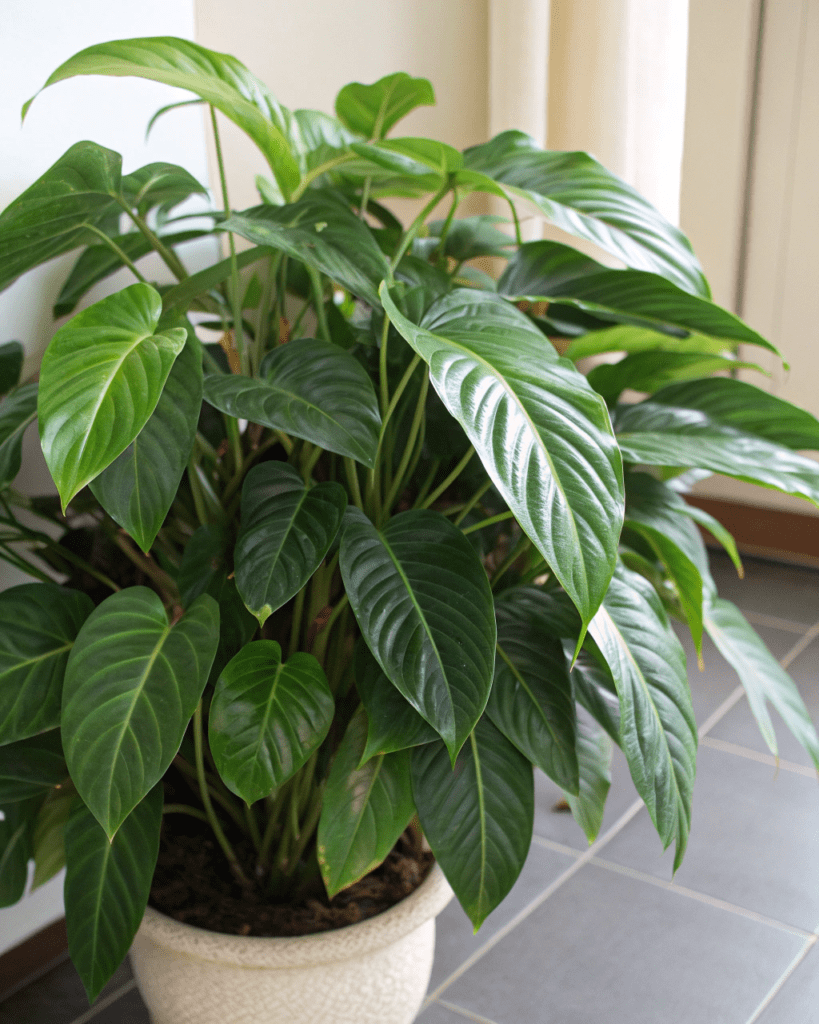
Philodendrons create lots of leaf area relative to pot size.
- Good transpiration rate
- Easy indoor care
- Many size options
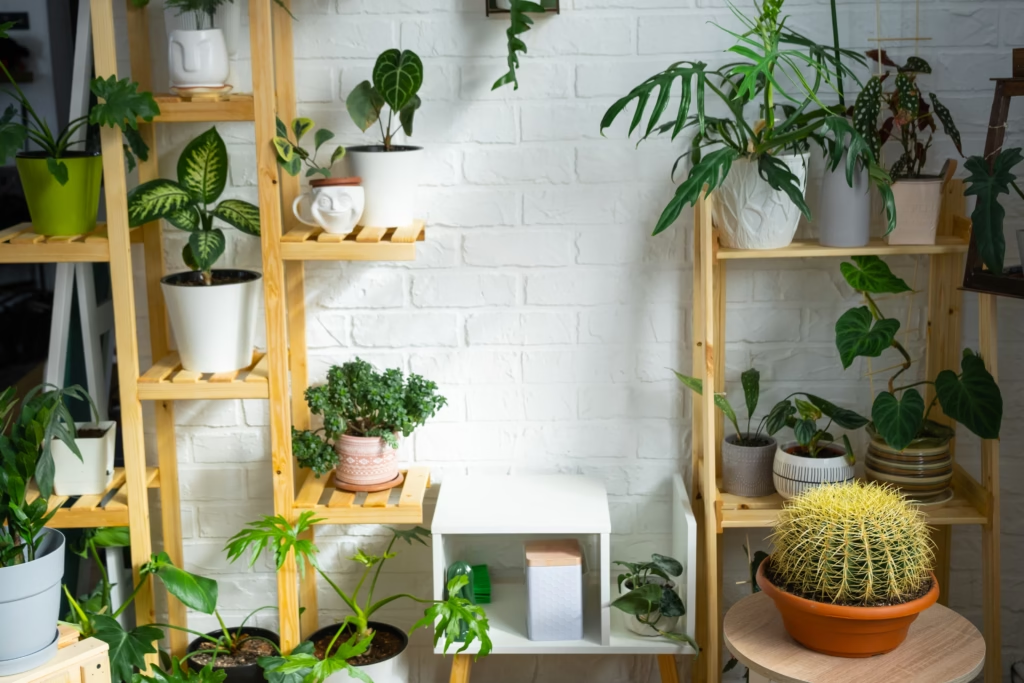
7. Monstera for Big Leaf Humidity Help
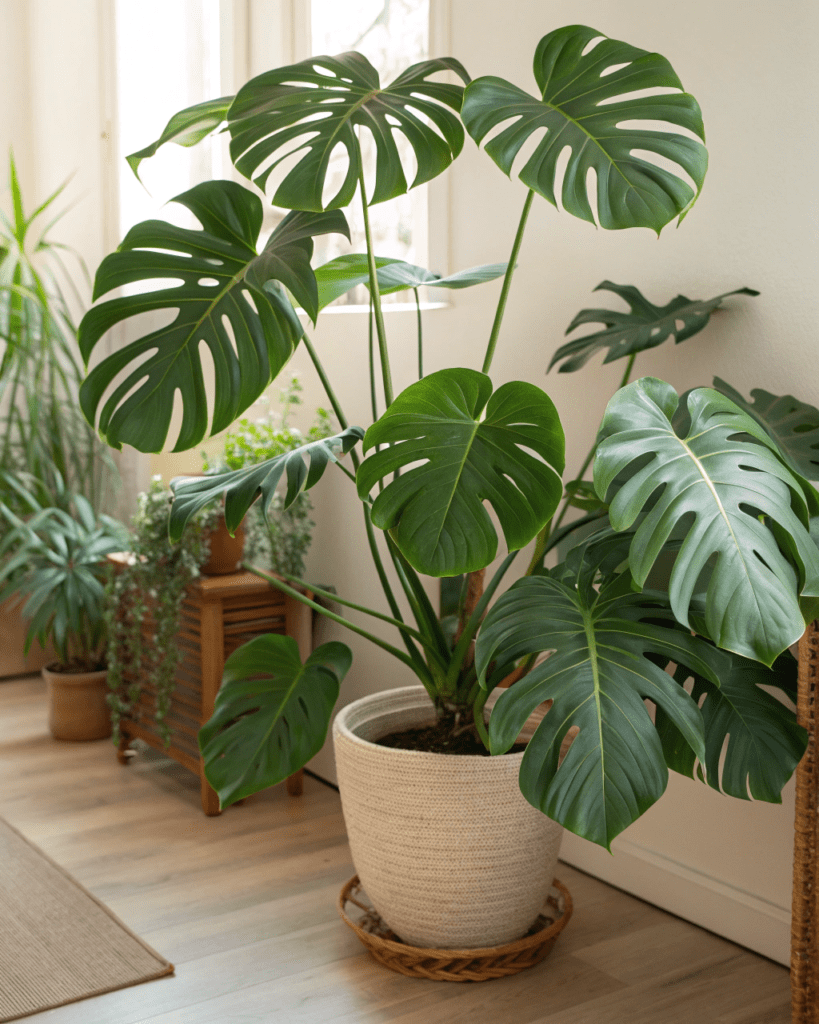
Large monstera leaves increase transpiration output.
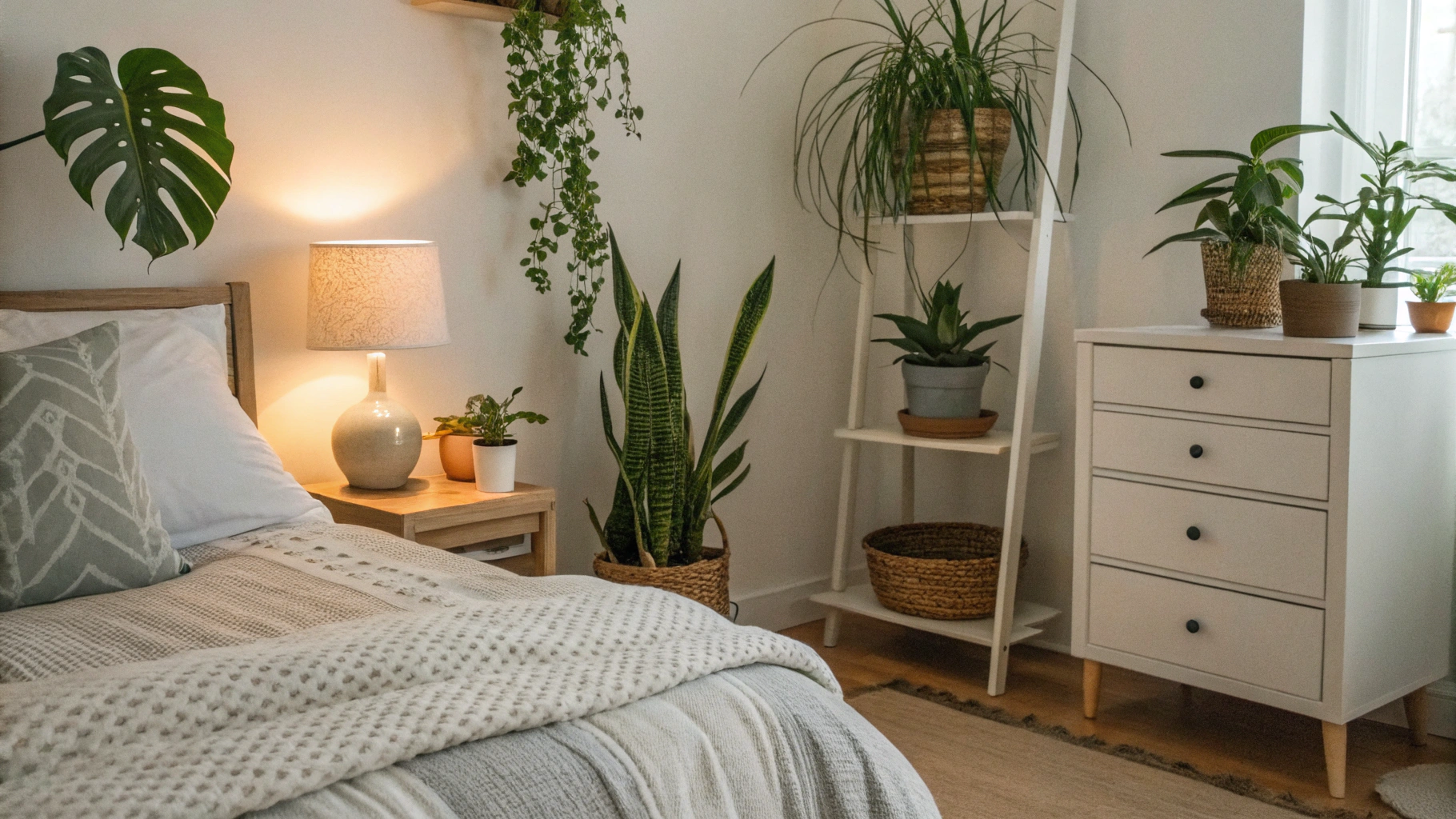
- Wide leaf surface
- Tropical look
- Best in bright indirect light
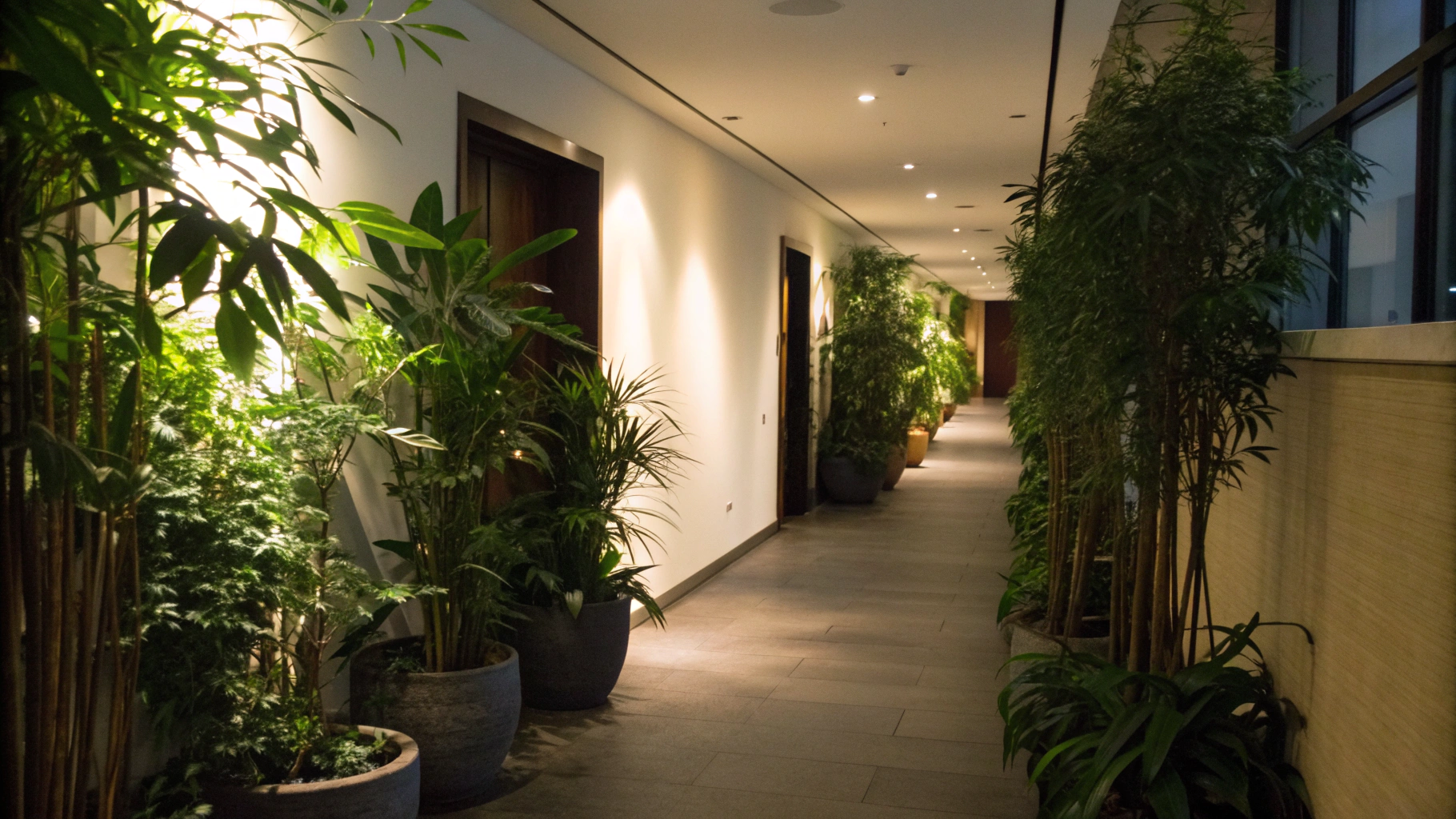
8. Bamboo Palm for Airy Moisture Balance

Bamboo palms are well known for air comfort benefits.
- Great for corners
- Prefers indirect light
- Pet friendly option
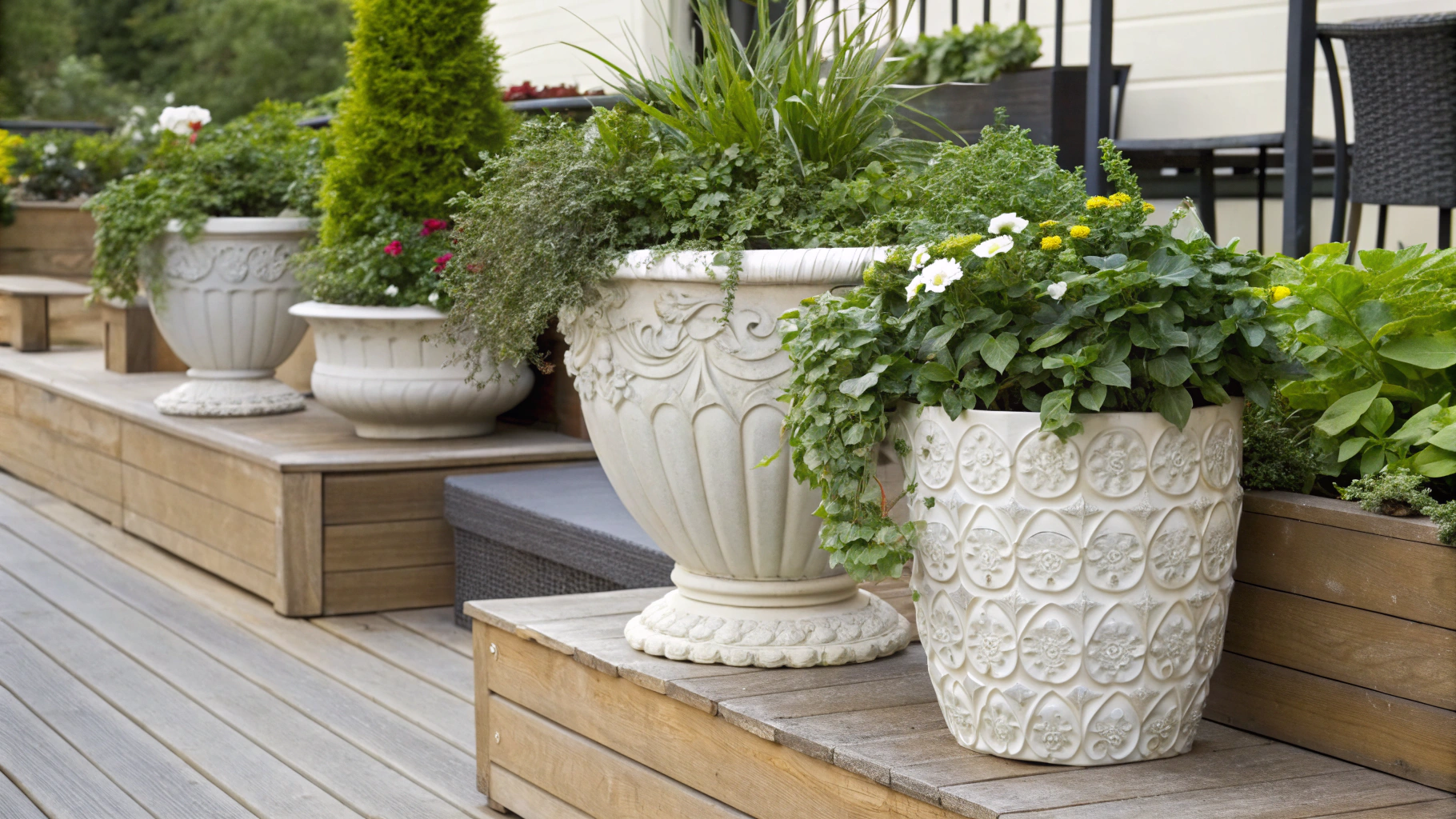
9. English Ivy for Dense Leaf Coverage
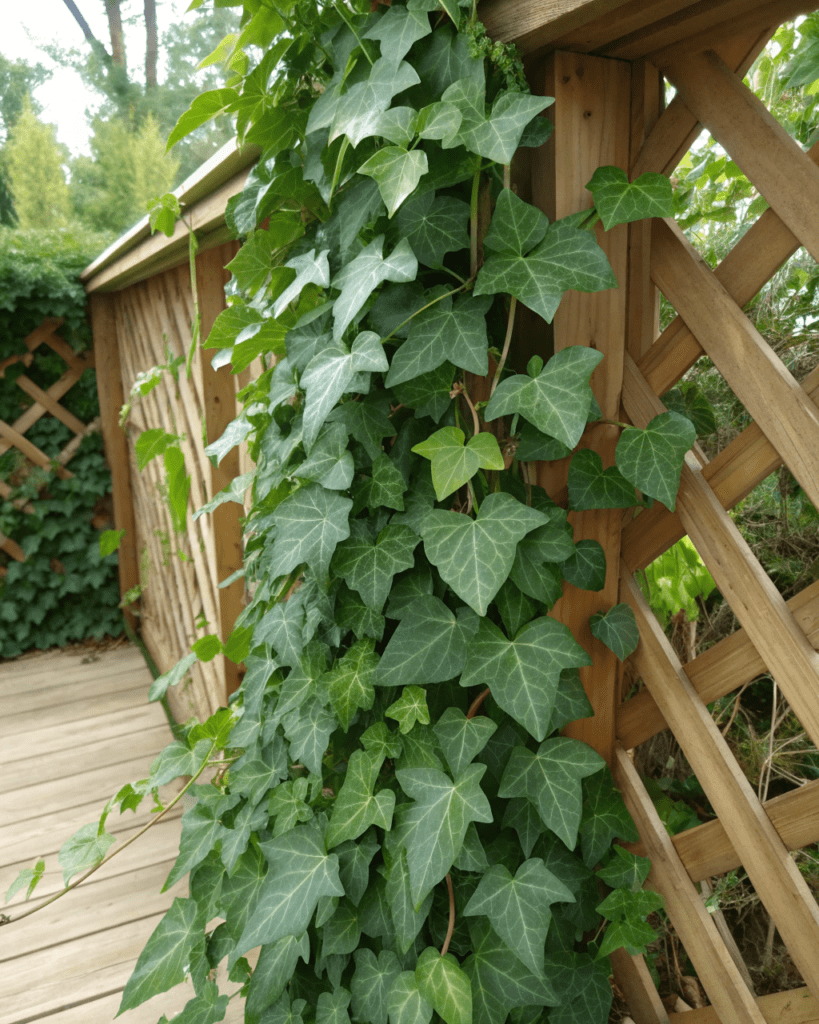
Ivy’s many leaves help increase evaporation.
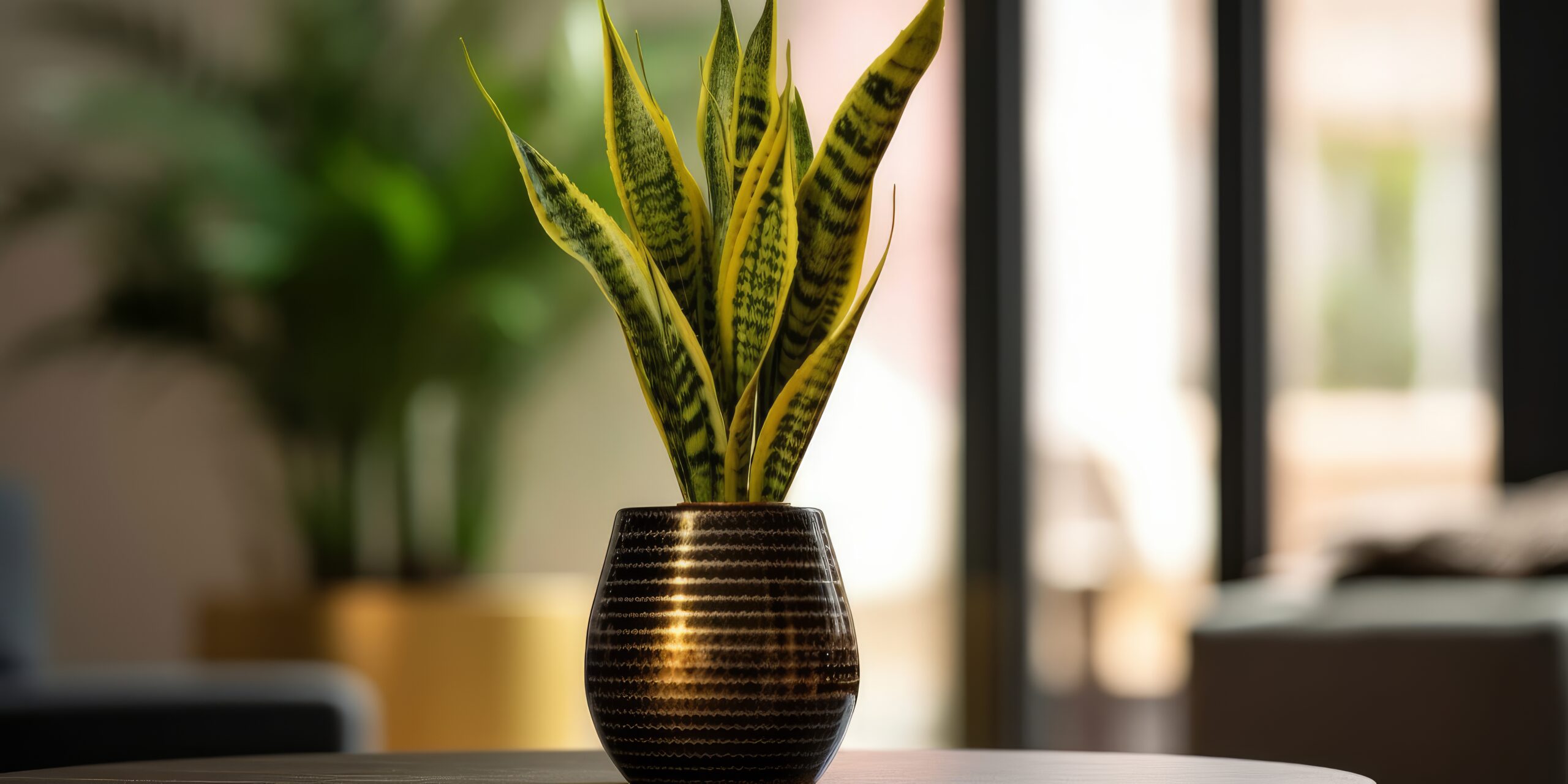
- Trailing growth
- Good for elevated placement
- Likes indirect light
10. Parlor Palm for Small-Space Humidity

Parlor palms are compact but still effective.
- Good for apartments
- Soft fine foliage
- Tolerates lower light
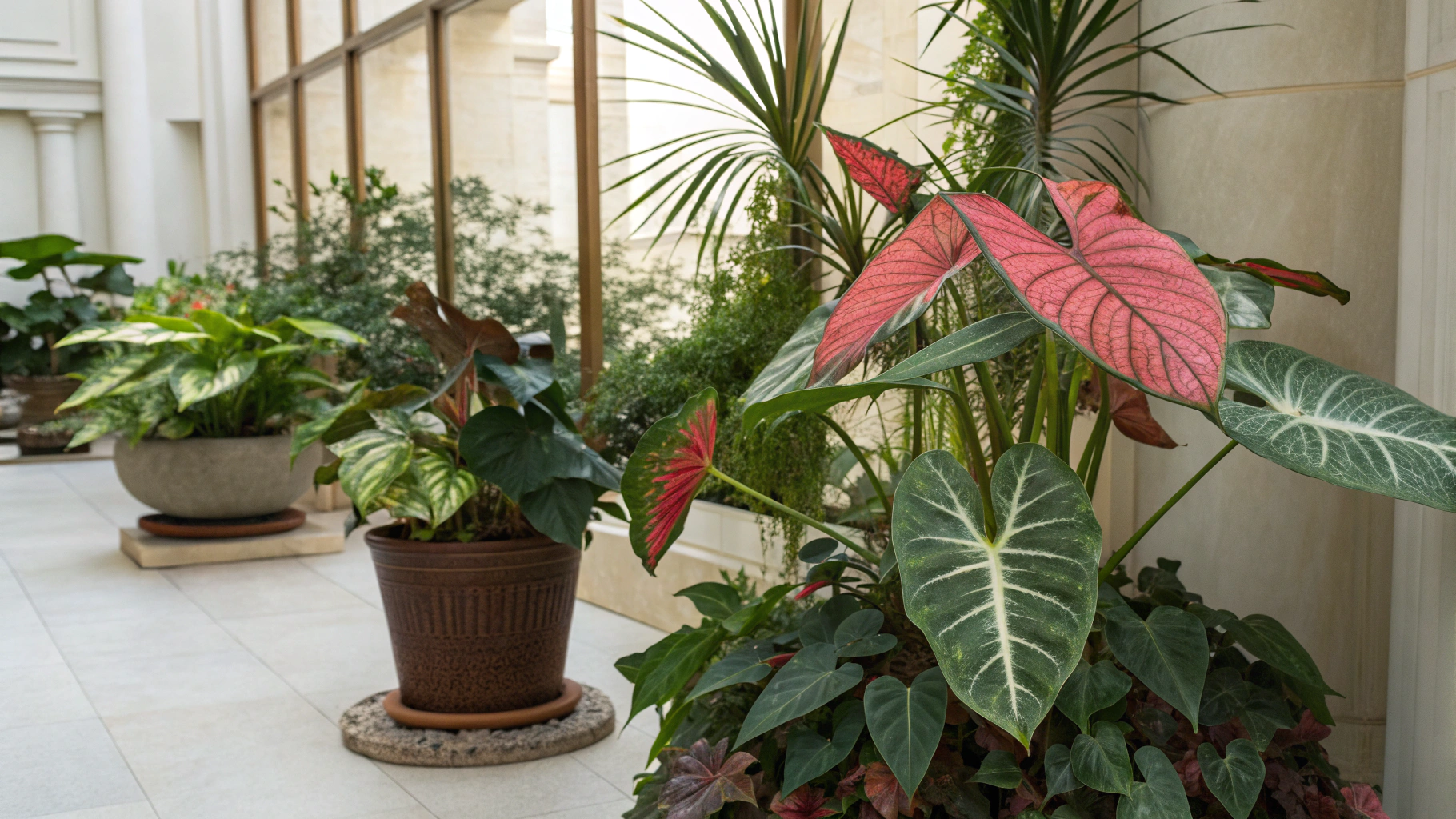
11. Calathea for Humidity-Loving Leaves
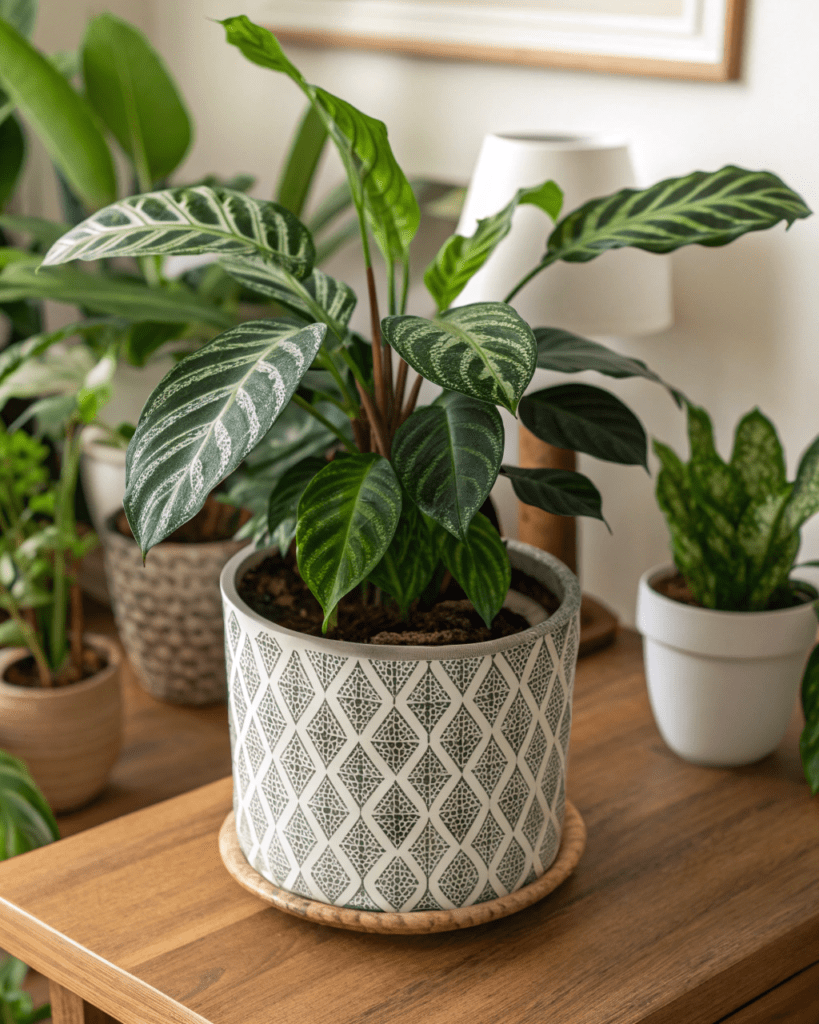
Calatheas both enjoy and contribute humidity.
- Broad decorative leaves
- Higher watering needs
- Great for bedrooms
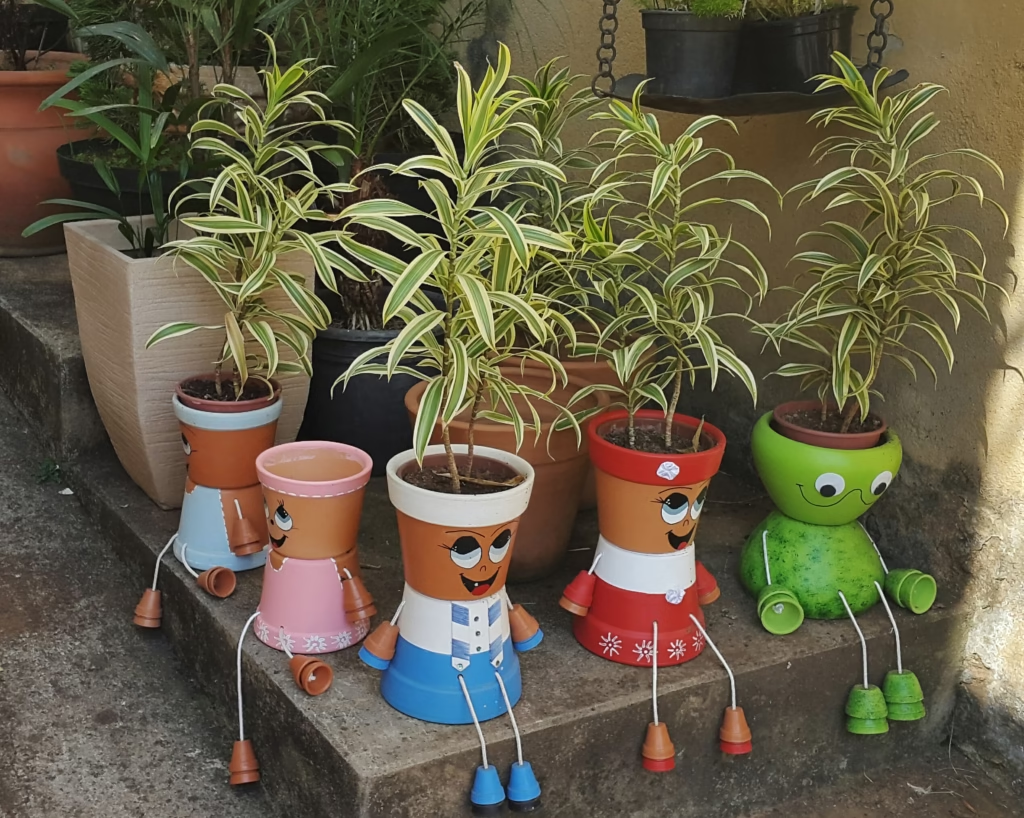
12. Dracaena for Steady Moisture Output
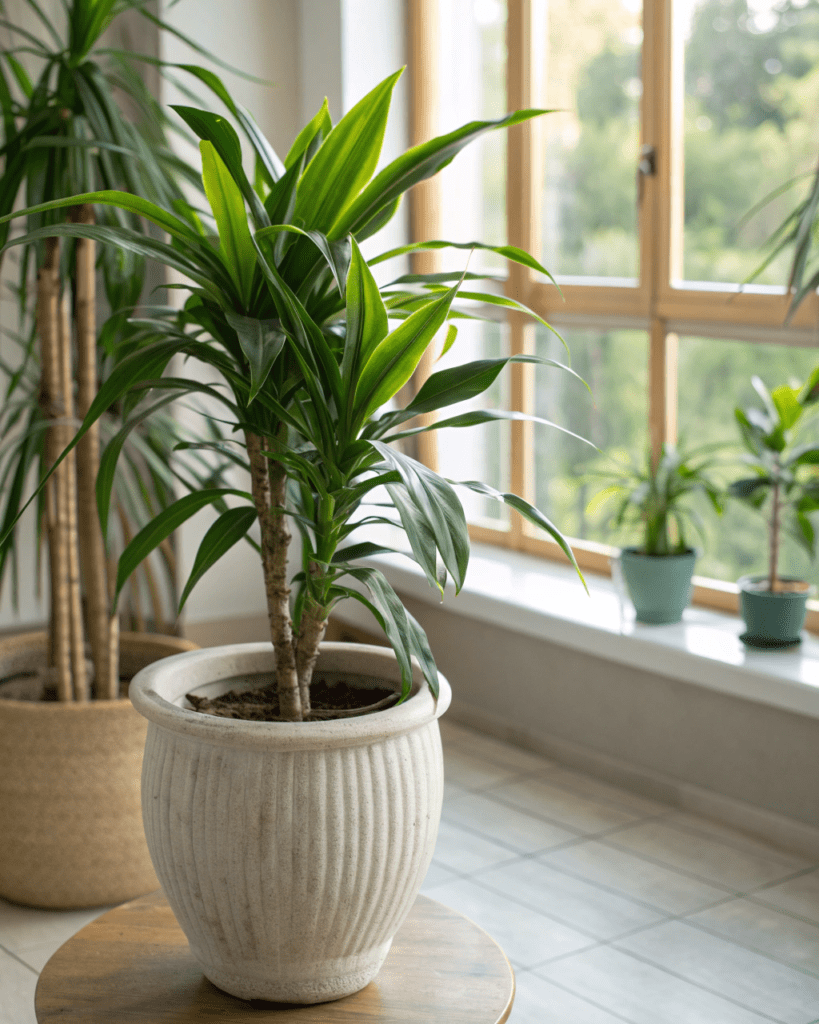
Dracaena varieties offer tall leaf mass without wide spread.
- Vertical growth habit
- Moderate transpiration
- Good for corners
13. Ficus Benjamina for Leafy Indoor Trees
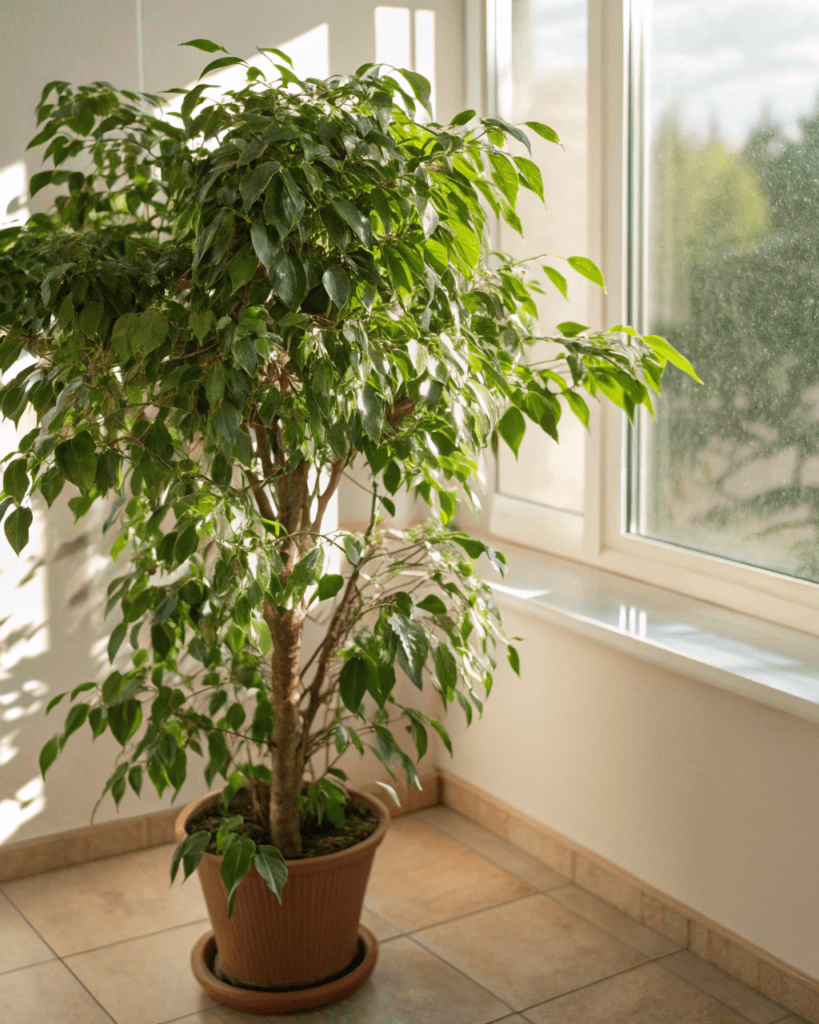
Weeping fig trees have many small leaves that transpire steadily.
- Tree-like structure
- Good moisture release
- Needs consistent light
14. Schefflera for Dense Canopy Effect

Schefflera creates a leafy canopy indoors.
- Clustered leaf structure
- Moderate humidity boost
- Easy care
15. Pothos for Trailing Leaf Volume
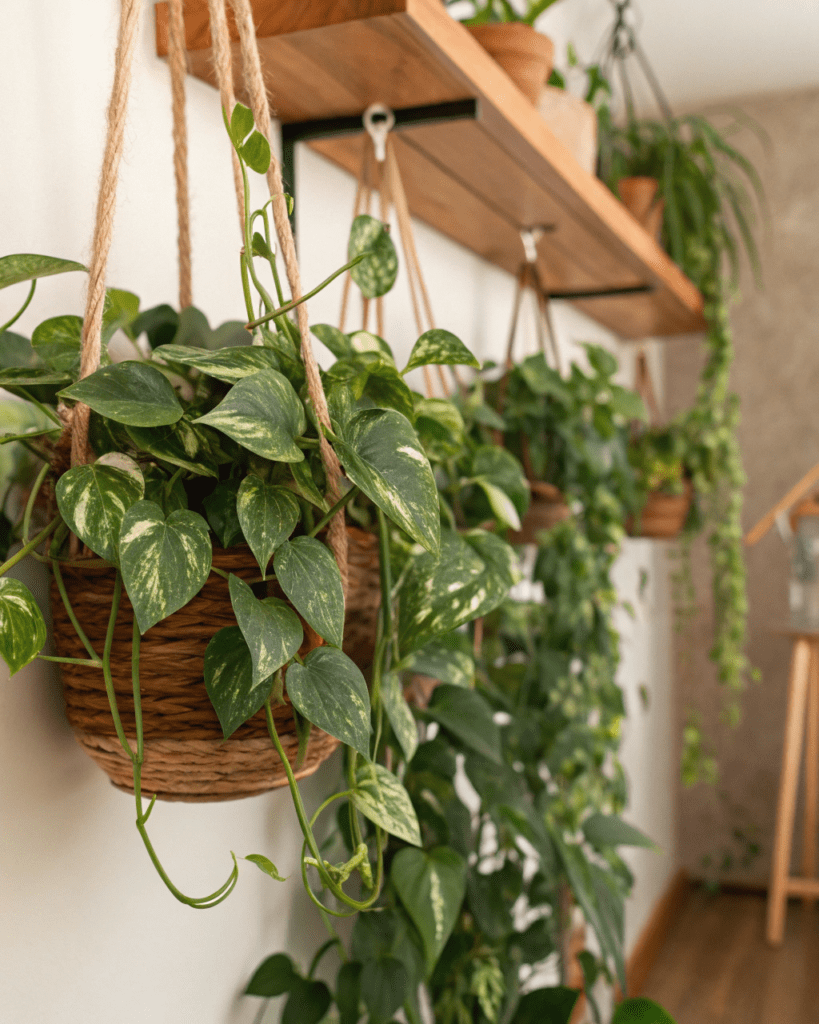
Pothos produces lots of foliage quickly.
- Fast growing vines
- Good leaf mass
- Beginner friendly
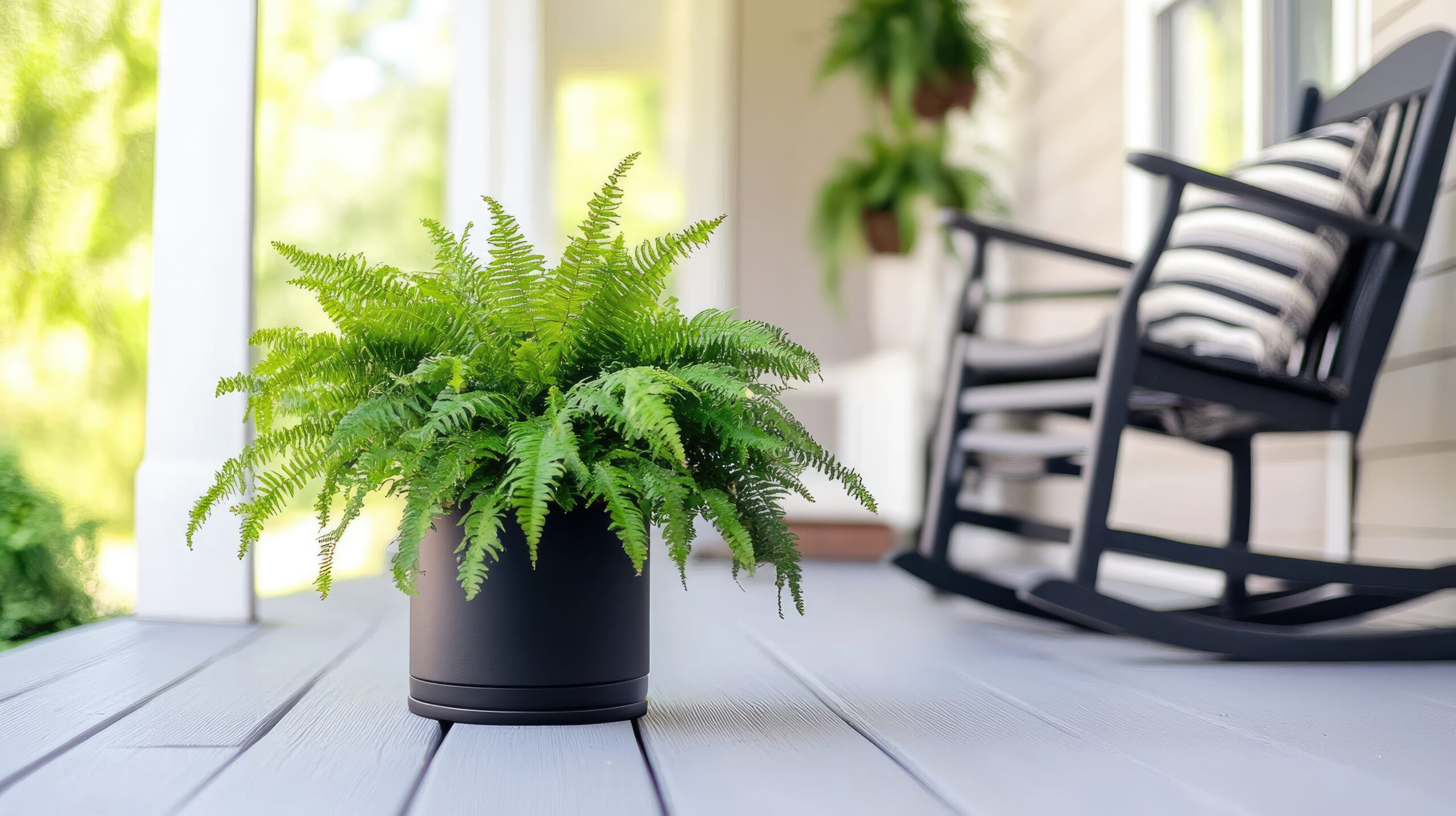
16. Fern Varieties for Maximum Moisture
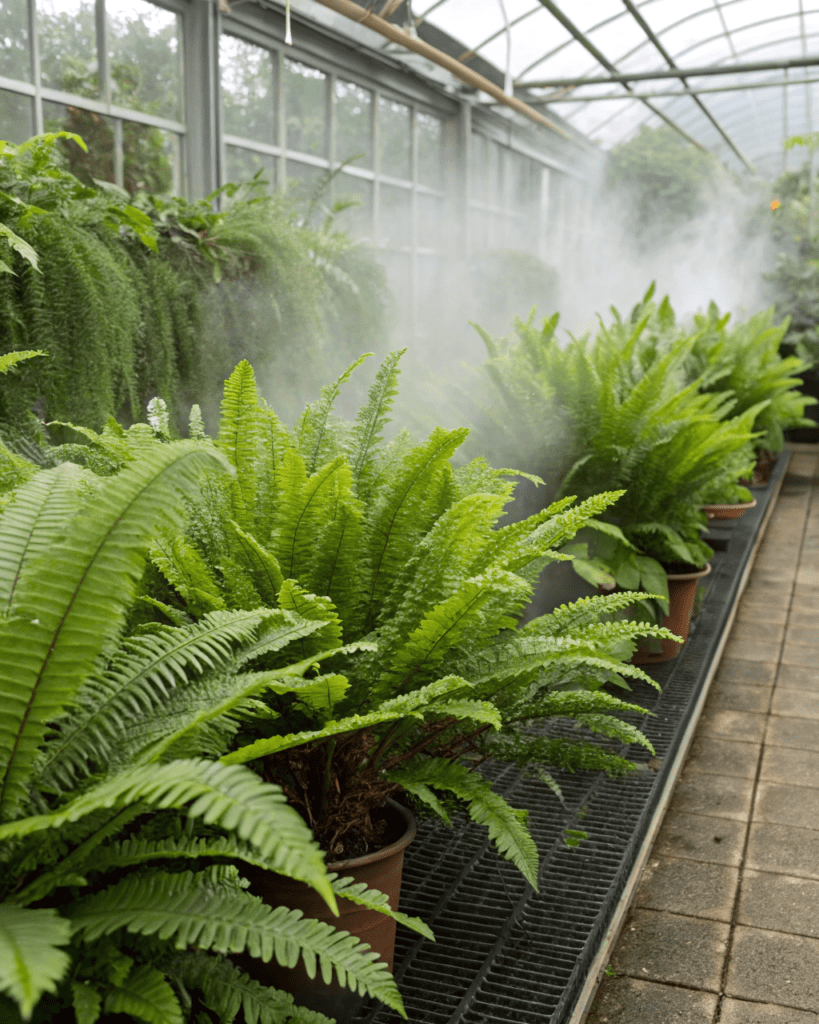
Many fern types are strong natural humidifiers.
- High water usage
- Dense foliage
- Best in indirect light
17. Alocasia for Large Tropical Leaves
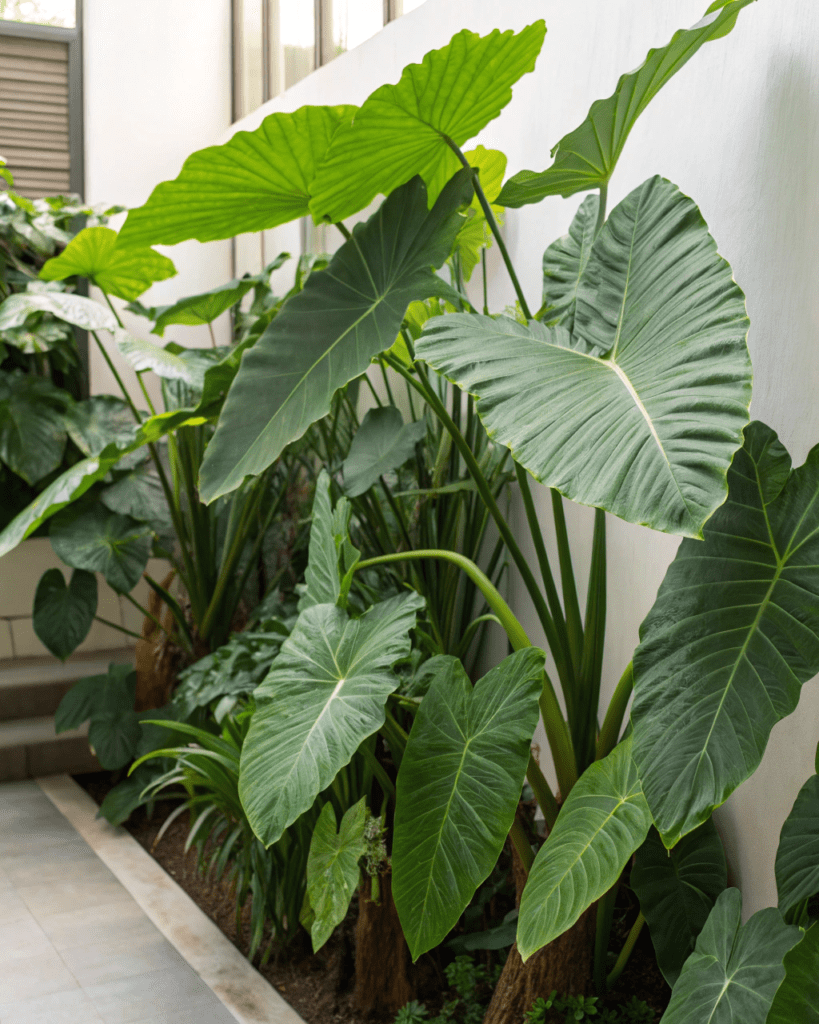
Alocasia plants have oversized leaves and high water demand.
- Strong transpiration
- Bold tropical look
- Needs attentive care
Final Thoughts
Plants that act as natural humidifiers usually share two traits: lots of leaf surface and regular water use. Grouping several of these plants together increases the effect more than using just one. They work best as a supportive humidity boost alongside good watering habits and proper ventilation.
Choose plants that match your light first, then your humidity goals.
FAQs
Do plants really increase indoor humidity?
Yes, through transpiration they release moisture vapor into the air, though the effect is moderate.
Which plant is the best natural humidifier?
Areca palm, Boston fern, and bamboo palm are among the strongest performers.
How many plants does it take to raise humidity?
Usually several medium to large plants grouped together make a noticeable difference.
Do these plants need more watering?
Yes, higher transpiration plants often need more consistent watering.
Are humidifying plants good for bedrooms?
Yes, especially palms, peace lilies, and ferns. They suit bedroom conditions well.

- 12 Small Guest Room Ideas People Love - March 13, 2026
- 18 Thoughtful Guest Room Ideas Your Friends and Family Will Appreciate - March 13, 2026
- 16 Easy Ways to Make Your Guest Bedroom Feel More Inviting - March 13, 2026