13+ Fire Pit Ideas for Windy Areas That Keep Flames Under Control
Looking for fire pit ideas for windy areas that actually work?
The best setups focus on wind protection, stable placement, and controlled flame design so you can enjoy a fire without dealing with smoke, sparks, or unstable flames.
With the right layout and materials, even windy backyards can have a safe and cozy fire pit setup.
Can You Use a Fire Pit in Windy Conditions?
Yes, you can use a fire pit in mild wind, but strong winds should always be avoided for safety reasons.
Love Chic Living Club?
Add us as one of your preferred Google sources and discover more home decor, DIY, outdoor, and lifestyle inspiration from us.
Wind can push flames, blow sparks, and spread embers to nearby surfaces, increasing fire risk. Even moderate gusts can make it harder to control the fire or keep it lit. The safest approach is to use a fire pit only when wind conditions are manageable and predictable.
How Do You Protect a Fire Pit From Wind?
You can protect a fire pit from wind by using barriers, choosing sheltered locations, and controlling flame size.
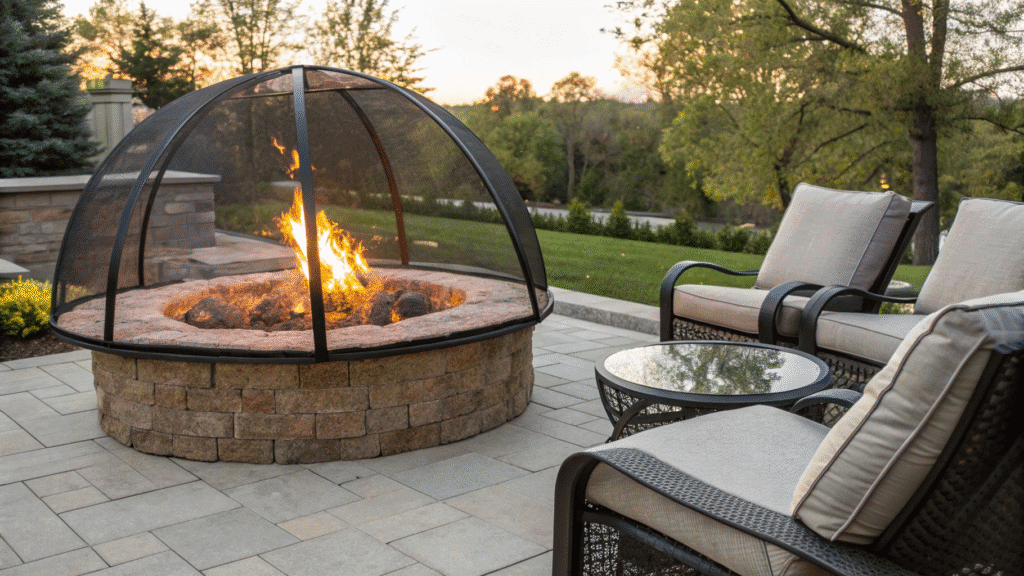
Wind guards, glass shields, and natural barriers like walls or hedges help reduce direct airflow. Placing the fire pit in a corner or behind a structure can significantly improve stability. Lowering the flame height also reduces flying embers and keeps the fire under control.
Where Is the Best Place to Put a Fire Pit in a Windy Yard?
The best place to put a fire pit in a windy yard is in a sheltered area with natural or built wind protection.
Ideal spots include areas near walls, fences, or landscaping features that block wind without trapping smoke. Avoid open spaces where wind can move freely, as this makes flames harder to control and increases safety risks.
What Type of Fire Pit Works Best in Windy Areas?
Fire pits designed for windy areas typically have low profiles, heavy bases, and wind-resistant features.
Models with built-in shields, double-wall designs, or enclosed flames perform better because they reduce airflow disruption. Heavier materials like steel or stone also help keep the fire pit stable during gusts.
What Safety Tips Should You Follow for Windy Fire Pit Setups?
Fire pit safety in windy areas requires proper placement, controlled flames, and clear surroundings.
Keep the fire pit on a non-flammable surface, maintain distance from structures, and remove dry debris nearby. Always monitor wind direction and avoid lighting a fire if conditions are too strong or unpredictable.
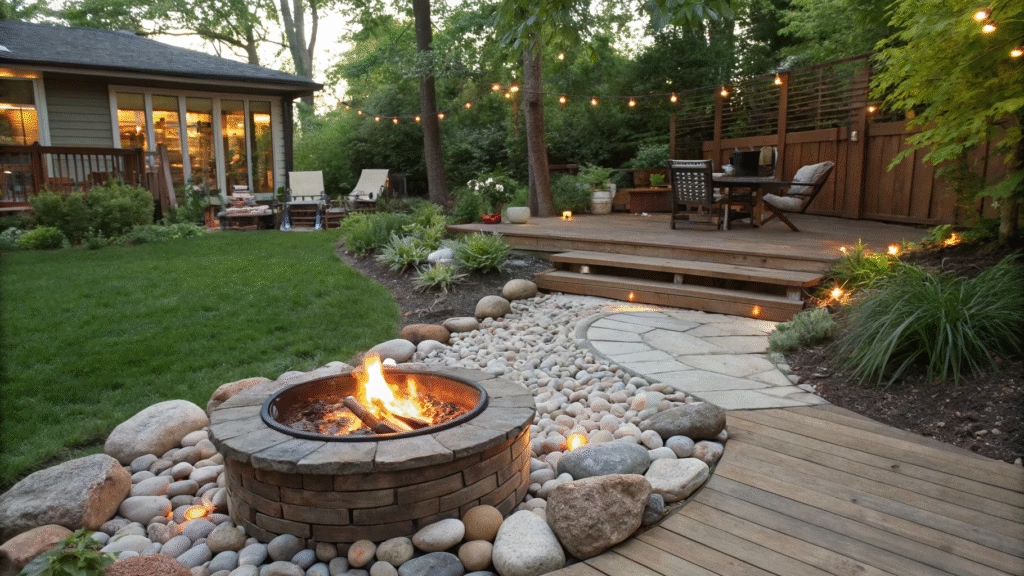
1. Sunken Fire Pit
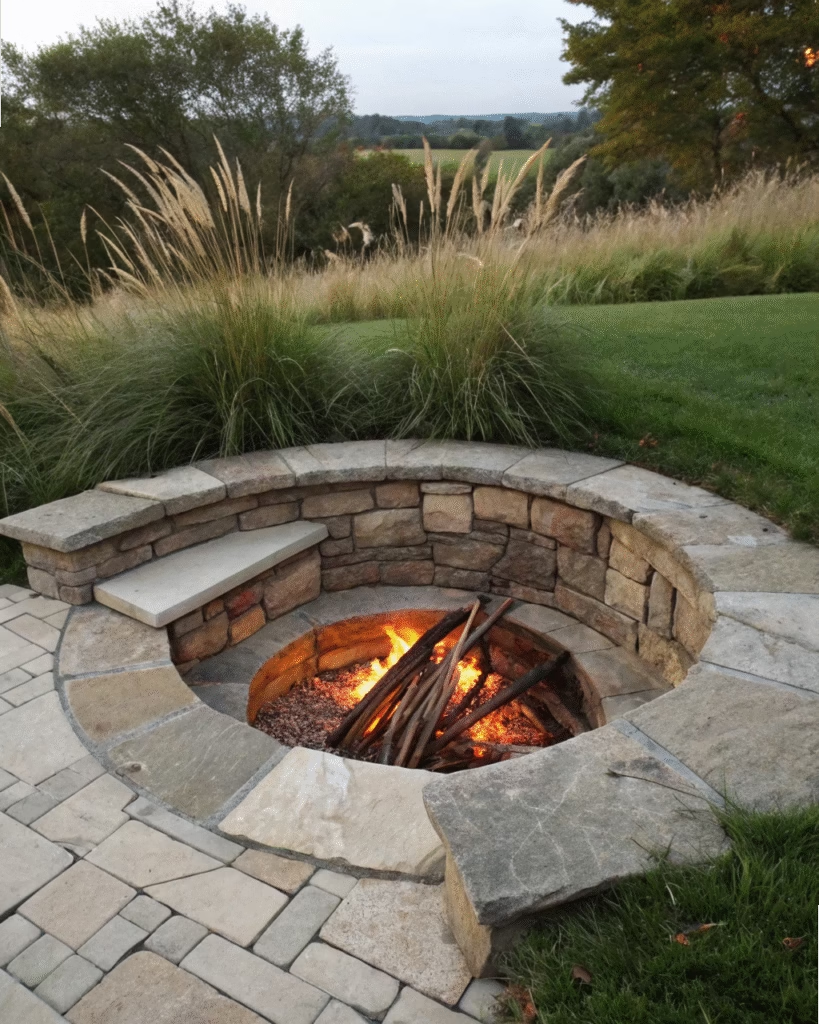
Build your fire pit below ground level to block wind naturally.
Pro Tip
Add drainage at the bottom to prevent water buildup.
2. Glass Wind Guard
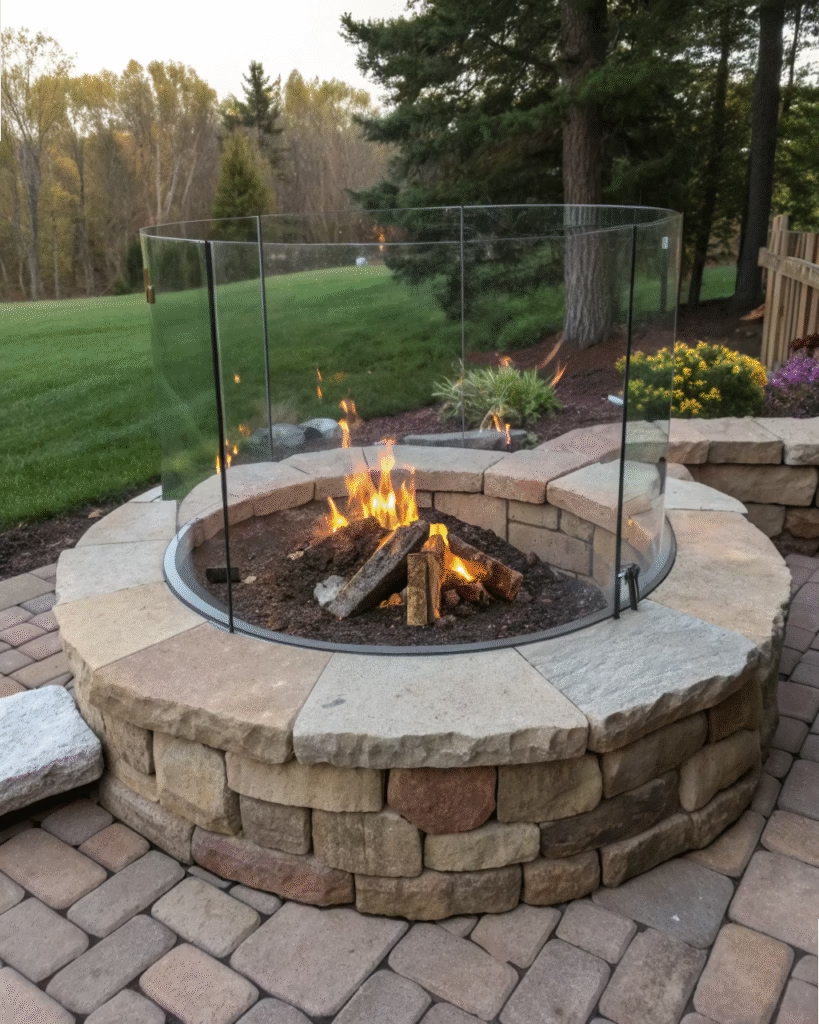
Install a circular or square tempered glass shield around the fire.
Pro Tip
Choose heat-resistant glass for durability and clear views.
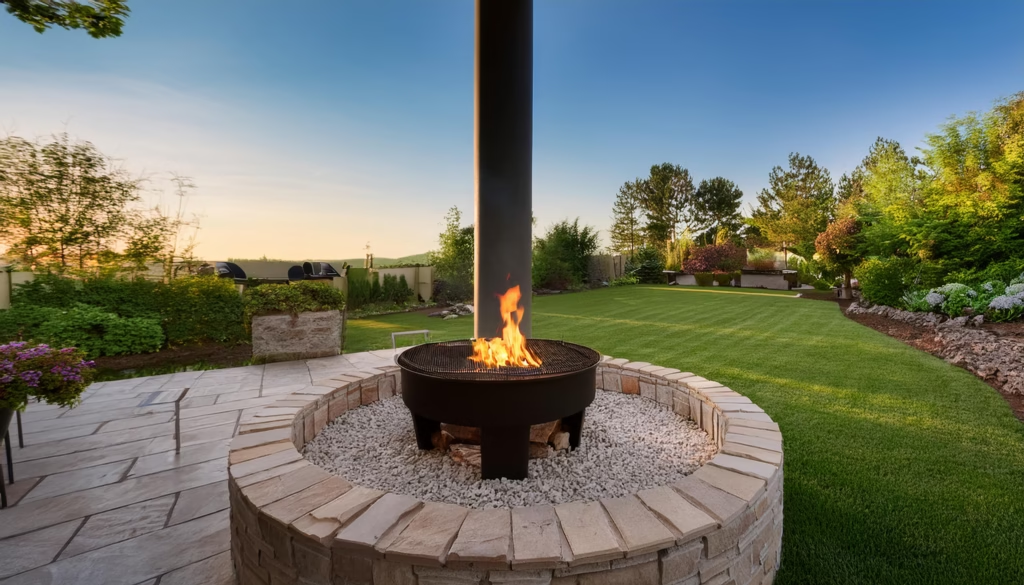
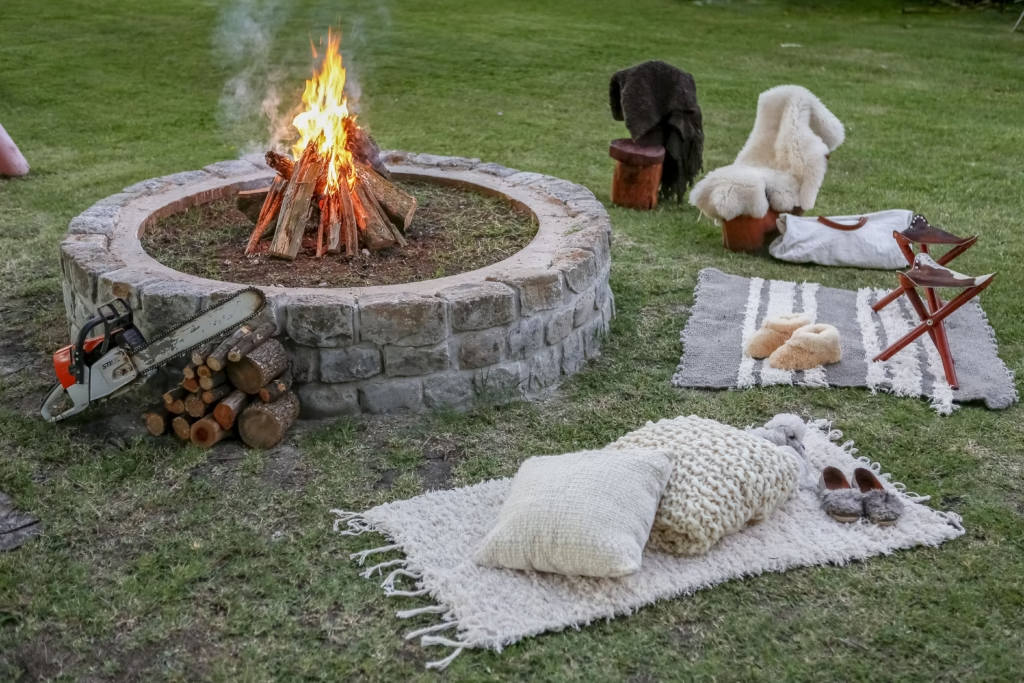
3. Stone Wall Enclosure
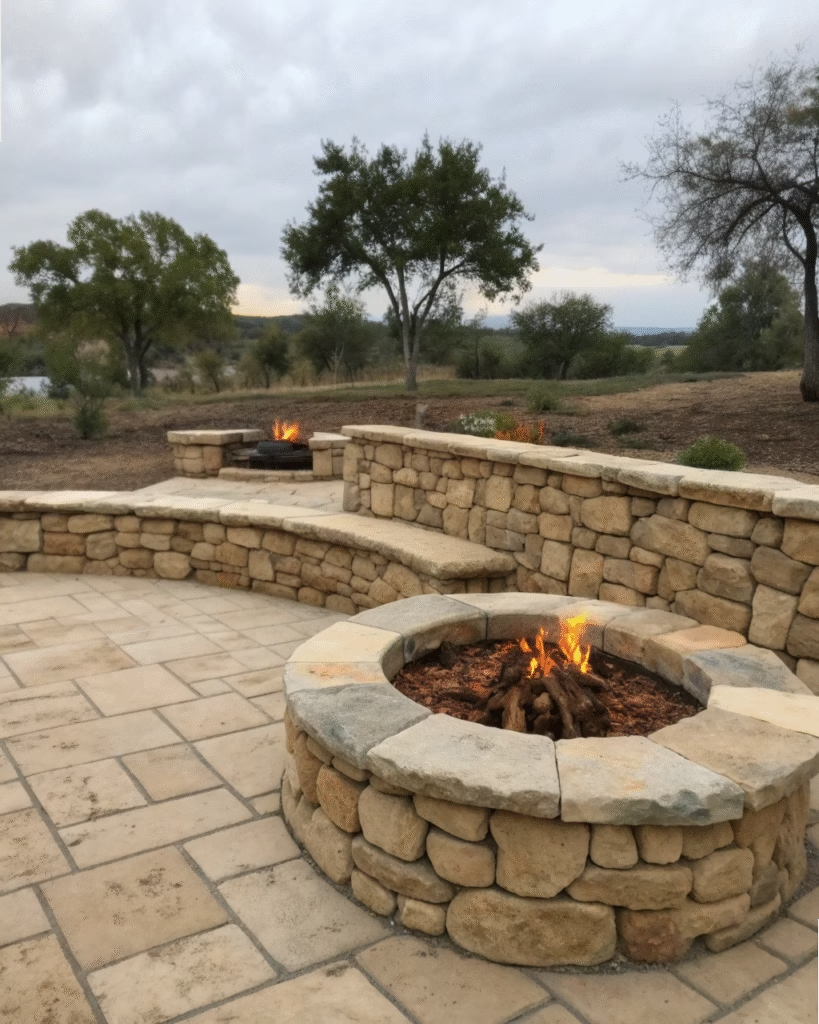
Surround the pit with a low stone wall to deflect wind.
Pro Tip
Match the stone to your patio for a cohesive look.
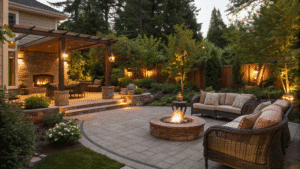
4. Pergola with Side Panels
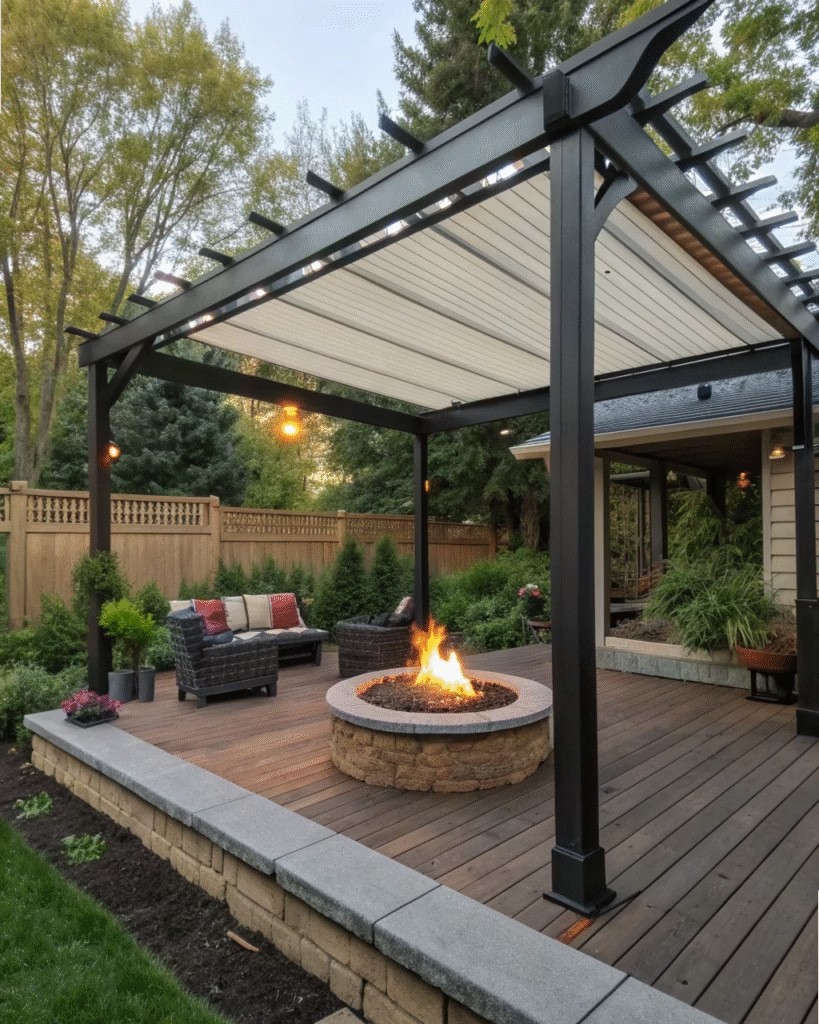
Place the fire pit under a pergola fitted with retractable screens.
Pro Tip
Opt for fireproof materials near the flame zone.
You May Also Love
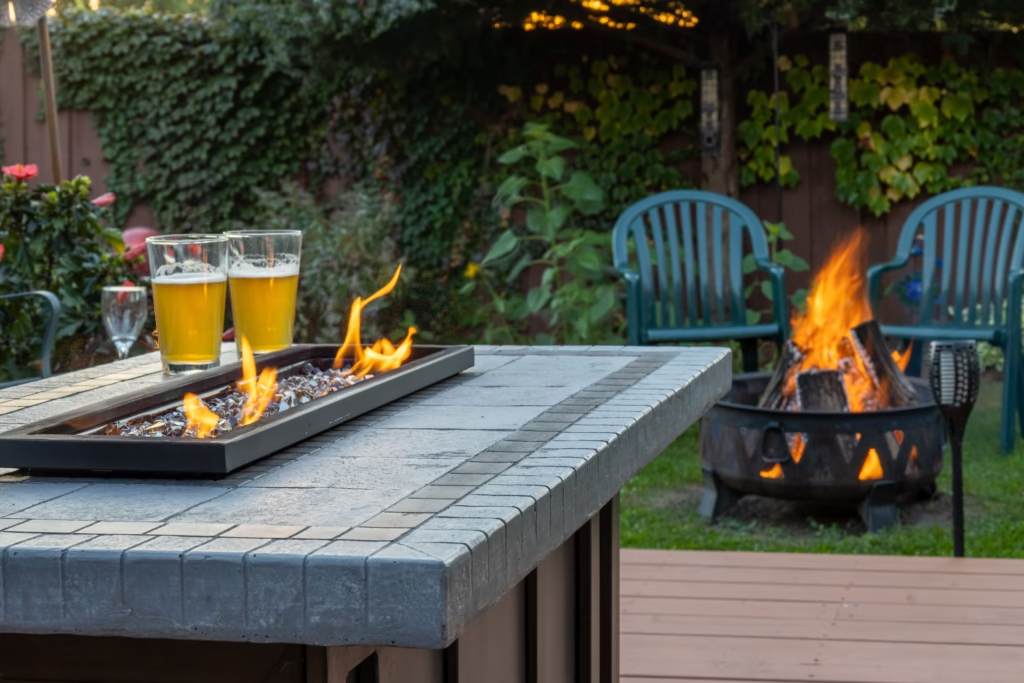
5. Fire Pit Table with Guard Rail
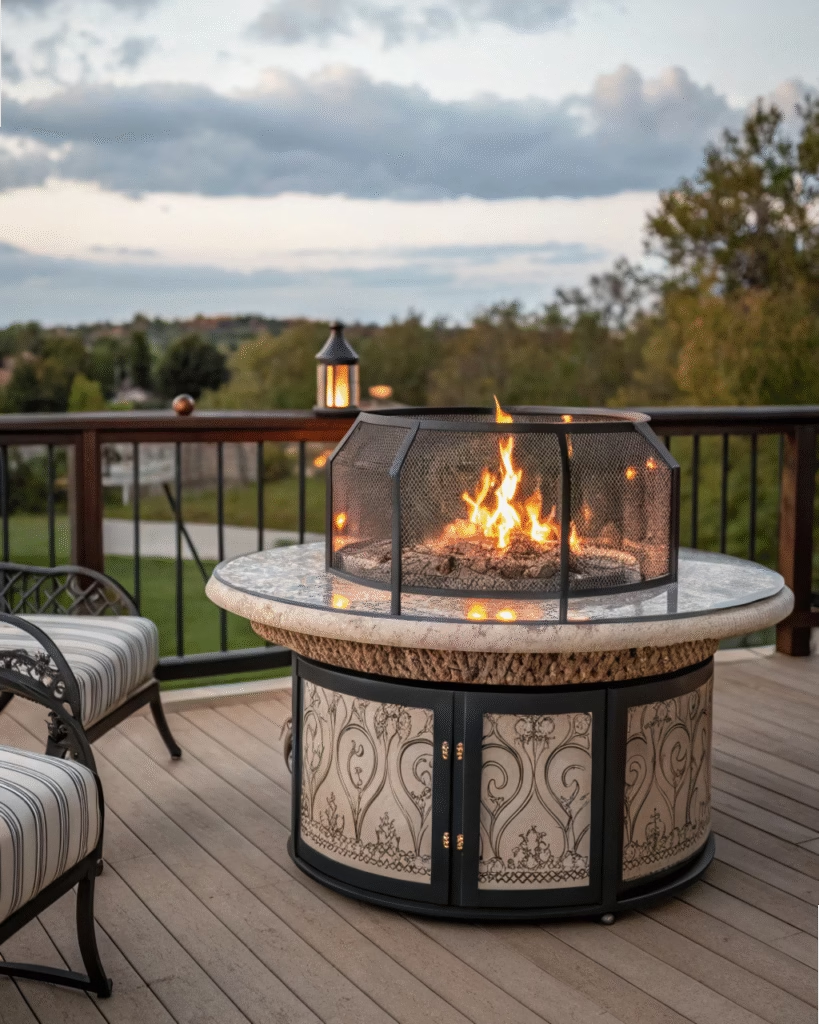
Use a fire pit table design with built-in wind protection.
Pro Tip
Select models with adjustable flame settings for extra control.
6. U-Shaped Seating Block
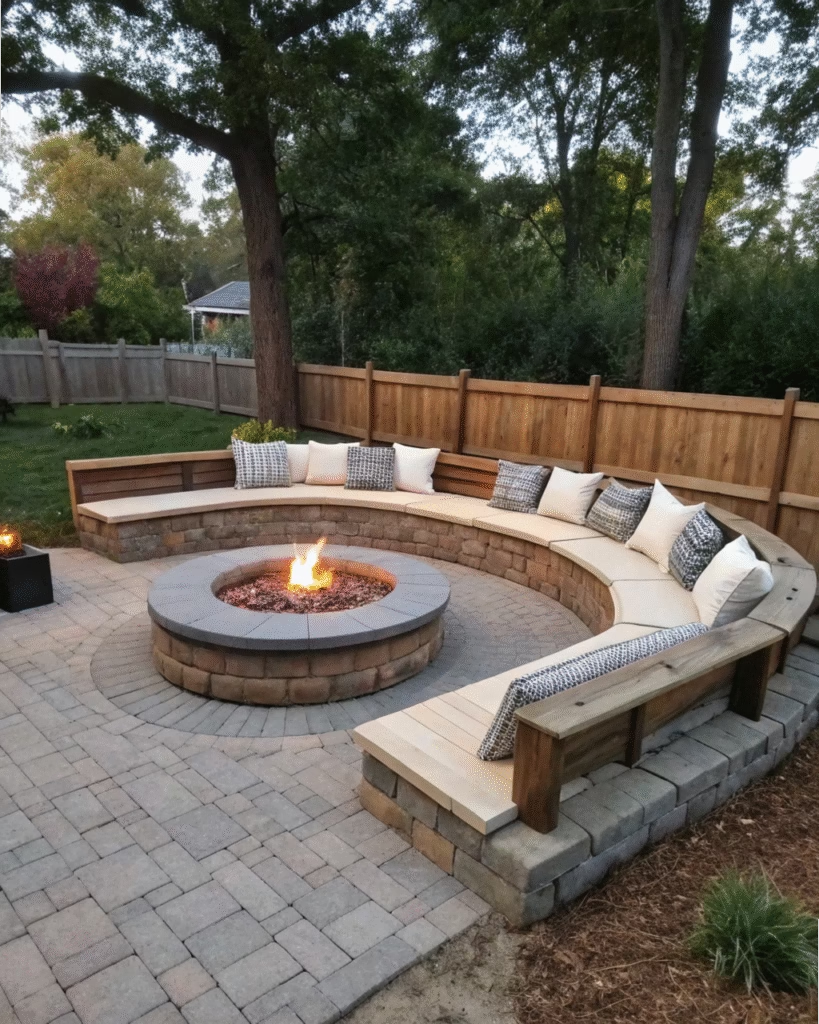
Arrange benches or outdoor sofas in a U-shape around the fire.
Pro Tip
Use the seating structure itself as a windbreak.
7. Portable Fire Pit with Shelter Tent
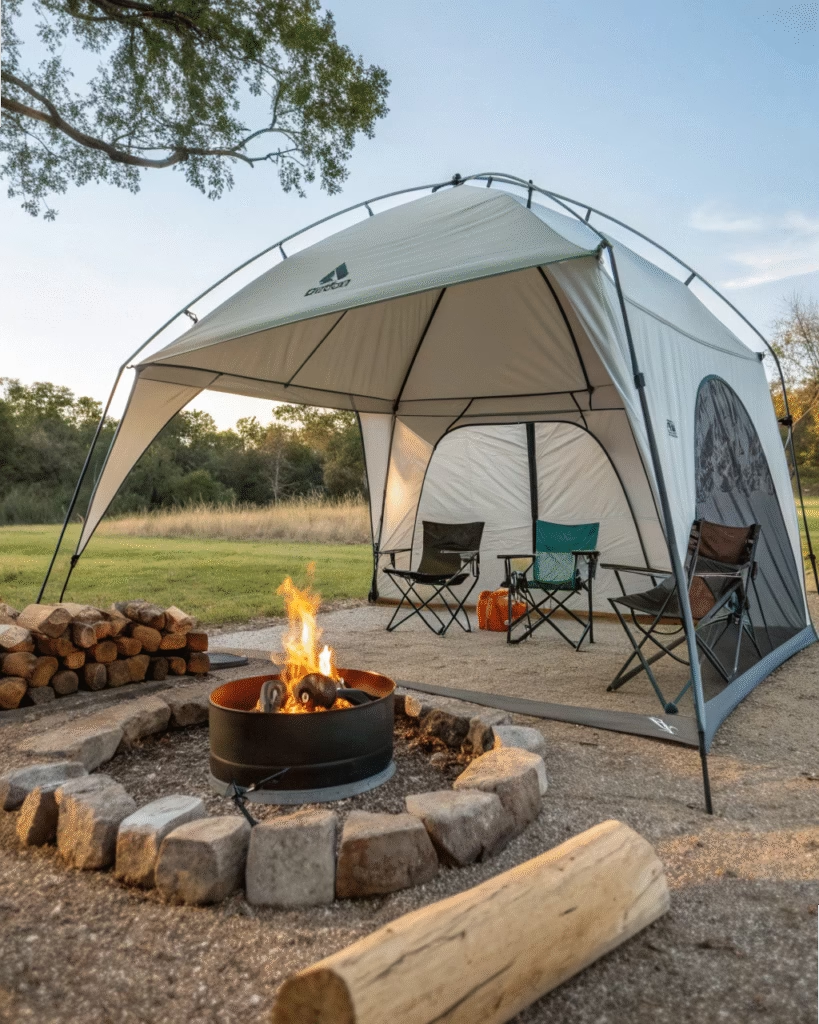
Set up a lightweight, fire-rated shelter tent for camping trips.
Pro Tip
Always maintain proper ventilation to avoid smoke buildup.
8. Masonry Half-Wall Design
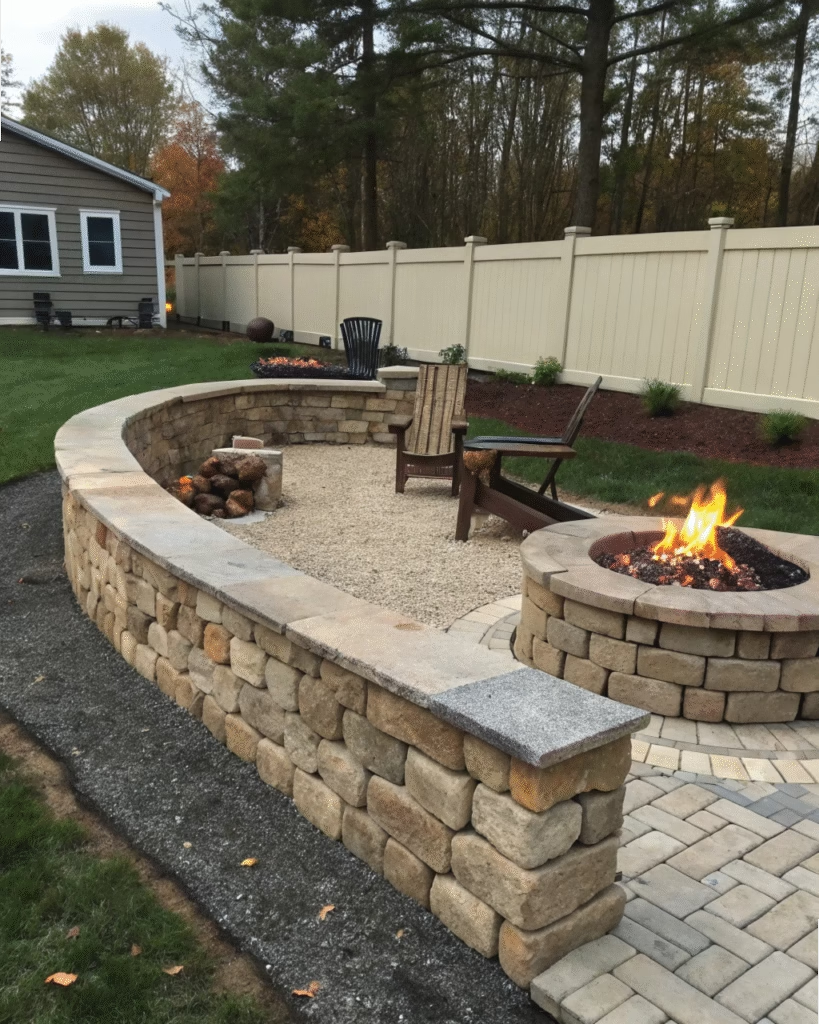
Build a half-wall windbreak on the side where wind is strongest.
Pro Tip
Add decorative planters on top for style and function.
Don't miss: 17+ Fire Pit Table Ideas for a Stylish and Functional Outdoor Centerpiece →
9. Raised Fire Pit with Glass Panels
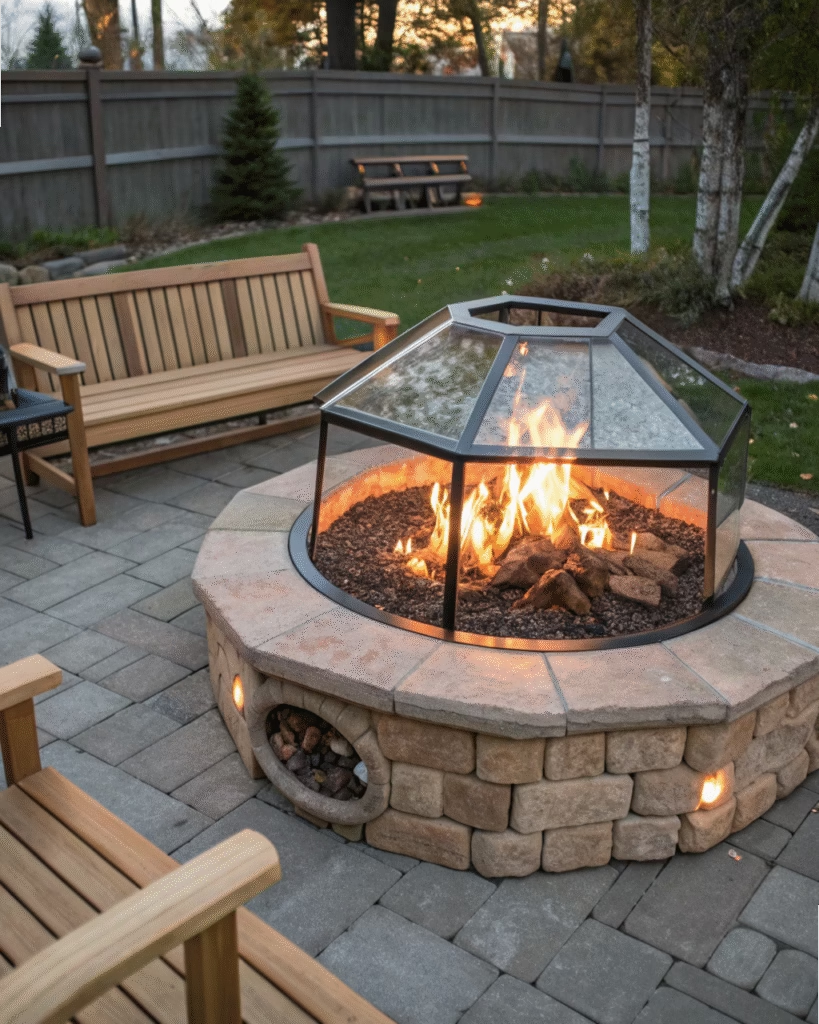
Elevate the fire pit and encircle it with glass panels.
Pro Tip
Helps block wind without obstructing the flame’s view.
10. Metal Wind Screen Panels
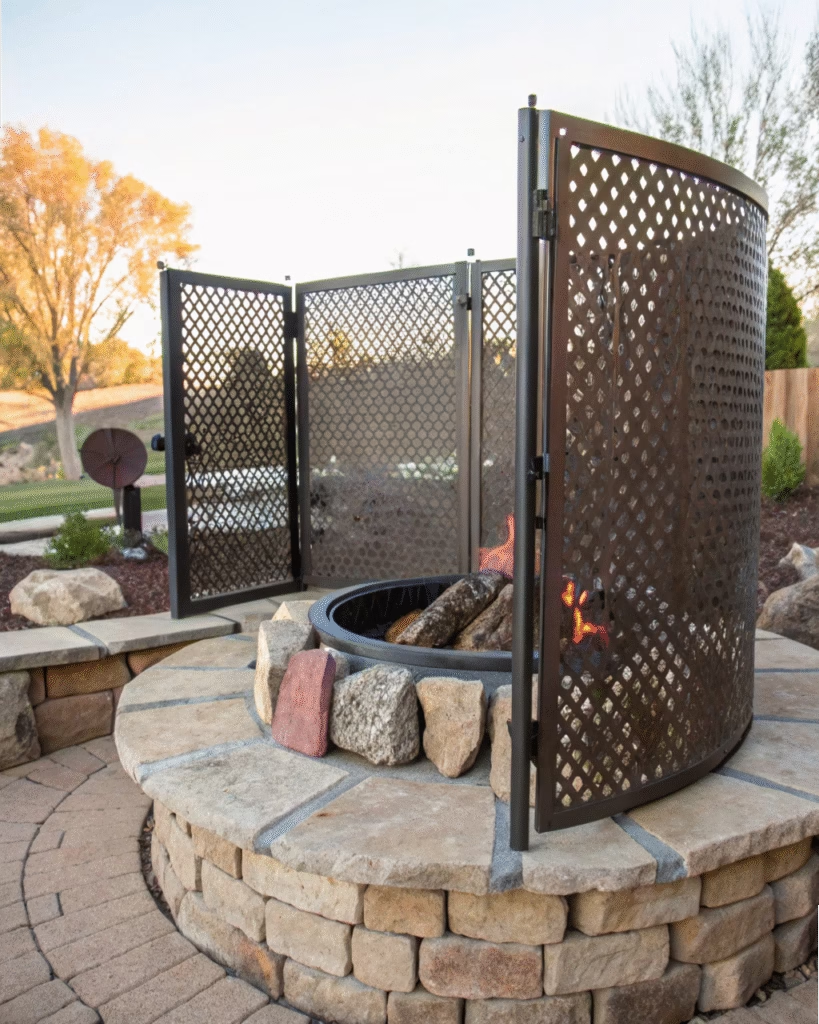
Attach perforated metal panels around the fire area.
Pro Tip
Choose powder-coated finishes to prevent rust.
11. Covered Patio Fire Pit
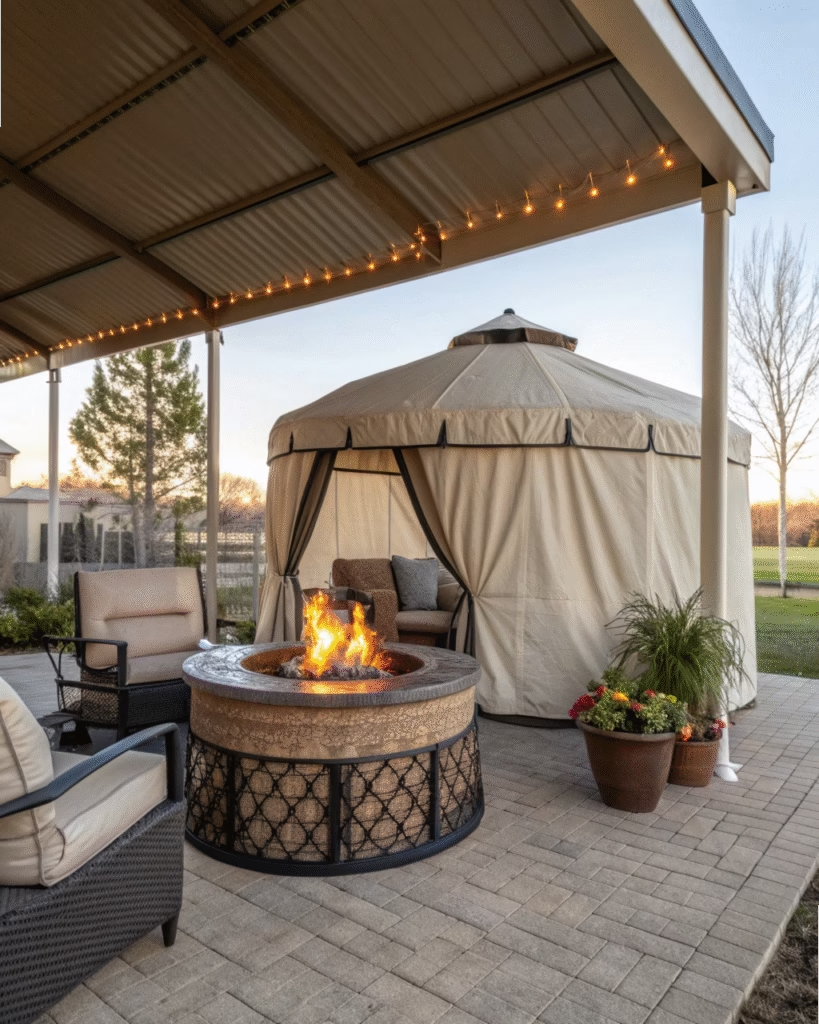
Place the pit under a covered outdoor space for wind protection.
Pro Tip
Check local fire codes for covered fire pit requirements.
Keep Exploring

12. L-Shaped Outdoor Barriers
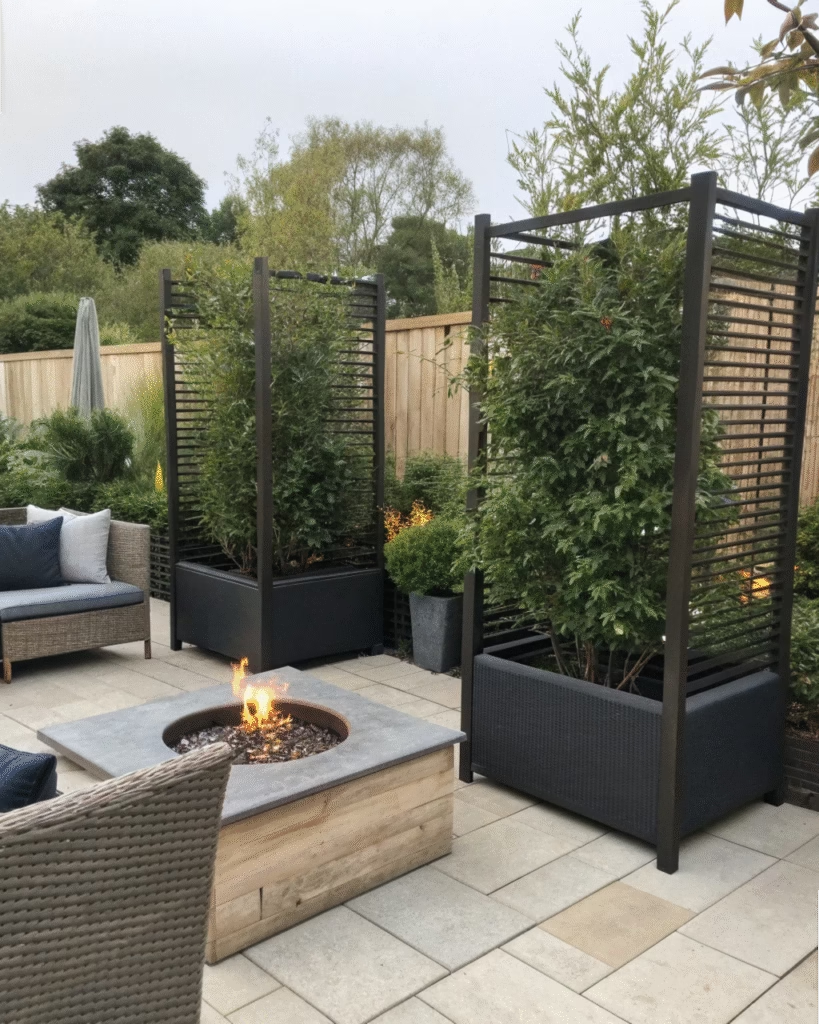
Position tall planters or privacy screens to block wind paths.
Pro Tip
Use weather-resistant plants for year-round coverage.
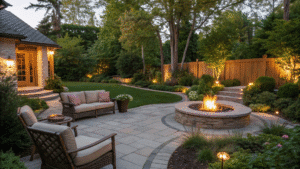
13. Sunken Patio with Built-In Fire Pit
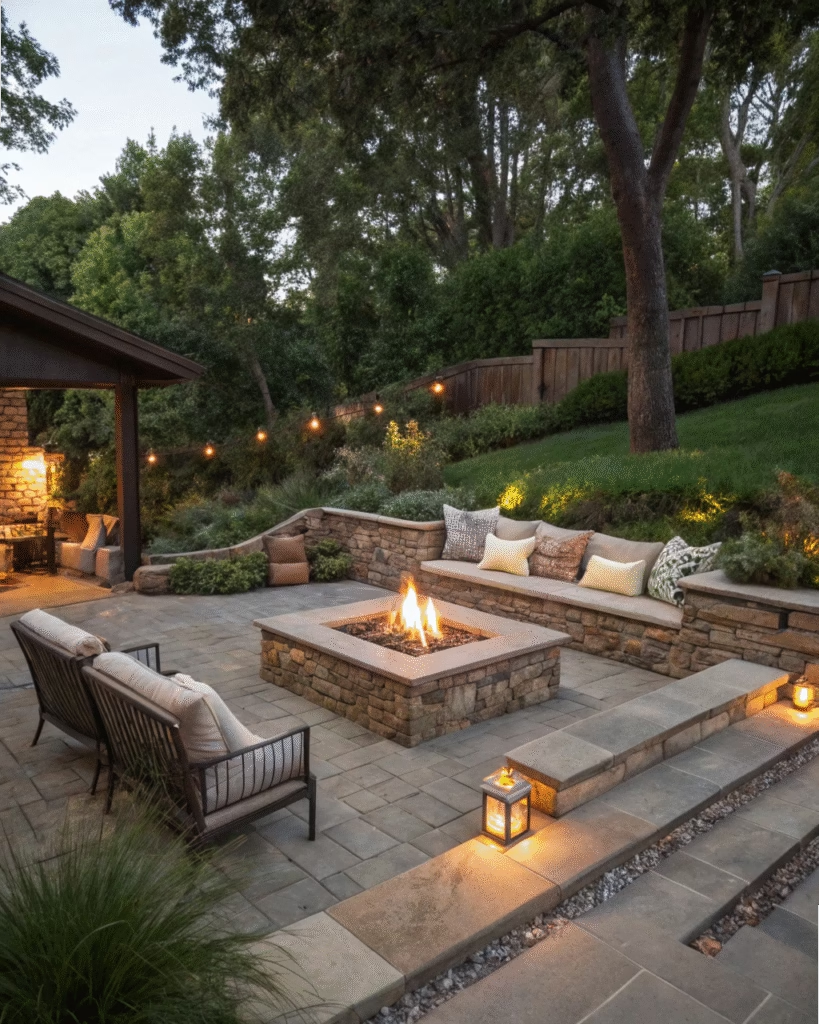
Create a recessed lounge area with a central fire pit.
Pro Tip
This design offers maximum wind resistance and a cozy vibe.
Final Thoughts
Wind doesn’t have to ruin your fire pit experience if your setup is designed correctly. By focusing on sheltered placement, proper materials, and controlled flames, you can create a space that stays safe and enjoyable even in breezy conditions. Keep the design simple, prioritize safety, and your fire pit will work with the wind instead of against it.
Frequently Asked Questions
How windy is too windy for a fire pit?
Fire pits should not be used in strong or gusty winds because flames can become unstable and sparks can spread. Mild breezes may be manageable, but safety should always come first.
How do you stop a fire pit from blowing smoke everywhere?
You can reduce smoke by positioning the fire pit based on wind direction, using dry wood, and placing seating on the upwind side. Wind barriers can also help control airflow.
Are gas fire pits better for windy areas?
Yes, gas fire pits are often better in windy conditions because they provide controlled flames and can be paired with wind guards for added stability.
What can I use as a wind barrier for a fire pit?
You can use walls, fences, hedges, or portable screens as wind barriers. These help reduce direct wind exposure while still allowing proper ventilation.
Can you build a permanent fire pit for windy locations?
Yes, permanent fire pits with built-in walls, stone surrounds, or recessed designs work well in windy areas because they provide natural wind protection and stability.