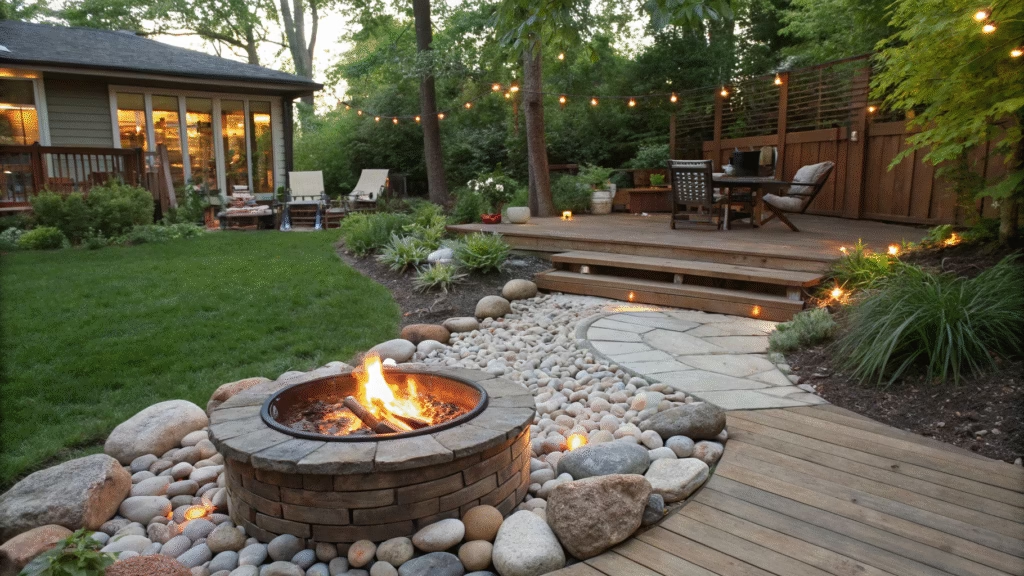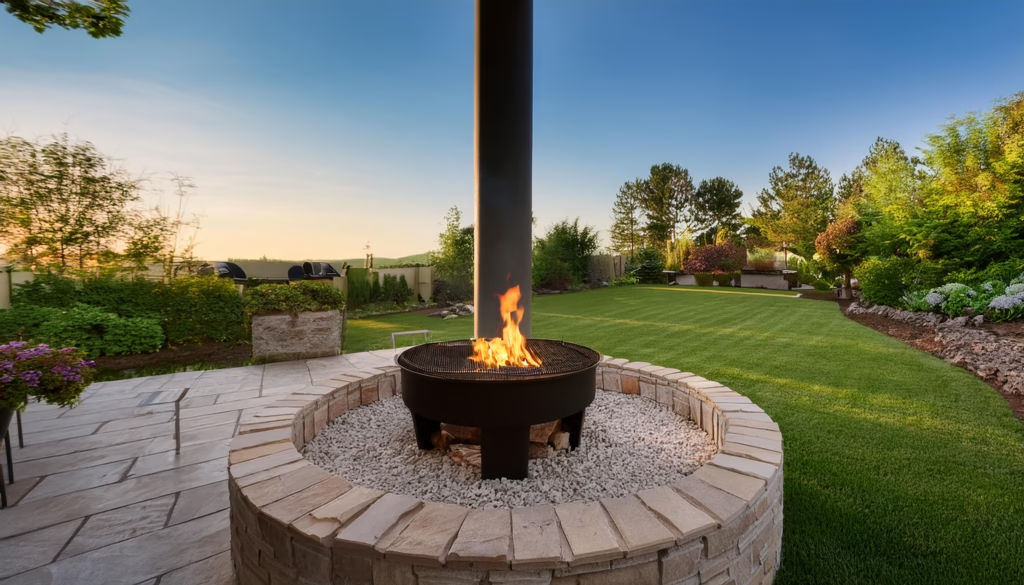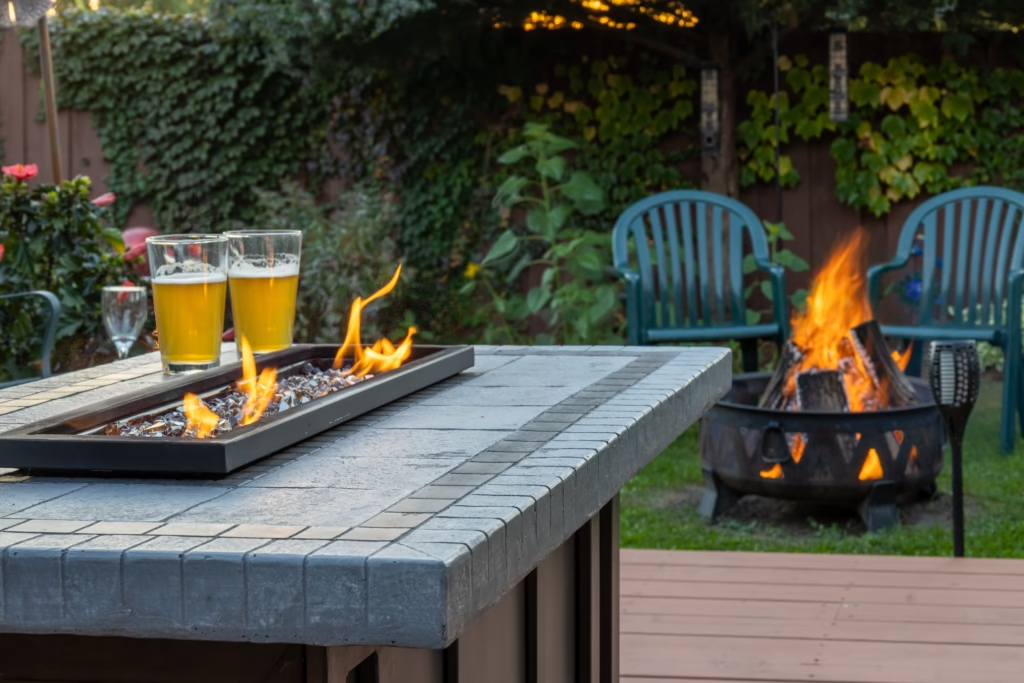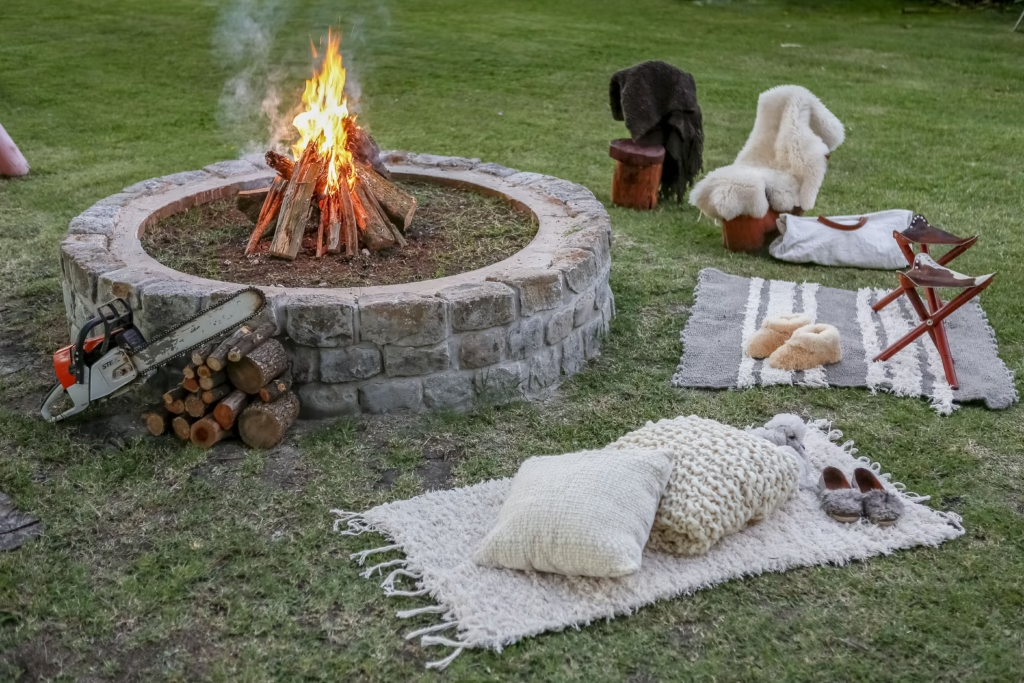
11+ Smart Fire Pit Ideas for a Sloped Yard That Actually Work
A sloped yard doesn’t have to limit your fire pit dreams. With the right setup, you can create a safe, stylish, and functional space for gathering around the flames.
Is a Sloped Yard Actually Good for a Fire Pit?
Honestly? Yes. And more people need to hear this, because a sloped yard is so often treated like a problem when it’s actually an opportunity. A flat yard gives you one level to work with. A sloped yard gives you layers and levels, natural drama, and the chance to create a fire pit area that feels genuinely tucked away and special rather than just a circle of stones plonked in the middle of a lawn.
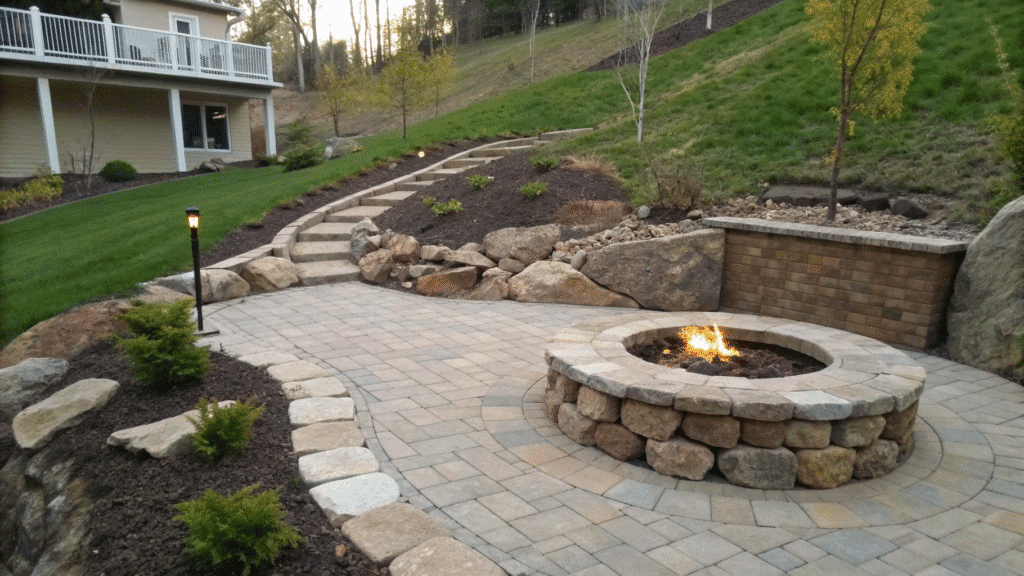
The key is working with the slope rather than fighting it. The ideas in this post are all built around that principle. Whether your slope is gentle or steep, there’s a solution here that will turn it into the most enviable spot in your garden.
How to Level Ground for a Fire Pit on a Slope
Before you commit to any fire pit idea, it helps to understand the basics of levelling on a slope. You don’t necessarily need a professional landscaper for this (though for steep slopes or retaining walls, it’s always worth getting advice). Here’s how most DIY approaches work:
Love Chic Living Club?
Add us as one of your preferred Google sources and discover more home decor, DIY, outdoor, and lifestyle inspiration from us.
Cut and Fill
The most common method. You excavate the higher side of your slope and use that soil to build up the lower side, creating a flat platform in the middle. This works well for gentle to moderate slopes and is the foundation of most DIY fire pit terrace projects.
Retaining Walls
Used when the slope is steep enough that cut and fill alone won’t hold. A low retaining wall on the downhill side holds the levelled earth in place. Stone, brick, timber sleepers, and gabion cages are all popular choices depending on your style.
Built-Up Platforms
These skip the earthworks entirely and instead build a raised deck or platform structure that sits above the slope. Brilliant for very steep yards or situations where you don’t want to disturb the ground.
Always Think About Drainage
When you level any part of a slope, you interrupt the natural water flow. Make sure your levelled area has somewhere for rainwater to go, whether that’s a French drain, gravel base, or simply leaving a gap in your retaining wall for water to pass through. A fire pit area that pools with water after every shower is no fun at all.
The Best Fire Pit Styles for a Sloped Yard
Not all fire pits suit all slopes. Here’s a quick breakdown of which style works best depending on your situation:
| Fire Pit Style | Best For | Why |
|---|---|---|
| Sunken/Recessed Pit | Gentle to moderate slope | Creates a cosy below-ground feel, natural windbreak |
| Built-in Retaining Wall Pit | Moderate to steep slope | The wall does double duty as structure and seating |
| Raised Deck Platform Pit | Steep slopes | Avoids earthworks entirely, stunning views |
| Terraced Patio Pit | Any slope | Creates multiple levels and a sense of destination |
| Hillside Bench Seating Pit | Gentle slope | Uses the natural gradient for tiered seating |
| Floating Platform Pit | Steep or rocky slopes | Cantilevered design, very dramatic |
As a general rule, the steeper your slope, the more structural your solution needs to be. A gentle slope can get away with a simple cut-and-level terrace. A steep hillside calls for something more engineered, like a retaining wall setup or raised deck.
Fire Pit Seating Ideas for a Sloped Yard
Getting the seating right on a slope is just as important as the fire pit itself. Flat ground means you can pull up any chairs you like. A slope needs a bit more thought.
Built-In Bench Seating Along the Retaining Wall
One of the most popular and practical solutions. If you’re building a retaining wall to hold back a slope, adding a wide flat cap to the top turns it instantly into seating. Add outdoor cushions and it looks incredibly intentional and styled.
Curved Hillside Benches
Built into the slope itself, these create a natural amphitheatre effect around the fire pit. This works particularly well when the fire pit is at the lowest point and the seating rises behind it on the slope. Everyone gets a great view of the fire and there’s no fighting over the good chairs.
Tiered Seating on Different Levels
Uses the natural gradient to create rows of seating at different heights, almost like an outdoor cinema. A couple of wide shallow steps with flat pads on each level for chairs or benches works beautifully.
Freestanding Chairs
These work perfectly well on a properly levelled fire pit platform. Adirondack chairs, low sling chairs, or a curved sectional sofa all look brilliant around a fire pit, provided the ground they’re sitting on is actually flat. If your platform is level, any seating works.
One thing to avoid on a slope: wobbly, uneven ground and chairs with legs. Even a slight lean feels uncomfortable to sit in for a whole evening. Always prioritise getting the platform properly level before worrying about furniture.
How to Create a Terraced Fire Pit Area on a Slope
A terraced fire pit area is probably the most stunning transformation you can make to a sloped garden. Instead of just carving out one flat platform, you create multiple levels that flow down the hillside, each one serving a different purpose.
A classic three-tier layout might look like this. The top level is a lawn or planting area. The middle level is a paved patio for dining or lounging. The bottom level is the fire pit zone, slightly sunken or enclosed, with seating built into the walls between levels.
Plan on Paper First
Sketch out your slope and decide how many levels you want and roughly where each one sits. Think about how you’ll move between them. Steps are essential and they’re also a huge styling opportunity. Wide stone steps, stepping stones through planting, or railway sleeper steps all look incredible on a terraced slope.
You May Also Love
Work From the Bottom Up
Build your lowest retaining wall first, then work upwards. This gives you a solid base to work from and makes it easier to get levels right.
Match Your Materials Throughout
Use the same stone, brick, or timber for your retaining walls, steps, and fire pit surround. This makes the whole scheme look cohesive and designed rather than cobbled together.
Add Planting Between Levels
Planting in the walls and along the edges of each terrace softens the hardscaping enormously. Trailing plants that spill over the edges of walls are especially beautiful. Think lavender, rosemary, thyme, or ornamental grasses.
Light It Properly
A terraced fire pit area at night is pure magic, but only if it’s lit well. Low-level lights built into the steps, solar path lights along walkways, and string lights overhead will turn it into an outdoor room you’ll want to spend every evening in.
DIY Fire Pit on a Slope: What You Need to Know Before You Start
If you’re planning to tackle this yourself rather than hiring a landscaper, here’s the honest rundown of what to expect:
Check Your Local Regulations First
Some areas have rules about fire pits, particularly regarding distance from boundaries, structures, and overhanging trees. A quick check with your local council or planning authority before you start saves a lot of headaches.
Safety Distances Matter on Slopes
On flat ground the rule is usually at least 10 feet from any structure. On a slope, embers travel further because they can be caught by upslope breezes. Be extra generous with your safety distances and make sure there are no overhanging branches above your fire pit area.
Don't miss: 17+ Fire Pit Table Ideas for a Stylish and Functional Outdoor Centerpiece →
Test Your Drainage Before Committing
Pour a large amount of water onto the area you’re planning to level and watch where it goes. If it pools immediately, you’ll need to factor drainage into your build from the very beginning.
Budget for More Than You Think
Sloped garden projects almost always cost more than expected. Hidden roots, rocky ground, unexpected drainage issues, and the sheer weight of materials like stone and gravel all add up. Build a buffer into your budget.
Start Small if You’re Unsure
A simple levelled terrace with a standalone fire pit is a very achievable DIY project. Complex retaining walls and multi-tiered terraces are better left to professionals unless you have genuine structural knowledge. There’s no shame in doing the planning and design yourself and bringing in a landscaper just for the structural elements.
Fire Pit Ideas for a Steeply Sloped Yard
A steep slope is a bigger challenge but also an incredible opportunity. Here are the ideas that work best when you’re dealing with a serious gradient:
Carved Out Hillside Fire Pit
Excavate directly into the hillside to create a sheltered, enclosed fire pit space. The slope becomes the walls. This creates an incredibly cosy, almost cave-like atmosphere and provides natural wind protection. Line the back and sides with stone for both stability and style.
Raised Deck With Fire Pit
Build a cantilevered or post-supported deck out from the slope with a gas or propane fire pit built into the deck itself. This is the most dramatic option visually and the views from a deck elevated above a steep slope can be breathtaking. Use a gas pit rather than wood-burning to eliminate the ember risk on a wooden deck.
Multi-Level Stone Terrace
Use the slope to build a series of wide stone terraces with a fire pit on the lowest level. This is the most labour-intensive option but also the most timeless and beautiful. Done well it looks like it’s always been there.
Stepped Pathway With Fire Pit at the Base
Create a winding stone pathway down the slope with the fire pit as the destination at the bottom. The journey to get there becomes part of the experience. Line the steps with low planting and solar lights and it becomes magical after dark.
Keep Exploring
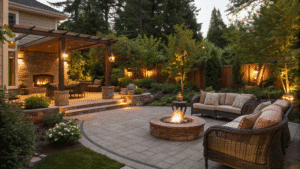

How to Landscape Around a Fire Pit on a Slope
The fire pit itself is just the start. How you landscape around it makes the difference between a construction project and an outdoor room you genuinely love spending time in.
Use Plants to Anchor the Space
Large ornamental grasses, lavender, and low-growing shrubs planted at the edges of your fire pit area soften the transition from hard landscaping to the surrounding slope. Choose plants that are appropriate for your climate and that won’t drop a huge amount of debris into or near the fire.
Create a Clear Boundary
On a slope, a fire pit area without a clear defined edge can feel unfinished and slightly unstable (even when it isn’t). A low stone wall, a line of railway sleepers, a gravel border, or even just a change in paving material all help to say “this is the fire pit zone” and make the space feel intentional.
Think About the View From the Fire Pit
Where will people be sitting and what will they be looking at? On a slope you often have the opportunity to position the fire pit so that the view is of the garden, the landscape beyond, or even a beautiful planting arrangement on the slope above. Design with sightlines in mind.
Add Overhead Structure Eventually
A pergola, sail shade, or simple wire frame with climbing plants above a fire pit area does two things: it provides some protection from light rain and it makes the space feel like a proper outdoor room with a ceiling. On a slope this can look absolutely stunning, especially with string lights woven through it.
Keep the Surface Around the Pit Practical
Gravel, flagstone, brick, and concrete pavers are all good choices. Avoid bare soil (muddy in wet weather), wooden decking immediately around a wood-burning pit (ember risk), and anything too pale in colour that will show ash marks easily.
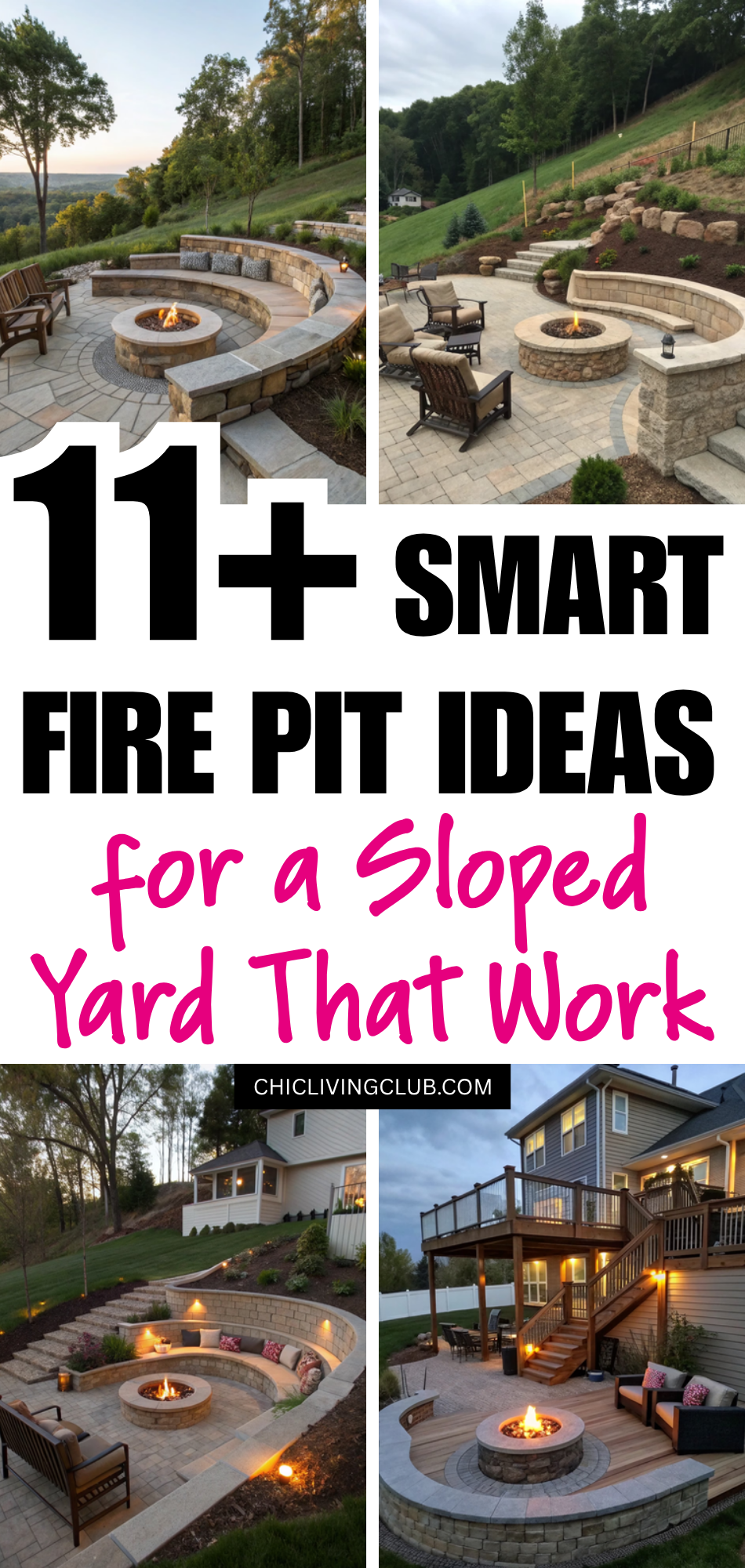
These ideas are designed to make the most of uneven terrain while keeping comfort and safety in mind.
1. Terraced Seating with Central Fire Pit
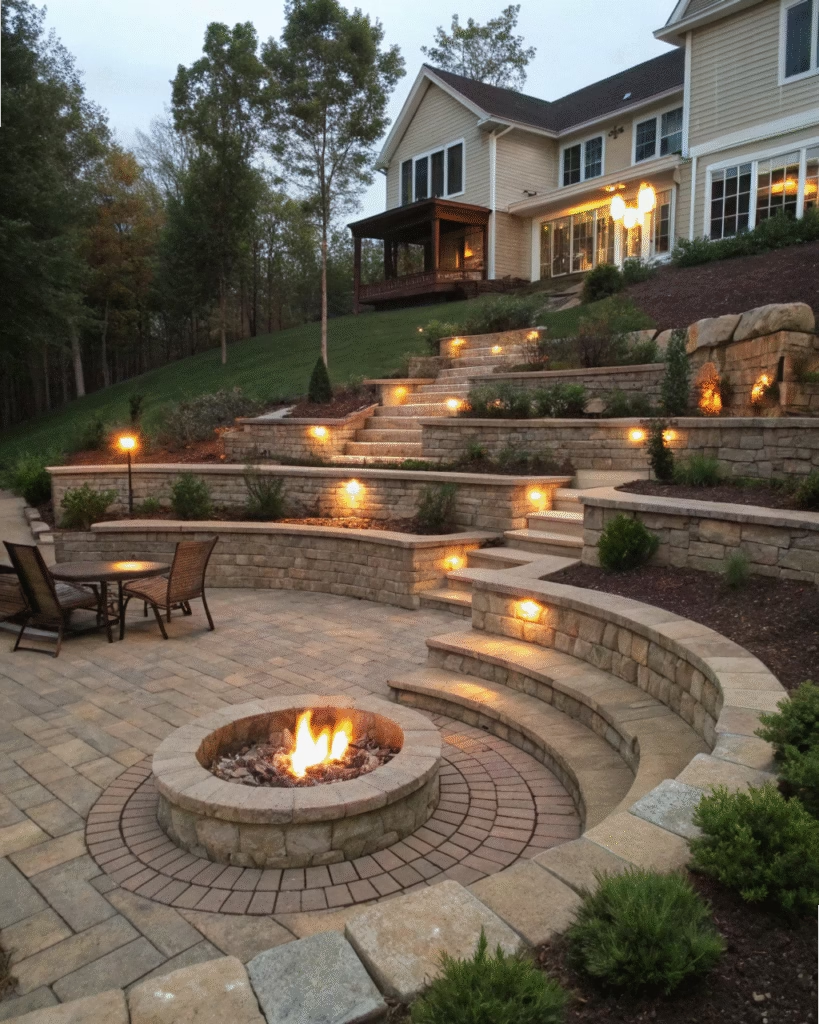
Level your slope with tiered seating areas leading down to a fire pit.
Pro Tip
Use retaining walls to create flat surfaces and add built-in benches.
2. Sunken Fire Pit Zone
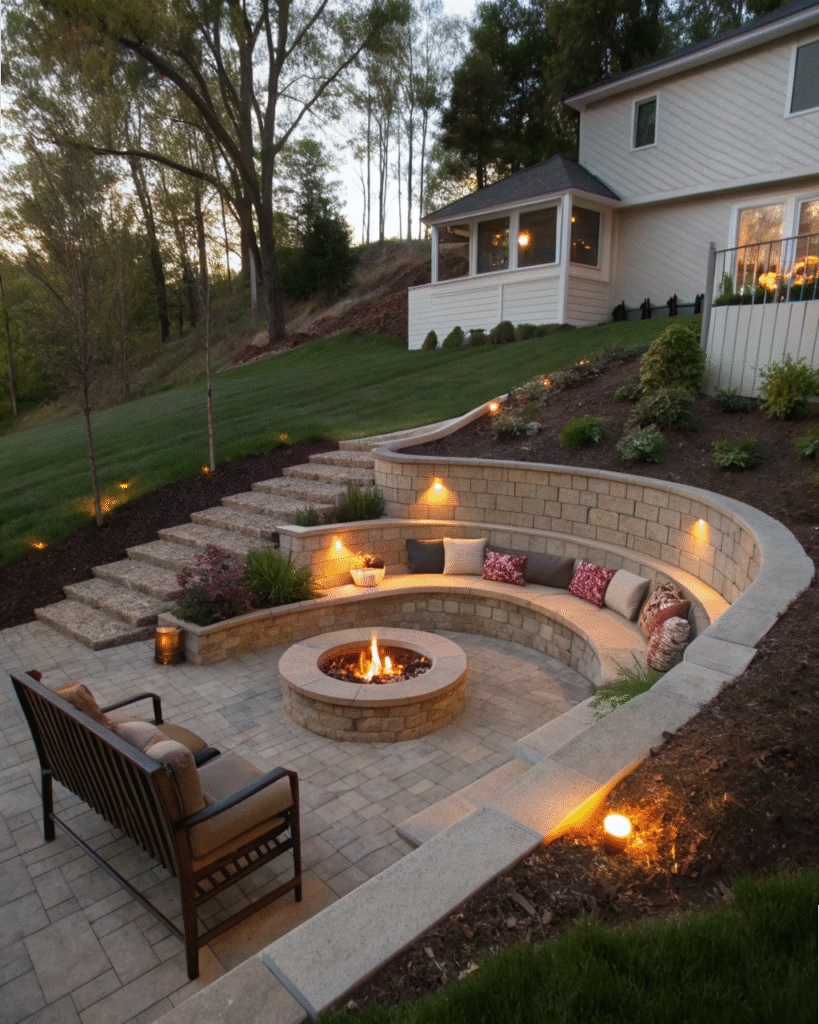
Excavate part of the slope to create a recessed fire pit area.
Pro Tip
Include proper drainage to avoid water pooling after rain.
3. Retaining Wall Fire Pit
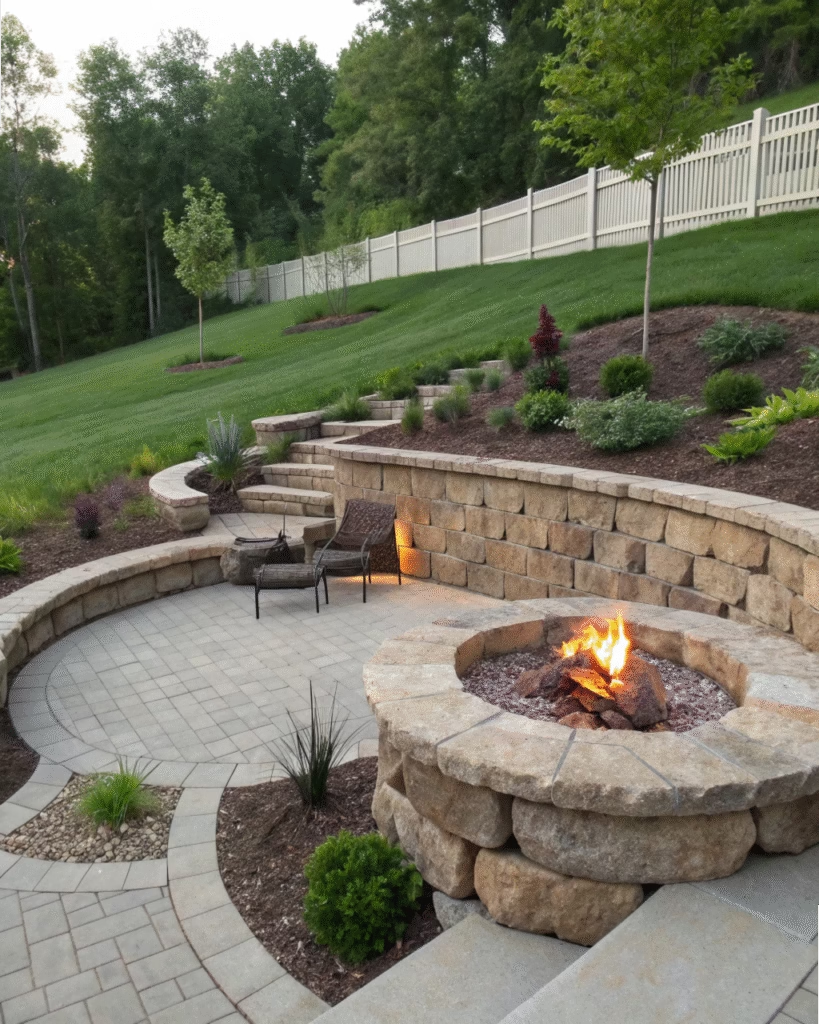
Build your fire pit into a retaining wall for stability and a custom look.
Pro Tip
Stone or brick walls add both durability and rustic charm.
4. Elevated Deck with Fire Pit
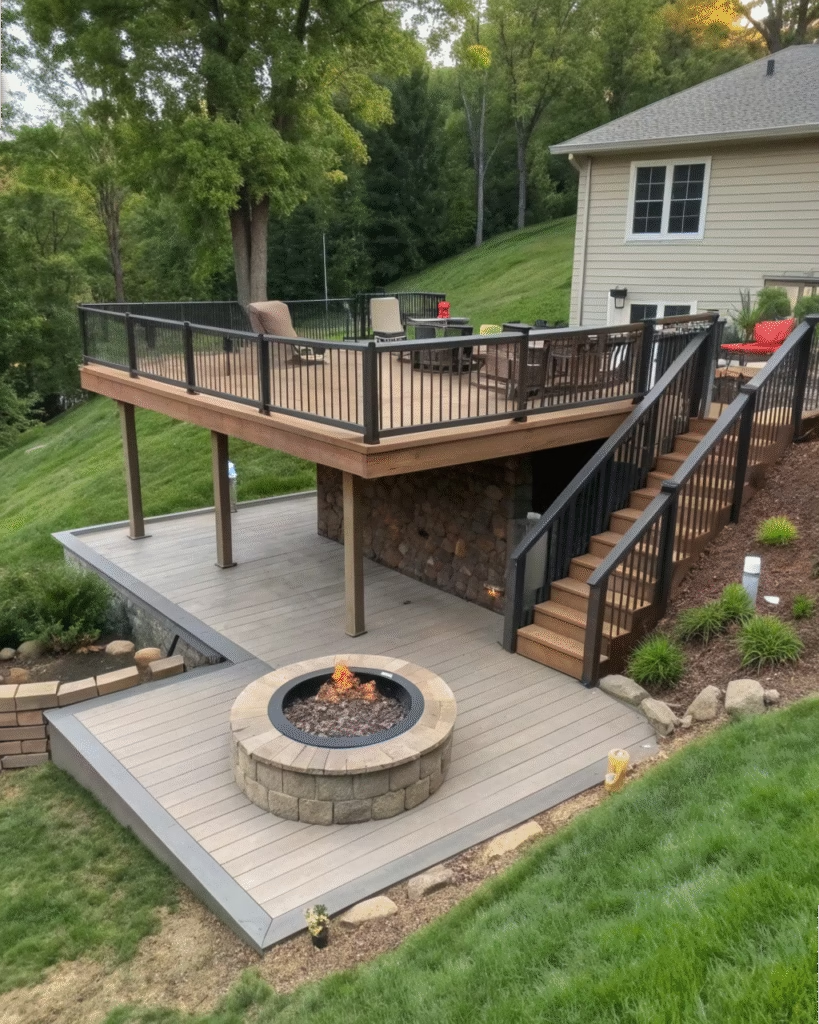
Install a raised deck platform on the slope to hold your fire pit.
Pro Tip
Choose a gas or propane pit to keep the surface clean and safe.
5. Hillside Patio with Fire Pit
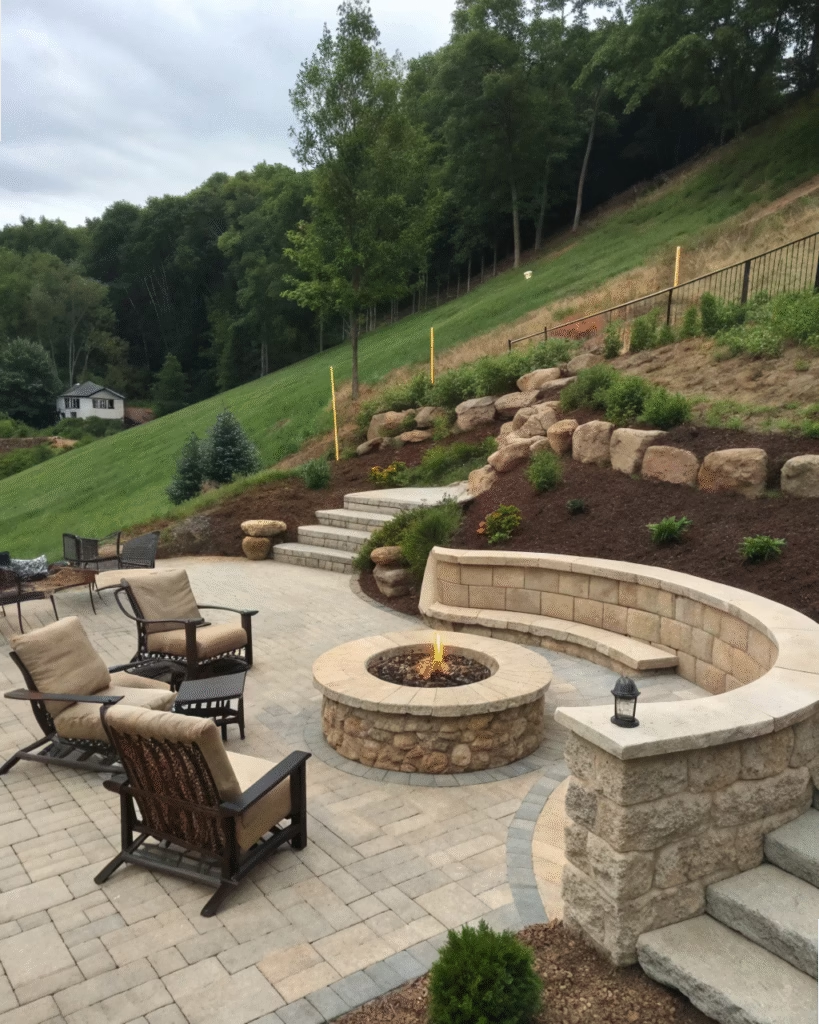
Carve out a level patio section mid-slope for a scenic fire spot.
Pro Tip
Flagstone or pavers help prevent erosion and add visual appeal.
6. Built-In Bench Seating
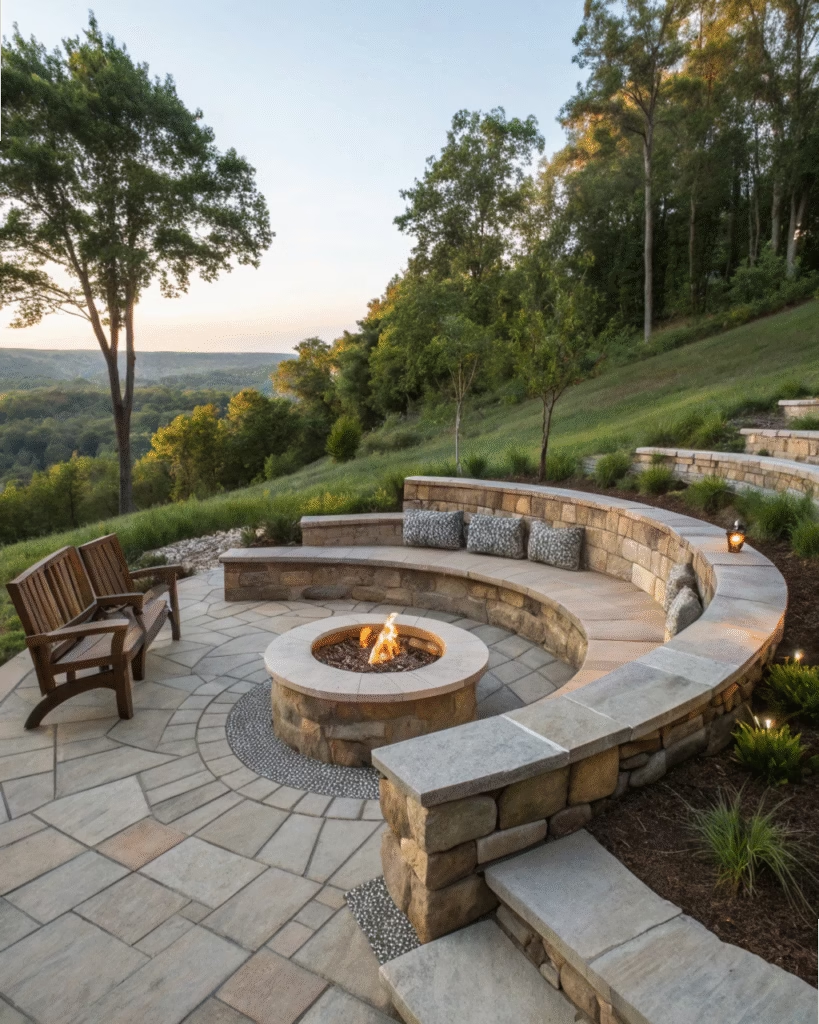
Add curved bench seating into the hillside around your fire pit.
Pro Tip
Integrate storage under the benches for firewood or cushions.
7. Gravel Base Fire Pit Area
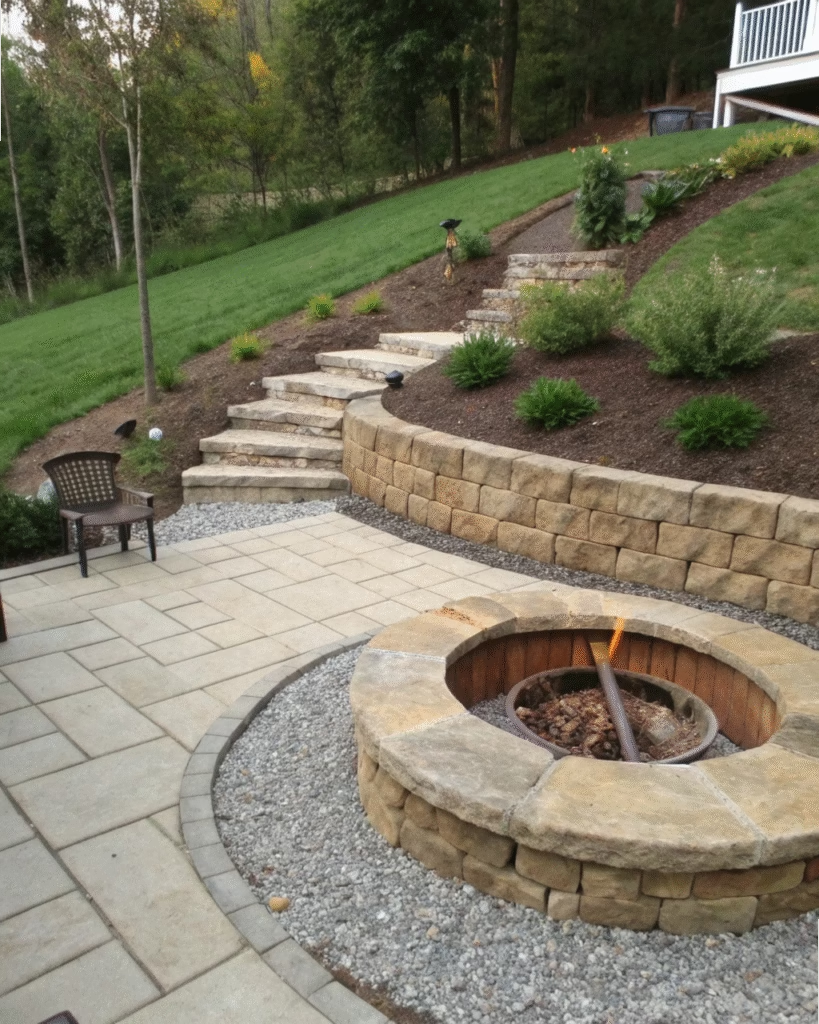
Level a section with compacted gravel to prevent slipping and sinking.
Pro Tip
Use heat-resistant pavers or mats under the fire pit for extra safety.
8. Staggered Steps with Fire Pit Landing
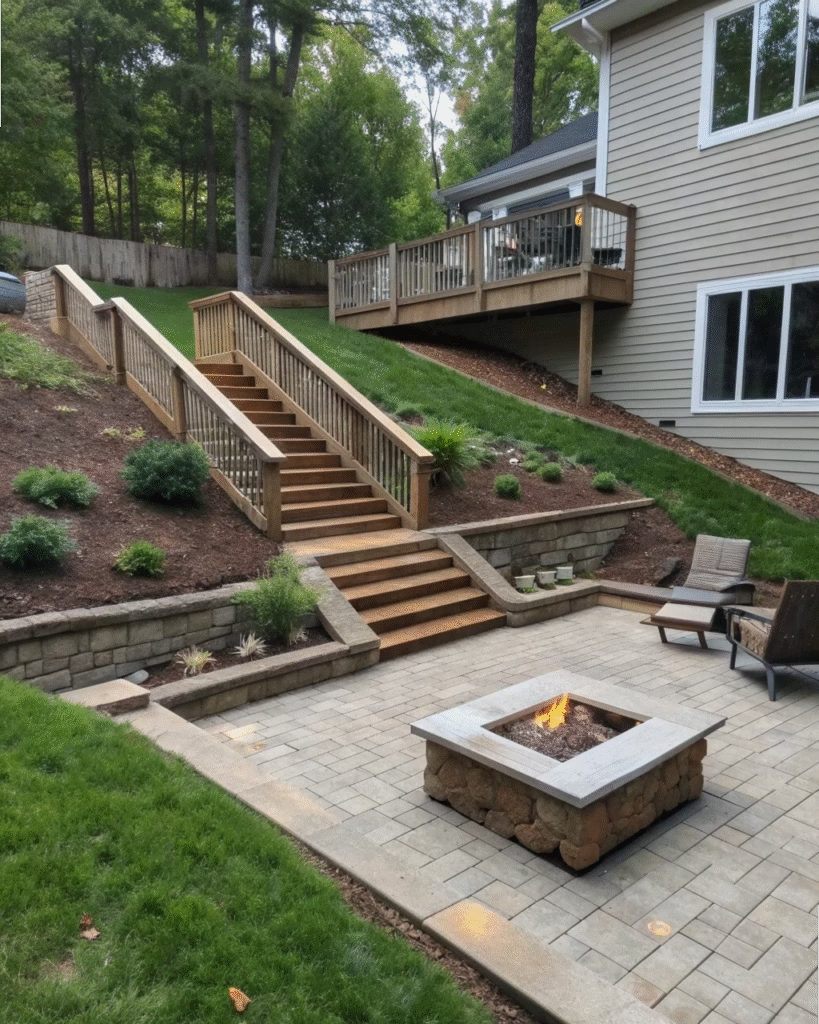
Create a stairway down the slope that leads to a cozy fire pit landing.
Pro Tip
Add low-voltage step lighting for nighttime safety and ambiance.
9. Multi-Level Deck with Fire Pit Corner
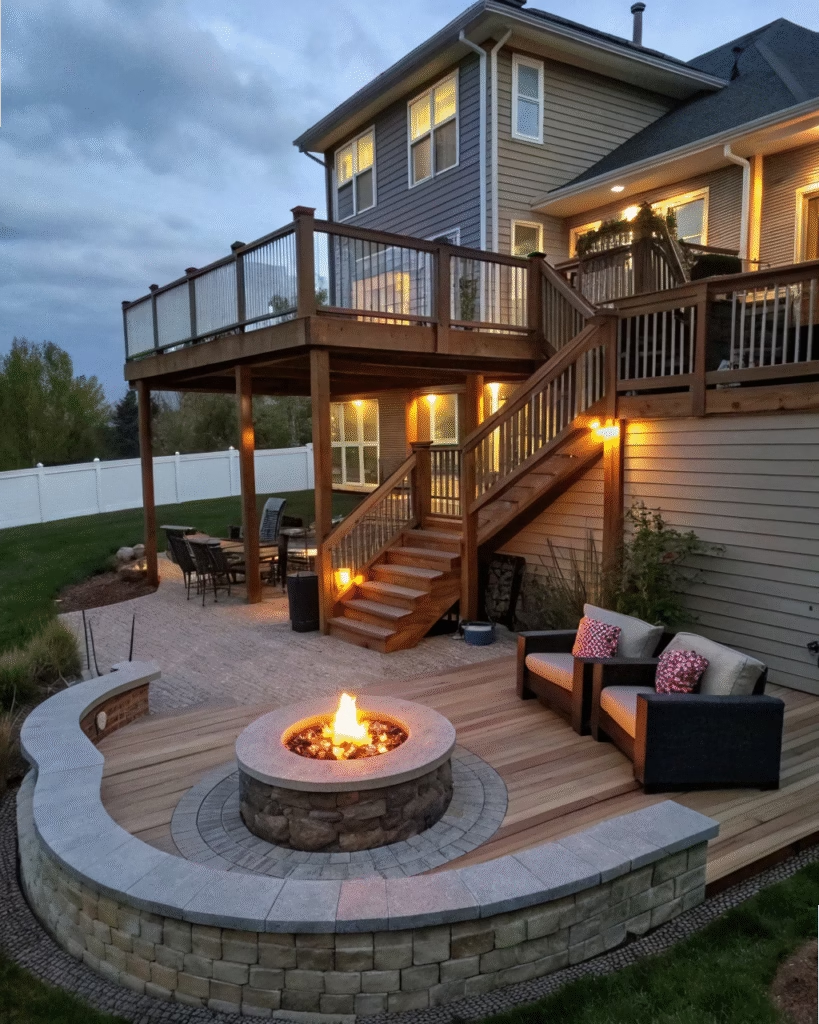
Incorporate the fire pit on one level of a multi-tiered deck.
Pro Tip
Place it away from overhangs for proper ventilation.
10. Stone Circle Fire Pit at the Base
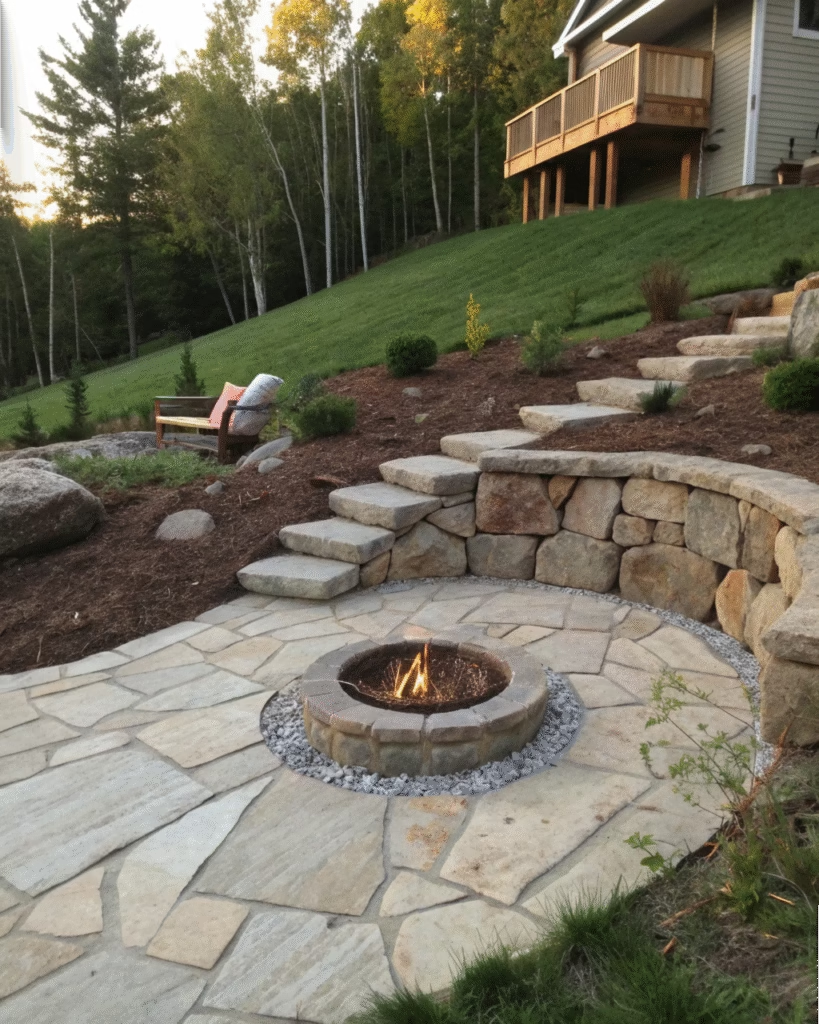
Flatten the bottom of your slope for a classic circular fire pit setup.
Pro Tip
Surround it with Adirondack chairs for a timeless outdoor feel.
11. Floating Platform Fire Pit
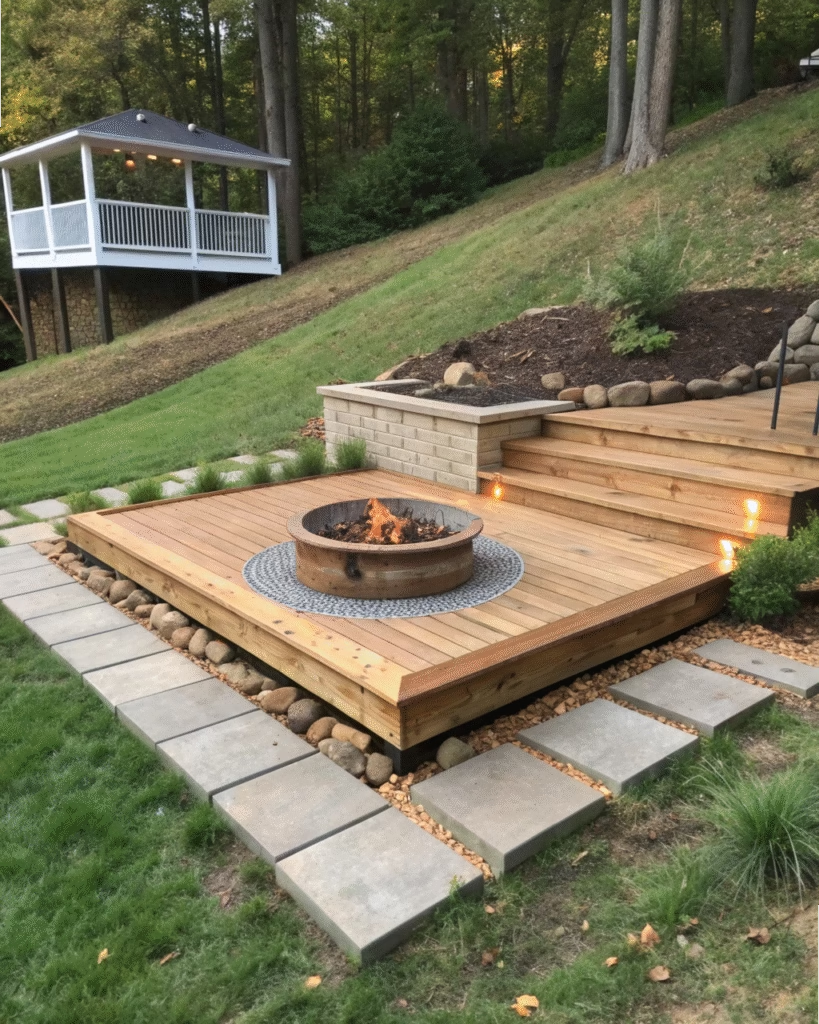
Build a floating wood or composite platform anchored into the slope.
Pro Tip
Use a propane fire pit to avoid stray embers.
Final Thoughts
A sloped yard doesn’t limit your fire pit ideas, it actually opens up more creative possibilities. With proper leveling, drainage, and a thoughtful design, you can turn uneven ground into a cozy and functional outdoor space. Focus on safety and working with the natural slope, and you’ll end up with a setup that looks better and feels more unique than a flat backyard.
With some creative planning, a sloped yard can become the perfect setting for a fire pit. From terraces to retaining wall designs, these ideas help you transform uneven ground into an inviting outdoor retreat.
Frequently Asked Questions
Can you build a fire pit on a sloped yard?
Yes, you can build a fire pit on a sloped yard, but the ground needs to be leveled first. Most homeowners create a flat area by cutting into the slope or building up a small section with support like stone or concrete. This ensures the fire pit sits safely and does not shift over time.
What is the best fire pit design for a sloped backyard?
The best design depends on how steep your yard is, but options like sunken fire pits, tiered seating areas, or raised platforms tend to work well. These designs follow the natural slope of the land instead of fighting against it, which makes them both functional and visually appealing.
Do you need a retaining wall for a fire pit on a slope?
In many cases, a retaining wall is necessary to hold the soil in place and create a stable, level surface. It also helps prevent erosion and keeps your fire pit area looking clean and structured over time.
How do you handle drainage around a fire pit on a slope?
Proper drainage is essential to avoid water buildup. A solid base made of gravel and a slight slope away from the fire pit can help direct water away. This keeps the area dry and prevents damage to the structure.
How far should a fire pit be from the house on a slope?
A fire pit should typically be placed at least 10 to 20 feet away from your home and other structures. On a slope, this distance becomes even more important because heat and flames can travel upward more easily.