What to Do With a Linen Closet You Don’t Actually Need
Not everyone needs a linen closet. If you live alone, if you have a small household, if your linens fit comfortably in your bedroom storage, or if you have simply figured out a better place to keep towels and sheets, you might find yourself looking at a perfectly good closet and thinking there has to be something more useful it could be doing.
And you are absolutely right. A closet is one of the most valuable spaces in a home. It has four walls, a ceiling, a floor, a door, and usually a light. It is an enclosed, dedicated space that most rooms in your house do not have. Using it purely as a linen closet when you do not actually need one for linens is one of the most common examples of defaulting to a room’s original purpose without questioning whether that purpose still serves you.
The good news is that a former linen closet can become almost anything. A home office. A craft room. A reading nook. A bar. A mudroom overflow. A beauty station. A homework station. A meditation space. A podcast studio. The list is genuinely long and in 2026 the trend of reimagining closets as purposeful micro-spaces is stronger than it has ever been. People are increasingly unwilling to waste square footage on storage they do not need when that same space could be doing something genuinely useful and even genuinely joyful.
This guide covers the best ideas for repurposing a linen closet you do not need, how to choose the right one for your home and lifestyle, and how to execute the transformation without a full renovation.
Love Chic Living Club?
Add us as one of your preferred Google sources and discover more home decor, DIY, outdoor, and lifestyle inspiration from us.
Before You Start: How to Decide What the Space Should Become
The worst thing you can do with a repurposed closet is turn it into something that looks great in a photograph but that you never actually use. A beautifully designed closet home office that you sit in twice a year is not a better use of the space than a linen closet you did not need. The goal is a space you will use regularly and genuinely value.
Ask Yourself What You Do Not Have Space for Elsewhere
The best repurposed closet solves a real problem you currently have. Think about the things in your home that currently lack a dedicated space. Do you work from home but have no proper desk? Do you have a craft or hobby that involves a lot of supplies with nowhere dedicated to keep them? Do you do a lot of online shopping and returns and need a wrapping and packing station? Do you have a beauty routine that currently happens on the bathroom counter because there is nowhere better?
Whatever you are currently doing on a makeshift surface or without a dedicated space is the best candidate for the linen closet transformation. A space that solves a real daily frustration will get used every day. A space that is just a nice idea will get used occasionally and then gradually revert to storage.
Consider Who Will Use It and How Often
A closet converted into a child’s homework station only works if the child actually uses it. A bar closet only works if you entertain regularly. A podcast or recording studio only works if you actually create content. Be honest about your real habits and real lifestyle rather than the version of your lifestyle you aspire to have. The most successful closet transformations are the ones that match who you actually are right now not who you plan to become.
Think About the Location of the Closet
The location of the linen closet matters enormously for what it can realistically become. A linen closet in the hallway near bedrooms is a natural fit for a beauty station, a reading nook, or a quiet work from home space. A linen closet near the kitchen or dining room is perfect for a bar cabinet, a coffee station, or a homework nook. A linen closet near an entryway suits a mudroom-style organization station, a gift wrapping center, or a command center for household admin. Let the location guide the purpose.
1. Turn It Into a Home Office or Work From Home Nook
This is the most popular linen closet transformation in 2026 and for good reason. The demand for dedicated work from home spaces is higher than it has ever been and the reality is that not everyone has a spare bedroom to convert into a full home office. A linen closet is often the perfect size for a compact but fully functional work station.
What Makes a Closet Work as a Home Office
The key elements are a proper desk surface, adequate lighting, power access, and the ability to close the door at the end of the work day. That last one is actually one of the biggest advantages of a closet office over an open desk in a living room or bedroom. When the work day is over you close the door and the office disappears. The psychological boundary between work and home is restored. In a world where working from home has blurred those boundaries significantly, a closet you can close is genuinely valuable.
How to Set It Up
Remove the existing shelves or reconfigure them to accommodate a desk surface. A shelf at desk height, typically 28 to 30 inches from the floor, becomes your working surface. Install it across the full width of the closet for maximum desk space. Above the desk surface, retain or reinstall shelves for storage of files, books, and office supplies.
Add proper task lighting. Under-shelf LED strip lights above the desk surface provide excellent task lighting without requiring any electrical work beyond plugging in. A small desk lamp on the surface adds warmth and a secondary light source.
Power is the main practical challenge in a closet office. If the closet is near an existing outlet, a power strip run into the closet solves the problem with minimal effort. If there is no nearby outlet, a licensed electrician can add one inside the closet which is a modest investment that makes the space fully functional.
A comfortable chair that fits in the closet and rolls in and out easily completes the setup. Keep the chair outside the closet when not in use if the closet is too shallow to accommodate it with the door closed.
The Closing Ritual
One of the most important design decisions for a closet office is making the closing-the-door ritual easy. This means having a home for everything on the desk so that tidying up takes two minutes rather than ten. A tray for papers, a cup for pens, a small filing system for documents, and clear surfaces as the default state make the end-of-day close-up quick and satisfying rather than a chore.
2. Create a Craft or Hobby Room
If you have a craft, hobby, or creative practice that currently happens on the kitchen table because you have nowhere dedicated for it, a converted linen closet can become the dedicated creative space you have always wanted. Sewing, painting, jewelry making, card making, model building, scrapbooking, embroidery, knitting, and dozens of other creative hobbies all benefit enormously from having a dedicated space with organized storage for all the associated supplies.
Why a Closet Works So Well for Crafts
Crafts involve a lot of stuff. Supplies in multiple sizes and categories, tools, works in progress, reference materials. In most homes all of this stuff has nowhere dedicated to live and so it spreads across tables and counters and eventually becomes a source of stress rather than a source of joy. A dedicated closet space for your craft means everything has a permanent home, your work in progress can stay set up between sessions, and the hobby remains a pleasure rather than a logistical challenge.
Setting Up a Craft Closet
The key is maximizing storage at every level. Full height shelving on the back wall and both side walls where possible. Pegboards on the back wall for hanging tools, scissors, ribbons, and frequently used small items. Clear bins and containers at eye level for supplies you need to see at a glance. Deeper bins lower down for bulkier materials. A fold-down work surface that mounts to the wall and folds flat when not in use is the most space-efficient work surface solution for a craft closet.
Good lighting is non-negotiable for a craft space. Detailed craft work requires bright, clear light that shows true colors and fine detail. LED daylight bulbs in the 5000K to 6500K color temperature range provide the most accurate light for craft work and are widely available in 2026 in attractive ceiling fixture designs that work in a closet context.
A small rolling cart that can be pulled out of the closet when you need more work surface and pushed back in when you are done is a practical and popular addition to craft closets of all sizes.
3. Build a Coffee Station or Bar Cabinet
This is one of the most satisfying and most frequently photographed linen closet transformations in 2026. A dedicated coffee station or bar cabinet in a hallway or dining room adjacent closet transforms a purely functional storage space into a genuinely enjoyable feature of the home.
The Coffee Station Conversion
A coffee station in a former linen closet gives your morning routine its own dedicated space that is separate from the general kitchen counter chaos. Everything coffee-related lives in one place and the kitchen counter gets freed up as a result.
The setup is straightforward. A countertop surface at a comfortable height for using the coffee machine. The coffee machine itself as the centerpiece. Open shelves above for mugs, coffee pods or beans, and accessories. A drawer or small bin below for tea bags, sugar, and stirrers. Good lighting above the counter surface so the whole thing looks warm and inviting rather than dark and utilitarian.
The most beautiful coffee station closets in 2026 have a backlit shelf or two that shows off beautiful mugs and glasses, a small tile or wallpaper treatment on the back wall behind the machine, and hardware that coordinates with the kitchen nearby. The result is a space that feels like a high-end café feature tucked into the home.
The Bar Cabinet Conversion
A bar cabinet in a former linen closet is one of those transformations that looks genuinely impressive and is a reliable conversation starter when you have guests. It also solves the very practical problem that many homes have of bottles, glasses, and cocktail accessories living in kitchen cupboards where they take up space and get in the way of daily cooking.
The setup follows a similar principle to the coffee station. A counter surface at mid-height. Wine or spirit bottles displayed upright on the surface or in a dedicated bottle rack on a shelf above. Glasses hung from an inverted rack installed under one of the upper shelves, stemmed glasses hang beautifully this way. Lower shelves for mixers, a small ice bucket, bar tools, and accessories.
A wallpaper or tile treatment on the back wall of a bar closet makes an enormous difference to how it looks. A dark moody wallpaper in a botanical print, a classic herringbone tile, or a mirror panel on the back wall creates a sense of depth and drama that makes the bar closet feel like a designed feature rather than an improvised one.
4. Design a Beauty and Vanity Station
If your beauty routine currently competes with the rest of the household for bathroom counter space, a linen closet converted into a dedicated beauty and vanity station is a transformation that genuinely improves daily life. Everything you need for your beauty routine in one organized, dedicated space with good lighting and a proper mirror.
What a Beauty Closet Needs
A mirror is the most important element. A well-lit mirror that covers most of the back wall of the closet creates a proper vanity feel. In 2026 backlit mirrors with adjustable color temperature are a popular and practical choice because they allow you to check how your makeup looks in different lighting conditions, natural daylight simulation, warm indoor light, or cool office light, from the same mirror.
A seating surface that works at the height of the counter below the mirror. This might be a stool that tucks under the counter or a small padded seat that sits just inside the closet door.
Storage for makeup, skincare, and hair products. Clear acrylic organizers are the most popular choice for beauty storage in 2026 because they allow you to see everything at a glance and create a boutique-like display that is both functional and beautiful. Drawers or pull-out trays for frequently used items. Shelves for larger bottles and appliances. A dedicated section for hair tools with heat-resistant holders for straighteners and curling irons.
Good lighting beyond just the mirror. Under-shelf lighting throughout the closet makes it easier to find things and creates a warm, flattering atmosphere that makes the beauty routine feel more luxurious than it does at a crowded bathroom counter.
The Door as Part of the Design
In a beauty closet the inside of the door is valuable real estate. An over-door organizer with clear pockets holds nail polishes, small makeup items, skincare samples, and accessories neatly and accessibly. A hook on the inside of the door holds a hair dryer or a robe. A small mirror on the inside of the door adds a secondary reflection point that is useful for checking the back of your hair.
5. Create a Reading Nook or Cozy Retreat
A linen closet converted into a reading nook is one of the most charming and most photographed closet transformations in existence. The appeal is obvious. An enclosed, intimate space with just enough room for a comfortable seat, a small light, and a collection of books is one of the most appealing environments imaginable for a reader.
How to Make a Closet Reading Nook Work
The key elements are a comfortable seat, good lighting, and book storage. A built-in bench cushion that runs the full width and depth of the closet floor creates a daybed-like seating surface that you can curl up on properly. A thick custom-cut foam cushion covered in a fabric you love is the most comfortable and the most beautiful option. Add cushions at the back against the wall for support and softness.
Lighting at eye level rather than overhead is essential. A wall-mounted reading light on an adjustable arm positioned at the right height for the seating creates perfect reading light without the harsh downward quality of an overhead fixture. Fairy lights or LED strip lights around the perimeter of the closet ceiling or along the shelf edges add a warm, magical atmosphere that makes the space feel special.
Book storage on the shelves above the seating, on the side walls if narrow shelves can be added, or in a small bookcase built into one side of the seating platform turns the closet into a true literary retreat.
The Door Decision
A reading nook closet works with or without the door depending on your preference and the location of the closet. Leaving the door off and replacing it with a curtain creates a softer, more inviting entrance that feels like stepping into a den. Keeping the door creates the option of full enclosure which some readers prefer for the privacy and quiet it provides. A Dutch door style where the top half opens and the bottom remains closed is an unusual and charming option that provides visibility and air flow while maintaining the cozy sense of separation.
Making It Feel Like a Proper Space
The difference between a reading nook closet that feels genuinely special and one that just feels like a closet with a cushion in it comes down to the details. Wallpaper or paint on the interior walls in a warm, rich color. A small rug or runner on the floor. A tiny shelf for a candle, a drink, and whatever you are currently reading. These small decisions create a space that feels intentional and inviting rather than improvised and uncomfortable.
6. Build a Kids’ Play Nook or Study Station
A linen closet near a child’s bedroom or in a family living space can become an incredibly useful and genuinely beloved children’s space. Kids are naturally drawn to small enclosed spaces. A closet-sized play nook or study station is often more appealing to a child than a desk in the corner of their room precisely because it feels like their own dedicated place.
The Play Nook
For younger children a play nook is essentially a small world they can retreat into. Remove the existing shelves. Add a low platform or cushioned floor. Paint the interior in a fun color or add a playful wallpaper. Add soft lighting. Install a few low shelves for books and small toys. Leave the walls at child height available for drawing or playing.
The door can be replaced with a small curtain or a chalkboard panel that the child can draw on. A small string of fairy lights makes the space feel magical. The entire transformation can be done over a weekend without any specialist skills and the result is one of those spaces children remember for their entire childhood.
The Study Station
For school-age children a closet study station gives homework a dedicated home that is separate from the bedroom where sleep associations are important and from the living room where distractions are constant.
A desk surface at the right height for the child, adjustable shelving above for textbooks and school supplies, a proper task light, a comfortable chair, and a power point for a laptop or tablet create a fully functional study station in a space that is too small for a desk in a traditional room layout. The ability to close the door on the homework space at the end of the day and have the room feel like a bedroom again is a psychological benefit that is genuinely valuable for children who struggle to switch off from school work.
7. Design a Mudroom Overflow or Drop Zone
If your home has an entry area that struggles with the daily chaos of bags, shoes, keys, coats, and the general detritus of coming and going, a nearby linen closet can become a dedicated drop zone that contains that chaos and keeps the entry area looking organized.
What a Drop Zone Closet Needs
Hooks are the primary requirement. A row of sturdy hooks at adult height and a lower row at child height on the back wall and both side walls of the closet provides hanging storage for coats, bags, hats, scarves, and anything else that currently ends up on the floor or draped over furniture.
A shelf above the hooks holds helmets, sports equipment, and items that do not hang. A bench or low platform at the bottom of the closet provides seating for putting shoes on and off and a home for a shoe rack or basket underneath.
Cubbies or labeled baskets on a shelf, one per family member, create a personal landing zone for each person’s items. Keys, wallets, sunglasses, earphones, and anything else that needs to be grabbed on the way out the door all live in the cubby. This single-location system for daily carry items is one of the most practically useful organizational changes a household can make.
The Key Station
A small key hook panel on the inside of the closet door or on the side wall near the door creates a dedicated home for every set of keys in the household. The number of minutes saved over a lifetime by always knowing where your keys are is genuinely significant.
8. Create a Gift Wrapping and Stationery Center
If you are the person in your household who handles gift wrapping, card sending, and general stationery needs you will know how much space and how many supplies this involves. Wrapping paper, ribbon, tape, scissors, cards for every occasion, tissue paper, gift bags, tags, and the rest. In most homes all of this lives in a drawer that is too full, a bag in a cupboard, or scattered across multiple locations.
A linen closet converted into a gift wrapping and stationery center brings everything together in one dedicated, organized space and makes the whole business of wrapping and sending significantly more enjoyable.
Setting Up the Gift Wrapping Closet
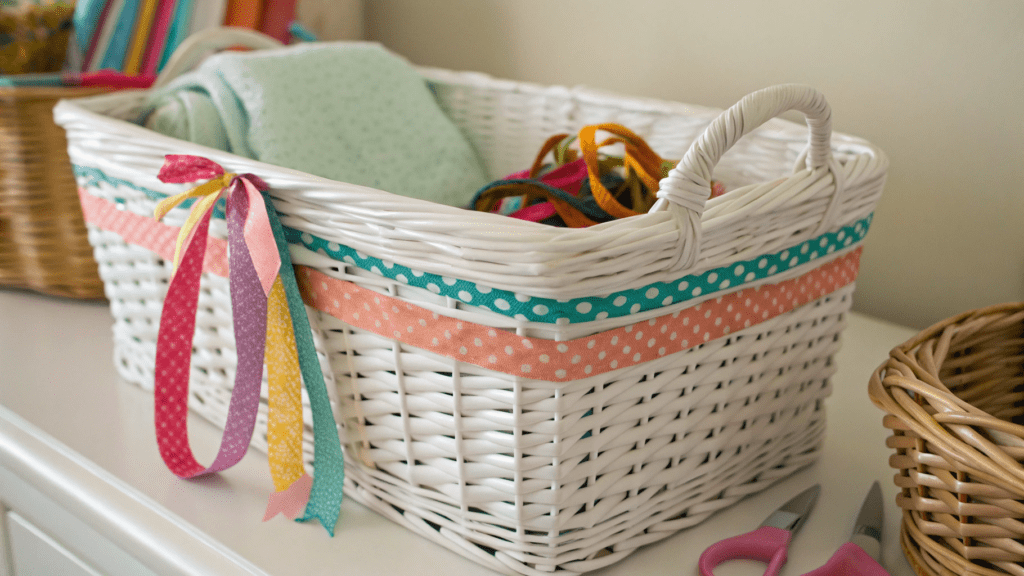
A long narrow container or dedicated wrapping paper organizer that stands vertically holds multiple rolls of wrapping paper in different patterns upright and accessible. These are widely available in 2026 in freestanding and wall-mounted versions and solve the perennial problem of wrapping paper rolls being unwieldy and difficult to store.
Clear bins and labeled containers for ribbon, tape, scissors, tags, tissue paper, and accessories on the shelves above create an organized and visible supply station. A section of the shelving dedicated to cards organized by occasion, birthday, thank you, condolence, blank, means you can always find the right card without searching through a jumble.
A small folding work surface or a pull-down shelf at counter height provides a dedicated wrapping surface that saves the kitchen table from being occupied every time a gift needs wrapping.
9. Build a Meditation or Wellness Space
This is one of the more unexpected linen closet transformations but in 2026 it is one of the most frequently searched and most discussed. The appeal makes complete sense. Meditation and wellness practices benefit from a dedicated space that is associated exclusively with those activities. A small, quiet, enclosed space that you step into specifically for meditation, breathwork, journaling, or gentle yoga practice creates a powerful mental association between the space and the practice.
What a Wellness Closet Needs
Simplicity is the governing principle here. Remove everything. Paint the walls in a calm, neutral tone. Add a thick cushion or a small meditation bench on the floor. Install very soft, dimmable lighting. Add one or two meaningful objects, a candle, a small plant, a meaningful object or image, nothing more. The space should feel spare, calm, and intentional.
Sound matters in a meditation closet. Acoustic foam panels on the walls, which can be covered in fabric to look attractive, reduce external noise and create a quieter, more contained sound environment. A small Bluetooth speaker for meditation music or guided sessions.
Temperature and air quality matter too. A small USB-powered fan keeps the air moving in what would otherwise be an enclosed space. A small essential oil diffuser adds a scent association that over time becomes a powerful trigger for the meditative state you are cultivating.
The door to a meditation closet should close fully and ideally have some form of soft interior lighting that can be on while the door is closed. A simple hook lock on the inside of the door provides the privacy and containment that makes the space feel truly separate from the rest of the house.
10. Leave It Empty and Use It as Flexible Space
This is the idea that no organization or design content ever suggests and yet it is one of the most genuinely useful things you can do with a closet you do not need. Leave it empty. Or nearly empty. And use it as intentional flexible space.
Why Intentional Emptiness Is Valuable
Most homes are overfilled. Every cupboard, every drawer, every closet is packed with things. When something new enters the home there is nowhere to put it. When you want to take on a new hobby there is no space for the supplies. When a guest comes to stay there is no room to store their things. When life changes and your storage needs shift there is no flexibility in the system to accommodate the change.
A deliberately empty or near-empty closet is a buffer. It is the organizational equivalent of white space on a page. It makes everything around it work better and it gives your home the capacity to absorb change without immediately becoming overwhelmed.
How to Maintain an Intentionally Empty Closet
The challenge is that empty spaces attract stuff. The moment a closet is empty things start appearing in it. A box from a recent delivery. Stuff that does not have a home elsewhere. Items in transition between one place and another.
The solution is to define the rules of the empty closet clearly. It is not storage for overflow. It is not a temporary home for things that need a permanent decision. It is either truly empty or it holds only one category of flexible-use items at a time. When a new season of life begins, a new baby, a new hobby, a return to education, a change in working pattern, the empty closet is ready to become whatever the new season needs.
Conclusion
A linen closet you do not actually need is not wasted space. It is an opportunity. One of the most valuable opportunities in your home because a closet is an enclosed, dedicated space that most rooms do not have and that can become almost anything with the right intention and a relatively modest investment of effort and money.
The key is choosing the transformation that solves a real problem you currently have in your daily life. Not the most photographable transformation. Not the transformation that looks best on social media. The one that you will walk past ten times a day and be genuinely glad exists. The home office that gives your work-from-home life a proper boundary. The craft closet that finally gives your creative practice a dedicated home. The coffee station that makes your mornings feel more considered. The reading nook that gives you the retreat you have always wanted.
In 2026 the idea that every room in a home must serve its original intended purpose is increasingly being questioned and set aside. Spaces should serve the people who live in them. If a linen closet serves you better as something else, make it something else. Your home will be better for it.
Frequently Asked Questions (FAQs)
What can I turn my linen closet into?
Almost anything that suits your lifestyle and solves a real daily need. The most popular transformations in 2026 are home office nooks, craft and hobby stations, coffee or bar cabinets, beauty and vanity stations, reading nooks, children’s play or study spaces, mudroom drop zones, gift wrapping centers, and meditation spaces. The best choice is the one that addresses something you currently do not have dedicated space for and that you will genuinely use every day.
How do I turn a linen closet into a home office?
Install a desk surface at 28 to 30 inches from the floor across the full width of the closet. Retain or add shelves above for storage. Add task lighting with under-shelf LEDs or a small desk lamp. Run a power strip into the closet from a nearby outlet for electronics. Add a comfortable chair that rolls in and out. The ability to close the door at the end of the work day is one of the most valuable features of a closet office so design the space so that tidying takes only a couple of minutes.
How do I convert a linen closet into a reading nook?
Add a cushioned bench or platform at floor level that runs the full width of the closet. Install a wall-mounted reading light at eye level for the seating height. Add shelves above the seating for books. Paint the interior walls in a warm rich color or add wallpaper for atmosphere. Hang a curtain instead of using the original door for a softer more inviting entrance. Small details like fairy lights, a tiny shelf for a candle and a drink, and a small rug on the floor make the space feel genuinely special rather than just a closet with a cushion in it.
How do I make a bar cabinet out of a linen closet?
Install a counter surface at mid-height. Add an inverted glass rack under one of the upper shelves for hanging stemware. Use upper shelves for spirits and wine bottles. Lower shelves for mixers, bar tools, and accessories. Treat the back wall with wallpaper in a bold pattern or a mirror panel to add depth and drama. Good lighting above the counter surface makes the whole display look warm and inviting. The result is a dedicated bar space that frees up kitchen cabinet space and becomes a genuine feature of the home.
Can a small linen closet be converted into a useful space?
Yes absolutely. Some of the most effective closet transformations involve very small spaces. A small closet makes an excellent focused work nook, a compact beauty station, a cozy reading space, or a minimal meditation retreat. The key with a small closet is designing specifically for the constraints of the space: fold-down surfaces instead of fixed countertops, wall-mounted storage instead of freestanding furniture, and lighting that makes the small space feel warm and intentional rather than tight and claustrophobic.
How do I make a linen closet into a kids’ play nook?
Remove existing shelves and add a low cushioned platform or padded floor. Paint the interior in a fun color or add a playful wallpaper. Install soft low-level lighting and consider fairy lights for atmosphere. Add a few low shelves for books and small toys. Replace the door with a curtain or a chalkboard panel. The result is an enclosed child-scaled space that kids are naturally drawn to and that becomes one of their most cherished spots in the home.
Should I keep a linen closet empty if I do not need it for linens?
An intentionally empty or near-empty closet is a genuinely valuable asset in a home. It provides organizational flexibility, absorbs change in household needs, and gives you a buffer against the over-filled feeling that affects most homes. If you cannot think of a specific daily-use purpose for the closet right now, keeping it empty or lightly used is better than filling it with overflow storage that you do not need immediate access to. The space will reveal its best purpose when you give it room to do so.
What is the most popular linen closet conversion in 2026?
The home office nook is the most searched and most executed linen closet transformation in 2026 driven by the continued prevalence of working from home and the ongoing shortage of dedicated workspace in residential properties. Coffee and bar station conversions are close behind driven by the desire to create dedicated entertaining and morning routine spaces that free up kitchen counter space. Reading nook conversions remain perennially popular for their combination of practicality and genuine charm.