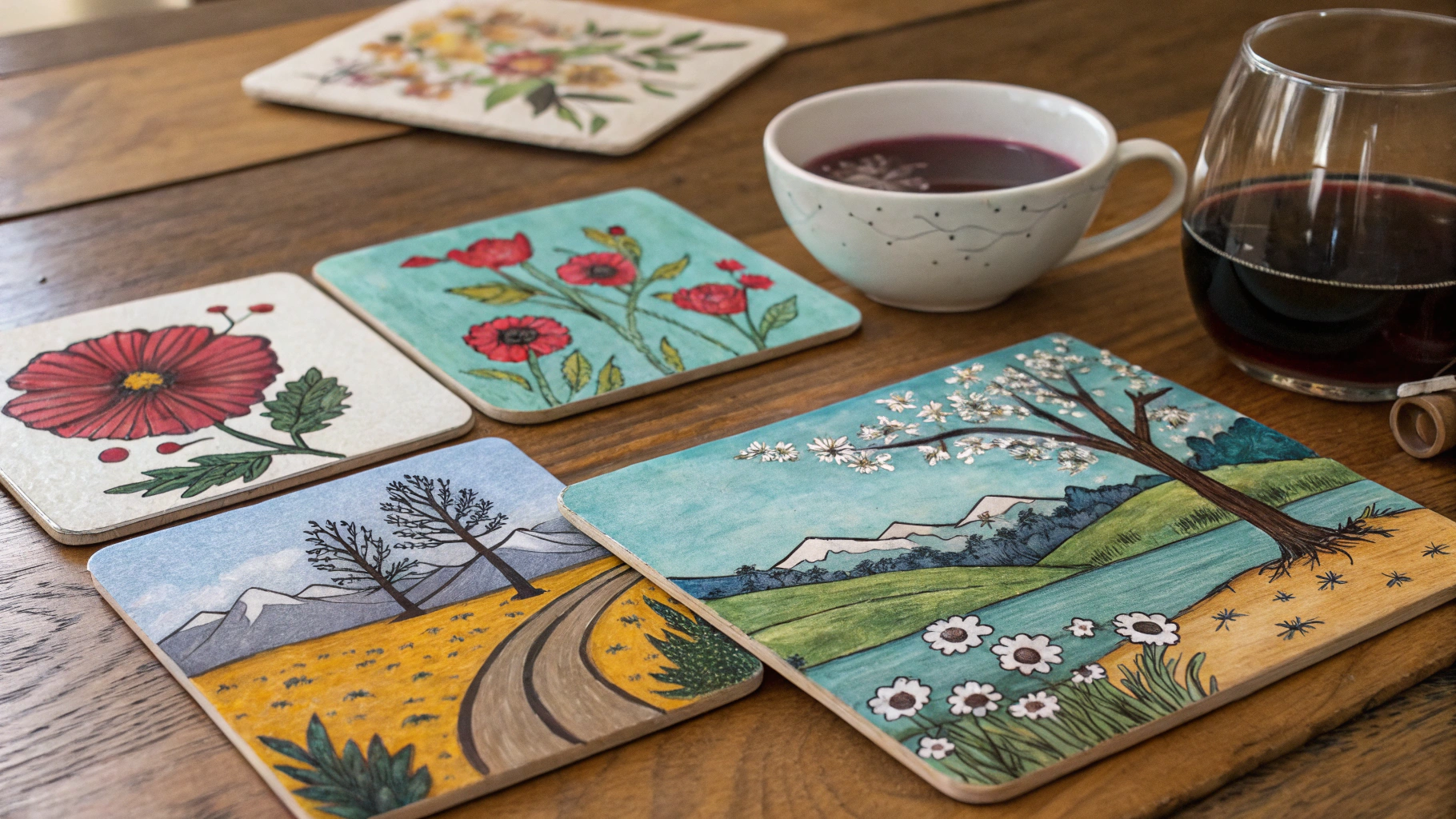
The Complete Guide to Choosing, Making, and Styling Coasters
Everything you need to know about coasters as a home accessory, from choosing the right material and making your own to matching them to your interior style and using them as an easy, affordable way to refresh any room.
KEY POINTS
- Coasters are one of the most overlooked home accessories, and one of the easiest ways to add a considered, personal touch to any surface they sit on.
- Making your own coasters is genuinely one of the most accessible and most rewarding DIY projects available, requiring minimal tools, materials that cost almost nothing, and producing results that look deliberately chosen.
- The right coasters for your home are the ones that suit both the aesthetic of the room and the functional demands of how you actually use your surfaces.
A coaster is a small thing. It sits under a glass or a cup, it protects a surface, and most people give it very little thought beyond its function. But coasters are also one of the more personal and expressive home accessories available, precisely because they are small, numerous, and replaceable. A set of coasters on a coffee table says something about the person who chose them. Handmade ones say it even more clearly. And because they are inherently about the ritual of sitting down with a drink, they occupy the most-used surfaces in the home at the moments when people are most relaxed and most themselves.
Love Chic Living Club?
Add us as one of your preferred Google sources and discover more home decor, DIY, outdoor, and lifestyle inspiration from us.
This guide covers the full landscape of coasters as a home accessory: choosing the right material, making them yourself with paint and creative techniques, matching them to your interior aesthetic, and using them to add a seasonal or personal touch to any table or surface in the home.
RELATED: 19+ Warm Clay Coasters for Earthy Table Decor
Why Coasters Actually Matter for a Well-Styled Home
Before getting into materials and techniques, it is worth establishing why coasters deserve more thought than they typically receive. The coffee table in a living room is one of the most-photographed and most-looked-at surfaces in any home. It is what you see from the sofa, what guests notice when they sit down, and what appears in the background of every social media photograph taken in the room. A set of coasters that looks considered and intentional on that surface contributes to the overall impression of the room in the same way as any other decorating decision.
The difference between a generic coaster set bought as an afterthought and one chosen with the room’s palette in mind, or made specifically for the space, is immediately visible. The former says the surface has been thought about in terms of function. The latter says it has been thought about in terms of how it looks and feels. That small distinction is part of what separates a room that looks assembled from one that looks designed.
Choosing the Right Material
Coasters come in a wide range of materials, each with different functional and aesthetic properties. Understanding what each material actually does helps you choose the right one for your situation rather than defaulting to whatever is most available.
Cork is the most common coaster material for good reason. It is lightweight, naturally absorbent, gentle on surfaces, inexpensive, and provides a stable base that does not slide. It is also the most readily available base for DIY painted coasters, because its porous surface takes paint well and its lightness makes it easy to customise. The majority of the painted coaster projects in this guide use cork tile as the base material.
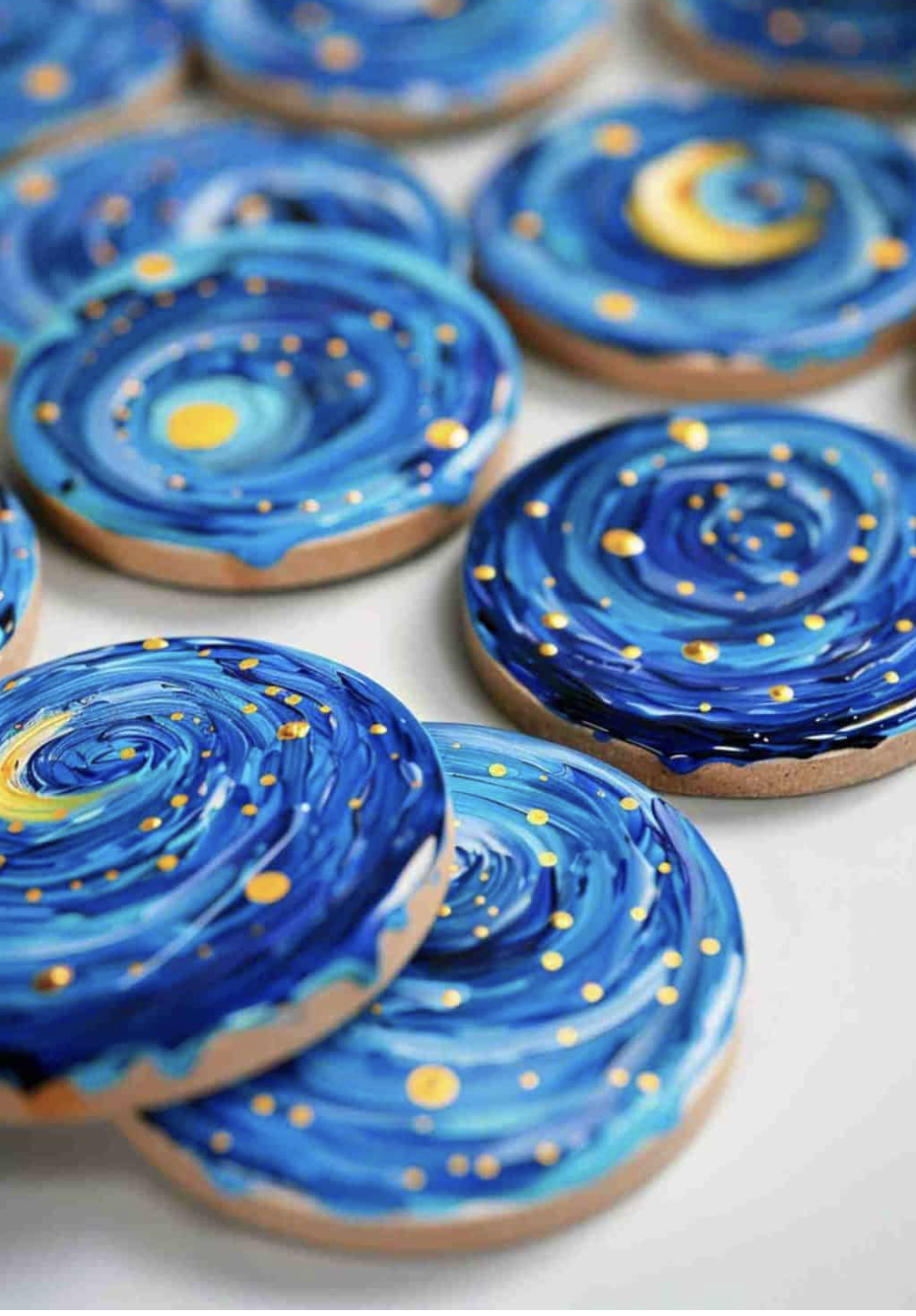
Ceramic and clay coasters have a visual weight and material quality that cork does not. A ceramic coaster with a good glaze, or a hand-shaped clay coaster with a natural finish, feels like a proper object rather than a functional insert. The ceramic coasters and warm clay coasters in the clay cluster reflect this material quality directly: they are beautiful objects in their own right that happen to also protect the surface beneath them.
Stone coasters in marble, slate, or travertine have a permanence and material presence that sets them apart from lighter options. Marble coasters in particular have become associated with high-end interior styling, and a set of genuine or marble-effect coasters on a dark coffee table has a material contrast that feels genuinely luxurious.
Fabric and crochet coasters are the warmest and most tactile option, and the most personal when handmade. A crocheted coaster in natural cotton or linen has a softness and organic texture that no hard material replicates, and a set made in a consistent palette looks genuinely considered on any surface.
Painted Coasters: The Most Versatile DIY Project
Painted coasters on a cork or ceramic tile base are the most accessible and most rewarding coaster DIY project available, and the range of techniques is genuinely extensive. From the simplest single-colour wash to more elaborate blending, marbling, and pattern work, painted coasters can be calibrated to any skill level and produce results that look far more considered than the effort involved.
The techniques that produce the most consistently beautiful results are the ones that use the paint’s natural behaviour rather than fighting it. Ombre and gradient painting, where one colour blends into another across the surface, uses a damp brush and overlapping strokes to produce the soft, layered quality of a blended warm tone coaster or the cool, graphic clarity of a gray gradient coaster. The transition does not need to be perfectly smooth to look good; a slightly visible brushstroke adds character rather than error.
Stone effect painting uses a sponge or crumpled paper to apply layers of paint in a way that mimics the texture and variation of natural stone. The stone effect painted coasters that look most convincing use three or four tones in the same colour family, applied in a random, overlapping pattern with a light final wash of the palest tone to unify the surface.
Splatter and speckle techniques are among the most joyful to make and produce one of the most graphic results. Thinning paint to a liquid consistency and flicking it from a brush across a base coat of a contrasting colour creates the organic, spotted quality of the speckle and splatter coasters that work particularly well as a project to do with children.
Colour blocking applies flat, geometric sections of contrasting colour to create a graphic, contemporary result. The colour block painted coasters that look most composed use painter’s tape to create a clean dividing line, two or three tones from the same palette, and a consistent edge treatment across the set.
RELATED: 12+ Ombre Painted Coasters for Calm, Inviting Homes
Matching Coasters to Your Interior Palette
One of the most effective uses of a coaster set is as a small, inexpensive way to introduce or reinforce the colour palette of a room. Because coasters are on the table every time the room is used, they contribute persistently to the visual impression of the space, and a set that relates to the room’s existing tones will always look more considered than a generic set that was chosen for function alone.
For minimal and Scandinavian interiors that rely on warm neutrals and natural materials, the matte finish coasters for Scandinavian spaces and textured neutral coasters that use soft whites, warm greys, and natural cork tones fit the aesthetic seamlessly. The natural toned coaster sets in undyed or lightly tinted cork and ceramic work in the same way, feeling like a natural extension of the room rather than an addition to it.
For rooms with a warmer, earthier palette, the warm clay coasters in terracotta and burnt sienna tones, or the blended warm tone coasters in amber, ochre, and rust, reinforce the seasonal warmth of the interior and look particularly good on wooden coffee tables. For boho and eclectic interiors, the boho pattern coasters with geometric and organic motifs in earthy tones add the characteristic layer of pattern and texture that this aesthetic relies on.
For contemporary and minimal homes that use a cool grey palette, the soft shadow grey coasters and monochrome painted coasters designed specifically for minimal interiors feel like they belong to the room rather than being placed on top of it. The cool grey and taupe coasters extend this into a slightly warmer neutral range that works in rooms where pure grey feels too cool.
TIP: When making or choosing coasters for a specific room, pick up a single colour from something already in the room that you love: a cushion, a plant pot, a piece of art. Use that as your palette anchor and build the coaster colours around it. Even if the coasters do not directly match anything, the shared colour thread will make the whole room feel more coherent without anyone being able to say exactly why.
Coasters by Occasion and Season
One of the more underused possibilities of the coaster as a home accessory is its potential as a seasonal or occasion-specific detail. Because sets are small and inexpensive to make or buy, swapping them out for something that reflects the time of year or the occasion being marked adds a layer of intentional seasonal decoration to the most-used surfaces in the home.
For spring tables and brunch gatherings, the soft green and cream coasters and pastel marble coasters that use the fresh, light palette of the season fit naturally alongside flowers and lighter seasonal textiles. The floral garden coasters that use botanical motifs suit tea party setups and garden brunches with equal ease.
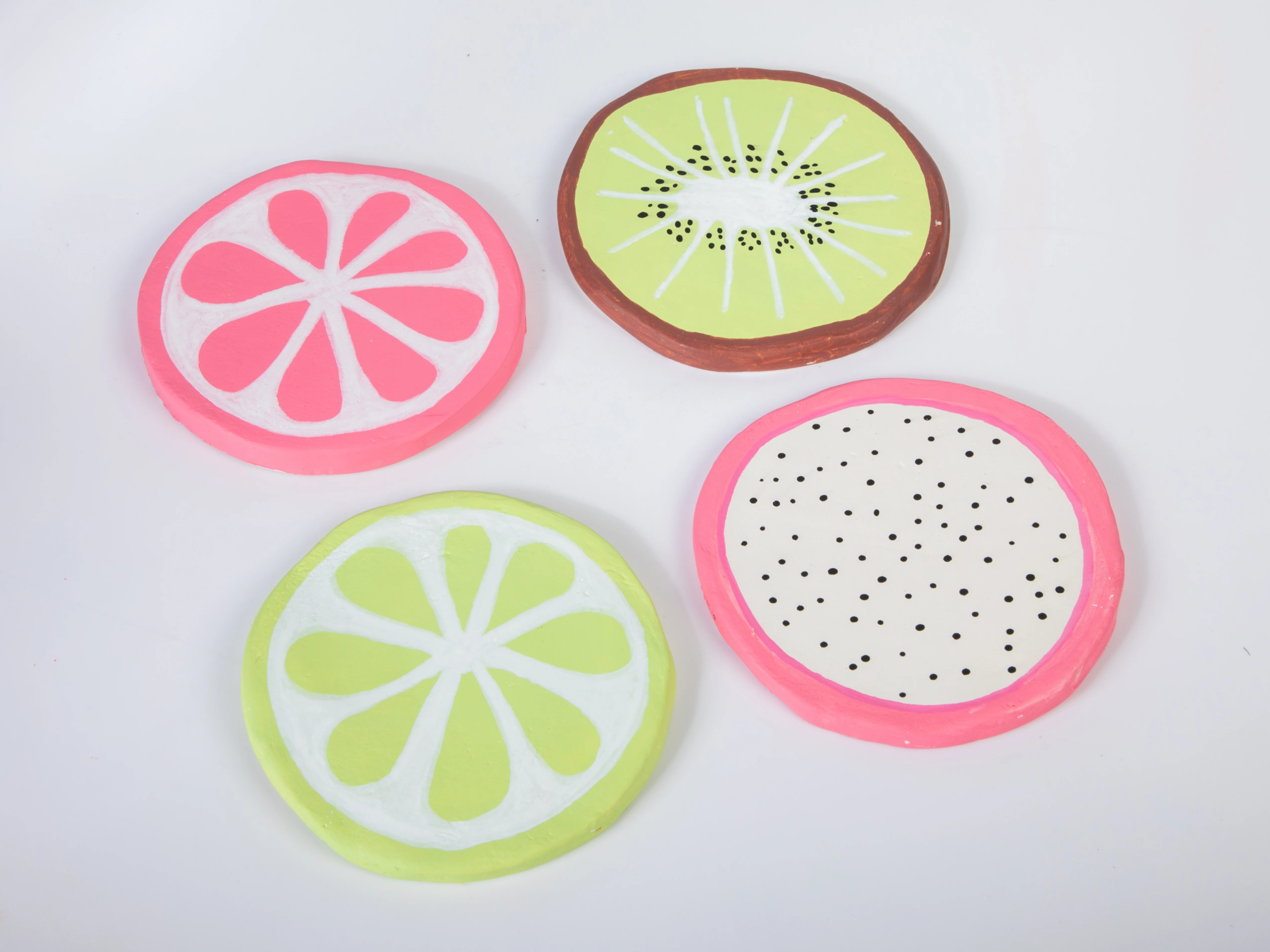
For summer, the muted yellow and sand coasters and sky-inspired blue coasters bring the palette of the season onto the table in a way that is neither literal nor overdone. The ocean tide painted coasters with their soft aqua and white blending suit summer entertaining and coastal-style interiors in equal measure. For the warmth of golden evenings, sunset palette coasters in coral, amber, and deep rose have exactly the quality of warm, late-day light that makes them feel specifically right for summer gatherings.
For autumn, the blended warm tone coasters in terracotta, rust, and deep amber shift the coffee table palette toward the richness of the season. The earthy stripe coasters for cottage-style homes use the honest, grounded palette of harvest season in a pattern that is simple enough to work in almost any interior.
RELATED: 16+ Pastel Marble Coaster Designs for Spring Tables
Coasters as Gifts
A handmade set of coasters is one of the most satisfying gifts to make and one of the most genuinely appreciated to receive, precisely because it is useful, personal, and clearly made with the recipient in mind. The layered colour painted coasters for housewarming gifts show how a set made in the palette of the recipient’s home creates a gift that fits into their space rather than needing to be accommodated by it. The stonewashed painted coasters in their soft, varied neutrals suit a wider range of home aesthetics than more specific colour choices, which makes them the most reliable option when you are less certain of the recipient’s palette.
The practical consideration for gift coasters is sealing. Any painted coaster intended as a functional gift needs to be sealed with at least two coats of a waterproof varnish before gifting, applied after the paint has fully cured. Without sealing, the paint will lift and scratch with regular use, and the gift will look worn within weeks. With proper sealing, a painted cork coaster set is genuinely durable and can last for years of daily use.
For presentation, grouping six to eight coasters in a consistent set, wrapped with a simple piece of twine or ribbon, is the standard gift presentation and one that looks immediately intentional. Including a small card that notes the paint colours used allows the recipient to touch up any marks over time, which is a thoughtful detail that most people do not think to include.
Styling Coasters on the Coffee Table
The way coasters are positioned on a coffee table when not in use is part of how they contribute to the styling of the surface. A stack of coasters placed casually to one side looks casual. A fan arrangement, where the coasters are displayed slightly spread to show their surface, looks more deliberate. A set stored in a small holder or tray looks most designed of all.
For a coffee table that uses a tray as its styling anchor, a stack of coasters inside the tray alongside a small plant, a candle, and one or two other objects creates a composed surface arrangement that looks considered from every seating position. The coasters, even when stacked and not in use, contribute their colour and material to the overall palette of the arrangement.
The soft layered colour coasters for elegant dining decor illustrate how coasters used on a dining table setting can be part of a deliberate tablescape rather than just functional protection. In that context, positioning one coaster at each place setting before guests arrive contributes to the sense of a table that has been set with care, in the same way as a folded napkin or a small name card.
Frequently Asked Questions
What is the best material for coasters? It depends on the priority. Cork is the most practical: lightweight, absorbent, gentle on surfaces, and easy to customise with paint. Ceramic and clay are the most beautiful as objects in their own right. Stone and marble are the most luxurious. Fabric and crochet are the warmest and most personal when handmade. For everyday household use, cork-based coasters that have been sealed with waterproof varnish offer the best combination of durability, appearance, and ease.
How do I seal painted coasters so they are durable? Use an acrylic sealer or mod podge in a matte or gloss finish depending on your preferred surface quality. Apply at least two coats, allowing each coat to dry fully before applying the next. For coasters that will see heavy use, a third coat adds significant durability. Apply the sealer to the painted surface and the edges, and add a coat to the back surface as well to prevent moisture from warping the base over time.
How many coasters does a set need? Four is the minimum for a living room coffee table used by two people regularly. Six to eight is more practical for entertaining and means there are always enough for a gathering without needing to wash and dry between uses. For a dining table set for four to six, one coaster per place setting is the standard.
Can I make coasters without any artistic skill? Yes. The techniques that require the least technical skill and produce the most reliably good results are the simplest: a single solid colour wash over a cork tile, a two-colour ombre blend, or a stone effect made with a crumpled piece of plastic wrap. None of these require a steady hand or any painting experience, and all of them produce results that look intentional rather than accidental.
What is the best paint to use for DIY coasters? Acrylic paint is the standard choice for painted coasters because it is water-based, dries quickly, mixes easily to create any colour, and bonds well to cork, ceramic, and tile surfaces. It is widely available, inexpensive, and comes in every colour imaginable. Chalk paint produces a slightly more matte, chalky surface that suits rustic and farmhouse aesthetics particularly well. Both need to be sealed after painting for durability.
Explore all DIY and craft guides in our DIY and Crafts section.