15+ Inspiring Pollinator Garden Landscaping Ideas
Pollinator gardens are one of the most beautiful and beneficial ways to landscape your outdoor space. Filled with colorful flowers, layered greenery, and nectar-rich plants, these gardens attract bees, butterflies, hummingbirds, and other important pollinators while creating a backyard that feels lively, natural, and full of movement.
Whether you want a cottage-style flower garden, a modern pollinator-friendly landscape, or a low-maintenance backyard filled with native plants, these inspiring pollinator garden landscaping ideas will help you create a space that supports wildlife while enhancing the beauty of your home.
Why Pollinator Gardens Matter
Pollinators play a critical role in healthy ecosystems by helping plants, flowers, fruits, and vegetables reproduce. Creating a pollinator-friendly landscape not only benefits wildlife but also improves biodiversity and strengthens your garden naturally.
Benefits of pollinator garden landscaping include:
Love Chic Living Club?
Add us as one of your preferred Google sources and discover more home decor, DIY, outdoor, and lifestyle inspiration from us.
- Supports bees and butterflies
- Encourages healthier plant growth
- Adds colorful seasonal blooms
- Creates natural movement and texture
- Reduces reliance on chemicals
- Promotes eco-friendly landscaping
The best pollinator gardens balance beauty with functionality by using layered planting and diverse flower varieties.
Best Plants for Pollinator Garden Landscaping
| Plant Type | Attracts | Landscape Benefit |
| Coneflowers | Bees & butterflies | Bright seasonal blooms |
| Lavender | Bees | Fragrance and texture |
| Bee Balm | Hummingbirds | Bold colorful flowers |
| Milkweed | Butterflies | Essential monarch habitat |
| Salvia | Bees & hummingbirds | Long-lasting blooms |
How to Make a Pollinator Garden Look Beautiful
Layer Plants by Height
Tall flowers, medium shrubs, and low ground cover create depth and texture.
Plant in Clusters
Large groupings of flowers attract pollinators more effectively than scattered plants.
Include Seasonal Variety
Choose flowers that bloom at different times to support pollinators year-round.
Add Pathways & Seating
Hardscaping helps organize the garden while making it more enjoyable to experience.
1. Create a Cottage-Style Pollinator Garden
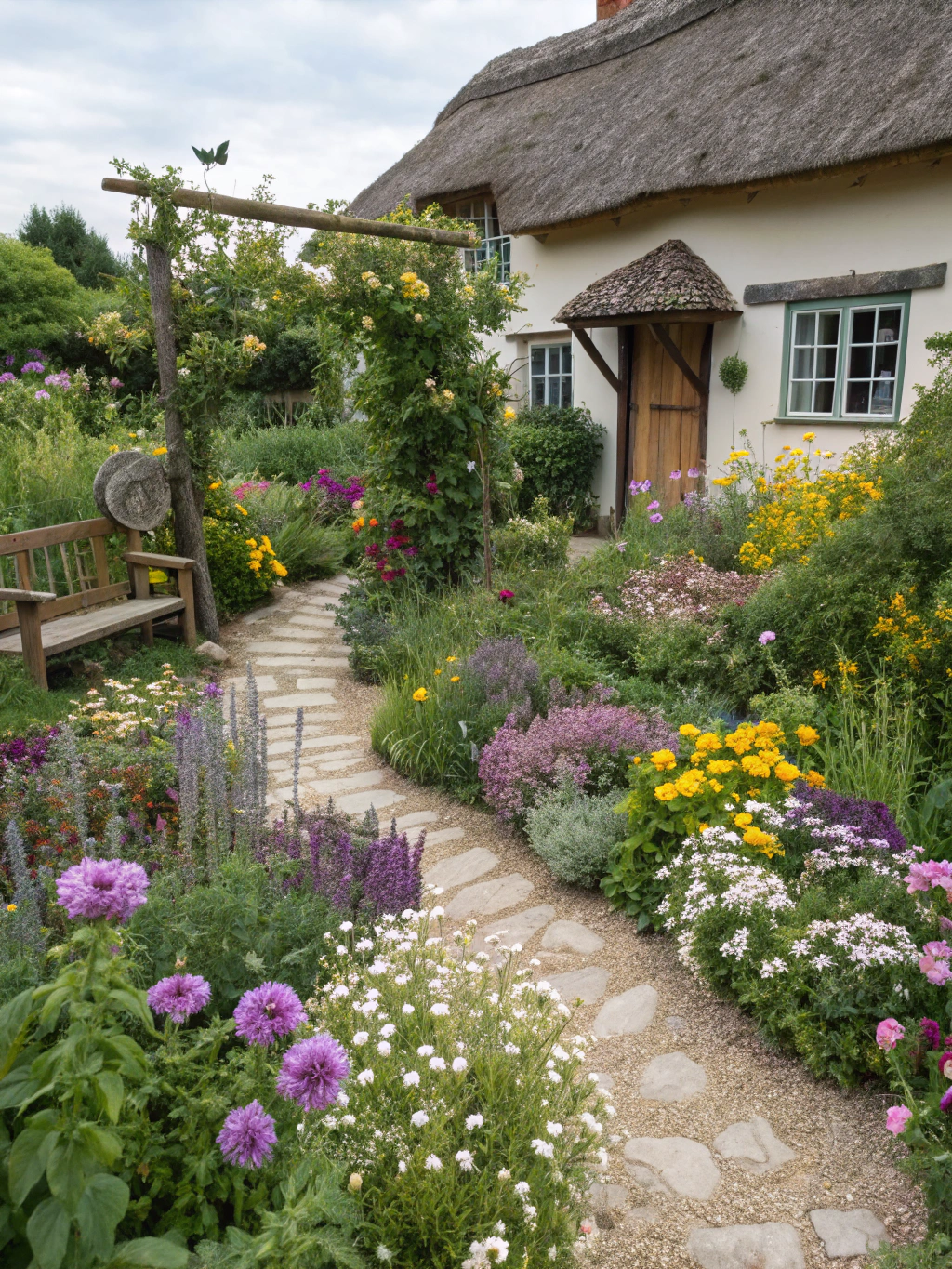
Cottage gardens naturally attract pollinators because of their dense layered flowers and relaxed planting style.
Best Cottage Pollinator Plants
- Lavender
- Foxgloves
- Coneflowers
- Bee balm
- Salvia
Why It Works
- Creates abundant nectar sources
- Feels lush and colorful
- Encourages biodiversity
Design Tip
Allow flowers to spill naturally over pathways for a softer cottage appearance.
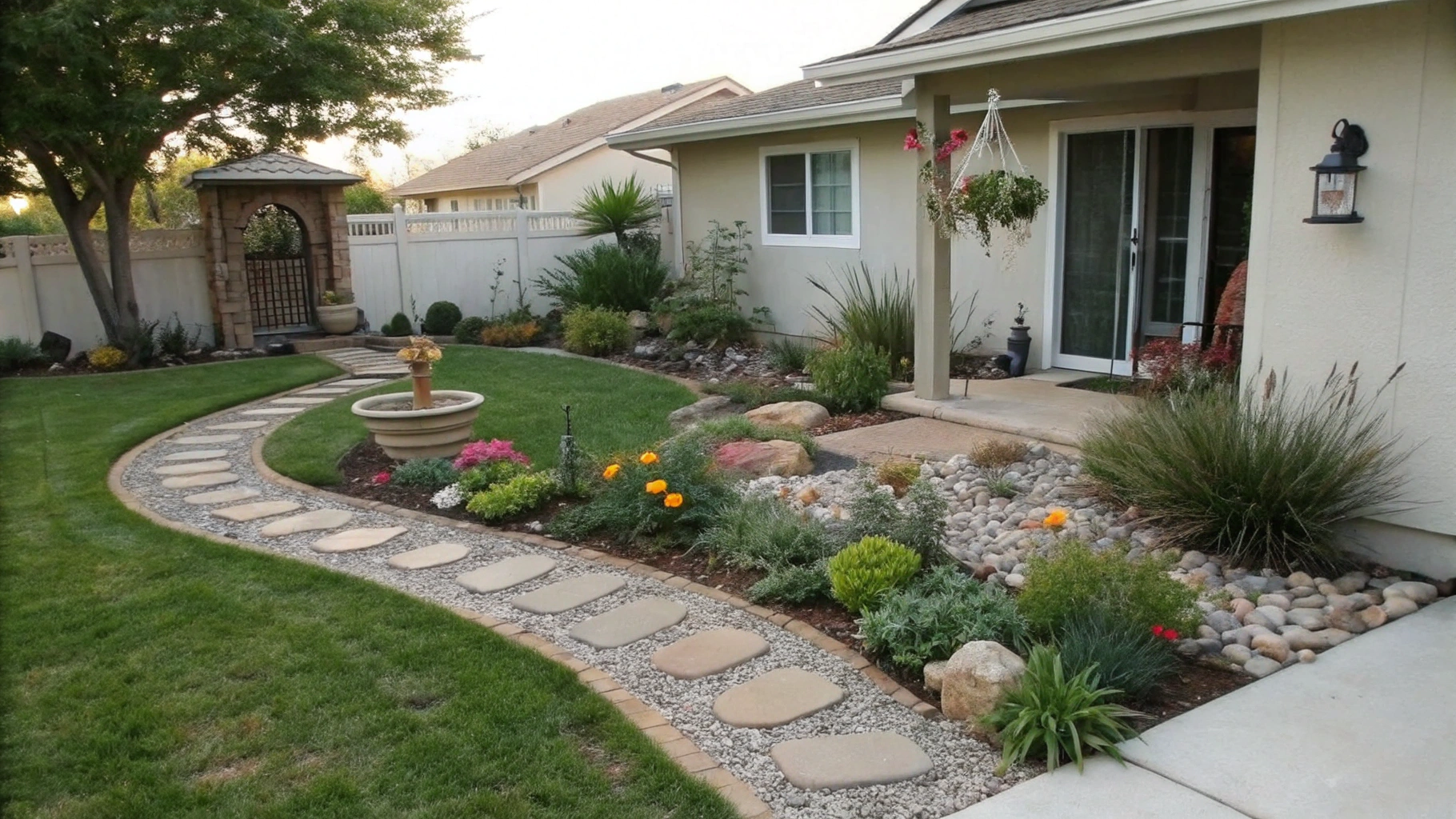
2. Add Curved Pathways Through Flower Beds
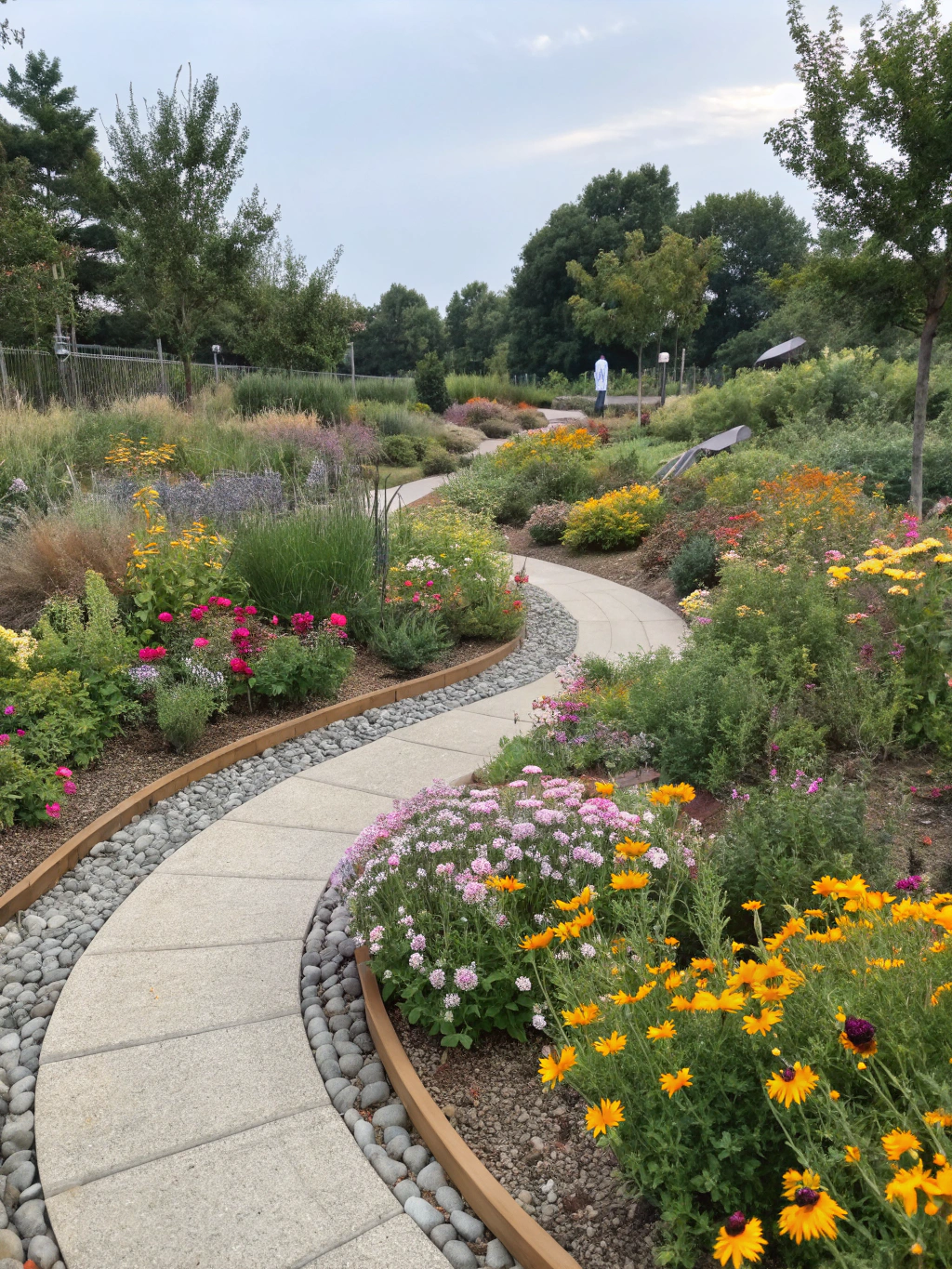
Curved pathways make pollinator gardens feel immersive and inviting.
Best Pathway Materials
- Gravel
- Flagstone
- Stepping stones
- Mulch paths
Why Homeowners Love It
- Creates movement through the garden
- Improves accessibility
- Adds natural flow
Design Insight
Winding paths create a more organic landscape appearance.
3. Use Native Plants for Low-Maintenance Pollinator Gardens
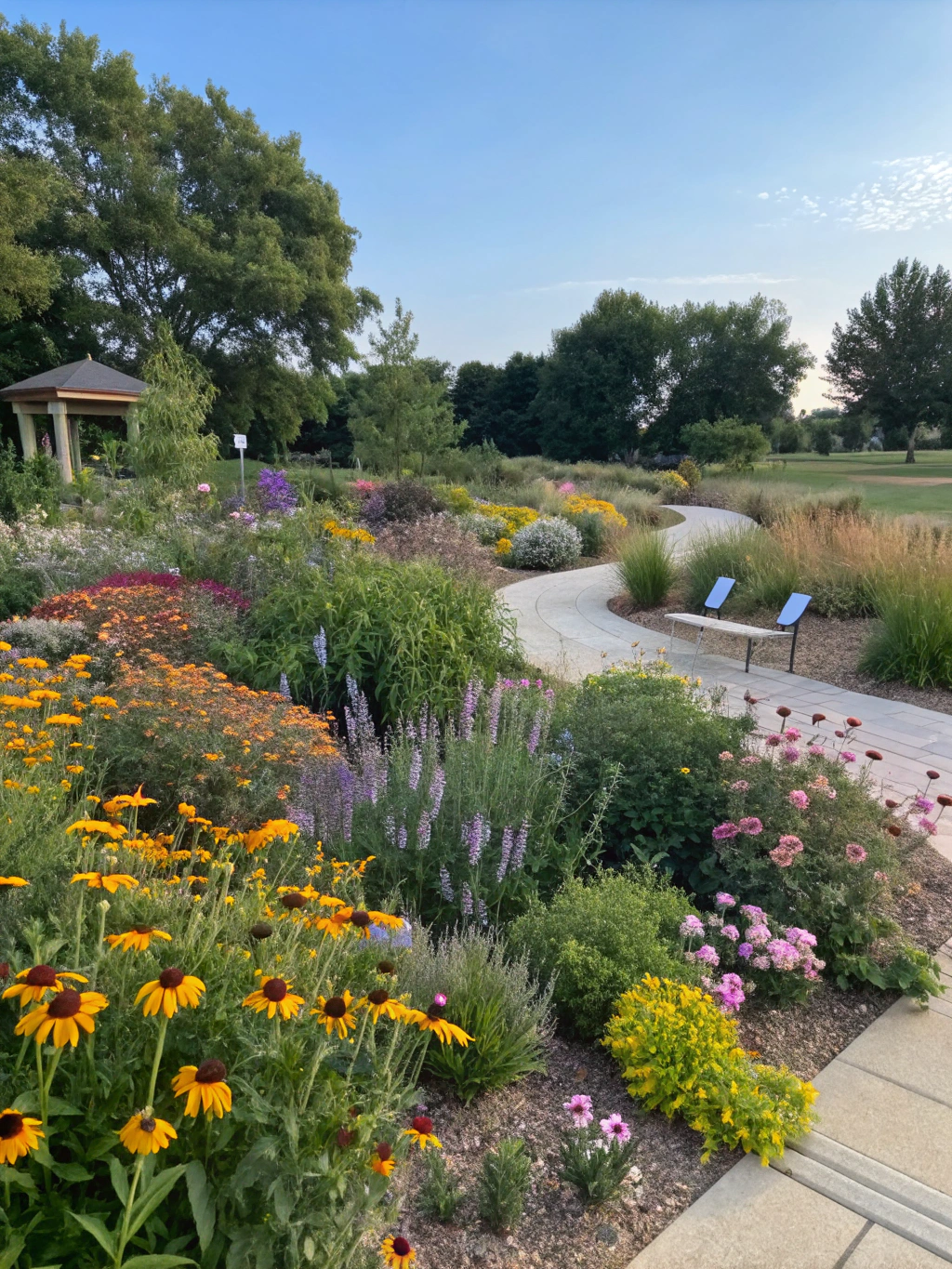
Native plants thrive naturally while providing the best support for local pollinators.
Best Native Pollinator Plants
- Purple coneflower
- Black-eyed Susans
- Goldenrod
- Coreopsis
Why It Works
Native plants require less maintenance and adapt better to local climates.
4. Create a Butterfly Garden with Bright Blooms
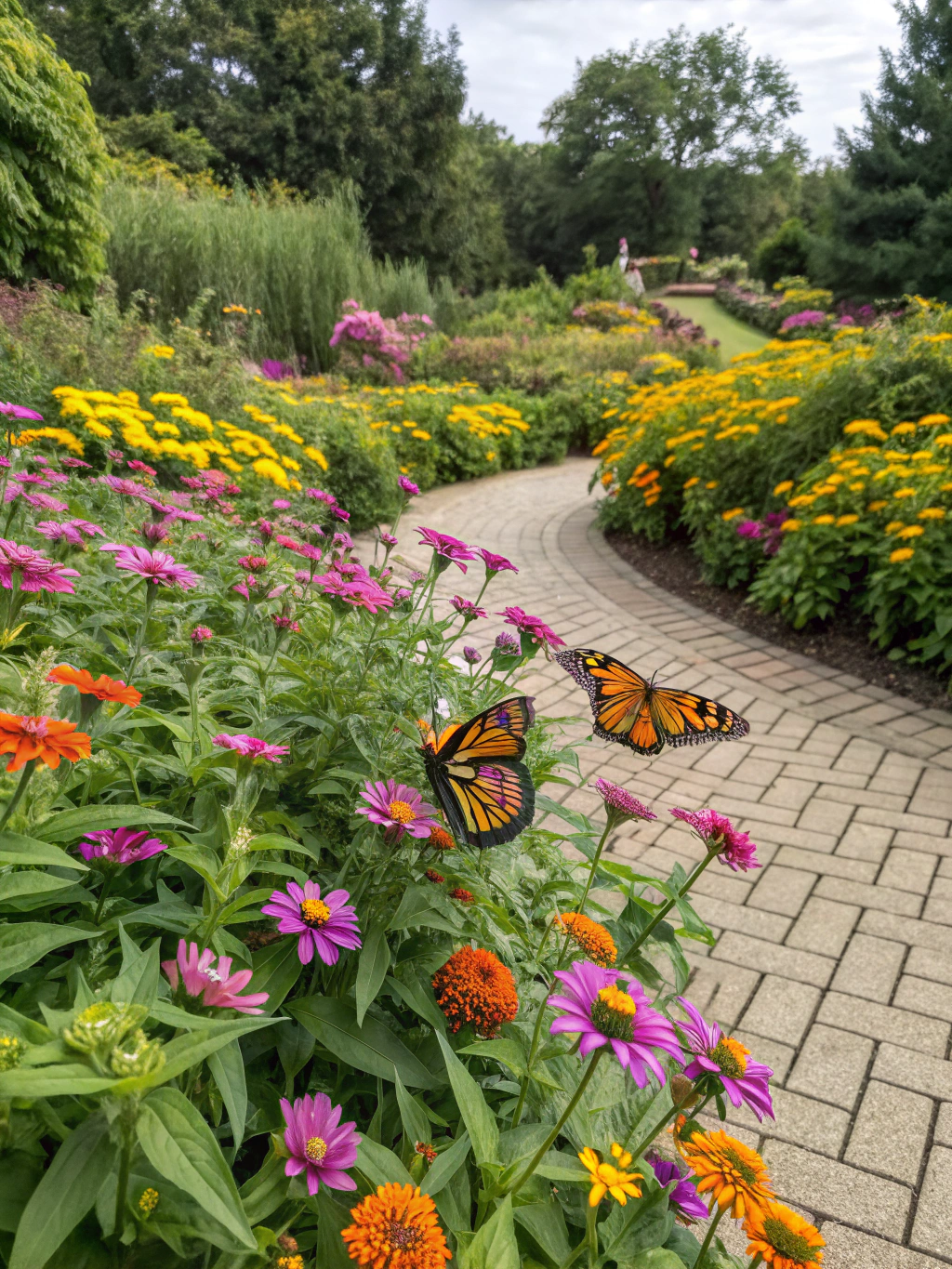
Butterflies are attracted to colorful flowers with easy landing surfaces.
Best Butterfly Flowers
- Milkweed
- Zinnias
- Coneflowers
- Lantana
- Verbena
Why It Works
Bright layered blooms create movement and vibrant color throughout the landscape.
5. Add Lavender Borders Along Walkways
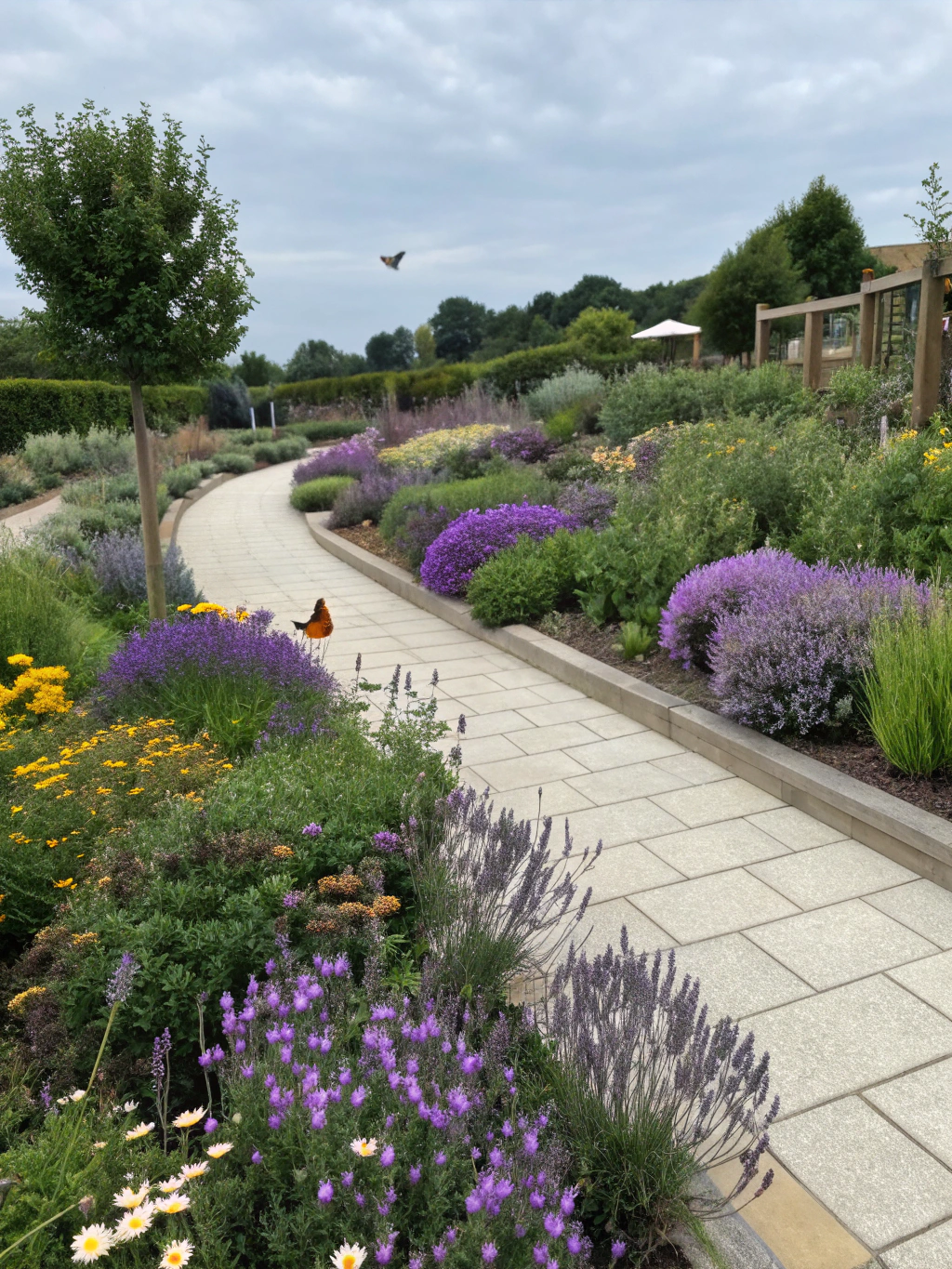
Lavender is one of the best pollinator plants because it attracts bees while adding fragrance and structure.
Why Homeowners Love Lavender
- Long blooming season
- Drought tolerance
- Relaxing scent
- Elegant texture
Best Pairings
- Gravel pathways
- Stone edging
- Ornamental grasses
6. Create a Wildflower Meadow Garden
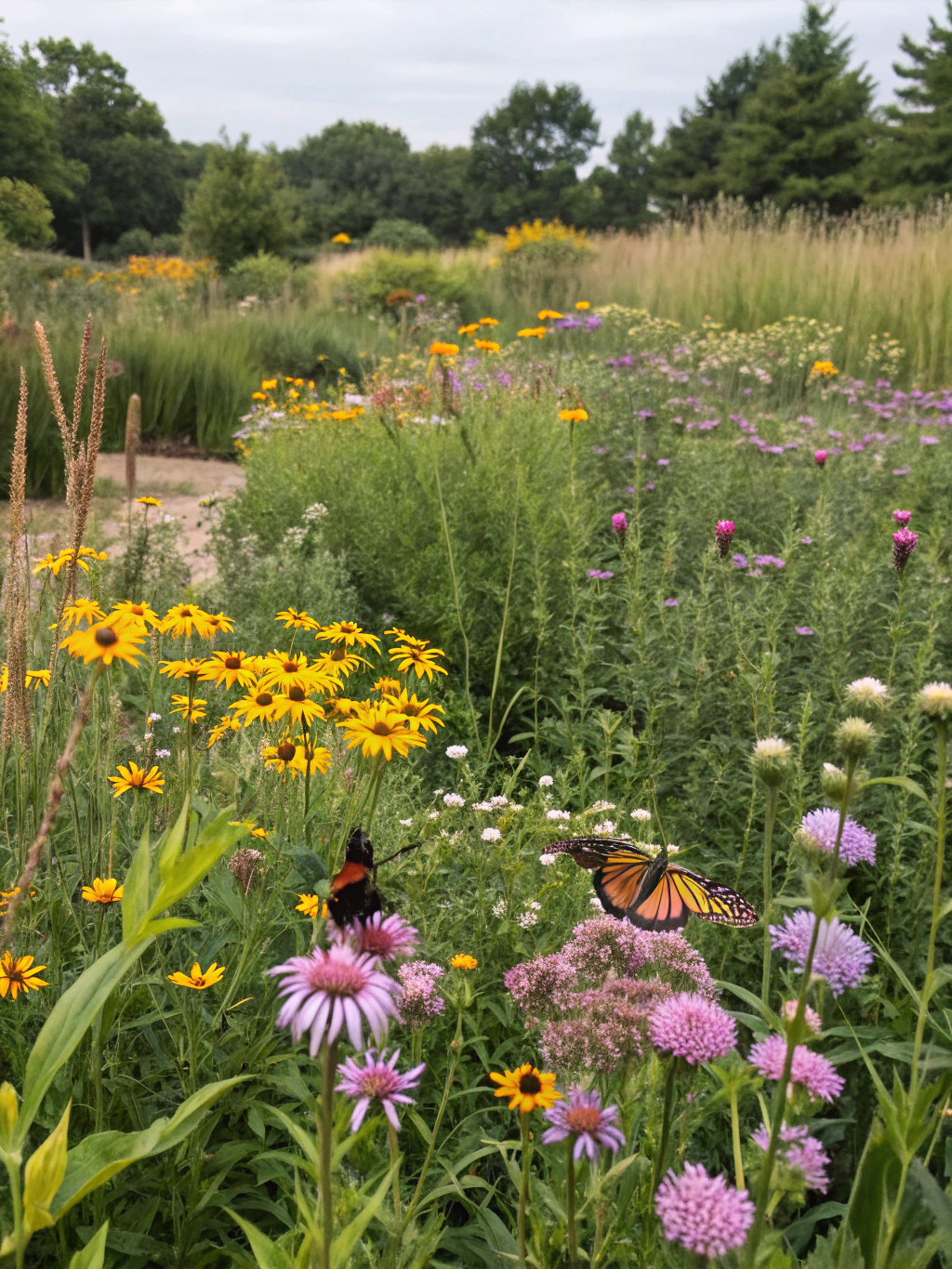
Wildflower meadows create a relaxed and highly pollinator-friendly environment.
Best Meadow Flowers
- Cosmos
- Coreopsis
- Bee balm
- Blanket flower
Why It Works
Wildflowers provide diverse nectar sources while creating natural beauty.
7. Add Hummingbird-Friendly Landscaping
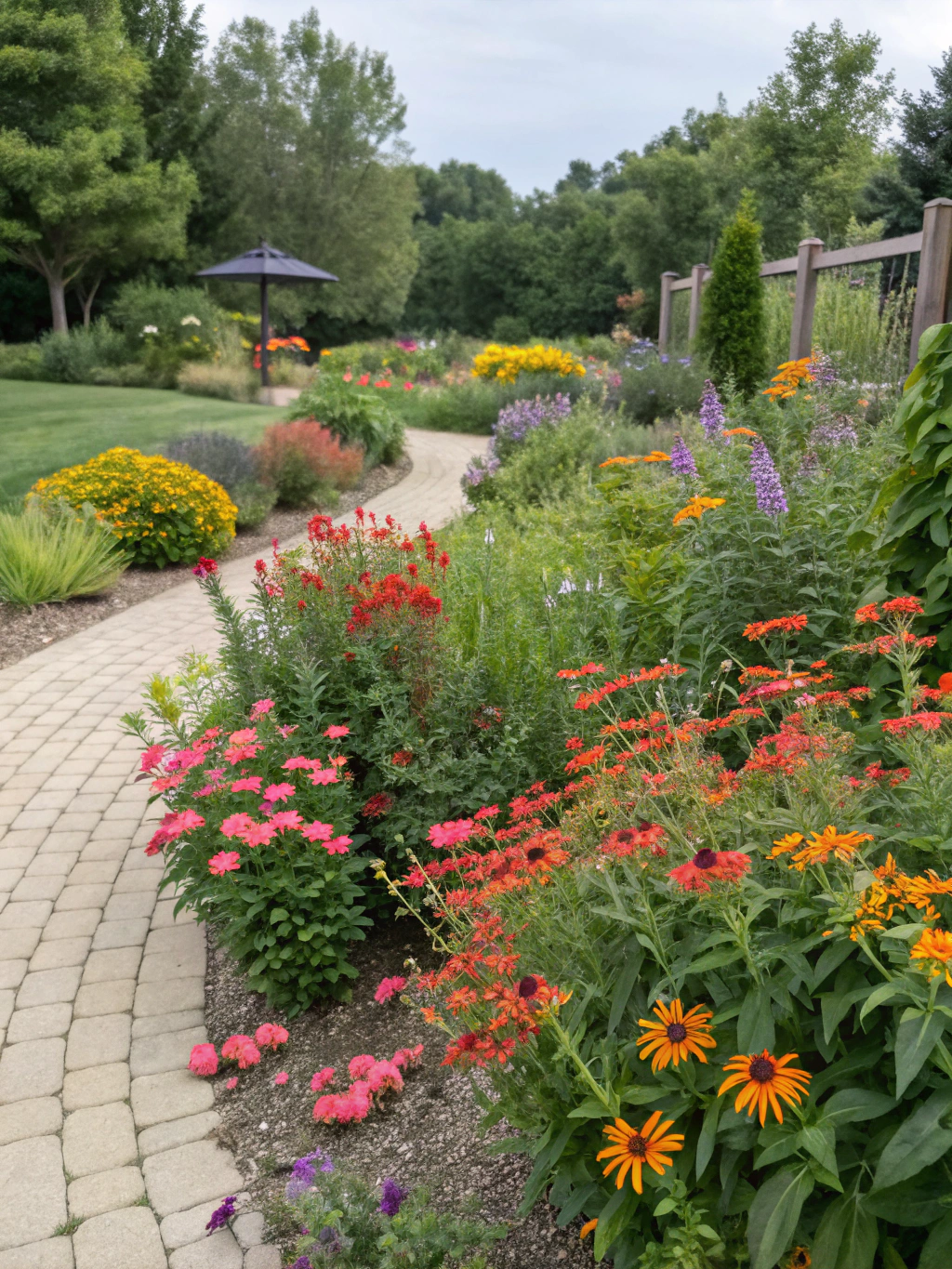
Hummingbirds love tubular flowers and layered garden spaces.
Best Hummingbird Plants
- Salvia
- Trumpet vine
- Bee balm
- Cardinal flower
Why It Works
Bright blooms and vertical planting attract hummingbirds naturally.
8. Use Ornamental Grasses for Texture & Shelter
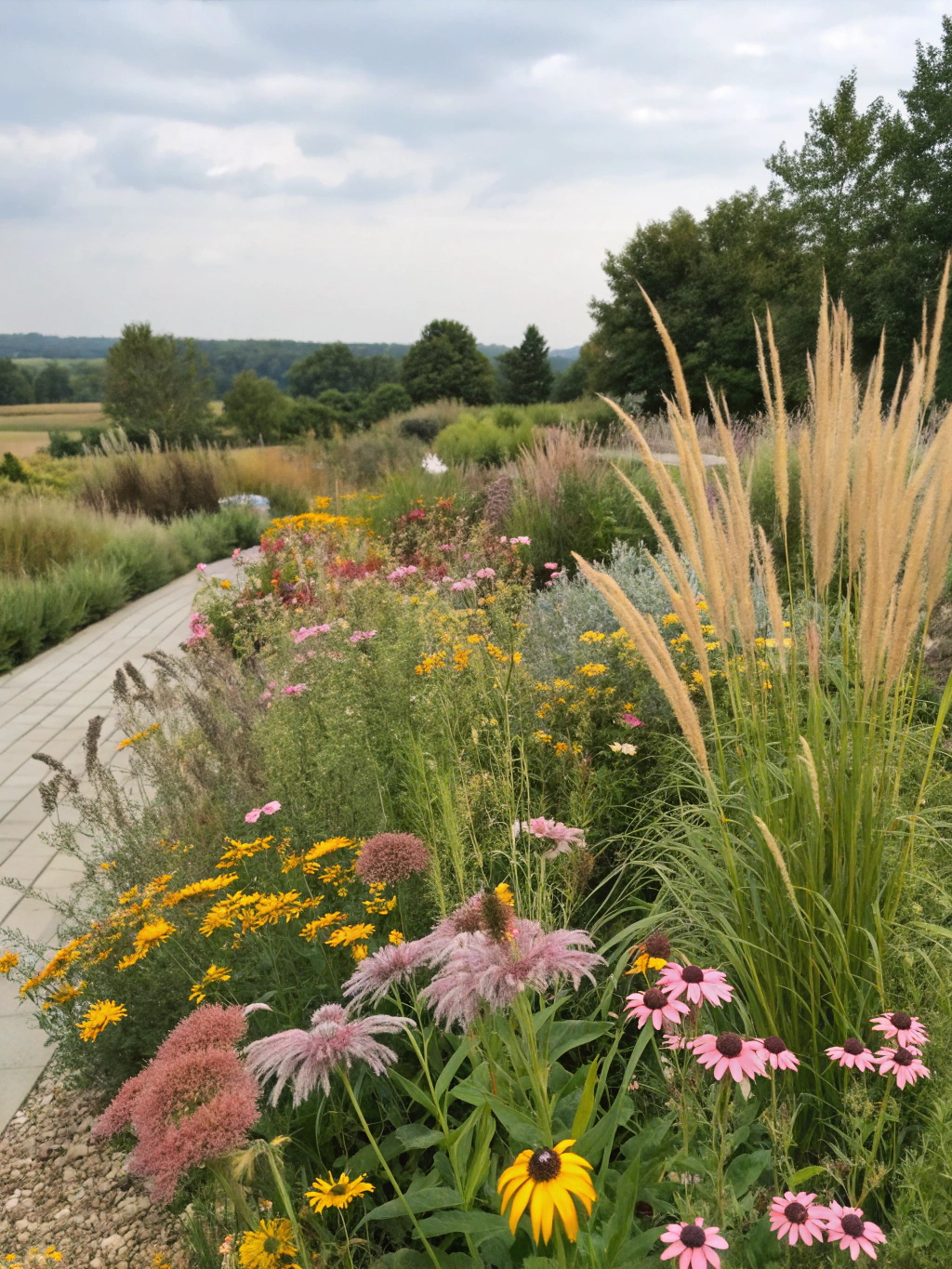
Grasses provide movement and shelter while balancing flower-heavy gardens.
Best Ornamental Grasses
- Fountain grass
- Blue fescue
- Feather reed grass
Why It Works
Grasses soften flower beds and create natural visual balance.
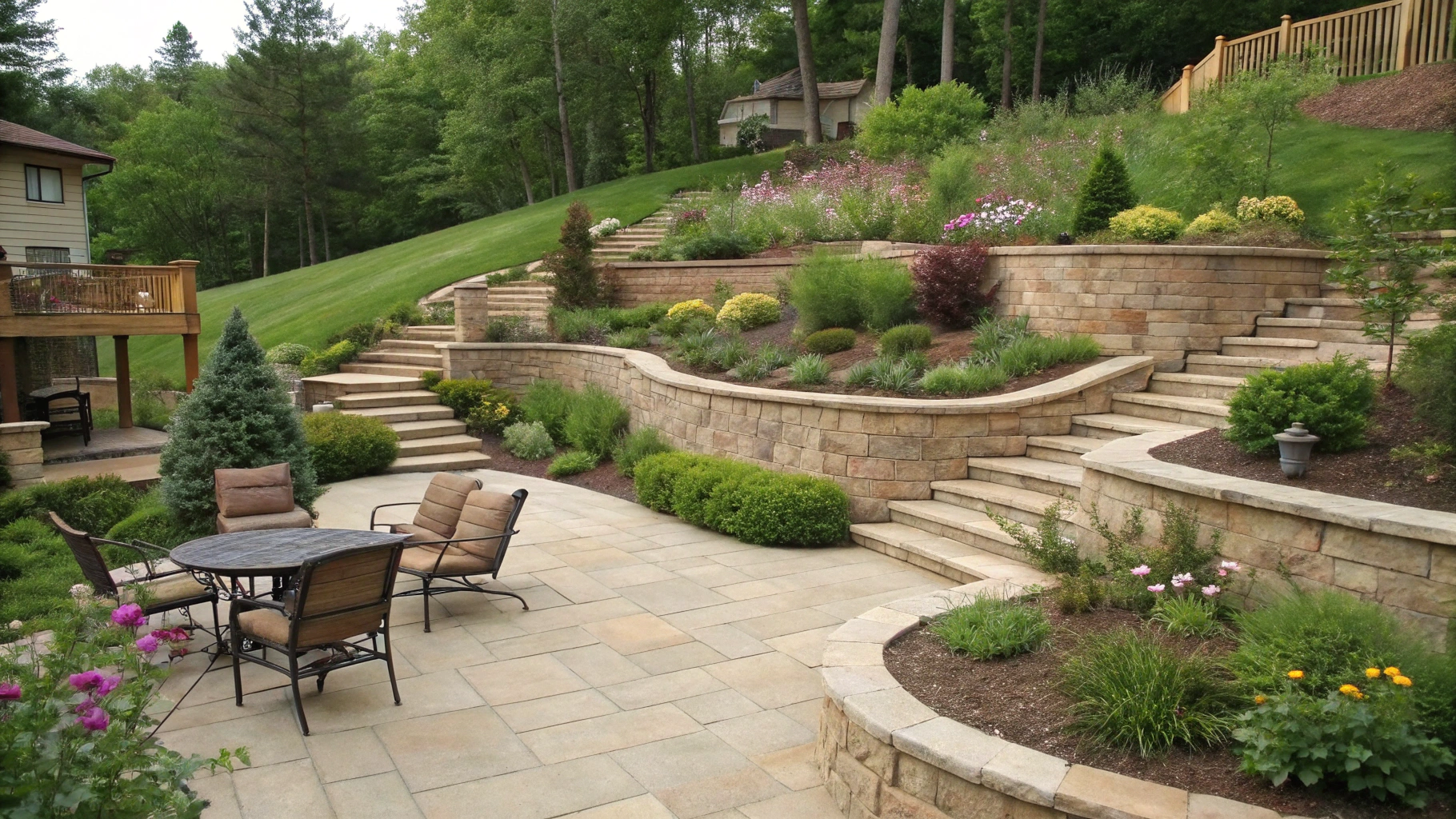
9. Create Raised Pollinator Garden Beds
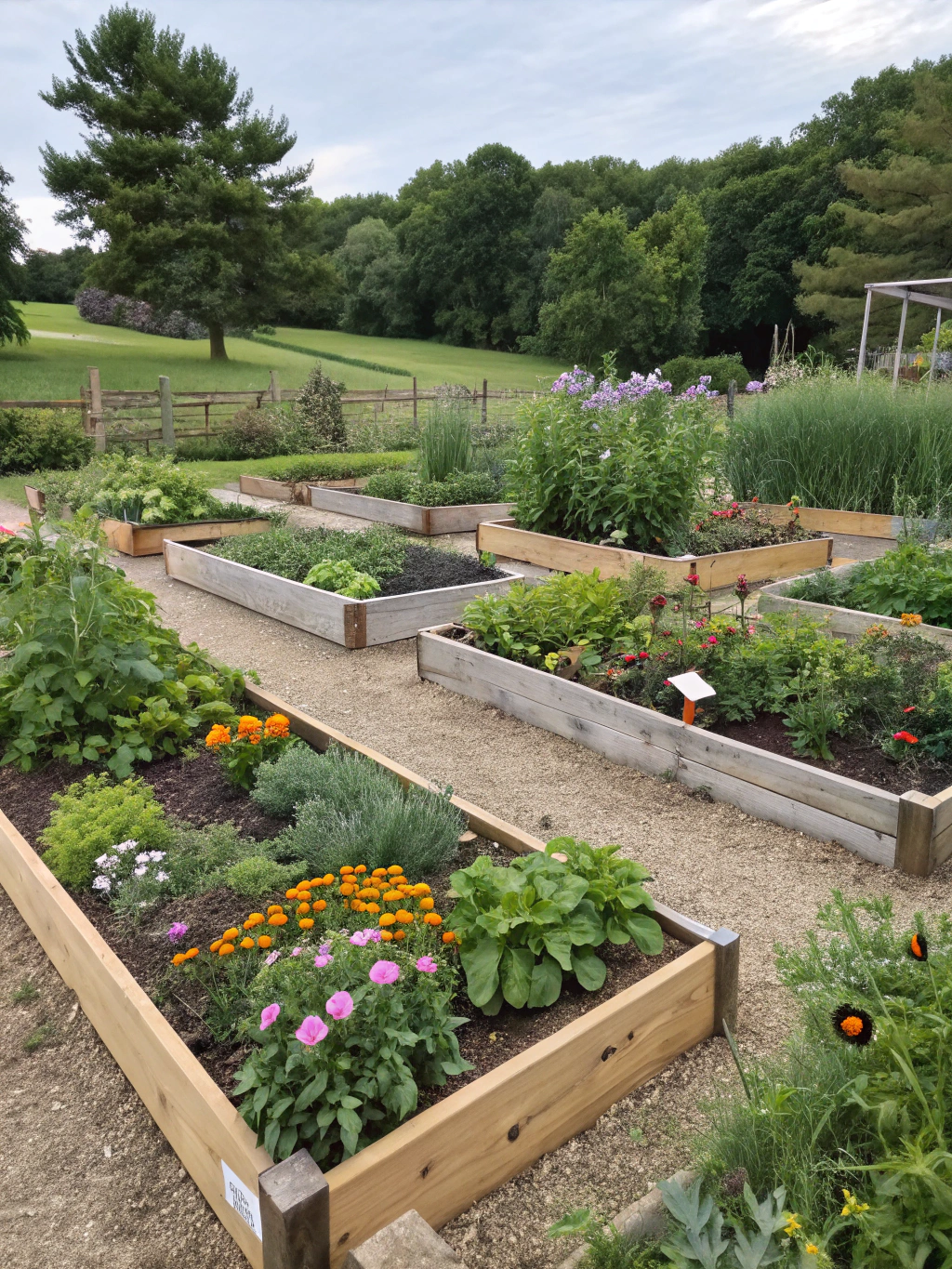
Raised beds make pollinator gardens feel cleaner and more organized.
Best Raised Bed Materials
- Cedar wood
- Brick
- Natural stone
Why It Works
Raised beds improve drainage while adding visual structure.
10. Add Water Sources for Pollinators
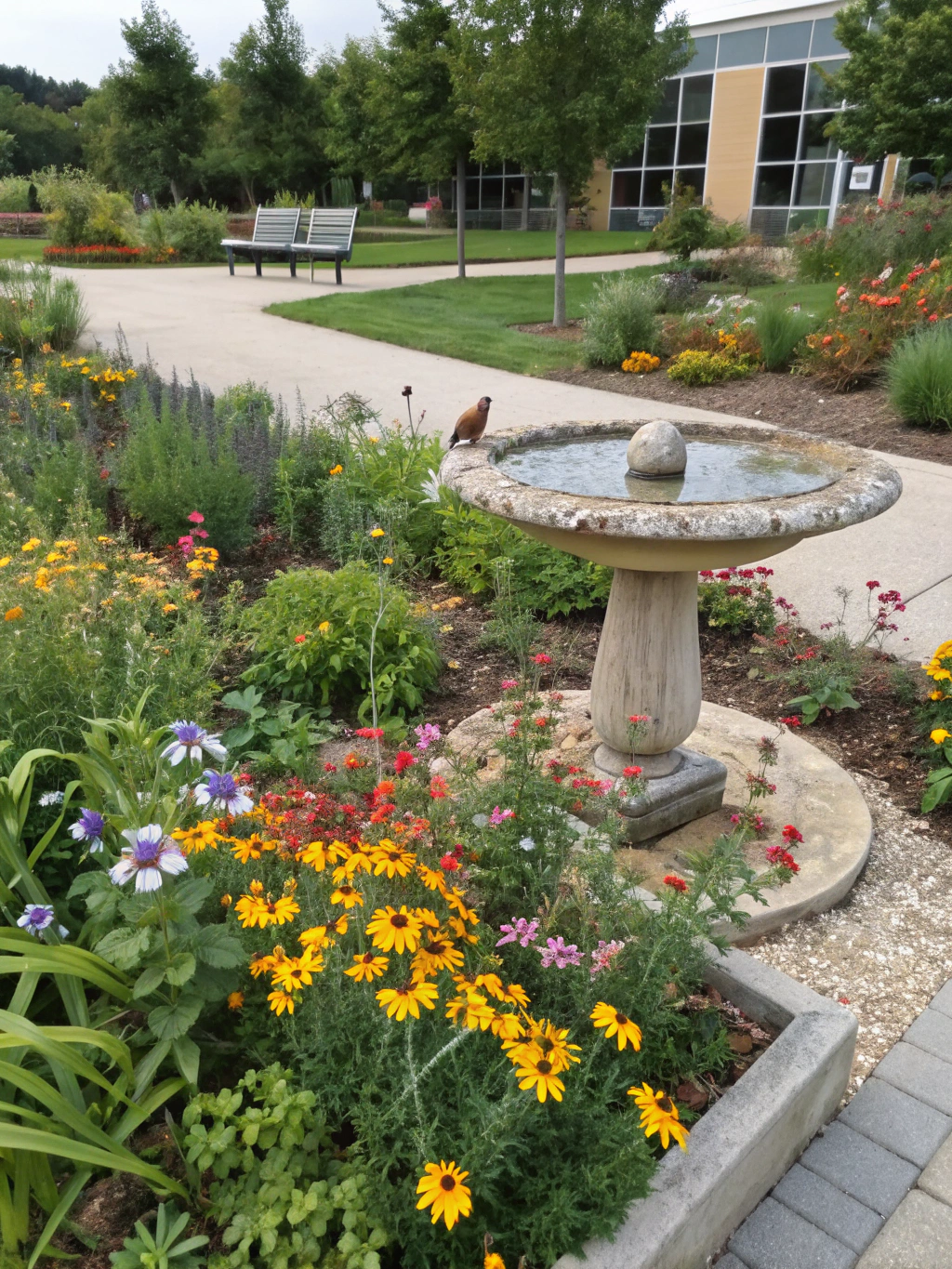
Pollinators need access to shallow water for hydration.
Best Water Features
- Birdbaths
- Shallow water bowls
- Small fountains
- Pebble water stations
Why It Works
Water sources make pollinator gardens more wildlife-friendly.
11. Create a Modern Pollinator Garden
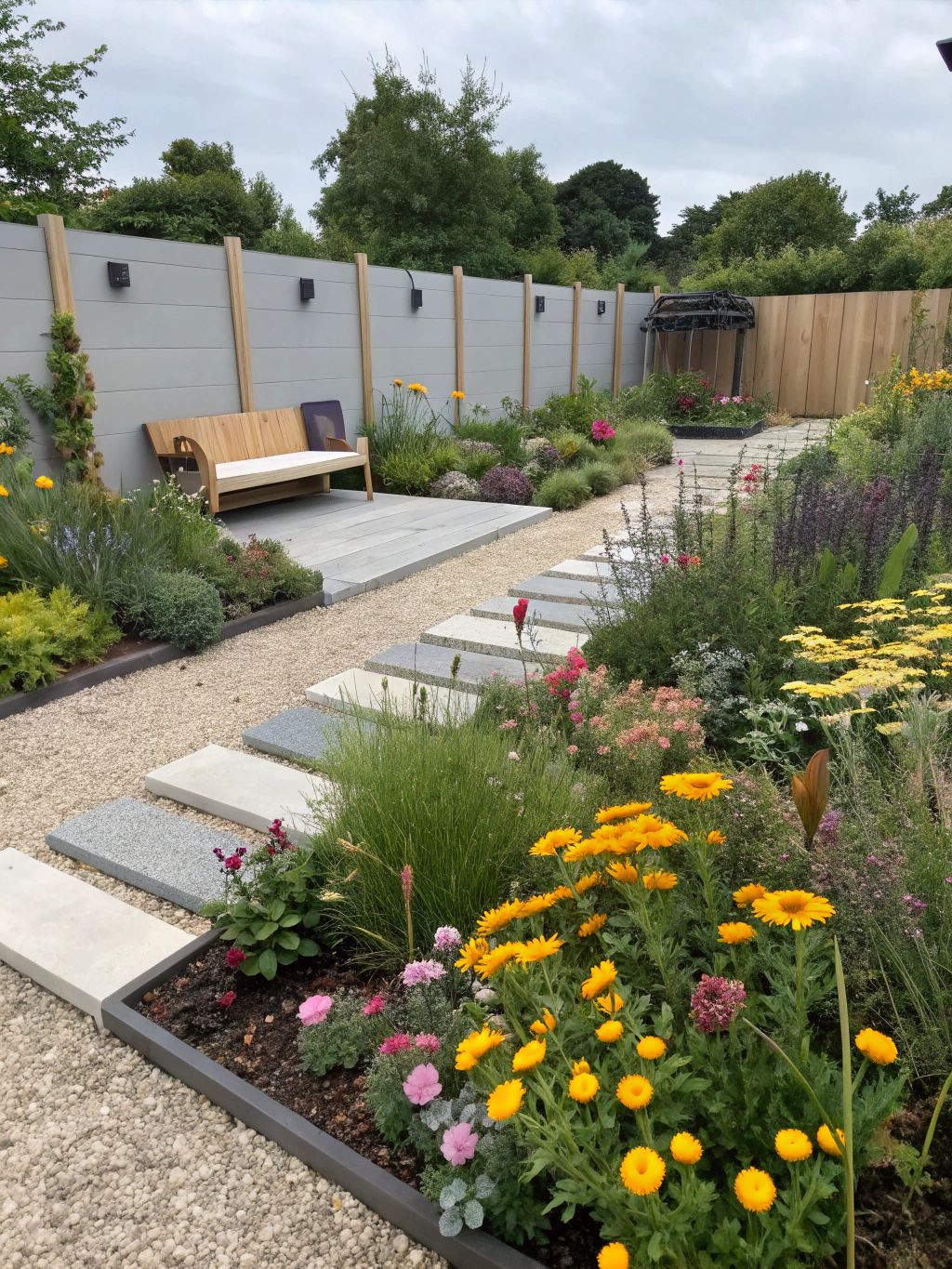
Pollinator-friendly landscaping can also work beautifully in modern designs.
Key Modern Features
- Geometric pathways
- Repeated plant groupings
- Minimal hardscaping
- Structured flower beds
Why It Works
Modern layouts create balance while still supporting biodiversity.
12. Add Seating Areas Within the Garden
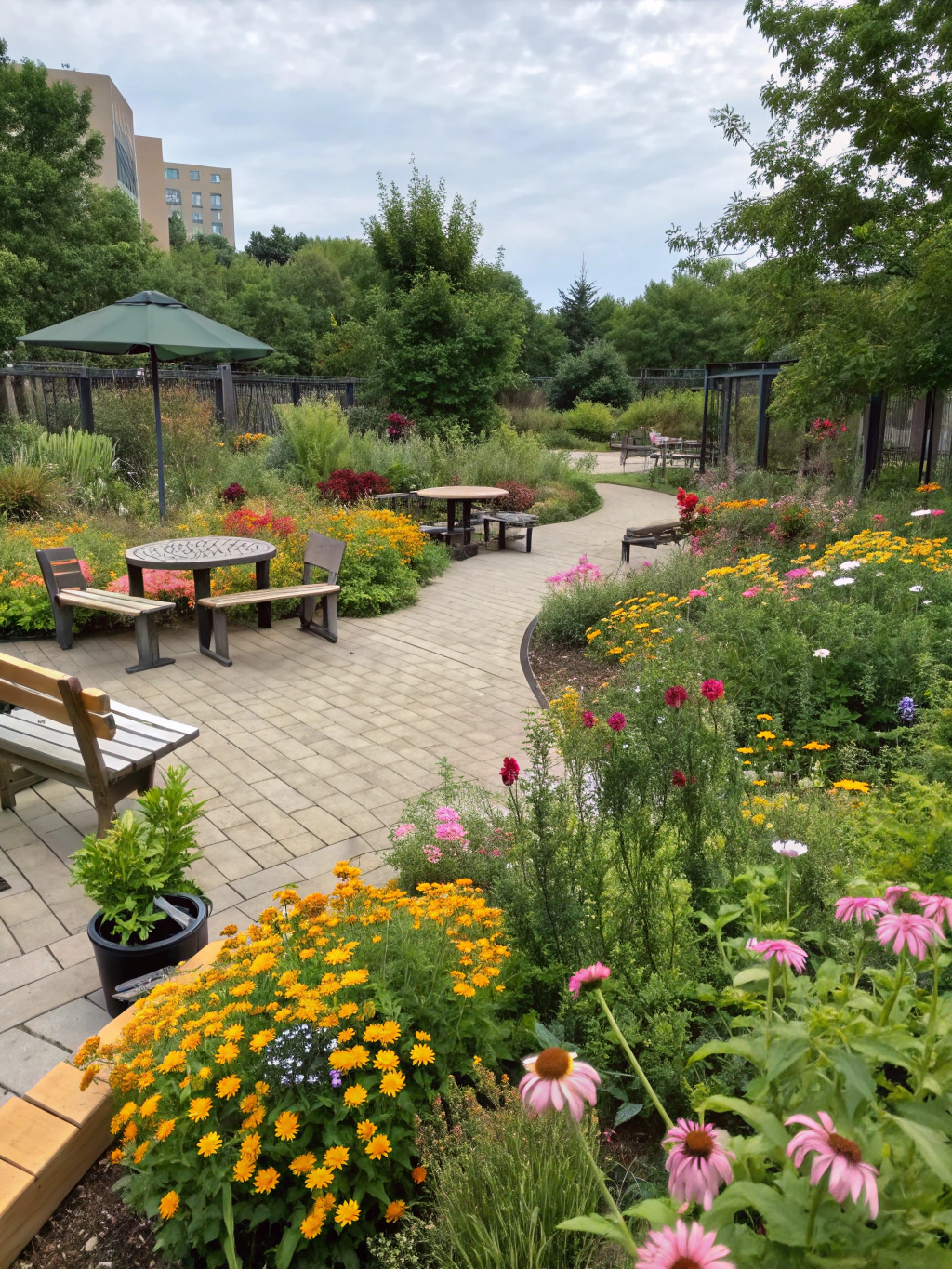
Seating spaces encourage homeowners to spend more time enjoying pollinator activity.
Best Seating Ideas
- Wooden benches
- Bistro sets
- Hammocks
- Pergola lounges
Why It Works
Seating transforms gardens into relaxing outdoor retreats.
13. Use Flowering Shrubs for Layered Privacy
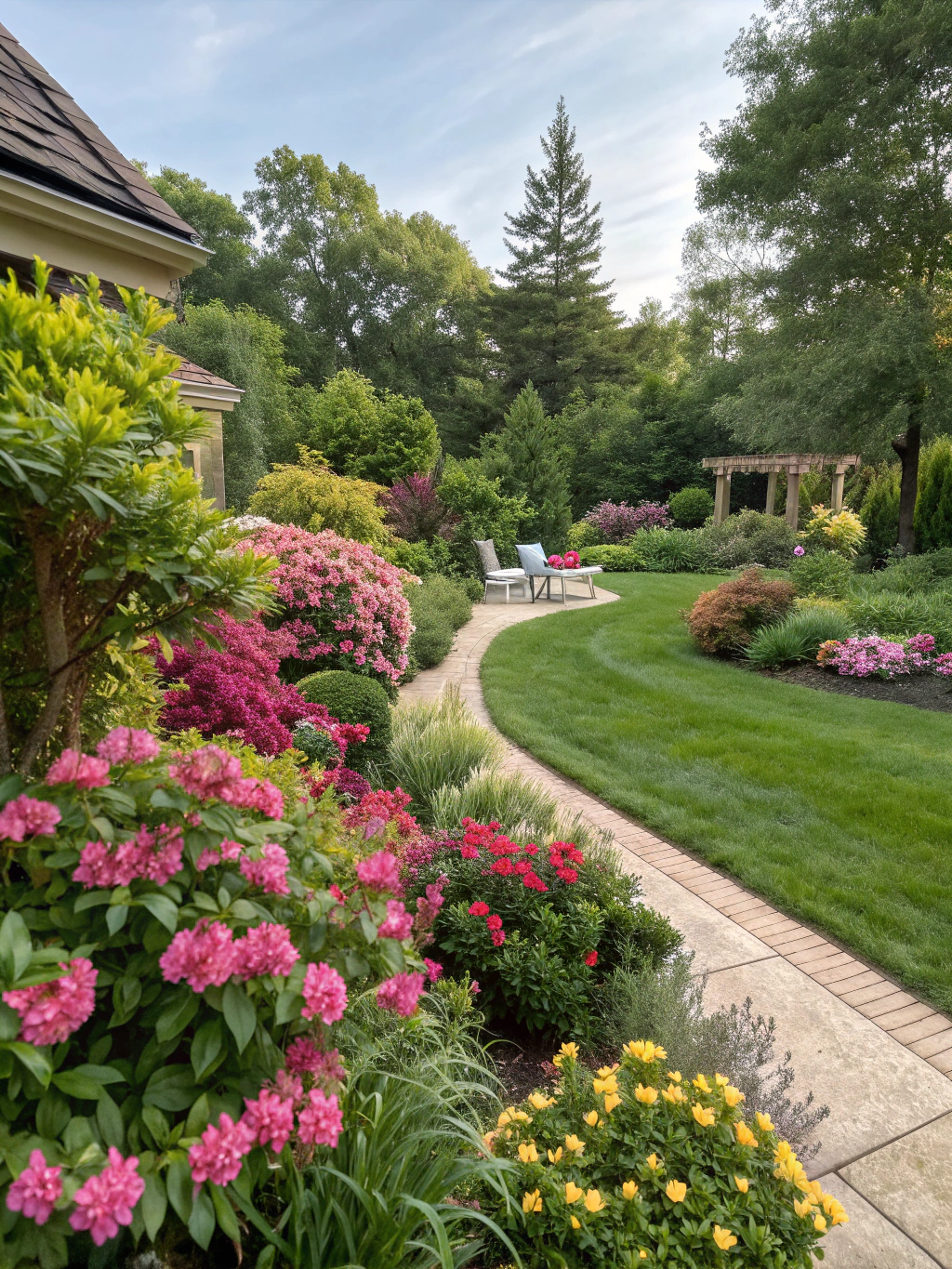
Flowering shrubs provide both pollinator support and backyard screening.
Best Flowering Shrubs
- Hydrangeas
- Butterfly bush
- Viburnum
- Azaleas
Why It Works
Layered shrubs add fullness and long-term structure.
14. Add Outdoor Lighting Carefully
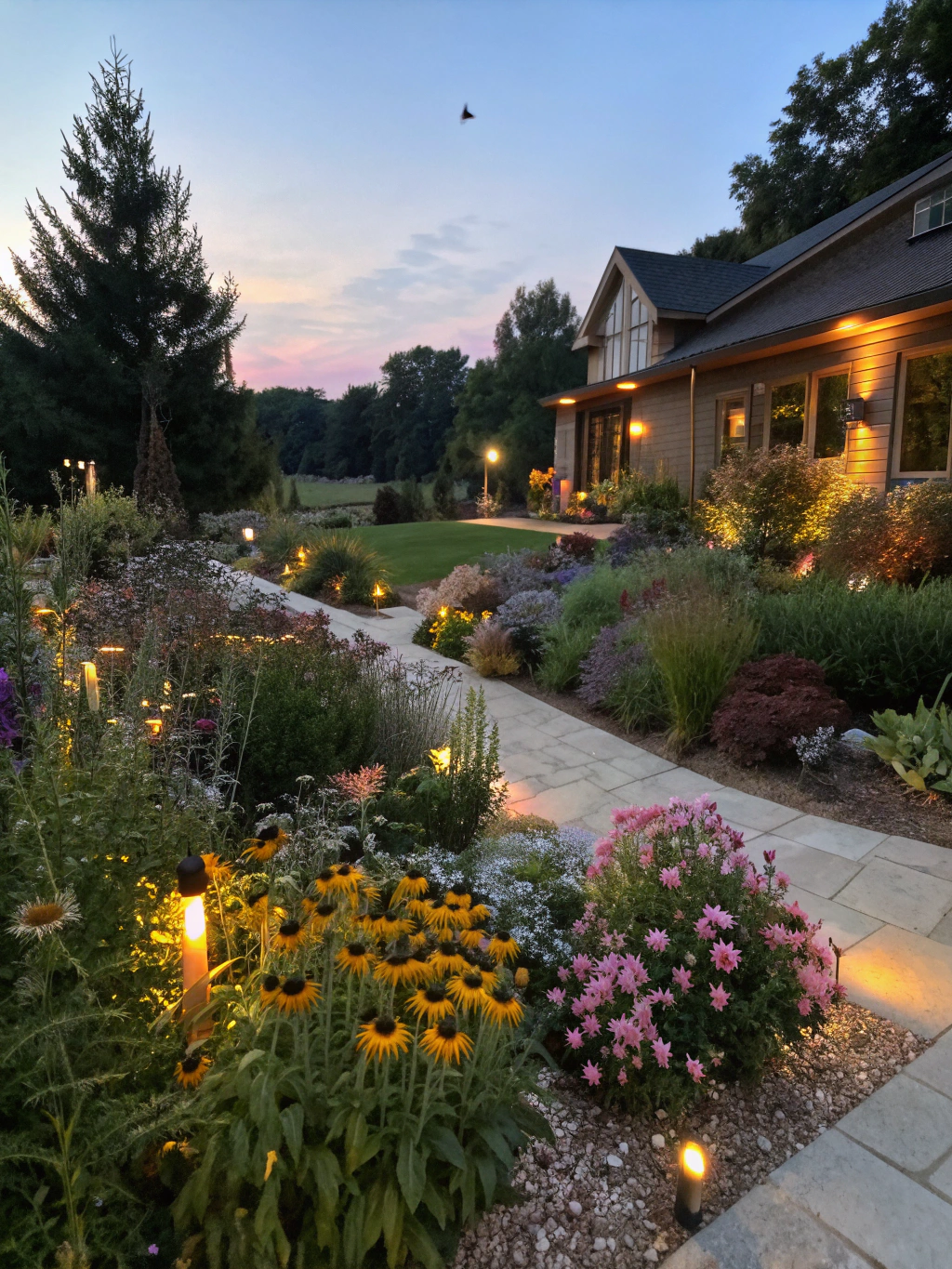
Soft lighting helps preserve pollinator activity while enhancing nighttime beauty.
Best Lighting Ideas
- Warm pathway lights
- Solar lanterns
- Low-glow string lights
Why It Works
Subtle lighting creates ambiance without overwhelming wildlife.
15. Create Seasonal Pollinator Blooms Year-Round
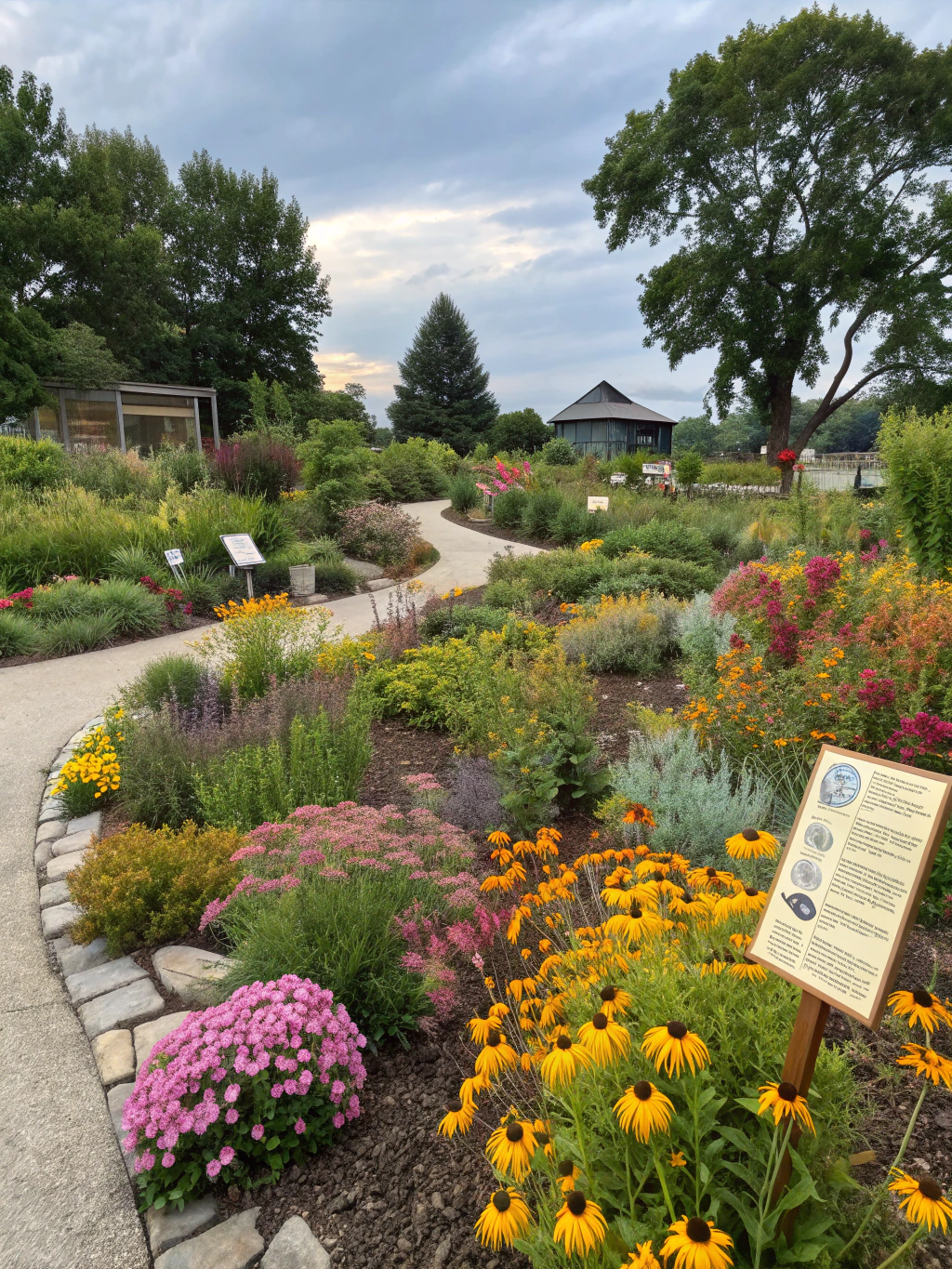
Planting flowers with staggered bloom times keeps pollinators supported longer.
Best Seasonal Bloom Pairings
- Spring: Lupines and phlox
- Summer: Coneflowers and bee balm
- Fall: Goldenrod and asters
Why It Works
Continuous blooms provide ongoing nectar throughout multiple seasons.
16. Add Stone Borders & Natural Hardscaping
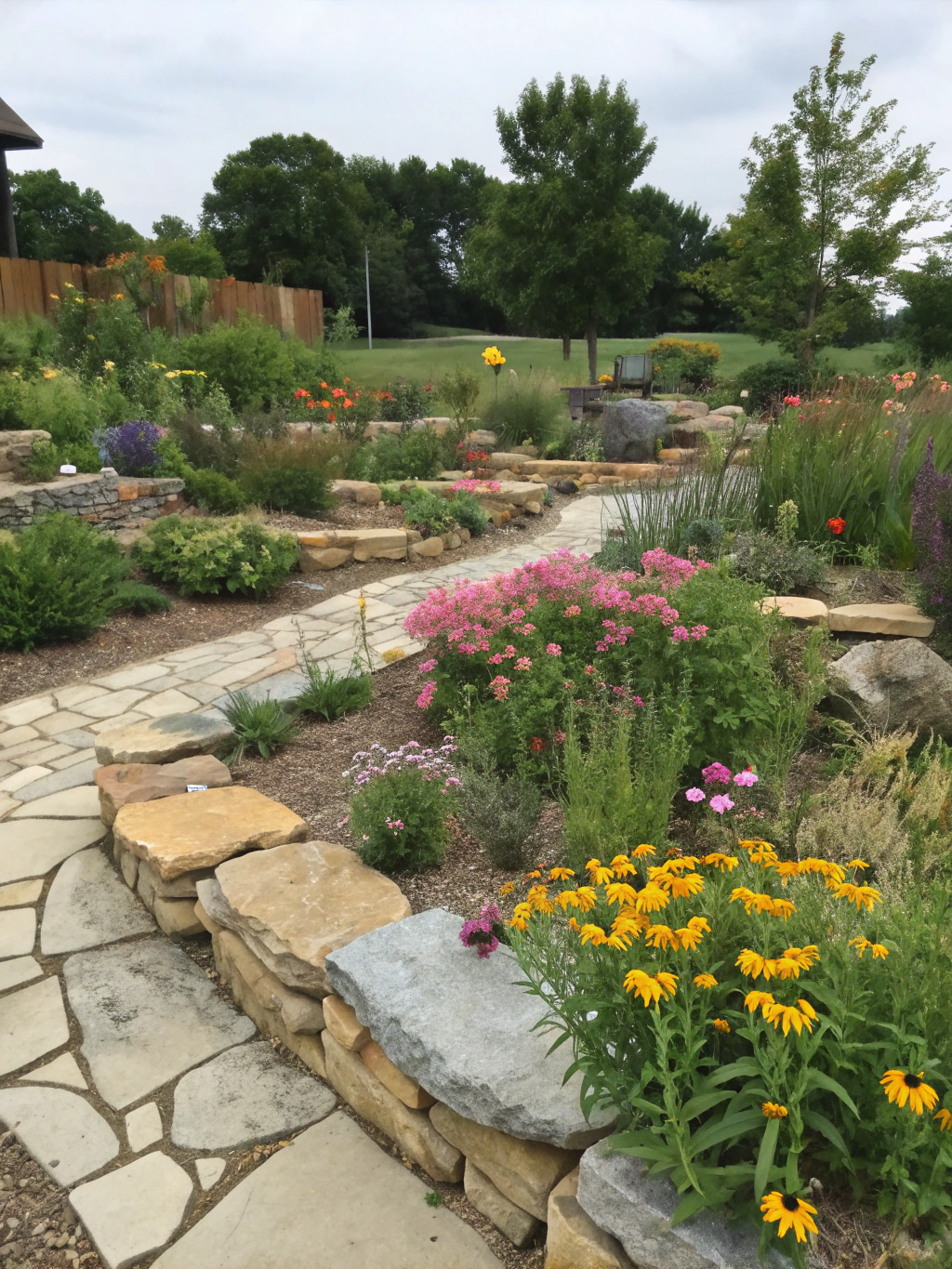
Natural materials help organize pollinator gardens while maintaining a soft aesthetic.
Best Hardscaping Materials
- Flagstone
- Gravel
- River rocks
- Wood edging
Why It Works
Hardscaping balances colorful planting with structure and functionality.
Final Thoughts
Pollinator garden landscaping creates outdoor spaces that are not only beautiful but also environmentally meaningful. By combining nectar-rich flowers, native plants, layered greenery, pathways, and thoughtful seating areas, you can create a landscape that supports bees, butterflies, hummingbirds, and other pollinators while transforming your backyard into a vibrant natural retreat.
Whether you prefer cottage-style gardens, wildflower meadows, modern pollinator landscapes, or structured flower borders, the key is creating diverse planting that blooms across multiple seasons. With thoughtful design and pollinator-friendly plant choices, your garden can become a thriving outdoor sanctuary filled with color, movement, and life.
FAQs
What is a pollinator garden?
A pollinator garden is a landscape designed to attract and support bees, butterflies, hummingbirds, and other pollinating wildlife using nectar-rich plants.
What plants are best for pollinator gardens?
Coneflowers, bee balm, lavender, milkweed, salvia, black-eyed Susans, and native wildflowers are excellent pollinator plants.
How do you attract pollinators to your garden?
Plant diverse flowers, avoid pesticides, provide water sources, and include native plants that bloom throughout multiple seasons.
Are pollinator gardens low maintenance?
Yes, especially when using native and drought-tolerant plants that naturally adapt to local climates.
Do pollinator gardens work in small backyards?
Absolutely. Even small flower beds, raised planters, and balcony gardens can attract pollinators successfully.
What colors attract pollinators the most?
Bees and butterflies are especially attracted to purple, blue, yellow, pink, and white flowers.