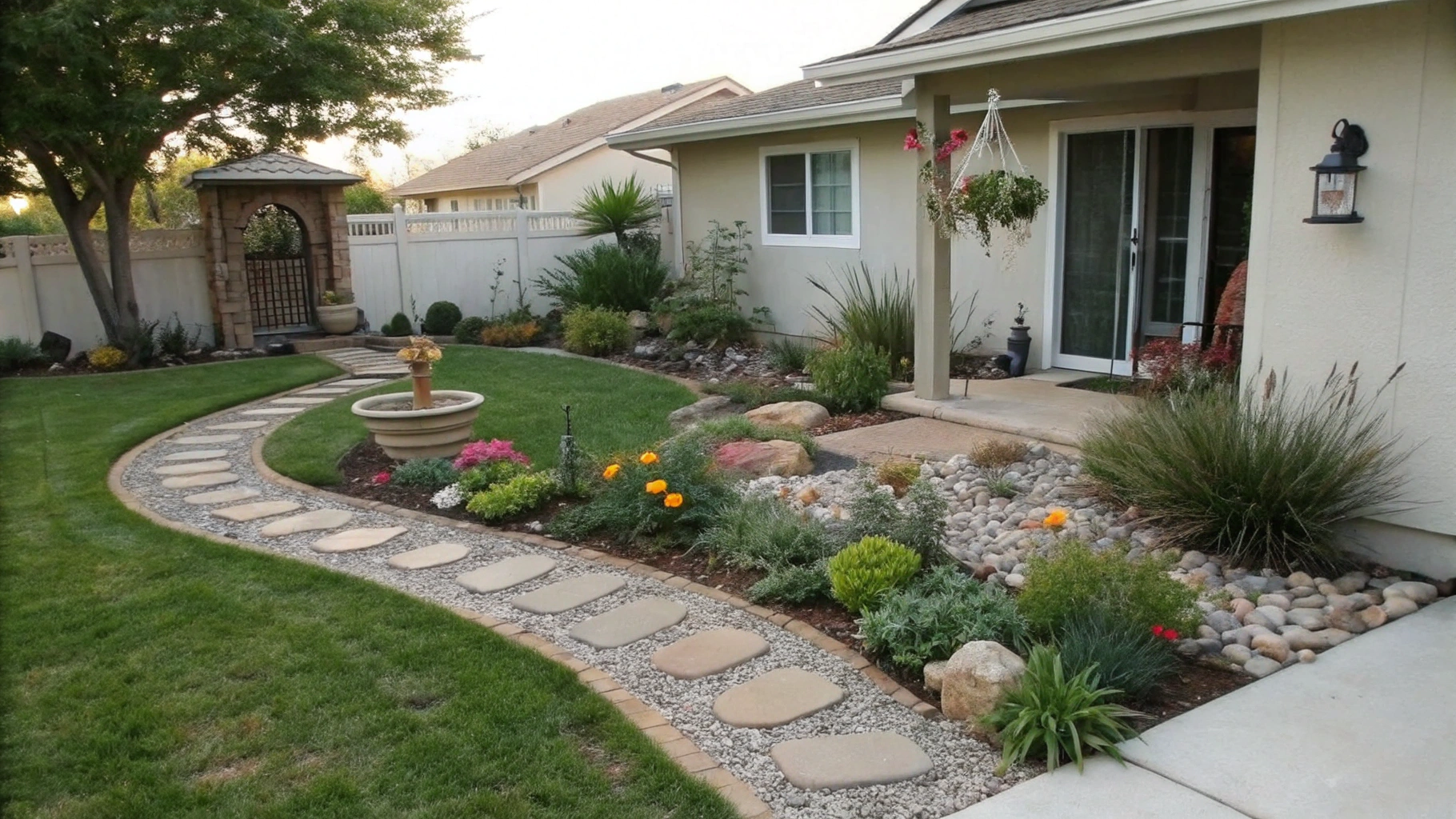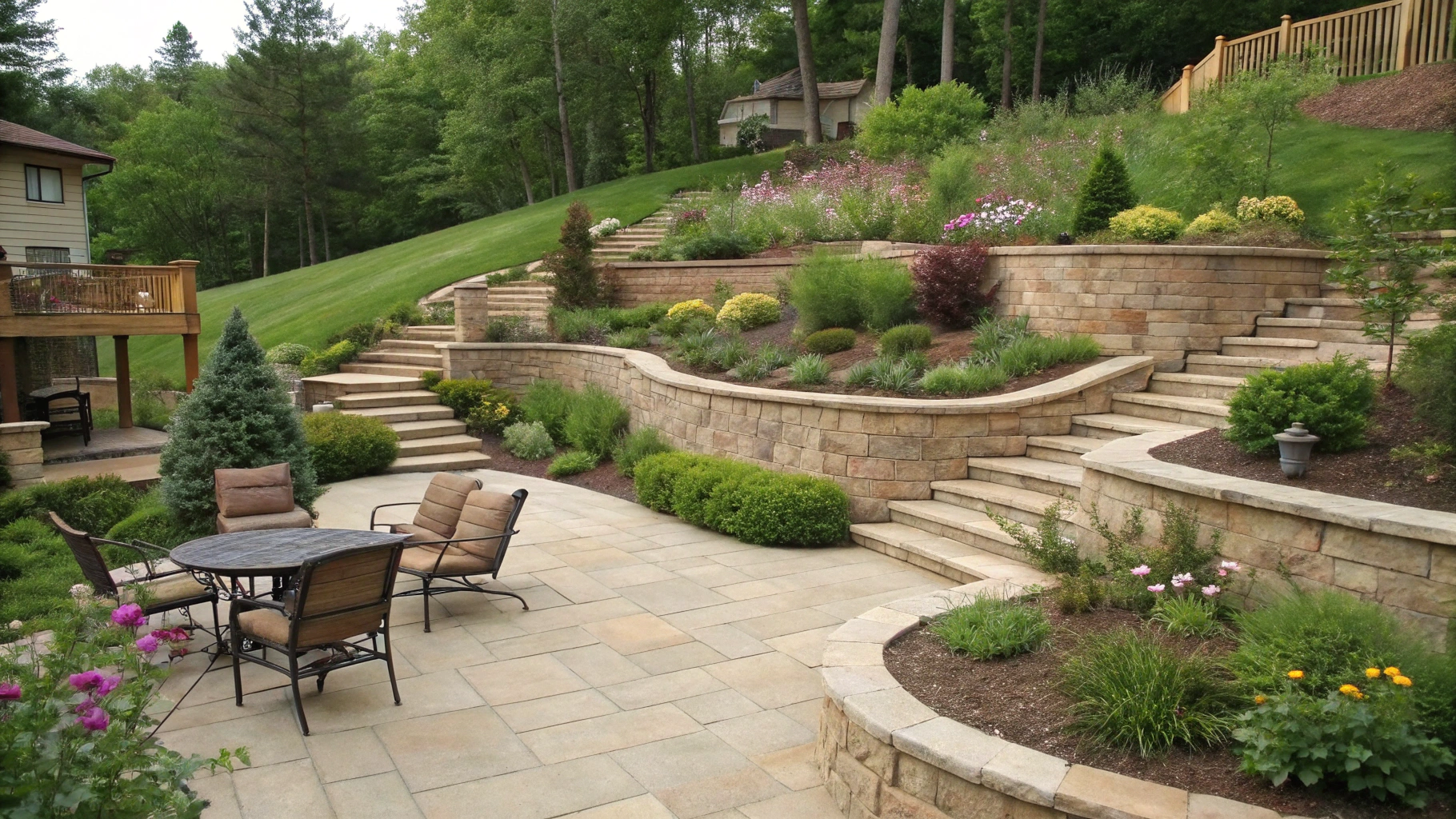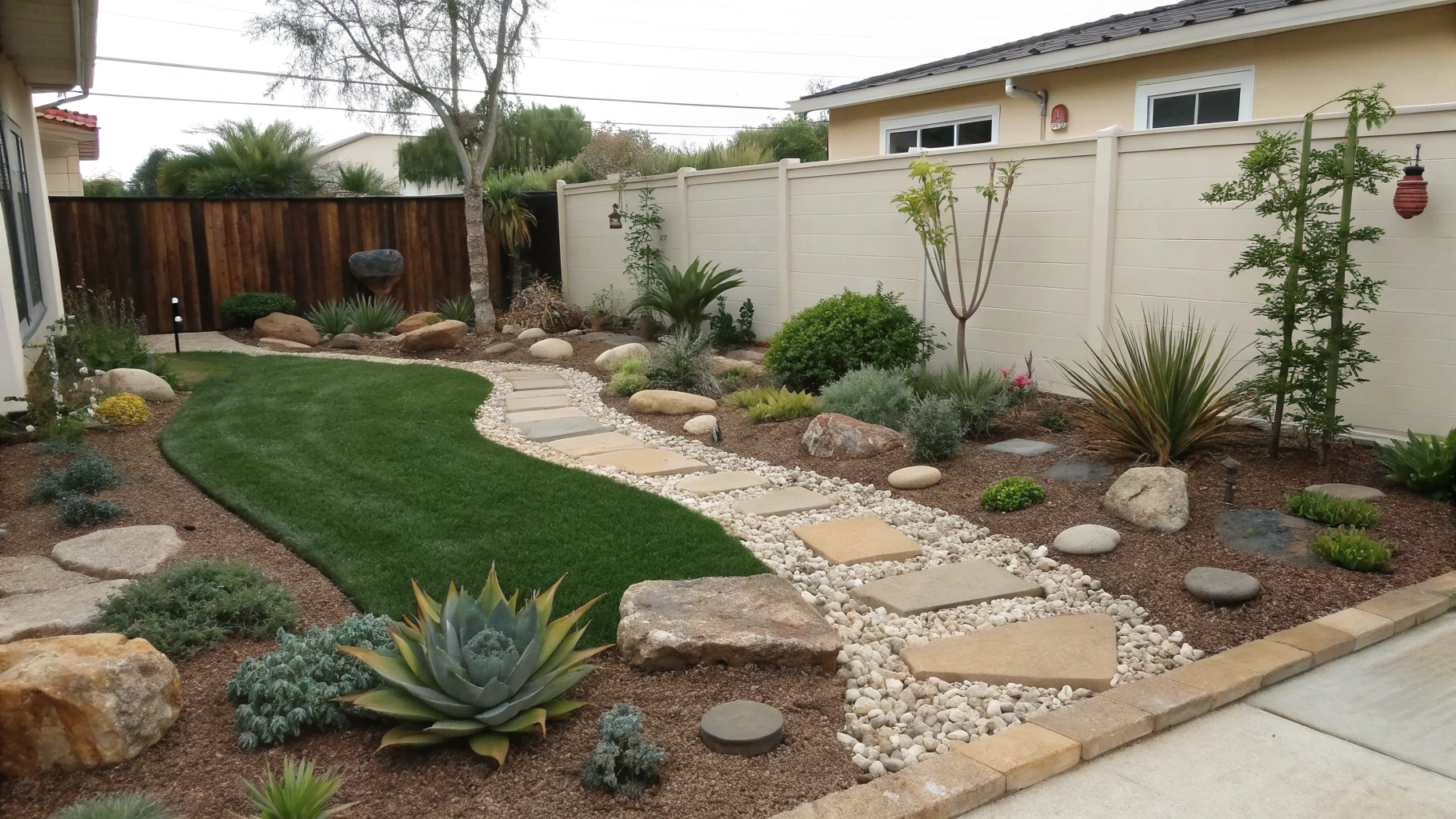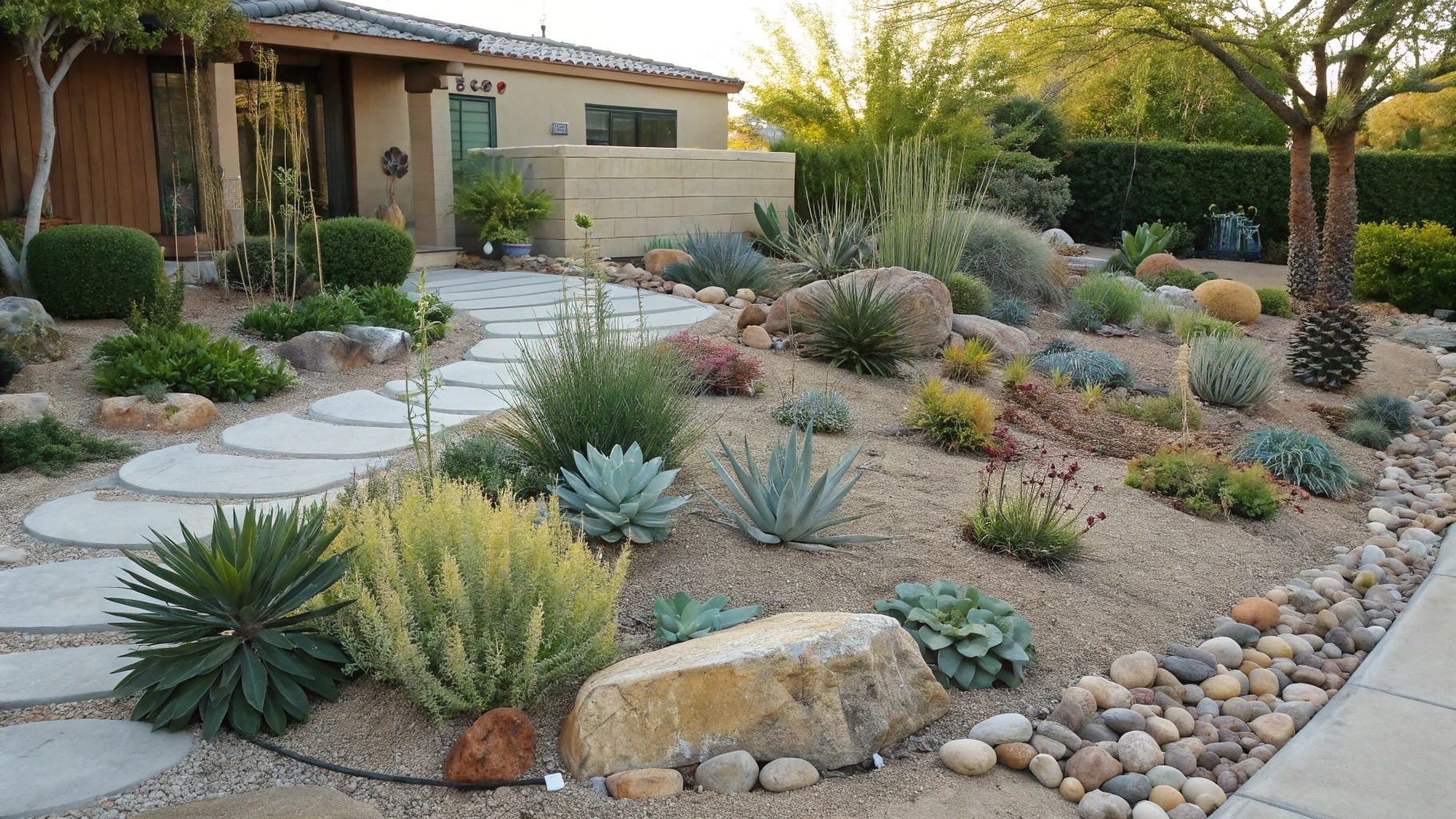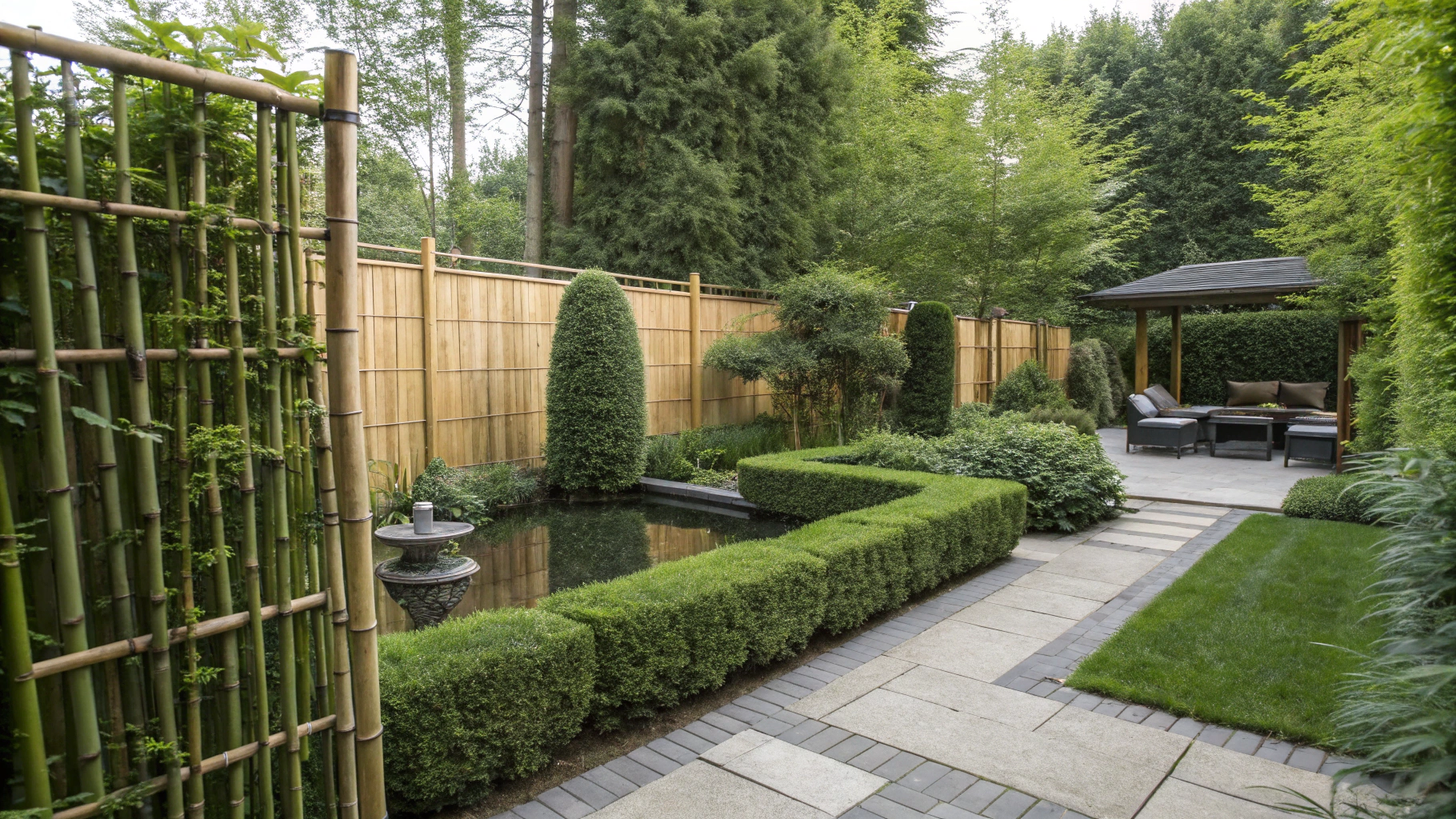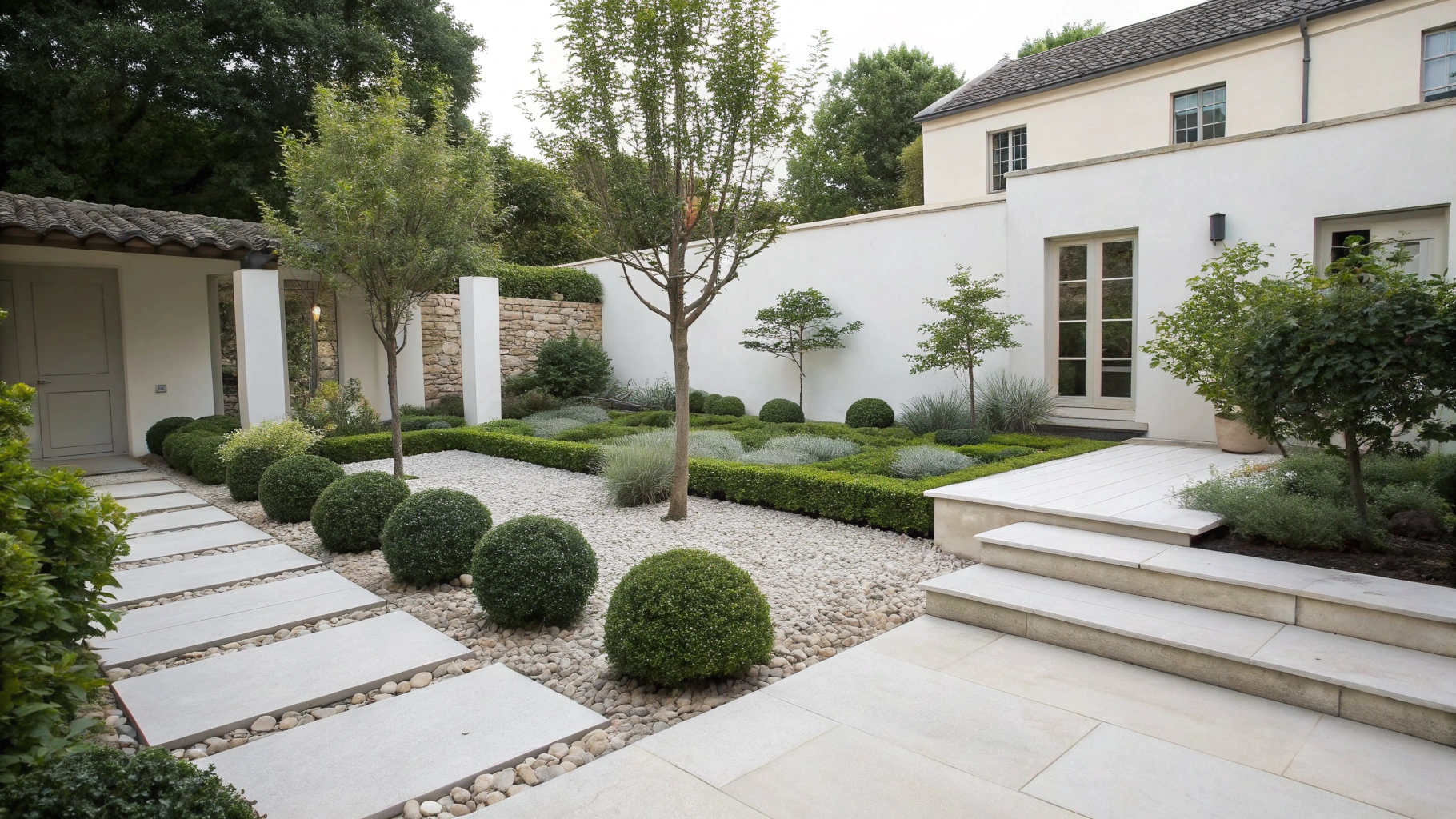
14+ Stunning Minimalist Landscaping Ideas
Minimalist landscaping proves that outdoor spaces don’t need excessive plants, complicated layouts, or heavy decoration to feel beautiful.
With clean lines, intentional design, natural textures, and carefully selected greenery, minimalist landscapes create a calm and sophisticated atmosphere that feels modern, functional, and timeless.
Whether you want a sleek front yard, a low-maintenance backyard, or a peaceful outdoor retreat, these stunning minimalist landscaping ideas will help you design a space that feels open, organized, and effortlessly elegant.
What Defines Minimalist Landscaping?
Minimalist landscaping focuses on simplicity, balance, and intentional design rather than overcrowded planting or decorative excess.
Love Chic Living Club?
Add us as one of your preferred Google sources and discover more home decor, DIY, outdoor, and lifestyle inspiration from us.
Common features of minimalist landscapes include:
- Clean geometric lines
- Neutral color palettes
- Limited plant varieties
- Open space
- Structured hardscaping
- Repetition and symmetry
- Natural texture contrasts
The goal is creating a landscape that feels visually calming and highly functional without looking empty or cold.
Best Materials for Minimalist Landscaping
| Material | Best For | Minimalist Benefit |
| Concrete Pavers | Walkways & patios | Clean modern structure |
| Gravel | Ground cover | Low-maintenance texture |
| Steel Edging | Borders | Sharp clean lines |
| Natural Stone | Accent areas | Organic contrast |
| Wood | Seating & pergolas | Warmth and balance |
How to Make Minimalist Landscaping Feel Warm & Inviting
Use Texture Instead of Excess Color
Mix stone, gravel, wood, grasses, and smooth concrete to create visual depth.
Repeat Simple Elements
Repeating plants, pavers, or planters creates cohesion and balance.
Focus on Open Space
Allow breathing room between features instead of overcrowding the landscape.
Add Warm Lighting
Layered lighting softens minimalist landscapes beautifully during evenings.
1. Create a Modern Gravel Landscape
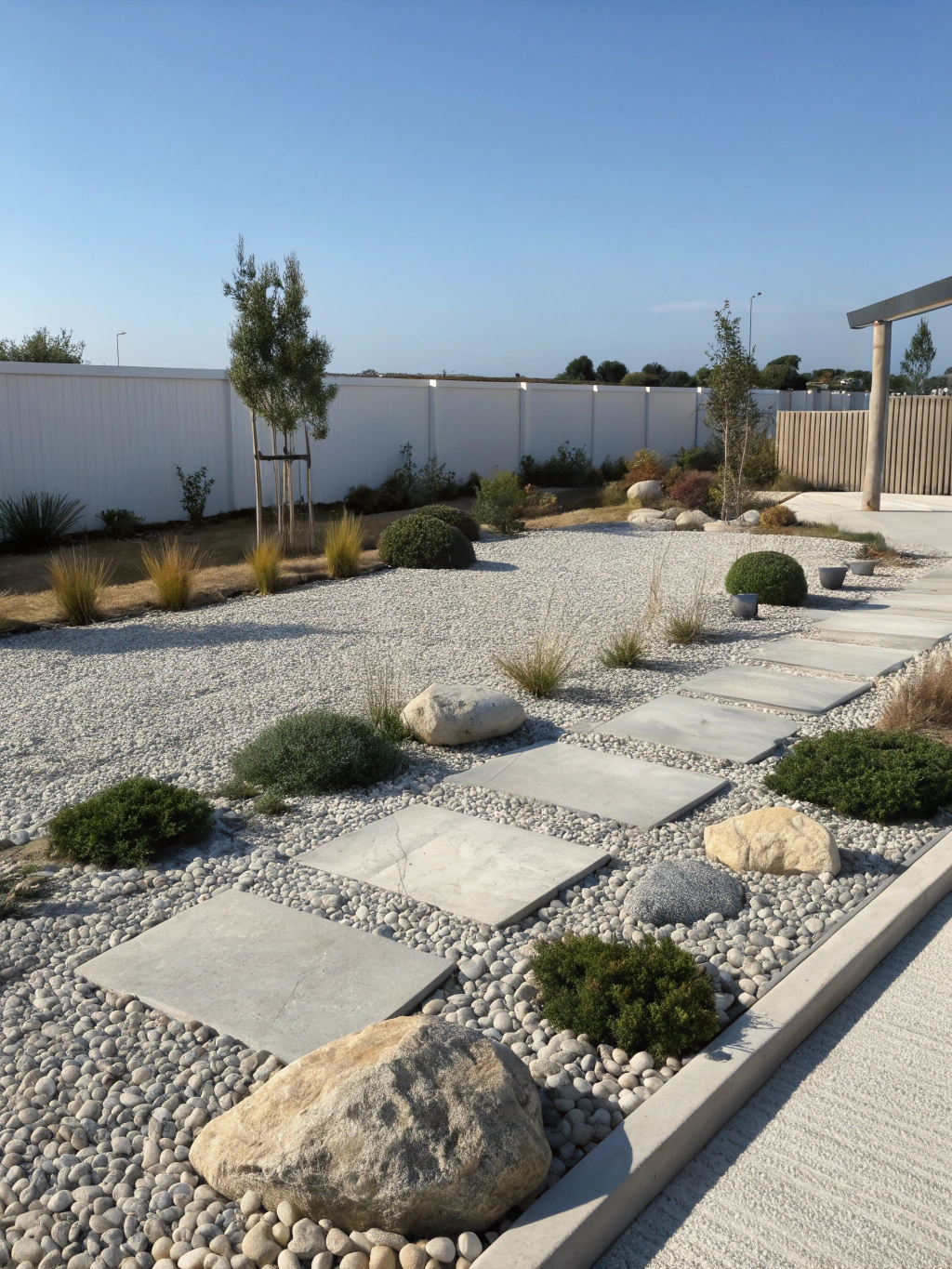
Gravel landscaping instantly creates a clean and uncluttered appearance.
Best Gravel Types
- White gravel
- Crushed granite
- Black lava rock
- Pea gravel
Why It Works
- Low maintenance
- Excellent drainage
- Modern texture
Design Tip
Combine gravel with oversized pavers for a more architectural look.
2. Use Large Geometric Pavers for Walkways
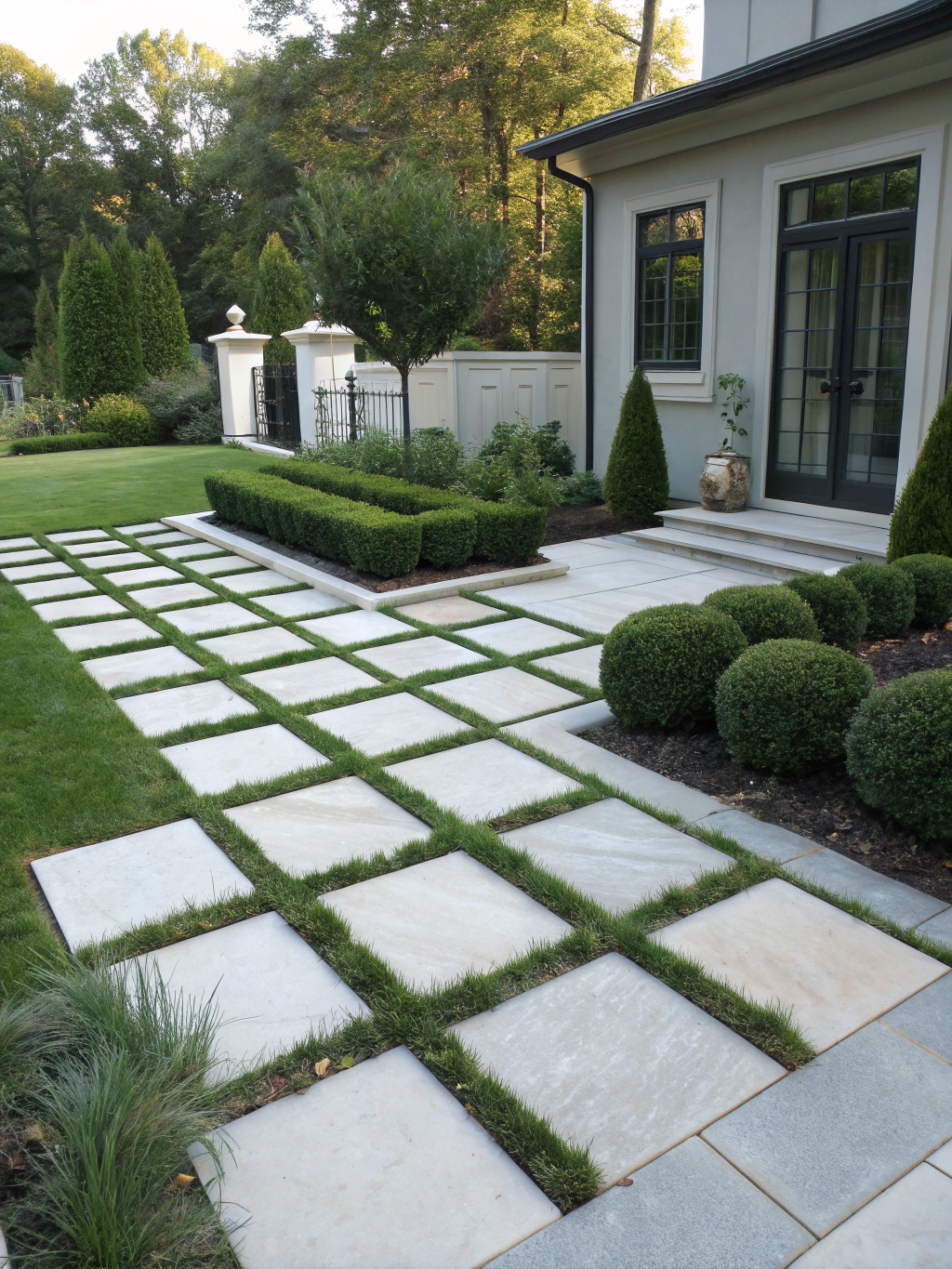
Oversized pavers are one of the most recognizable features of minimalist landscaping.
Best Paver Layouts
- Linear spacing
- Floating pathways
- Grid patterns
Why Homeowners Love It
- Creates visual structure
- Enhances flow
- Feels modern and spacious
Best Pairings
- Gravel joints
- Ornamental grasses
- Neutral stone borders
3. Add Sculptural Plants with Clean Shapes
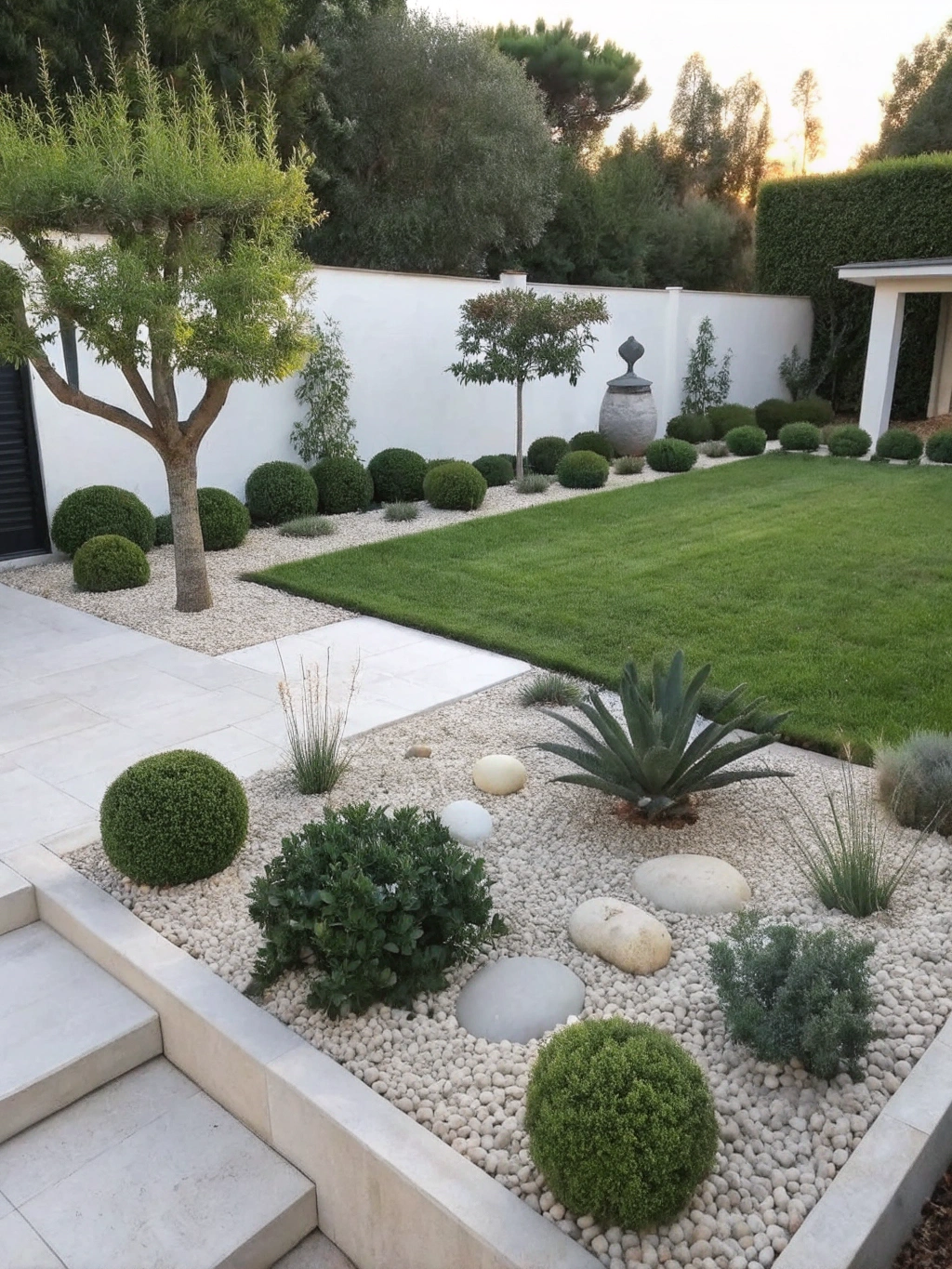
Minimalist landscapes rely on plant form rather than excessive flowers.
Best Sculptural Plants
- Agave
- Boxwoods
- Yucca
- Snake plants
- Olive trees
Why It Works
Strong plant shapes create natural focal points within simple layouts.
4. Create a Minimalist Courtyard Garden
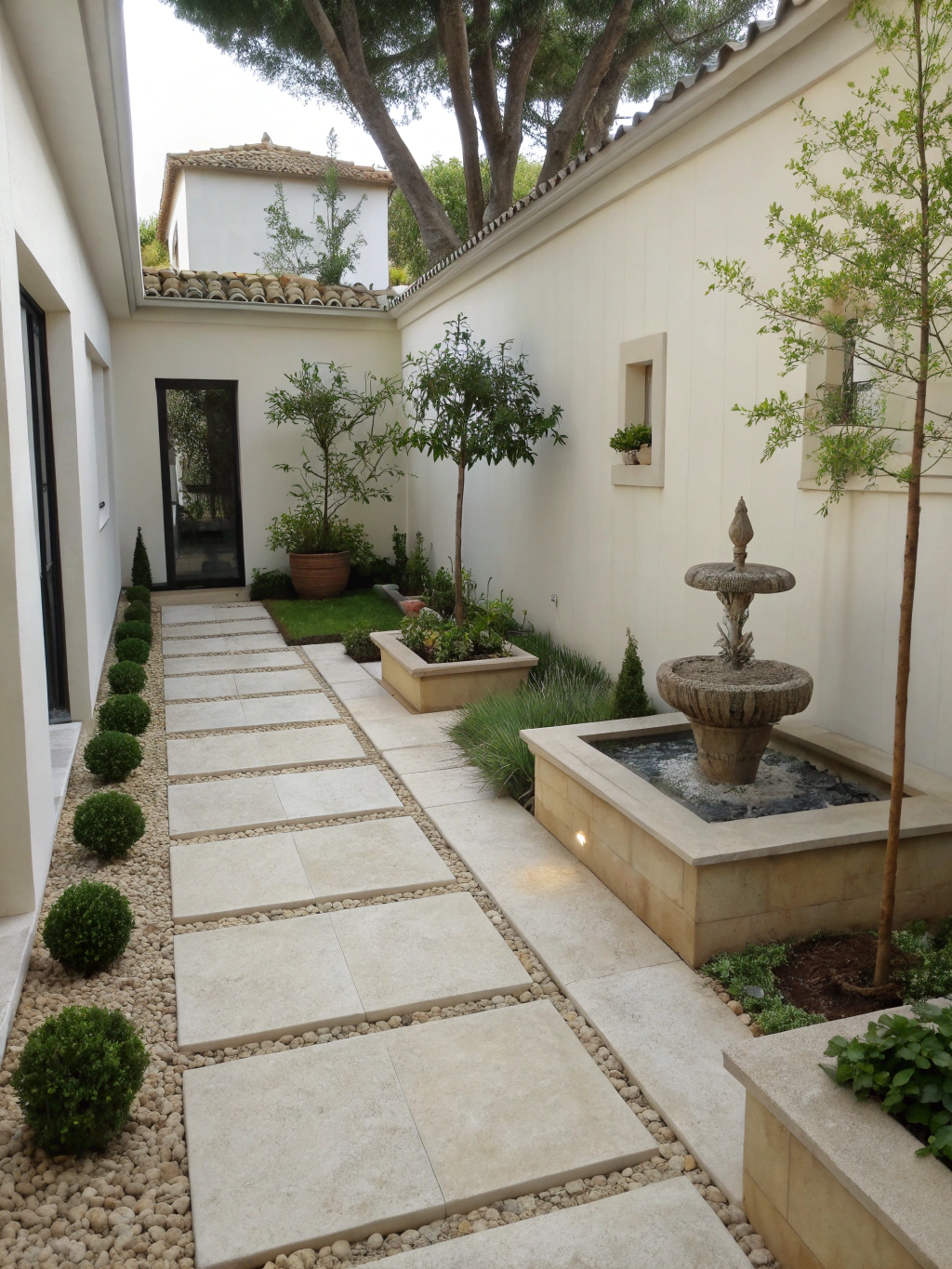
Courtyard gardens feel peaceful and organized with minimalist design principles.
Best Courtyard Features
- Concrete seating
- Gravel flooring
- Single statement tree
- Simple water features
Why It Works
Small spaces feel larger and calmer when kept visually simple.
5. Use Neutral Color Palettes Throughout the Landscape
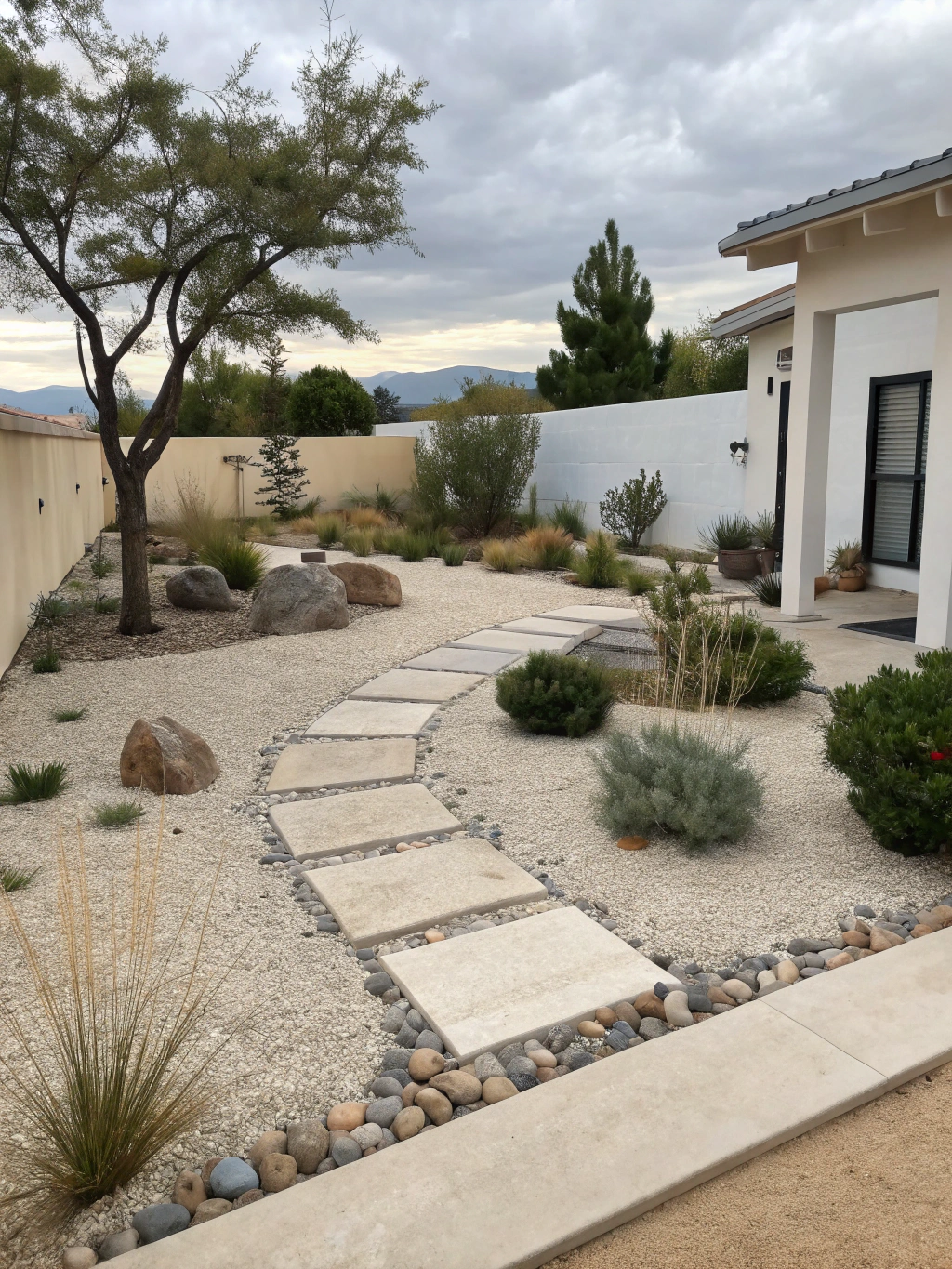
Minimalist landscapes often rely on restrained colors to create a cohesive look.
Best Minimalist Colors
- Black
- White
- Gray
- Beige
- Natural wood tones
Why It Works
Neutral tones create a timeless and sophisticated appearance.
6. Add Ornamental Grasses for Soft Movement
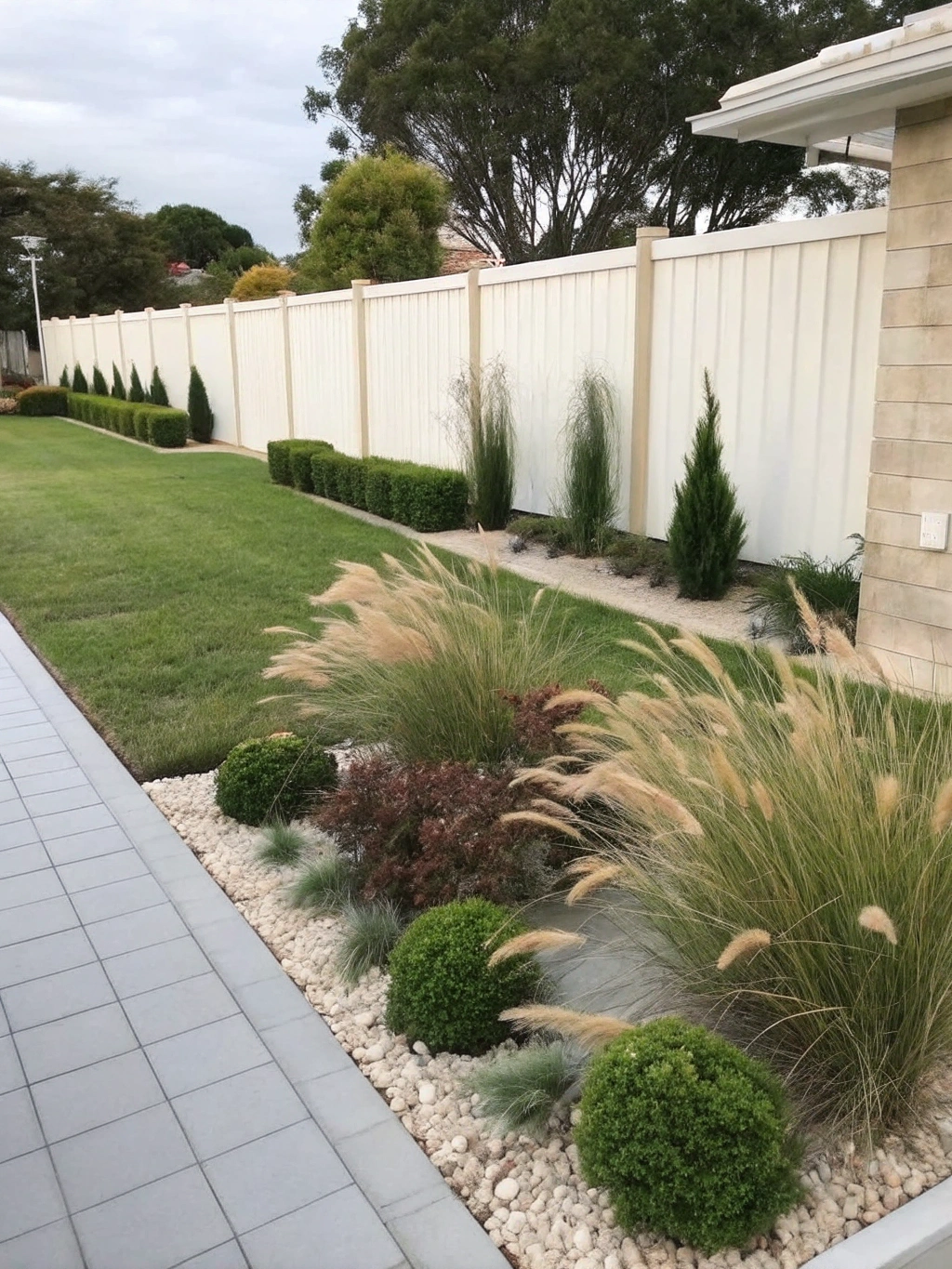
Grasses soften hardscape-heavy landscapes without disrupting simplicity.
Best Ornamental Grasses
- Blue fescue
- Feather reed grass
- Fountain grass
- Mexican feather grass
Why It Works
Grasses add texture and movement while maintaining a clean aesthetic.
7. Create a Minimalist Fire Pit Lounge
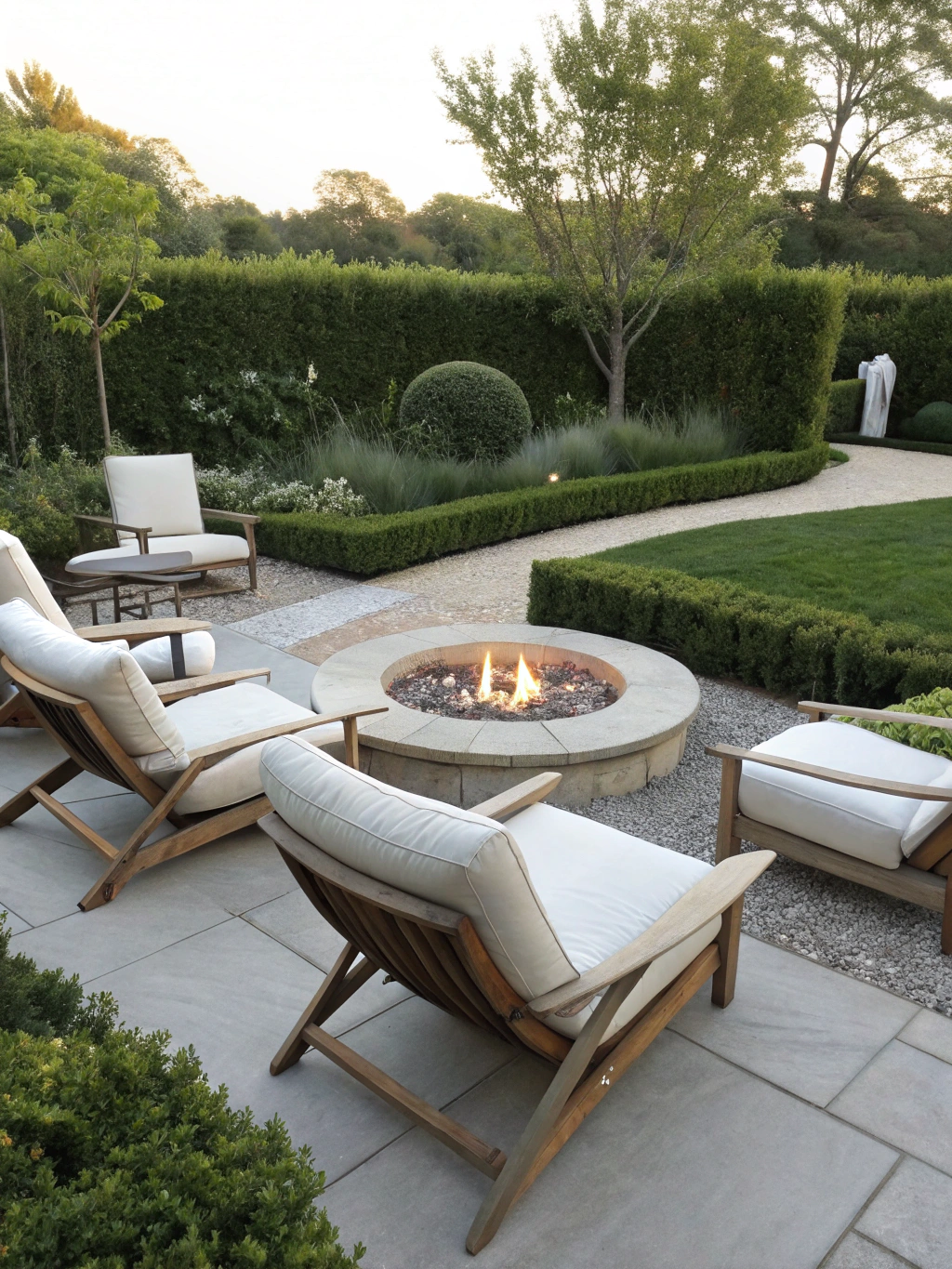
Minimalist fire pit areas focus on simple seating and uncluttered layouts.
Best Fire Pit Features
- Concrete fire bowls
- Gravel patios
- Neutral seating
- Built-in benches
Why It Works
Simple fire pit designs feel calm, modern, and inviting.
8. Use Raised Planters with Sharp Edges
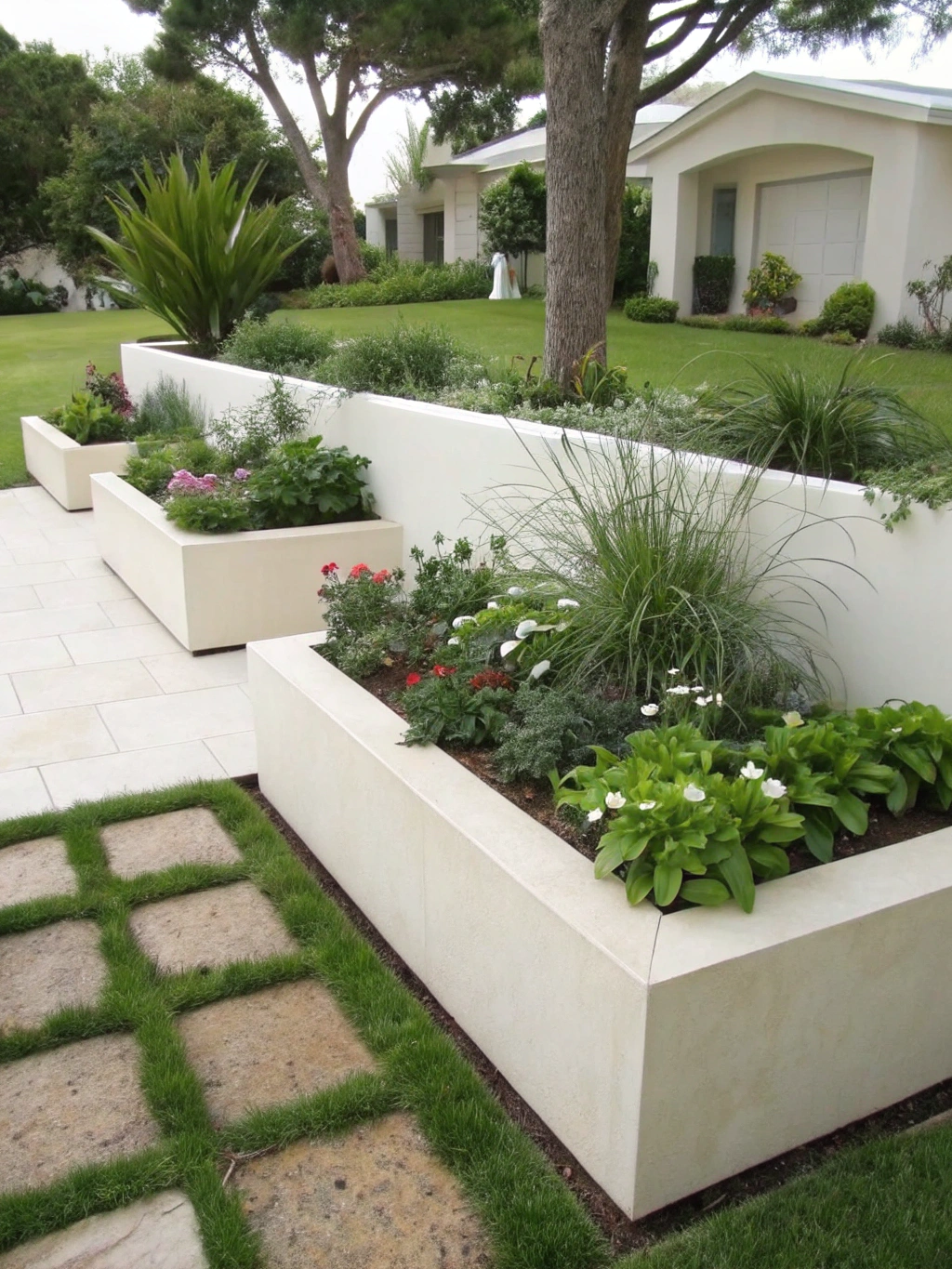
Structured planters help organize greenery while reinforcing clean lines.
Best Planter Materials
- Concrete
- Steel
- Black metal
- Smooth stone
Why It Works
Defined edges create stronger visual structure throughout the landscape.
9. Add a Single Statement Tree as a Focal Point
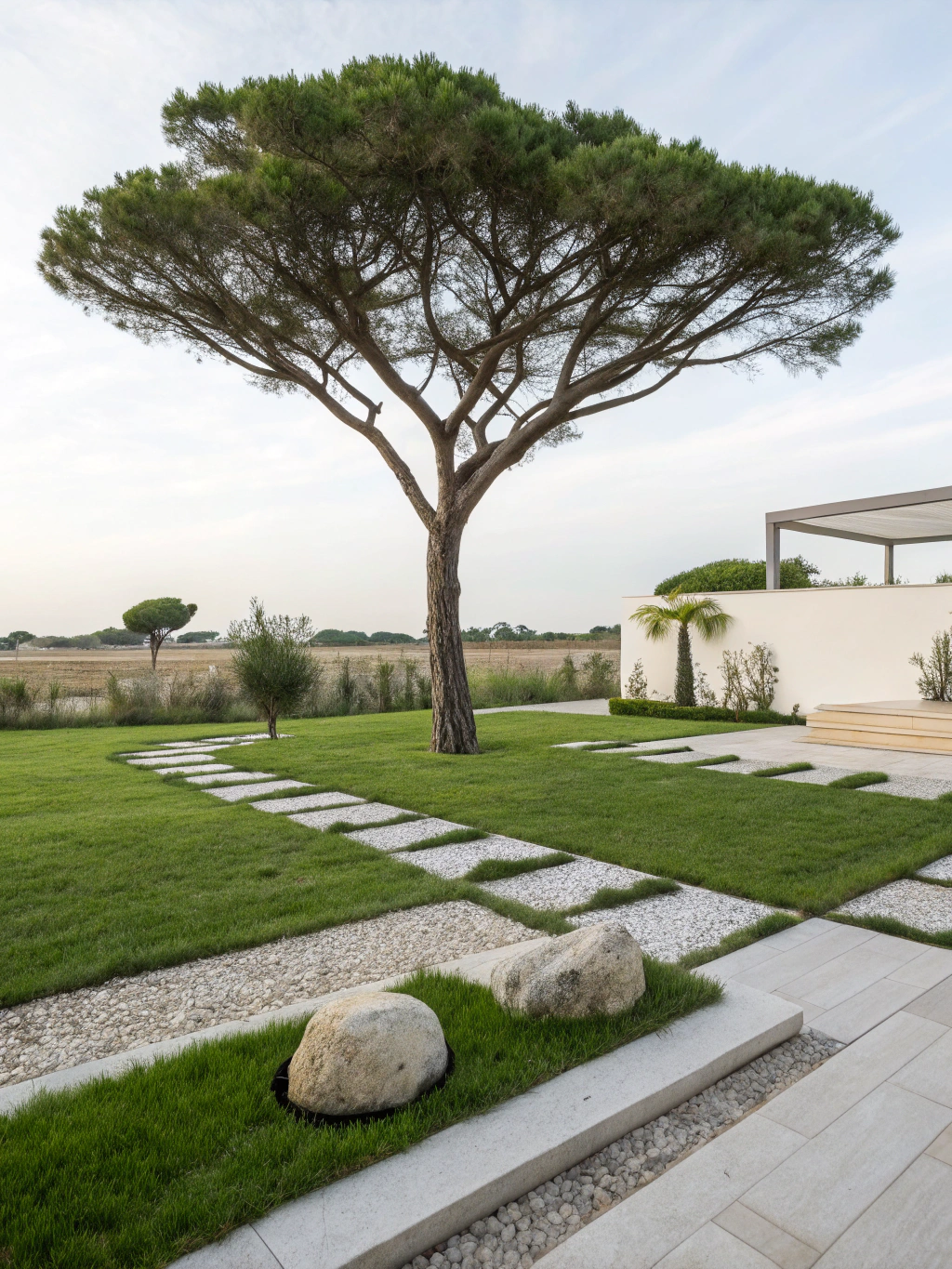
Minimalist landscapes often rely on one dramatic natural focal point.
Best Statement Trees
- Japanese maple
- Olive tree
- Magnolia
- Sculptural pine
Why It Works
One strong focal tree creates impact without visual clutter.
10. Create a Minimalist Patio with Integrated Seating
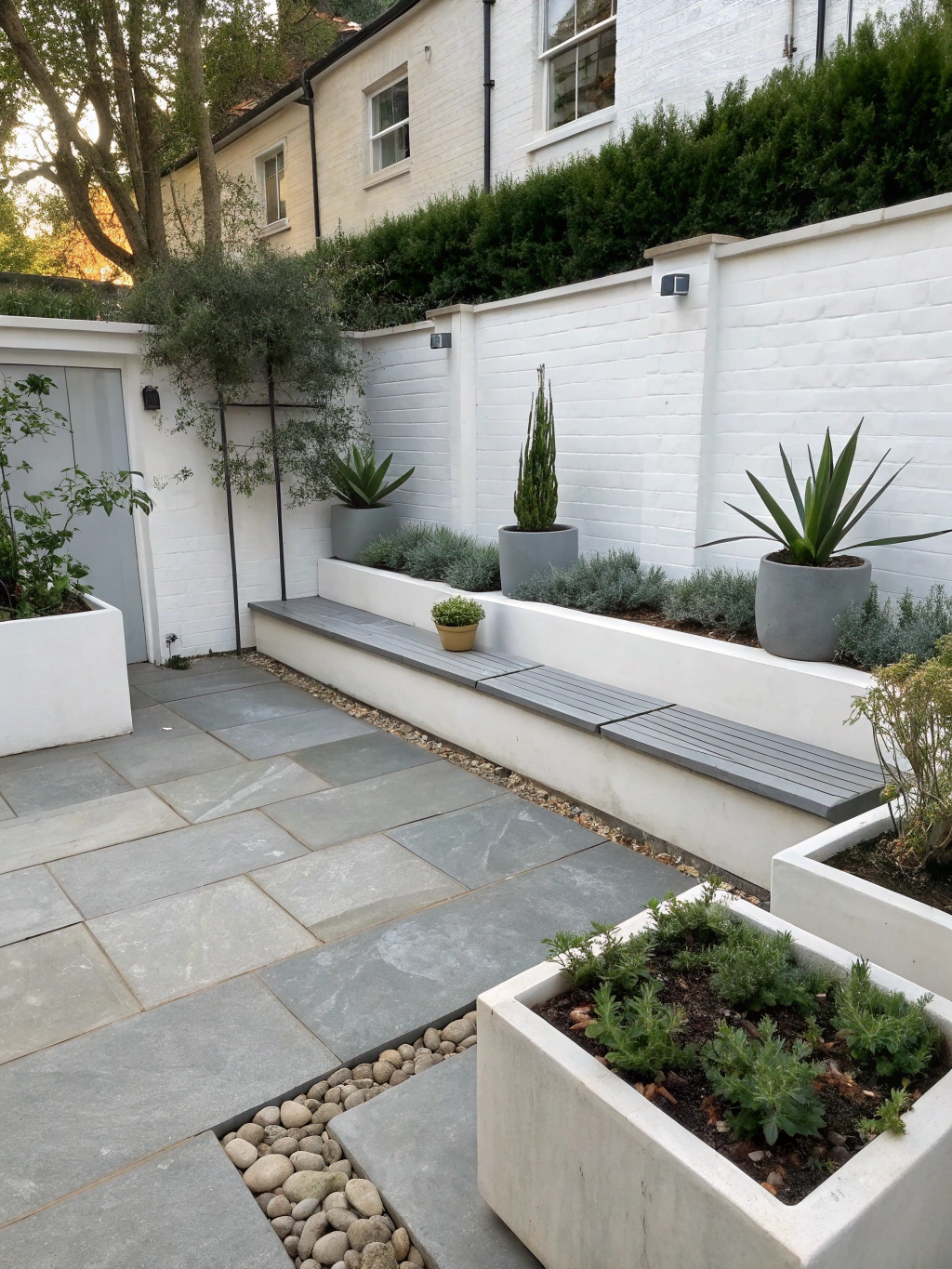
Built-in seating keeps outdoor spaces feeling sleek and organized.
Best Seating Features
- Concrete benches
- Wood seating walls
- Neutral cushions
- Hidden storage
Why It Works
Integrated seating reduces visual bulk while improving functionality.
11. Use Water Features for Calm & Balance
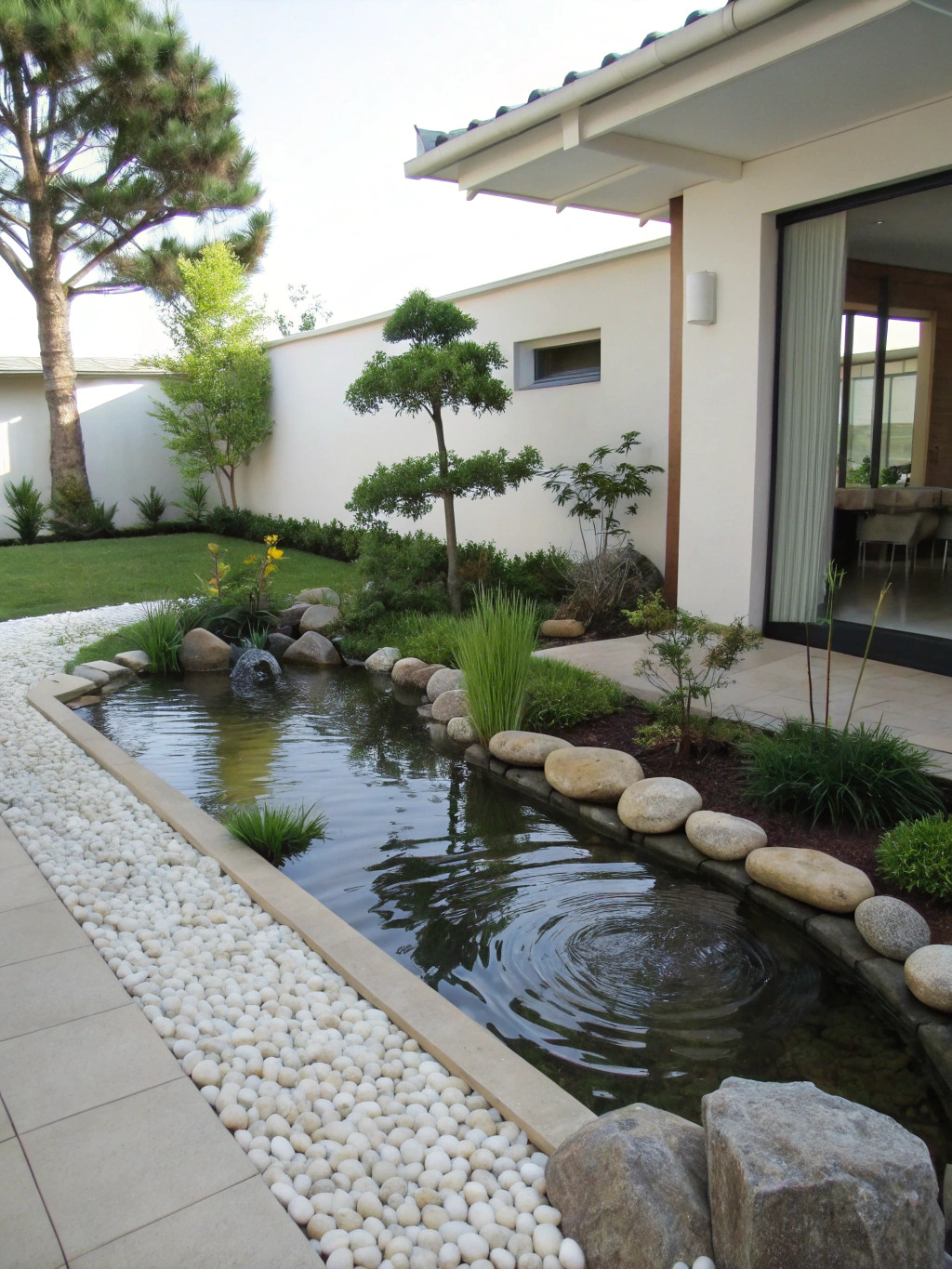
Simple water features create movement and tranquility in minimalist landscapes.
Best Minimalist Water Features
- Reflecting pools
- Concrete fountains
- Water bowls
- Linear water walls
Why It Works
Water softens hardscape textures while enhancing the peaceful atmosphere.
12. Add Outdoor Lighting for Architectural Depth
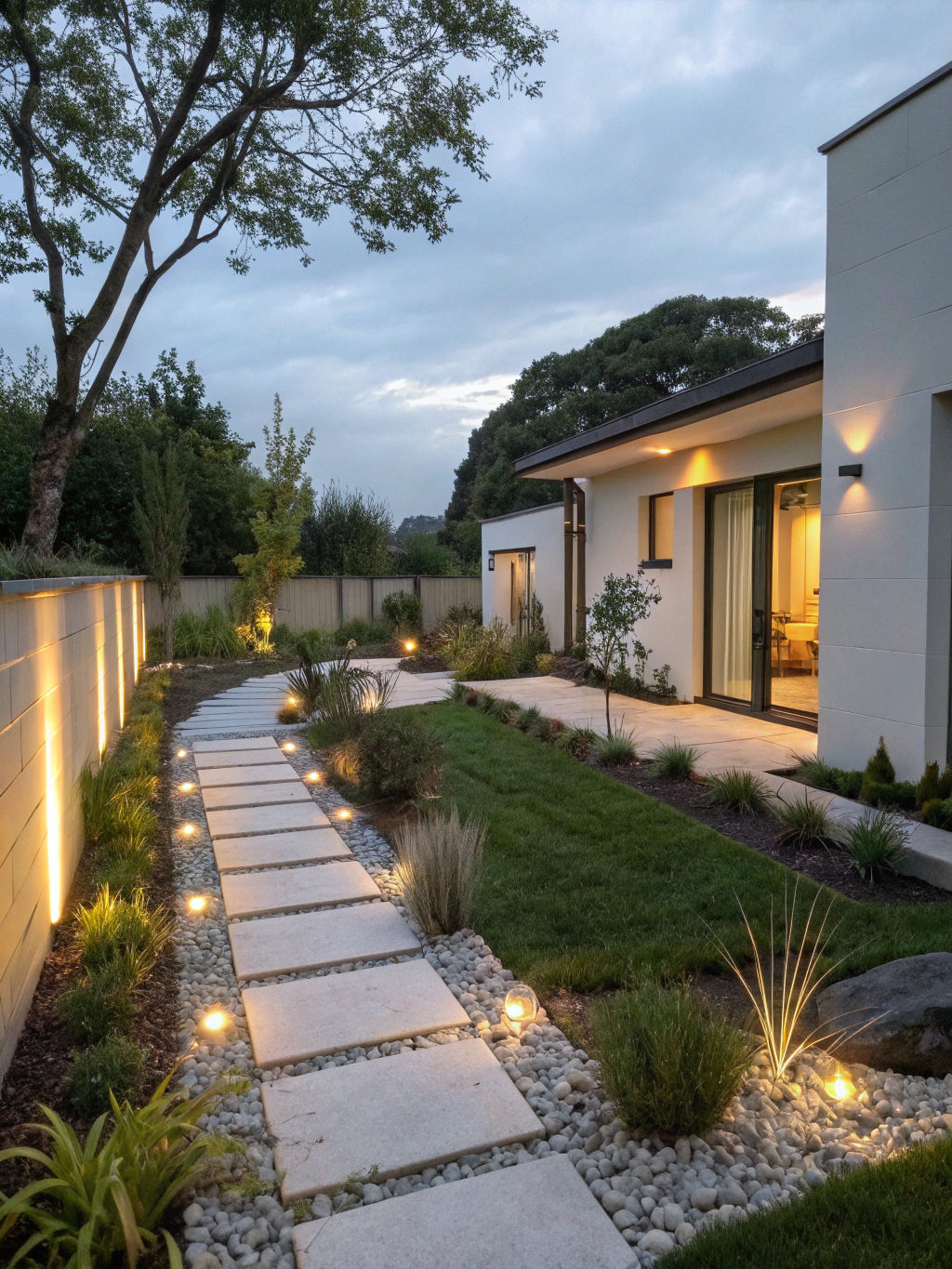
Lighting highlights textures and geometric lines beautifully at night.
Best Minimalist Lighting Ideas
- Recessed pathway lighting
- Uplighting for trees
- Warm LED strips
- Hidden wall lights
Why It Works
Lighting adds depth without adding clutter.
13. Create a Zen-Inspired Minimalist Garden
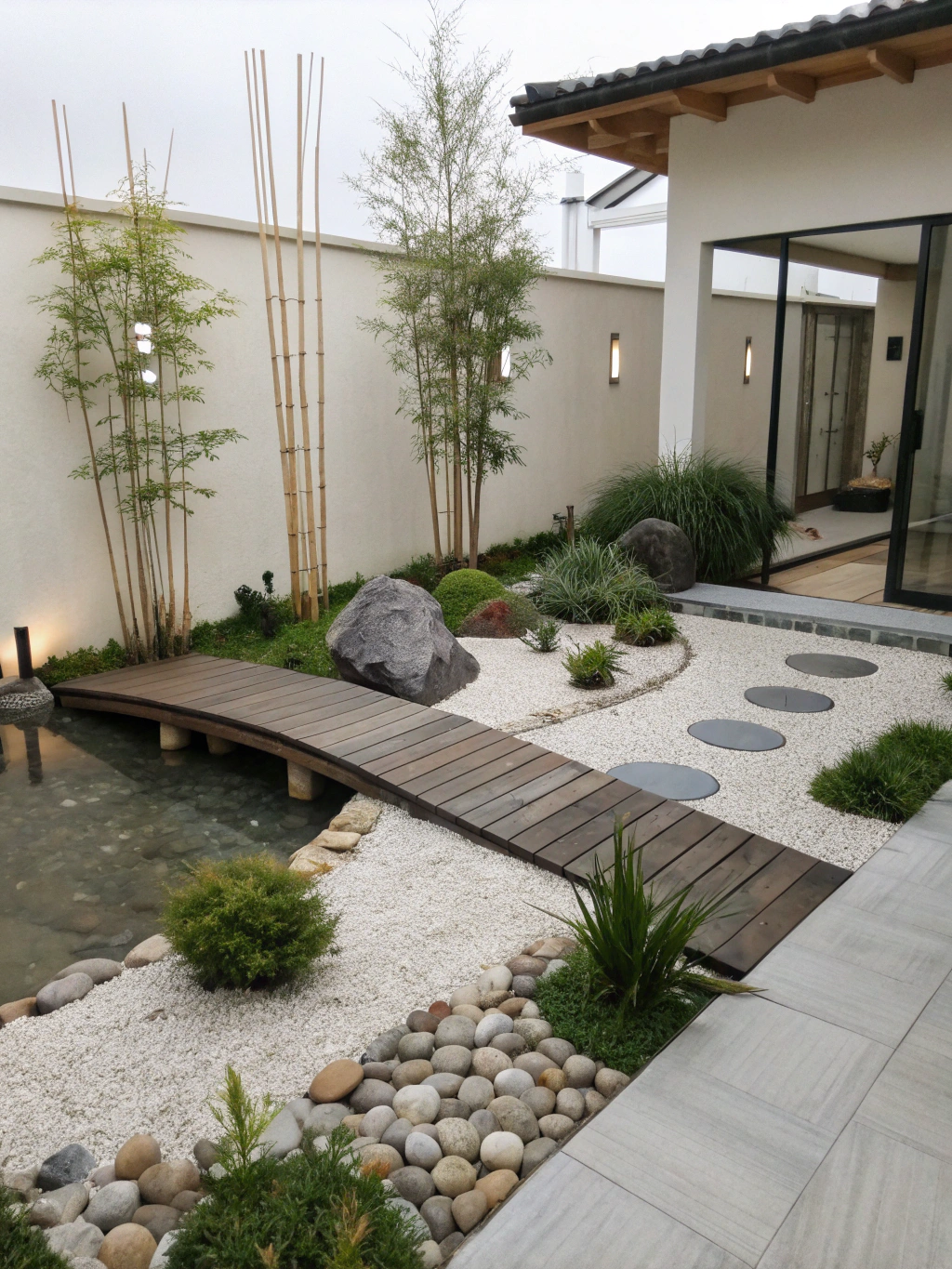
Zen gardens naturally align with minimalist landscaping principles.
Best Zen Features
- Raked gravel
- Large stones
- Bamboo accents
- Moss
Why It Works
Zen-inspired layouts create balance and calm through simplicity.
14. Use Open Lawn Space Strategically
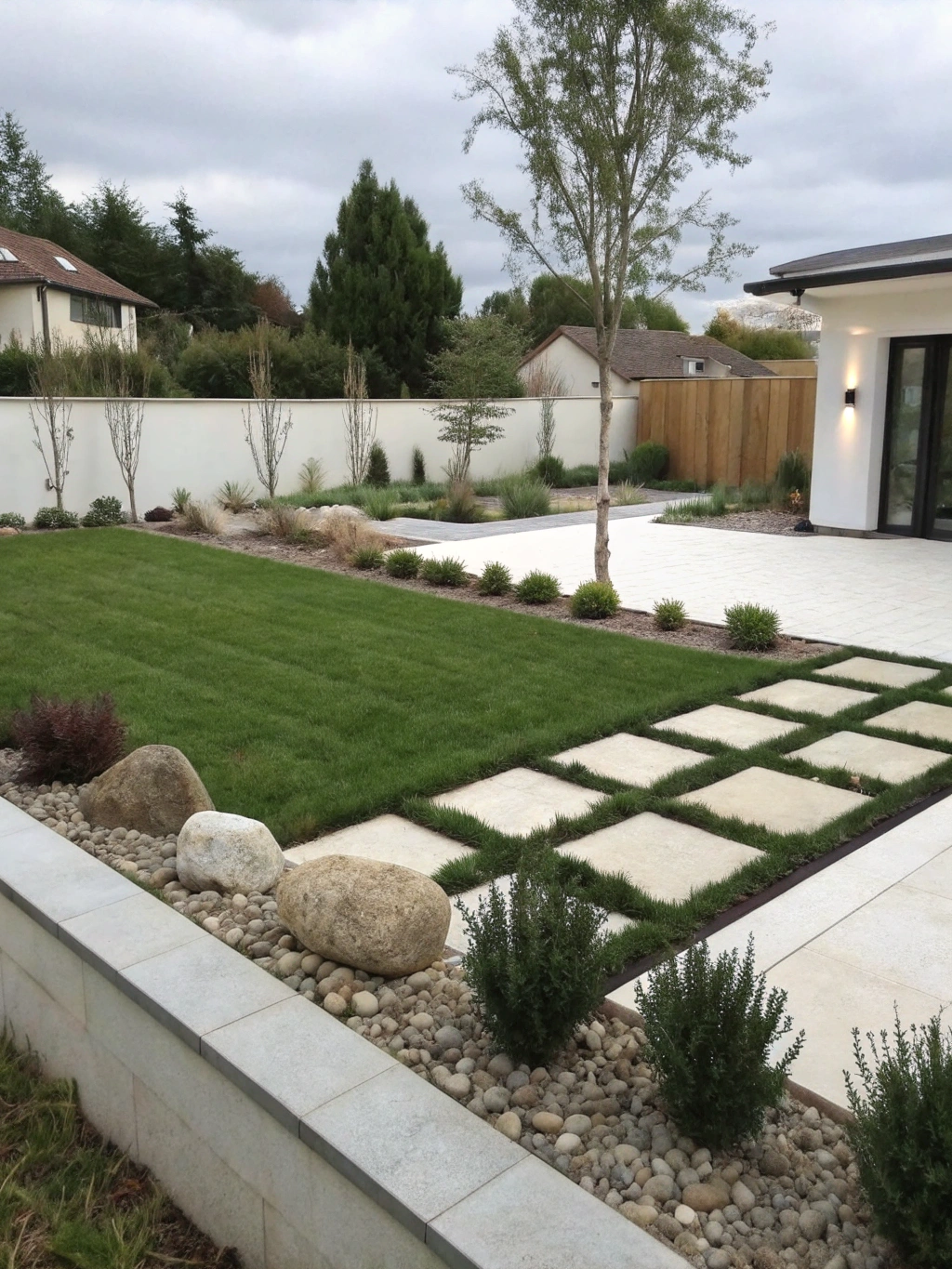
Minimalist landscaping often uses negative space intentionally.
Best Open Space Ideas
- Small lawn sections
- Gravel courtyards
- Empty visual zones
- Wide pathways
Why It Works
Open space prevents landscapes from feeling crowded or overwhelming.
15. Add Natural Wood Accents for Warmth
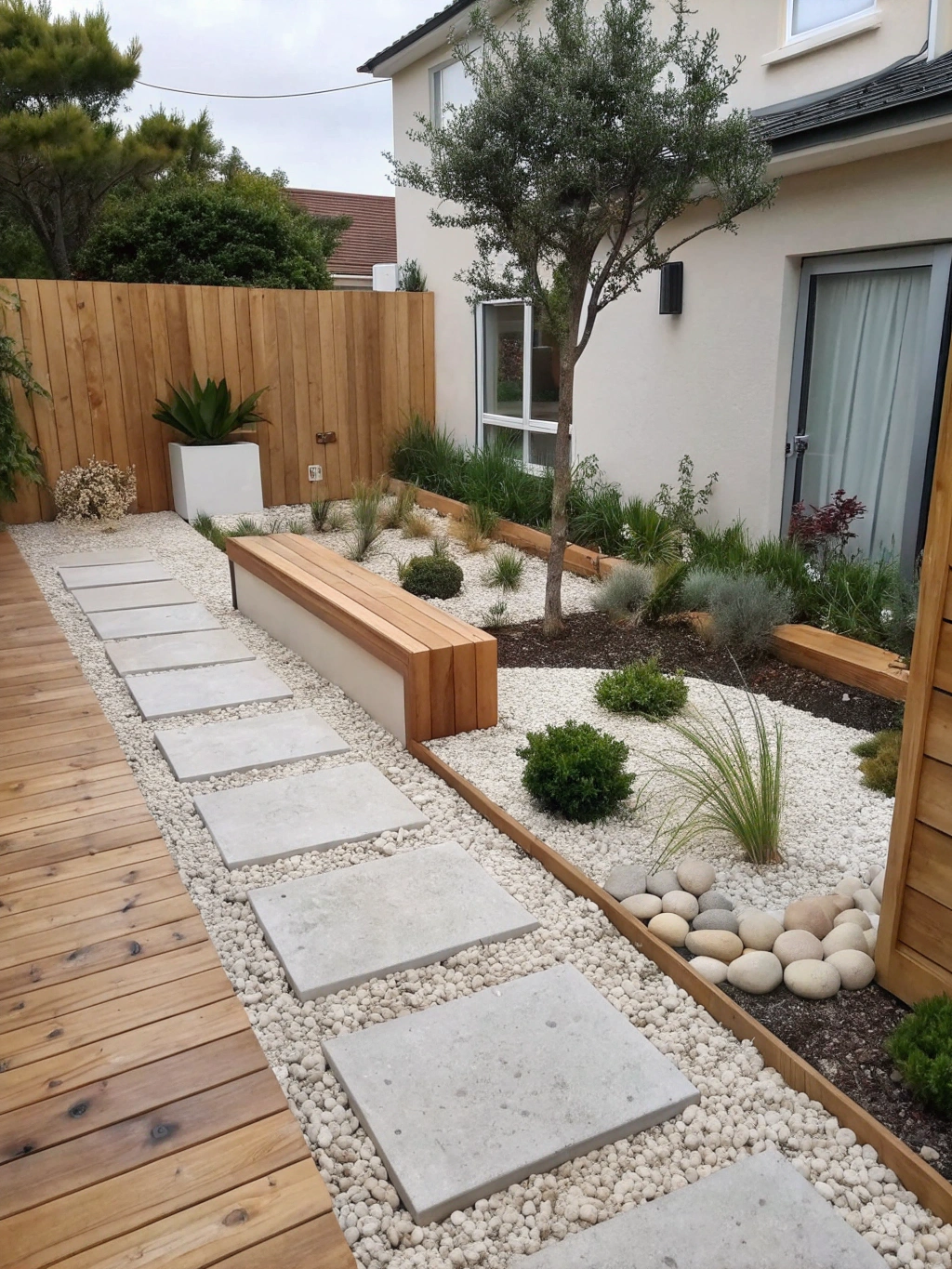
Wood softens concrete and stone while making minimalist spaces feel more welcoming.
Best Wood Features
- Pergolas
- Slatted privacy screens
- Benches
- Decking
Why It Works
Natural wood adds warmth and balance to modern landscapes.
Final Thoughts
Minimalist landscaping is about creating outdoor spaces that feel calm, intentional, and visually balanced through simplicity and thoughtful design. By combining clean lines, structured greenery, neutral materials, and open space, you can create a landscape that feels modern without sacrificing warmth or comfort.
Whether you prefer sleek gravel gardens, Zen-inspired courtyards, minimalist patios, or structured front yard designs, the key is focusing on quality over quantity. With fewer but more intentional elements, minimalist landscapes create timeless outdoor environments that feel peaceful, elegant, and easy to maintain.
FAQs
What is minimalist landscaping?
Minimalist landscaping focuses on simple layouts, clean lines, limited plant palettes, and intentional design to create calm and uncluttered outdoor spaces.
What plants work best in minimalist landscapes?
Agave, ornamental grasses, boxwoods, olive trees, succulents, and sculptural shrubs work especially well in minimalist designs.
How do you make landscaping look minimalist?
Use geometric layouts, neutral colors, structured hardscaping, open space, and fewer plant varieties for a minimalist appearance.
Is minimalist landscaping low maintenance?
Yes, minimalist landscapes are often lower maintenance because they use fewer plants, more hardscaping, and simplified layouts.
What colors are best for minimalist landscaping?
Black, white, gray, beige, charcoal, and natural wood tones create a clean and modern minimalist aesthetic.
Can minimalist landscaping feel warm and inviting?
Yes, adding natural wood, layered lighting, textured plants, and cozy seating helps minimalist landscapes feel warm rather than cold.