13+ Unique Backyard Edible Garden Ideas
Backyard edible gardens combine beauty and functionality by turning outdoor spaces into productive landscapes filled with fresh vegetables, herbs, fruits, and edible flowers. Instead of separating ornamental landscaping from food-growing areas, edible gardens blend both together to create backyards that are visually stunning, sustainable, and rewarding year-round.
Whether you want a modern raised-bed layout, a lush cottage-style kitchen garden, or a compact edible garden for a small backyard, these unique backyard edible garden ideas will inspire creative ways to grow food while enhancing the beauty of your outdoor space.
Why Edible Gardens Are So Popular
Edible gardens offer both practical and aesthetic benefits.
Benefits of backyard edible gardens include:
Love Chic Living Club?
Add us as one of your preferred Google sources and discover more home decor, DIY, outdoor, and lifestyle inspiration from us.
- Fresh homegrown food
- Beautiful landscaping
- Reduced grocery costs
- Pollinator-friendly planting
- Sustainable outdoor living
- Relaxing gardening experience
Edible gardens can also make even small backyards feel lush, purposeful, and connected to nature.
Best Plants for Backyard Edible Gardens
| Plant | Best Feature | Garden Benefit |
| Tomatoes | High yields | Easy beginner crop |
| Herbs | Compact growth | Fragrance and flavor |
| Kale | Decorative foliage | Productive and attractive |
| Strawberries | Ground coverage | Edible landscape beauty |
| Nasturtiums | Edible flowers | Pollinator attraction |
Tips for Designing an Edible Backyard Garden
Mix Edibles with Ornamentals
Combining vegetables, herbs, and flowers creates softer more decorative landscapes.
Use Raised Beds for Structure
Raised beds help edible gardens feel organized and stylish.
Prioritize Sunlight
Most edible plants need 6–8 hours of sunlight daily.
Add Pathways Between Beds
Defined walkways improve both access and visual flow.
1. Create a Cottage-Style Edible Garden
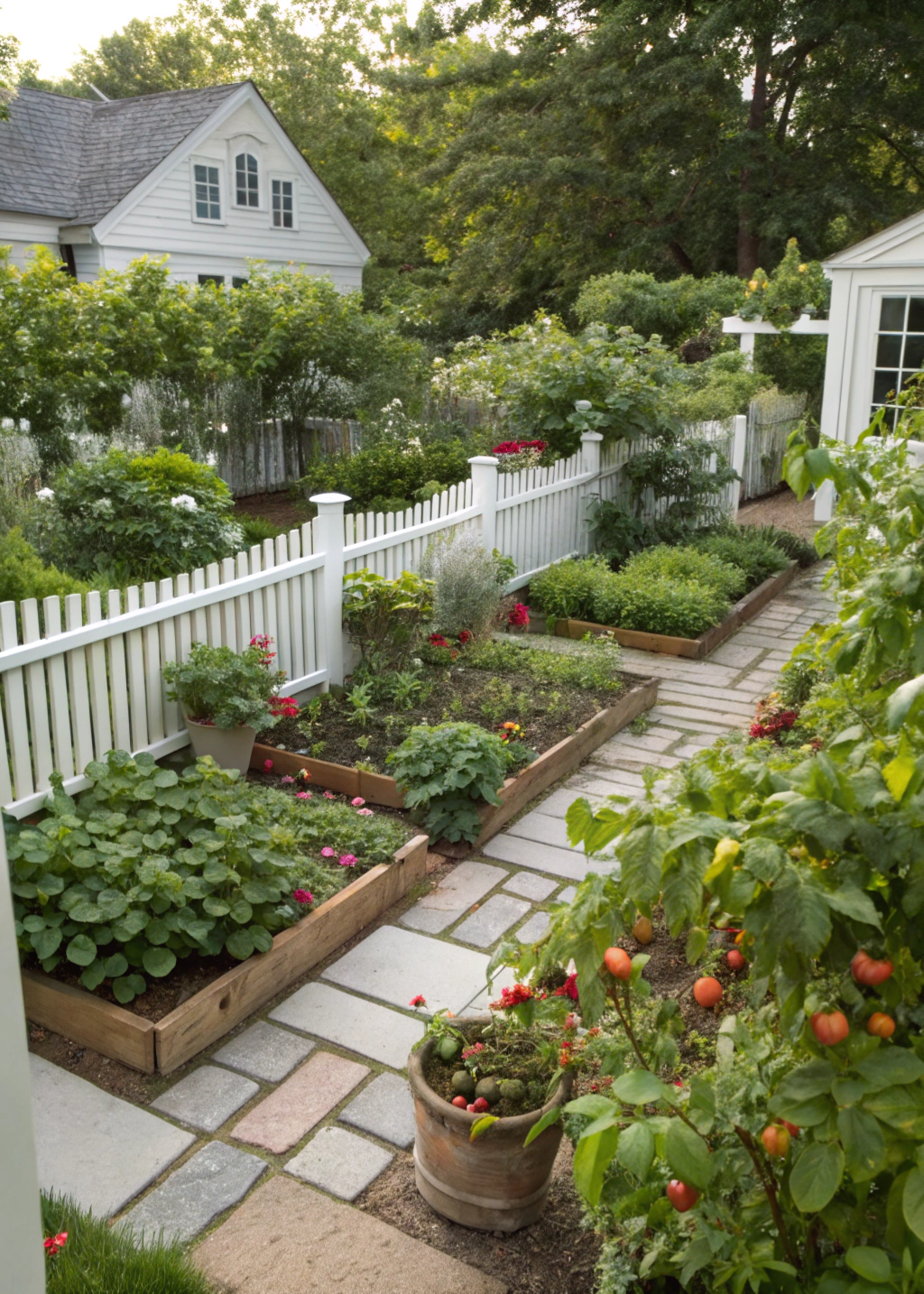
Cottage gardens and edible planting pair beautifully together.
Best Features
- Mixed flowers and vegetables
- Layered planting
- Curved pathways
Why It Works
- Creates lush romantic landscaping
- Blends beauty with productivity
- Attracts pollinators
Design Tip
Plant herbs and edible flowers along pathways for fragrance and texture.
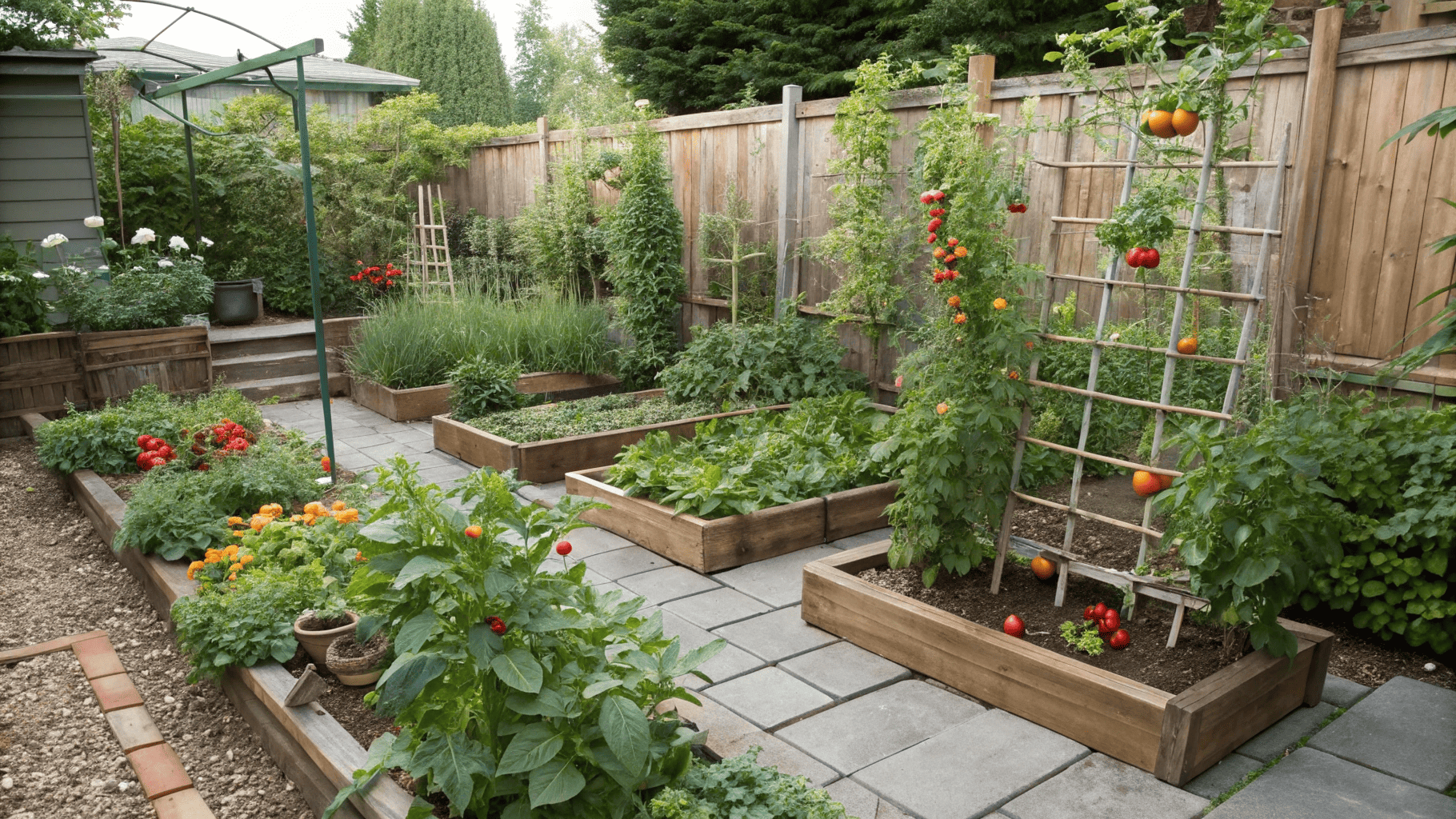
2. Make Raised Edible Garden Beds
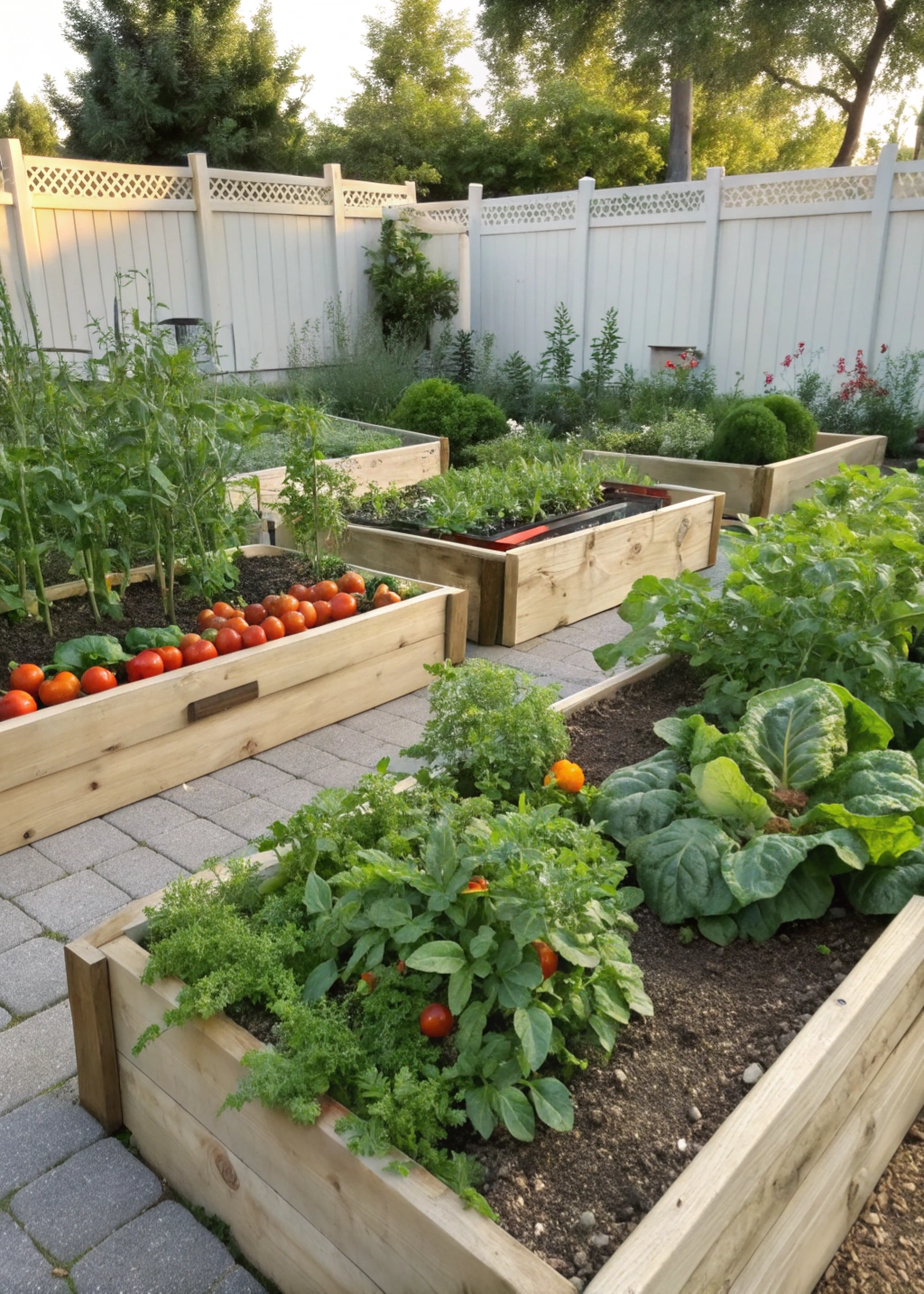
Raised beds improve organization and maintenance.
Best Raised Bed Crops
- Lettuce
- Tomatoes
- Herbs
- Peppers
Why Gardeners Love It
- Easier harvesting
- Better drainage
- Cleaner backyard appearance
Best Materials
- Cedar wood
- Galvanized metal
- Stone borders
3. Create a Backyard Herb Garden
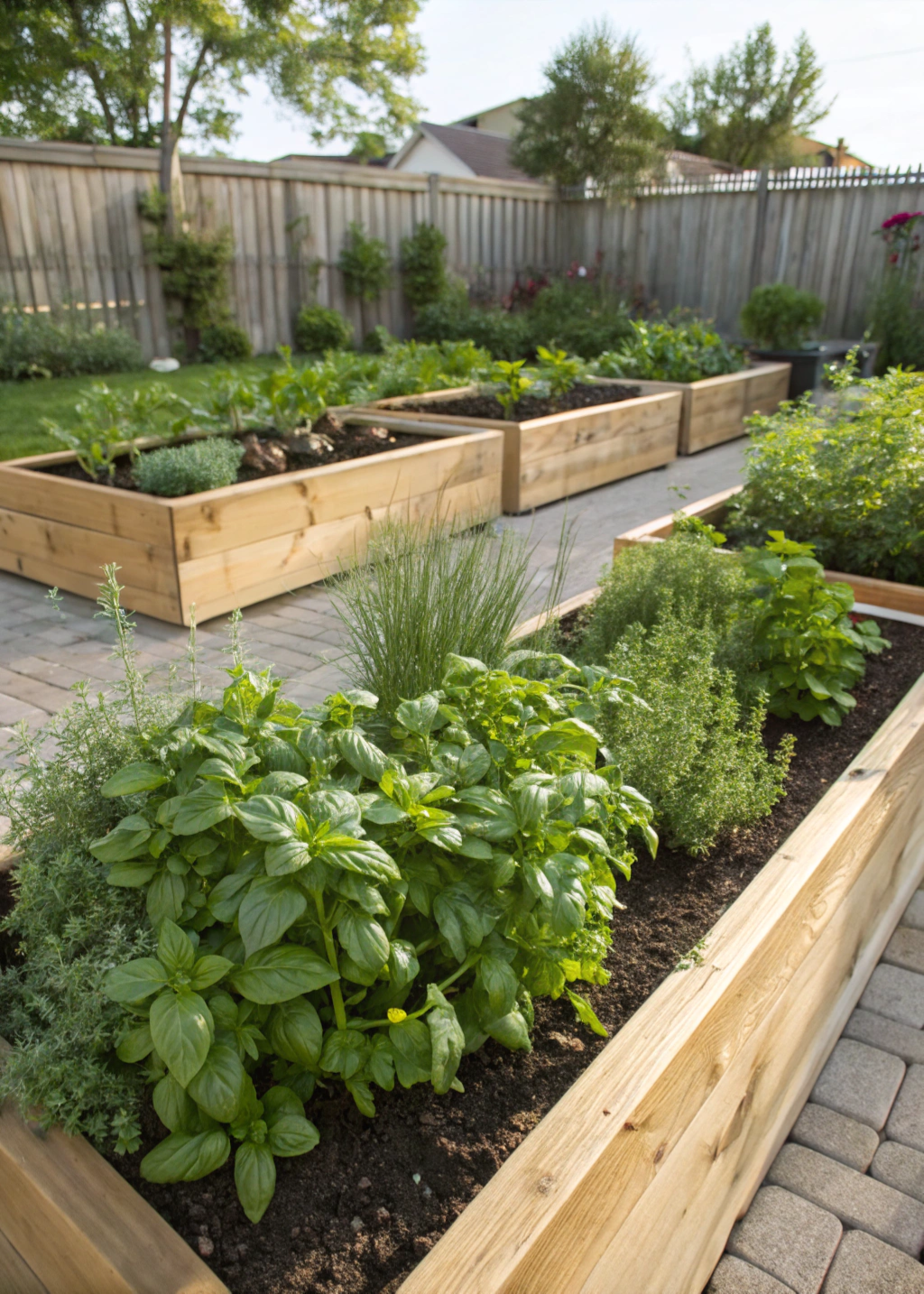
Herbs are both beautiful and practical.
Best Herbs for Edible Gardens
- Basil
- Rosemary
- Mint
- Thyme
Why It Works
Herbs add fragrance, texture, and easy harvests.
You May Also Love
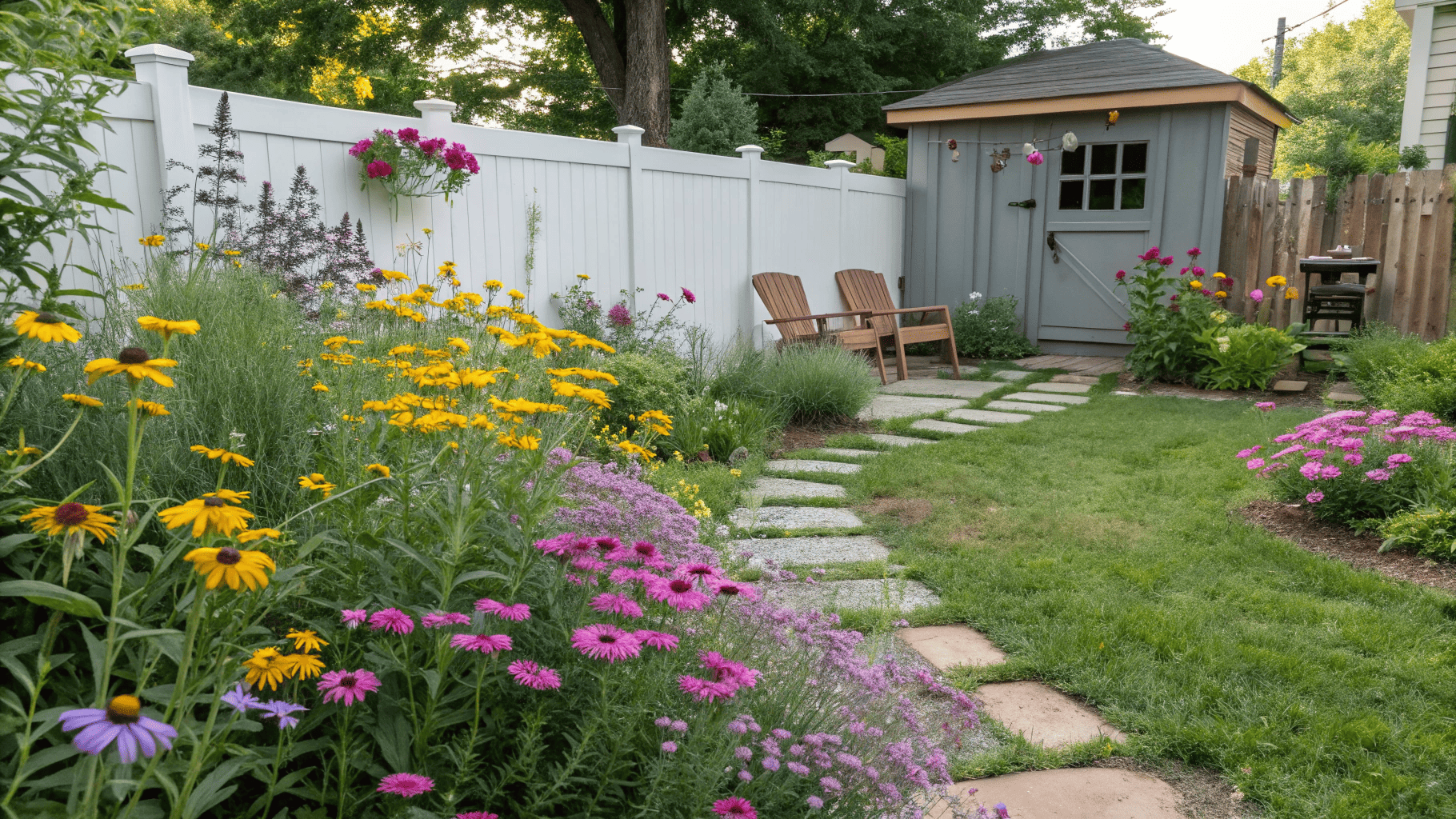
4. Add Edible Flowers Throughout the Garden
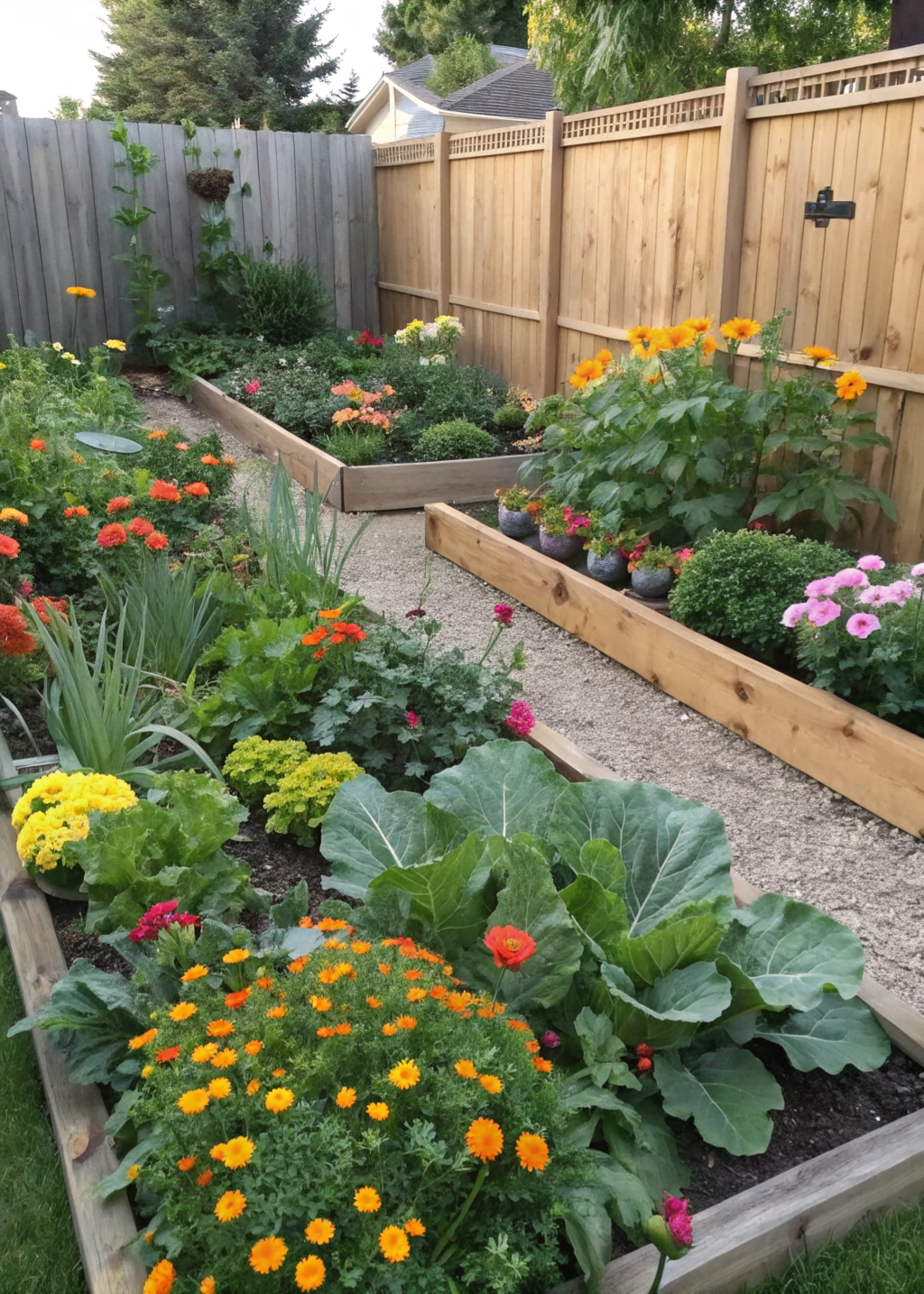
Edible flowers create colorful multifunctional planting.
Best Edible Flowers
- Nasturtiums
- Calendula
- Pansies
- Borage
Why It Works
Flowers soften vegetable beds while supporting pollinators.
5. Create a Vertical Edible Garden
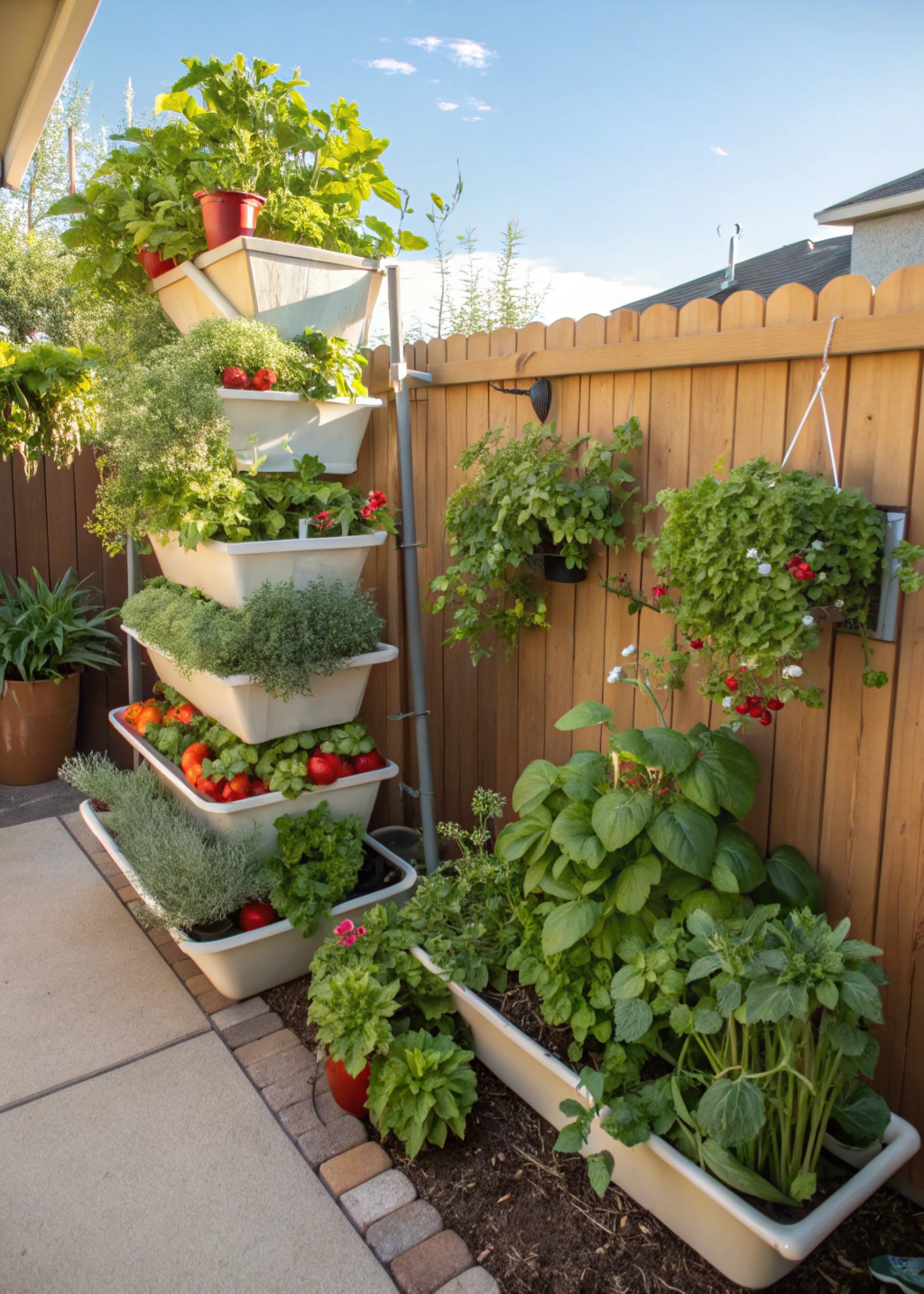
Vertical planting maximizes smaller backyard spaces.
Best Vertical Crops
- Cucumbers
- Beans
- Strawberries
- Tomatoes
Why It Works
Vertical gardens save space while adding height and greenery.
6. Make a Modern Geometric Edible Garden
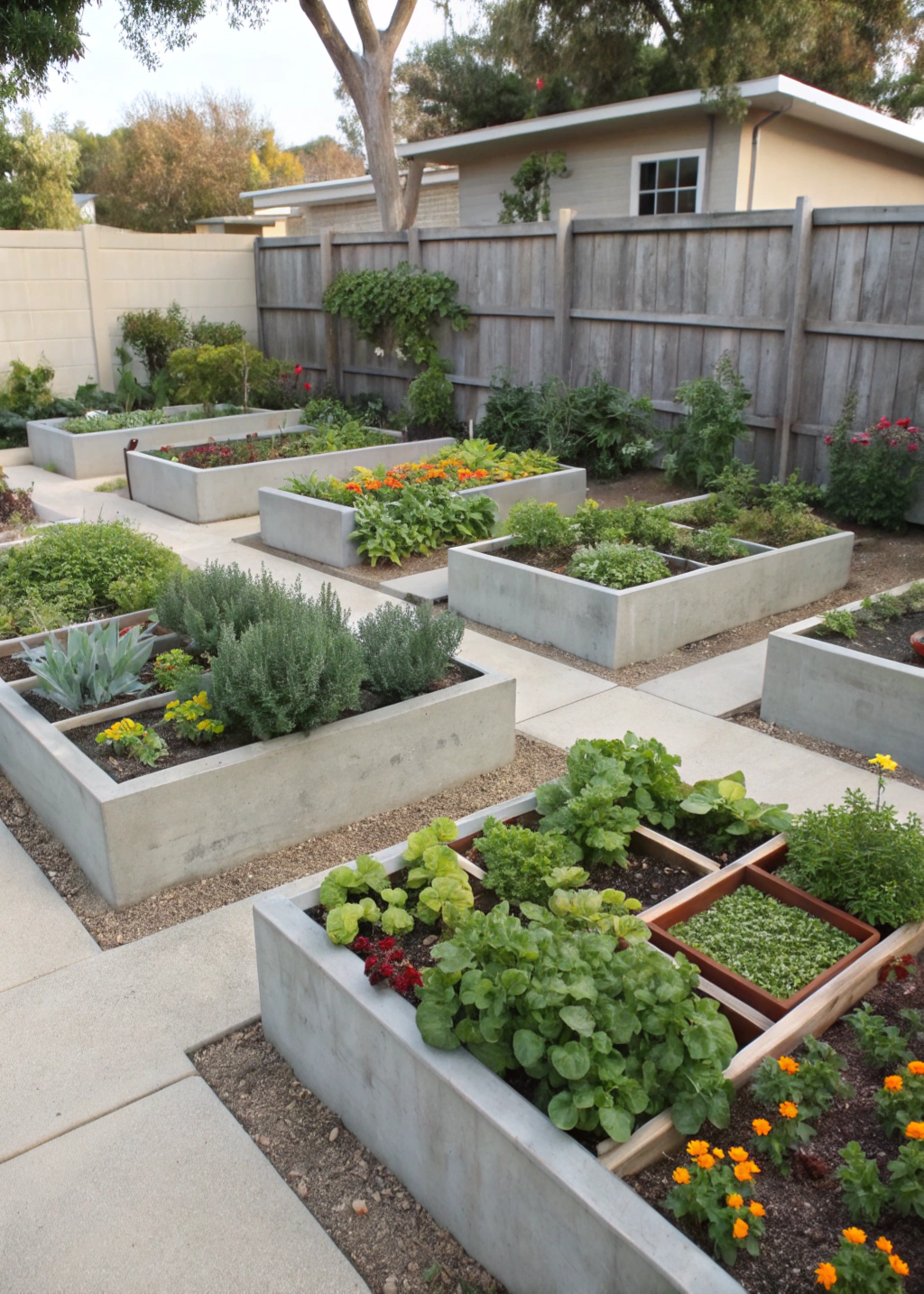
Structured layouts create sleek contemporary edible landscapes.
Best Modern Features
- Symmetrical raised beds
- Gravel pathways
- Minimal plant palettes
Why It Works
Organized layouts make edible gardens feel polished and intentional.
7. Create an Edible Garden Around a Patio
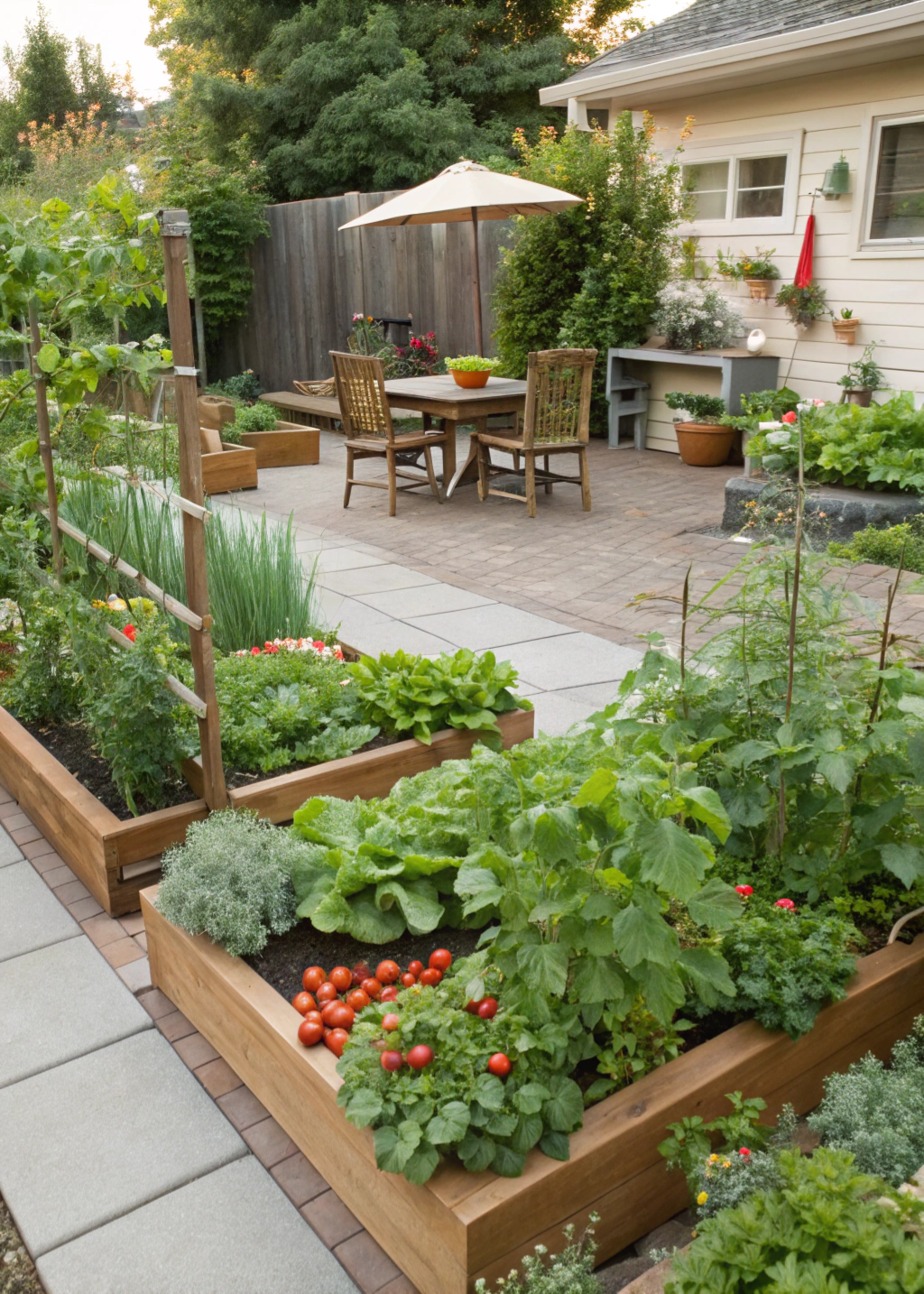
Blending edible plants with outdoor living spaces feels inviting and practical.
Best Patio Plants
- Herbs
- Strawberries
- Lettuce
- Dwarf tomatoes
Why It Works
Nearby edible plants encourage everyday use and harvesting.
Don't miss: 13+ Unique Backyard Tropical Garden Ideas →
8. Add Fruit Trees to Backyard Landscapes
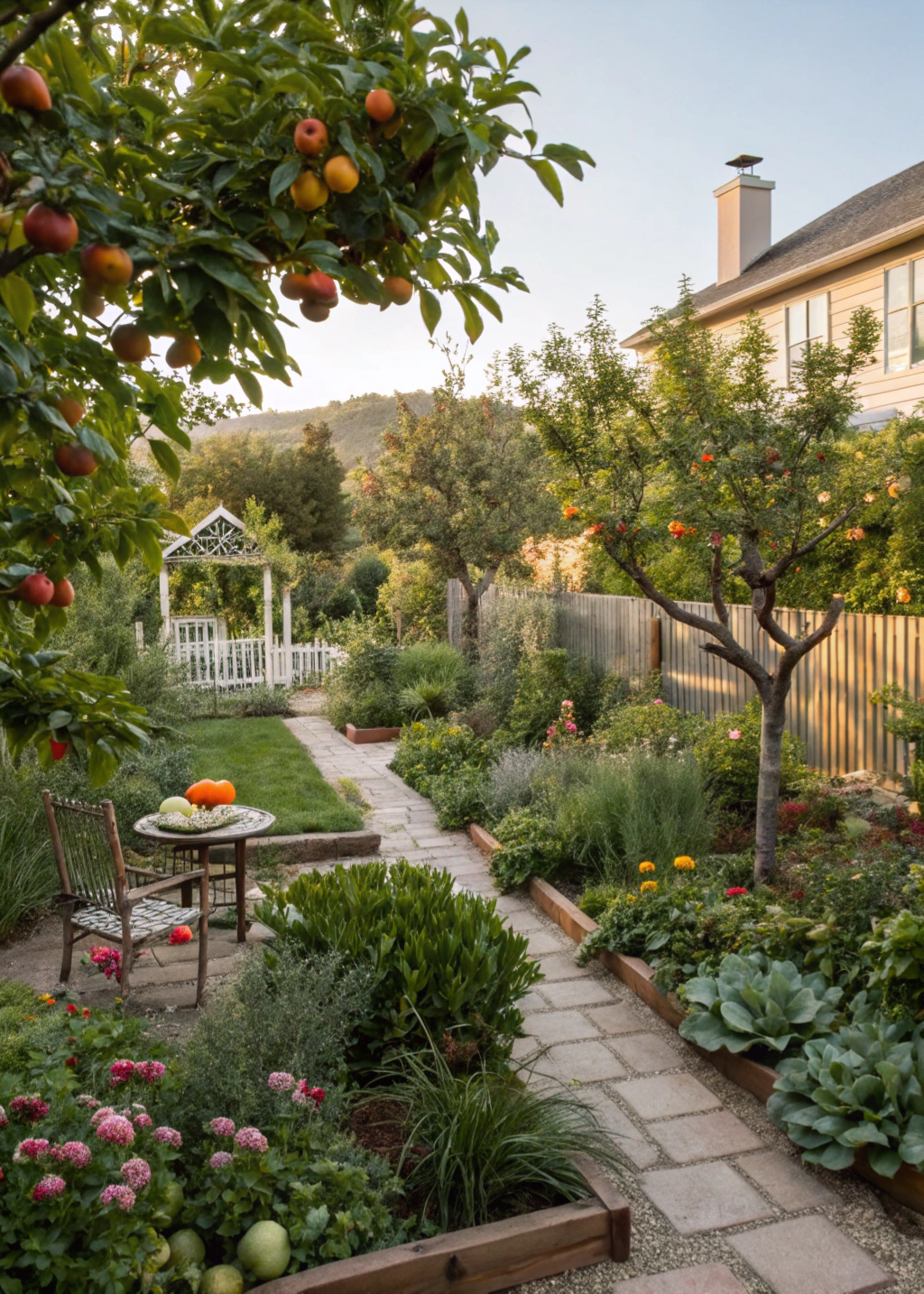
Fruit trees combine beauty with productivity.
Best Backyard Fruit Trees
- Apple
- Lemon
- Fig
- Peach
Why It Works
Trees provide shade, blossoms, and seasonal harvests.
9. Create a Backyard Salad Garden
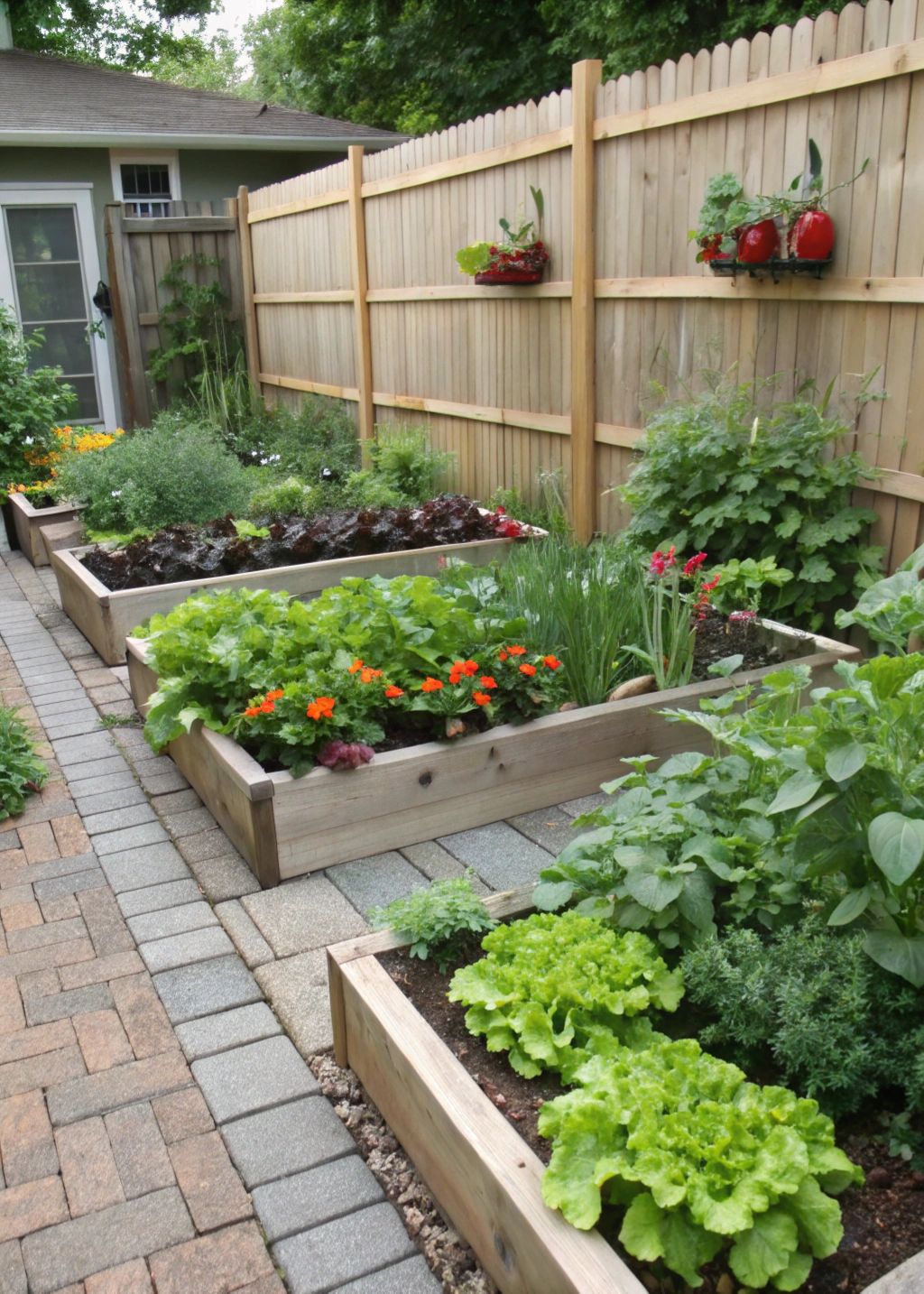
Salad gardens offer quick-growing fresh ingredients.
Best Salad Crops
- Lettuce
- Spinach
- Arugula
- Radishes
Why It Works
Fast-growing crops create rewarding beginner gardens.
10. Make a Pollinator-Friendly Edible Garden
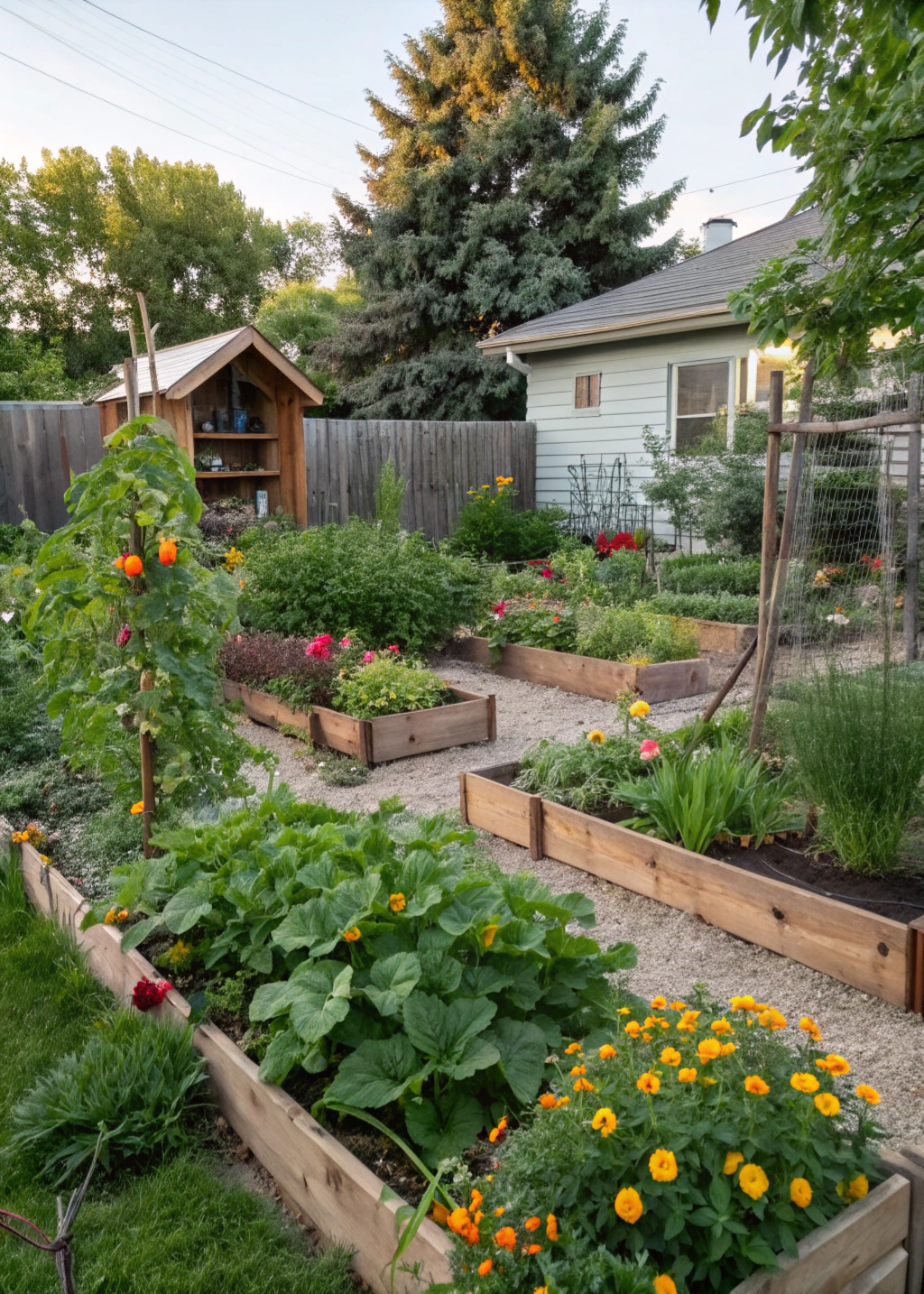
Pollinators improve garden health and productivity.
Best Pollinator Plants
- Lavender
- Bee balm
- Salvia
- Sunflowers
Why It Works
Pollinator gardens increase biodiversity and support vegetable growth.
11. Create a Small Backyard Edible Garden
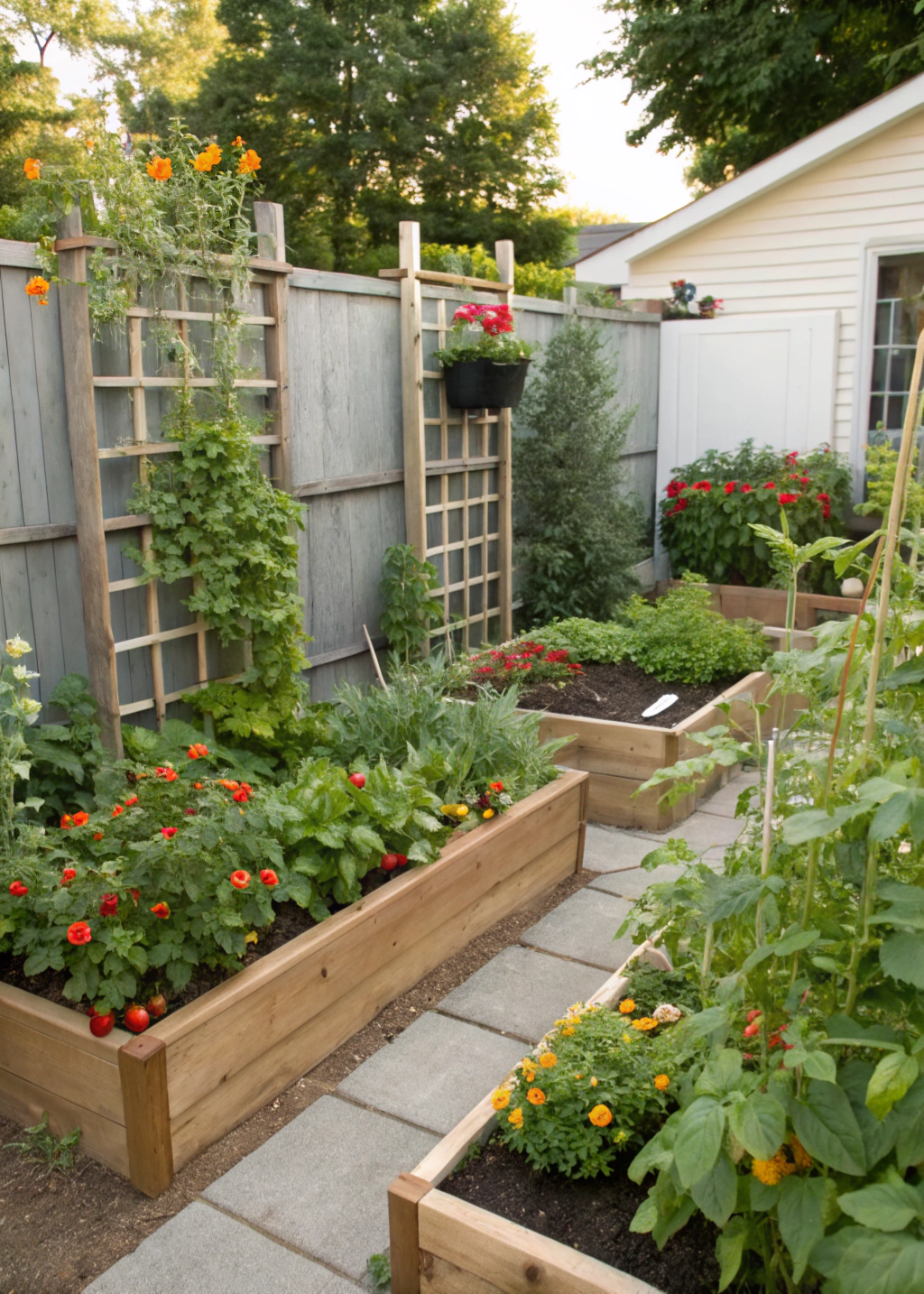
Even tiny spaces can produce abundant harvests.
Best Small Garden Features
- Containers
- Vertical planting
- Compact raised beds
Why It Works
Efficient layouts maximize productivity in limited spaces.
Keep Exploring

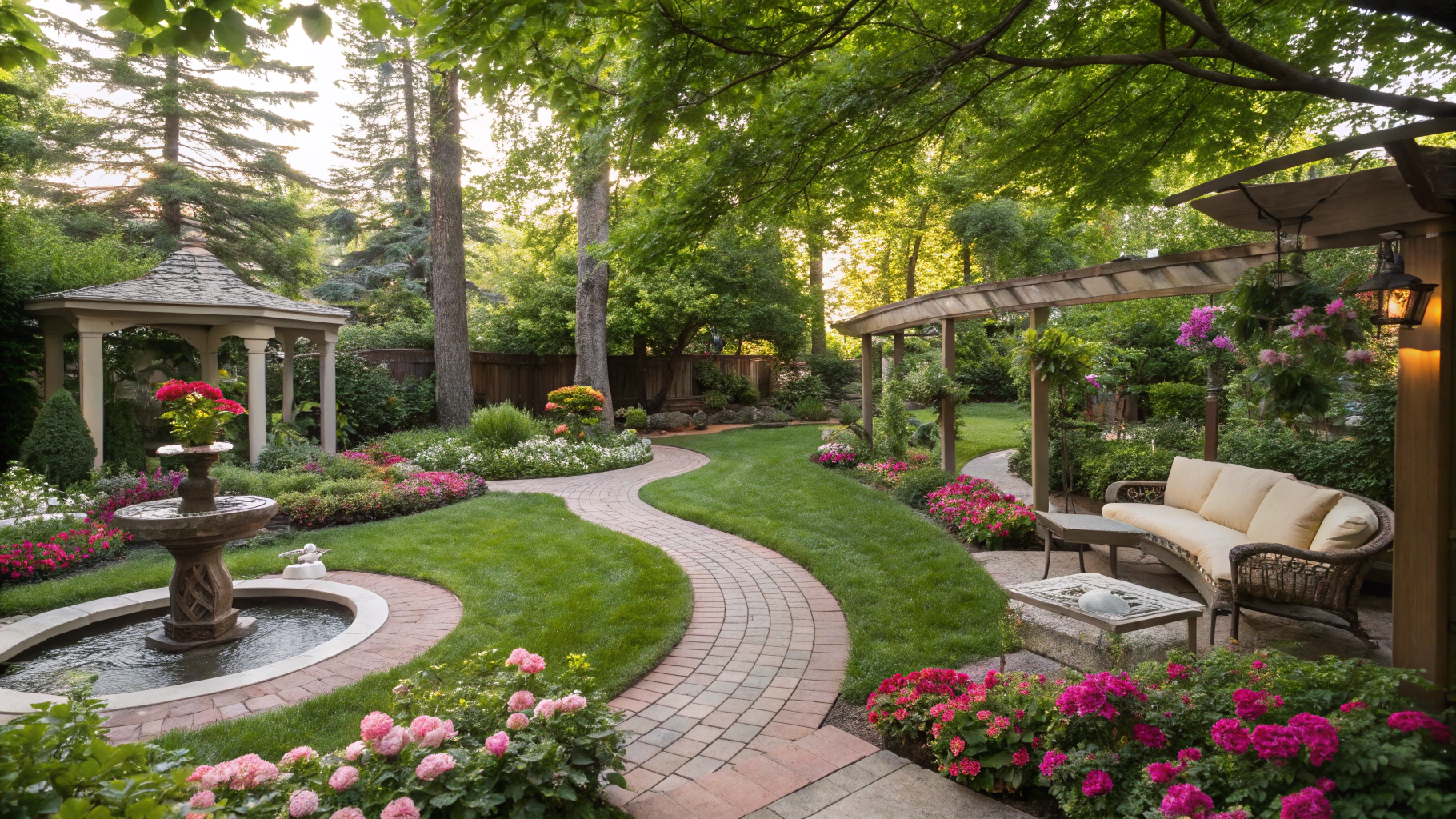

12. Add Decorative Borders Around Edible Beds
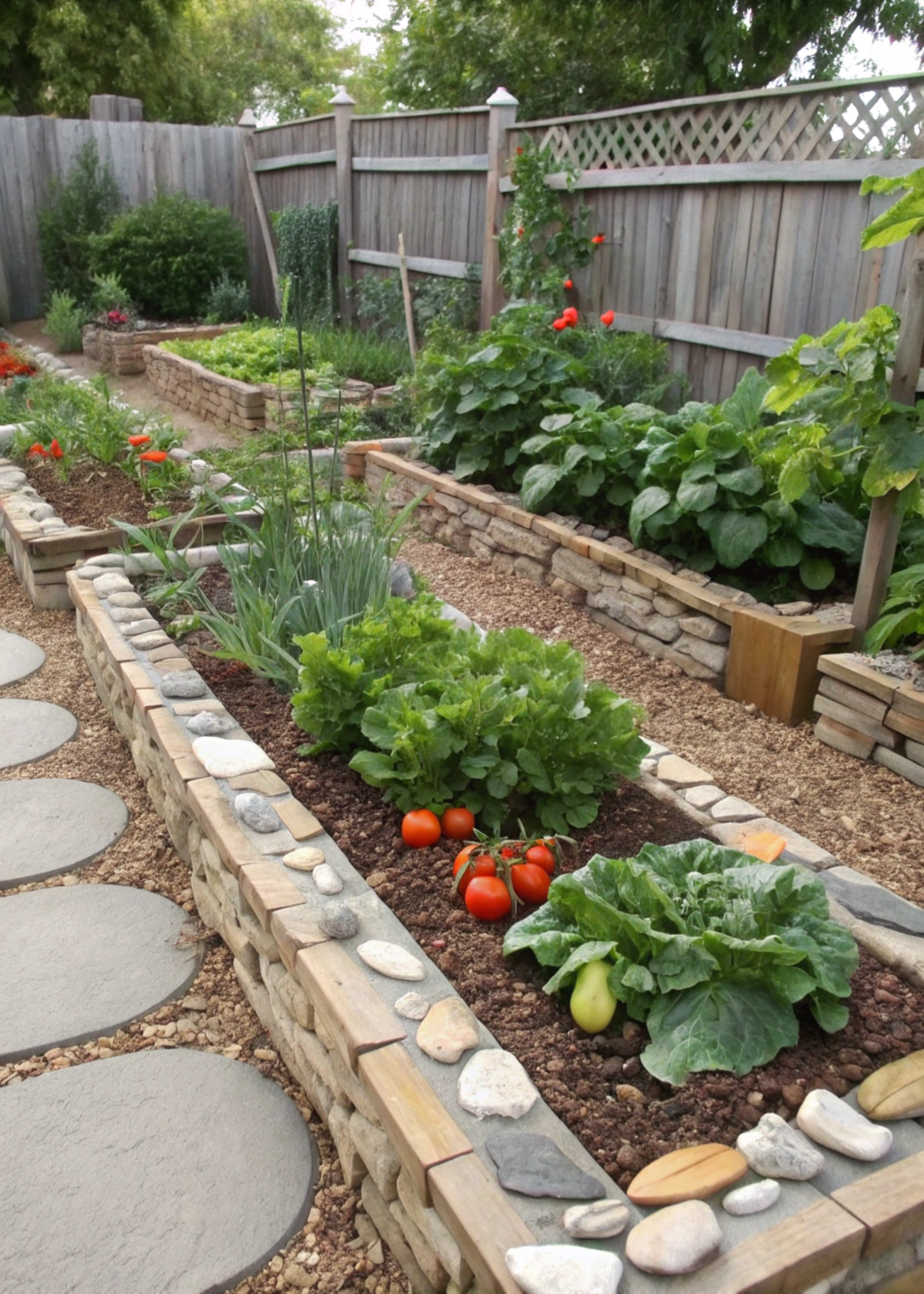
Borders help edible gardens feel organized and stylish.
Best Border Materials
- Brick
- Stone
- Wood edging
- Gravel
Why It Works
Defined edges create polished landscaping structure.
13. Create a Four-Season Edible Garden
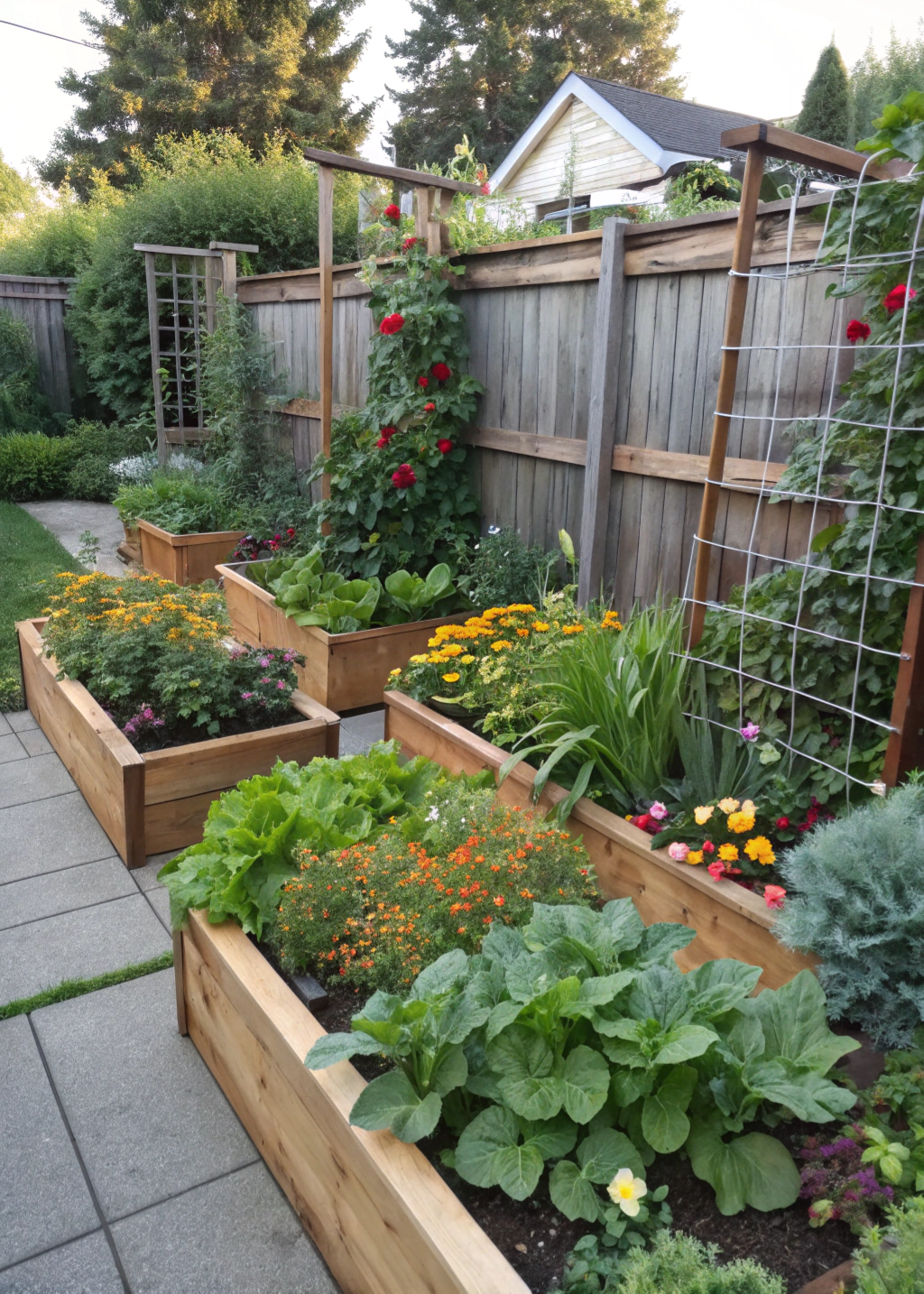
Seasonal planting keeps gardens productive year-round.
Best Four-Season Crops
- Kale
- Herbs
- Root vegetables
- Cool-season greens
Why It Works
Succession planting extends harvests throughout the year.
14. Make a Backyard Greenhouse Garden
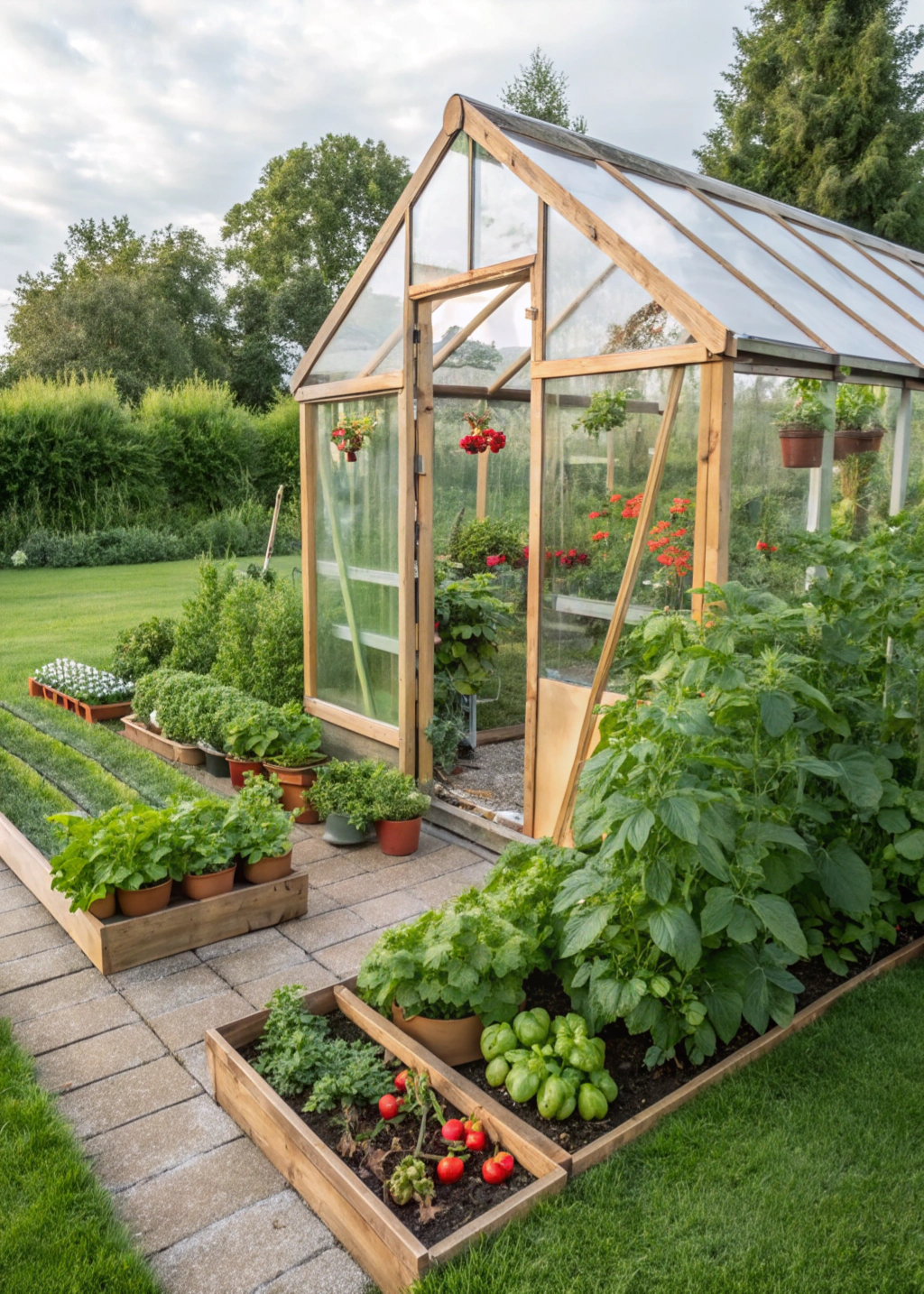
Greenhouses improve growing flexibility and protection.
Best Greenhouse Features
- Seed starting areas
- Potted vegetables
- Compact layouts
Why It Works
Greenhouses support longer growing seasons and healthier plants.
Final Thoughts
Backyard edible gardens are a beautiful and rewarding way to combine fresh food production with thoughtful outdoor landscaping. By blending vegetables, herbs, fruit trees, edible flowers, and decorative pathways, you can create backyard spaces that feel productive, lush, and visually stunning at the same time.
Whether you prefer modern raised beds, romantic cottage-style gardens, compact patio edible spaces, or pollinator-friendly edible landscapes, the key is designing a garden that balances beauty with functionality. With smart layouts and layered planting, any backyard can become a thriving edible oasis filled with color, texture, fragrance, and fresh harvests.
FAQs
What is an edible garden?
An edible garden is a landscape that includes food-producing plants like vegetables, herbs, fruits, and edible flowers.
What plants work best in edible landscapes?
Herbs, tomatoes, kale, strawberries, fruit trees, lettuce, peppers, and edible flowers are popular choices.
Can edible gardens look decorative?
Yes, mixing flowers, herbs, vegetables, and structured layouts creates highly decorative edible landscapes.
How much sunlight do edible gardens need?
Most edible plants grow best with at least 6–8 hours of direct sunlight daily.
Are raised beds good for edible gardens?
Raised beds improve drainage, organization, soil quality, and overall garden appearance.
Can you create an edible garden in a small backyard?
Absolutely. Containers, vertical gardens, compact raised beds, and patio planters work beautifully in small spaces.