17+ Multi-Level Desk Ideas for Maximum Function
A multi-level desk offers more than just workspace, it’s a clever way to organize, store, and decorate efficiently.
By using vertical space, you can separate work zones, reduce clutter, and create a layout that adapts to your needs.
Whether your setup is compact or spacious, these multi-level desk ideas will help you design a desk that’s both stylish and functional.
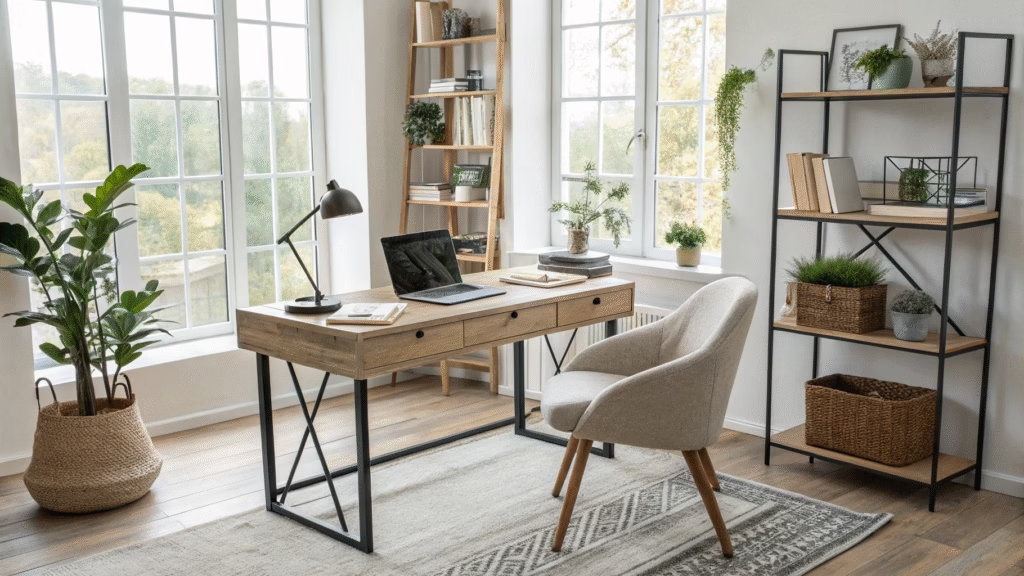
1. Tiered Shelf Desk

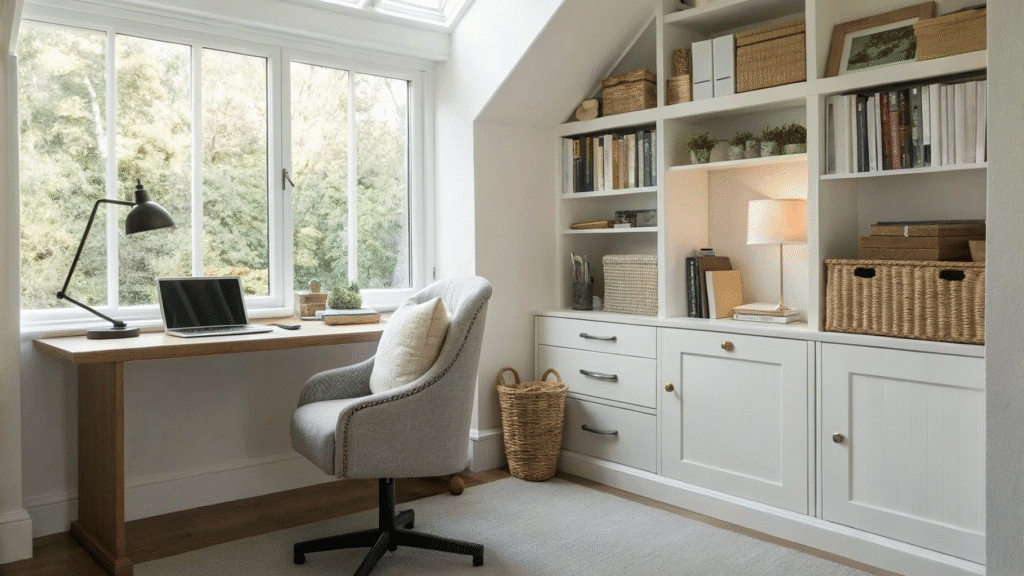
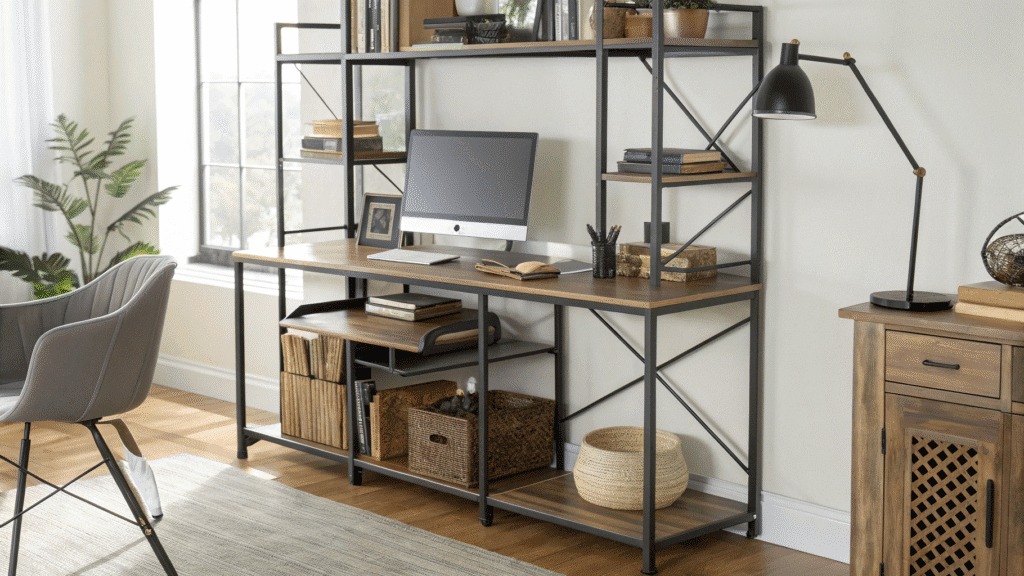
A desk with built-in upper shelves gives you extra storage without taking up floor space.
Love Chic Living Club?
Add us as one of your preferred Google sources and discover more home decor, DIY, outdoor, and lifestyle inspiration from us.
Pro Tip: Use the top shelf for decor and the lower ones for essentials like books or files.
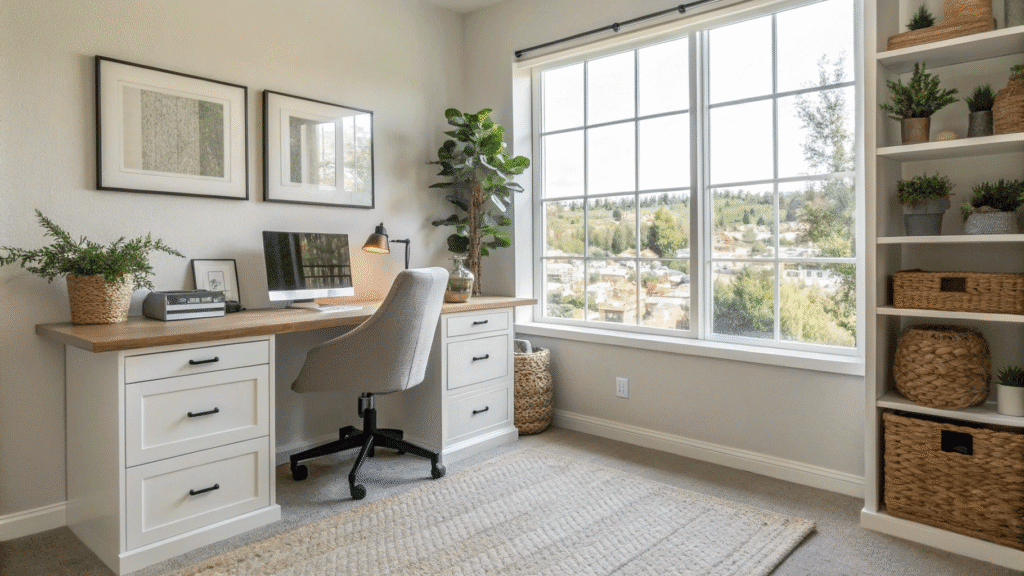
2. L-Shaped Multi-Level Desk
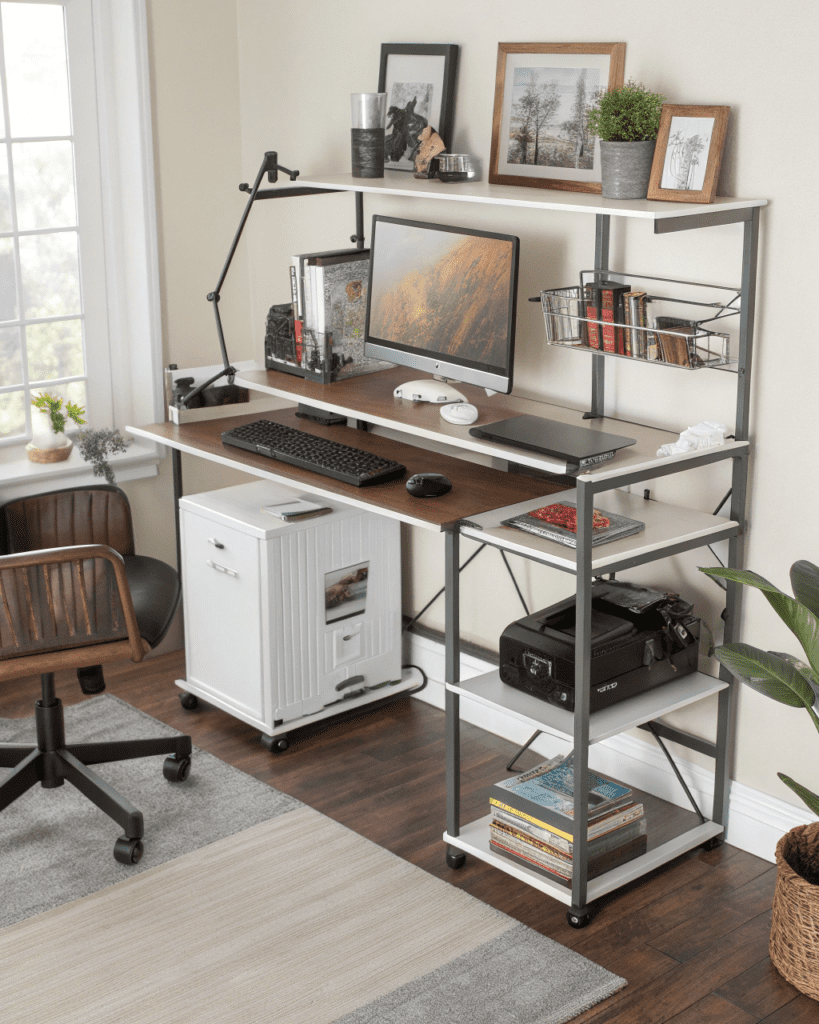
An L-shaped desk naturally divides work zones and provides more surface area.
Pro Tip: Keep one side clear for creative tasks and the other for your computer setup.
3. Adjustable Standing Desk
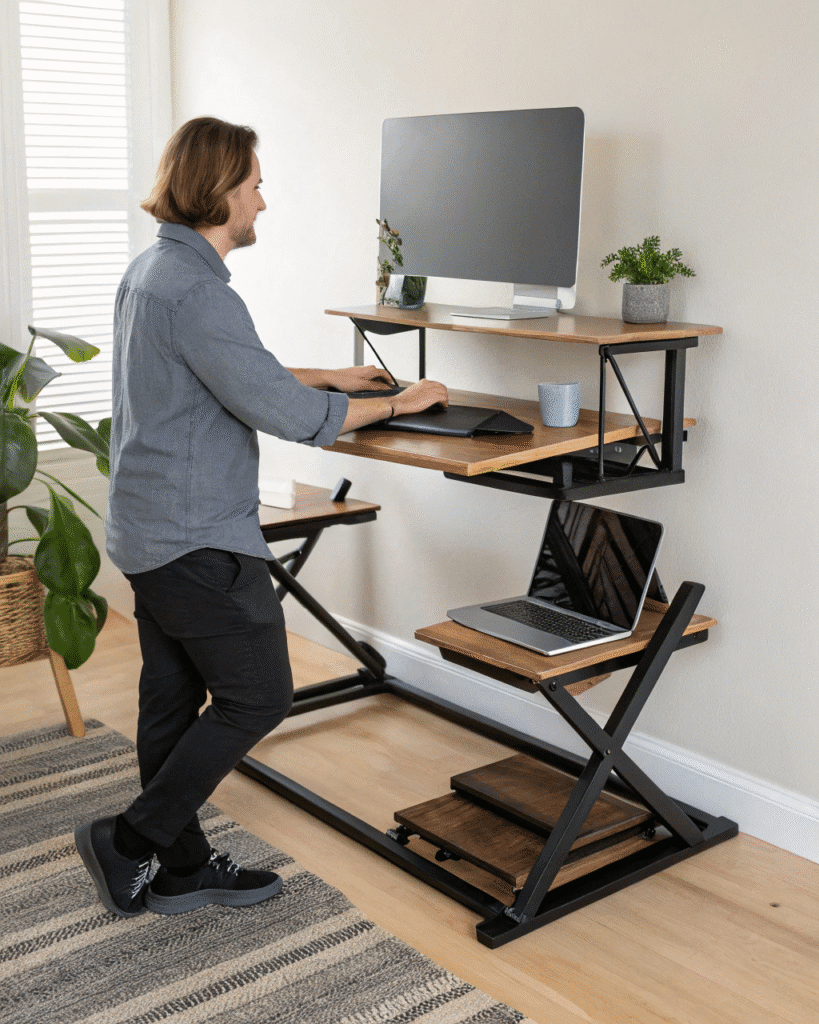
A height-adjustable desk lets you switch between sitting and standing positions easily.
Pro Tip: Add a small raised platform for your monitor to maintain perfect ergonomic posture.
4. Floating Wall Desk with Layers
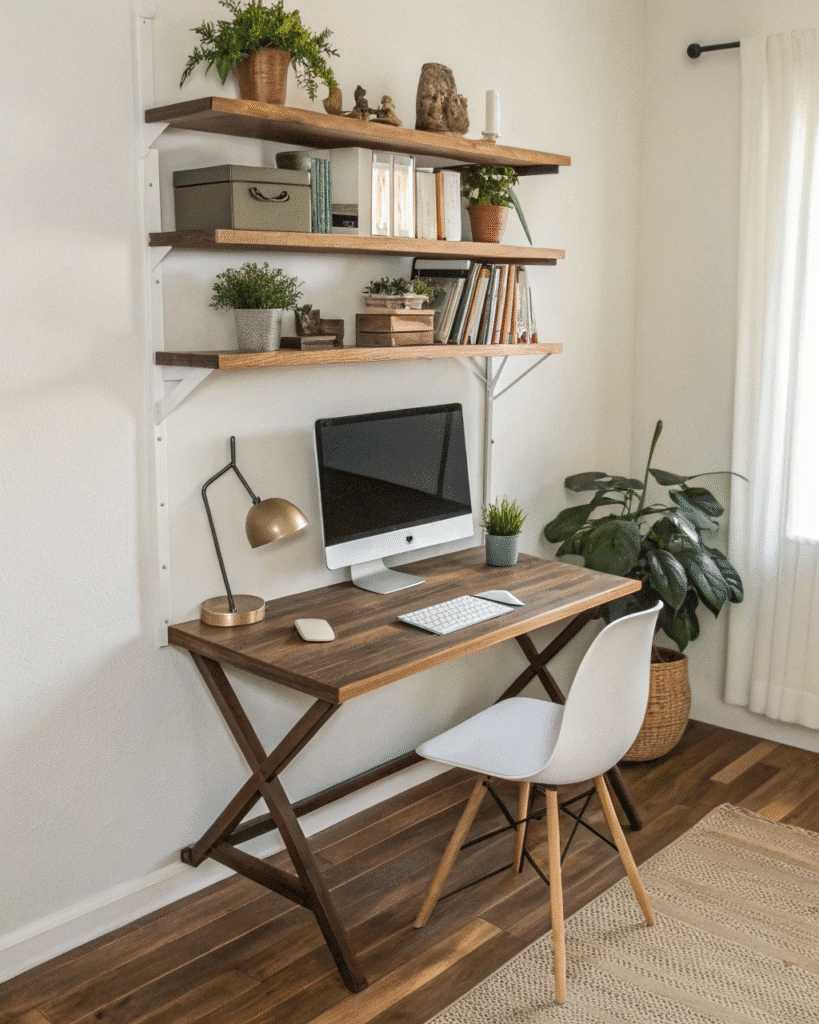
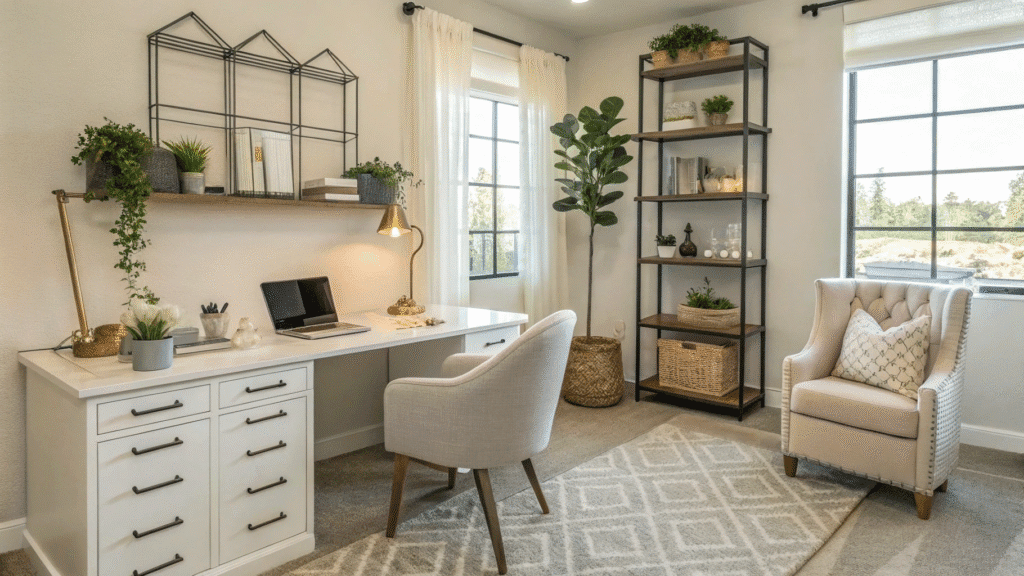
Install two or three floating shelves at different heights to mimic a multi-level desk.
Pro Tip: Keep the bottom layer for your main workspace and the top for decor or storage.
5. Dual-Tier Workstation
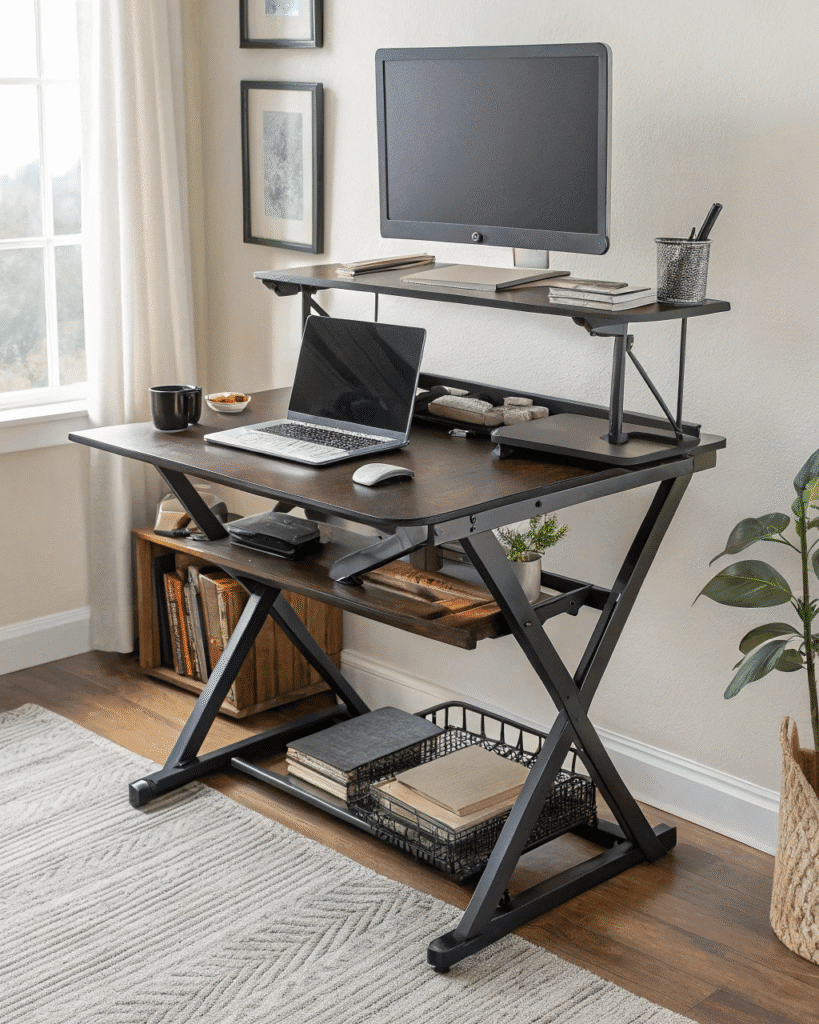
A two-tier design with a raised monitor shelf keeps your screen at eye level while freeing space below.
Pro Tip: Use the lower level for your keyboard and planner to keep your workspace clear.
6. Built-In Storage Levels

Desks with built-in drawers or cubbies under the tabletop make organization effortless.
Pro Tip: Store stationery in top drawers and tech accessories in the bottom for easy access.
You May Also Love

7. Multi-Level Corner Desk
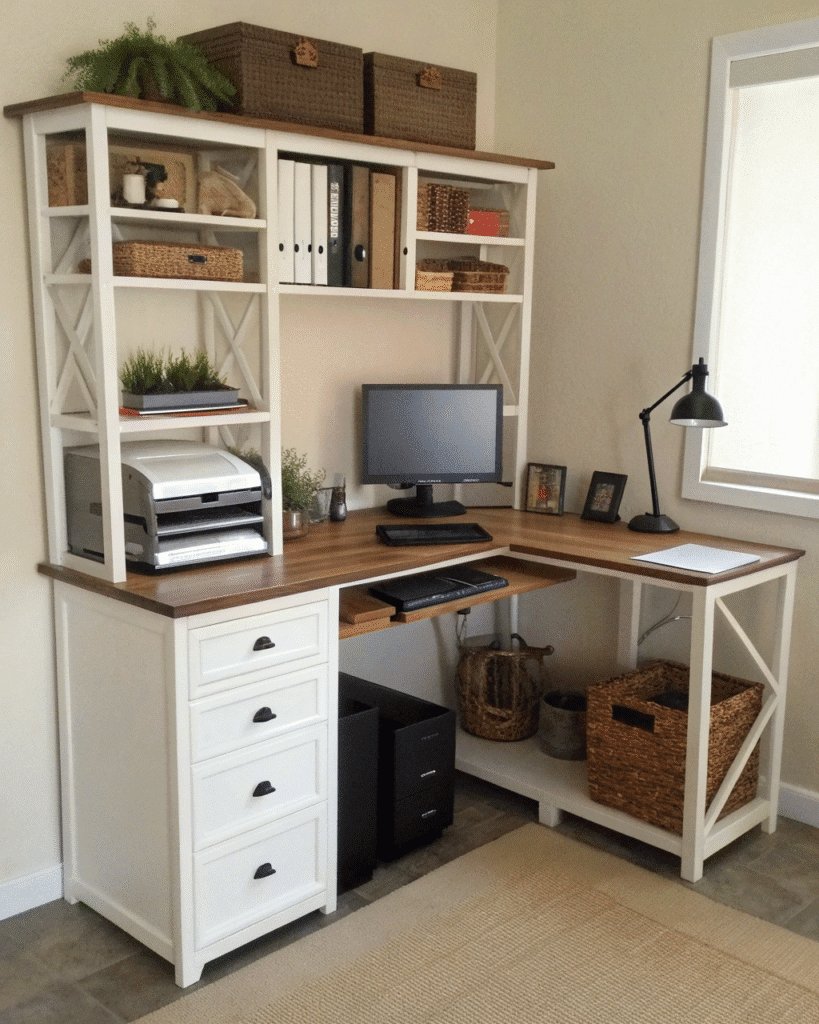
A corner setup with layered surfaces maximizes every inch of unused space.
Pro Tip: Add lighting or plants on upper tiers to make the corner visually balanced.
8. Modular Shelf Desk
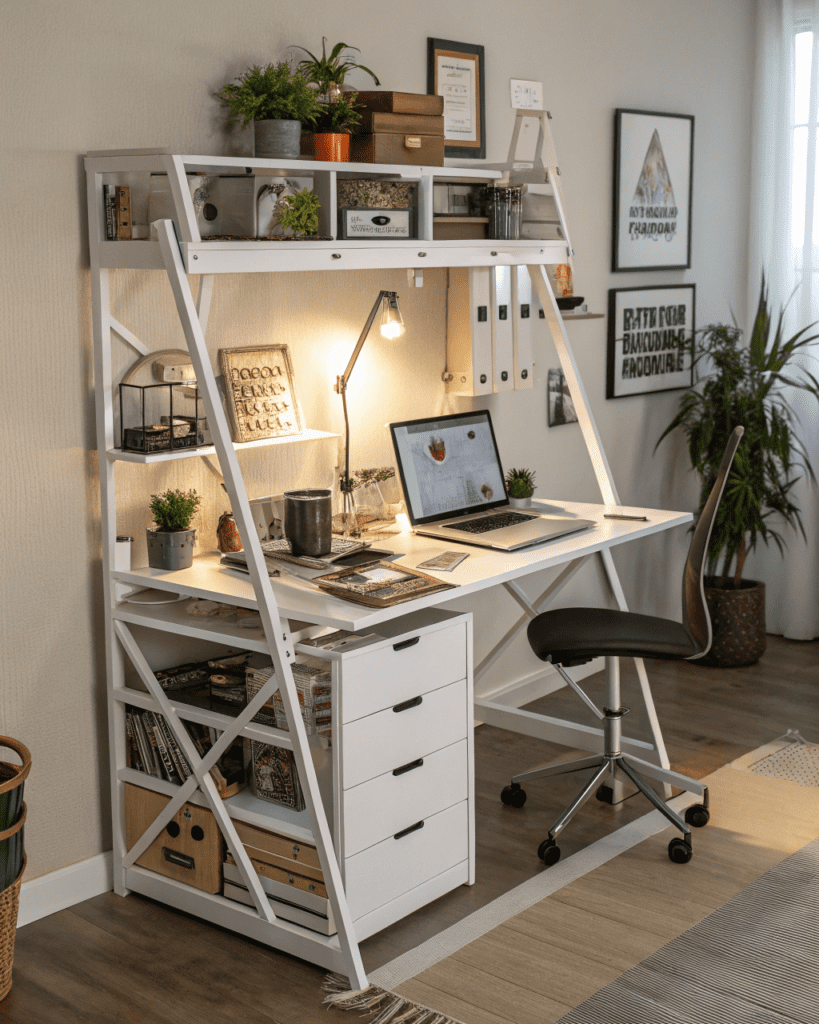
A modular system lets you rearrange or add levels depending on your needs.
Pro Tip: Great for growing workspaces — add or remove tiers as your setup evolves.
9. Dual Workspace Desk
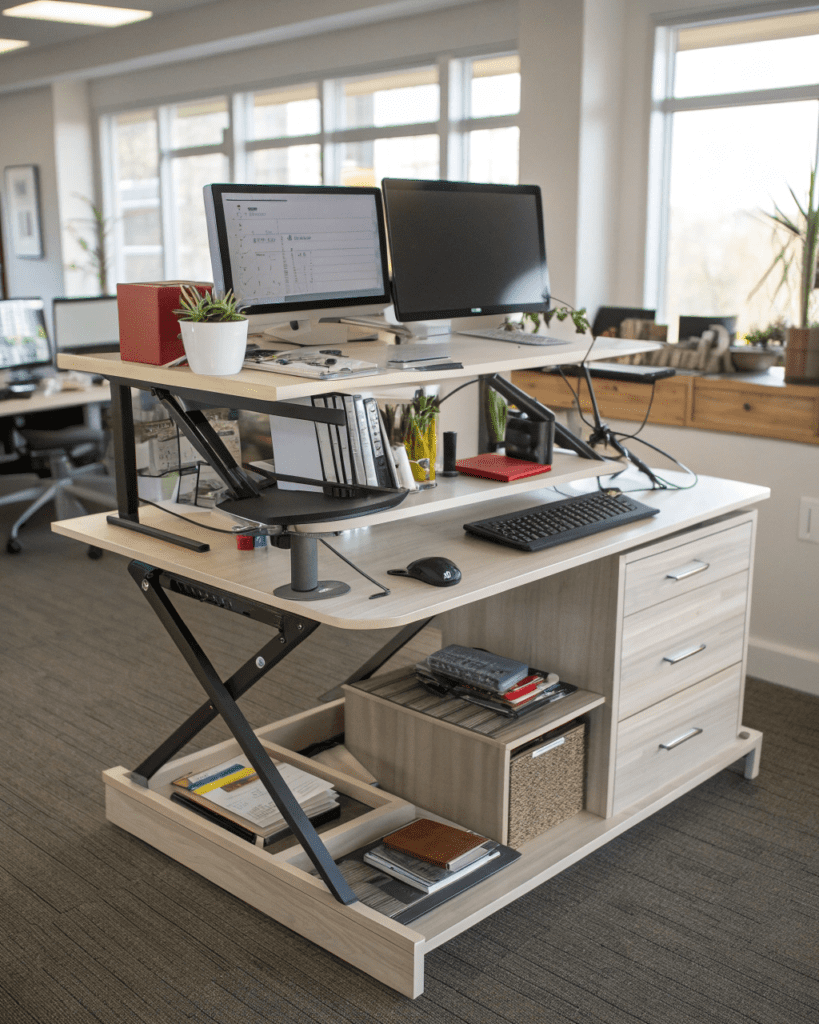
A desk with two height zones works well for shared offices or creative work.
Pro Tip: Keep one side for digital work and the other for hands-on projects like drawing or journaling.
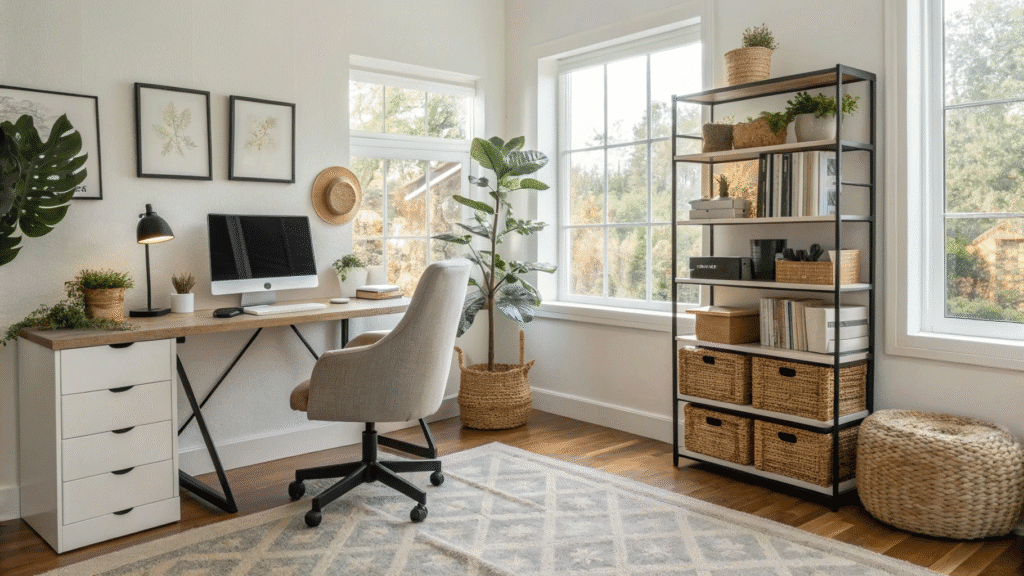
10. Standing Shelf Desk
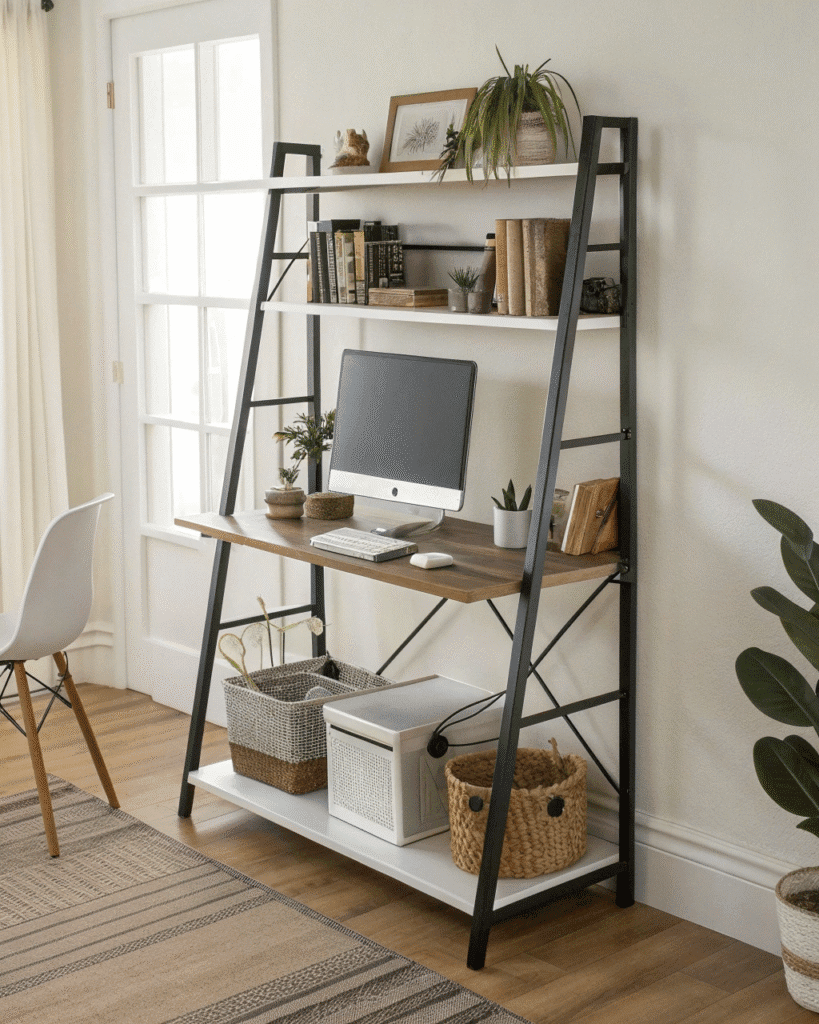
Combine open shelving with a high desktop for a standing, compact design.
Pro Tip: Ideal for small spaces — keep essentials on the first shelf and decor on top.
Don't miss: 13+ Shared Home Office Ideas for Two That Make the Most of One Room →
11. Stair-Step Style Desk

A cascading, step-like design adds visual interest while providing separate storage layers.
Pro Tip: Use the top steps for display pieces and the bottom for your daily essentials.
12. Hidden Keyboard Drawer Desk
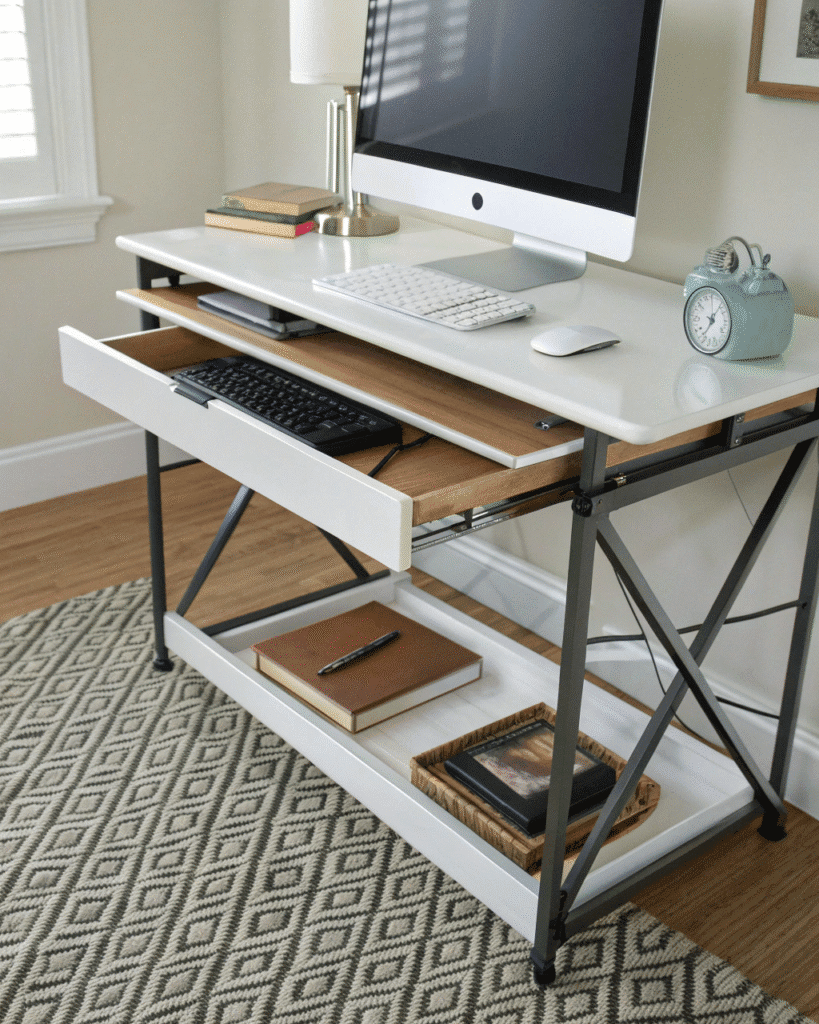
A sliding keyboard drawer creates a lower level that saves space and hides clutter.
Pro Tip: Choose a model with smooth gliders to make typing comfortable.
13. Multi-Level Floating Counter

Extend your desk into a wall-mounted counter with an upper floating shelf for added function.
Pro Tip: Keep colors minimal and consistent for a clean, architectural look.
14. Loft-Style Desk Setup
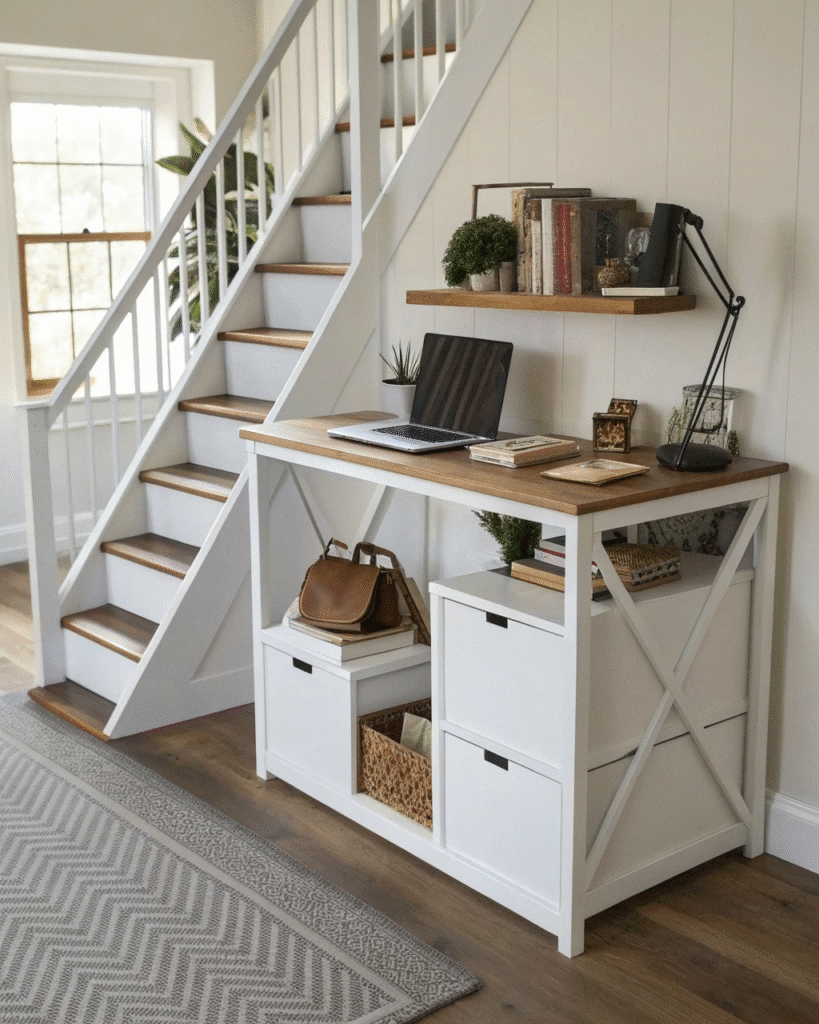
A loft desk with shelving overhead combines vertical space and style beautifully.
Pro Tip: Hang task lighting from the top frame to make it feel cohesive and modern.
15. Multi-Layer Cable Shelf Desk
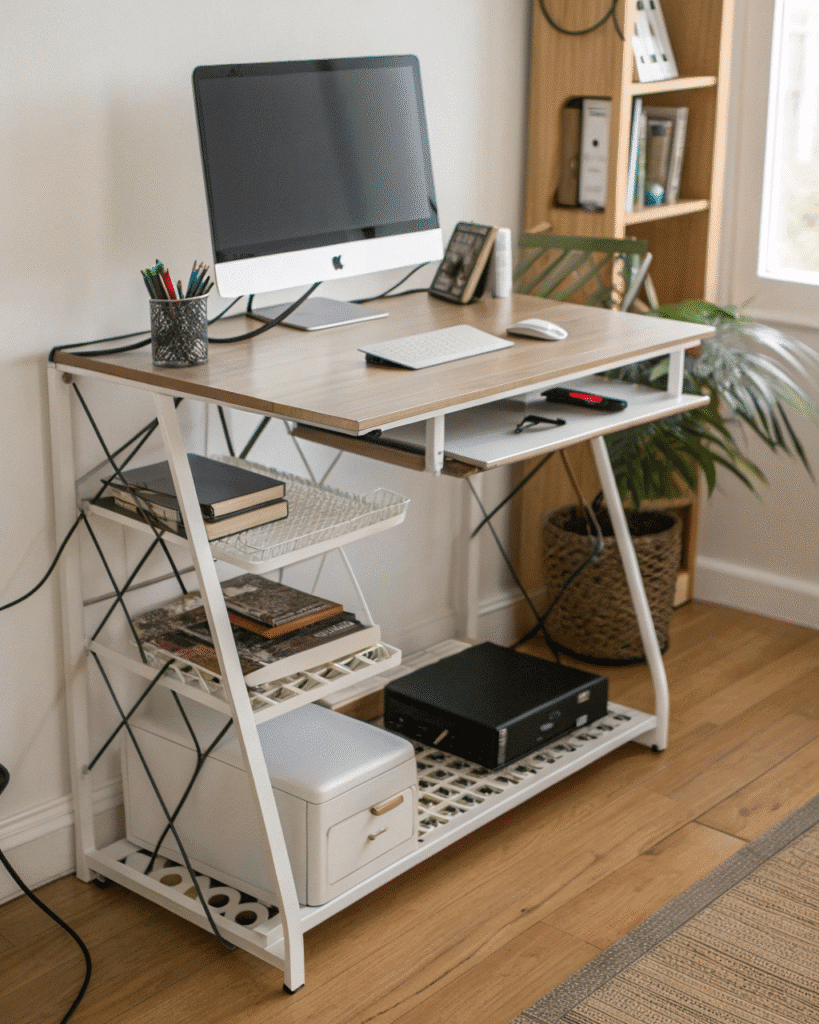
Integrate a small back shelf into your desk to hide cables and elevate your workspace.
Pro Tip: Keep all charging hubs on this layer to maintain a clean desktop.
Keep Exploring
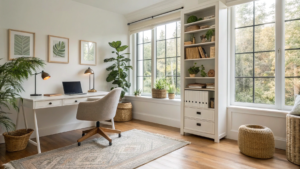


16. Dual Monitor Desk with Riser
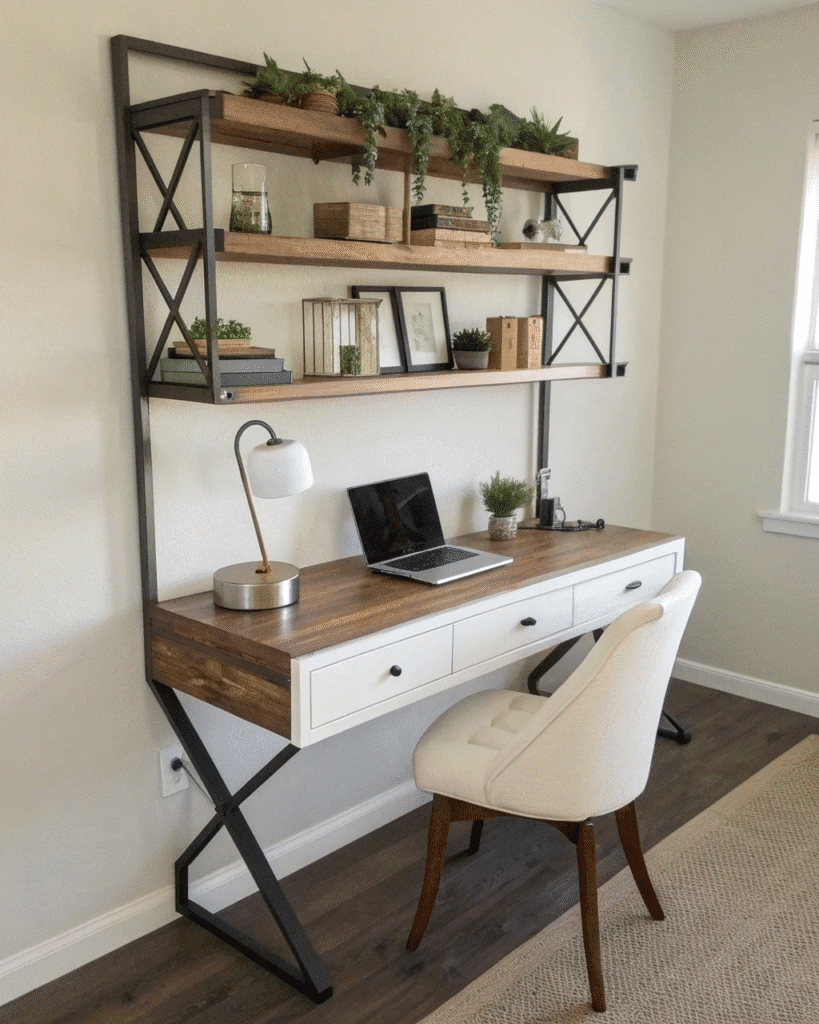
A wide riser shelf gives your monitors the perfect height and adds storage space beneath.
Pro Tip: Use the space under for notebooks, tablets, or decorative trays.
17. Foldable Multi-Level Wall Desk

A wall-mounted folding design with two layers gives flexibility and function in small spaces.
Pro Tip: Great for home offices or studio apartments — fold it up when not in use.
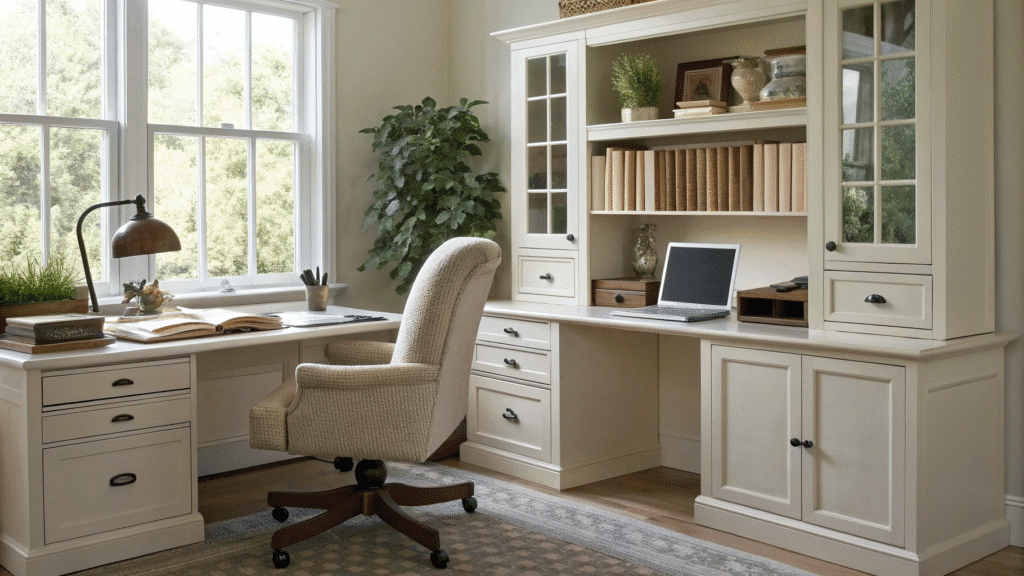
18. Multi-Level Desk with Side Hutch
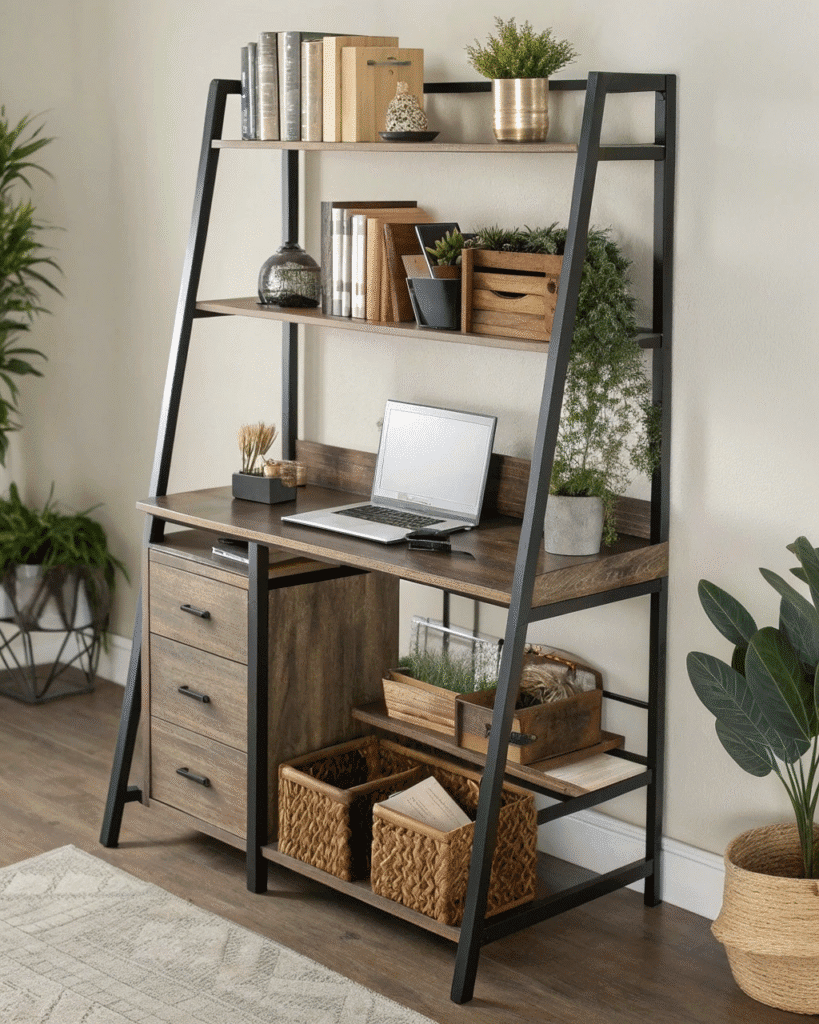
A side hutch adds vertical layers for storing books, plants, or office decor.
Pro Tip: Keep frequently used items within arm’s reach to maintain a smooth workflow.
Final Thoughts
Multi-level desks help you organize efficiently, work ergonomically, and express your style — all in one setup.
By layering surfaces, shelves, and storage smartly, you can turn any desk into a functional and beautiful workspace that adapts to how you work best.
FAQs
What’s the advantage of a multi-level desk?
It helps separate your workspace into zones, keeps your essentials organized, and makes small spaces feel larger by using vertical height.
How can I style a multi-level desk without cluttering it?
Stick to essentials on each level and balance function with aesthetics — one tier for tools, one for display.
Are multi-level desks good for small offices?
Yes! They maximize vertical space, which is perfect for compact home offices or apartment setups.
What materials work best for multi-level desks?
Wood, metal, and acrylic all work well. Wood adds warmth, metal feels modern, and acrylic keeps things light visually.
Can I DIY a multi-level desk?
Absolutely. Use wall-mounted shelves, risers, or modular furniture to create layered surfaces without full construction.