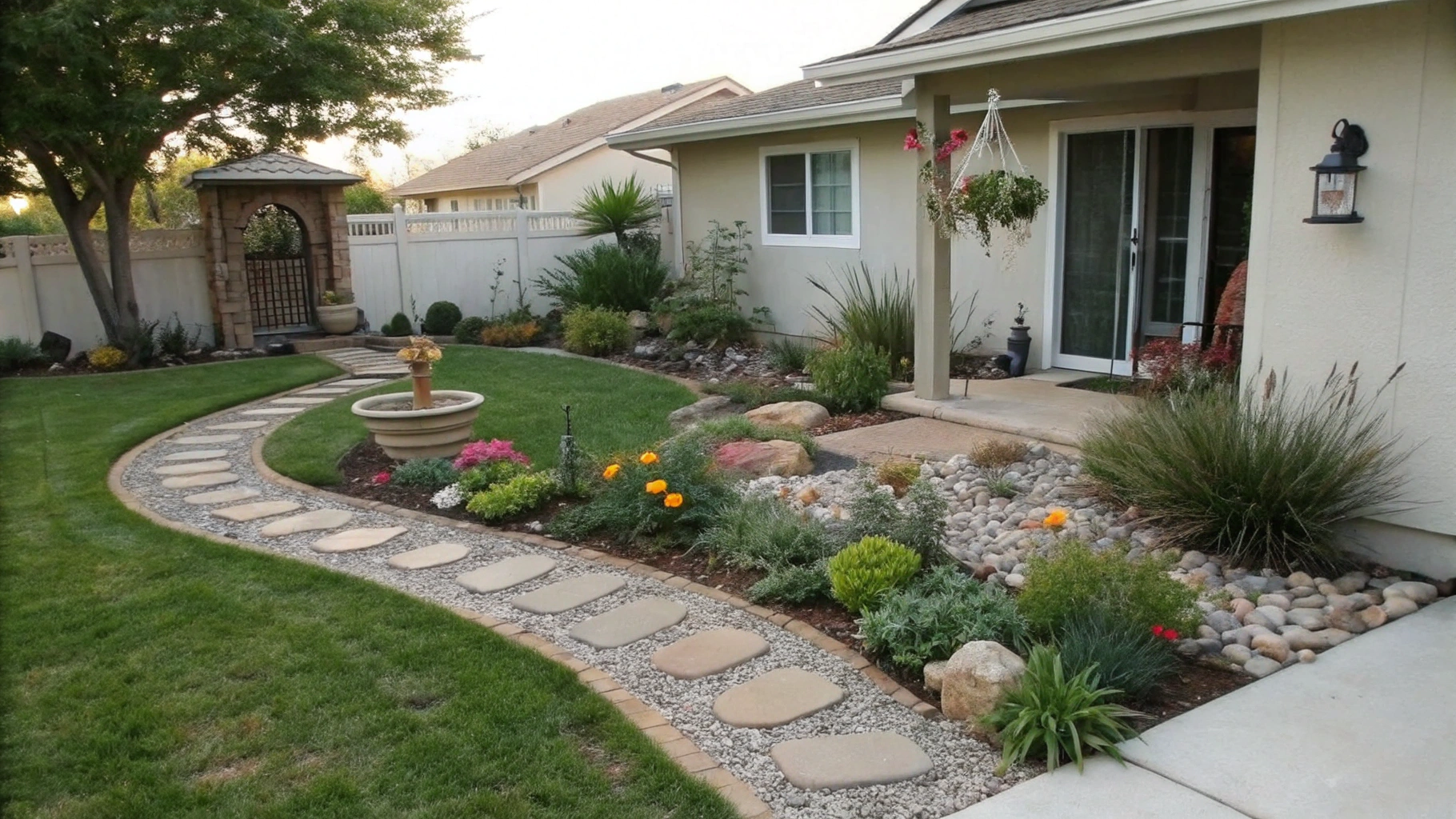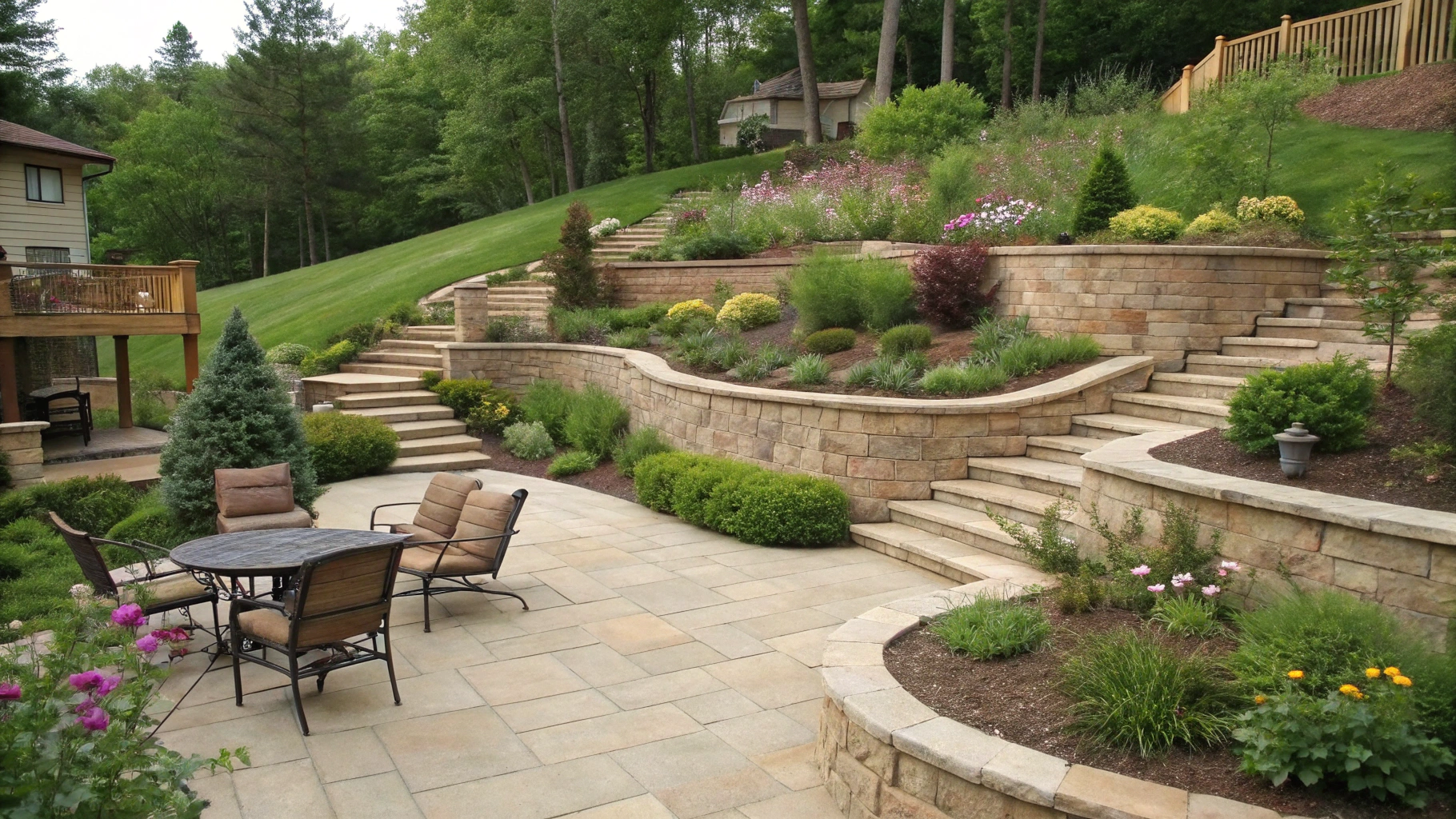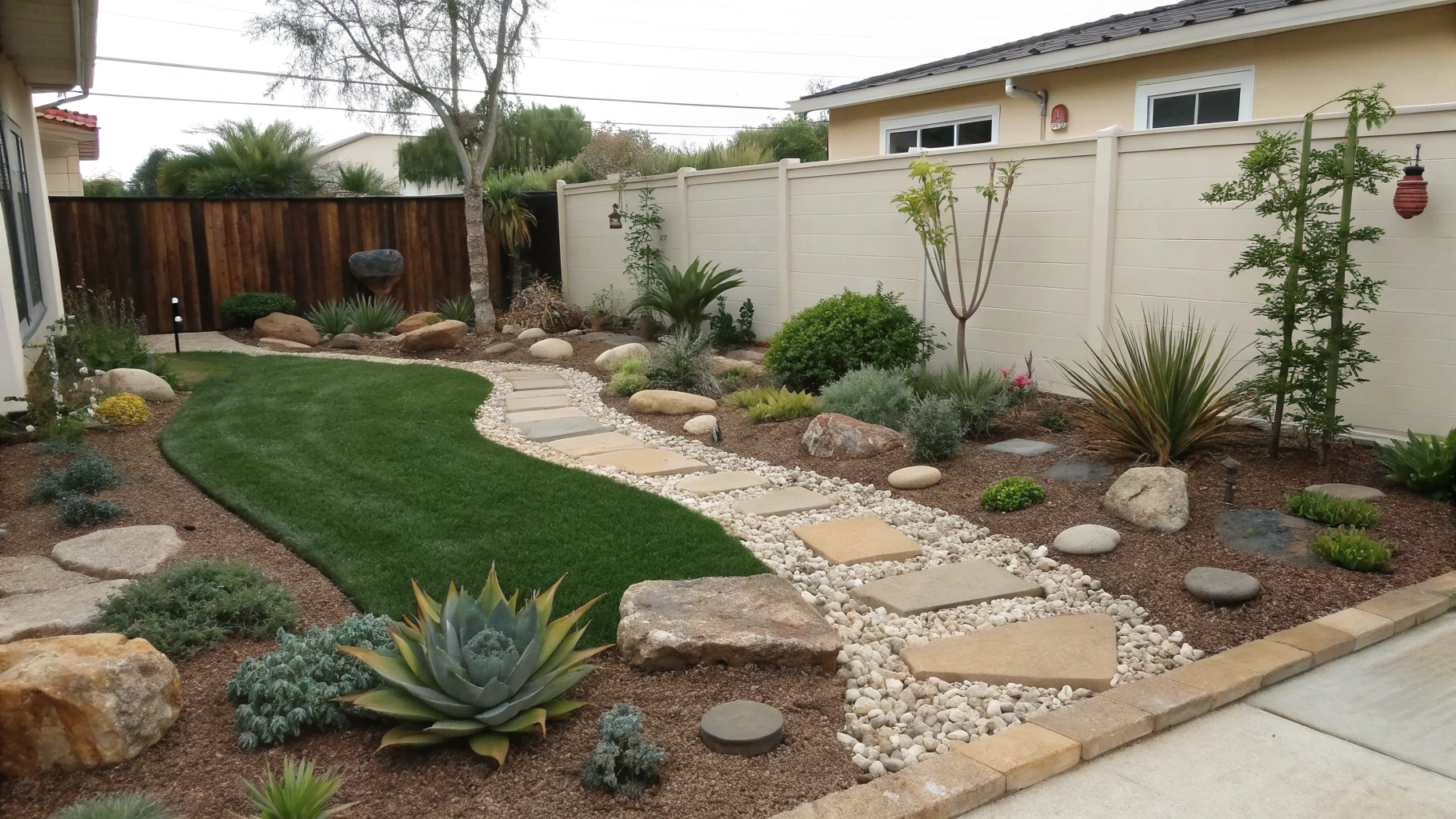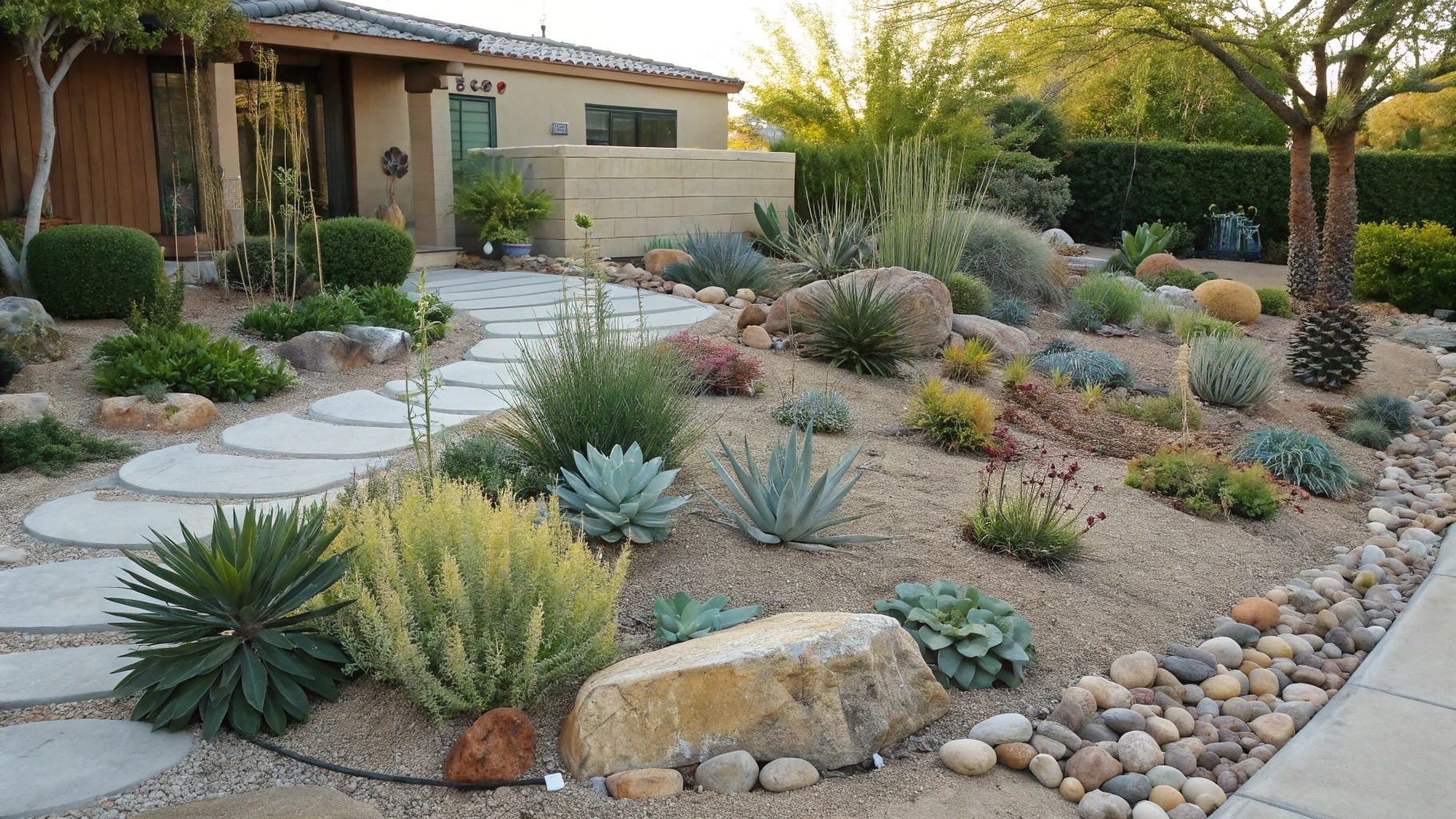
12+ Stunning Formal Garden Landscaping Ideas
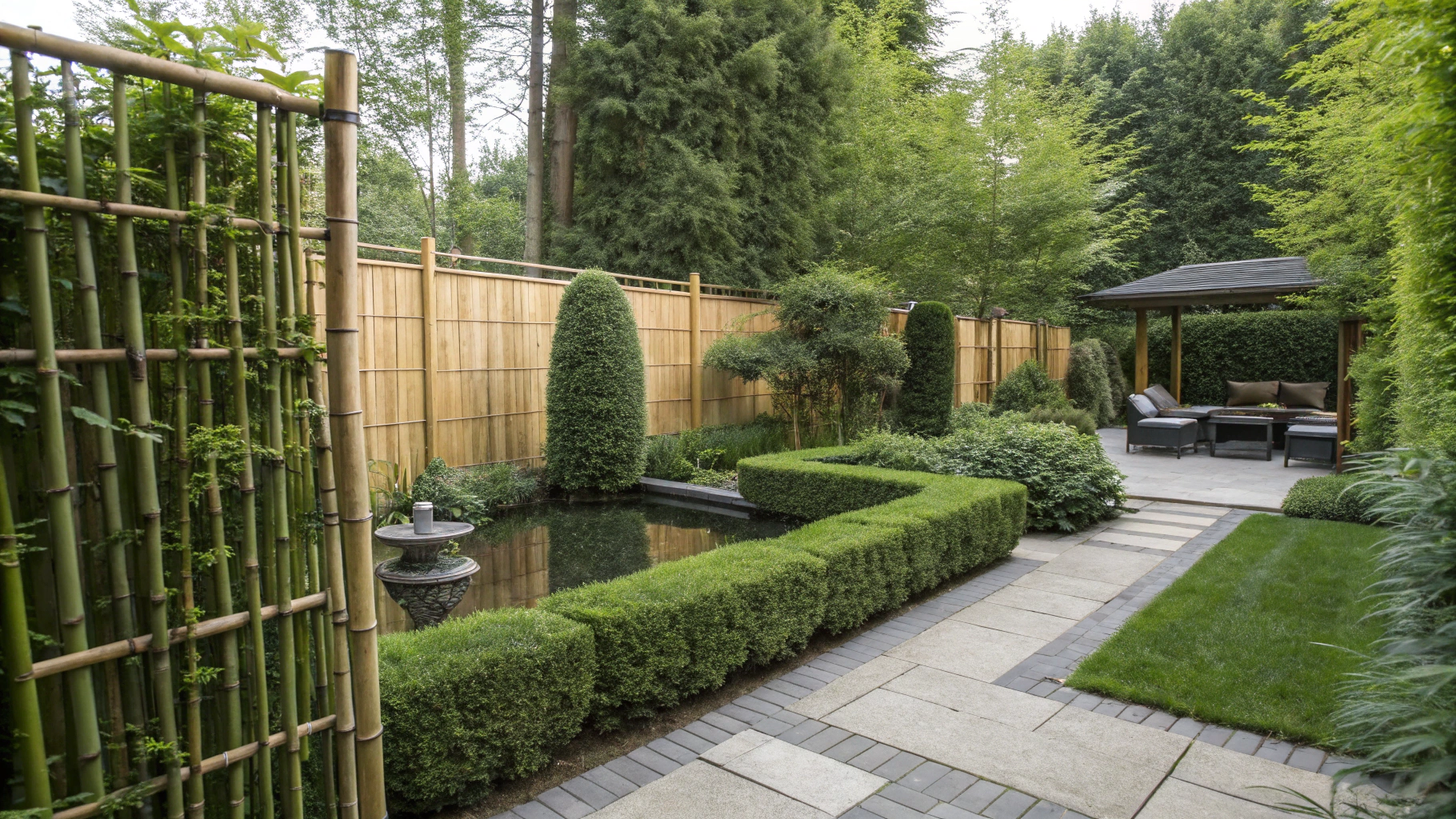
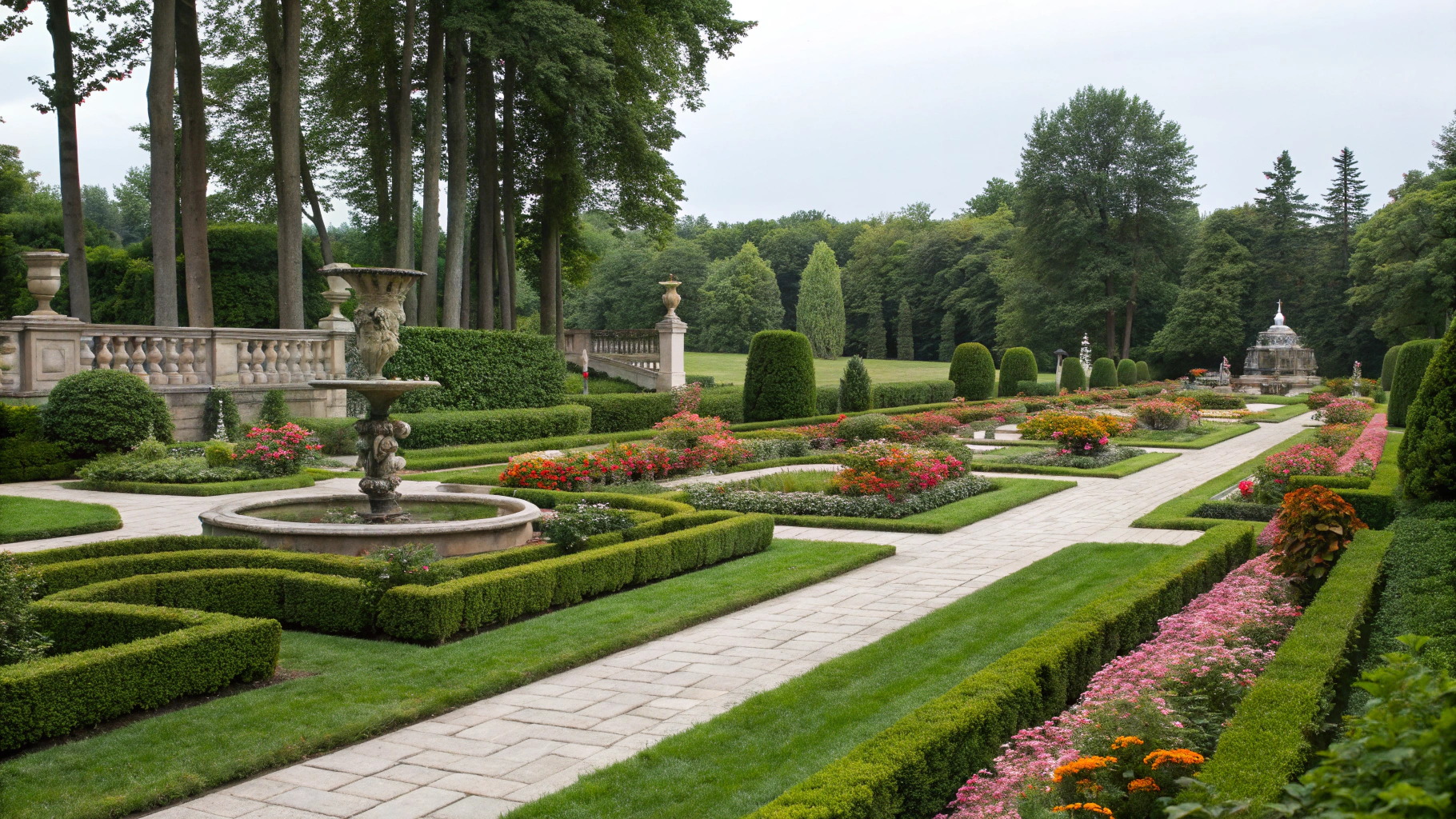
Formal garden landscaping is all about elegance, symmetry, and timeless structure. Unlike relaxed cottage gardens or natural woodland landscapes, formal gardens focus on clean lines, balanced layouts, manicured greenery, and carefully organized planting. The result is an outdoor space that feels refined, luxurious, and visually harmonious.
Whether you want a classic European-inspired courtyard, a grand front yard design, or a structured backyard retreat, these stunning formal garden landscaping ideas will help you create a landscape that feels polished, sophisticated, and beautifully organized.
What Defines a Formal Garden Landscape?
Formal gardens are designed around symmetry, geometry, and intentional structure. Every pathway, hedge, flower bed, and focal point is carefully planned to create visual balance.
Classic formal garden elements often include:
Love Chic Living Club?
Add us as one of your preferred Google sources and discover more home decor, DIY, outdoor, and lifestyle inspiration from us.
- Symmetrical layouts
- Manicured hedges
- Geometric flower beds
- Stone pathways
- Central focal points
- Water features
- Repeated plant patterns
The goal is creating a landscape that feels elegant and organized without appearing overly busy.
Best Plants for Formal Garden Landscaping
| Plant Type | Best For | Formal Garden Benefit |
| Boxwoods | Hedges & borders | Clean structured lines |
| Roses | Formal flower beds | Timeless elegance |
| Hydrangeas | Layered symmetry | Full seasonal blooms |
| Lavender | Pathway borders | Texture and fragrance |
| Topiary Shrubs | Focal points | Sculptural structure |
How to Make a Formal Garden Feel Luxurious
Use Symmetry Throughout the Design
Balanced layouts instantly create a more refined appearance.
Repeat Plants & Materials
Consistency helps the landscape feel cohesive and professionally designed.
Incorporate Architectural Hardscaping
Stone pathways, fountains, and retaining walls reinforce formal structure.
Keep Planting Well-Maintained
Trimmed hedges and organized beds are essential for a polished formal look.
1. Create Symmetrical Garden Beds
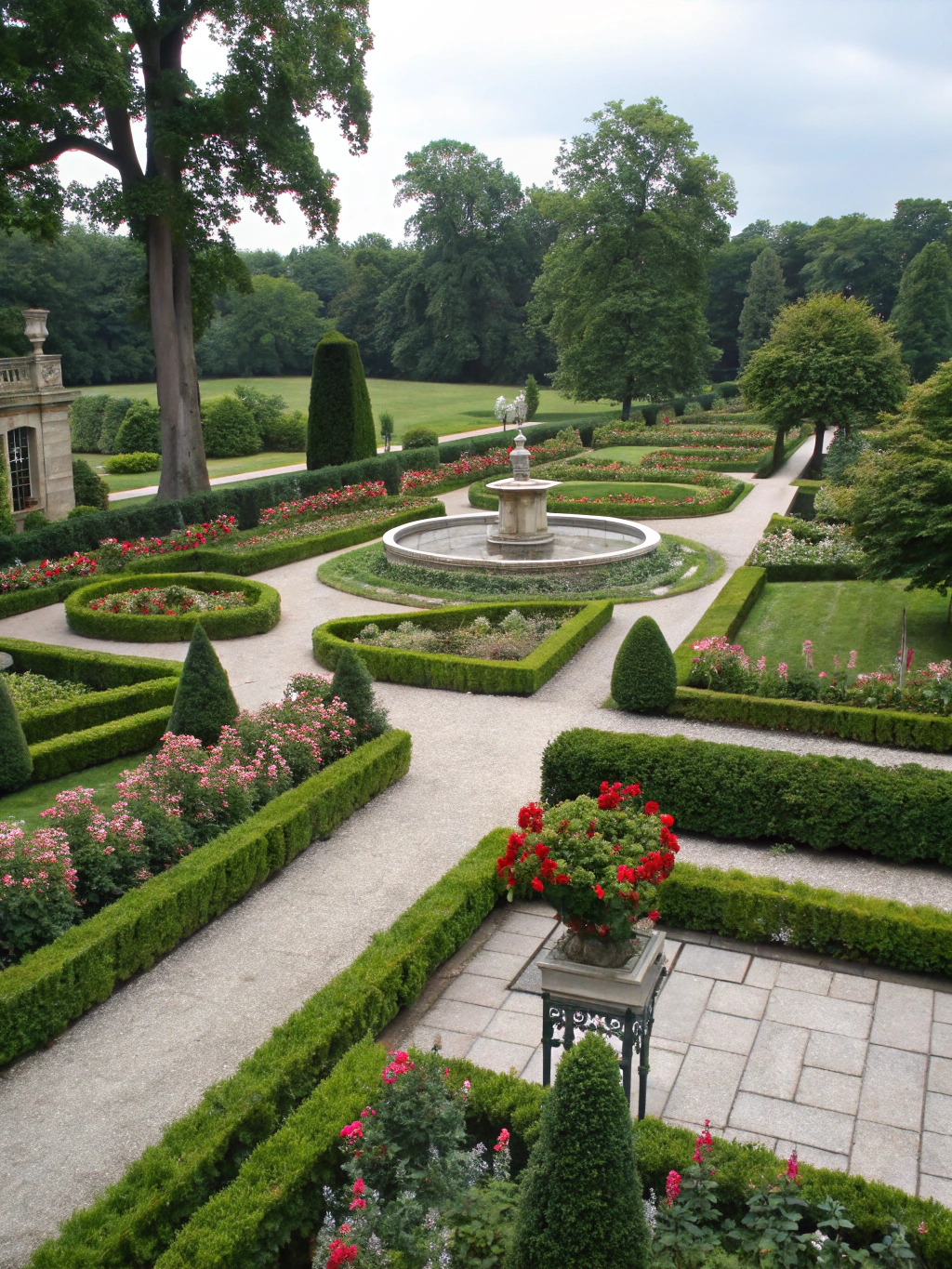
Symmetry is one of the most important features of formal landscaping.
Best Symmetrical Features
- Matching flower beds
- Evenly spaced shrubs
- Balanced pathways
- Mirrored planting layouts
Why It Works
- Creates visual harmony
- Enhances elegance
- Feels highly organized
Design Tip
Use central focal points like fountains or sculptures to anchor symmetry.
2. Add Boxwood Hedges for Clean Structure
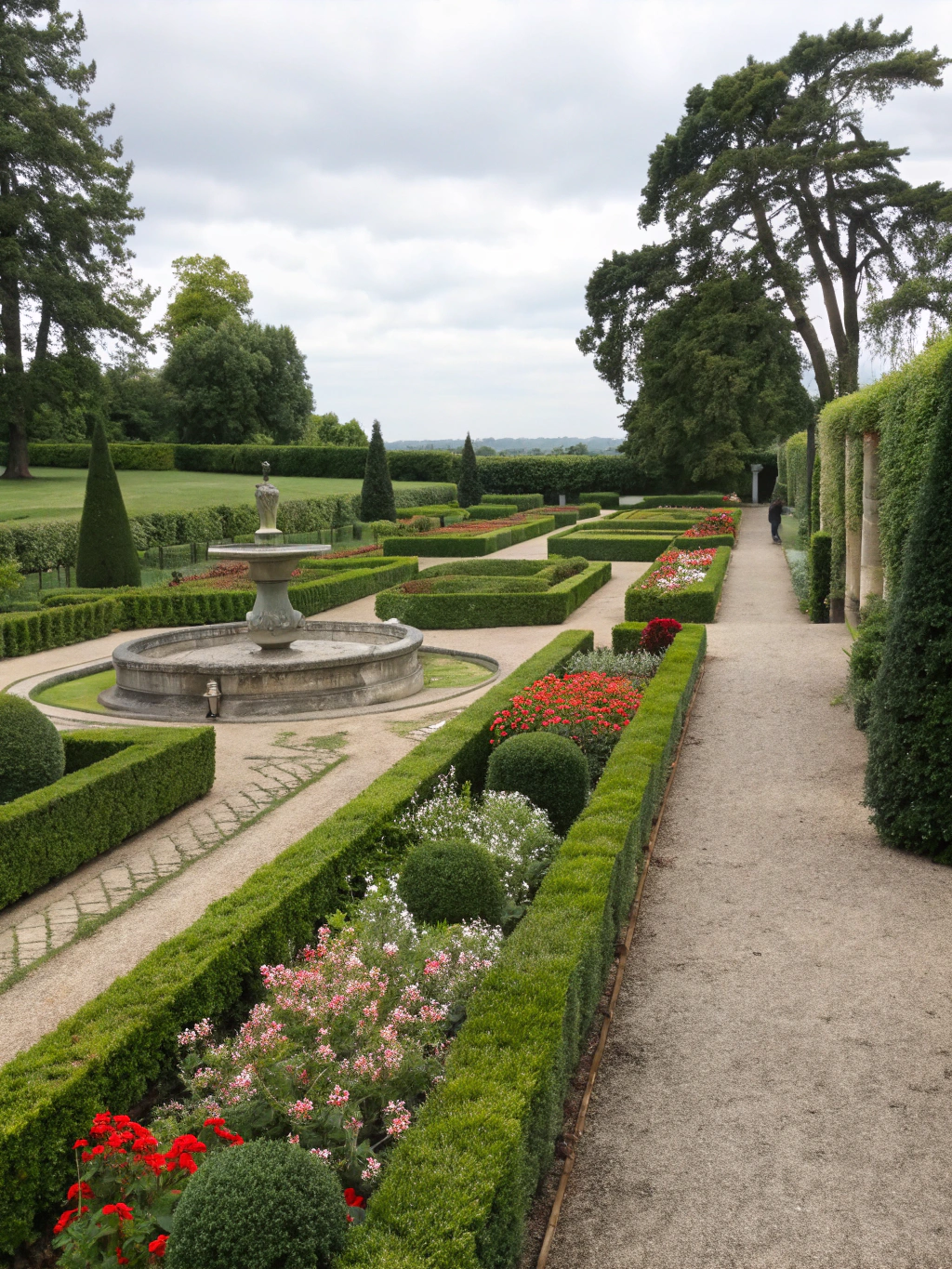
Boxwoods are a signature element of formal garden design.
Best Boxwood Uses
- Border hedges
- Geometric patterns
- Framing pathways
- Courtyard layouts
Why Homeowners Love It
- Timeless appearance
- Easy shaping
- Year-round greenery
Best Pairings
- Gravel walkways
- Stone edging
- Roses and hydrangeas
3. Create a Formal Gravel Courtyard Garden
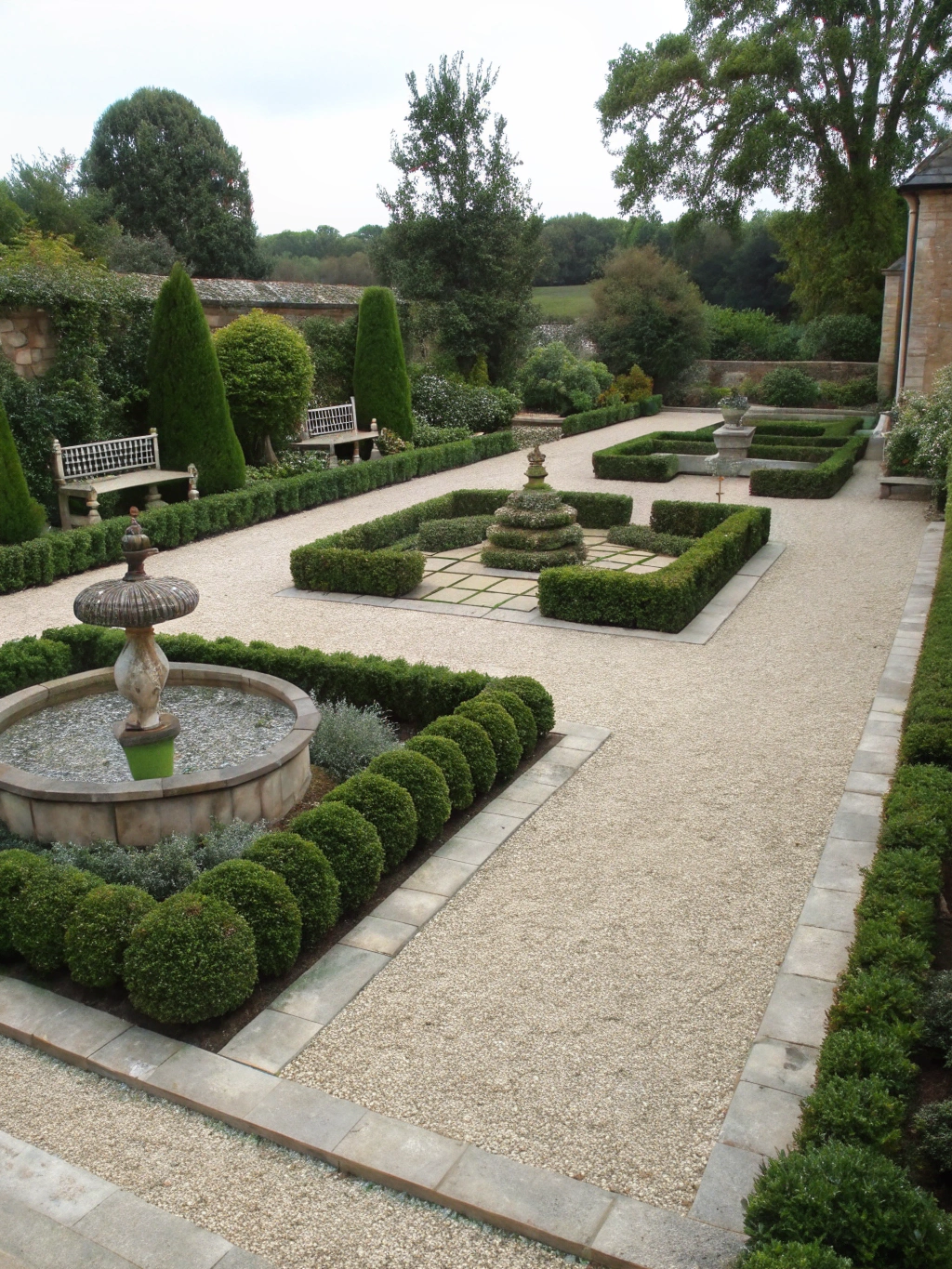
Gravel courtyards create elegant open space while reinforcing geometric layouts.
Best Courtyard Features
- Symmetrical planters
- Stone fountains
- Topiary shrubs
- Structured seating
Why It Works
Gravel adds texture while keeping the design visually clean.
4. Add a Central Water Feature
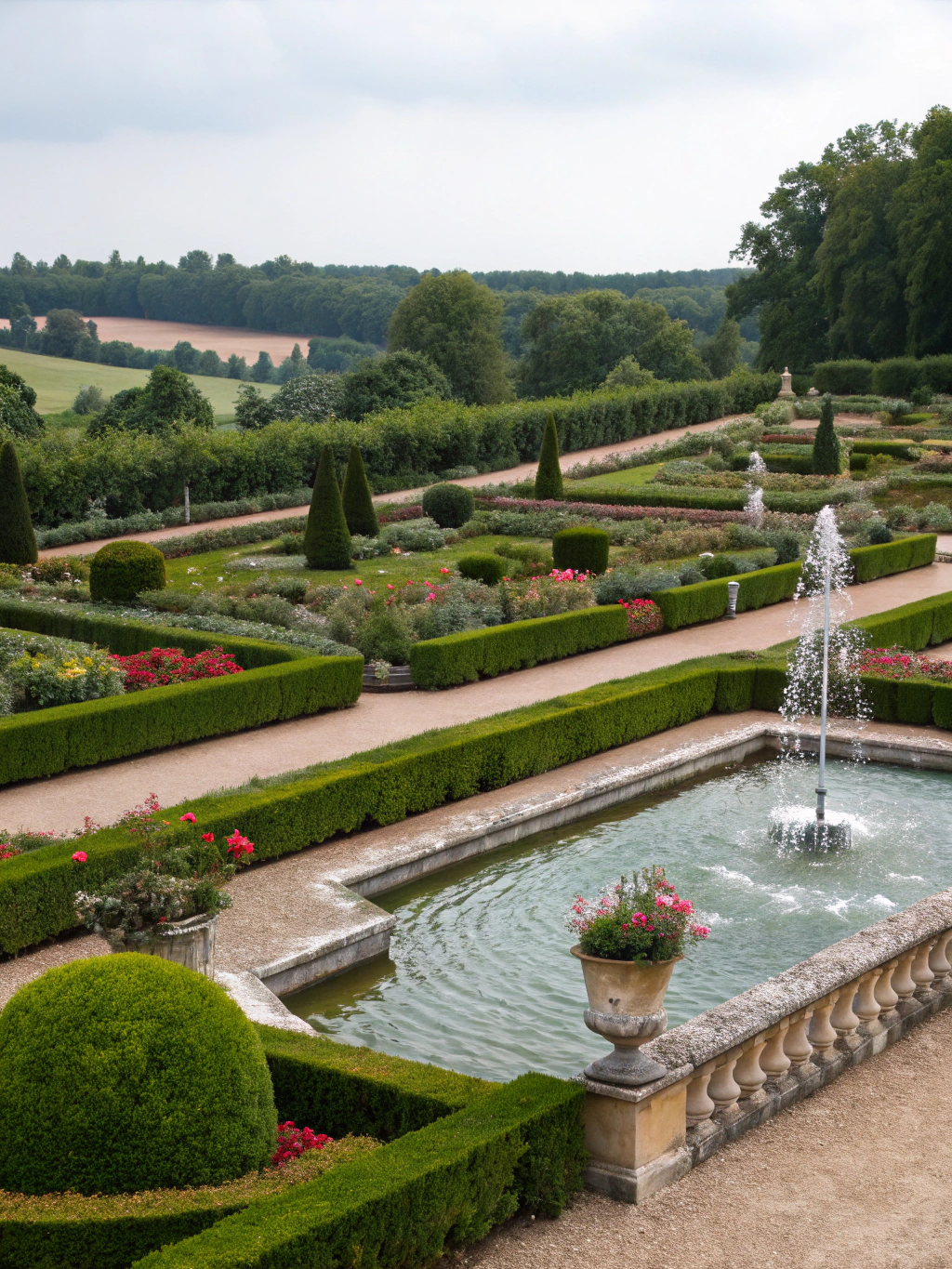
Formal gardens often use fountains or reflecting pools as focal points.
Best Water Features
- Tiered fountains
- Reflecting pools
- Stone water bowls
- Classical fountains
Why It Works
Water adds movement and elegance without disrupting symmetry.
5. Use Geometric Pathways Throughout the Garden
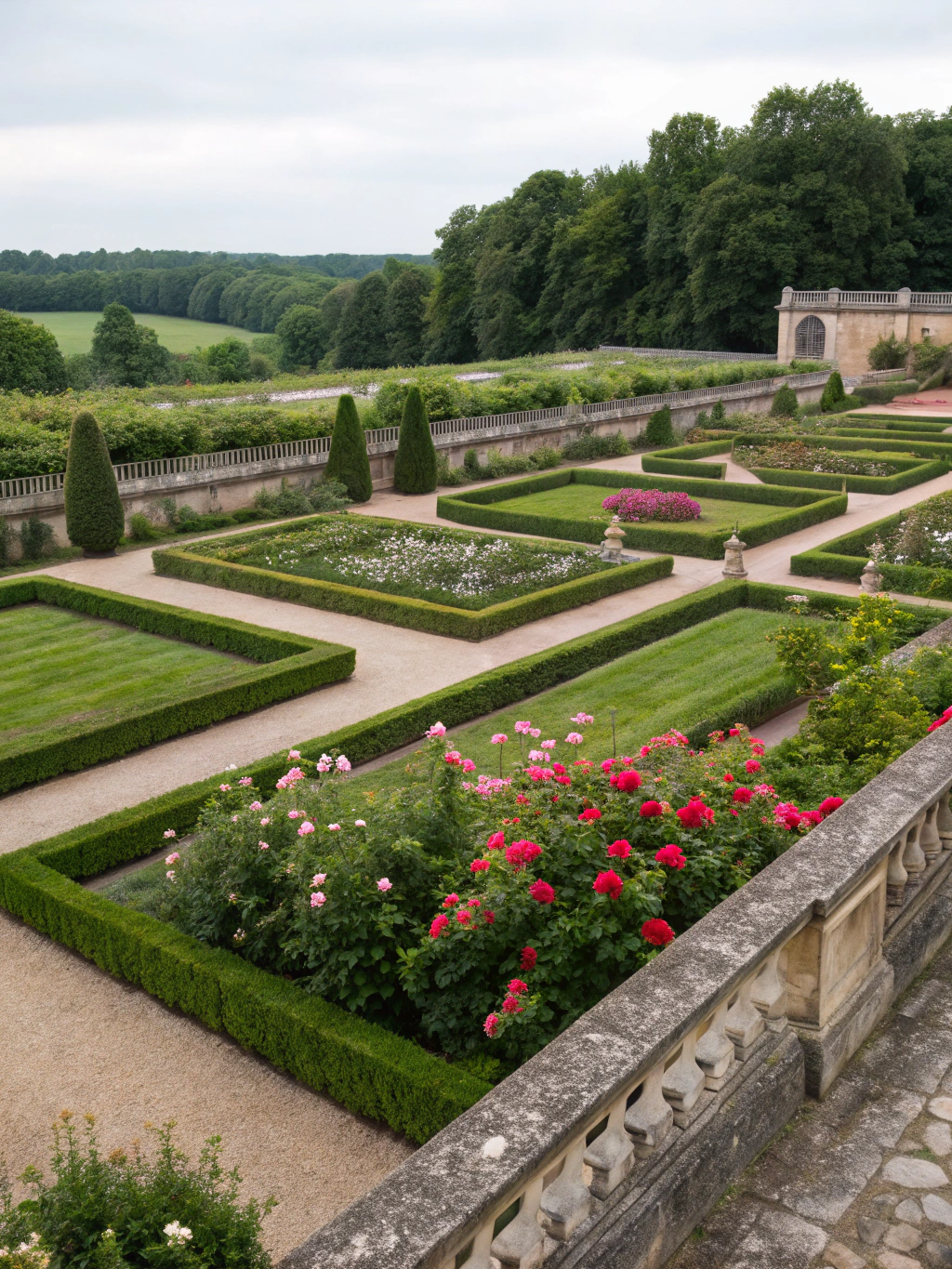
Structured pathways reinforce the clean organization of formal landscapes.
Best Pathway Materials
- Brick
- Gravel
- Limestone
- Concrete pavers
Why It Works
Geometric layouts guide movement while enhancing structure.
6. Create Topiary Accents for Architectural Interest
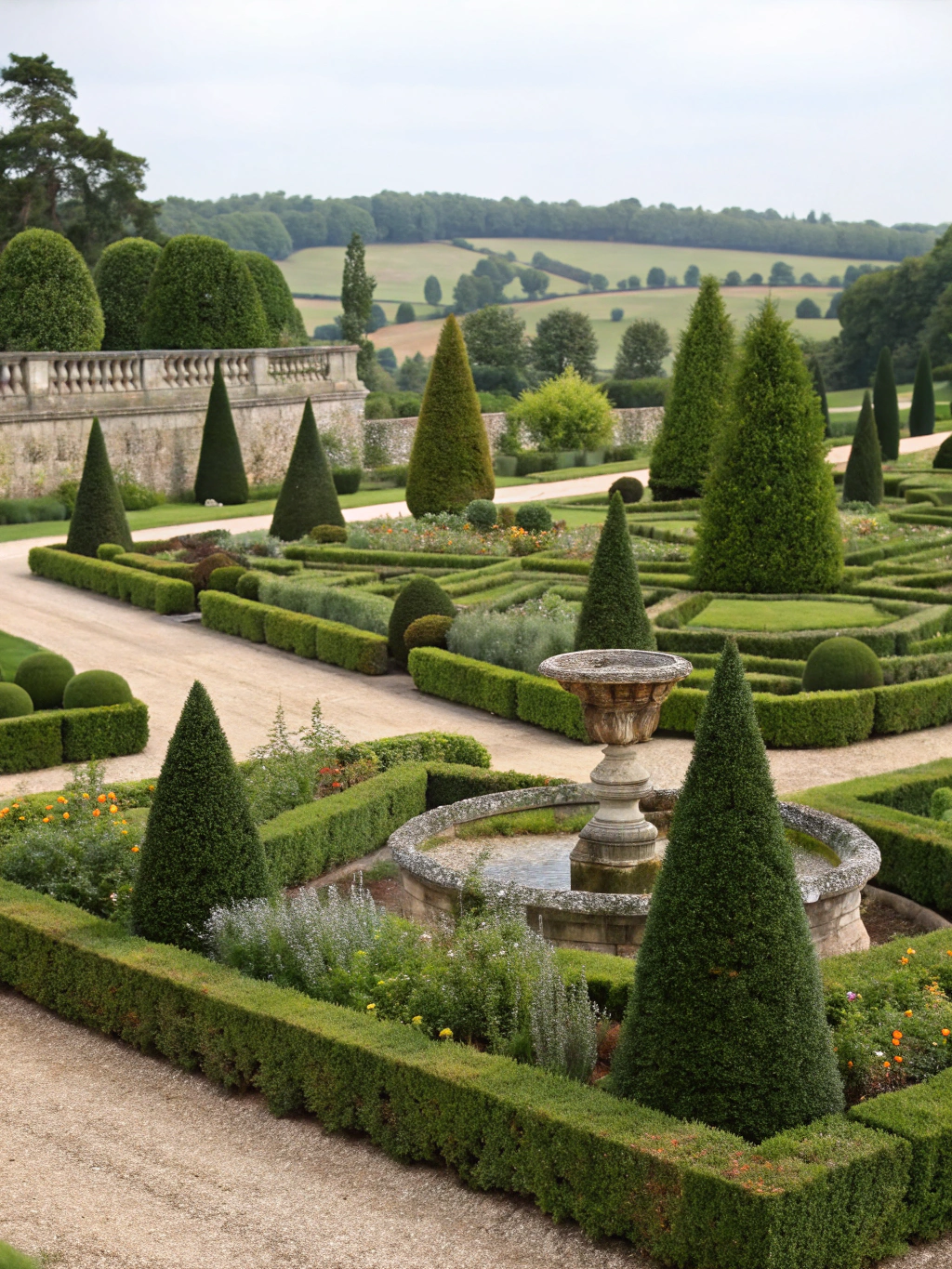
Topiary shrubs create sculptural focal points within formal gardens.
Best Topiary Plants
- Boxwoods
- Yew shrubs
- Holly
- Privet
Why It Works
Shaped greenery reinforces elegance and visual order.
7. Add Roses for Timeless Formal Elegance
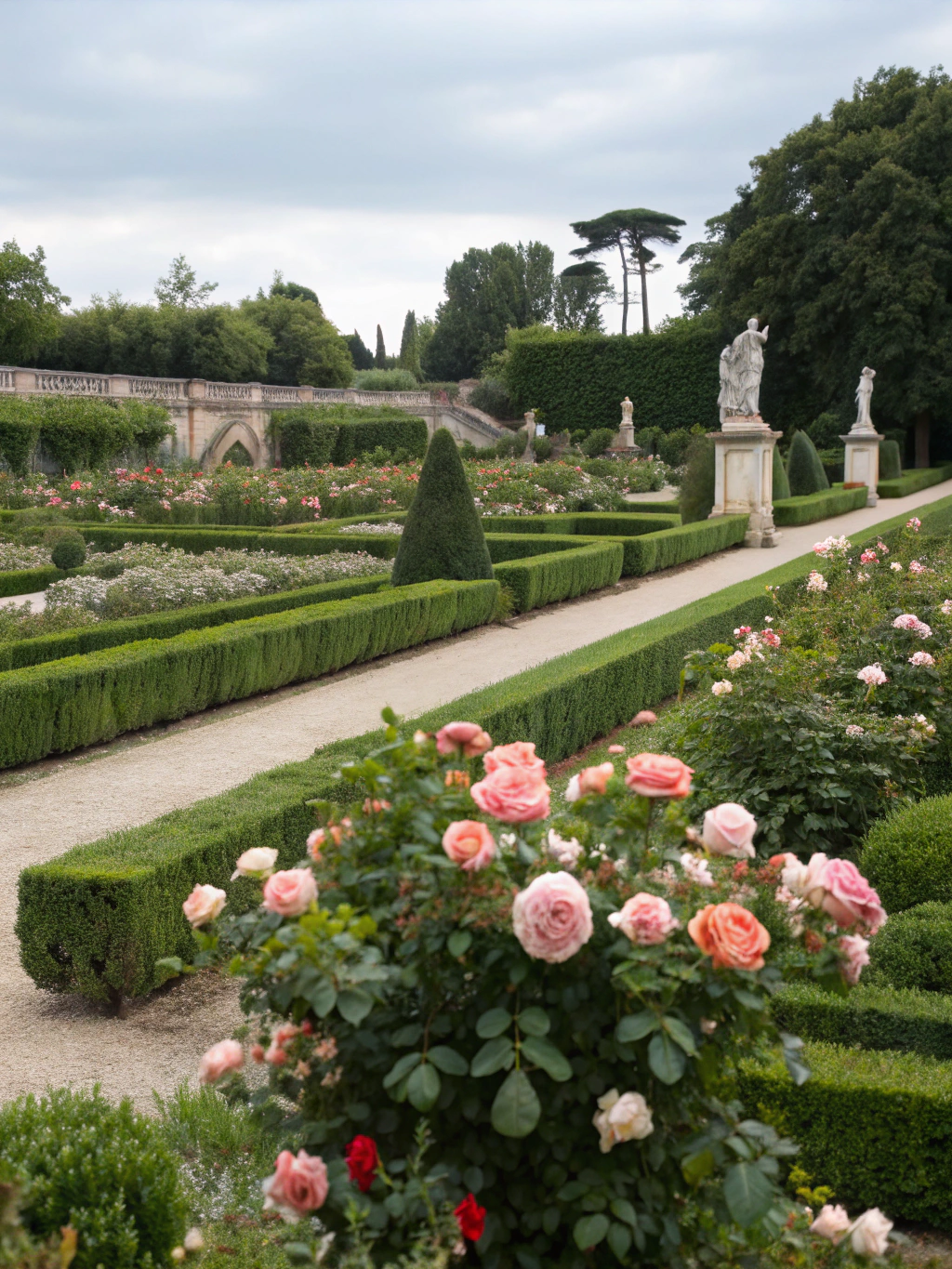
Roses soften structured landscapes while maintaining classic beauty.
Best Formal Rose Varieties
- Hybrid tea roses
- David Austin roses
- Climbing roses
Why It Works
Roses add color, fragrance, and softness to geometric layouts.
8. Create a Formal Entryway Landscape
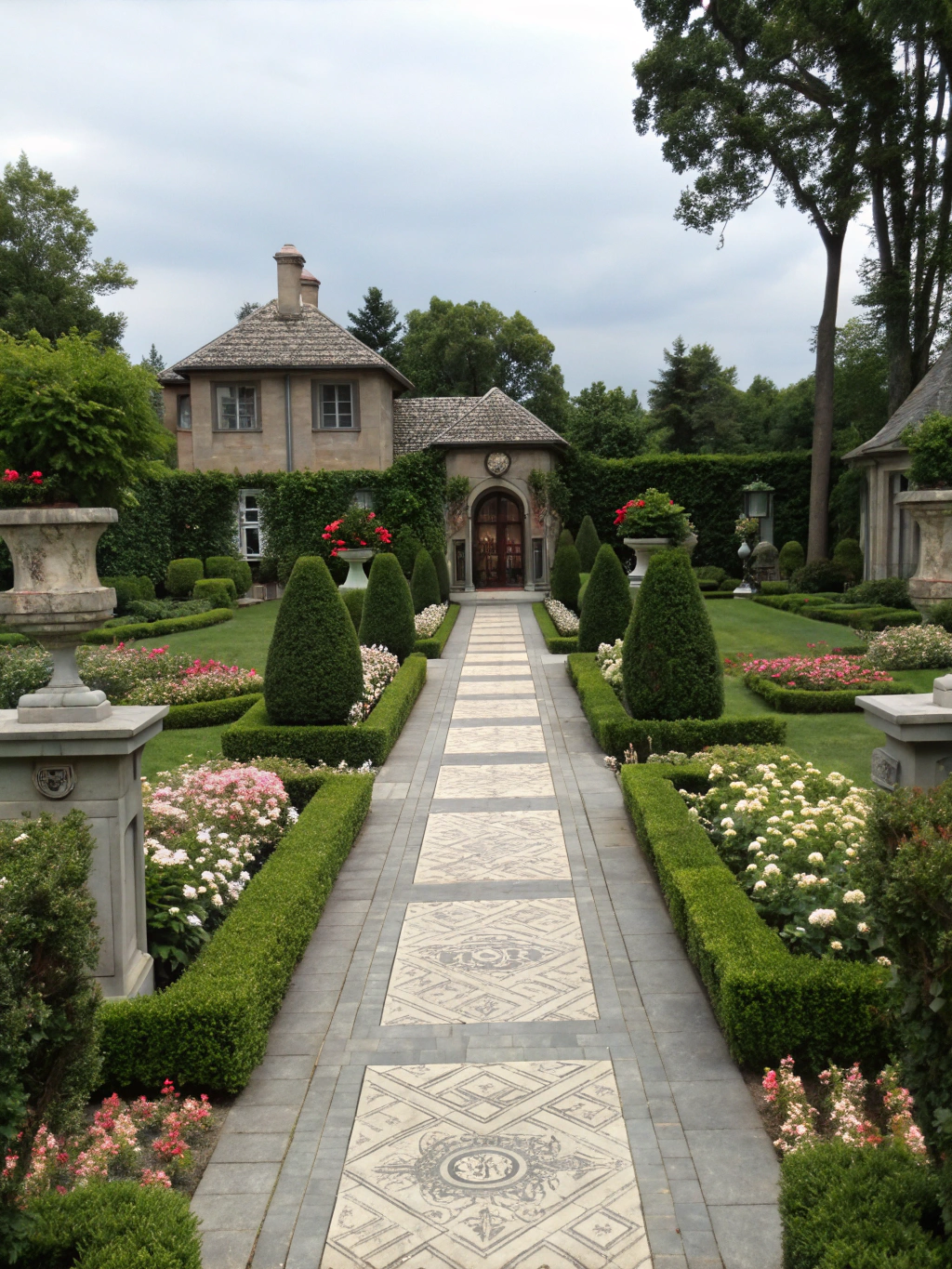
A symmetrical entry garden dramatically improves curb appeal.
Best Entry Features
- Matching planters
- Stone walkways
- Balanced shrubs
- Layered lighting
Why It Works
Formal entryways create a grand and welcoming first impression.
9. Use Raised Stone Borders & Retaining Walls
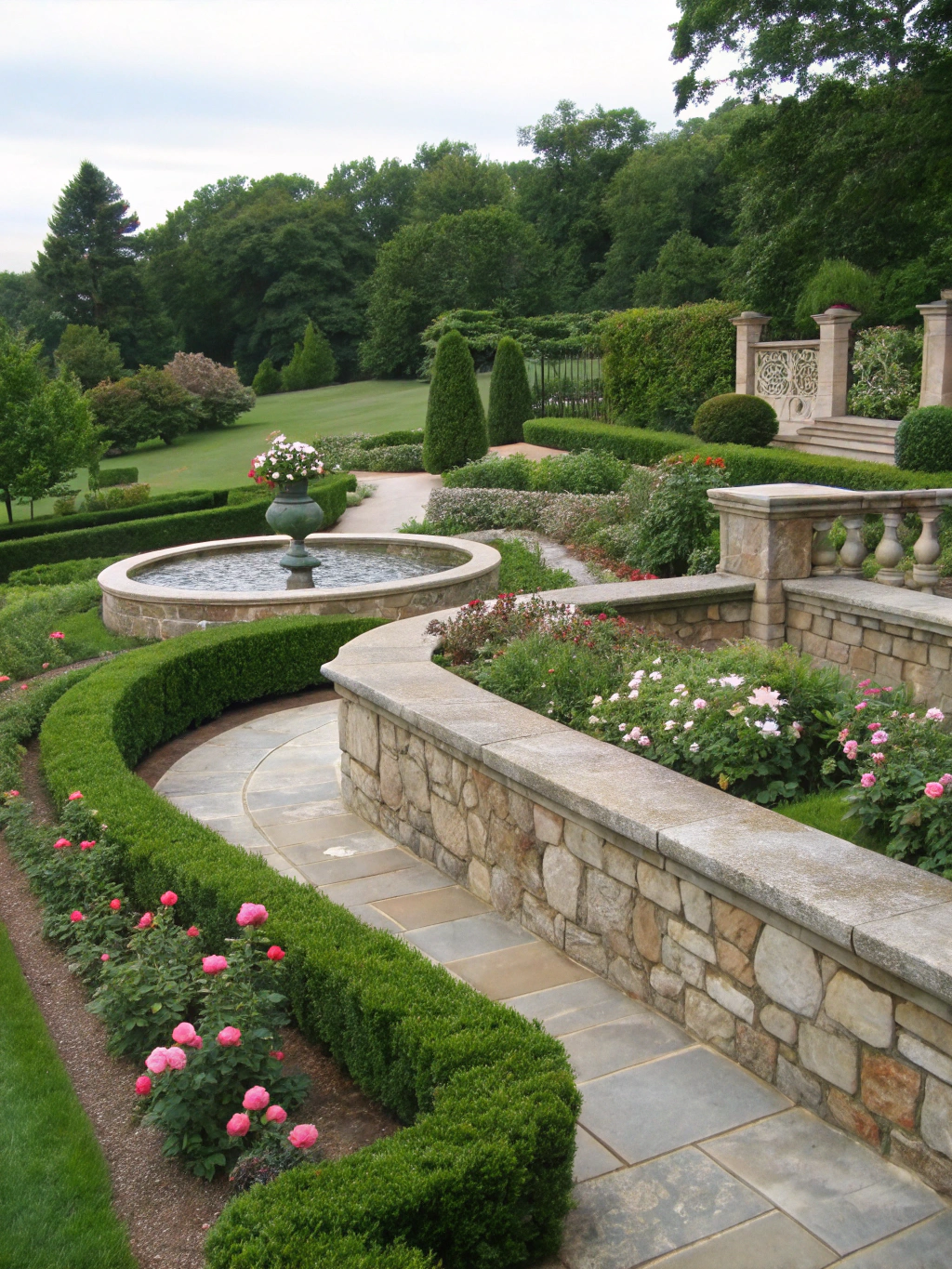
Stone borders help organize formal planting beds.
Best Stone Features
- Raised flower beds
- Garden edging
- Seating walls
- Retaining walls
Why It Works
Stone creates clean definition and timeless texture.
10. Add Outdoor Lighting for Evening Elegance
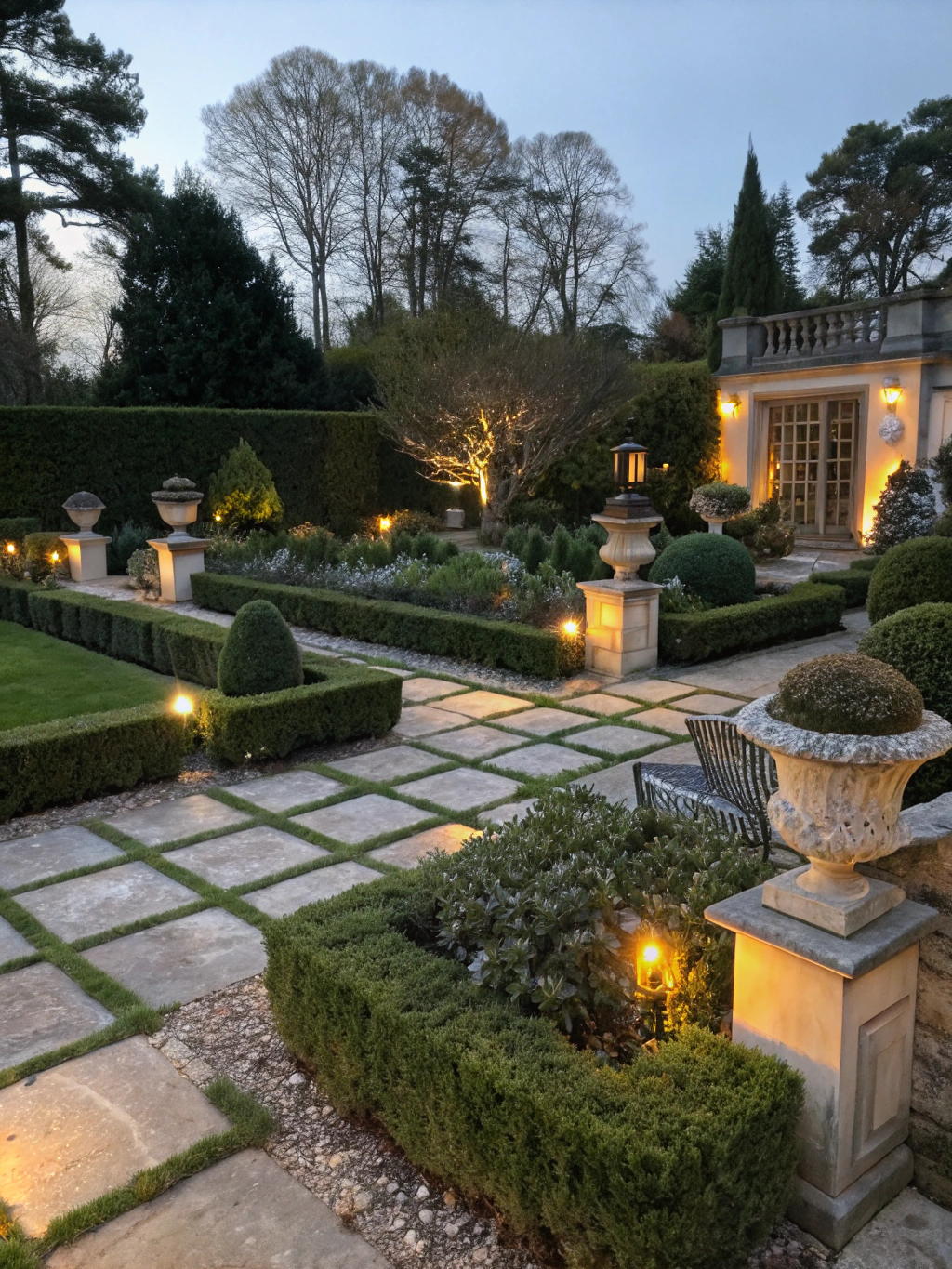
Lighting highlights symmetry and garden structure beautifully after dark.
Best Formal Garden Lighting Ideas
- Pathway lights
- Fountain uplighting
- Lanterns
- Hedge lighting
Why It Works
Lighting enhances depth while creating luxurious nighttime ambiance.
11. Create a Formal Patio with Structured Seating
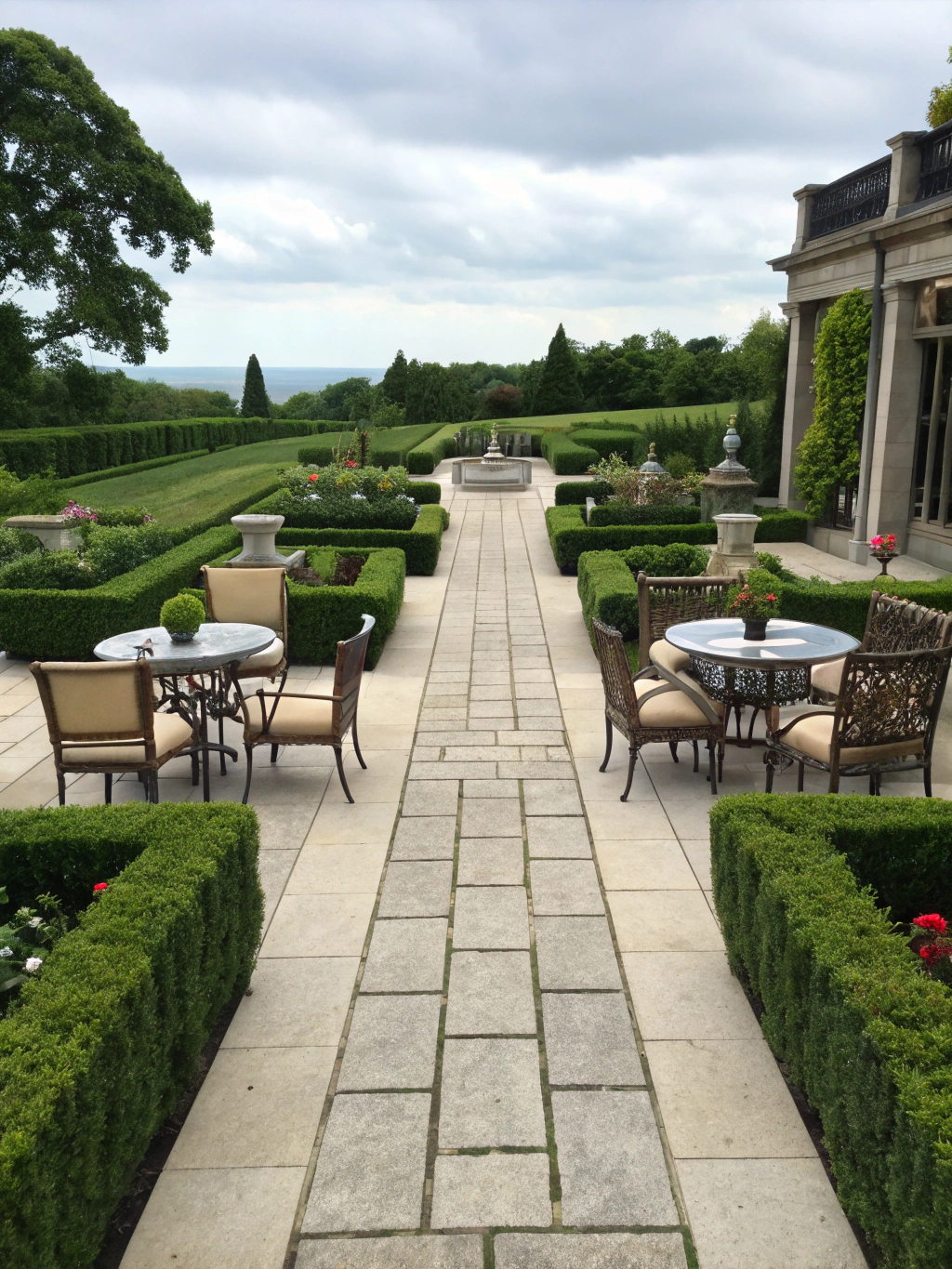
Formal patios extend elegance into outdoor living spaces.
Best Patio Features
- Stone flooring
- Symmetrical seating
- Neutral cushions
- Decorative planters
Why It Works
Structured patios feel sophisticated and cohesive with the landscape.
12. Use Lavender Borders Along Pathways
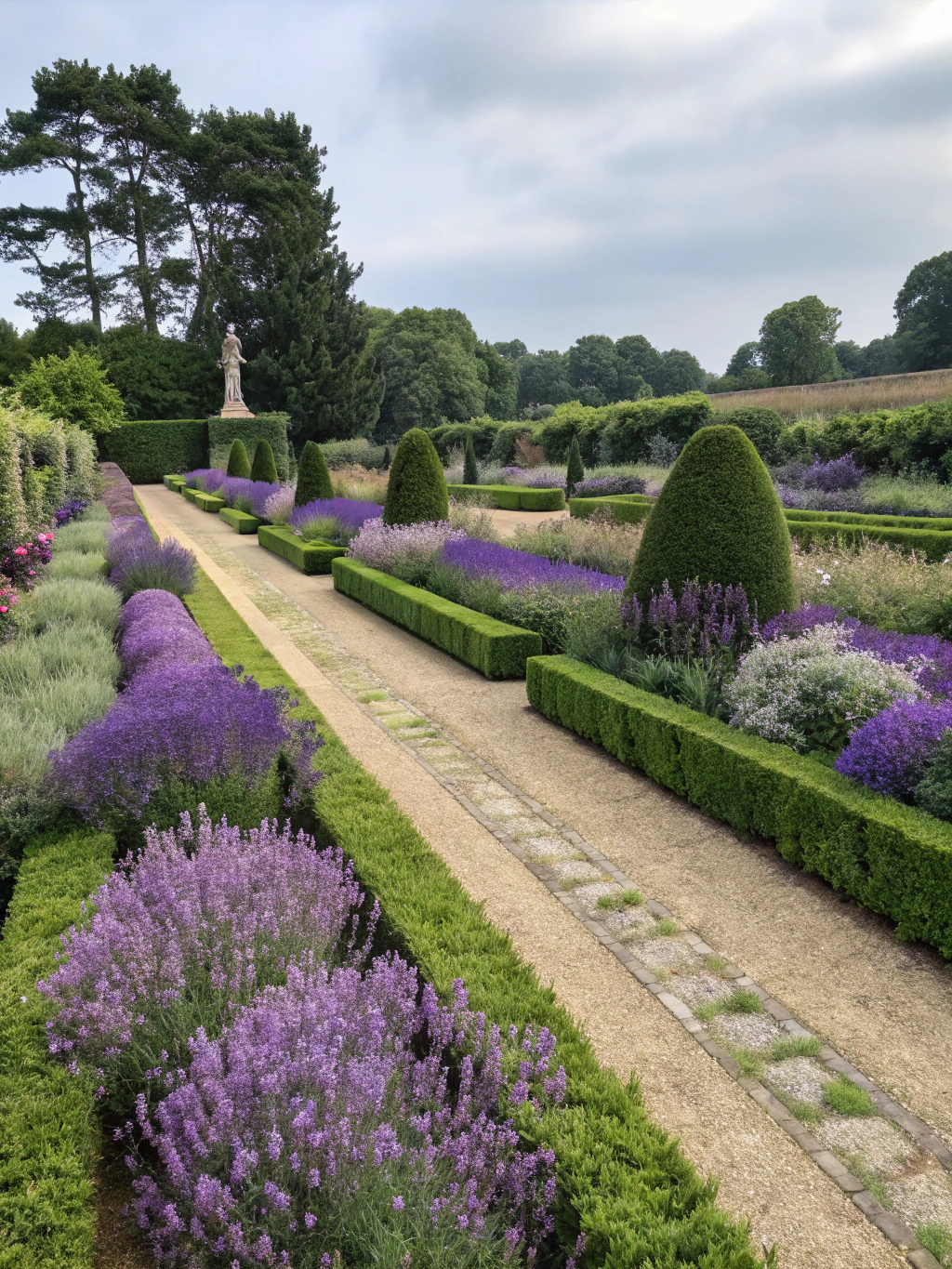
Lavender softens pathways while maintaining organized structure.
Why Homeowners Love Lavender
- Fragrant flowers
- Pollinator-friendly
- Low maintenance
- Elegant texture
Why It Works
Lavender balances formal hardscaping with softer natural texture.
13. Add Ornamental Trees as Focal Points
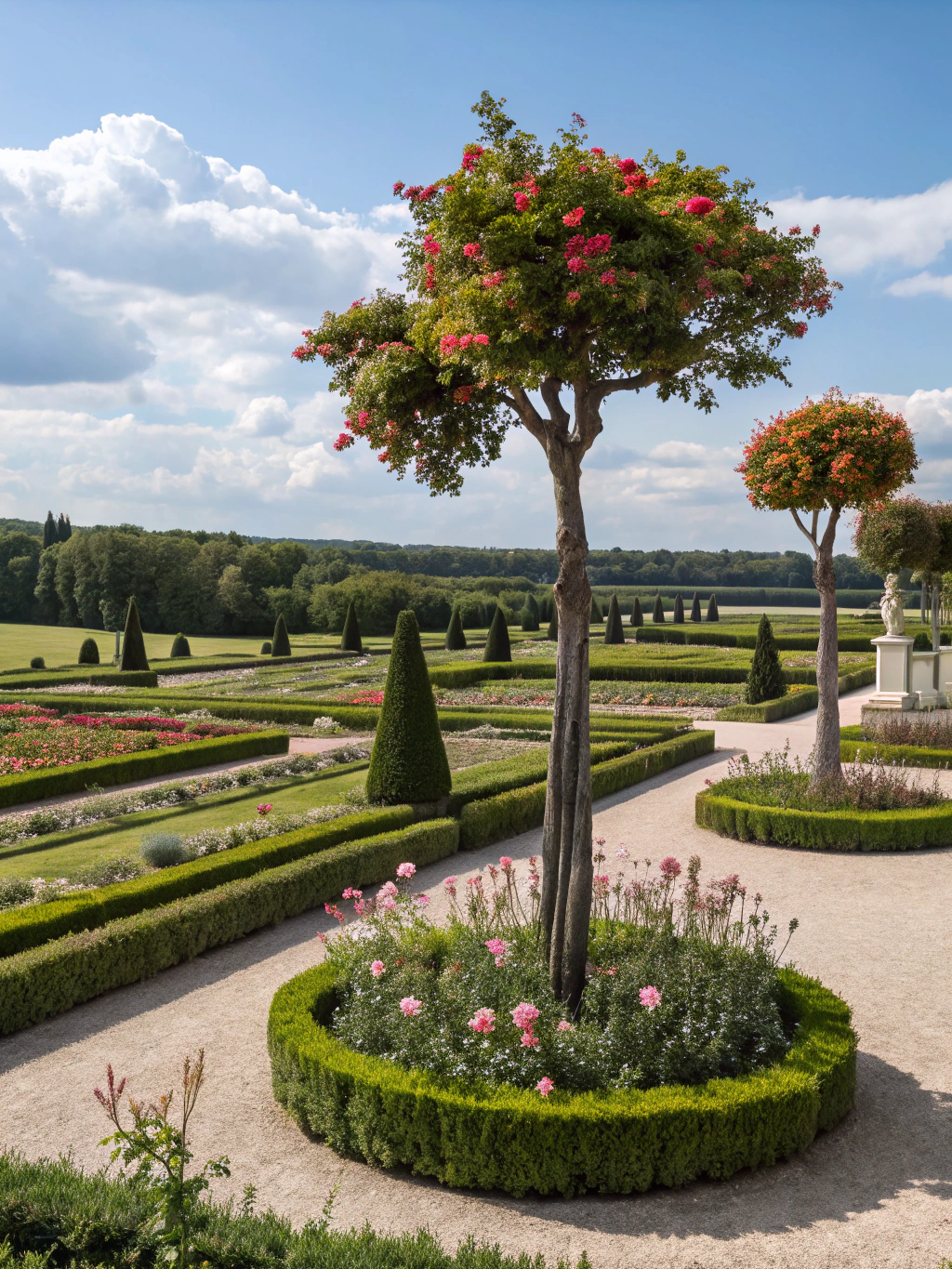
Statement trees create height and architectural structure.
Best Formal Garden Trees
- Italian cypress
- Japanese maple
- Magnolia
- Olive trees
Why It Works
Trees create vertical balance and timeless elegance.
Final Thoughts
Formal garden landscaping creates outdoor spaces that feel elegant, organized, and timeless through symmetry, structure, and carefully balanced design. By combining manicured greenery, geometric pathways, layered lighting, and architectural hardscaping, you can create a landscape that feels luxurious without becoming overwhelming.
Whether you prefer grand European-inspired gardens, formal courtyards, structured front yards, or elegant backyard retreats, the key is consistency and intentional design. With thoughtful symmetry and refined planting choices, formal gardens create sophisticated outdoor environments that remain beautiful year after year.
FAQs
What is a formal garden?
A formal garden is a structured landscape design style that emphasizes symmetry, geometric layouts, manicured hedges, and organized planting.
What plants work best in formal gardens?
Boxwoods, roses, lavender, hydrangeas, topiary shrubs, and ornamental trees are popular formal garden plants.
How do you make a garden look formal?
Use symmetrical layouts, geometric pathways, structured hedges, repeated plant patterns, and architectural hardscaping.
Are formal gardens high maintenance?
Formal gardens usually require moderate to high maintenance because hedges and structured plants need regular trimming and upkeep.
What materials work best in formal landscaping?
Natural stone, gravel, brick, limestone, and wrought iron are classic materials used in formal garden design.
Can formal gardens work in small spaces?
Yes, small courtyards and compact backyards can look especially elegant with formal landscaping because symmetry creates a clean and organized appearance.