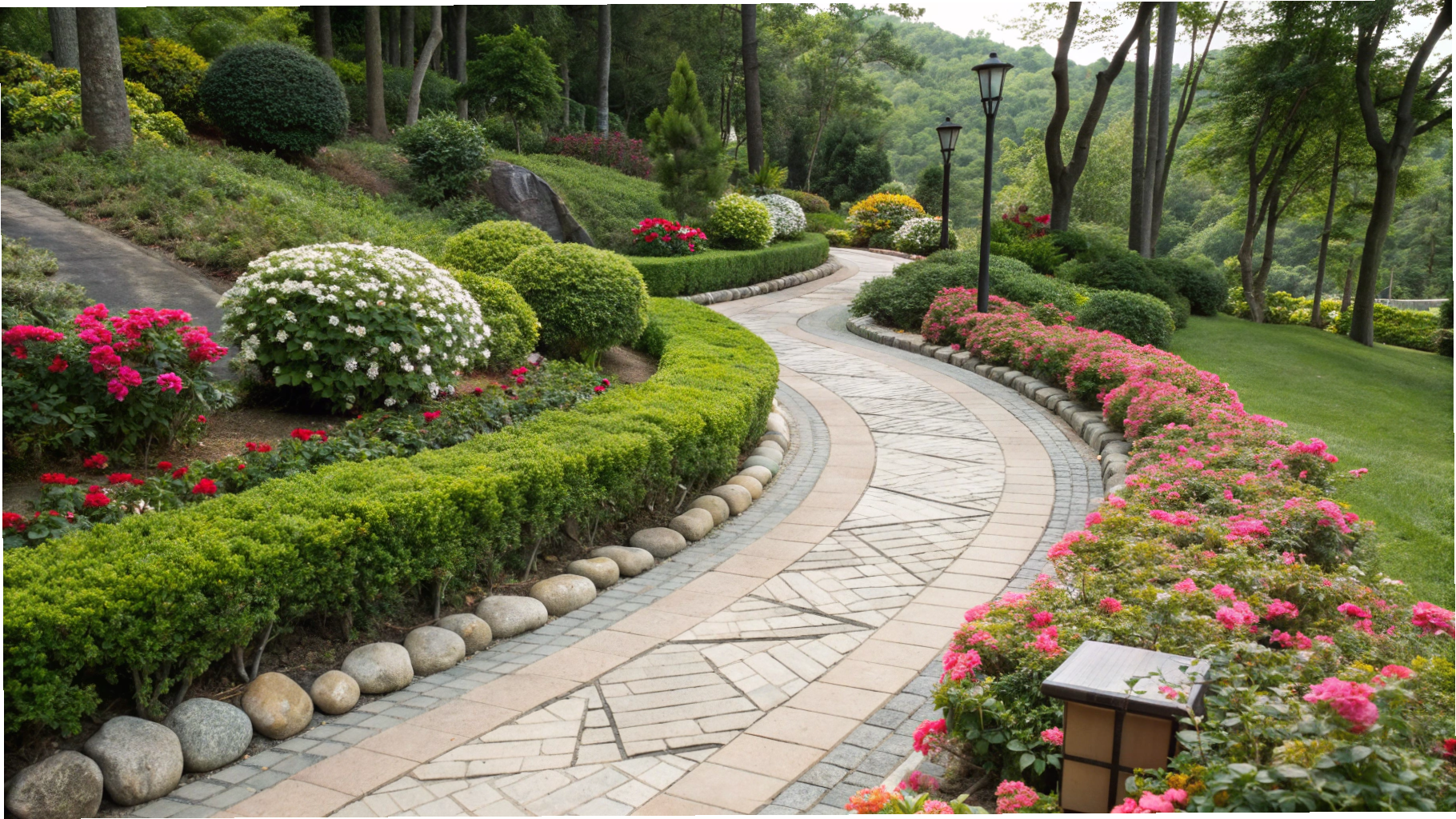
16+ Beautiful Curved Pathway Landscaping Ideas
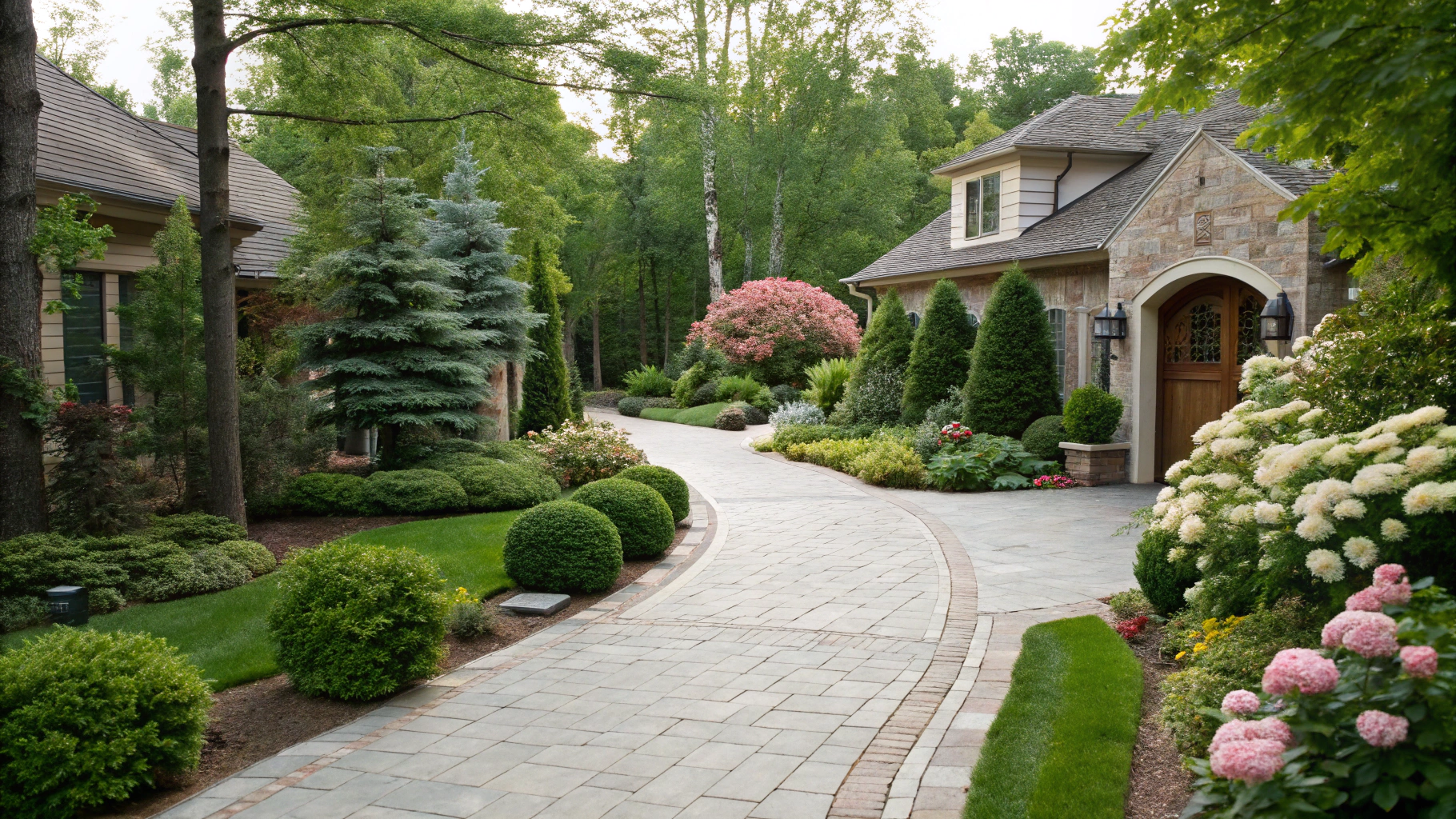
Curved pathways instantly make a landscape feel more elegant, natural, and inviting by guiding the eye gently through the garden instead of creating harsh straight lines. Whether winding through flower beds, connecting outdoor living areas, or leading to cozy backyard retreats, curved walkways create movement and softness that dramatically improve the overall flow of a landscape.
From rustic stone garden trails and modern minimalist walkways to woodland-inspired paths and Mediterranean-style designs, these beautiful curved pathway landscaping ideas will help you create outdoor spaces that feel both functional and visually stunning.
Why Curved Pathways Make Landscapes Look Better
Curved walkways create a more relaxed and organic appearance compared to straight pathways.
Benefits of curved pathways include:
Love Chic Living Club?
Add us as one of your preferred Google sources and discover more home decor, DIY, outdoor, and lifestyle inspiration from us.
- Softens harsh landscape lines
- Makes gardens feel larger
- Creates visual movement
- Improves landscape flow
- Adds elegance and charm
- Encourages exploration through the garden
Curved paths also help landscapes feel more layered and natural, especially in gardens with plants, trees, and outdoor seating areas.
Best Materials for Curved Garden Pathways
| Material | Best For | Benefit |
| Flagstone | Rustic gardens | Natural organic shape |
| Gravel | Low-maintenance paths | Affordable and flexible |
| Brick | Traditional landscapes | Timeless appearance |
| Concrete Pavers | Modern designs | Clean and durable |
| Mulch | Woodland trails | Soft natural texture |
How to Design a Beautiful Curved Pathway
Avoid Tight Sharp Turns
Gentle curves feel more natural and visually pleasing.
Use Planting Borders
Flowers, grasses, and shrubs soften pathway edges beautifully.
Vary the Width Slightly
Subtle width changes create a more organic appearance.
Add Lighting Along the Curve
Lighting highlights movement and improves nighttime ambiance.
1. Create a Natural Flagstone Curved Path
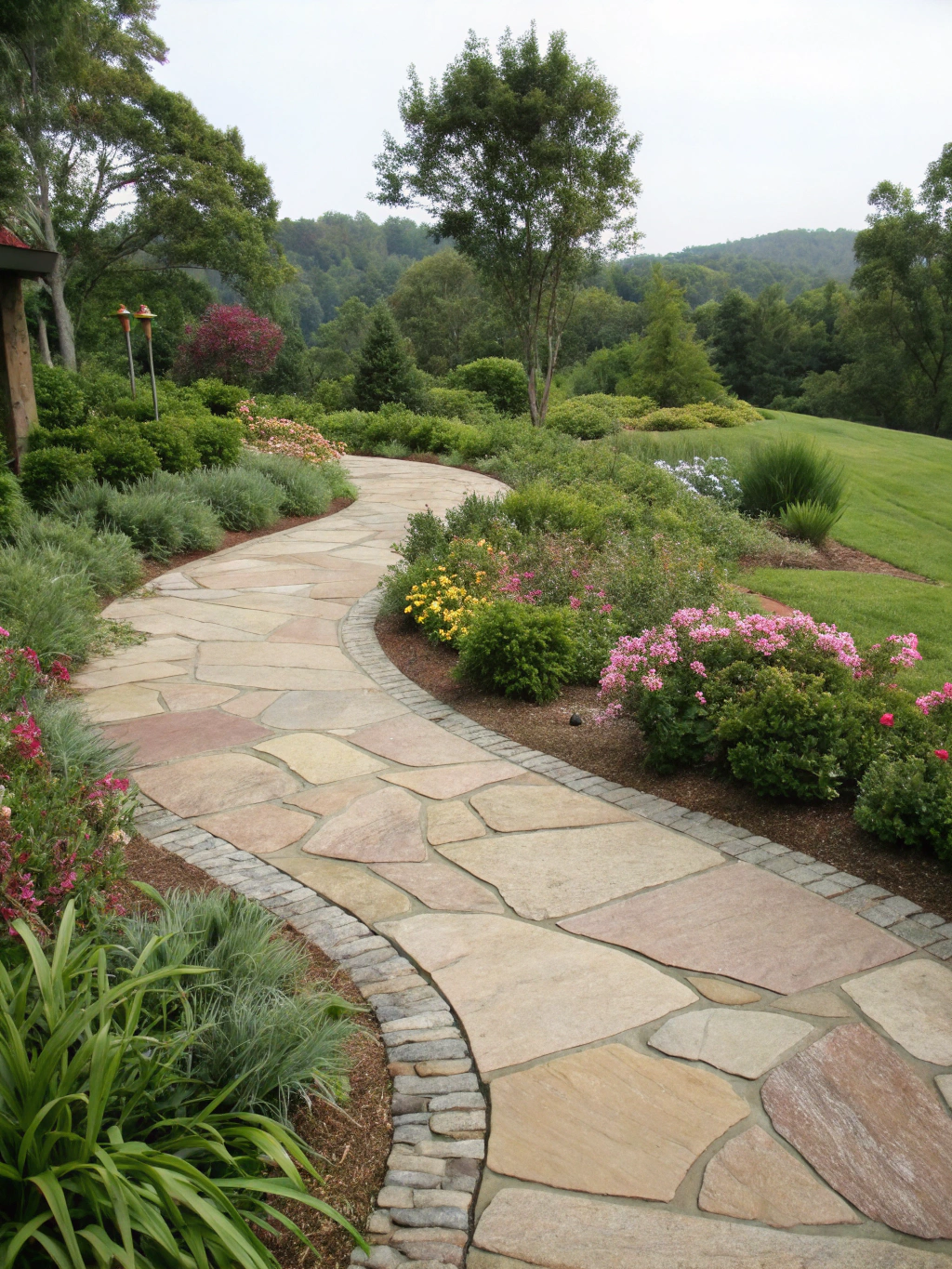
Flagstone paths create timeless organic beauty in gardens.
Best Features
- Irregular stone shapes
- Moss or gravel joints
- Soft planting borders
Why It Works
- Blends naturally into landscapes
- Creates relaxed movement
- Adds rustic elegance
Design Tip
Allow small gaps between stones for creeping ground cover plants.
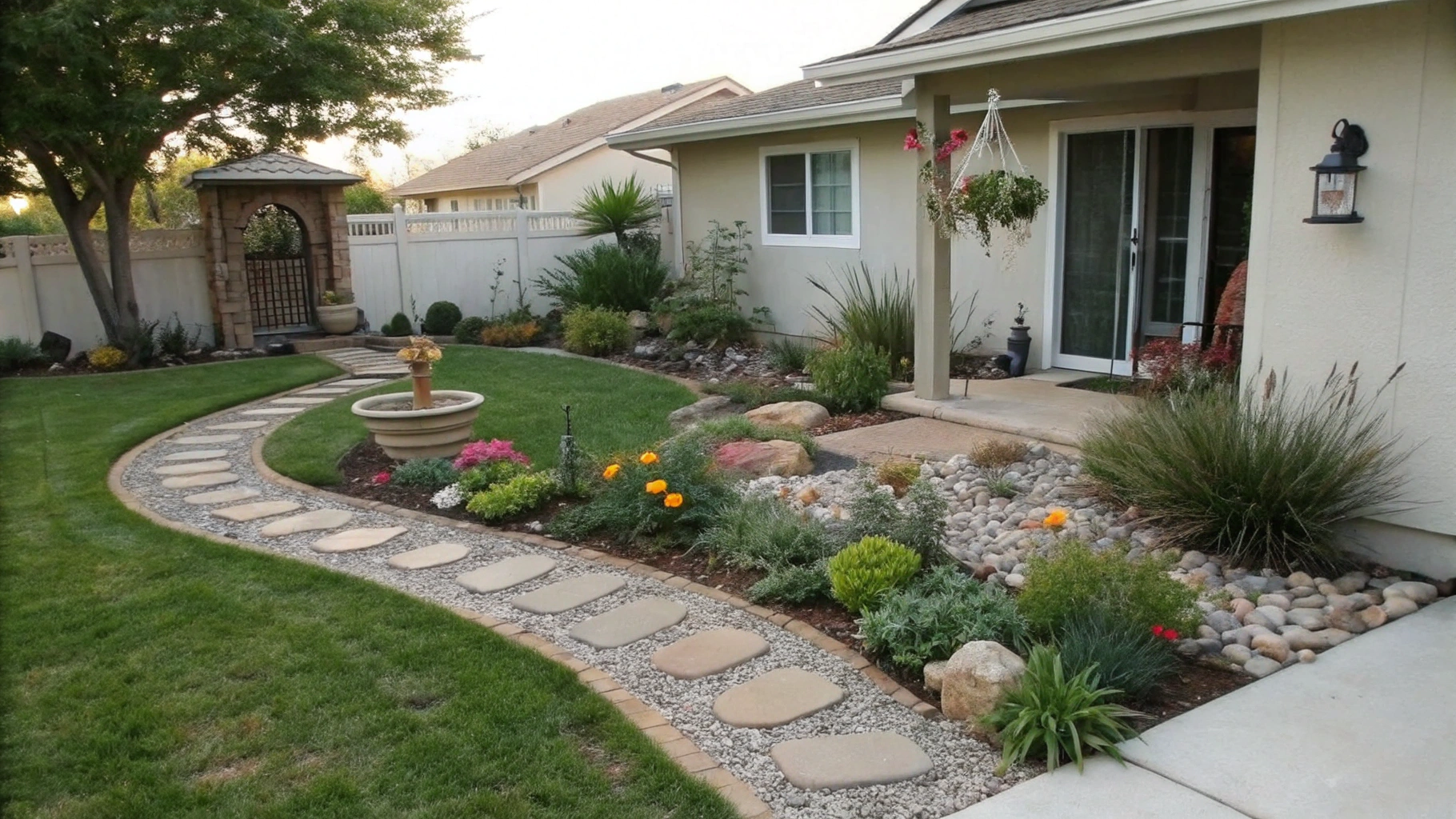
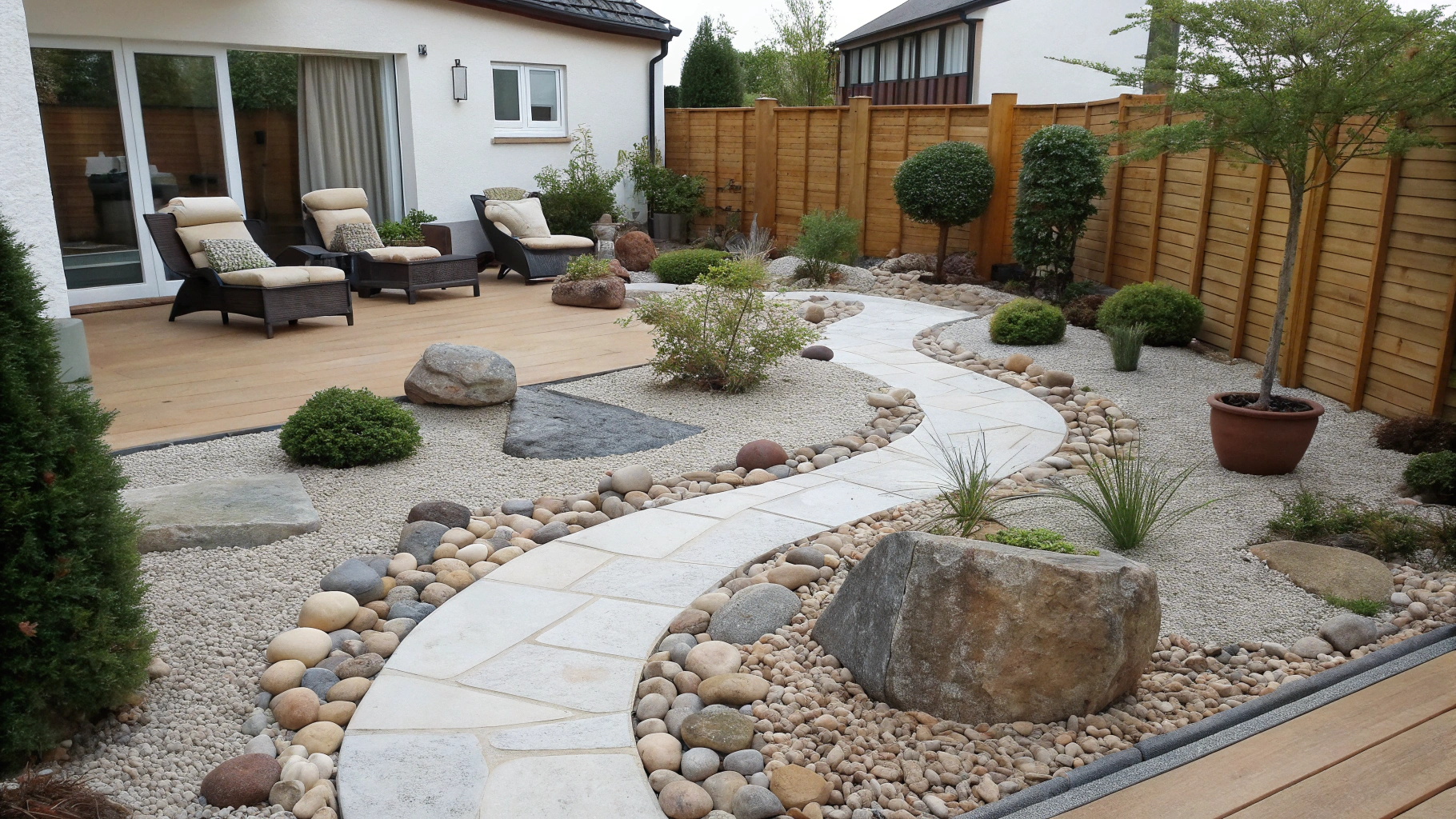
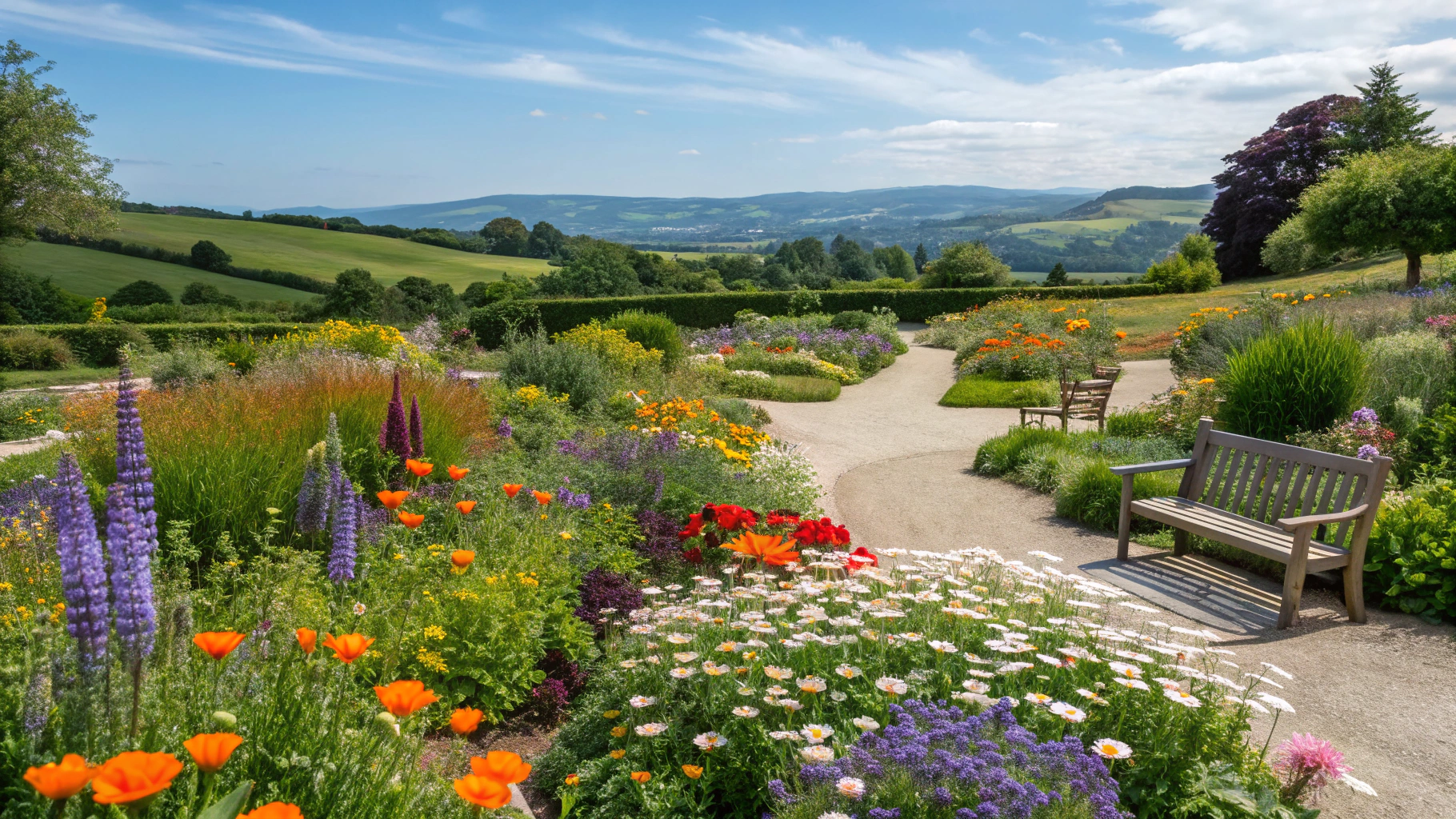
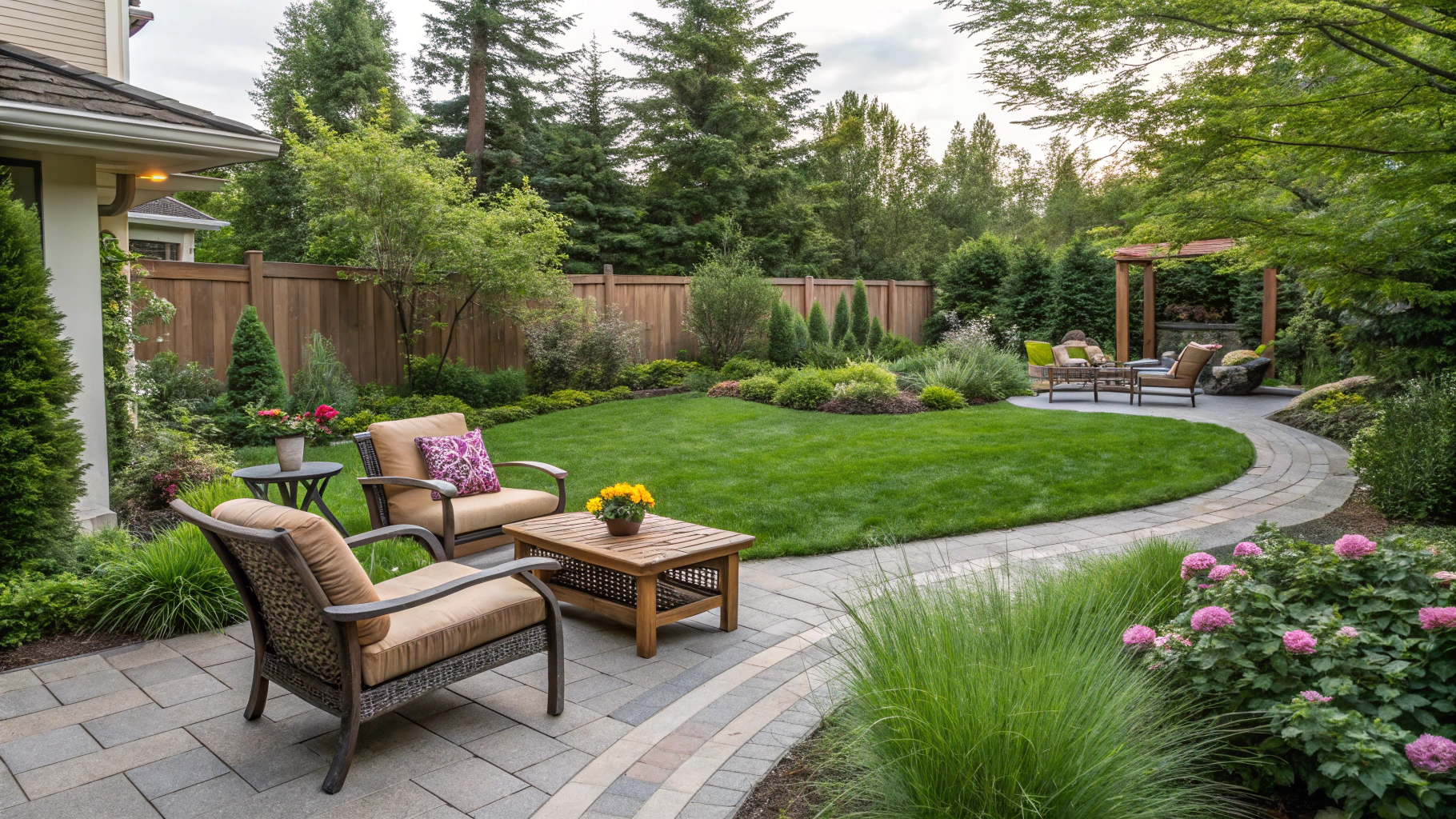
2. Add Curved Gravel Walkways Through Garden Beds
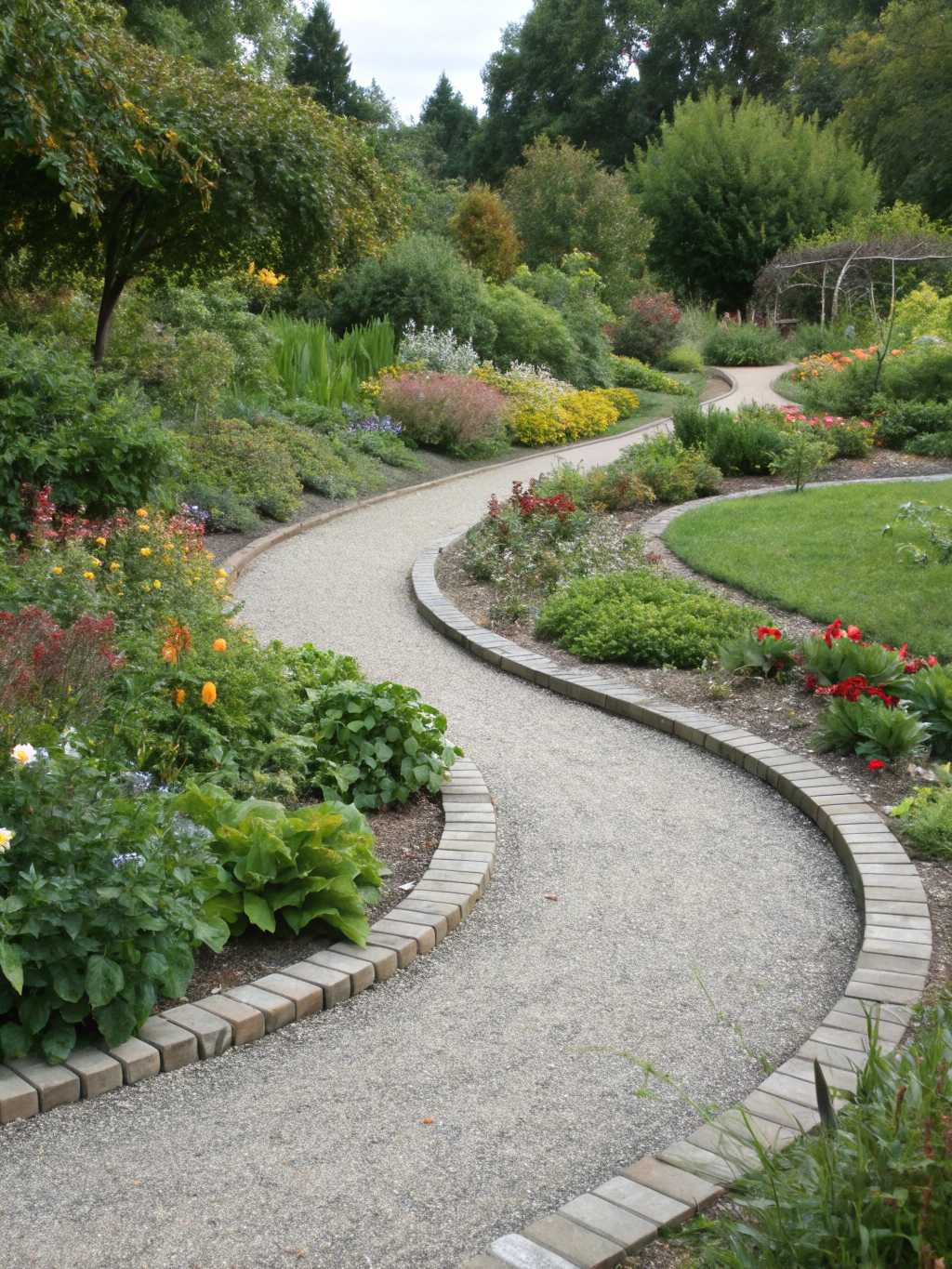
Gravel pathways feel soft and effortless in natural landscapes.
Best Gravel Types
- Pea gravel
- Crushed granite
- Limestone gravel
Why Homeowners Love It
- Budget-friendly
- Easy to install
- Great drainage
Best Pairings
- Lavender borders
- Ornamental grasses
- Stone edging
3. Create a Curved Brick Garden Path
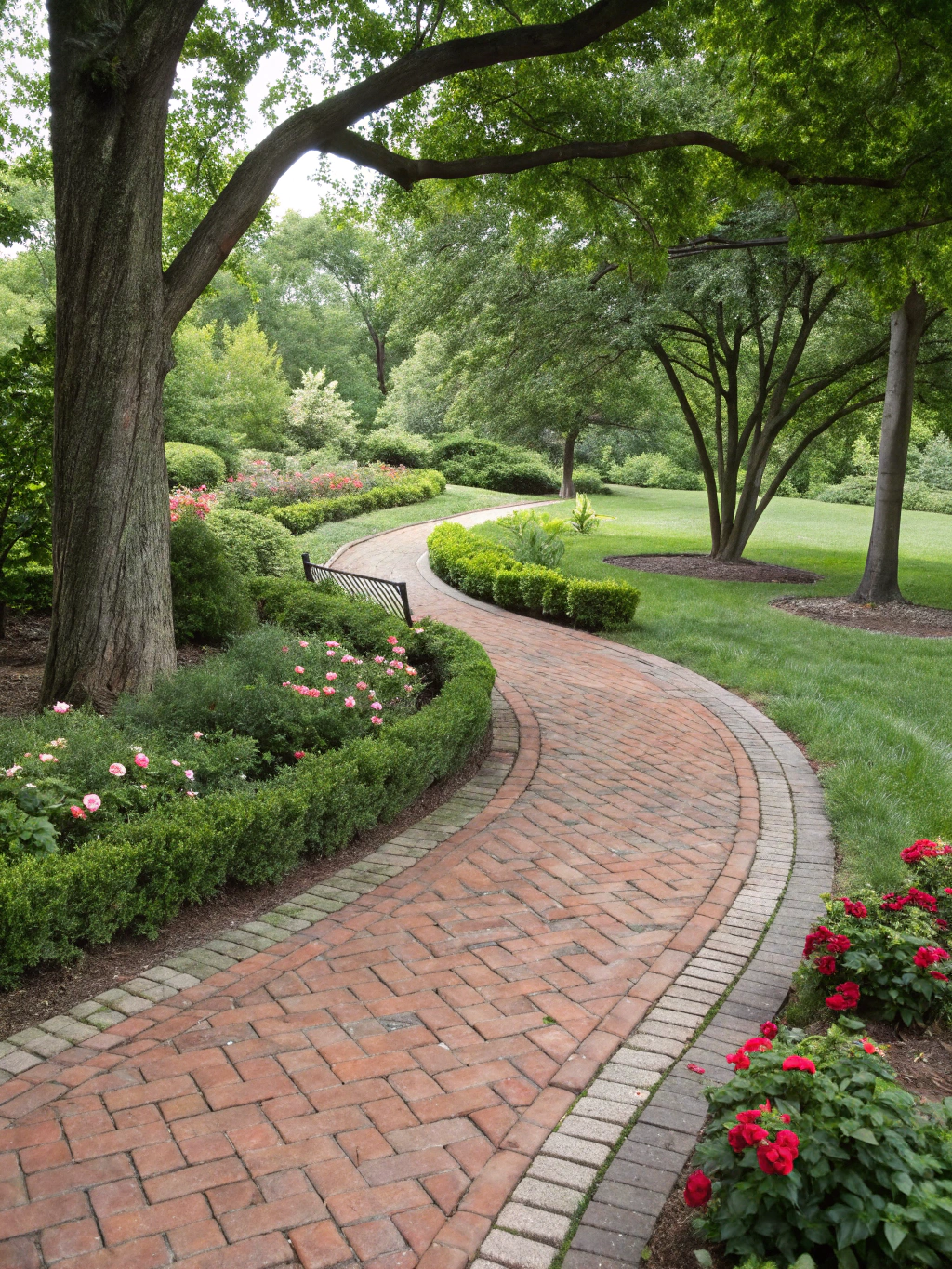
Brick pathways add warmth and classic character.
Best Brick Features
- Herringbone patterns
- Aged brick texture
- Curved edging layouts
Why It Works
Brick curves create a timeless cottage-style appearance.
You May Also Love
4. Add Curved Pathways Around Flower Beds
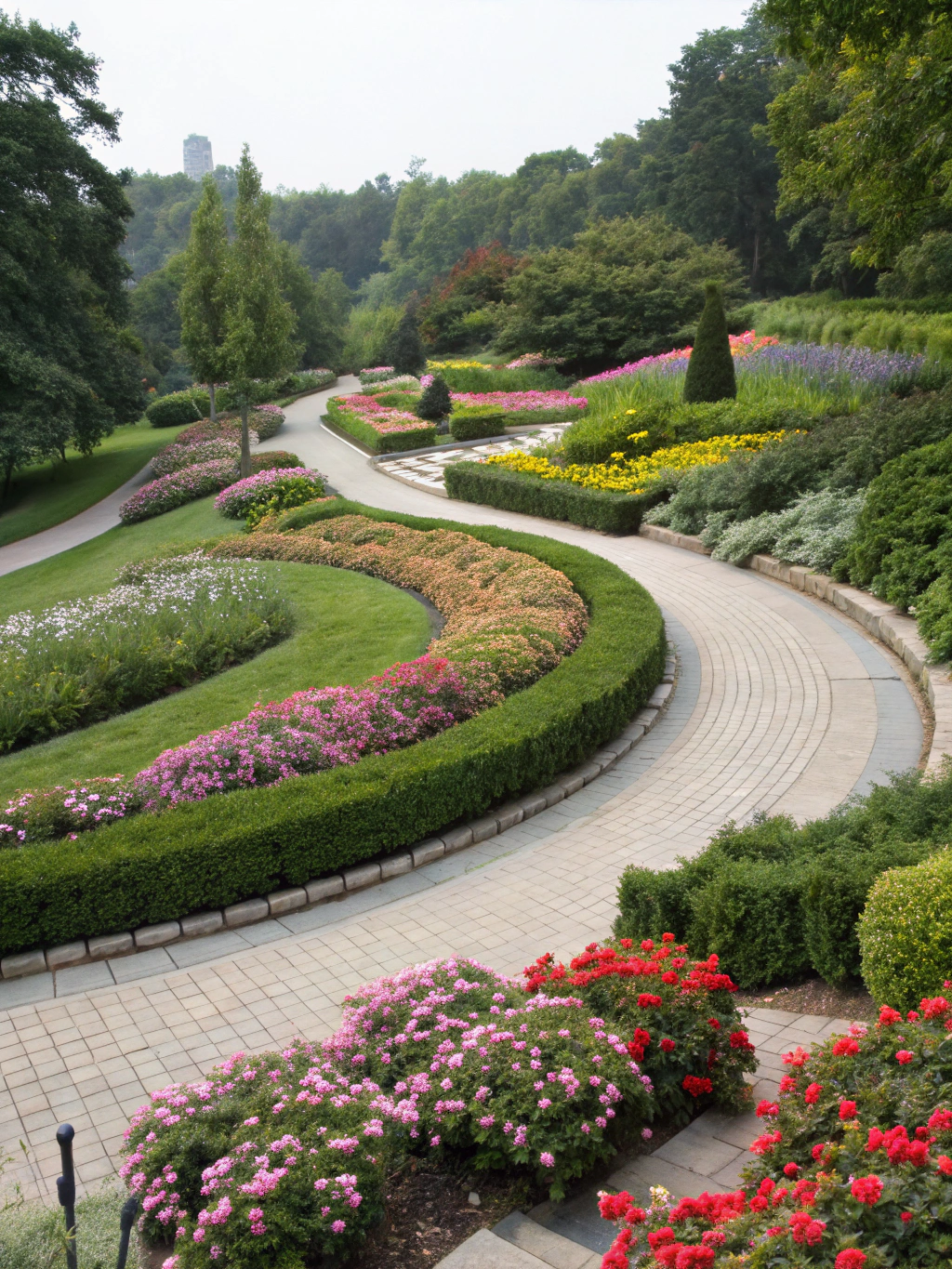
Soft curves make flower gardens feel more layered and dynamic.
Best Flower Bed Pairings
- Perennials
- Hydrangeas
- Lavender
- Roses
Why It Works
Curved borders create more natural planting flow.
5. Create a Woodland Curved Pathway
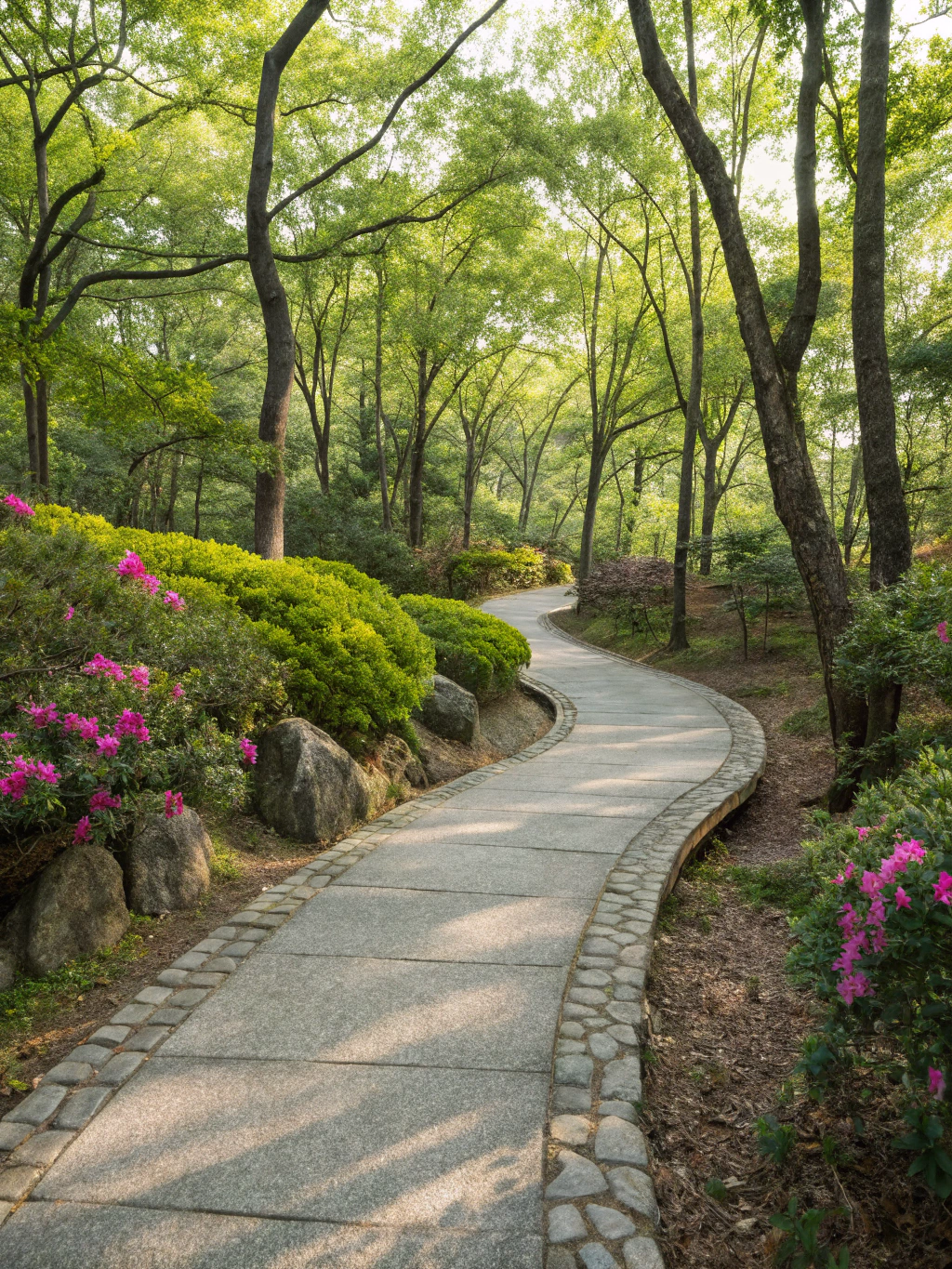
Woodland trails feel peaceful and immersive.
Best Woodland Features
- Mulch pathways
- Fern borders
- Moss accents
- Tree canopy
Why It Works
Curving woodland paths create a storybook garden atmosphere.
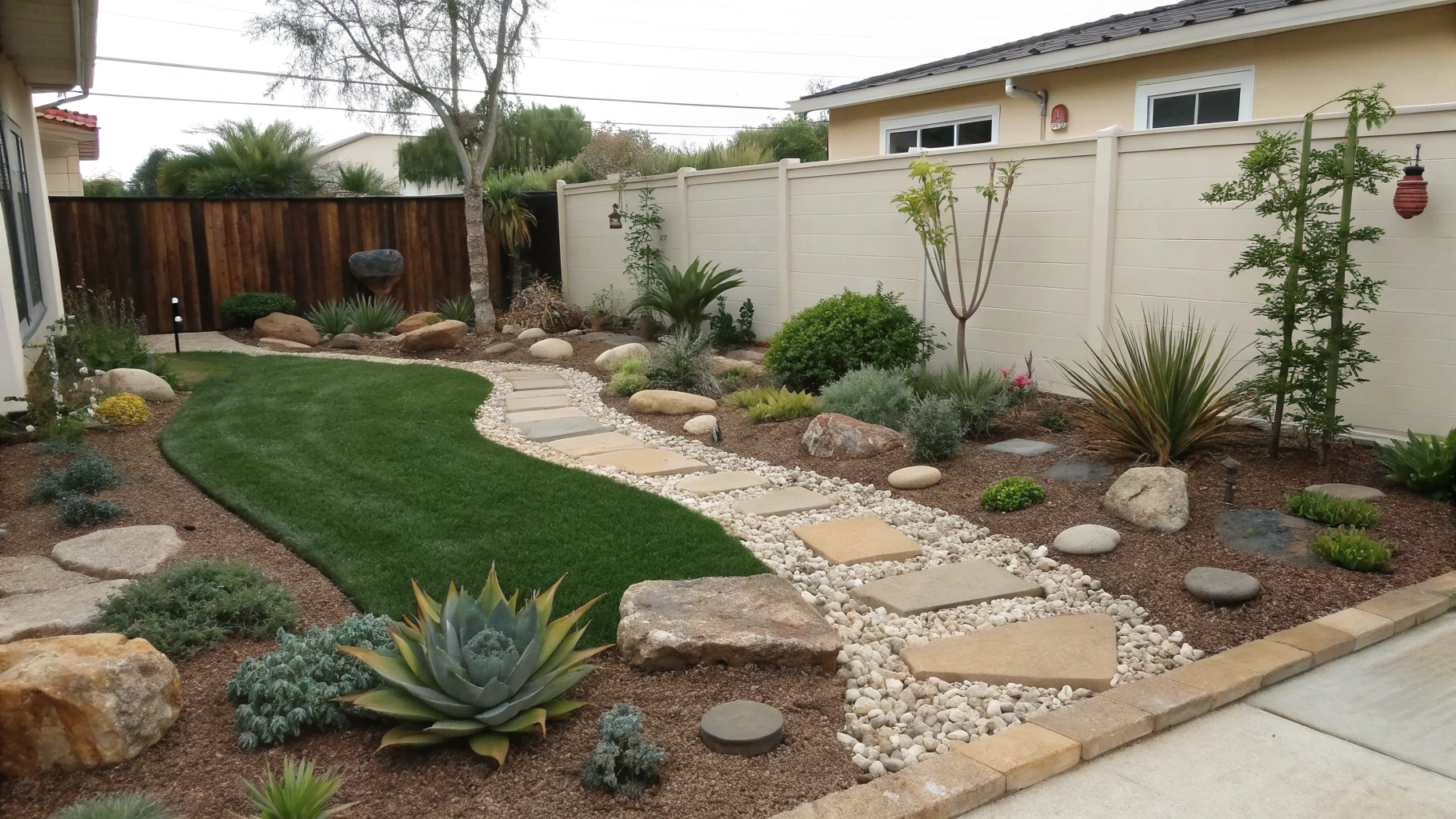
6. Add Stepping Stones Along a Curved Lawn Path
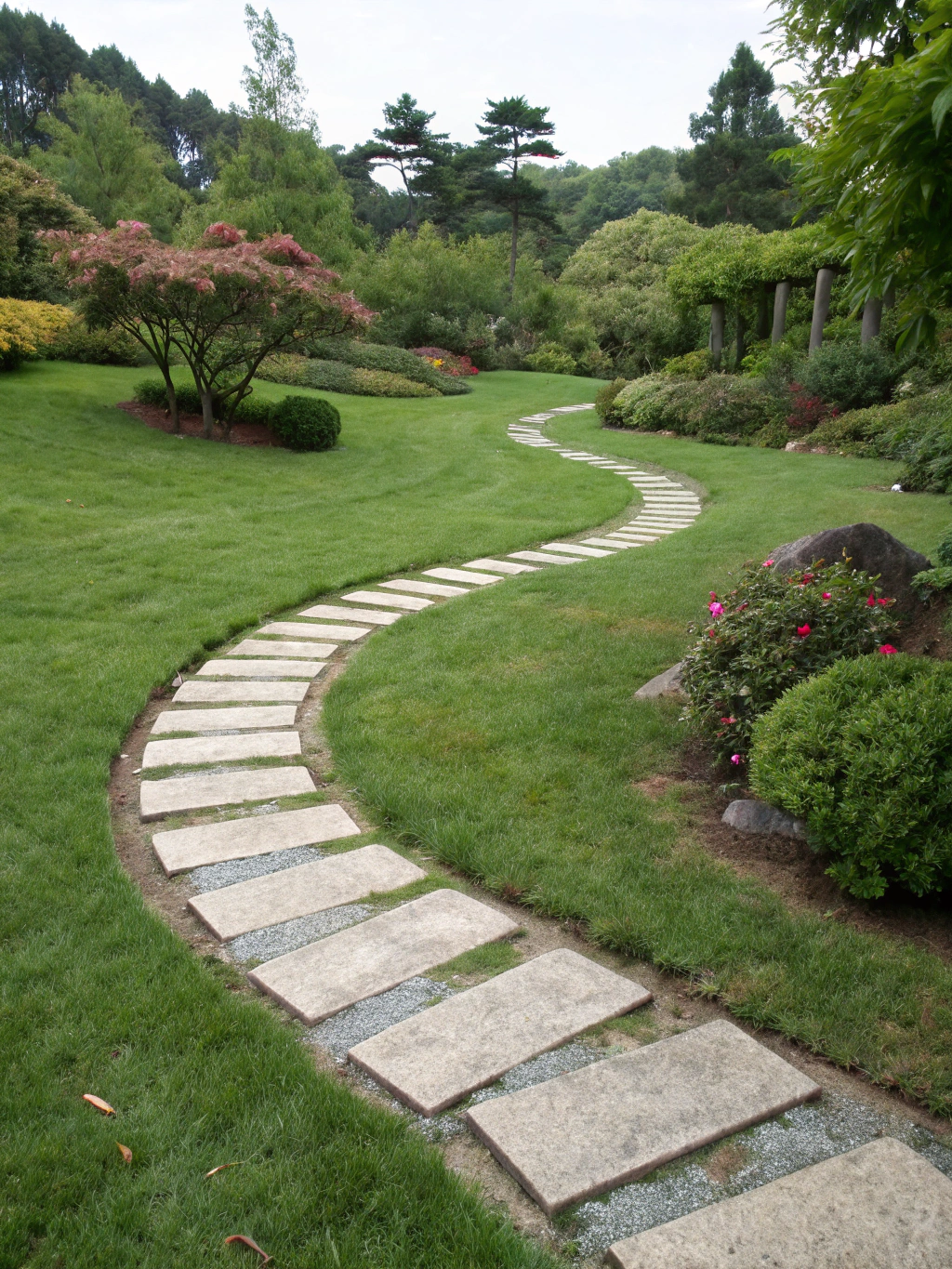
Stepping stones create visual rhythm and movement.
Best Stepping Stone Materials
- Slate
- Concrete slabs
- Natural stone
Why It Works
Individual stones feel lighter and more natural than solid pathways.
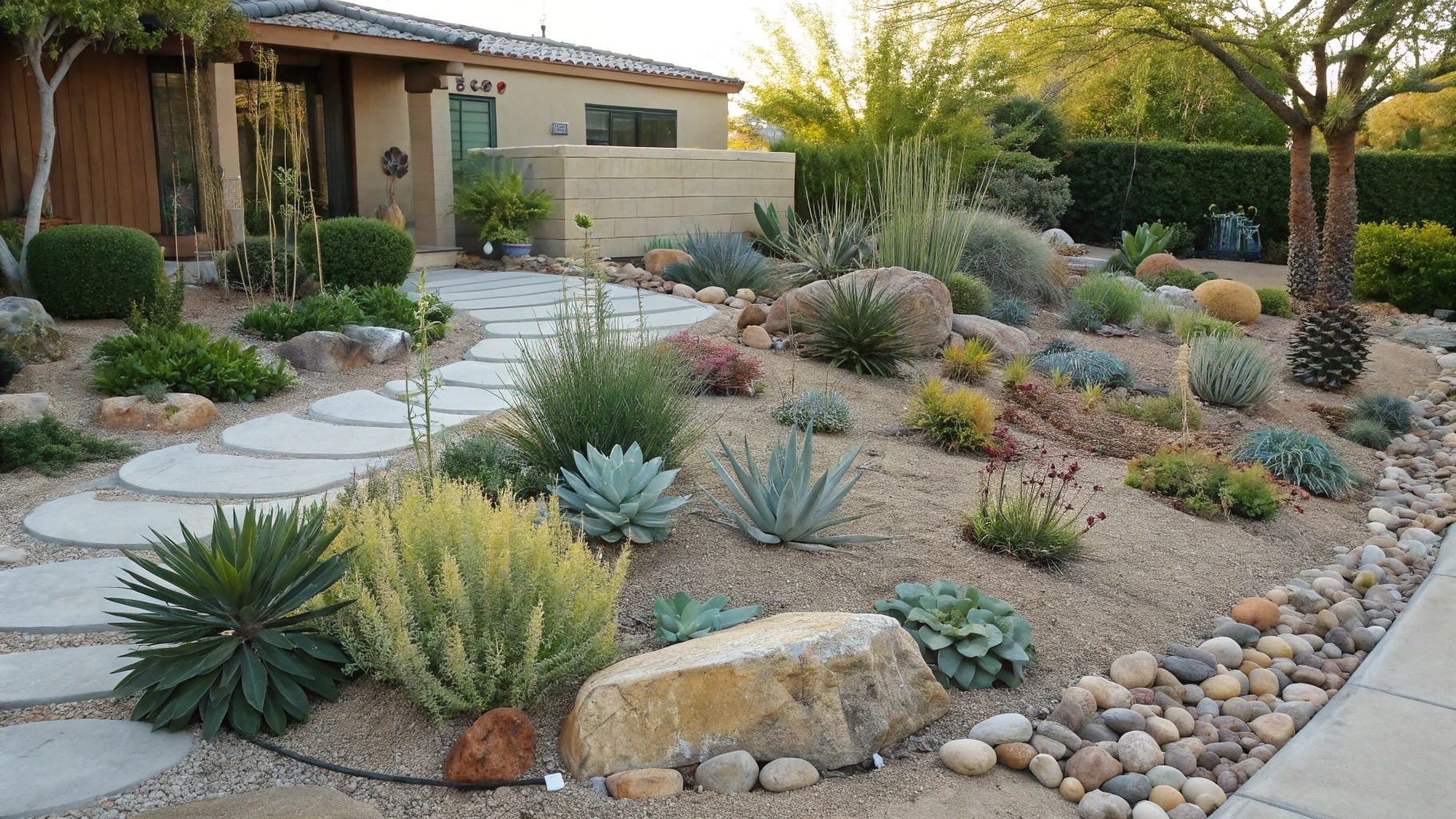
7. Create a Mediterranean Curved Walkway
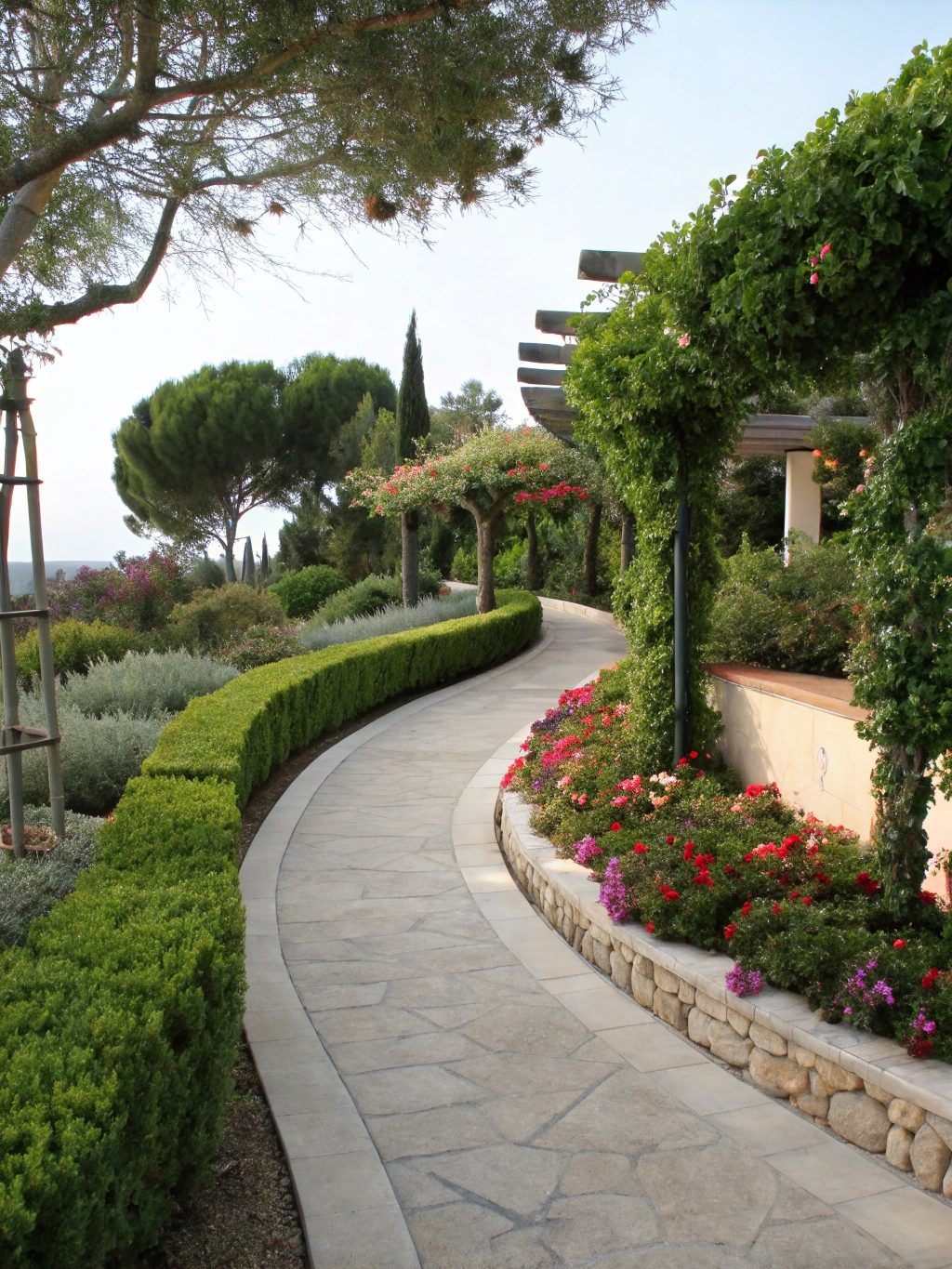
Mediterranean landscapes pair beautifully with flowing pathway designs.
Best Mediterranean Features
- Gravel paths
- Terracotta planters
- Olive trees
- Warm stone edging
Why It Works
Curved lines soften dry-climate landscaping beautifully.
8. Add Curved Path Lighting for Evening Ambiance
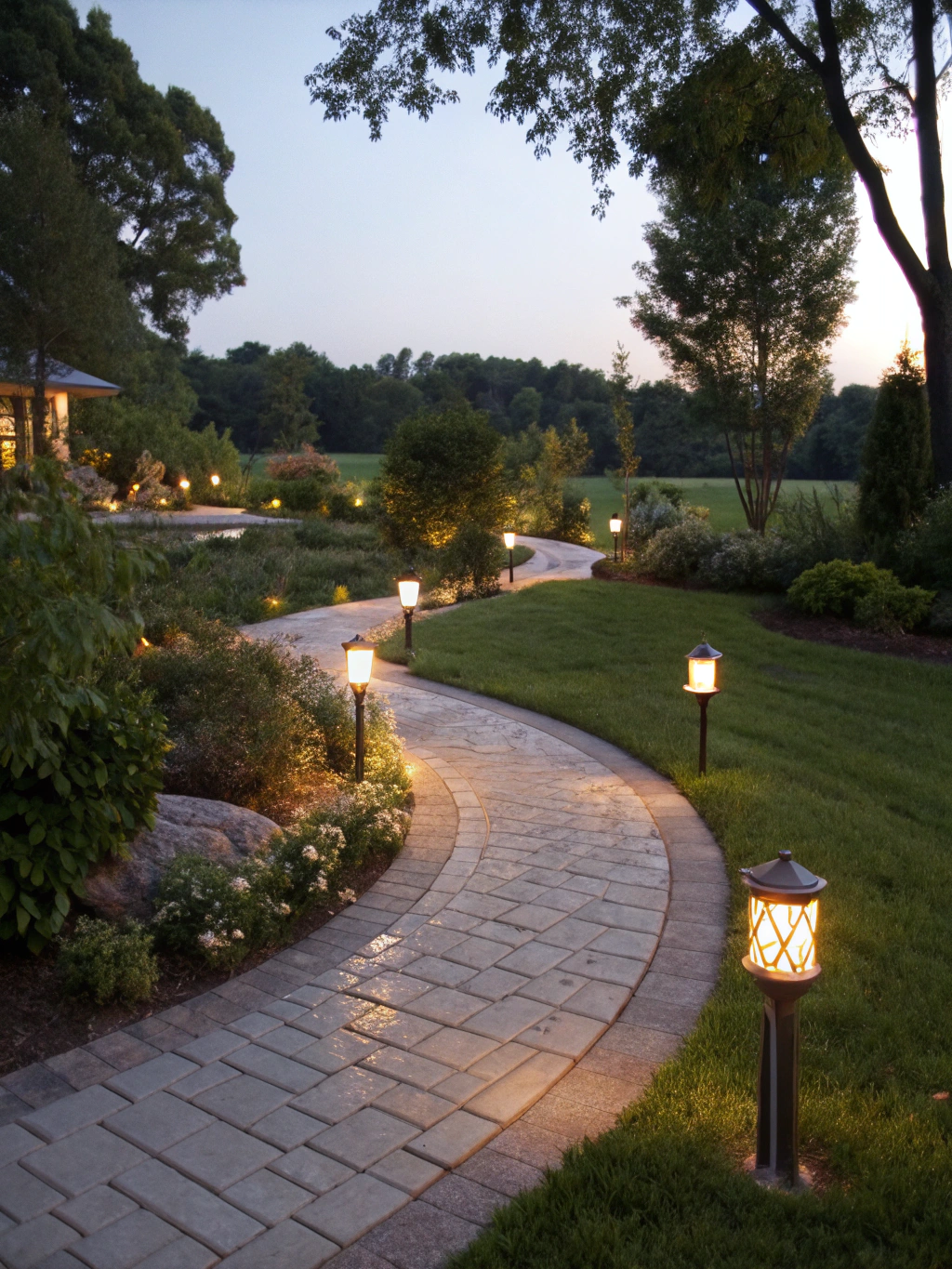
Lighting highlights pathway movement and improves safety.
Best Lighting Ideas
- Solar path lights
- Lanterns
- Low-voltage uplighting
Why It Works
Soft lighting creates a magical nighttime atmosphere.
Don't miss: 11+ Gorgeous Edible Landscape Ideas for Backyards →
9. Create a Modern Minimalist Curved Pathway
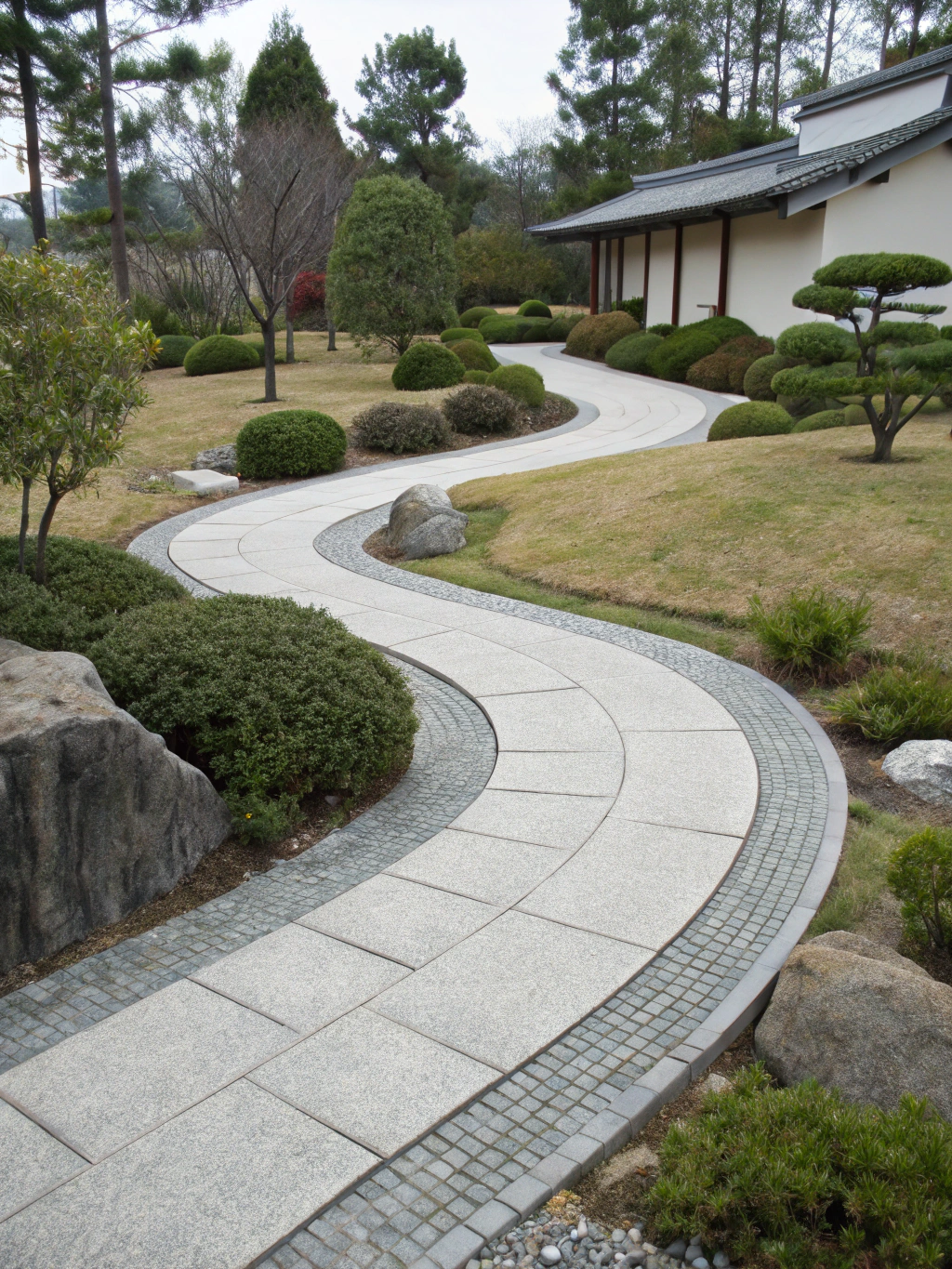
Modern landscapes use subtle curves for softness without clutter.
Best Modern Features
- Concrete pavers
- Black gravel
- Minimal plant palette
- Clean edging
Why It Works
Gentle curves balance modern geometric landscaping.
10. Add Curved Pathways Around Water Features
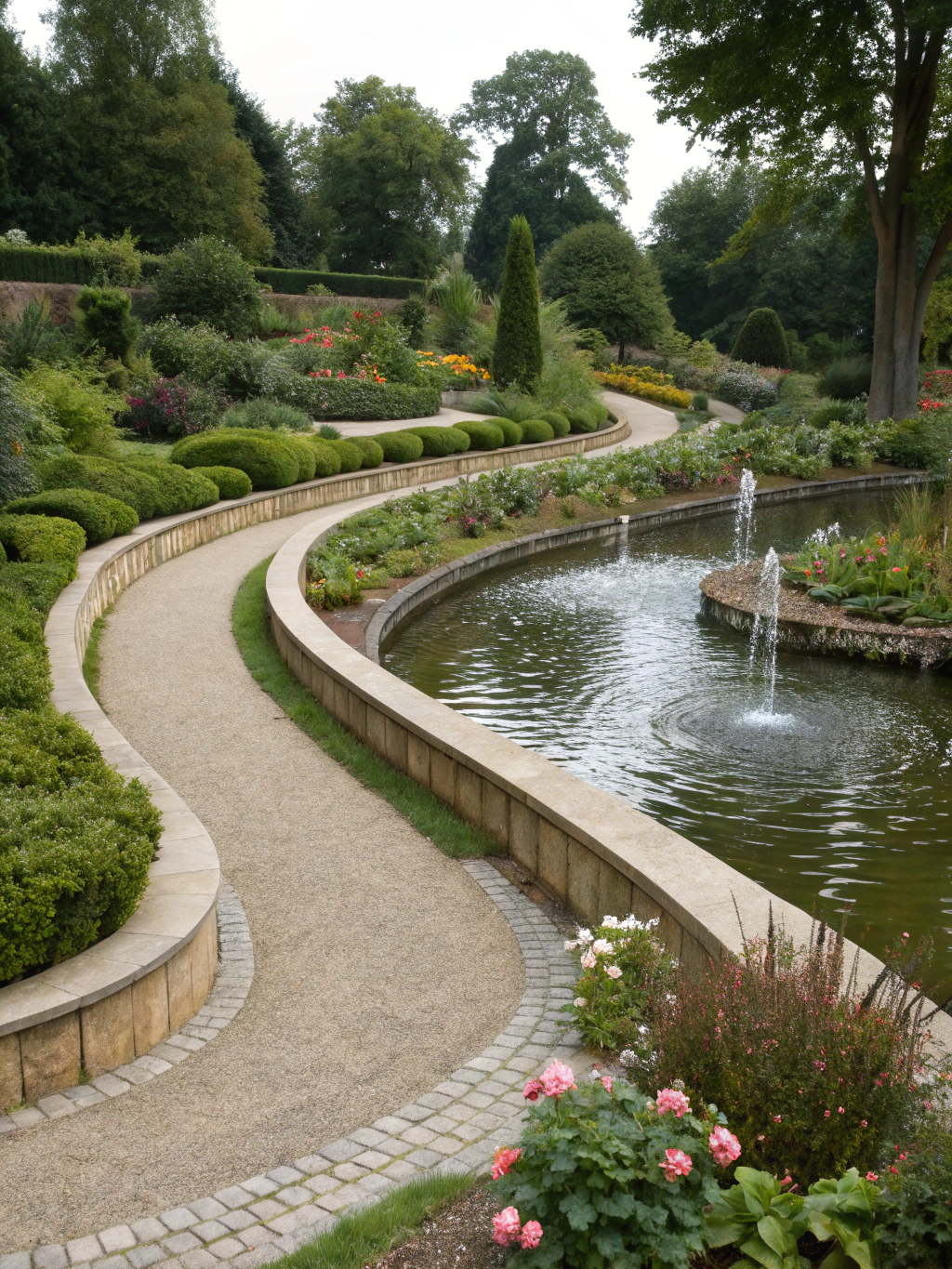
Curves naturally complement ponds and fountains.
Best Water Feature Pairings
- Small ponds
- Stream beds
- Stone fountains
Why It Works
Flowing lines create a tranquil and organic appearance.
11. Create a Mulch Path Through a Cottage Garden
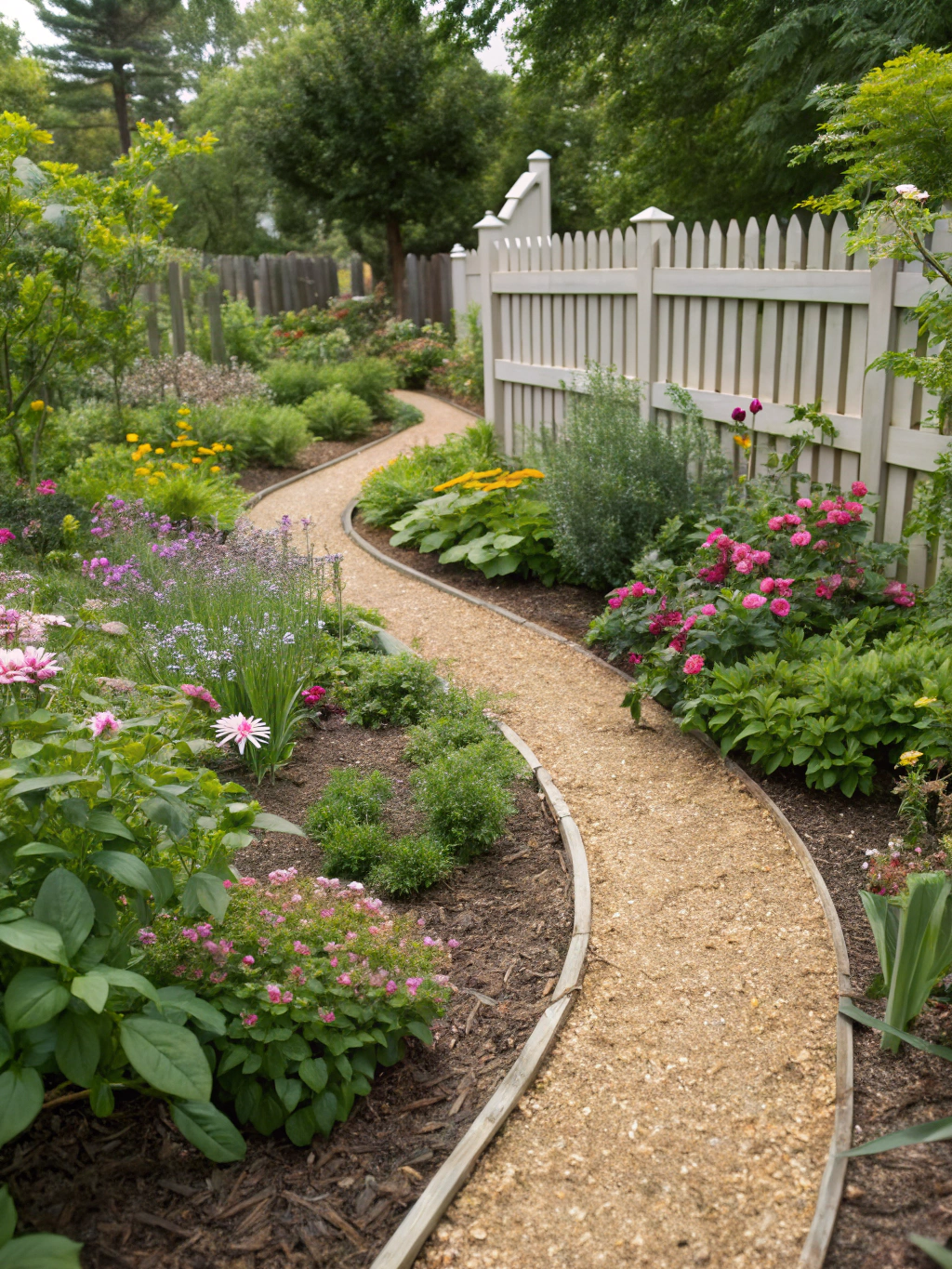
Mulch pathways feel relaxed and charming in flower-filled gardens.
Best Cottage Garden Plants
- Coneflowers
- Daisies
- Lavender
- Salvia
Why It Works
Curved mulch paths create a soft natural walking experience.
12. Add Stone Borders Along Curved Walkways
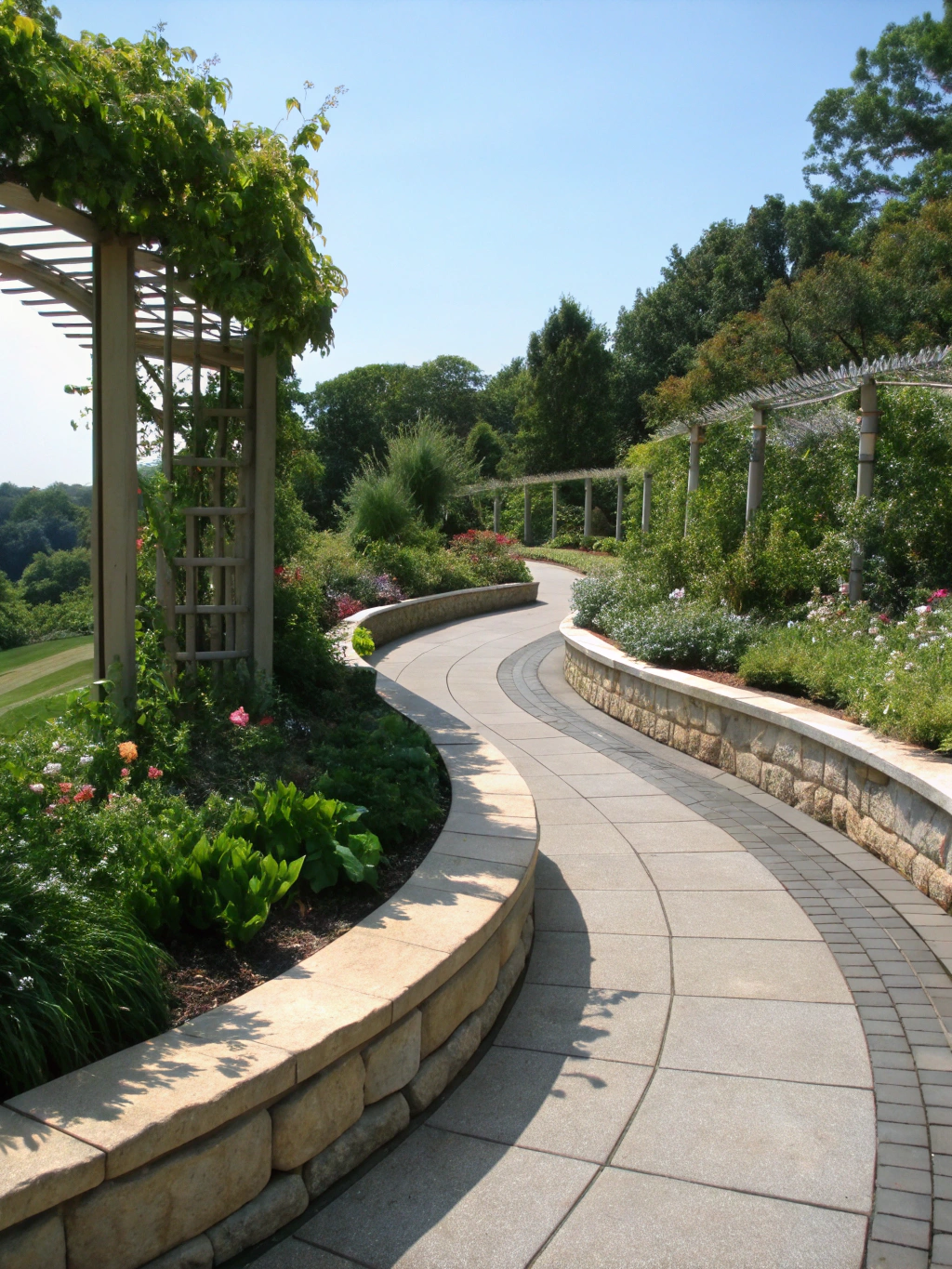
Edging keeps pathways clean and visually defined.
Best Border Materials
- Natural stone
- Brick edging
- Metal edging
Why It Works
Borders make curved lines feel intentional and polished.
13. Create a Curved Pathway to an Outdoor Seating Area
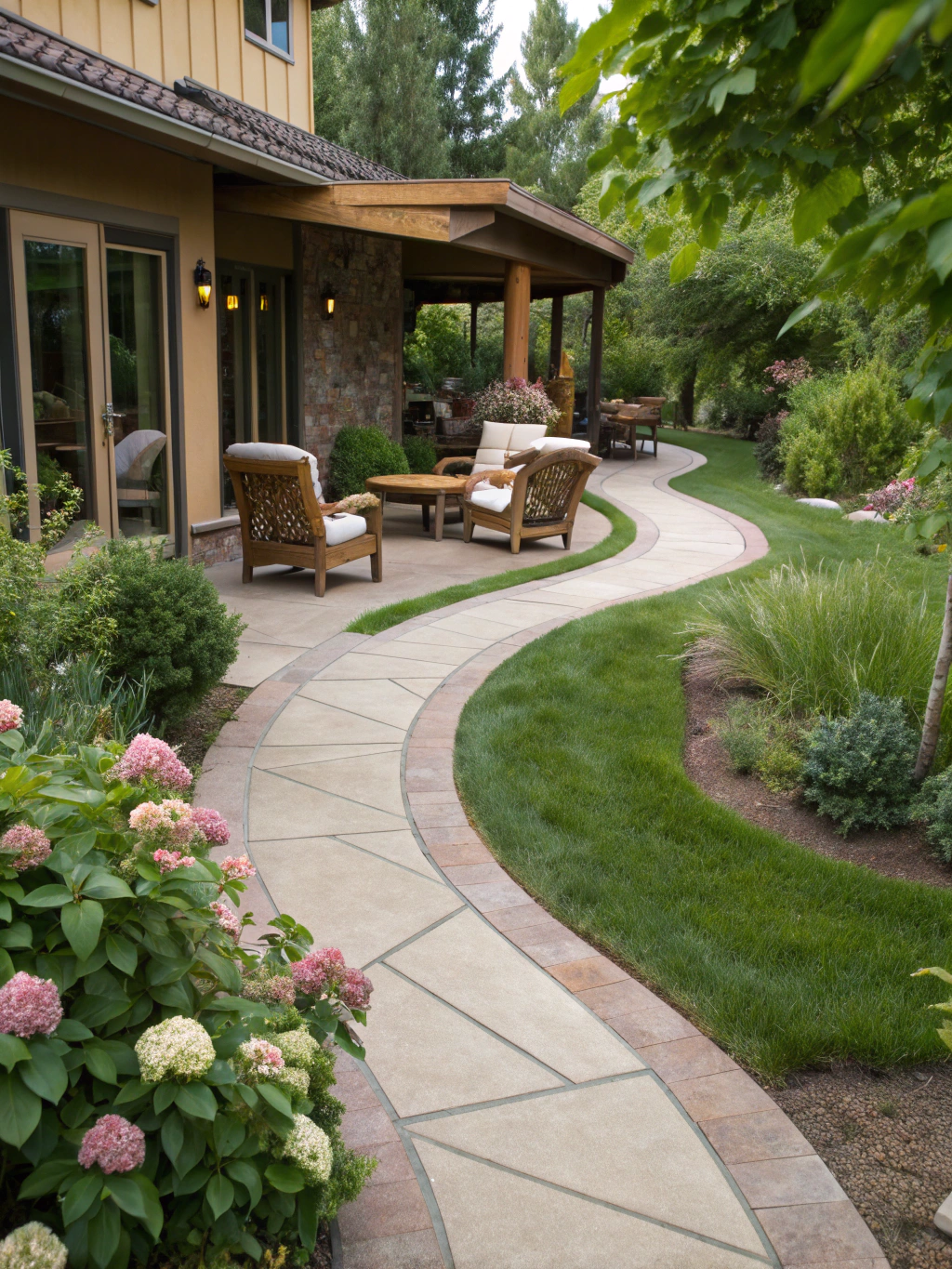
Curved paths build anticipation toward destination spaces.
Best Seating Features
- Pergolas
- Fire pits
- Garden benches
Why It Works
Curved walkways create a more inviting landscape journey.
Keep Exploring
14. Add Ground Cover Along Curved Edges
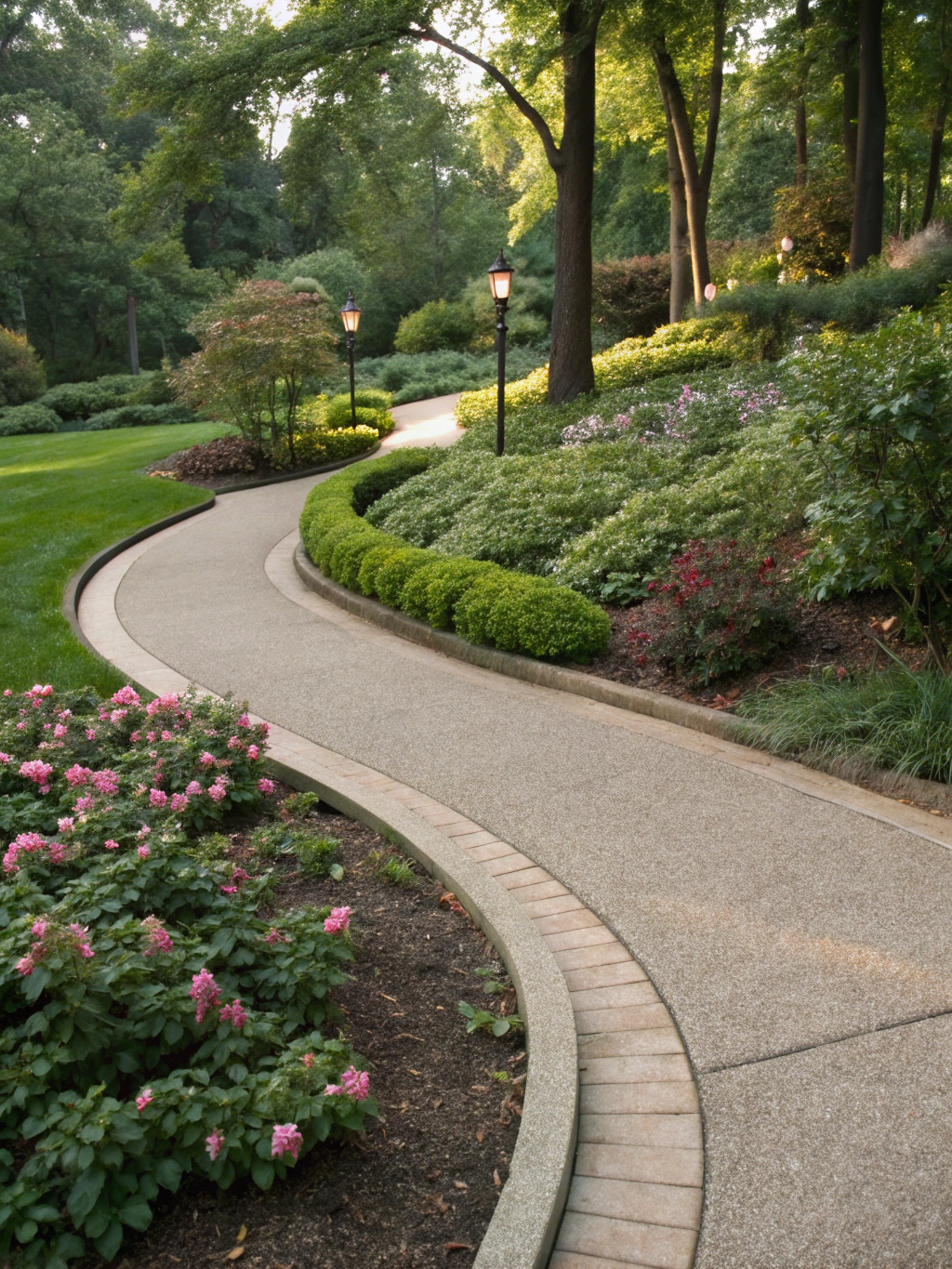
Soft greenery enhances the natural flow of pathways.
Best Ground Cover Plants
- Creeping thyme
- Moss
- Ajuga
- Sedum
Why It Works
Ground cover softens edges and fills empty gaps beautifully.
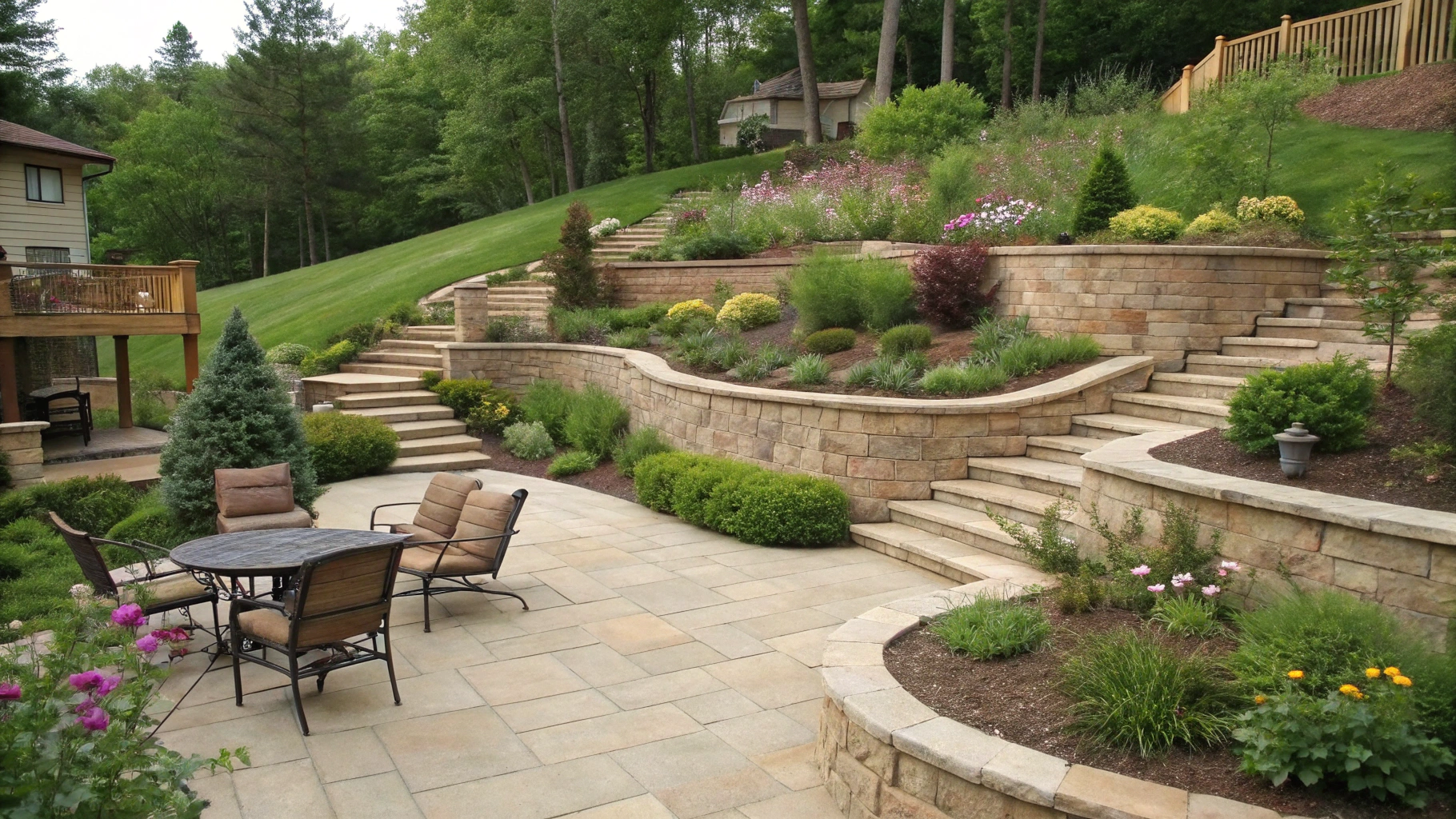
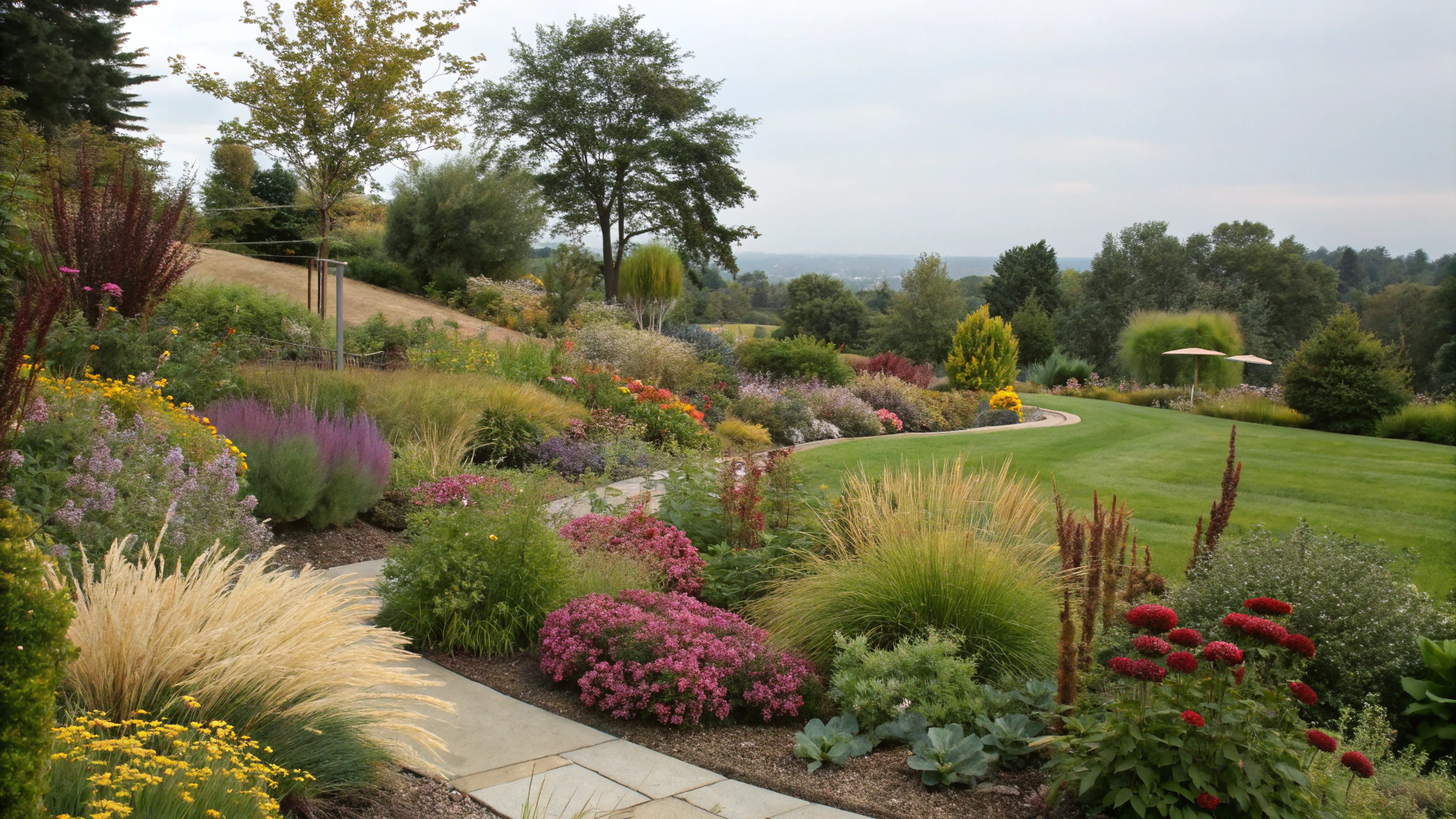
15. Create a Layered Curved Hillside Pathway
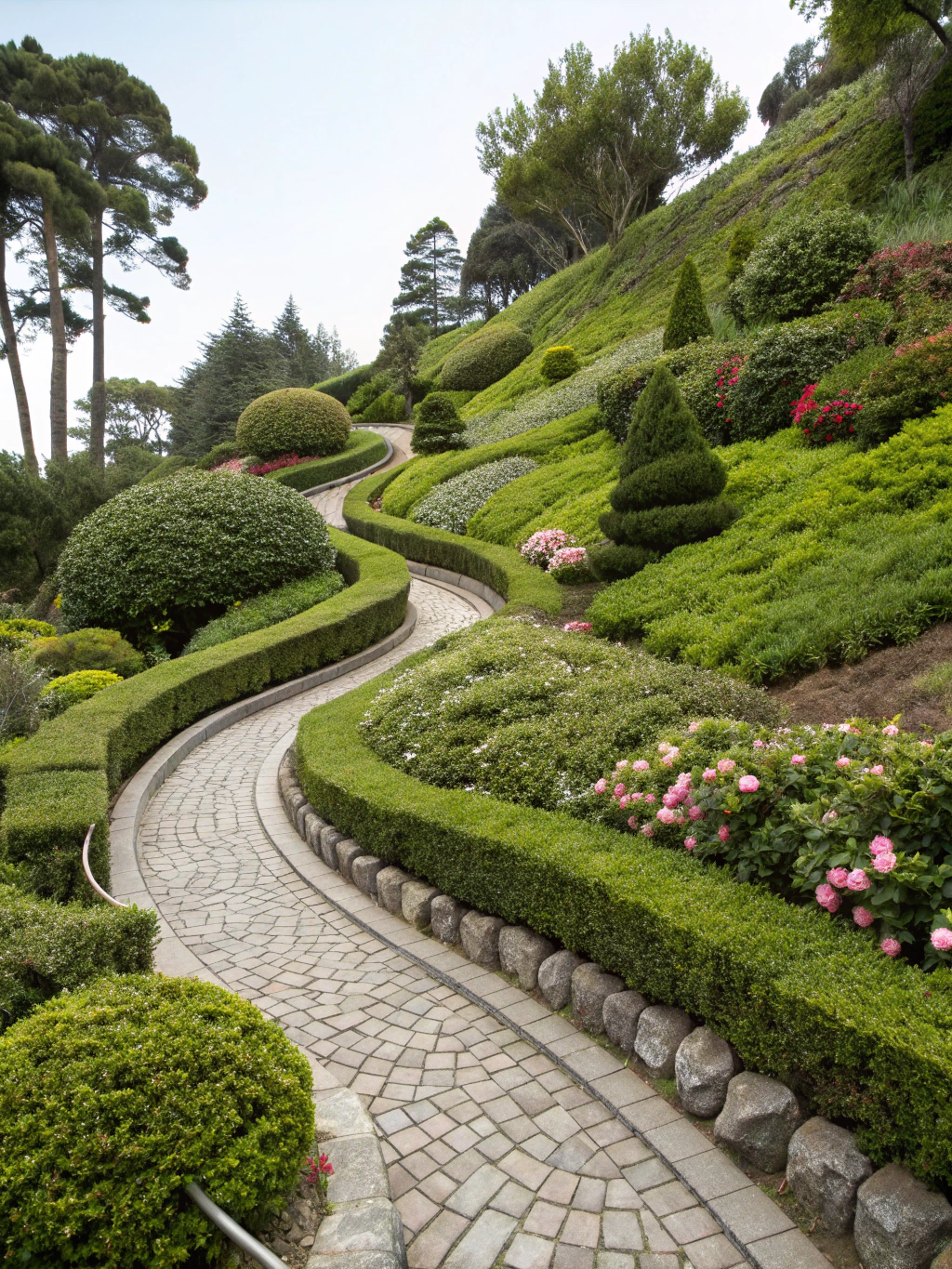
Curves work especially well in sloped landscapes.
Best Hillside Features
- Terraced planting
- Retaining stones
- Stepped walkways
Why It Works
Curved paths reduce harsh vertical lines on slopes.
16. Add Decorative Arbors Along the Pathway
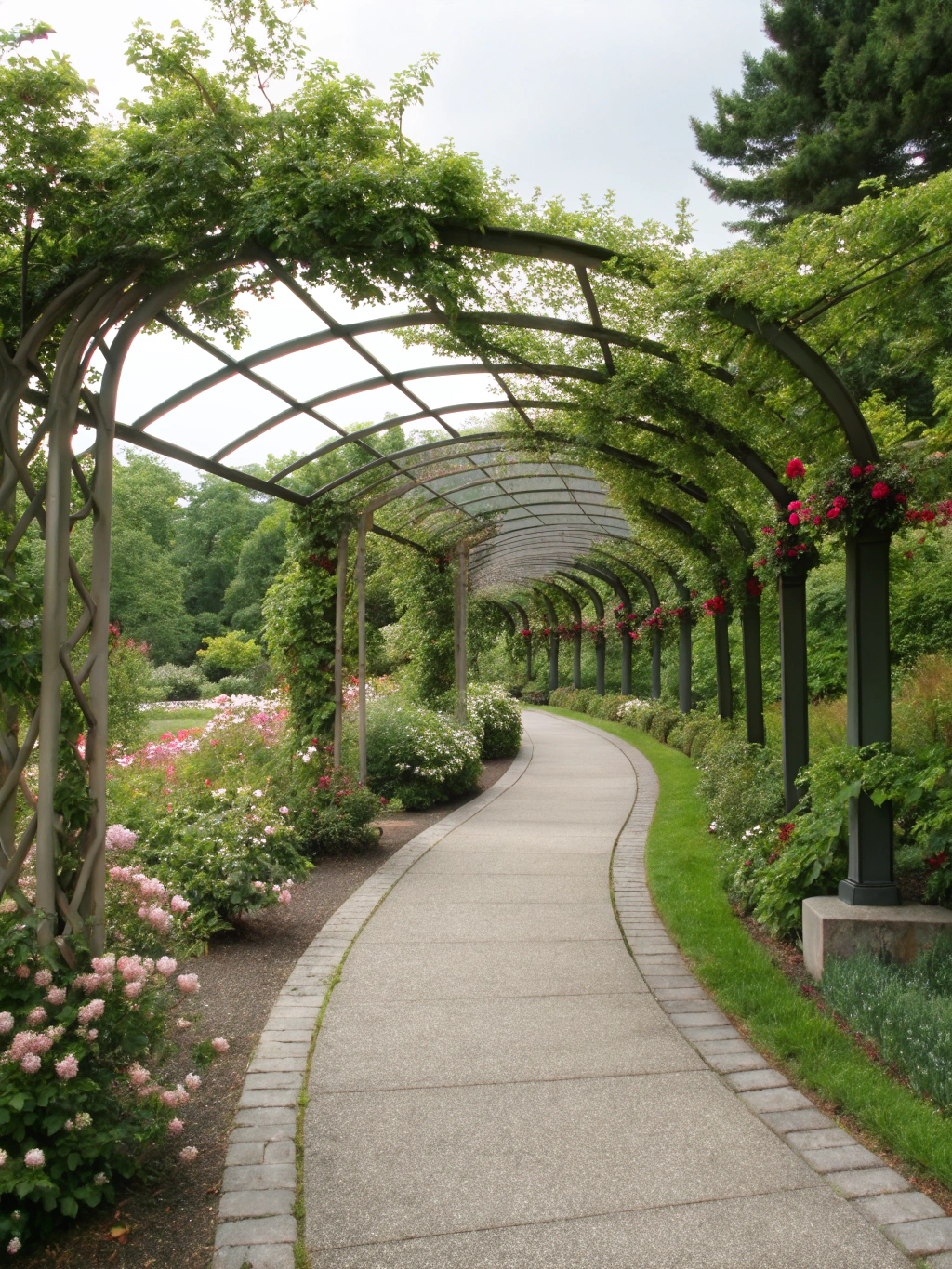
Garden structures create focal points along curved routes.
Best Arbor Features
- Climbing roses
- Wisteria
- Jasmine vines
Why It Works
Arbors create romantic garden transitions.
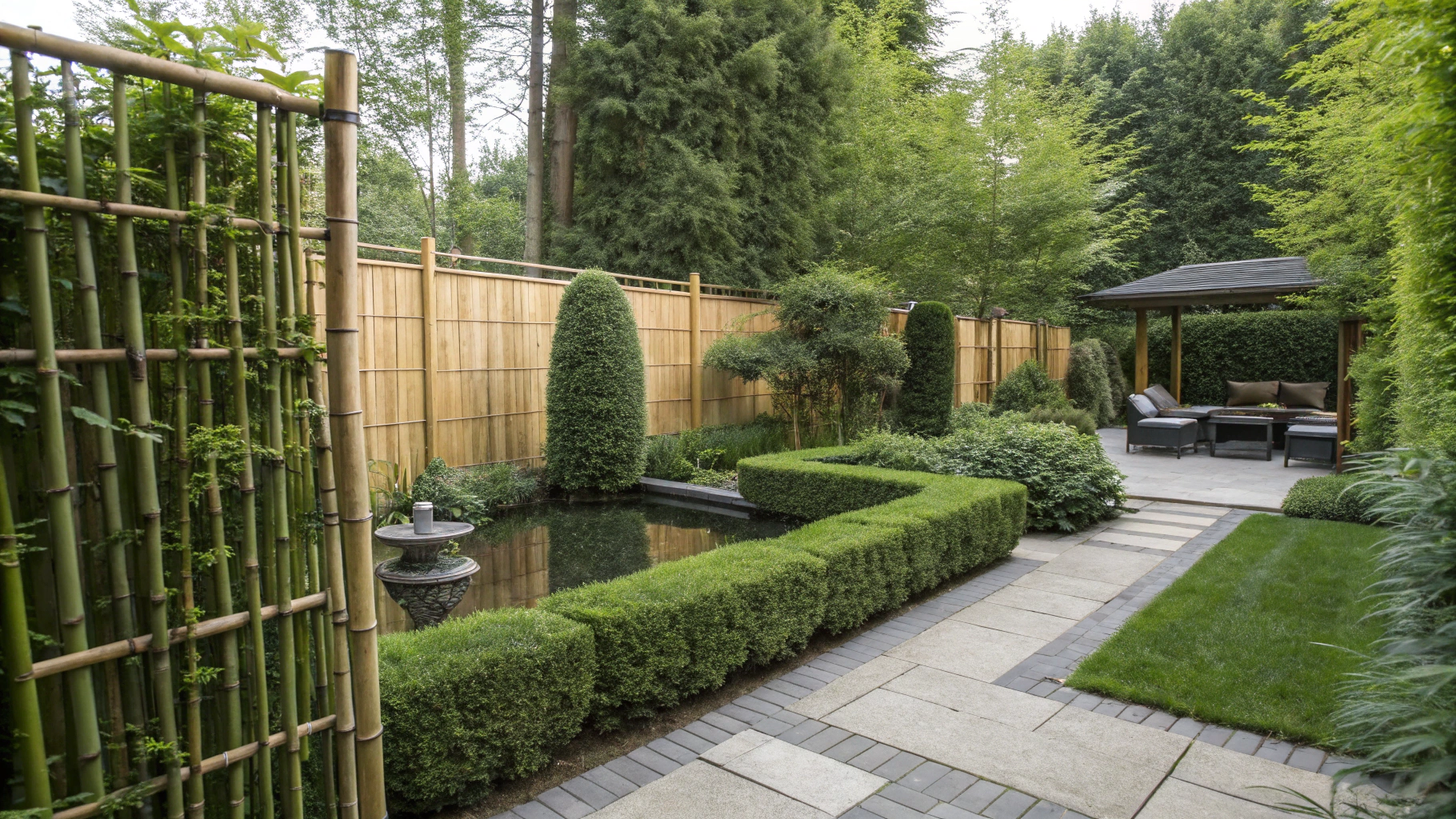
17. Create a Zen-Inspired Curved Stone Path
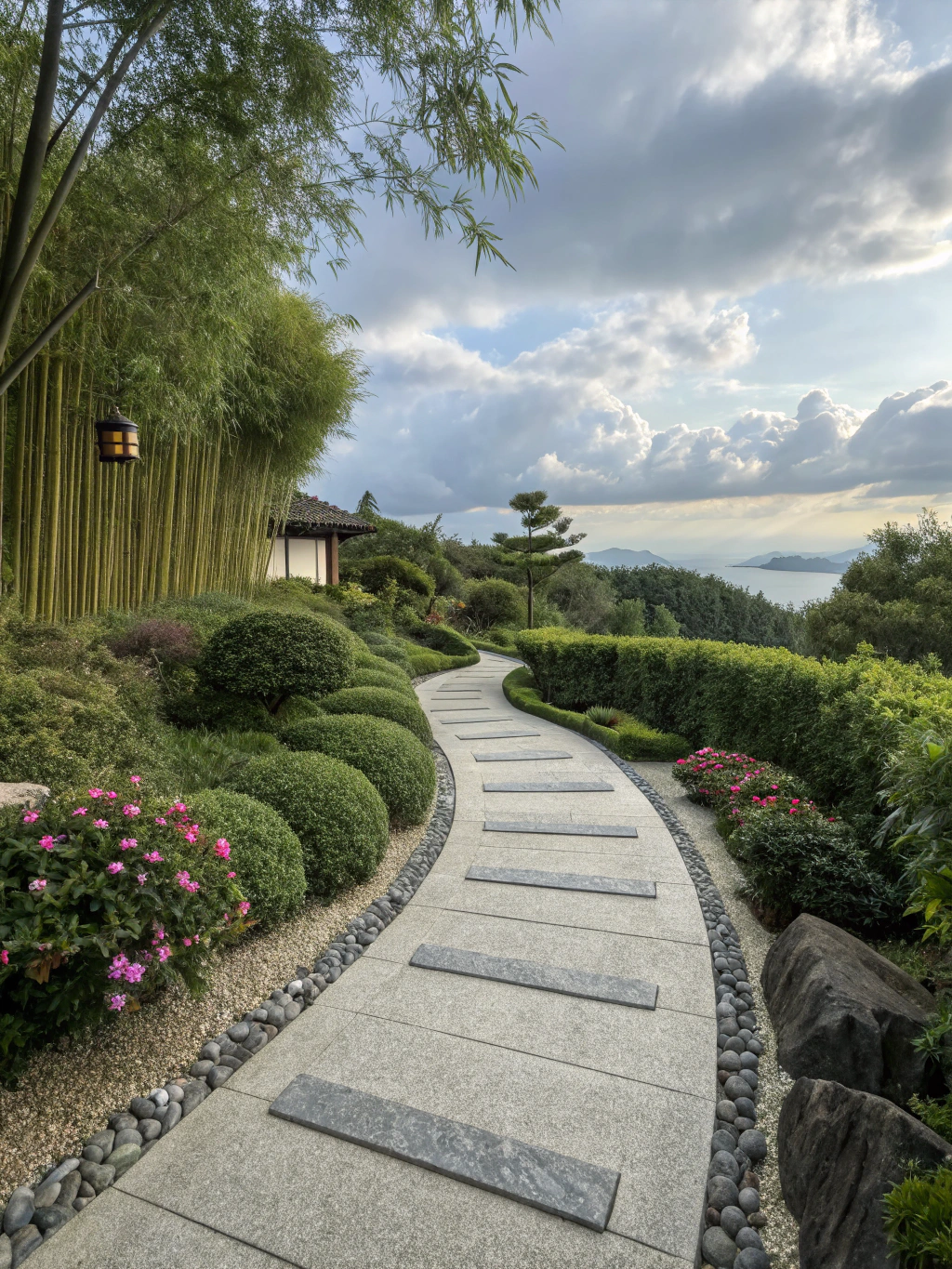
Zen gardens use gentle curves to create calm movement.
Best Zen Features
- Raked gravel
- Bamboo accents
- Minimal planting
- Flat stepping stones
Why It Works
Curved Zen paths create peaceful and meditative landscapes.
Final Thoughts
Curved pathway landscaping adds elegance, softness, and natural movement to outdoor spaces while helping gardens feel more inviting and visually balanced. By combining flowing walkway lines with plants, lighting, edging, and natural materials, you can create a landscape that feels both functional and beautifully designed.
Whether you prefer rustic woodland trails, modern minimalist paths, Mediterranean gravel walkways, or flower-lined cottage garden paths, the key is designing curves that feel gentle and organic. With thoughtful materials and layered landscaping, curved pathways can completely transform the atmosphere and flow of your outdoor space.
FAQs
Why are curved pathways better than straight paths?
Curved pathways create softer, more natural movement while making landscapes feel larger and more visually interesting.
What materials work best for curved garden pathways?
Flagstone, gravel, brick, concrete pavers, mulch, and stepping stones all work beautifully for curved paths.
How wide should a curved pathway be?
Most garden pathways work well between 3 and 5 feet wide depending on the space and intended use.
Are curved pathways good for small gardens?
Yes, gentle curves can actually make small gardens feel larger and more dynamic.
How do you edge a curved pathway?
Natural stone, brick, metal edging, or low-growing plants help define curved pathway edges cleanly.
What plants look best along curved walkways?
Lavender, ornamental grasses, ground cover plants, hydrangeas, ferns, and cottage garden flowers all pair beautifully with curved paths.