12+ Beautiful Native Plant Landscaping Ideas
Want a landscape that looks naturally beautiful while requiring less water, fertilizer, and maintenance? Native plant landscaping is one of the smartest ways to create a thriving outdoor space that supports local wildlife while staying resilient in your climate. Because native plants are already adapted to local soil and weather conditions, they tend to grow stronger, need less upkeep, and create landscapes that feel more organic and balanced.
Whether you love colorful flower gardens, modern low-maintenance yards, cottage-style landscapes, or natural backyard retreats, these beautiful native plant landscaping ideas will help you design an outdoor space that feels sustainable, vibrant, and effortlessly beautiful.
Why Native Plant Landscaping Creates Healthier Yards
Native plants naturally belong to the region where they grow, which means they are already adapted to local rainfall, temperatures, soil conditions, and pollinators.
Compared to non-native landscaping, native plants usually:
Love Chic Living Club?
Add us as one of your preferred Google sources and discover more home decor, DIY, outdoor, and lifestyle inspiration from us.
- Require less watering
- Need fewer fertilizers
- Attract birds and pollinators
- Resist local pests more effectively
- Improve soil health
- Thrive with less maintenance
Native landscapes also tend to feel softer and more natural because they blend seamlessly into the surrounding environment.
How to Design a Native Plant Landscape That Looks Organized
One common misconception is that native landscaping always looks wild or overgrown. With the right structure and layout, native gardens can feel polished and professionally designed.
Use Defined Borders & Pathways
Stone edging, gravel paths, and paver walkways help frame natural planting areas.
Repeat Plant Groupings
Repeating the same plants throughout the landscape creates rhythm and visual consistency.
Layer Different Heights
Combining tall grasses, flowering plants, shrubs, and ground cover creates balanced depth.
Mix Hardscaping with Greenery
Patios, decorative rock, mulch, and raised beds make native landscapes feel more intentional.
Best Materials for Native Plant Landscaping
| Material | Best For | Benefits |
| Mulch | Garden beds | Moisture retention |
| Gravel | Pathways | Low maintenance |
| Natural Stone | Borders | Organic appearance |
| River Rocks | Decorative accents | Excellent drainage |
| Wood Edging | Rustic gardens | Warm natural texture |
1. Create a Pollinator-Friendly Native Garden
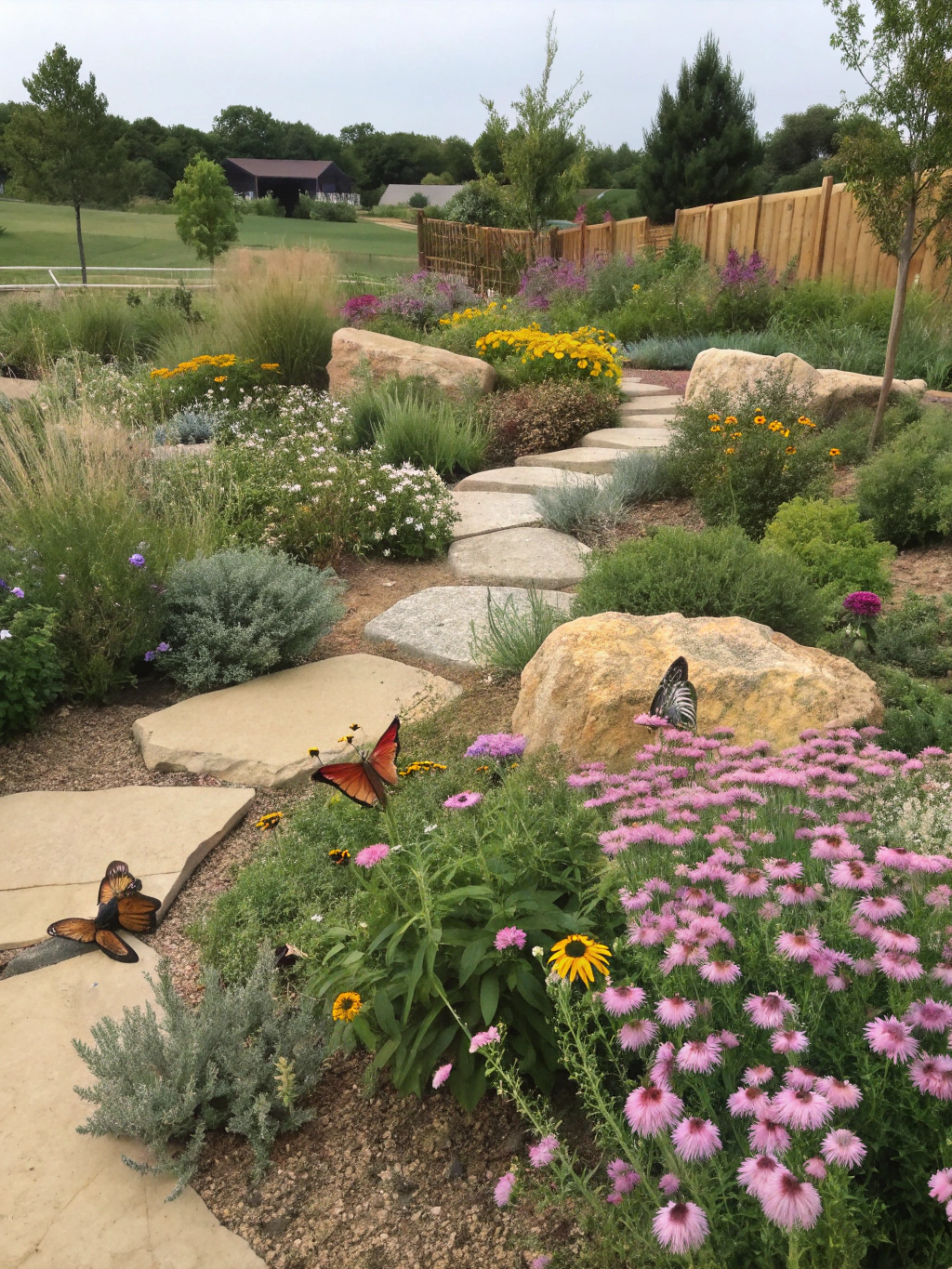
Pollinator gardens attract butterflies, bees, and hummingbirds while filling the landscape with color and movement.
Best Native Pollinator Plants
- Coneflowers
- Black-eyed Susans
- Milkweed
- Bee balm
- Salvia
Why It Works
- Supports local ecosystems
- Adds vibrant seasonal color
- Encourages biodiversity
Design Tip
Plant flowers in clusters rather than scattered individually for a more natural look.
2. Use Native Ornamental Grasses for Texture
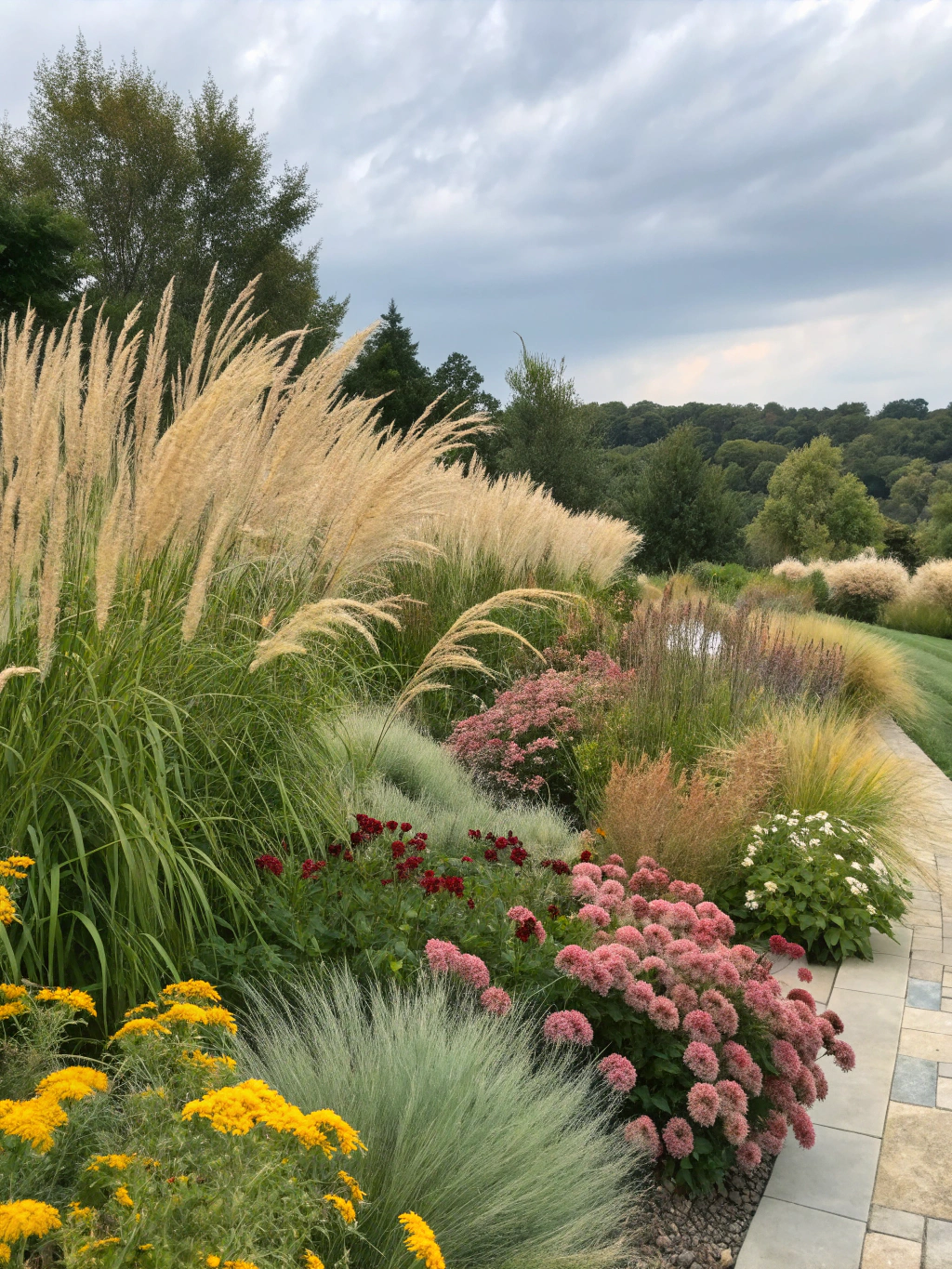
Native grasses create softness, movement, and year-round visual interest.
Best Native Grasses
- Switchgrass
- Little bluestem
- Fountain grass
- Prairie dropseed
Why Homeowners Love It
- Low maintenance
- Drought tolerant
- Excellent erosion control
- Beautiful seasonal texture
Best Landscape Styles
- Modern landscapes
- Prairie gardens
- Minimalist yards
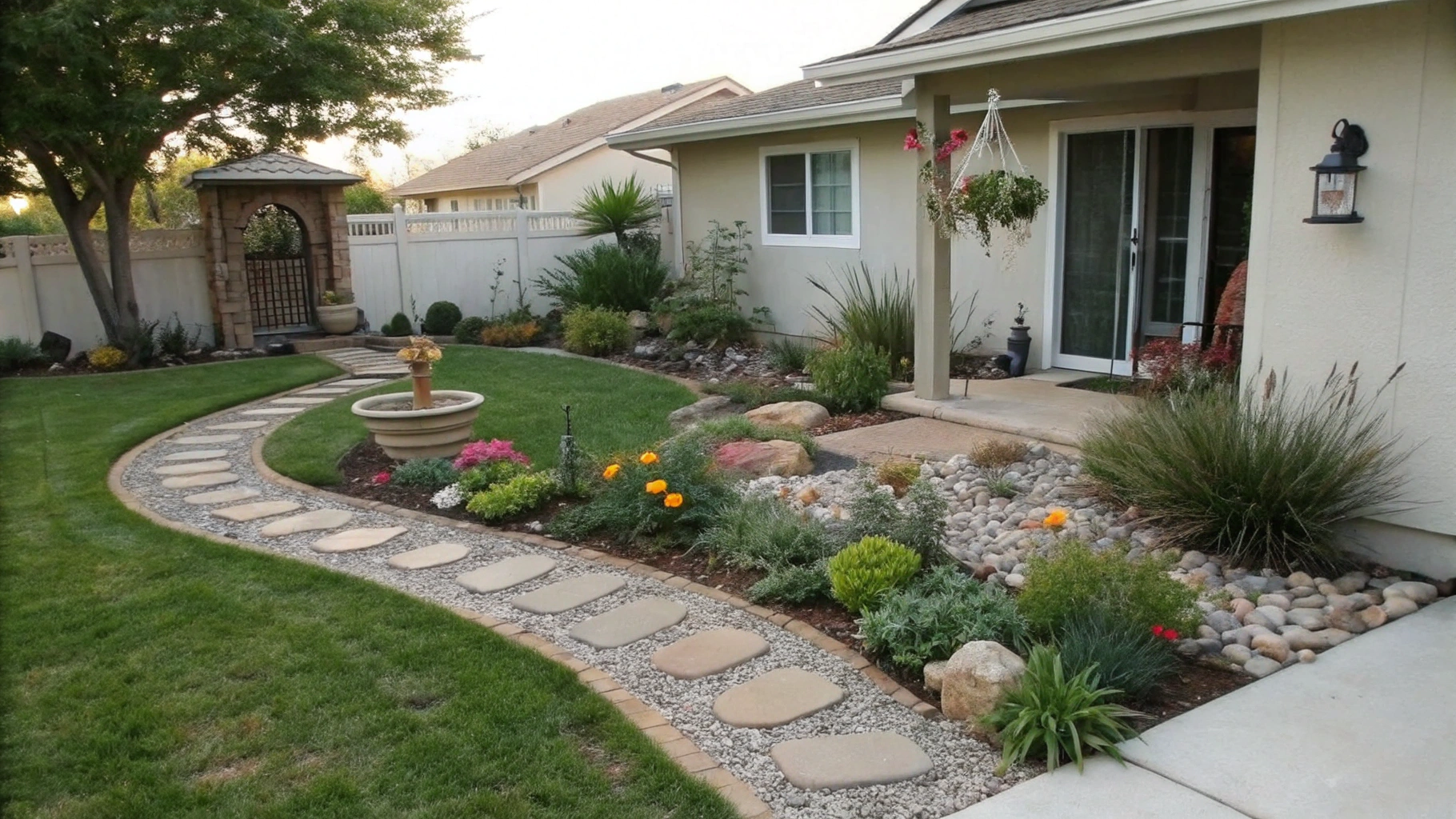
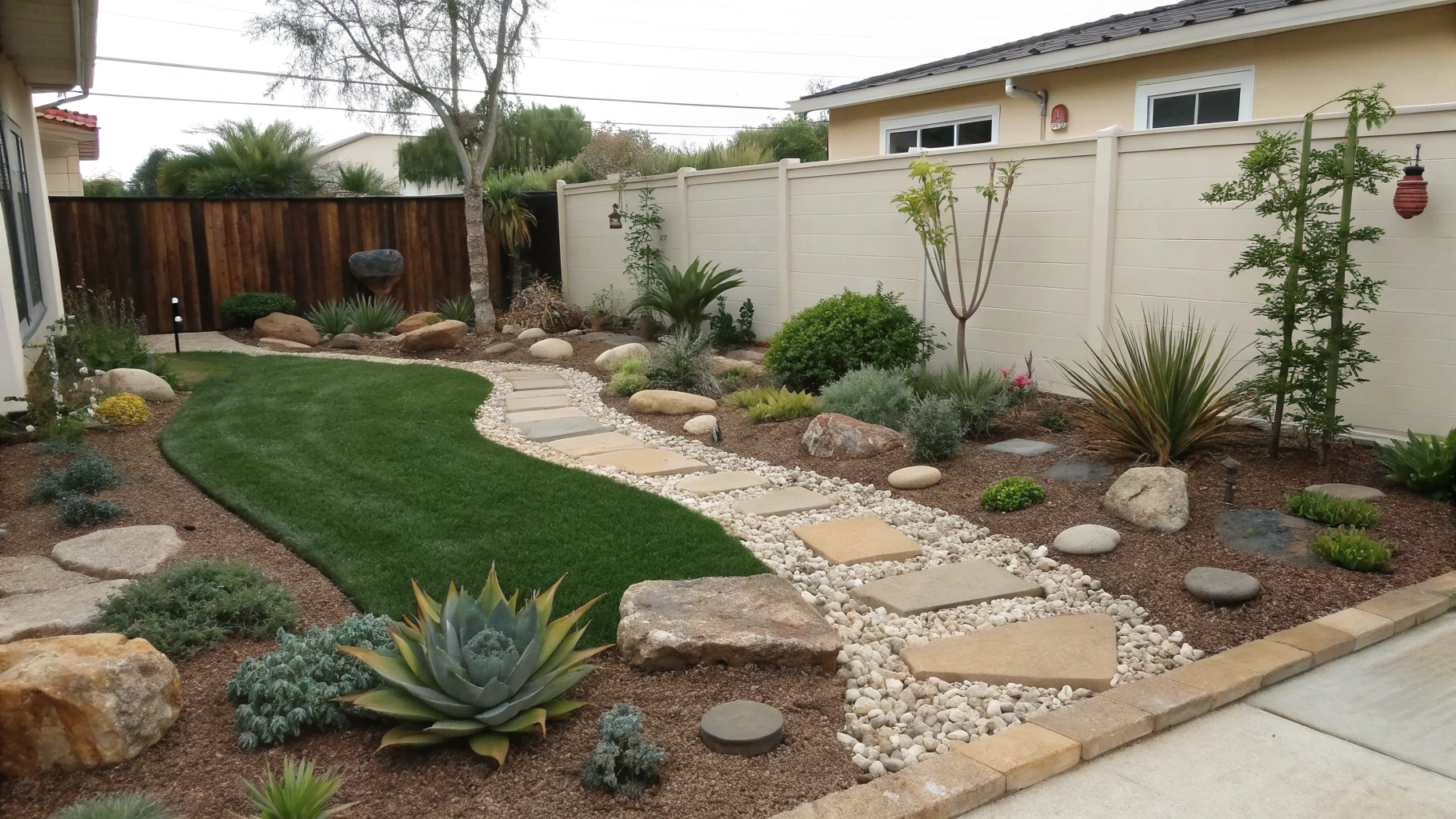
3. Create a Natural Stone Pathway Through Native Plants
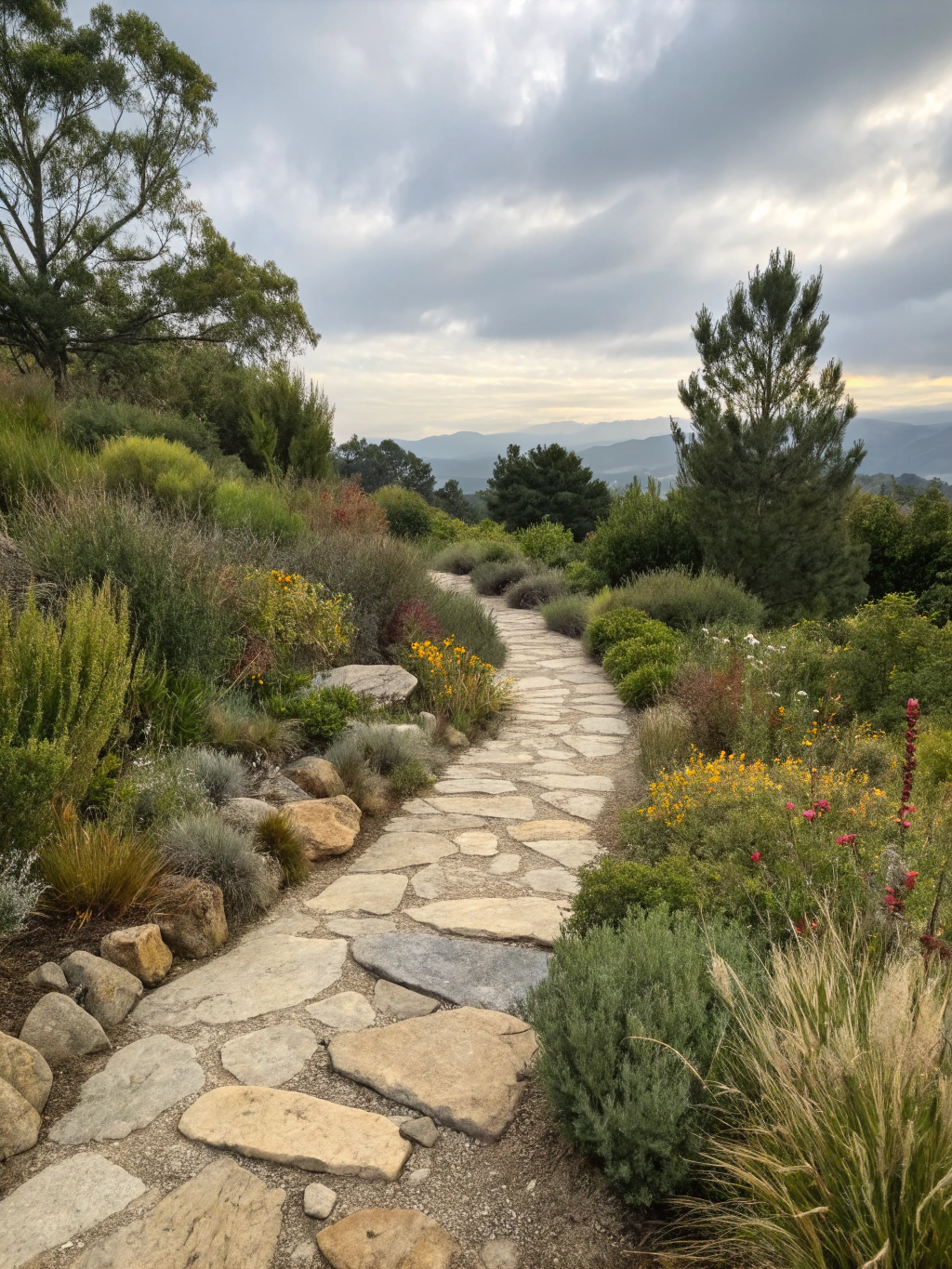
Stone pathways help organize native landscapes while making gardens feel more immersive and intentional.
Best Pathway Materials
- Flagstone
- Gravel
- Stepping stones
- Crushed granite
Why It Works
Pathways create structure and prevent natural gardens from feeling messy.
4. Add Native Shrubs for Year-Round Structure
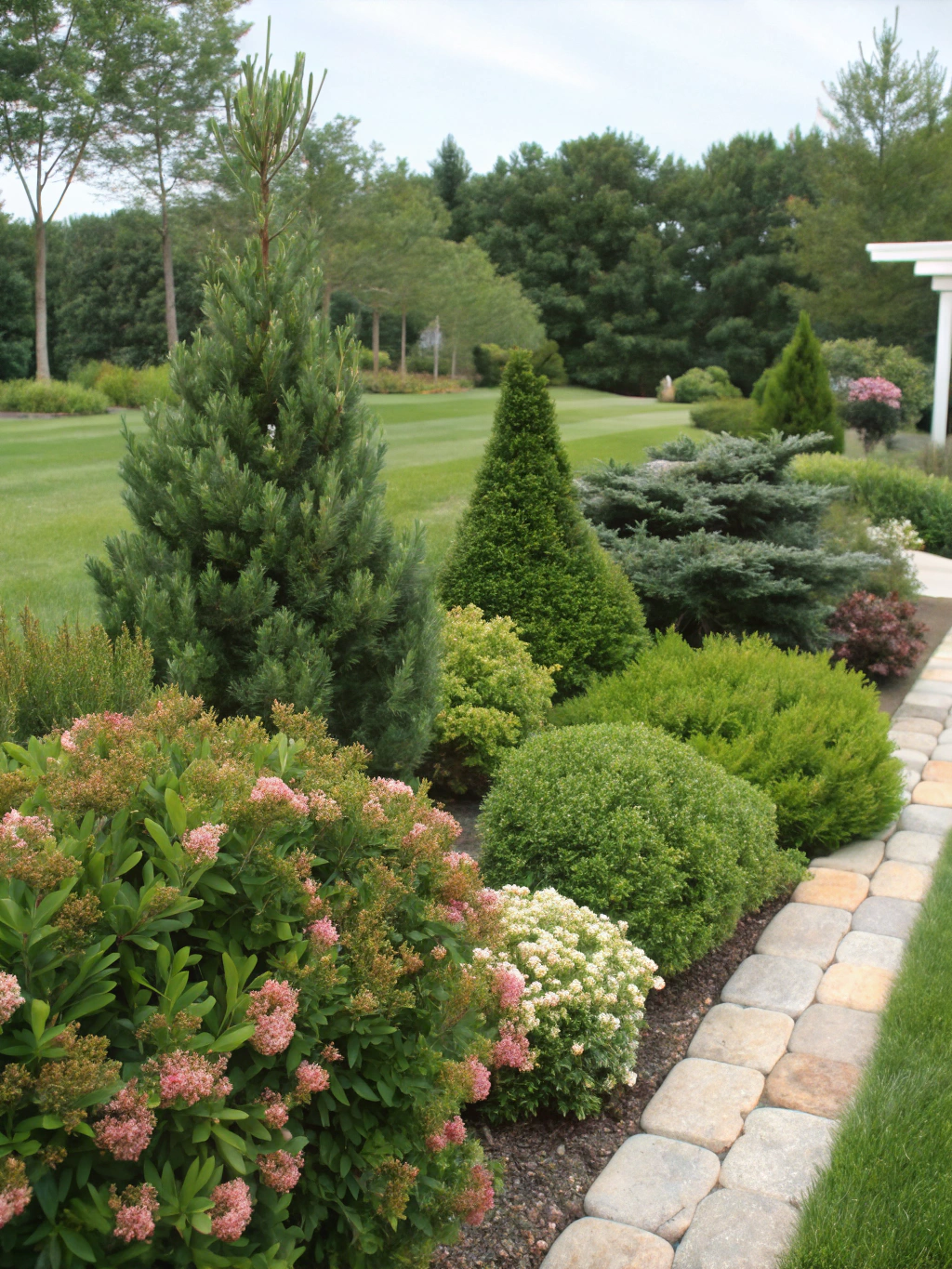
Shrubs provide shape, privacy, and visual balance throughout every season.
Best Native Shrubs
- Viburnum
- Serviceberry
- Buttonbush
- Dogwood
- Spicebush
Why It Works
Shrubs anchor the landscape while supporting birds and pollinators.
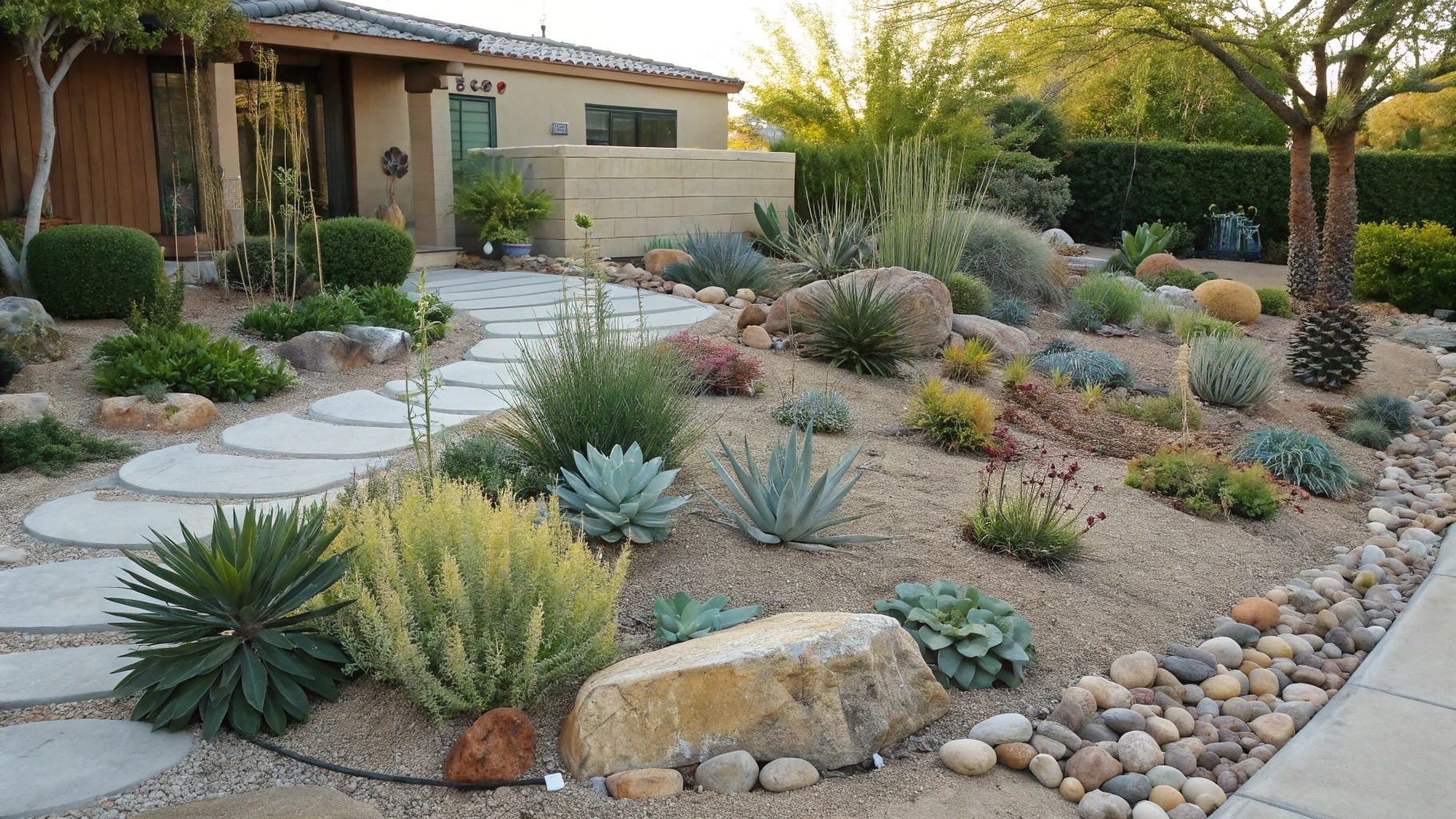
5. Create a Low-Water Native Front Yard
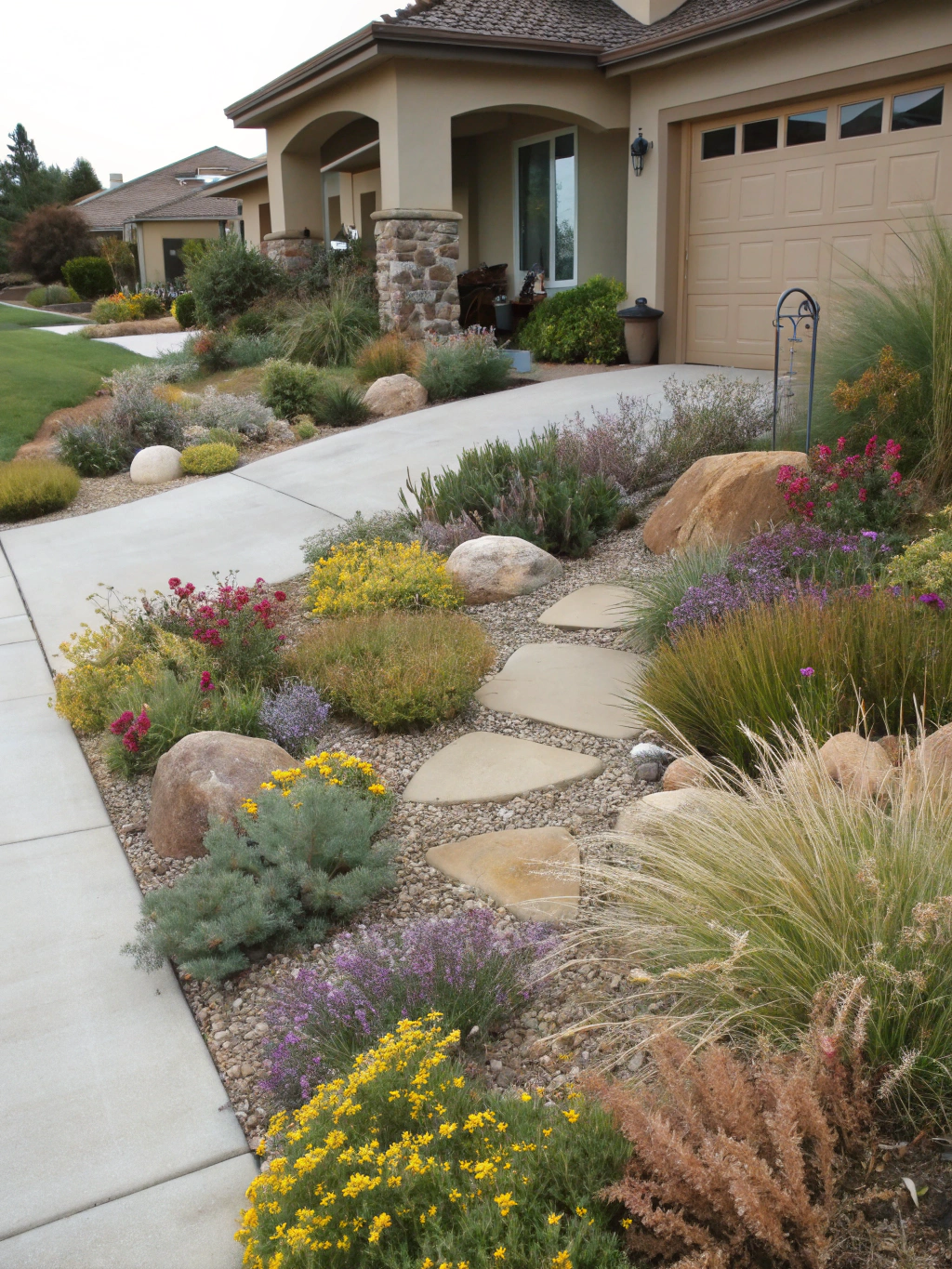
Native front yard landscaping reduces maintenance while boosting curb appeal.
Best Front Yard Features
- Gravel borders
- Native flowers
- Ornamental grasses
- Mulched planting beds
Why It Works
Native landscapes stay attractive with less watering and upkeep.
Design Insight
Simple layouts often make native landscaping feel more modern and refined.
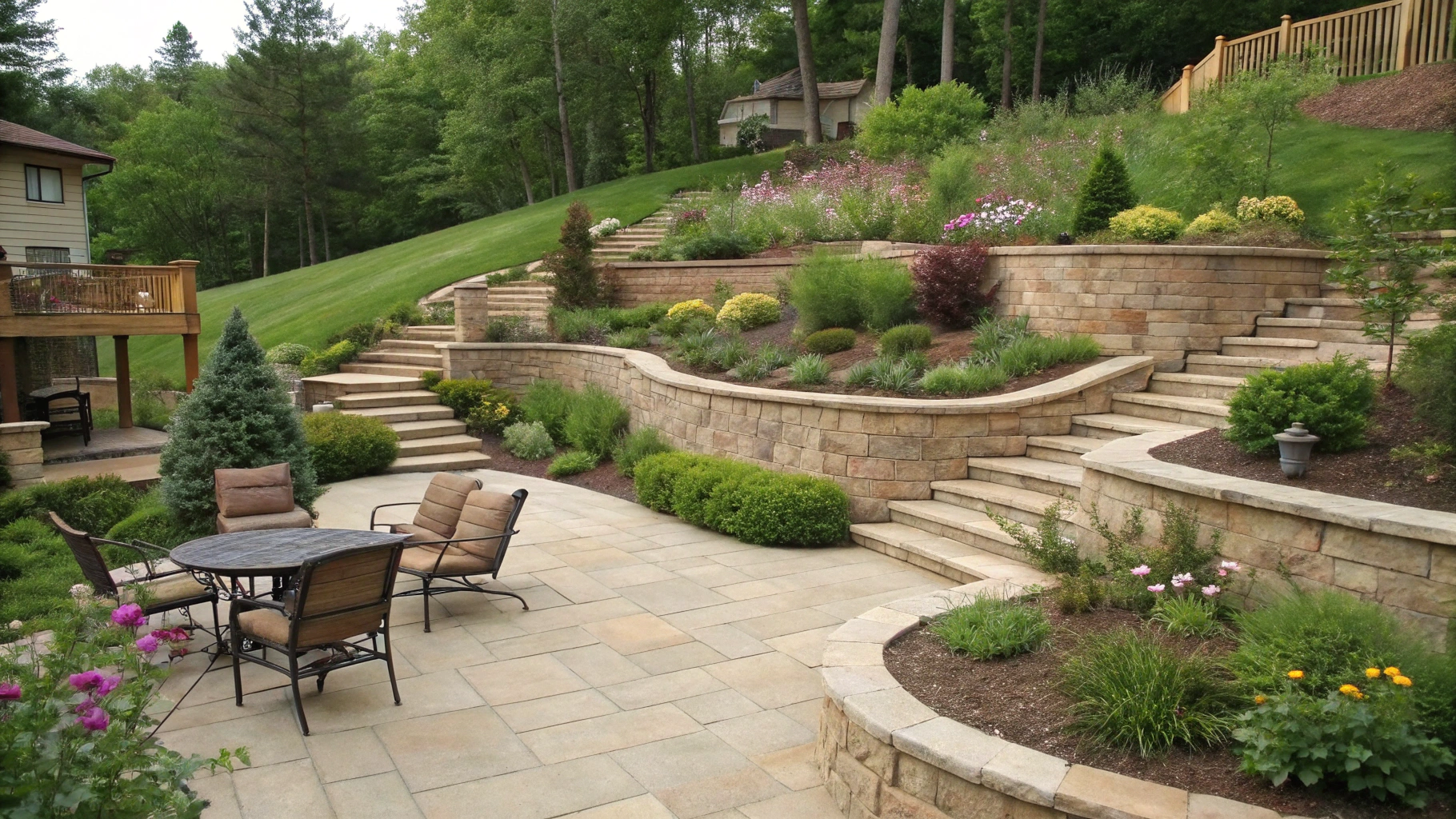
6. Build Raised Beds with Native Plants
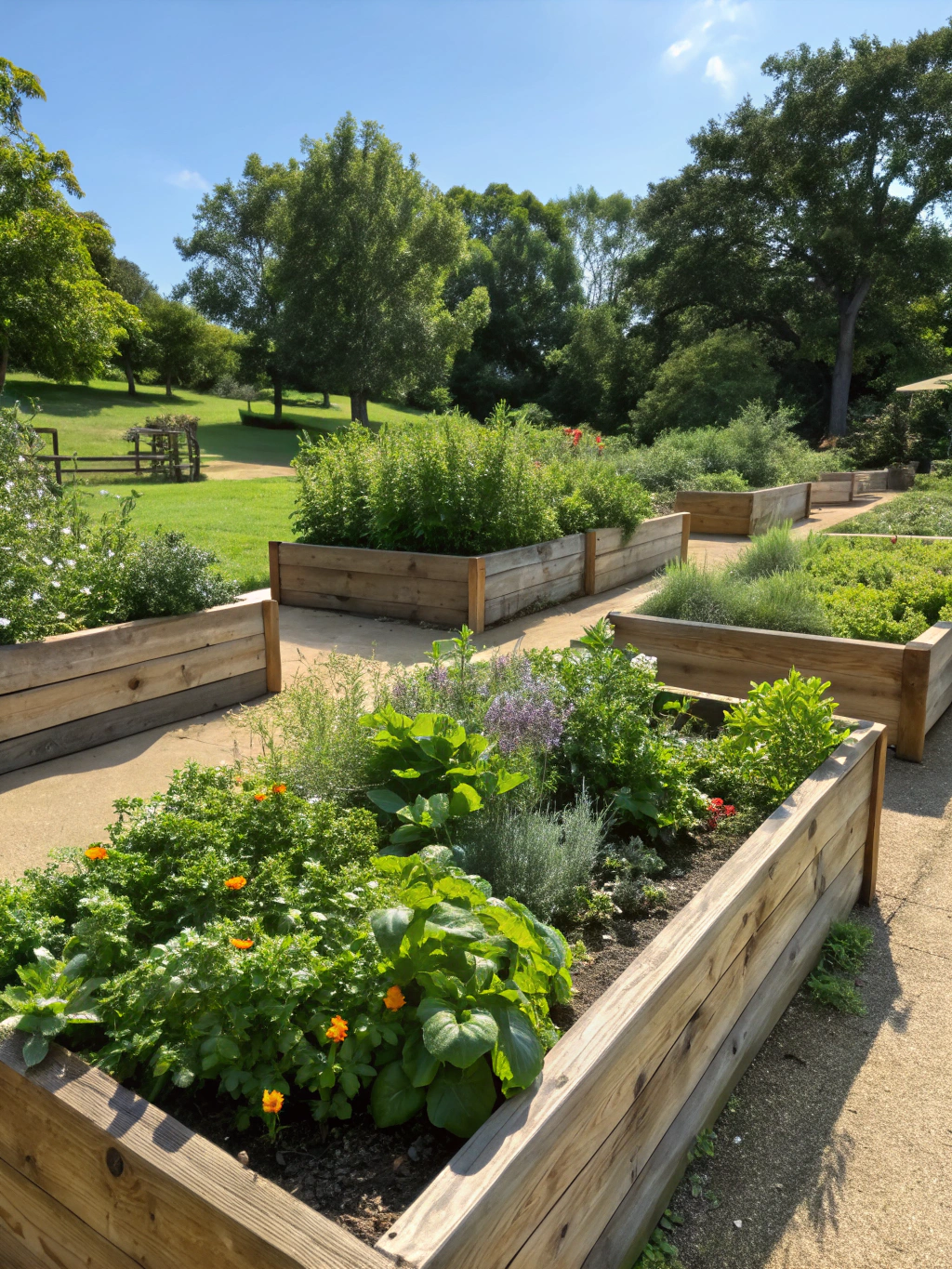
Raised beds create cleaner organization while improving drainage and accessibility.
Best Plants for Raised Native Beds
- Lavender
- Yarrow
- Salvia
- Native wildflowers
Why It Works
Raised beds add architectural structure to more natural planting styles.
7. Add a Native Wildflower Garden
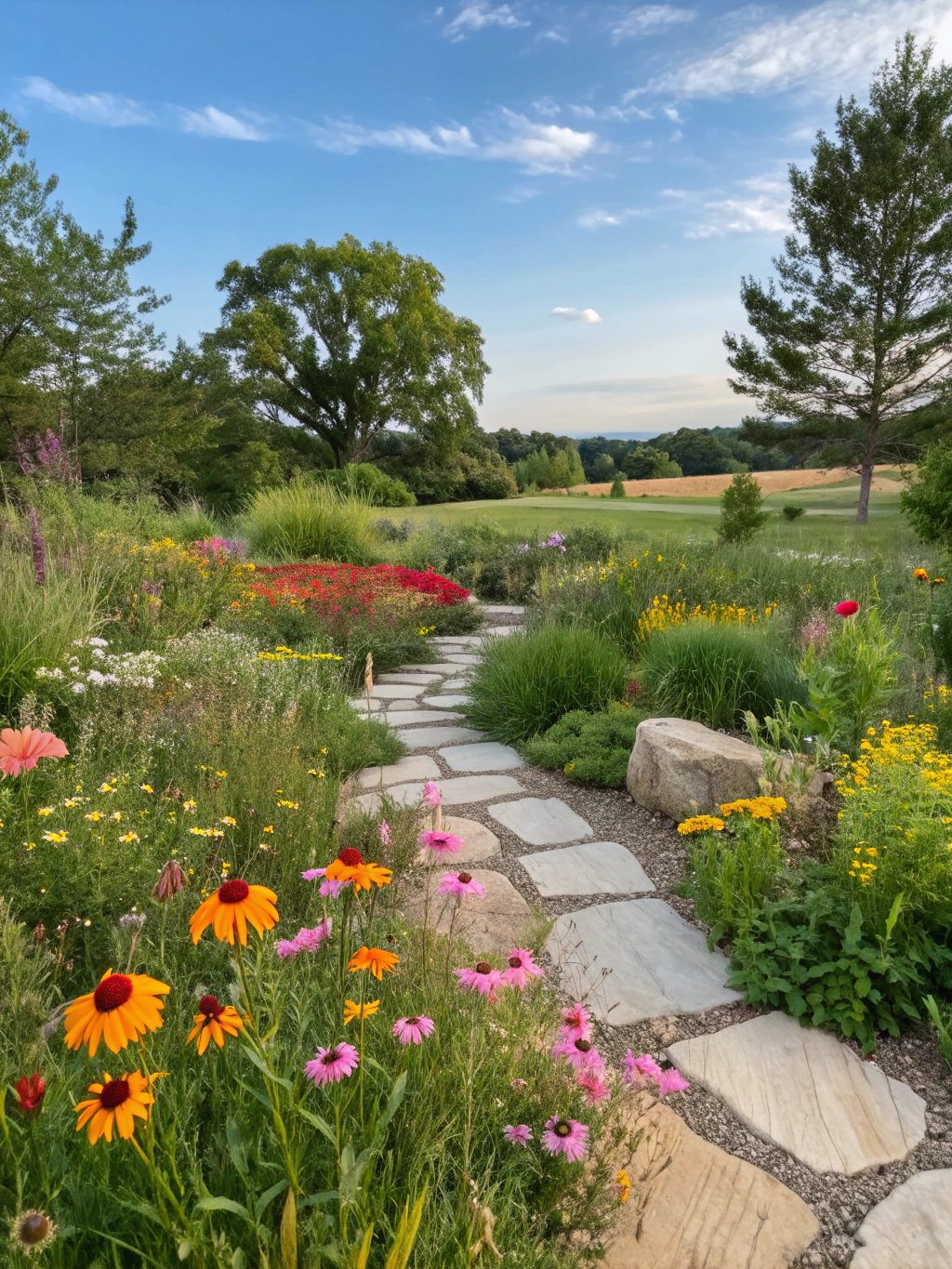
Wildflower gardens create colorful and relaxed outdoor spaces filled with seasonal blooms.
Best Native Wildflowers
- Coreopsis
- Blanket flower
- Lupine
- Asters
- Goldenrod
Why It Works
Wildflowers create movement and natural beauty while attracting pollinators.
Design Tip
Mix flower heights for a softer meadow-inspired appearance.
8. Use Mulch to Keep Native Beds Neat
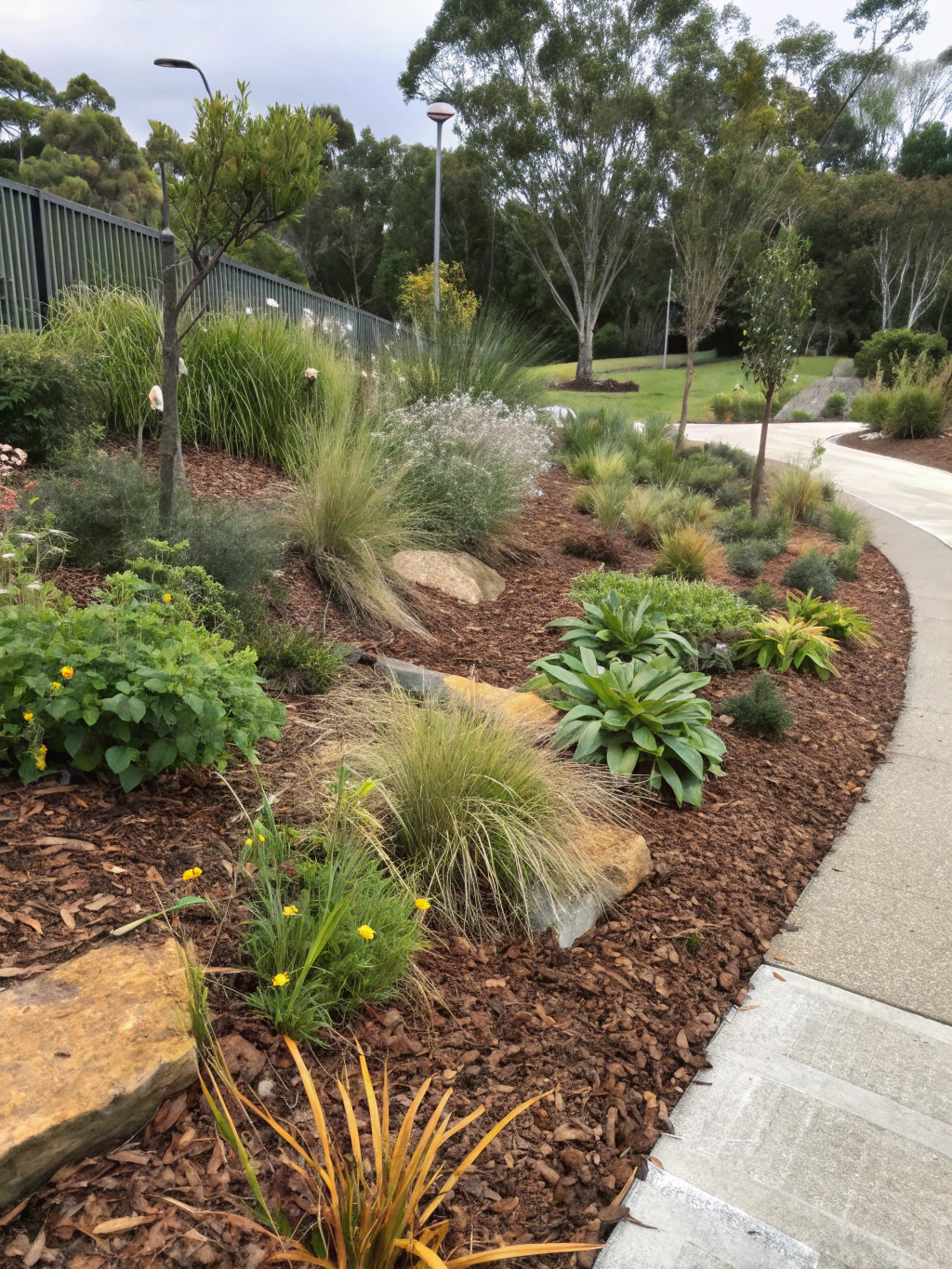
Mulch helps native gardens look more polished while reducing maintenance needs.
Best Mulch Options
- Cedar mulch
- Bark mulch
- Pine straw
- Natural wood mulch
Why It Works
- Suppresses weeds
- Retains soil moisture
- Improves soil quality
9. Create a Native Plant Privacy Border
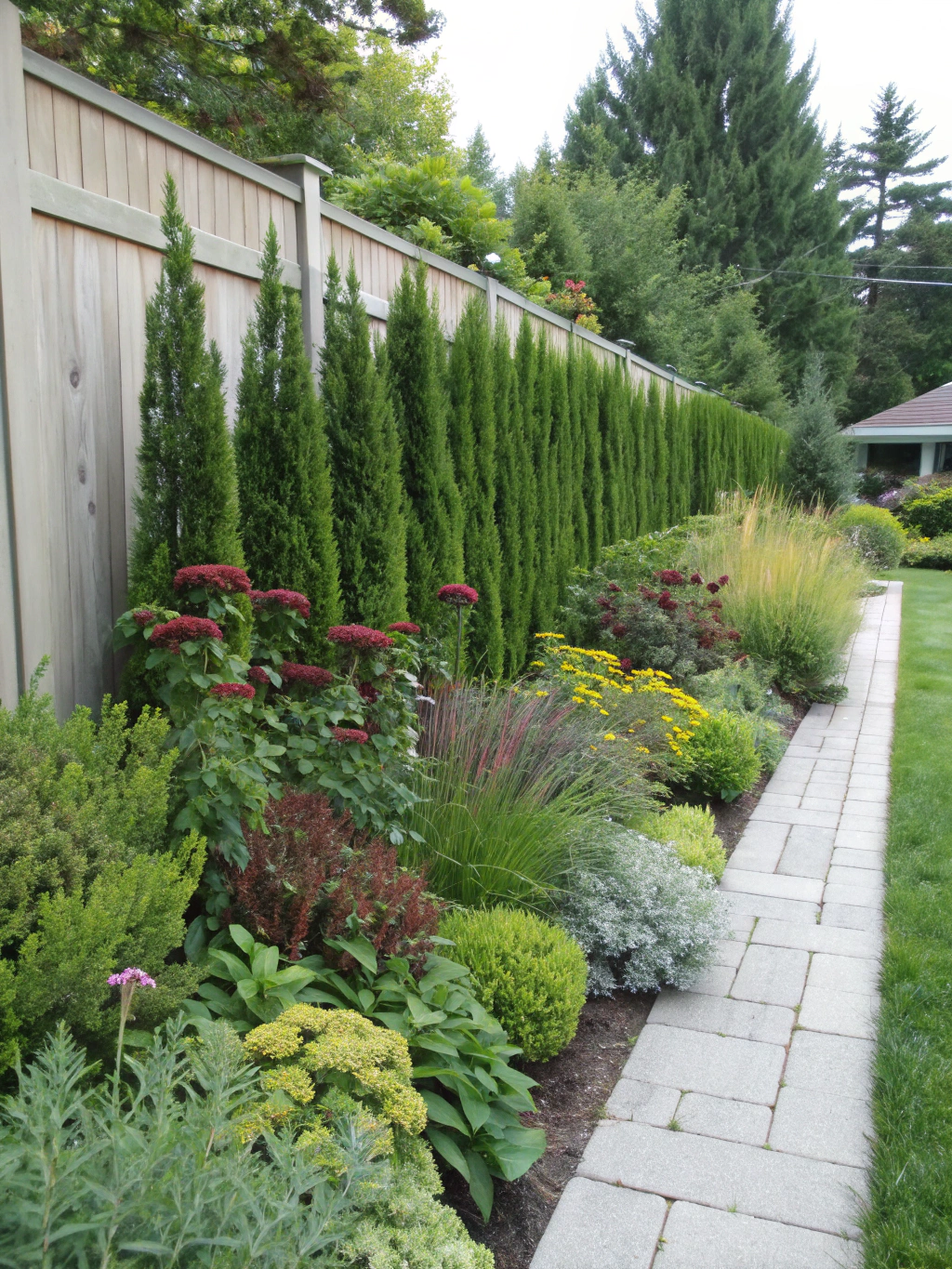
Layered native greenery creates beautiful and eco-friendly privacy screening.
Best Native Privacy Plants
- Arborvitae
- Native grasses
- Viburnum shrubs
- Evergreen trees
Why It Works
Natural privacy borders soften backyard edges while supporting local wildlife.
10. Add Water Features to a Native Landscape
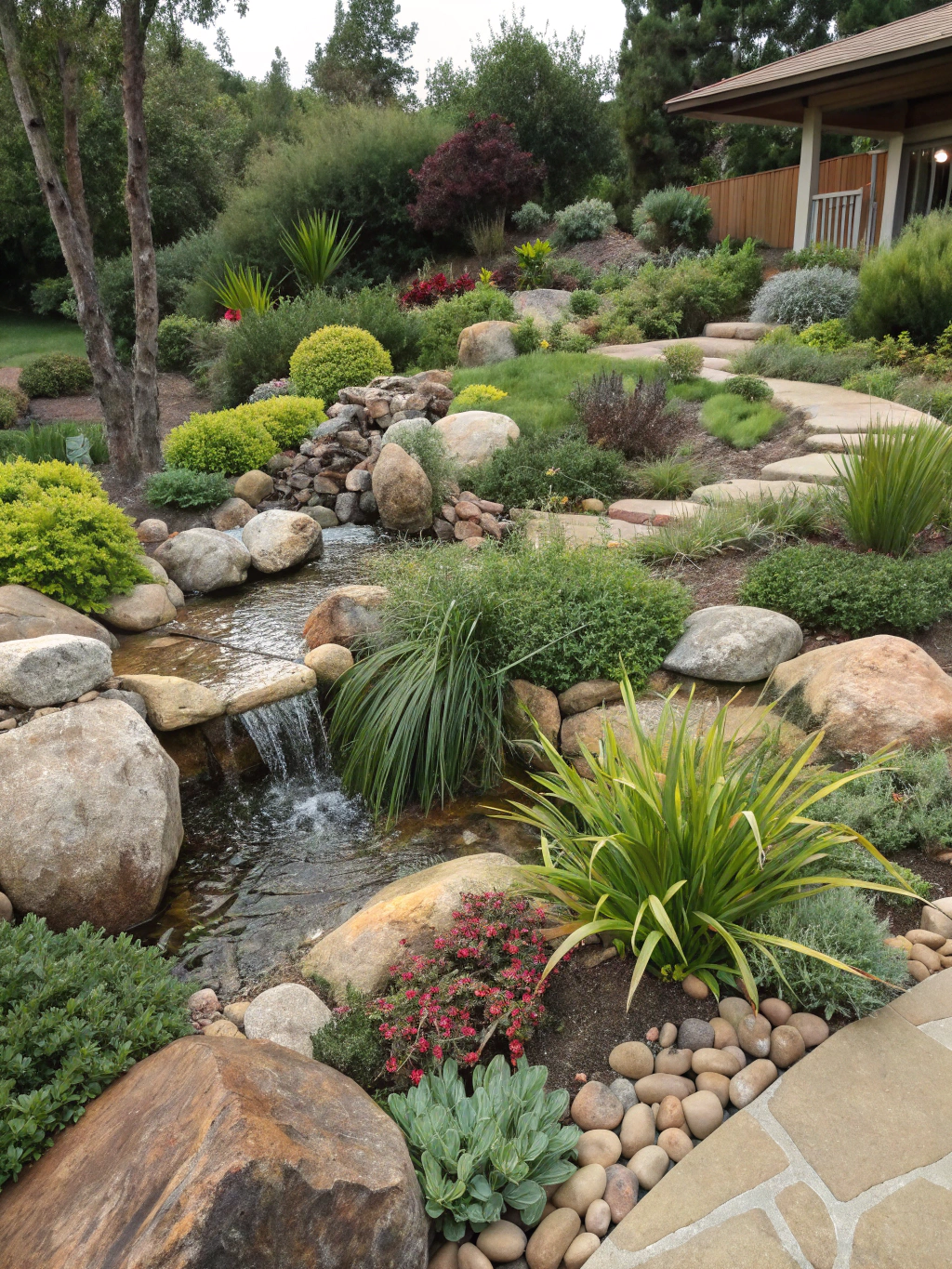
Water features pair beautifully with native plants and help create relaxing outdoor environments.
Best Water Features
- Small ponds
- Bubbling fountains
- Bird baths
- Pondless waterfalls
Why It Works
Water attracts birds and pollinators while adding movement to the landscape.
11. Create a Woodland-Inspired Native Garden
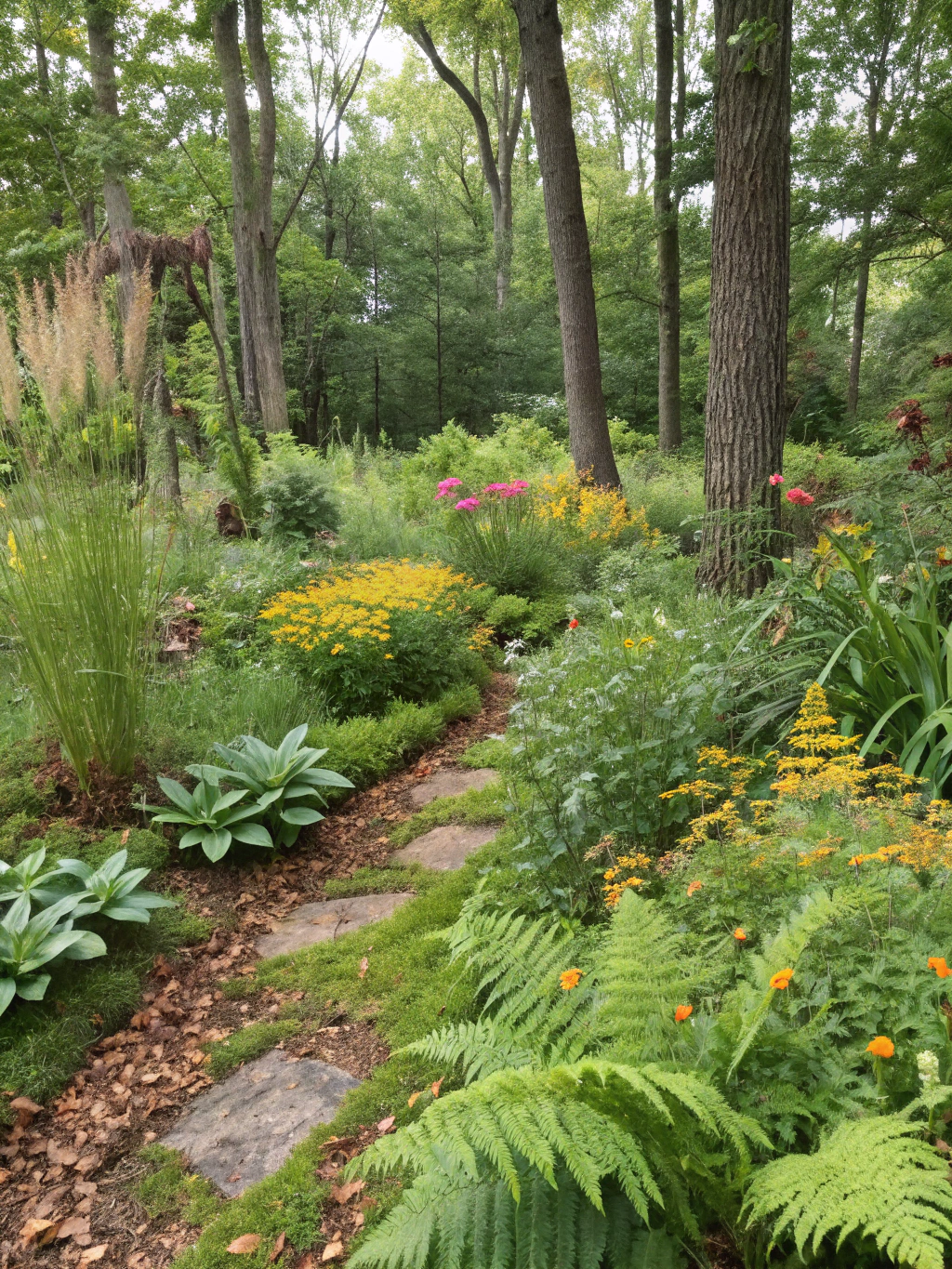
Woodland gardens use shade-loving native plants to create peaceful and layered landscapes.
Best Woodland Plants
- Ferns
- Hostas
- Native moss
- Woodland phlox
Why It Works
Woodland landscapes feel calm, natural, and highly textured.
12. Use Native Ground Cover Instead of Grass
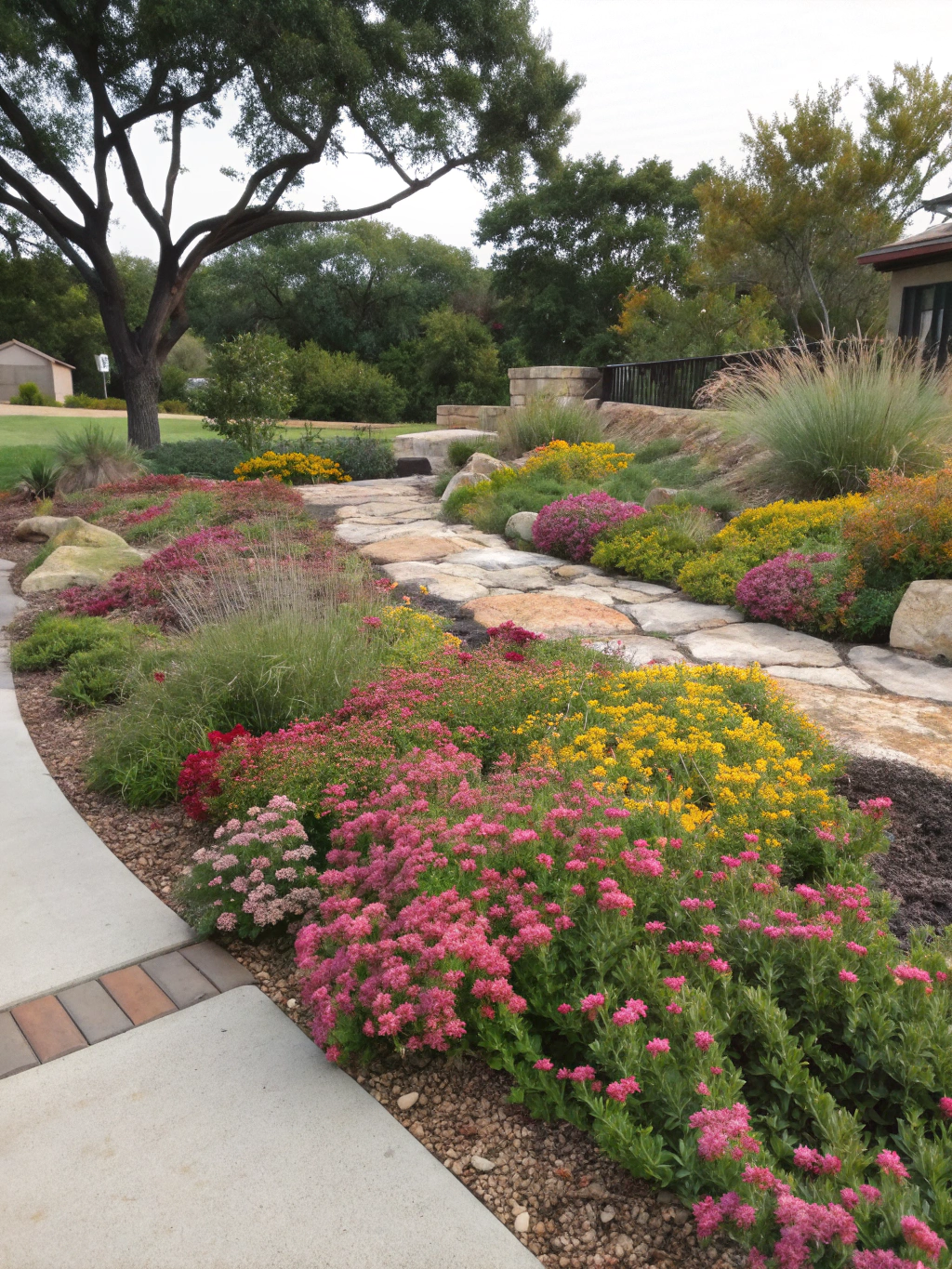
Ground cover plants reduce mowing while creating lush greenery.
Best Native Ground Covers
- Creeping phlox
- Wild ginger
- Clover
- Sedum
Why It Works
Ground cover reduces maintenance and helps prevent weeds and erosion.
13. Add Outdoor Lighting to Highlight Native Landscaping
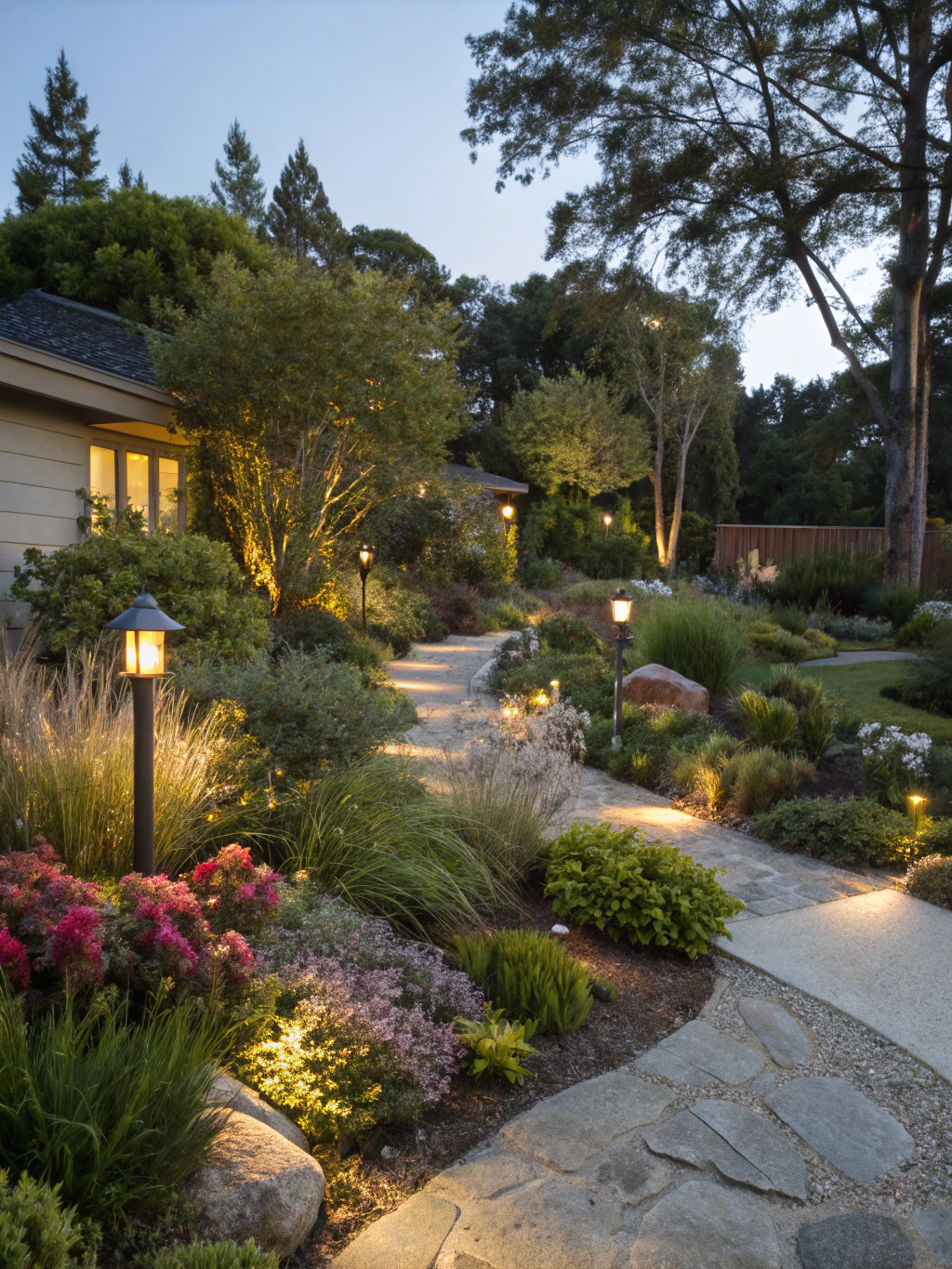
Lighting enhances native gardens beautifully during evenings.
Best Lighting Ideas
- Solar pathway lights
- Tree uplighting
- Lantern lighting
- Warm LED accents
Why It Works
Lighting highlights textures and creates a cozy nighttime atmosphere.
Final Thoughts
Native plant landscaping is one of the best ways to create an outdoor space that feels naturally beautiful, environmentally friendly, and easy to maintain. By choosing plants adapted to your local climate, you can reduce water use, support pollinators, and enjoy a landscape that thrives with less effort.
Whether you prefer colorful wildflower gardens, modern native landscapes, rustic woodland retreats, or minimalist drought-tolerant yards, the key is combining layered greenery with thoughtful hardscaping and simple layouts. With the right design choices, native plant landscaping can create a yard that feels both timeless and deeply connected to nature.
FAQs
What are native plants in landscaping?
Native plants are species that naturally grow in a specific region and are adapted to the local climate, soil, and wildlife.
Why is native plant landscaping better?
Native landscaping usually requires less water, fertilizer, and maintenance while supporting local pollinators and ecosystems.
Are native plants low maintenance?
Yes, most native plants are lower maintenance because they naturally adapt to local growing conditions.
What are the best native plants for landscaping?
The best native plants depend on your location, but common choices include coneflowers, ornamental grasses, salvia, milkweed, dogwood, and black-eyed Susans.
Can native plants look modern?
Yes, native plants work beautifully in modern landscapes when paired with clean layouts, gravel, stone pathways, and minimalist plant groupings.
Do native plants attract pollinators?
Yes, native plants are excellent for attracting bees, butterflies, hummingbirds, and other beneficial pollinators.