14+ Scandinavian Home Design Trends for 2026
This year’s style focuses on warm minimalism, natural materials, and layered textures, moving away from cold, all-white interiors toward spaces that feel more cozy and lived-in.
The goal is to create a home that is simple, functional, and deeply connected to comfort and nature while still maintaining a clean aesthetic.
What Defines Scandinavian Home Design in 2026?
Scandinavian home design in 2026 is defined by warm minimalism, natural textures, and functional layouts that prioritize comfort and simplicity.
Unlike older styles that focused on stark white spaces, modern Scandinavian interiors now feel softer and more inviting. Designers are using earthy tones, layered materials, and cozy elements to create spaces that feel calm but not empty. This shift reflects a move toward homes that support everyday living rather than just visual appeal.
Love Chic Living Club?
Add us as one of your preferred Google sources and discover more home decor, DIY, outdoor, and lifestyle inspiration from us.
Why Is Scandinavian Design Moving Away From All-White Interiors?
Scandinavian design is moving away from all-white interiors because they can feel cold and lack depth.
In 2026, warmer tones like beige, sand, and clay are replacing pure white to create a more welcoming atmosphere. These colors add subtle contrast while still keeping the space bright and minimal. This change makes homes feel more comfortable and less like a showroom.
How Do You Make a Scandinavian Home Feel Cozy and Modern?
To make a Scandinavian home feel cozy and modern, focus on layering textures, adding soft lighting, and using natural materials.
Elements like wool rugs, linen fabrics, wooden furniture, and ambient lighting help create warmth without adding clutter. Instead of adding more decor, the focus is on combining a few high-quality materials that add depth and comfort to the space.
What Materials Are Trending in Scandinavian Interiors for 2026?
The most popular materials in Scandinavian interiors for 2026 include wood, linen, wool, stone, and other natural or sustainable materials.
There is also a strong shift toward eco-friendly choices like recycled wood and handmade decor. These materials not only look better but also align with the Scandinavian focus on sustainability and long-lasting design.
How Can You Add Scandinavian Style on a Budget?
You can add Scandinavian style on a budget by focusing on small changes like textiles, lighting, and decluttering.
Simple updates such as adding a neutral rug, using soft lighting, or incorporating wooden elements can instantly change the feel of a room. Scandinavian design is more about simplicity and intentional choices than expensive furniture, which makes it easier to achieve even with a limited budget.
Here are 14+ Scandinavian design trends that are shaping homes in the coming year.
1. Soft Curves Over Sharp Lines
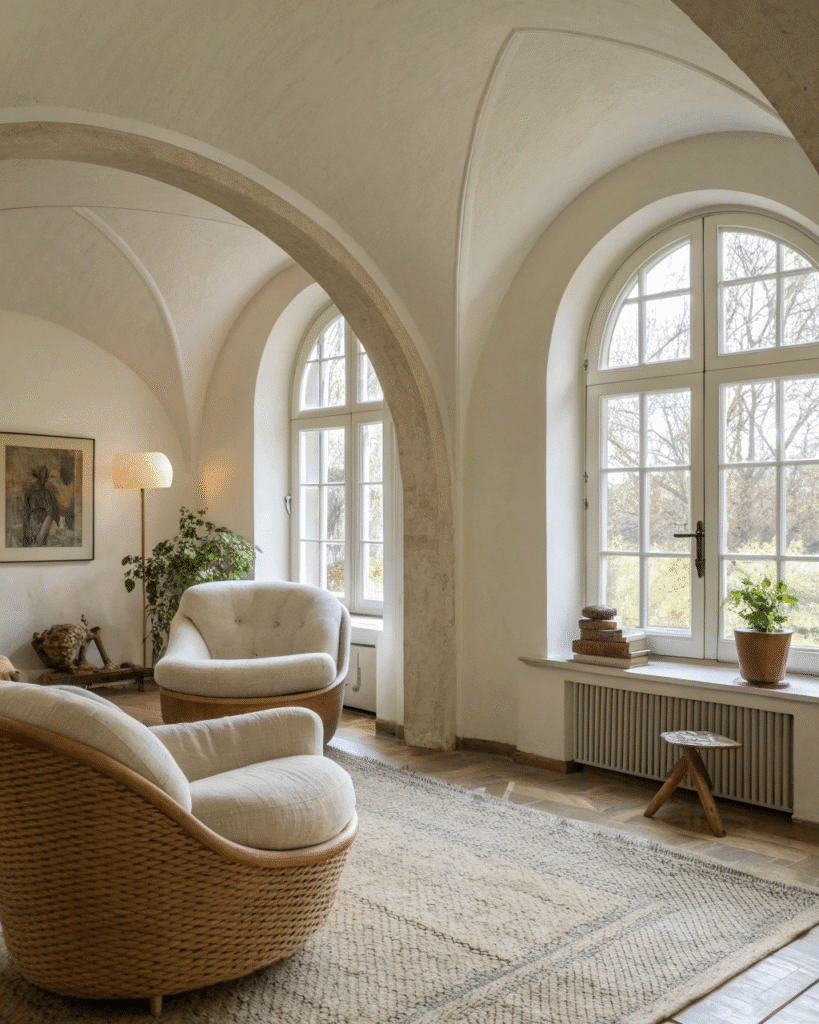
Rounded furniture edges and arch motifs are replacing the sharp angles of minimalism, giving rooms a more inviting feel.
Pro Tip: Start with a curved sofa or arch-backed chair and build your palette around it.
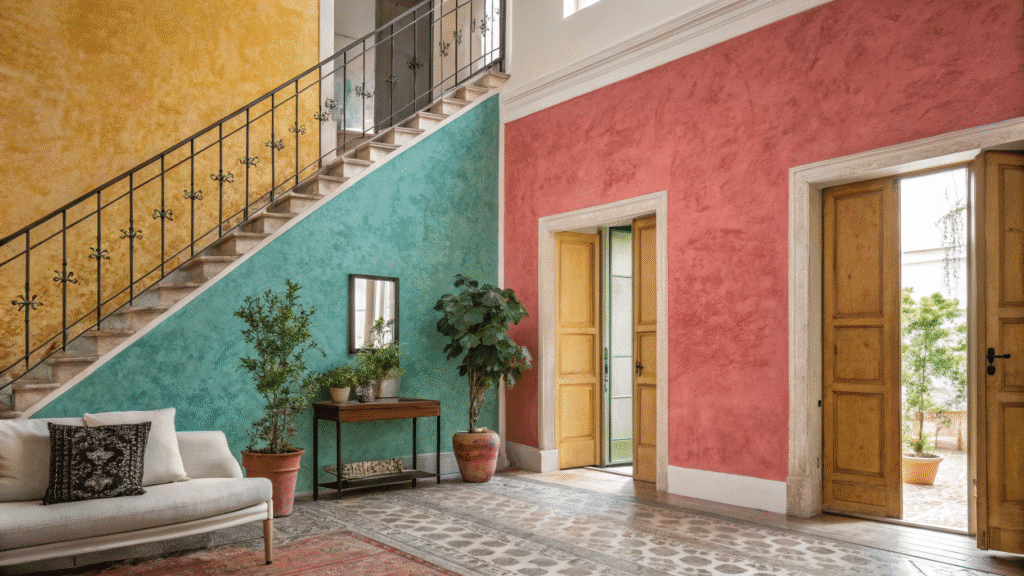
2. Warm Earth Tones Instead of White

While white remains a base, more designers are embracing warmer neutrals—think clay, sand, ochre—for a softer Scandinavian backdrop.
Pro Tip: Use these tones sparingly on accent walls or upholstery to keep the room light.
3. Mixed Material Layering
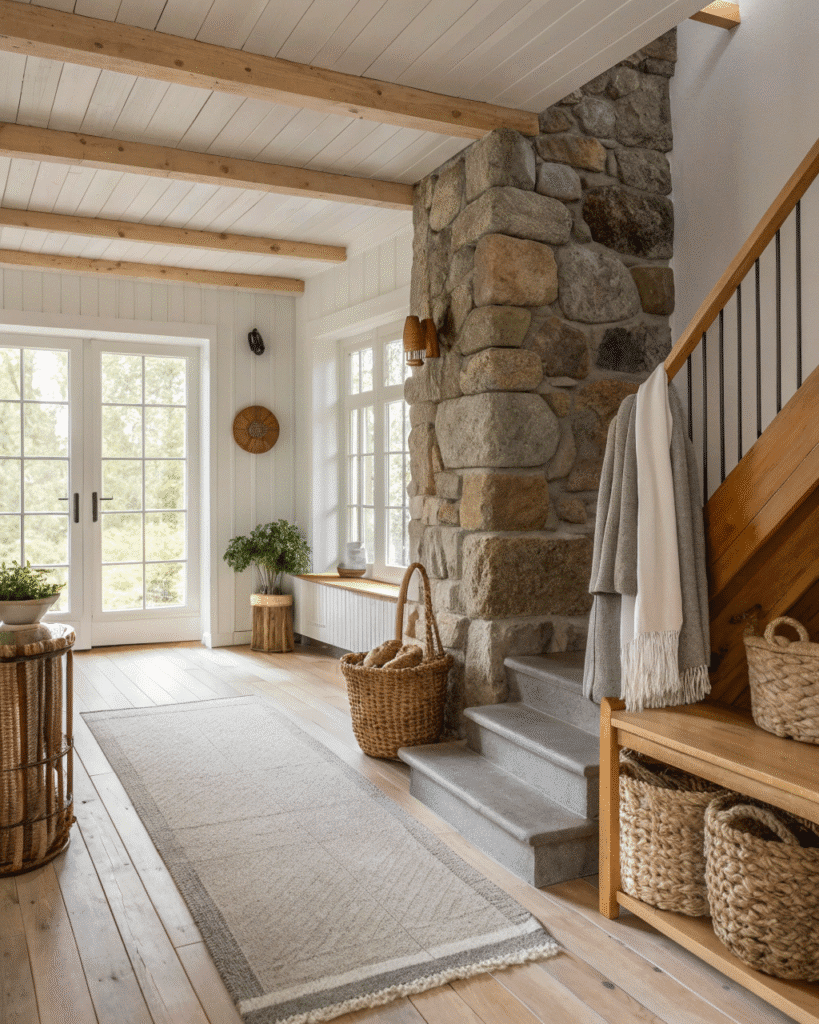
Combining wood, metal, stone, and textile adds depth and texture while keeping the Scandinavian clean aesthetic.
Pro Tip: Choose two primary materials (e.g., light oak and matte black metal) and accent with stone or linen.
4. Biophilic Design and Indoor Nature

Scandinavian homes are bringing the outdoors in—large houseplants, natural light, and sustainable materials define the trend.
Pro Tip: Place a tall fiddle leaf fig or large rubber plant near a window to anchor the space.
5. Minimalist Maximalism

Sparse spaces with one or two bold statement pieces—like a sculptural lamp or oversized artwork—capture attention while maintaining minimalism.
Pro Tip: Let the statement furniture and clean surroundings do the talking.
You May Also Love

6. Soft Textiles and Cozy Layers

Boucle chairs, knit throws, and wool rugs make Scandinavian design feel warm and tactile.
Pro Tip: Mix texture in similar tones rather than adding more colors.
7. Functional Shelving and Storage Displays

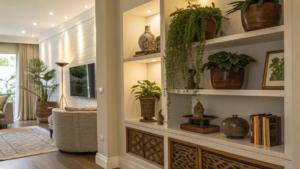
Open shelving that displays curated items continues strong—flatware, ceramics, and books become part of the decor.
Pro Tip: Space items evenly and keep styling minimal to avoid clutter.
8. Sustainable and Local Materials

Cork, bamboo, and recycled wood are gaining traction as eco-conscious alternatives in Scandinavian interiors.
Pro Tip: Swap out a small piece like a side table or shelf to start the sustainable update.
9. Soft Lighting and Warm Ambience
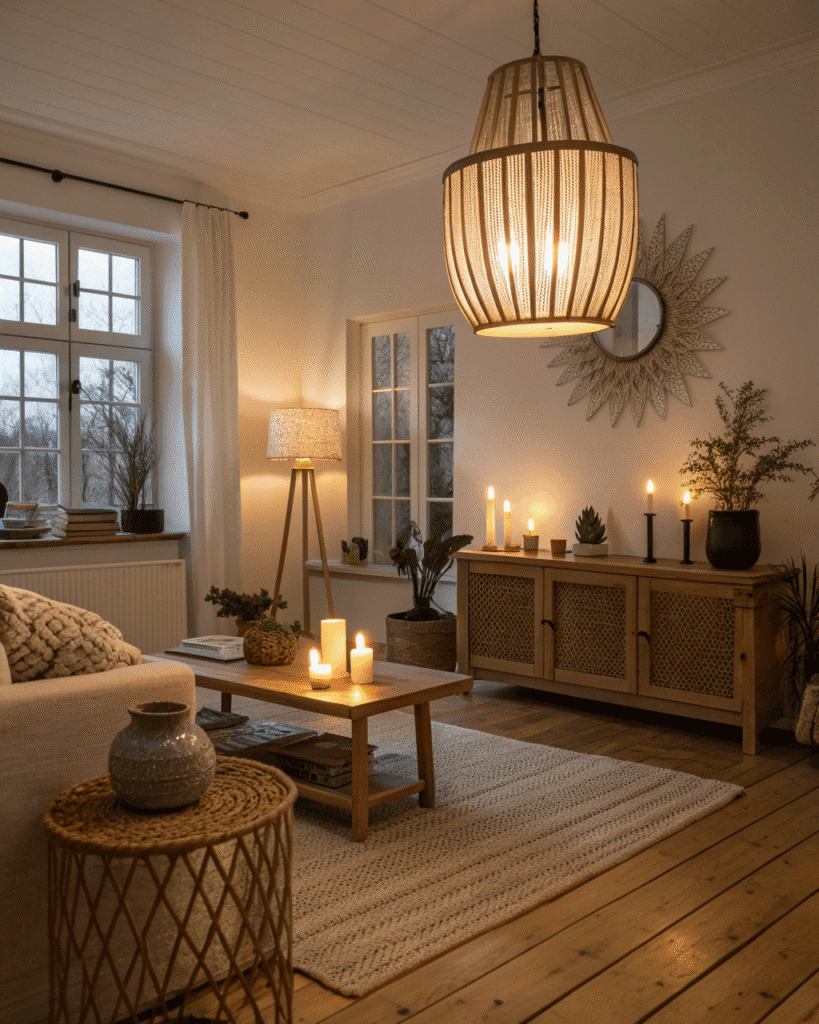
Lighting becomes more atmospheric—less harsh overhead lights, more ambient floor lamps, pendant clusters, and candlelight.
Pro Tip: Use layered lighting with dimmers if possible to allow mood control.
Don't miss: 14+ DIY Laundry Room Organization Projects →
10. Statement Ceilings and Architectural Details
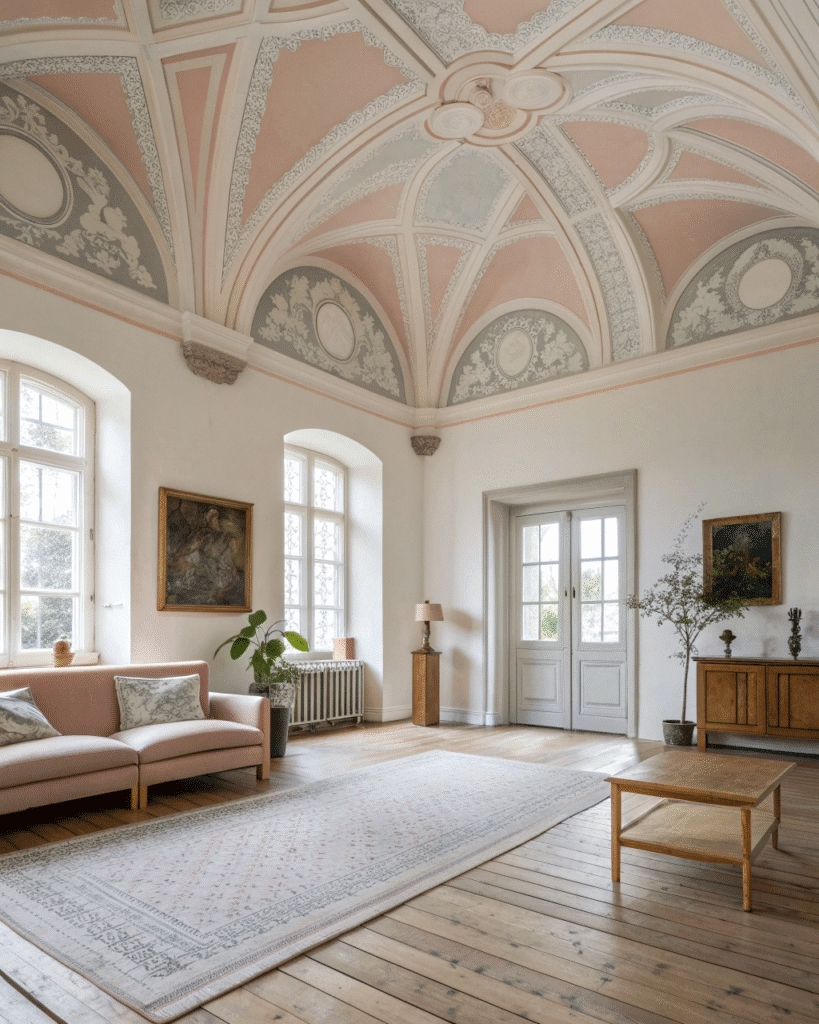
Painting ceilings in soft pastel or wood tones elongates the space and adds visual interest from above.
Pro Tip: Keep the ceiling color just one or two tones deeper than wall color for subtlety.
11. Matte Finishes and Tonal Layers
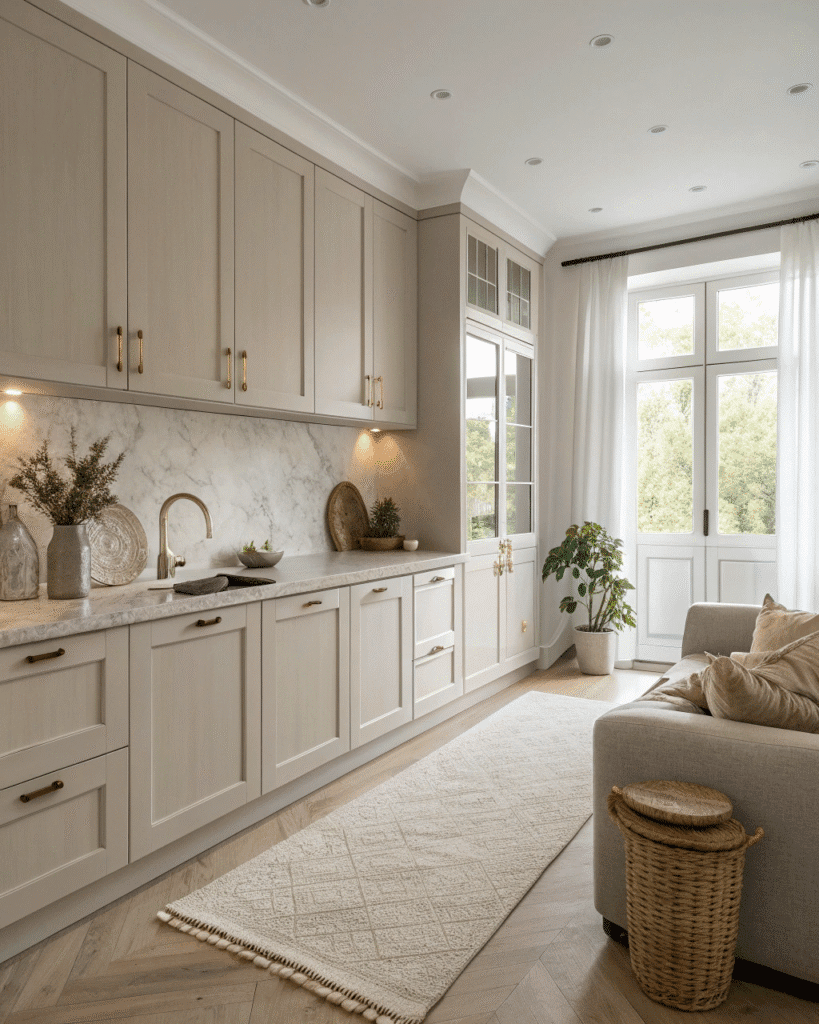
Glossy surfaces are being replaced by matte finishes in cabinetry, fixtures, and accessories for understated luxury.
Pro Tip: Pair matte surfaces with soft textiles for contrast.
12. Plush Accent Chairs as Design Anchors
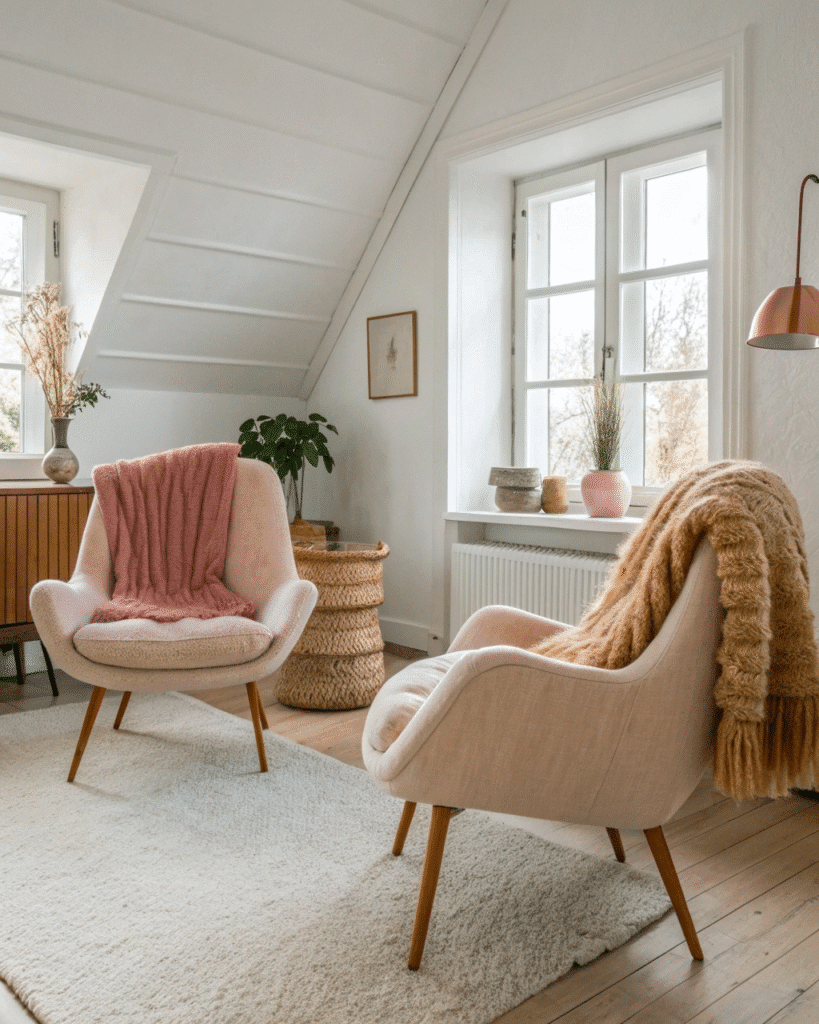
Accent chairs in soft tones or warm textures serve as focal points without dominating the space.
Pro Tip: Choose shapes with character—a sculptural or retro-inspired chair works beautifully.
Keep Exploring
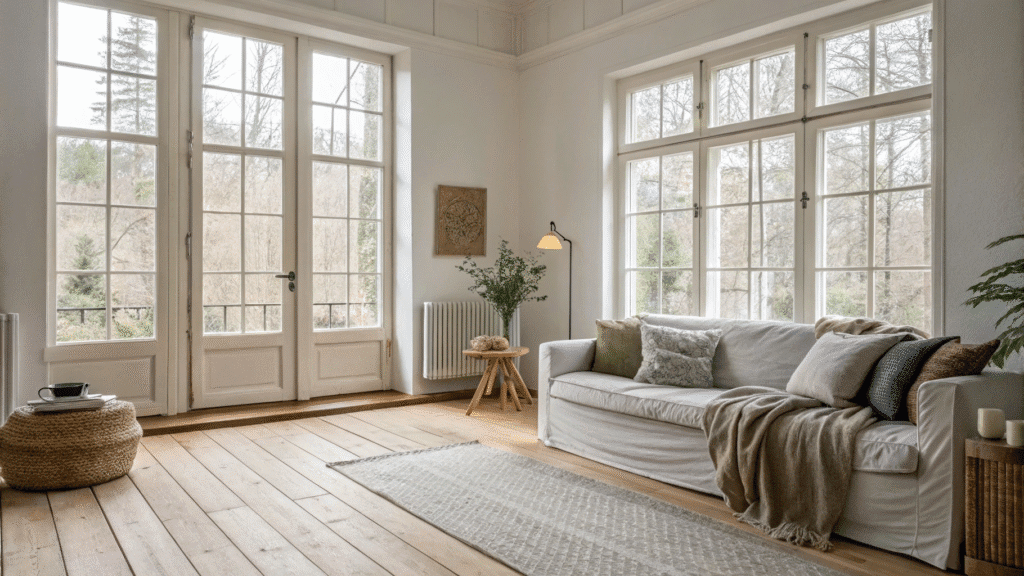
13. Light Wood Floors With Soft Rugs
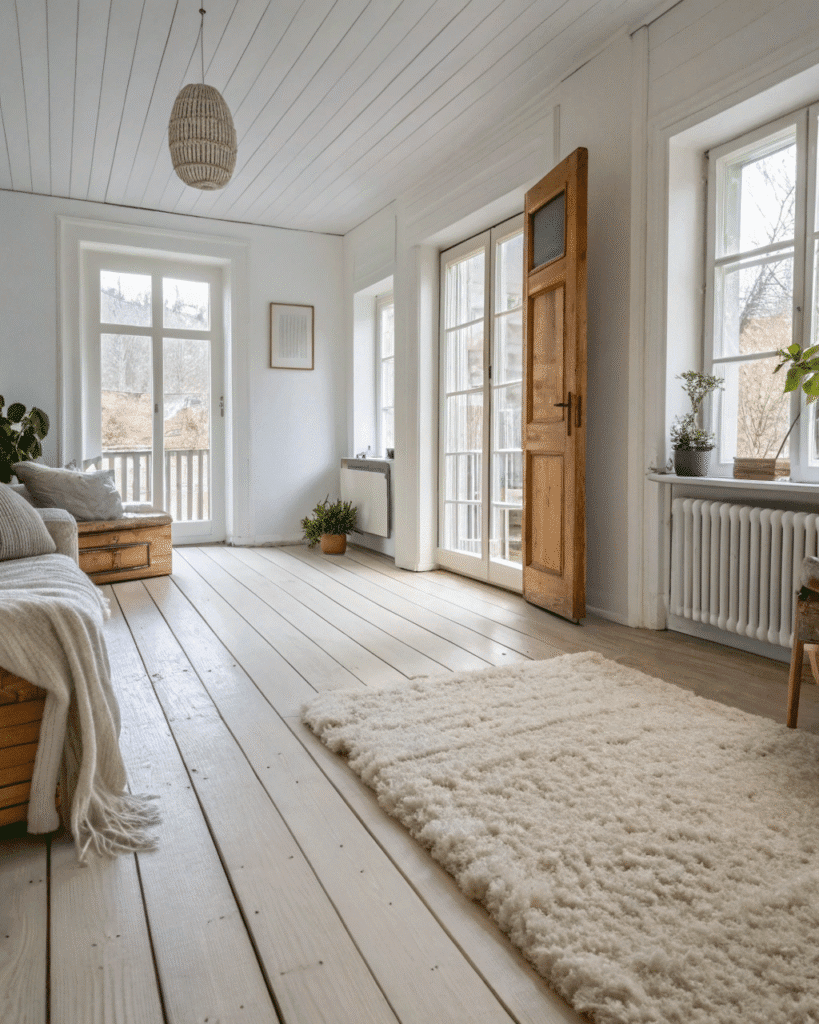
Scandinavian floors remain light, but rugs are larger and softer for comfort underfoot.
Pro Tip: Choose rugs with texture rather than bright patterns for a calm, cohesive look.
14. Monochrome With Warm Accents
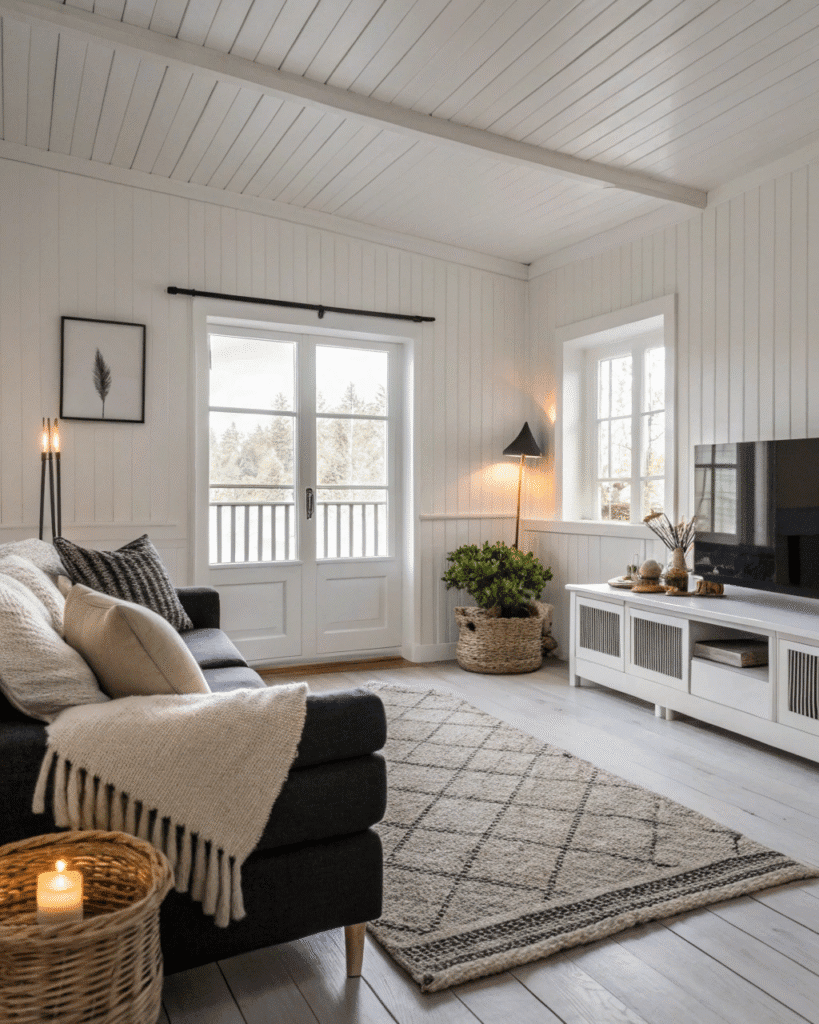
Black and white palettes remain, now warmed up with soft beige, latte, or sand accents for more layered depth.
Pro Tip: Use black in accessories and small accents, not as the dominant color.
15. Artisan Details and Handmade Touches
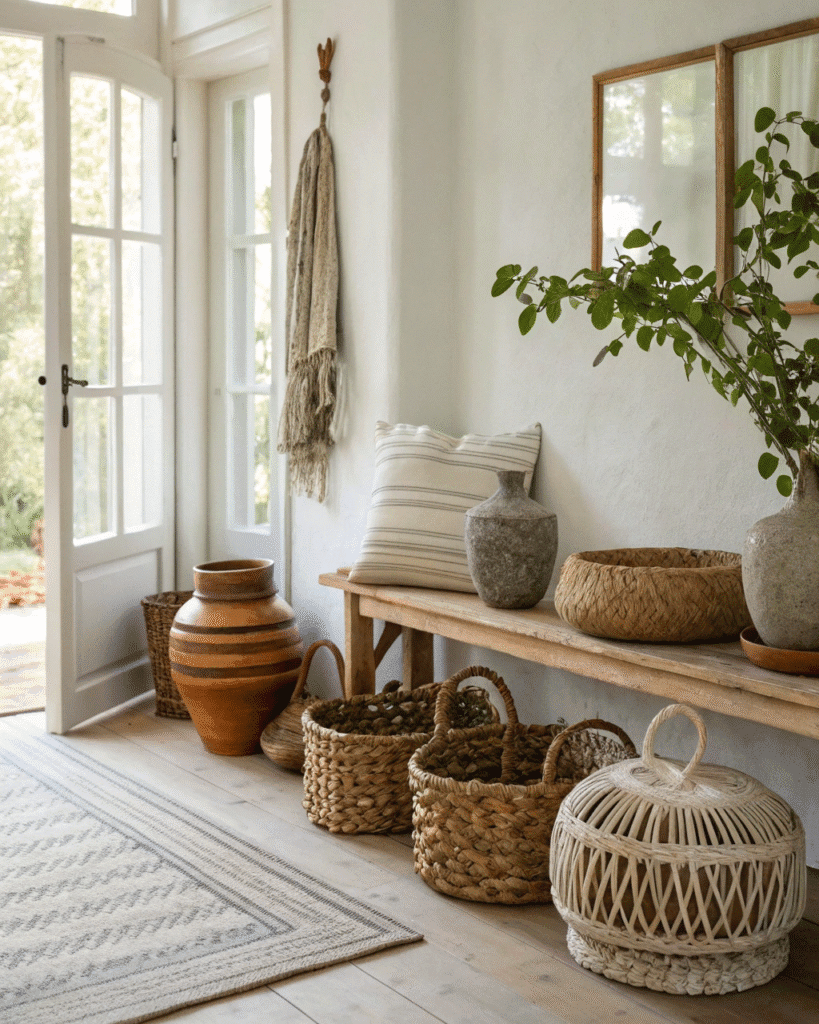
Hand-thrown pottery, woven baskets, and local craftsmanship bring soul into the clean Scandinavian palette.
Pro Tip: Display one or two special handmade pieces in prominent spots.
Final Thoughts
Scandinavian home design in 2026 is all about balance. It keeps the simplicity and functionality the style is known for while adding warmth, texture, and personality.
By focusing on natural materials, soft colors, and thoughtful design, you can create a space that feels both modern and comfortable without overcomplicating it.
Frequently Asked Questions
What colors are popular in Scandinavian design for 2026?
Popular colors include warm neutrals like beige, sand, clay, and soft greys, often paired with white and black accents. These tones create a calm and balanced look.
Is Scandinavian design still minimalist in 2026?
Yes, but it is now more relaxed and warm. Instead of strict minimalism, the focus is on comfort, texture, and livability.
What makes Scandinavian interiors feel cozy?
Cozy Scandinavian interiors use soft textiles, warm lighting, natural materials, and layered textures to create a comfortable atmosphere.
Can Scandinavian design work in small homes?
Yes, Scandinavian design works especially well in small spaces because it focuses on functionality, light colors, and smart layouts that make rooms feel bigger.
What is the biggest trend in Scandinavian homes right now?
The biggest trend is warm minimalism, which combines clean design with cozy elements like textures, earthy tones, and natural materials.