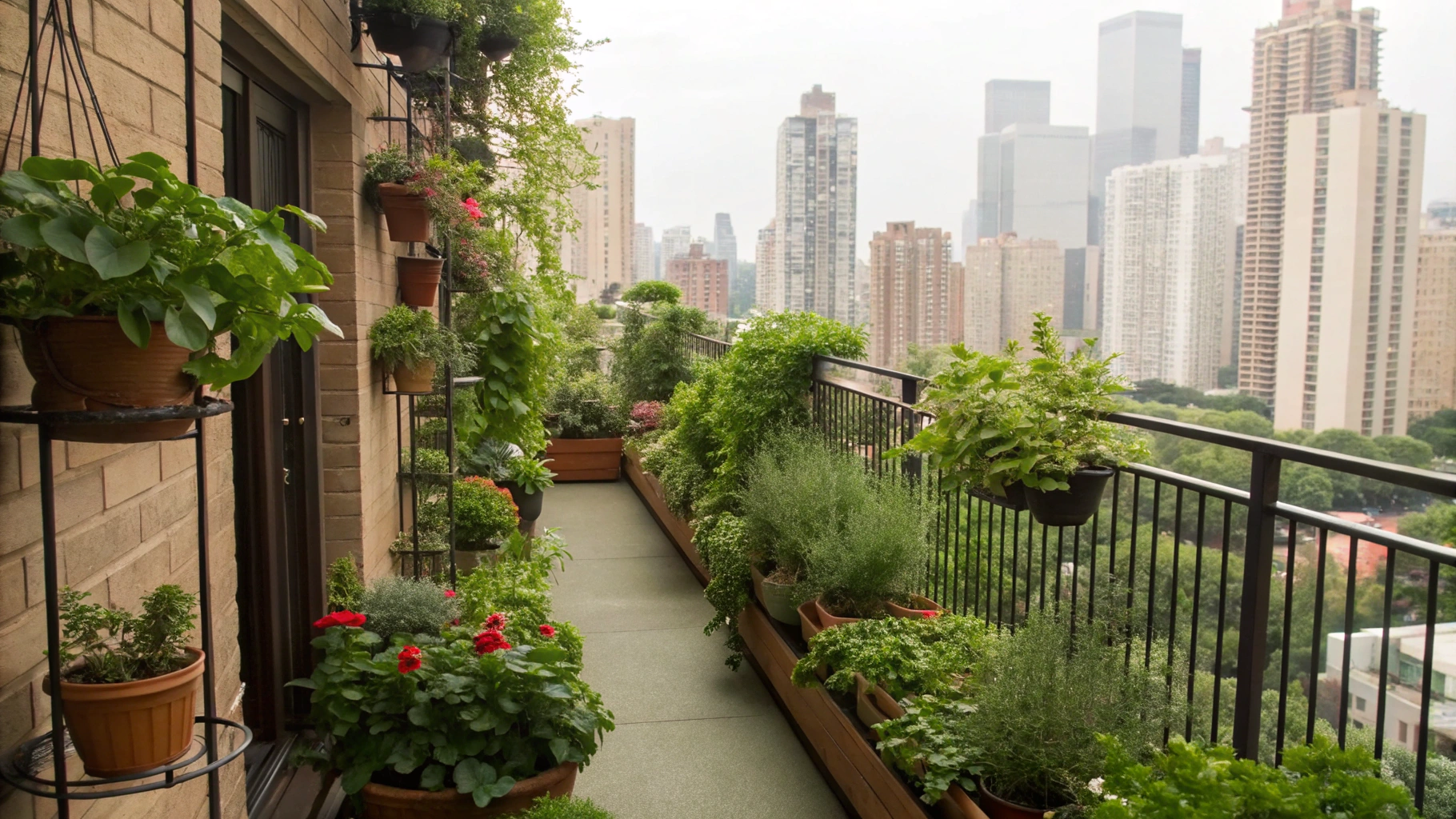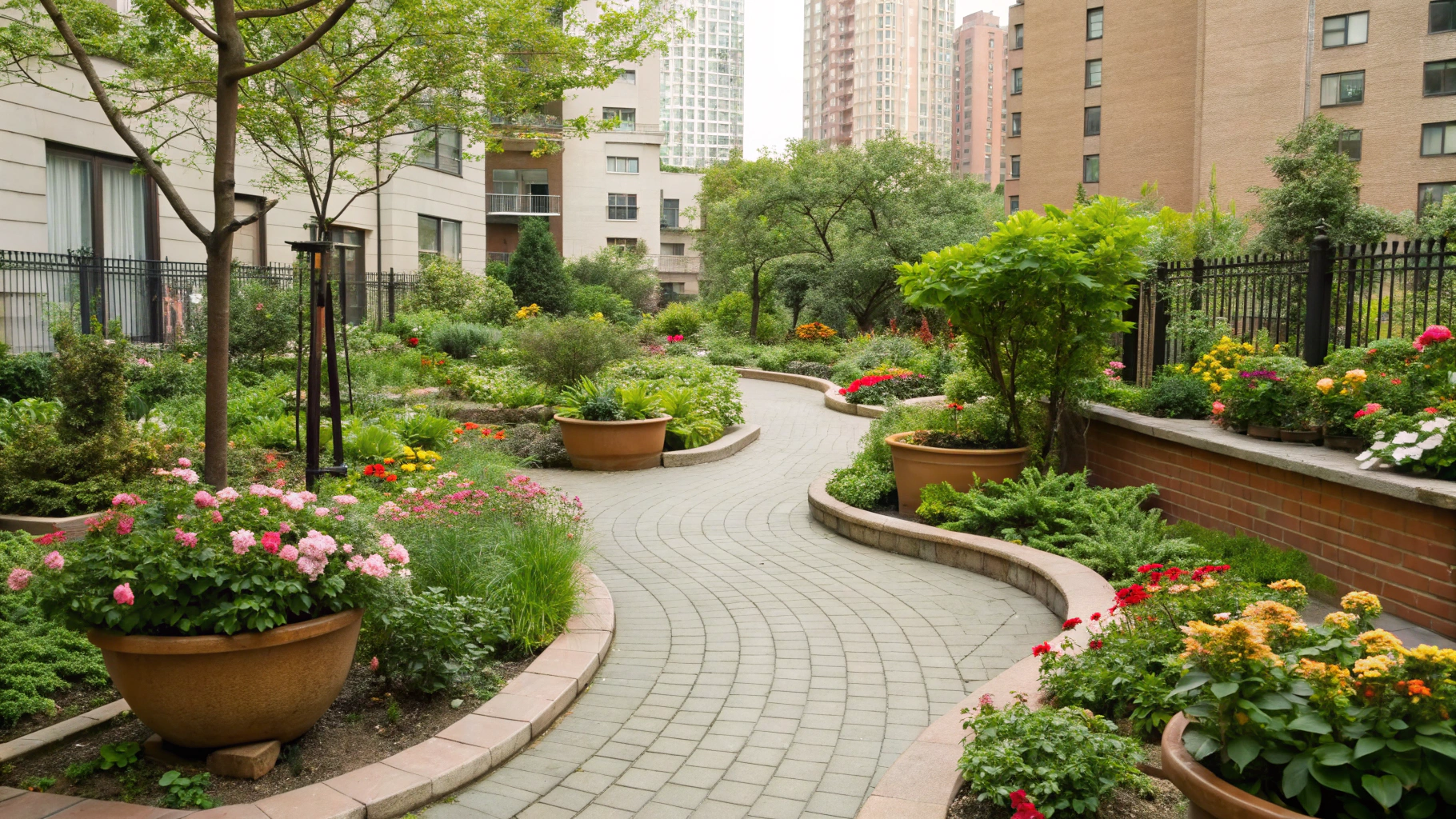
Small City Garden Layout Ideas You’ll Want to Copy
Designing a small city garden is not just about adding plants, it’s about how you arrange everything. A smart layout can make even the tiniest balcony or corner feel spacious, organized, and visually beautiful. The right setup helps your garden feel intentional rather than crowded.
These layout ideas focus on maximizing space while creating a clean, stylish, and easy to maintain garden.
Why Layout Matters in Small Spaces
In compact areas, layout makes all the difference. Without a clear plan, even a few plants can make the space feel cluttered.
A good layout helps you:
• Use every inch efficiently
• Keep the space open and walkable
• Create a balanced and calming look
Love Chic Living Club?
Add us as one of your preferred Google sources and discover more home decor, DIY, outdoor, and lifestyle inspiration from us.
It turns a small space into something functional and beautiful.
How to Plan Your Garden Layout
Before placing anything, take a moment to visualize your space.
Think about:
• Where sunlight hits during the day
• How much room you need to move around
• Which areas you want to highlight
Planning first helps avoid rearranging later.
Layout Tips That Always Work
Simple design rules can make your layout look more polished.
Keep these in mind:
• Group plants instead of scattering them
• Use different heights for depth
• Leave some empty space for balance
• Stick to a consistent style
These small details create a big impact.
1. Layered Corner Layout
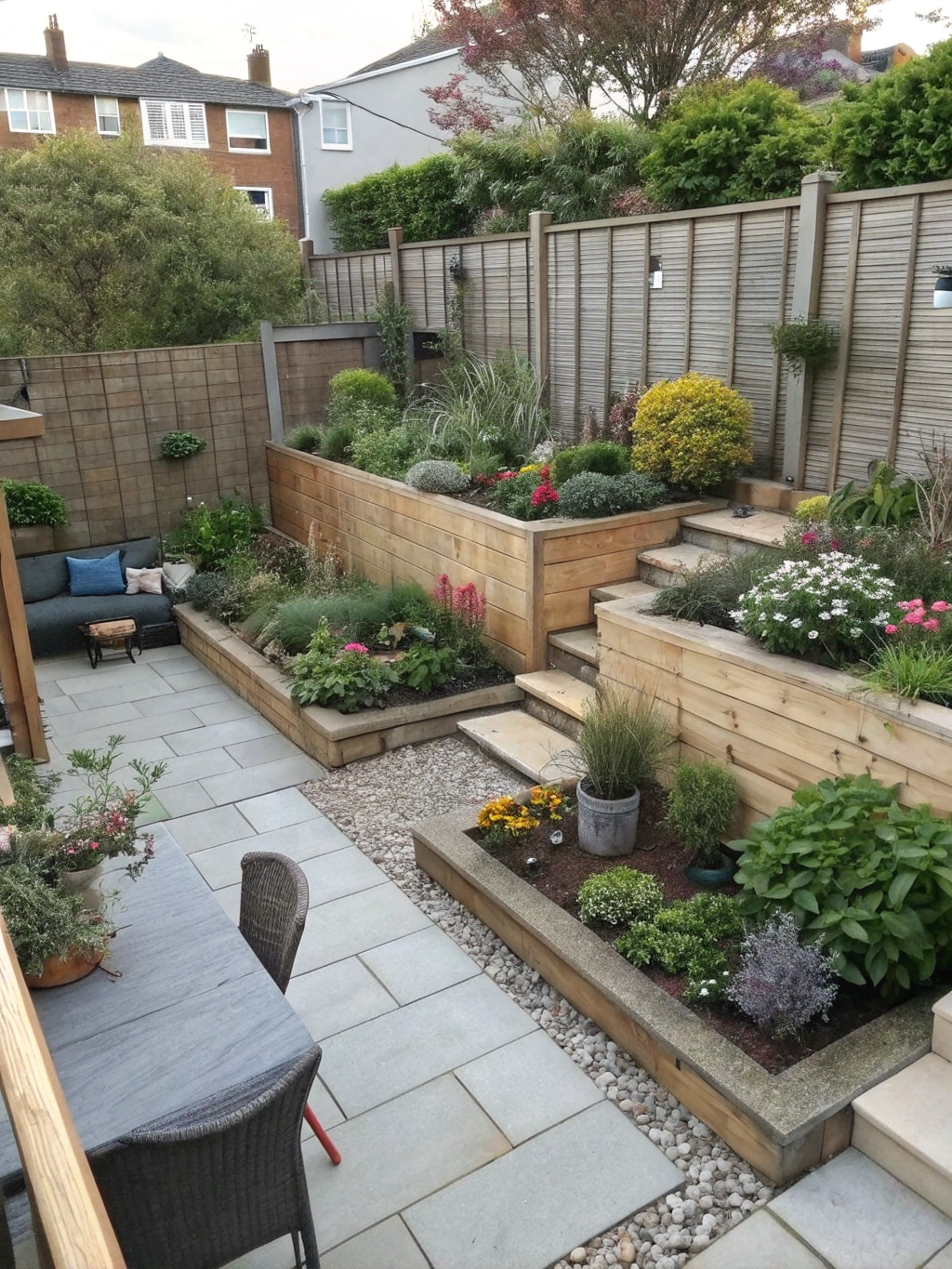
A corner setup is one of the easiest ways to save space.
Arrange plants:
• Tall plants at the back corner
• Medium pots in the middle
• Small plants in front
This creates depth without taking up much room.
2. Vertical Wall Layout
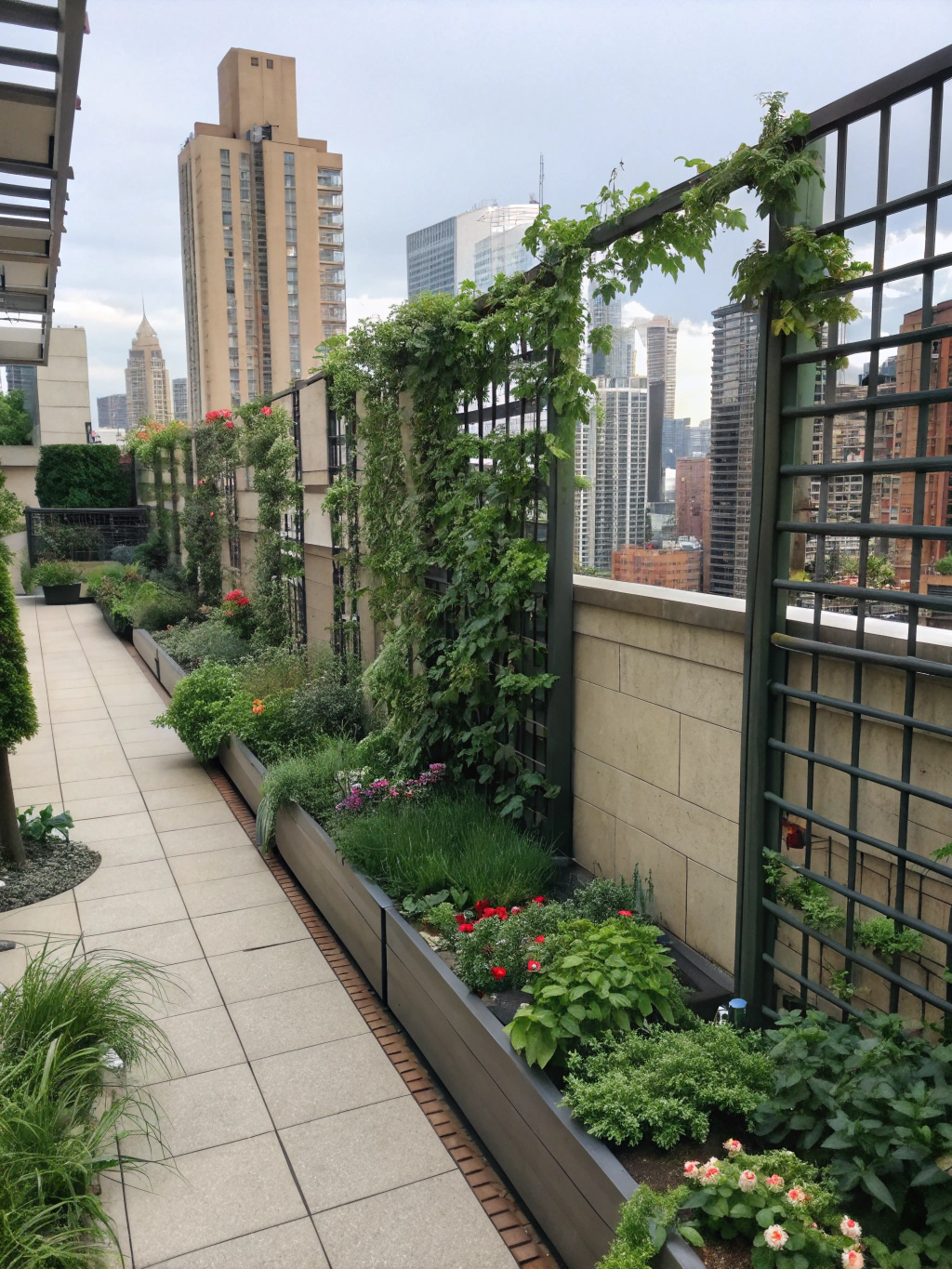
Using wall space keeps the floor area open.
Install:
• Wall mounted planters
• Hanging pots
• Vertical racks
Perfect for narrow balconies.
3. Symmetrical Balcony Layout
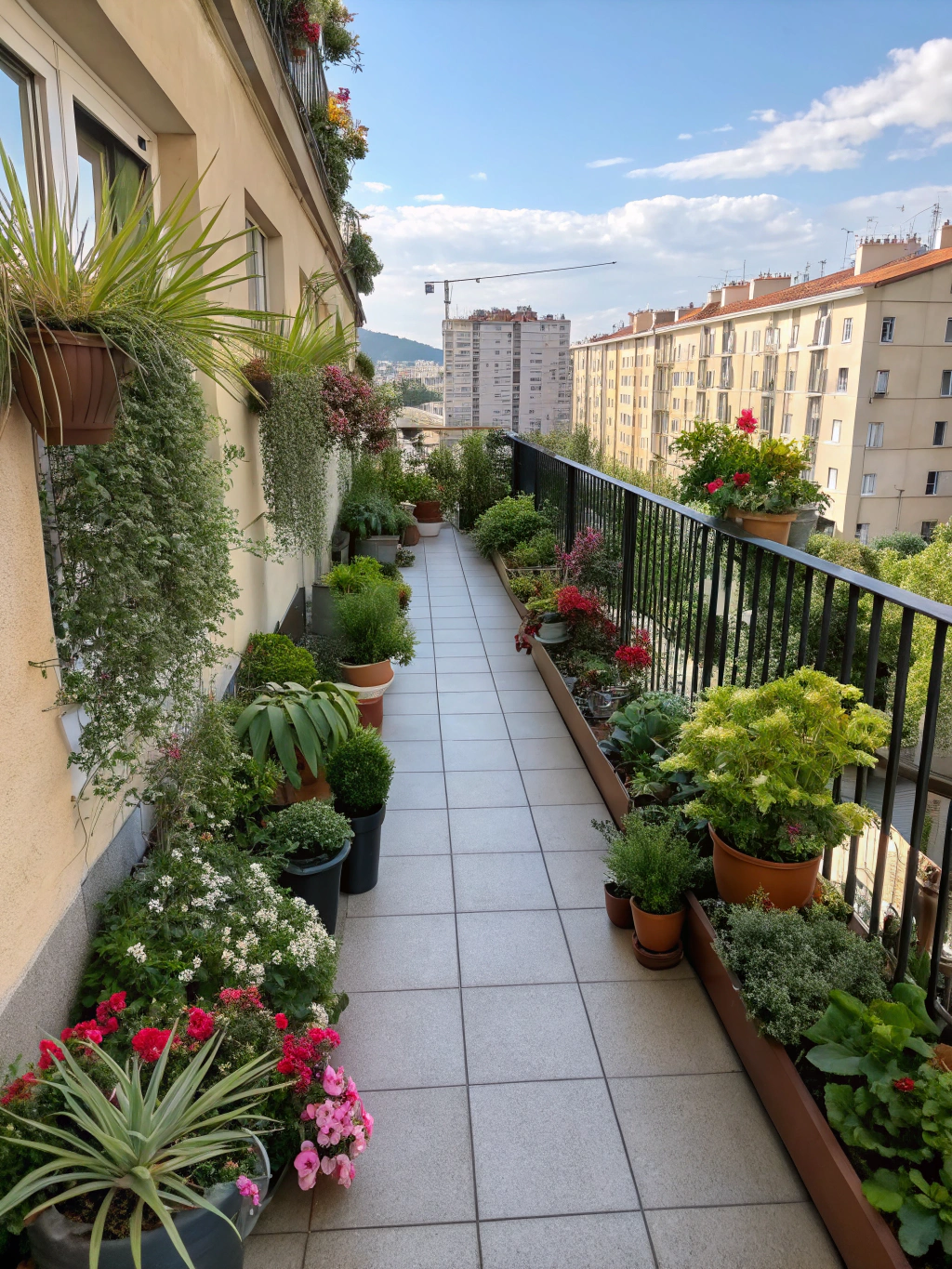
Symmetry creates a clean and organized look.
Design it with:
• Matching planters on both sides
• Even spacing
• Balanced plant sizes
This makes the space feel intentional.
4. One Side Plant Layout
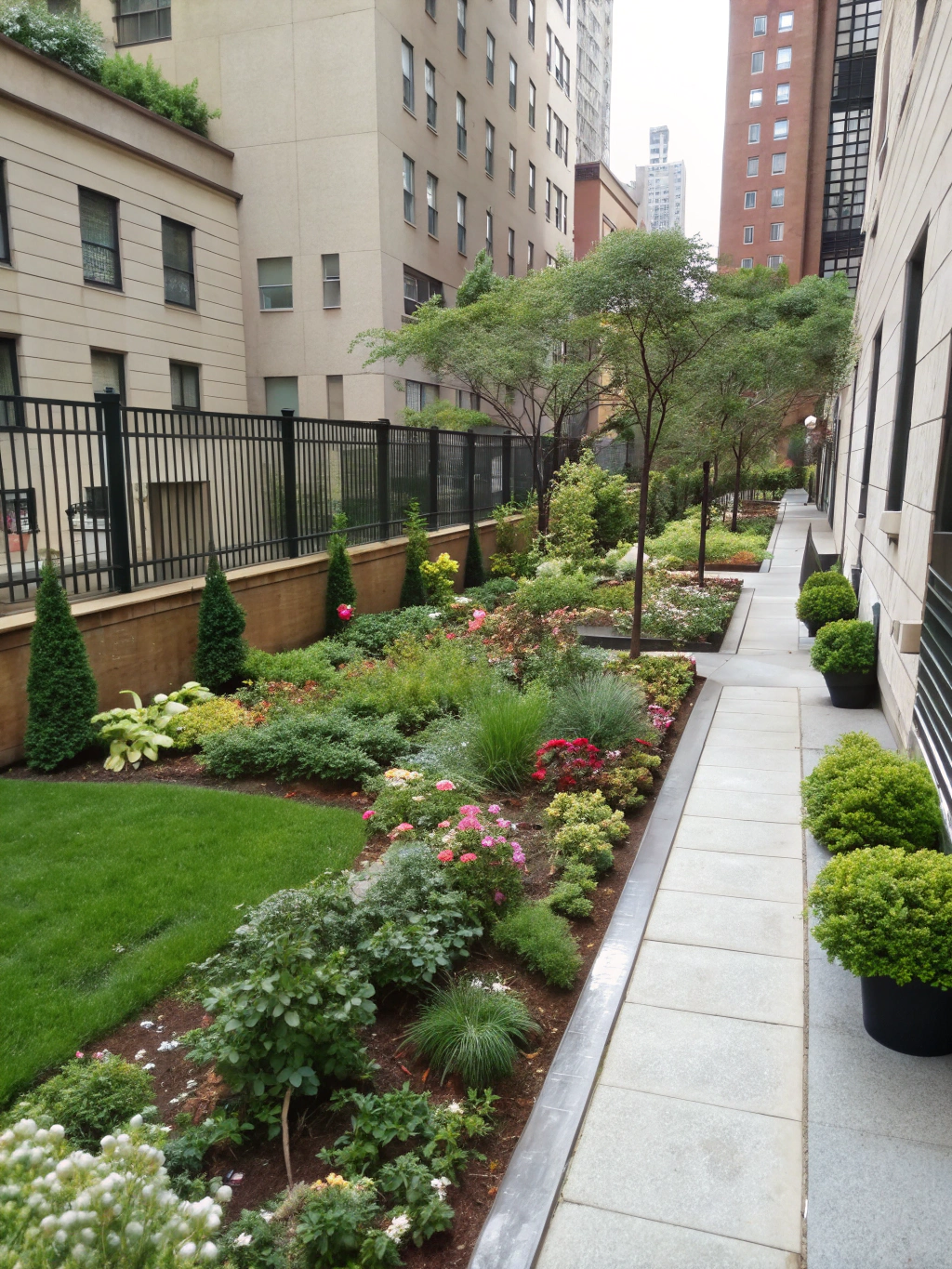
Keeping all plants on one side leaves room to move.
Place plants:
• Along one wall or railing
• In a neat line
• With varied heights
You May Also Love
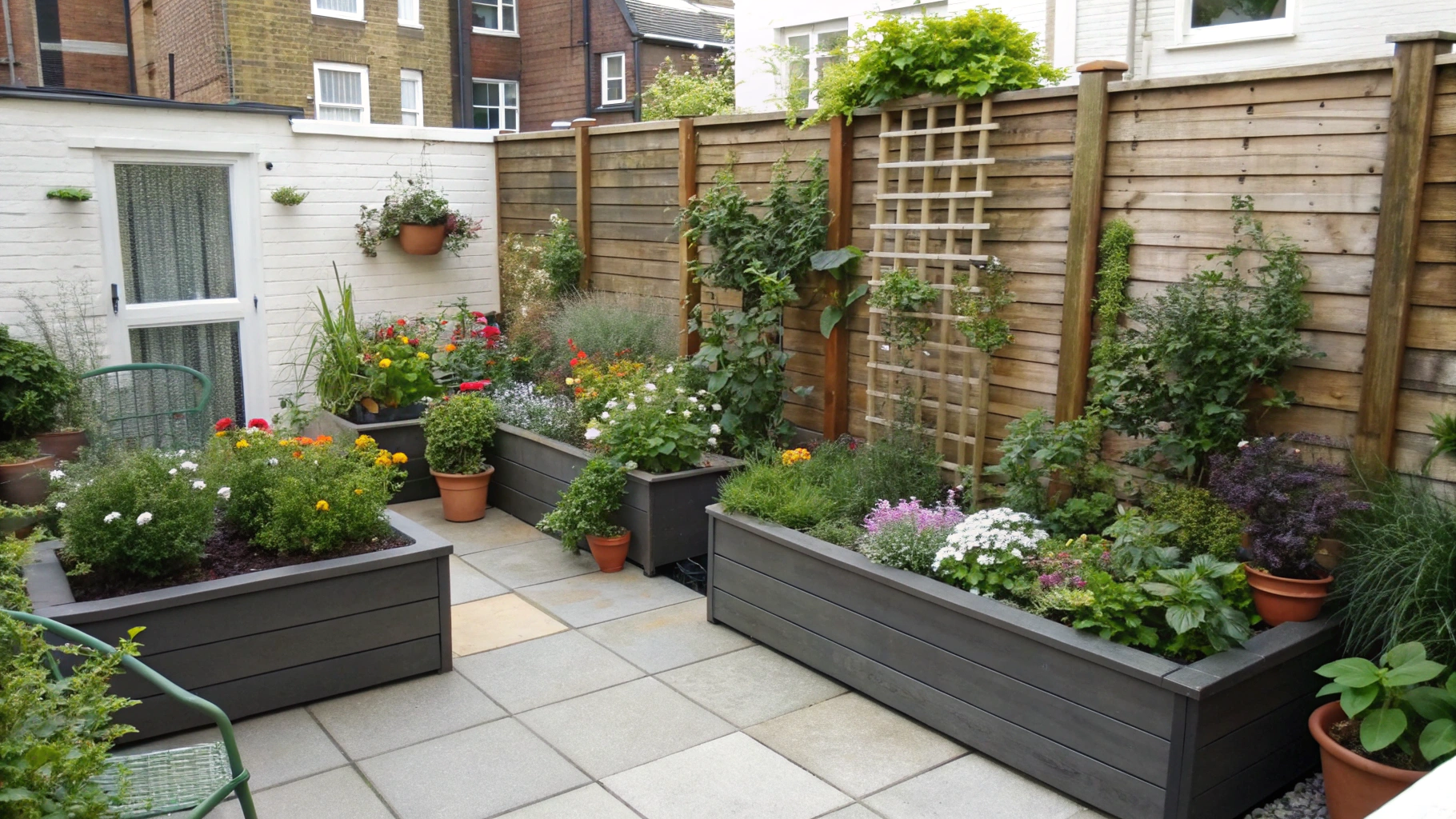
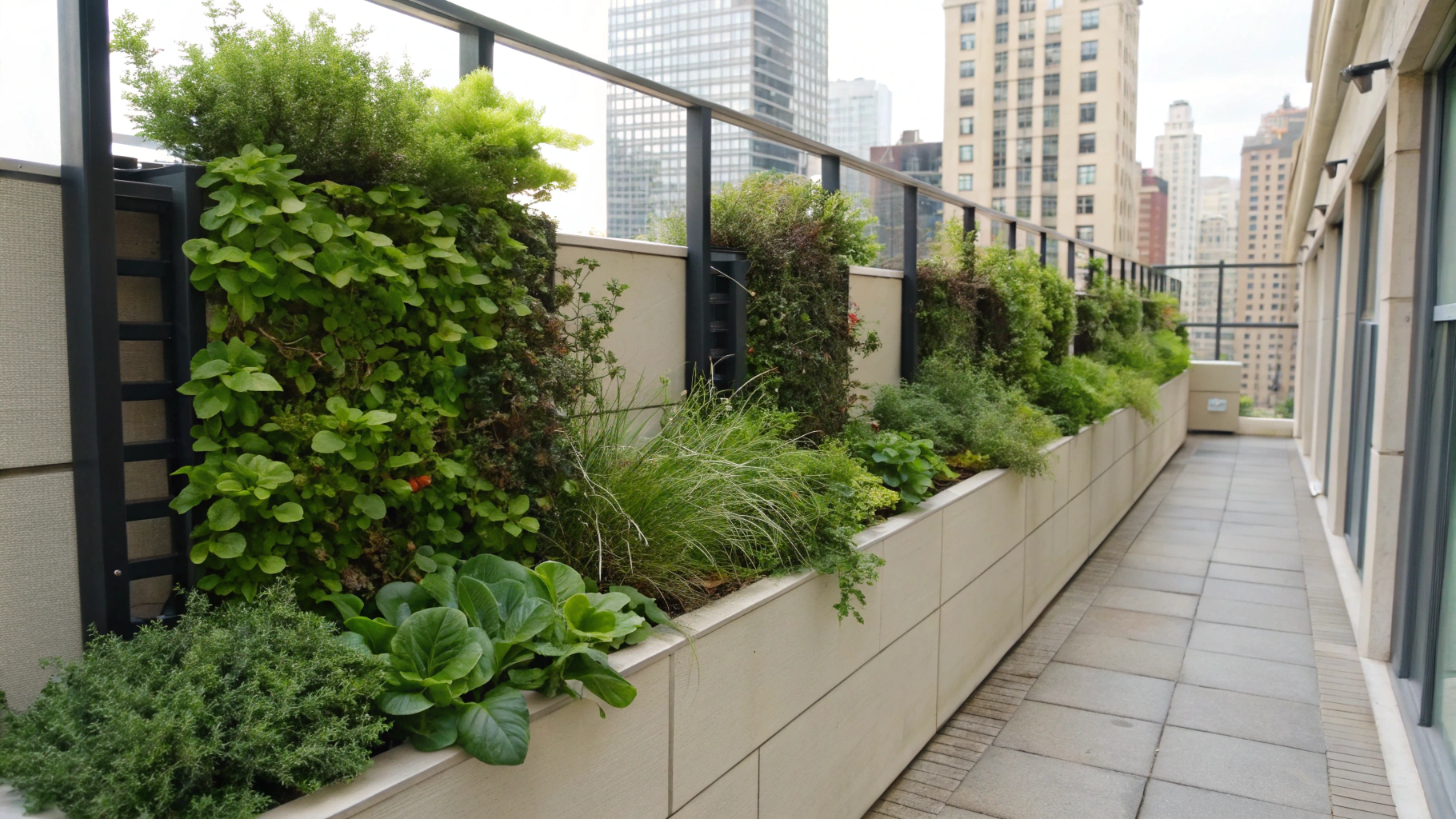
This keeps the area uncluttered.
5. Mini Garden and Seating Combo
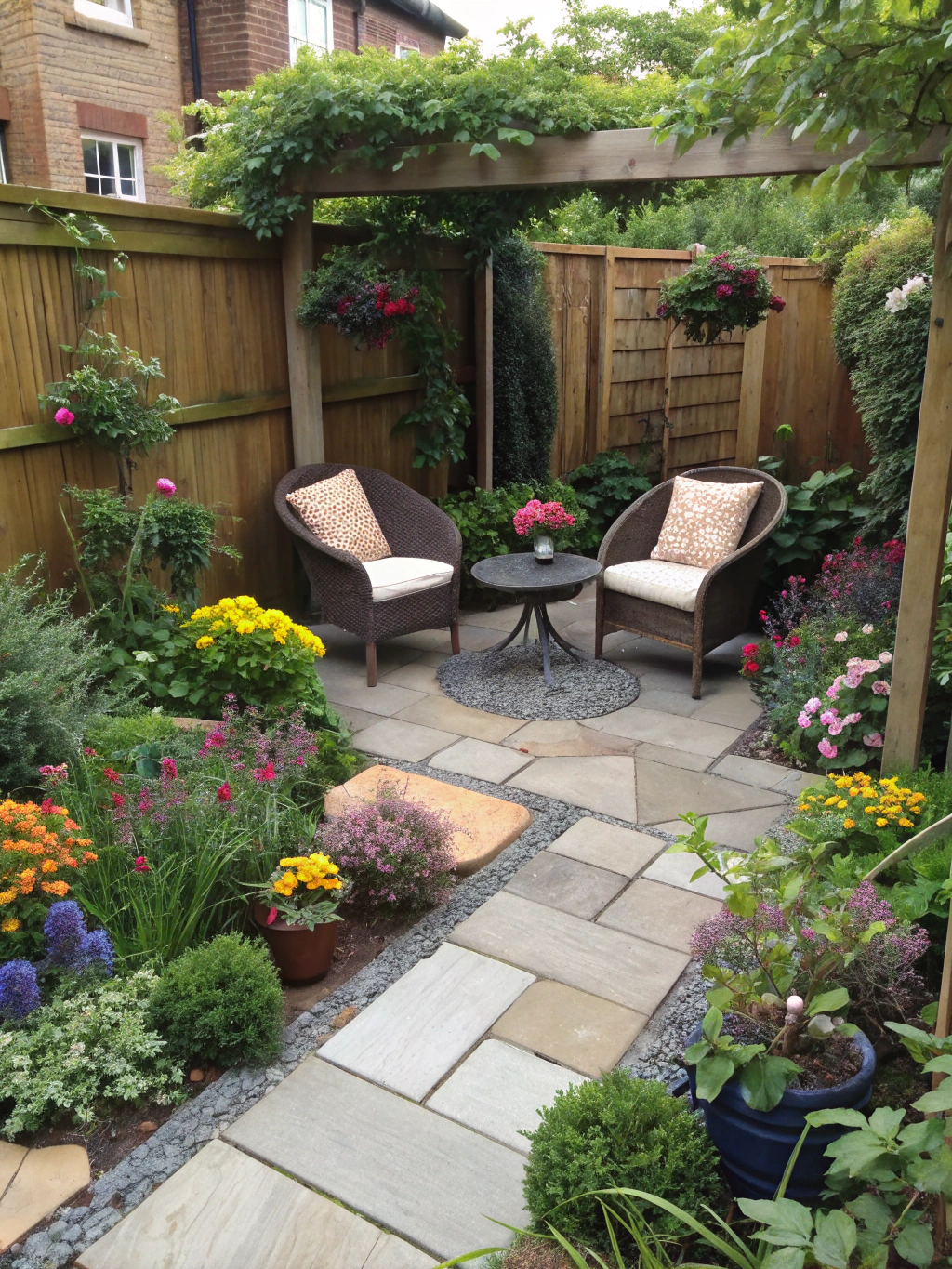
Combine greenery with a small seating area.
Create a layout with:
• A compact chair
• Plants around the edges
• A small table
It turns your balcony into a relaxing spot.
6. Tiered Shelf Layout
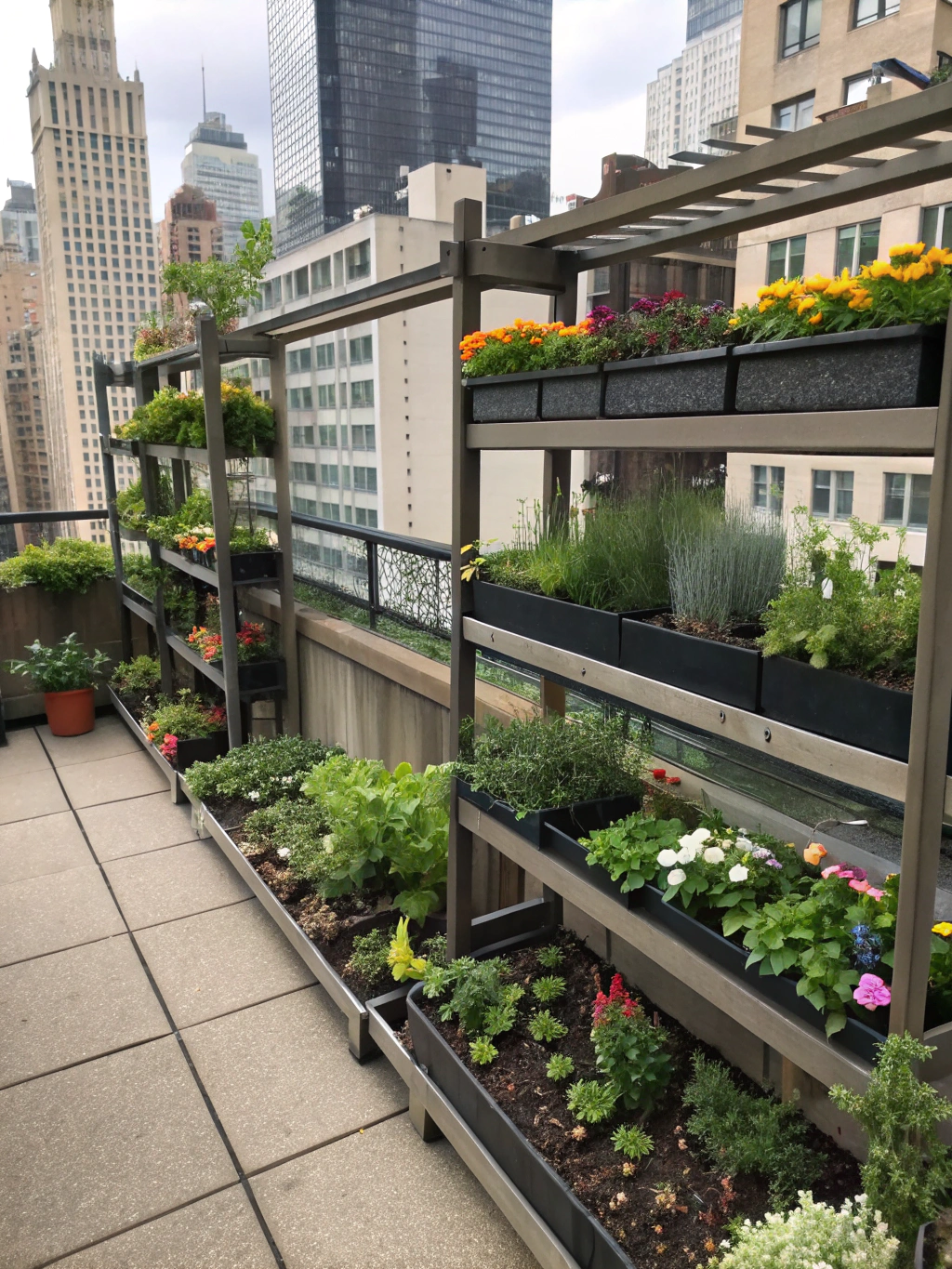
Shelves help you display multiple plants neatly.
Use:
• Ladder shelves
• Tiered stands
• Wall shelves
This adds height without crowding.
7. Railing Focused Layout
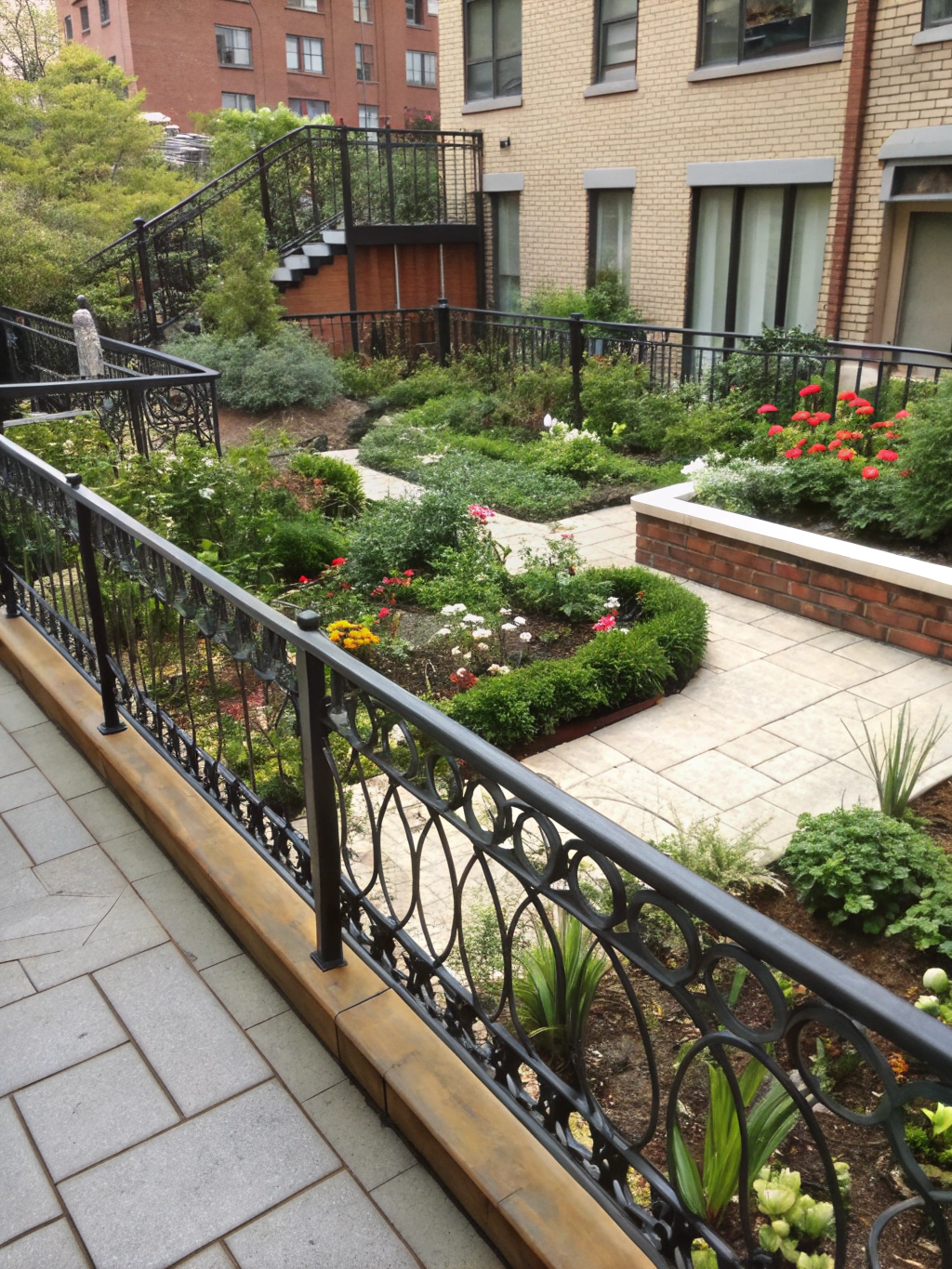
Balcony railings are great for saving space.
Add:
• Railing planters
• Hanging pots
• Small herb boxes
Keep the floor area free.
8. Minimal Cluster Layout
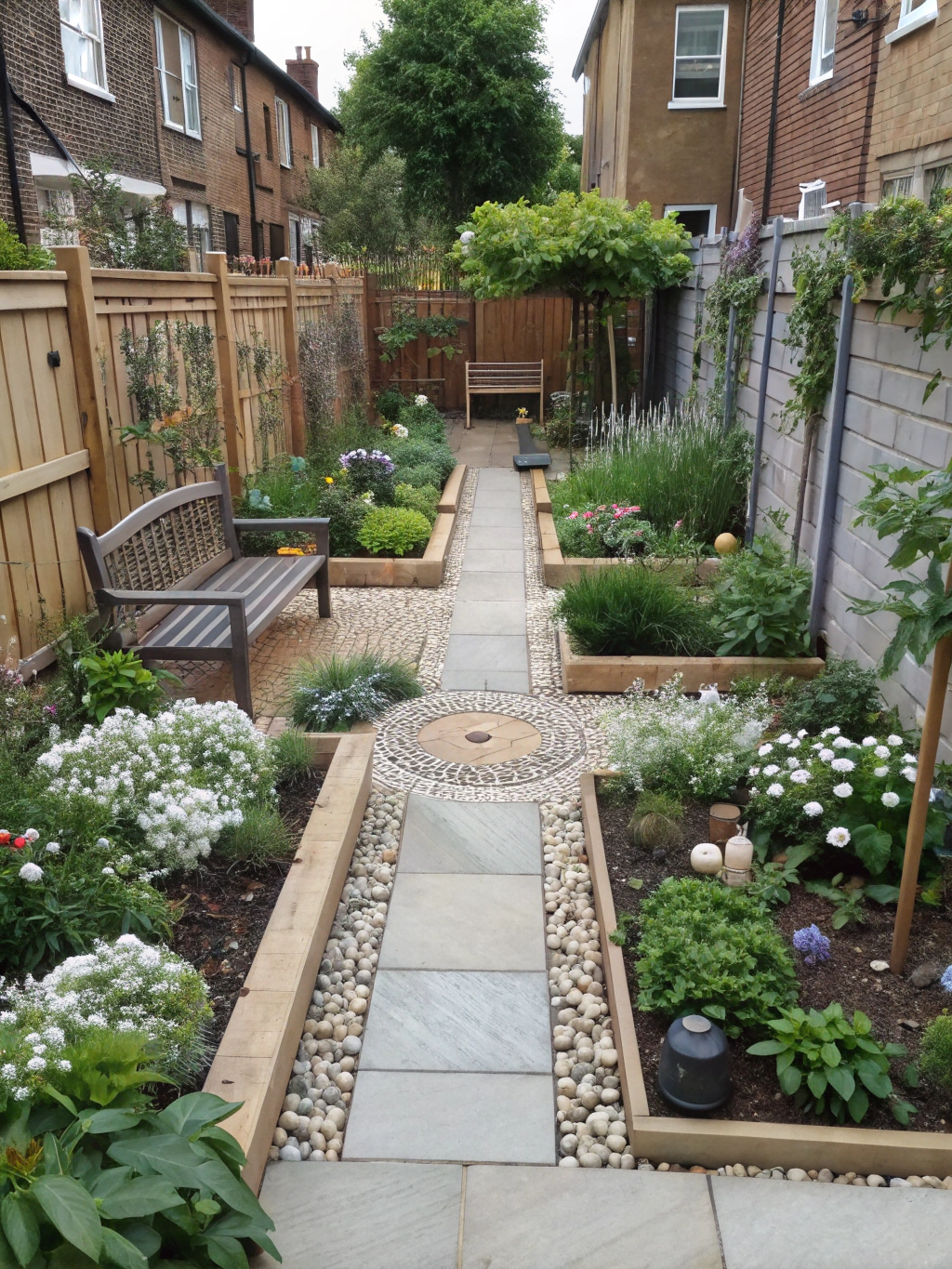
Grouping plants creates a stylish look.
Arrange:
• A few plants together
• Similar pot styles
• One focal plant
This feels curated and clean.
9. Narrow Path Layout
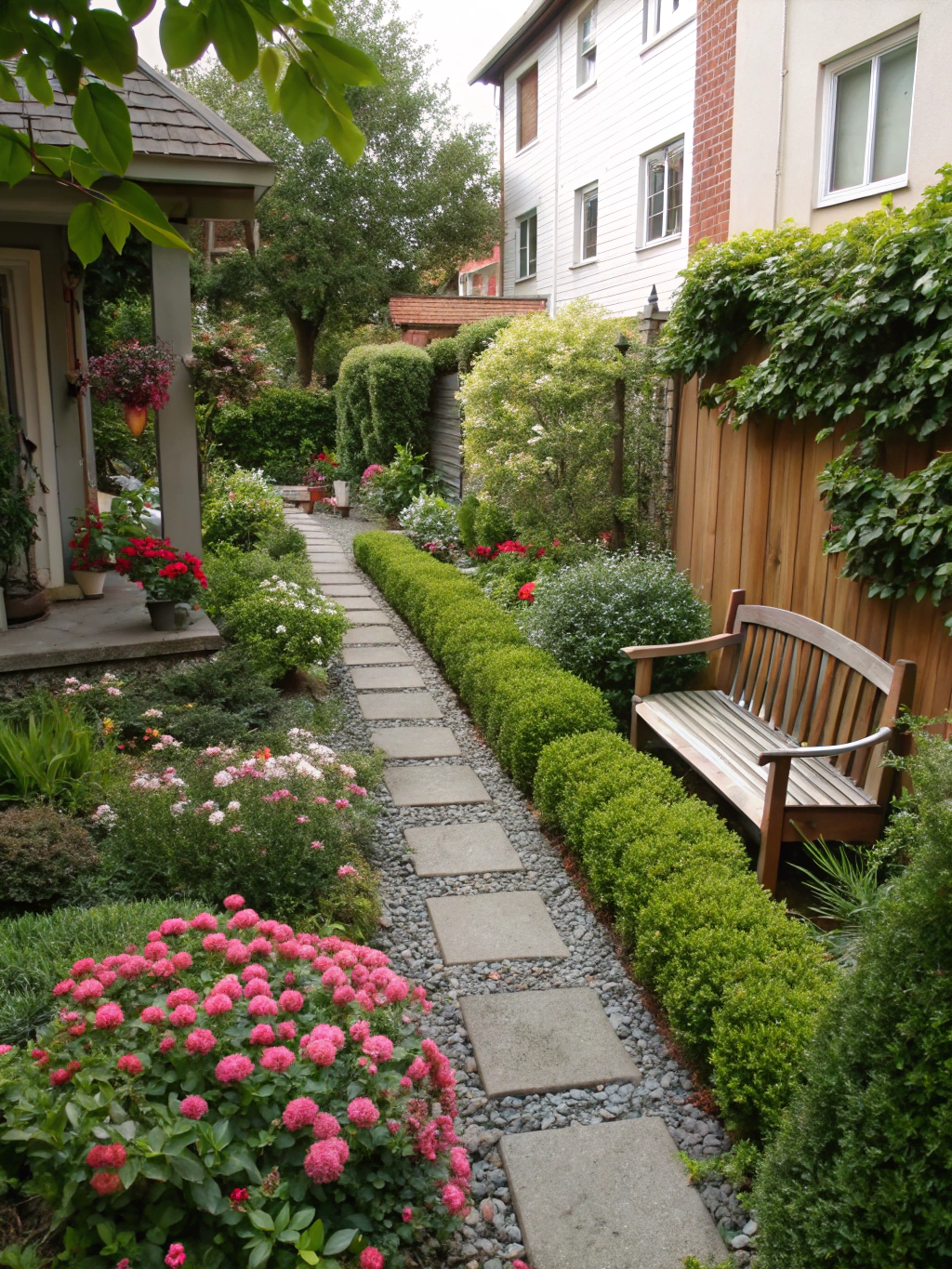
Leave a small walkway for better flow.
Design it with:
• Plants along both sides
• A clear center path
• Even spacing
Don't miss: Small City Garden Ideas for Apartments & Balconies →
It makes the space feel larger.
10. Grid Layout with Pots
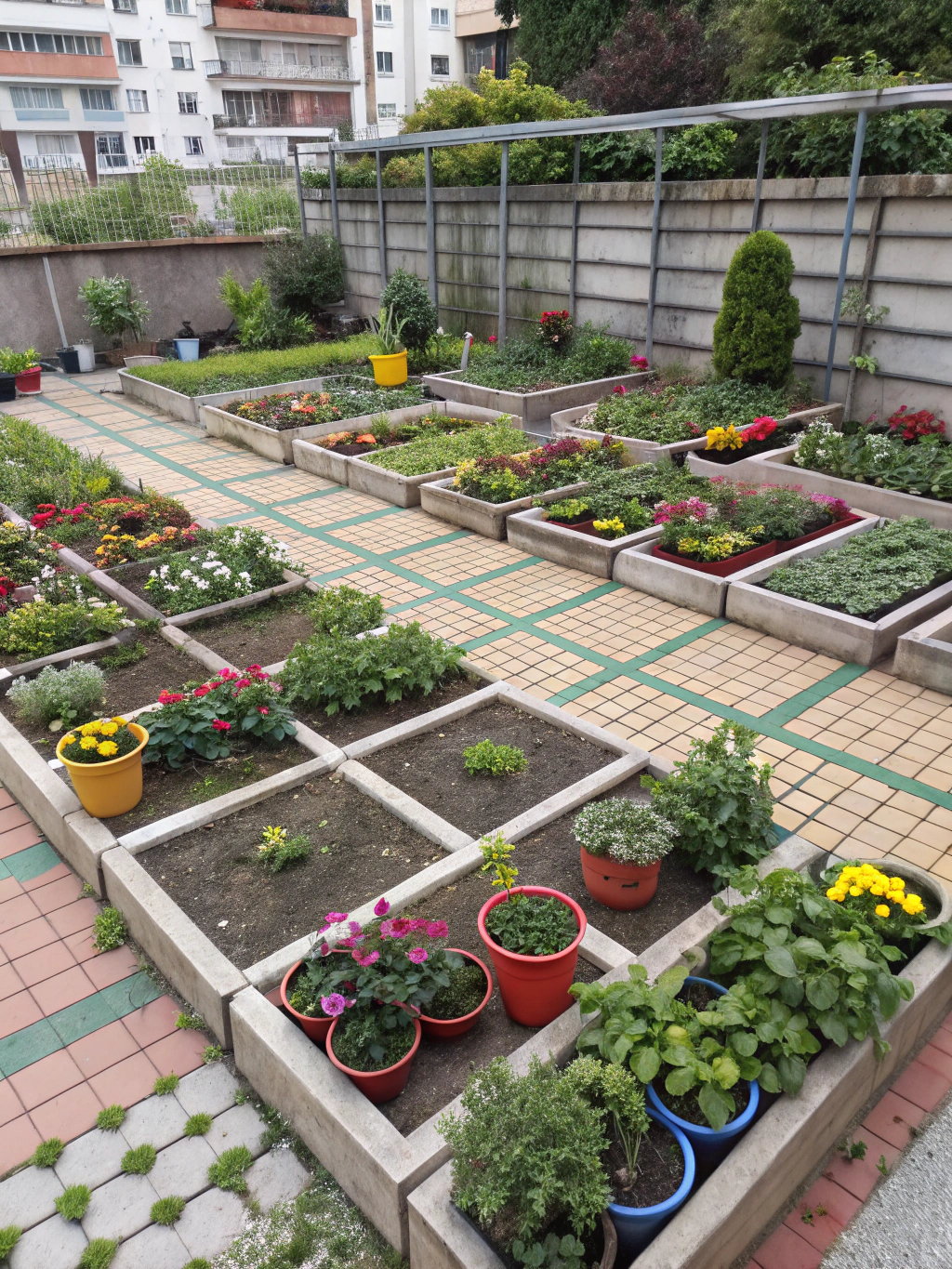
A grid arrangement creates structure.
Place pots:
• In neat rows
• With equal spacing
• Using similar sizes
This gives a modern look.
11. Hanging and Floor Mix Layout
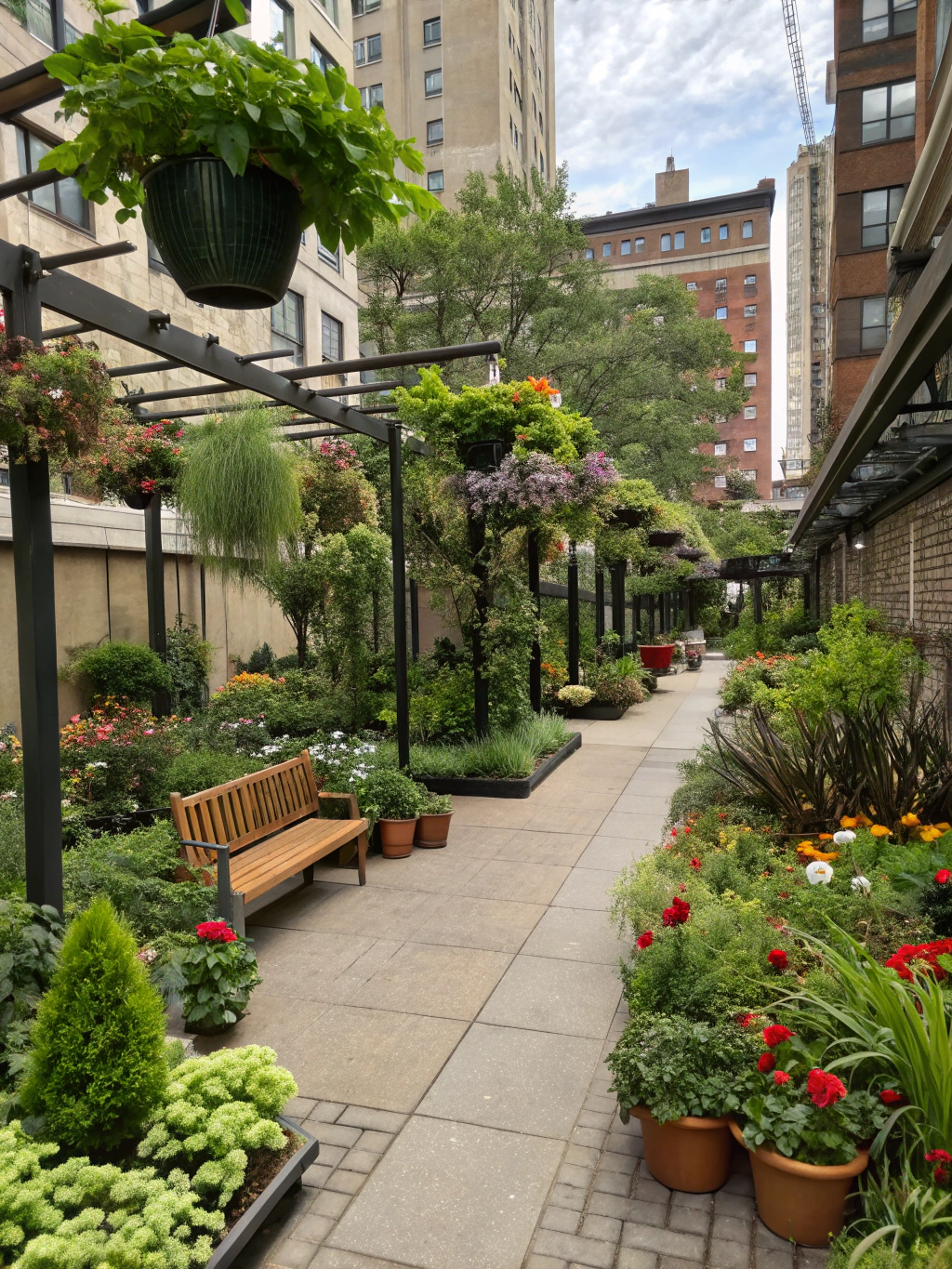
Combining heights adds visual interest.
Use:
• Hanging plants above
• Floor plants below
• Balanced spacing
This creates a layered effect.
12. Window and Balcony Combo Layout
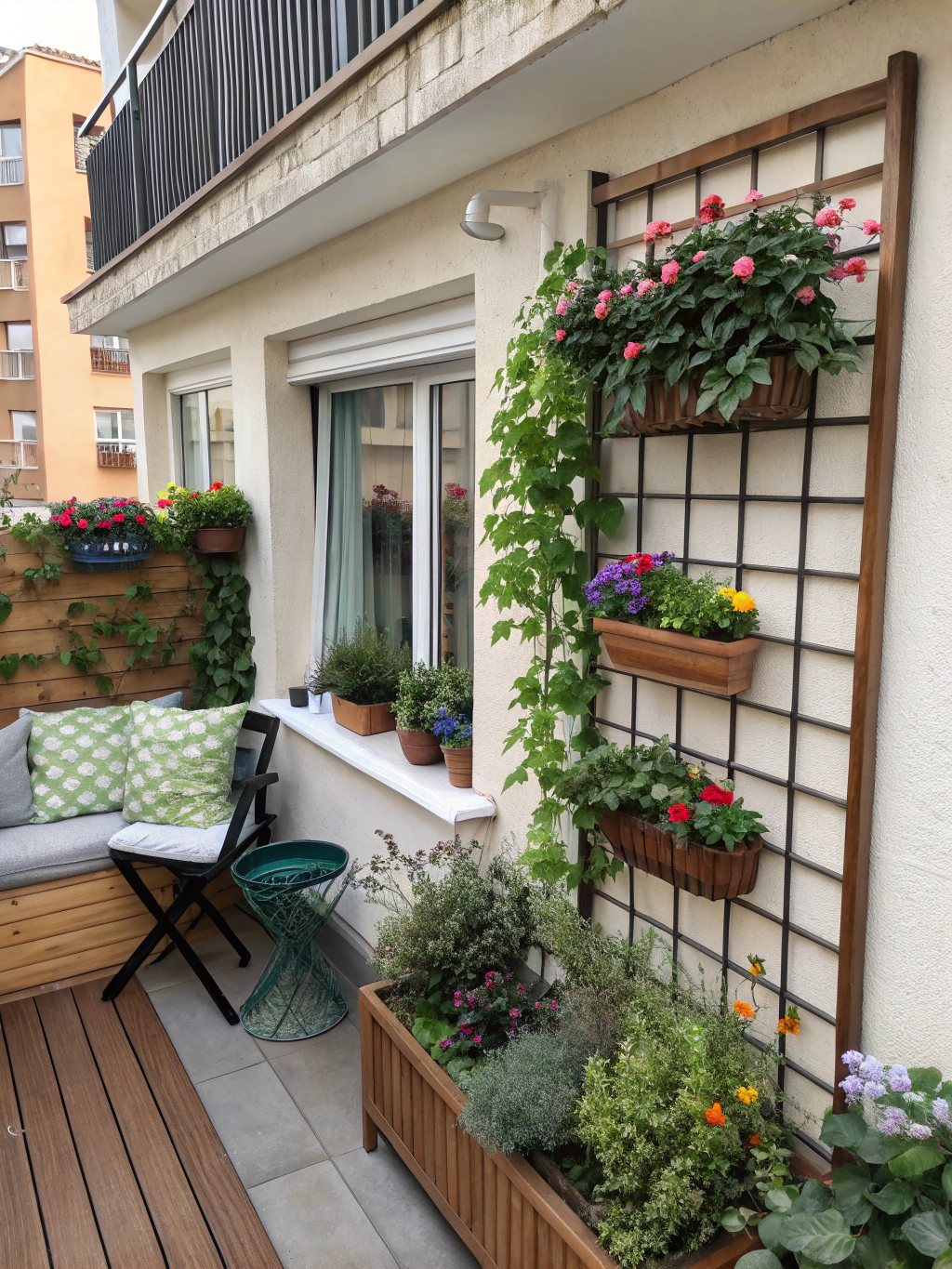
Extend your garden inside.
Use:
• Window sills for small plants
• Balcony for larger plants
• Matching styles
This creates a connected look.
13. Cozy Corner Theme Layout
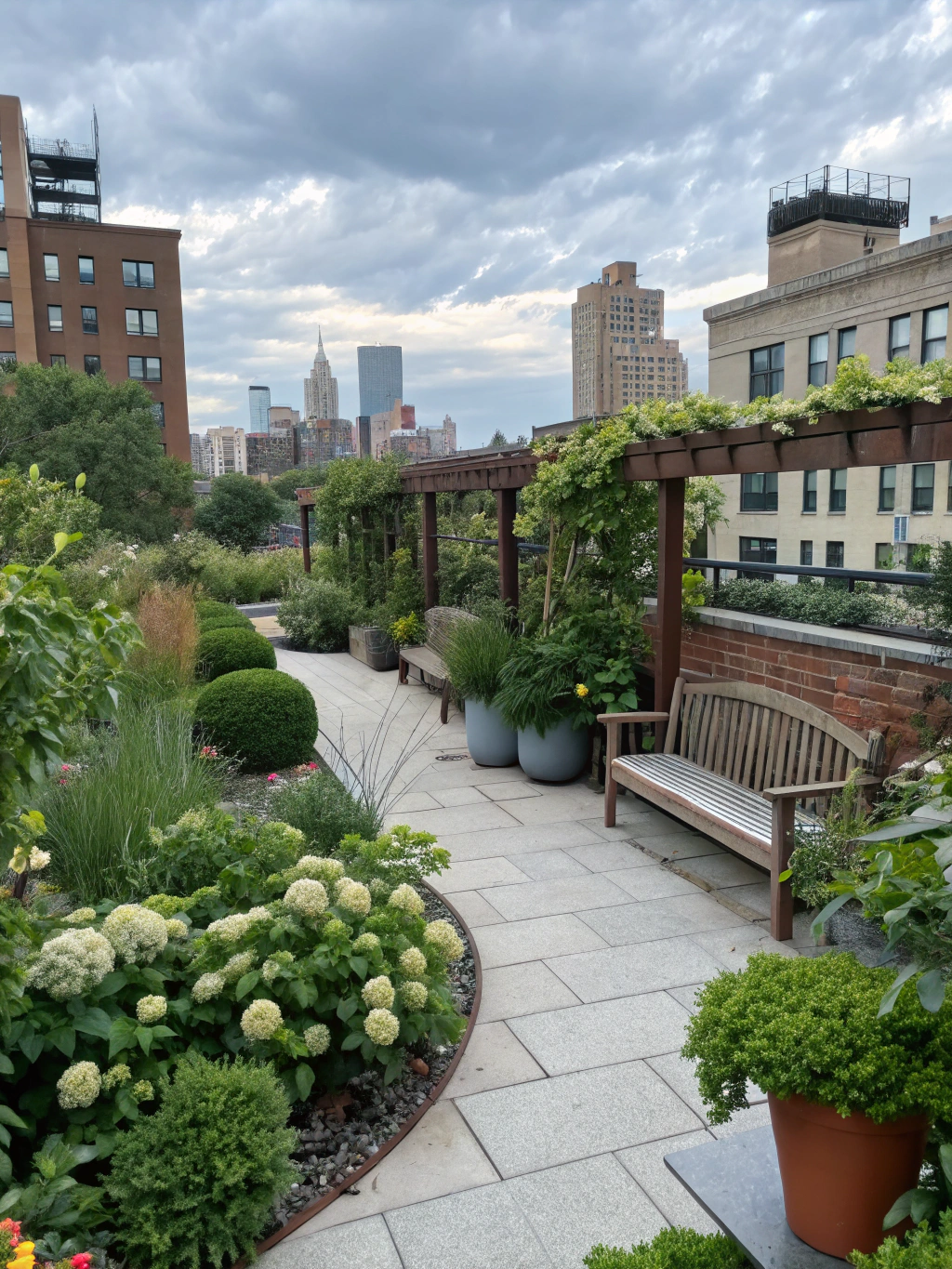
Design one corner as a focal point.
Add:
• A chair or stool
• A cluster of plants
• Soft lighting
It becomes your favorite spot.
14. Minimal Open Space Layout
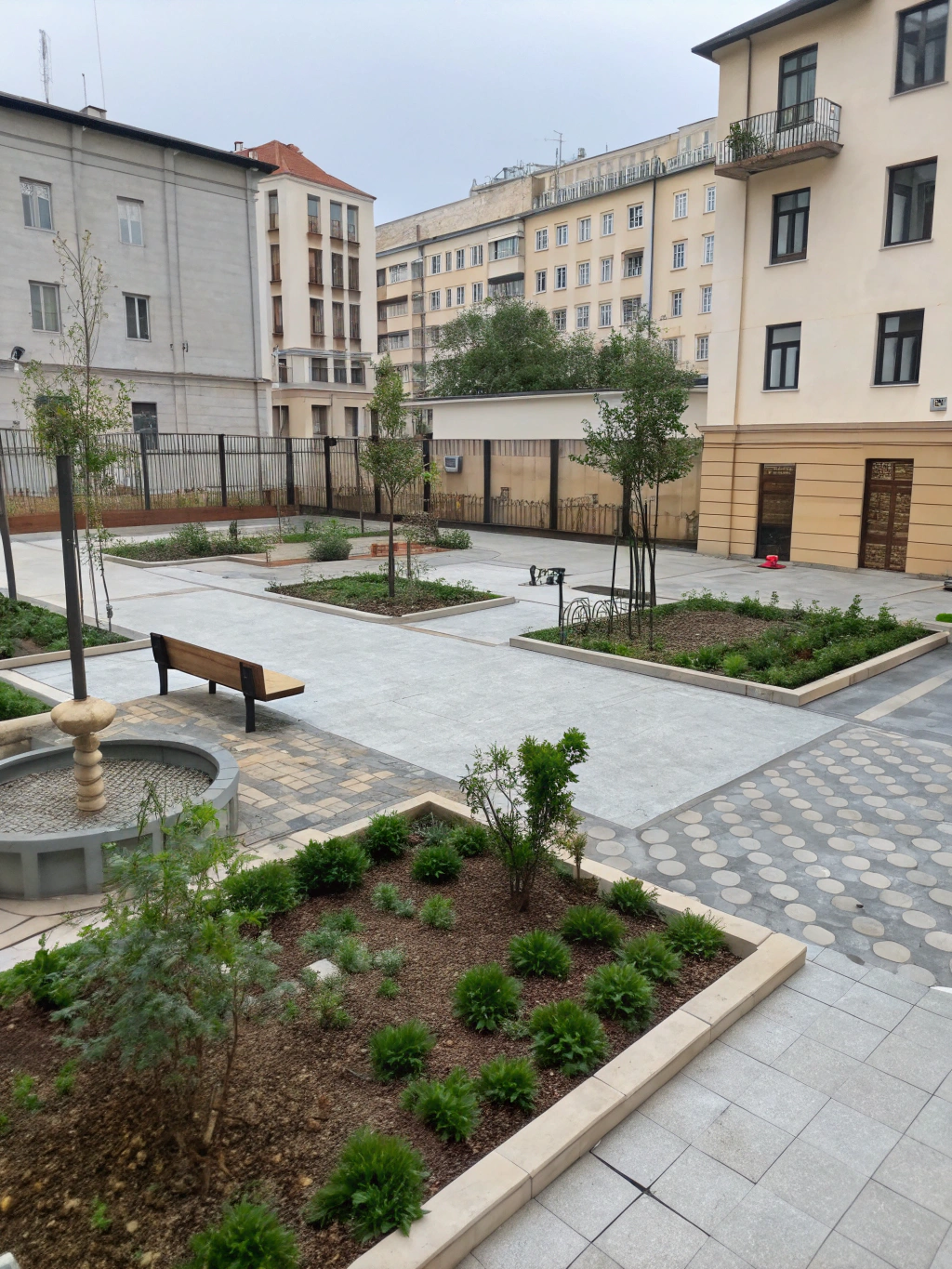
Less is more in small areas.
Focus on:
• Fewer plants
• Clean arrangement
• Open floor space
Keep Exploring

This keeps the area calm.
15. Mixed Height Statement Layout
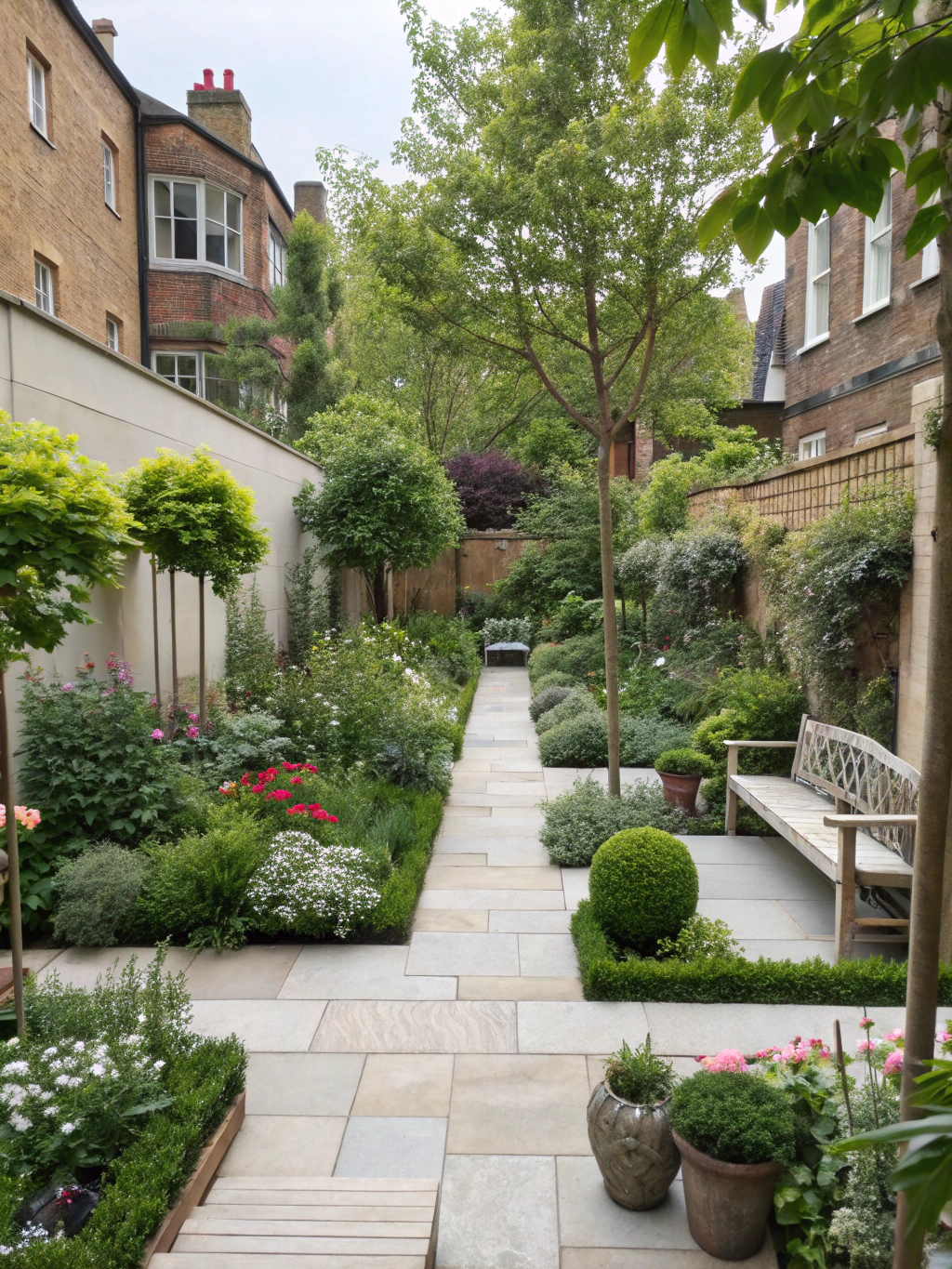
Use height variation to create a styled look.
Arrange:
• Tall plants as anchors
• Medium plants around
• Small pots as fillers
This adds depth and balance.
16. L Shaped Layout
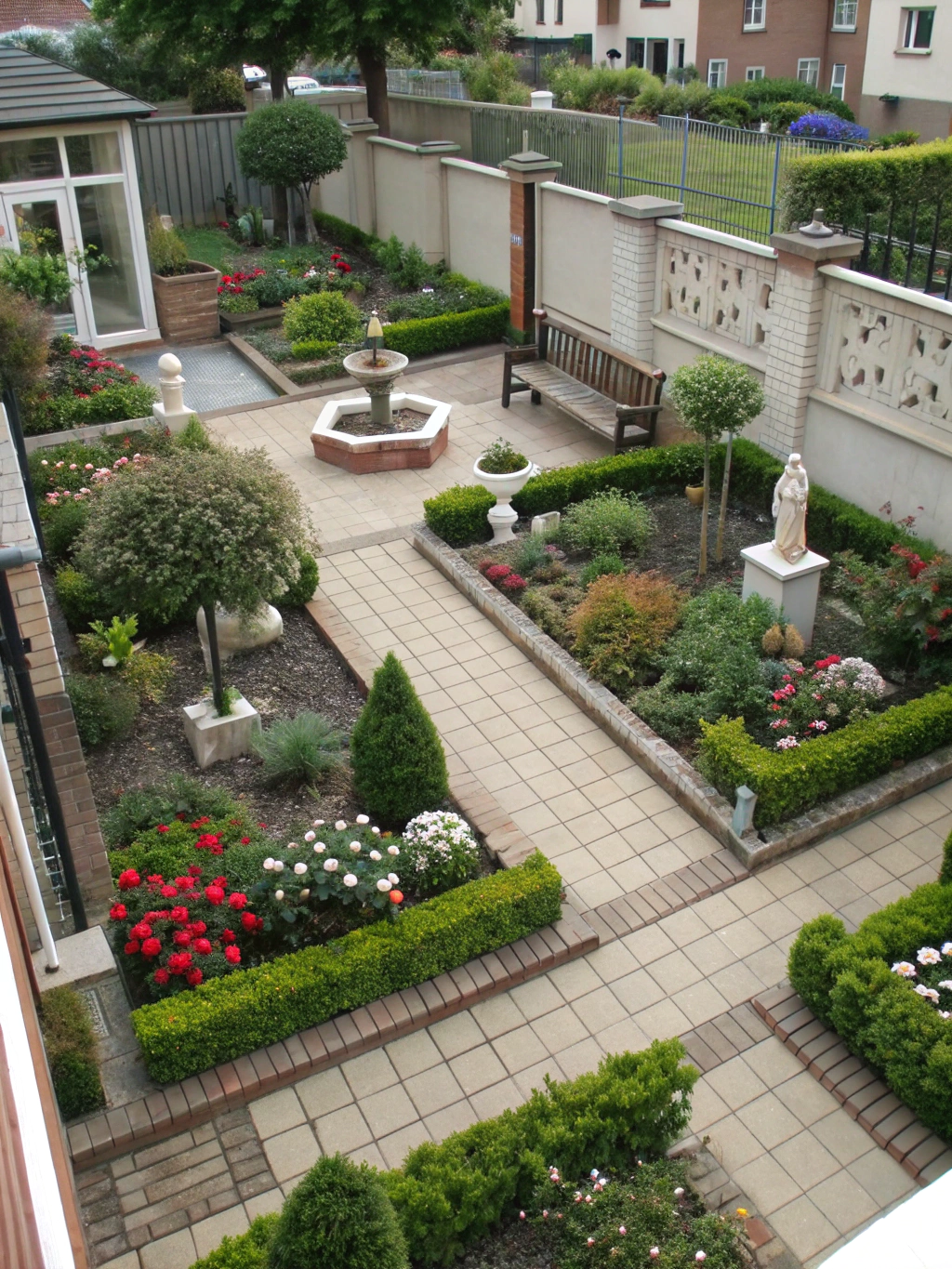
Use two connecting sides of your space.
Place plants:
• Along adjacent walls
• In a continuous flow
• With consistent spacing
This maximizes corners.
17. Floating Shelf Garden Layout
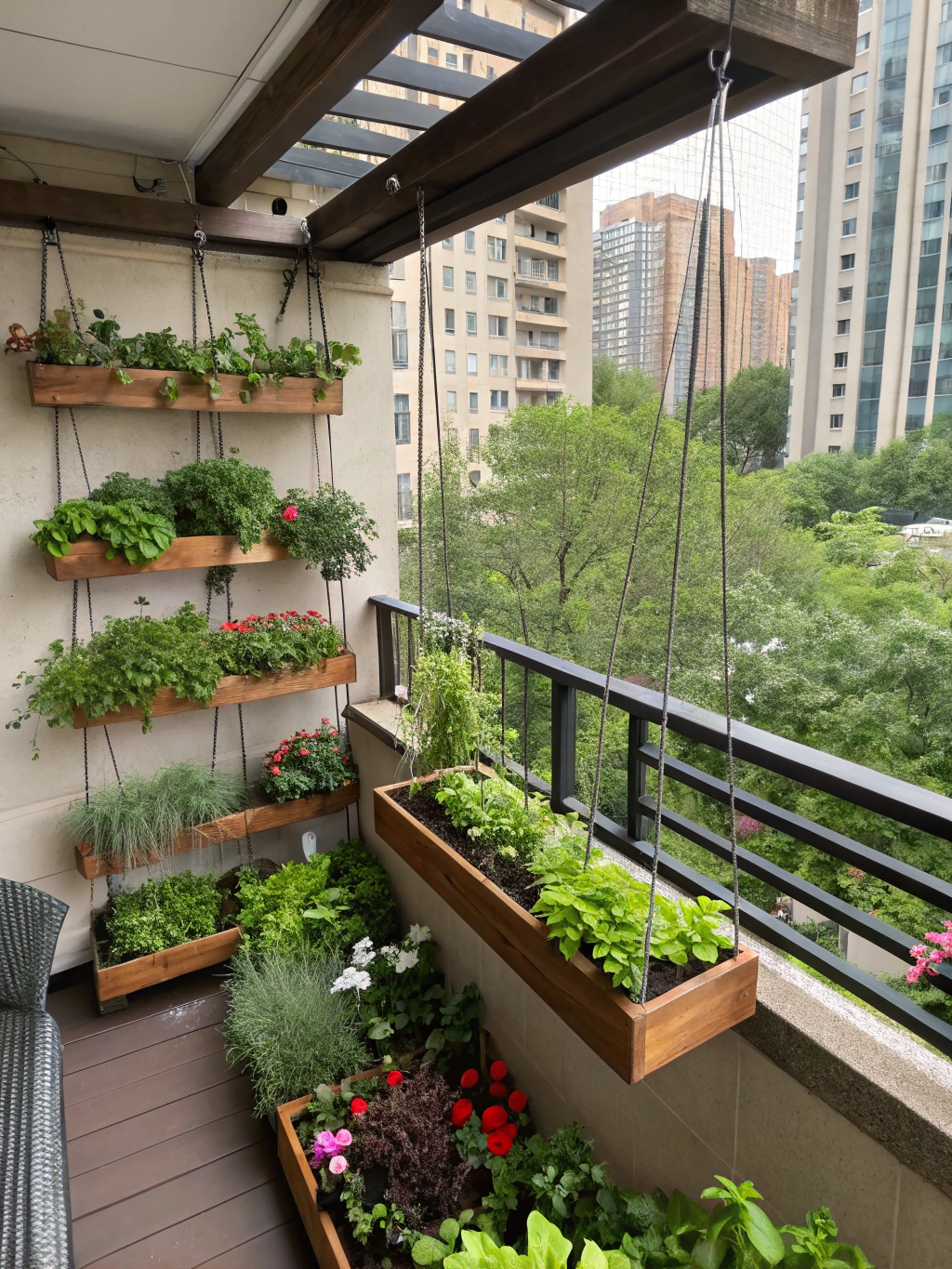
Floating shelves keep the design light.
Use them for:
• Small pots
• Decorative plants
• Herbs
They free up floor space.
18. Statement Plant Layout
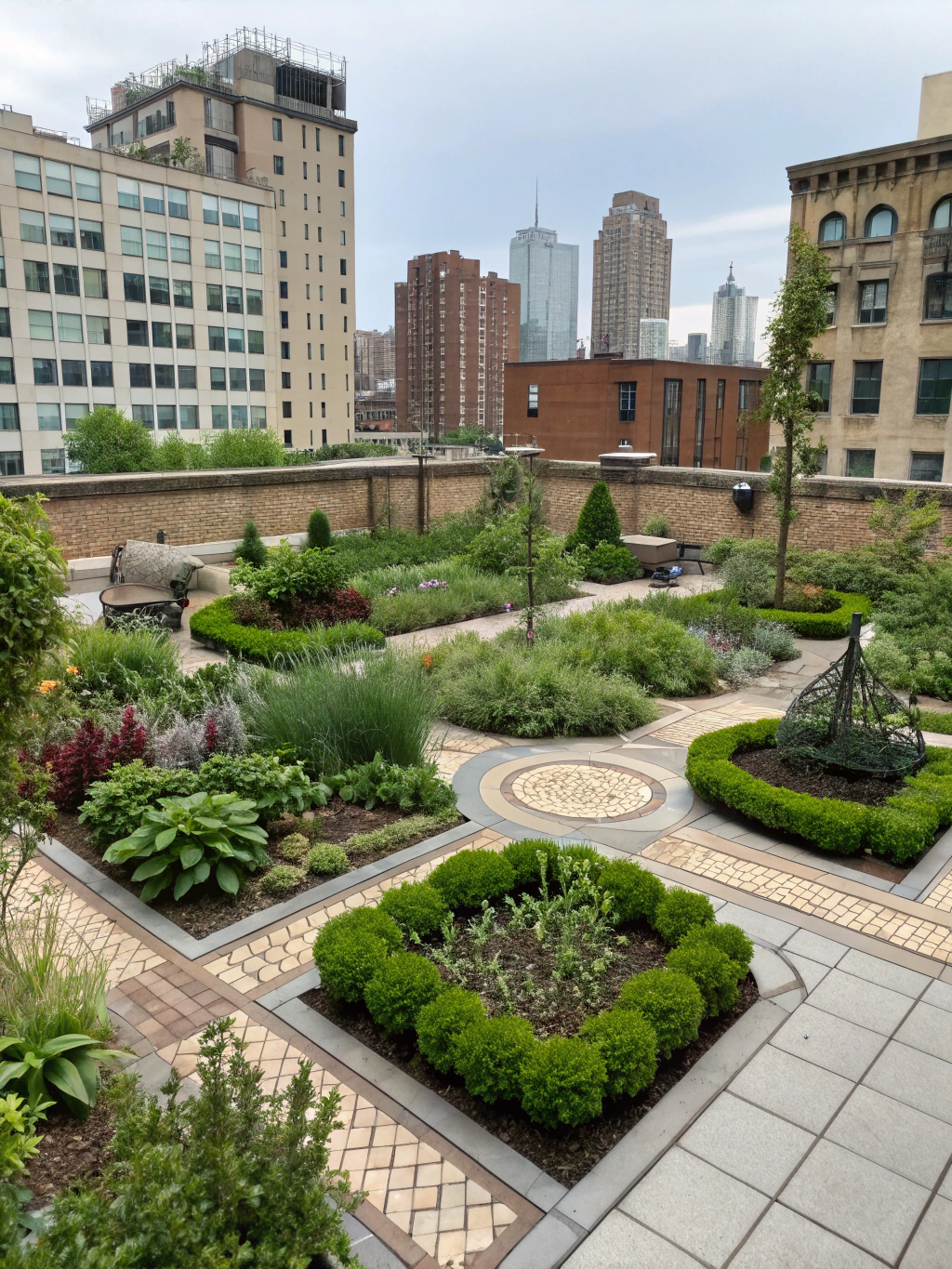
Sometimes one plant is enough.
Focus on:
• One large plant
• Minimal surrounding decor
• Clean background
This creates a bold focal point.
Final Thoughts
A well planned layout can completely transform a small city garden. By using vertical space, grouping plants, and keeping the design clean, you can create a garden that feels spacious and stylish.
Even the smallest balcony can look beautifully designed when everything has a purpose and place.
FAQs
1. What is the best layout for a small balcony garden?
A vertical or corner layout works best to save space and keep the area open.
2. How do I avoid clutter in a small garden?
Group plants, use fewer items, and leave some open space.
3. Should I use different plant heights?
Yes, mixing heights creates depth and visual interest.
4. Can I include seating in a small garden?
Yes, use compact or foldable furniture to save space.
5. What is the easiest layout for beginners?
A simple corner or one side layout is easy to set up and maintain.