How to Create an Outdoor Dining Space You Actually Use
Everything you need to set up, style, and enjoy alfresco dining at home, from choosing the right furniture to lighting, table settings, and making it work for any occasion.
KEY POINTS
- A great outdoor dining space starts with choosing the right spot and the right table for how you actually entertain.
- Lighting transforms an outdoor dining area more than almost any other single element, especially after dark.
- The spaces that get used the most are the ones that are easy to set up, comfortable to sit in for a long time, and sheltered enough to feel genuinely relaxing.
There is something about eating outside that changes the quality of a meal entirely. The same food, the same people, the same conversation feels different under open sky. It is why outdoor dining spaces, when they are done well, become the most-used part of a home across the warmer months. The challenge is that most people set up a table and chairs in the garden, patio, or balcony and leave it at that, which produces a space that functions adequately but never quite feels like it was designed to be there.
This guide covers the full process of creating an outdoor dining space that feels as considered and welcoming as an indoor room, and that actually gets used rather than sitting empty because it is not quite comfortable enough.
Love Chic Living Club?
Add us as one of your preferred Google sources and discover more home decor, DIY, outdoor, and lifestyle inspiration from us.
RELATED: 20+ Outdoor Dining Patio Ideas That Inspire Alfresco Living
Choose the Right Spot
The placement of your outdoor dining area matters more than anything you put in it. The best spot is not necessarily the one with the most space. It is the one that gets the right amount of shade at the time you are most likely to eat, is sheltered enough to stay comfortable when there is a breeze, and feels connected to the house rather than isolated from it.
A dining area positioned directly off the kitchen or living room, accessible through a set of doors, will get used far more often than one at the far end of a garden that requires carrying everything through the house. Proximity to the kitchen is the single most practical consideration, because the friction of ferrying food and drinks between an indoor and outdoor space is what stops people from eating outside as casually and as often as they would like to.
Shade is the second consideration. A table in full afternoon sun is unusable for most of the day in summer. Think about where the shade falls at lunchtime and in the early evening, which are the times most outdoor meals happen, and position accordingly. A pergola overhead provides dappled shade that moves with the light and feels far more pleasant than solid cover while still offering some protection from direct sun.
Pick the Table That Suits How You Eat
The table is the centrepiece of an outdoor dining space in a more literal sense than almost any other piece of furniture in a home. Everything else, the chairs, the lighting, the rug, the tableware, arranges itself around it. Choosing the right one for how you actually eat and entertain is the most important single decision in the whole space.
Size should be determined by the number of people you most regularly feed, not by your aspirational guest list. A table that seats eight sounds generous until you realise that for 90 percent of meals it is just two of you, and the oversized table makes every casual dinner feel like you are sitting at opposite ends of a boardroom. For most households, a table that comfortably seats four to six, with the option to extend for larger gatherings, is the most practical and the most liveable.
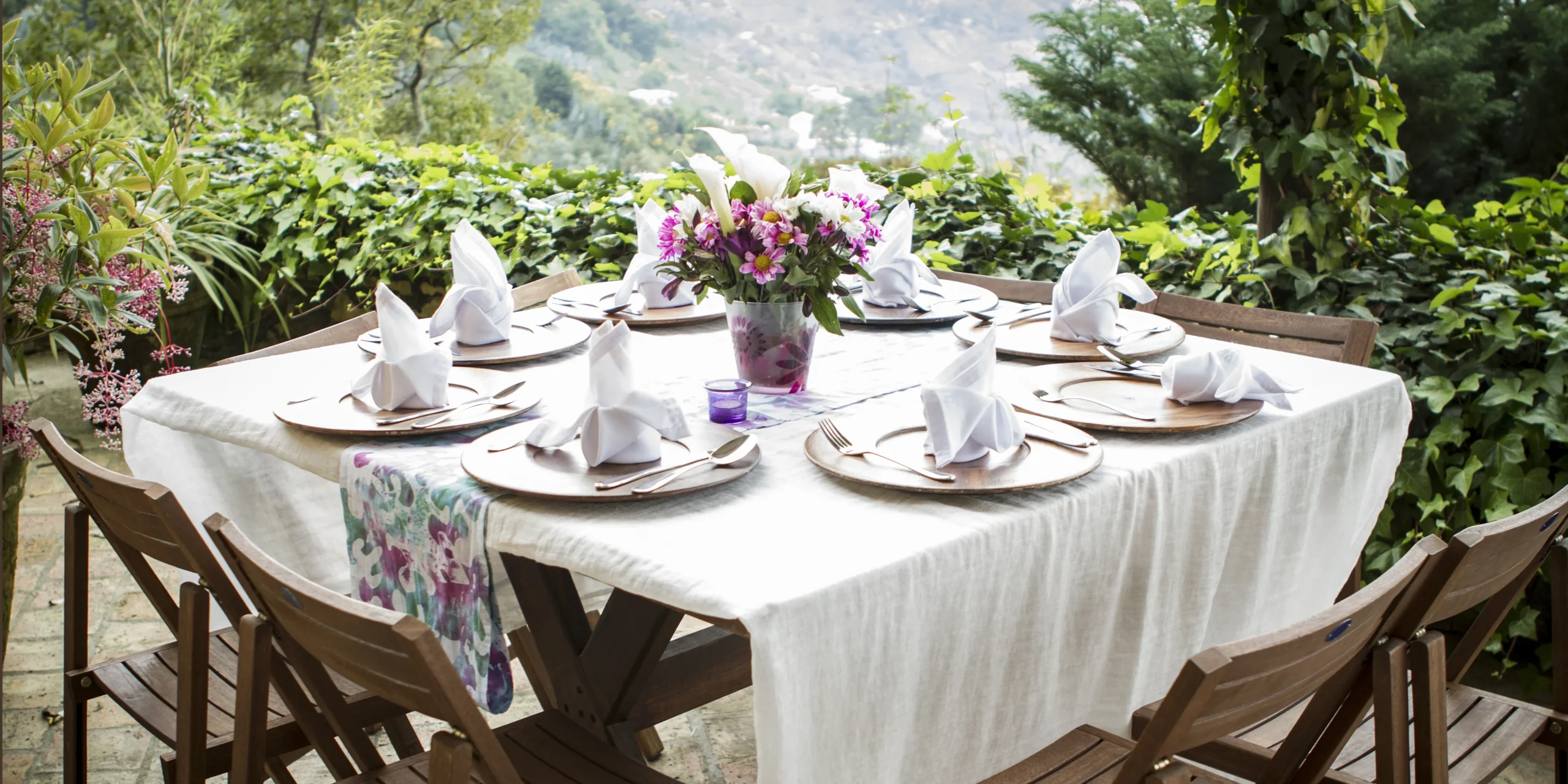
Material is a function of how much maintenance you are willing to do. Solid teak weathers beautifully and ages into a silver-grey that many people find more attractive than the fresh wood, requiring only occasional oiling to stay in good condition. Powder-coated steel and aluminium are the lowest-maintenance options and come in a range of finishes that suit both modern and more classic spaces. Stone table surfaces bring a weight and permanence that makes an outdoor dining area feel genuinely architectural rather than temporary, and they require almost no maintenance beyond occasional cleaning.
RELATED: 19+ DIY Outdoor Dining Table Ideas for Budget-Friendly Charm
Get the Seating Right
Outdoor dining chairs are where most people make the biggest compromise, choosing whatever is available at the price point rather than what is actually comfortable to sit in for two hours over a long meal. The result is a beautiful table surrounded by chairs that everyone is quietly relieved to leave. Good outdoor seating is not expensive by necessity, but it does need to have proper back support and enough depth to sit in comfortably rather than perching on.
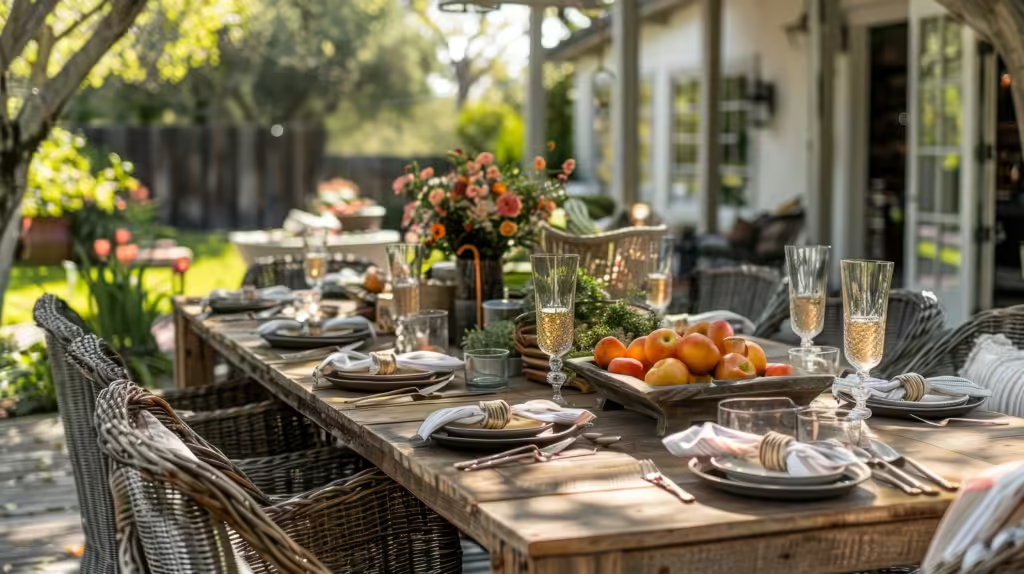
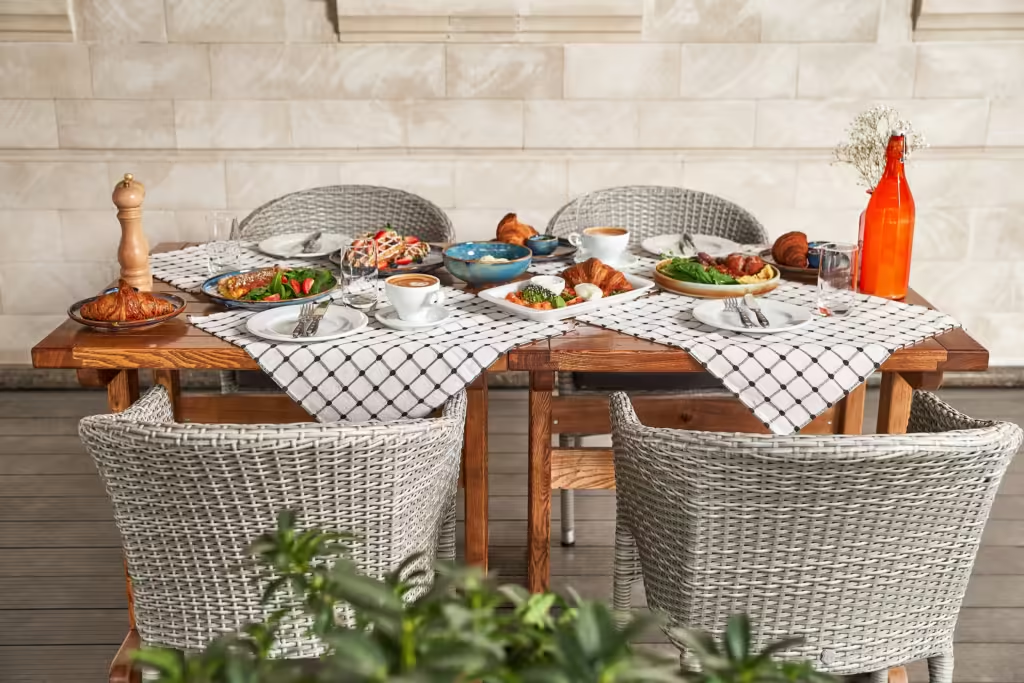
The material of outdoor seating matters in practical terms. Rattan and wicker have a warmth and texture that suits almost any outdoor setting, but they need to be covered or brought inside during heavy rain and through the winter. Bench seating along one or two sides of the table is one of the most efficient approaches for a dining area that needs to flex between small family meals and larger gatherings, because a bench accommodates more people than individual chairs in the same footprint and creates a convivial, informal atmosphere that chairs alone rarely achieve.
For spaces with a specific style in mind, the chair choice carries a lot of the aesthetic. A boho outdoor dining space uses rattan, macramé seat pads, and mismatched textile cushions to create a relaxed, collected feel. A Scandinavian-influenced setup uses clean-lined wooden chairs, neutral linen cushions, and a minimal table arrangement to feel calm and considered. The built-in seating that wraps around a corner or along a wall is the most space-efficient option of all, and it makes a small outdoor area feel intentionally designed rather than improvised.
Add Shelter and Structure
An outdoor dining area with no shelter is at the mercy of the weather in a way that limits how often it gets used and how comfortable it feels when it does. Adding some form of overhead structure, even a simple one, changes the feel of the space from a garden table to a proper outdoor room.
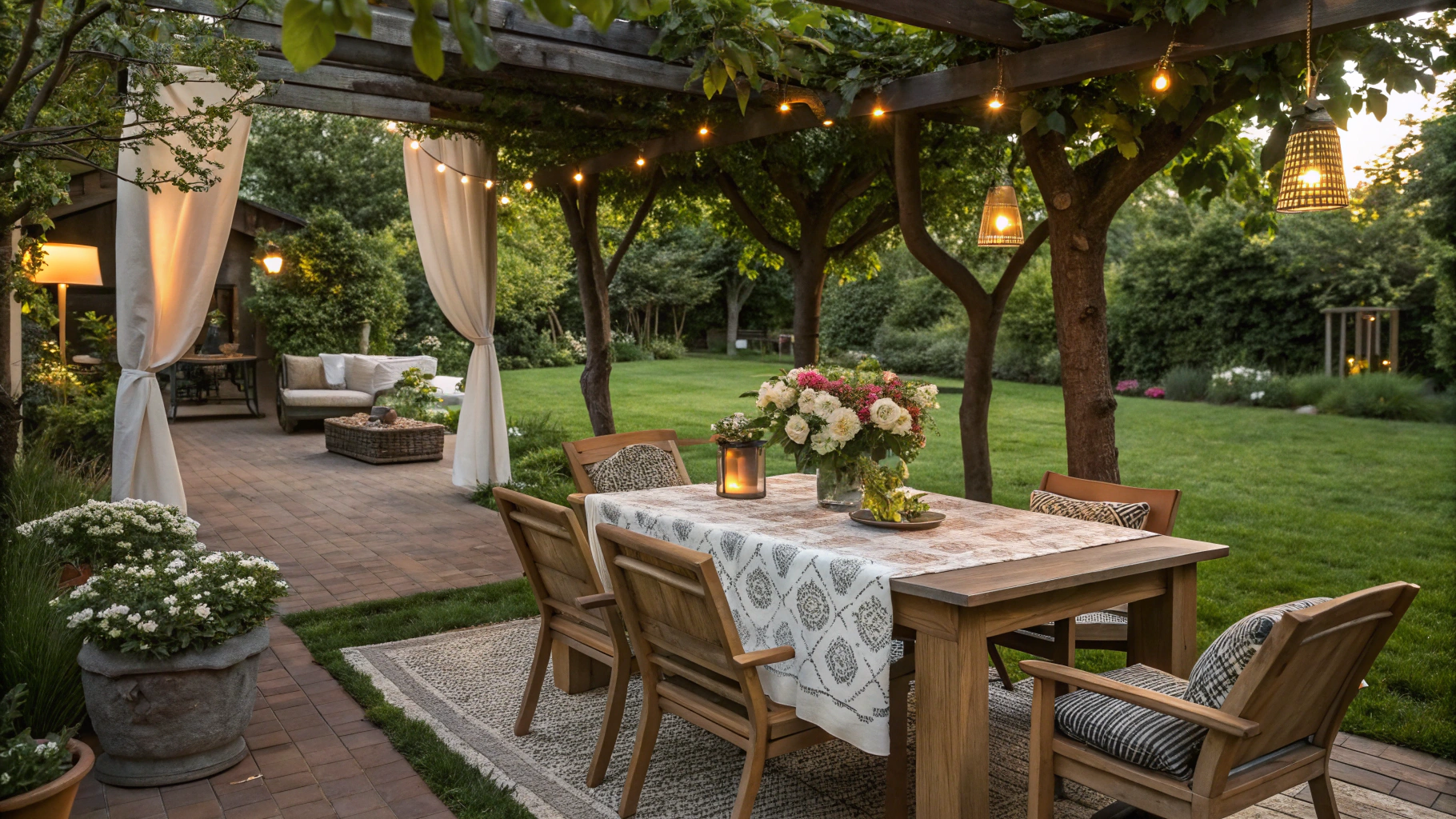
A pergola is the most versatile option. It defines the dining area architecturally, provides partial shade, and gives you something to hang lighting from, which is one of the most important atmospheric elements in an outdoor dining space. Over time, climbing plants can be trained through the structure to create dappled shade and a sense of enclosure that no parasol can match. A gazebo provides more complete cover and a more formal structure, which suits larger or more elaborate outdoor dining setups. A pavilion goes further still, creating a proper covered outdoor room that can be used in light rain and that gives an outdoor dining area a genuine sense of luxury.
For smaller spaces or balconies, a quality parasol or a retractable shade sail achieves the same primary function of sun protection without requiring a permanent structure. The key with any shade solution is to make sure it actually covers the table and seating rather than just the space around it, which sounds obvious but is a surprisingly common issue when parasols and shade sails are undersized for the table they are meant to protect.
RELATED: 15+ Covered Outdoor Entertaining Area Ideas for All-Weather Fun
Anchor It With a Rug
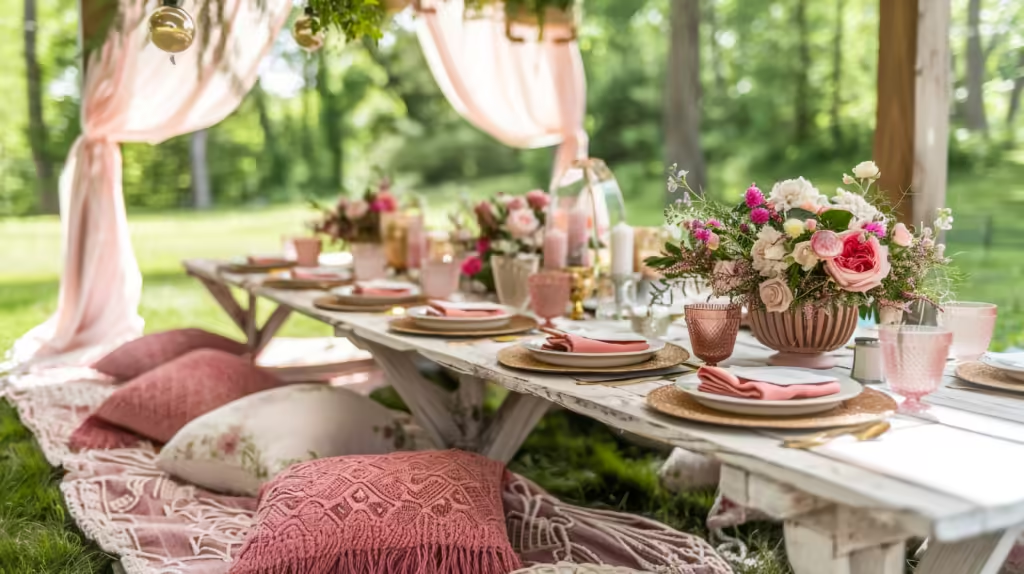
An outdoor rug does something that no amount of furniture arrangement can fully achieve on its own: it defines the dining area as a room within the larger outdoor space, giving it edges and a centre that makes it feel like somewhere rather than just a table placed in a garden.
The rug also does significant practical work. On a hard patio surface it softens the sound of chairs scraping, makes the space feel warmer underfoot in cooler weather, and creates a visual base that ties the furniture together. On a lawn or grass, it defines the area and prevents chair legs from sinking into the ground. Outdoor dining rugs designed specifically for exterior use are made to handle moisture and UV exposure without fading or deteriorating, which makes them a more durable investment than bringing an indoor rug outside and hoping for the best.
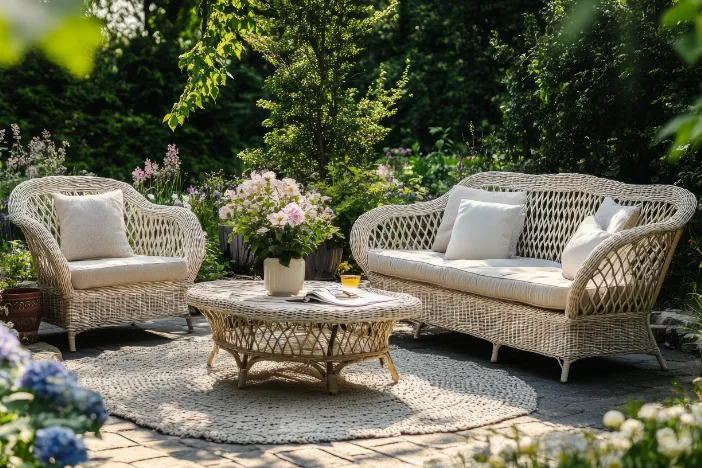
Size is the critical variable. The rug needs to be large enough that all the chairs remain on it even when pushed back from the table to stand. A rug that only fits the table legs, with chairs moving on and off its edge throughout a meal, looks wrong and creates an unpleasant transition underfoot. When in doubt, go larger.
Light It Properly
Lighting is the element that transforms an outdoor dining area from somewhere pleasant to eat during the day to somewhere magical to spend an evening. It is also the most consistently underinvested element in most outdoor spaces, which are lit either by a single exterior wall fitting or not at all.
String lights draped overhead, whether over a pergola, between posts, or strung through the branches of a nearby tree, produce the most flattering and atmospheric outdoor dining light there is. They are warm, omnidirectional, and cast a quality of light that makes everyone look good and every gathering feel slightly festive. Hanging lights suspended directly above the table from a pergola beam or a bracket take this further and give the dining area the same sense of overhead focus that a pendant provides in an indoor dining room.
Candles on the table are the easiest and most affordable contribution to evening atmosphere. Pillar candles in simple holders, taper candles in bottles, or a cluster of tea lights in glass vessels all produce warm, moving light that no electrical source quite replicates. The combination of overhead string lighting and candles on the table creates the layered, warm atmosphere that makes people linger long after the food is finished. Fire pit table setups go further still, making the dining table itself a source of warmth and flame that makes outdoor evenings in cooler weather genuinely comfortable rather than something to endure.
RELATED: 17+ Cozy Outdoor Dining Fireplace Ideas to Warm Up Your Evenings
Style the Table
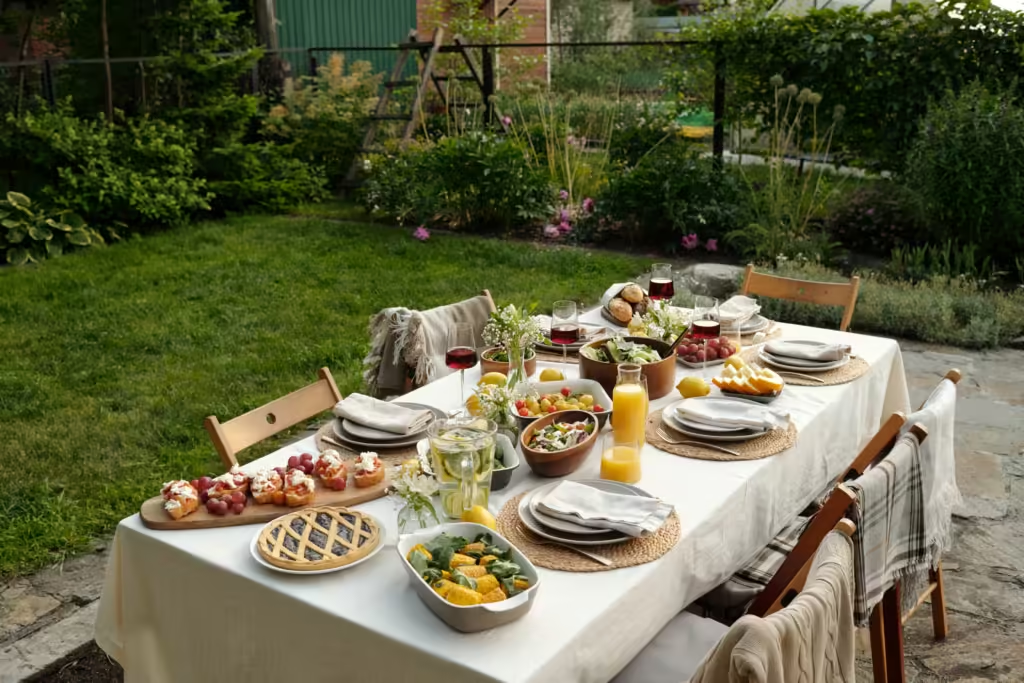
The table setting is what signals to guests that an outdoor meal has been thought about rather than assembled at the last moment. It does not need to be elaborate. A clean tablecloth or runner, a simple centrepiece, and matching crockery does the job. What matters is consistency, that the things on the table belong to the same visual world rather than being a collection of whatever was closest to hand.
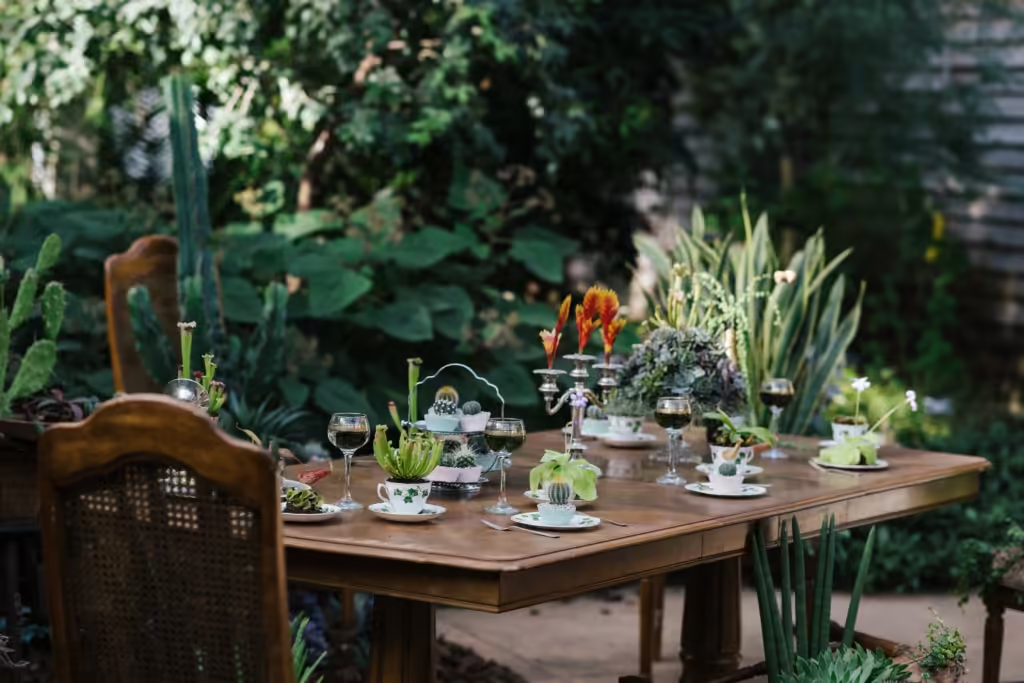
Outdoor tablescapes at their best use a mix of heights and textures: a low centrepiece of foliage, flowers, or candles, taller items like bottles or lanterns at either end, and the plates and glassware in between. The centrepiece does not need to be floral. A row of small potted herbs, a cluster of candles at different heights, or a simple wooden board with seasonal fruit and nuts all give the table a focal point without requiring flowers to be replaced every few days.
Outdoor dining table settings that work well in the garden are always designed with the environment in mind: the colours relate to the planting around them, the materials echo the textures of the outdoor space, and nothing is so precious that a gust of wind or a splash of water would ruin the meal. For the table decor that needs to work across the whole season rather than for a single occasion, there are seasonal outdoor table decor ideas that update with the time of year without requiring an entirely new set of accessories.
TIP: Keep a dedicated basket or tray in an easily accessible spot near the outdoor dining area with the items you need most often: a tablecloth, candles and a lighter, a small vase, and a few placemats. The less effort it takes to set up a table, the more often you will eat outside on ordinary evenings rather than saving it for special occasions.
Make It Work for Every Occasion
The outdoor dining spaces that get used the most are the ones that can flex between a casual weekday dinner for two and a weekend gathering for ten without requiring significant reorganisation. Building that flexibility in from the start is worth thinking about before committing to a fixed layout.
An outdoor bar cart positioned within reach of the dining table means drinks can be offered and refilled without anyone needing to go inside, which is one of those small practical changes that makes outdoor entertaining feel genuinely easy rather than effortful. For family meals with children, a picnic table setup provides a more relaxed, less precious alternative to a formal dining arrangement, and the lower height suits younger diners far better than standard table and chair configurations.
For entertaining on a larger scale, an outdoor entertainment patio that incorporates a separate drinks and serving area alongside the dining table means food and conversation can happen simultaneously without the host disappearing into the kitchen for the entire evening. The creative outdoor entertainment setups that work best are the ones organised around the actual sequence of a meal, from arrivals through to dessert, rather than just providing a large table and leaving guests to navigate the rest.
RELATED: 21+ Outdoor Dining Hacks for Effortless Entertaining
Small Space Outdoor Dining
A small balcony or compact courtyard is not a reason to give up on outdoor dining. It is a reason to be more deliberate about it. The furniture choices in a small outdoor space need to do more with less: a foldable table that can be stowed when not in use, chairs that stack or hang on the wall, and a rug that is sized for the space rather than the aspirational table that would not fit anyway.
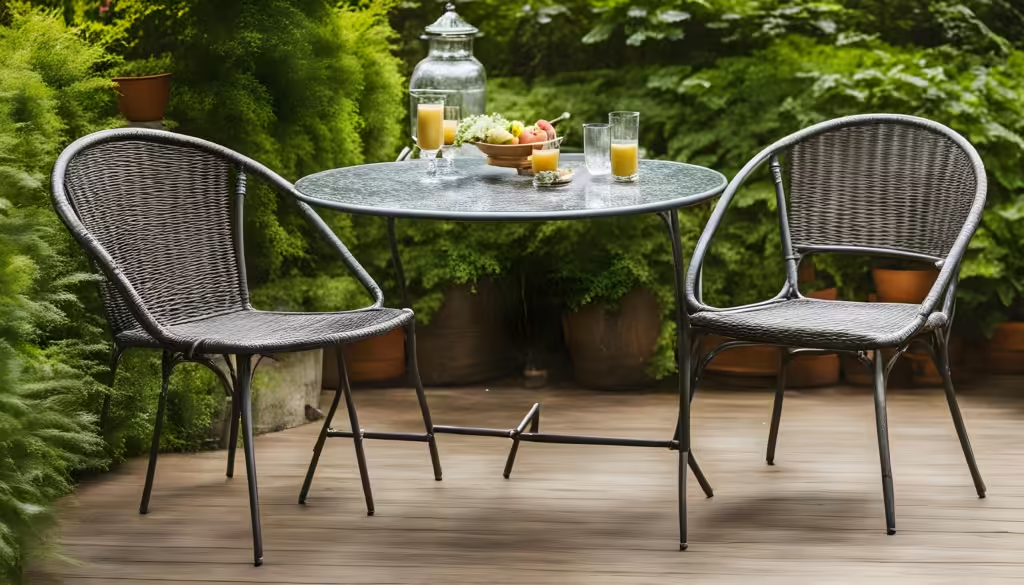
Small balcony dining setups work best when the furniture is scaled to the space rather than chosen to the standard dimensions of indoor dining furniture, which is almost always too large for a balcony. A bistro table and two chairs, a folding table with bench seating along the wall, or even floor cushions around a low table all create functional and inviting outdoor dining in a space where a conventional table and chairs would leave no room to move. Rooftop dining presents its own specific considerations around wind and privacy, but it also offers the most dramatic backdrop of any outdoor dining situation available in a city, and the design decisions in that context are as much about maximising the view as they are about the furniture itself.
Find Your Style
The outdoor dining spaces that feel most memorable are the ones that have a clear point of view. That does not mean they need to be expensive or elaborately decorated. It means the choices, from the table material to the chair style to the crockery and the plants nearby, feel like they belong to the same world.
A Mediterranean-inspired outdoor dining space uses terracotta pots, a stone or ceramic table surface, linen napkins in warm earthy tones, and the kind of simple, generous table setting that makes lunch feel like it could go on all afternoon. A French courtyard aesthetic brings bistro chairs, a zinc or marble table, trailing vines or wisteria overhead, and the effortless informality that makes outdoor dining in that tradition feel so appealing. Italian outdoor dining and vintage European garden dining take a similarly relaxed but deeply considered approach, where the beauty comes from the quality of the ingredients, the ease of the setting, and the sense that nobody has tried too hard.
For something more atmospheric, a Moroccan-influenced outdoor dining area uses lanterns, richly patterned textiles, low seating, and abundant candlelight to create an evening setting with a genuinely distinctive character. A tropical paradise setup brings large-leafed plants, rattan furniture, warm colours, and lush greenery to create an outdoor dining space that feels like an escape. Whatever direction you choose, the most important thing is that it reflects how you actually want to feel when you eat outside, and that the decisions work together rather than against each other.
RELATED: 17+ Beautiful Outdoor Dining Garden Design Ideas
Frequently Asked Questions
What is the best material for an outdoor dining table?
It depends on how much maintenance you are willing to do. Teak is the most beautiful and ages gracefully with occasional oiling. Powder-coated aluminium is the lowest maintenance and comes in a wide range of finishes. Stone is the most permanent and architectural, requiring almost no care. Avoid softwoods that have not been treated for exterior use, as they will split and warp quickly when exposed to the elements.
How do I make my outdoor dining space feel more like a room?
Three things make the biggest difference: a rug to define the floor area, overhead lighting to give the space a ceiling, and some form of enclosure or shelter overhead such as a pergola, parasol, or planted arch. These three elements are what transform an outdoor table and chairs into a space that feels designed and enclosed rather than exposed.
How do I keep an outdoor dining table looking good?
Clean the surface after each use before anything has a chance to dry and stain. Bring cushions and textiles inside or store them in a weatherproof box when not in use, since fabric deteriorates quickly when left exposed to moisture and UV. Cover the table during prolonged periods of rain or, if the furniture is not designed to stay out year-round, store it properly over winter rather than leaving it exposed.
What lighting works best for outdoor dining?
String lights overhead provide the most universally flattering and atmospheric option for evening dining. Hanging pendants from a pergola beam give the table a more structured focus. Candles on the table add warmth and movement that electrical lighting cannot replicate. The most effective setups layer at least two of these sources rather than relying on any one alone.
How do I set up outdoor dining on a balcony?
Start with a table and chair combination scaled specifically for the space rather than standard indoor dining dimensions. A bistro table or a fold-flat table with stacking chairs gives you flexibility without permanently occupying the whole balcony. Add a small rug, a pot plant or two, and a string of lights along the railing or overhead, and even the most modest balcony becomes a genuinely pleasant place to eat outside.
Explore the full outdoor living section in our Outdoor Living guides.