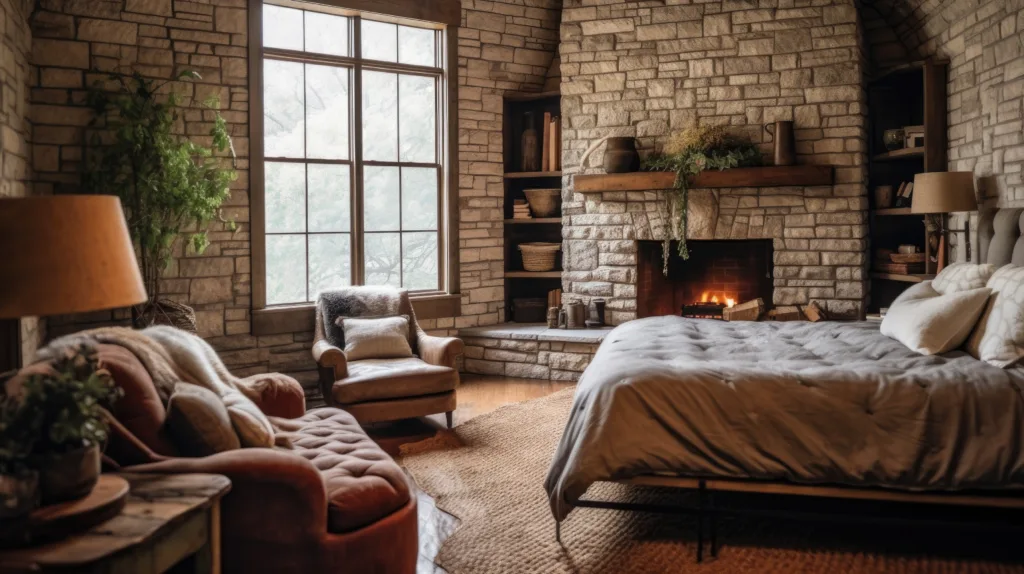
How to Decorate a Bedroom You Actually Want to Sleep In
A room-by-room guide to creating a bedroom that feels calm, personal, and genuinely restful. Covers colour, layout, bedding, lighting, and everything in between.
Key Points
- The bedroom is the one room in your home that exists purely for you. Every decision should serve rest, calm, and personal comfort above all else.
- Colour, light, and textiles do more for how a bedroom feels than furniture alone ever can.
- Small changes like the right curtains, a better lamp, or a cleared nightstand often have more impact than a full renovation.
Most people spend more time thinking about how their bedroom looks than how it actually feels to be in it. The result is a room that photographs well but never quite gives you the calm, restorative atmosphere a bedroom should. This guide works through every element of bedroom decorating in the order it matters, starting with the decisions that shape the whole room and finishing with the details that make it feel complete.
RELATED: 15+ Master Bedroom Ideas That Feel Elevated
Love Chic Living Club?
Add us as one of your preferred Google sources and discover more home decor, DIY, outdoor, and lifestyle inspiration from us.
Start With How You Want to Feel
Before choosing a colour or buying new bedding, decide what you actually want from this room. That sounds obvious, but most bedroom decorating decisions get made in isolation, a duvet here and a lamp there, without a clear sense of the overall atmosphere being built toward. The bedrooms that feel most successful are the ones designed with a specific feeling in mind: calm and minimal, warm and layered, light and airy, or richly cocooning. Everything that follows should serve that feeling.

If you are sharing the room with a partner, it is worth having that conversation early. Two people with genuinely different ideas about what a bedroom should feel like will always end up with a room that feels like a compromise unless there is an honest discussion upfront. There is a lot to navigate when designing a bedroom for two, and getting the conversation right at the beginning saves a lot of backtracking later.
Choose a Colour That Calms
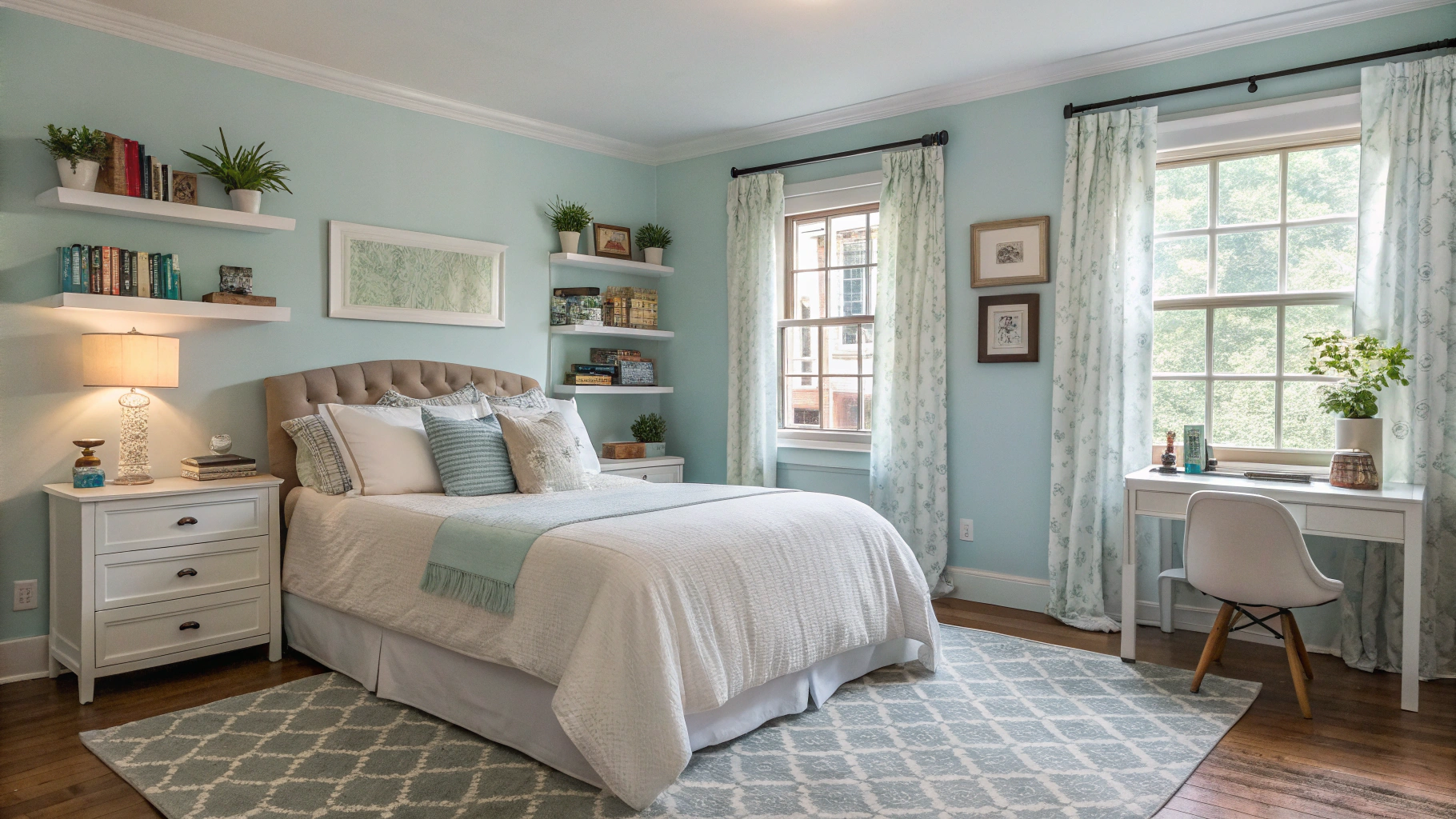
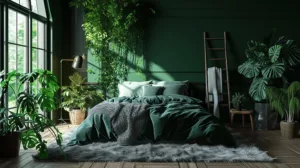
The bedroom is the one room where colour should always serve mood first and aesthetic second. Colours that feel exciting or energising in a living room can make it harder to wind down in a space meant for sleep. The palette that works best in most bedrooms leans toward the soft end of any given colour family. Dusty blues, sage greens, warm taupes, pale terracottas, and warm whites all have a quality of quiet that brighter versions of the same colours do not.
That said, the right colour is the one that feels right to you in your specific room under your specific light. A pale sage green that looks serene in a room with soft northern light can look cool and a little flat in a room that gets strong afternoon sun. Get large paint samples and live with them on the wall for several days before committing. There are bedroom colour combinations that consistently calm the mind regardless of room size or orientation, and understanding which undertones to look for makes the whole process far less stressful.
Get the Bed Placement Right First
The bed is the most dominant piece of furniture in the room and almost every other decision follows from where it sits: where the nightstands go, where the lamps go, how the circulation works. In most bedrooms the instinct is to centre the bed on the largest wall, which is usually the right call, but it is worth considering the alternatives before defaulting to it. A bed angled into a corner, or positioned to maximise a view or a window, can completely change how the room feels and how you experience it each morning.
Whatever position you choose, the bed should have clear walking space on at least two sides, ideally three. Being able to make the bed easily from both sides is a small thing that makes a daily difference. Before committing to a position, sketch the room with approximate measurements and check that the circulation routes work. Some bedroom layout configurations suit certain room shapes far better than others, and knowing which one fits yours before moving furniture saves a lot of effort.
Invest in Your Bedding
The bedding is where the bedroom is experienced most directly, and it is the element most people underinvest in relative to how much time they spend inside it. A well-made bed with quality sheets, a good duvet, and properly fitted pillowcases does more for how a bedroom feels, both from inside it and looking at it, than almost any furniture or decorating purchase.
Good sheets are not necessarily expensive, but they do need to be the right material for how you sleep. Percale cotton is crisp, cool, and gets softer with every wash. Sateen is smoother and slightly warmer. Linen is breathable and deeply relaxed-looking, with a texture that makes even a casually made bed look intentional. Choose based on how you sleep, not just how it looks.
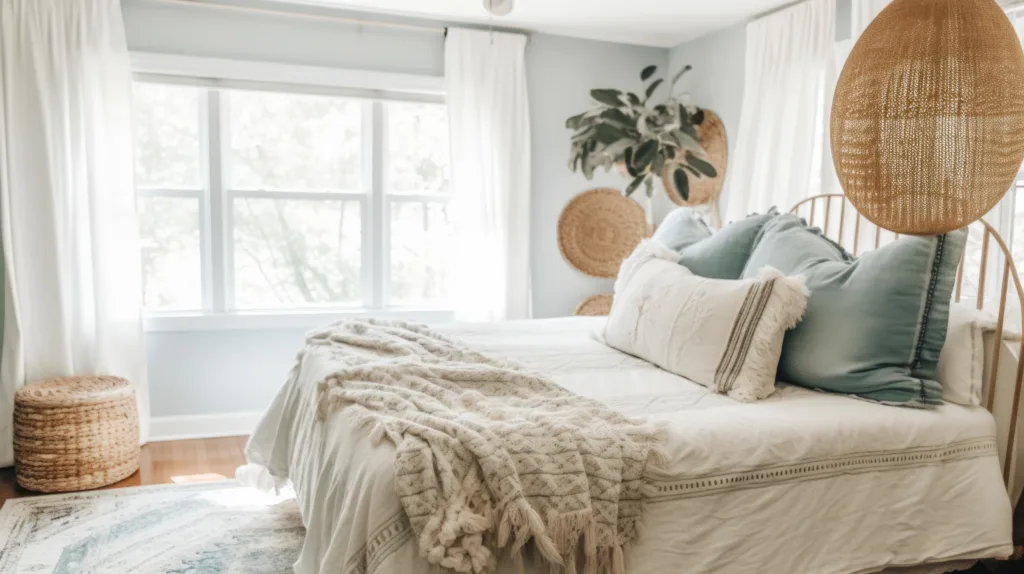
The most timeless bed styling keeps the palette simple, two or three tones within the same family, and builds interest through texture rather than pattern. A linen duvet, cotton pillowcases in a slightly different tone, and a textured throw at the foot of the bed gives the eye movement and warmth without requiring the bed to be remade from scratch each time the seasons change.
You May Also Love
TIP: When making the bed, fold the top sheet and duvet down about a third of the way from the top. It takes ten extra seconds and makes the bed look properly dressed rather than just pulled up. It is the single detail that makes the biggest visual difference to how a bedroom photographs.
Layer the Lighting
Bedroom lighting is almost always done wrong, and the reason is the same as in the living room: one overhead light, used for everything. In a bedroom this is even more of a problem than elsewhere, because the overhead light is exactly the wrong kind of light for the hour when you are winding down before sleep. Bright overhead light signals to the body that it is still daytime.
The fix is straightforward. Use the overhead light for getting dressed and cleaning the room. For everything else, reading, winding down, the soft atmosphere of an evening bedroom, use bedside lamps at a lower level with warm bulbs. Two bedside lamps of matching height give the room balance and symmetry. A floor lamp in a corner adds depth and makes the room feel larger. A small lamp on a dresser adds warmth without overhead harshness.
The warmth of the bulbs matters too. At 2700 Kelvin or below, bedroom lighting starts to feel genuinely warm and conducive to rest. Above 3000K it begins to feel too clinical for a room you are trying to relax in. If you can add a dimmer to even one circuit, the difference in the evening atmosphere is significant.
Think About the Walls
A bedroom wall treated to something more than flat paint changes the whole character of the room, and it does not take a large budget to do it well. The most impactful single treatment is a panelled headboard wall, where simple vertical or horizontal battens painted in a tone that deepens the main wall colour give the space behind the bed an architectural presence that makes the whole room feel more deliberate.
Wallpaper on a feature wall behind the bed achieves a similar effect with more pattern and personality. The bedroom is actually one of the better places to try a bolder print because the area is contained and you spend more quiet time in this room than any other, which means you genuinely live with what is on the walls. For everything beyond paint and paper, there are bedroom wall treatments that add texture, depth, and character without requiring structural changes.
RELATED: 16+ Bedroom Mirror Ideas to Open Up Your Space
Sort the Storage
A bedroom with nowhere to put things never feels calm regardless of how well it is decorated. Clothes left on chairs, objects accumulating on surfaces, the visible evidence of daily life that has no proper home. These things undermine atmosphere in a way that no amount of nice bedding can fix.
Built-in bedroom storage is the most space-efficient option and it looks like an architectural feature rather than furniture that was added later. The most functional arrangement combines closed storage at the lower level with open shelving above, and the internal organisation matters as much as the external appearance. If built-ins are not possible, a freestanding wardrobe placed thoughtfully within the room’s architecture will always look more considered than one pushed into whatever corner is left.
Bedside tables are the most-used surfaces in the bedroom, and they benefit from being kept deliberately clear. One lamp, one book, perhaps a glass of water. The moment they become dumping grounds for cables, receipts, and things that have not been put away, the room stops feeling like a retreat.
RELATED: 16+ Bedroom Closet Ideas That Maximise Every Inch
Don't miss: 13+ Bedroom Remodel Ideas for Small Apartments →
Add Curtains That Actually Work
Curtains are one of the most underappreciated elements in a bedroom. Most people treat them as an afterthought, choosing something functional at a size that fits the window. The bedrooms that feel most luxurious and most finished almost always have curtains that are hung high and wide, above the window frame and extending well past the edges on each side. This makes windows look larger, ceilings feel higher, and the room feel far more considered.
For a bedroom, the fabric and lining matter as much as the style. Unlined curtains let in light and look casual. Thermal-lined curtains block light and insulate, which matters significantly for both sleep quality and comfort. Heavy bedroom curtains in velvet, linen, or woven cotton add a softness and warmth that a roller blind simply cannot.
Make It Work for a Small Bedroom
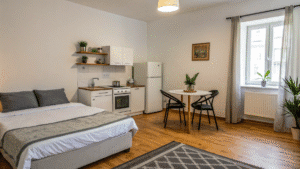
Small bedrooms require a specific set of decisions rather than simply scaled-down versions of larger ones. The bed will always take up most of the floor space, which means storage, lighting, and surface styling need to be especially considered. Under-bed storage, wall-mounted bedside lamps instead of table lamps, and built-in wardrobes fitted to the ceiling rather than free-standing all reclaim space a small room cannot afford to give up.
Colour works best when kept consistent across surfaces. Walls, ceiling, and woodwork in the same or a similar tone creates a sense of enveloping warmth rather than visual fragmentation. There are small bedroom ideas that make a real difference to how spacious a tight room can feel, and most of them involve decisions rather than money.
RELATED: 13+ Bedroom Remodel Ideas for Small Apartments
Style the Dresser and Shelves
The flat surfaces in a bedroom, the dresser top, the bedside table, a shelf in an alcove, are where the room’s personality lives most visibly. They are also the surfaces most likely to become cluttered, which is why styling them intentionally makes a disproportionate difference to how the room feels overall.
A well-styled dresser uses a small tray to corral daily objects, adds a plant or candle, and keeps one or two things that are genuinely beautiful in clear view. It looks completely different from the same dresser used as a flat surface to put things on. For shelves, vary the heights of objects, group them in threes, and leave roughly a third of the space empty. A shelf that is completely filled reads as clutter even when every individual thing on it is beautiful. If you want to see what well-composed bedroom shelves actually look like in practice, there are approaches for different styles and room sizes worth looking through.
Keep Exploring
Bring in a Little Greenery
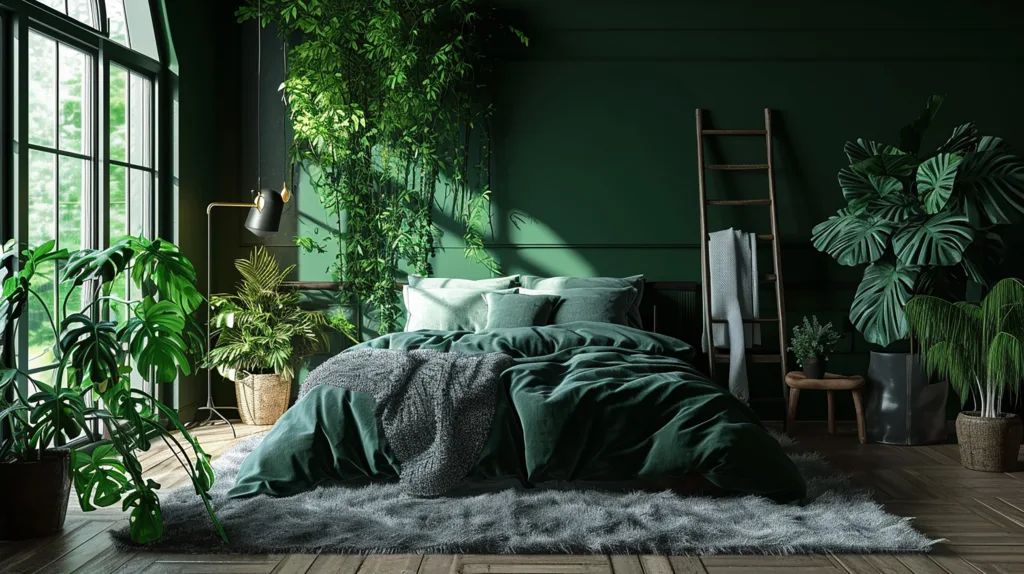
A plant in a bedroom does something no decorative object can. It introduces a quality of life and organic presence that makes the room feel cared for and genuinely inhabited. The most bedroom-friendly plants are the ones that tolerate lower light and irregular watering: a snake plant in a corner, a pothos trailing from a shelf, a small succulent on the bedside table.
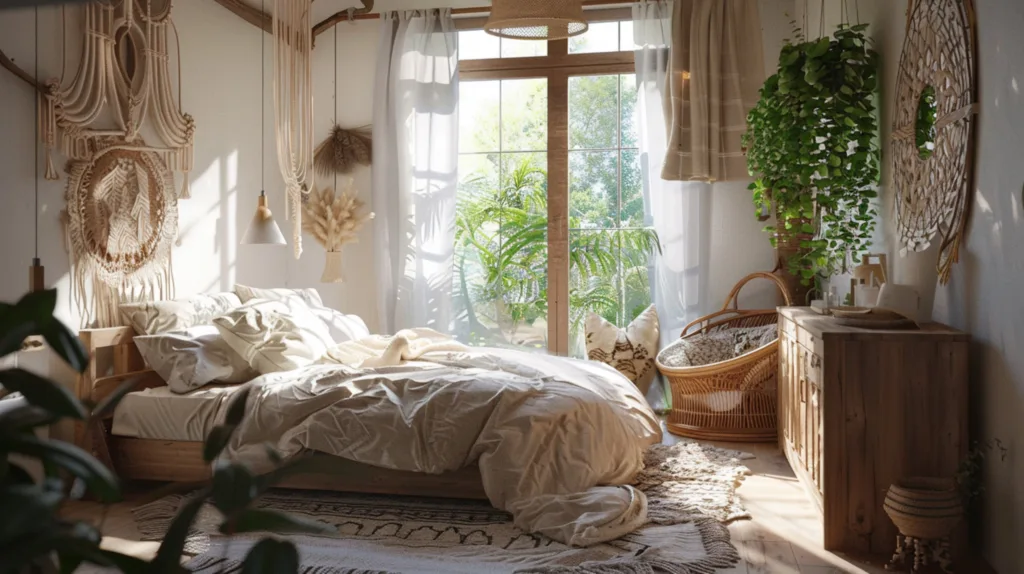
Beyond living plants, dried flowers and botanical bedroom decor have become popular precisely because they bring organic texture and warmth without the maintenance. They photograph beautifully and hold up well in rooms that do not always get strong natural light.
Let the Season In
The bedroom responds well to seasonal changes because it is an intimate room where small shifts in texture and warmth are felt immediately. In winter, heavier bedding, a knitted throw at the foot of the bed, and richer curtain fabrics shift the room into something that feels genuinely cocooning. In summer, lighter linens, the curtains left open longer in the morning, and fresh flowers on the dresser give it a breezy, airy quality.
The bedside table and dresser are the easiest places to make these updates: a candle in an autumn scent, a vase of whatever is in season, a different-coloured throw folded at the end of the bed. If you want to go deeper into any particular season, the winter bedroom, summer bedroom, spring bedroom, and fall bedroom guides each cover it in full.
Frequently Asked Questions
How do I make my bedroom feel more relaxing?
Start with the lighting. Replace overhead-only lighting with bedside lamps using warm bulbs at 2700K or below, and add a dimmer if possible. Clear the surfaces of anything that does not belong there. Lighting and clutter are the two things that have the most immediate impact on how a bedroom feels, and both can be addressed without spending much.
What is the best colour for a bedroom?
There is no single best colour, but the shades that consistently produce a calming atmosphere are the softer, more muted versions of any colour family: dusty blues, sage greens, warm taupes, and soft warm whites. Avoid colours with strong yellow or green undertones in rooms that get a lot of natural light, as they can feel sharp rather than restful. Always test large samples on the actual wall before committing.
How do I make a small bedroom feel bigger?
Hang curtains high and wide, well above the window frame. Use wall-mounted bedside lamps instead of table lamps to free up surface space. Choose built-in or fitted storage rather than freestanding pieces. Keep the colour palette consistent across walls, ceiling, and woodwork. A large mirror opposite the window amplifies both light and perceived space.
How do I decorate a bedroom on a budget?
The highest-impact changes are often the least expensive: rearranging the furniture, clearing and properly styling the surfaces, adding a plant or a new throw, and replacing bulbs with warmer alternatives. Try living with the room rearranged for a week before buying anything. Then address the lighting. If you want a structured approach, these budget bedroom remodel ideas cover the full sequence from free changes through to considered purchases.
What should go on a bedside table?
As little as possible. A lamp, a book, a glass of water, and perhaps one small object you find beautiful. The bedside table is the last surface you look at before sleep and the first one you see in the morning. Keeping it clear and deliberate makes a meaningful difference to how the room feels to wake up in.
Explore more room-by-room guides in our complete Rooms section.