How to Decorate a Guest Room That Makes People Want to Come Back
A complete guide to creating a guest room that feels genuinely welcoming, from the bed and the layout to the small details that guests notice and remember.
KEY POINTS
- A guest room that feels welcoming is not about being elaborate. It is about being thoughtful. The details guests remember are almost always the ones that show someone considered their comfort specifically.
- The bed, the lighting, and clear storage space are the three non-negotiables. Everything else is a layer on top.
- A room that doubles as a home office or hobby space can still be a genuinely good guest room with the right layout and a few considered switches.
The guest room is the only room in your home designed entirely for someone else’s comfort. That single fact should shape every decision in it. It is not a room to decorate with your favourite things, to store the furniture that did not fit elsewhere, or to use as a backdrop for your personal aesthetic. It is a room where someone is going to wake up in an unfamiliar space and feel, if you have done it well, that they have been genuinely looked after.
Most guest rooms fall short not because they lack good furniture or stylish decor, but because nobody has thought carefully about what it actually feels like to sleep and spend time in them. This guide covers the full picture, from the fundamental decisions about the bed and the layout to the small thoughtful touches that turn an adequate spare room into somewhere guests genuinely look forward to staying.
Love Chic Living Club?
Add us as one of your preferred Google sources and discover more home decor, DIY, outdoor, and lifestyle inspiration from us.
RELATED: 17+ Guest Room Remodel Ideas That Feel Welcoming
Start With the Right Bed
The bed is the reason the room exists and the element that matters most to anyone sleeping in it. Everything else in the room is secondary to whether the bed is genuinely comfortable and whether the bedding is clean, well-pressed, and of reasonable quality.
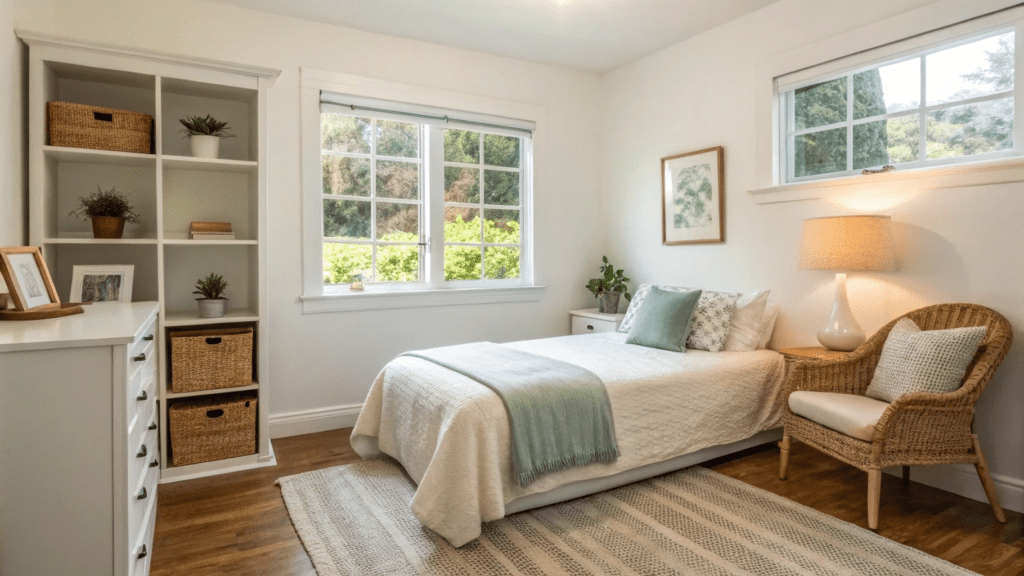
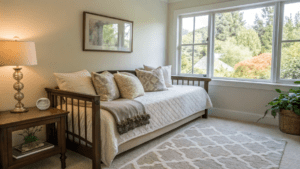
The question of what size bed to use in a guest room is worth thinking through honestly. A double bed is the comfortable minimum for a room that will host couples. A queen is better if the space allows it. A single works for a room primarily used by children or occasional solo guests but will feel inadequate and slightly apologetic for adult couples. If the room needs to flex between single and double occupancy, a daybed with a trundle is one of the most practical and most underused solutions available: it reads as a sofa during the day, sleeps one comfortably at night, and pulls out to sleep two when needed without requiring a permanently large footprint.
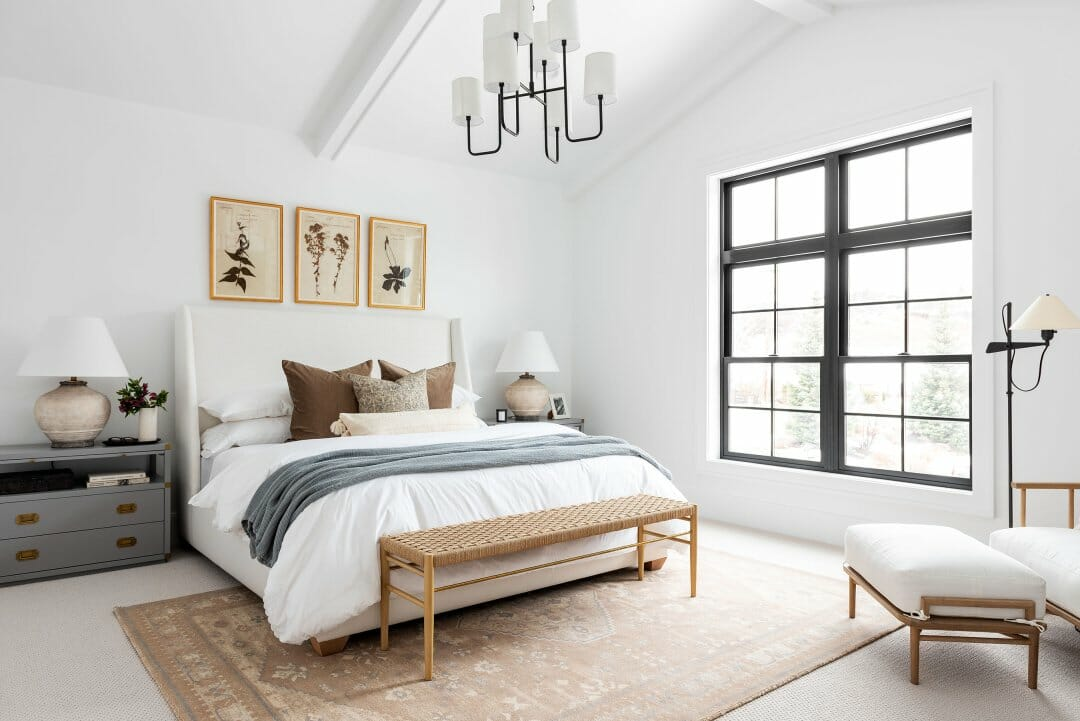
A storage bed solves two guest room problems simultaneously: it provides a proper sleeping surface and it gives the room somewhere to keep spare bedding, pillows, and the seasonal items that would otherwise take up wardrobe space. In a room that is also used for other purposes when guests are not present, the hidden storage under the bed means the room can stay tidy and functional without a separate storage solution.
RELATED: 17+ Cozy Guest Room Decor Ideas for Every Guest
Get the Layout Right First
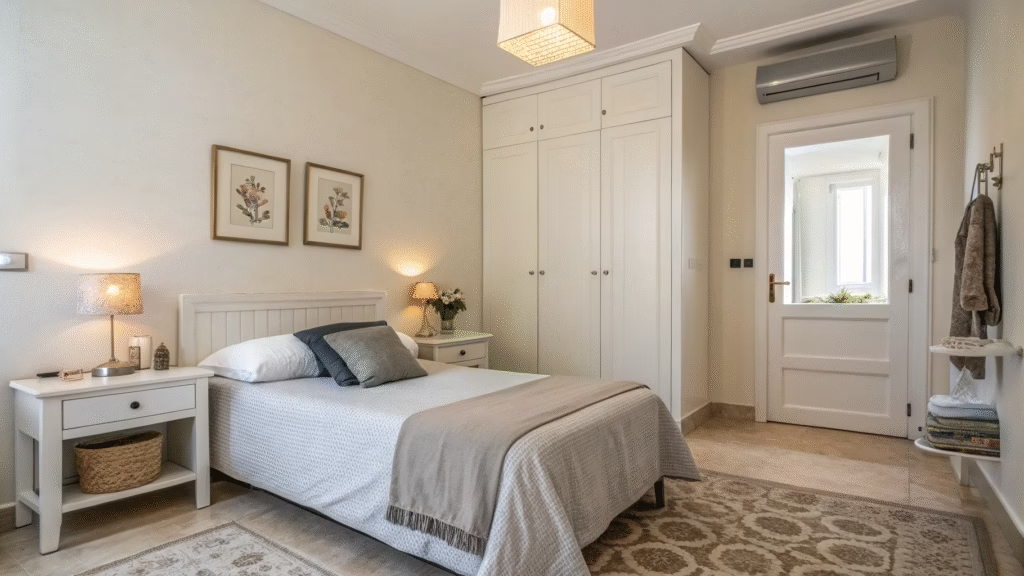
The layout of a guest room is about one thing above all others: making sure there is enough clear space around the bed to move comfortably on both sides, access the wardrobe without performing acrobatics, and put a bag down somewhere that is not the floor. These are basic spatial requirements that a remarkable number of guest rooms fail to meet, usually because the bed has been pushed into a corner to maximise floor space in a way that makes it genuinely difficult to get into and out of without climbing.
The bed should have clear walking space on at least two sides, even if one of those sides is narrower than ideal. A nightstand on at least one side with a lamp on it is essential: a guest who cannot reach a lamp from the bed without getting out of it will find the room frustrating however attractive it looks. The guest room layout ideas that work best in different room shapes address the specific challenges of narrow rooms, square rooms, and rooms with awkward window or door positions that constrain where the bed can go.
For a room that doubles as a home office or a hobby space, a flexible layout that allows the room to shift between its two functions without one compromising the other is worth planning carefully. A fold-flat desk that closes away when guests arrive, a sofa bed rather than a permanent bed, or a built-in configuration that integrates the sleeping and working functions behind closed doors when not in use are all approaches that make the dual-purpose room genuinely liveable in both modes.
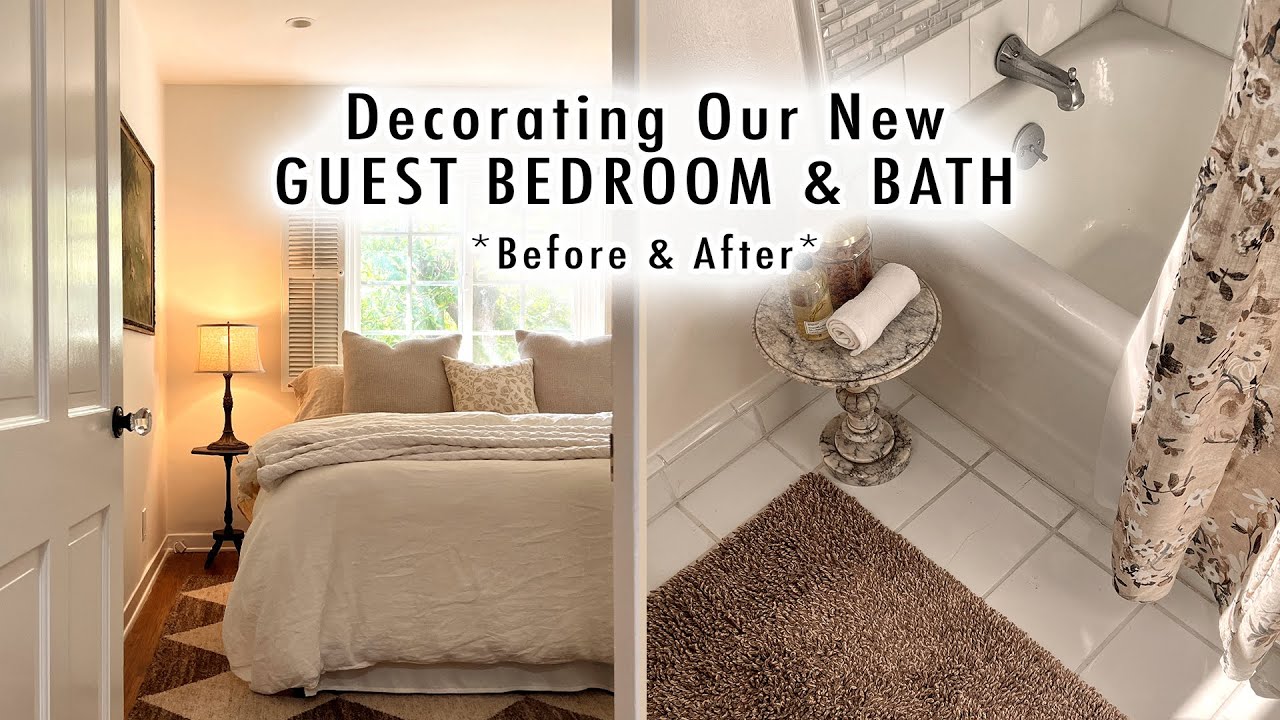
Choose a Colour That Welcomes
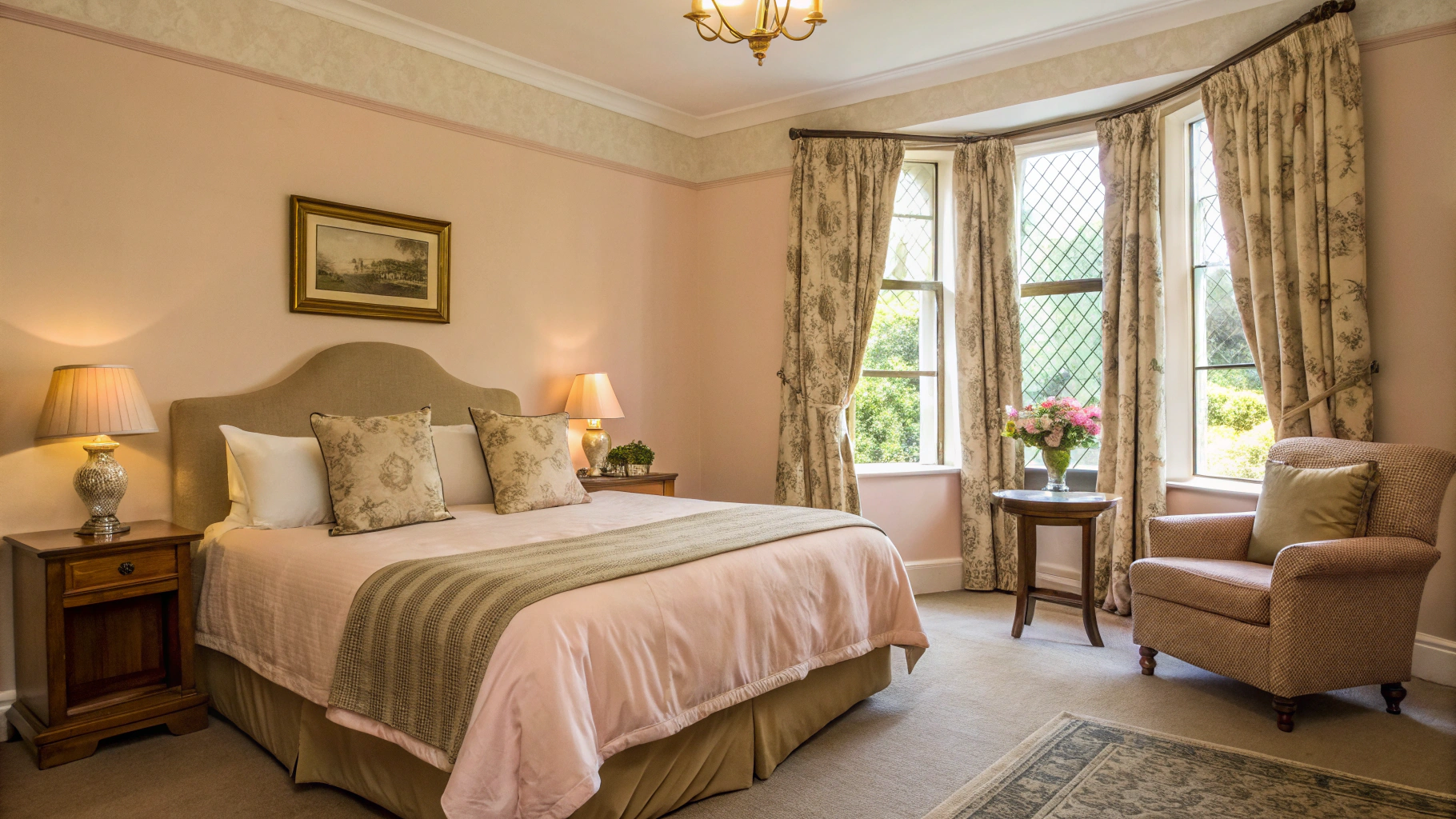
Guest room colour is one area where the universal decorating principle of using what you personally love should be applied with some restraint. A guest room painted in your favourite deep terracotta or your most beloved dark green may look beautiful to you and feel intense and slightly oppressive to a guest sleeping in it for the first time. The rooms that consistently produce the most positive reactions from guests are the ones that use calm, inclusive colours rather than highly personal ones.
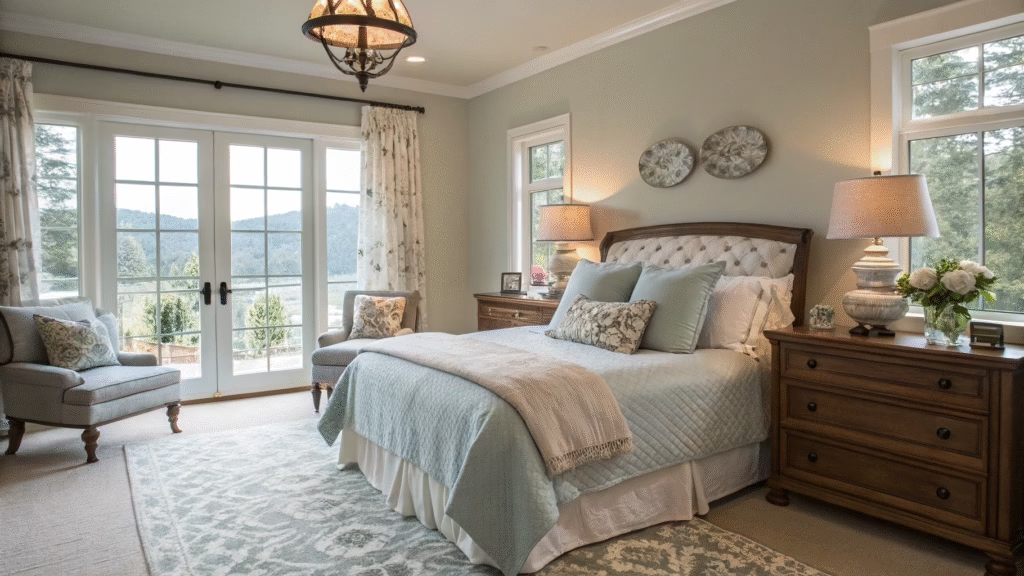
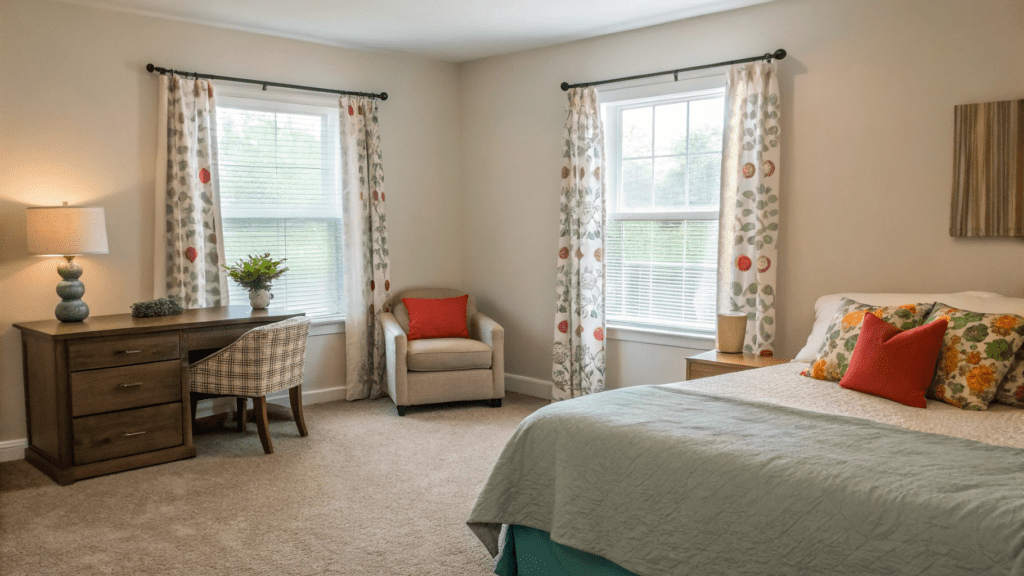
Neutral guest room palettes in warm whites, soft greiges, pale sage greens, and gentle taupes work because they have a quality of calm that does not depend on the guest sharing your aesthetic. They provide a backdrop that makes the room feel restful rather than stimulating, which is exactly what a sleeping space should do. Within that calm base, texture and warmth come through the bedding, the curtains, and the lighting rather than through the wall colour.
Layer the Lighting
Guest room lighting is one of the most frequently neglected elements and one of the most impactful on how a guest actually experiences the room. A single overhead light that cannot be reached from the bed, a lamp on only one side for a double room, or no blackout provision that means waking with the sunrise regardless of what time you went to sleep: these are the lighting failures that guests remember and mention.
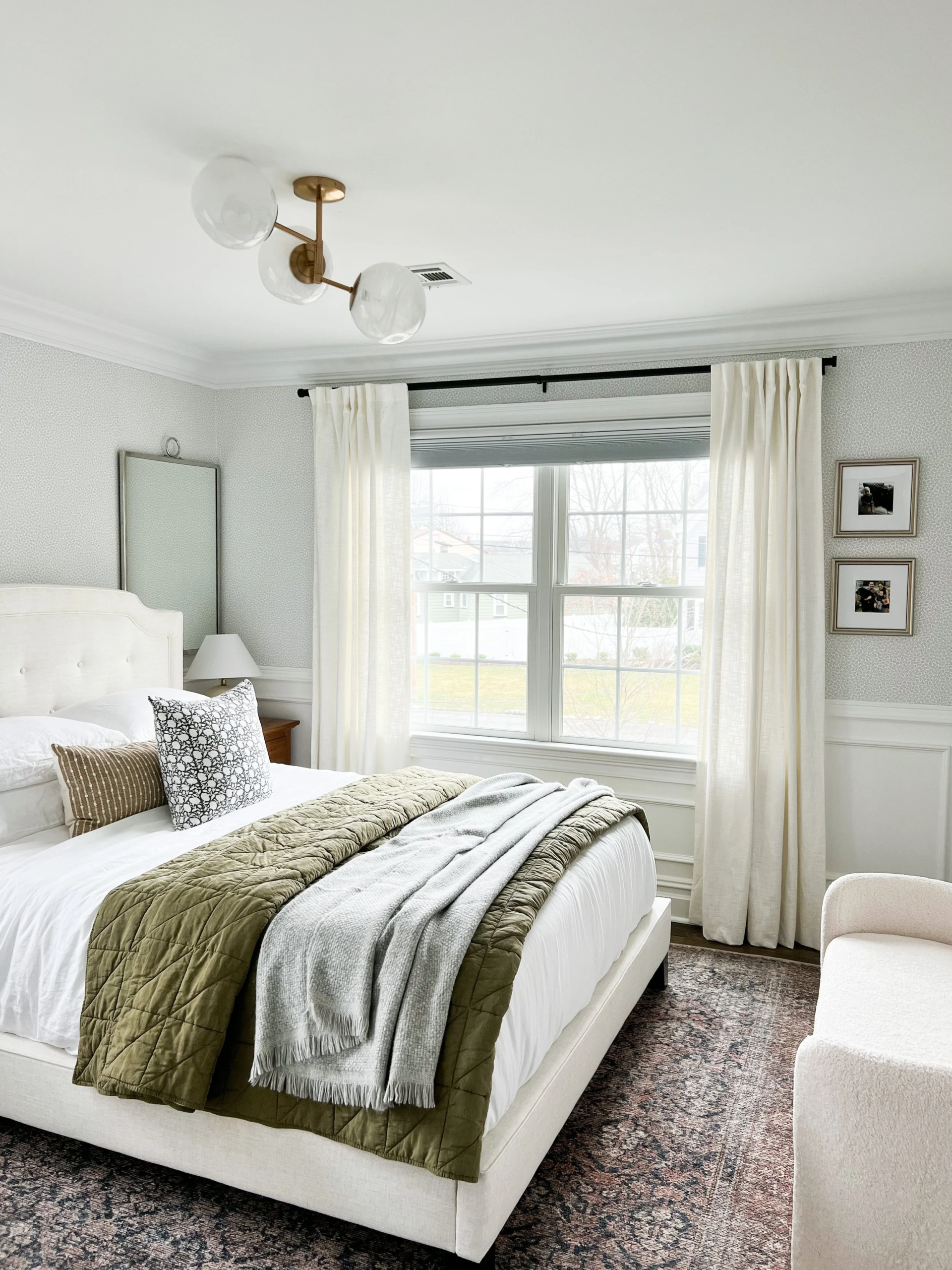
Every guest room needs a lamp accessible from each side of the bed. Wall-mounted reading lights are the most space-efficient option where nightstands are small or the room is tight. A bedside lamp at the right height for reading in bed, around 60 to 70 centimetres above the mattress surface, is a detail that sounds minor and makes a significant difference to the comfort of spending an evening in the room.
Blackout curtains or a blackout blind are a non-negotiable in a guest room that will be used by people in a different time zone, by anyone who sleeps later than early morning light, or simply by guests who want the option of a lie-in. This is one of those provisions that guests rarely comment on when it is there and reliably mention when it is not.
RELATED: 16+ Easy Ways to Make Your Guest Bedroom Feel More Inviting
You May Also Love

Give Guests Somewhere to Put Their Things
The absence of accessible storage is the single most common practical failure in a guest room. A bed in a beautifully decorated room with nowhere to hang clothes, no surface to put a phone and a glass of water, and no space in the wardrobe because it is full of the host’s overflow is a room that communicates, however unintentionally, that the guest’s comfort was not really the priority.
Clear the wardrobe of everything that does not need to be there before guests arrive and leave it with spare hangers. If the room has built-in storage, dedicate at least one section entirely to guest use. A luggage rack or a low bench at the foot of the bed gives guests somewhere to put a suitcase that is neither the floor nor the bed. A small surface beside the bed for a phone, a book, a glass of water, and a lamp is essential. A well-organised guest room closet that guests can actually use without navigating around stored items shows a level of consideration that elevates the whole experience.
Guest room storage solutions that work within limited space include hooks on the back of the door for bags and coats, a small chest of drawers that doubles as a surface, and under-bed storage for extra bedding that keeps the wardrobe clear. The principle is simple: a guest should be able to fully unpack and feel settled without asking where to put anything.
TIP: The night before guests arrive, do one walk through the room as if you were staying there for the first time. Check whether you can reach the lamp from the bed. Check whether there is somewhere obvious to put a glass of water. Check whether the wardrobe has space and hangers. Check whether there is a mirror at a usable height. These are the things guests notice within the first ten minutes and that set the tone for the entire stay.
Make the Bed Like You Mean It
The way the bed looks when a guest walks into the room for the first time is the single most powerful signal about how much thought has gone into their visit. A properly made bed with clean, well-pressed bedding communicates care immediately and sets a tone that good coffee and a fresh towel can sustain but cannot establish on their own.
Quality bedding does not need to be expensive, but it does need to be genuinely clean and in good condition. Sheets with pills, duvet covers with faded colour or worn fabric, and pillowcases that have lost their shape are noticed by guests even when they are too polite to mention them. Replace anything that has seen better days before it becomes the thing someone tactfully does not mention.
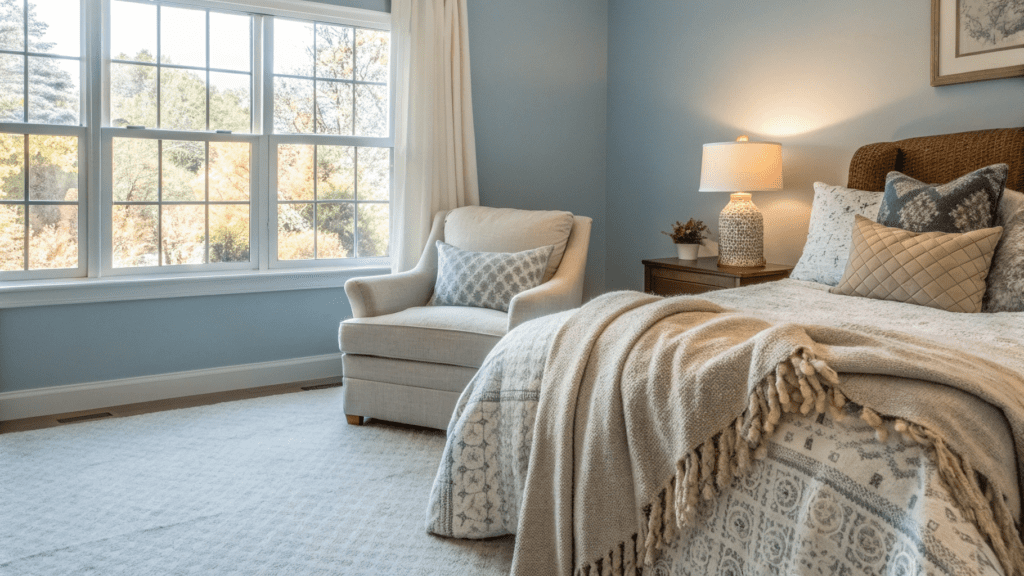
A top sheet tucked firmly at the base with folded-down edges, a properly placed duvet, and pillows arranged in a simple, symmetrical stack creates the hotel-like guest room quality that makes guests feel they have arrived somewhere rather than simply borrowed a bed. Adding an extra blanket folded at the foot of the bed gives guests the option of extra warmth without needing to ask for it, which is one of those small thoughtful guest room provisions that gets noticed every time.
Add the Small Touches That Guests Remember
The difference between a guest room that is adequate and one that guests talk about afterwards is almost entirely in the small details. None of them are expensive or time-consuming. They are simply the result of thinking through the guest’s experience rather than just the room’s appearance.
A small welcome basket on the dresser or nightstand with a bottle of water, a few snacks, a phone charger, and perhaps a couple of toiletry items for common needs creates an immediate sense of being expected and looked after. A spare phone charger in the room removes the awkward request that guests inevitably have to make without one. A printed or handwritten note with the wifi password, the breakfast time, and anything else useful removes the small uncertainty of being a guest in someone’s home and not knowing the rhythms.
Fresh flowers or a small plant in the room add life and a quality of welcome that no decorative object replicates. Even a simple stem in a bud vase on the windowsill communicates that someone prepared this room specifically for this visit rather than just opening the door that was already there. The simple guest room touches that guests actually notice and appreciate are almost always the ones that solve a small, predictable need before the guest has to ask.
RELATED: 15+ Little Things You Can Add to a Guest Room That Make People Feel Welcome
Don't miss: 14+ Guest Room Layout Remodel Ideas That Make Sense →
Think About the Walls
A guest room wall does not need to be elaborate to feel considered. The most successful guest room walls are the ones that create calm and warmth rather than visual complexity. A single piece of art above the bed, chosen for its quality and its restfulness rather than for personal significance, is worth more than a gallery arrangement that makes the room feel like an extension of the host’s own aesthetic.
Guest room wall treatments beyond paint such as a panelled headboard wall or a subtle wallpaper on the feature wall behind the bed add depth and character without the cost or disruption of major renovation. A panelled wall behind the bed in particular gives the whole room an architectural presence that makes it feel designed rather than furnished, which is exactly the quality that elevates a spare room to a guest room.
A mirror at a usable height, positioned where a guest can see themselves properly when getting dressed, is a practical provision that also adds light and visual space to the room. It is one of those elements that is conspicuously absent when it is not there.
Make It Work for Small Spaces
A small guest room presents specific constraints that reward clear thinking more than elaborate decorating. The single most important decision is the bed: a bed that is too large for the room makes every other element in the space feel squeezed and apologetic. A bed that is appropriately scaled for the room, with proper clearance on both sides, feels intentional and comfortable even in a tight footprint.
Small guest room ideas that consistently work include wall-mounted lighting instead of table lamps to free up nightstand surface space, a mirror on the back of the door to add depth without taking floor area, and a storage bed that eliminates the need for a separate chest of drawers. The small guest room remodelling approaches that produce the best results are the ones that commit to a single clear purpose rather than trying to incorporate too many functions into a room that cannot accommodate them all comfortably.
For homes where a dedicated guest room is simply not possible, a living room with a well-chosen sofa bed, a properly made up as a sleeping space when needed, can provide genuine hospitality without a permanent bedroom. The apartment guest room solutions that work in genuinely tight urban homes address this directly, with approaches for making a non-dedicated space feel genuinely welcoming rather than improvisational.
RELATED: 16+ Guest Room Remodel Ideas for Small Homes
Keep Exploring
Choose a Style That Feels Inclusive
The guest room is the one room where a deliberately inclusive aesthetic serves the space better than a highly personal one. That does not mean the room needs to be beige and anonymous. It means the style choices should feel warm and considered rather than niche or demanding.
A minimal guest room that stays cosy uses restraint in objects and decoration but compensates with richness in textiles and warmth in light. The bed is well-made, the bedding is soft and layered, the lighting is warm, and the room has exactly what it needs and nothing it does not. This is a guest room style that works for almost anyone staying in it regardless of their own aesthetic preferences.
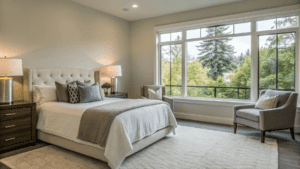
A modern, calm guest room applies clean lines and a considered neutral palette to create a space that feels genuinely restful rather than clinical. The difference between a modern guest room that feels like a good hotel and one that feels cold is almost always in the quality and warmth of the textiles: a linen duvet, a velvet throw, cotton pillowcases in a slightly different tone from the duvet cover.
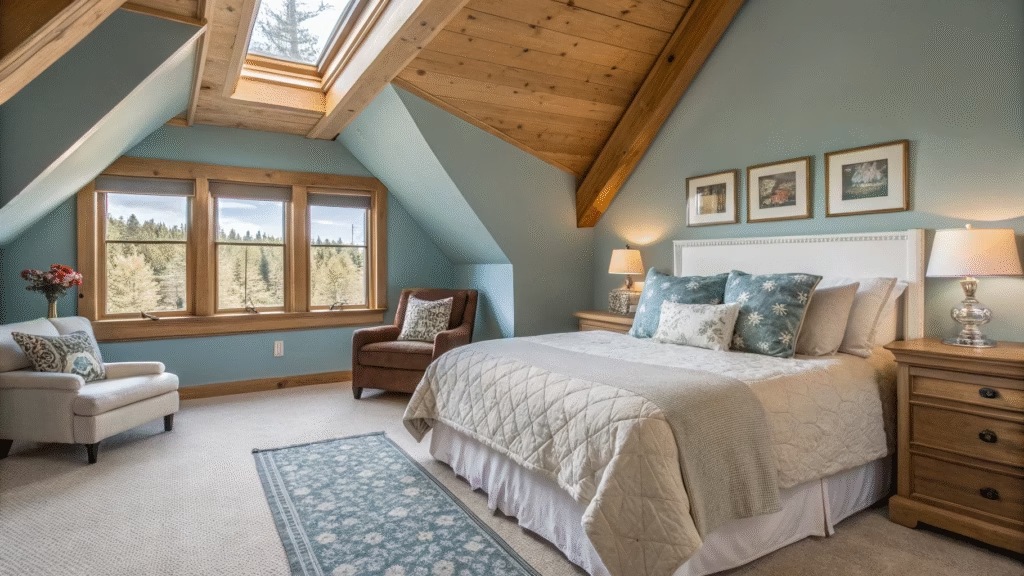
For a guest room in an attic or unconventional space, the attic guest room ideas address the specific challenges of sloping ceilings, limited headroom, and non-standard window positions in ways that turn those constraints into genuine character rather than treating them as problems to conceal.
Make It Work on Any Budget
A guest room that makes people feel genuinely welcome is not a function of what was spent on it. It is a function of how carefully it was thought through. The guest rooms that generate the most positive responses are often the simplest ones, where the basics are done impeccably and the small details show real consideration.
The things worth spending on are the bed and the bedding: a genuinely comfortable mattress, clean quality sheets, and a good duvet. These are the elements experienced directly and remembered clearly. Everything else can be approached with considerable restraint. A budget guest room that puts its investment into the bed and the bedding and keeps everything else simple and clean will always outperform an elaborate room with a mediocre sleeping experience.
A DIY guest room refresh on a tight budget works best when it focuses on the elements guests interact with most: fresh paint in a calm colour, clean bedding, a proper lamp accessible from the bed, and a cleared wardrobe with hangers. These four things cost very little and make the most practical difference to how the room feels to stay in. From there, a plant, a welcome basket, and the wifi password on the nightstand complete the picture without requiring any further outlay.
Frequently Asked Questions
What are the most important things to have in a guest room?
In order of importance: a comfortable bed with clean quality bedding, a lamp accessible from the bed on each side for a double room, somewhere to put clothes and a bag, and blackout window covering. These four provisions are what guests notice when they are missing. Everything beyond them is a layer of thoughtfulness rather than a baseline requirement.
How do I make a small guest room feel bigger?
Choose a bed that is appropriately scaled for the room rather than the largest bed that will physically fit. Use wall-mounted lamps instead of table lamps to free up surface space. Keep the colour palette light and consistent. Add a mirror opposite the window. Clear the wardrobe of anything that does not serve the guest. A small guest room that is genuinely useful feels considerably larger than one that is the same size but cluttered.
How do I make a guest room feel like a hotel?
The hotel quality comes from the bed, not the room. A properly made bed with pressed white or neutral bedding, enough pillows, and a folded extra blanket at the foot is what produces that sense. Beyond the bed, a clear surface beside it with a lamp, a glass, and nothing else, and a wardrobe that is fully accessible with proper hangers, reproduce the essential hotel experience at almost no cost.
How do I decorate a guest room that also needs to be an office?
The key is making the transition between the two functions as complete as possible. When guests are staying, the office should not be visibly an office: the desk should close away or face the wall, cables should be managed, and work materials should be stored out of sight. A flexible layout that plans for both functions from the start produces a room that works properly in both modes rather than tolerably in neither.
What are the small touches that guests appreciate most?
A phone charger in the room, the wifi password visible without having to ask, a glass and a small bottle of water on the nightstand, spare hooks for bags and coats, and an extra blanket available without hunting for it. None of these cost anything significant. Together they communicate that someone thought about the guest’s actual experience rather than just the appearance of the room.
Explore more room-by-room guides in our complete Rooms section.