Crochet: The Complete Guide to Getting Started and Making Beautiful Things
Everything you need to know about crochet, from your first hook and yarn to home decor projects, wearables, gifts, and the patterns worth returning to again and again.
KEY POINTS
- Crochet is one of the most accessible creative crafts available because it requires only two tools, a hook and yarn, and a single stitch is enough to start making something genuinely beautiful.
- The projects that sustain a crochet practice are the ones that fit honestly into your life: quick enough to make progress in short sessions, useful or personal enough to feel worth finishing, and varied enough to keep building skill.
- Crochet for the home produces some of the most beautiful and most personal additions to any interior, because handmade textiles carry a quality of warmth and care that manufactured pieces cannot replicate.
Crochet has undergone a genuine cultural shift in recent years. It moved from being associated primarily with grandmothers and doilies to occupying a central place in contemporary craft, fashion, and home decor. The reasons are not hard to understand. In a world where most objects are manufactured invisibly and at enormous scale, something made by hand from a single continuous strand of yarn carries a quality of presence and intention that feels increasingly rare. And crochet, more than almost any other craft, produces that quality consistently and accessibly.
Love Chic Living Club?
Add us as one of your preferred Google sources and discover more home decor, DIY, outdoor, and lifestyle inspiration from us.
This guide covers the full landscape of crochet as a creative practice: getting started with the right tools and techniques, building a project progression that develops skill without frustration, making things for the home, for wearables, and for gifts, and using the craft as both a creative outlet and a source of genuinely beautiful objects.
RELATED: 17+ Boho Crochet Decor Ideas for a Stylish Home
What You Actually Need to Start
The barrier to starting crochet is lower than almost any other craft. You need a hook and some yarn, and that is genuinely all. The hook comes in different sizes, measured in millimetres, and the size you choose should match the yarn you are working with. Thicker yarn needs a larger hook; finer yarn needs a smaller one. Most yarn labels specify the recommended hook size, which removes the guesswork for beginners.
For a first project, a medium-weight yarn, labelled as DK or worsted weight, with a hook in the 4 to 5.5mm range gives you the most forgiving working conditions. The stitches are large enough to see clearly, the yarn is light enough to work without fatigue, and the resulting fabric is substantial enough to feel like real progress after a short session.
Hook material matters less than hook size, but aluminium hooks are the most widely recommended for beginners because they are smooth, lightweight, and inexpensive. Ergonomic hooks with rubber handles are worth trying if you plan to crochet for extended sessions, as they significantly reduce hand fatigue.
Yarn choice affects the look and feel of the finished piece more than any other decision. Natural fibres, cotton, wool, linen, and bamboo, have a warmth and quality that synthetic yarns rarely match, and they age beautifully rather than pilling and losing their texture with use. For home decor projects, cotton is the most practical: it holds its shape, washes well, and has a clean, crisp quality that suits cushion covers, table runners, and baskets. For wearables, a soft wool or cotton-wool blend is the most comfortable and the most pleasant to work with.
Learning the Stitches
Crochet uses a relatively small number of core stitches, and understanding those stitches thoroughly is more valuable than rushing through a long list of techniques. The chain stitch, slip stitch, single crochet, half double crochet, double crochet, and treble crochet are the building blocks from which virtually every pattern is constructed. Most beginners can learn all of these in their first few sessions.
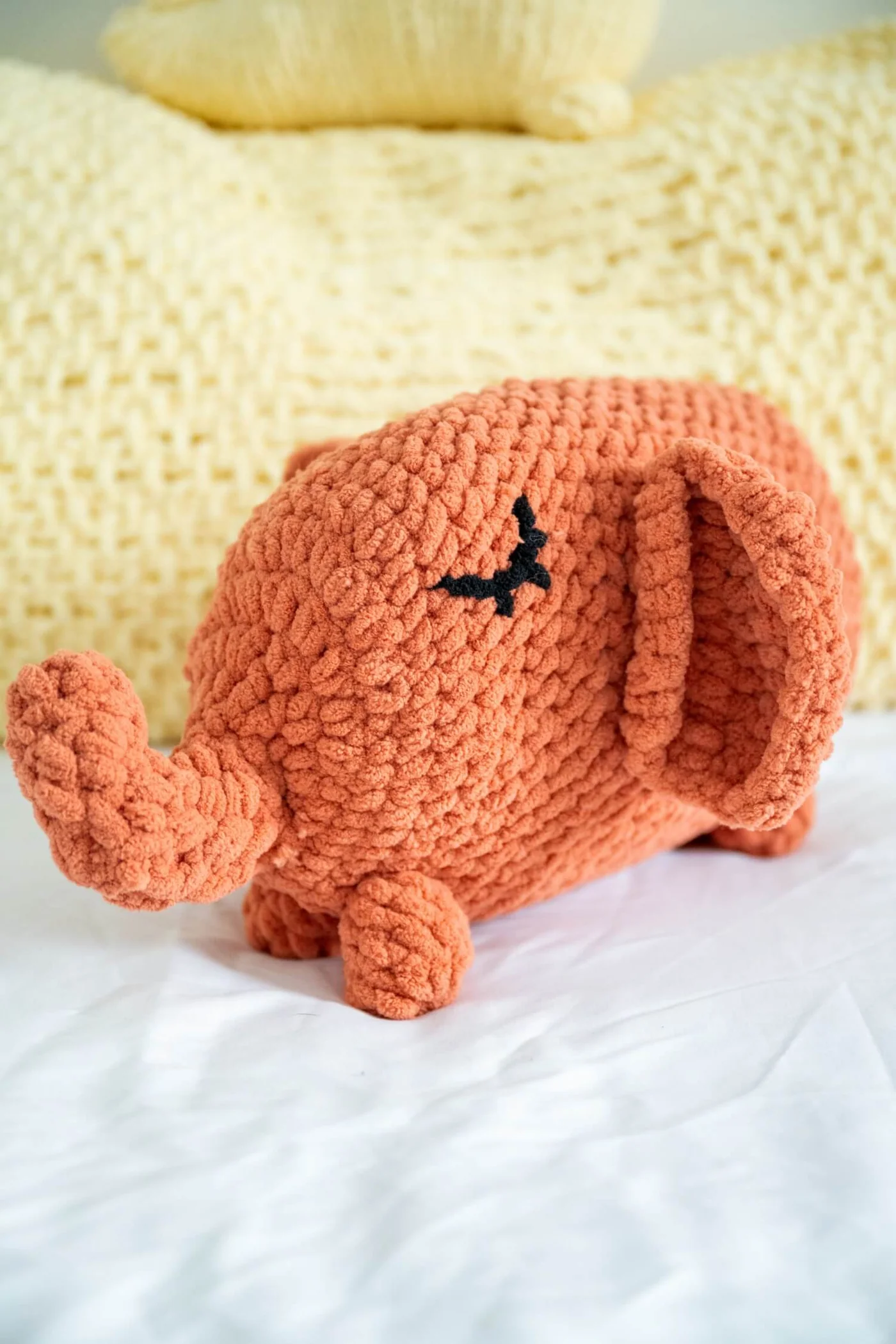
The chain stitch is the foundation of almost every project: a series of interlocked loops that creates the starting row from which all subsequent stitches are worked. The single crochet is the most basic completed stitch and produces the densest, most solid fabric. The double crochet is taller and more open, works up more quickly, and is the stitch used in the majority of beginner patterns. Treble crochet goes taller still, and combinations of these stitches at different heights produce the enormous variety of textures, patterns, and fabric weights that make crochet such a versatile craft.
Reading a crochet pattern for the first time can feel like decoding a foreign language, because patterns use standardised abbreviations for every stitch name. Ch for chain, sc for single crochet, dc for double crochet, and so on. Once those abbreviations are familiar, most patterns become straightforward to follow, and the ability to use written patterns opens up the full range of what is available rather than limiting you to projects simple enough to follow from memory.
Start With Projects That Build Confidence
The projects that teach the most are the ones that are small enough to finish, interesting enough to engage, and useful or beautiful enough to feel worth the effort. A dishcloth in cotton is a classic first project for good reason: it is small, flat, uses only basic stitches, and produces something genuinely useful that gives you a real sense of what your hands are capable of. A set of simple crochet coasters in cotton follows the same logic and produces objects beautiful enough to live on a coffee table.
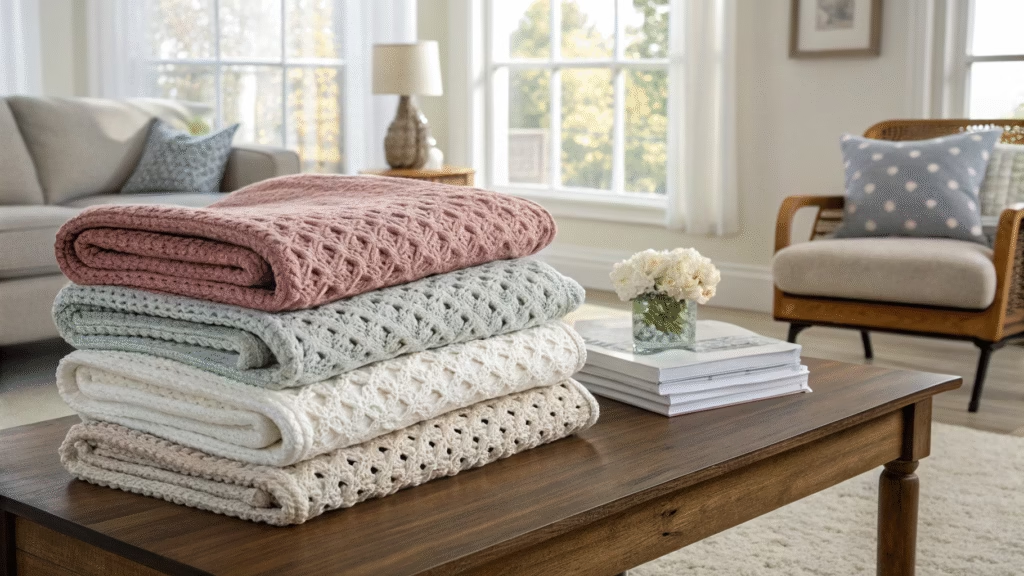
From there, the natural progression moves toward slightly larger flat projects, a simple scarf, a table runner, a small cushion cover, before attempting three-dimensional construction or more complex stitch patterns. The timeless crochet blanket patterns that keep crocheting through the years are often the projects that take the longest but teach the most, because the repetitive nature of a large flat project lets you develop an even tension and an instinctive feel for the hook that shorter projects do not.
TIP: The single most common reason beginners give up on crochet is tension inconsistency, where the stitches are too tight in some places and too loose in others. The fix is simple but requires patience: do not try to correct your tension. Just crochet. After ten to twenty hours of practice, tension almost always normalises naturally as your hands learn the rhythm. Fighting it consciously almost always makes it worse. The best thing you can do is choose forgiving projects like blankets and scarves for your first weeks, where inconsistent tension is absorbed into the fabric rather than visible in a shaped seam.
Crochet for the Home
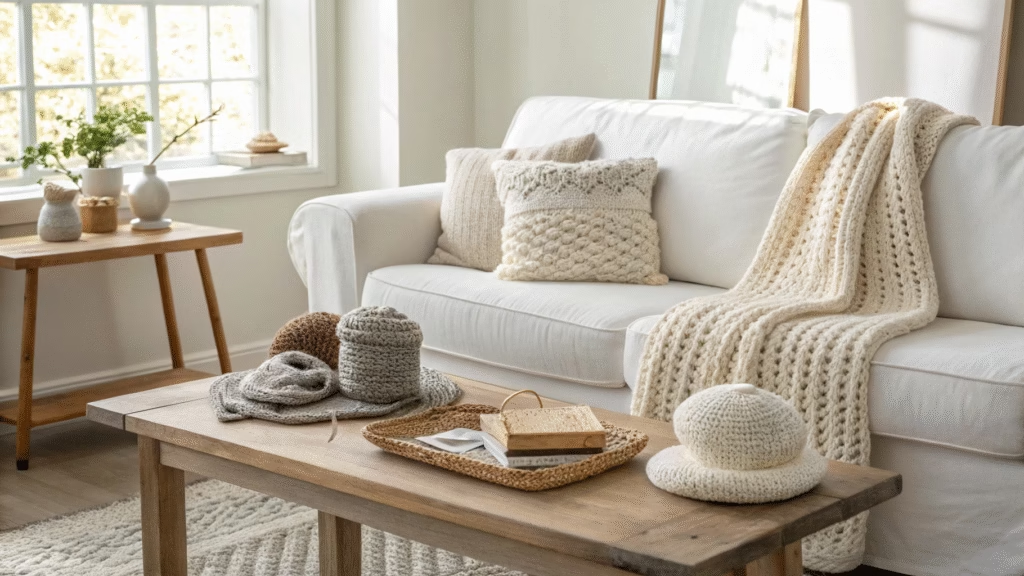
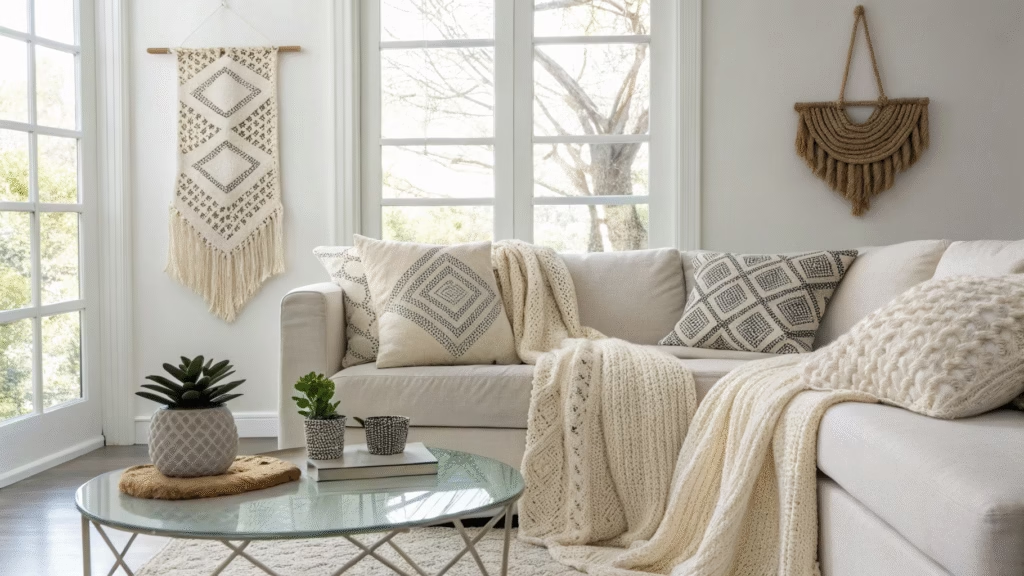
Crochet adds a quality of warmth and handmade presence to a home that few other decorating approaches can match. A crocheted throw on the sofa, a basket in the hallway, a table runner at the centre of the dining table, a wall hanging in the bedroom: each of these introduces the organic texture of yarn in a form that looks deliberate and beautiful rather than simply functional.
The boho crochet decor ideas that have driven so much of crochet’s contemporary popularity draw on the bohemian aesthetic’s love of natural materials and the collected-over-time quality of handmade objects. A crocheted wall hanging in natural cotton, a cluster of crocheted plant pot holders, and a macramé-adjacent woven piece on the entryway wall all contribute the same quality of organic warmth and personal making.
For the dining room, crochet table runner designs in natural cotton or linen give a table a sense of considered dressing without the formality of a full tablecloth. A crocheted runner in a simple open-stitch pattern in natural or white cotton works across almost every table style, from farmhouse to contemporary. The crochet mug cozy ideas for hot drinks make a morning coffee ritual feel genuinely personal, particularly when made in a colour that coordinates with the kitchen’s palette.
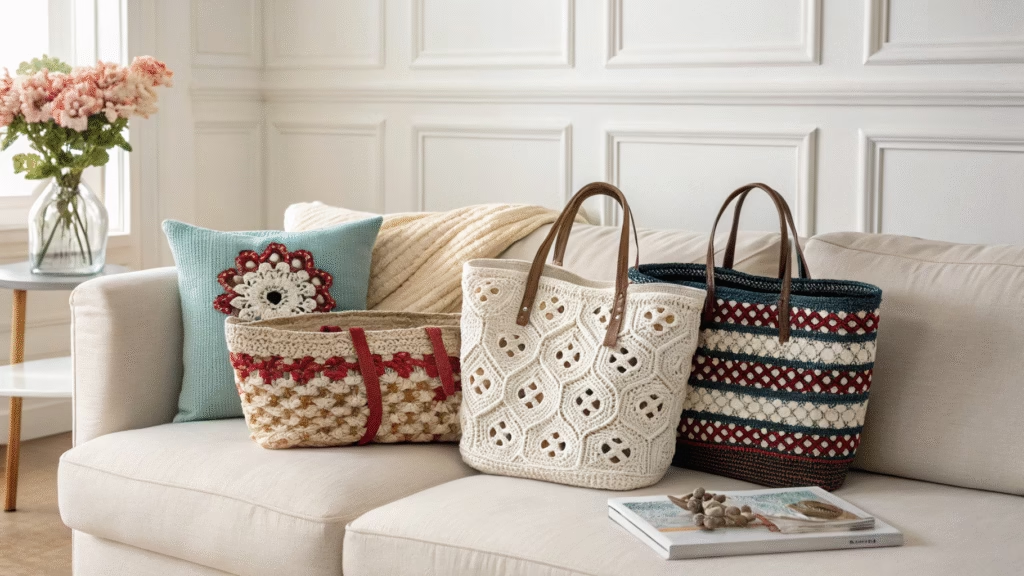
Crochet basket patterns for home organisation are among the most satisfying home decor projects in the whole craft, because they combine beauty and function in a single object that earns its place on a shelf or in a corner. A large basket in chunky natural cotton yarn for storing blankets, a smaller one for magazines or remotes, a tiny one as a bedside catch-all: crocheted baskets in a consistent colour palette and yarn weight look like a designed feature of the room rather than a craft project.
RELATED: 14+ Elegant Crochet Table Runner Designs
Crochet Wearables
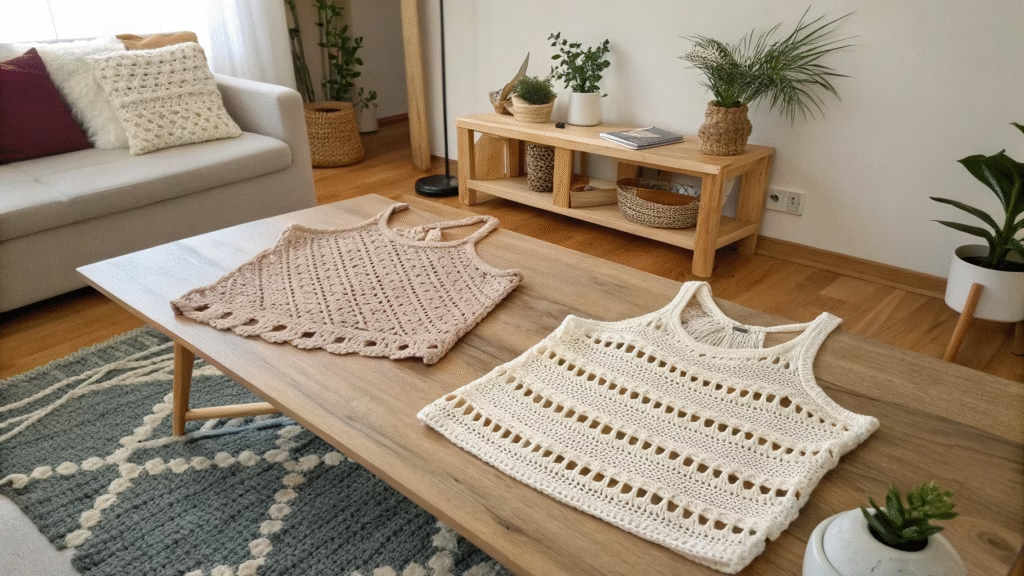
The wearables that crochet produces best are the ones that lean into its specific material qualities: the open, breathable fabric of a summer top, the substantial warmth of a blanket cardigan, the lightweight drape of a poncho, the fitted snugness of a hat or slipper. Trying to make crochet replicate the qualities of knit or woven fabric usually produces results that are less successful than either; working with what crochet does naturally is where the most beautiful and most wearable pieces come from.
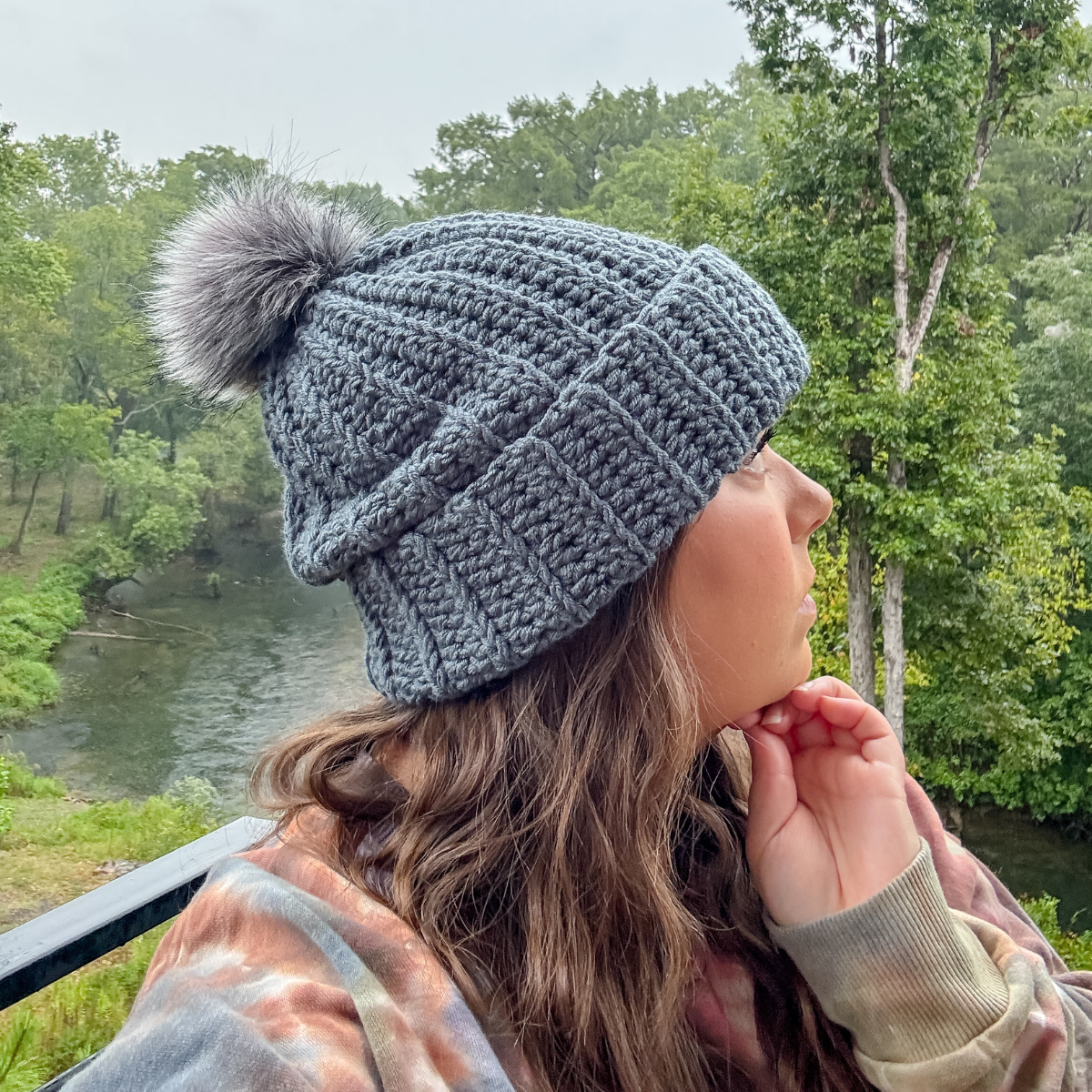
The crochet cardigans that have become genuinely fashionable in recent years use the openwork quality of crochet as a feature rather than a limitation, producing garments with a relaxed, contemporary feel that knitted versions of the same silhouette do not have. The crochet sweater patterns at the more substantial end of the wearables spectrum use bulkier yarn and denser stitch patterns to produce warm, cocooning pieces suited to the cooler months. Crochet poncho patterns occupy the most accessible territory for beginners interested in wearables: they are essentially large rectangles joined at one seam, which means the construction is straightforward even when the stitch pattern is more elaborate.
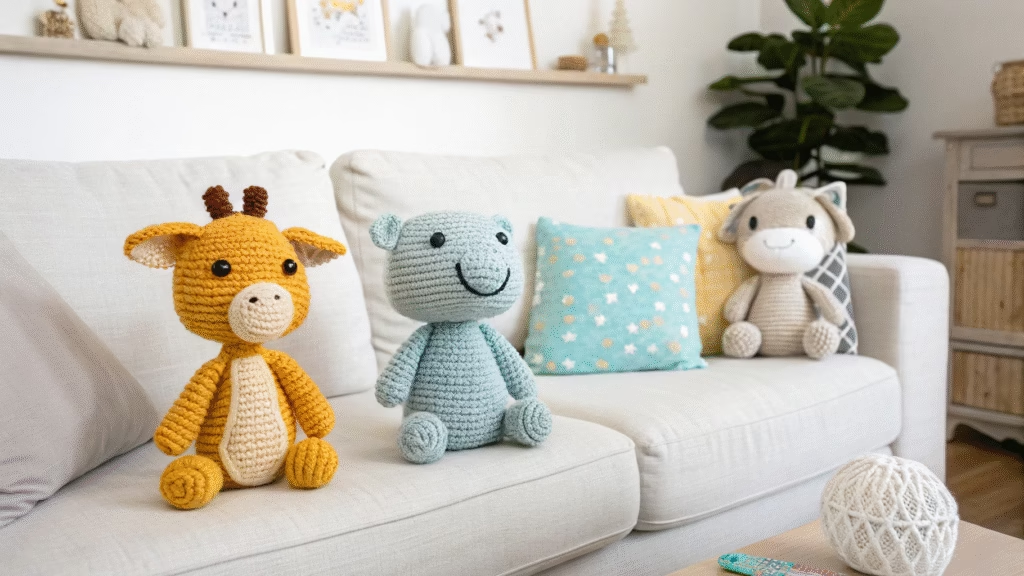
For the accessories that are quickest to make and most immediately usable, crochet slippers in a chunky wool blend are one of the most satisfying small projects available, combining genuine warmth and softness with a construction that most confident beginners can complete in a few sessions. Crochet hats for beginners use a simple worked-in-the-round construction that teaches the circular crochet technique applicable to baskets, bowls, and amigurumi as well as hats.
Small Accessories and Everyday Objects
Some of the most satisfying crochet projects are not blankets or garments but the small, useful objects that fit into everyday life in a way that makes using them feel personal rather than generic.
Crochet hair accessories in cotton or silk yarn produce genuinely beautiful and genuinely useful objects in under an hour: scrunchies, headbands, and clips that look handmade in the best sense, carrying the particular quality of something chosen and made rather than bought and replaced. The crochet scrunchie ideas that use velvet or silk-blend yarn produce a result that photographs extraordinarily well and takes around twenty minutes to make, which makes them one of the most reliably satisfying quick projects available.
For everyday functional accessories, crochet pouch patterns for cards, keys, and small daily items and crochet phone case patterns use basic stitch patterns in a structured rectangular form that is genuinely beginner-accessible while producing something used daily. Crochet bookmarks for those who still read physical books and crochet keychain patterns at the very smallest scale are both projects achievable in a single sitting, which makes them ideal for learning new stitches in a low-stakes context.
The Granny Square
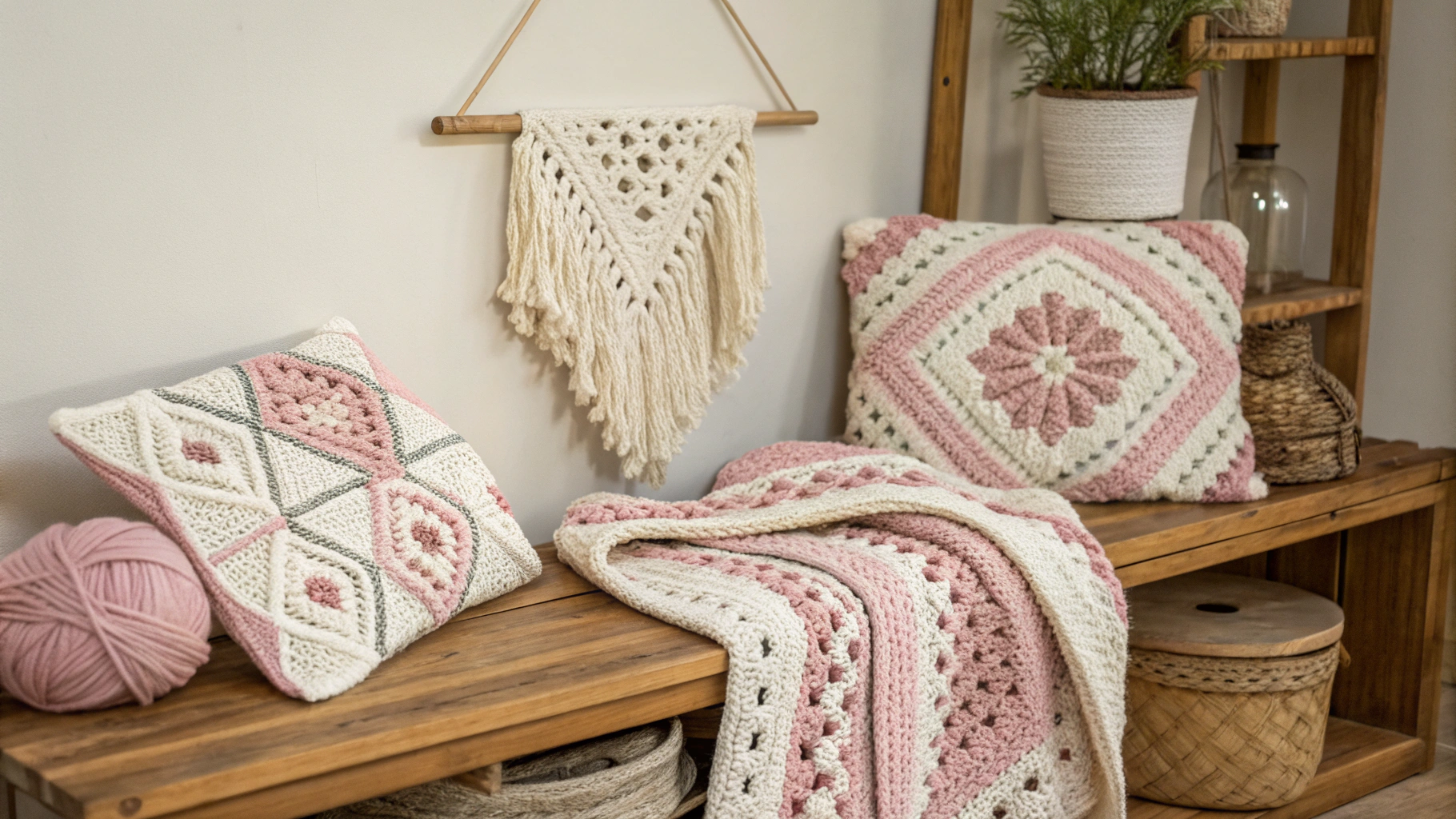
No single element of crochet has had a more significant cultural moment in recent years than the granny square. Originally associated with the patchwork afghans of the 1970s, the granny square has been reinterpreted through contemporary colour choices, unusual shapes, and more complex stitch patterns into something that feels genuinely current. Modern granny square projects show the full range of what this fundamental unit can become: cushion covers, bags, cardigans, wall hangings, and floor rugs, all built from the same repeating module.
The appeal of the granny square for makers at any level is its flexibility. A single square is a complete project in itself, requiring only a small amount of yarn and producing a usable object. Multiple squares joined together can become anything from a small coin purse to a full-size blanket. And the square structure lends itself naturally to colour play, using scraps and leftovers in combinations that produce something more interesting than any single colourway could achieve. The crochet ideas for leftover yarn and crochet projects to use up yarn scraps both put the granny square’s versatility to maximum use.
Crochet as a Gift
A handmade crochet gift carries a quality of time and intention that purchased gifts rarely match. The crochet gift ideas for any occasion cover the full range of what works as a gift at different relationship levels and for different occasions, and the small crochet gifts that show you care address the specific challenge of making something meaningful in a limited amount of time.
The gifts that are most reliably appreciated are the ones that are both personal and useful: a set of dishcloths in the recipient’s kitchen colours, a pair of slippers in their favourite colour, a basket sized to a specific need in their home. The personalisation does not need to be elaborate; simply knowing someone well enough to choose the right colour and the right scale makes a handmade gift feel genuinely tailored.
For holiday and seasonal giving, the crochet ideas for holiday decor cover the specific seasonal applications of the craft, from Christmas ornaments to Easter decorations, and the crochet patterns for spring show how the seasonal palette translates into lighter, airier projects that suit the time of year.
Crochet and Sustainability
One of the less-discussed but genuinely significant aspects of crochet as a craft is its relationship with sustainability. Making your own garments and accessories from natural fibres is one of the most direct ways to reduce dependence on fast fashion and the environmental costs of mass production. Crochet ideas for sustainable living explore this connection directly, covering the specific project types and yarn choices that make crochet a genuinely ecological practice rather than just a personal hobby.
Natural fibres like organic cotton, recycled cotton, wool from small farms, and plant-based alternatives like bamboo and linen all produce textiles that biodegrade at the end of their life rather than contributing to plastic waste. A crocheted cotton bag used daily for years replaces hundreds of single-use plastic bags. A handmade linen dishcloth washed and reused replaces hundreds of paper towels. The practical and the beautiful are not in conflict here; they reinforce each other.
The travel-friendly crochet projects that work well on the go, in airports and on trains and during any journey with waiting time, sustain a crochet practice through the periods when sitting at home with a large project is not possible. A small ball of cotton and a fine hook that fits in a pocket allows you to continue making in circumstances where most other crafts are impractical.
Frequently Asked Questions
Is crochet hard to learn? Not at all. The fundamental stitch, a simple loop pulled through another loop with a hook, can be learned in minutes. Most beginners produce something recognisable and satisfying in their first session. The progression from that single stitch to more complex projects is gradual and manageable, and there is genuinely no barrier to starting other than picking up a hook and some yarn.
What is the difference between crochet and knitting? Crochet uses a single hook and works one stitch at a time, with only one active loop on the hook at any moment. Knitting uses two needles and keeps multiple live stitches on the needles simultaneously. Crochet is generally faster for making fabric in a given time, more three-dimensional in its capabilities, and less prone to unravelling if you put the work down mid-row. Knitting produces a more elastic, draping fabric that tends to suit fitted garments. Most people find one easier to learn than the other based on how their hands naturally work.
What yarn is best for beginners? A smooth, medium-weight yarn in a light or medium colour gives the clearest view of the stitches, which is the most important quality for a beginner. Avoid textured, fuzzy, or very fine yarns until you are comfortable with the basic stitches. Acrylic or cotton in the DK to worsted weight range is the most practical starting point, widely available and inexpensive enough that learning with it does not feel costly.
How long does it take to crochet a blanket? It depends entirely on the size, the yarn weight, and how much you crochet each day. A small baby blanket in bulky yarn can be finished in a weekend. A full-size throw in double crochet and medium-weight yarn typically takes between twenty and forty hours of active crocheting. Blankets crocheted in short daily sessions of thirty to sixty minutes are usually finished within four to eight weeks.
Can I crochet if I have never done any craft before? Yes. Crochet does not require prior craft experience, fine motor skill beyond the basic, or any artistic training. The most common prerequisite is patience during the first few hours of learning, when the hands and the hook have not yet found their rhythm. After that initial period, most people find it becomes progressively easier and progressively more enjoyable.
Explore all DIY and craft guides in our DIY and Crafts section.