Bedroom Styles Guide: From Minimalist to Boho, Find Your Perfect Aesthetic
A complete guide to bedroom aesthetics, from the calm clarity of minimalism and Japandi to the warmth of farmhouse, the romance of Parisian style, and the bold richness of Moroccan and Indian-inspired rooms.
KEY POINTS
- The bedroom aesthetic that works best for you is the one that helps you rest. Every style decision should serve the room’s primary purpose: making it easy to wind down, sleep well, and wake up feeling good.
- Most successful bedroom aesthetics are built on a calm foundation with personality added through textiles, objects, and art rather than through the walls and major furniture.
- The styles that age best in a bedroom are the ones rooted in natural materials and warm neutrals, because these do not depend on trend cycles to feel right.
Choosing a bedroom aesthetic is a more personal decision than choosing a style for any other room in the home, because the bedroom is the room you spend the most time in without being fully conscious of it. You fall asleep in it, wake up in it, and spend some of your most private and most restorative hours there. The style choices that shape a bedroom affect how the room feels not just when you walk in but when you are lying in it at the end of a long day, which is a very different and much more demanding test than how a room photographs.
This guide covers the full spectrum of bedroom aesthetics from the most minimal to the most maximally expressive, explaining what makes each one work, what its specific challenges are, and how to translate it from an image into a room that feels genuinely right to live in.
RELATED: 13+ stylish decor trends to try this year
Finding Your Starting Point
Before working through the specific aesthetics, it is worth sitting with the question of how you want your bedroom to feel rather than how you want it to look. Feelings are more stable guides to style choices than visual preferences, because a feeling persists while visual trends shift.
The cosy aesthetic ideas that transform a bedroom atmosphere address this from the most fundamental level, showing how warmth, texture, and layering produce the quality of enveloping comfort that is more about sensory experience than visual style. And the aesthetic bedroom ideas that cover the broader landscape of what a considered bedroom can feel like give the fullest sense of the range available before narrowing toward any specific direction. For those drawn to organic warmth as a starting point, a natural material remodel using timber, linen, stone, and organic textures creates rooms of extraordinary timelessness that suit almost every specific aesthetic on this list.
Minimalist and Neutral Bedrooms
The minimalist bedroom is built on a single demanding principle: everything present must earn its place. The restraint in objects, the cleared surfaces, the pared-back palette, are not ends in themselves but the means by which the materials that remain, the quality of the bedding, the warmth of the timber floor, the considered profile of the bedside lamp, can be seen and appreciated clearly.
A minimalist bedroom that feels calm rather than cold achieves its warmth through the quality and texture of what is kept rather than through the quantity of what is added. The materials do the work that decoration does in other styles: the grain of natural timber, the weight of good linen, the specific warmth of a particular white that has a cream or sand undertone.
The neutral bedroom palette that creates a genuinely calm atmosphere works similarly, using the warmth embedded in carefully chosen neutrals rather than relying on accent colour to generate visual interest. Warm whites, greiges, soft taupes, and the particular tone of undyed linen all have a quality of quiet that strongly saturated colours, however beautiful, do not.
Japandi, Zen, and Scandinavian Bedrooms
Japandi is the aesthetic that has most clearly captured the bedroom aspirations of the current moment, because it does something genuinely difficult: it produces rooms that are simultaneously minimal and warm. The specific decisions that produce the characteristic Japandi bedroom calm include a very low bed frame, natural timber in matte or oil finish, a palette of warm off-whites and soft greys, and the deliberate placement of a few objects of real quality rather than many of moderate quality.
The zen bedroom approach takes the pursuit of stillness further, treating empty space not as something to be filled but as an active design element. The space around and between things is as important as the things themselves, and the specific quality of a room where the eye has room to rest is something only understood by experiencing it.
The Scandinavian bedroom applies the Nordic sensibility that has produced some of the most consistently beautiful domestic interiors of the past century: natural materials, light tones, functional simplicity, and the deep understanding that comfort and restraint are not in conflict.
RELATED: 16+ Japandi bedroom ideas for a calm look
You May Also Love


Farmhouse, Vintage, and Character-Rich Bedrooms
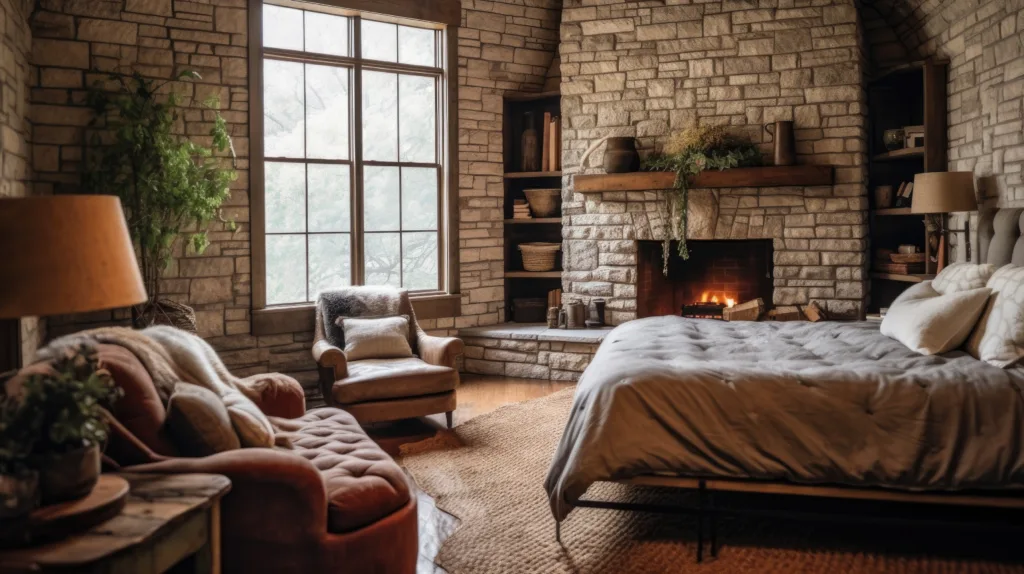
The bedroom aesthetics that lean into warmth, age, and the qualities of materials that have been used over time occupy a different territory from the minimal and the contemporary. These are rooms built around the pleasure of being surrounded by things with history and character.
A modern farmhouse bedroom combines the honest warmth of traditional farmhouse materials, shaker furniture, linen textiles, wooden floors, with enough contemporary editing to prevent it feeling like a recreation rather than a living space. The vintage bedroom aesthetic builds its character from collected pieces with genuine history: an iron bed frame, a distressed timber dresser, a textile with age-softened colour. The quality that gives a vintage bedroom its particular warmth is the sense of accumulation over time rather than selection in a single session.
For those drawn to a specific historical moment, the Y2K aesthetic uses the visual language of the late 1990s and early 2000s, iridescent surfaces, chrome accents, and bold colour contrasts, in a way that reads as a genuine aesthetic point of view rather than purely nostalgic recreation.
Romantic and Soft Bedrooms
Some bedrooms are designed primarily around the quality of intimacy, softness, and the warmth associated with a room that prioritises sensory comfort above all else. A romantic bedroom for couples almost always shares specific qualities: layers of soft textiles on the bed, warm lighting at lower levels, a palette of deep tones or soft pinks and creams, and enough visual complexity to feel rich without feeling busy.
The bedroom designed with a woman’s personal aesthetic in mind covers the full range of what that means, from deeply minimal to generously layered, from strictly neutral to boldly coloured, from historically influenced to thoroughly contemporary.
Don't miss: 13+ Bedroom Bench Ideas for Style and Storage →
Coastal and Nature-Inspired Bedrooms
The bedroom aesthetics inspired by natural environments produce rooms with a specific quality of transportive calm, because they connect the interior to something larger and more continuous than the room itself.
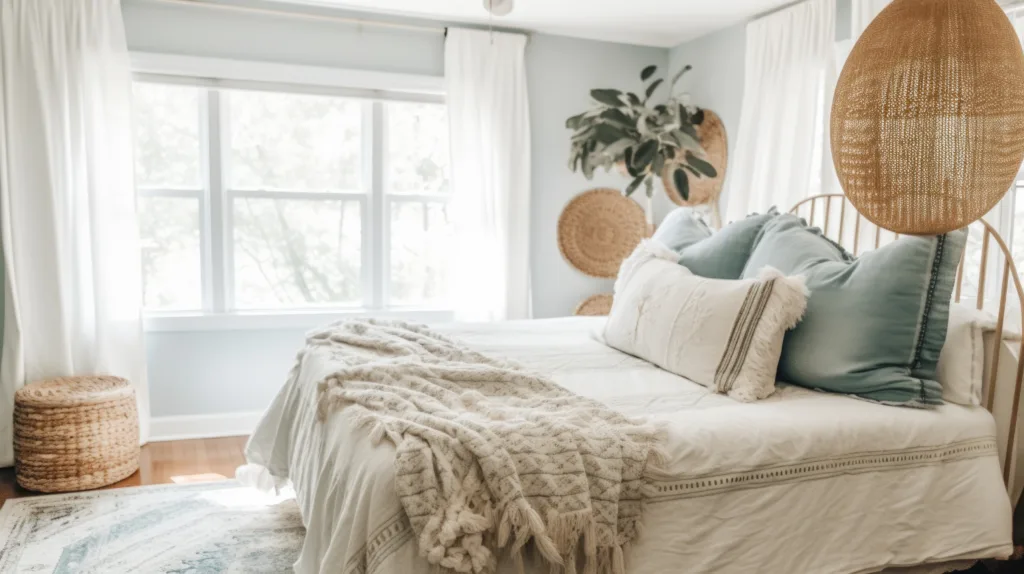
A beachy bedroom achieves its coastal quality through a light, airy palette of whites and soft blues, natural materials in linen and rattan and weathered timber, and an abundance of natural light. The desert-inspired bedroom uses the palette and material language of warm, arid landscapes: terracotta, warm sand, dusty sage, and deep rust combined with natural plaster finishes and woven textiles in earthy tones. This aesthetic produces rooms of extraordinary warmth and groundedness without requiring elaborate decoration.
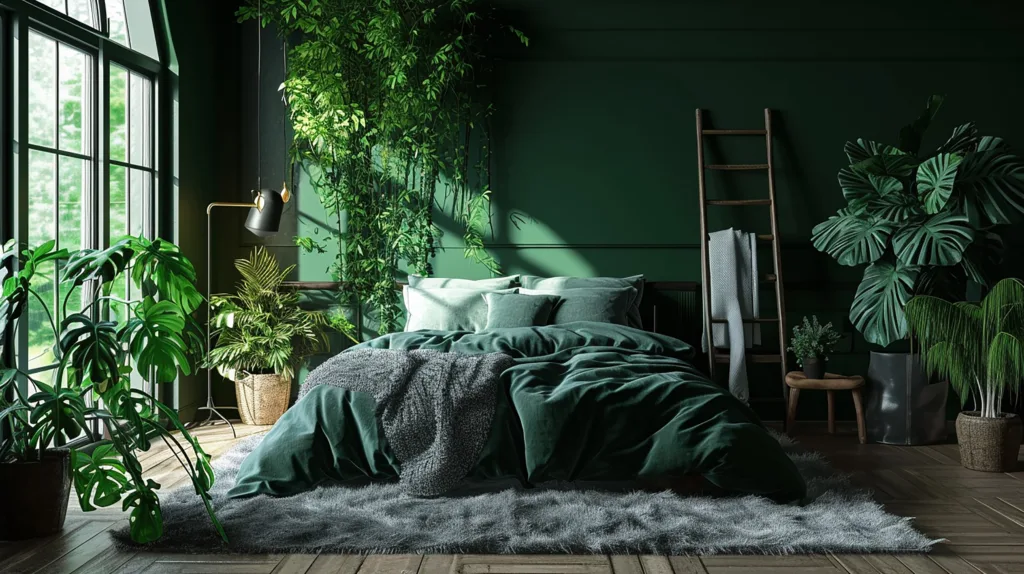
The eco-friendly bedroom takes nature-connection as both aesthetic and ethical starting point: natural and organic materials throughout, consciously sourced textiles and furniture, and the quality of considered material honesty that makes a room feel both beautiful and principled.
RELATED: 16+ desert-inspired bedroom ideas with warm tones
Global and Culturally Inspired Bedrooms
The bedroom aesthetics inspired by specific cultural traditions produce rooms with a richness and depth that generic contemporary styling rarely achieves, because they draw on design languages developed over centuries.
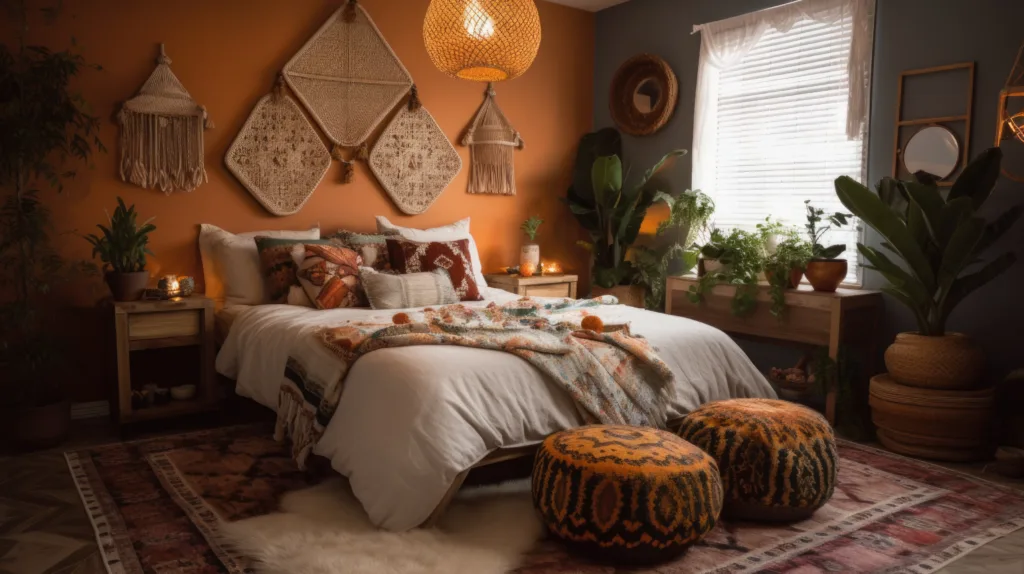
A Moroccan bedroom uses the extraordinary decorative richness of North African design: intricate geometric tilework, lanterns that cast patterned light, jewel-toned textiles in velvet and silk, and the particular warmth of a palette built around deep terracotta, saffron, and midnight blue. The Indian-inspired bedroom draws on the extraordinary textile and colour traditions of the subcontinent: hand-block-printed cotton, richly embroidered cushions, the warmth of brass and copper accents, and a layered abundance that celebrates material richness.
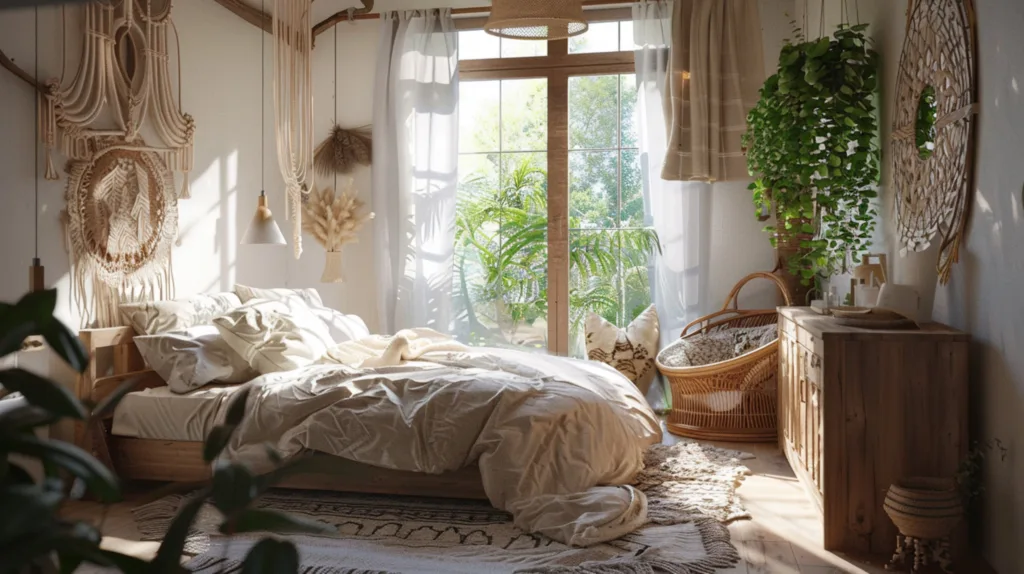
The Parisian bedroom achieves its elegance through effortlessness: a neutral palette of grey, cream, and soft white; an iron or upholstered bed frame with real presence; parquet flooring; and the particular quality of a room that looks as if it came together naturally. The travel-inspired bedroom draws on multiple cultural references simultaneously, using collected objects and textiles from different places to create a room that tells the story of a life lived with curiosity.
Keep Exploring

Luxury and Hotel-Inspired Bedrooms
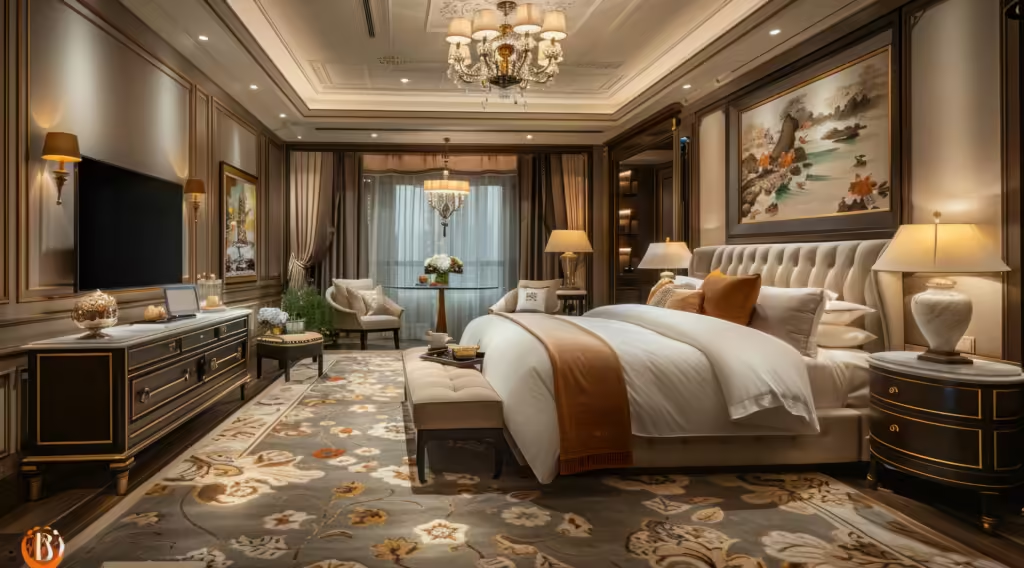
The hotel bedroom aesthetic has become one of the most commonly cited bedroom aspirations, and what people are usually reaching for is a specific combination of qualities: impeccable linen, completely clear surfaces, warm lighting, and the sense that everything present was chosen with care.
A luxury hotel bedroom at home is achieved primarily through the bed and through the discipline of keeping surfaces clear. The Airbnb bedroom that impresses guests takes the hotel logic into genuine hospitality: a room that anticipates what a guest needs, provides it clearly, and adds enough personal character to make the space feel designed rather than generic.
Frequently Asked Questions
How do I choose a bedroom aesthetic?
Start with how you want to feel in the room rather than how you want it to look. Then identify the specific qualities that produce that feeling, whether that is warmth, calm, richness, lightness, or character, and look for the style categories that consistently produce those qualities.
Which bedroom aesthetic is the most timeless?
The aesthetics rooted in natural materials and warm neutrals have the longest shelf life. Japandi, Scandinavian, neutral minimalism, and the farmhouse approach all share this quality because they are based on how materials feel rather than how fashions look.
Can I mix bedroom aesthetics?
Yes, and most genuinely personal bedrooms do. The principle that makes mixing work is consistency in palette and material temperature rather than consistency in style label. A room that combines Japandi minimalism with a Moroccan textile and a vintage lamp can feel coherent if the colours share a warm neutral thread.
How do I make a bedroom feel more luxurious without spending much?
Replace or upgrade the bedding first. Quality linen or high-thread-count cotton, properly made each day, does more for the luxury quality of a bedroom than any other single element. Clear every surface except one lamp, one book, and one beautiful object on each bedside table. Warm the lighting with lower-temperature bulbs.
What makes a bedroom feel calm?
Primarily the absence of visual noise: cleared surfaces, a coherent palette, nothing present that creates a sense of unfinished business. Calm in a bedroom comes more from what has been removed than from what has been added.
Explore all bedroom guides in our Bedroom section.