Seasonal Bedroom Decor Ideas: How to Refresh Your Room for Every Season and Occasion
A complete guide to keeping your bedroom feeling fresh, personal, and alive throughout the year, from seasonal updates and holiday decorating to creating the right atmosphere for every occasion and every person who sleeps there.
KEY POINTS
- A bedroom that responds to the seasons feels more alive than one that looks the same in February as it does in August. The changes do not need to be large. A throw, a plant, a candle, and a vase of seasonal flowers are often enough.
- Seasonal bedroom updates work best when the permanent elements of the room are neutral enough to accept change. A warm neutral base can move from summer lightness to winter richness through textiles and objects alone.
- Holiday and occasion decorating in the bedroom is underused. The bedroom is where you start and end each day, and marking seasonal moments in the space you inhabit most privately makes those moments feel genuinely observed.
Most bedrooms look the same at every time of year. The same bedding, the same objects on the bedside table, the same curtains drawn against the same light. This is functional but it misses one of the most available and most affordable ways to make a home feel alive: letting the room respond to the season, the occasion, and the time of year. A bedroom that shifts with the calendar, however slightly, feels like a room that is genuinely inhabited rather than simply occupied.
This guide covers the full year of seasonal bedroom updates, from the warm cocoon of winter through the breezy lightness of summer and the specific occasions, Christmas, Halloween, Valentine’s Day, New Year, that call for the bedroom to mark the moment. It also covers the specific design considerations for the most age-specific bedroom situations: children, teenagers, and guests.
RELATED: 14+ spring bedroom ideas for a fresh start
How Seasonal Updates Work
The principle behind seasonal bedroom updating is simpler than most people assume. The permanent elements of the room, the walls, the floor, the major furniture, stay constant. The seasonal layer sits on top of them and changes with the time of year: the bedding weight and tone, the throw on the end of the bed, the objects on the bedside table, the plant or flowers in the room, the candle and its scent. These are the elements that take minutes to change and that produce an immediate and noticeable shift in how the room feels.
The rooms that make this work most effortlessly are the ones with a neutral enough permanent base that the seasonal additions read clearly rather than competing with existing strong colour or pattern. A bedroom with warm white walls, natural timber floors, and linen-toned curtains can move from winter richness to summer airiness simply by changing the throw and the flowers. A bedroom with a strong coloured feature wall and patterned bedding has less capacity to flex with the season because the permanent elements are already doing so much visual work.
Winter
The winter bedroom that feels genuinely warm and cocooning is built from a small number of well-chosen additions rather than a wholesale redecoration. The primary change is weight and warmth in the textiles: a heavier duvet, a knitted or woven throw at the foot of the bed in a rich earthy tone, and cushion covers in velvet or a thick woven fabric that feel warm to the touch as well as warm to look at. These changes make the physical experience of being in bed during cold weather genuinely better, which is the most direct test any bedroom change can pass.
Lighting matters even more in winter than in other seasons, because the days are shorter and the quality of the indoor light in the early evening directly shapes the atmosphere of the room during the hours it is most used. Adding a candle to the bedside arrangement, ensuring the lamp produces genuinely warm light at 2700K or below, and creating a sense of enclosed, amber-lit comfort against the dark outside: these are the winter bedroom changes that matter most.
Fall
The autumn bedroom shift is one of the most naturally rewarding seasonal transitions available in a home, because the materials and palette of autumn, the warm terracottas, the dried grasses, the earthy ambers and deep greens, are so specifically associated with the pleasure of being inside when the weather turns that introducing them into the bedroom immediately produces a sense of rightness and occasion.
The textiles are the primary vehicle here as in winter, but the autumn tone is distinct from the deep warmth of winter. A rust or amber throw rather than a midnight blue one. Dried grasses or a few stems of dried hydrangea rather than a Christmas arrangement. The scent of a candle in sandalwood, cedarwood, or fig rather than the spiced apple of deeper winter. These small calibrations within the warm palette are what make the autumn bedroom feel specifically autumnal rather than merely warm.
Spring
The spring bedroom refresh is the seasonal update that requires the most decisive editing: removing the heavy winter additions before adding anything new. The change from a cocooning winter bedroom to a fresh spring one is primarily about subtraction. The heavy throw comes off. The velvet cushion covers give way to lighter linen. The dark candle is replaced with something fresher in scent and lighter in colour. And then fresh flowers appear, a bunch of whatever is in season from the market, tulips or ranunculus or narcissi, that introduce the specific vitality of the season in a way that no object can replicate.
The spring bedroom should feel lighter in every sense: lighter in fabric weight, lighter in colour, lighter in the quality of the natural light that now comes in earlier and stays later. The window treatment may change slightly, sheers replacing heavier liners or the blackout blind being reserved for earlier in the morning. The room opens itself up to the season rather than sheltering from it.
You May Also Love


Summer
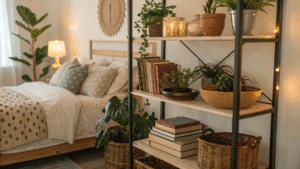
The summer bedroom that feels genuinely airy is achieved more through removal than addition. The duvet cover shifts to the lightest available linen or cotton. The heavy throw disappears. The plant on the windowsill moves to take advantage of the stronger summer light. The curtains are left slightly more open in the morning to let in the early light rather than blocking it.
In terms of colour and texture, summer suits the palest and most breeze-suggesting end of the bedroom’s palette: white linen, natural cotton, the lightest available tones in any cushion cover or throw. The summer bedroom should feel like the opposite of the winter one: exposed rather than cocooned, open rather than sheltered, and specifically connected to the vitality happening outside.
RELATED: 15+ summer bedroom ideas that feel airy
Christmas
Decorating the bedroom for Christmas is less common than decorating the main living spaces, but a bedroom that acknowledges the season creates a specific quality of festive intimacy in the most private space of the home. The decorating here is deliberately restrained compared to the living room: a few well-chosen elements that mark the season without transforming the room into a replica of what is happening downstairs.
The Christmas bedroom at its most effective uses the bedside table and the dresser as the seasonal staging points. A small arrangement of seasonal foliage, a candle in a festive scent, a sprig of evergreen in a simple vase, and perhaps the particular luxury of freshly pressed white bedding that creates the hotel-like quality associated with the most anticipated nights of the year. On Christmas Eve in particular, the bedroom should feel like somewhere worth going to, not just functionally but atmospherically.
Halloween
A bedroom decorated for Halloween occupies the most theatrical and most personal end of seasonal bedroom decorating, and it works best when calibrated to the occupant: dramatic and gothic for adults who love the season, playful and unscary for younger children who still want to participate, and entirely optional for anyone who prefers to keep their sleeping space entirely separate from the seasonal occasion happening elsewhere in the house.
The Halloween bedroom that works well for adults uses the aesthetic vocabulary of the occasion with the same restraint that makes any bedroom decoration work: a few well-chosen elements, dark candles, a seasonal plant, perhaps a piece of wall art with a spooky quality, rather than a comprehensive themed redecoration. For a bedroom shared with a child who loves Halloween, a kids bedroom decorated with friendly seasonal elements, smiling pumpkins, cartoon ghosts, and orange and black textile accents, creates a festive atmosphere that a child will request year after year.
Don't miss: 13+ Easy DIY Projects for a Bedroom Makeover →
Thanksgiving and Other Occasions
The Thanksgiving bedroom update takes the harvest season palette of the autumn bedroom and gives it a specific occasion quality: a slightly more deliberate arrangement of seasonal objects, a warmer set of textiles, and the particular sense of a room that has been prepared for a period of family gathering and shared meals in the days around it.
The Valentine’s Day bedroom is the occasion update that most directly serves the room’s intimate purpose. Fresh flowers in red or pink, candles at lower levels than usual, the specific luxury of quality bedding that has been freshly laundered: the changes are simple and the effect is immediate. The bedroom decorated for Valentine’s Day does not need to be elaborate or theatrical. It needs to feel more considered than usual, which is its own form of expression.
The New Year bedroom update acknowledges the transition from one year to the next in the space where the year will be slept through. A fresh set of bedding. A cleared bedside table. A plant replaced or refreshed. The specific quality of a room that has been prepared for what comes next rather than merely inherited from what came before.
Children’s Bedrooms
The child’s bedroom is the space where seasonal and occasion decorating is felt most directly and most enthusiastically, because children are more responsive to their immediate environment than adults tend to be and more likely to feel the specific pleasure of a room that marks the time of year.
The kids bedroom seasonal approach works best when the permanent elements of the room are flexible enough to accept seasonal additions without conflict. A relatively neutral base in soft greens, warm whites, or gentle naturals gives the most latitude for seasonal colour and objects to be introduced without clashing. The seasonal additions for a child’s bedroom are almost always the most joyful and most unselfconscious of any room in the house: a pumpkin on the windowsill in October, a small Christmas arrangement on the dresser in December, fresh flowers in spring, the particular ease of summer bedding in July.
Keep Exploring


Teenage Bedrooms
The teenage bedroom occupies a specific position in the seasonal decorating calendar because teenagers are old enough to have strong and specific aesthetic preferences and young enough to still find the marking of seasons and occasions in their room genuinely enjoyable, provided the aesthetic is right for them.
The teen bedroom seasonal update works best when it is driven by the teenager’s own choices rather than applied by a parent with a different aesthetic sensibility. The seasonal shift in a teenage bedroom is most effectively managed through the elements the teenager controls most directly: their bedding, their wall art, the objects they choose to keep on their shelves. Seasonal flowers, a candle in their preferred scent, and a throw in whatever tone they are currently interested in are the most portable and most reversible seasonal additions available.
Guest Bedrooms
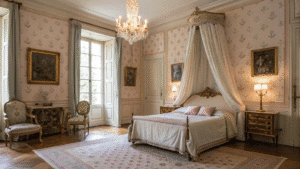
The guest bedroom has a specific seasonal dimension that differs from every other bedroom: it needs to feel appropriate to the time of year when guests are actually using it, which is typically during the most visited times of the year, Christmas, summer, family gatherings, rather than throughout the year like a personal bedroom.
The guest bedroom that makes visitors feel genuinely welcome is one that has been prepared for the specific occasion of their visit rather than simply opened. In December, this means a few festive touches, fresh bedding, a candle, and perhaps a small seasonal arrangement on the dresser. In summer, it means the lightest available bedding and a window arrangement that invites rather than blocks the morning light. The preparation does not need to be elaborate. It needs to communicate that the visit was anticipated and that the room was prepared specifically for the person arriving.
Frequently Asked Questions
How do I make seasonal bedroom updates without buying too many things?
Build a small rotation of seasonal items stored in a labelled box: a throw in autumn tones, lighter cushion covers for summer, candles in seasonal scents, and a few decorative objects that suit different times of year. When the season changes, swap out rather than accumulate. The rotation keeps the bedroom feeling fresh without the storage burden of an ever-growing collection of seasonal accessories.
Which seasonal bedroom change has the most impact?
Changing the throw or blanket at the foot of the bed has the highest immediate visual and sensory impact of any seasonal change, because it is large, visible from every angle in the room, and physically felt every time you get into bed. A winter throw in a rich knitted texture and a summer throw in lightweight linen communicate the season more immediately than any decorative object.
How do I decorate a child’s bedroom for Christmas without making it overwhelming?
Keep the scale and the number of additions small relative to the room. A single seasonal element on the windowsill, a small arrangement on the dresser, and perhaps some fairy lights on the bookshelf create a room that feels genuinely festive without feeling chaotic. Involve the child in choosing one or two seasonal objects they want to display, which gives them ownership of the decoration and produces a result that is genuinely personal rather than imposed.
Can I decorate my bedroom for Halloween without it feeling unsuitable for sleeping in?
Yes. The key is choosing the scale and the placement deliberately. A few seasonal candles, one piece of wall art, and dark textiles that suit both the occasion and a good night’s sleep are entirely compatible. The bedroom Halloween decoration that works for adults uses the season’s palette of deep tones and candlelight in a way that enhances the room’s evening atmosphere rather than introducing anything that would feel unsettling in the small hours.
How do I make a guest bedroom feel welcoming for different seasons?
The two changes that do the most regardless of season are fresh bedding that is appropriate for the current temperature, and a cleared surface with one fresh flower or plant. In winter, add a warm throw. In summer, ensure there is adequate ventilation and light curtaining that allows morning light without being oppressive. These small adjustments communicate that the room was prepared for the specific visit rather than simply left available.
Explore all bedroom guides in our Bedroom section.