12+ Creative Patio Design Ideas for a Stunning Outdoor Space
Your patio is an extension of your home and with the right design ideas, it can become the most-used and most-loved space on your entire property.
Whether you’re starting from scratch or refreshing what you already have, these creative patio design ideas will help you build something that genuinely feels like yours.
What Makes a Patio Design Actually Work?
There’s a difference between a patio that looks good in photos and a patio that works brilliantly in real life. The best outdoor spaces do both — and it comes down to a handful of principles that most people overlook when they’re caught up in choosing furniture and plants.
It Has to Have a Purpose
Before you pick a single paver or pot, ask yourself how you actually use your outdoor space. Do you host large groups? Eat outside most evenings? Want a quiet reading corner? Need somewhere for the kids to play while you can still see them? The answer shapes every decision that follows. A patio designed for entertaining looks completely different from one designed for peaceful solitude, even if both are beautiful.
Love Chic Living Club?
Add us as one of your preferred Google sources and discover more home decor, DIY, outdoor, and lifestyle inspiration from us.
Flow Matters More Than You Think
The way you move through and into your patio space has a huge impact on how much you’ll use it. A patio that feels like a natural extension of your indoor living area will be used constantly. One that requires stepping over a threshold, navigating a corner, or crossing a patch of lawn tends to stay empty. Wherever possible, align your patio with the main indoor living area and make the transition seamless — wide doors, flush thresholds, matching or complementary flooring levels.
Zoning Turns a Patio Into an Outdoor Room
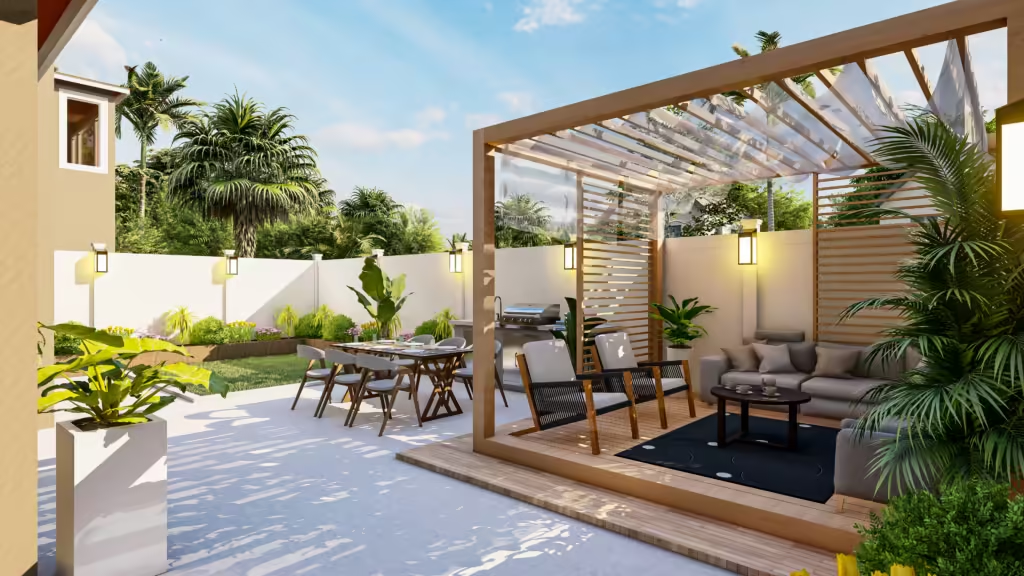
The most compelling patio designs divide the space into zones, even on smaller patios. A dining zone, a lounging zone, a planting zone, and perhaps a feature zone like a fire pit or water feature. Each zone has its own character but connects to the others in a way that feels cohesive. Rugs, different paving materials, changes in level, and planting all work as zone dividers without needing actual walls.
Scale Everything Correctly
One of the most common mistakes in patio design is getting the scale wrong. Furniture that’s too small for the space makes the patio look sparse and unloved. Planters that are too tiny look like an afterthought. Lighting that’s too high or too dim disappears into the background. Use large furniture, generous planters, and low lighting for a patio that feels intentional and inviting. When in doubt, go bigger.
How to Choose the Right Patio Style for Your Home
Your patio should feel like it belongs to your home, not like it was designed in a completely different decade or aesthetic. Here’s how to find the right style without overthinking it.
Look at Your Home’s Architecture First
The exterior of your house is your biggest clue. A red brick Victorian home calls for something quite different from a white rendered contemporary house. The materials, proportions, and period of your home should inform the materials and style of your patio. This doesn’t mean everything has to match exactly — contrast can be beautiful — but it should all feel like it comes from the same design conversation.
Pick Two or Three Materials and Stick to Them
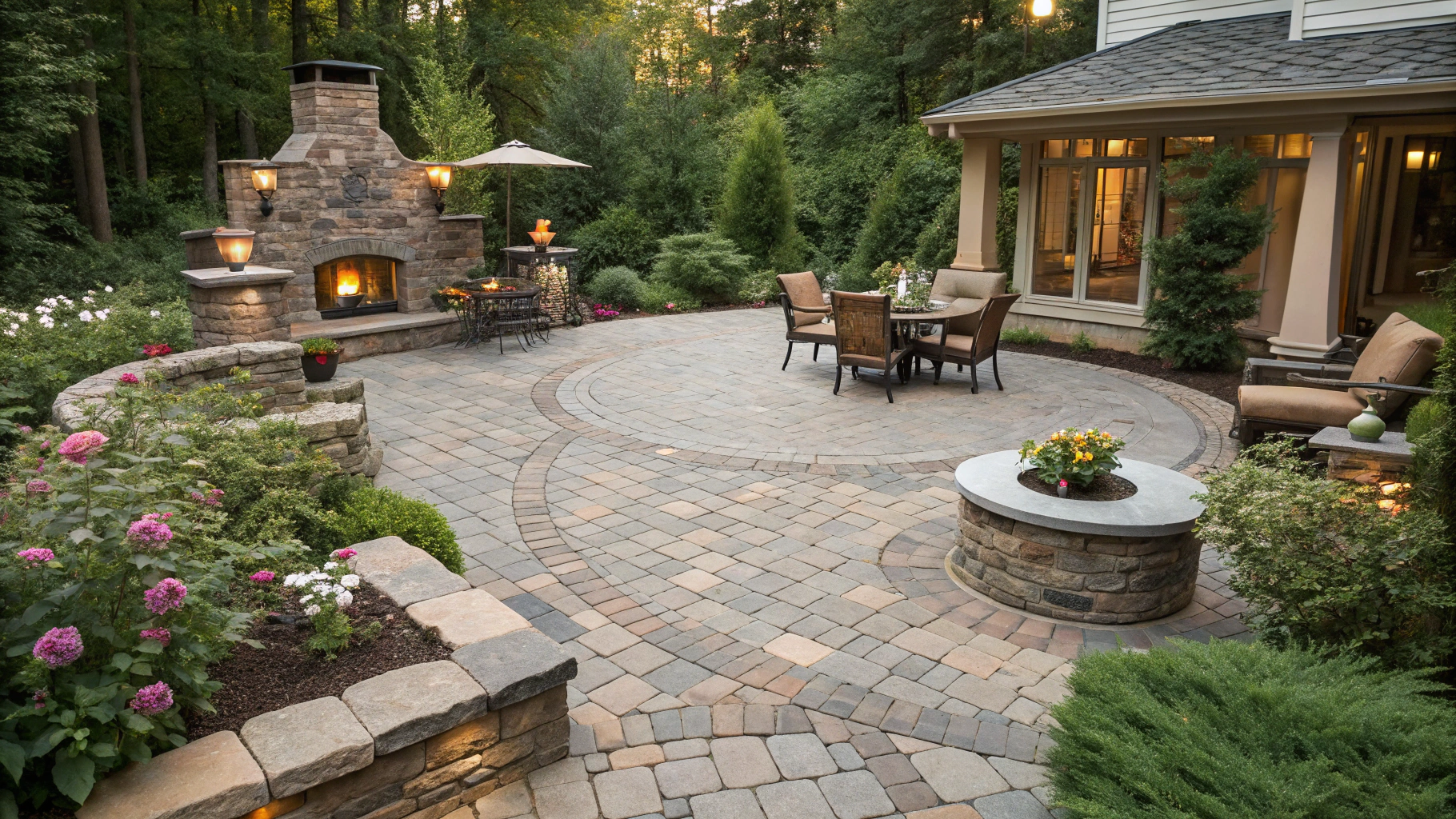
The patios that look most cohesive and considered use a limited material palette. Choose one primary paving material, one wall or edging material, and one timber or metal accent material, and use these three consistently throughout. Mixing too many materials is the fastest route to a patio that looks busy and unplanned.
Modern and Contemporary
Clean lines, large format stone or porcelain pavers, minimal planting, dark metal accents, and statement outdoor furniture. Modern patios are defined by what you leave out as much as what you include. Restraint is the design principle here.
Cottage and Traditional
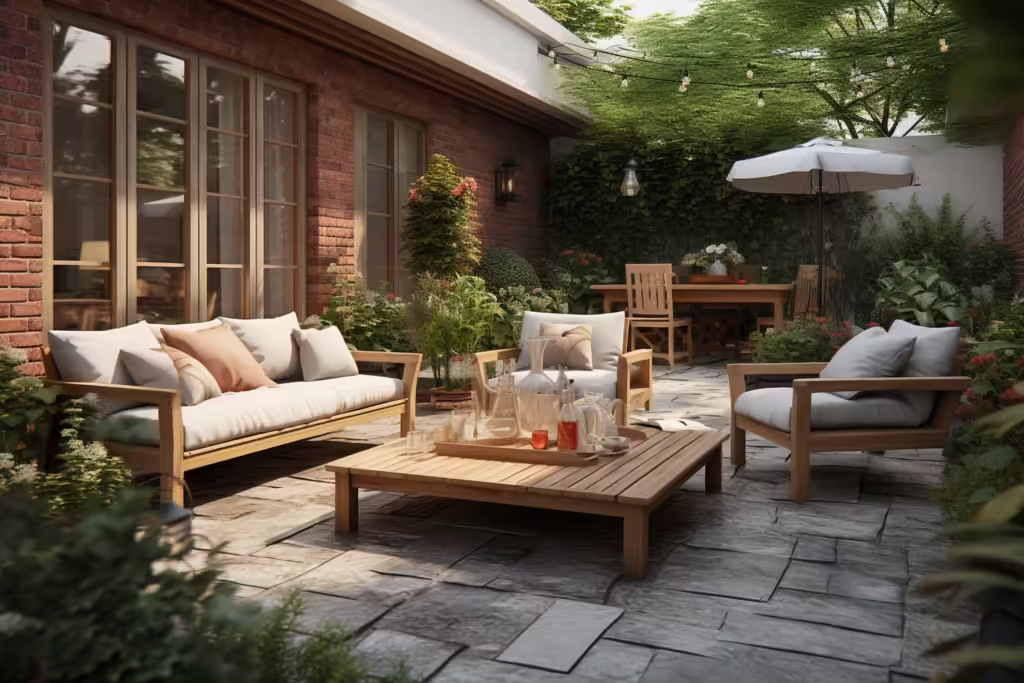
Reclaimed brick, natural stone, terracotta, weathered timber, informal planting that spills over edges, painted metal furniture. Cottage patios embrace a slightly rambling, grown-in quality that takes time to develop but looks deeply charming once established.
You May Also Love
Mediterranean and Relaxed
Pale render, terracotta tiles, mosaic detailing, generous planting of lavender, rosemary, and bougainvillea, a fountain or water feature, shade structures. Mediterranean patios prioritize comfort in warm weather and a sense of easy, sun-soaked living.
Japandi and Minimalist
Natural materials kept in their raw state, restrained planting with strong form (bamboo, ornamental grasses, clipped box), gravel, smooth concrete, low-profile furniture, and deep attention to proportion. Japandi patios feel incredibly calm and considered.
Patio Flooring Ideas: Getting the Foundation Right
The floor is the single biggest surface on your patio and the one that sets the tone for everything else. Get it right and the rest of the design falls into place. Get it wrong and no amount of furniture or planting will fully rescue it.
Natural Stone
Limestone, sandstone, slate, and granite are the most beautiful and durable patio flooring options available. Each has a depth and character that manufactured materials simply can’t replicate. Natural stone weathers beautifully, developing a patina over time that only improves its appearance. It’s also the most expensive option — budget accordingly and always buy a little more than you need to allow for cuts and future repairs.
Porcelain Pavers
Large format porcelain has become enormously popular for patios over the last decade and for good reason. It’s incredibly durable, frost resistant, virtually stain proof, and available in a huge range of finishes including very convincing stone and timber looks. It’s easier to lay than natural stone and much easier to maintain. The main criticism is that it can look a little clinical, particularly in traditional garden settings, but the quality and variety now available has largely addressed this.
Concrete Pavers and Slabs
A cost-effective and widely available option that has come a long way in terms of design quality. Concrete pavers in large format sizes look far more considered than the standard small grey paving slab of previous generations. Coloured concrete, exposed aggregate, and brushed finishes all add character. Concrete is susceptible to staining and surface wear over time but remains one of the most practical flooring choices for busy family patios.
Brick Pavers
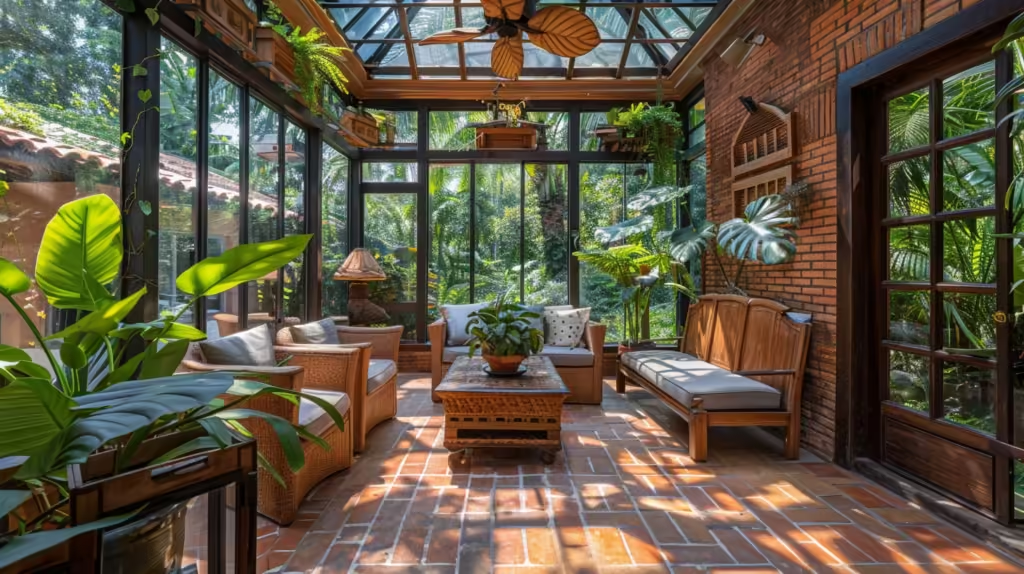
Brick laid in a herringbone or basket weave pattern is one of the most timeless and beautiful patio flooring choices. It suits traditional, cottage, and period homes particularly well and ages wonderfully. Reclaimed brick pavers bring instant character that new materials simply can’t fake.
Don't miss: 12+ Boho Deck Ideas Filled with Texture and Color →
Composite and Timber Decking
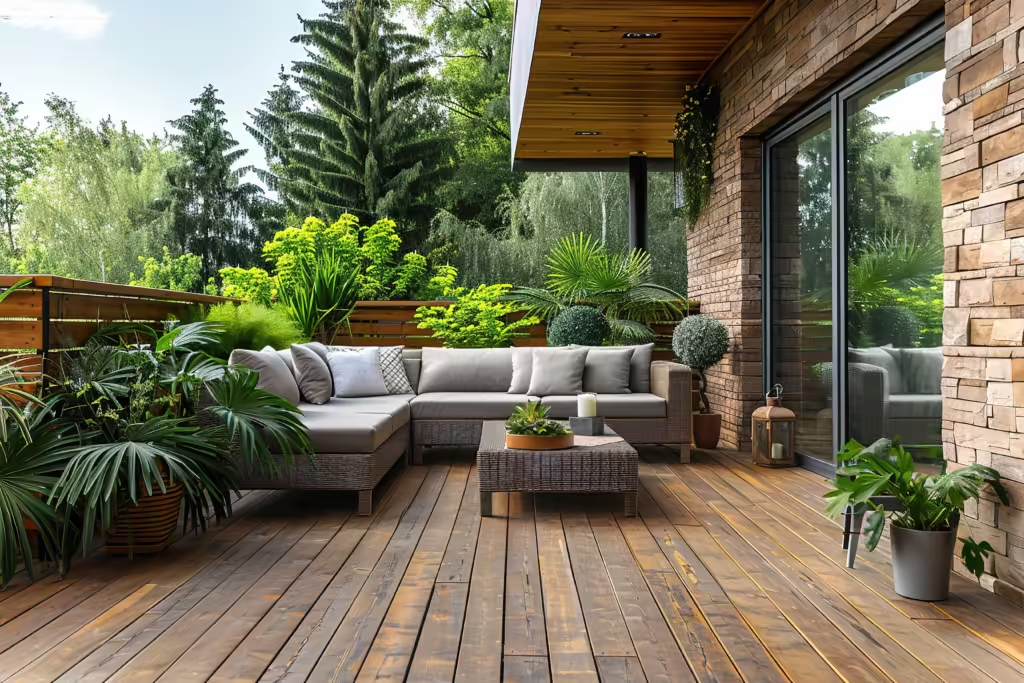
Timber and composite decking brings warmth and a natural quality that hard paving can sometimes lack. It’s particularly useful for raised patios, roof terraces, or situations where a lightweight surface is needed. Composite decking requires almost no maintenance compared to real timber and now comes in a wide range of colours and finishes.
Small Patio Design Ideas: Making the Most of a Compact Space
A small patio isn’t a problem. It’s a constraint, and constraints are what produce the most clever, inventive design solutions. Some of the most beautiful outdoor spaces in the world are tiny.
Go Vertical
When floor space is limited, the walls and vertical surfaces become your greatest design asset. Vertical gardens, wall-mounted planters, climbing plants on a trellis or wire grid, shelving for outdoor accessories — all of these add enormous richness to a small patio without using a single square foot of floor space.
Choose Multi-Functional Furniture
On a small patio, every piece of furniture needs to earn its place. A bench with storage inside, a table that folds flat when not in use, stools that stack or slide under the table — these choices dramatically increase the functionality of a compact space without cluttering it.
Use Large Pavers Rather Than Small Ones
This sounds counterintuitive but large format pavers actually make a small patio feel bigger. Small pavers create more joints and visual busyness that makes a space feel cramped. A single large format stone or porcelain paver in a pale neutral tone creates a clean, open surface that reads as larger than it is.
Don’t Skip the Planting
The temptation on a small patio is to skip planting to save space. This is almost always a mistake. A small patio with planting feels like a secret garden. A small patio without it feels like a car park. A single large pot with a statement plant, a wall-mounted planter, or a small raised bed at one edge is all it takes to transform the atmosphere entirely.
Light It Well
Lighting is even more impactful on a small patio than a large one because the scale means every light source is noticed. String lights above, a floor lamp or lantern at one corner, and a couple of candles on the table create a layered, atmospheric glow that makes even the smallest space feel magical after dark.
Keep Exploring

Patio Lighting Ideas That Actually Work
Outdoor lighting is one of the most underinvested areas in patio design and one of the highest-return improvements you can make. The right lighting turns your patio from a space you use in the afternoon into one you want to be in every evening.
Layer Your Lighting
The principle is the same outdoors as indoors: layered lighting always beats a single source. Aim for three layers — ambient (overall low-level illumination from above, like string lights or a pendant), task (directed light where you need it, like over a dining table or BBQ), and accent (directional light that picks out specific features like a plant, wall texture, or water feature). Each layer works together to create depth and atmosphere.
String Lights Are a Cheat Code
There is arguably no faster or more cost-effective way to make a patio feel instantly inviting than a canopy of warm white string lights above the seating area. They work in every style of garden, they’re quick to install on a simple wire or across a pergola, and the warm glow they create is incredibly flattering and atmospheric. Use warm white (2700K) bulbs rather than cool white for the most inviting effect.
Go Low Level
Path lights, step lights, and low-level spike lights positioned at the base of planting or walls create a beautiful warm glow across the patio surface at night. They also have the practical benefit of making the space safe to navigate after dark without creating harsh overhead glare. Solar spike lights are an easy, no-installation option for this.
Invest in a Good Outdoor Pendant or Wall Light
If your patio is adjacent to the house and you have access to an outdoor power point, a proper outdoor pendant light or wall-mounted lantern above the seating or dining area brings instant warmth and character. Choose a fitting that suits your home’s style and that’s rated for outdoor use.
1. Vertical Garden
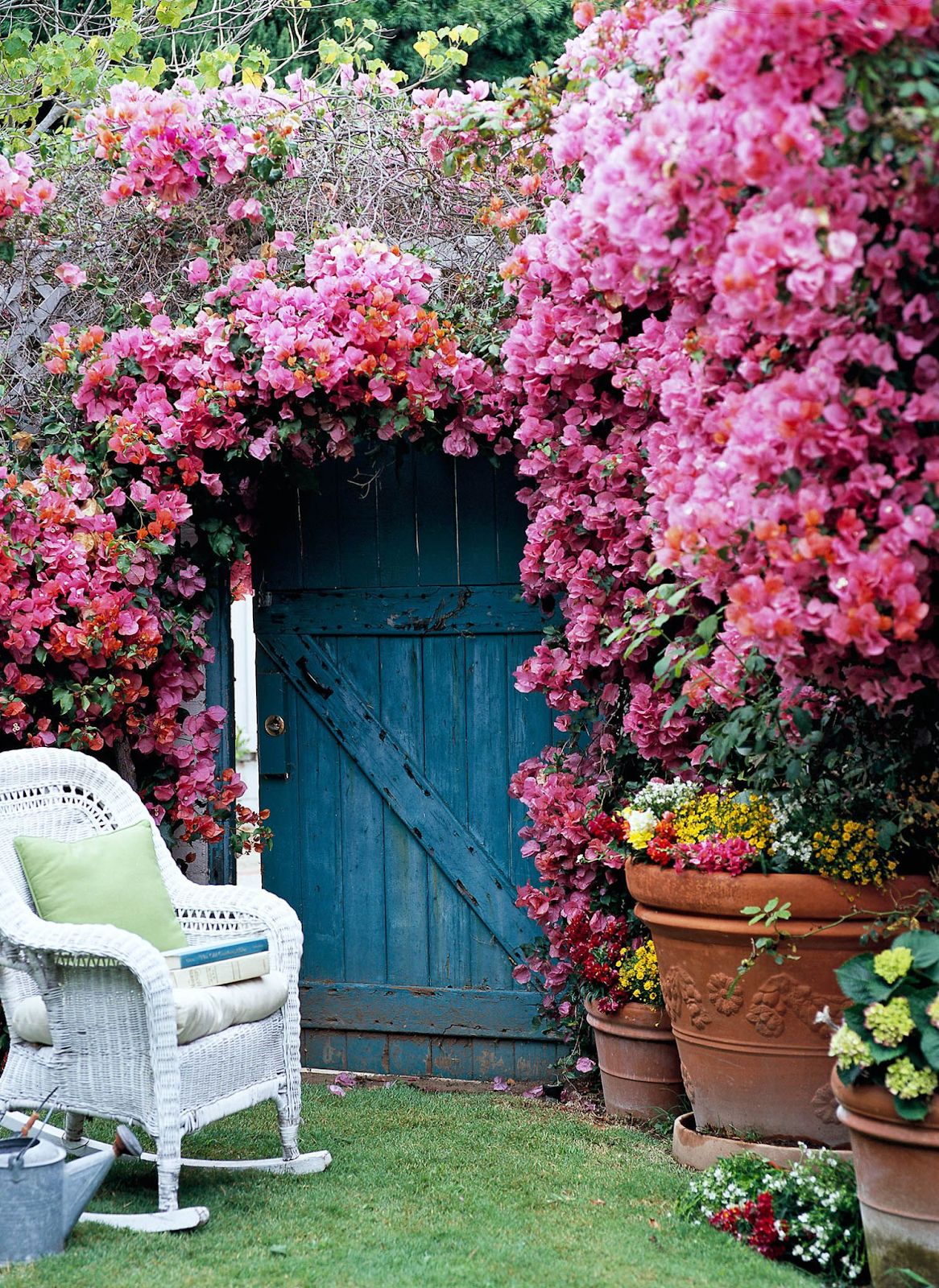
Source: Better Homes and Gardens
Make sure your patio furniture and other items do not overly crowd the patio area, you can add a vertical garden. Furnishing aside, plants benefit the common welfare more than anything – from beautifying the space to stress reduction and better air quality. The vertical garden as a permanent design solution may look spectacular; however, the pocket shoe organizer can be used as a temporary space-saving solution to grow different plants, including those that are edible.
2. Lofty Goals
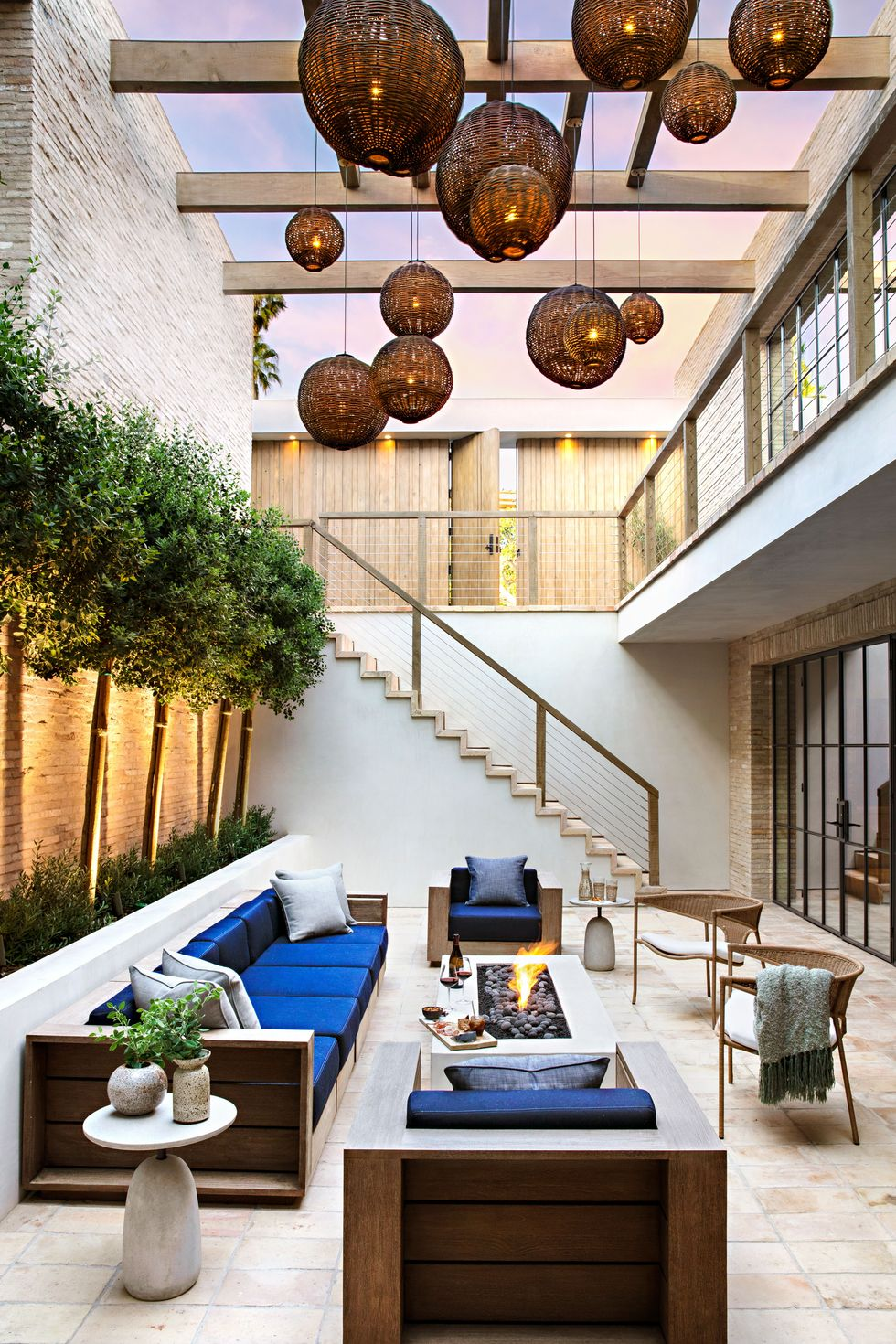
Source: House Beautiful
On the same note, to bring in a little of the outdoors and also focus on architectural features of the patio, you can bring in woven globe string lights. It will draw attention to the 20-feet-high beam above the sunken terrace. Not only that, but the lights give extra weight to the beams, making one focus on the height of the wall and making the space cozier.
3. Curated Color
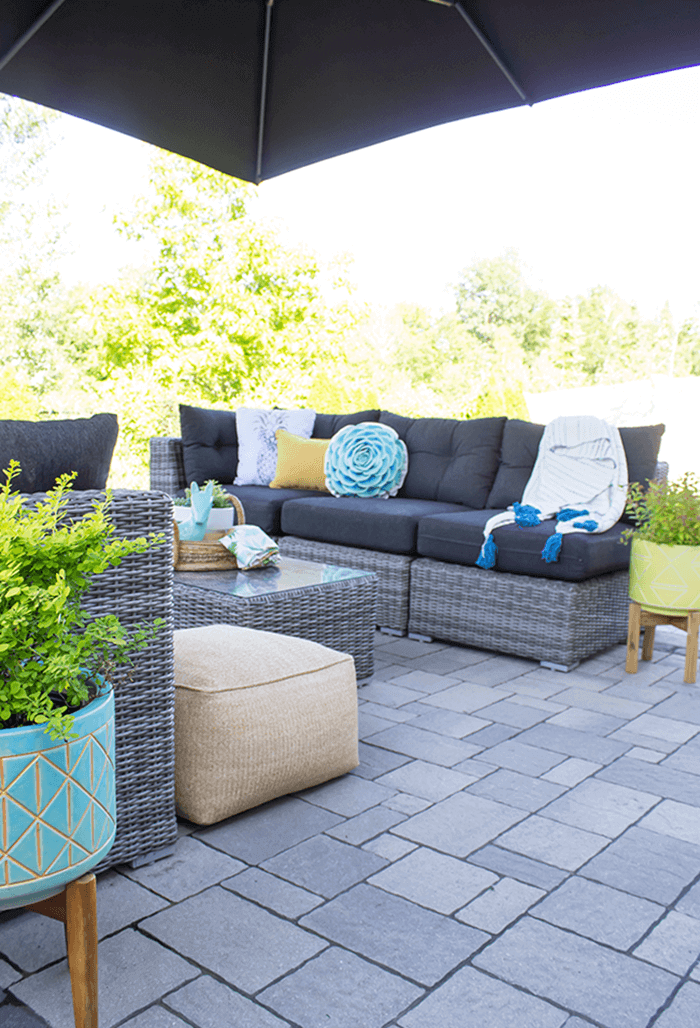
Source: A Pretty Fix
Contrast becomes a method that should be used to decide on the primary colors for your patio – these will have to be rather bold so that they could tie together various elements of this space. Pink or blue works as a unifying theme bringing in different textures and schemes such as, faux wicker and metal. The result is the space does not become startling or overwhelming while at the same time maintaining a good sense of consistency.
4. Custom Fire Pit
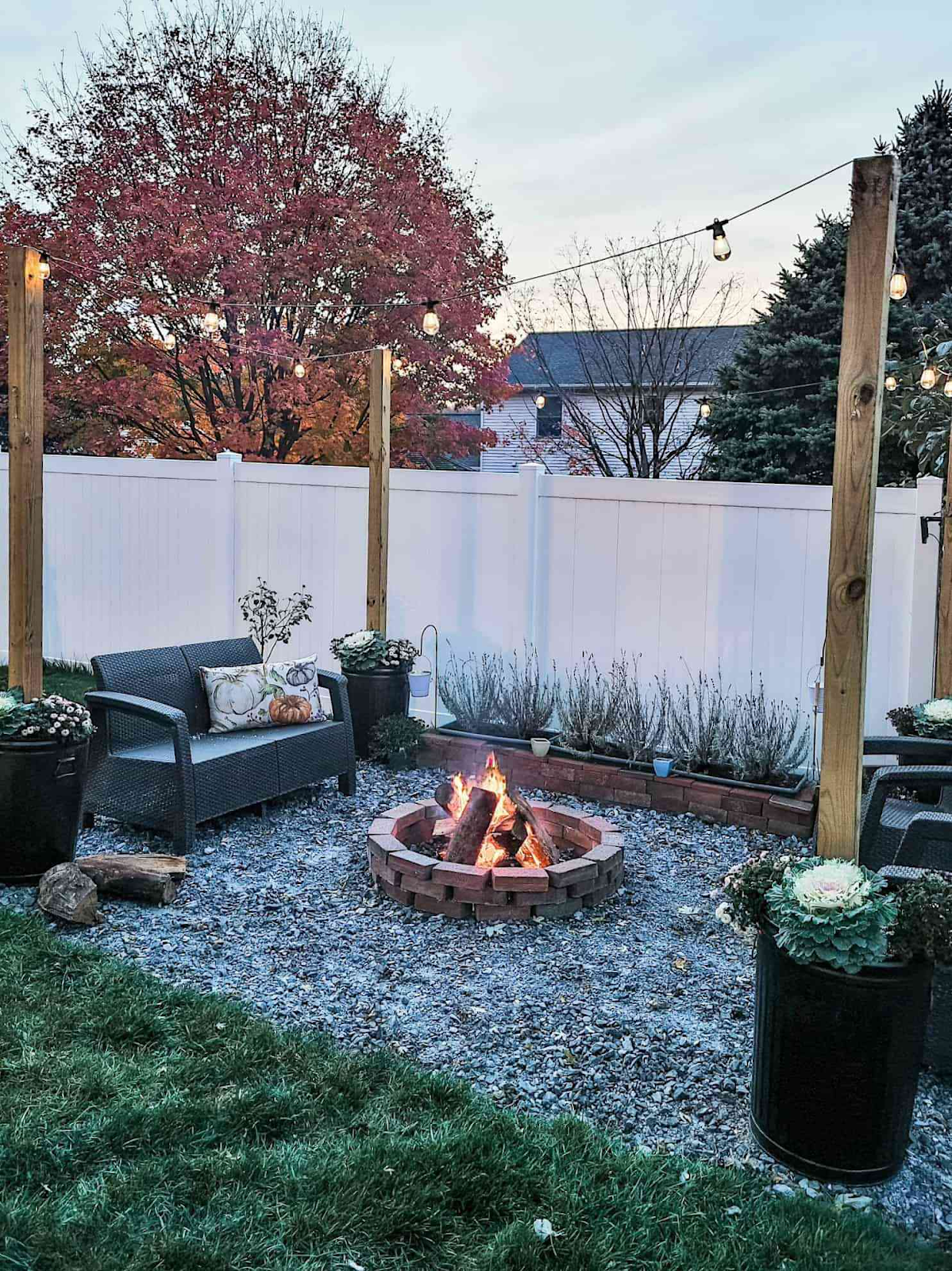
Source: The Spruce
Place the fire pit somewhere sociable and comfortable; its surroundings should be benches that have cushions and pillows. For this kind of installation, it is advisable to consult the local laws, so you don’t incur the wrath of the law. Building a fire pit successfully requires good planning so that it can also be an attractive object in decorations, and can be used all seasons round.
5. Swinging Hammock
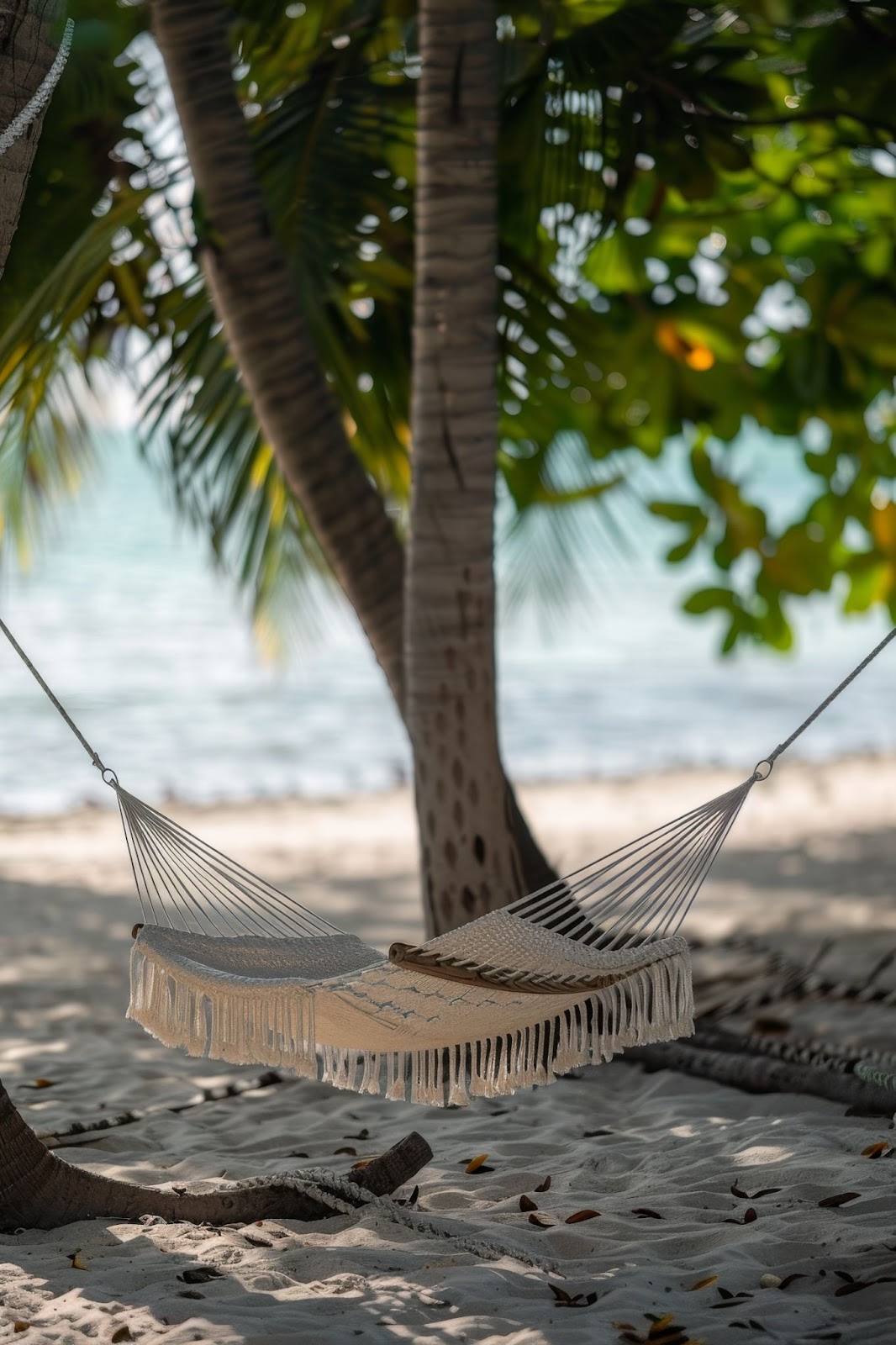
Source: Freepik
Add a swinging hammock for a truly restful backyard experience. Perfect for a peaceful retreat, a hammock can be hung in a quiet corner of your patio. You can hang a hammock on a cedar deck, enhancing the spa-like vibes of their outdoor space. Even if you don’t have a floating home, a hammock can bring a sense of relaxation to your patio.
6. Outdoor Shower
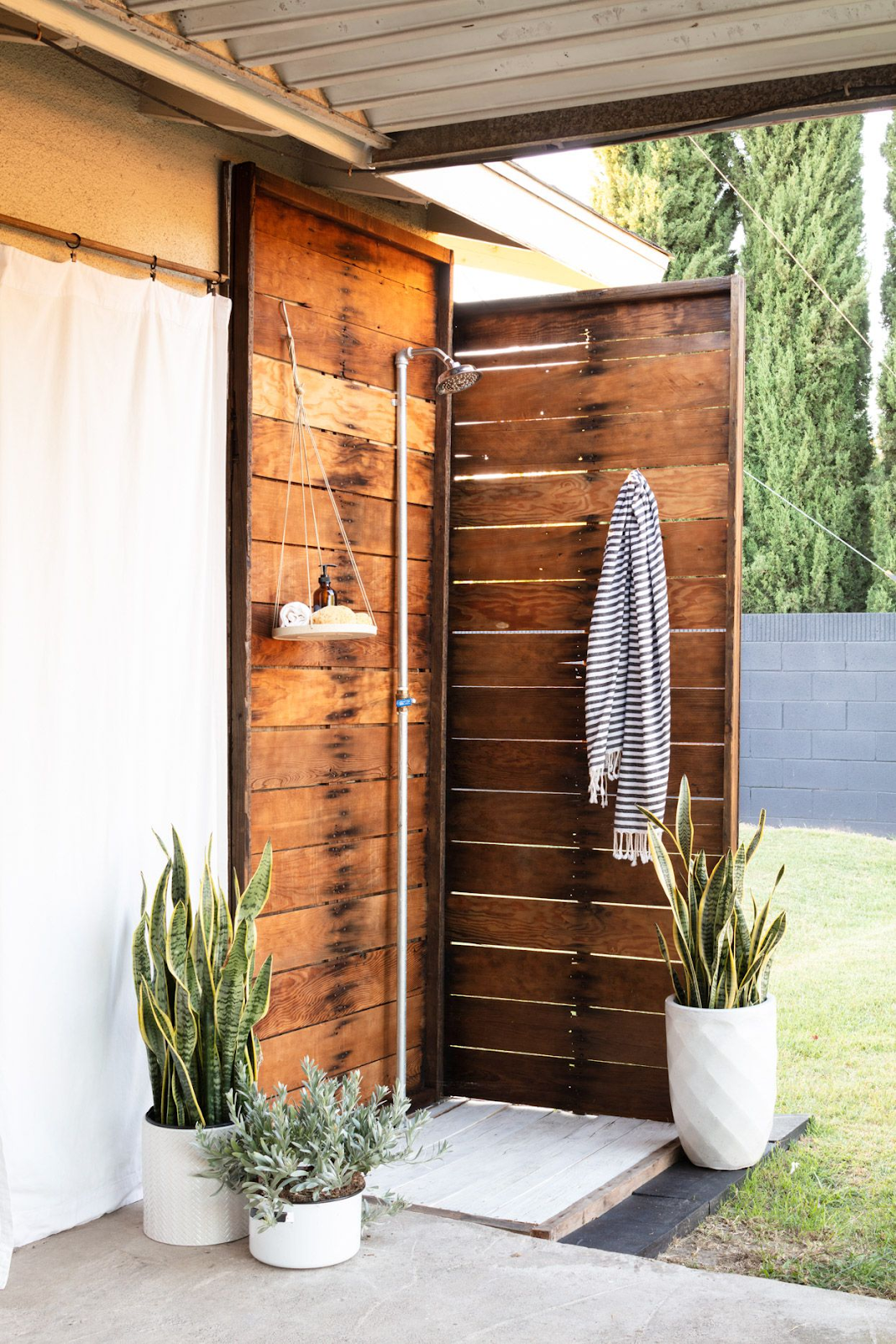
Source: Better Homes and Gardens
An outdoor shower is considered to give the patio the needed touch of luxury as well as functionality. Great for use when there is scorching heat or after a swim, an outdoor shower can be more permanent or temporary. Place an outside shower starting from the open-air constructions to the constructions built under trees.
7. Cozy Hardscaping
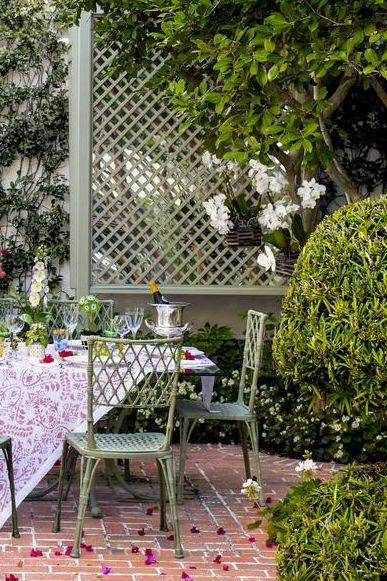
Source: House Beautiful
In designing a hardscape backyard return, this means that there is a need to look for ways of making the area warmer. A built-in bench or chairs is an ideal piece of furniture for a patio and even if its upholstery is in bright green color and there are striped throw cushions, it will look rather warm and comfortable.
8. Mindful Materials
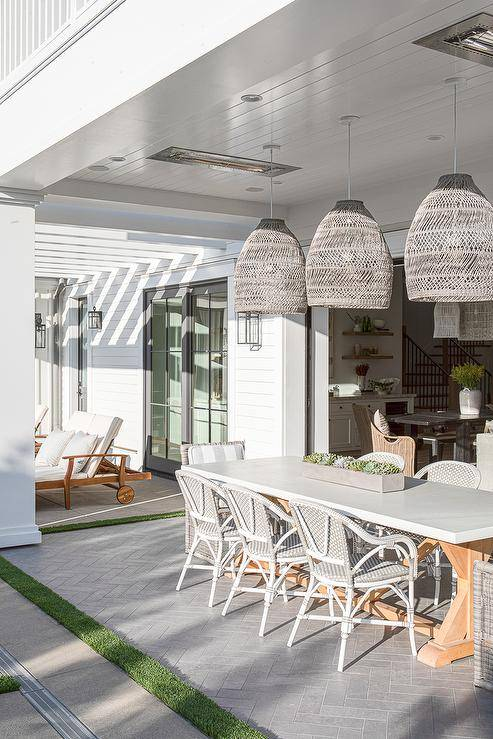
Source: Decoist
The materials applied in the construction of outdoor spaces have to be one that is durable as well as resistant to weather elements. Nautical grade metal cabinetry, quartz countertops, and graphic tile ‘rugs’ can be hung out that are desert proof. These materials make it possible to design patios that are strong, durable and most importantly ones that are fashionable and that will be in vogue.
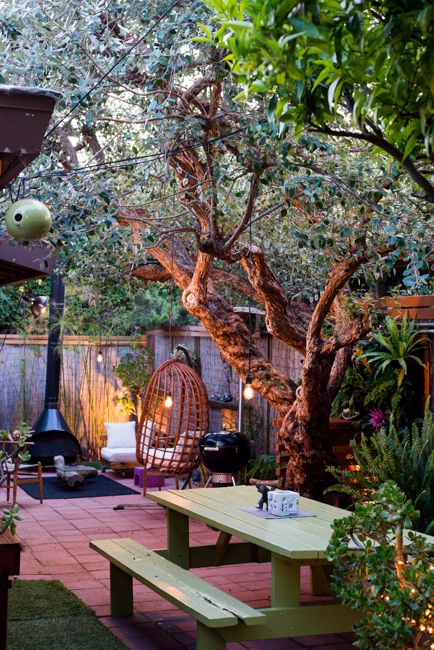
9. Romantic Bench
Soure: The HortiCult
Garage sells the idea of beautifying a secret corner of your yard with a bench, which will become an intimate bench. It is especially useful in gardens with large trees so that the couple can have their own space. If trees are not present, you can definitely use a foldable umbrella not only for the shade but for extra privacy too. Outdoor benches have a place in a couple’s life because it allows for intimate moments right in the house, on the patio.
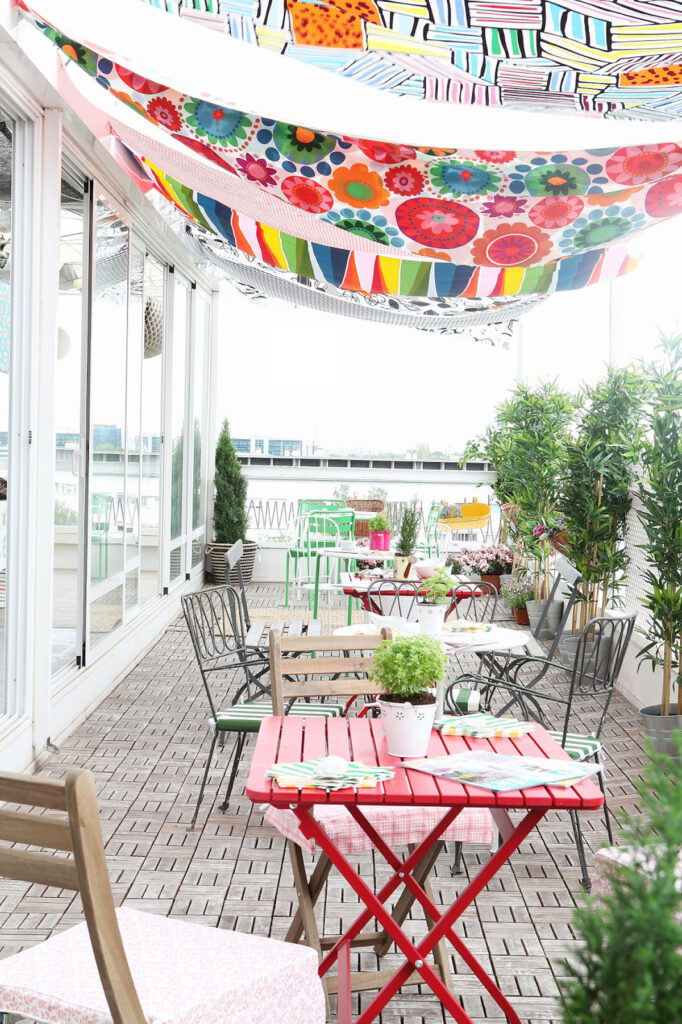
10. Colorful Textiles
Source: A Piece of Rainbow
Use vibrant textiles to add personality and warmth. Mismatched cushions, linen curtains, and table runners create a cozy and inviting atmosphere. Adding colorful textiles is an easy way to refresh your patio’s look.
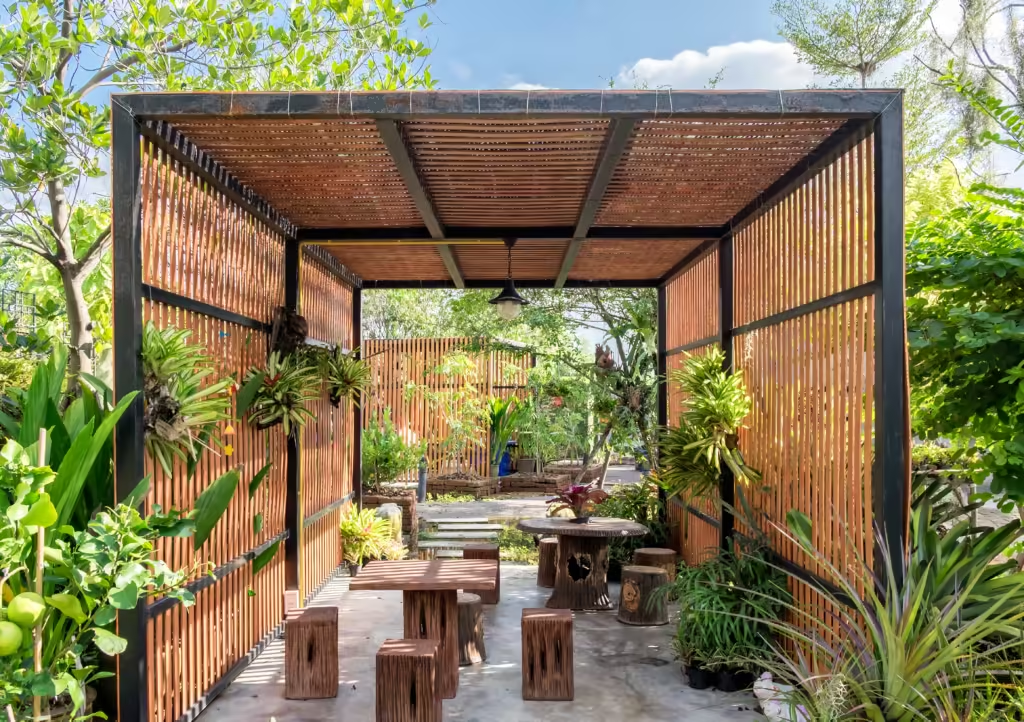
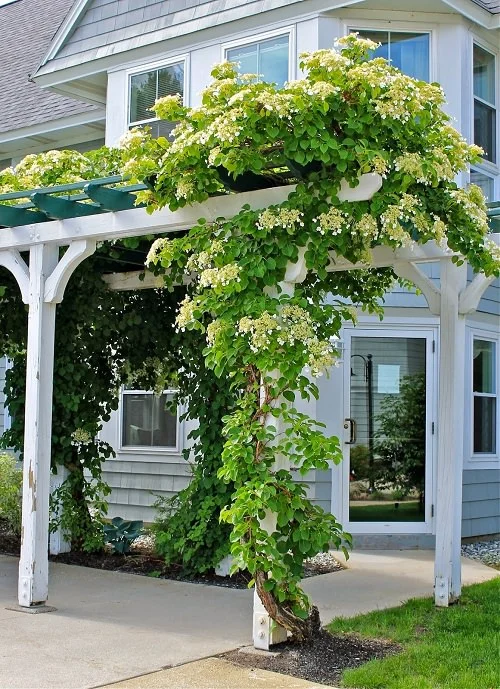
11. Pergola with Climbing Plants
Source: Balcony Garden Web
Adding a pergola with some climbing plants to your patio is perfect for shade and structure. Enhance it with climbing plants like wisteria or grapevines for a natural, lush canopy that provides both beauty and shade.
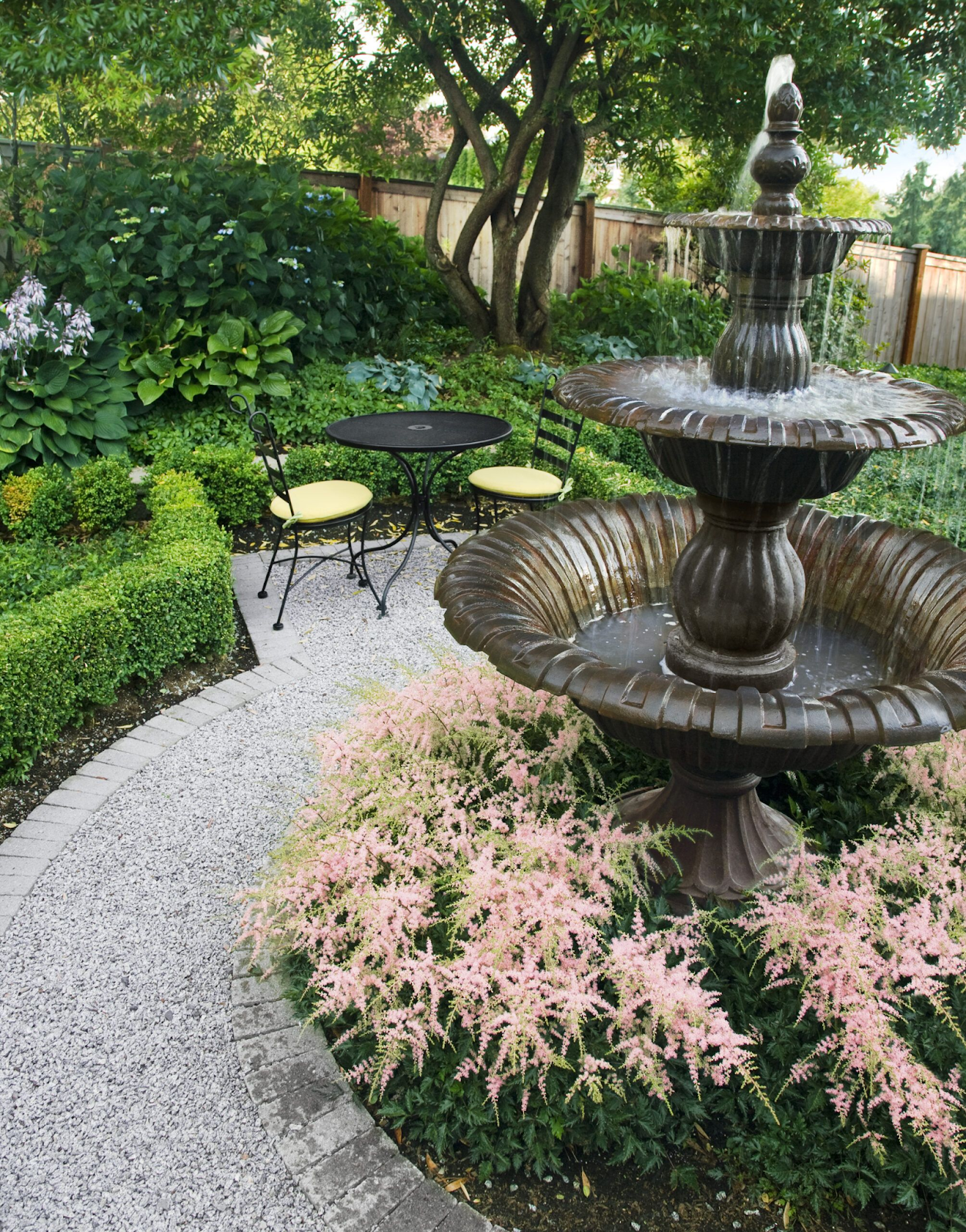
12. Fountains
Source: This Old House
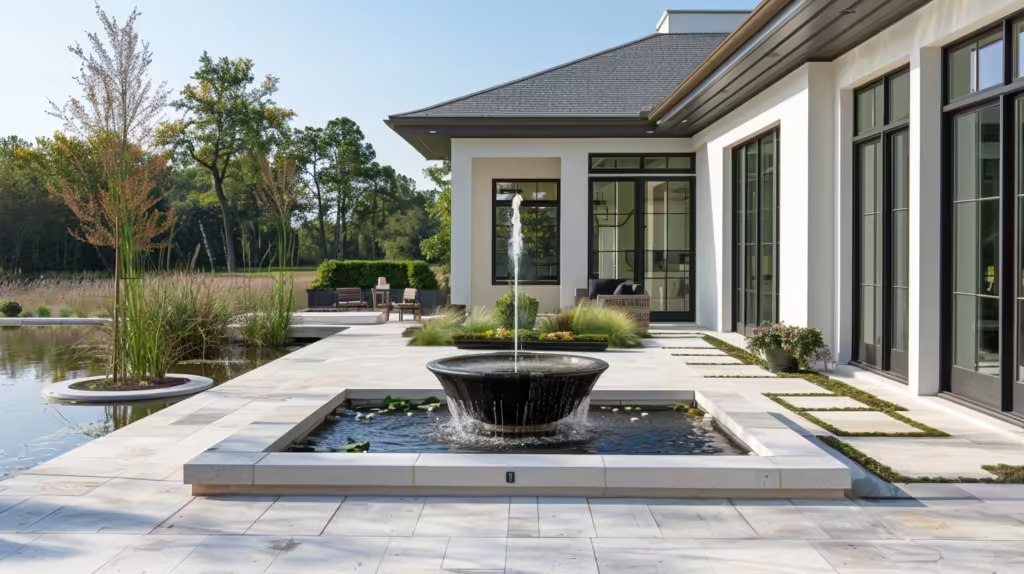
Ensure that your patio contains a fountain if you would like to make your environment to be less hectic and at the same time be presentable. Falling water can also drown the sounds that one does not want to hear to enable him or she to relax and meditate. Also, fountains help draw wildlife: birds and butterflies, for instance, bringing a natural aesthetic to the scene.
Final Thoughts
A great patio doesn’t need a huge budget or a massive space, it needs thoughtful design, materials that suit your home, and features that match the way you actually live. Whether you start with a vertical garden or a custom fire pit, each of these ideas is a step toward an outdoor space that feels genuinely stunning every time you step into it.
With these creative design ideas of patio, you can redesign your patio to make it splendid, unique and stylish that meets your specific needs. From a space that would provide that snug corner to read a book or work in solitude or a place that would cater for a juicy party, the limits are endless.
FAQs
What is the most important element of a good patio design?
Functionality comes first. A patio that’s beautiful but doesn’t match how you actually live and use the space will always feel disappointing. Start with purpose on how you’ll use it, how many people it needs to accommodate, and how it connects to your home and let the design follow from there.
How do I make my patio look more expensive without spending a lot?
Consistent styling and scale make the biggest difference. Choose one color palette and stick to it, replace mismatched planters with a set of matching ones in a larger size, add outdoor lighting, and edit ruthlessly
What’s the best low-maintenance patio surface?
Large format porcelain pavers are the most practical choice for low maintenance. They don’t stain easily, don’t require sealing, are frost resistant, and clean up with a simple hosing down. They’re also available in a wide range of finishes that suit both modern and traditional homes.
How can I add privacy to my patio without building walls?
Tall planters with screening plants like bamboo, grasses, or evergreen shrubs work brilliantly. A trellis panel with climbing plants, a pergola side panel, or a freestanding outdoor screen are all effective options. The advantage of plant-based screening is that it looks far more beautiful than a fence and improves with time.
Can I design a patio on a tight budget?
Absolutely. The most impactful patio investments are lighting, planting, and textiles, none of which need to be expensive. A string of warm white lights, a large pot with a statement plant, and a set of outdoor cushions in a cohesive color palette can transform even a basic concrete slab patio into somewhere you genuinely want to spend time.
How do I make a small patio feel bigger?
Use large format paving in a pale neutral tone, keep furniture proportional and multi-functional, go vertical with planting, and mirror the indoor flooring material or color if possible. Avoid clutter, keep the palette tight, and light the space well at night