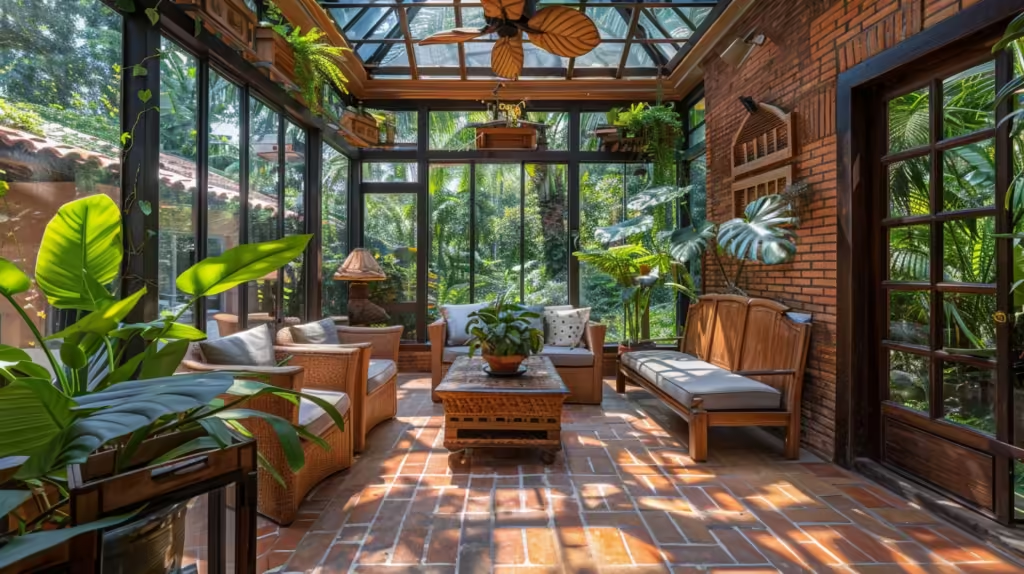
15+ Practical Patio Layout Ideas for Any Space
Transforming a backyard into a haven for leisure can be a manageable amount of tracts of land or much money. It is amazing to make a small patio look inviting and pretty; that is why one needs to think creatively and plan well.
A great patio layout does more than look good. It shapes how you move, how you gather, and how much you actually use your outdoor space. These practical ideas work for every size and style of patio, so you can build something that fits your life perfectly.
How to Plan a Patio Layout That Actually Works
Most patio layout mistakes happen before a single piece of furniture is placed. Getting the planning right from the start saves you time, money, and the frustration of a space that never quite feels right.
Start With How You Live, Not How It Looks
The most common planning mistake is opening Pinterest before thinking about how you actually use your outdoor space. Do you eat outside regularly? Do you host groups? Do you need space for kids to play? Do you want a quiet retreat or a lively entertaining hub? Your lifestyle answers these questions, and those answers should drive every layout decision you make.
Love Chic Living Club?
Add us as one of your preferred Google sources and discover more home decor, DIY, outdoor, and lifestyle inspiration from us.
Measure Everything Before You Buy Anything
This sounds obvious but it’s the step most people skip, and it’s the reason so many patios end up with furniture that’s too big, too small, or positioned awkwardly. Measure your patio dimensions accurately, then measure the furniture you’re considering. Use masking tape or chalk to mark out furniture footprints on the ground before you commit. This simple step will save you a lot of expensive regret.
Allow Enough Circulation Space
A patio that looks great on paper can feel cramped in real life if you haven’t accounted for circulation. Allow at least 36 inches of clearance for main walkways and at least 24 inches around dining chairs when they’re pulled out from the table. These margins feel generous on a plan but are the minimum for comfortable, practical use.
Think About Where the Sun Falls
The position of the sun at the times you’re most likely to use your patio should shape where you place each zone. If you eat outside in the evenings, your dining area should face the direction that catches the evening light. If you want a shaded reading corner, it should be positioned where afternoon shade naturally falls. Spending a day observing sun movement across your outdoor space before laying it out is one of the best investments of time you can make.
Plan for Storage From the Start
Outdoor cushions, garden tools, firewood, and BBQ equipment all need somewhere to live. A patio layout that doesn’t account for storage ends up with things piled in corners and the space feeling cluttered within a week of use. Build storage into your layout from the beginning, whether that’s a deck box, a built-in bench with storage underneath, or a dedicated storage area screened with planting.
Patio Layout Ideas for Small Spaces
A small patio can be just as functional and beautiful as a large one. The key is designing with intention rather than trying to squeeze in everything you’d put on a larger space.
The Single Zone Approach
On a very small patio, trying to create multiple zones usually ends up making the whole space feel cramped and confused. Instead, commit to one primary purpose and design the entire space around it. A single dining zone with a compact table and two to four chairs, well-chosen planting around the perimeter, and good lighting will feel far more successful than an awkward attempt to fit in dining and lounging.
Go Narrow and Long
Many small urban patios are narrow and rectangular. Work with this shape rather than against it. A narrow bench along one long wall, a slim table down the center, and tall vertical planting at the far end creates a beautiful, purposeful space that uses every inch. Keep furniture legs slim and avoid chunky pieces that take up visual weight you can’t afford.
You May Also Love

Use the Walls and Verticals
When floor space runs out, walls and vertical surfaces become your most valuable asset. Wall-mounted planters, a trellis with climbing plants, shelves for outdoor accessories, and a wall-mounted fold-down table all add functionality and richness to a small patio without using any floor space at all.
Keep the Color Palette Tight
On a small patio, a restrained color palette makes the space feel larger and more cohesive. One neutral base, one accent color in cushions and planters, and green from planting is all you need. More colors than this on a small space creates visual noise that makes it feel even smaller.
Patio Layout Ideas for Large Spaces
A large patio presents its own challenges. Without thoughtful zoning and furniture placement, big outdoor spaces can feel empty, exposed, and difficult to use comfortably.
Create Distinct Zones
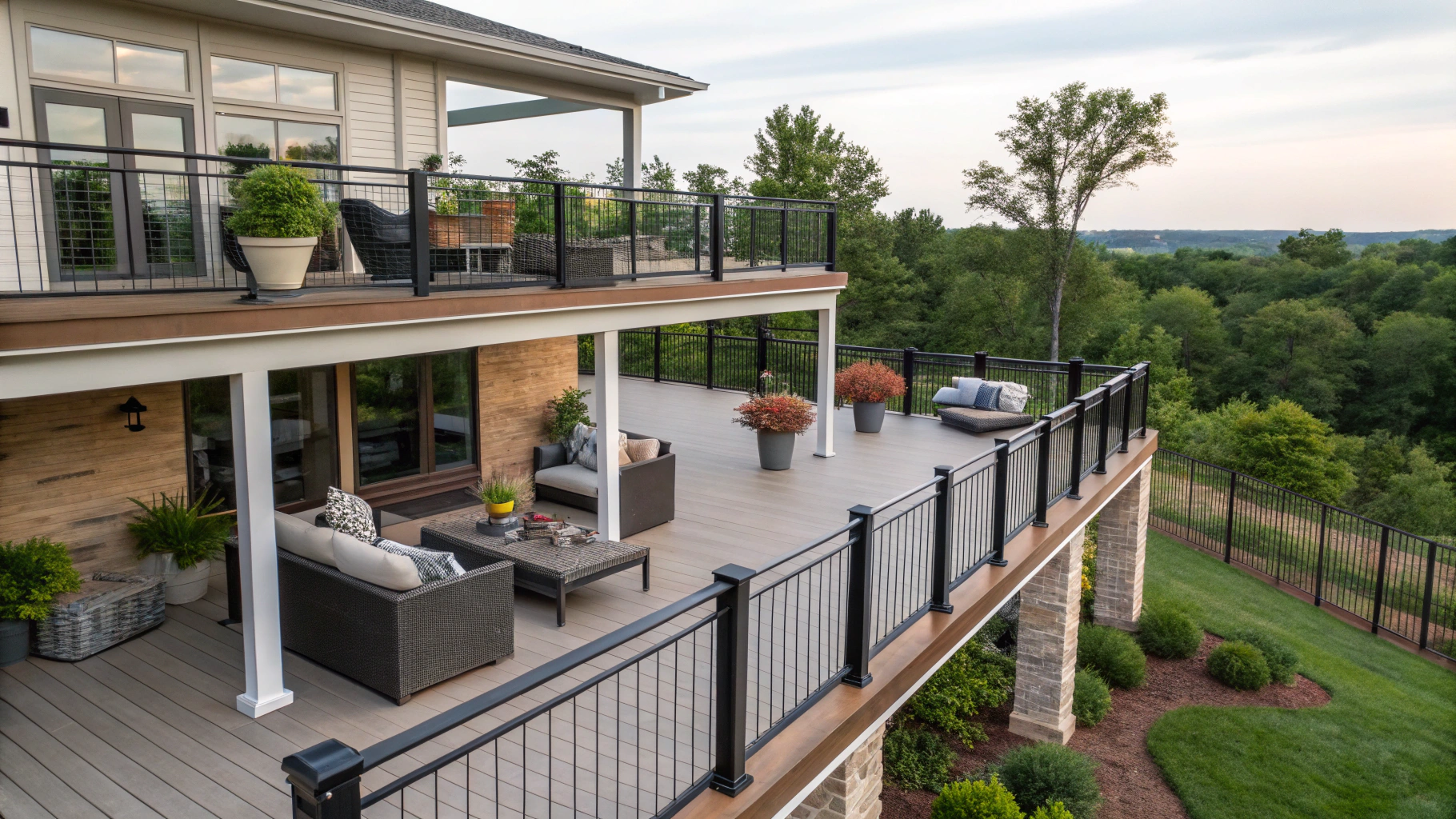
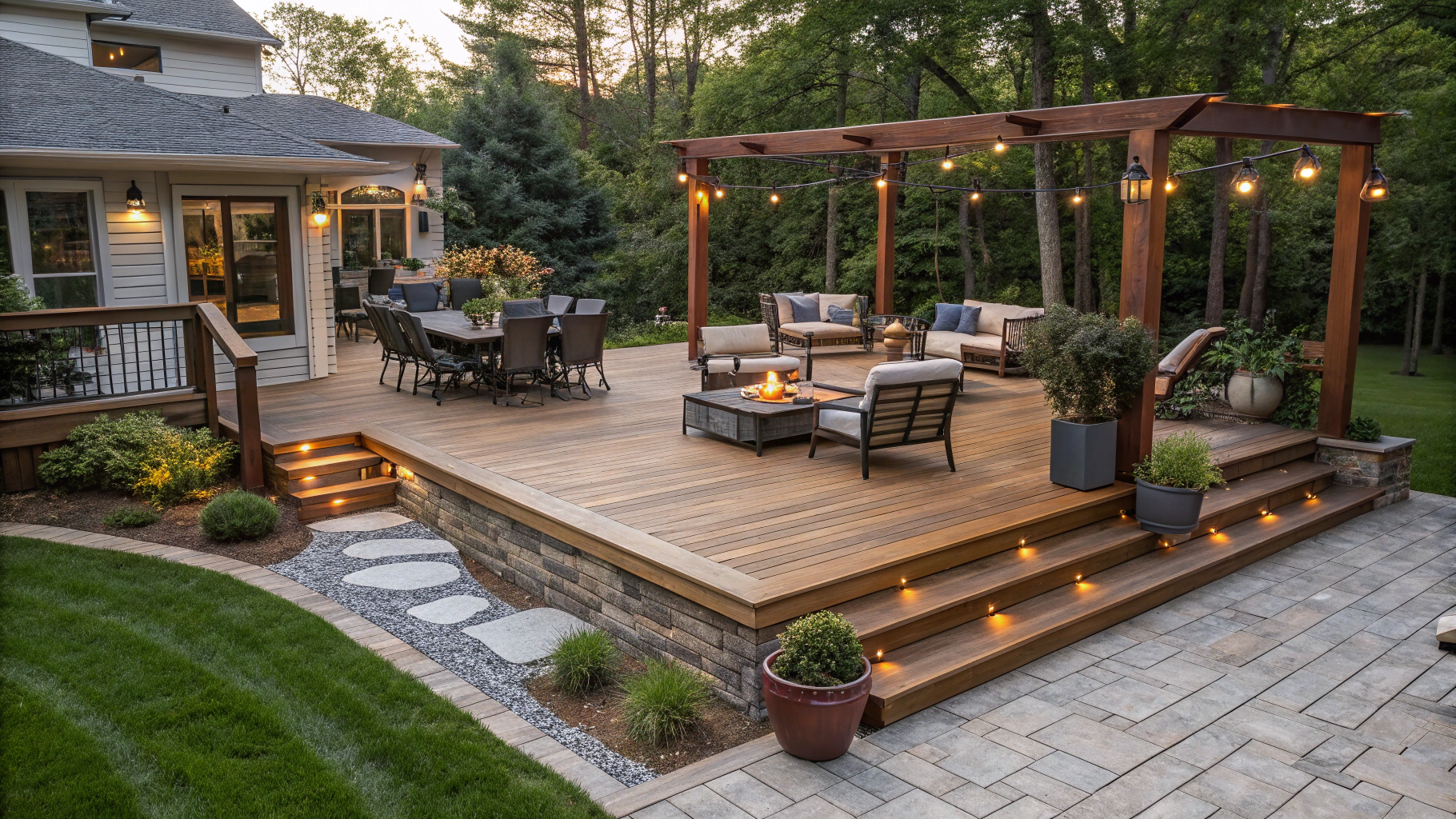
The golden rule for large patios is to divide the space into clearly defined zones, each with its own purpose and character. A dining zone, a lounging zone, a fire pit zone, and a planting or garden zone all work together to give the space structure and variety. Use different paving materials, outdoor rugs, changes in level, or planting to delineate each zone without building walls.
Anchor Each Zone With a Large Piece
Every zone on a large patio needs an anchor, a single piece of furniture or feature that defines and grounds it. A large dining table anchors the dining zone. A deep sofa or sectional anchors the lounge zone. A fire pit or statement water feature anchors the gathering zone. Without an anchor, zones feel vague and the space reads as empty.
Don’t Push Everything Against the Walls
One of the most common large patio mistakes is lining furniture around the perimeter of the space, leaving a void in the middle. This feels uncomfortable and formal. Pull furniture away from the walls and into the space, arranging it in conversation-friendly groupings. This is exactly how interior designers arrange furniture indoors and it works just as well outside.
Connect the Zones With Pathways
On a large patio, clear pathways between zones are what makes the space feel navigable and inviting rather than overwhelming. A simple change of material underfoot, a stepping stone path through planting, or just a clear gap between furniture groupings is enough to signal the route and make the space feel intentional.
Don't miss: 11+ Creative Wraparound Deck Ideas for Houses →
How to Zone a Patio Without Building Walls
Zoning is one of the most powerful tools in patio layout design. It turns an undifferentiated outdoor area into a collection of purposeful spaces, each with its own feel and function. And you don’t need walls or permanent structures to do it.
Use an Outdoor Rug
An outdoor rug under a seating or dining grouping is one of the most effective zoning tools available. It defines the boundary of the zone clearly, anchors the furniture within it, and adds texture and color to the patio surface. Use a rug large enough that all furniture legs sit either fully on or fully off it. A rug that only catches the front legs of chairs always looks wrong.
Change the Paving Material
Using two different paving materials side by side is a clean, architectural way to divide a patio into zones. A main area of large format stone pavers with a gravel zone at one end for the fire pit creates a clear visual separation without any physical barrier. The transition line between materials is the zone boundary.
Use Planting as a Divider
A row of tall planters, a raised planting bed, or a line of ornamental grasses creates a soft, natural division between zones. Planting dividers are particularly effective because they add beauty and life to the patio at the same time as they’re doing a functional job. They also provide sound absorption, a useful bonus if you’re trying to create a quiet reading zone away from a noisier entertaining area.
Change the Level
Even a single step up or down between two zones creates a strong sense of separation and transition. A slightly raised dining platform or a sunken fire pit seating area both achieve this beautifully and with a sense of drama that flat zoning can’t match.
Use Lighting to Define Zones After Dark
Different lighting zones reinforce your daytime layout divisions at night. Brighter light over the dining table, warmer, lower light around the lounge seating, and accent lighting picking out the fire pit area each tell you which zone you’re in without any other visual cue.
Patio Layout Mistakes to Avoid
Even well-intentioned patio layouts can fall flat because of a handful of very common errors. Here’s what to watch out for before you commit.
Buying Furniture Before Measuring
The single most expensive and avoidable mistake. Always measure the space, mark out the footprint with tape, and live with it for a day before ordering anything. Furniture that looks right in a showroom or on a website can look completely wrong at a different scale in your actual patio.
Keep Exploring
Ignoring the Transition From Inside to Outside
A patio that doesn’t connect well to the interior of the house will never feel like a true extension of the home. If possible, align your outdoor dining area with your indoor kitchen or dining room. Match or closely complement the indoor flooring tone with your outdoor paving. Use the same or similar colors in your outdoor furniture as you use indoors. These connections make the inside and outside feel like one continuous space.
Forgetting About Wind and Shade
A beautiful sunny patio that’s exposed to a prevailing wind will be miserable to use for half the year. Similarly, a patio that’s in full shade all afternoon won’t get used in the summer when you want it most. Assess your site’s sun and wind conditions honestly before finalising your layout and incorporate screening, shade structures, or planting to address whatever challenges your site presents.
Leaving the Patio Unlit
A patio with no lighting is one that gets abandoned the moment the sun goes down. Even a very simple lighting setup, string lights above the seating area and a couple of path lights around the edge, is enough to extend your patio use into the evenings. Lighting is one of the very highest-return investments in any patio layout.
Overcrowding the Space
More furniture and more features does not mean more enjoyment. A patio that’s overcrowded feels stressful and difficult to use. Edit ruthlessly. Every piece of furniture, every planter, every accessory should earn its place. If something doesn’t serve a clear purpose or add genuine beauty, it probably doesn’t belong on the patio.
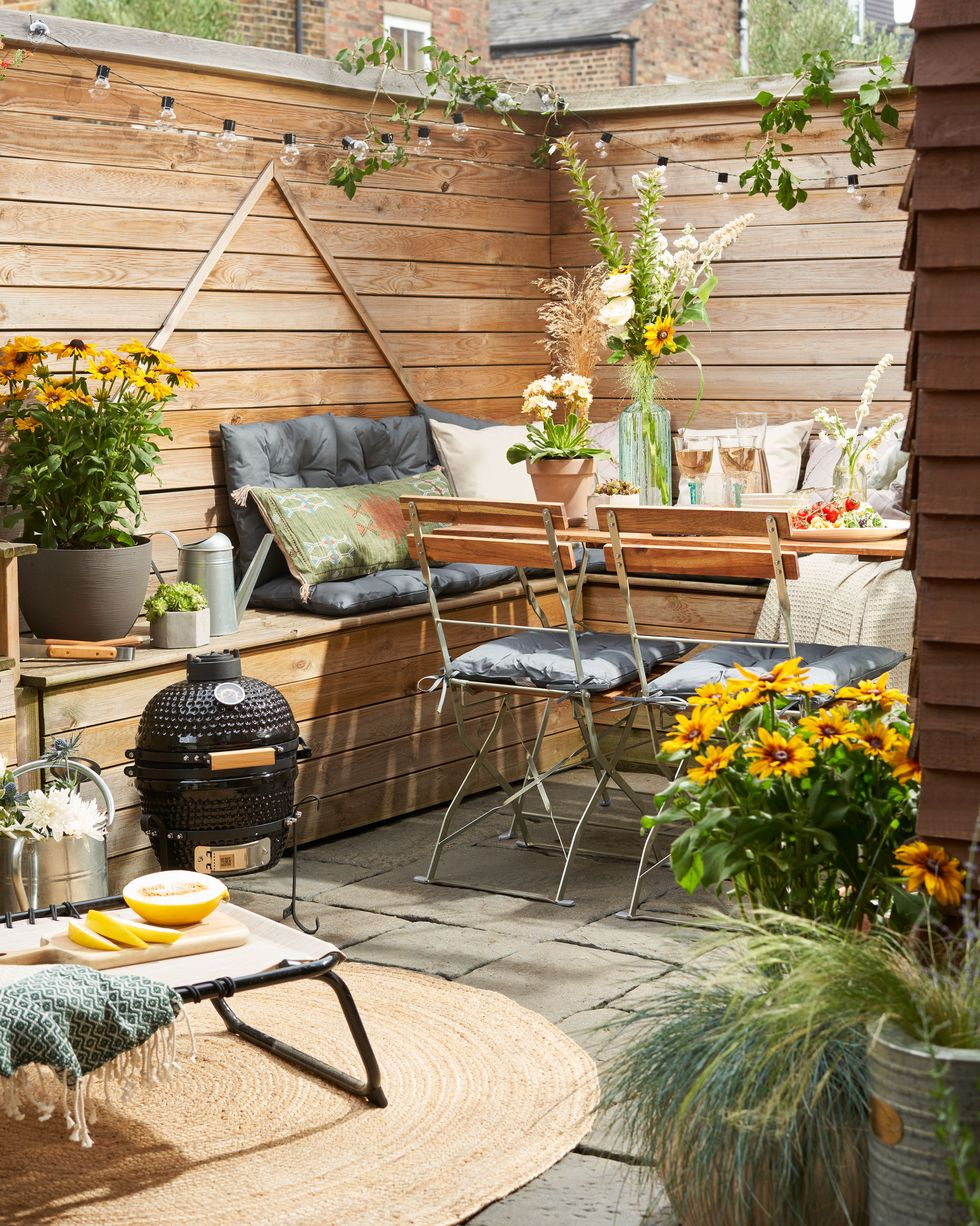
1. Cozy Corner Retreat
Source: House Beautiful
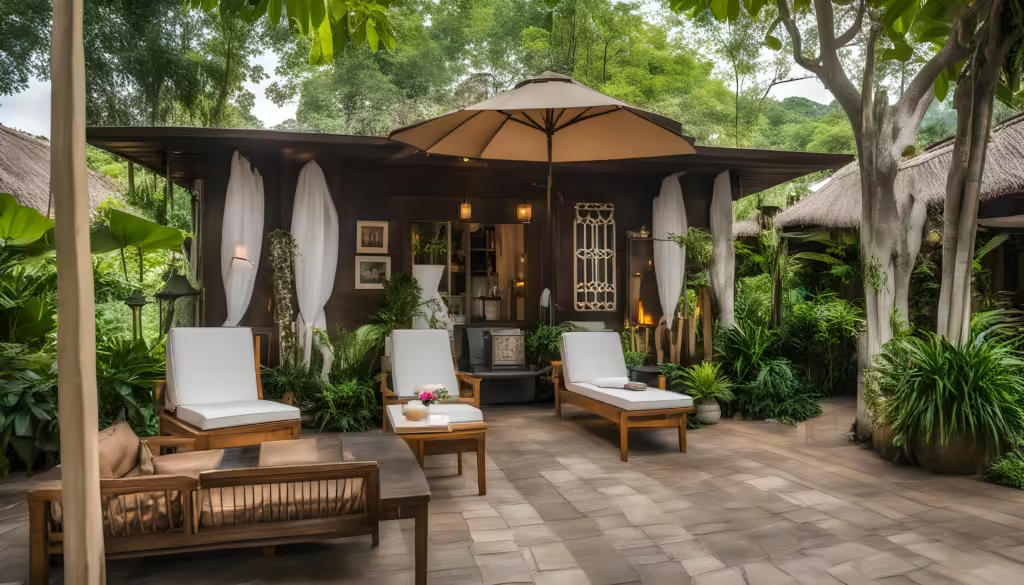
Begin by selecting the right inviting area to apply soft and versatile furniture pieces. Choose soft and thick cushions and fabrics that rain will not easily damage.
This can be your new favorite place for consuming your morning coffee or reading a book in the evening while alone.
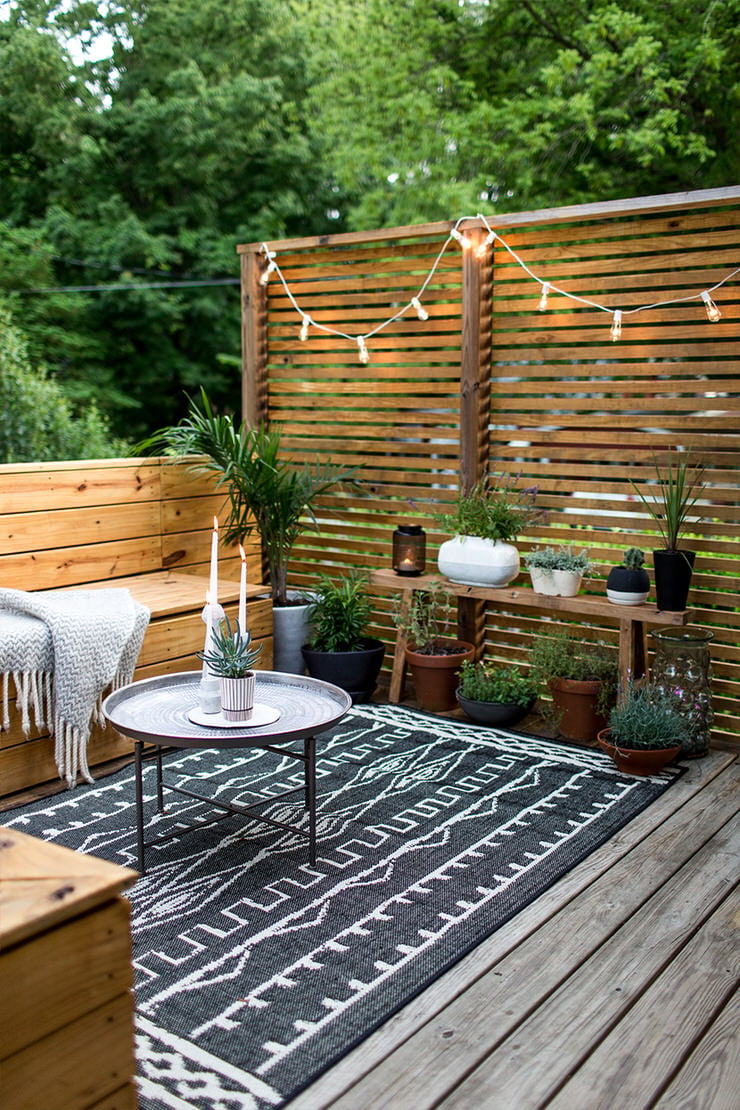
2. Bistro Charm
Source: OhMeOhMy Blog
This is one of the best ways to introduce the certain touch of Parisian café to your home with a small bistro set.
A round-shaped table and two chairs are ideal in intimate areas such as the breakfast or even a wine-drinking area in the evening. It is suitable for small rooms as it creates the aura of European class.
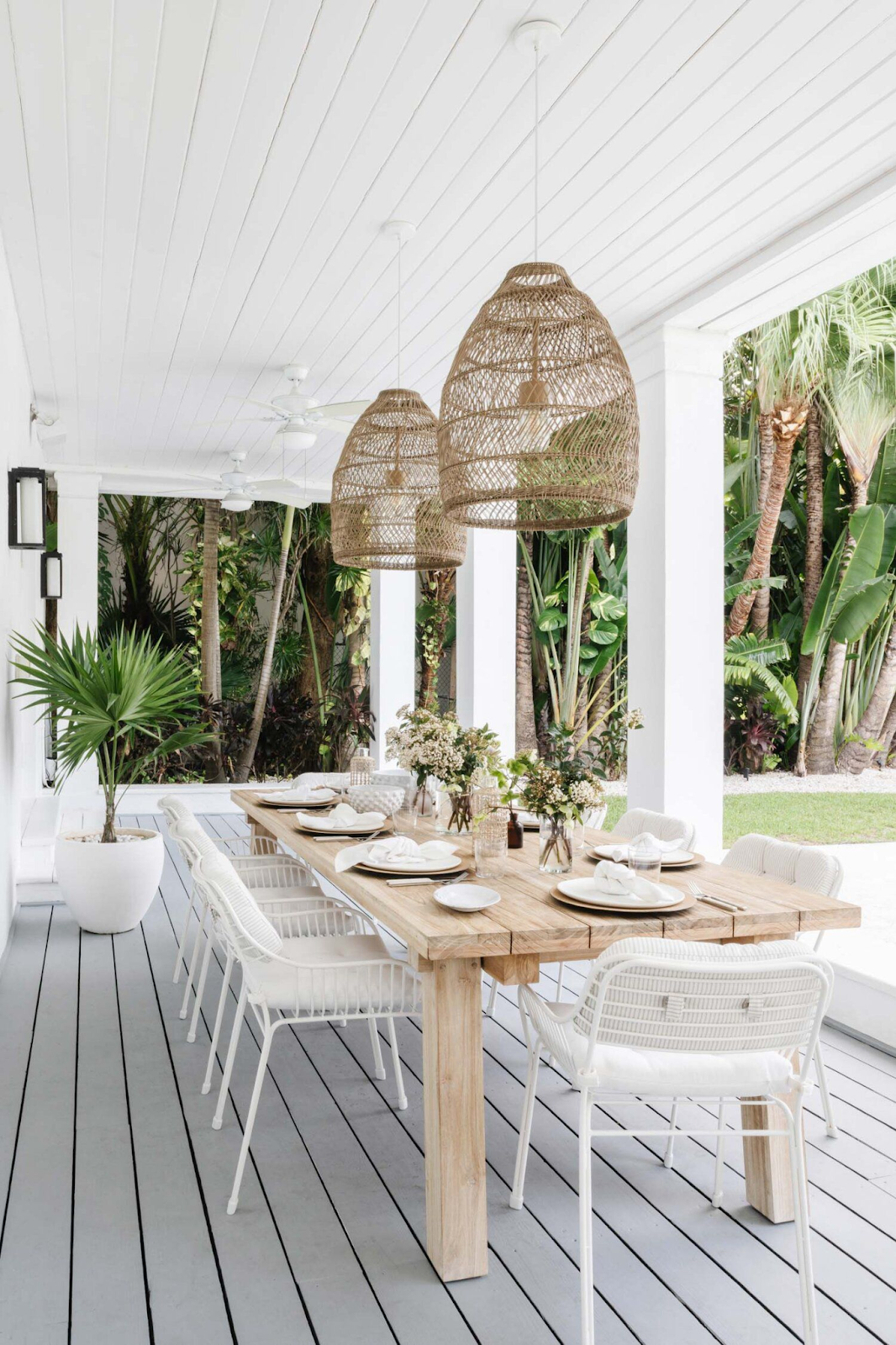
3. Outdoor Dining Oasis
Source: MyDomaine
If you enjoy eating outdoors, consider introducing some features of an outdoor eating area. Select a dining table and chairs that outdoor conditions will not easily destroy.
To complement the outdoor lighting and the eating utensils, use lamps to light up the place and tableware suitable for outdoor dining.
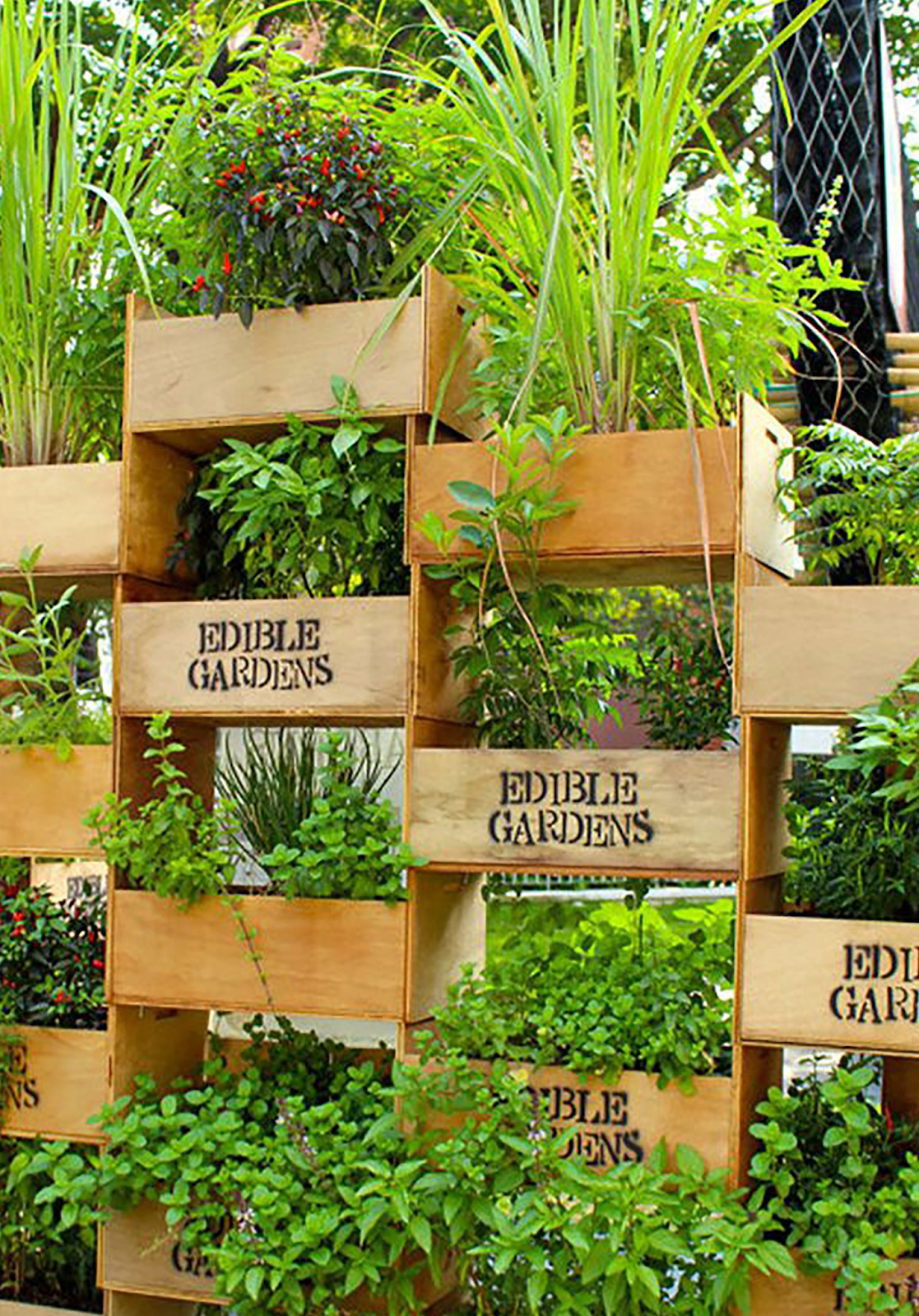
4. Vertical Garden Haven
Source: drshrazavi.com
How to bring the extra value of the patio? Here is the tip: remember the height. Trellis up the walls or have wall planters to have a vertical garden. Introduce plants and flowers to give the area some color and depth besides shading off neighbors from the area. A vertical garden is perfect when the space is limited and cools down the patio without occupying floor space.
5. Fire Pit Gathering
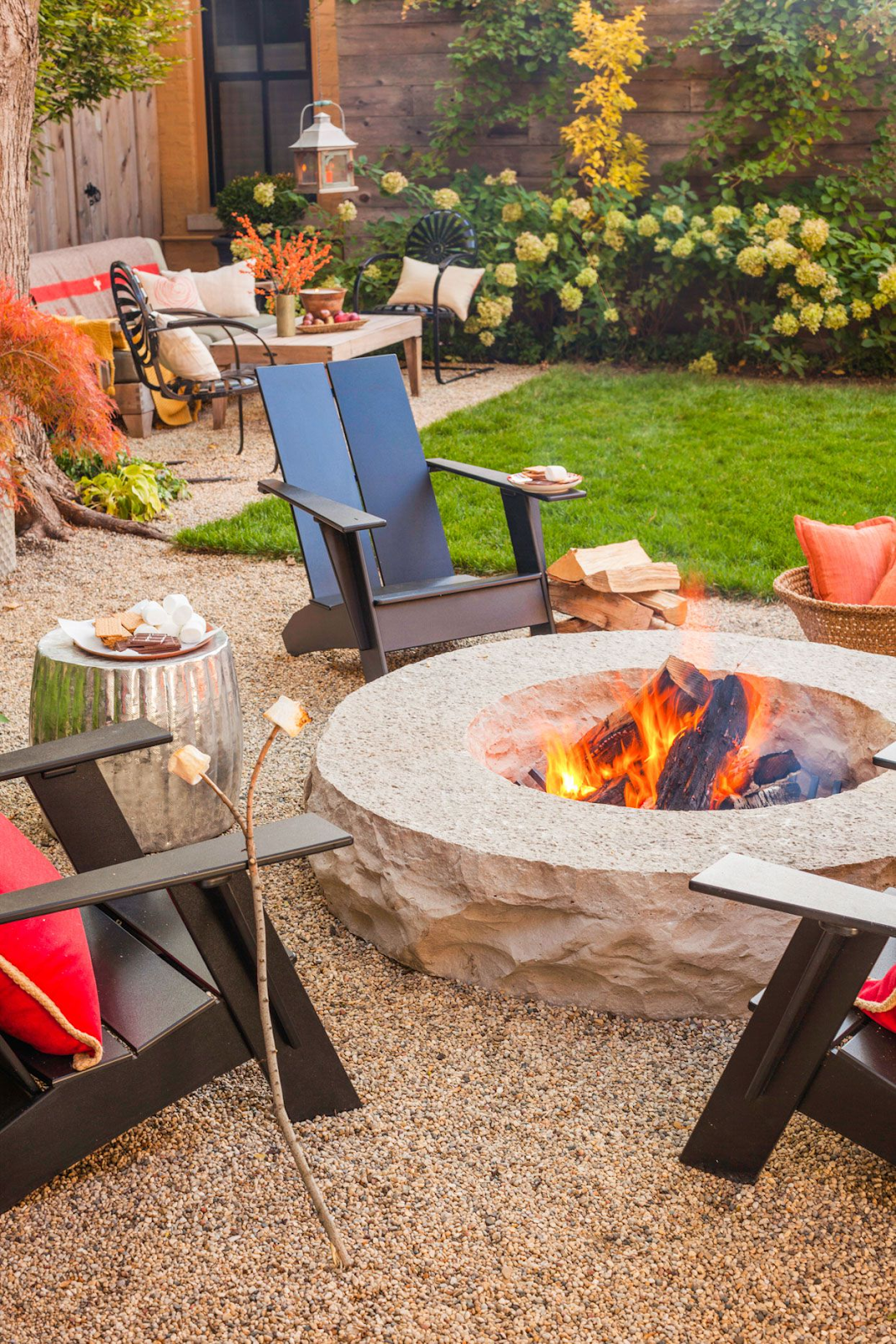
Source: Better Homes & Gardens
Construct a fire pit in your area to use your patio in colder months. Select one of the central zones and place comfortable seating around it, such as Adirondack chairs or outdoor sofas.
An open fire is inviting and keeps one warm, especially on cold nights, and the fire pit is an excellent place to have friends and family.
6. Modular Seating Flexibility
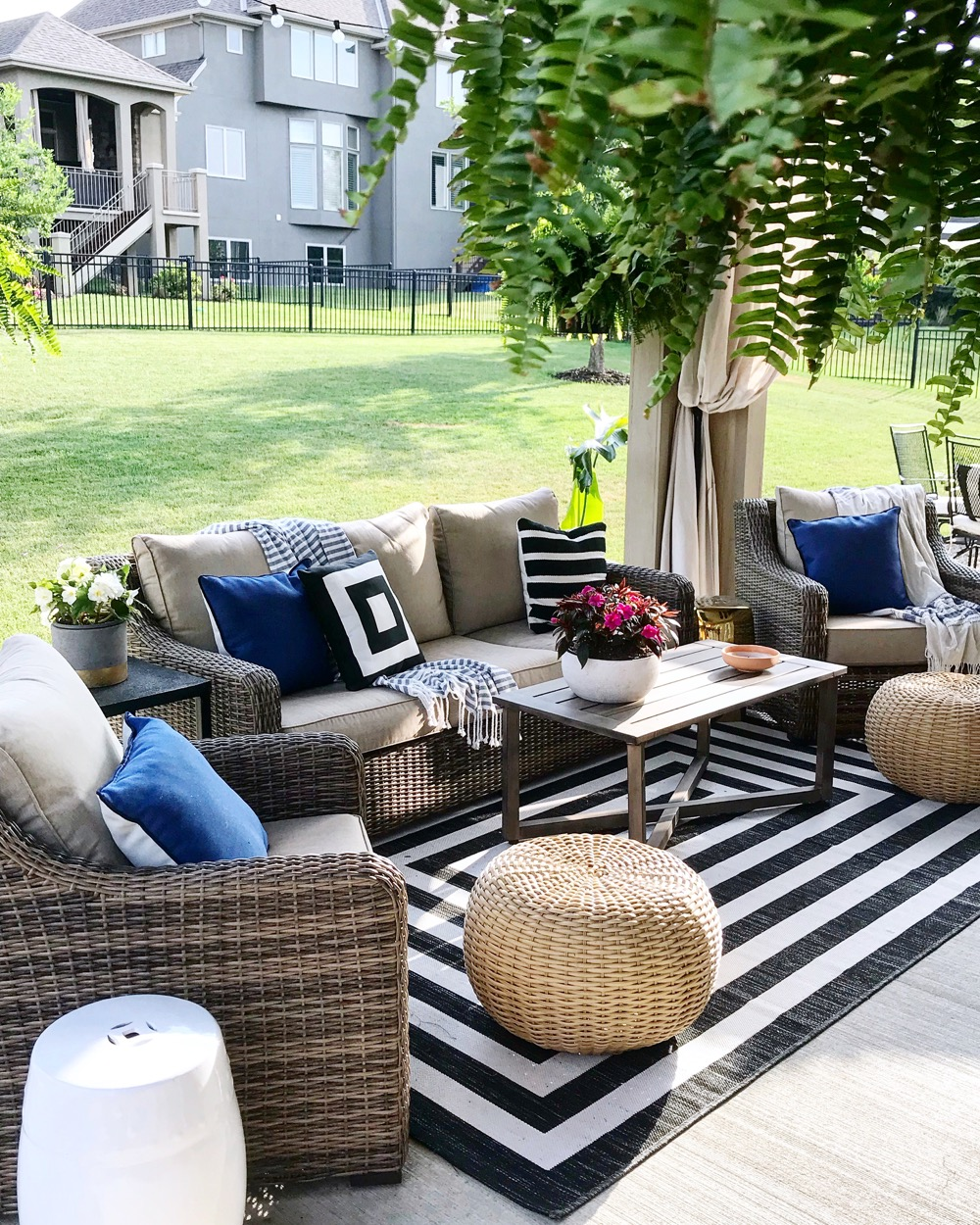
Source: Life Love Larson
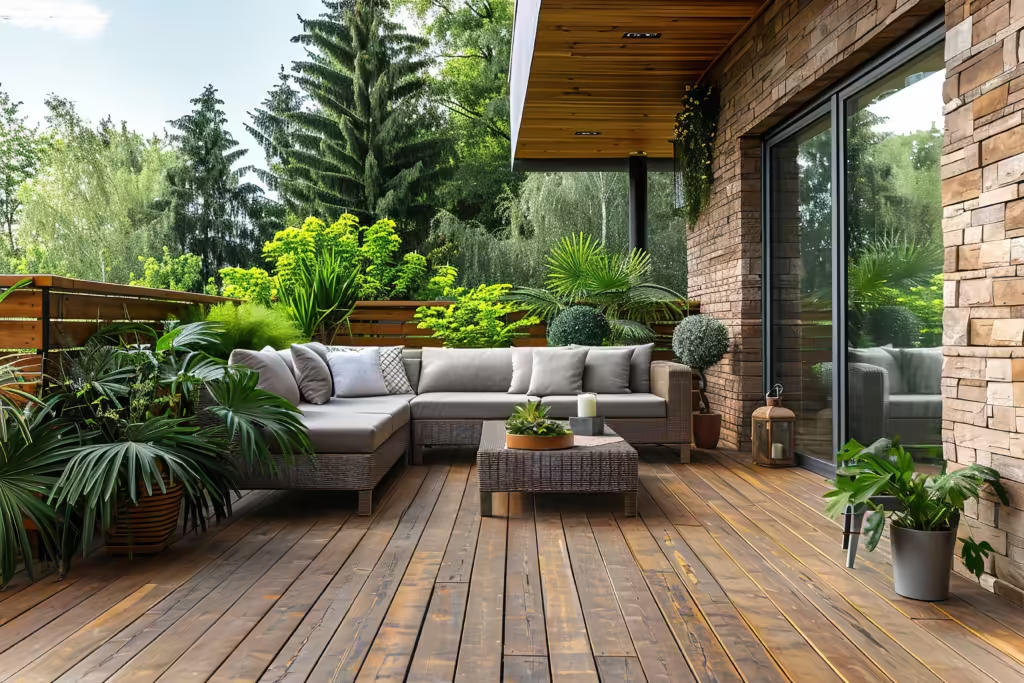
It is better to select modular seating, such as a two—or three-piece sofa set, sectional seating, etc., so it can be rearranged. This is very convenient since it enables shifting the patio’s design depending on the occasion or the use preferred by the owner.
Due to its flexibility and functionality, modular furniture is perfect for creating square tables for intimate conversations, round tables for other people, or great meetings.
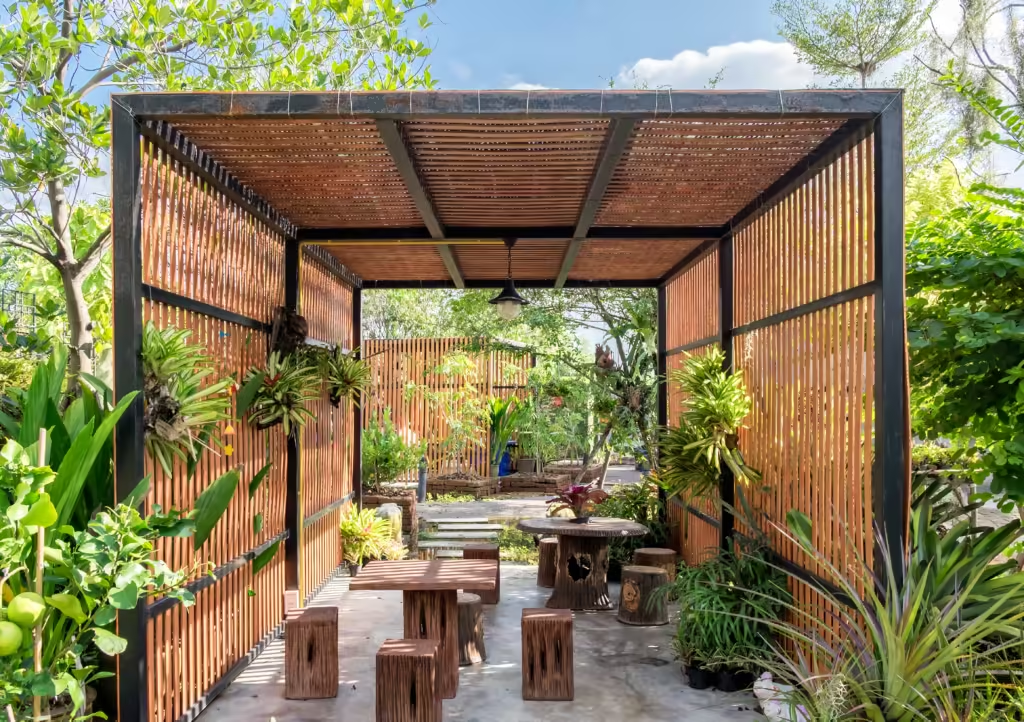
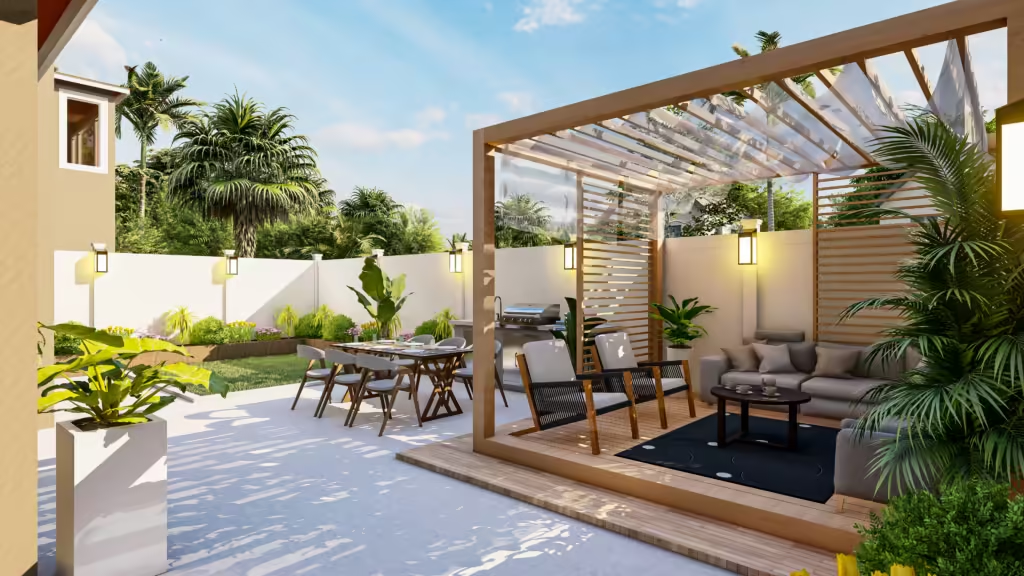
7. Pergola Paradise
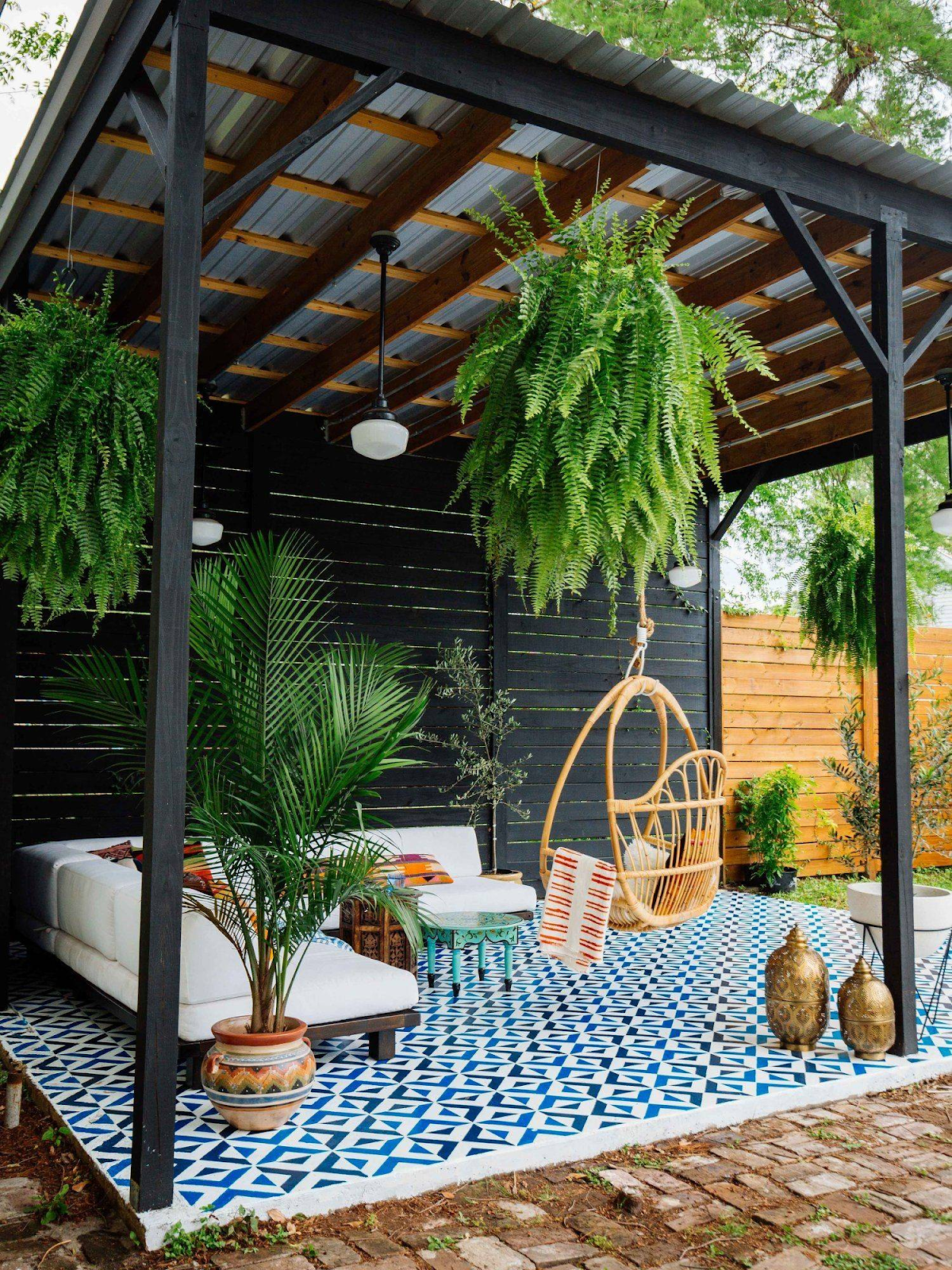
Source: Houzz
A pergola encloses your area and provides additional depth to the patio design. It can also create shade and seclusion by increasing the look of climbing vines or outside cloth.
A pergola provides architectural support and establishes an environment’s anchor while offering shade. It is a simple accessory that beautifies any patio, making it look more refined.
8. Dual Zone Design
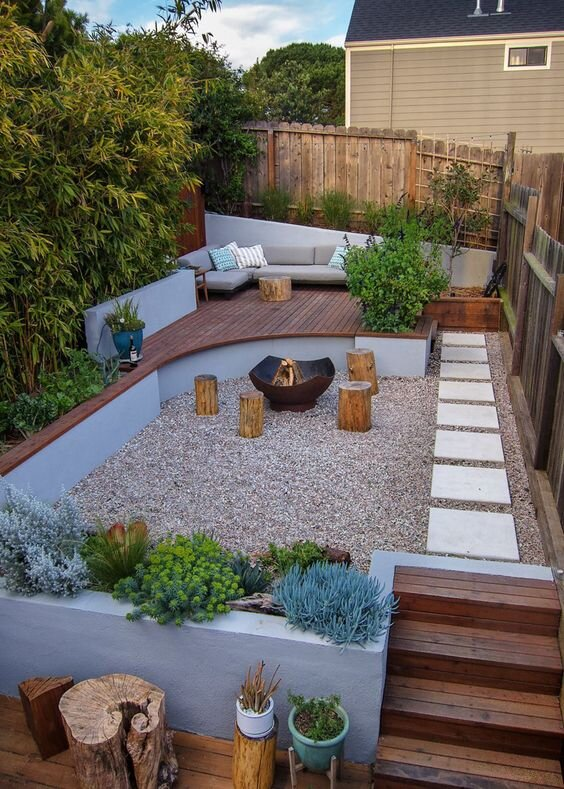
Source: RenoGuide
Sectionalize your patio so that you can use it in the most efficient way possible for your lifestyle. Designate a relaxation zone to have some hammocks or comfortable lounge chairs. Deduce this from a dining area with a table and chairs for eating and other purposes.
It has been observed that some of the designs divide the area into two zones for efficient use of the area while other designs are created for different uses to make sure your patio is multi-functional.
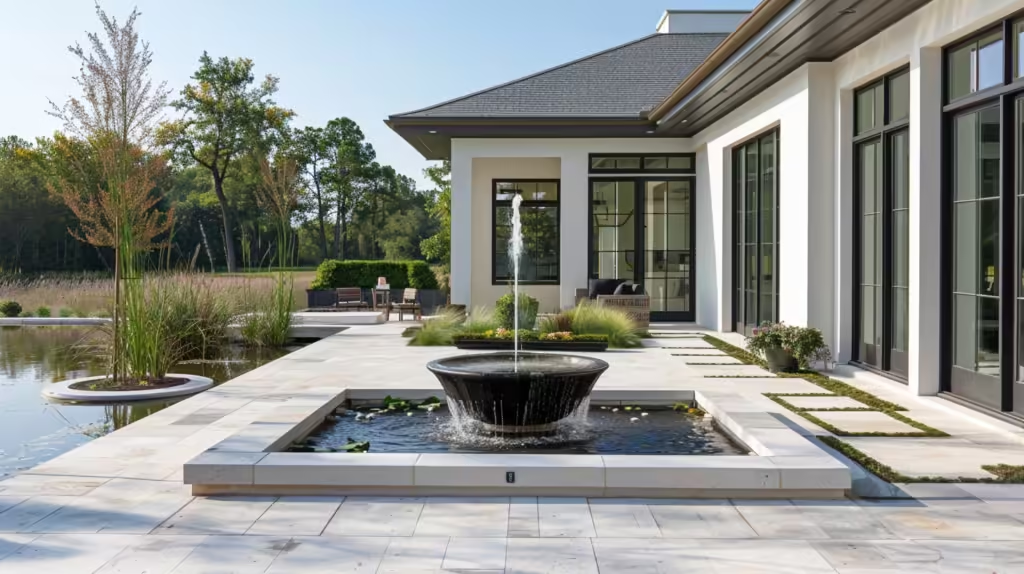
9. Water Feature Serenity
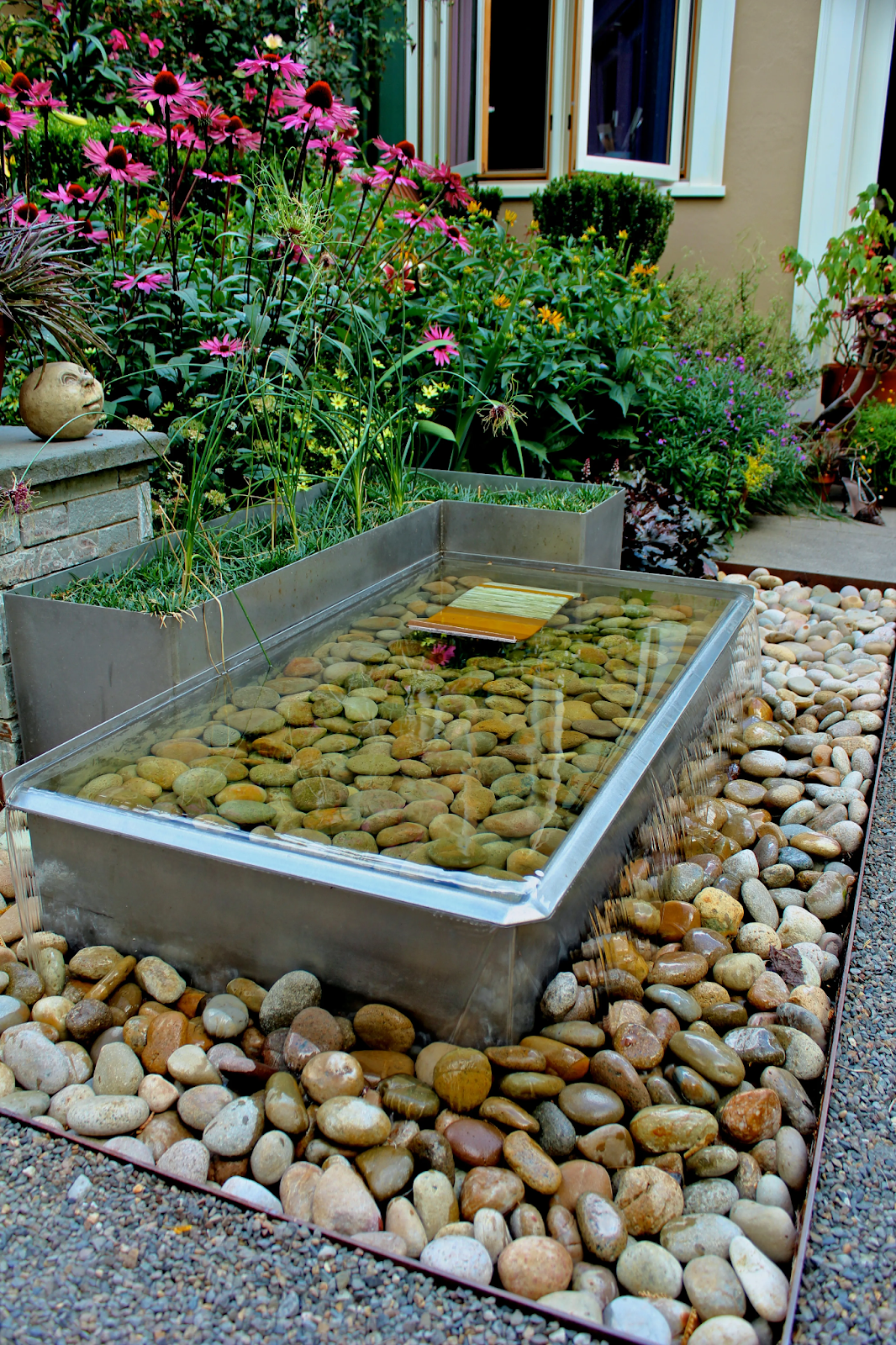
Source: Austin American-Statesman
Decorate your patio with a water fountain to bring calmness and serenity to your home. Water fountains, bird baths, or even small ponds… make a friendly atmosphere and help hide city sounds.
Select an area that promotes relaxation, like a chair or a corner with plants, to benefit from the water feature.
10. String Lights Ambiance
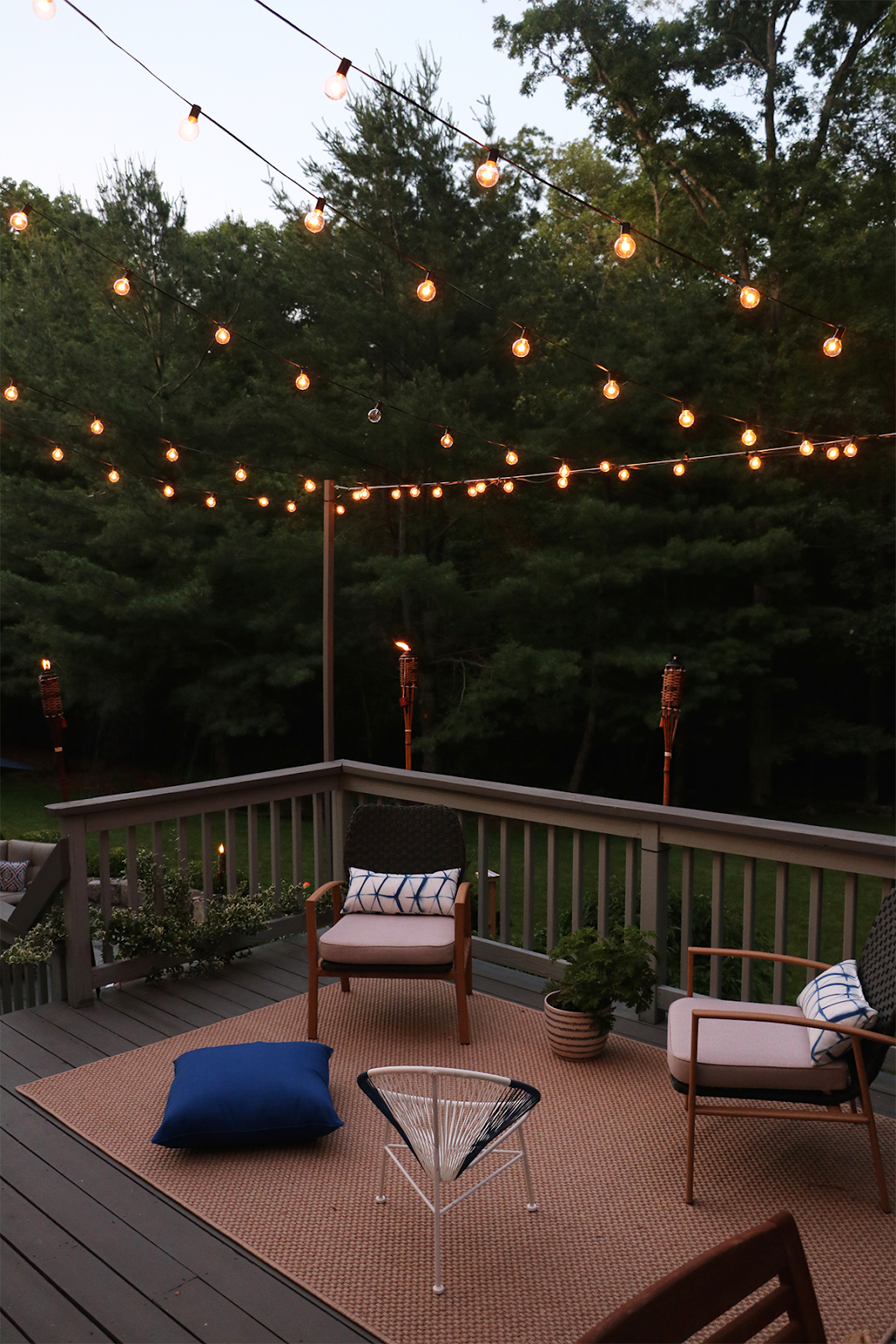
Source: root & dwell
String lights on the patio will help lighten the mood once the sun sets and the night chills come in. Use them as suspensions, curtains on pillars, or even screens along fences for a warm light source.
String lights are portable and can change the look of your patio, making it ideal for hanging out during the evening or for a candle-lit dinner at night.
11. Portable Bar Cart
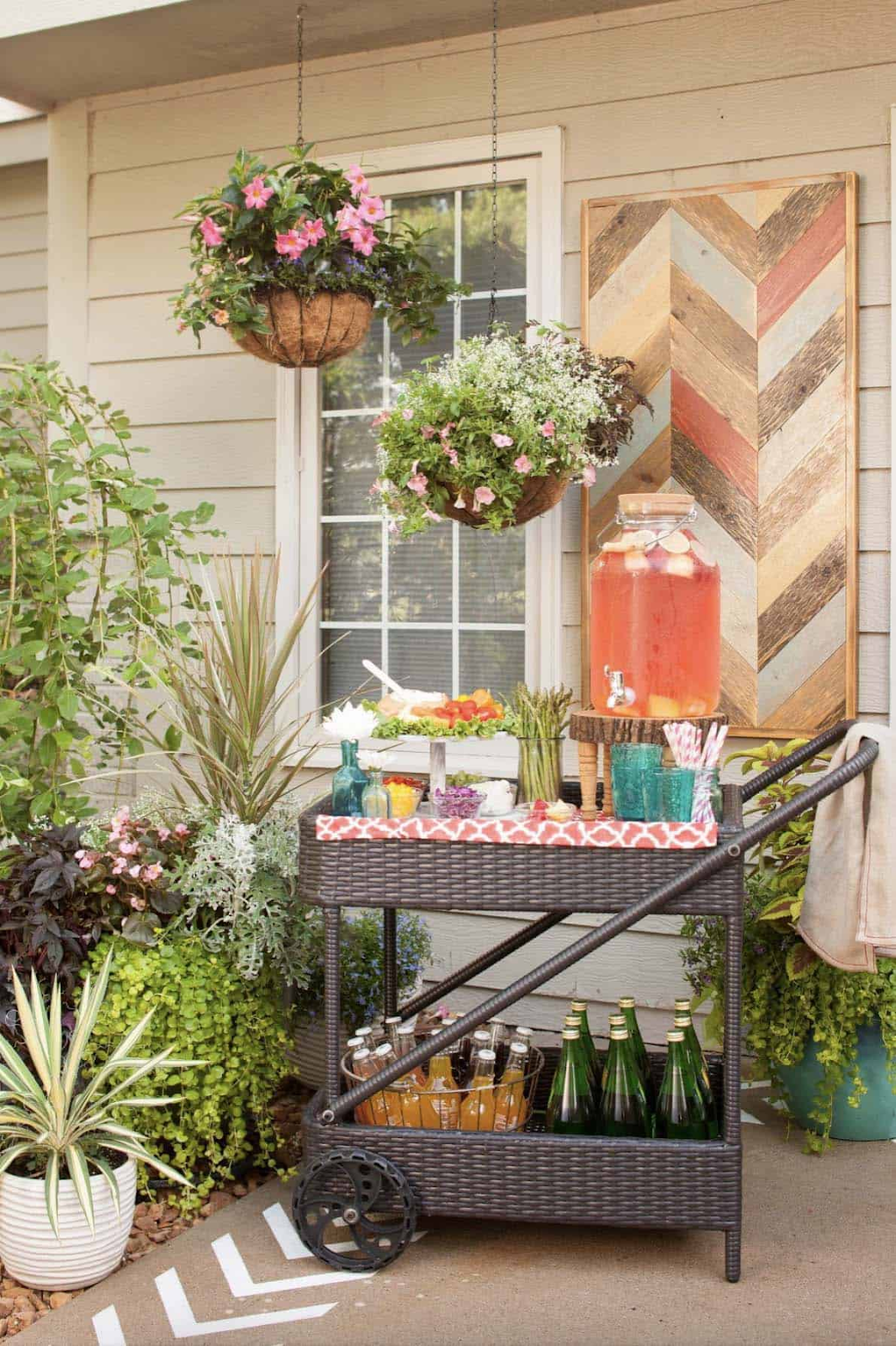
Source: One Kindesign
Take your bar cart outdoors to the patio to increase the entertainment factor of this space. Equip it with drinks, glasses, and cocktail requisites to entertain people outside conveniently.
A bar cart is a versatile way to create an elegant outdoor bar experience without permanently installing fixtures.
12. Rooftop Retreat
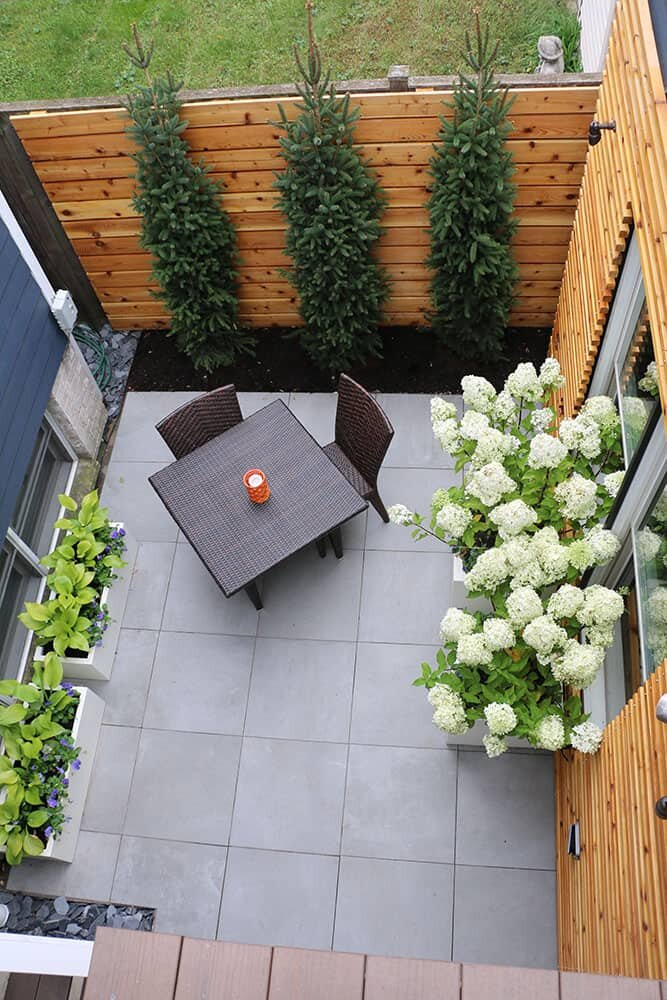
Source: Rooftopia
If you have a rooftop patio, try using it with tiny furniture and clever accents. Select furniture that is light and can be relocated easily. Adding optional shades, such as a canopy or umbrella, is recommended to solve the problem of direct sunlight.
Balconies are a good chance to organize the outdoor space on the roof with a view of the city and fresh air.
13. Mix-and-Match Seating
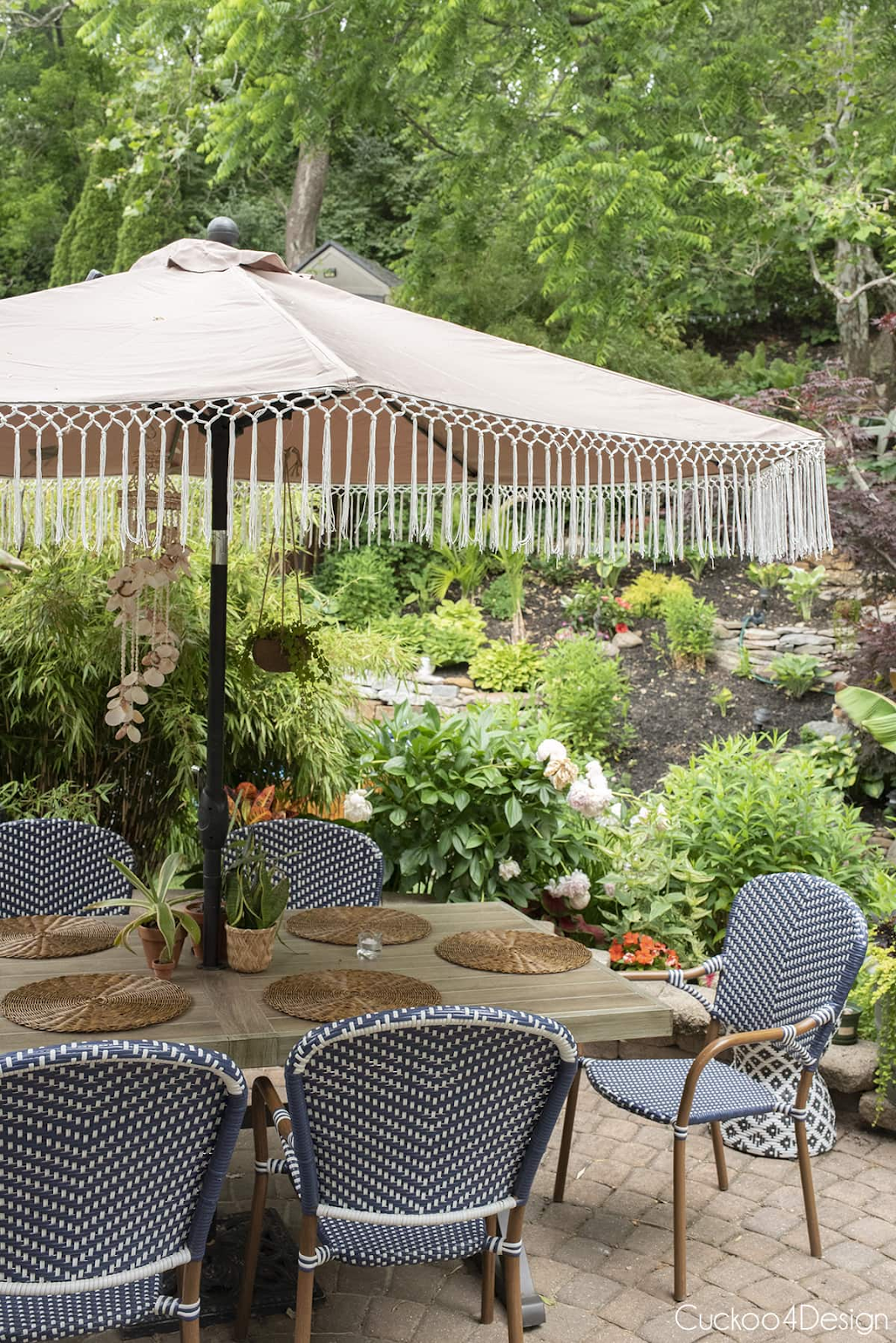
Source: Cuckoo4Design
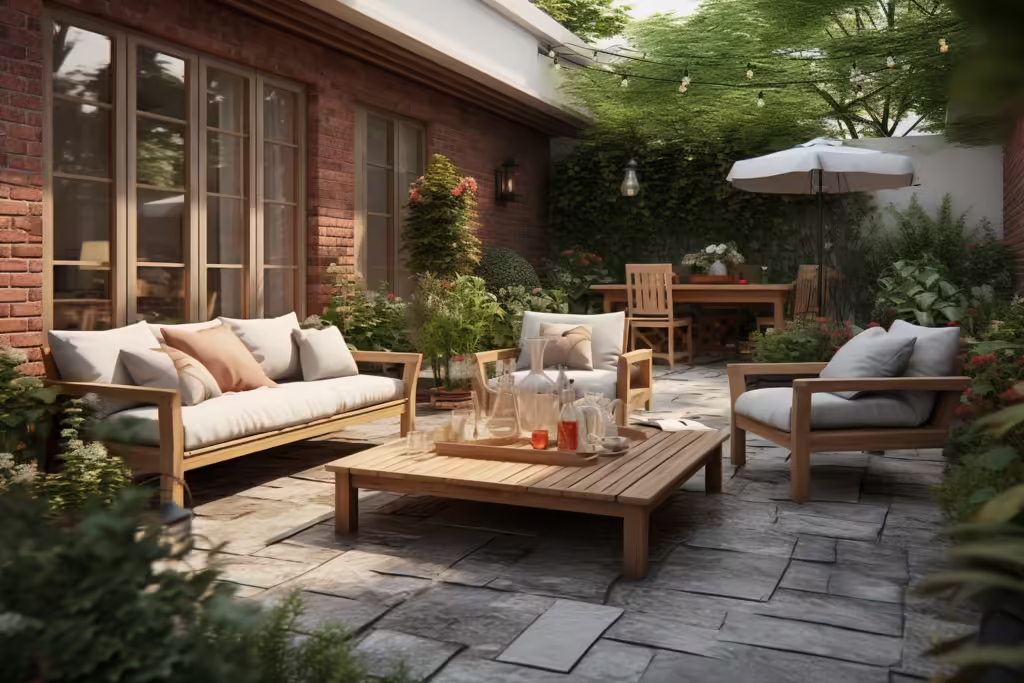
Introducing different types of seating with different styles to bring out the diversity of style. Mix chairs with benches and poufs in different materials and colors to avoid boredom. Include cushions, throws, and outdoor rugs for the feel that will make them warm.
Allowing the use of a combination of chairs and tables is fashionable and at the same time, it allows one to get as many people to sit on the patio as is possible.
14. Herb Garden Oasis
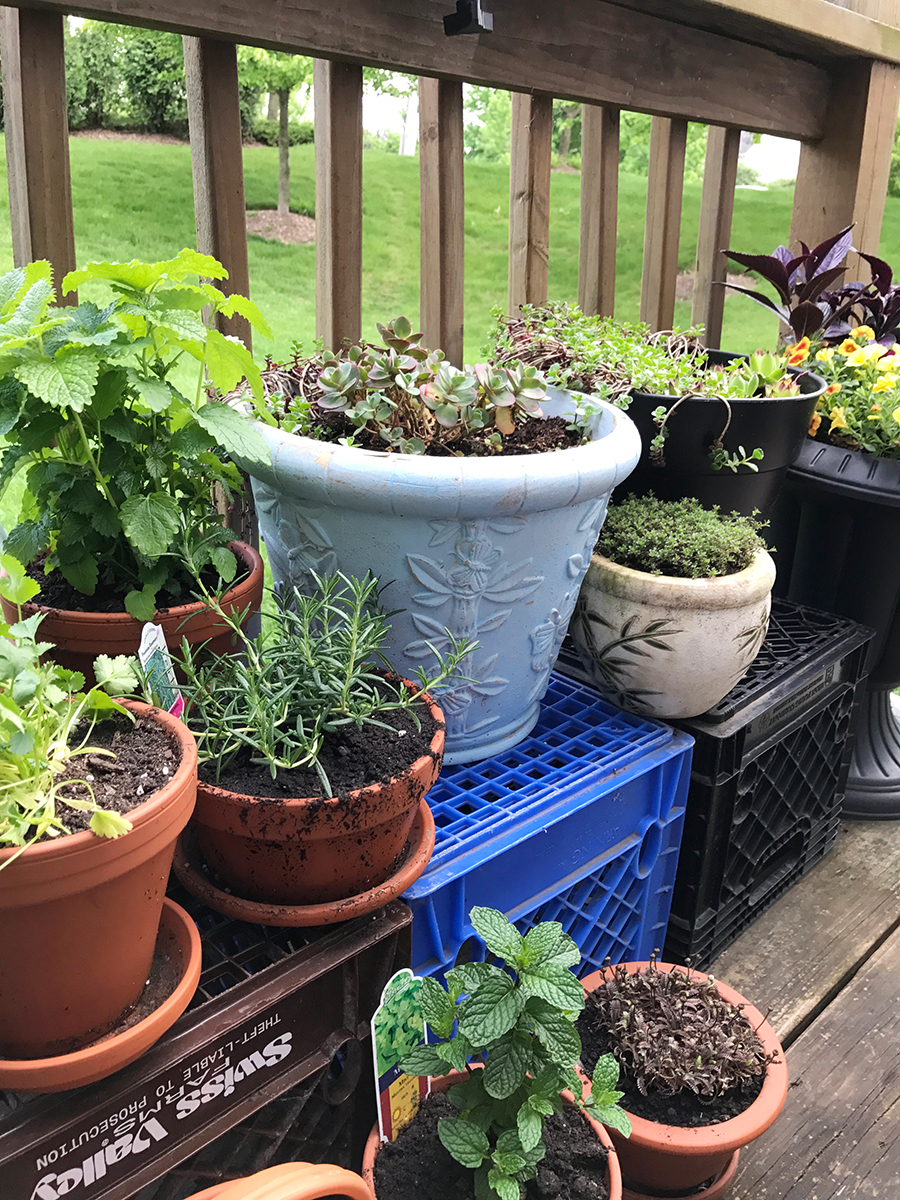
Source: april bern
Grow herbs in pots or raised beds on your patio on a small scale to make a mini herb garden. Sustain vegetables and spices familiar with outdoor weather, such as basil, mint, and rosemary.
Not only do they beautify your outdoors, giving it that fresh herb scent, but they also supply fresh herbs to use in the kitchen. Growing herbs can be very useful and ornamental on the patio space, which is why it is very advantageous.
15. Outdoor Cinema Experience
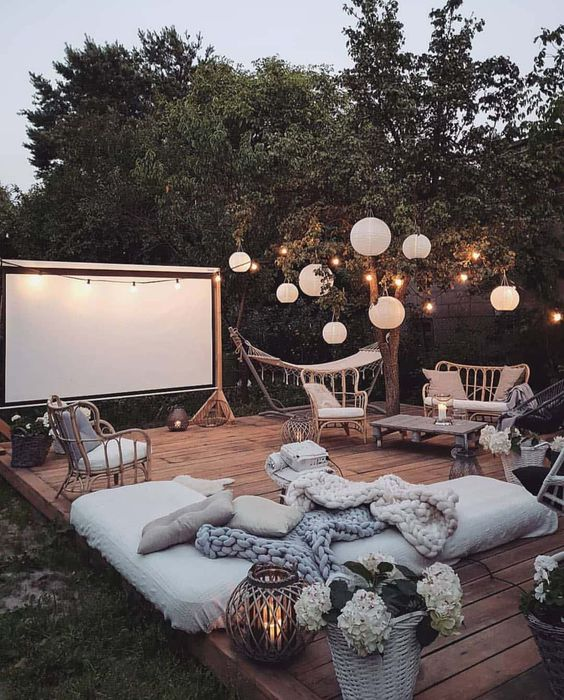
Source: Daily Dream Decor
Turn your patio into an outdoor theater for those movie nights that everyone enjoys. Choose the appropriate area to install a projector and a screen where everybody can see them without discomfort.
Set up comfortable seating outside using sofas, bean bags, or even blankets to cover the grass for comfortable movie-watching. Such an arrangement of the space attracts more fun and entertainment to enjoy in the backyard, especially during family and social events.
Final Thoughts
A practical patio layout is the foundation everything else builds on. Get the planning right, zone the space thoughtfully, and choose features that fit the way you actually live and you will have an outdoor space that earns its place every single day of the year. Start with one idea from this list and build from there.
These practical ideas for patio layouts can be applied to large or small patios with different design options. No matter how large or small the balcony or backyard may be, these designs can be incorporated and will give your patio that added touch to make it usable in all seasons.
FAQs
What is the ideal patio size for a family of four?
A patio of around 12 by 16 feet gives a family of four comfortable room for a dining table, four chairs, and a small seating area. If you want to add a fire pit or a more generous lounge zone, aim for at least 16 by 20 feet. These are comfortable minimums rather than absolutes, and a well-designed smaller space can work beautifully.
How do I layout a patio for both dining and lounging?
Place your dining area closest to the house for easy access from the kitchen and your lounging area further into the garden where it feels more private. Use a change in flooring material, an outdoor rug, or a row of planters between the two zones to provide visual separation. Aim for a clear circulation path of at least 36 inches between the two zones.
What shape of patio works best for most homes?
Rectangular patios are the most practical for furniture layout as they align naturally with house walls and accommodate standard furniture dimensions without awkward angles. L-shaped patios are excellent for larger spaces as the corner creates a natural separation between dining and lounging zones. Circular or organic-shaped patios look beautiful but require more thought with furniture placement to avoid wasted space.
How much space do I need between patio furniture?
Allow at least 36 inches for main walkways through the patio, 24 inches around dining chairs when pulled out from the table, and at least 18 inches between a coffee table and the sofa or chairs surrounding it. These margins feel generous on a plan but are the minimum for genuinely comfortable day-to-day use.
Do I need planning permission to build a patio?
In most US states, a ground-level patio does not require a building permit as long as it stays within your property boundaries and does not involve major drainage alterations. However, rules vary by municipality and HOA restrictions can apply. Always check with your local building department before starting any significant patio construction.
How do I make my patio layout work for both day and night use?
Plan for lighting from the very beginning. A good outdoor lighting scheme with at least three layers, ambient overhead light, task lighting where needed, and low-level accent lighting, transforms the patio from a daytime-only space to one you want to use all evening. Also consider a shade structure for daytime comfort and a heat source like a fire pit or outdoor heater for cool evenings.