Living Room Decor Styles: The Complete Guide to Finding Your Aesthetic
From boho and minimalist to coastal, Japandi, and everything in between, this guide covers every major living room style, how to identify the one that suits you, and how to make it work in your specific home.
KEY POINTS
- The living room style that works best for you is the one that matches how you actually want to feel in the room, not the one that looks best on someone else’s Instagram.
- Most successful living rooms borrow from two or three style influences rather than rigidly following one, and the thread that ties them together is always consistency in colour and material rather than a strict aesthetic label.
- Style is a starting point, not a destination. The rooms that feel most personal are the ones that have evolved beyond their original reference point into something genuinely their own.
Walk into a living room that feels exactly right and you will immediately sense something, even before you have consciously registered a single detail. The proportions feel comfortable. The colours feel like they belong together. The objects on the surfaces look chosen rather than accumulated. The room has a point of view. What you are responding to is aesthetic coherence, the quality that separates a room with a style from a room that is simply furnished.
This guide covers the full spectrum of living room decor styles in detail, explaining what makes each one work, what its defining characteristics are, and how to translate it from an aspirational image into a room you can actually live in.
RELATED: 70+ contemporary design tips for the living room
How to Identify Your Living Room Style
Before working through the specific aesthetics, it is worth spending a moment on how to identify which direction is actually right for you. Most people approach this question by saving images they find appealing, which is a useful starting point but an unreliable finishing point, because what attracts us visually and what we want to live with daily are often different things.
A more useful question is: how do you want to feel when you sit down in your living room at the end of the day? Do you want to feel calm and uncluttered, with clear surfaces and a sense of ordered space? Do you want warmth and richness, with layers of texture and the feeling of a room that has accumulated character over time? Do you want the specific ease of a room that feels connected to nature, or the quiet drama of a room with real colour and weight? Your honest answer to that question will tell you more about your actual style than any number of saved images.
The other useful exercise is to look at the rooms in your home that have always felt right without much effort, and the ones that have always felt like they are almost working but not quite. The gap between those two categories is usually a question of one or two decisions that are slightly off-tone with the rest, and identifying them helps you understand your instincts more clearly than starting from scratch. If you are still building your sense of what you want, starting with the foundational decor ideas that establish warmth before style is the most useful first step. From there, exploring the full range of aesthetic directions available across every style family gives you the breadth of reference needed to narrow your focus with confidence.
Boho and Eclectic Living Rooms
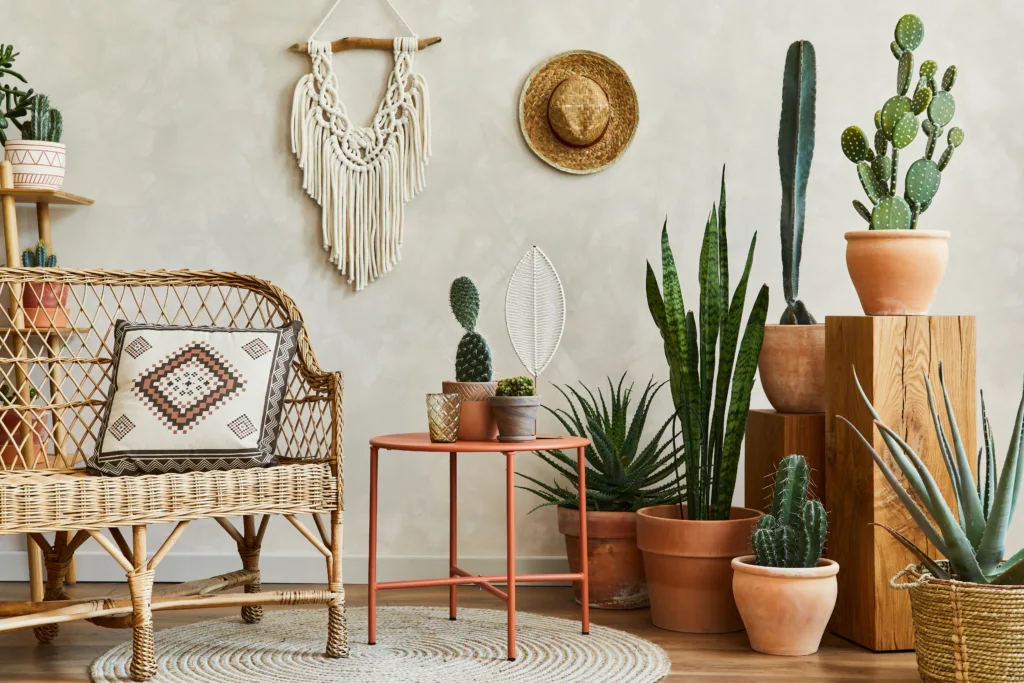
Bohemian style is the most misunderstood living room aesthetic because it looks effortless and therefore easy to replicate, when in fact the rooms that carry it best are built on a surprisingly consistent underlying logic. The richness of a well-executed boho living room, the layered textiles, the collected objects, the abundant plants, the sense that the room has been assembled over time by someone with a genuine and specific taste, comes from having a very stable foundation beneath all of that surface variety.
That foundation is almost always the same: warm neutral walls in plaster, clay, or off-white tones; natural material furniture in rattan, timber, or linen; and a floor covering that introduces the room’s warmest tone, usually a natural fibre rug in jute, sisal, or a Berber-style flatweave. Everything that sits on top of that foundation can be as varied and as bold as you like, because the base is calm enough to absorb it. A laid-back boho room is built on exactly this principle, and the cosy boho version of the aesthetic goes deeper into texture, warmth, and the specific layering that gives the style its enveloping quality.
Wall treatments are one of the most distinctive features of the boho living room. Where other aesthetics favour clean, flat walls, boho interiors use the vertical surfaces actively: a large woven wall hanging, a cluster of framed prints in mismatched frames, a shelf displaying objects with personal meaning. On the furniture side, the eclectic cushion arrangements that mix bold pattern, scale, and texture are one of the most reliably effective boho styling moves available, because they layer personality and warmth simultaneously.
Minimalist Living Rooms
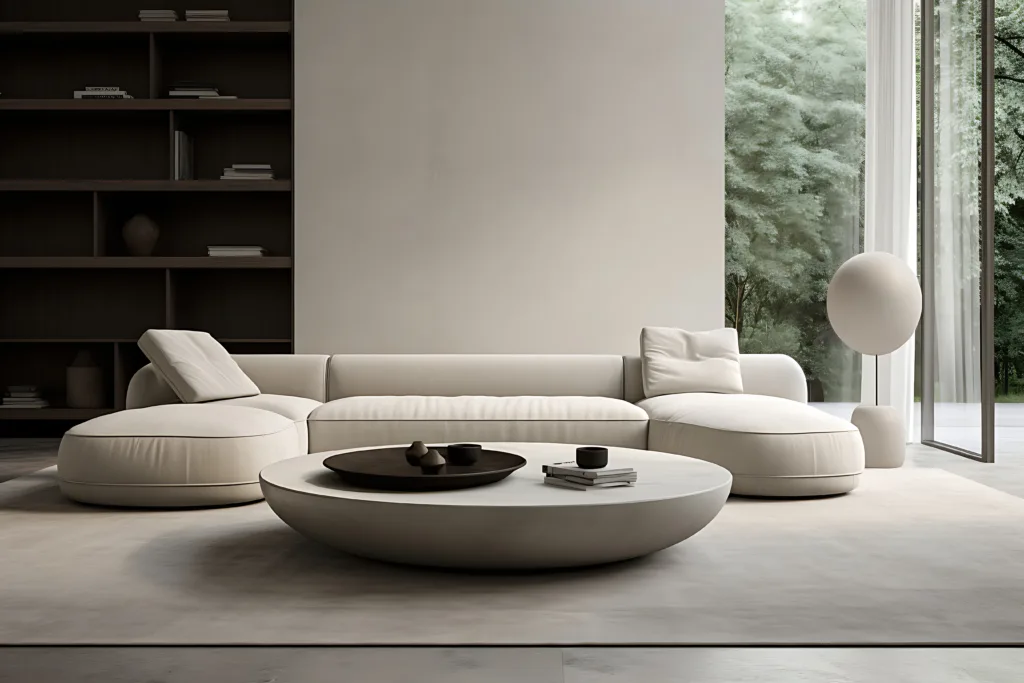
Minimalism is the most frequently attempted and most frequently misunderstood living room style. The misunderstanding is that minimalism means having as little as possible. What it actually means is having nothing that does not earn its place, which is a different and considerably more demanding proposition. A minimalist room with poor quality materials, bad lighting, and an underdeveloped colour palette does not feel minimal. It feels empty. The difference between the two is entirely in the quality and intentionality of what is present.
The full logic of clean and stylish minimalism is built around this distinction, and the range of what that looks like in practice, from warm and Japandi-influenced to cooler and more architecturally rigorous, is wide enough that no two minimalist room designs need look the same. The specific challenge of making minimalism feel inhabited rather than staged is that restraint in objects must be compensated for by richness in materials, and the rooms that get this right, the ones that feel like a genuinely minimal but liveable space, always invest in quality where it counts: the sofa, the rug, the lamp.
For those who want the visual clarity of minimalism without sacrificing comfort, the minimal and cosy combination shows how warmth in texture and light can coexist with restraint in objects. And the zen-influenced minimal room takes the aesthetic toward its most meditative expression, using negative space and natural materials to create a living room that genuinely quiets the mind.
Modern and Contemporary Living Rooms
Modern living room design sits in a wide territory between the hard minimalism of the truly spare and the warm abundance of more layered aesthetics. What defines it is not primarily a number of objects but a sensibility: an appreciation for considered form, a preference for function alongside beauty, and a confidence in choosing things that are genuinely good rather than decoratively safe.
The question of how to make modern choices that stay timeless is one of the most important in contemporary design, because the temptation to follow a trend produces rooms that look dated within a few years. The interior design ideas that have proven staying power across many different room types show what those choices look like in practice. And the modern design moves worth trying that feel genuinely of the moment, rather than merely fashionable, are the ones rooted in material quality rather than stylistic novelty.
You May Also Love


Japandi and Organic Modern
Japandi, the hybrid of Japanese and Scandinavian design sensibilities, has become one of the most influential living room aesthetics in recent years, and its popularity reflects a genuine and widely felt appetite for spaces that feel calm, considered, and connected to natural materials. The Japanese side contributes a love of negative space, material honesty, and the particular stillness of a room where nothing competes for attention. The Scandinavian side contributes warmth, timber, linen, and the understanding that restraint and comfort are not opposites.
The specific decisions, from furniture profile to colour palette to the choice of plants and objects, that produce the characteristic Japandi calm are worth understanding in full before committing to the aesthetic, and the range of Japandi directions available within the broader style family is wider than most people realise. For those drawn to the organic warmth of natural materials but wanting a slightly more relaxed result, the organic modern approach produces the same material language at a lower level of editing, which feels warmer and more lived-in without losing coherence. The zen living room takes the pursuit of calm to its furthest expression, using emptiness as a deliberate design element rather than a default.
RELATED: 16+ organic modern ideas for a relaxed living room
Coastal Living Rooms
Coastal style in a living room is about capturing a specific quality of atmosphere, the light, air, and unhurried ease of a room near the sea, rather than literally decorating with marine objects. The rooms that achieve this most convincingly do so through a restrained palette of whites, soft blues, and sandy neutrals; natural materials in linen, rattan, and weathered timber; and an abundance of natural light managed through lightweight curtains rather than heavy window treatments.
The foundational decisions that establish this atmosphere are what separate a stunning coastal room from a merely seaside-themed one. The lighter, airier end of the spectrum produces a breezy, beach-influenced space that feels genuinely connected to the outdoors without any literal marine references. And the version of the style that goes furthest into ease and escape creates a room that feels like a vacation every day of the year, which is perhaps the most compelling argument for this aesthetic in any home.
Farmhouse, Industrial, and Vintage-Influenced Rooms
The living room styles that lean into honest, imperfect, and historically resonant materials share a quality that polished contemporary design rarely achieves: the sense that the room has existed for a while and improved with time rather than being assembled to a specification.
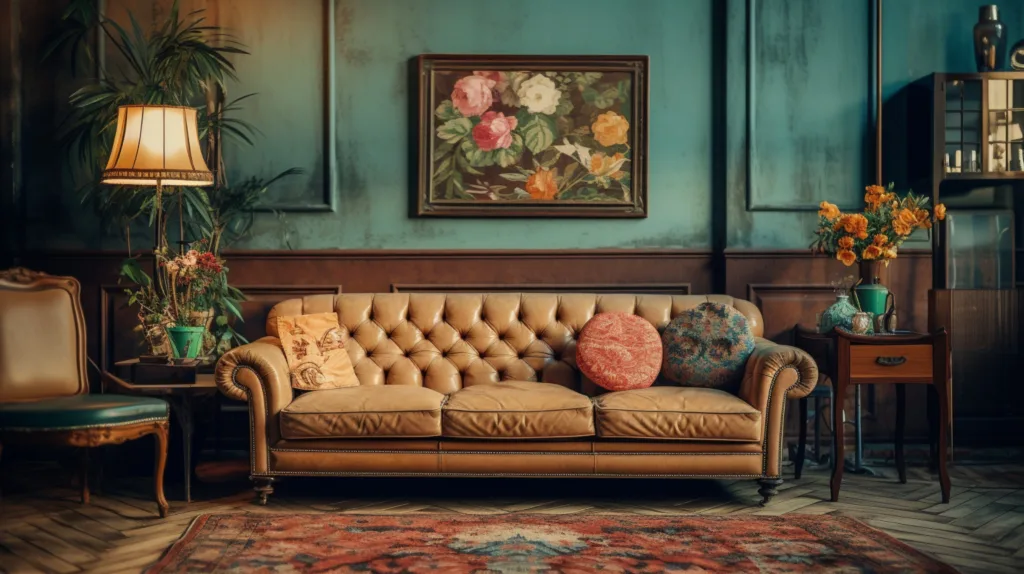
An industrial farmhouse room uses raw materials, exposed wood, and matte iron hardware in a way that feels genuine rather than costumed, and the vintage modern combination mixes older and newer pieces in a way that gives the room the sense of having been accumulated over a life rather than purchased in a single session. The retro 70s palette commits to a very specific historical moment with warm browns, oranges, and mustards and the characteristic furniture profiles of the era, which reads more like a genuine aesthetic point of view than a nostalgic recreation when handled with confidence.
Bold and Distinctive Styles
Some living room aesthetics are defined by their willingness to commit to something most interiors avoid: a dramatic visual element, an unusual colour, a subject matter that would feel too specific in a more cautious room. These are the rooms people remember most clearly after visiting, because they are evidence of a genuine and specific sensibility.
Geometric pattern and form used with confidence produces a visual energy that is immediate and undeniable. The celestial aesthetic applies night sky and celestial motifs to the interior in a way that is more sophisticated and more liveable than the concept might initially suggest. The witchy decor direction draws on botanicals, dark moody tones, and candlelight to create a room that feels charged with intention in a way few other aesthetics manage. And for those who simply want a room that does not look like everyone else’s, the unique living room ideas that produce genuine personality require no unusual budget or specialist knowledge, only a willingness to make decisive choices.
Don't miss: 21+ Stunning Boho Living Room Ideas for a Cozy Vibe →
Plants and Greenery as Style Elements
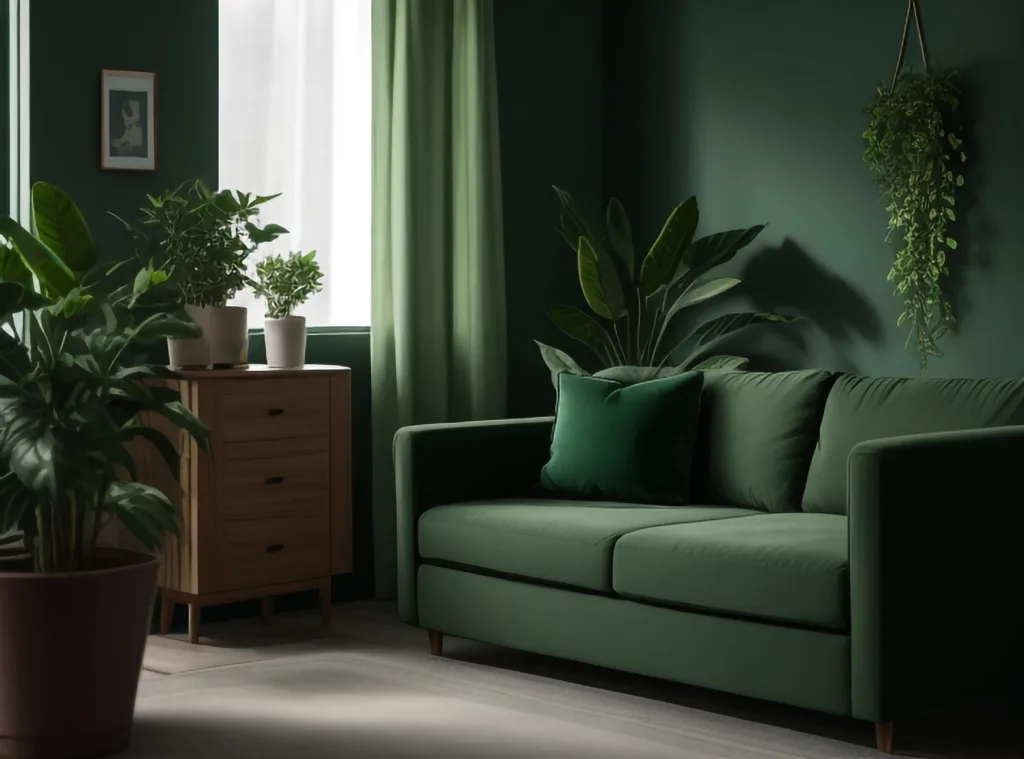
Whatever style direction a living room takes, plants play a role in how alive and how considered it feels. Different styles use them differently: a boho room might have ten plants in mismatched pots at varying heights, while a minimalist room has one architectural specimen in a considered position. But in both cases, living things change the room’s atmosphere in a way no decorative object can replicate.
The full range of plant decor approaches for the living room covers everything from the single statement plant to the abundantly planted space. For rooms with a corner that has always felt slightly empty, a dedicated plant corner that layers plants at different heights is one of the most affordable and most immediately transformative changes available.
Rugs and How They Define a Style
The rug is the element of a living room that most directly expresses its style in material and pattern form. It covers the largest single surface in the room and sets a visual tone that every piece of furniture sits in response to.
The fundamental decisions of size, pile height, and material are covered in the living room rug guide, and how the same room feels completely different depending on the rug choice is demonstrated across the full range of rug styles. For rooms that need more pattern and energy, a bold patterned rug can anchor the whole space and provide visual interest that the furniture and walls alone do not. For the natural material aesthetic that suits boho, organic modern, and coastal rooms, a jute rug has become one of the most consistent features of contemporary interior design precisely because it sits comfortably within all three aesthetics simultaneously.
Gallery Walls and Art as Style Expressions
The way a living room handles its walls is one of the most direct expressions of its aesthetic personality. A carefully considered gallery wall communicates something specific about the person who assembled it, while a single large piece of art says something equally specific through scale and confidence alone.
A curated gallery wall is one of the most personal and most affordable wall treatments available, and there are approaches for both the tightly edited composition and the generously eclectic one. For rooms where a single piece of wall art does all the talking, the decisions about scale and placement matter far more than the art itself.
Keep Exploring


Colour Palettes as Style Anchors
Colour is the most powerful single tool available for establishing a living room’s aesthetic identity, and the specific palette you choose communicates tone before any individual object is noticed.
The warmest and most enduring approach in contemporary living room design is the neutral earth tone palette rooted in soil, stone, and dried grasses, which creates rooms of extraordinary calm and richness without any theatrical commitment. The pastel accent approach takes a very different direction, using softened, high-key colour to introduce energy and personality without the heaviness of fully saturated tones.
For rooms with a more glamorous edge, jewel-toned accents in sapphire, emerald, ruby, and amber introduced through upholstery, cushions, and accessories create genuine depth and drama. Black and gold accents go furthest into Neo Deco territory, where high contrast and metallic warmth produce a room with unmistakable presence.
Among the most consistently successful specific combinations, cream and walnut is one of the most timeless pairings available because the warmth of the wood and the softness of the pale base satisfy something fundamental about material comfort. Cream and black achieves a similar timelessness through contrast rather than warmth. And a grey and brass combination rescues the contemporary grey palette from coldness through the warmth of the metal, producing rooms that feel both current and genuinely inviting.
Finding Your Own Version
The most useful thing this guide can do is not tell you which style is right for you, but give you enough clarity about what each style actually is and why it works to make your own choice with confidence. The living rooms that feel most genuinely personal are almost never the ones that followed a style guide most faithfully. They are the ones where someone understood the logic behind two or three aesthetics they were drawn to and then made choices that served their own specific space, their own light, their own furniture, their own life. The practical design principles that translate aesthetic intention into a room that actually works are where all of this becomes actionable.
Frequently Asked Questions
How do I find my living room style?
Start with how you want the room to feel, not how you want it to look. Then gather images that produce that feeling and look for the patterns in what they share: the palette, the material textures, the density of objects, the quality of light. Those patterns are your instincts expressed visually, and they are a more reliable guide to your actual style than any label.
Can I mix living room styles?
Almost all the rooms that feel most personally resonant mix two or three influences rather than adhering strictly to one. The key is that the mixing has a logic: either the colours share a common thread, or the materials belong to the same family, or the aesthetic register is consistent even if the specific references are different. Random mixing produces incoherence. Considered mixing produces something that feels genuinely personal.
Which living room style is most timeless?
The styles that age best are the ones rooted in natural materials and warm neutrals rather than in trend-specific colours or novelty forms. Japandi, organic modern, and the warm neutral palettes of cream, walnut, and natural stone have all shown remarkable longevity precisely because they are based on material qualities that feel good to be around regardless of what is fashionable at any given moment.
How do I make my living room feel more styled without redecorating?
Edit first. Remove anything that does not belong to a consistent palette or material family. Then look at the surfaces and clear them down to only the things that are genuinely beautiful or genuinely useful. Add one plant in a pot that suits the room. These three changes, which cost almost nothing, produce a room that reads as more considered than one where money has been spent without that underlying clarity.
What is the difference between minimalist and modern living room style?
Minimalism is a philosophy about the number and intentionality of objects: it advocates for removing everything that does not serve the space. Modern design is a sensibility about form, quality, and the relationship between function and beauty. A minimalist room is always edited. A modern room is always considered. They frequently overlap but are not the same thing.
Explore all living room guides in our Living Room section.