15+ Japandi Deck Designs That Balance Simplicity and Warmth
Japandi is the design language that happens when Japanese minimalism meets Scandinavian warmth and the result is something more beautiful than either tradition alone.
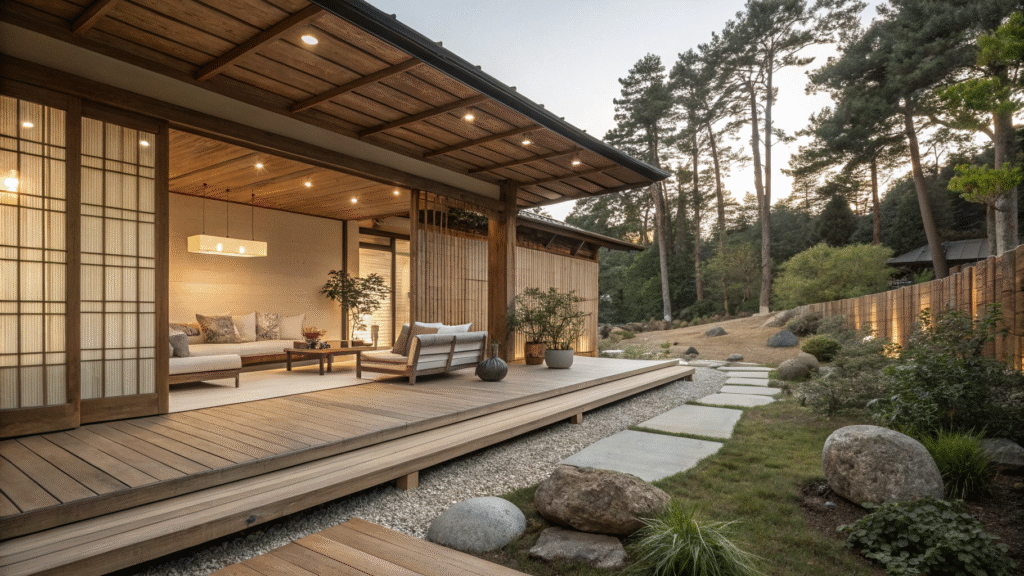
On a deck, it creates an outdoor space that feels simultaneously serene and deeply comfortable, spare and richly textured, utterly simple and completely considered.
These ideas will show you exactly how to bring that quality to your own outdoor space.
What Japandi Actually Means and Why It Works So Well Outdoors
Japandi is not a trend. It is the convergence of two of the most deeply considered and most philosophically developed design traditions in the world, Japanese wabi-sabi and Scandinavian hygge, and the outdoor space is where their shared values become most visible and most powerful.
Love Chic Living Club?
Add us as one of your preferred Google sources and discover more home decor, DIY, outdoor, and lifestyle inspiration from us.
The Shared Values of Two Design Traditions
Japanese design and Scandinavian design developed independently on opposite sides of the world but arrived at many of the same conclusions. Both traditions value simplicity over complexity. Both prize natural materials used honestly. Both emphasise function as a prerequisite of beauty rather than an alternative to it. Both find aesthetic value in imperfection, in the mark of time on materials, in the way things age and change. And both ultimately design for the quality of human experience within a space rather than for the visual impact of the space on observers.
These shared values are the foundation of Japandi and they are also why Japandi works so naturally in outdoor settings where natural materials, organic forms, and the passage of time and seasons are unavoidable and central to the experience of being in the space.
Wabi-Sabi and the Beauty of Imperfection
The Japanese concept of wabi-sabi, the beauty found in imperfection, impermanence, and incompleteness, is one of the most important philosophical contributions to the Japandi aesthetic. On a deck, wabi-sabi manifests in the weathered grain of timber boards, the moss that settles into stone, the asymmetric form of a naturally shaped rock, the way a plant leans slightly in the direction of the light. These are not flaws to be corrected. They are evidence of the deck’s relationship with time and nature and they are what give a Japandi outdoor space its authenticity and its depth.
Hygge and the Experience of Comfort
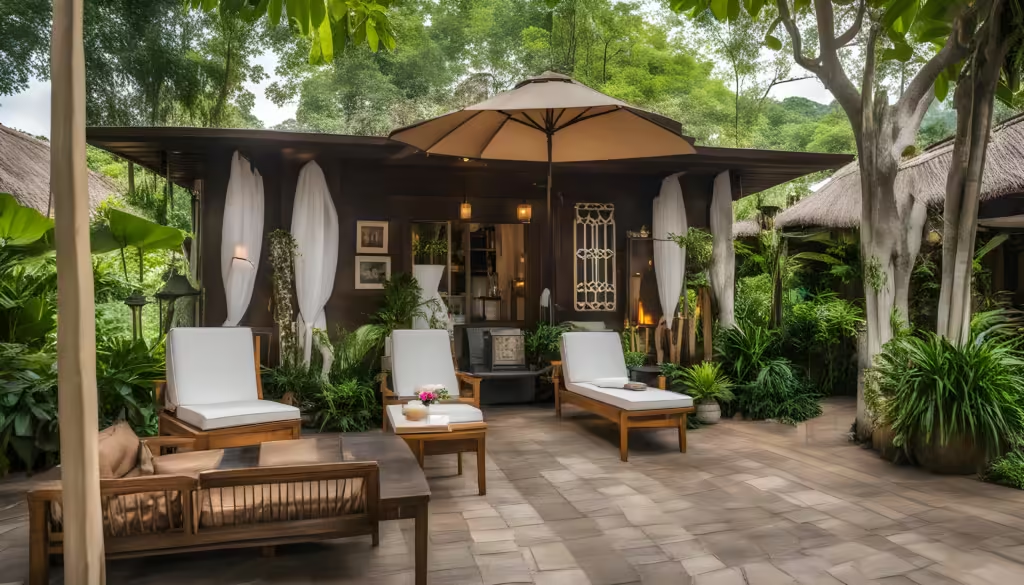
The Scandinavian contribution to Japandi is hygge, the warm, cozy quality of a space that makes you feel completely at ease and completely present. In a Japandi outdoor space, hygge prevents the Japanese minimalism from feeling cold or ascetic. It is expressed through layered textiles, warm lighting especially from candles, the right scale of enclosure, and the provision of genuine physical comfort within a simple, restrained visual framework. A Japandi deck is not a space to admire from a distance. It is a space to sink into and stay in.
Why Outdoors Is the Natural Home of Japandi
Both the Japanese and Scandinavian design traditions have a profound relationship with the natural world and outdoor living. The Japanese garden tradition, with its deep attention to rock, water, plant, and the framing of natural views, directly informs the Japandi approach to outdoor space. The Scandinavian tradition of friluftsliv, the cultural value placed on outdoor life in all seasons, provides the hygge warmth that makes Japandi outdoor spaces genuinely liveable rather than merely beautiful to look at. The deck is where these two traditions meet most naturally and most powerfully.
The Core Design Principles of a Japandi Deck
Applying Japandi to an outdoor deck requires understanding a set of principles that go deeper than material selection and color palette.
Purposeful Emptiness
In Japandi design, empty space is not a failure to fill. It is an active design element. The cleared surface of a deck board, the gap between two plants, the single empty chair in a corner, all of these communicate intention and create the breathing room that allows each present element to be properly experienced. A Japandi deck should have noticeably more empty space than a conventionally decorated outdoor space and that emptiness should feel deliberate rather than incomplete.
You May Also Love
One Material Family
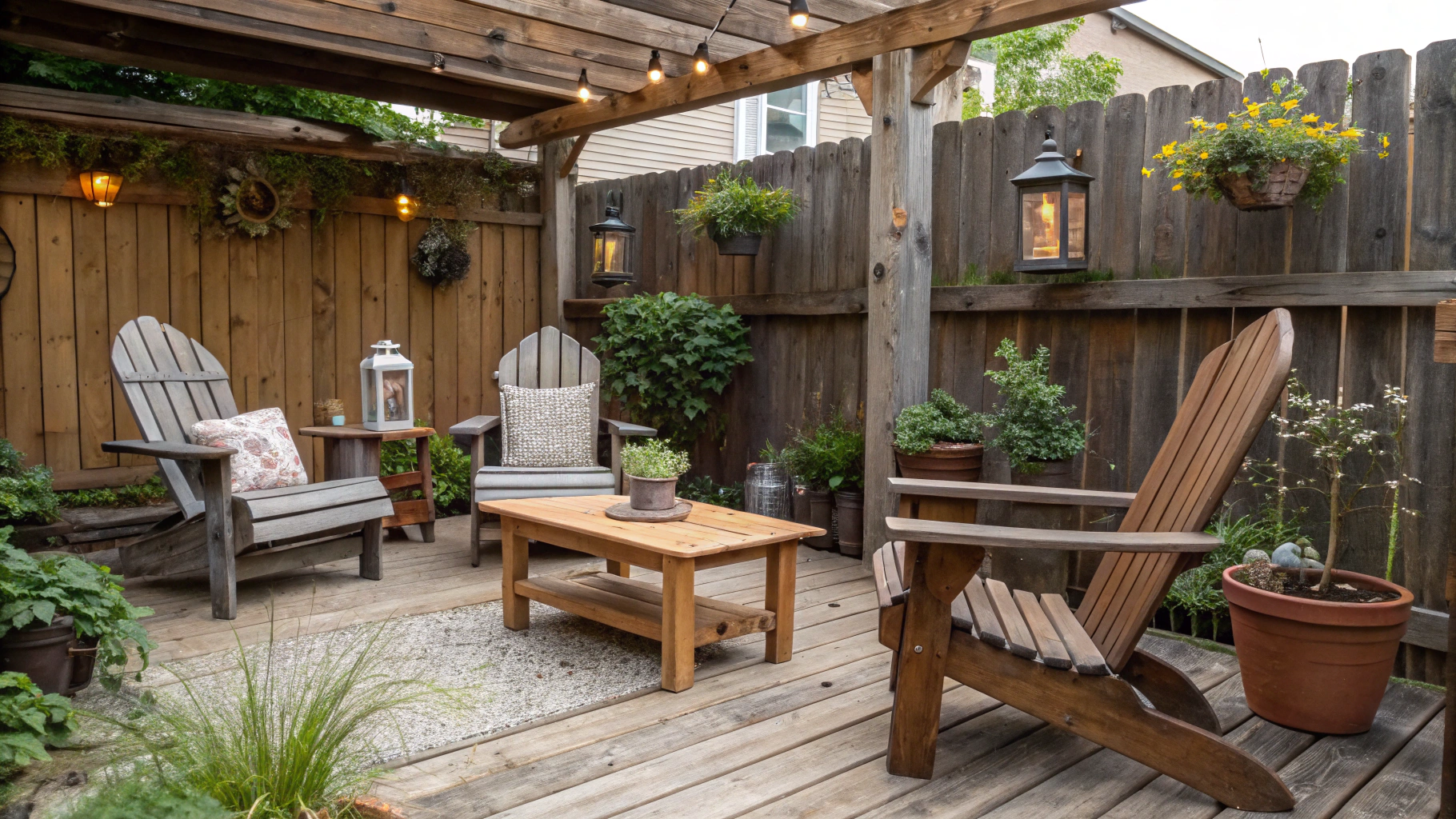
A Japandi deck works within one primary material family, typically timber and stone or timber and textile, with all other materials playing supporting roles. The discipline of working within a single material family creates visual unity and prevents the eclectic quality that accumulates when too many different materials are used together. Every material in the space should be able to answer the question of why it is there and what it is doing.
Honest Craft Over Decoration
Japandi design values the quality of making over the addition of decoration. A beautifully jointed timber bench with no surface decoration is more Japandi than the same bench with ornamental carving. A hand-thrown ceramic pot with visible throwing marks is more Japandi than a perfectly uniform manufactured one. A stone that has been placed carefully to display its natural form is more Japandi than a stone that has been shaped or inscribed. Craft honesty, making things well and letting the quality of making be visible, is the Japandi approach to decoration.
Asymmetric Balance
Japanese design has a sophisticated tradition of asymmetric composition that Japandi brings to the outdoor space. A Japandi deck is balanced but not symmetrical. Three plants at different heights on one side of the deck balanced by a single statement rock on the other. A cluster of low furniture in one corner balanced by an expanse of open deck in the opposite. This asymmetric balance feels more natural, more dynamic, and more genuinely considered than the bilateral symmetry that conventional outdoor design often defaults to.
The Framed View
The Japanese tradition of shakkei, or borrowed scenery, uses the natural landscape beyond the garden boundary as an extension of the designed space. On a deck, this means thinking carefully about what the deck frames and reveals rather than only what it contains. A railing that creates a window to the garden beyond. A planting arrangement that frames a view of the sky. A gap between two structures that reveals a beautiful tree. These framed views extend the Japandi deck into the surrounding landscape and make the space feel significantly larger and more connected to nature than its physical dimensions suggest.
Don't miss: 15+ Patio Refresh Ideas to Try This Season →
Building a Japandi Deck Palette
The color and material palette of a Japandi deck is one of its most distinctive and most immediately recognizable characteristics.
The Japandi Neutrals
The Japandi palette draws on natural tones from both Japanese and Scandinavian landscapes. Warm blonde timber and pale ash from the Scandinavian forest tradition. Cool grey stone, warm sand, and the dark charcoal of volcanic rock from the Japanese aesthetic. The muted khaki and grey-green of lichen and dried grass. The warm cream of unbleached linen. These tones share an organic, unmanufactured quality that manufactured paint colors rarely replicate convincingly.
The Role of Black
Deep black is a more prominent accent tone in Japandi than in purely Scandinavian design, reflecting the Japanese aesthetic’s appreciation for the contrast between deep shadow and natural light. A black-framed furniture piece, a dark iron planter, a charcoal-stained timber structural element. Black in a Japandi outdoor space does not feel heavy or oppressive because it is always used sparingly against a predominantly pale and warm natural material backdrop and it provides the depth and visual anchor that the palette needs.
Green as the Bridge
The living green of plants is the element that most powerfully bridges the Japanese and Scandinavian components of the Japandi palette. It is natural, organic, seasonally changing, and completely consistent with both design traditions. The green in a Japandi scheme should be muted and structural rather than bright and floral. Mosses, ferns, ornamental grasses, bamboo, clipped evergreens, and dark-leafed shrubs all provide the right quality of green for a Japandi outdoor palette.
Keep Exploring
Japandi Deck Planting Guide
Planting is where the Japanese tradition most directly and most powerfully shapes the Japandi deck, bringing a level of intentionality and philosophical consideration to the placement and selection of plants that Western garden traditions rarely match.
Select for Form Over Flower
Japanese garden design prioritises the form of a plant, its silhouette, its texture, its seasonal transformation, over its flowers. A beautifully shaped moss-covered stone is more valuable in a Japanese garden than a bed of colorful annuals. Applied to a Japandi deck, this means choosing plants for their year-round structural presence rather than for their seasonal flowering display. An architecturally shaped pine, a perfectly formed clump of black mondo grass, a carefully placed fern, a gnarled bonsai in a simple pot.
Plant With Asymmetry and Spacing
Each plant on a Japandi deck should have enough space to be seen clearly and experienced as an individual. Plants crowded together in the Japanese tradition compete and lose their individual presence. Give each plant room to breathe, to cast its shadow, to be experienced from different angles. Asymmetric groupings of three, where one plant is taller, one medium, and one low, is the classic Japanese planting composition and it translates directly to deck container planting.
Embrace Seasonal Change
Japanese aesthetics have a profound appreciation for the changing of seasons and the different beauty each one offers. A Japandi deck should not look the same in every season. Allow the ornamental grass to go brown and feathery in winter. Let the moss get brilliantly green in wet weather. Appreciate the bare structure of a deciduous plant in winter as much as its leaf canopy in summer. Seasonal change is not deterioration in the Japandi framework. It is one of the greatest beauties of the natural world.
1. Neutral Color Base

Start with a neutral foundation using soft beige, gray, or warm white tones.
Pro Tip: Keep colors consistent across furniture and decor for a clean, cohesive look.
2. Natural Wood Decking

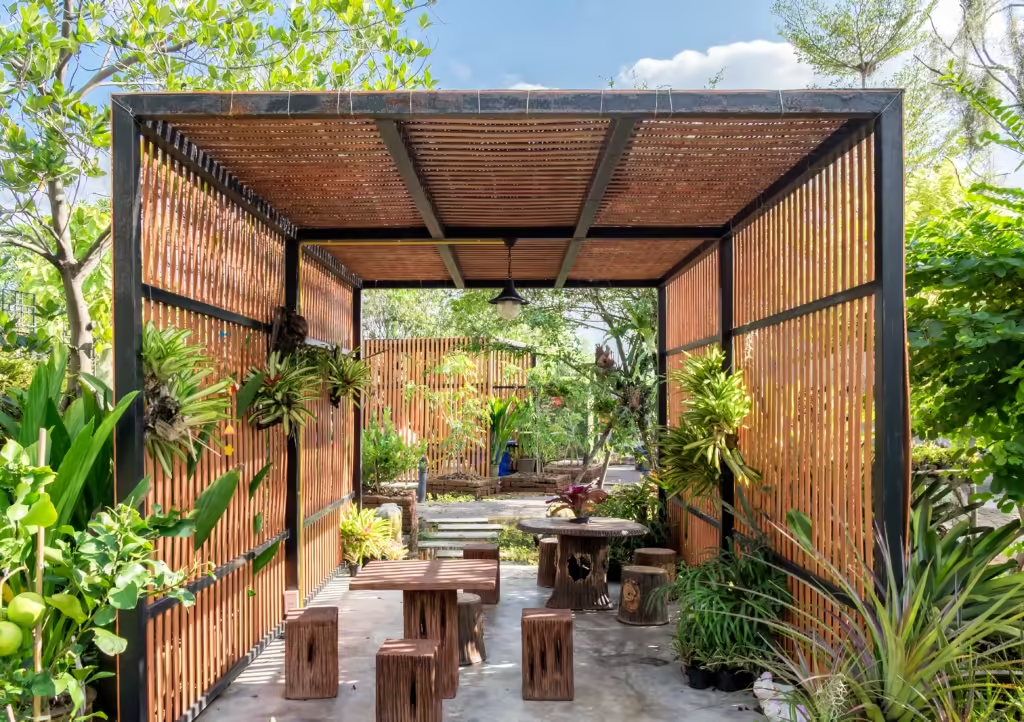
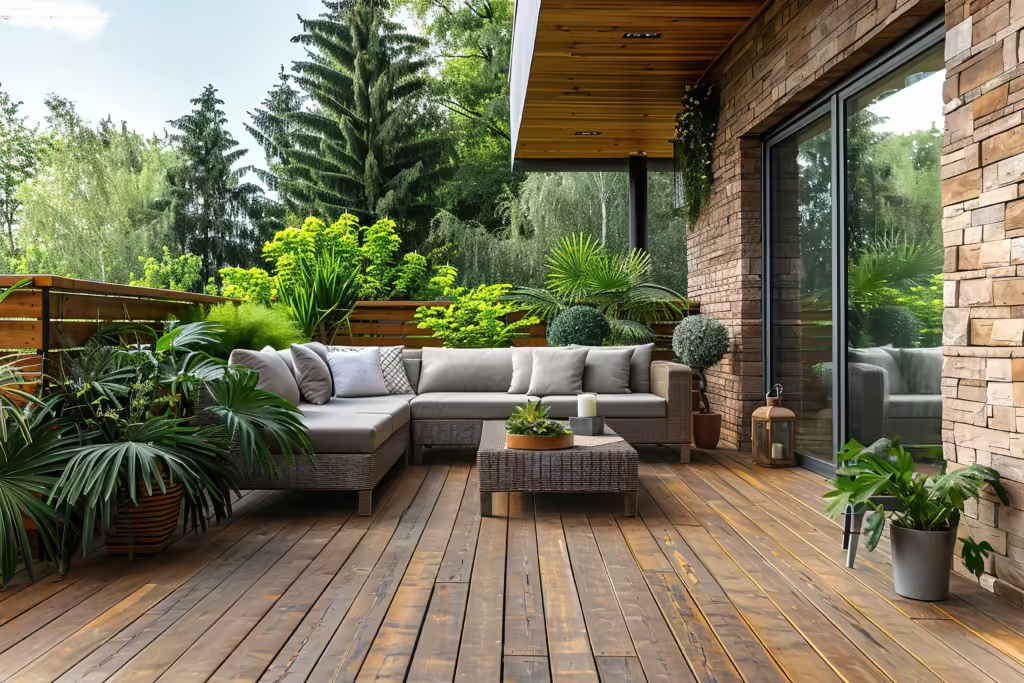
Wood is key to Japandi design, offering warmth and simplicity.
Pro Tip: Use light-toned wood like ash or bamboo for an authentic, earthy finish.
3. Low Furniture Layout

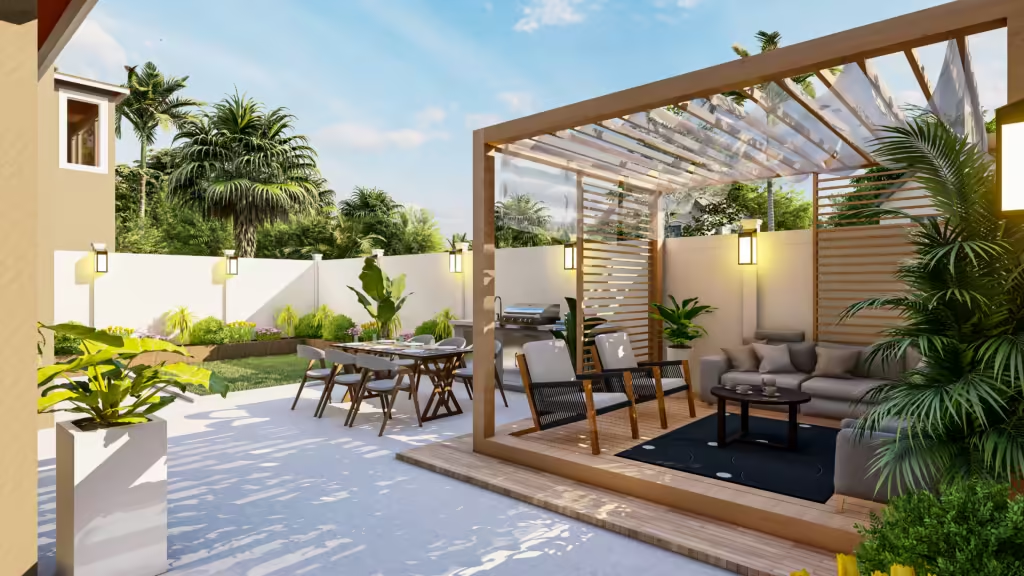
Low seating connects the space to nature and enhances a calm, grounded feel.
Pro Tip: Add soft cushions in neutral fabrics for comfort without clutter.
4. Minimal Decor Elements
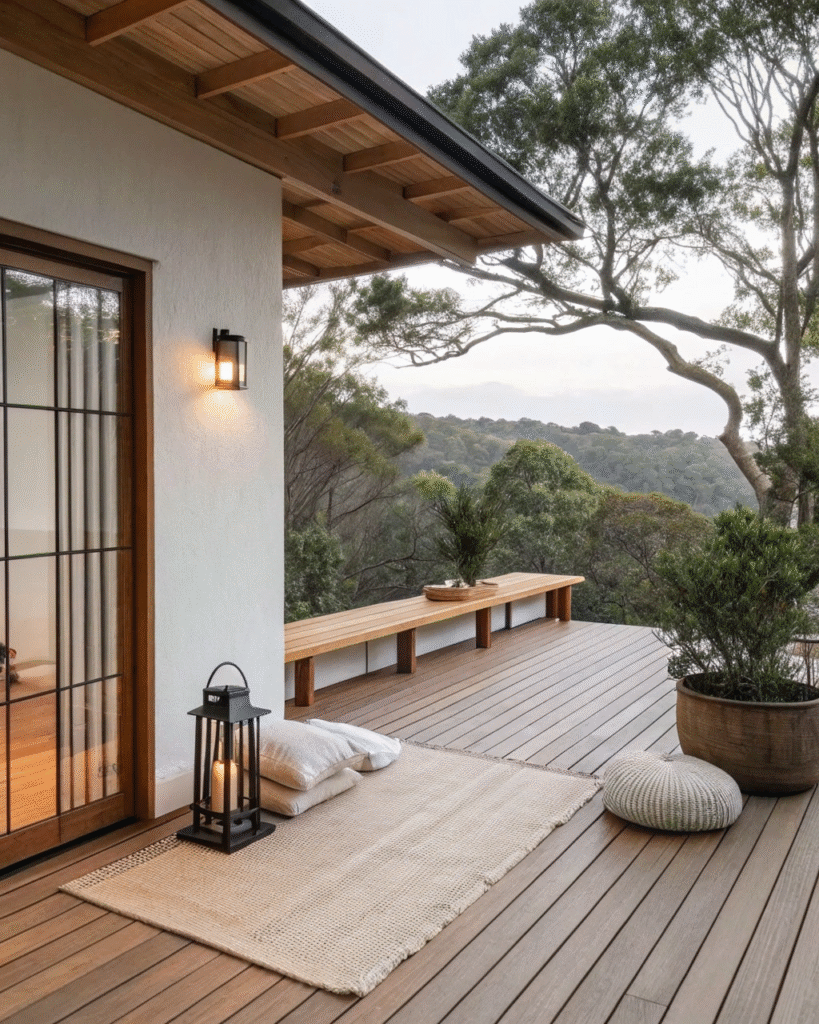
Decorate with intention by choosing a few meaningful, high-quality pieces.
Pro Tip: A single ceramic vase or lantern can be more impactful than multiple items.
5. Soft Lighting
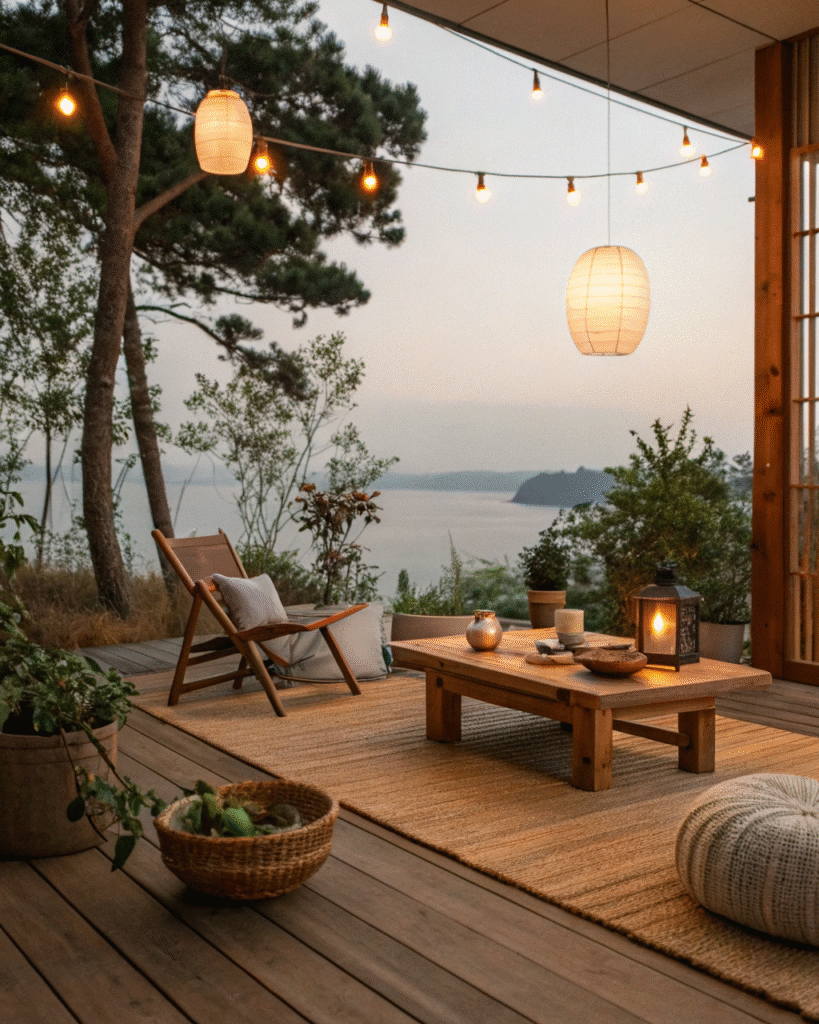
Use warm, diffused light to create a cozy evening atmosphere.
Pro Tip: Choose simple paper or rattan lanterns for a natural, ambient glow.
6. Balanced Plant Styling

Greenery brings life to Japandi spaces but should remain minimal.
Pro Tip: Choose structured plants like bamboo, bonsai, or ferns for visual harmony.
7. Textured Natural Fabrics

Incorporate cushions, rugs, or throws in linen, cotton, or wool textures.
Pro Tip: Stick to muted, earthy tones to maintain a soothing aesthetic.
8. Organic Shapes
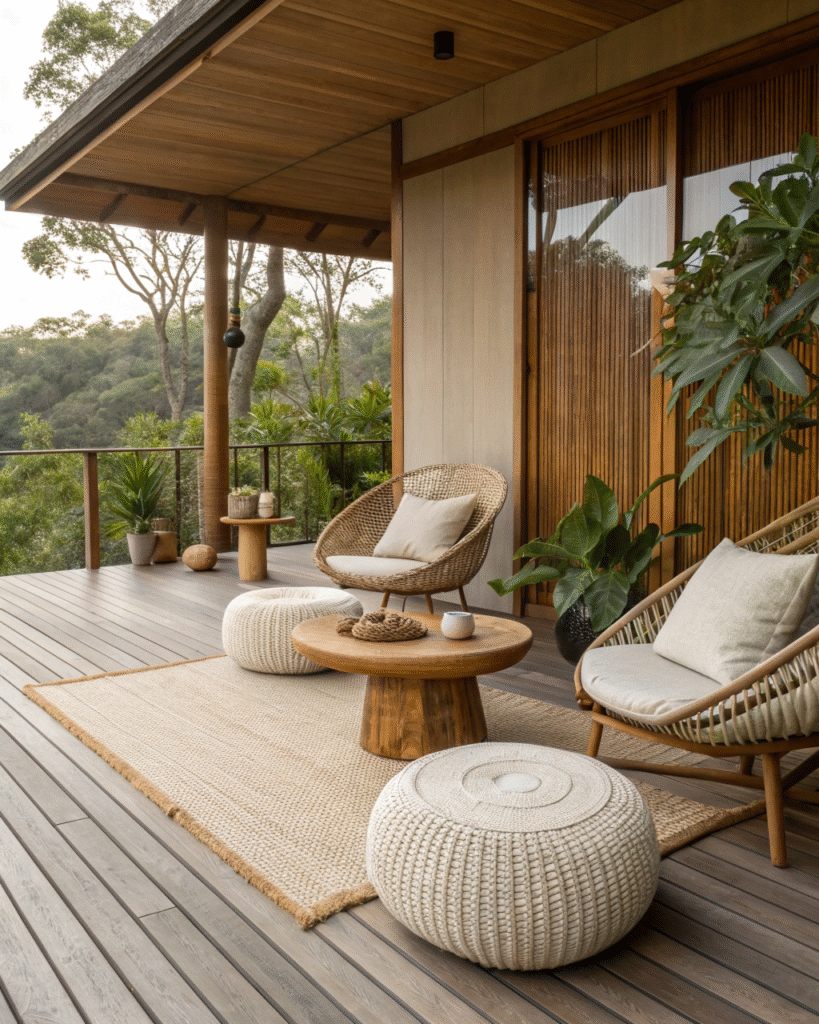
Use decor with rounded edges to soften the clean lines of minimalist furniture.
Pro Tip: A curved table or soft-edged planter adds balance and visual comfort.
9. Stone Accents

Natural stone adds texture and grounding to wooden decks.
Pro Tip: Incorporate stone planters or a small fountain for a calm, meditative effect.
10. Subtle Layering
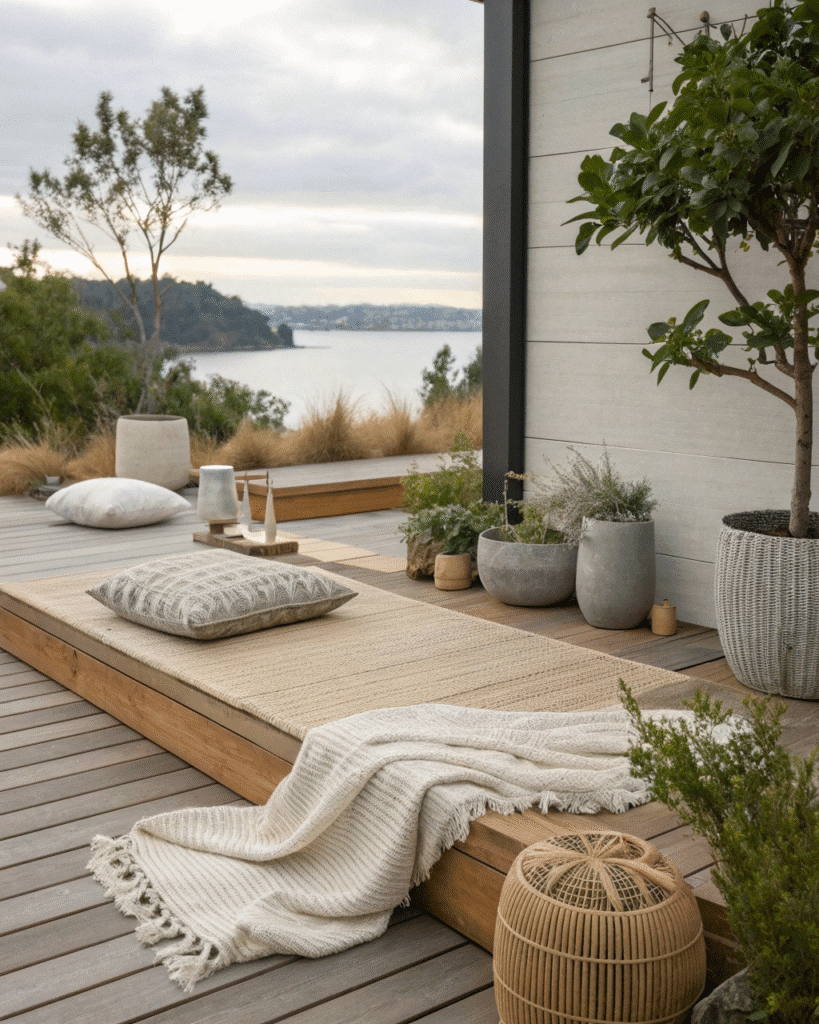
Layer elements like textiles and planters thoughtfully to add depth.
Pro Tip: Keep layering light to maintain the airy, uncluttered Japandi aesthetic.
11. Open Space Flow

Allow plenty of negative space to keep the design light and spacious.
Pro Tip: Avoid overfilling with furniture — simplicity is the essence of Japandi.
12. Mixed Material Contrast

Blend materials like wood, ceramic, and metal for balance and texture.
Pro Tip: Stick to a muted palette so the mix feels cohesive, not busy.
13. Built-In Seating
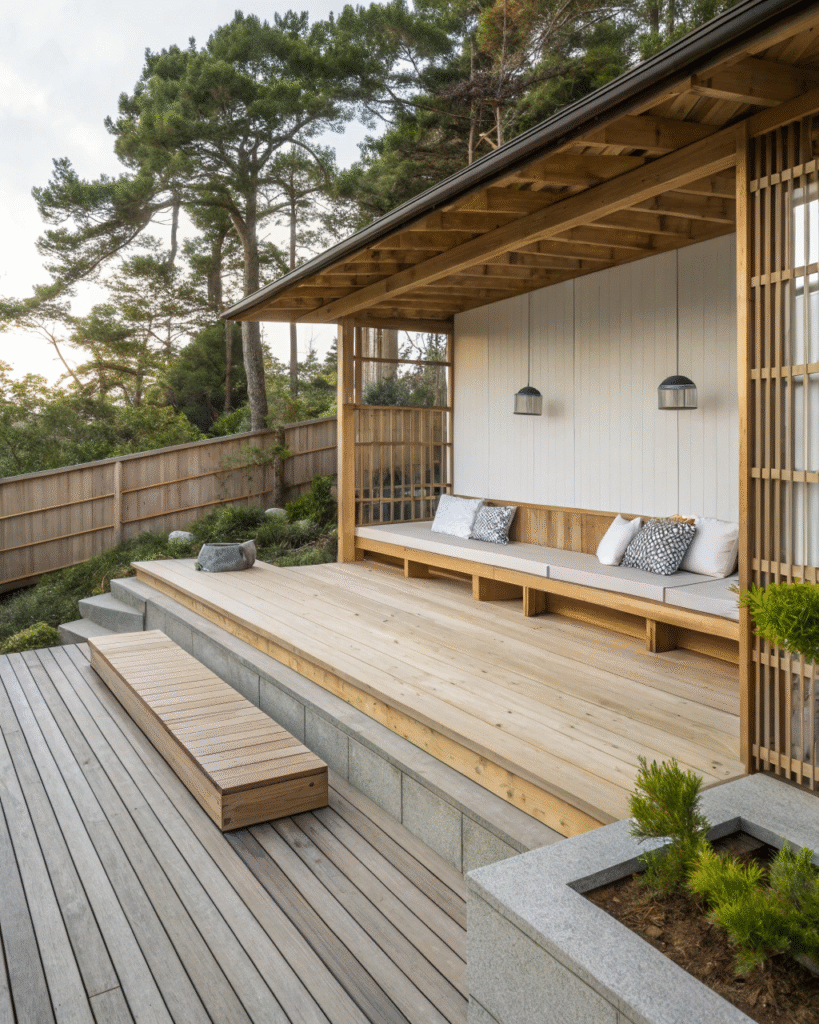
Built-in benches with clean lines fit perfectly into Japandi-style decks.
Pro Tip: Use the same wood finish as your deck to create a seamless look.
14. Zen-Inspired Decor

Add calm, nature-inspired pieces like a stone bowl, bonsai, or pebble arrangement.
Pro Tip: Keep decor low-profile and minimal to preserve the serene vibe.
15. Warm Textural Lighting
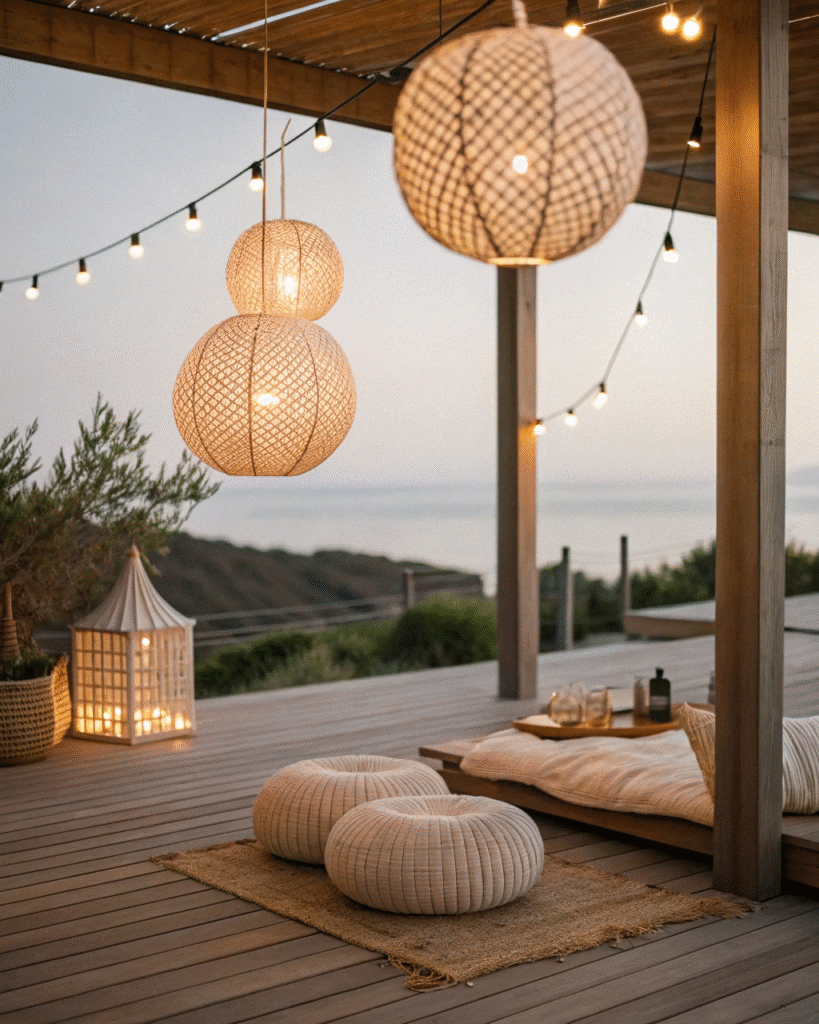
Use woven pendant lights or paper lanterns to create cozy, soft illumination.
Pro Tip: Layer lighting at different heights for a balanced and peaceful glow.
Final Thoughts
A Japandi deck is not something you design once and photograph. It is something you live in differently every day, in different light, in different seasons, at different times of morning and evening. It improves with time as the materials weather and develop character. It reveals new qualities in different conditions, the way the morning light catches the timber grain, the way rain makes the stone glow, the way candlelight in the evening turns the simplest arrangement of natural objects into something quietly extraordinary. Design it with patience, build it with restraint, and maintain it with the discipline to keep it clear. The result will be a deck that becomes one of the most genuinely restorative places in your life.
Frequently Asked Questions
What is the difference between Japandi and minimalist deck design?
Japandi and minimalism share a commitment to restraint and simplicity but differ significantly in their emotional quality and their relationship to natural materials. Pure minimalism can be cold, abstract, and focused on the reduction of elements to their most essential geometric forms. Japandi is warm, tactile, and deeply rooted in natural materials and the sensory experience of organic textures. A minimalist deck might use polished concrete and steel throughout. A Japandi deck uses timber, stone, and natural textiles and allows them to weather and develop character over time. The difference is the warmth and the humanity at the heart of Japandi that pure minimalism does not require.
What plants work best in a Japandi deck design?
Plants with strong architectural form and year-round presence suit Japandi design best. Bamboo for height and movement. Black mondo grass or dark-leafed ornamental grasses for dramatic low planting. Moss for the surfaces between other plants and around stone features. Ferns in shaded positions. Clipped box or other evergreens for geometric structure. Japanese maple for seasonal transformation and extraordinary foliage color in autumn. Bonsai in simple ceramic pots as the most directly Japanese planting expression. Avoid brightly flowering annuals and anything with a fussy or busy visual texture.
How do I incorporate Japanese design elements without appropriating Japanese culture?
The most respectful approach is to work with the underlying principles and philosophical values of Japanese design, the appreciation for natural materials, asymmetric balance, seasonal change, craftsmanship, and purposeful simplicity, rather than reproducing specific cultural objects or symbolic elements out of their original context. A deck designed around these principles is inspired by Japanese design thinking. Using specific religious or ceremonially significant objects from Japanese culture as decorative elements is a different and more complex matter that deserves more careful consideration.
Can Japandi work in a warm or tropical climate?
Yes, with appropriate material choices. The principles of Japandi, simplicity, natural materials, asymmetric balance, and warmth within restraint, are climate-independent. In a warm or tropical climate, the material palette shifts toward tropical hardwoods, volcanic stone, and shade-providing plant species, but the design principles remain consistent. The warm season equivalents of Scandinavian hygge, the pleasure of shade, the cool of a water feature, the fragrance of evening jasmine, are equally powerful expressions of the same design intention.
What is the biggest mistake people make when trying to create a Japandi deck?
The most common mistake is reducing Japandi to an aesthetic style, pale timber, dark accents, a few plants, some linen cushions, without understanding the underlying values that give the aesthetic its meaning and its quality. A Japandi deck that looks Japandi but is not designed around the principles of purposeful simplicity, honest materials, and the quality of experience, feels empty and derivative rather than calm and considered. The most important Japandi principle is not visual. It is the question of whether every element in the space genuinely earns its place and whether the space as a whole makes you feel genuinely better for being in it.