13+ Scandinavian Deck Inspirations for Calm Outdoor Mornings
There is a particular quality to a Scandinavian-inspired outdoor space that no other design approach quite replicates. It is calm without being cold. Simple without being empty. Functional without being austere.
And in the morning, with the light low and a coffee in hand, it is one of the most genuinely restorative places you can be.
These ideas will help you create a deck that embodies that quality entirely.
What Scandinavian Deck Design Actually Means
Scandinavian design is one of the most widely referenced and most frequently misunderstood design traditions in the world. In the context of outdoor spaces, it is often reduced to pale timber and a few minimalist chairs. The reality is much richer and much more philosophically considered than that.
Love Chic Living Club?
Add us as one of your preferred Google sources and discover more home decor, DIY, outdoor, and lifestyle inspiration from us.
It Is Rooted in a Relationship With Nature
Scandinavian design developed in countries where the relationship between people and the natural world is central to daily life and cultural identity. The long, dark winters make every moment of outdoor light precious. The natural materials, the connection to timber and stone, the preference for organic forms over manufactured ones, all of these reflect a deep respect for and intimacy with the natural world that defines the Scandinavian approach to space and design. A Scandinavian-inspired deck is not just a deck with pale furniture. It is a space designed to make you feel genuinely connected to the natural world around you.
It Prioritises Function Alongside Beauty
The Scandinavian design tradition has never accepted the separation of form and function. A beautiful object that does not work well is not a successful Scandinavian design object. A functional object that is ugly is equally unsuccessful. Every element of a Scandinavian outdoor space earns its place by being both beautiful and useful. This is why Scandinavian design tends toward clean, honest forms, nothing is decorative purely for its own sake, and why the quality of craftsmanship and material is so central to the aesthetic.
It Celebrates Hygge
Hygge, the Danish and Norwegian concept of coziness, conviviality, and the pleasure of simple, present-moment experience, is the emotional heart of Scandinavian design. A hygge-inspired outdoor space is not impressive or grand. It is warm, comfortable, intimate, and completely conducive to the kind of slow, unhurried morning or evening that makes life feel genuinely good. The right deck, with the right chair, the right light, and the right cup of something warm, is one of the purest expressions of hygge available.
It Is Defined as Much by Restraint as by Addition
Perhaps the most important and most frequently overlooked quality of Scandinavian design is its restraint. The discipline to leave something out, to resist the urge to fill every surface and corner, to choose three things carefully rather than collecting thirty carelessly. A Scandinavian outdoor space has breathing room. There is space between the furniture, space on the surfaces, space in the planting. That space is not emptiness. It is an intentional part of the design and it is what creates the calm, uncluttered atmosphere that makes the whole approach so restorative.
The Core Principles of a Scandinavian Deck
Applying Scandinavian design to an outdoor deck follows a set of principles that are worth understanding explicitly before making any design decisions.
Material Honesty
Use materials in their most honest form. Timber should look like timber, not be painted to look like something else. Stone should look like stone. Concrete should look like concrete. The Scandinavian design tradition has a deep respect for the inherent beauty of natural materials and a corresponding resistance to disguising or embellishing them. Stained and oiled timber is appropriate. Limewashed or whitewashed timber is appropriate. Painted timber in a bright color is not, except in very specific traditional contexts.
You May Also Love


A Restrained Palette of Natural Tones
The color palette of a Scandinavian deck is drawn from the natural landscape of the Nordic countries. Pale birch and pine timber tones. Soft grey stone and lichen. Clean white snow. The warm amber of firelight. The muted green of moss and forest. These are the tones that create the Scandinavian atmosphere, cool but warm, pale but rich, restrained but never cold. Introduce them through materials rather than through paint wherever possible.
Functional Furniture With Beautiful Proportions
Scandinavian furniture is characterized by clean lines, honest materials, appropriate scale, and beautiful proportions. Nothing more. No decorative carving, no ornamental detail, no stylistic flourish that serves no function. A Scandinavian outdoor chair should sit at exactly the right height, have a back that is angled for genuine comfort, be made from a material that handles outdoor conditions without compromise, and look as beautiful in five years as it does today.
Connection to the Natural Environment
A Scandinavian deck does not impose on its natural setting. It integrates with it. The planting is naturalistic rather than formally arranged. The transition from the deck to the surrounding garden is gentle rather than abrupt. The materials relate to the natural world. The orientation of the deck takes advantage of natural light, views, and connection to the landscape beyond.
Warmth Within Simplicity
Simplicity in Scandinavian design does not mean coldness. The Scandinavian tradition has a genius for creating warmth within simple, restrained spaces through the quality of the materials chosen, the layering of soft textiles, the use of candlelight and warm artificial light, and the presence of greenery and natural elements. A Scandinavian deck that feels cold has missed this essential quality. It should feel as warm as it is calm.
Don't miss: 13+ Beautiful Patio Edging Ideas for Polish →
How to Achieve the Scandinavian Deck Aesthetic on Any Budget
The Scandinavian aesthetic is one of the most accessible design approaches precisely because it values quality over quantity and simplicity over accumulation. You do not need a large budget to create a genuinely Scandinavian-feeling outdoor space. You need a few well-chosen things.
Invest in One Great Chair
The chair is the most important piece of furniture on a Scandinavian deck. It is where you sit with your morning coffee and read and think and simply be outside. Invest in a single genuinely excellent outdoor chair that is comfortable for extended sitting, made from beautiful natural material, and sized correctly for the space. One great chair on a Scandinavian deck looks more intentional and more achieved than a full set of average ones.
Use What You Already Have
The Scandinavian tradition has a strong appreciation for things that have been used and loved and show it. A timber deck that has been allowed to weather to a silver grey tone is more Scandinavian than a freshly stained one in many contexts. A simple wooden tray that has been in the family for years is more Scandinavian than a new designer object. Work with what you already have, edit ruthlessly, and add only what is genuinely needed.
Focus on Light
Light is the most precious resource in Scandinavian outdoor living given the long winters of the Nordic countries. Position your deck to make the most of available natural light. Add warm artificial lighting that extends the usable hours of the deck. Candles in simple glass holders, string lights dimmed to their lowest setting, a simple outdoor lantern on a side table. Light is free or very nearly so and it has a more transformative effect on the atmosphere of a Scandinavian deck than almost any material investment.
Keep Exploring


Planting for a Scandinavian Deck
The right planting is essential to the Scandinavian deck atmosphere. Here is how to approach it.
Choose Native and Near-Native Species
Plants that feel native to or evocative of the Scandinavian landscape create the most authentic atmosphere. Birch trees and their close relatives with their pale bark and delicate leaf canopy. Ornamental grasses that move in the breeze and catch the morning light. Low-growing heathers and heaths. Berry-producing shrubs like blueberry, lingonberry, and elder. Moss and ground cover plants that soften the boundary between the deck and the garden. These plants provide the connection to the natural world that is central to the Scandinavian outdoor living experience.
Keep Containers Simple
Simple terracotta, concrete, or natural timber planters suit a Scandinavian deck far better than ornate or brightly colored containers. Unglazed terracotta ages beautifully and relates to natural materials. Smooth concrete suits a more contemporary Scandinavian aesthetic. A simple wooden box planter in untreated or lightly oiled timber is perhaps the most authentically Scandinavian container available.
Let Planting Be Naturalistic
Formal, symmetrical planting arrangements feel wrong on a Scandinavian deck. Allow plants to grow naturally, to spill slightly, to self-seed into cracks, to soften edges. The Scandinavian approach to planting is always toward the naturalistic and the organic rather than the controlled and the formal.
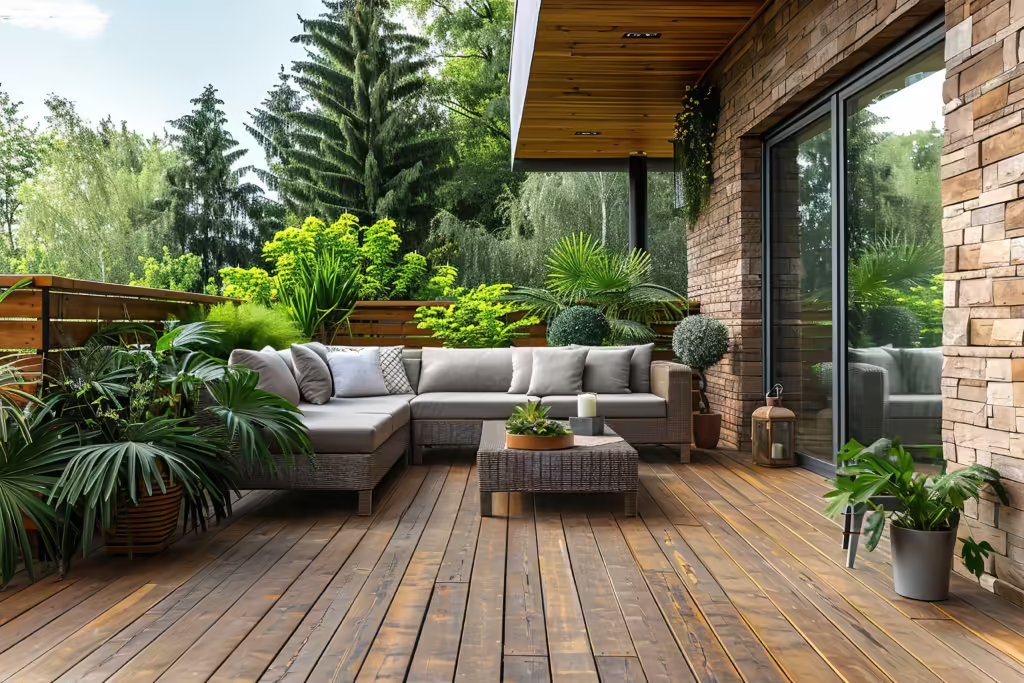
1. Light Wood Flooring
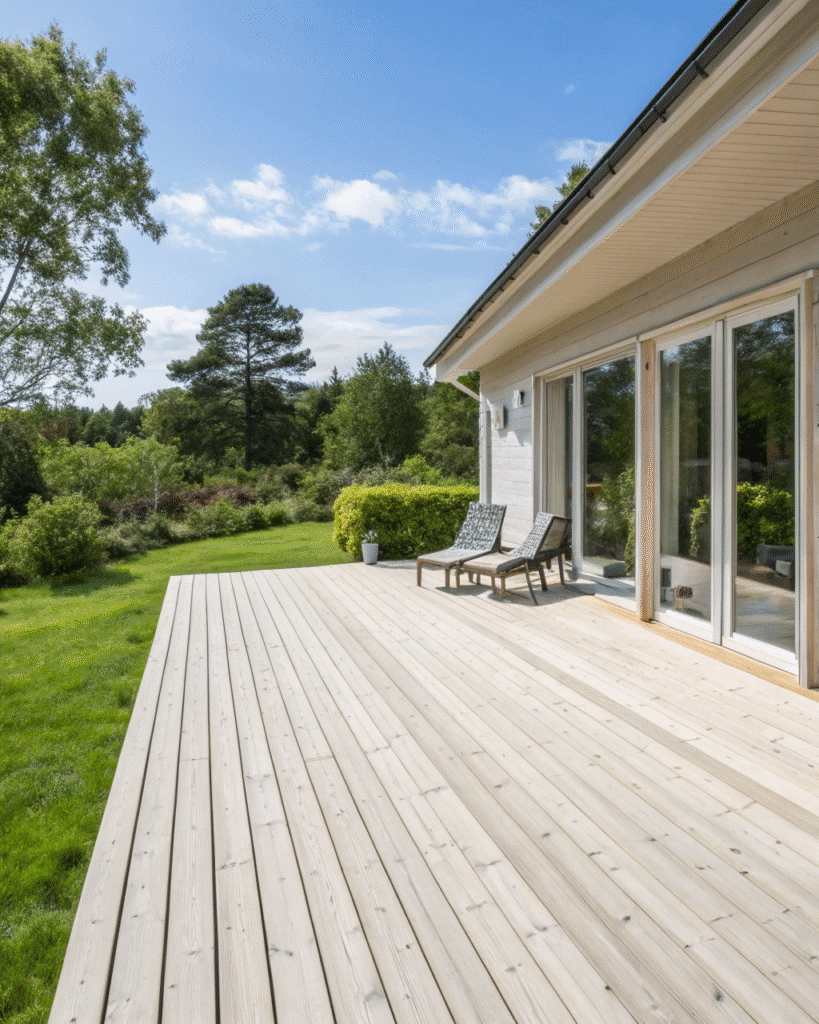
Use pale wood like pine or ash to create a soft, airy base for your deck.
Pro Tip: Treat the wood with a matte sealant to preserve its natural light color and texture.
2. Neutral Color Palette
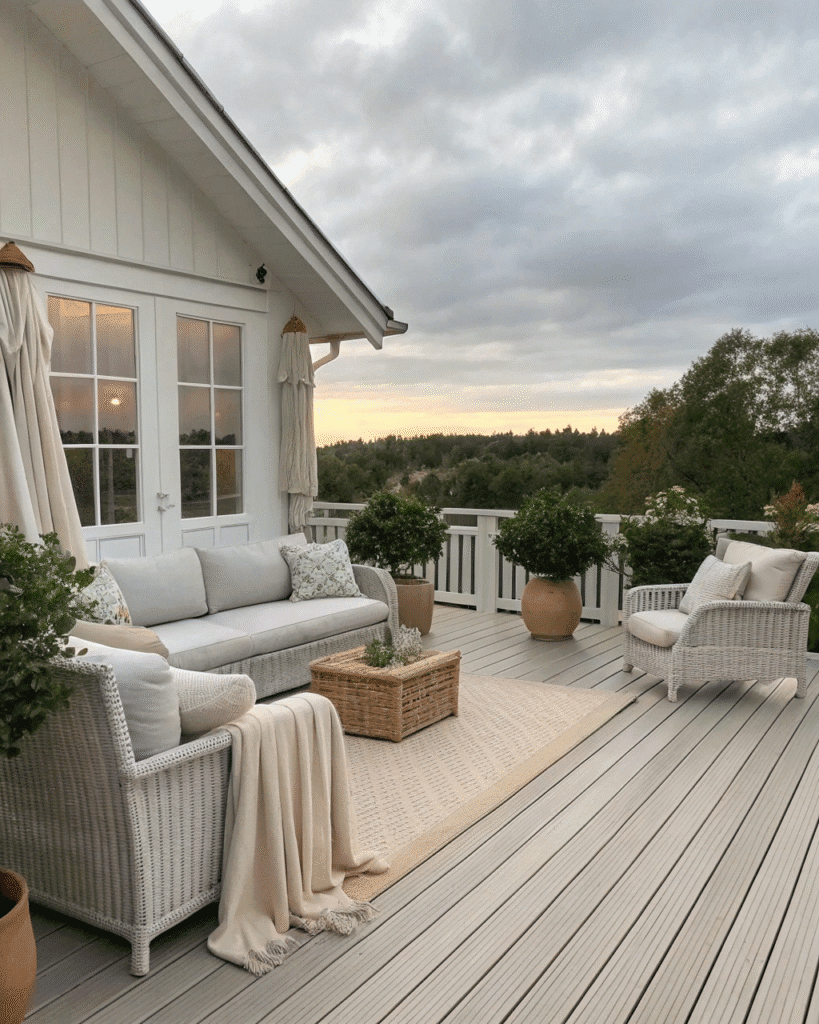
Stick to whites, beiges, and soft grays for a clean and timeless look.
Pro Tip: Add one muted accent color like sage or blush for gentle contrast.
3. Simple Furniture Design
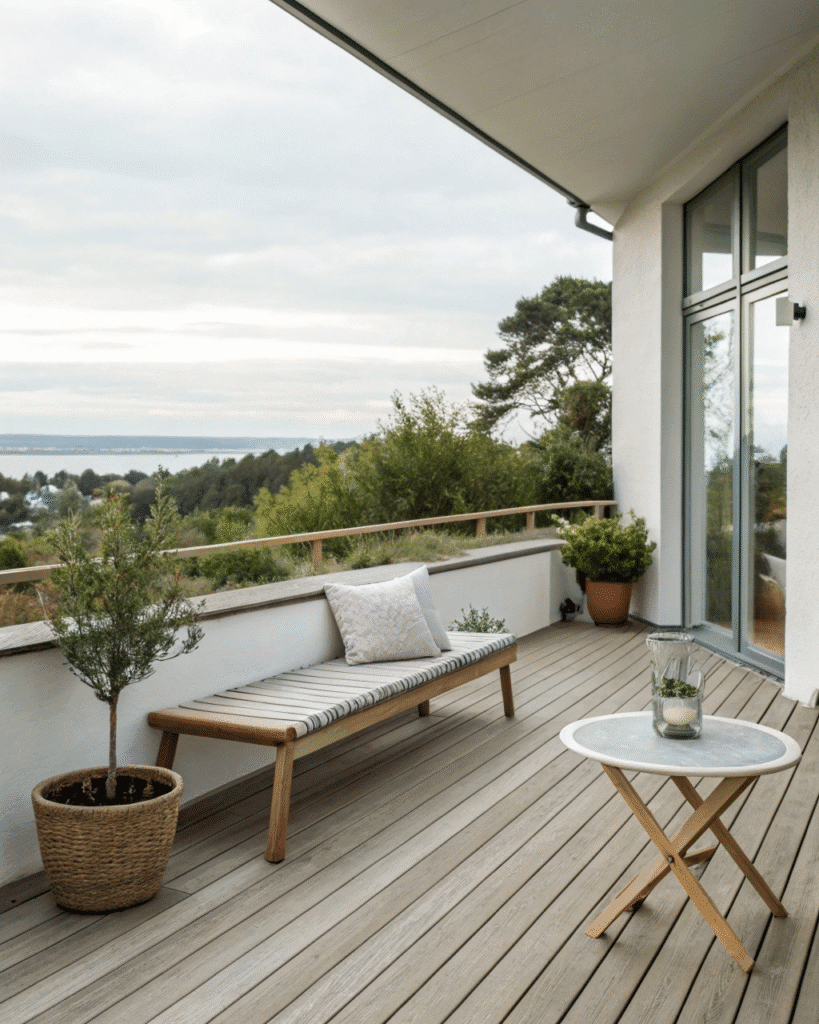
Choose minimalist furniture with straight lines and light materials.
Pro Tip: Mix wood and metal finishes to keep the setup balanced and modern.
4. Cozy Textures
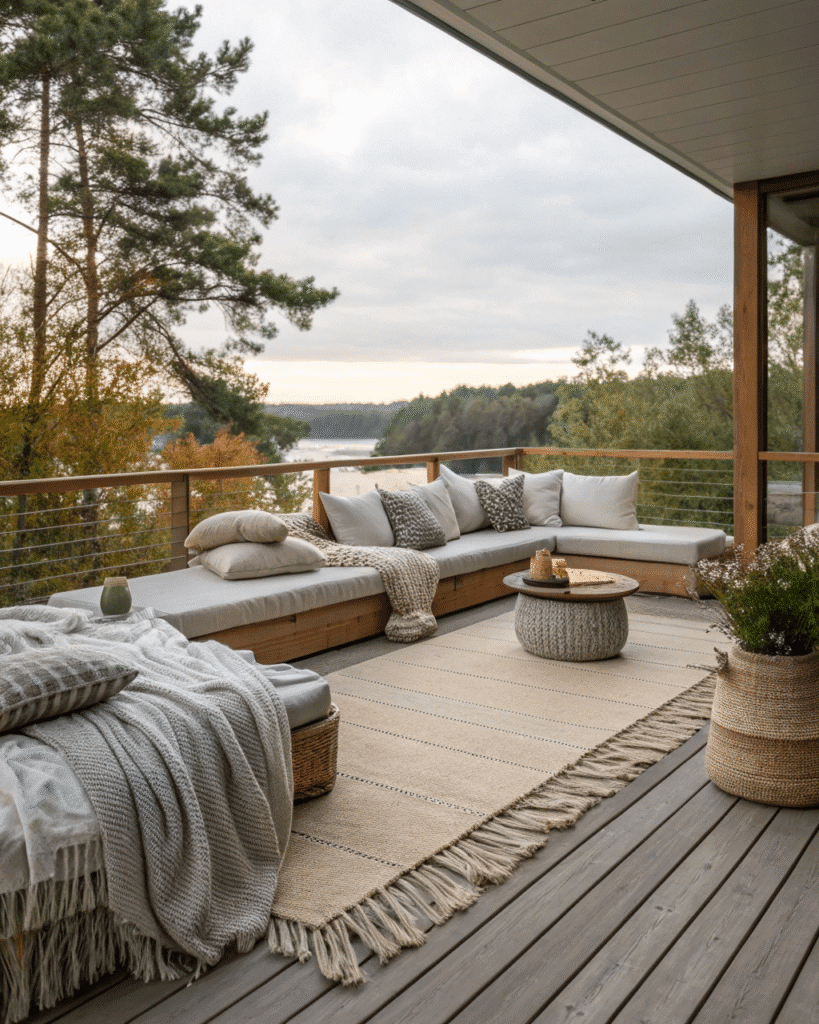
Layer soft cushions, throws, and rugs for warmth and comfort.
Pro Tip: Stick to cotton, linen, or wool fabrics in muted tones for a natural Scandinavian touch.
5. Greenery in Clay Pots
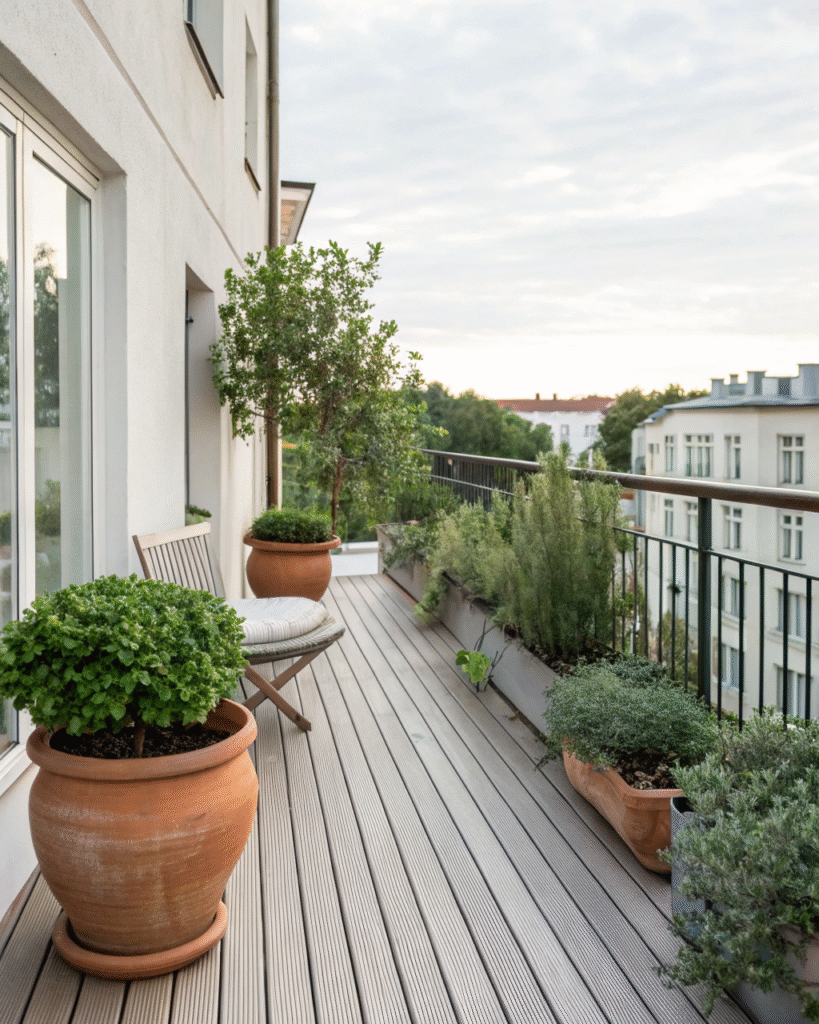
Add fresh potted plants to bring subtle life to your deck.
Pro Tip: Use simple terracotta or white ceramic planters for a cohesive, understated look.
6. Warm Lighting
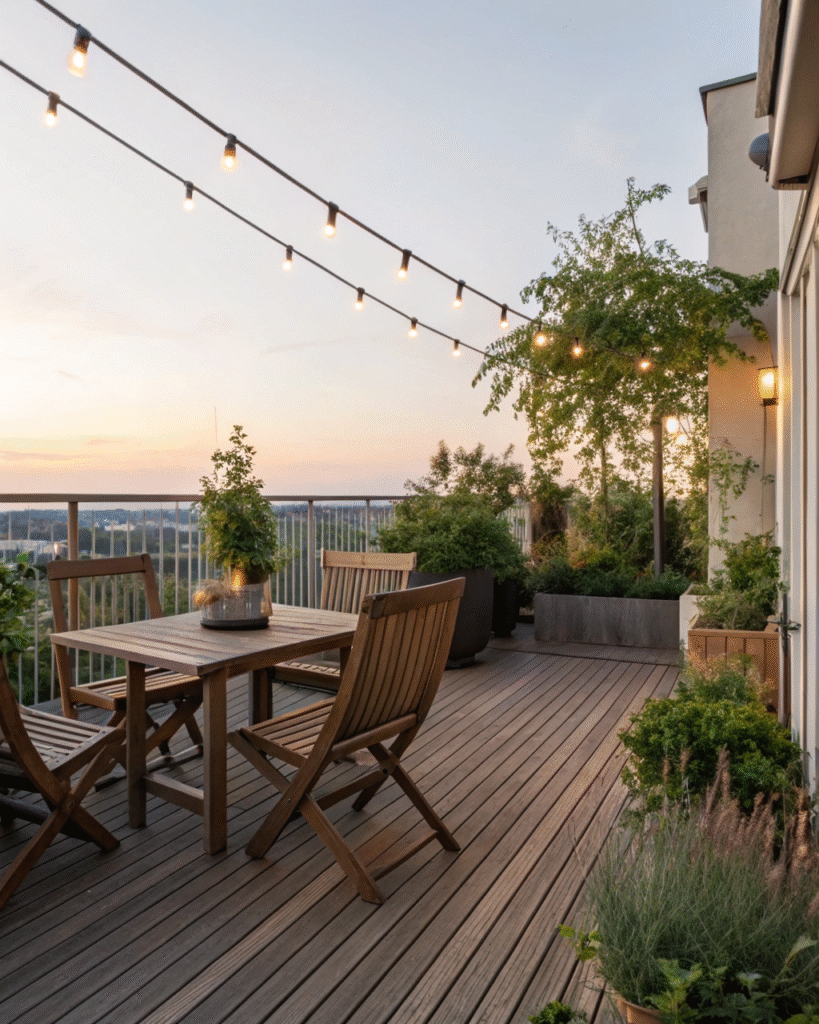
Soft lighting adds an inviting glow to early mornings and quiet evenings.
Pro Tip: Choose lanterns, candles, or fairy lights with warm white tones.
7. Functional Layout
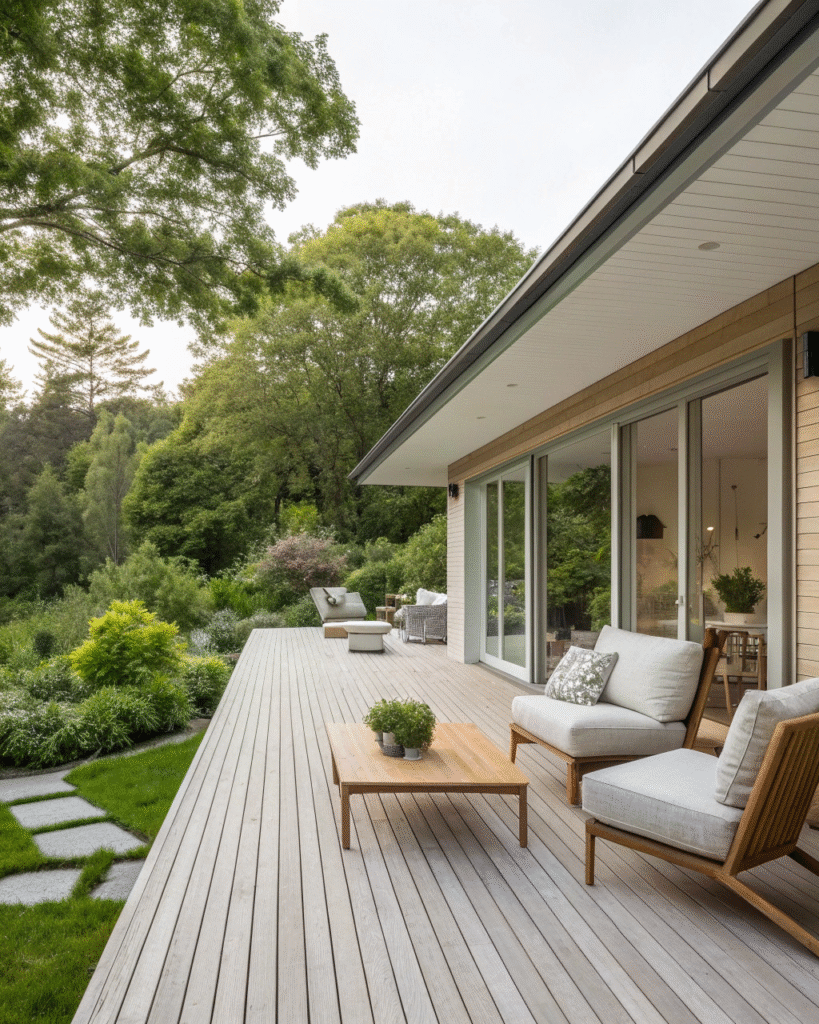
Keep your deck layout open and clutter-free for a calm, flowing feel.
Pro Tip: Prioritize quality over quantity — one statement piece is better than many small items.
8. Woven Accents
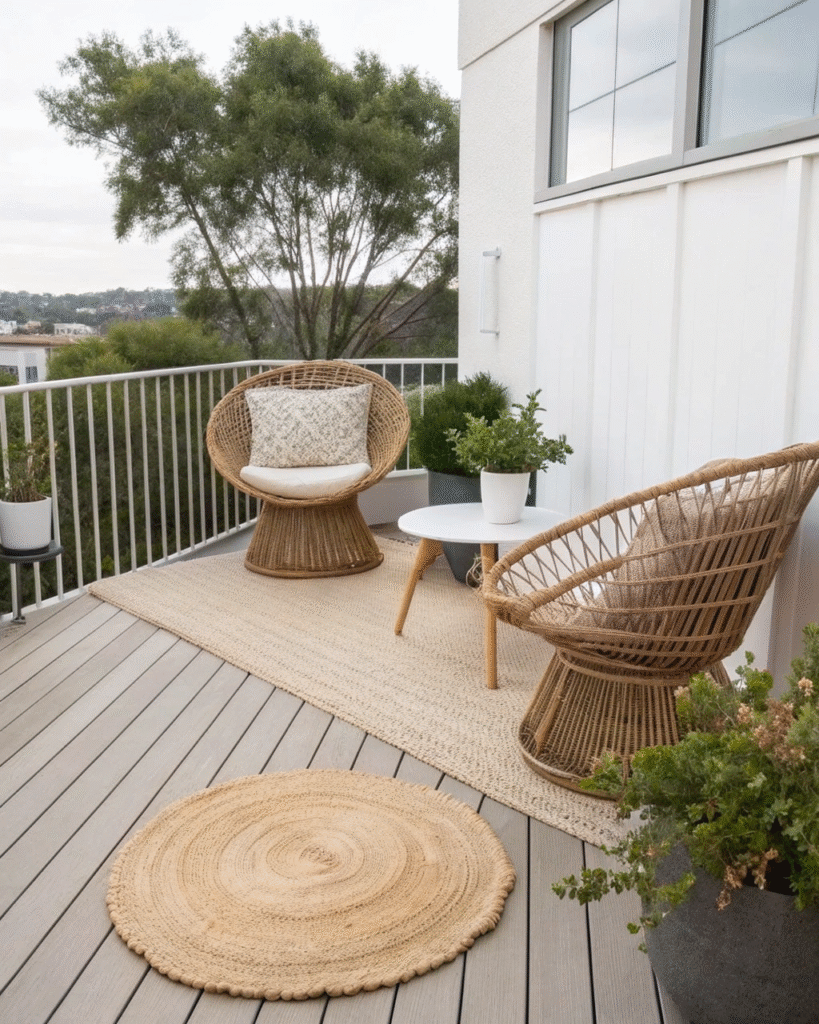
Wicker chairs or jute rugs add natural texture without overwhelming the space.
Pro Tip: Pair woven pieces with smooth surfaces like wood or stone for balance.
9. Built-In Seating
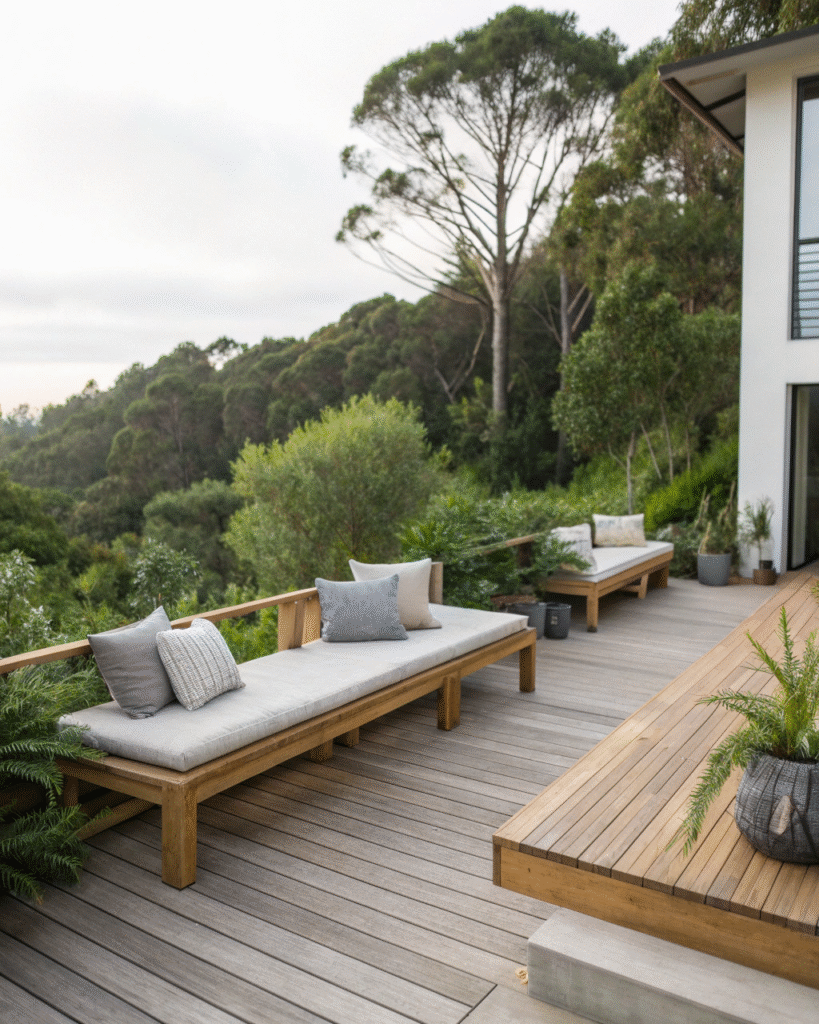
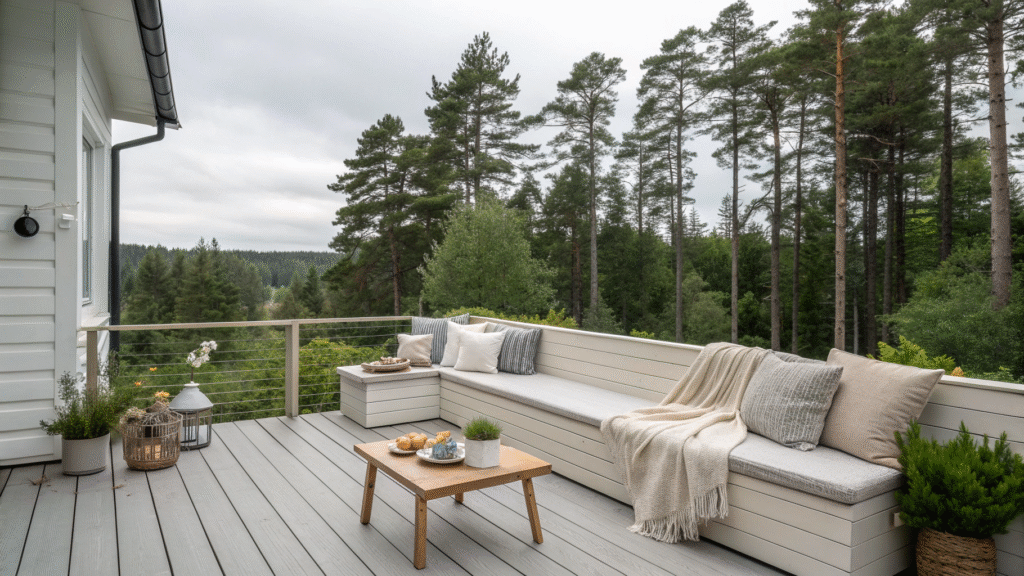
Simple wooden benches with cushions create a relaxed and streamlined setup.
Pro Tip: Add storage inside the benches to keep your deck neat and organized.
10. Soft Morning Tones
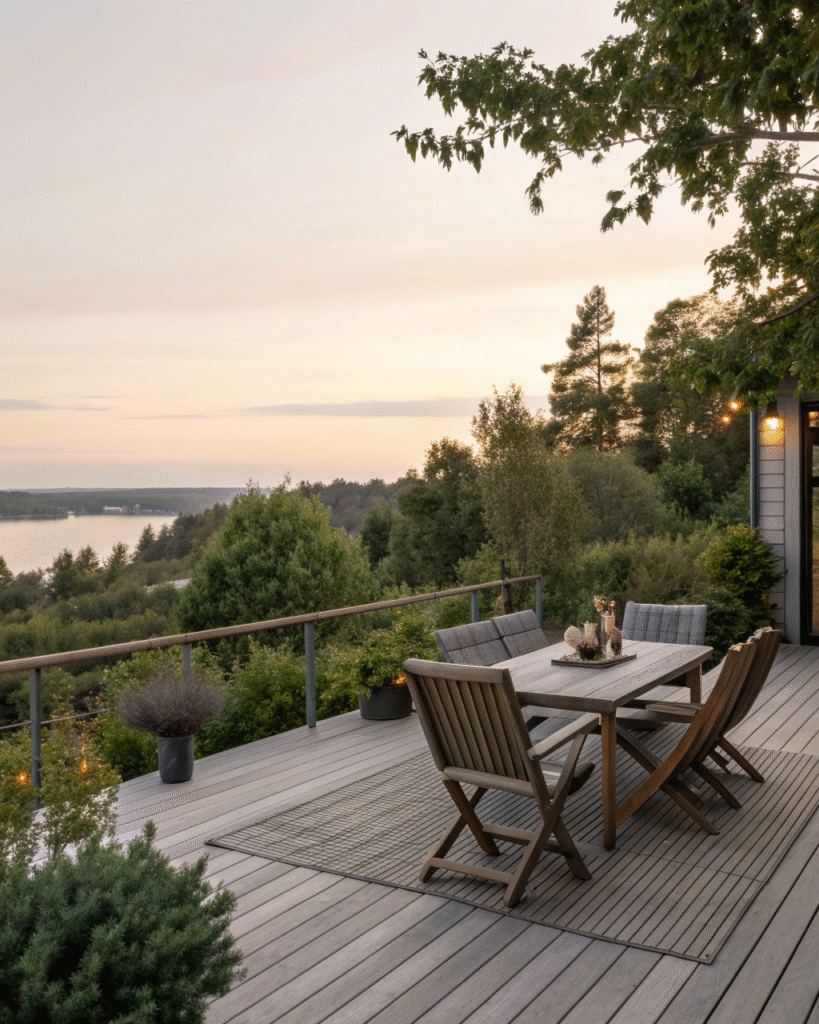
Use muted colors that reflect soft daylight for a peaceful morning vibe.
Pro Tip: Light gray and off-white textiles enhance the tranquil Scandinavian mood.
11. Minimal Decor
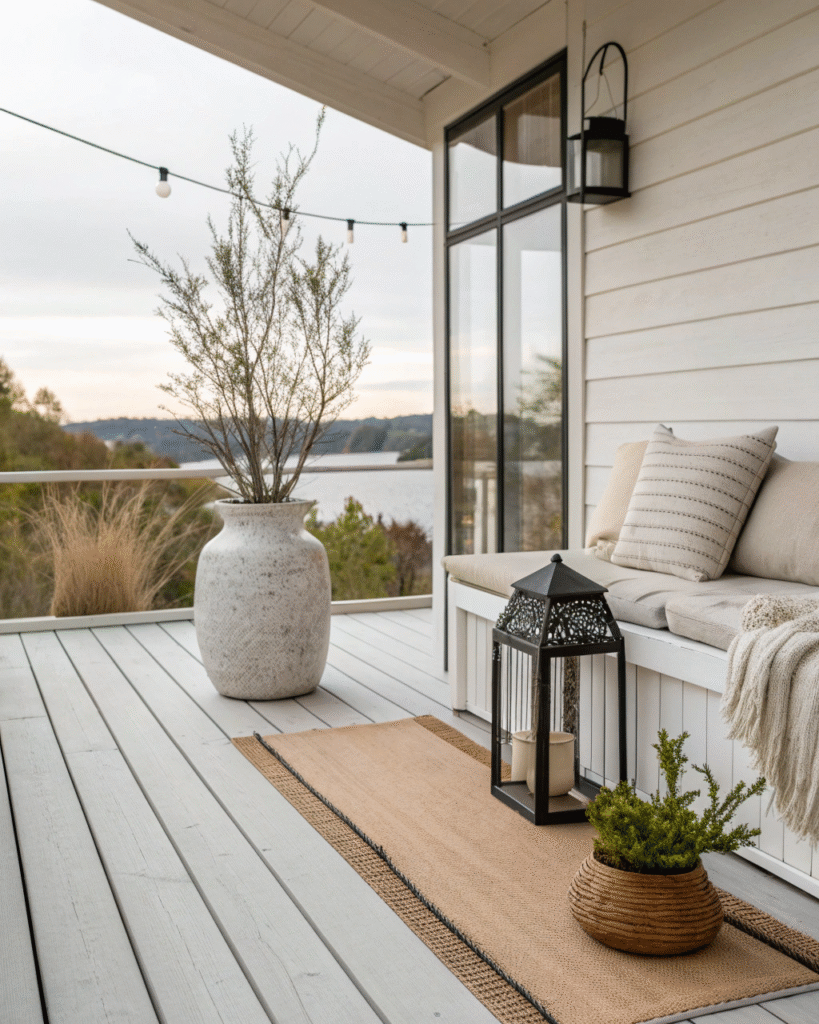
Keep accessories simple and intentional — a vase, lantern, or single plant can be enough.
Pro Tip: Focus on texture and shape instead of adding multiple decor elements.
12. Layered Outdoor Rugs
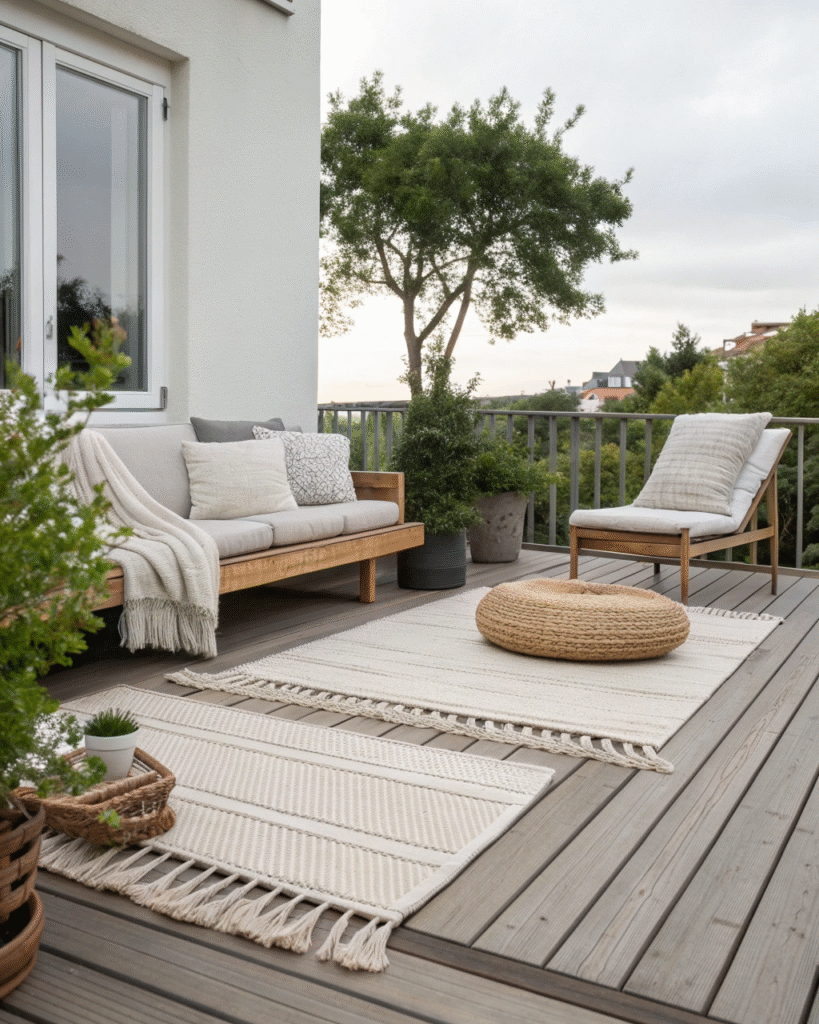
Neutral rugs define the seating area and add warmth underfoot.
Pro Tip: Use natural fibers like jute or seagrass for an organic, laid-back look.
13. Hygge-Inspired Corner
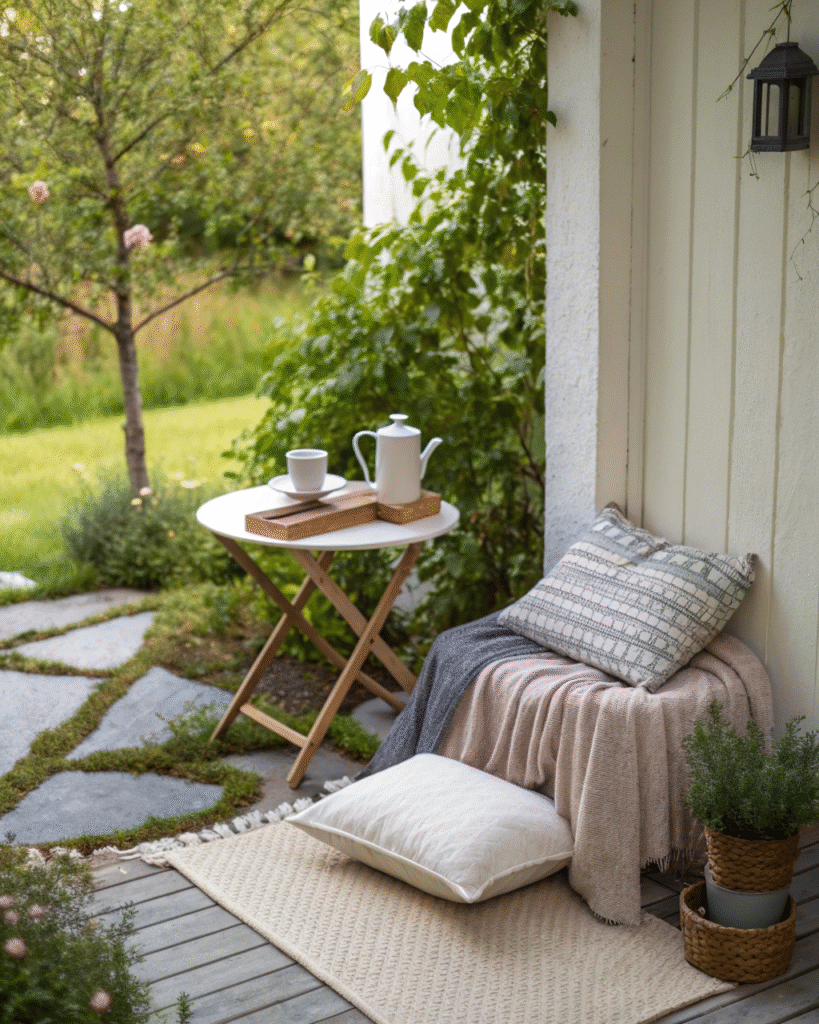
Create a cozy corner with soft blankets and a small table for morning coffee.
Pro Tip: Add a sheepskin throw or faux fur for extra comfort and Nordic charm.
Final Thoughts
A Scandinavian-inspired deck is one of the most deeply rewarding outdoor spaces you can create because it is designed from the beginning for the quality of experience it provides rather than for the impression it makes. The calm it creates is genuine, not superficial. The simplicity is the result of discipline and intention, not lack of thought. And on a still morning with the light low and a coffee warming your hands, a deck designed with these principles in mind is one of the best places on earth to simply be. Start with restraint, build with natural materials, and light it warmly. The rest follows naturally.
Frequently Asked Questions
What is the most important quality of a Scandinavian-inspired deck?
Restraint is the most important and most foundational quality. A Scandinavian deck is defined as much by what is not there as by what is. The discipline to edit, to leave surfaces clear, to resist the temptation to fill every corner and surface, is what creates the calm, uncluttered atmosphere that makes Scandinavian outdoor spaces so distinctive and so restorative. Without restraint, a deck can have every individual Scandinavian element and still feel completely un-Scandinavian in its overall impression.
What colors should I use for a Scandinavian deck palette?
Draw the palette from natural Nordic tones. Pale blonde timber and birch white for the lightest values. Soft stone grey and silver weathered wood for the mid-tones. Warm charcoal and deep forest grey for the darker accents. The only non-neutral addition that is authentically Scandinavian is the muted green of living plants and moss. Avoid bright colors, strong patterns, and warm saturated tones in the furniture and accessories, all of which feel alien to the Scandinavian design vocabulary.
Can I create a Scandinavian deck aesthetic on a small outdoor space?
A small outdoor space is actually ideal for a Scandinavian approach because the restraint and simplicity of the aesthetic suits limited space perfectly. A small deck or balcony with one great chair, a simple side table, a candle, a plant in a clay pot, and a natural fiber rug is a more complete expression of the Scandinavian outdoor living ideal than a large deck filled with too much furniture. Small spaces and the Scandinavian aesthetic are natural partners.
What timber should I use for a Scandinavian deck?
Pale-toned timber species that relate to the Nordic timber tradition are the most authentic choices. Blonde teak, pale cedar, light ash-toned composite, and silvered hardwood all work well. The most Scandinavian outcome is typically achieved by allowing whatever timber is used to weather naturally to its silver-grey tone rather than maintaining the original color artificially. The weathered grey of aged exterior timber is deeply embedded in the visual memory of Scandinavian outdoor architecture.
What plants suit a Scandinavian deck best?
Plants that evoke the Nordic landscape are the most appropriate. Ornamental grasses that move in the breeze and catch the light. Birch-family trees with pale bark. Low-growing heathers and sedums. Ferns and mosses in shaded positions. Simple herbs like dill, chives, and parsley in terracotta pots. The planting should feel naturalistic, slightly informal, and connected to the natural landscape rather than formally arranged and decoratively chosen.
What is hygge and how does it apply to deck design?
Hygge is a Danish and Norwegian concept that describes a quality of coziness, warmth, and contented presence in a moment or a place. It is the feeling of being warm and comfortable and completely at ease, typically in the company of people you love or in a beautiful simple space with a hot drink and something to read. In deck design, hygge is achieved through the combination of physical comfort, warm lighting especially from candles, soft textiles, the right scale of enclosure, and the provision of everything needed for a long unhurried time outdoors without needing to go inside. A hygge deck is not designed to impress. It is designed to make you feel genuinely good.