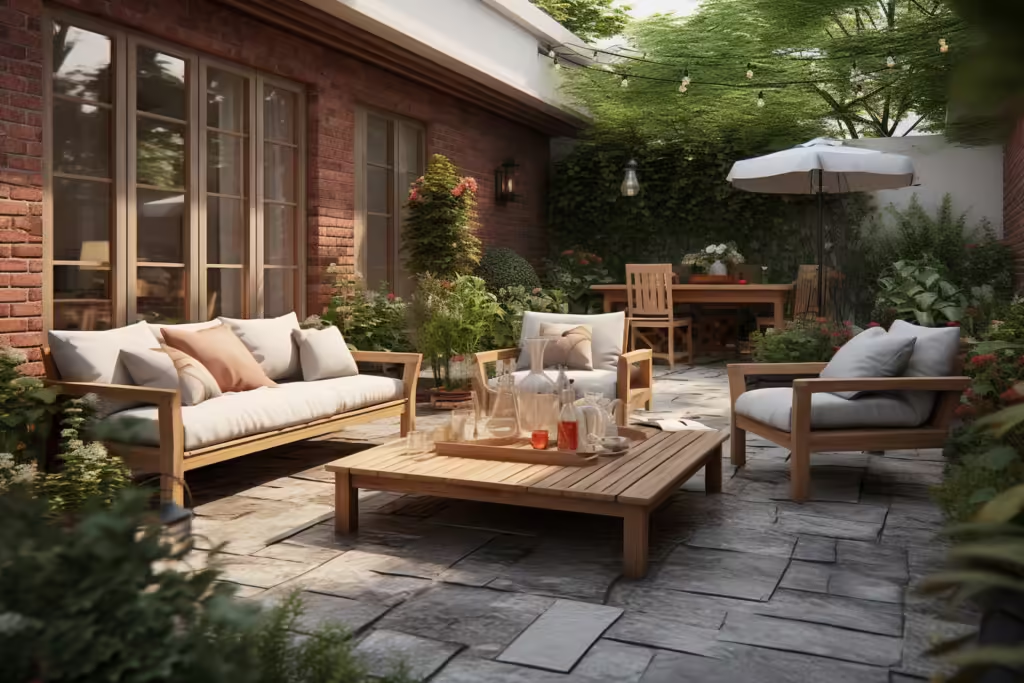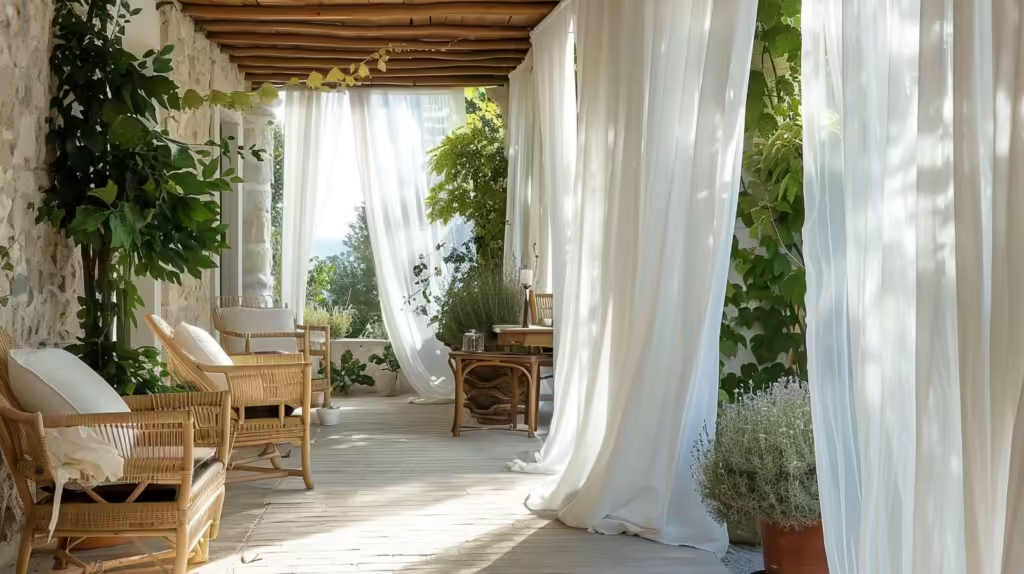
15+ Patio Roof Ideas for Protection and Style
A well-chosen patio roof not only provides protection from the elements but also enhances the visual appeal of your outdoor space.
A patio without a roof is a fair-weather space. A patio with the right roof is somewhere you can be in almost any weather, any time of year, any time of day.
Why the Right Patio Roof Changes Everything
Most people add a patio roof because they want shade or rain protection. What they end up with is something far more significant than that. The right patio roof transforms how you use your outdoor space, how much you use it, and how it feels to be in it.
It Removes the Weather Dependency
An uncovered patio is always at the mercy of the sky. Too hot, too bright, threatening rain, unexpected shower, and you are back inside. A properly covered patio removes most of those constraints. The space becomes genuinely usable in a far wider range of conditions and that single change is what turns a patio from something you enjoy occasionally into something you live in consistently.
Love Chic Living Club?
Add us as one of your preferred Google sources and discover more home decor, DIY, outdoor, and lifestyle inspiration from us.
Most homeowners significantly underestimate how much more they use a covered outdoor space compared to an open one. The difference in actual hours spent outside is typically dramatic, which is why a patio roof, whatever form it takes, is one of the highest-return investments in any outdoor space.
It Defines the Space Architecturally
An overhead structure does more for the character and definition of a patio than any other single element. It creates a ceiling, and a ceiling is what transforms an area into a room. The moment your patio has something overhead, it stops feeling like a patch of ground outside the house and starts feeling like somewhere you genuinely inhabit. The character of that overhead element, its material, its transparency, its pitch and profile, shapes the whole atmosphere of the space beneath it.
It Protects Everything Beneath It
A covered patio is a space where outdoor furniture lasts longer because it is shielded from the full force of UV, rain, and temperature cycling. Cushions stay cleaner and fade more slowly. Timber furniture and decking stays drier and requires less frequent maintenance. Even the paving beneath a roof ages more gracefully because it is not subject to constant wetting and drying. The roof pays for itself partly in the extended life of everything it covers.
You May Also Love
It Creates Opportunities for Lighting, Heating, and Fans
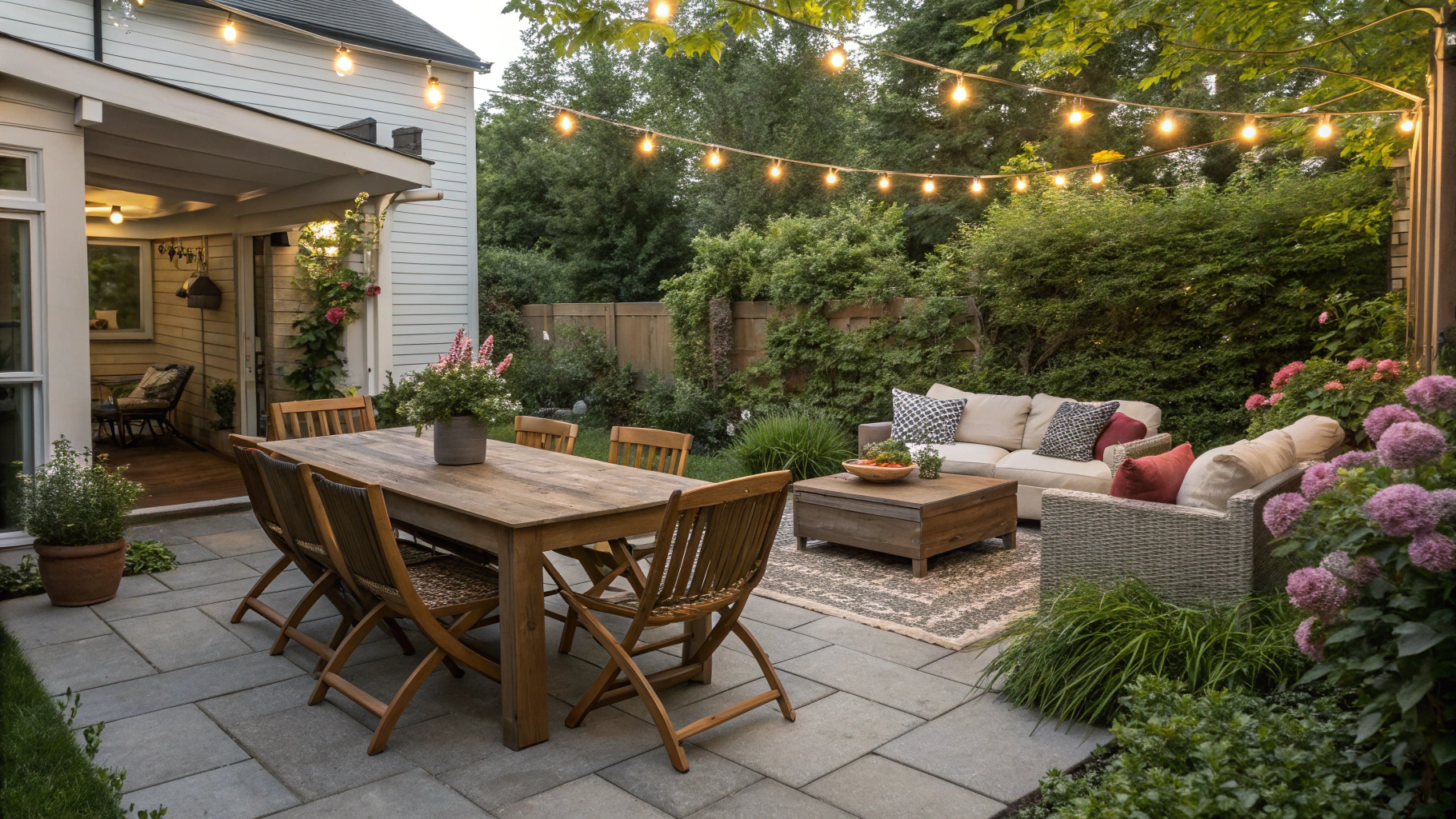
An overhead structure gives you somewhere to hang things from, run cables to, and mount fixtures on. String lights woven through beams, pendant lights above the dining table, a ceiling fan for summer evenings, an infrared heater for cool nights, none of these things are possible without a roof structure to support them. The roof does not just cover the space. It makes the whole space more functional.
How to Choose the Right Patio Roof for Your Home
With so many options available, narrowing down the right patio roof choice requires thinking through a handful of key questions honestly.
How Much Weather Protection Do You Actually Need?
This is the most important question and the one most people answer instinctively based on their climate and lifestyle. If you live somewhere with significant annual rainfall and want to use the patio for outdoor dining through spring and autumn, you need full rain protection from a solid or near-solid roof. If you live in a hot, mostly dry climate and primarily want shade and UV protection, a shade sail, fabric canopy, or open pergola with climbing plants may be entirely adequate. Match the level of protection to your actual needs rather than always defaulting to the most solid option.
What Does Your Home’s Architecture Demand?
A patio roof that fights with the architecture of the house always looks wrong. The most important design principle is that the roof extension should feel like it belongs to the house, not like it was bolted on from a different design language. A traditional home calls for roofing materials and profiles that relate to the existing roof. A contemporary home suits clean, minimal structures with restrained details. Getting this relationship right is more important than any individual material choice.
What Is Your Realistic Maintenance Commitment?
Every roofing material has maintenance requirements. Timber needs periodic treatment. Fabric needs cleaning and may need seasonal removal. Metal needs inspection for rust and sealant integrity. Polycarbonate needs cleaning to prevent algae growth and discoloration. Be honest about how much time and effort you will realistically devote to maintenance before choosing a material that demands more than you will give it.
What Is Your Budget, Including Installation?
Patio roof costs vary enormously from a few hundred dollars for a basic shade sail to many thousands for a fully engineered glass or aluminium louvre system. The material cost is only part of the picture. Installation, sub-structure, fixings, drainage, electrical connections, and any required permits all add to the total. Always budget for the complete installed cost rather than just the material.
Patio Roof Ideas by Climate
Different climates demand different patio roof solutions. Here is a guide to the best approaches for the most common US climate zones.
Hot and Sunny Climates
In climates with high UV and intense summer heat, shade and ventilation are the priorities. Open structures that block UV while allowing air movement are ideal. A pergola with a shade sail, a fabric canopy with a high UV block rating, or an aluminium louvre system that can be opened for ventilation are all excellent choices. Avoid solid opaque roofs without ventilation as they trap heat and make the covered space uncomfortable during summer.
Light-colored or reflective roofing materials reduce heat absorption significantly in sunny climates. A white or pale fabric canopy, a light grey aluminium panel, or a translucent polycarbonate sheet all reflect or diffuse more solar energy than dark or opaque alternatives.
Wet and Rainy Climates
In high-rainfall climates, full weather protection and effective drainage are the priorities. A solid pitched roof with guttering and downpipes that manages rainwater actively is the most reliable solution. Metal roofing, whether standing seam, corrugated, or aluminium panel, is the most durable and lowest-maintenance option in consistently wet conditions. Fabric and polycarbonate both require more frequent maintenance in high rainfall areas due to algae, moss, and general weathering.
Ensure adequate roof pitch in rainy climates. A minimum pitch of 5 degrees is required for polycarbonate and most panel systems. Steeper pitches shed water more effectively and reduce the risk of ponding that causes leaks and accelerated deterioration.
Don't miss: 14+ Small Deck Layout Ideas That Feel Spacious and Open →
Cold and Snowy Climates
In climates with significant snowfall, structural load capacity is a critical consideration for any permanent patio roof. Snow loads can be substantial and a roof structure that is not engineered to carry the expected snow load for your area is a serious safety risk. Always confirm snow load requirements with your local building department and ensure your roof structure is designed and built to meet them. Steep pitches are preferable in snowy climates as they shed snow more readily than flat or low-pitch roofs.
Coastal and Humid Climates
In coastal and humid environments, corrosion resistance is paramount for any metal components. Marine-grade stainless steel, powder-coated aluminium, and hot-dip galvanised steel are the appropriate choices for structural and fixing elements near the coast. Untreated or standard-painted steel corrodes rapidly in salt air and should be avoided entirely in coastal applications.
Keep Exploring
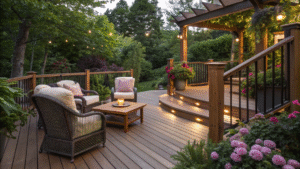
Patio Roof Permit and Planning Considerations
Before committing to any patio roof project, understanding the planning and permit landscape in your area prevents expensive surprises.
What Typically Requires a Permit
In most US municipalities, any permanent roof structure attached to the house requires a building permit. This includes lean-to covers, gabled roof extensions, aluminium louvre systems, and glass roof structures. Freestanding structures like pergolas and shade sails may or may not require a permit depending on their size and your local codes. Fabric canopies and awnings that are mounted to the house but not structurally significant are generally exempt, though rules vary.
What the Permit Process Involves
A building permit application for a patio roof typically requires a site plan showing the location of the structure, structural drawings showing how it is built and how it connects to the house, and specification of the roofing materials. In most cases, an inspection is required at the completion of the structural work before the roofing material is installed, and a final inspection when the work is complete. The permit process protects you as much as it protects others. It ensures the structure is safe and provides documentation that the work was done correctly, which matters when you come to sell the house.
These patio roof ideas cover every material, every style, and every budget so you can find the solution that gives your outdoor space the protection and character it deserves.
1. Awnings
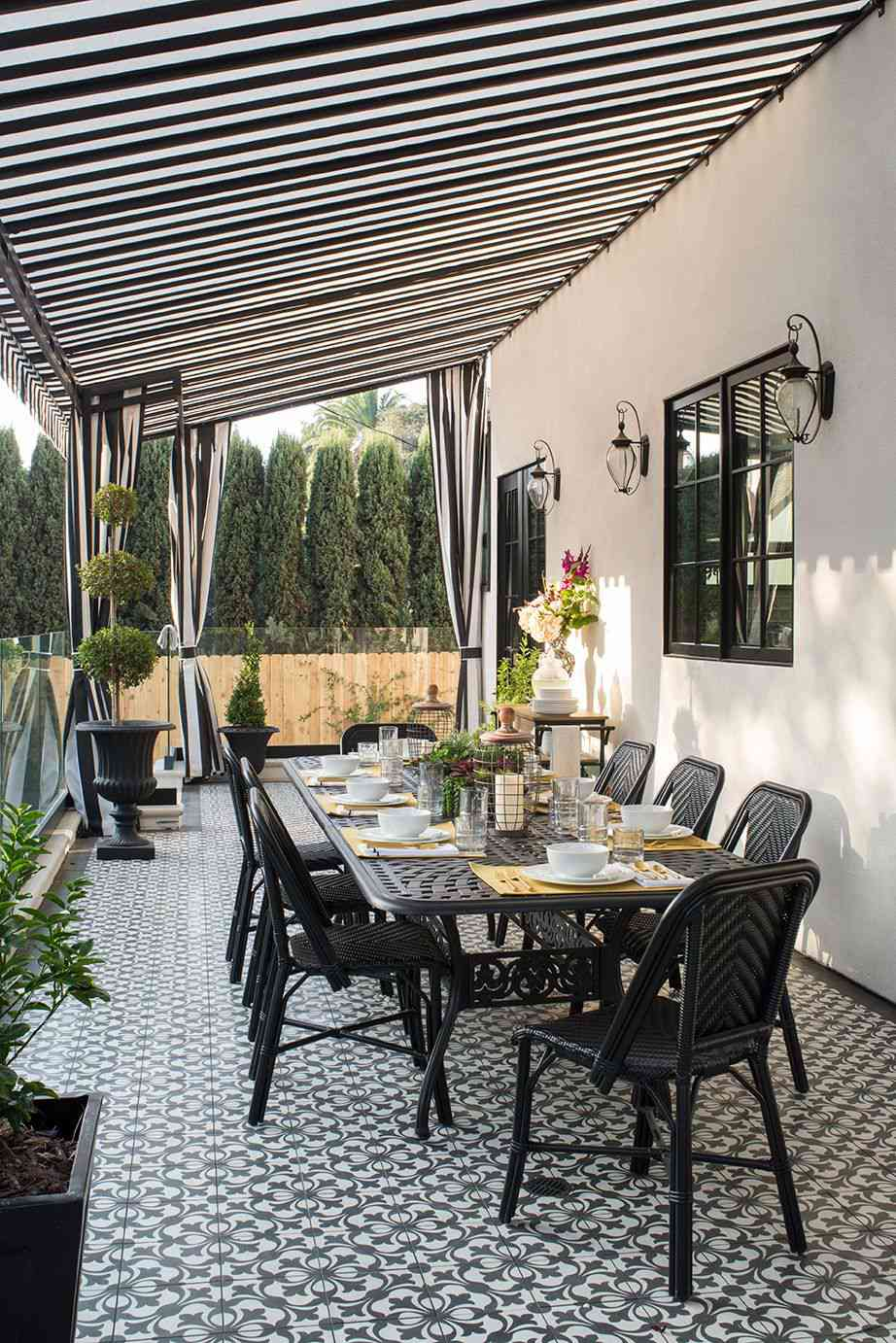
Awnings are exterior fabric canopies installed on the side of a building. Those are used to provide shade and rain protection and can either be moved or permanent structures. Awnings come in different colours and designs; you can hence get one that suits the colour of your patio.
2. Canopy Roof
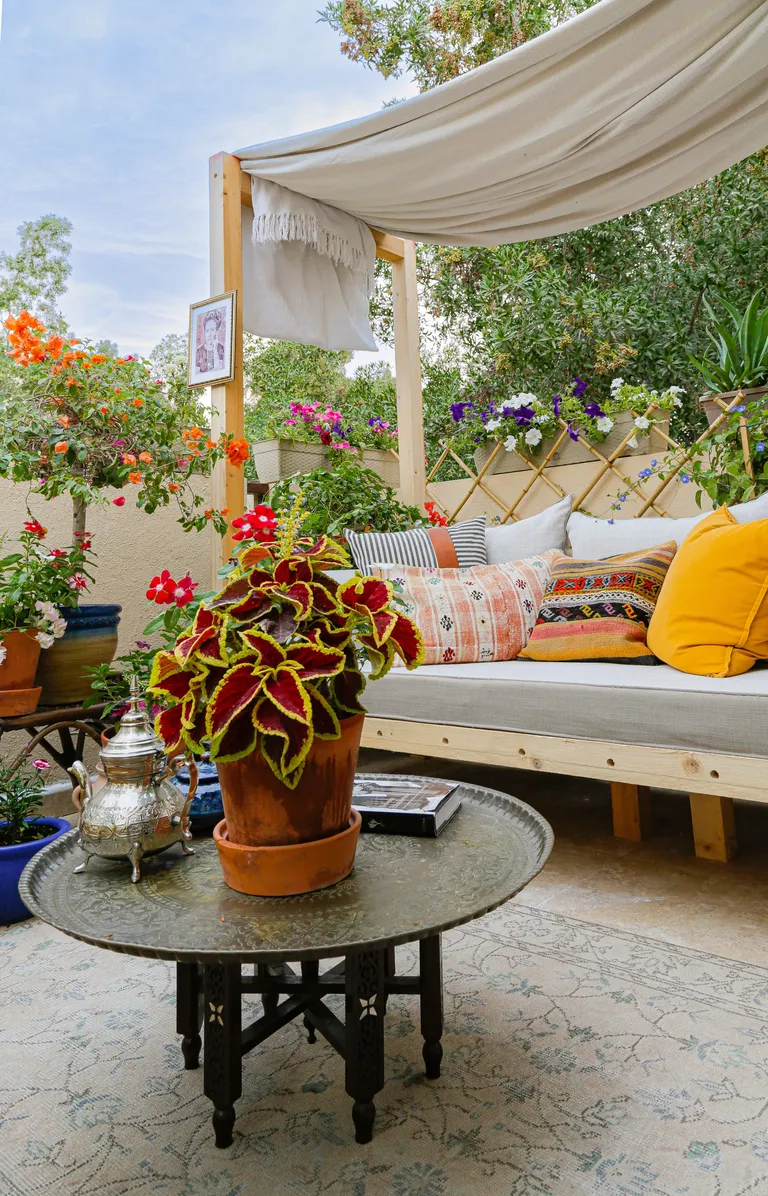
A canopy roof can be easily defined as a roof made of fabric or mesh placed over a frame. It can protect from the sun and rain and is a great fit for patios that need to be shaded occasionally. Its flexible design makes it possible to fit various environments designed for use outside the home.
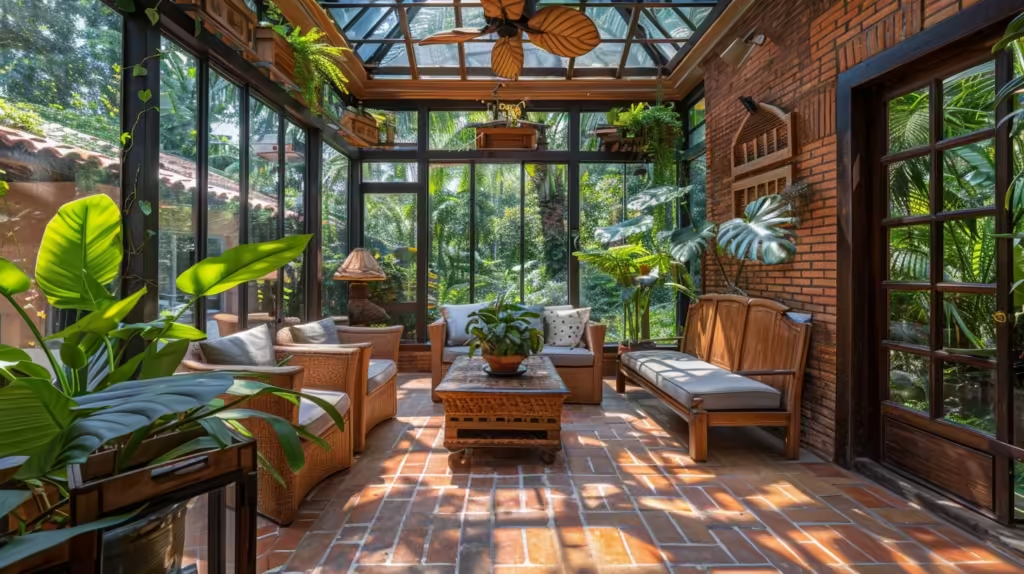
3. Greenhouse Roof
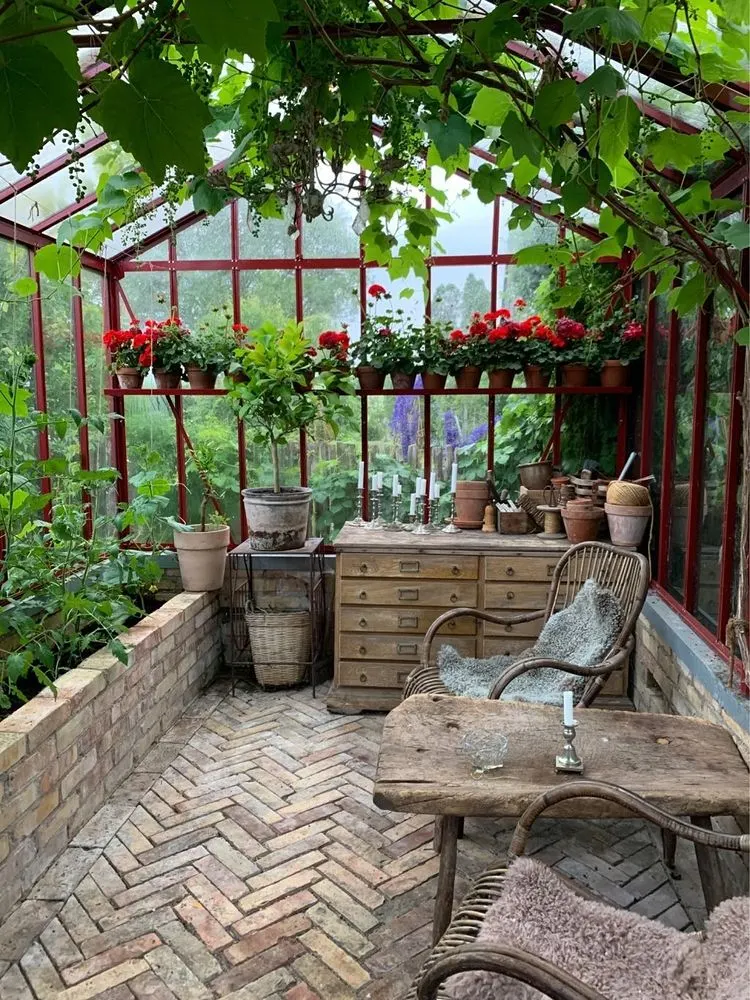
Forbes
Greenhouse roofs are usually transparent or semi-transparent and made of polycarbonate or glass. These materials let light in but keep rain and snow out, making this option suitable for patios with greenery or those who want a sunny area.
4. Solar Panel Roof
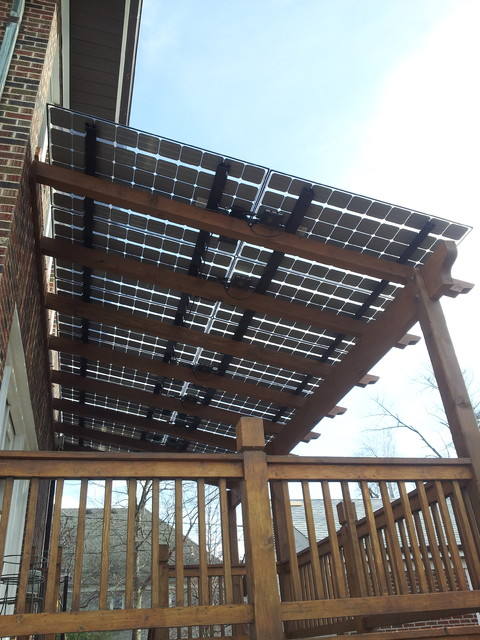
By combining photovoltaic panels into the roof design, a solar panel roof is also an electricity generator with added shelter. This non-toxic option provides utilitarian energy savings and protection and is a contemporary method of green living.
5. Bamboo Roof
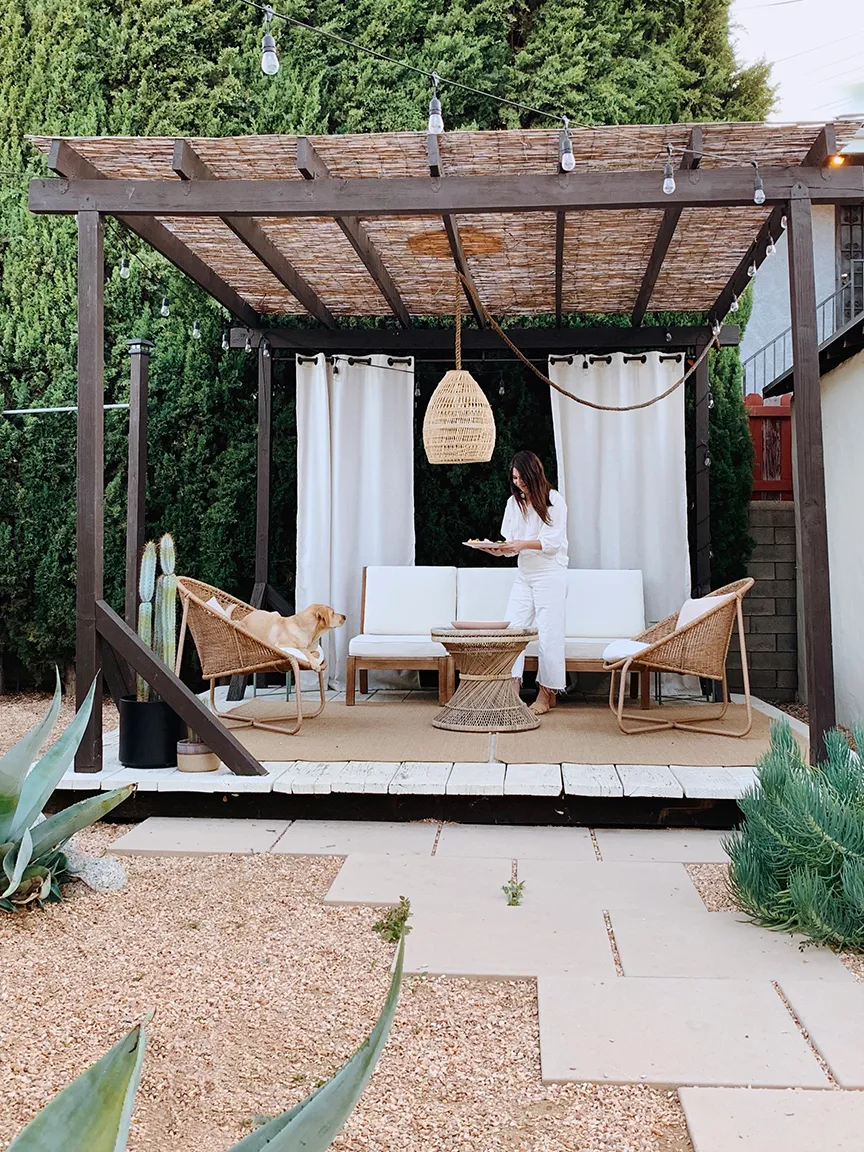
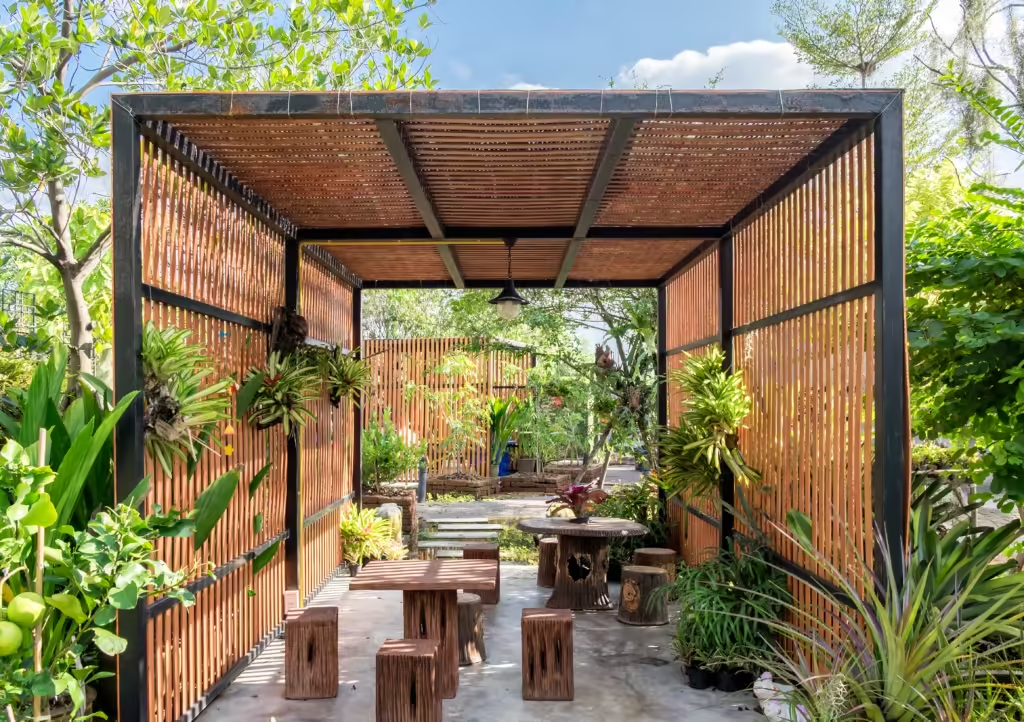
A bamboo roof is made of bamboo poles or thatch therefore giving the building a natural and tropical look. Bamboo is eco-friendly and does well in both coverage and air circulation which is ideal for constructing a calm space outside of the home.
6. Cedar Shingle Roof
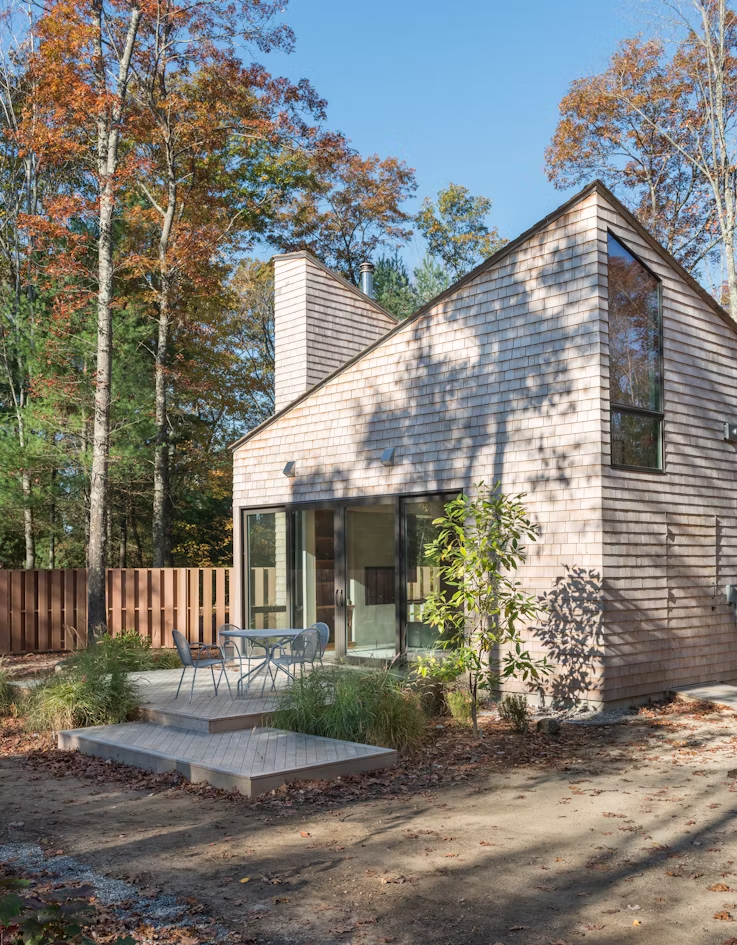
Cedar shingles give a very traditional, country-style appearance and are, of course, waterproof. This type of roofing is suitable for insulating a house and complements the beauty of any natural outlook, making patios all the more beautiful.
7. Shade Sail
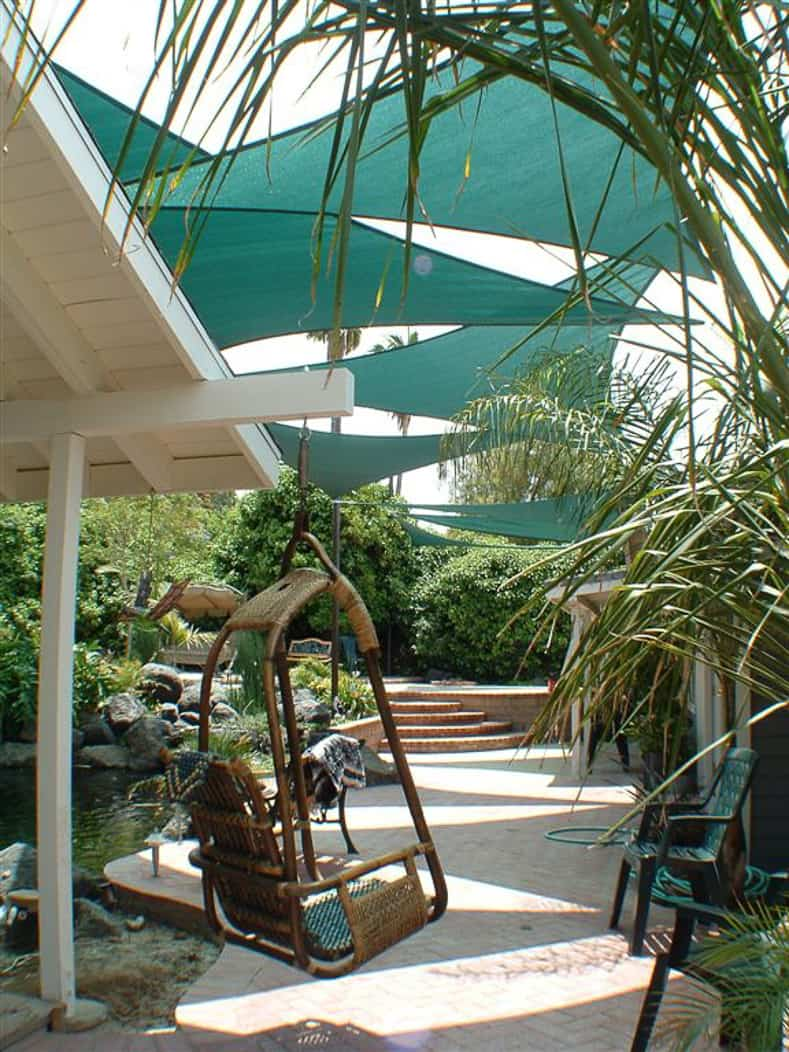
A shade sail is a fabric that is erected between posts and or attachments on your house. They present a trendy and contemporary look while also giving shade and moderate rainfall protection; thus they can be installed in any area.
8. Polyester Roof

Polyester roofs are made of synthetic fabrics that are a bit rugged and all-weather types of materials. It is available in various colours and designs that ensure that the roof is as stylish and adaptable as any kind of patio people have around.
9. Rooftop Garden
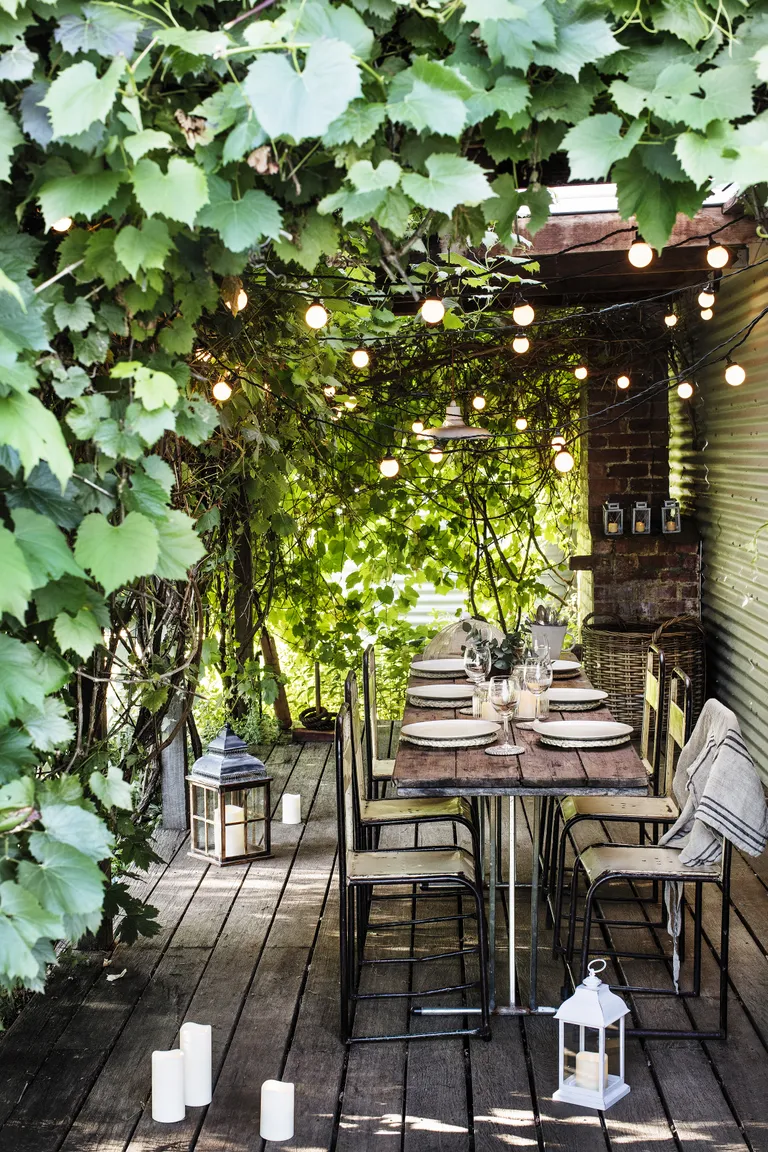
A rooftop garden is a type of greenery incorporated into the roof structure that comprises plant boxes or a green floor. This environment-friendly solution enhances the aesthetic value and also helps in the insulation of structures, making it friendly for urban settings.
10. Corrugated Plastic Roof
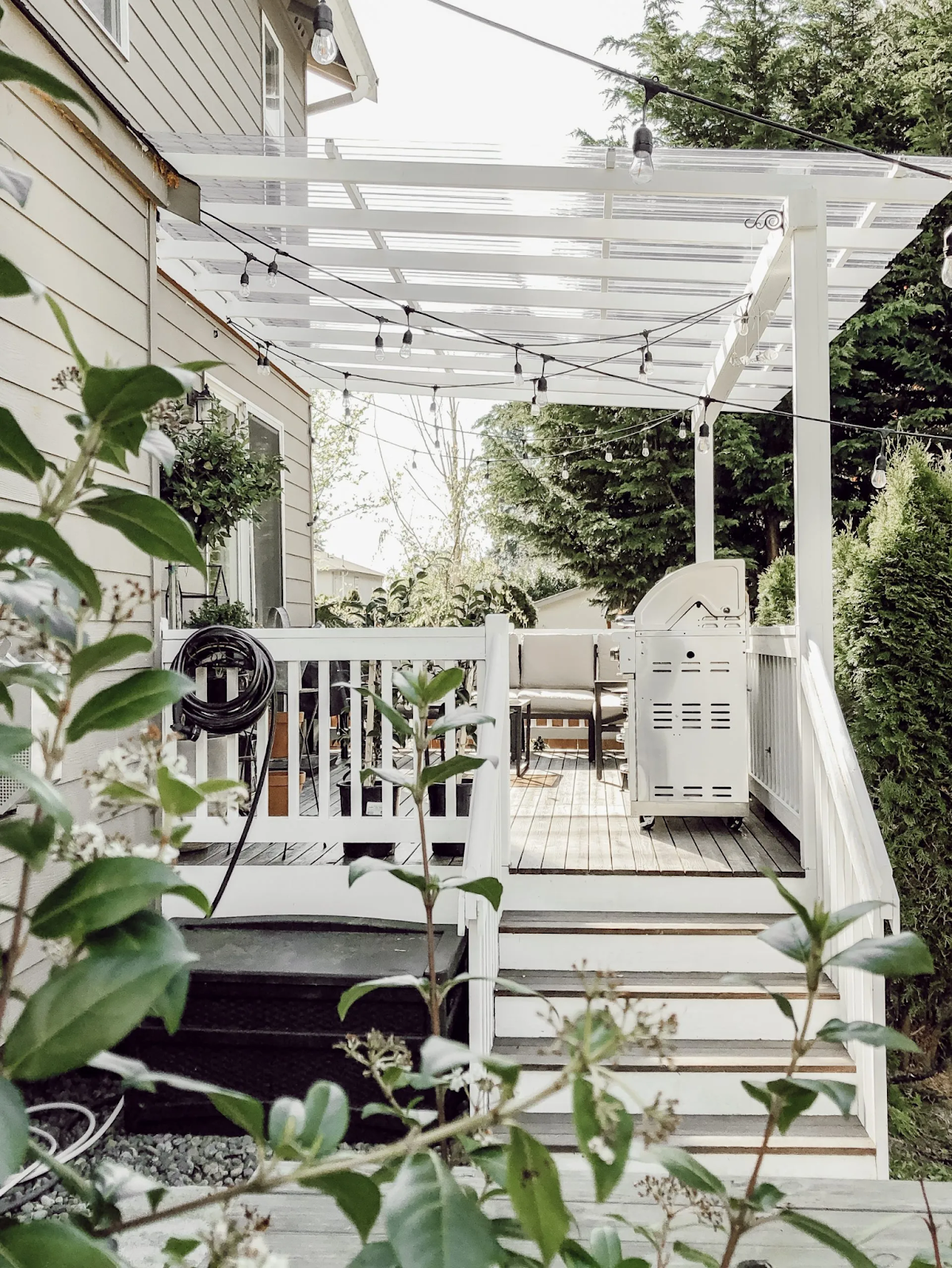
Corrugated plastic is relatively light stands up rather well to wear and tear and protects against UV rays. This is produced in different colours and thicknesses and offers a contemporary and versatile solution to cover vast patios.
11. Canvas Roof
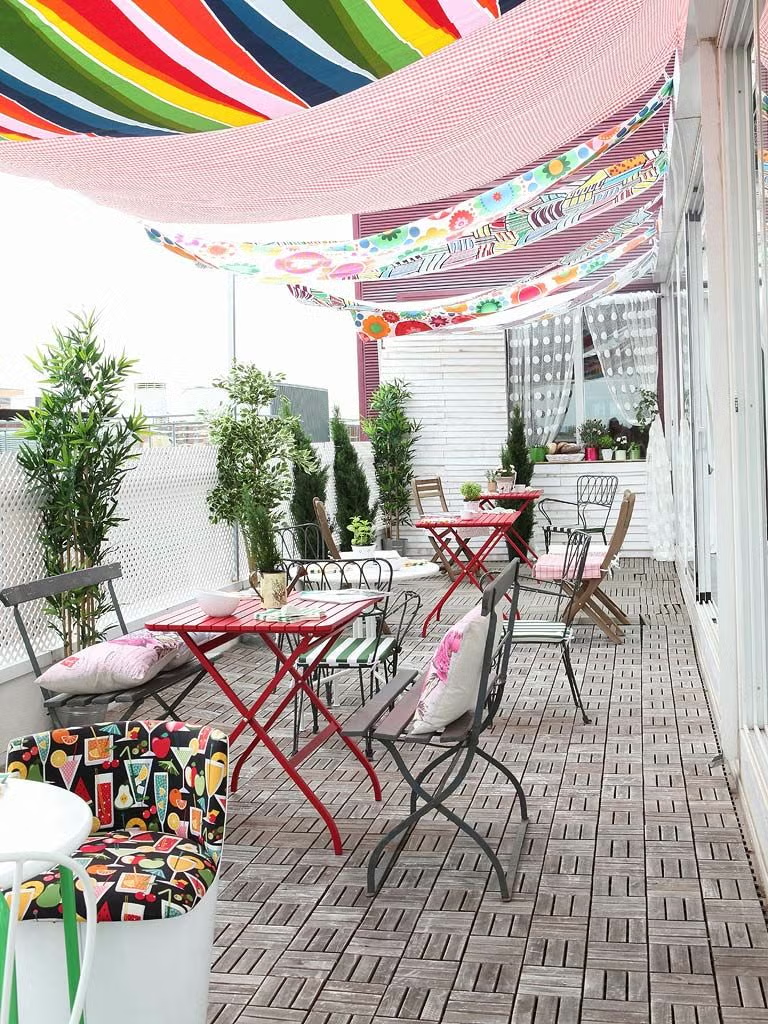
Temporary structures are made from the canopies, which are made from heavy fabric that is water-proof and resistant to fading. This flexible and attractive option offers the best solution for shades and protection and also adds beauty to your patio.
12. Aluminium Roof
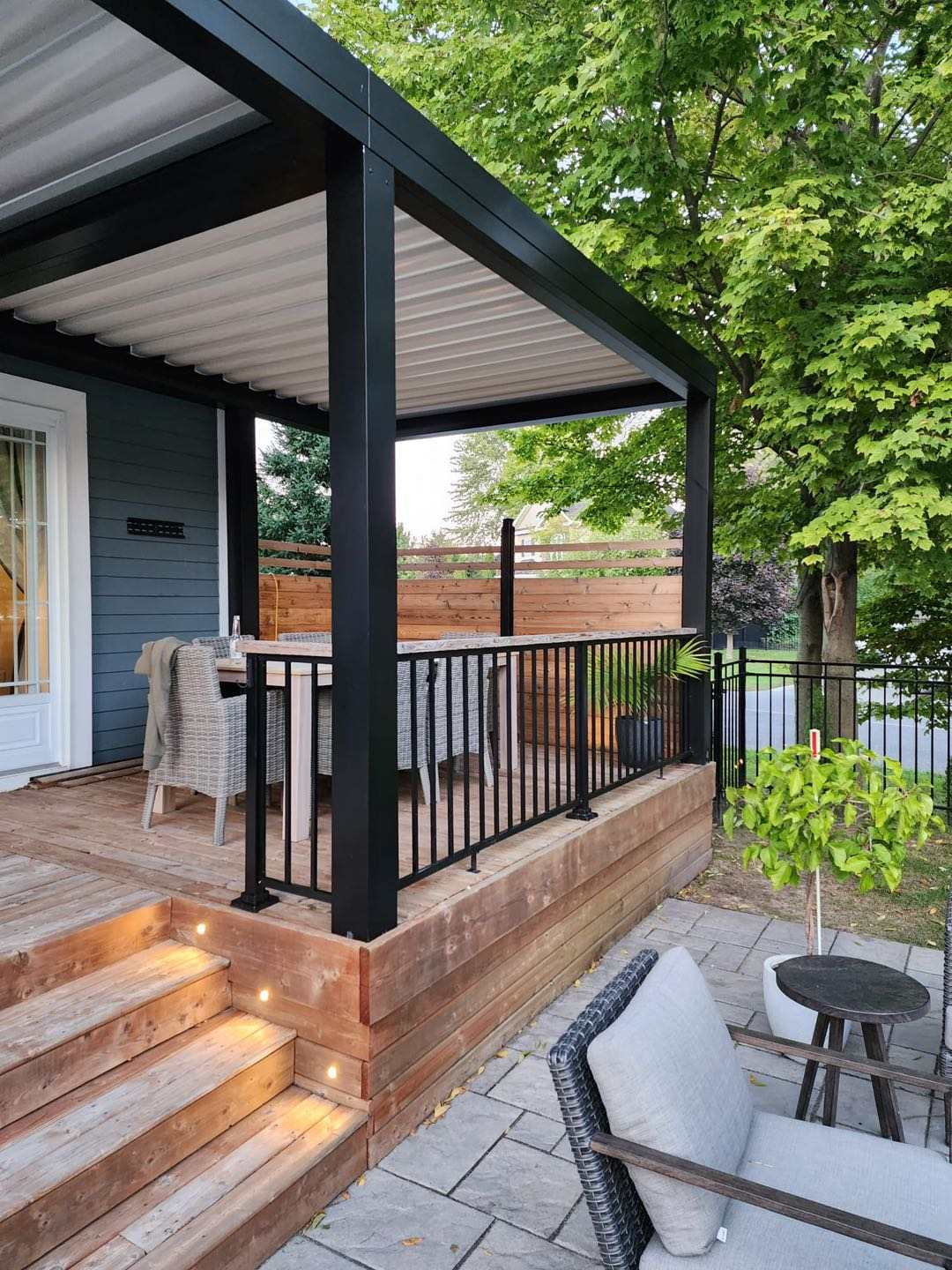
Aluminium roofing is extremely durable and requires very little maintenance. It is available in various finishes and colours and gives a smart and professional appeal that suits the modern and architectural home.
13. Corten Steel Roof
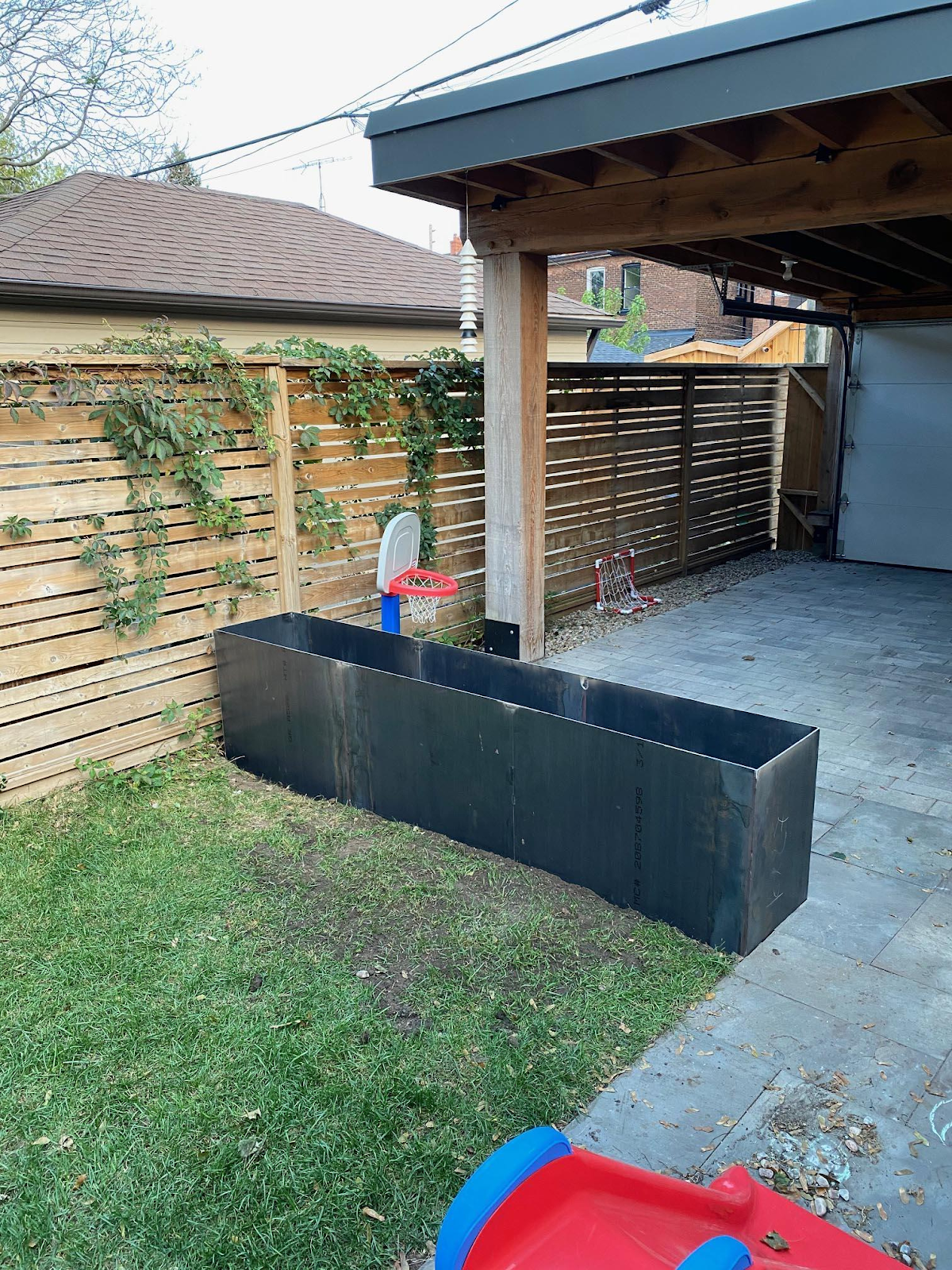
Corten steel acquires a rusty look due to the formation of a protective layer of rust over it and hence has a more mechanical look. This roofing is very durable and can withstand harsh weather; therefore, it is perfect for modern and industrial-type patios.
14. Tensile Membrane Roof
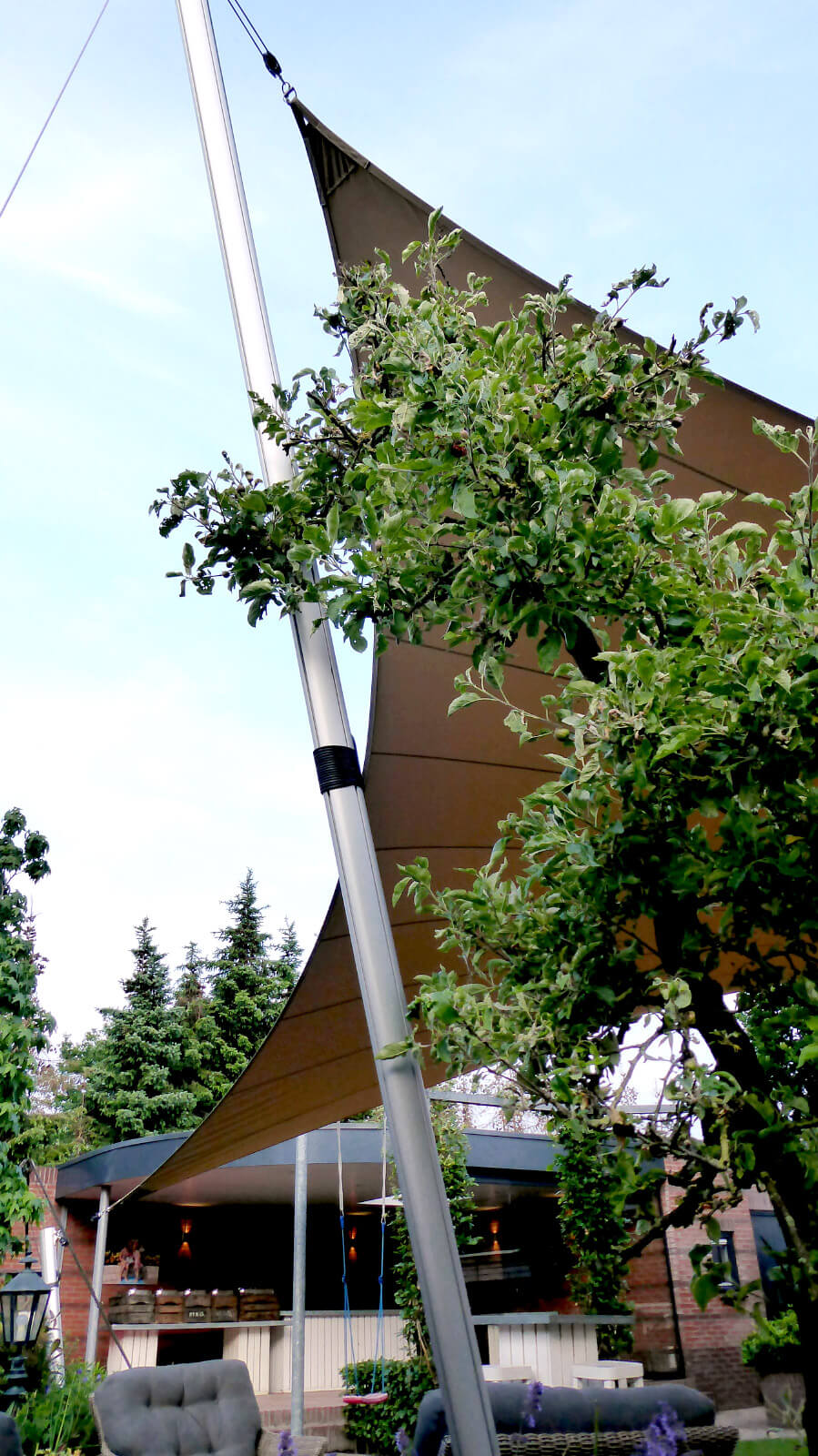
Tensile membrane roofs are characterized by the fabric used as a roof and supported by a frame, thus giving a modern look. They are portable and can span a great distance, and they are perfect where there is a large patio space to cover.
15. Vinyl Roof
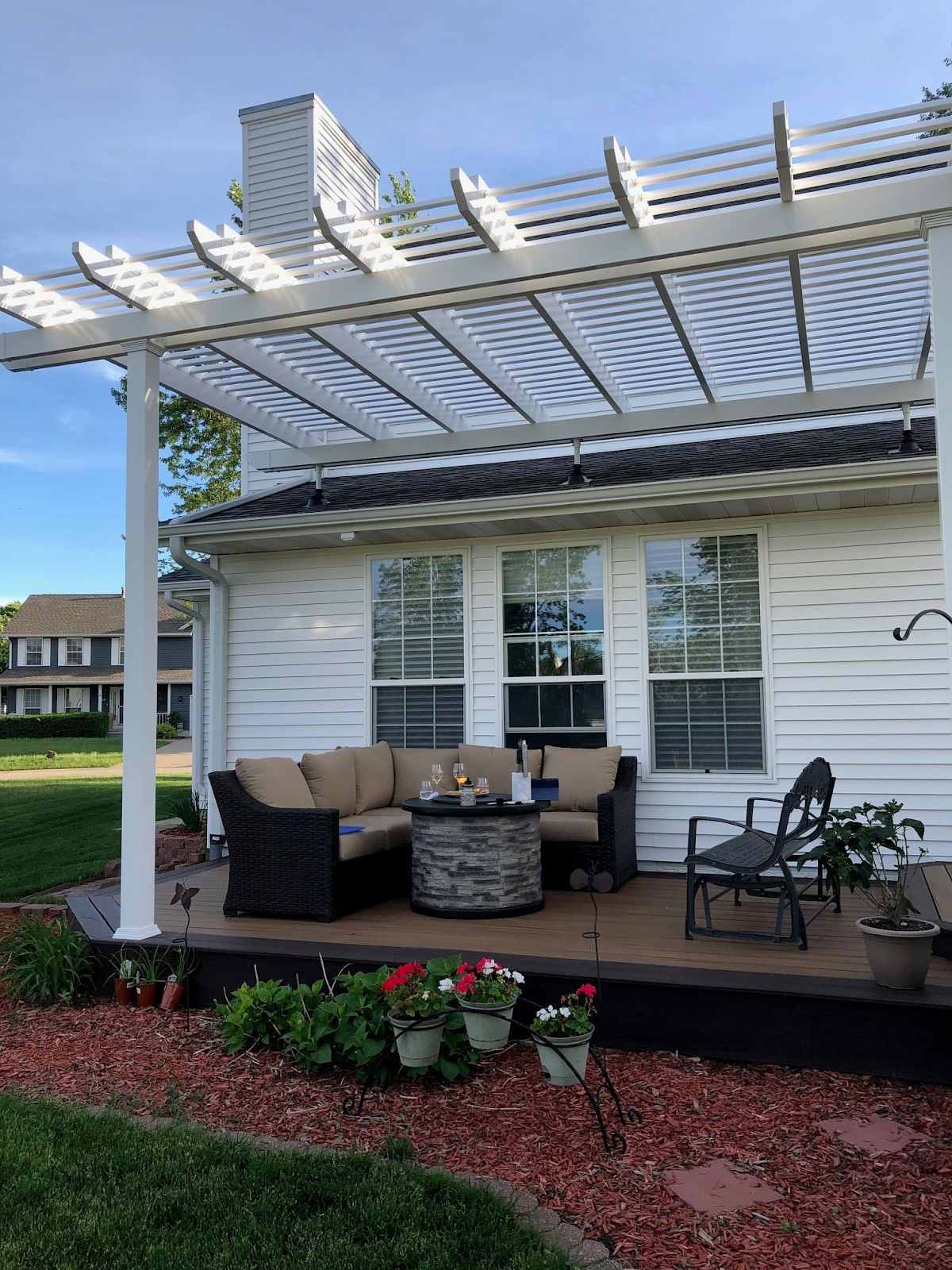
Heartland Pergolas
Vinyl roofing is made from synthetic material which makes it to be resistant to weather and easy to maintain. Vinyl roofs come in different styles and colours as they provide practicality and the ability to fit most patio designs.
Final Thoughts
The right patio roof is the upgrade that takes your outdoor space from somewhere you visit to somewhere you live.
Whether you choose the simplicity of a shade sail, the warmth of cedar shingles, the drama of Corten steel, or the flexibility of a motorised aluminium louvre system, the roof you put over your patio determines how much you use it, how long everything in it lasts, and how good it looks from every direction.
Choose the option that suits your home, your climate, and your lifestyle, and it will pay you back in enjoyment for years to come.
FAQs
What is the most affordable patio roof option?
A shade sail is the most affordable starting point, with basic installations costing a few hundred dollars. Corrugated polycarbonate panels on a simple timber frame are the most cost-effective option for full rain protection. Canvas and polyester fabric canopies sit between the two in terms of cost and protection level.
What is the most durable patio roof material?
Powder-coated aluminium panels and standing seam metal roofing are the most durable patio roof materials available for permanent structures. Both are rust-resistant in standard and coastal environments, require minimal maintenance, and have service lives measured in decades rather than years with proper installation.
How do I stop my patio roof from being noisy in rain?
Metal and polycarbonate roofs are the noisiest in rain without treatment. Installing acoustic insulation above the roofing panels significantly reduces rain noise. For polycarbonate, choosing multiwall panels instead of single-wall sheets reduces noise as well as improving insulation. A layer of roofing felt beneath metal panels is the traditional approach to noise reduction and remains highly effective.
Can I build a patio roof myself?
A simple shade sail, a fabric canopy frame, or a basic timber pergola with shade cloth is within the capability of a competent DIYer. Any roof structure attached to the house, involving significant structural elements, requiring a building permit, or covering a large elevated area should involve professional design and installation, particularly for the structural connections and drainage details.
How do I attach a patio roof to my house without causing leaks?
The connection between a patio roof and the house wall is the most critical weatherproofing detail in the whole project. A properly flashed ledger board connection that directs water away from the junction and into guttering is the standard approach. This detail must be executed correctly by someone who understands both the structural and waterproofing requirements. It is one of the strongest reasons to use a professional for any roof extension attached to the house.
What patio roof is best for heavy snow areas?
In heavy snow areas, a steeply pitched solid roof with snow load capacity appropriate for your location is essential. The roof structure must be engineered to carry the expected snow load for your climate zone, which is a legal requirement in most northern US jurisdictions. Metal roofing with a steep pitch sheds snow most effectively. Flat and low-pitch roofs accumulate snow and must be structurally designed for significantly higher loads. Always consult your local building department for specific snow load requirements before designing any permanent patio roof structure.