17+ Beautiful Patio Railing Ideas for Safety and Aesthetics
A patio railing is an important feature of your outdoor space and an excellent design not only makes your compound safe but also shares the beauty.
A patio railing does two things at once. It keeps people safe and it shapes how your outdoor space looks. Get both right and your railing becomes one of the most defining design features of the entire patio. Get it wrong and it is the first thing people notice for all the wrong reasons.
Why Your Patio Railing Deserves Serious Design Attention
Most homeowners treat the patio railing as an afterthought, something to satisfy code requirements and nothing more. That is a significant missed opportunity. Here is why the railing deserves as much design consideration as any other element of your outdoor space.
It Is One of the Most Visible Elements of Your Patio
From inside the house, from the garden, from the street, the patio railing is almost always visible. It frames the view from every direction. A railing that is poorly chosen or badly maintained is a constant visual distraction. A railing that is well designed and well executed contributes positively to the appearance of the house every single day.
Love Chic Living Club?
Add us as one of your preferred Google sources and discover more home decor, DIY, outdoor, and lifestyle inspiration from us.
It Defines the Character of the Space
More than almost any other single element, the railing style defines the aesthetic character of a patio. A wrought iron railing says traditional, ornate, and historic. A cable railing says modern, open, and view-focused. A timber railing says warm, natural, and crafted. A glass panel railing says contemporary, clean, and unobstructed. Whatever aesthetic you are going for with your patio, the railing is one of the most powerful tools you have to express it.
It Has to Work Safely as Well as Look Beautiful
A beautiful railing that fails structurally is not a railing at all. It is a hazard. The structural and safety requirements of a patio railing are non-negotiable, and understanding them helps you make better design choices rather than compromising safety for aesthetics. The good news is that the two do not have to conflict. There are beautiful solutions at every price point that meet code requirements fully.
Patio Railing Building Codes: What You Need to Know
Before choosing any railing system, understanding the basic code requirements for your jurisdiction ensures your railing is both legal and safe. These are US general guidelines. Always confirm requirements with your local building department as codes vary by state and municipality.
When Is a Railing Required?
In most US jurisdictions, a guardrail is required on any elevated surface that is 30 inches or more above the adjacent ground level. This includes decks, raised patios, balconies, and any elevated patio structure. Below 30 inches, a railing is not typically code-required, though you may choose to install one for aesthetic or safety reasons.
Minimum Height Requirements
The International Residential Code, which forms the basis of most US local building codes, requires guardrails on residential decks and patios to be a minimum of 36 inches tall for surfaces less than 6 feet above grade. For surfaces 6 feet or more above grade, the minimum height increases to 42 inches. Many jurisdictions adopt the 42-inch requirement uniformly regardless of height.
Baluster Spacing Requirements
The gaps between balusters, the vertical infill elements of a railing, must not allow a 4-inch sphere to pass through. This requirement exists to prevent small children from getting their heads trapped between balusters. For horizontal rail designs, the spacing rules differ as horizontal rails can act as a climbing aid for children, which is why some jurisdictions restrict or prohibit horizontal rail designs on elevated residential patios.
Load Requirements
Railing systems must be able to withstand a minimum concentrated load of 200 pounds applied in any direction at any point on the top rail, and a uniform load of 50 pounds per linear foot. These load requirements ensure the railing can resist the force of a person falling against it or leaning heavily on it. Always ensure your railing posts are set into a solid structural anchor rather than simply bolted to the surface of decking boards.
You May Also Love


Glass Panel Requirements
Glass used in railing panels must be safety glass, either tempered or laminated, certified for use as a structural glazing panel. Standard float glass is not permitted. The glass thickness and panel size must be engineered to meet the load requirements above. Always use a glass railing system from a reputable manufacturer with documented engineering certification rather than fabricating your own.
Choosing the Right Railing Material for Your Climate and Home
Material choice for a patio railing is driven by three factors equally: the aesthetic of your home, the climate you live in, and your willingness to maintain it over time. Here is a complete breakdown of every major railing material.
Wrought Iron and Steel
Wrought iron and steel railings have a classic, substantial quality that suits traditional, colonial, and period home styles particularly well. They are extremely strong and can be formed into an enormous range of decorative profiles and patterns. The significant limitation is rust. Iron and steel must be properly primed, painted, and maintained to prevent corrosion, particularly in coastal and humid climates. A wrought iron railing that is not maintained properly will rust, stain adjacent surfaces, and eventually fail structurally. Plan for painting or powder coating every five to ten years to keep it in good condition.
Aluminum
Powder-coated aluminium is the most practical and popular choice for residential patio railings in the US. It is rust-free, extremely low maintenance, available in a wide range of powder coat colors, lightweight, and significantly more affordable than steel or wrought iron. Modern aluminium railing systems come in designs that convincingly mimic the look of wrought iron and traditional steel at a fraction of the cost and with none of the rust risk. The main criticism of aluminium is that it lacks the visual solidity and weight of real iron and steel, though quality systems have improved enormously in this regard.
Timber
Timber railings bring warmth, natural character, and a crafted quality that no metal or composite material replicates. They suit craftsman, cottage, farmhouse, and coastal home styles beautifully. The limitation is maintenance. Timber exposed to the weather requires regular painting, staining, or oiling to stay in good condition and prevent rot. Properly maintained timber railings look beautiful for decades. Neglected ones deteriorate quickly and can become structurally unsafe. Cedar and redwood are the most naturally durable domestic timber choices for outdoor railing applications.
Don't miss: 13+ Unique Transitional Patio and Garden Ideas →
Composite
Composite railing systems made from wood fiber and plastic offer the appearance of timber with dramatically lower maintenance requirements. They do not rot, split, splinter, or require painting. They are available in a wide range of colors and profiles. The main criticism of composite railings is that they can look slightly plastic and lack the natural variation and warmth of real timber. Quality has improved significantly and the best composite systems are convincing, but they have not yet fully closed the aesthetic gap with real wood.
Cable
Stainless steel cable railings threaded through timber or metal posts create a clean, contemporary look that preserves views and suits modern, coastal, and industrial-inspired outdoor spaces beautifully. The open, horizontal nature of cable railings makes them feel particularly well suited to patios with good views beyond. The practical considerations are that cable railings require occasional re-tensioning as cables stretch slightly over time, and the horizontal lines can act as a climbing aid for children, which may be a concern in some jurisdictions.
Glass
Glass panel railings provide the most unobstructed views of any railing system and suit contemporary, modern, and view-focused patios where preserving the visual connection to the landscape beyond is a priority. Glass railings are available in frameless, semi-frameless, and framed configurations. Frameless glass is the most visually dramatic but requires the heaviest glass panels and the most robust post and base fixing system. Glass railings require periodic cleaning to maintain their appearance but are otherwise extremely low maintenance.
How to Make Your Patio Railing a Design Feature
A railing does not have to be purely functional. With a little thought, it can become one of the most beautiful and distinctive elements of your outdoor space.
Use It as a Planting Structure
A timber or metal railing is a natural support for climbing plants. Trained wisteria, climbing roses, jasmine, or clematis woven through a railing brings color, scent, and life to what would otherwise be a purely structural element. Choose plants that are appropriate for your climate and that will not become so vigorous that they damage the railing over time.
Keep Exploring


Add Lighting Along the Top Rail or Posts
Low-voltage LED lights recessed into post caps, mounted under the top rail, or built into the base of the railing create a beautiful line of warm light along the railing edge at night. This serves two purposes: it marks the railing line for safety in the dark and it adds a layer of atmospheric lighting to the patio that looks magical from both inside and outside the house.
Match or Complement the House Hardware
The railing is part of the architectural vocabulary of your home. Choosing a railing material and finish that relates to other metal elements on the house exterior, door hardware, window frames, light fittings, guttering, creates a level of design cohesion that makes the whole property look more considered and intentional.
Paint It a Color That Works With the House
A railing does not have to be black or white. Deep navy, forest green, charcoal, bronze, and warm off-black are all beautiful railing colors that can elevate a standard aluminium or steel system into something genuinely distinctive. Always choose an exterior-rated finish and, for painted metal, ensure the surface is properly primed before the topcoat is applied.
These ideas cover every style, every material, and every situation so you can find the perfect railing for your home.
1. Classic Wrought Iron Railings
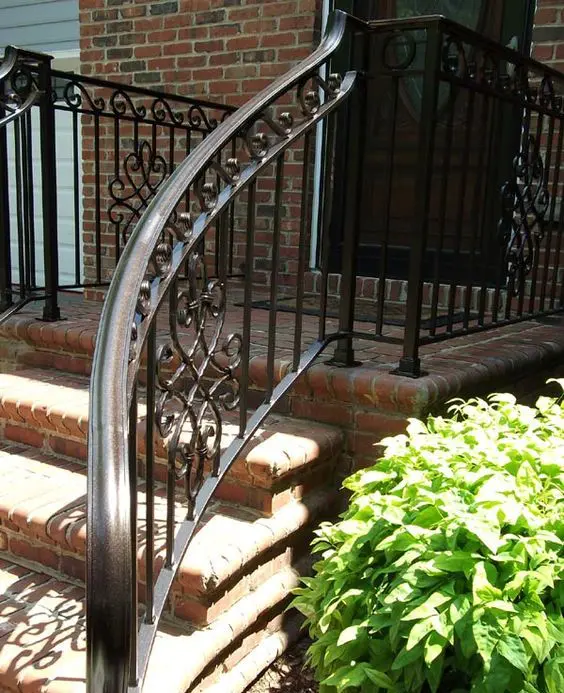
Wrought iron railings are always a good option for those who are considering patio railings. They are valued for their solidity and resistance, which makes them a secure material for homes with children and/or animals.
Depending on the client’s preference, wrought iron can be made with extra detailing or kept almost plain.
2. Modern Glass Panels
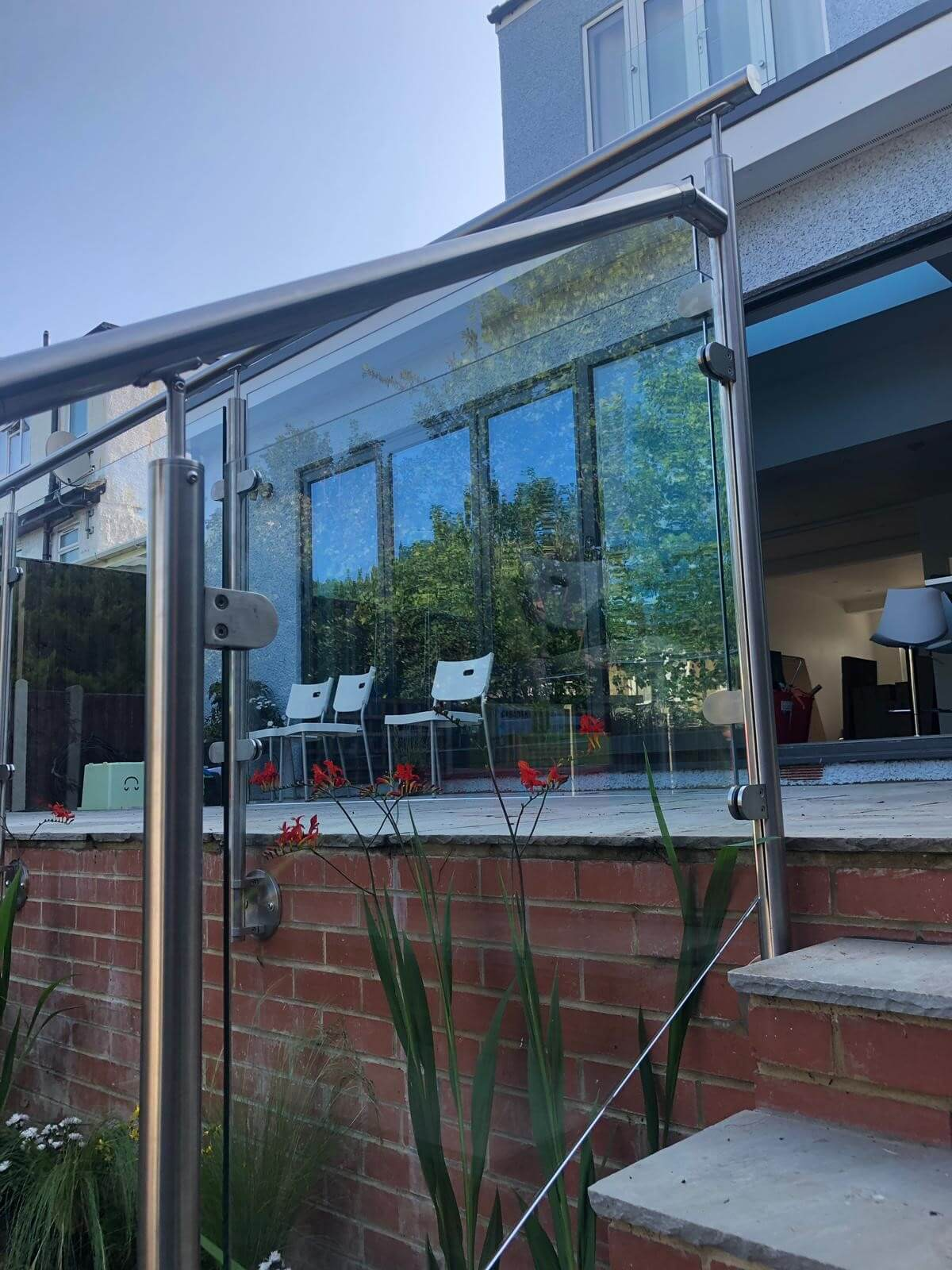
Glass panel railings are a perfect example of a modern railing system. These railings give an aesthetic view of the surrounding environment and, at the same time, come with protection barriers.
The railing is made of tempered glass for strength and is so sleek in design that it easily complements contemporary Architectural landscapes.
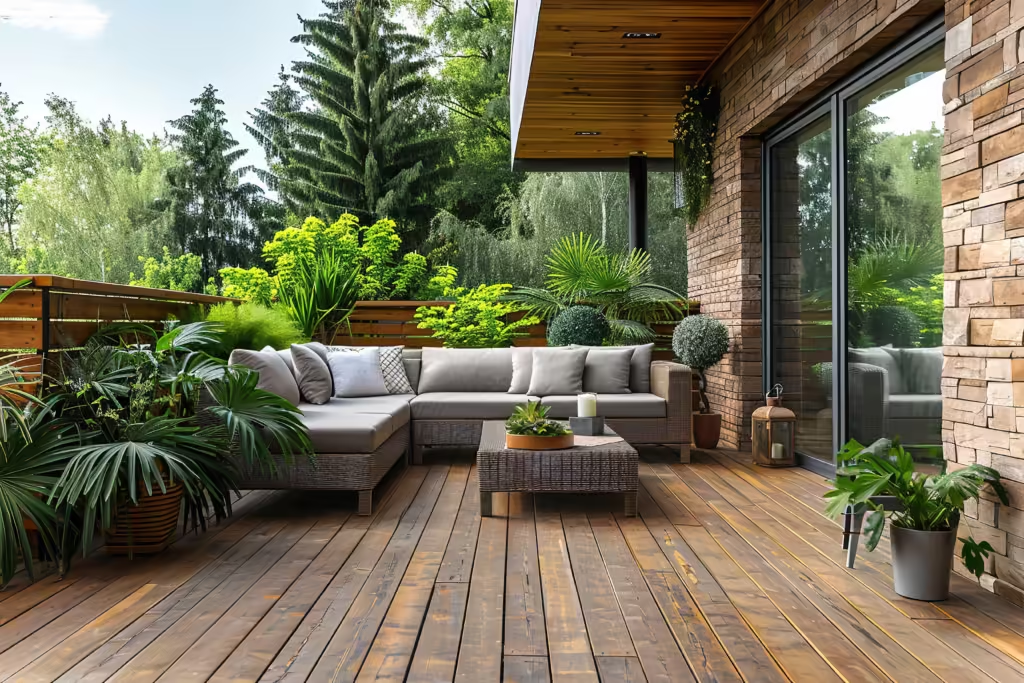
3. Rustic Wooden Railings
HGTV
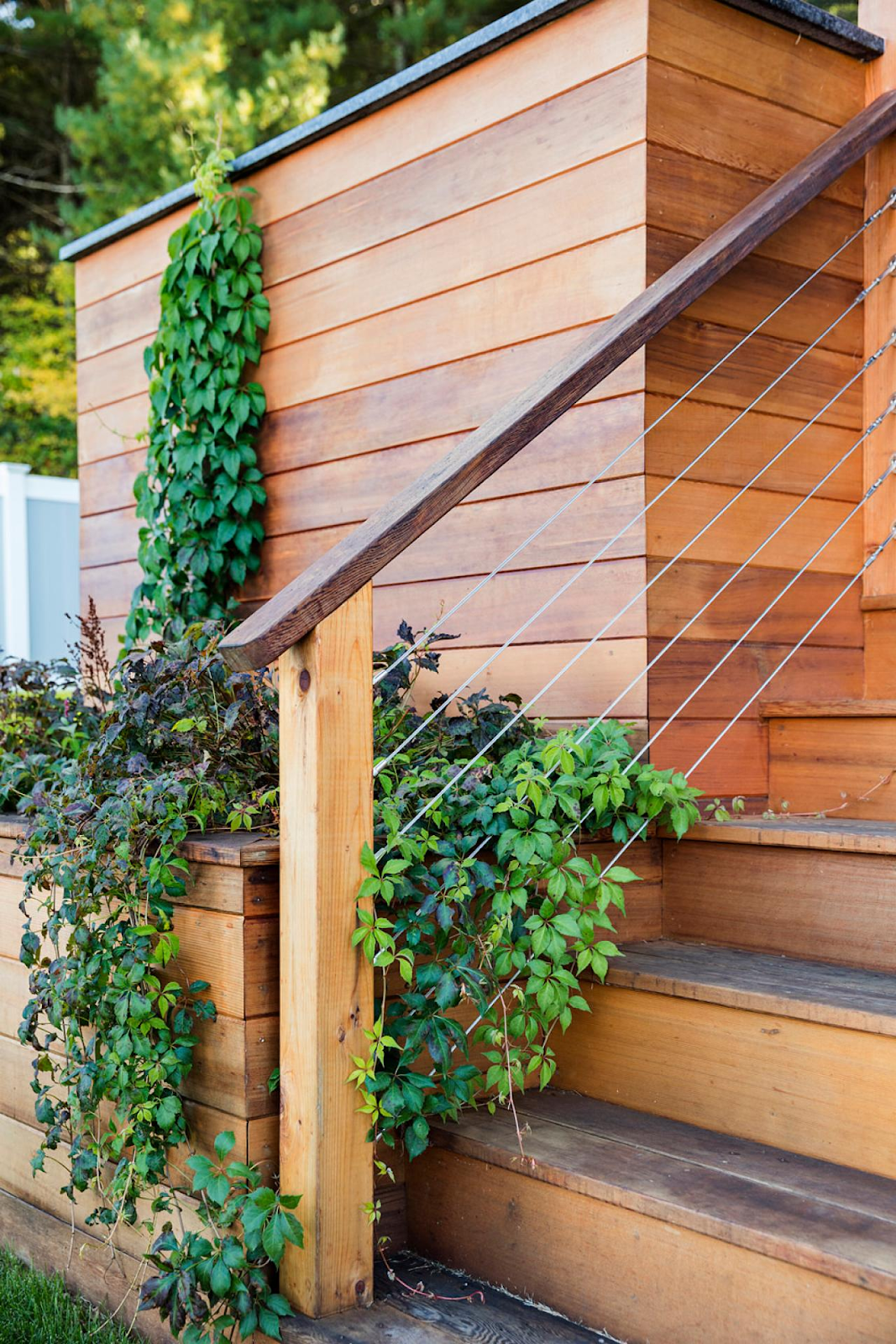
It specifically comes in wooden railings, which are a natural touch that any patio would want on its exterior. Avoid any type of wood that is not pressure-treated or cedar for the outdoors, as it will not last as long. Rustic wooden railings are versatile and can be incorporated into just about any architectural style, ranging from the farmhouse style to the modern style.
4. Cable Railings
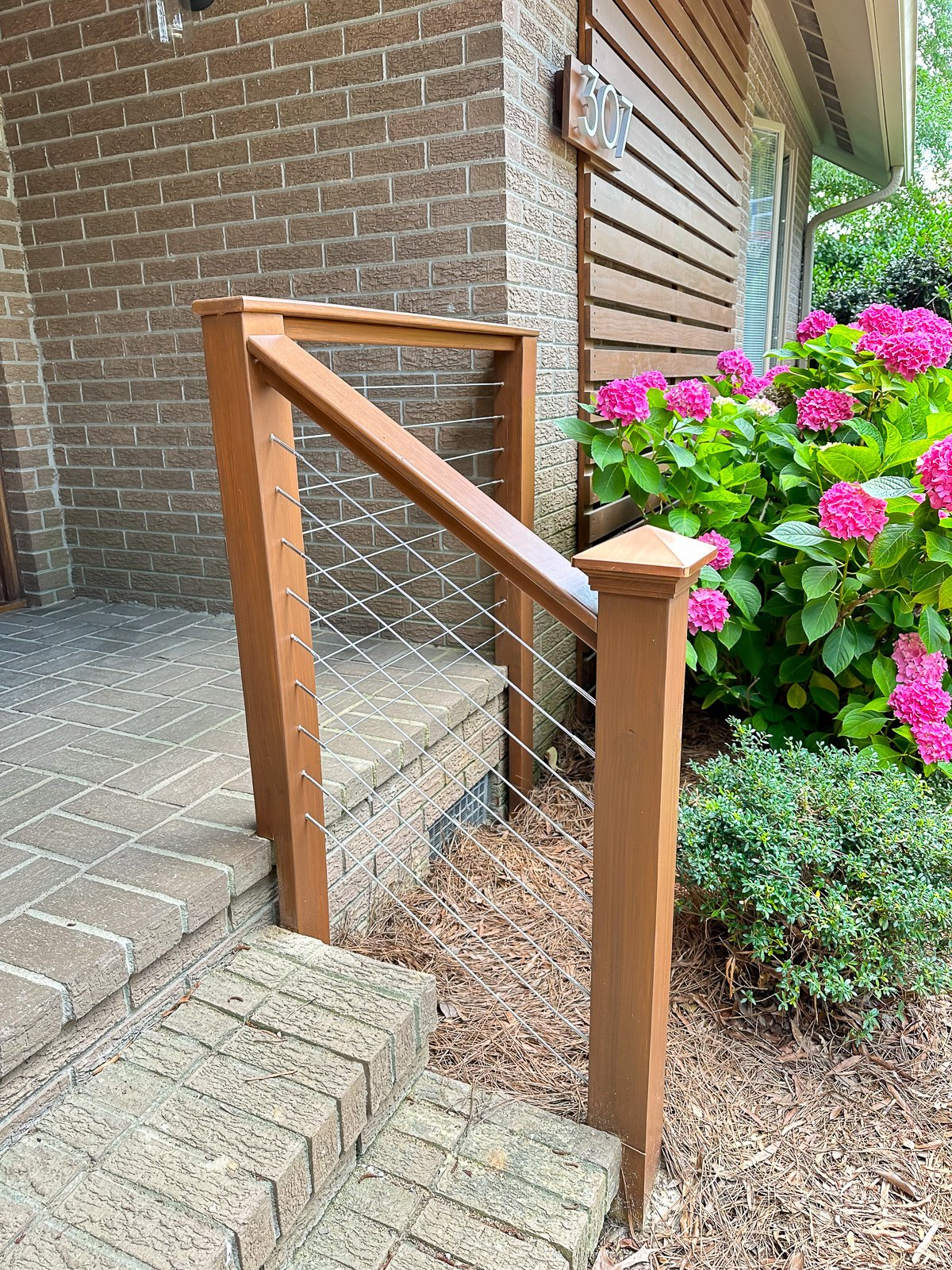
Cable railings are perfect for contemporary and industrial designs, which is perfect for most patios. The stainless steel cables are very durable and are not very conspicuous, thus providing safety to the people while at the same time not interfering with the view.
5. Contemporary Metal Railings
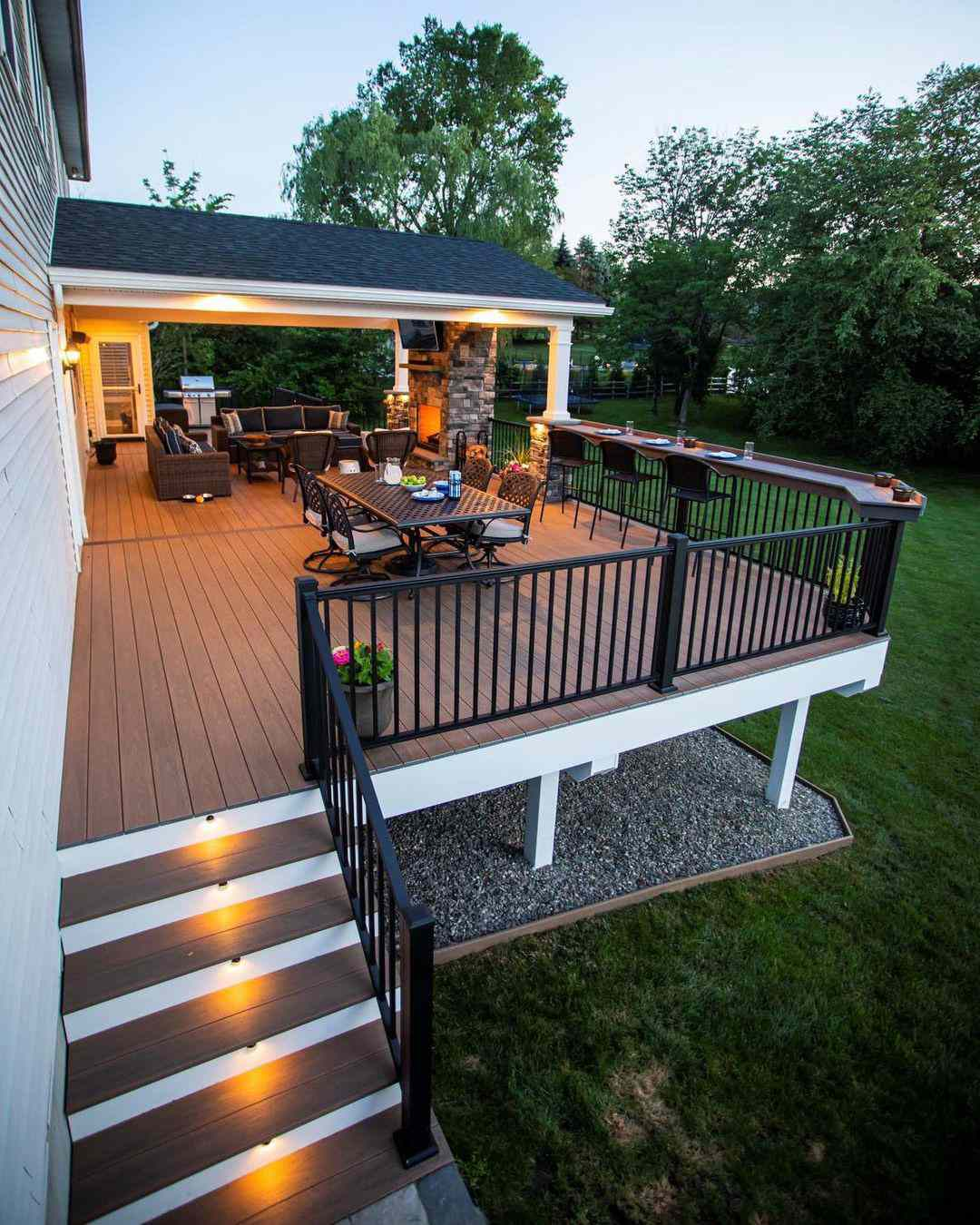
Outdoor metal railings can also be of different designs, ranging from modern-styled railings to more decorated railings. Metal coated with powder does not rust or corrode, which can be useful when placing furniture outdoors. Find an array of colours and finishes to select from for your desired patio look.
6. Artistic Metalwork
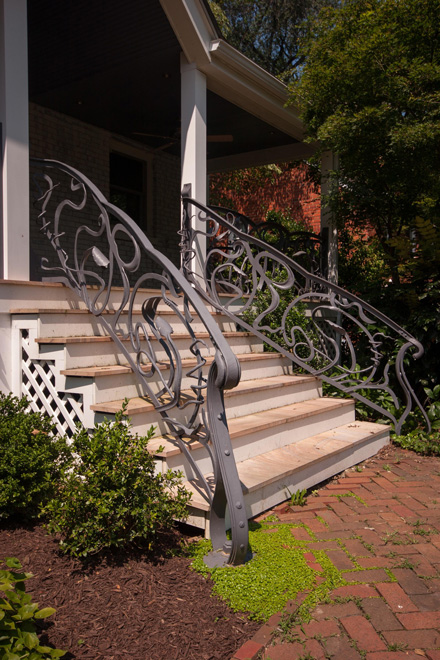
For nontraditional railings, artistic metalwork railings could be the best solution. These railings can also have designs and patterns of the buyer’s choice, making your patio railing a masterpiece of artwork; it can have abstract designs, scrollwork, etc.
7. Composite Railings
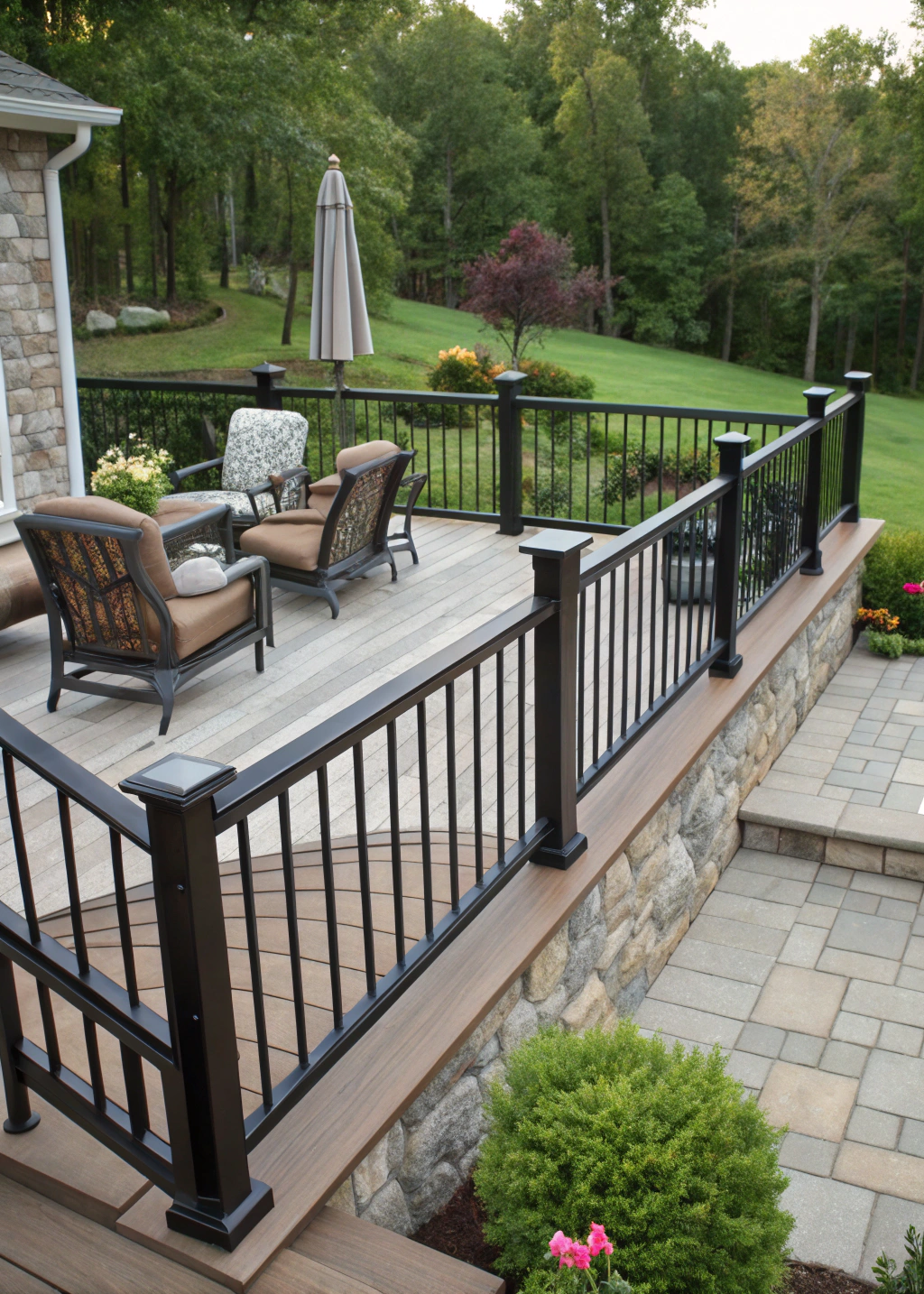
Composite railings contain wood fibres and plastic, giving them the appearance of wood but the toughness of plastic. They are easy to maintain, do not get affected by weather or insects, and can be found in different colours and designs. Composite railings are also good for a medium level of beauty and usefulness because they can blend in with many settings.
8. Aluminum Railings
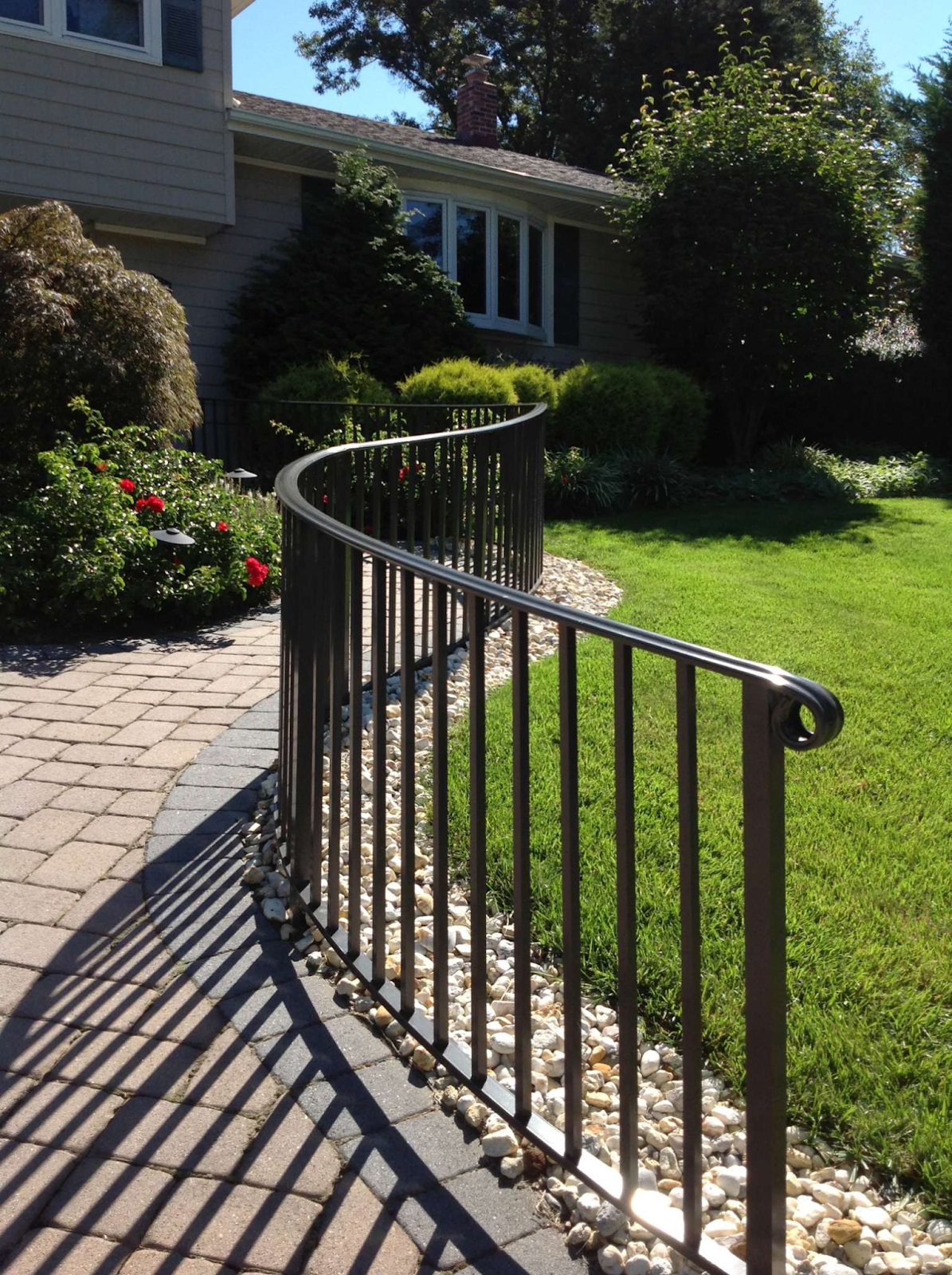
Carl’s Fencing, Decking & Home Improvements
Aluminium railings are easy to install, very strong, and not affected by rust or other corrosion. They can be finished in different shades and designs to help suit any patio design. Due to their smooth finish, they fit the modern and contemporary outdoor environment.
9. Farmhouse-Style Railings
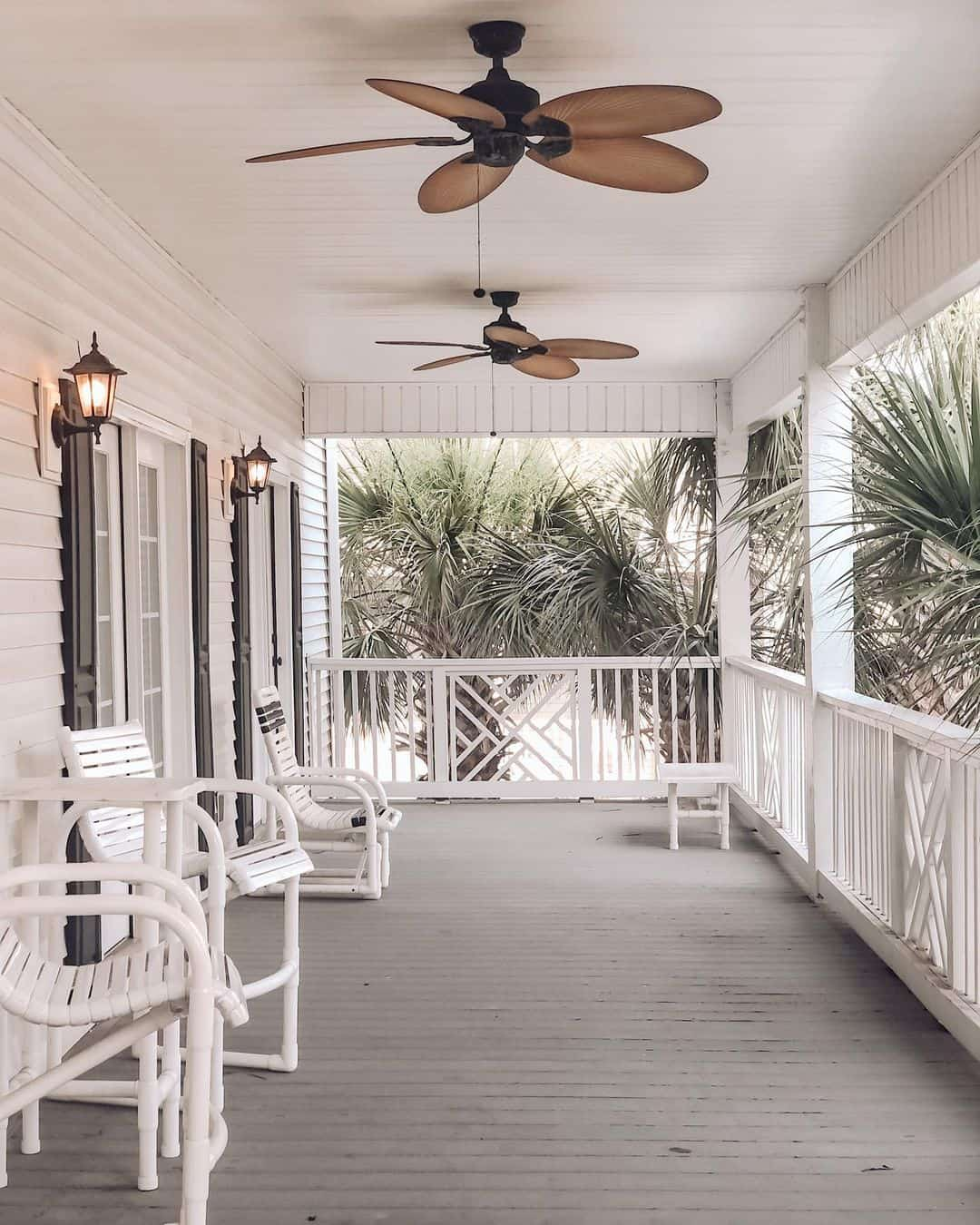
Soul & Lane
For a more country feel, farmhouse railings may be just what you need to add to your house. These usually have wooden pillars interconnecting horizontal or angled beams. They reflect the ethic of the countryside and may be combined with other rustic items such as wicker furniture and potted plants.
10. Asian-Inspired Railings
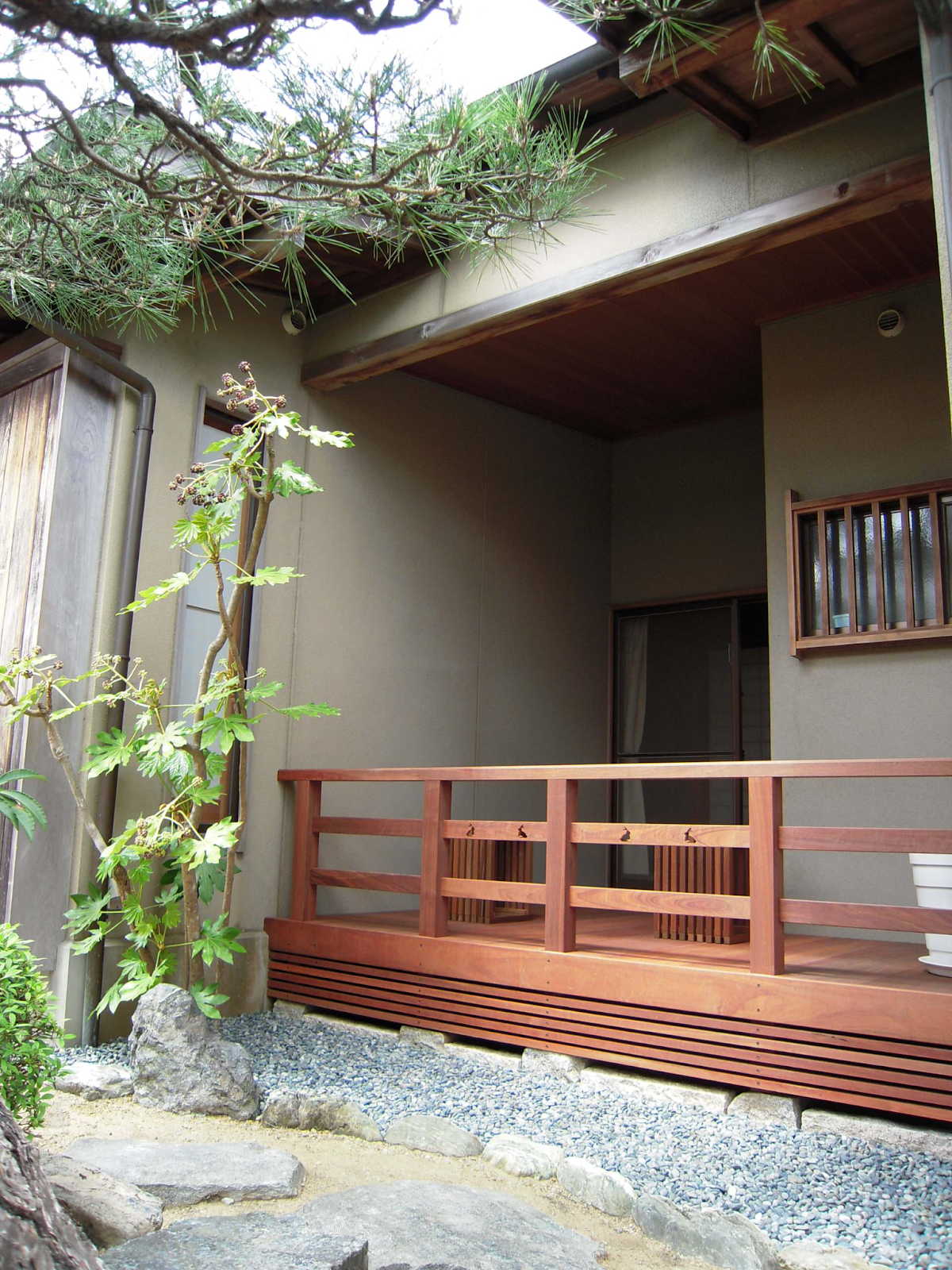
Asian patterns can be seen in railings of structural system designs, which may be made of bamboo or wood. Bamboo railings can make your patio look elegant and serene. They are also one of the best for the environment, and they also provide a natural cool and calm atmosphere in the open area.
11. Vintage Railings
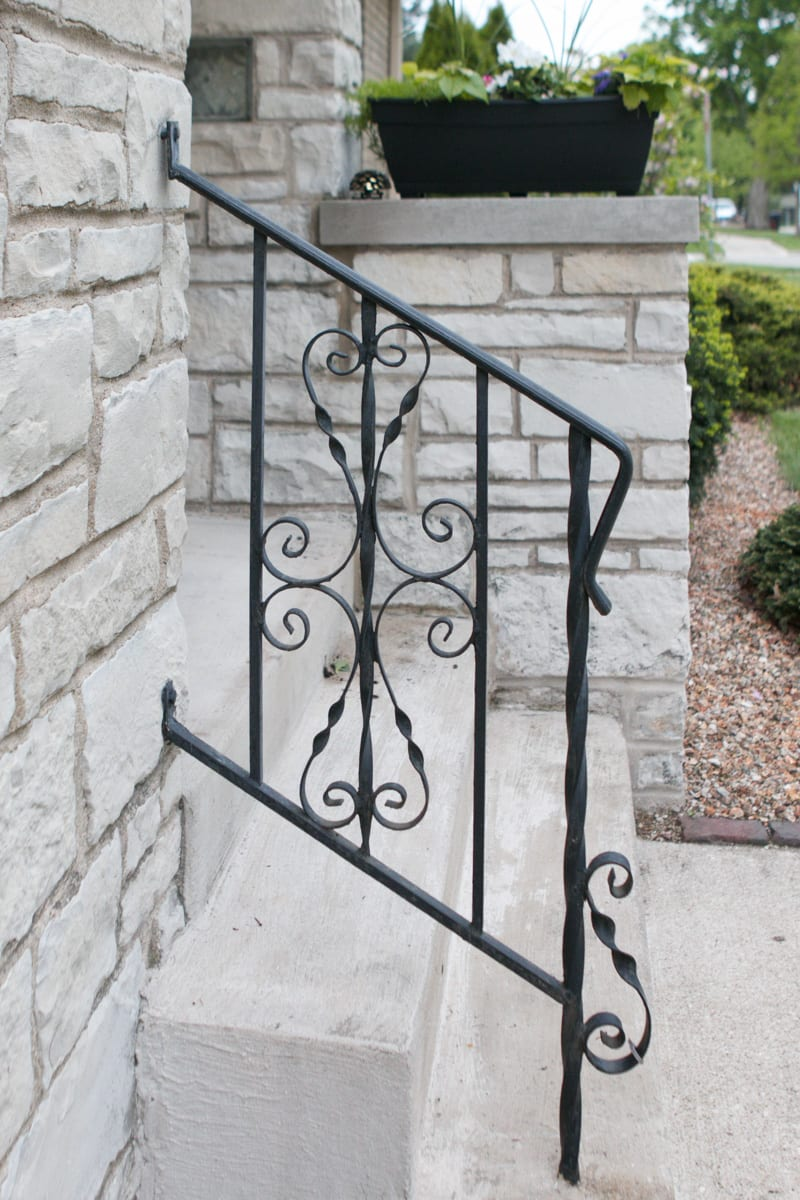
Some railing designs have their origin in the past and are hence called vintage railings for patios. Pay attention to designs that contain elements such as gilding and vintage patina. These railings can give your patio an old-world charm and make it look like a place where you want to retreat.
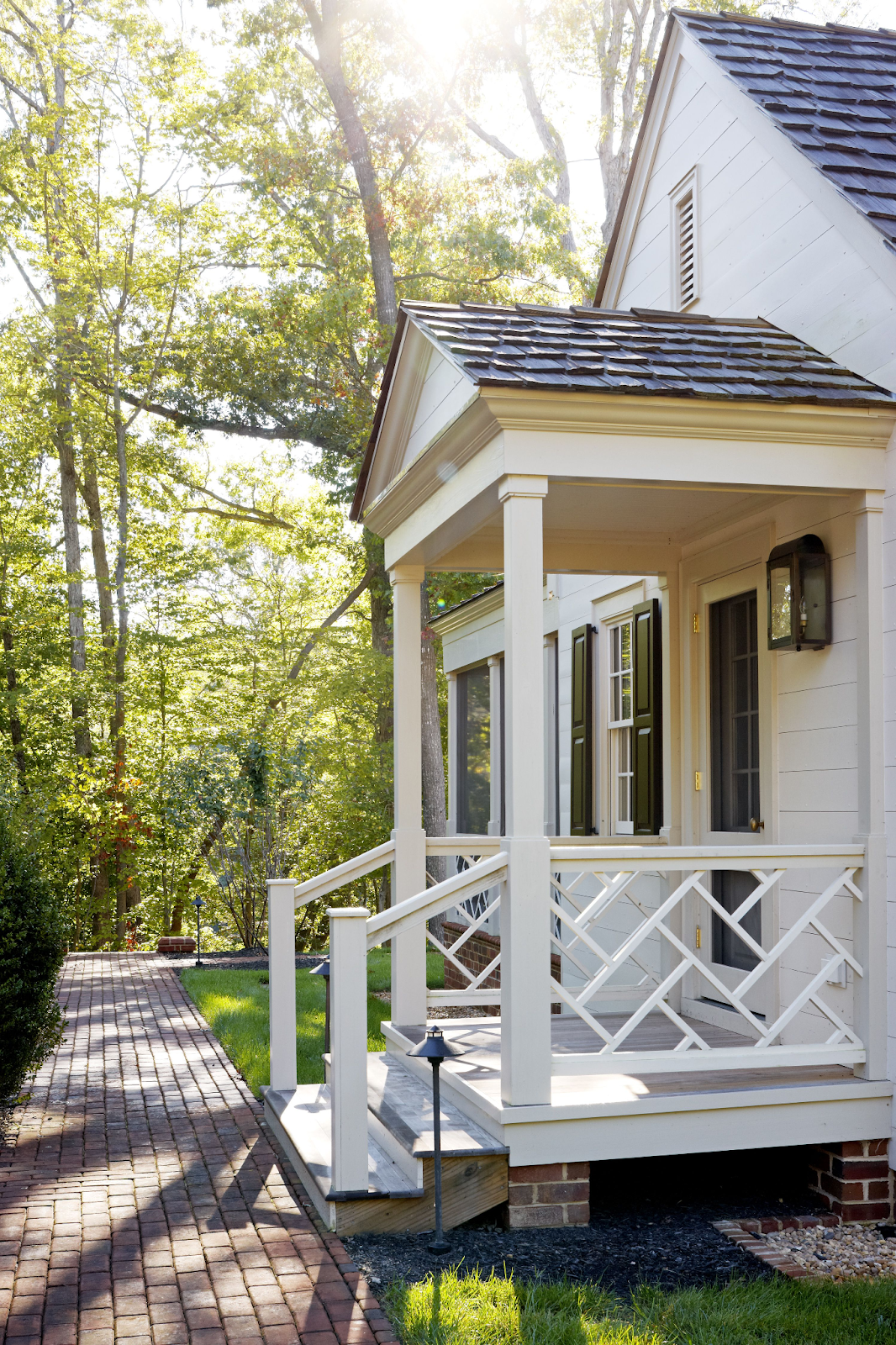
12. Geometric Designs
MyDomaine
Shape railings use shapes and patterns to create a new, modern look and feel. Designs can be as basic as squares and rectangles or incorporate elaborate designs. Geometric railings are also likely to bring a touch of interest and a modern feeling to your outside area.
13. Industrial-Style Railings
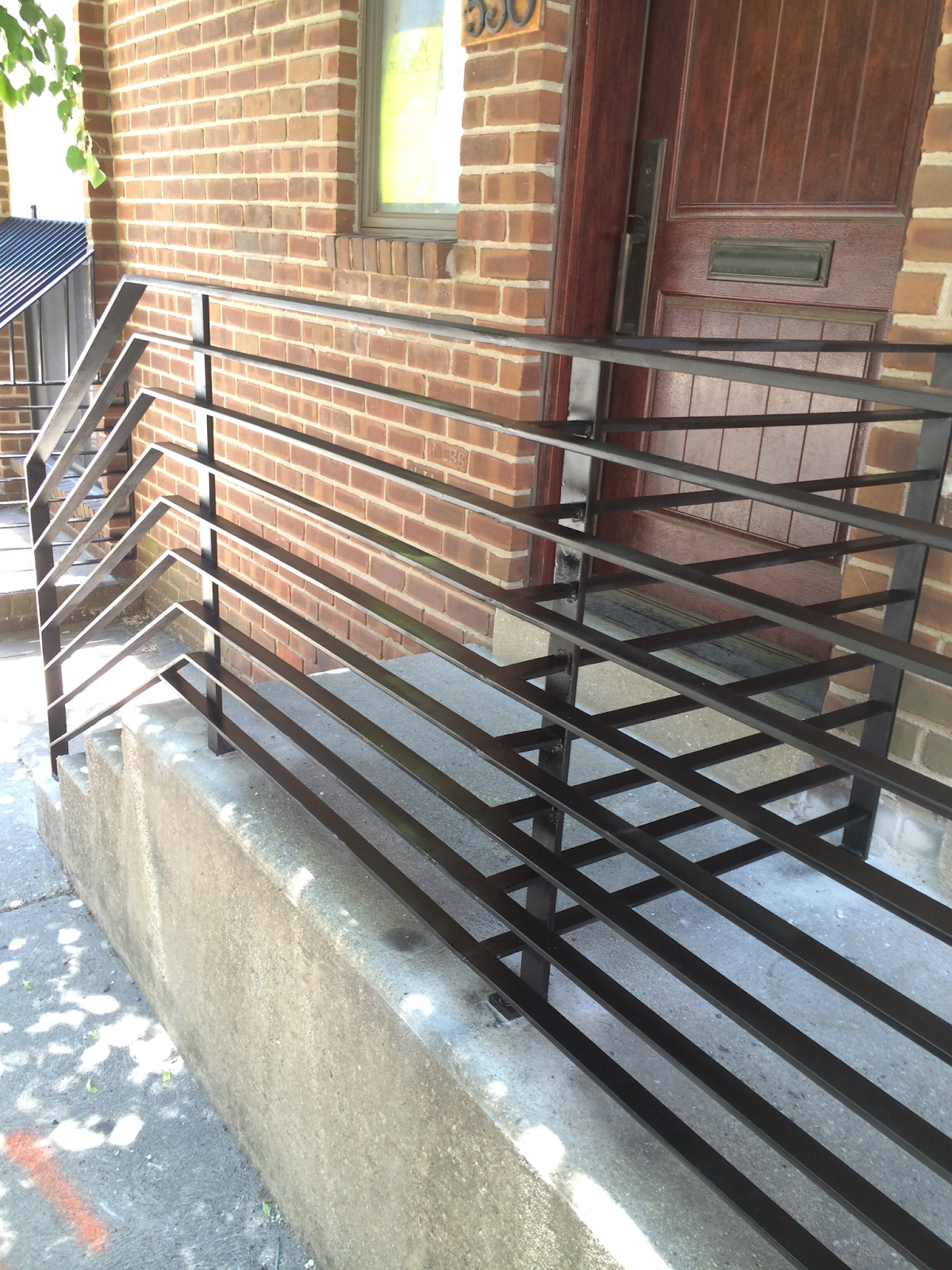
Industral-style railings are made of steel or concrete for a raw and urban feel. They mostly have a very industrial look, as if they have not been sanded or painted. This style is suitable for loft-type houses or patios built with the concept of an industrial contemporary look.
14. Customizable Railing Systems
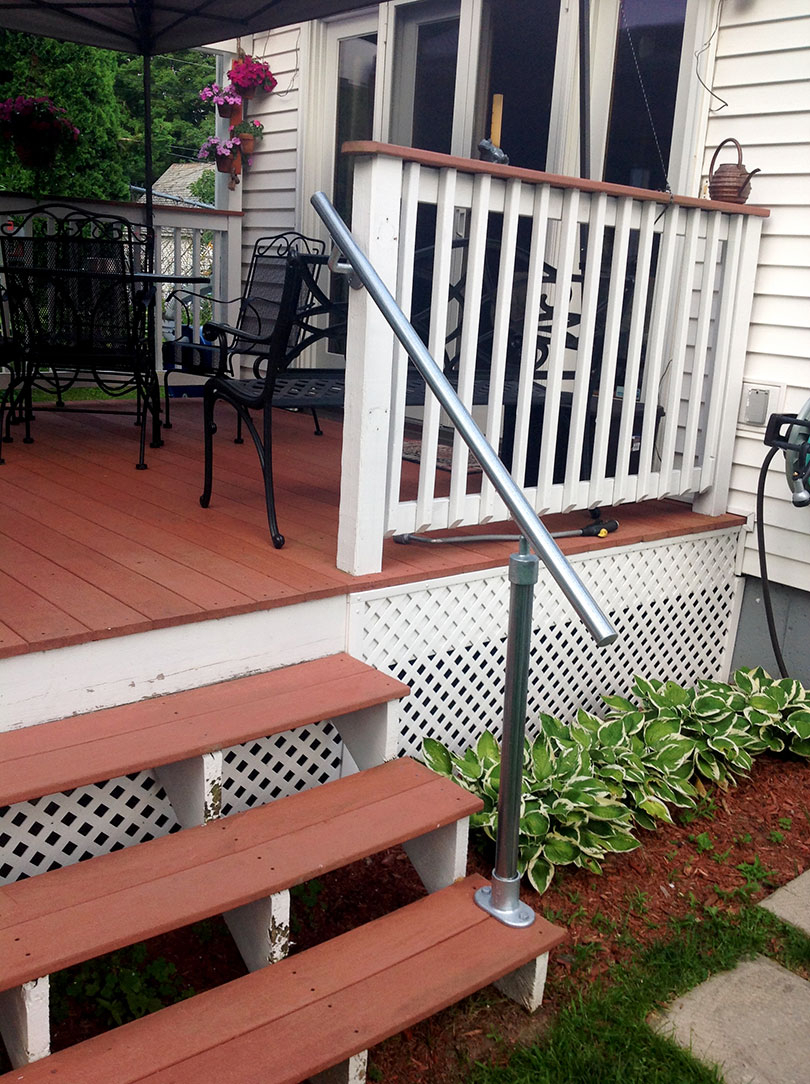
Precise railing structures allow users to build a railing of their choice in terms of need and look. These systems can commonly be split units, where the individual parts are interchangeable and can be organized in different ways. Thus, they can be versatile in form and operation.
15. Decorative Iron Railings
Compass Ironworks
Iron rails on the patio can be very decorative and classy, enhancing the beauty of the home. They are available in different designs, such as scrolls and other complicated designs. The use of iron in the decoration of houses is also safe, hence the preference of the rich people in society when designing their homes.
16. Minimalist Railings
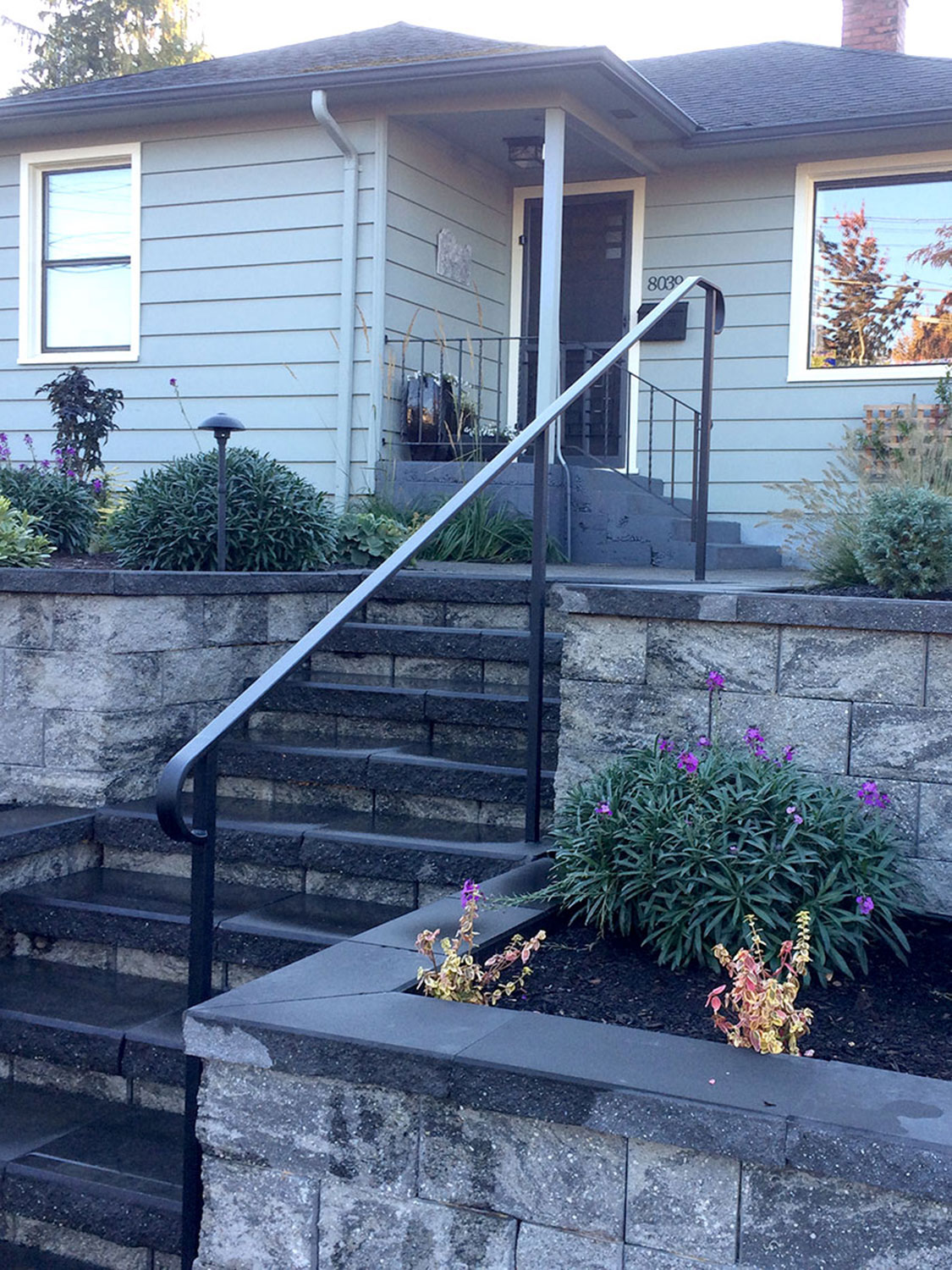
Minimalist railings do not elaborate on the designs they use or have less design in the materials they use. Practical and often metallic or glass, minimalist railings do not interfere with the design and do not take up much space. Thus, they are perfect for today’s modern and contemporary patios.
17. Mixed-Material Railings
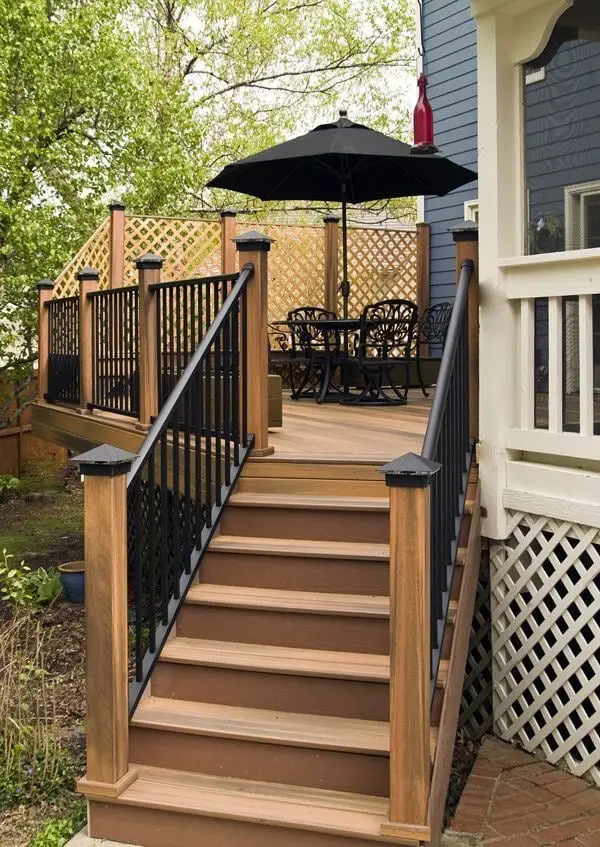
Clustering various materials can be very stylish in designing a railing system. For instance, the use of wood and metal or glass and aluminium gives the feel of two different surfaces. Patio railings can be made out of a combination of different materials, and the design opportunities this opens up allow them to fit different patio designs.
Final Thoughts
A patio railing is never just a safety feature. It is a design statement, an architectural detail, and one of the most visible elements of your entire outdoor space.
Whether you choose the timeless authority of wrought iron, the clean transparency of glass, the warmth of timber, or the bold graphic quality of geometric metalwork, the right railing elevates the whole patio and the whole house.
Choose it with as much care as you would give to any other significant design decision and it will repay that attention every single day.
FAQs
How high does a patio railing need to be?
Under the International Residential Code, which most US jurisdictions follow, railings on surfaces less than 6 feet above grade must be at least 36 inches tall. For surfaces 6 feet or more above grade, the minimum increases to 42 inches. Many municipalities adopt the 42-inch standard uniformly. Always confirm the specific requirement with your local building department before installing.
What is the most low-maintenance patio railing material?
Powder-coated aluminium requires the least maintenance of any railing material. It does not rust, does not need painting or sealing, and keeps its appearance for decades with nothing more than an occasional wipe down. Glass panels are similarly low maintenance if you do not mind periodic cleaning to remove fingerprints and water marks.
Can I install a patio railing myself?
A straightforward aluminium or timber railing system on a low-level deck is within the capability of a competent DIYer. However, any railing on a significantly elevated surface, any glass panel system, and any railing that requires a building permit should involve professional installation to ensure structural and code compliance. The post anchoring and structural connection are the most critical elements and the ones where amateur installation most commonly falls short.
What railing is best for a patio with a view?
Glass panel railings or cable railings are the best choices for view-focused patios because they create the minimum visual obstruction between the viewer and the landscape beyond. Frameless glass provides the most unobstructed view. Cable railings with slim posts come a close second and are generally more affordable.
How do I make my existing patio railing look better without replacing it?
A fresh coat of exterior paint in a color that suits your home architecture makes an enormous difference to a tired or dated railing. Replacing post caps is a simple upgrade that immediately improves the finished quality of a timber or aluminium railing. Adding low-voltage LED post cap lights or under-rail lighting transforms the railing at night. Training a climbing plant along a metal or timber railing adds life and softness that no paint or hardware upgrade can achieve.
Are horizontal railings safe for patios with children?
Horizontal rail railings, where the infill consists of horizontal bars rather than vertical ones, can act as a ladder for young children, making it possible for them to climb over the railing. Some jurisdictions restrict horizontal rail designs on elevated residential structures for this reason. If you have young children and are installing a railing on a significantly elevated surface, vertical infill, cable systems with closely spaced cables, or glass panels are safer choices.