13+ Deck Planter Ideas to Bring Nature Closer
Plants make every deck better. They soften hard surfaces, add color and fragrance, create privacy, and bring a sense of life and energy to outdoor spaces that furniture and accessories alone simply cannot.
The good news is you do not need a garden to grow them.
A well-chosen planter in the right position is all it takes to transform any deck, from a small urban balcony to a generous backyard platform, into somewhere that genuinely feels connected to the natural world.
Why Planters Are the Easiest Deck Upgrade
If you are looking for the single most impactful and most accessible upgrade you can make to a deck, planters are it. They require no construction, no specialist skills, and no permanent changes to the space. You can add them gradually, move them around until you find what works, and change them completely with the seasons.
Love Chic Living Club?
Add us as one of your preferred Google sources and discover more home decor, DIY, outdoor, and lifestyle inspiration from us.
A deck without plants feels like a room without furniture. Technically functional but missing the quality that makes it feel genuinely alive and worth spending time in. Plants soften the hard lines of timber and composite decking. They create visual depth by adding layers of height and texture that flat surfaces cannot produce. They introduce fragrance, seasonal change, and the gentle movement of leaves in a breeze that makes an outdoor space feel dynamic rather than static.
Planters also do practical work beyond decoration. They can define zones within a larger deck, create privacy from neighbors, soften the transition between the deck and the surrounding garden, and even produce food and herbs if you choose edible varieties. For the amount of effort they require, planters deliver more daily value than almost any other deck element.
The key is choosing the right planter style and plant combination for your specific deck, your climate, and how much time you realistically want to spend on maintenance. Get those choices right and your deck planting will look beautiful through the season with minimal effort.
Planter Styles and Materials to Match Your Deck Aesthetic
The planter itself is as much a design element as the plant inside it. A beautiful plant in an ill-chosen pot looks wrong. A simple plant in exactly the right pot can look extraordinary. Here is how to match planter style and material to your deck aesthetic.
Terracotta and Clay
Terracotta is the most naturally beautiful and most universally appropriate planter material available. It suits every outdoor style from Mediterranean to rustic farmhouse to relaxed contemporary and it ages in a way that makes it more beautiful over time rather than less. The warm, earthy tone of terracotta relates naturally to timber decking, natural stone, and the living green of plants in a way that manufactured materials rarely match.
Always use frost-resistant terracotta for outdoor planters in any climate that experiences freezing temperatures. Standard terracotta absorbs water and can crack when that water freezes inside the walls of the pot. Frost-resistant terracotta is fired at higher temperatures to reduce porosity and handle freeze-thaw cycles safely.
Concrete and Stone
Smooth concrete planters suit contemporary and minimalist deck styles with a quiet confidence that is hard to achieve with any other material. They are heavy, which makes them stable in wind but less practical to move frequently. They are virtually indestructible outdoors and require no maintenance beyond occasional cleaning. A large concrete planter with a bold architectural plant is one of the most striking single-item deck upgrades available.
Natural stone planters, carved from limestone, granite, or sandstone, have a depth and permanence that no manufactured material replicates. They are the most expensive planter option by a significant margin but also the most beautiful and the most enduring. A genuine stone planter on a deck adds a quality that visitors notice and remember.
Timber and Composite
Timber planters, whether in natural hardwood, painted softwood, or composite timber-look material, bring warmth and a natural quality to deck planting that matches the timber of the deck itself beautifully. A timber planter box along the edge of a timber deck creates a seamless, cohesive look that more contrasting materials cannot achieve. Always line timber planter boxes with a waterproof membrane or use pressure-treated timber to prevent rot from soil moisture contact.
You May Also Love


Metal
Powder-coated steel, galvanised metal, and Corten steel planters suit industrial, contemporary, and modern deck styles with a crisp, architectural quality. Corten steel is particularly striking because it develops a warm, rust-orange patina as it weathers that looks intentional and beautiful rather than neglected. Metal planters are durable, lightweight, and available in a wide range of shapes and sizes. Ensure metal planters have adequate drainage holes as metal holds water efficiently and plant roots will rot quickly in a waterlogged metal container.
Resin and Lightweight Composites
For rooftop decks, elevated balconies, and any application where weight is a concern, high-quality resin and lightweight composite planters provide a practical alternative to heavier materials. The quality of resin planters varies enormously and the best versions convincingly replicate the appearance of stone, terracotta, and timber at a fraction of the weight. Choose UV-stabilised resin that will not fade or become brittle in direct sun.
Don't miss: 13+ Beautiful Patio Edging Ideas for Polish →
1. Built-In Deck Planters
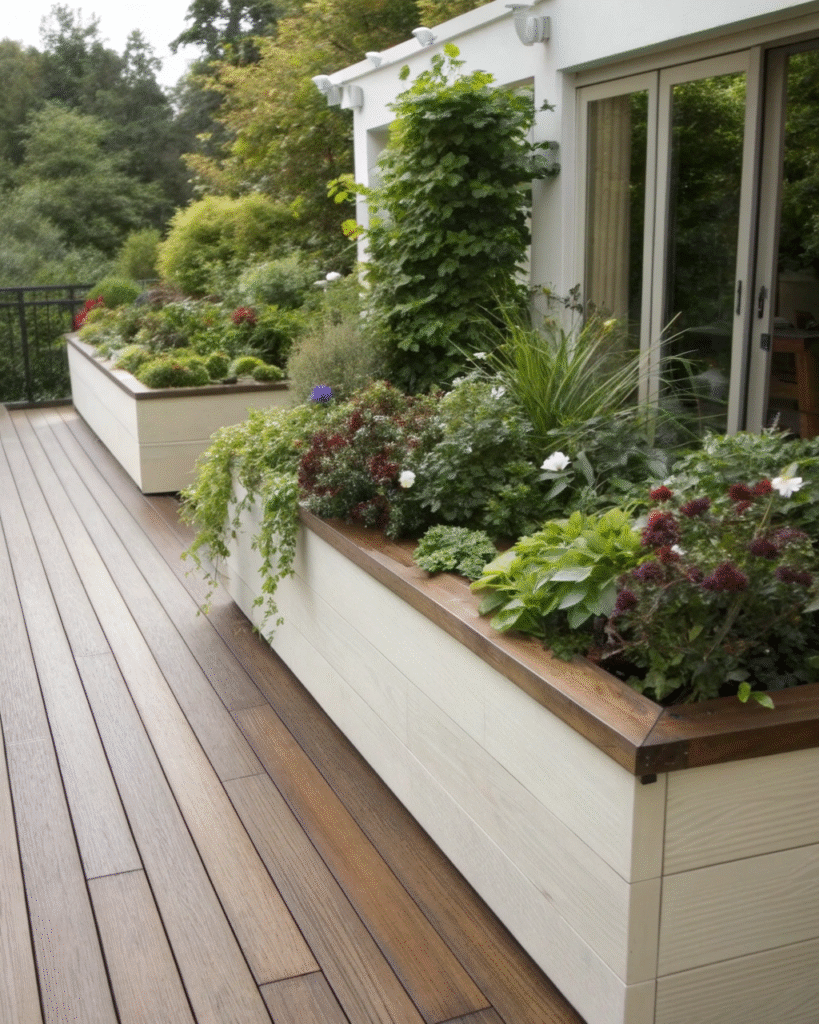
Integrate planters into the deck’s structure for a seamless, polished look.
Pro Tip: Use cedar or composite materials for durability and a clean, modern design.
2. Vertical Planter Wall
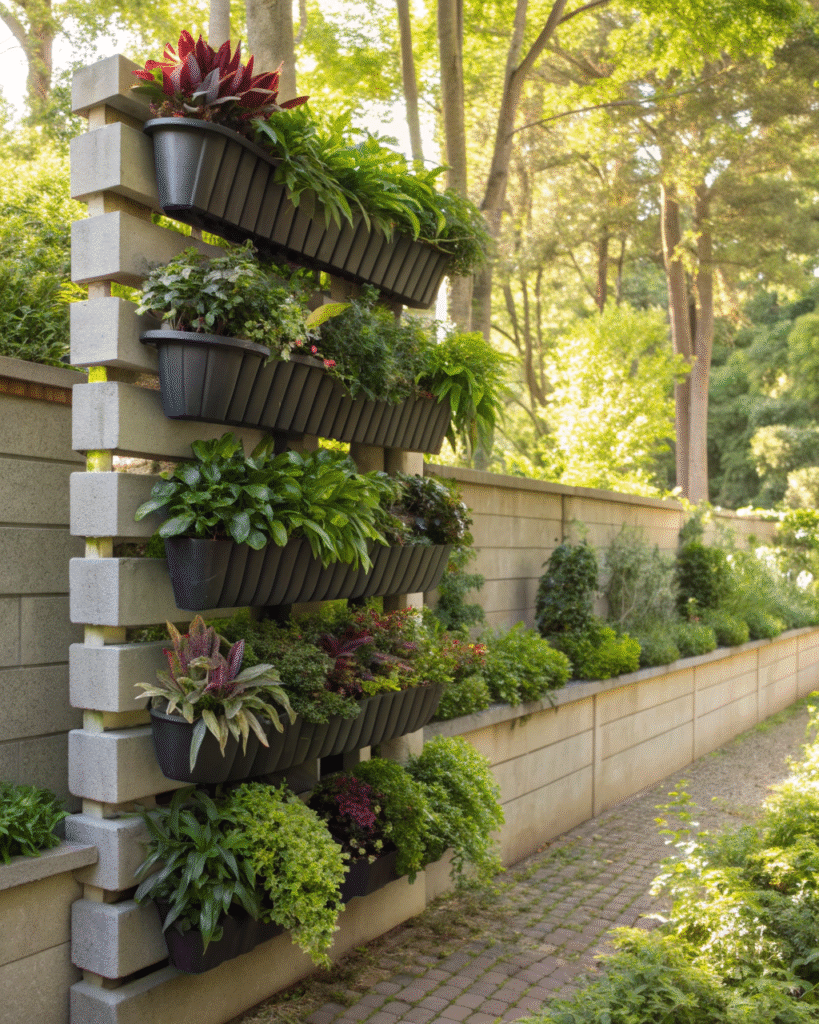
Create a living wall with stacked planters or mounted pots for a lush, green backdrop.
Pro Tip: Mix trailing plants with upright ones for depth and visual interest.
3. Railing Planters
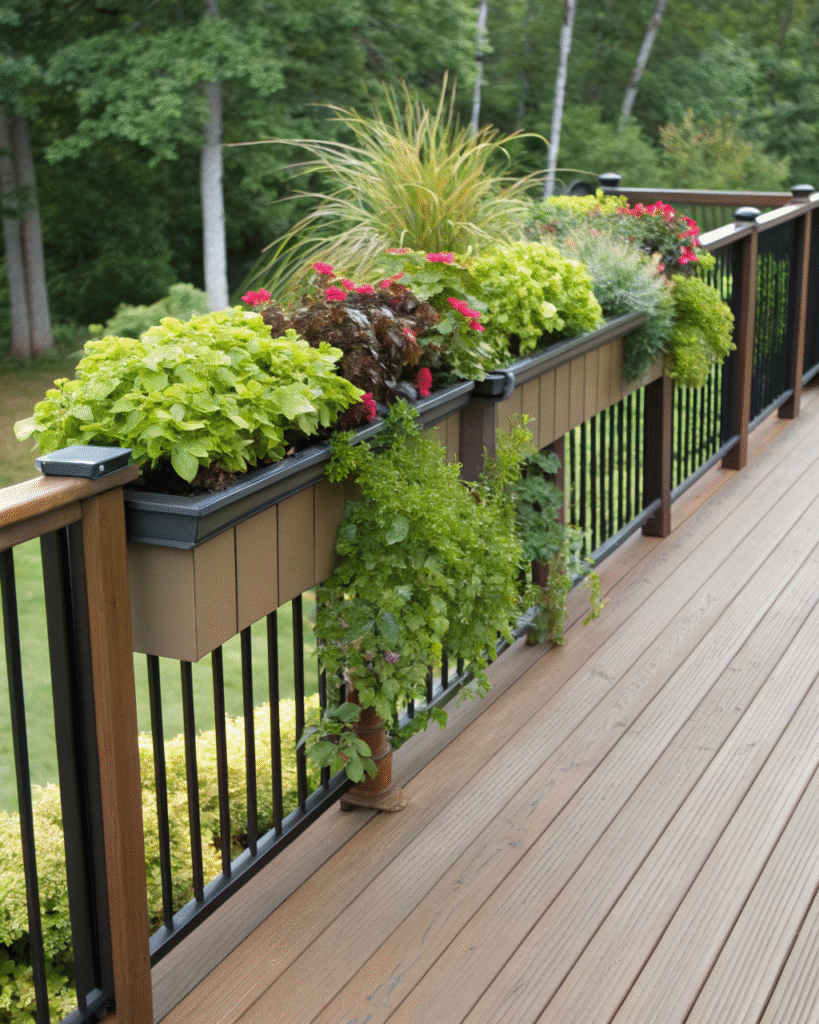
Attach planters to your deck railings for easy greenery that doesn’t take up floor space.
Pro Tip: Choose cascading plants like ivy or petunias to soften the deck edges.
4. Corner Plant Displays
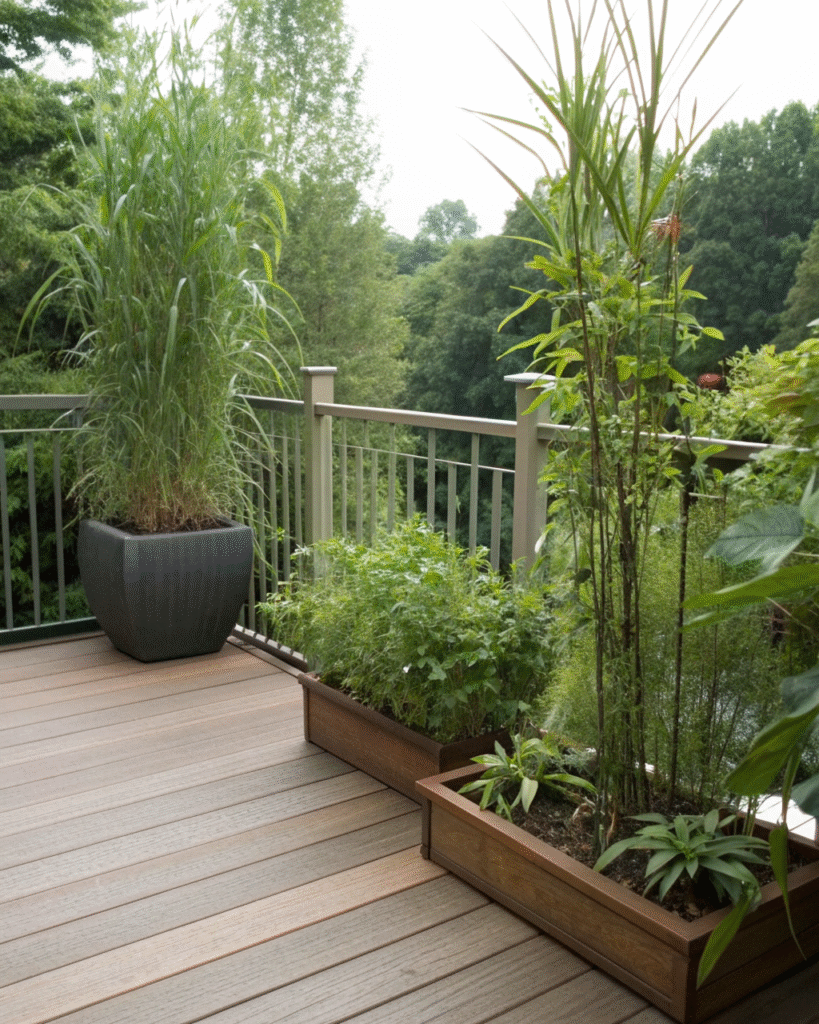
Use corners for tall plants or grouped pots to frame your deck naturally.
Pro Tip: Combine different pot sizes and heights to build a balanced composition.
5. Tiered Plant Stands
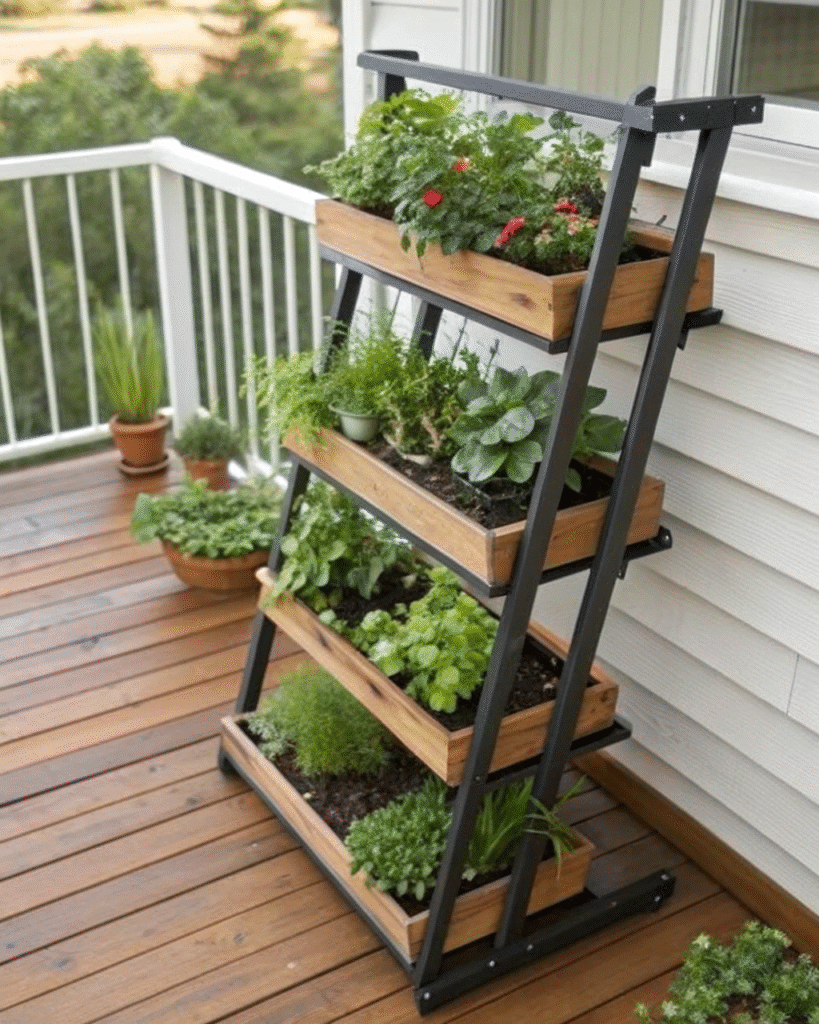
Tiered stands maximize vertical space and keep your plants organized.
Pro Tip: Place herbs or flowers with varying colors to create a layered, dynamic effect.
6. Hanging Basket Planters
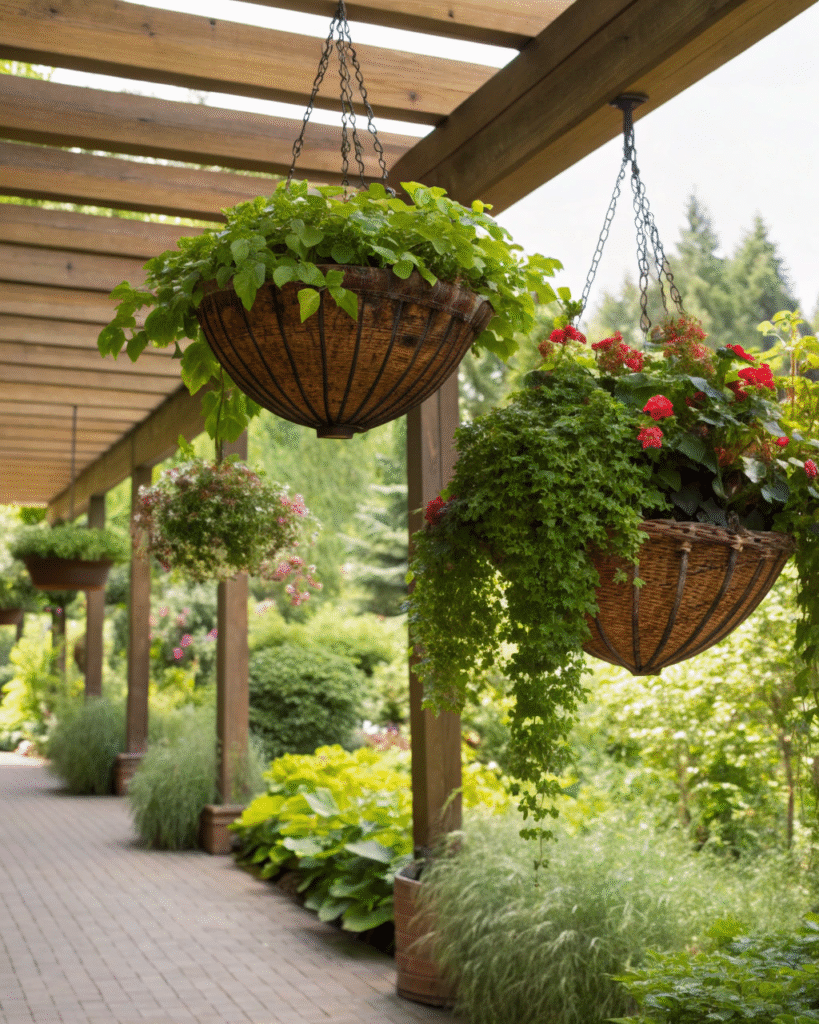
Suspend baskets from beams or pergolas to add greenery overhead.
Pro Tip: Go for ferns, geraniums, or trailing succulents for easy care and soft texture.
7. Rustic Wooden Crates
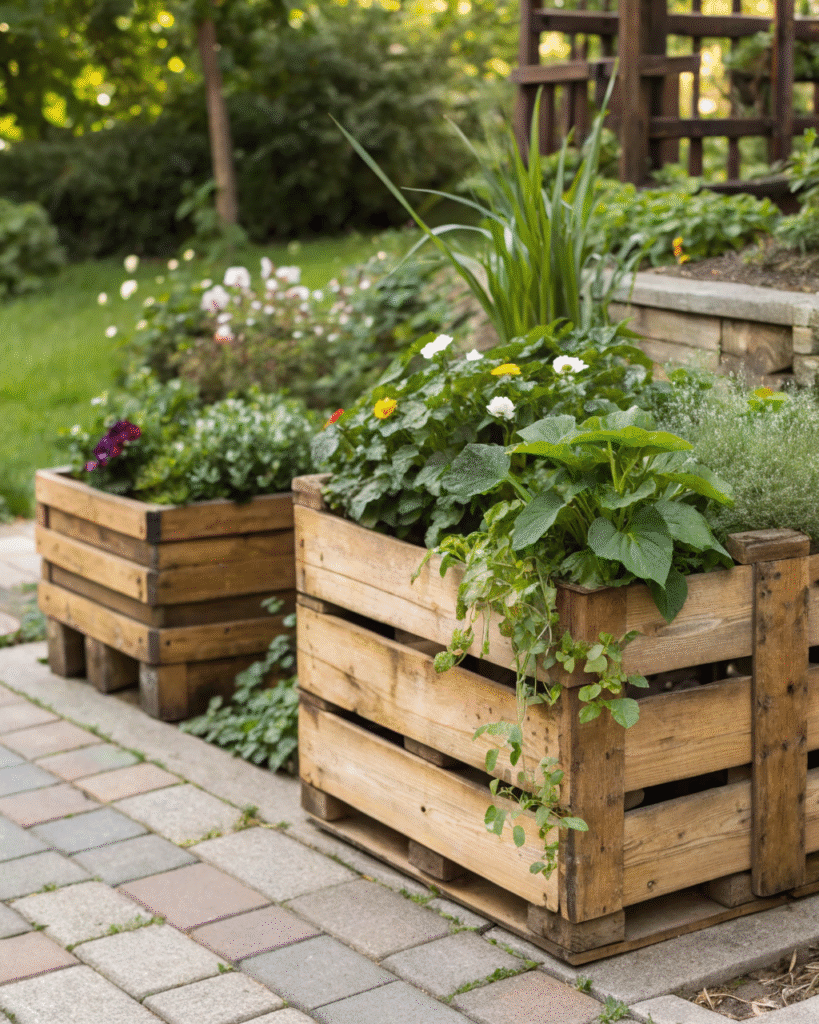
Repurpose wooden crates as charming rustic planters for a cozy, casual look.
Pro Tip: Line them with landscape fabric to keep soil contained and improve drainage.
8. Modern Concrete Planters
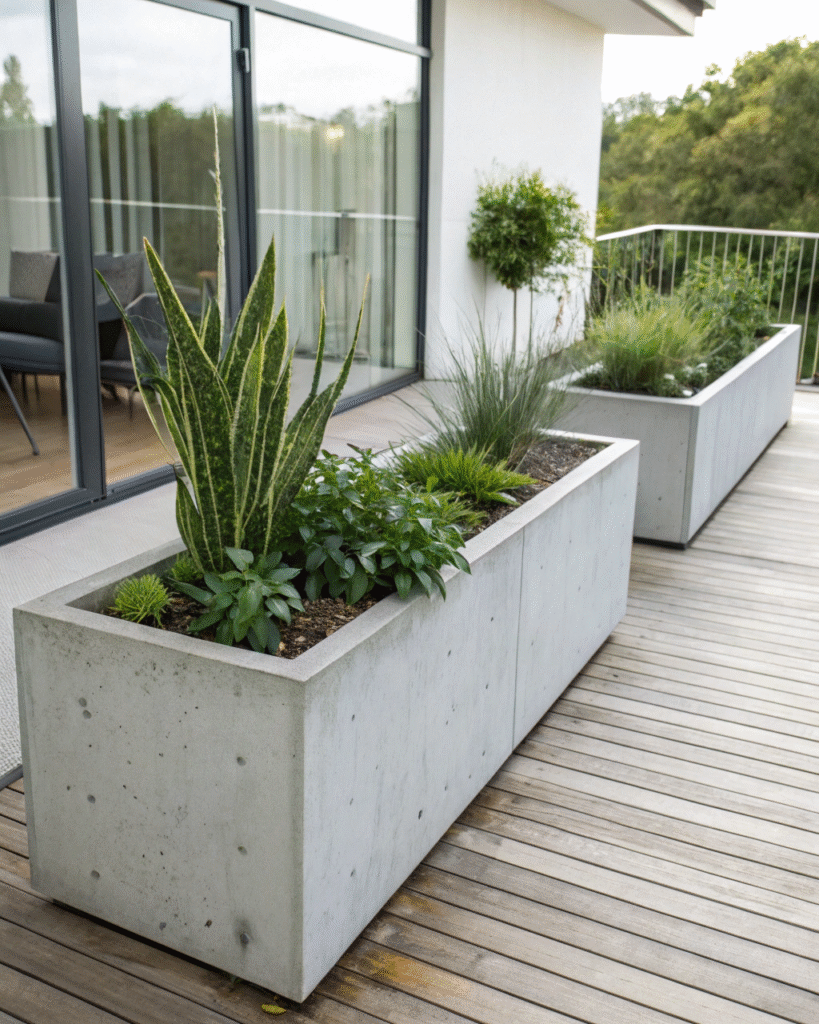
Concrete pots add a contemporary touch and pair well with sleek deck designs.
Pro Tip: Use geometric shapes and neutral tones for a minimalist, modern feel.
9. Built-In Bench Planters
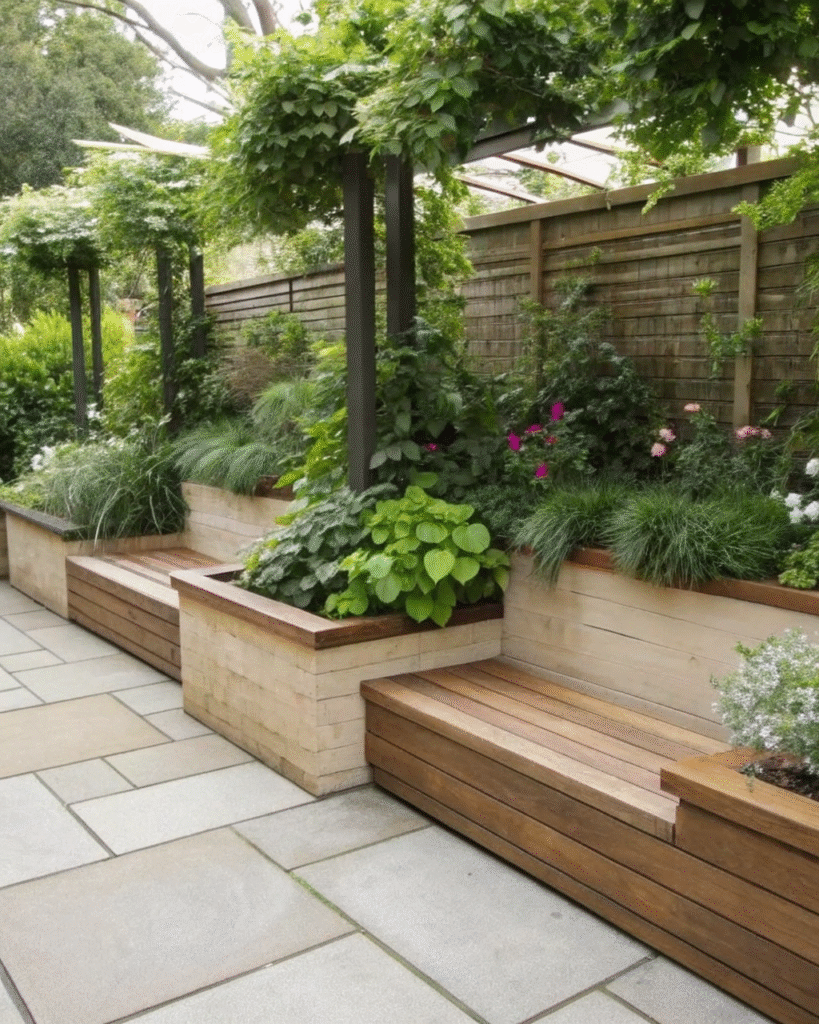
Combine seating and greenery by adding planters at the ends of built-in benches.
Pro Tip: Fill them with aromatic herbs like lavender or rosemary for a fresh scent.
10. Window Box Planters
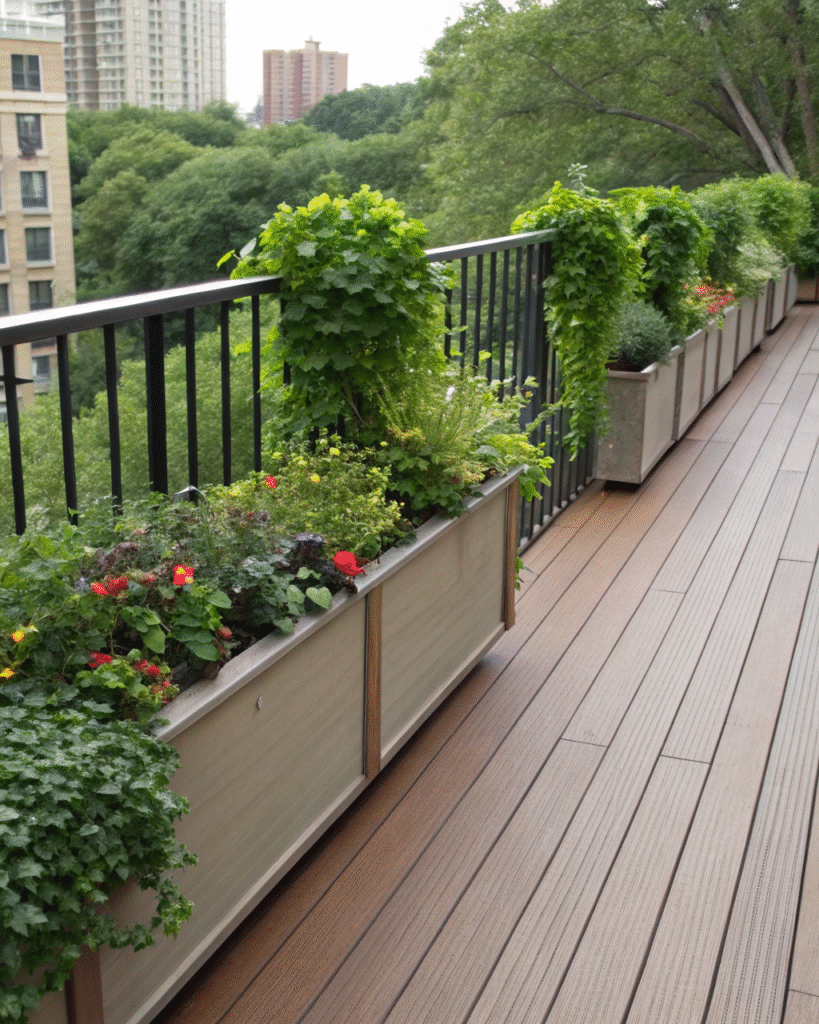
Add planters along the deck railing or wall edges for continuous greenery.
Pro Tip: Plant colorful blooms like marigolds or pansies for a cheerful finish.
11. Metal Trough Planters
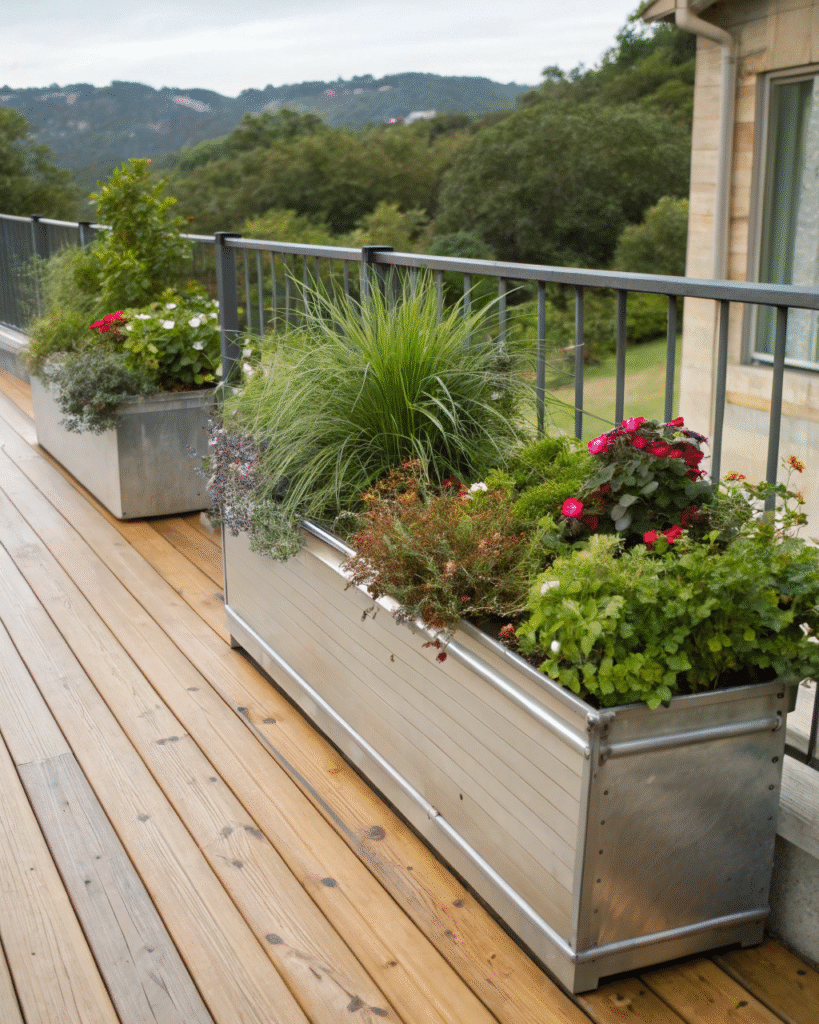
Metal planters create an industrial edge that complements wooden decks beautifully.
Pro Tip: Use galvanized steel or copper for durability and unique patina over time.
12. Large Statement Pots
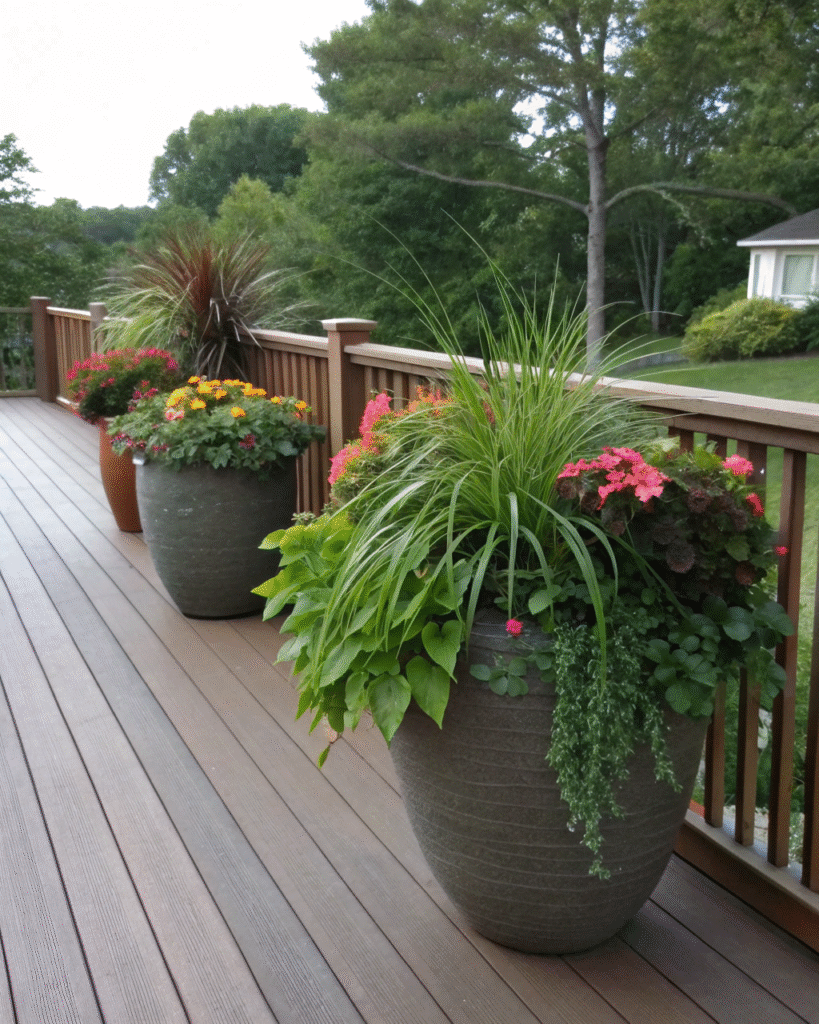
Use one or two oversized pots as focal points for your deck’s design.
Pro Tip: Pick bold plant species like palms or fiddle leaf figs to anchor the space.
13. Herb Garden Planters
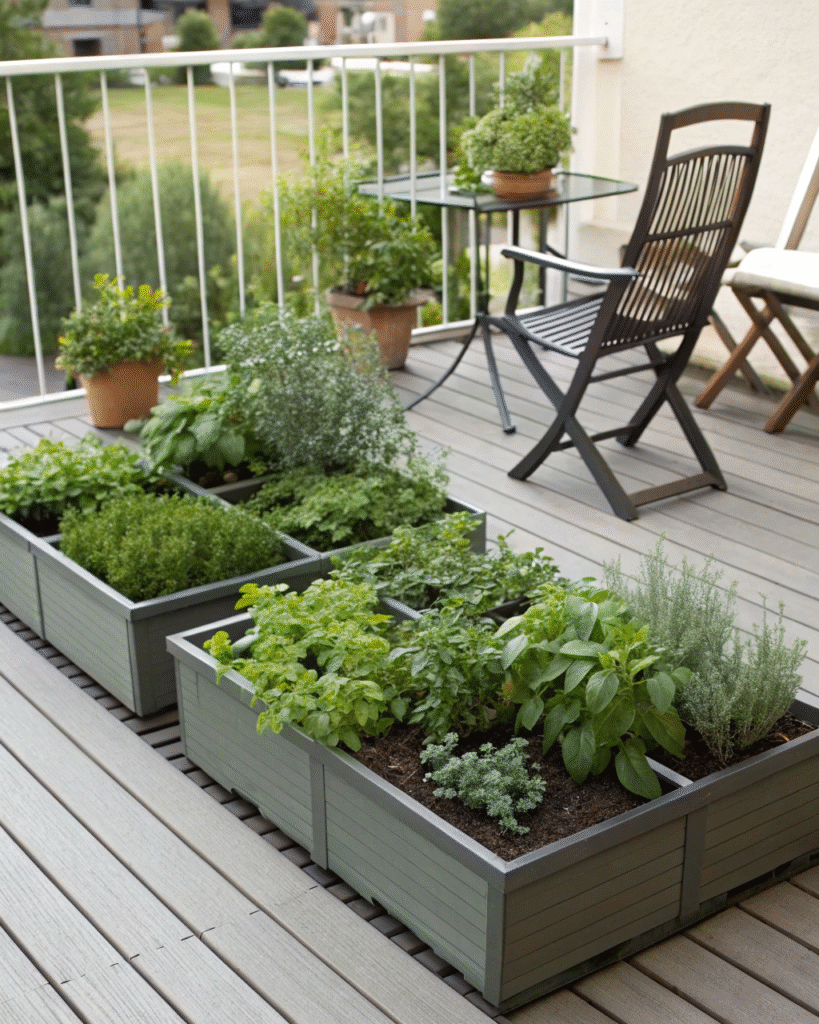
Grow your favorite herbs in small, organized pots for practical beauty.
Pro Tip: Place them near your seating or dining area for easy harvesting and fragrance.
Seasonal and Low-Maintenance Planter Setups
Not everyone has the time or the inclination for high-maintenance planting and the best deck planter setups are the ones that look great without requiring daily attention.
The Three-Plant Formula
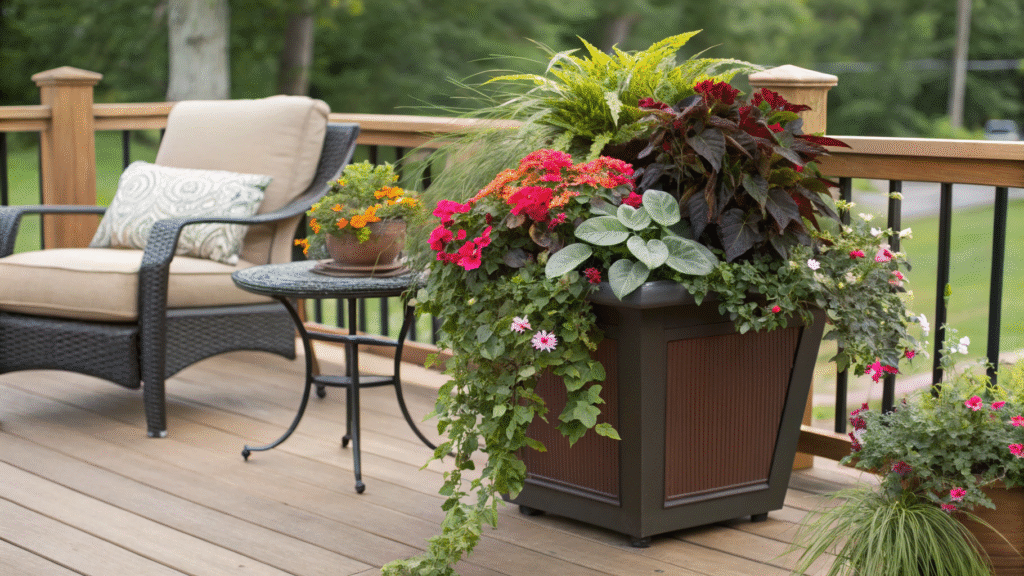
The most reliable and most low-maintenance container planting formula is the thriller, filler, and spiller approach. One tall, dramatic plant as the centrepiece. One medium, bushy plant to fill the middle of the container. One trailing plant to spill over the edges. This three-plant combination creates a lush, layered, complete-looking container arrangement with minimal effort and it works in any size pot with any style of plant.
Self-Watering Planters
Self-watering planters with a built-in reservoir in the base are the single most effective solution for anyone who struggles with consistent watering. The reservoir provides a steady supply of moisture to the plant roots through a wicking system and only needs to be topped up every few days rather than watered daily. They are particularly useful for hanging baskets and railing planters that dry out fastest in warm weather.
Seasonal Planting Swaps
Plan your deck planting in two or three seasonal phases rather than trying to maintain the same display year-round. Spring bulbs in terracotta pots replaced by summer annuals replaced by autumn sedums and winter evergreens with berry interest. Each phase requires a fresh planting but the maintenance within each phase is minimal and the deck always looks seasonally appropriate and freshly considered.
Keep Exploring
Drought-Tolerant Choices
For a truly low-maintenance planter setup, choose drought-tolerant plants that handle periods without watering gracefully. Lavender, rosemary, thyme, sedum, agave, and ornamental grasses are all highly drought-tolerant once established and will go significantly longer between waterings than moisture-loving plants. A deck planter setup built around drought-tolerant species can look beautiful through the season with watering only once or twice a week even in warm summer conditions.
Final Thoughts
Planters are one of the simplest and most rewarding ways to improve a deck. They add life, color, fragrance, privacy, and a connection to the natural world that no piece of furniture or lighting fixture can replicate. Start with one or two well-chosen plants in the right containers, place them where they will have the most impact, and let the collection grow naturally from there. A deck with good planting always feels better than one without it, whatever its size or style.
Frequently Asked Questions
What planters work best on a small balcony?
Railing-mounted planters and wall-mounted planter pockets are the best choices for small balconies as they use vertical space rather than floor area. For floor planters, choose one or two large statement pots rather than many small ones. Large planters have more visual impact and are easier to maintain than a scattered collection of small containers.
What is the best low-maintenance plant for deck planters?
Lavender, rosemary, ornamental grasses, and clipped evergreen shrubs are the most low-maintenance deck planter choices. They are drought-tolerant once established, provide year-round interest, and require very little attention beyond occasional trimming and seasonal feeding.
How do I stop deck planters from damaging the decking?
Always use planter feet or rubber pads to lift containers slightly off the deck surface. This allows air circulation and drainage beneath the pot and prevents moisture from being trapped against the decking boards, which causes staining, rot, and discoloration over time.
Can I grow vegetables in deck planters?
Yes. Cherry tomatoes, herbs, lettuce, chillies, and climbing beans all grow well in deck planters given enough sun and a large enough container. Use a good-quality container compost, feed regularly with a liquid fertilizer during the growing season, and water consistently for the best results.
How do I water deck planters when I am away?
Self-watering planters with reservoirs are the most practical solution for holidays up to a week. For longer absences, a simple drip irrigation system connected to a battery-powered timer is affordable and very effective. Group planters together before you leave so any water they receive from rainfall benefits the whole collection.
What plants provide privacy on a deck?
Bamboo in large pots is the fastest-growing and most effective privacy screening plant for deck planters. Tall ornamental grasses, clipped evergreen shrubs in a row, and climbing plants on a trellis panel are all effective alternatives that suit different aesthetic preferences and different levels of privacy required.