13+ Compact Deck Furniture Ideas That Maximize Comfort
A small deck does not mean sacrificing comfort, function, or style. It means choosing furniture that works harder, takes up less space, and delivers more value per square foot than standard outdoor pieces.
These compact deck furniture ideas cover every situation, every seating need, and every budget so you can furnish your outdoor space with confidence and enjoy every inch of it.
Why Furniture Choice Makes or Breaks a Small Deck
On a large deck, a poor furniture choice is an inconvenience. On a small deck, it is a disaster. The wrong piece at the wrong scale can make an entire deck unusable, turning a space that should feel like an outdoor room into an obstacle course. Getting furniture right on a small or compact deck is the single most important design decision in the whole project.
Scale Is Everything
The relationship between furniture scale and deck scale determines how spacious or how cramped the deck feels in daily use. A sofa that is six inches too wide, a table that is twelve inches too long, a pair of chairs that leaves no room to walk between them, all of these create friction every time you use the space. Measure everything accurately, mark out furniture footprints with tape on the deck before ordering anything, and buy furniture that is sized for the actual deck rather than for an imagined larger version of it.
Love Chic Living Club?
Add us as one of your preferred Google sources and discover more home decor, DIY, outdoor, and lifestyle inspiration from us.
Multi-Functionality Is Non-Negotiable
Every piece of furniture on a compact deck should do more than one job. A bench that stores cushions inside. A table that folds flat against the wall. A pouf that functions as a seat, a footrest, and a side table. A storage box that doubles as a coffee table. This multi-functionality is not about compromise. It is about intelligence in design and it is what makes the difference between a compact deck that feels well-organised and generous and one that feels perpetually inadequate.
Visual Weight Matters as Much as Physical Footprint
Two pieces of furniture can have identical physical dimensions but very different visual impacts on a small space depending on their visual weight. A heavy, solid timber bench with thick legs and a chunky profile takes up more visual space than its dimensions suggest. A slim, open-frame bench in powder-coated steel with visible floor space beneath it takes up less. On a compact deck, choosing furniture with low visual weight, slim profiles, light materials, open frames, and clear floor visibility beneath, makes the space feel significantly more open regardless of the actual square footage occupied.
Comfort Cannot Be Sacrificed
The temptation when furnishing a compact deck is to choose the smallest available furniture regardless of whether it is actually comfortable to use for an extended period. This is a false economy. A deck furnished with cramped, uncomfortable pieces gets used less than one furnished with properly comfortable pieces that are sized correctly for the space. Comfort is the reason the deck exists and it must be the primary requirement of every furniture choice, even within the constraint of compact dimensions.
How to Measure and Plan for Compact Deck Furniture
Proper measurement and planning before any purchase is the most important step in furnishing a compact deck well.
Measure the Deck Accurately
Start with an accurate floor plan of the deck drawn to scale on graph paper. Include all fixed features, doors, steps, railings, posts, and any existing built-in elements. Note the location of all windows and doors that open onto the deck and mark the clearance zones needed for them to open fully. This plan is the foundation of every furniture decision that follows.
You May Also Love
Mark Out Minimum Circulation Clearances
Before placing any furniture on the plan, mark out the minimum circulation clearances the deck needs to remain functional. A minimum of 36 inches for main walkways through the deck. A minimum of 24 inches around dining chairs when they are pulled out from the table. A minimum of 18 inches between a coffee table and the sofa or chairs surrounding it. These circulation margins must be maintained regardless of how they constrain the furniture arrangement. A deck that is beautifully furnished but impossible to navigate comfortably is not a well-designed deck.
Use the Tape Test Before Buying
Once you have a furniture arrangement in mind from the plan, mark out the exact footprint of each piece with painter’s tape on the actual deck surface before ordering anything. Live with this layout for a day, moving through it at different times, sitting in imaginary positions within each marked area, and assessing how it feels in the real space. This simple test reveals problems with scale, circulation, and arrangement that no plan can fully predict and prevents expensive purchasing mistakes.
Plan for Storage
On a compact deck, storage is as important as seating. Outdoor cushions, garden tools, lighting accessories, and seasonal items all need somewhere to live. A storage plan that accounts for these items prevents them ending up in piles in corners, which makes any small space feel cluttered and smaller than it is. Choose furniture with integrated storage where possible and identify a dedicated storage location for each category of item before any furniture is purchased.
Compact Deck Furniture Materials Guide
Material choice for compact deck furniture affects not just durability and maintenance but the visual weight and perceived spaciousness of the furniture in the space.
Powder-Coated Aluminium
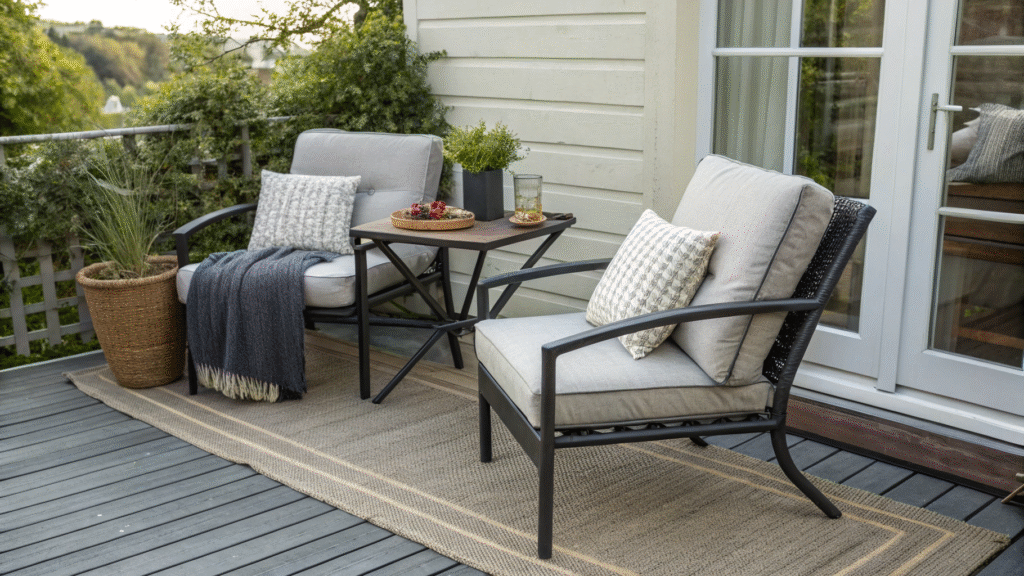
Powder-coated aluminium is the ideal material for compact deck furniture. It is rust-free, extremely lightweight, available in a wide range of colors and profiles, and most importantly it can be made in slim, open-frame designs that have very low visual weight. Aluminium furniture does not need to be stored for winter in most US climates, handles outdoor conditions without deterioration, and is available at every price point from budget to premium. For compact decks where visual lightness matters enormously, aluminium is almost always the best material choice.
Don't miss: 12+ Layered Rug Ideas for Decks That Add Comfort →
Teak and Hardwood
Teak and other hardwoods produce the most beautiful and most premium compact deck furniture available. Properly maintained hardwood has a warmth and quality that no manufactured material replicates. The limitation on a compact deck is that hardwood furniture tends toward heavier profiles and more visual weight than aluminium equivalents. Choose hardwood pieces with the slimmest profiles available and ensure the colour is not so dark that it adds visual heaviness to the space.
Composite and Recycled Plastic
Composite and recycled plastic lumber furniture offers the appearance of timber with no maintenance requirements and is available in an increasingly wide range of styles including very slim, contemporary profiles that work well on compact decks. The material is heavier than aluminium but lighter than solid hardwood and handles outdoor conditions exceptionally well.
Acrylic and Polycarbonate
Transparent acrylic and polycarbonate furniture is the most space-expanding material choice for any compact deck because transparent furniture occupies physical space without occupying visual space. A transparent side table, a glass-top dining table, or an acrylic chair is functionally present but visually almost absent. On a very tight deck where every inch counts, one or two transparent pieces can make a significant difference to how open and uncluttered the space feels.
Keep Exploring

Compact Deck Furniture for Different Uses
Different primary uses of a deck call for different compact furniture strategies.
For Primarily Dining Use
A round pedestal dining table is the most space-efficient dining configuration available. A pedestal base eliminates the leg interference that four-legged rectangular tables create, allows chairs to be positioned at any point around the circumference rather than only at four fixed positions, and creates maximum floor clearance beneath the table. For a compact dining deck, a 36 to 42-inch diameter round pedestal table with three or four slim dining chairs is the ideal configuration.
For Primarily Lounging Use
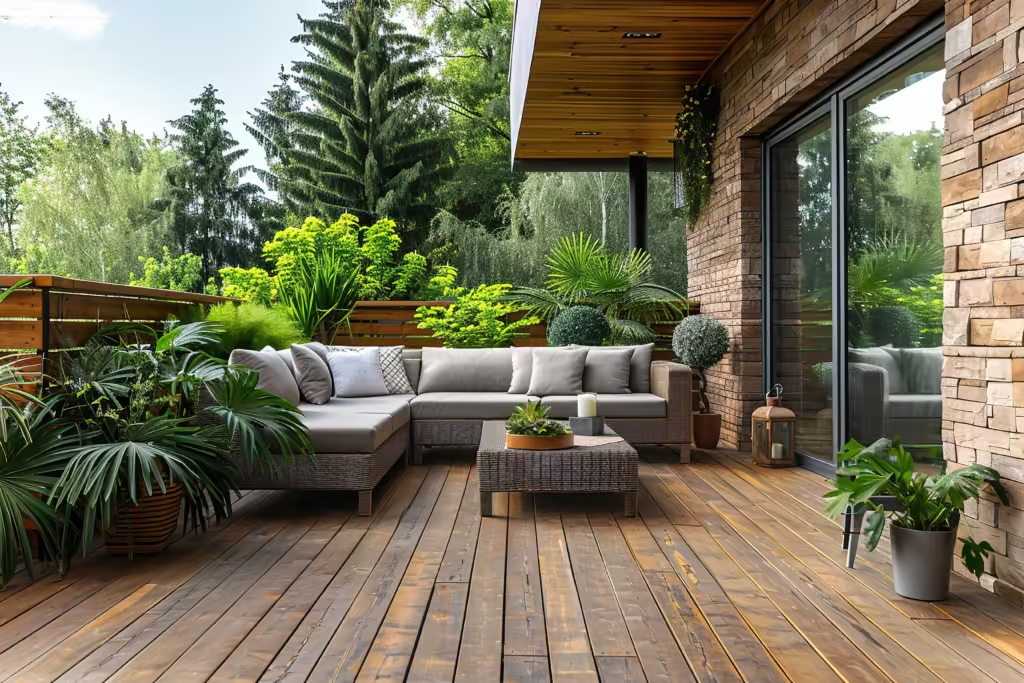
A corner sofa in the smallest available depth, typically 24 to 26 inches rather than the standard 30 to 32 inch sofa depth, paired with a round coffee table that allows easy access from all sides and does not create sharp corners to navigate around, is the most comfortable and most space-efficient compact lounge configuration. Add a storage pouf for flexible additional seating and footrest use without a permanent furniture footprint.
For Mixed Dining and Lounging Use
A versatile table that adjusts between coffee table and dining height, or a compact dining table that is easily pushed aside when not in use for dining, allows a compact deck to serve both dining and lounging functions without permanently dedicating the floor space to either. Pair this with seating that works equally well at the table and as lounging chairs, typically a slim armchair with a comfortable seat angle that works for both upright dining and relaxed lounging.
1. Folding Bistro Set
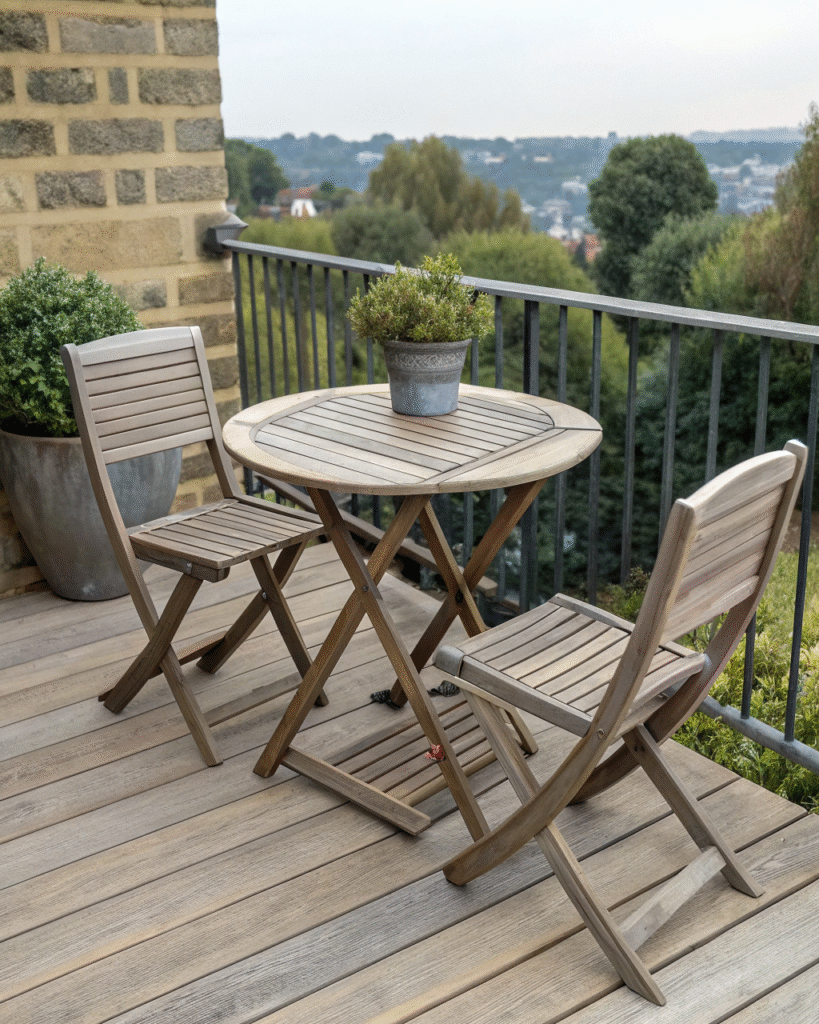
A classic folding bistro table and chairs are perfect for small decks or balconies.
Pro Tip: Go for lightweight metal or wood designs that are easy to store when not in use.
2. Built-In Benches
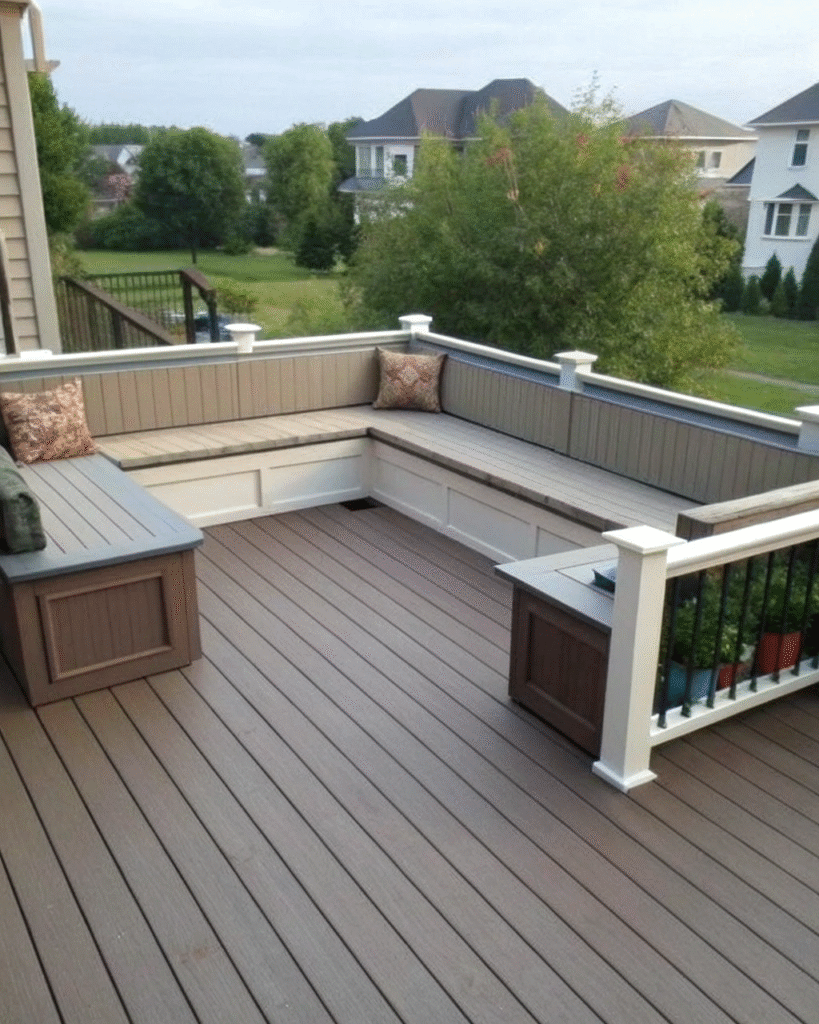
Built-in benches make use of corners and free up valuable floor space.
Pro Tip: Add weatherproof cushions for comfort and under-seat storage for functionality.
3. Nesting Tables
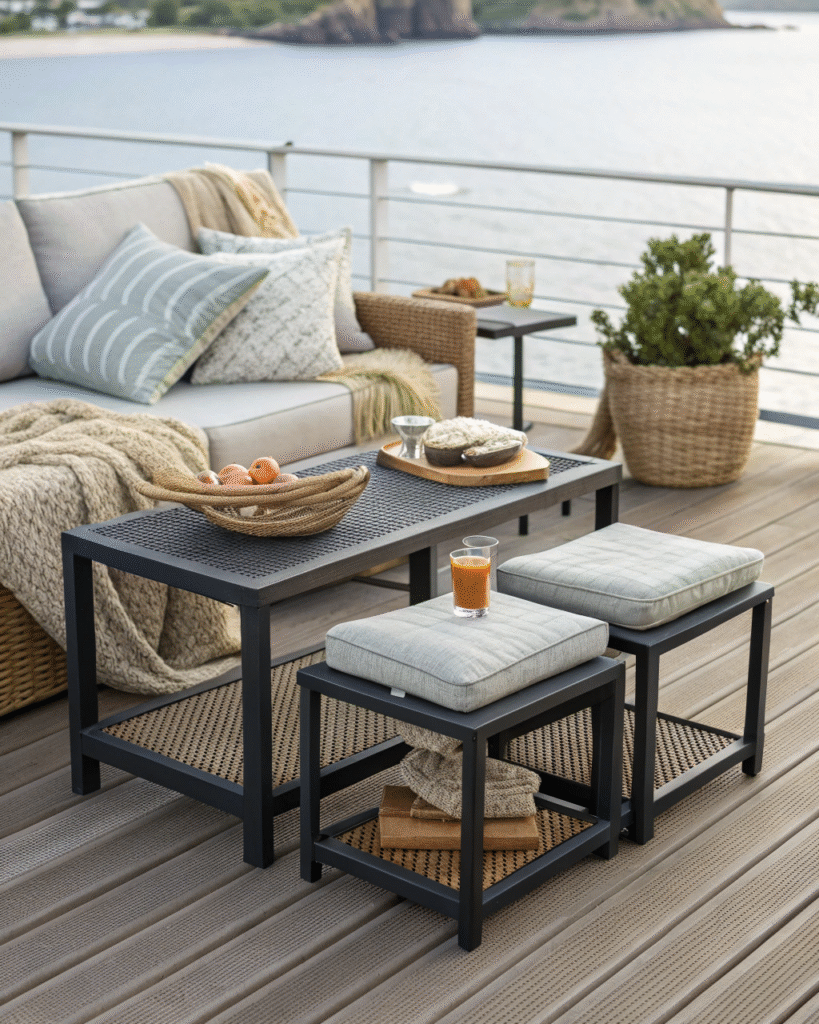
Nesting tables save space and can be pulled out only when needed.
Pro Tip: Choose neutral colors so they blend seamlessly into your deck decor.
4. Modular Seating
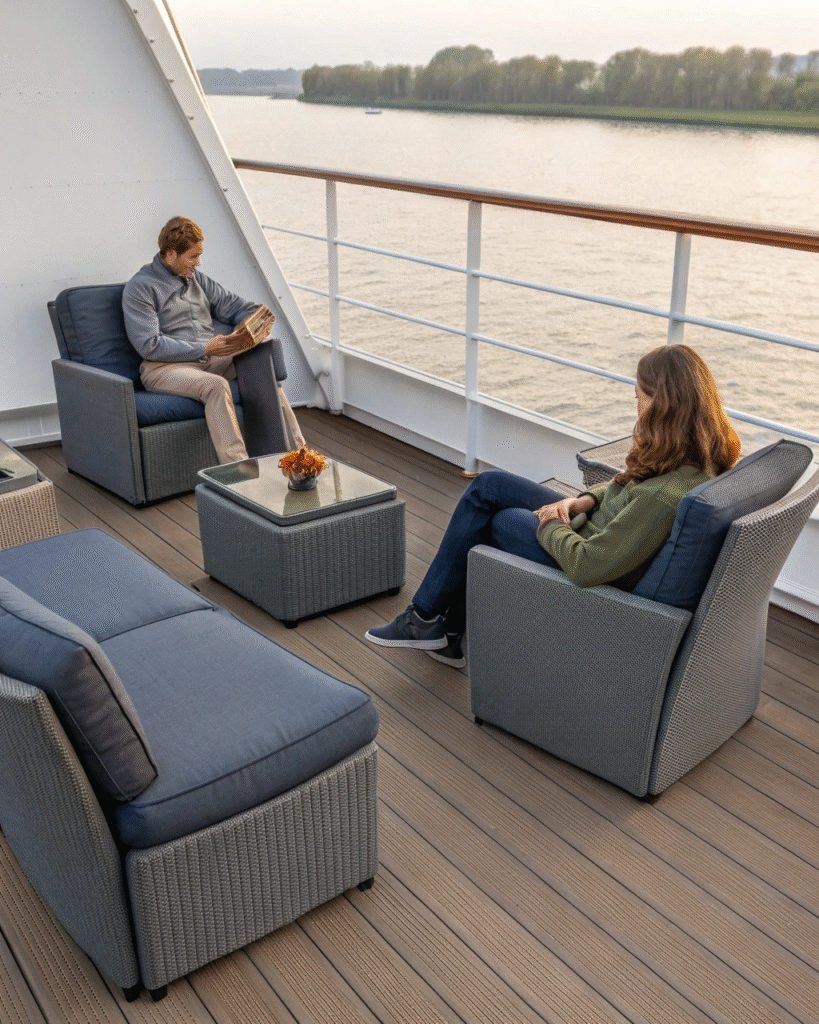
Modular furniture lets you rearrange your setup depending on the occasion.
Pro Tip: Mix small corner units and ottomans for a flexible, adaptable layout.
5. Hanging Egg Chair
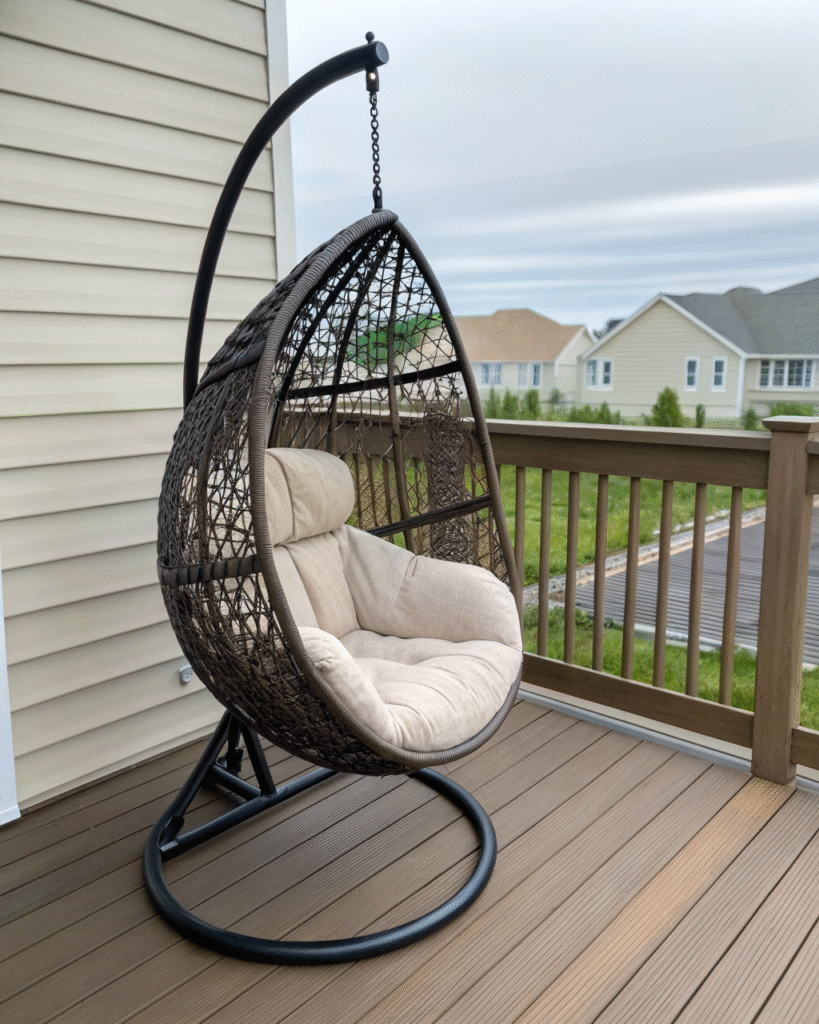
A hanging chair adds charm and comfort without taking up much space.
Pro Tip: Use a single statement chair instead of bulky sets to keep the deck open and airy.
6. Slimline Loungers
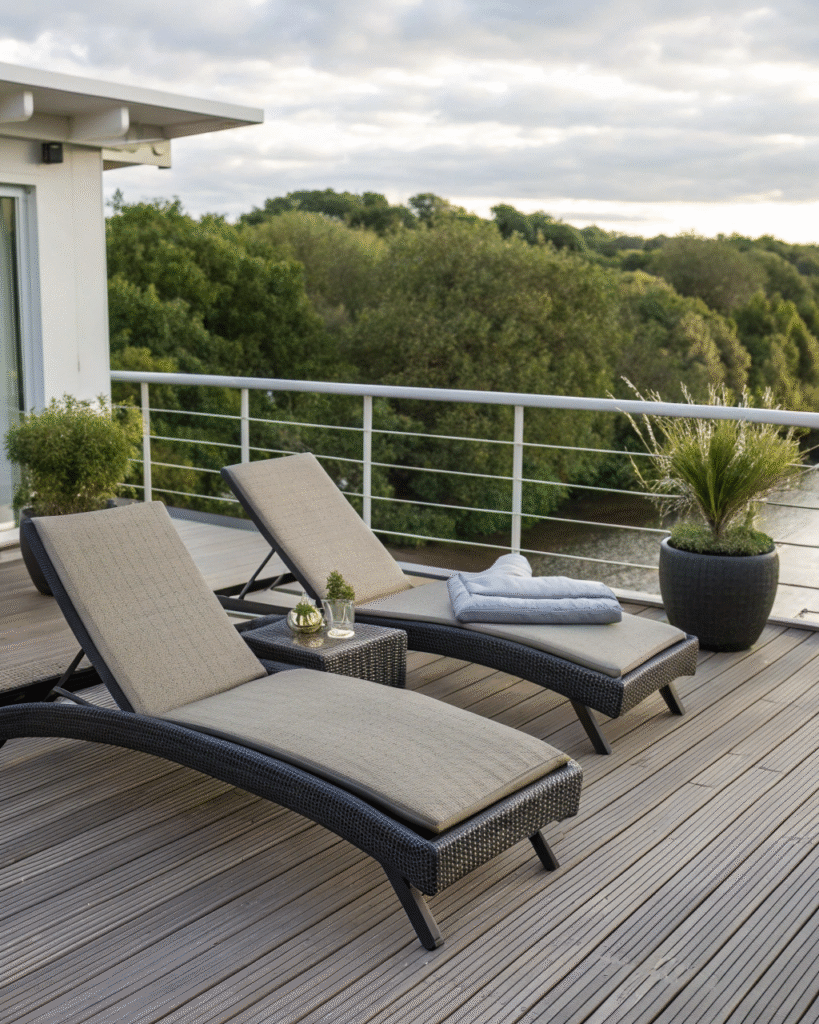
Compact loungers offer a laid-back seating option without overwhelming the area.
Pro Tip: Look for foldable or adjustable designs that can double as chairs.
7. Storage Bench
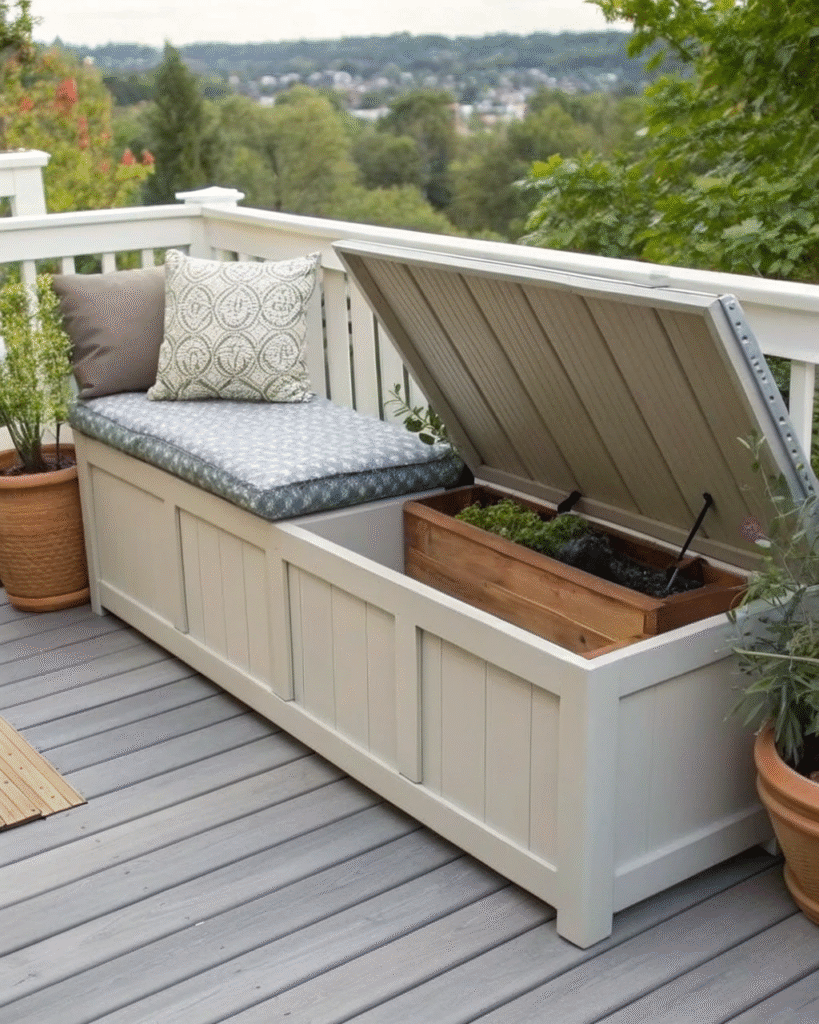
A bench with built-in storage is both practical and space-efficient.
Pro Tip: Store blankets, cushions, or small gardening tools to keep your deck clutter-free.
8. Round Coffee Table
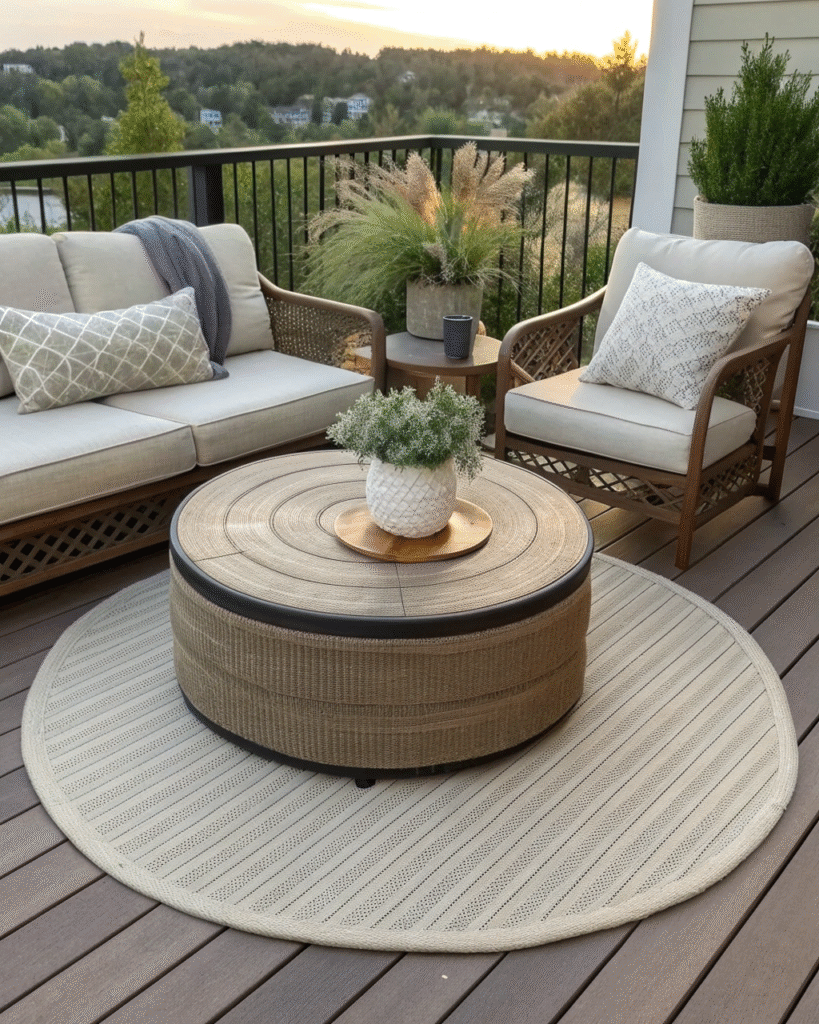
A round table allows better flow and movement in tight spaces.
Pro Tip: Opt for a design with an open base or shelf for extra functionality.
9. Stacking Chairs
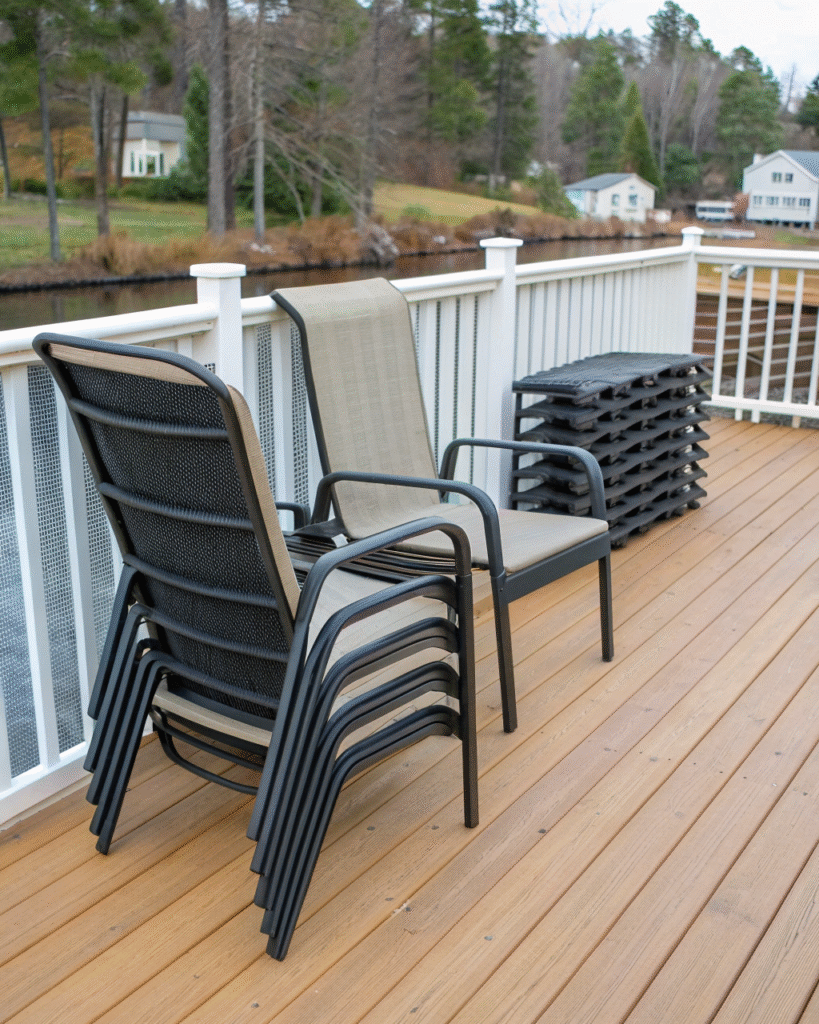
Stackable chairs are ideal for small decks that need occasional extra seating.
Pro Tip: Choose weather-resistant materials like resin or aluminum for long-term use.
10. Corner Sofa
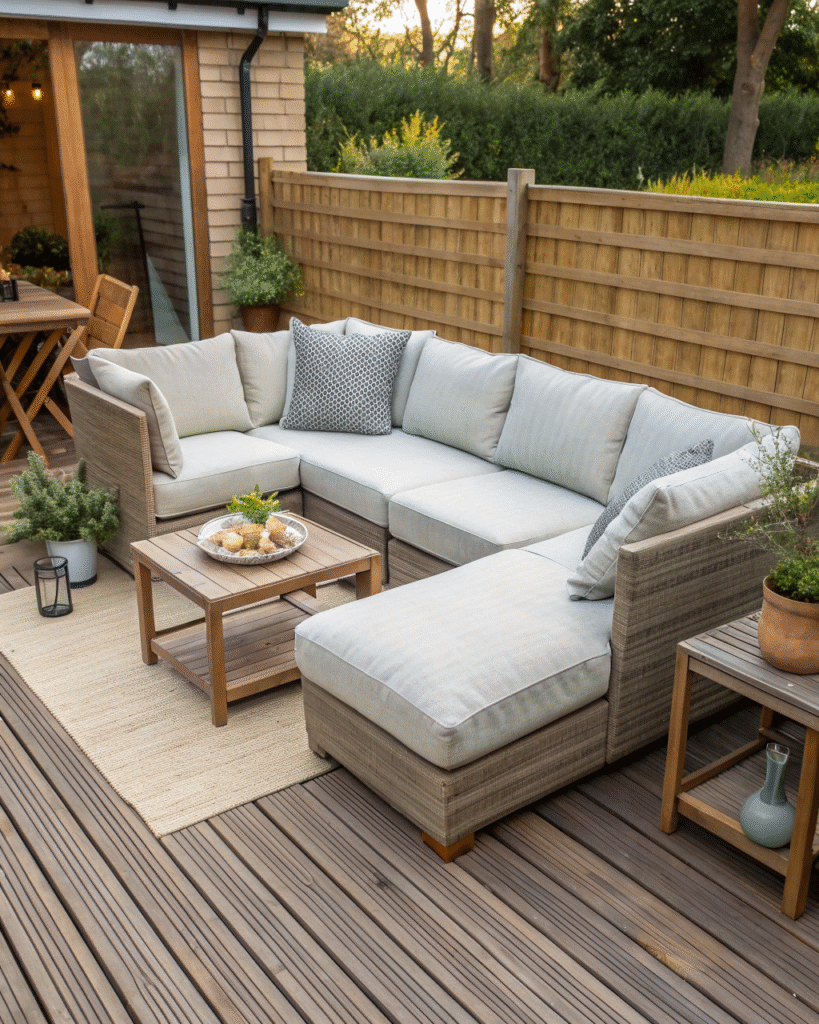
A compact corner sofa creates a cozy lounge zone while maximizing seating.
Pro Tip: Add soft outdoor cushions in neutral tones to make the space feel inviting.
11. Wall-Mounted Folding Table
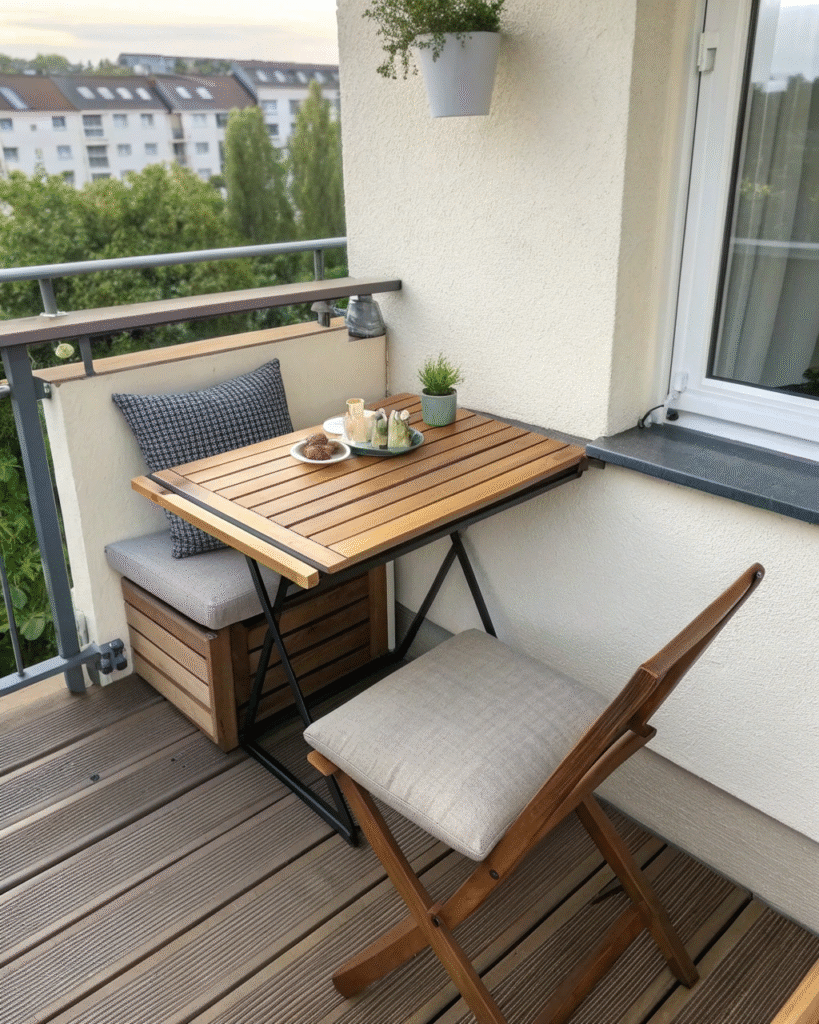
A wall-mounted table folds down when not in use, saving valuable space.
Pro Tip: Pair it with foldable stools for a clean, versatile setup.
12. Poufs and Ottomans
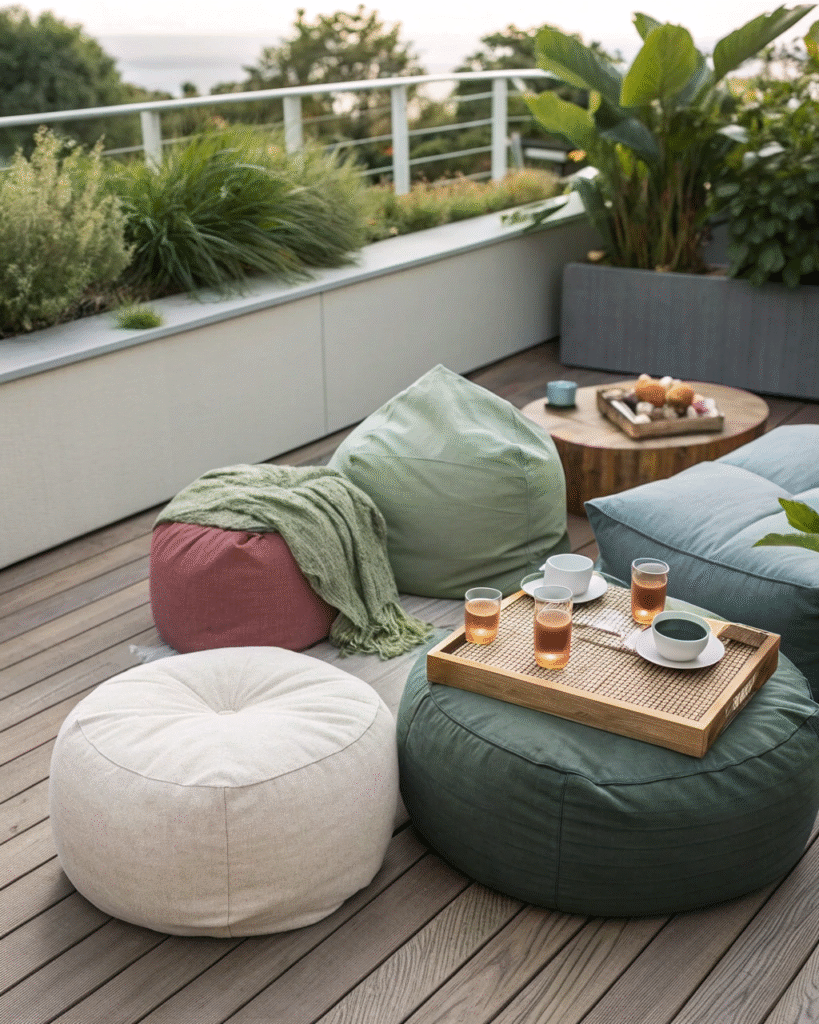
Poufs add casual comfort and can double as seating or footrests.
Pro Tip: Use outdoor fabric covers so they stay fresh and durable through the seasons.
13. Compact Fire Pit Table
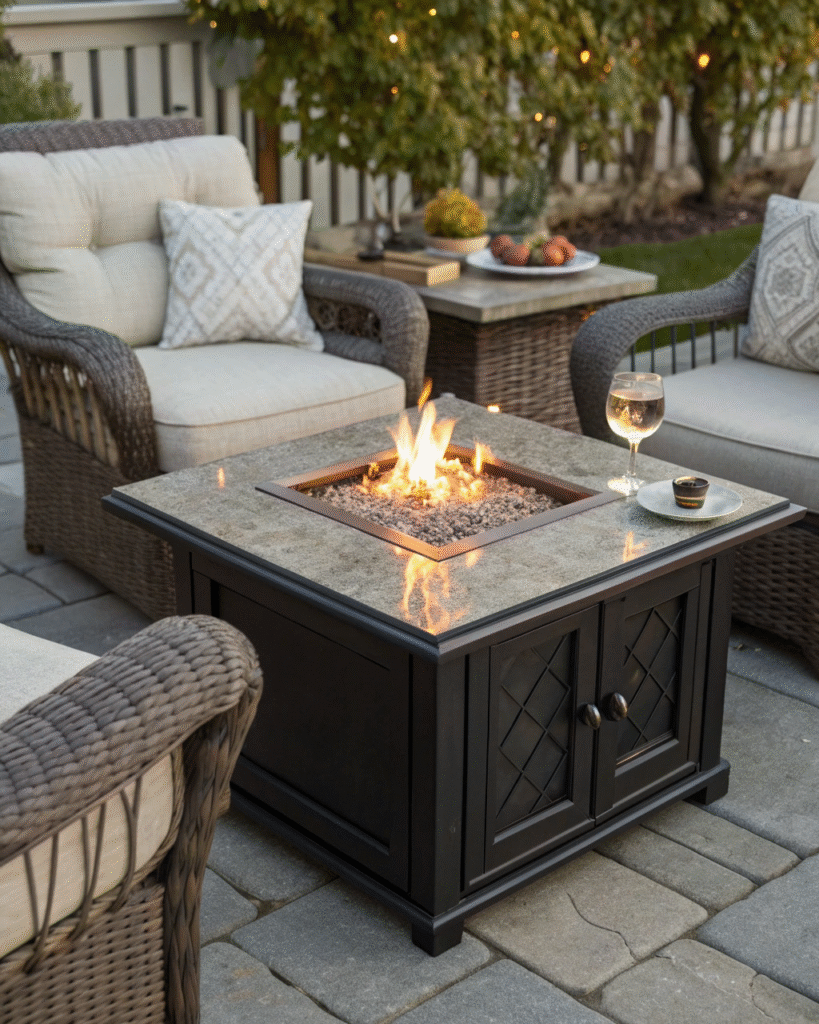
A small fire pit table combines warmth and functionality in one.
Pro Tip: Choose a propane or tabletop design to keep it safe and manageable for smaller decks.
Final Thoughts
A compact deck furnished well is one of the most satisfying outdoor spaces you can create. The constraints of a small footprint force precision, creativity, and intention in furniture selection that larger spaces rarely demand and rarely achieve.
Choose furniture that is genuinely scaled for the space, give every piece more than one job to do, keep visual weight low, and never sacrifice comfort for compactness.
A compact deck that works brilliantly and feels genuinely comfortable will be used every day of the outdoor season and appreciated far more than a larger, less thoughtfully furnished space ever would be.
Frequently Asked Questions
What is the best furniture configuration for a very small deck?
A wall-mounted folding table with two stacking chairs stored alongside it when not in use is the most space-efficient configuration for dining on a very small deck. For lounging, a single hanging egg chair or a corner bench with built-in storage and a round coffee table provides maximum comfort in a minimum footprint. The key principle for any very small deck is that furniture should serve multiple functions and create the minimum permanent floor obstruction.
How do I make compact deck furniture look intentional rather than cramped?
Consistent material and color palette across all furniture pieces makes a compact furniture arrangement look designed rather than assembled from whatever was available. Choosing furniture with matching or complementary leg styles, frame colors, and material tones creates a cohesive set even when the pieces are not from the same range. An outdoor rug beneath the seating arrangement anchors everything visually and signals that the layout is intentional rather than accidental.
What is the minimum space needed between deck furniture pieces?
Allow a minimum of 36 inches for main circulation walkways, 24 inches around dining chairs when pulled out, and 18 inches between a coffee table and surrounding seating. These are minimum comfortable clearances and slightly more, say 30 inches for walkways and 20 inches around dining chairs, is noticeably more comfortable in regular use.
Should I buy a matching furniture set or mix pieces on a compact deck?
A matching set designed as a compact outdoor range is generally the safer choice for a very small deck because the pieces are designed to work together in scale, proportion, and visual weight. Mixing individual pieces from different ranges can work beautifully but requires more care to ensure the pieces relate well to each other in scale and style. On a compact deck where every piece is visible simultaneously, any scale or style mismatch between pieces is immediately noticeable.
How do I add comfort to compact deck furniture without adding bulk?
Quality outdoor cushions are the most effective way to add comfort to slim, compact furniture frames without adding visual bulk. A slim aluminium dining chair with a quality seat cushion is as comfortable as a much bulkier upholstered piece but takes up a fraction of the visual and physical space. Choose cushions in the correct depth for the chair frame, typically 2 to 3 inches, so they add comfort without altering the proportions of the piece significantly.
What is the best material for compact deck furniture in a hot climate?
Powder-coated aluminium is the best material for compact deck furniture in a hot climate. It does not absorb and retain heat the way dark timber and solid metal furniture does, making it more comfortable to sit on in direct sun. It is also rust-free, very lightweight, and maintenance-free in hot dry conditions. For any aluminium furniture in direct sun, choose lighter powder coat colors as dark colors absorb significantly more heat than pale ones.