11+ Gorgeous Mud Kitchen Ideas with Herb Garden
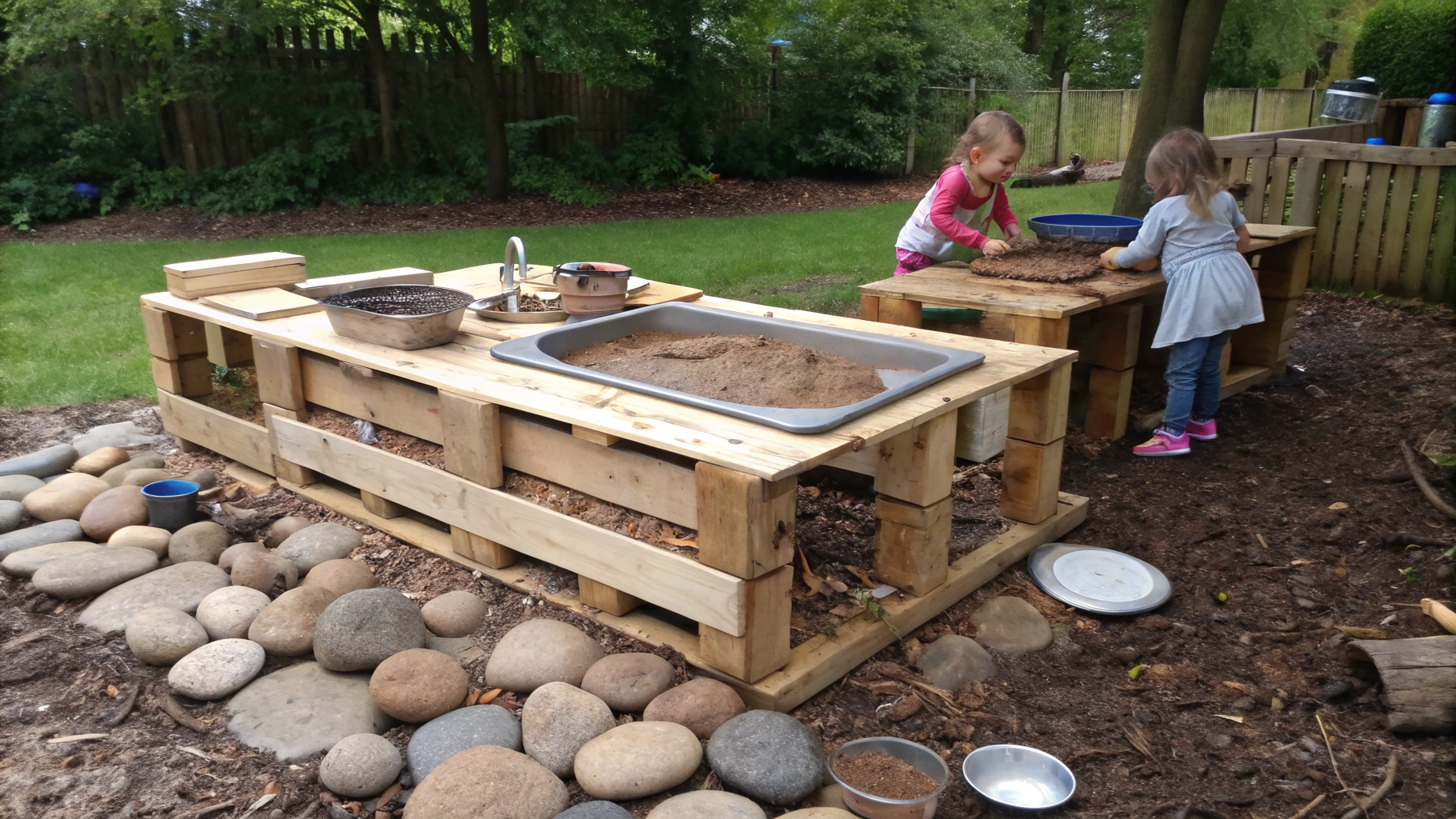
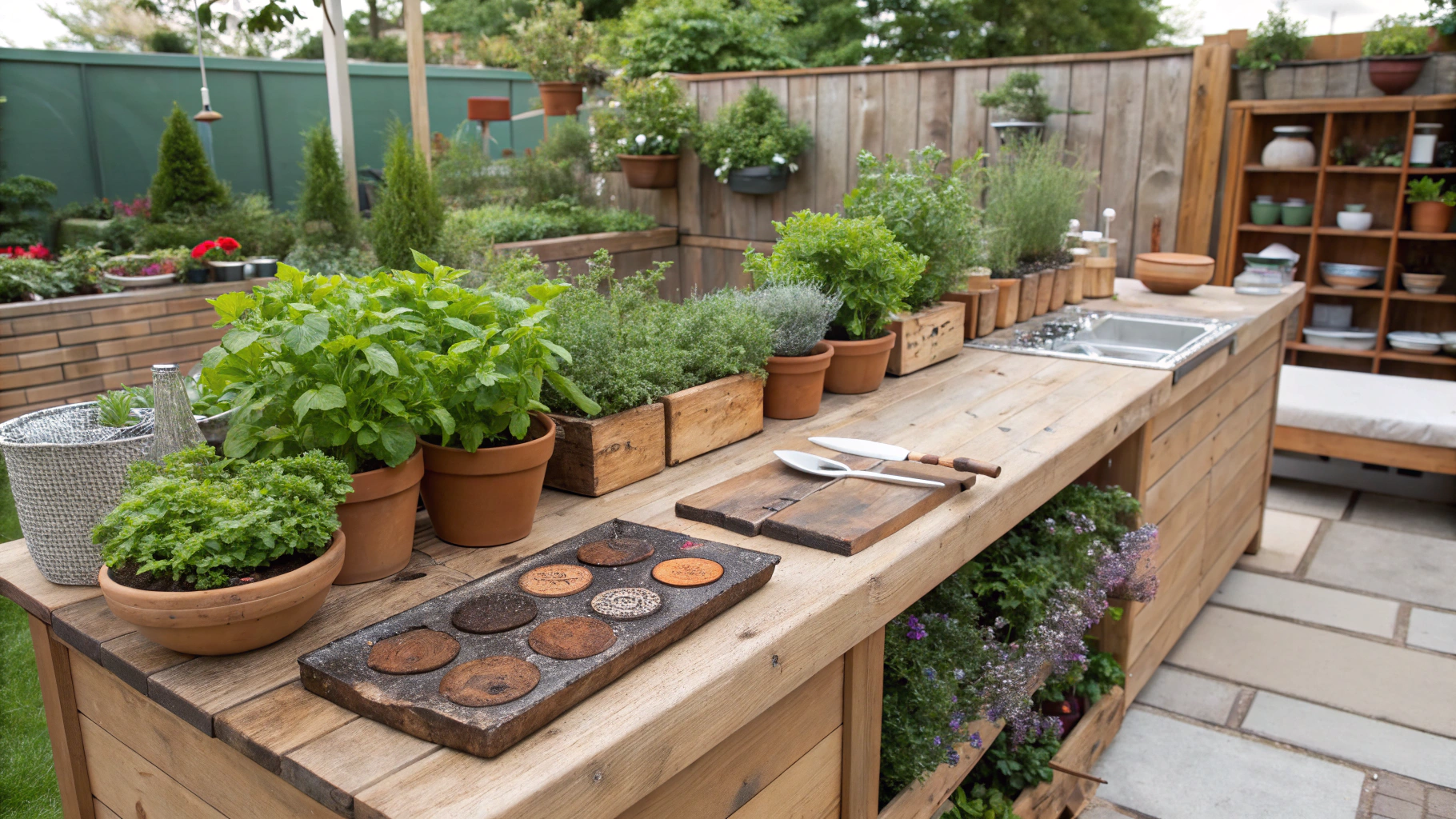
A mud kitchen paired with a herb garden creates the perfect outdoor play space for kids to explore nature, creativity, and sensory learning all in one area. Children can mix herbs into pretend recipes, water plants, collect leaves, and enjoy hands-on outdoor activities while learning about gardening and nature through imaginative play.
Whether you want a rustic farmhouse mud kitchen, a cottage-style garden café, or a compact sensory play corner, these gorgeous mud kitchen ideas with herb garden features will help you create a backyard setup that feels interactive, educational, and beautifully connected to the outdoors.
Why Add a Herb Garden to a Mud Kitchen?
Herb gardens make mud kitchens feel more immersive while encouraging children to interact with real plants and natural textures.
Benefits of combining a mud kitchen with a herb garden include:
Love Chic Living Club?
Add us as one of your preferred Google sources and discover more home decor, DIY, outdoor, and lifestyle inspiration from us.
- Encourages outdoor exploration
- Supports sensory development
- Introduces kids to gardening
- Adds fragrance and texture
- Creates realistic pretend cooking experiences
- Makes mud kitchens more visually appealing
Herbs also grow well in small planters, raised beds, and compact garden spaces, making them easy to incorporate into almost any outdoor setup.
Best Herbs for Mud Kitchens
| Herb | Best For | Benefit |
| Mint | Sensory play | Fresh scent and fast growth |
| Basil | Pretend cooking | Easy for kids to grow |
| Lavender | Decorative borders | Calming fragrance |
| Rosemary | Nature exploration | Hardy outdoor herb |
| Thyme | Compact planters | Low-maintenance greenery |
How to Create a Kid-Friendly Herb Garden
Use Raised Planters or Containers
Accessible planting areas make it easier for children to interact with herbs.
Choose Hardy Herbs
Easy-to-grow plants work best for outdoor children’s gardens.
Keep the Layout Simple
Avoid overcrowding so kids can easily reach plants and play areas.
Combine Gardening with Sensory Play
Place herbs close to mixing stations, sinks, or prep counters for interactive use.
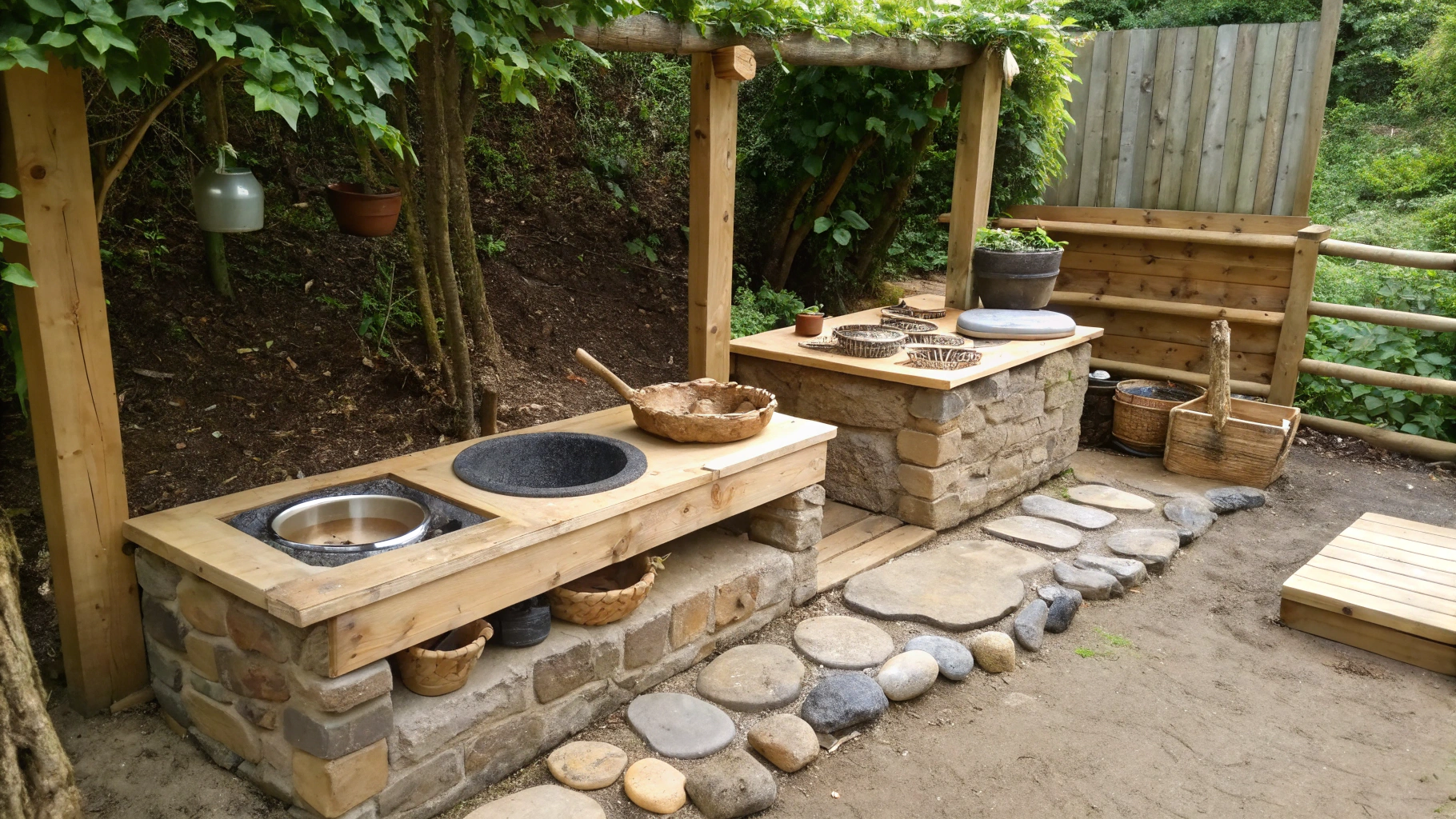
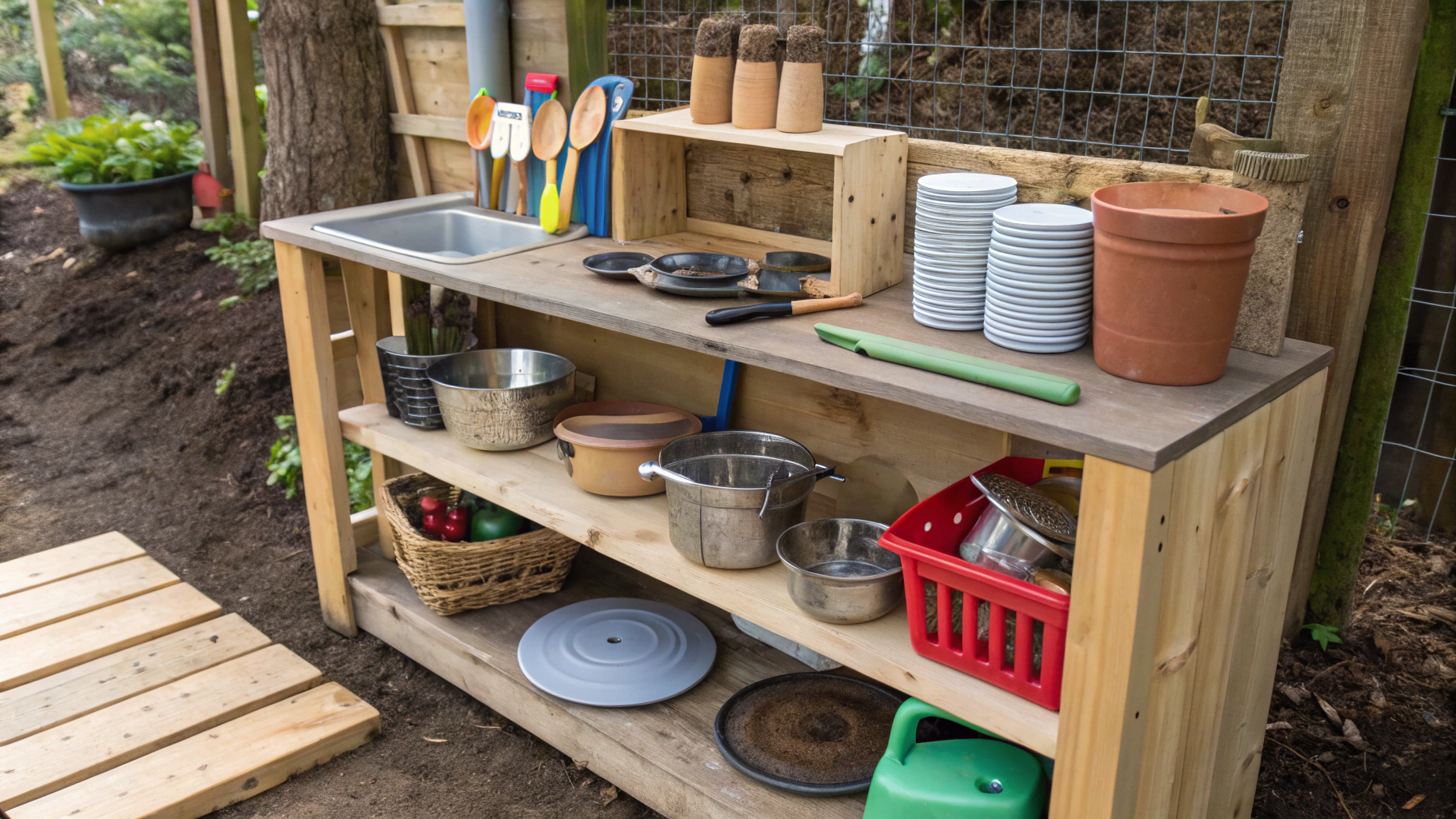
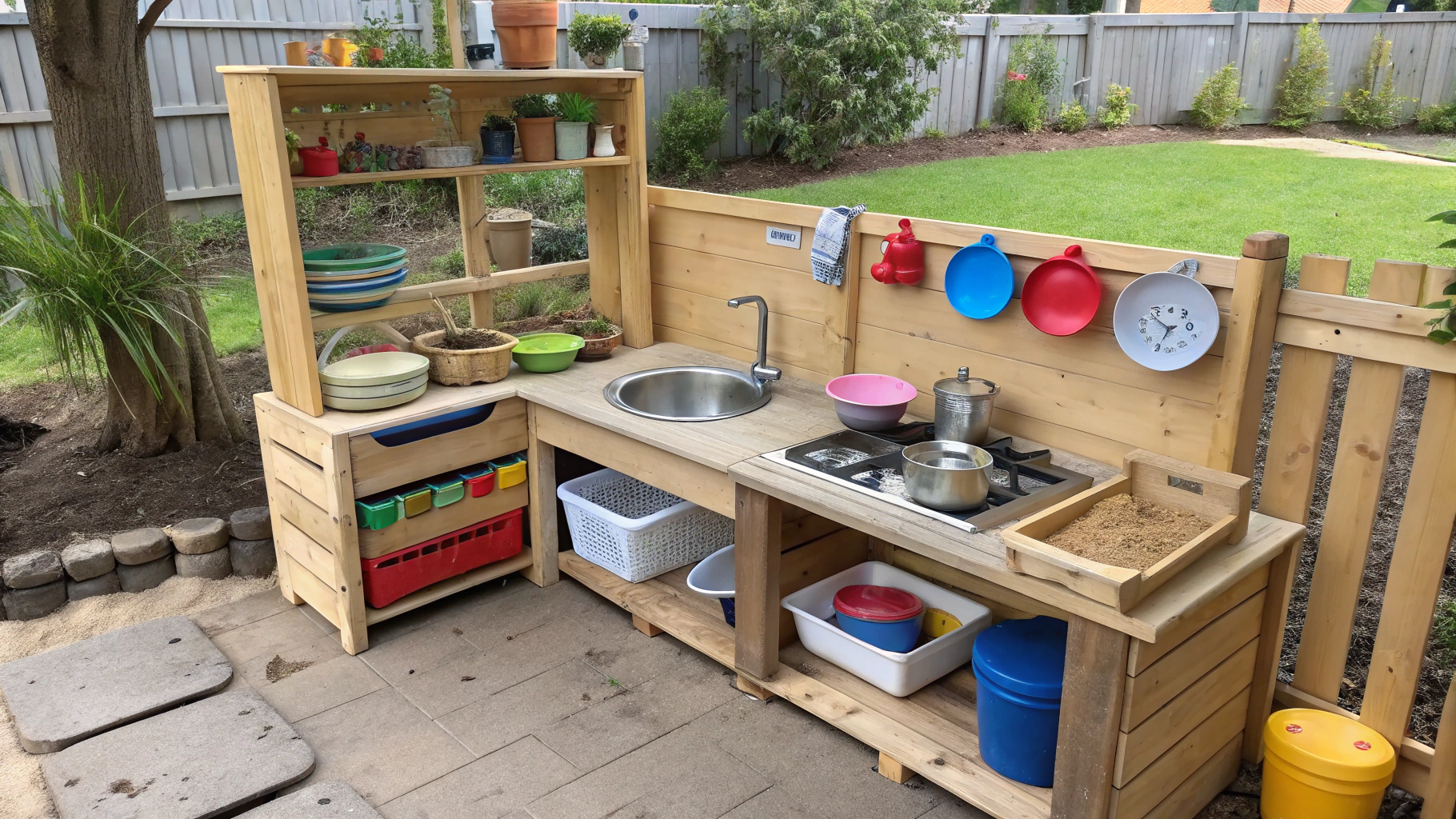
1. Create a Rustic Wooden Mud Kitchen with Herb Planters
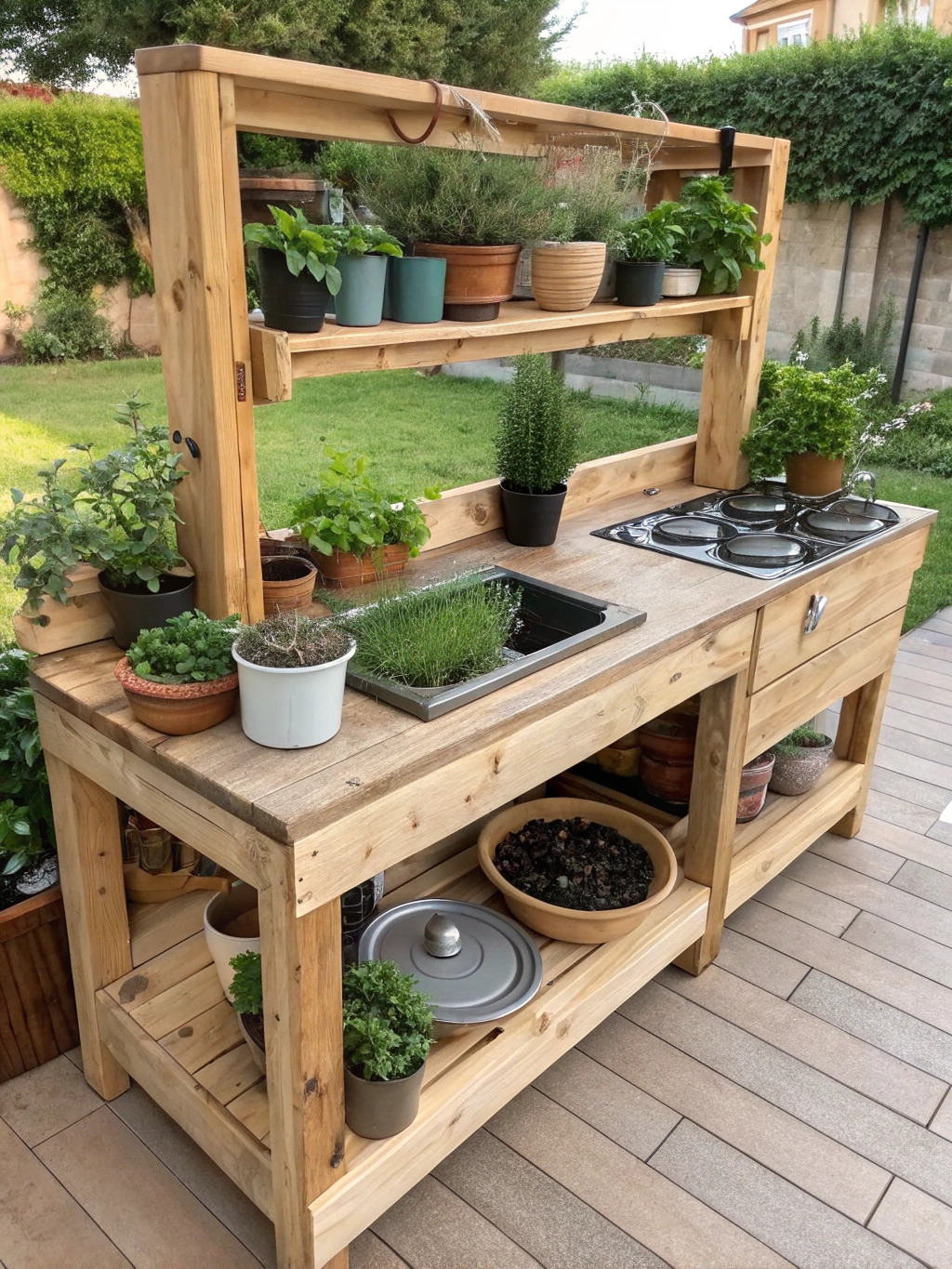
Rustic wood and greenery create a cozy natural play space.
Best Features
- Wooden prep counters
- Raised herb planters
- Hanging utensils
- Open shelving
Why It Works
- Blends beautifully into gardens
- Encourages nature play
- Feels warm and inviting
Design Tip
Use reclaimed wood for a charming cottage-style appearance.
You May Also Love
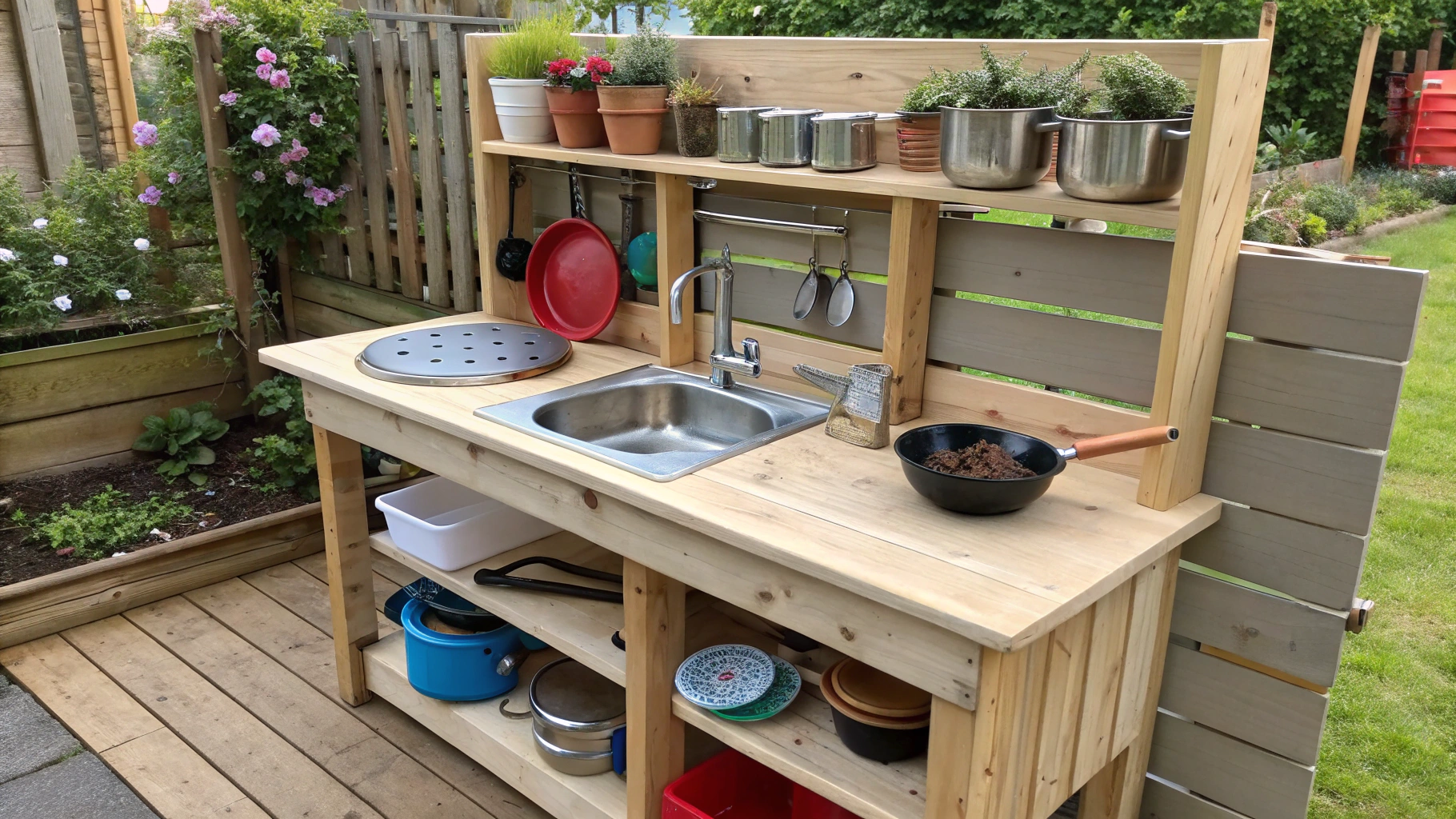
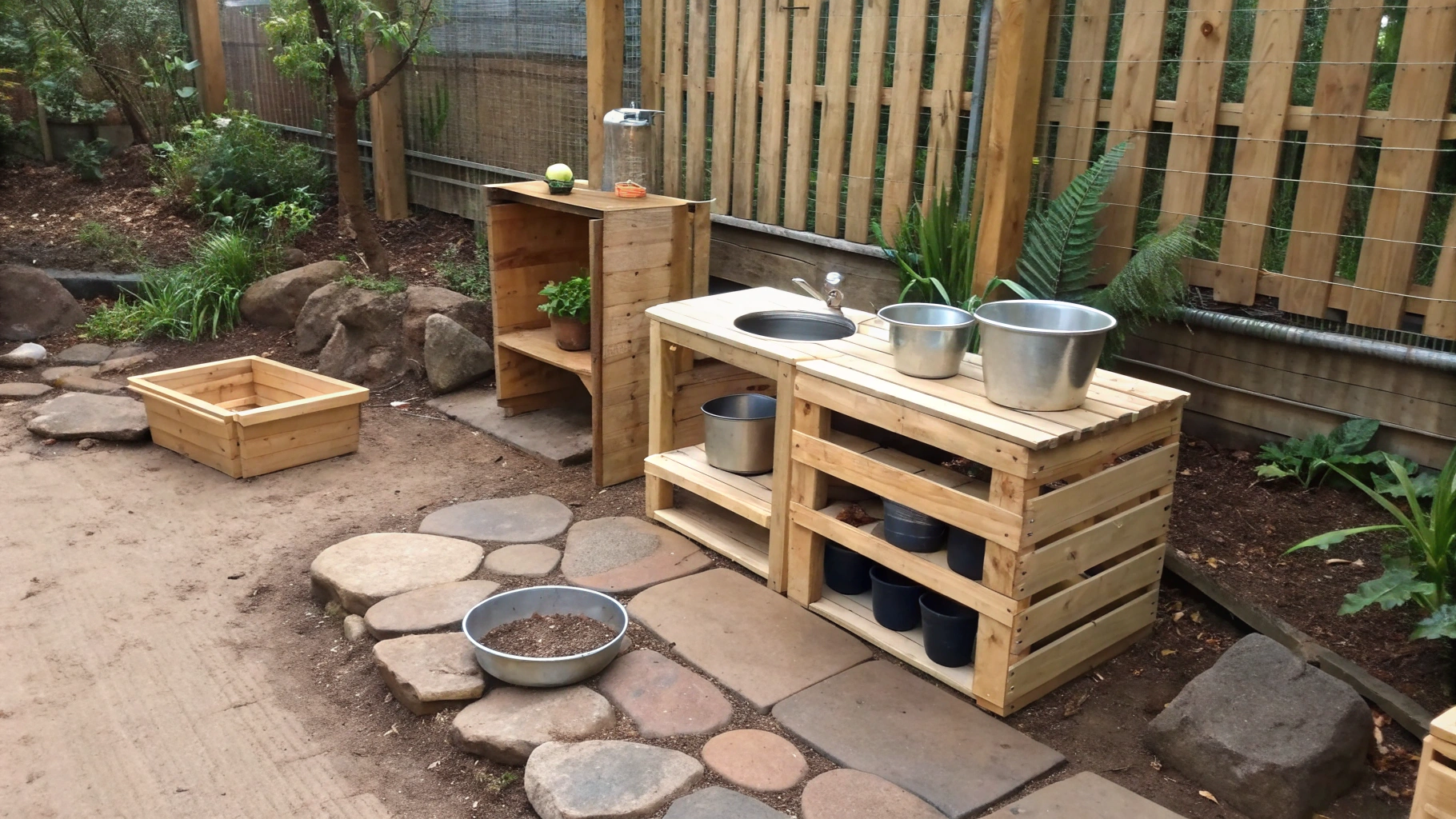
2. Add Raised Herb Beds Beside the Mud Kitchen
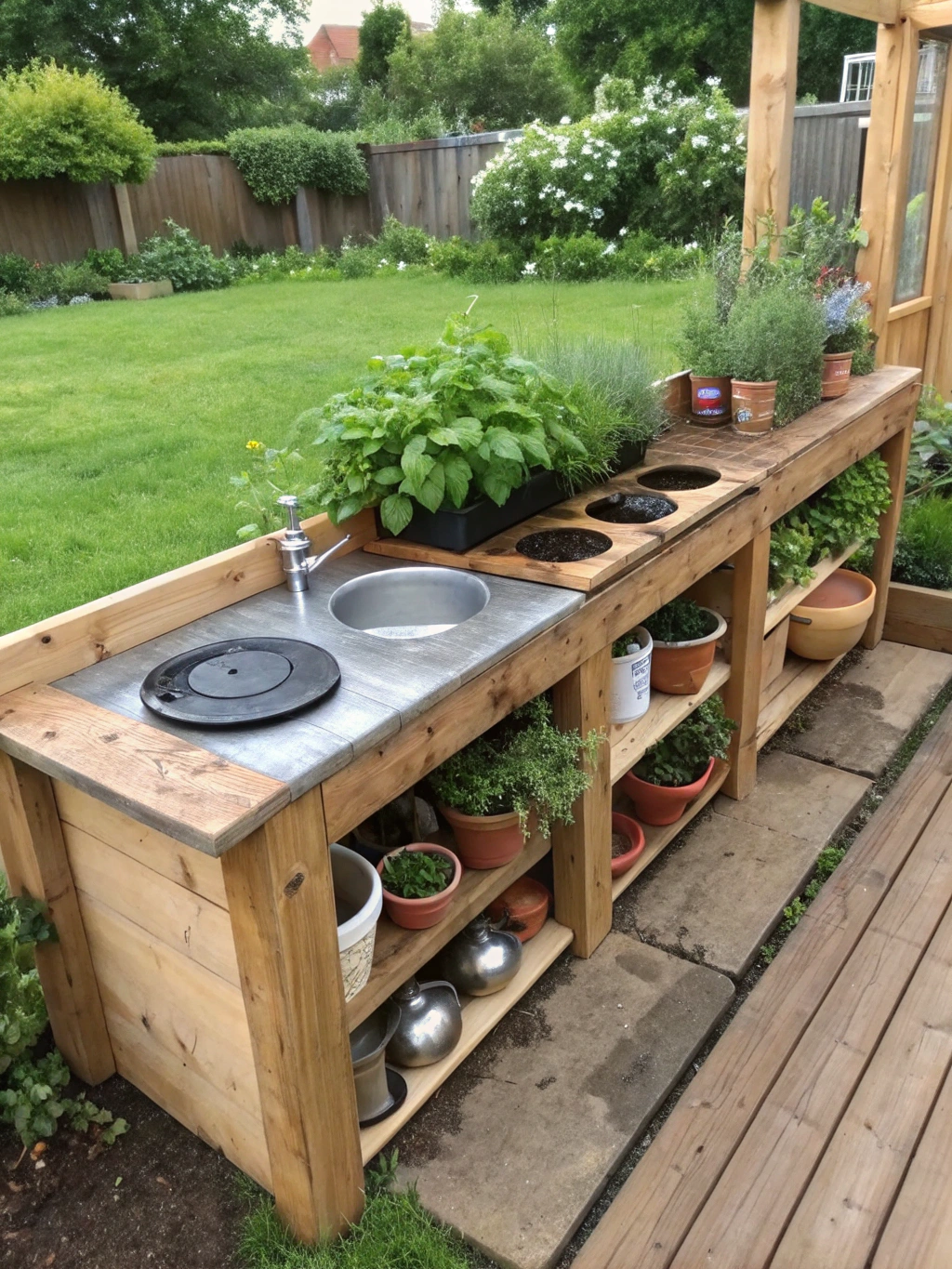
Raised beds make herbs easier for kids to reach and maintain.
Best Raised Bed Herbs
- Mint
- Basil
- Thyme
- Parsley
Why Kids Love It
- Interactive gardening
- Easy sensory exploration
- Pretend cooking ingredients
Best Pairings
- Watering cans
- Wooden spoons
- Mixing bowls
3. Create a Farmhouse-Style Herb Garden Mud Kitchen
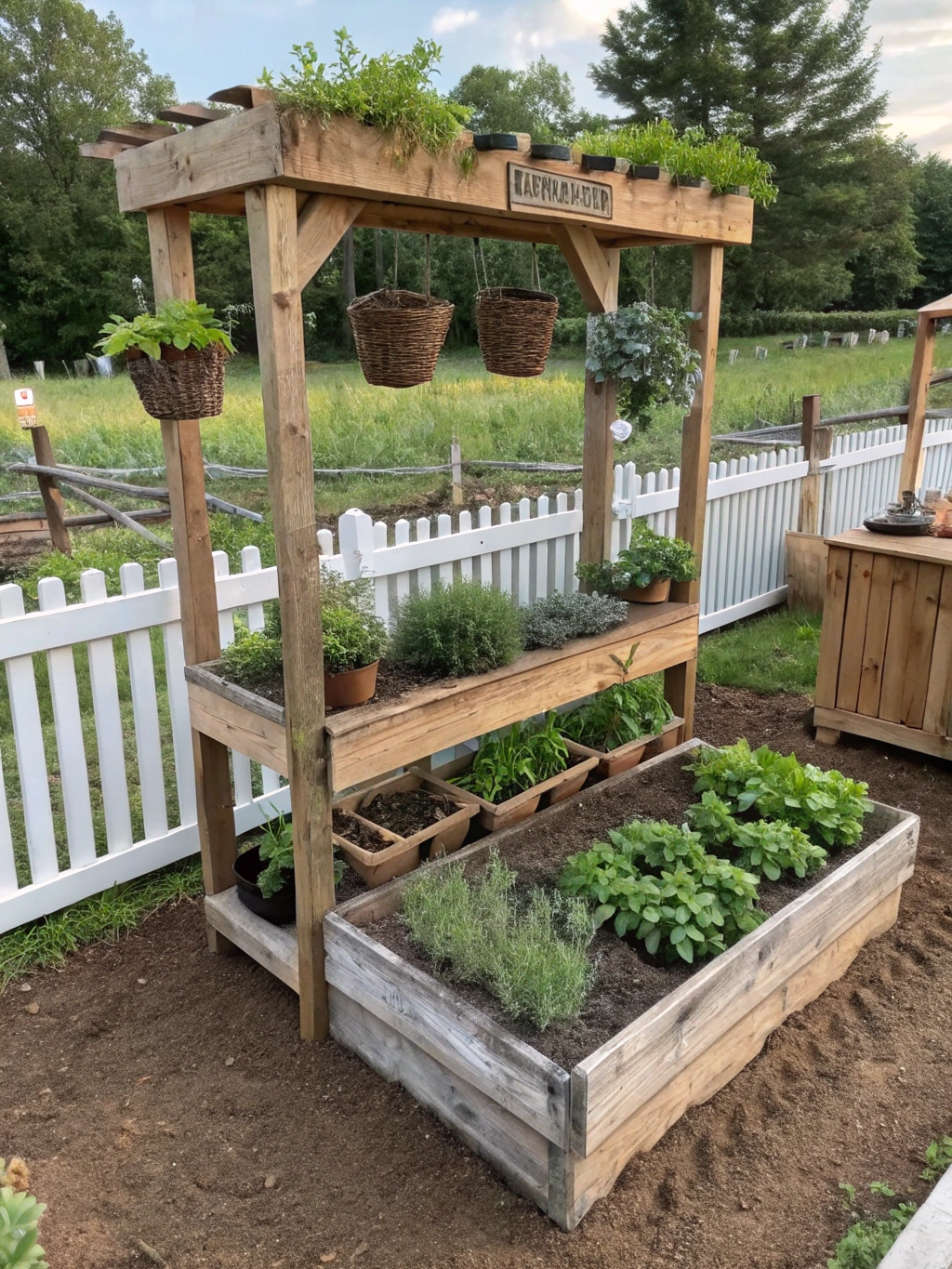
Farmhouse kitchens feel timeless and charming outdoors.
Best Farmhouse Features
- White painted wood
- Wooden crates
- Herb labels
- Rustic shelving
Why It Works
Farmhouse details pair beautifully with natural greenery.
4. Add Hanging Herb Planters Above the Kitchen
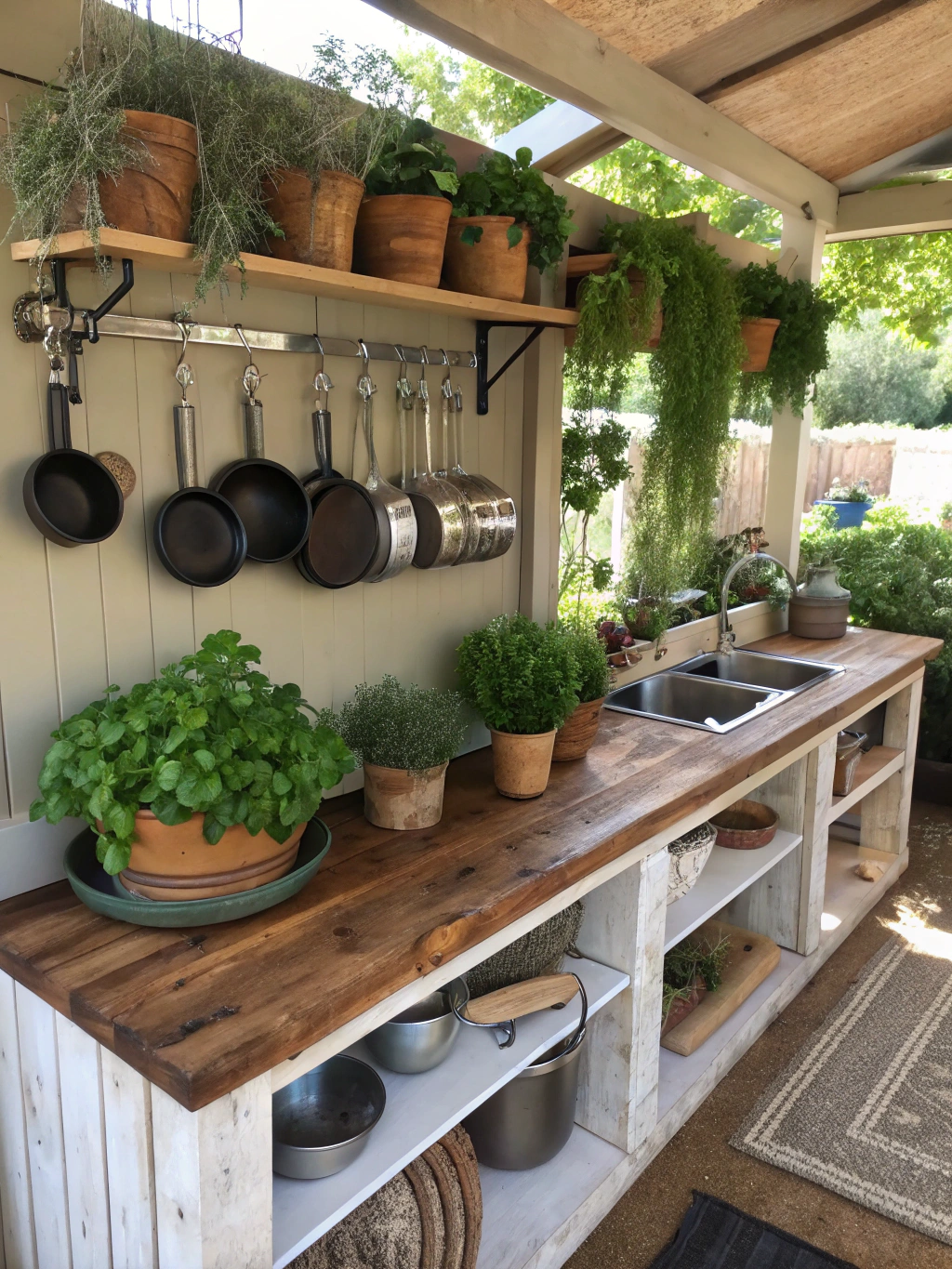
Vertical herb gardens save space while adding visual interest.
Best Hanging Herb Ideas
- Mason jar planters
- Wall-mounted pots
- Hanging baskets
Why It Works
Vertical planters maximize smaller garden spaces.
5. Create a Mud Café with Fresh Herb Ingredients
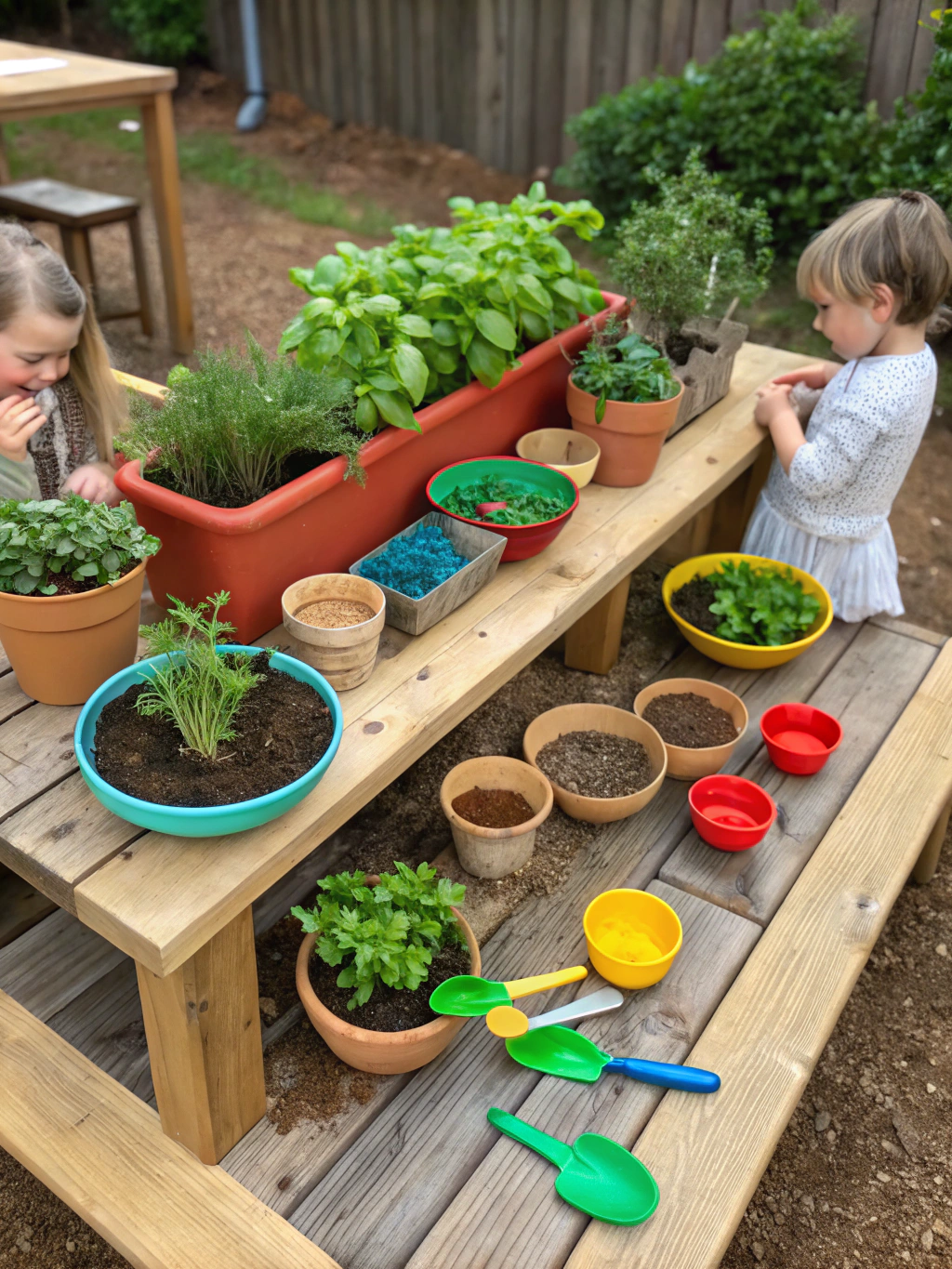
Café themes become even more creative with real herbs nearby.
Best Café Features
- Chalkboard menus
- Herb baskets
- Flower garnishes
- Pretend soup stations
Why It Works
Herbs encourage imaginative cooking and storytelling.
6. Add a Watering Station Beside the Herb Garden
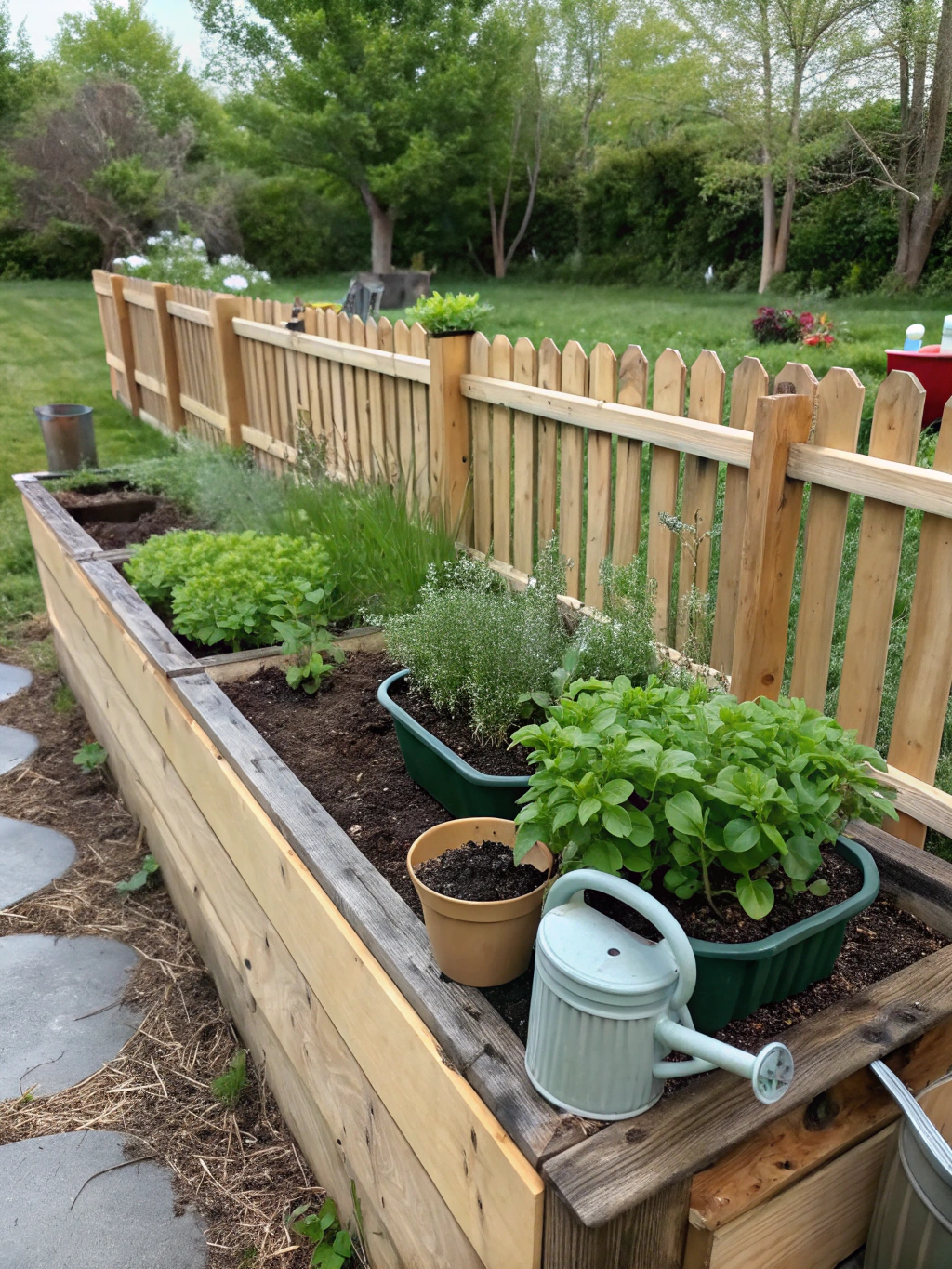
Watering activities make outdoor play more interactive.
Best Water Features
- Small watering cans
- Garden hose faucet
- Gravity-fed water dispensers
Why It Works
Kids enjoy caring for plants while exploring sensory water play.
Don't miss: 25 Mud Kitchen Ideas for Kids That Spark Creativity →
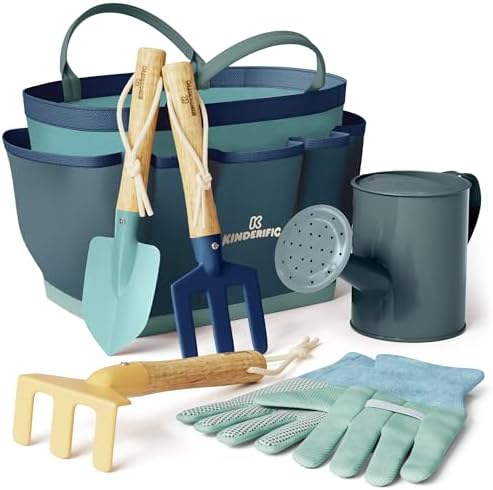
Here’s What You Need

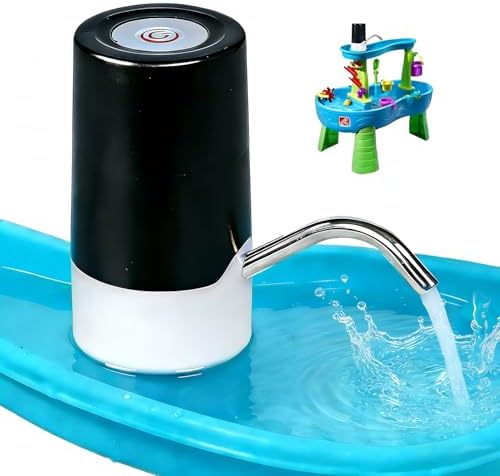


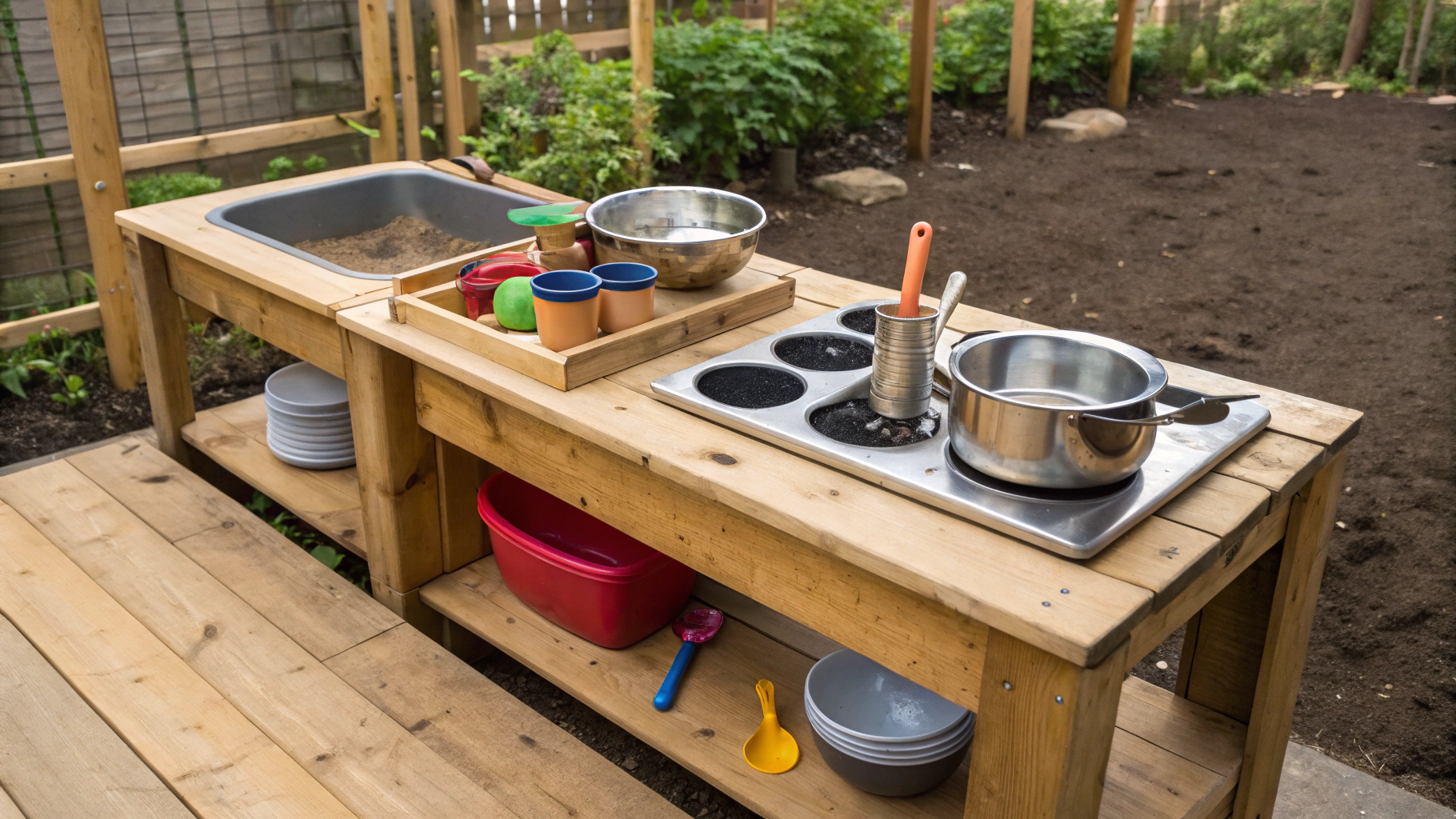
7. Create a Compact Mud Kitchen with Container Herb Garden
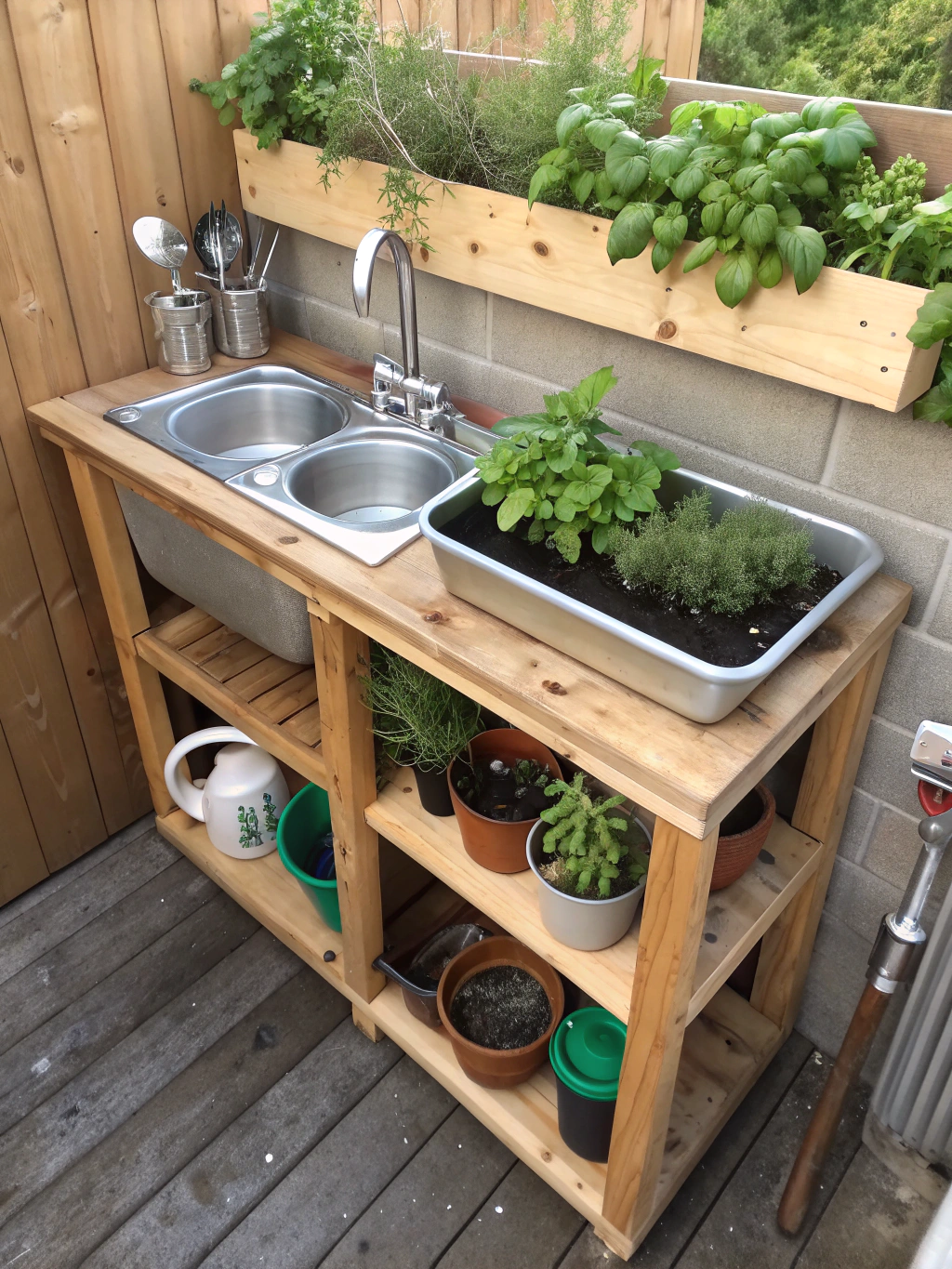
Container gardens work perfectly in patios or smaller backyards.
Best Container Ideas
- Wooden boxes
- Clay pots
- Metal buckets
- Vertical herb stands
Why It Works
Container herbs are flexible and easy to manage.
8. Add Chalkboard Herb Labels & Recipe Boards
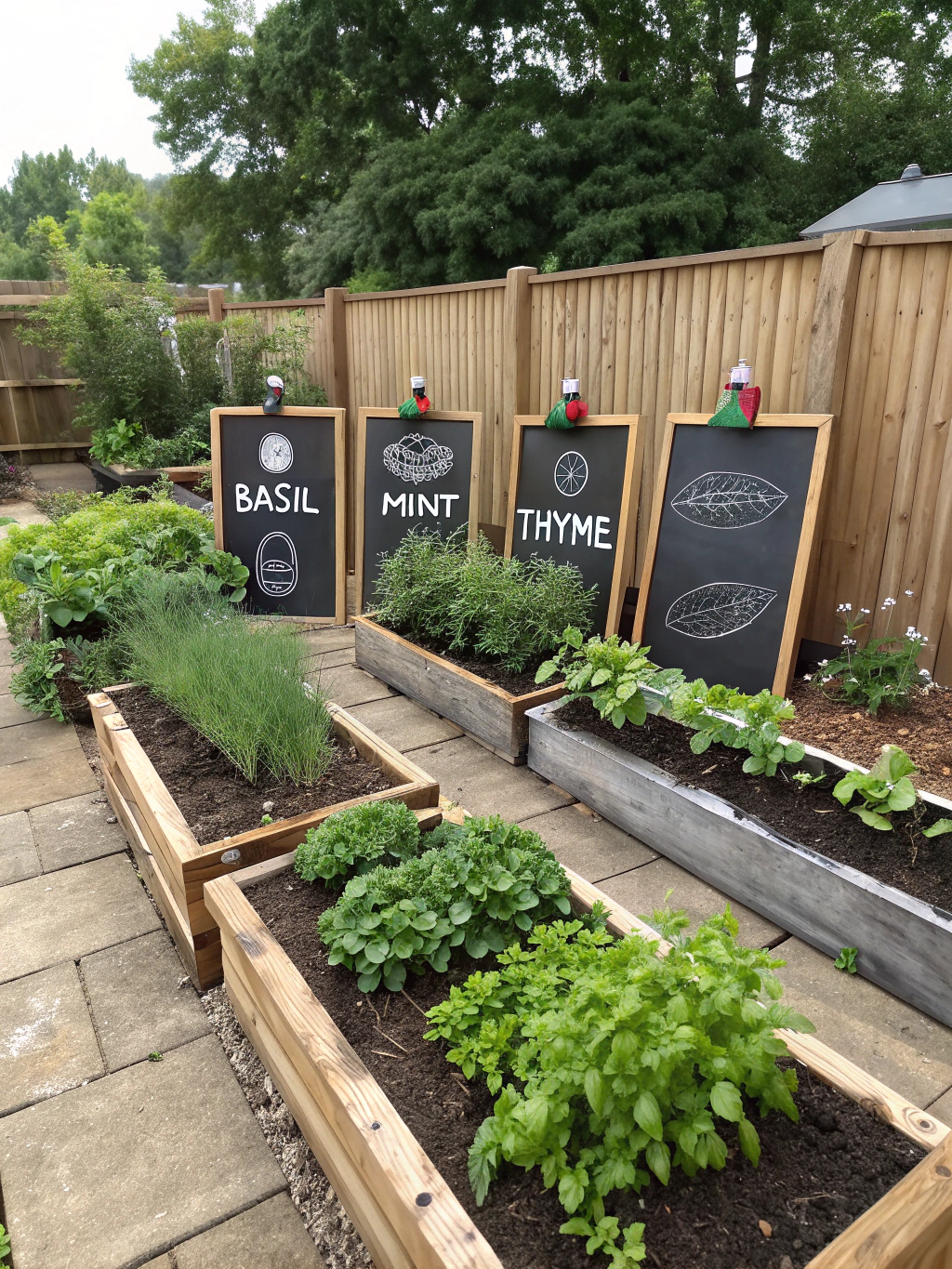
Chalkboards create educational and creative opportunities.
Best Chalkboard Uses
- Herb names
- Pretend recipes
- Gardening notes
- Café menus
Why It Works
Interactive labels support learning and imaginative play.
9. Create a Nature-Inspired Mud Kitchen with Wild Herbs
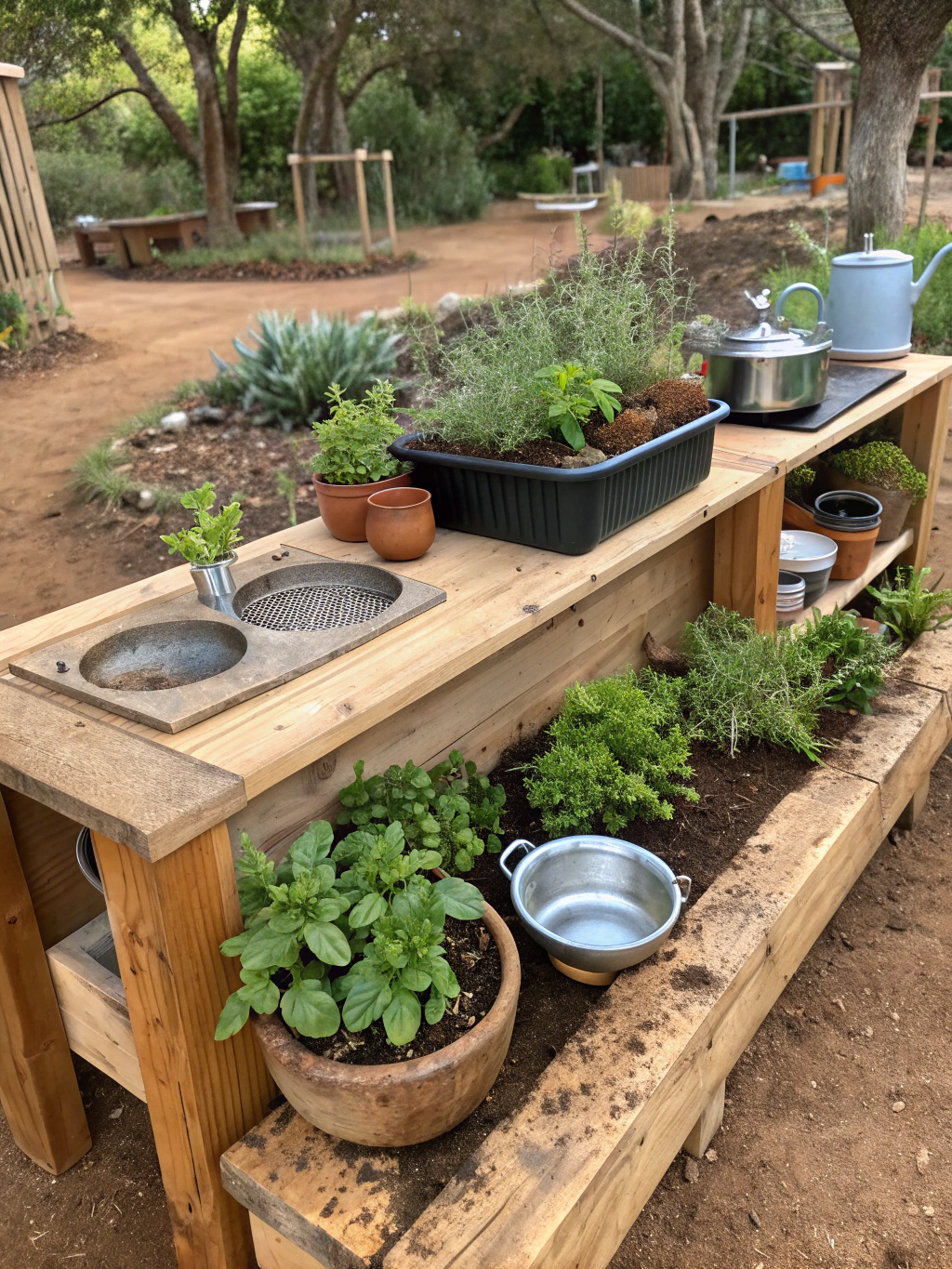
Natural landscaping creates a more immersive outdoor environment.
Best Nature Features
- Gravel flooring
- Tree stump stools
- Wildflowers
- Rustic wood finishes
Why It Works
Nature-inspired designs encourage outdoor exploration.
Keep Exploring
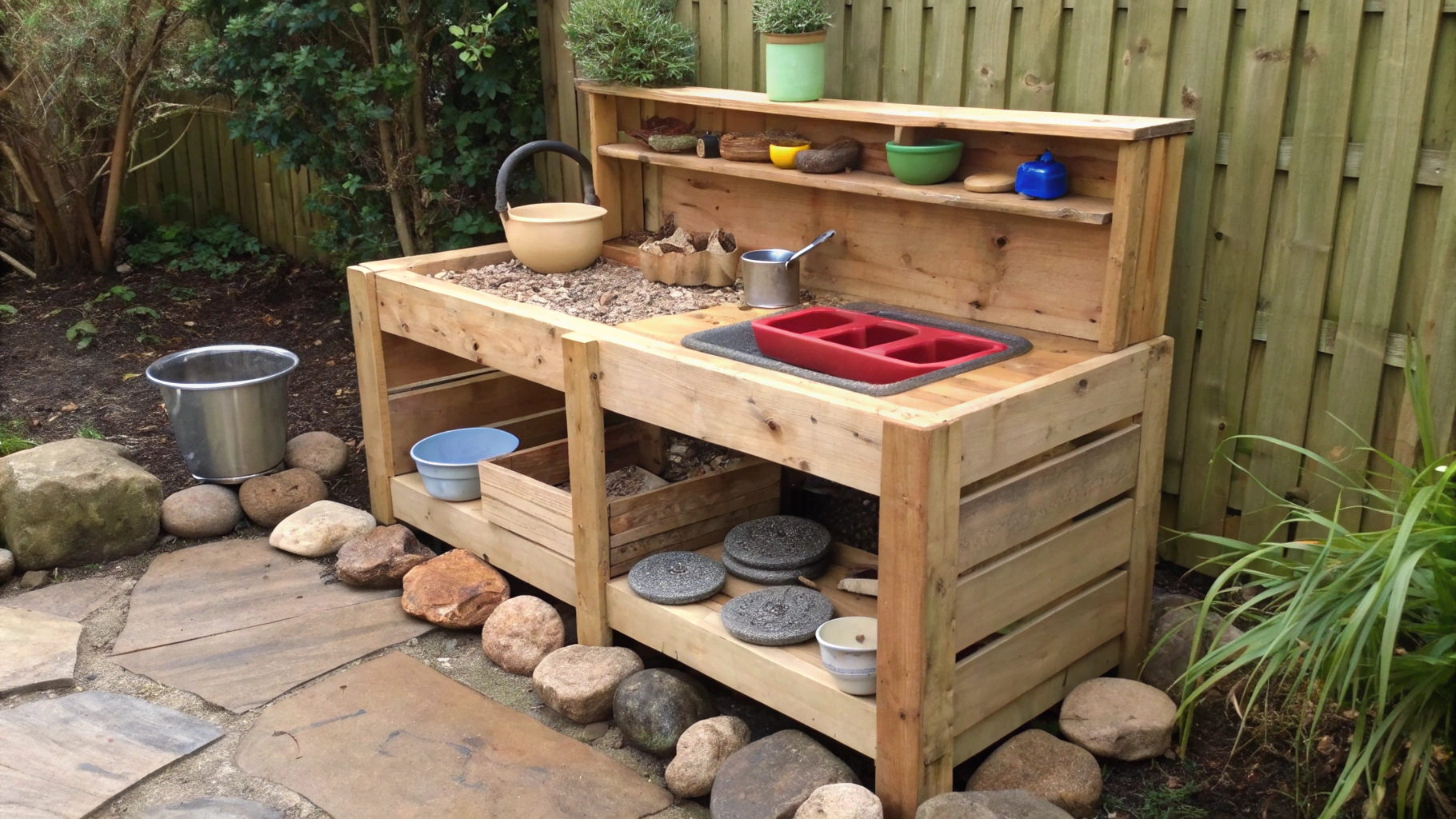
10. Add Open Shelving for Gardening Tools & Accessories
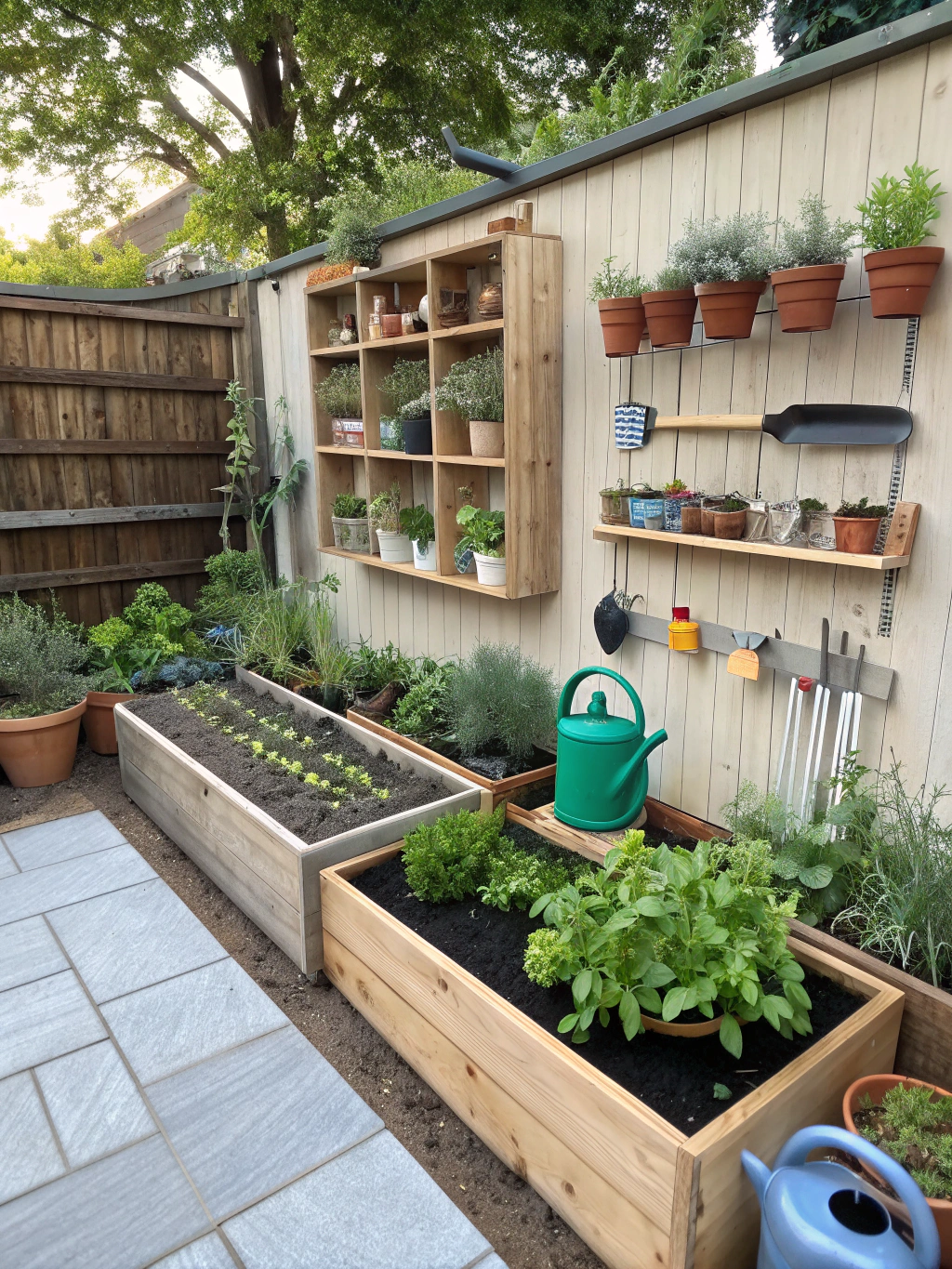
Storage keeps gardening and kitchen tools organized.
Best Storage Ideas
- Watering cans
- Gloves
- Mixing bowls
- Seed packets
Why It Works
Organized storage makes outdoor play more functional.
11. Create a Colorful Herb Garden Mud Kitchen
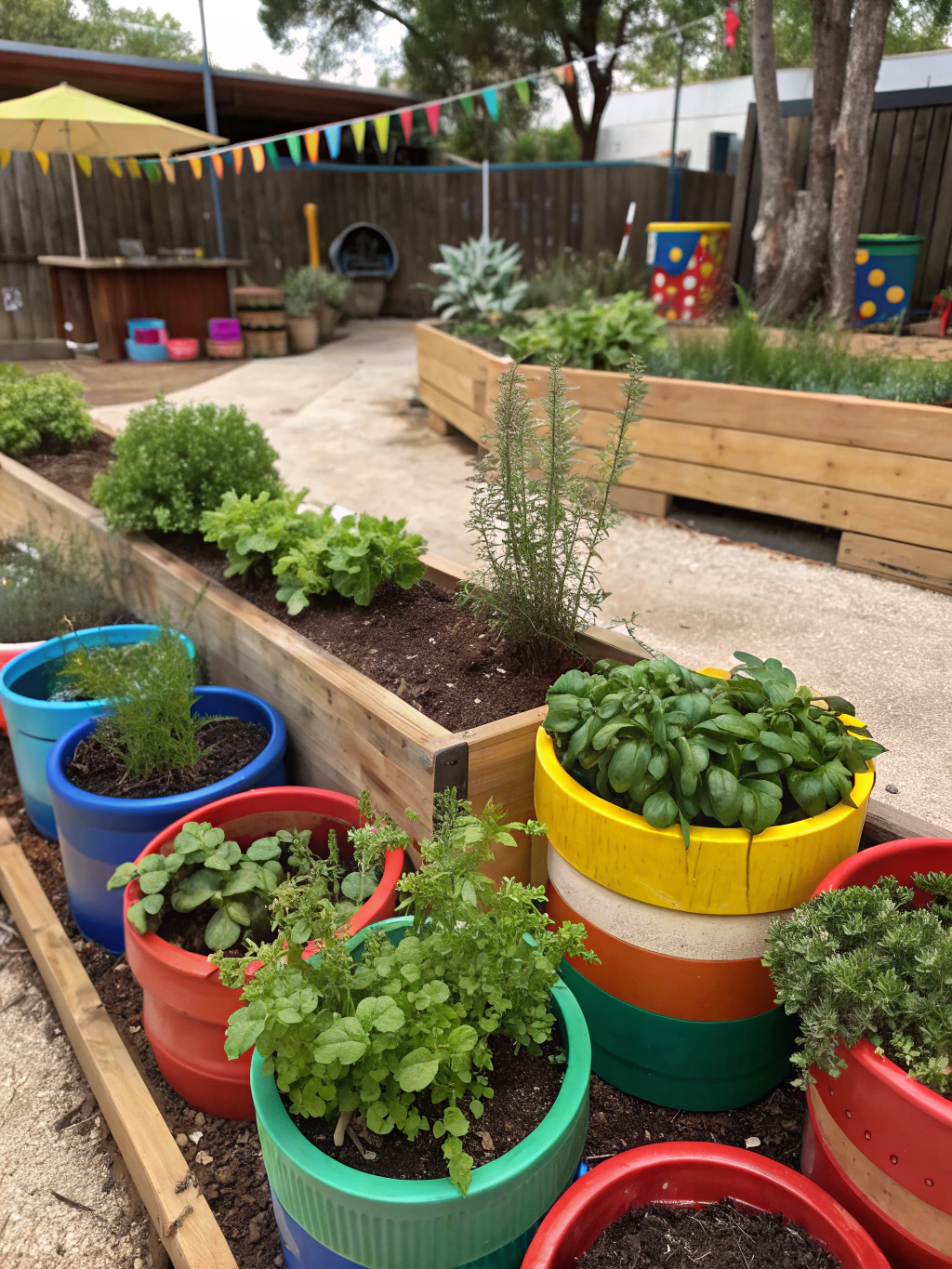
Bright colors make outdoor spaces feel cheerful and playful.
Best Paint Colors
- Sage green
- Sky blue
- Soft yellow
- White
Why It Works
Colorful kitchens feel inviting and fun for children.
12. Add Outdoor Seating Around the Herb Garden
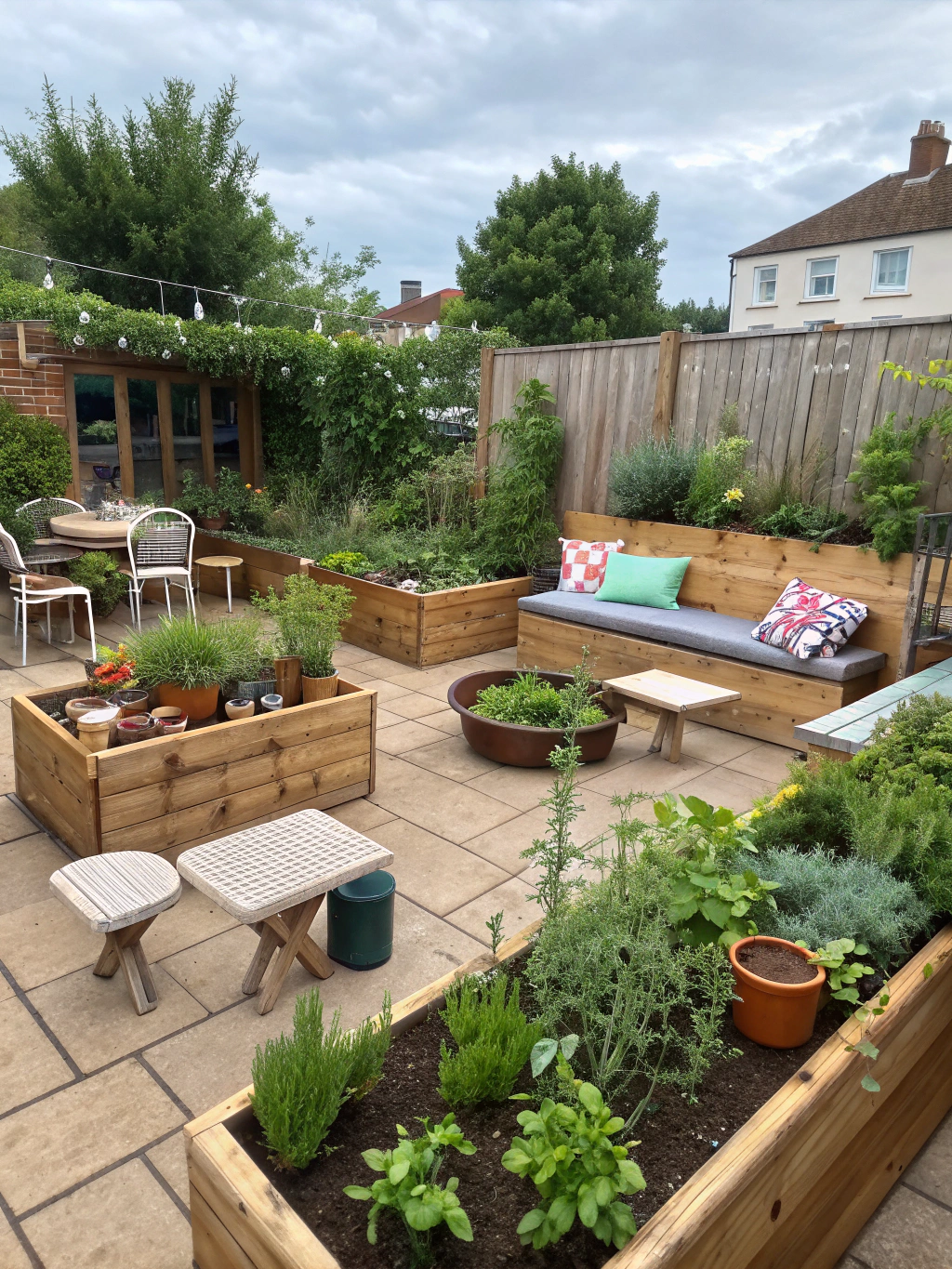
Comfortable seating encourages longer outdoor play sessions.
Best Seating Ideas
- Wooden benches
- Tree stump stools
- Outdoor cushions
Why It Works
Seating creates a cozy and welcoming backyard atmosphere.
Final Thoughts
Mud kitchens with herb gardens create beautiful outdoor play spaces that combine sensory exploration, gardening, creativity, and imaginative storytelling. By adding herbs, planters, water stations, chalkboards, and natural materials, you can design a backyard feature that feels educational, interactive, and visually charming.
Whether you prefer rustic farmhouse kitchens, compact patio setups, cottage-inspired garden cafés, or modern outdoor sensory stations, the key is creating a space where children can freely explore both nature and creativity. With thoughtful planning and simple herb garden additions, a mud kitchen can become a magical outdoor learning and play environment kids will love year-round.
FAQs
What herbs are best for a mud kitchen garden?
Mint, basil, lavender, rosemary, thyme, and parsley are excellent choices because they are hardy, fragrant, and easy to grow.
Why add a herb garden to a mud kitchen?
Herb gardens encourage sensory learning, gardening skills, outdoor exploration, and imaginative pretend cooking play.
Can you grow herbs in a small mud kitchen setup?
Yes, herbs grow very well in containers, vertical planters, raised beds, and compact garden spaces.
Are herb gardens safe for toddlers?
Yes, as long as child-safe, non-toxic herbs are chosen and outdoor play is supervised appropriately.
How do you organize a mud kitchen herb garden?
Use labeled planters, raised beds, vertical shelves, and simple container arrangements to keep the garden organized.
What accessories work well with a herb garden mud kitchen?
Watering cans, mixing bowls, chalkboards, gardening gloves, storage baskets, and wooden utensils all work beautifully.