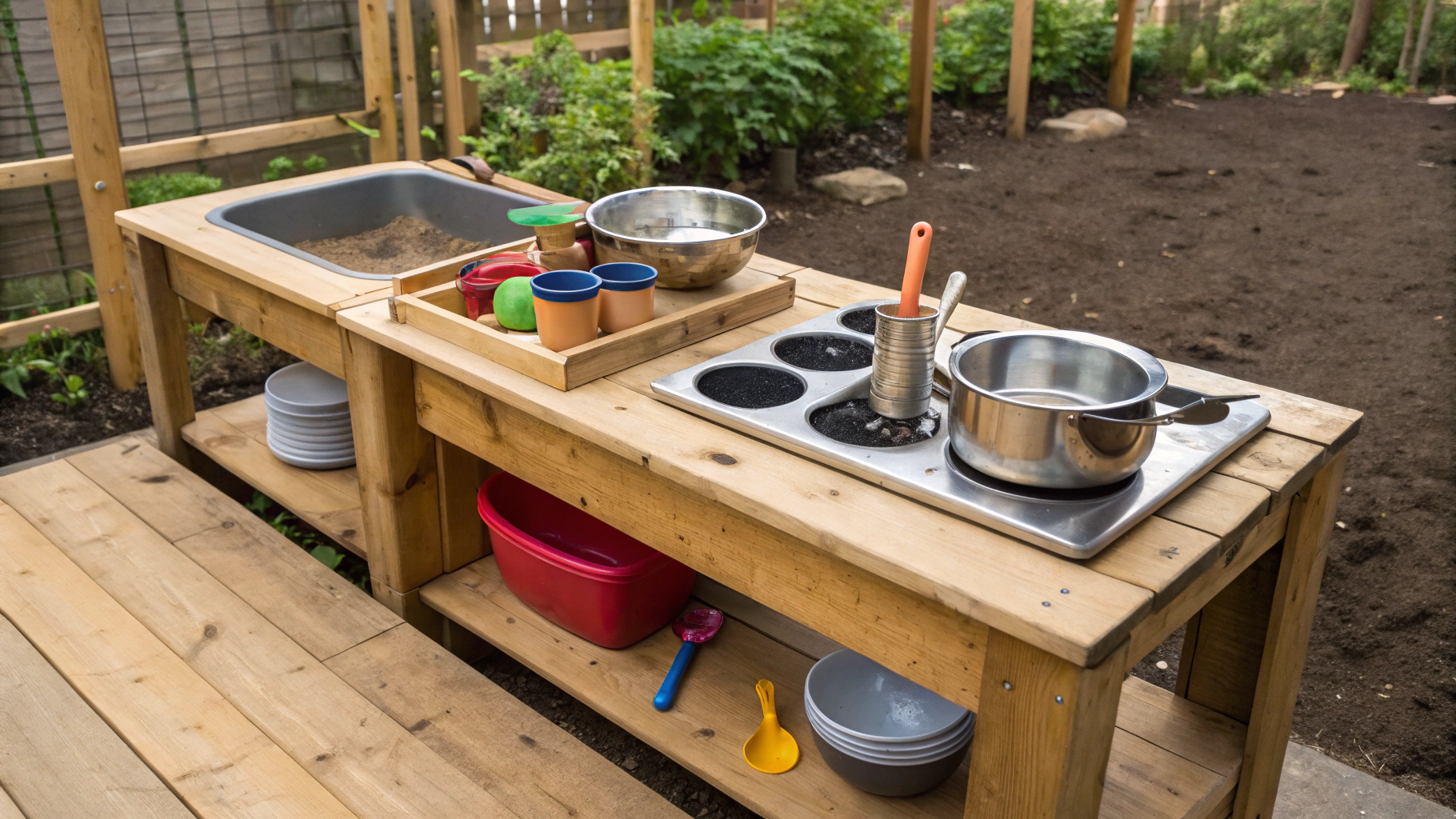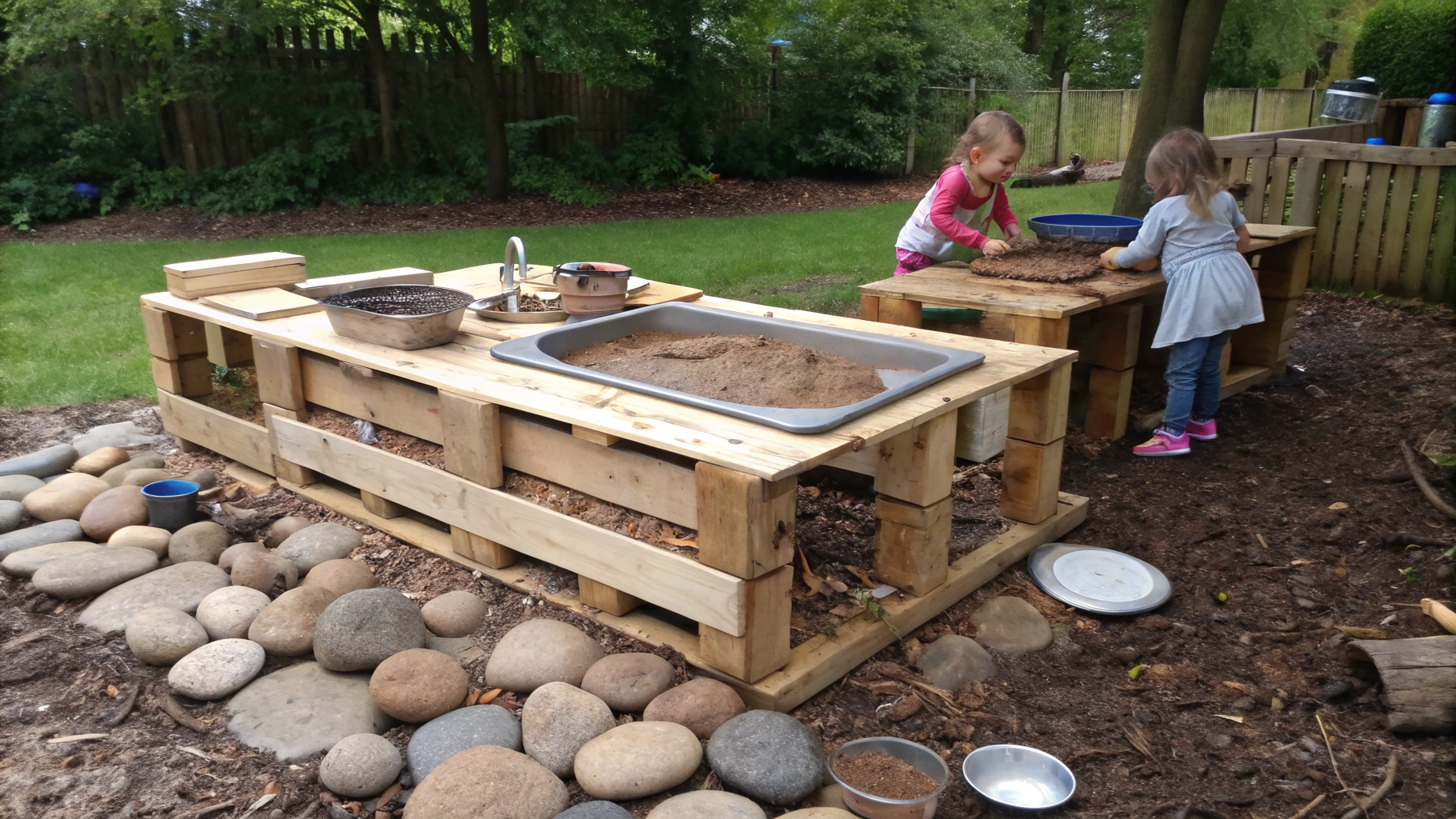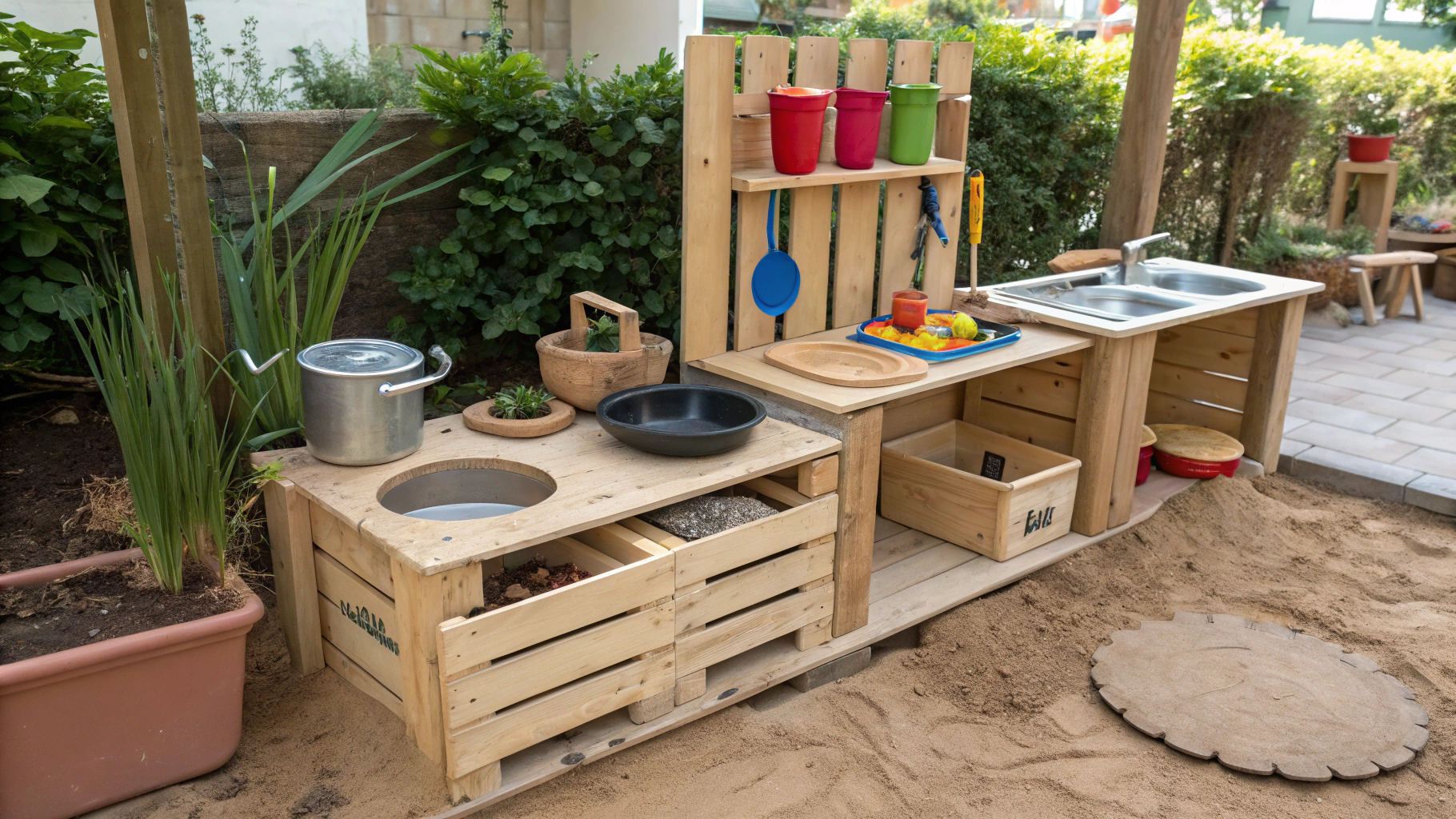
10+ Inspiring Mud Kitchen Ideas for Toddlers
Mud kitchens are one of the best outdoor play setups for toddlers because they combine sensory exploration, imaginative play, creativity, and hands-on learning in a simple backyard environment. Toddlers naturally love mixing, scooping, pouring, and experimenting with mud, water, leaves, flowers, and natural materials, making mud kitchens a fun and engaging way to encourage outdoor play.
Whether you want a simple DIY setup, a nature-inspired play corner, or a charming wooden kitchen with toddler-friendly features, these inspiring mud kitchen ideas for toddlers will help you create a safe, fun, and interactive outdoor play space little ones will love.
Why Mud Kitchens Are Great for Toddlers
Mud kitchens support early childhood development while keeping toddlers active and engaged outdoors.
Benefits of mud kitchens for toddlers include:
Love Chic Living Club?
Add us as one of your preferred Google sources and discover more home decor, DIY, outdoor, and lifestyle inspiration from us.
- Encourages sensory play
- Supports fine motor skills
- Inspires imaginative thinking
- Promotes outdoor activity
- Helps develop creativity
- Encourages independent exploration
Simple mud kitchens also create screen-free play opportunities that toddlers can enjoy for hours.
What Makes a Mud Kitchen Toddler-Friendly?
Toddler mud kitchens should focus on safety, accessibility, and simple interactive features.
Keep Counters Low
Toddlers need easy access to sinks, bowls, and play surfaces.
Use Safe Natural Materials
Smooth wood, rounded edges, and non-toxic finishes are essential.
Add Easy Sensory Activities
Water play, scooping stations, and simple mixing tools work best for younger children.
Include Open Storage
Visible baskets and shelves make it easier for toddlers to grab and return play items independently.
Best Features for Toddler Mud Kitchens
| Feature | Best For | Benefit |
| Water Bowl or Sink | Sensory play | Pouring and splashing |
| Open Shelves | Easy access | Encourages independence |
| Chalkboard | Creative drawing | Imaginative play |
| Mixing Station | Hands-on activity | Fine motor skills |
| Natural Materials | Outdoor learning | Sensory exploration |
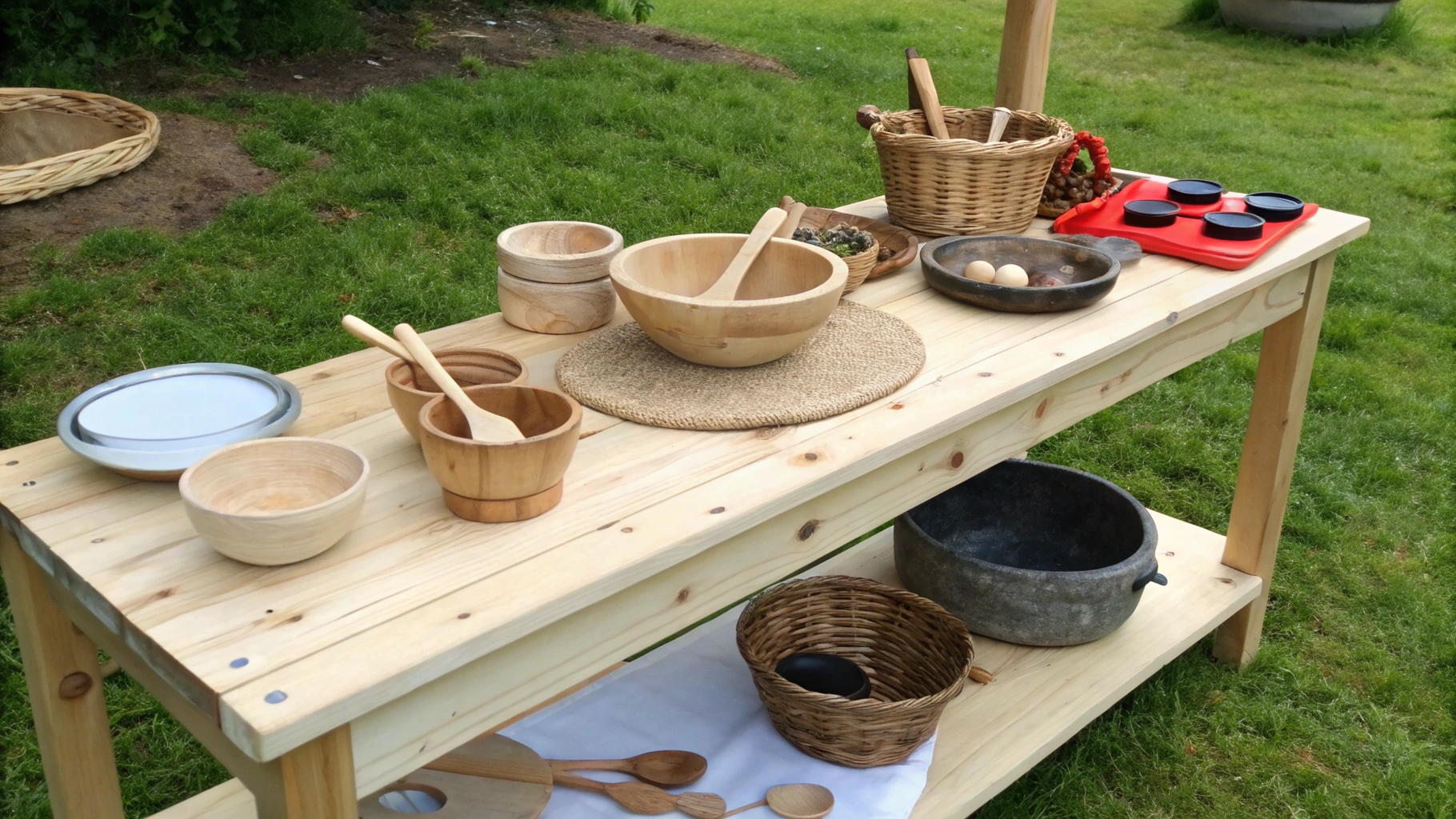
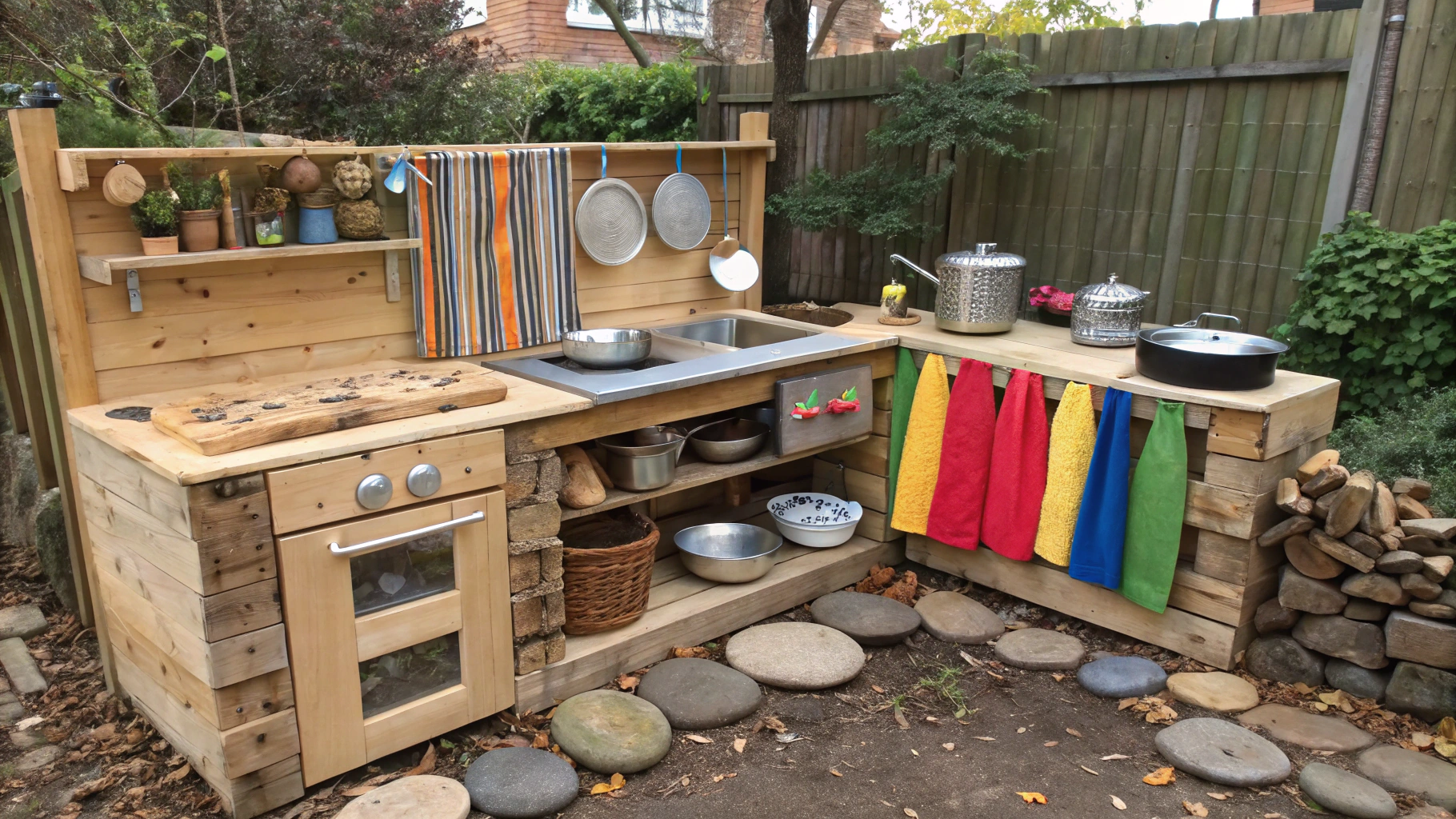
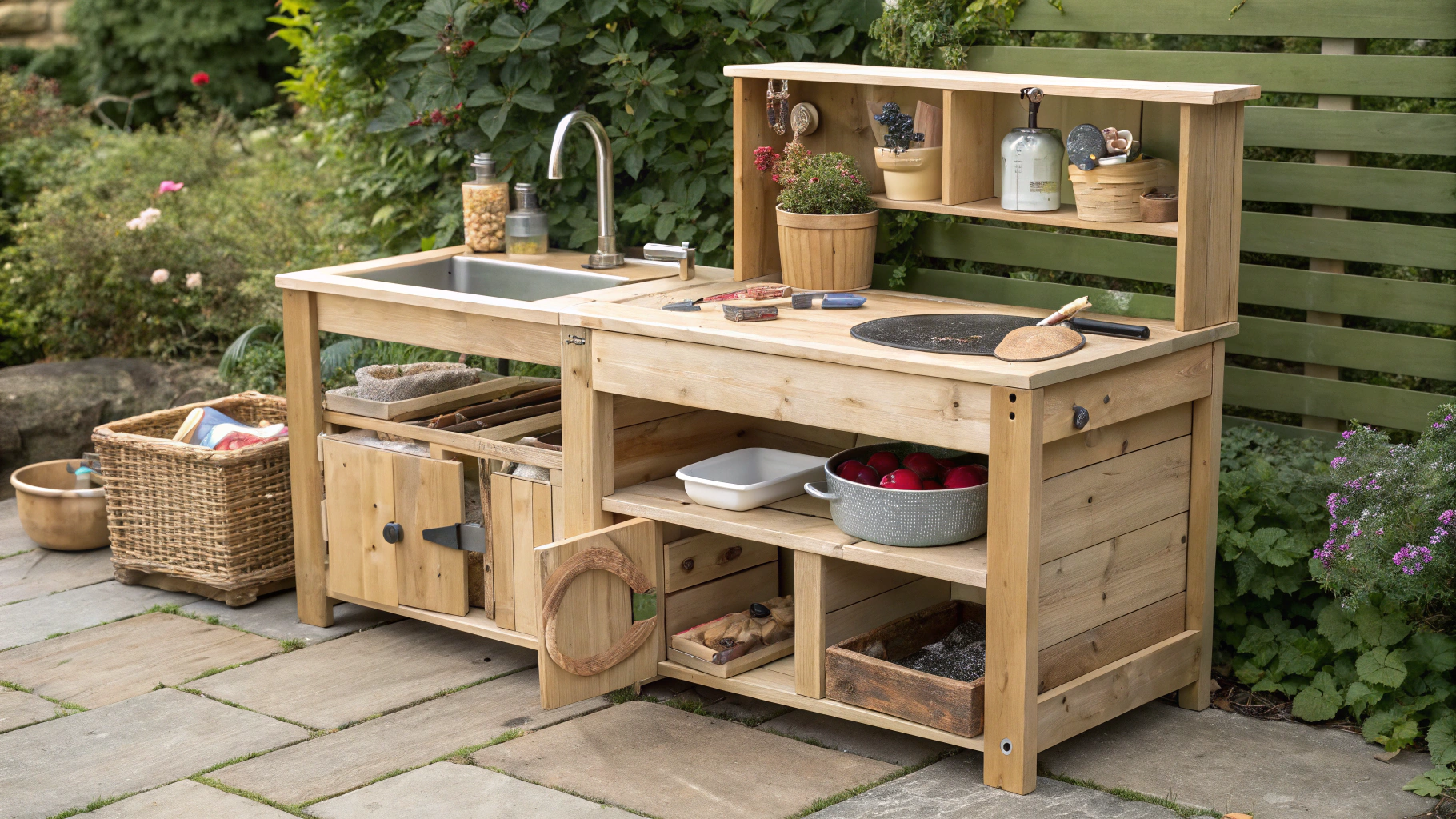
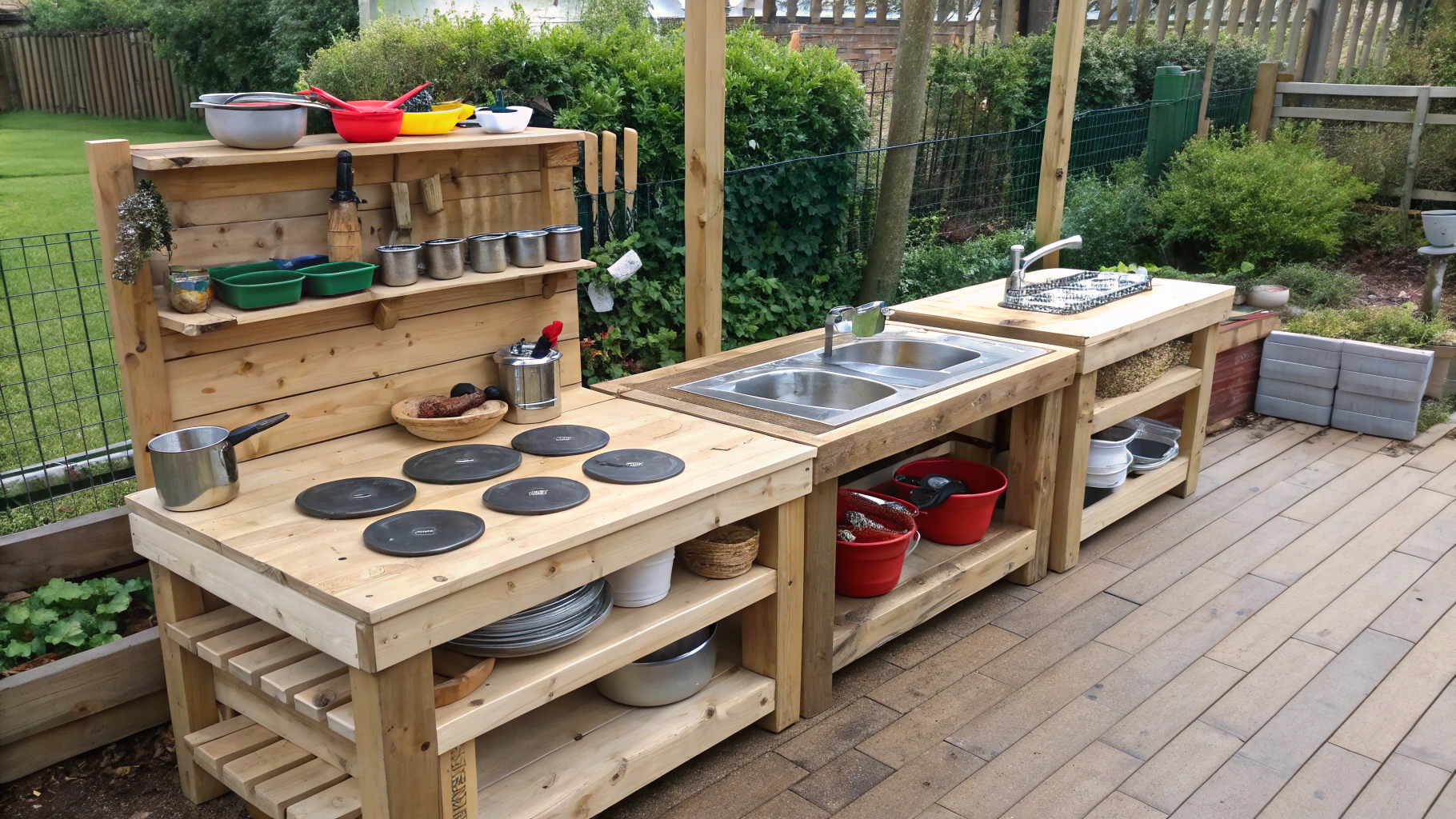
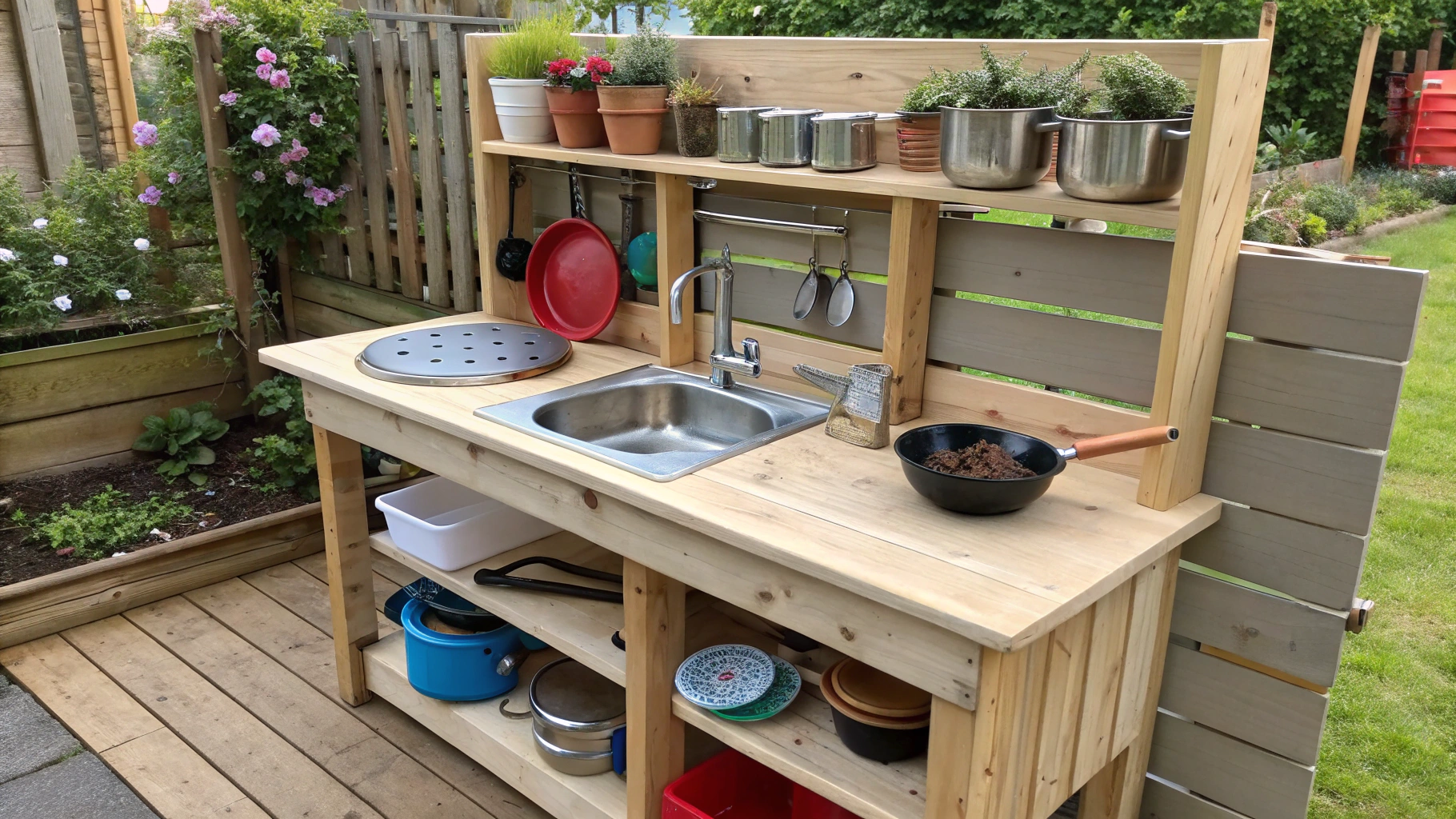
1. Create a Simple Wooden Mud Kitchen
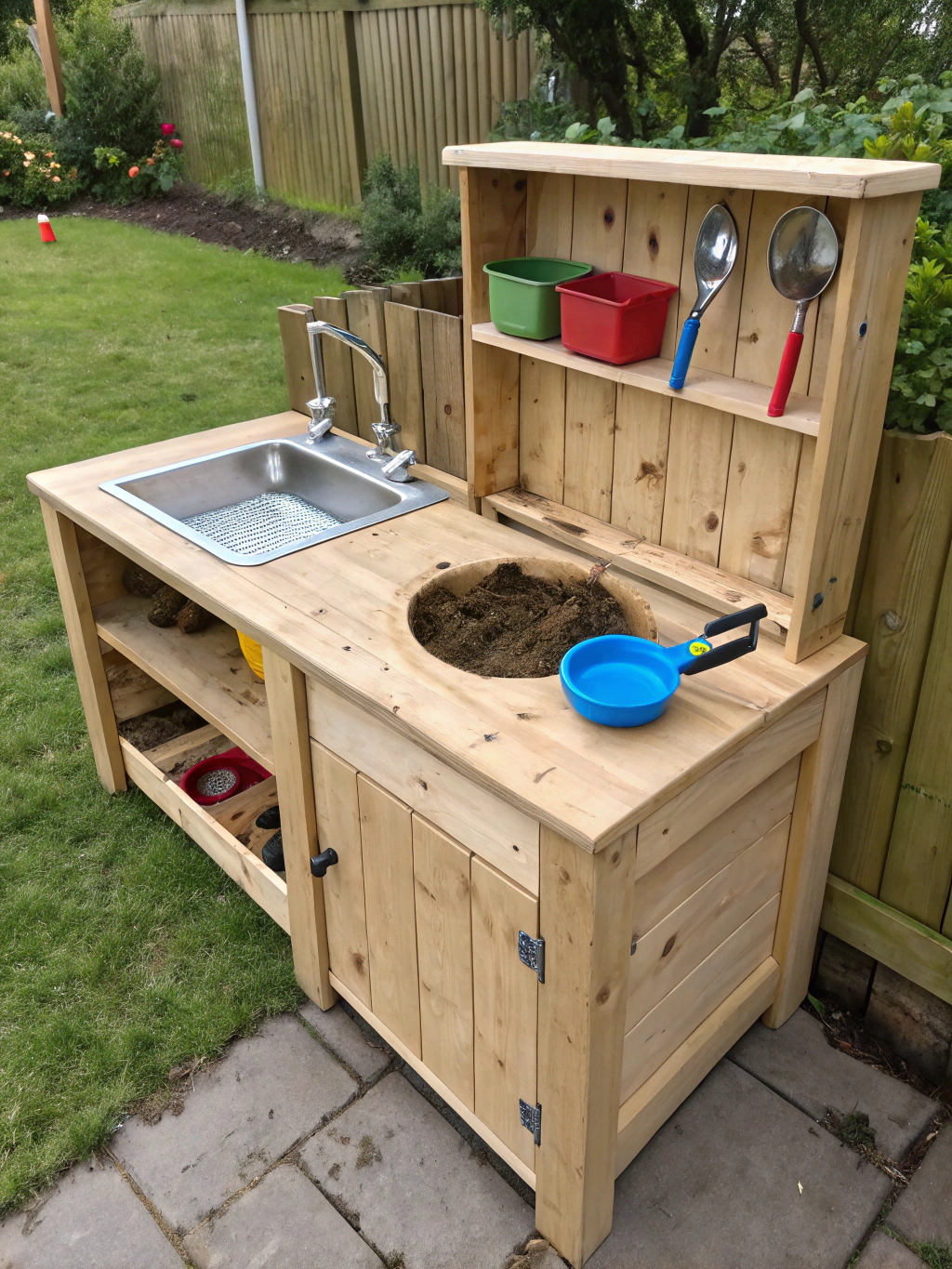
A basic wooden mud kitchen is perfect for toddlers because it keeps play simple and accessible.
Best Features
- Low countertop
- Open shelves
- Mixing bowls
- Hanging utensils
Why It Works
- Easy for toddlers to use
- Encourages open-ended play
- Blends naturally into gardens
Design Tip
Choose smooth sanded wood to create safer toddler-friendly surfaces.
You May Also Love
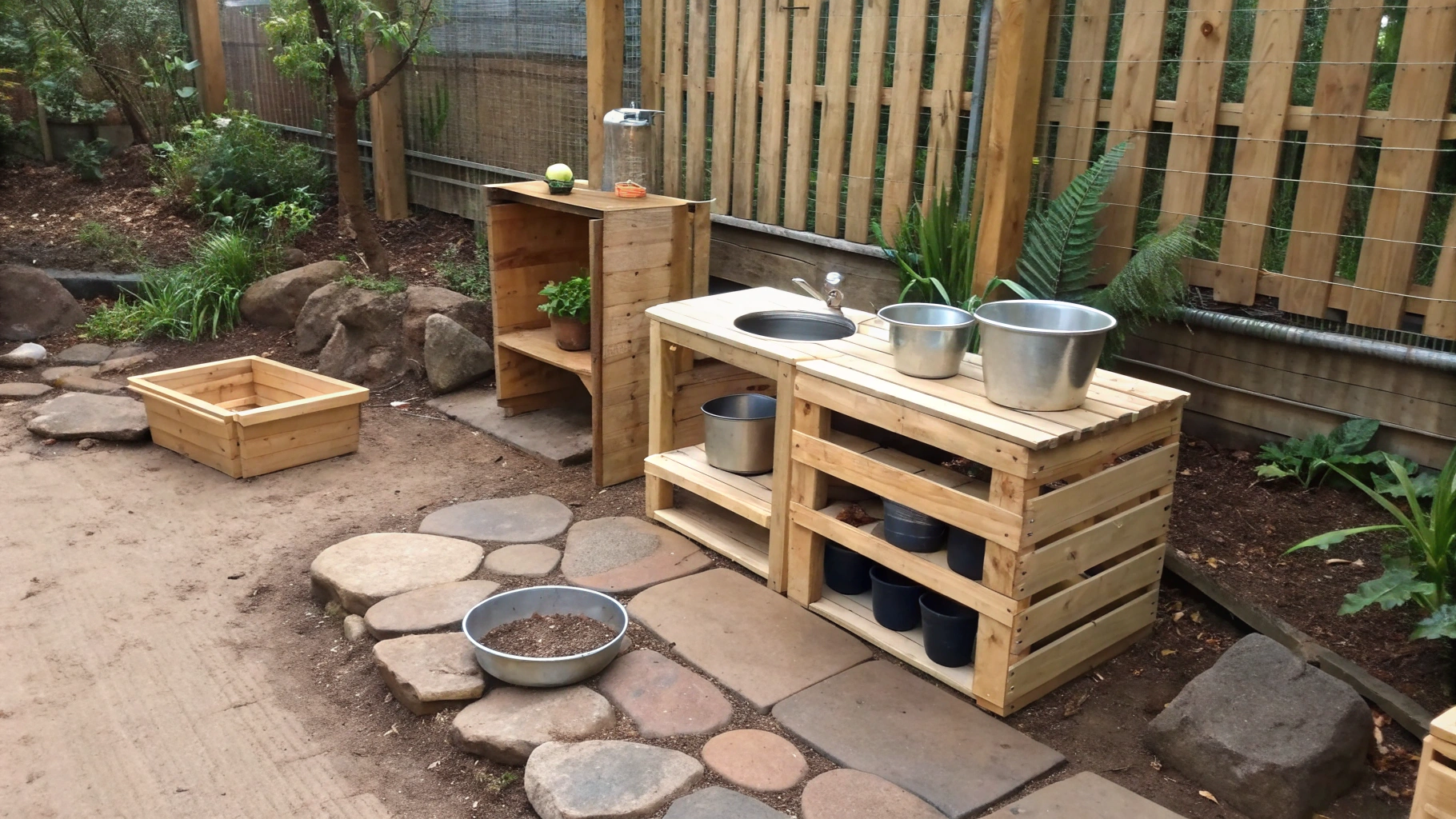
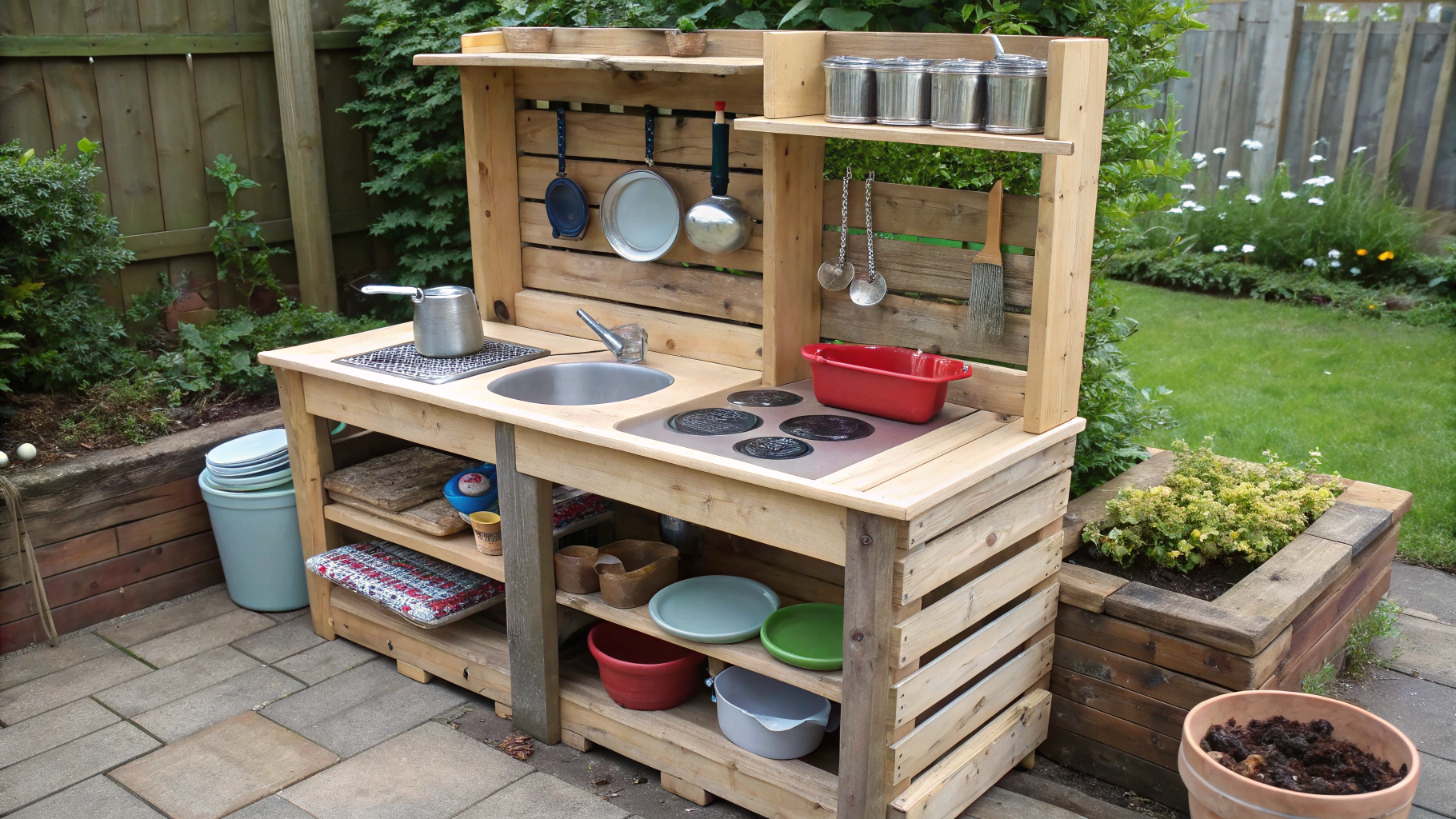
2. Add a Water Play Sink Station
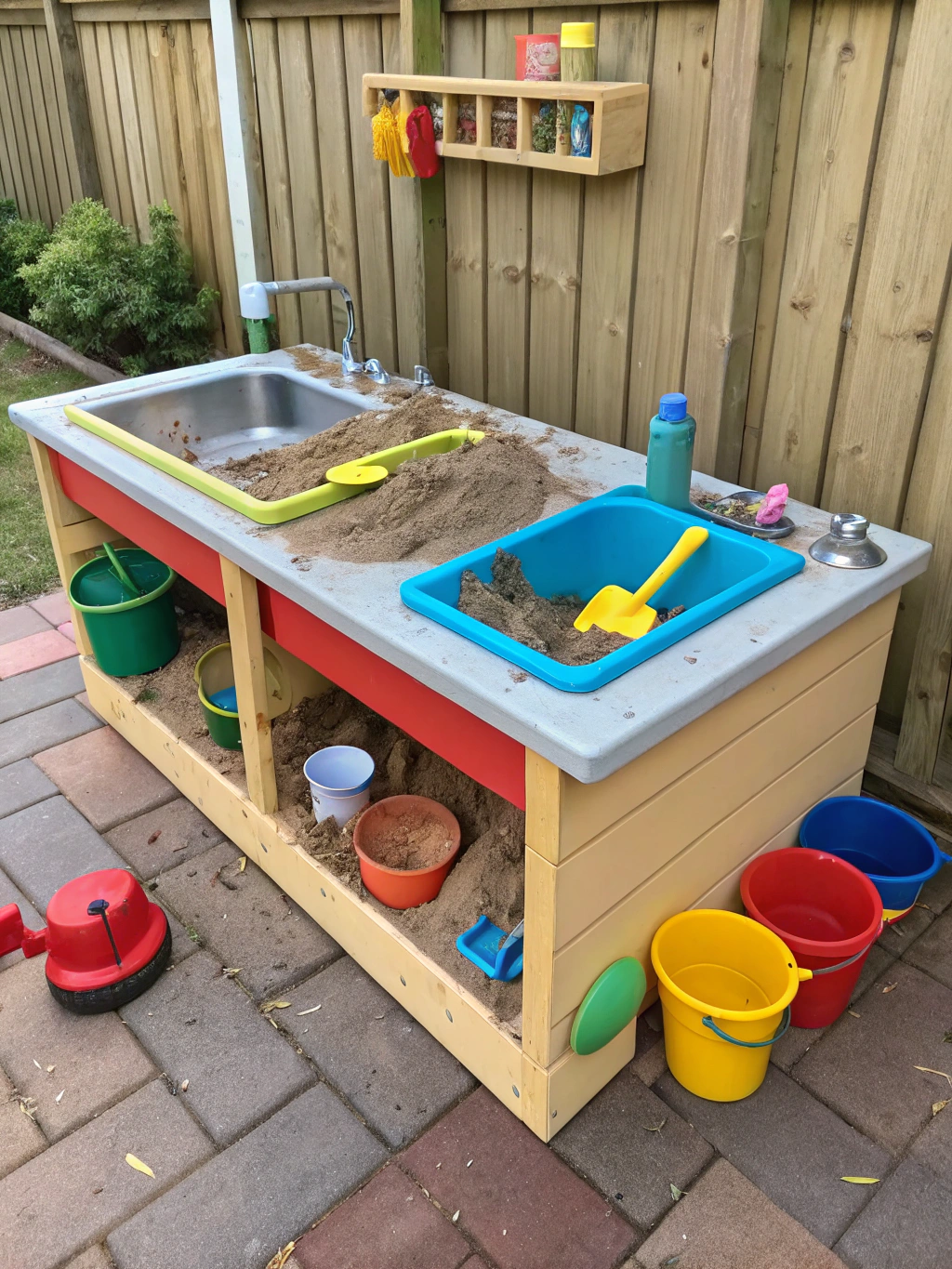
Toddlers love pouring and splashing, making sinks one of the most popular mud kitchen features.
Best Sink Ideas
- Metal bowls
- Plastic basins
- Recycled sinks
Why Kids Love It
- Sensory stimulation
- Interactive water play
- Realistic pretend cooking
Safety Tip
Keep water levels shallow for safer toddler play.
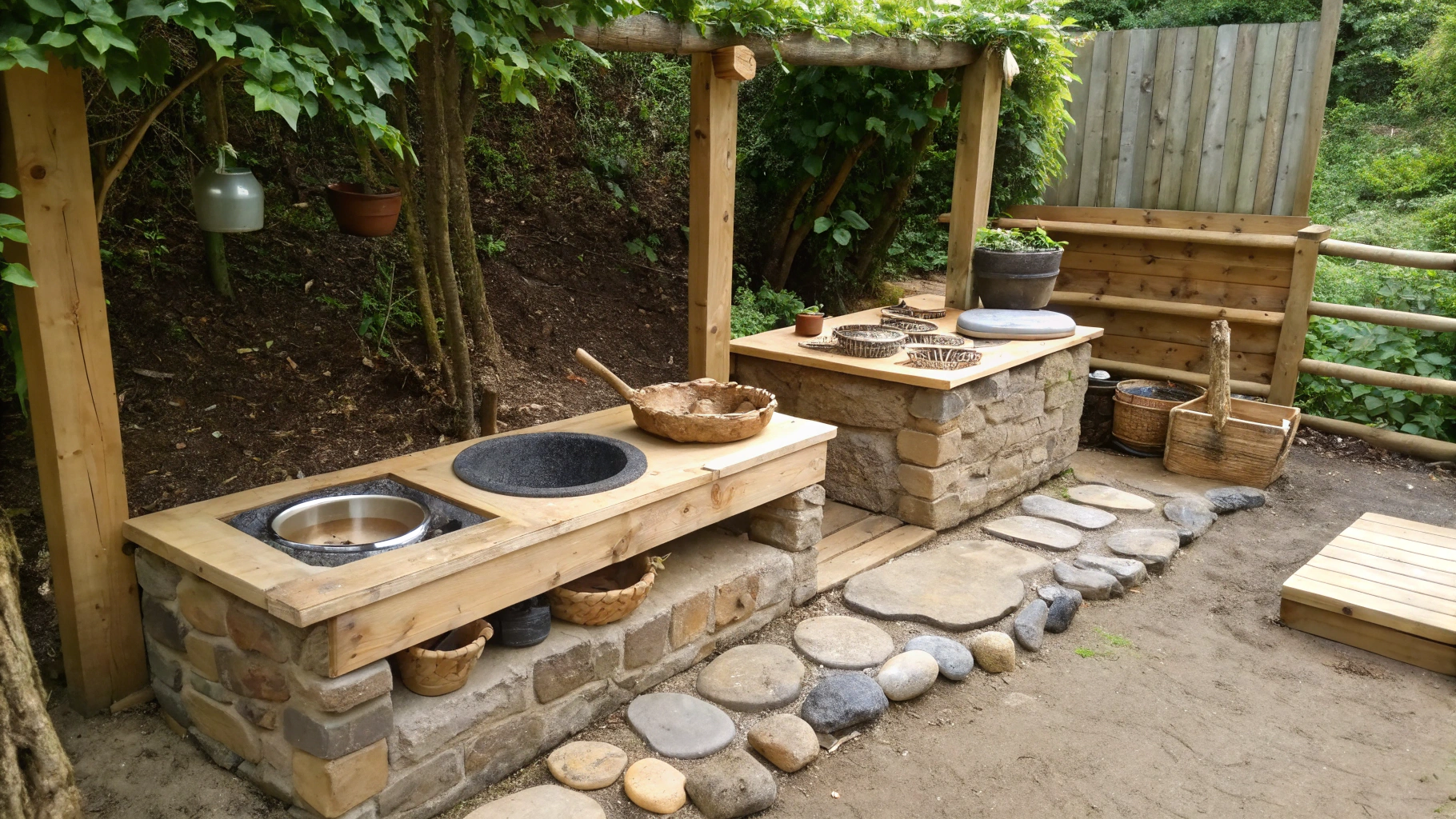
3. Create a Nature-Inspired Mud Kitchen
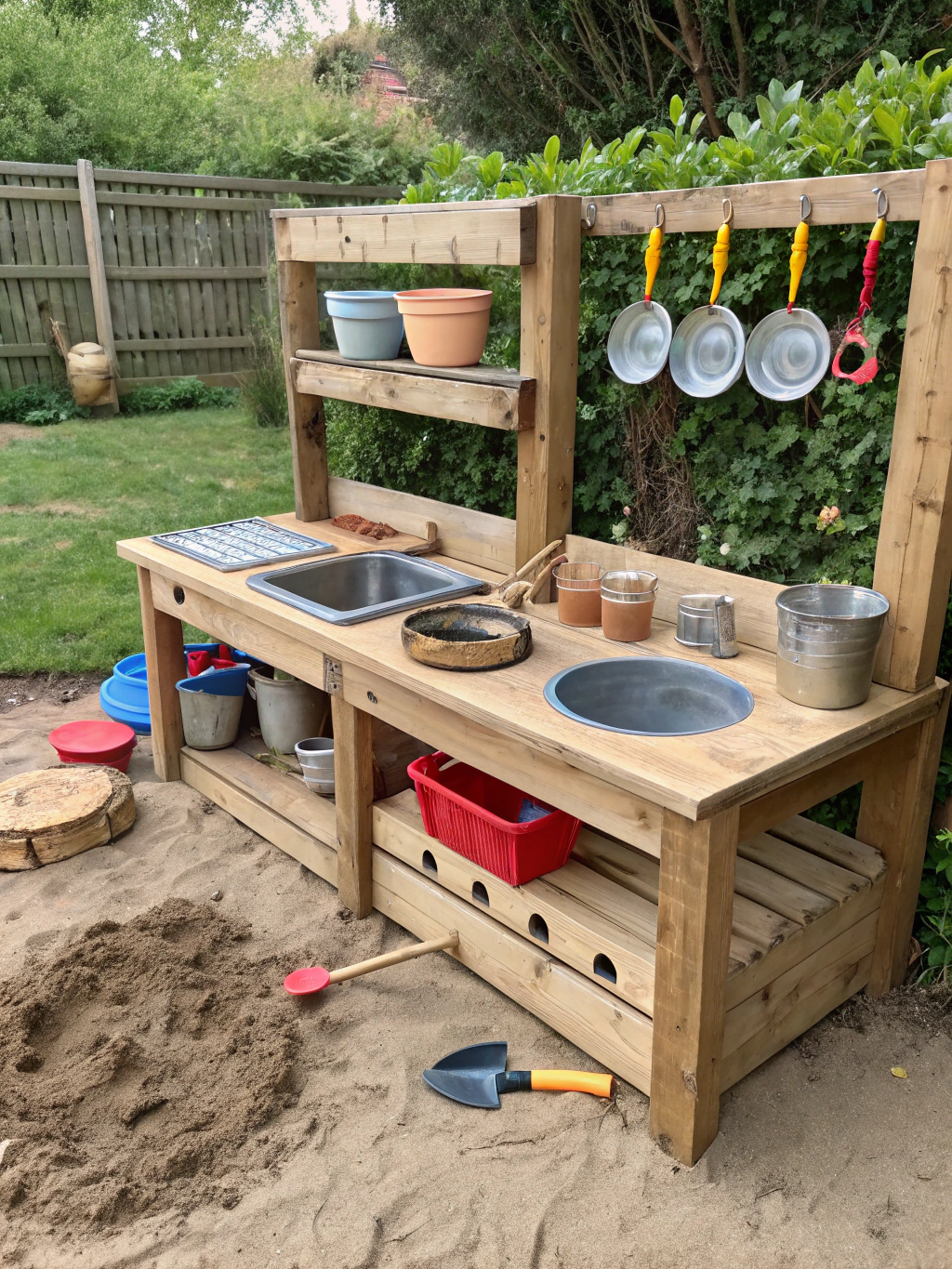
Natural materials encourage toddlers to interact more with the outdoor environment.
Best Nature Play Items
- Leaves
- Flowers
- Pinecones
- Sticks
- Pebbles
Why It Works
Nature-based play supports curiosity and sensory development.
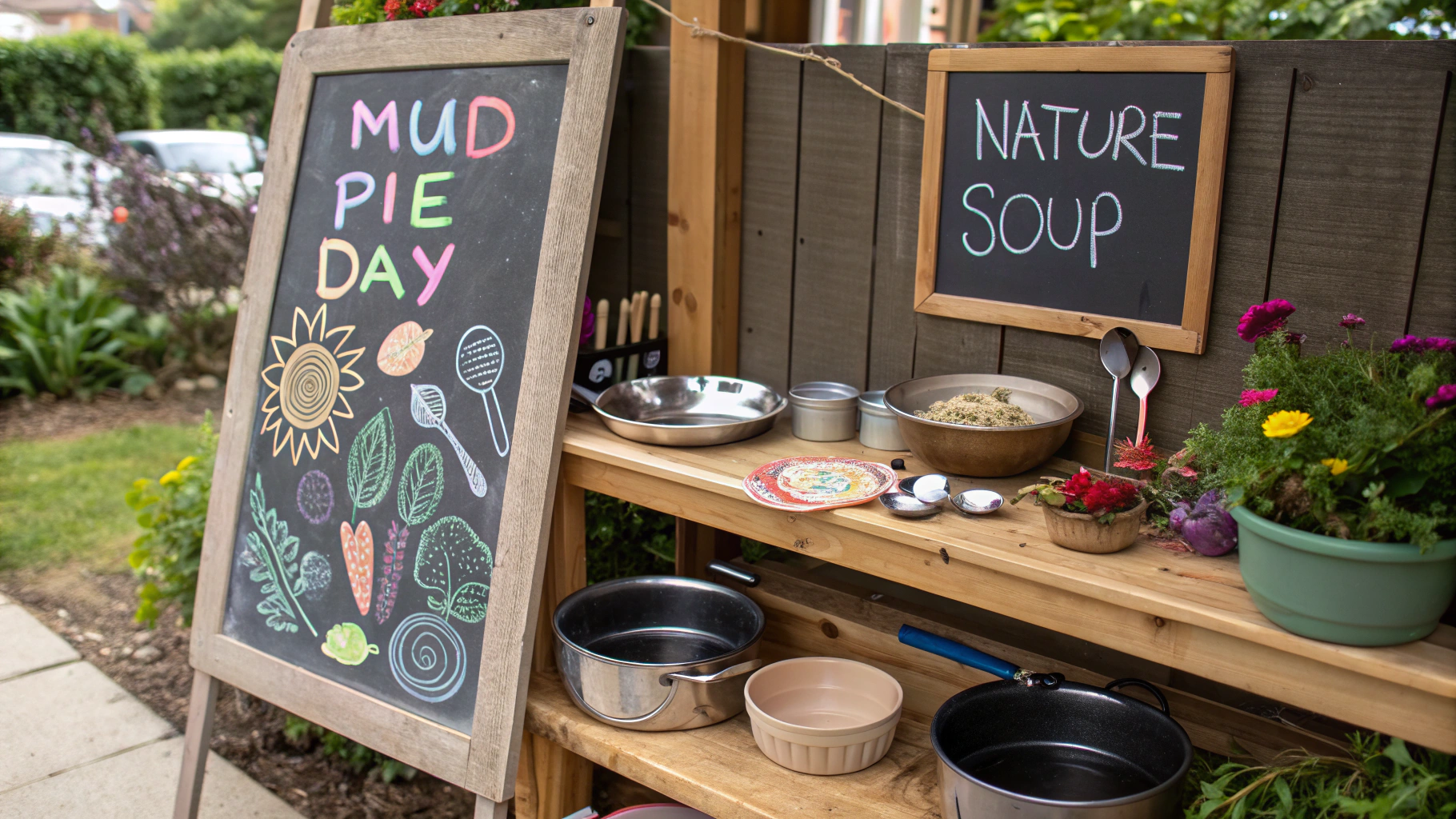
4. Add Chalkboard Panels for Creative Fun
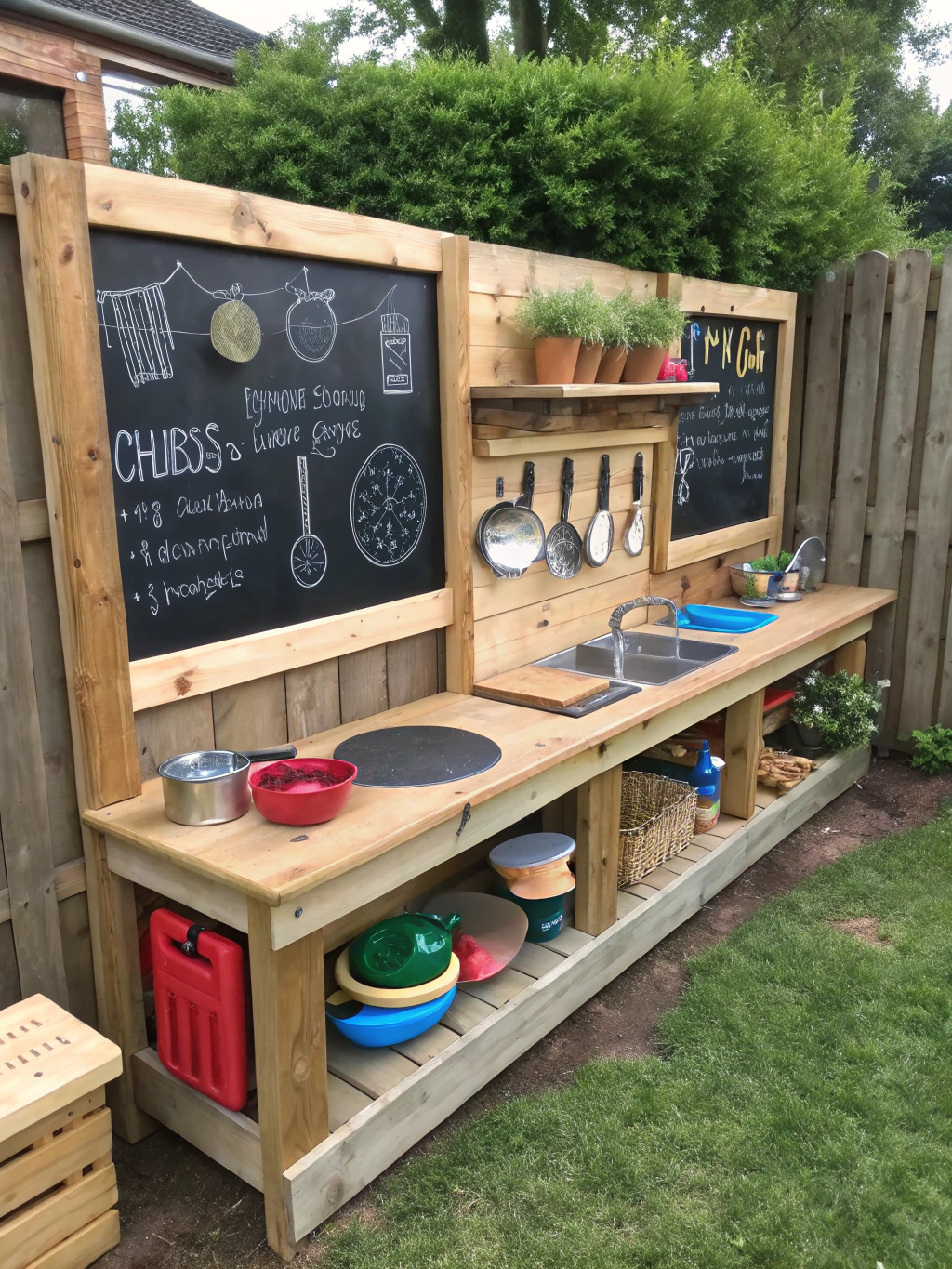
Chalkboards turn mud kitchens into imaginative learning spaces.
Best Chalkboard Uses
- Drawing food
- Writing pretend menus
- Practicing shapes and letters
Why It Works
Creative activities keep toddlers engaged for longer periods.
5. Build a Compact Mud Kitchen for Small Spaces
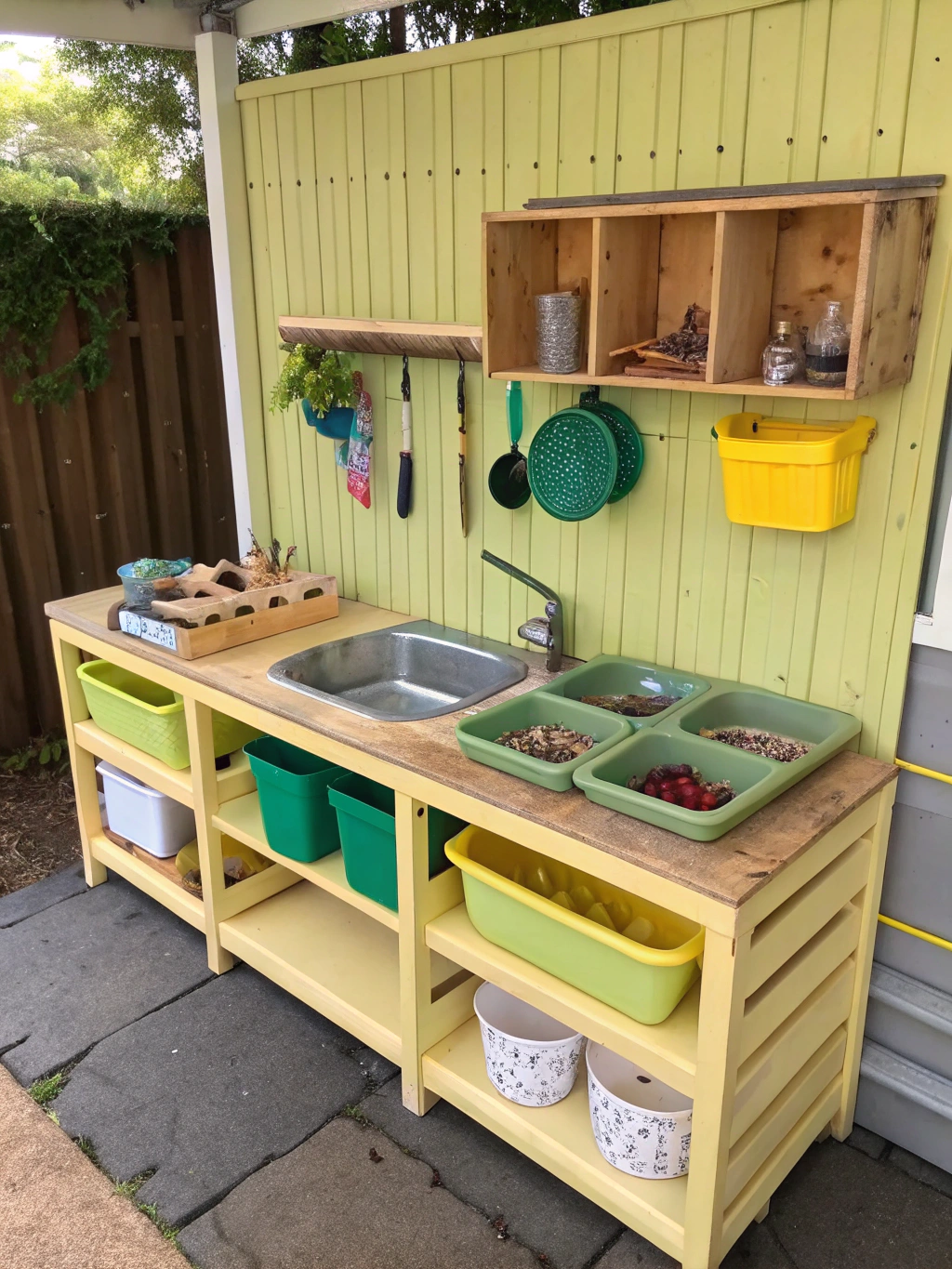
Small mud kitchens work beautifully on patios, balconies, or tiny backyards.
Best Compact Features
- Foldable shelves
- Corner layouts
- Vertical storage
- Single sink stations
Why It Works
Compact kitchens provide interactive play without taking up much space.
Don't miss: 10+ Gorgeous Mud Kitchen Ideas with Pots and Pans →
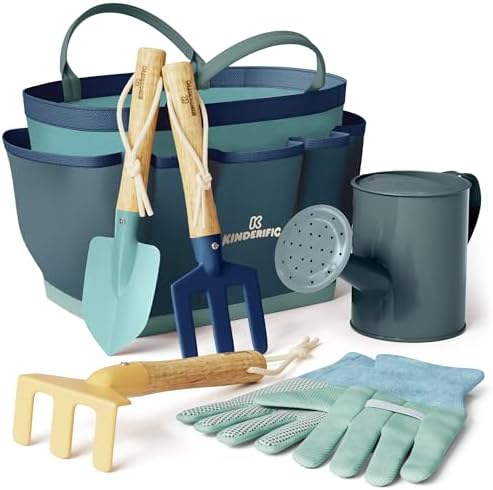
Here’s What You Need

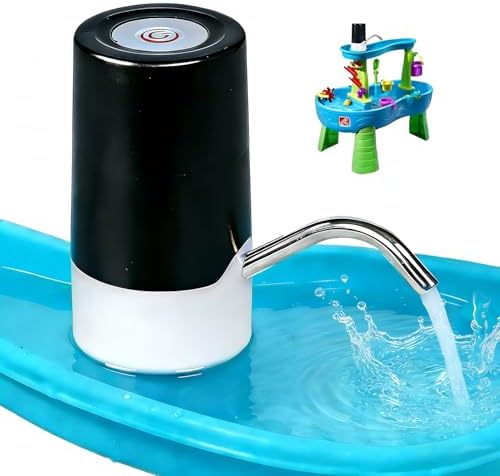


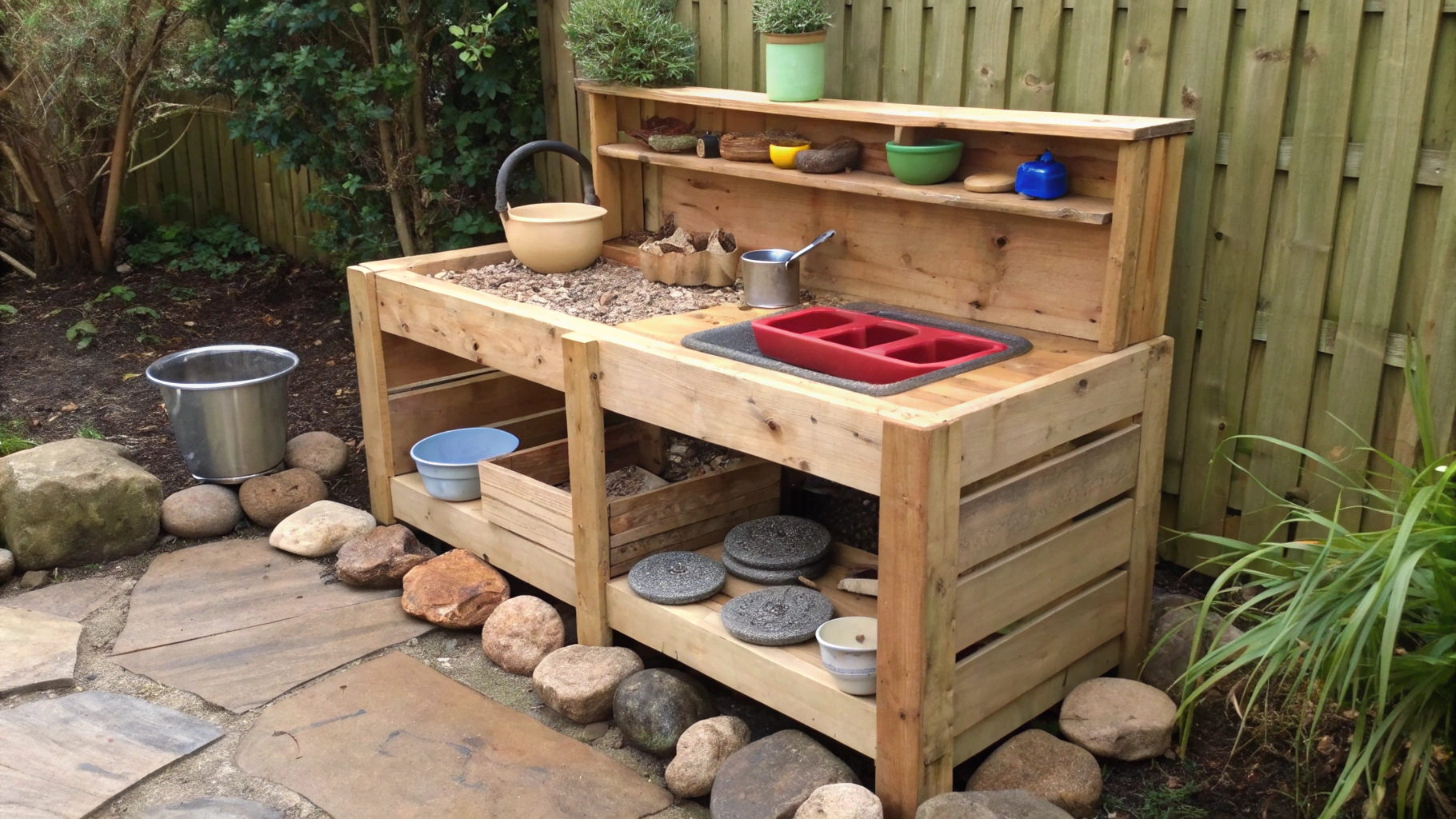
6. Create a Mud Kitchen with Open Storage Baskets
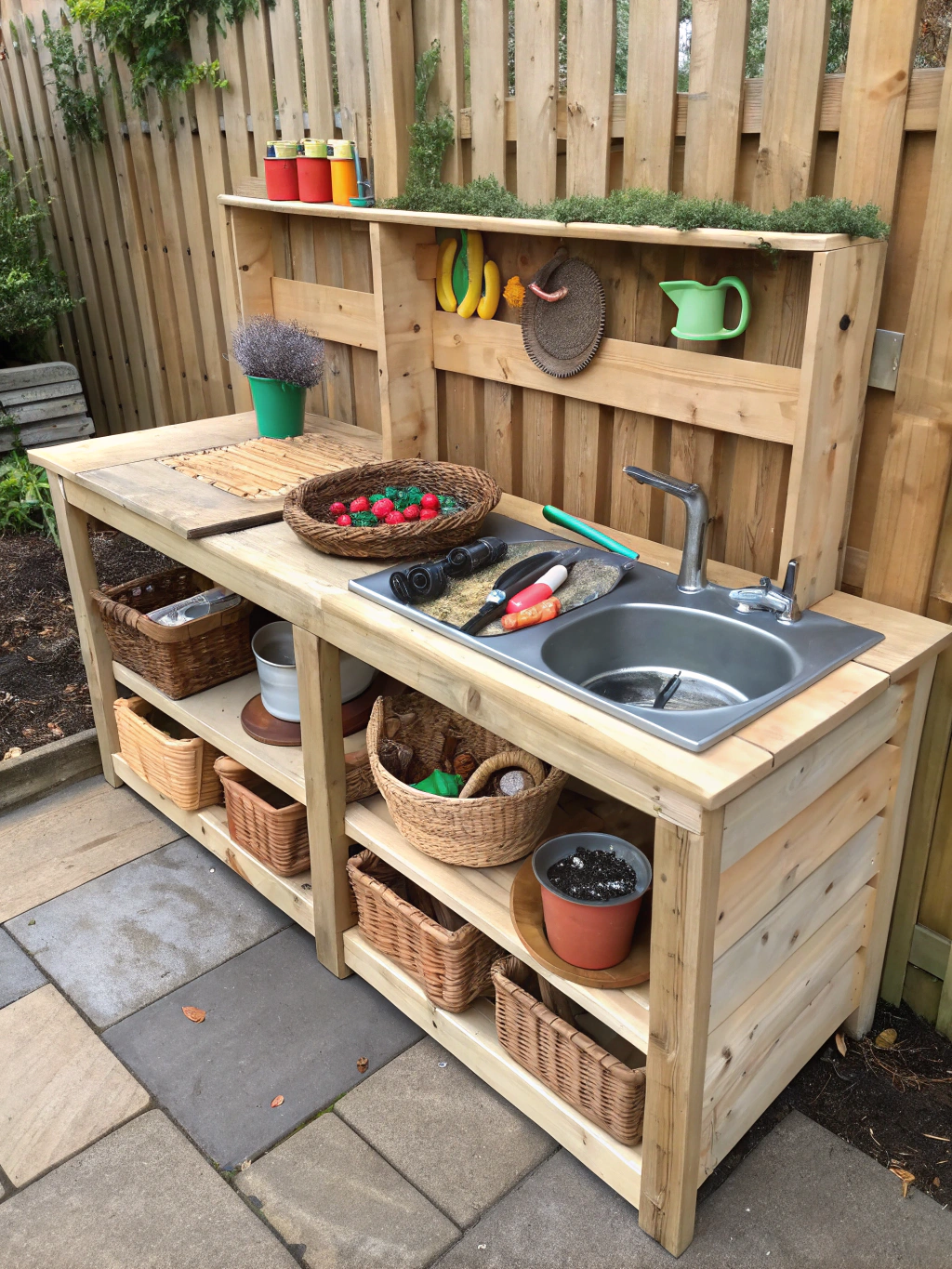
Accessible storage encourages toddlers to play independently.
Best Storage Ideas
- Wooden crates
- Hanging buckets
- Open cubbies
- Wicker baskets
Why It Works
Toddlers can easily grab and organize play materials on their own.
7. Add Colorful Accessories & Play Tools
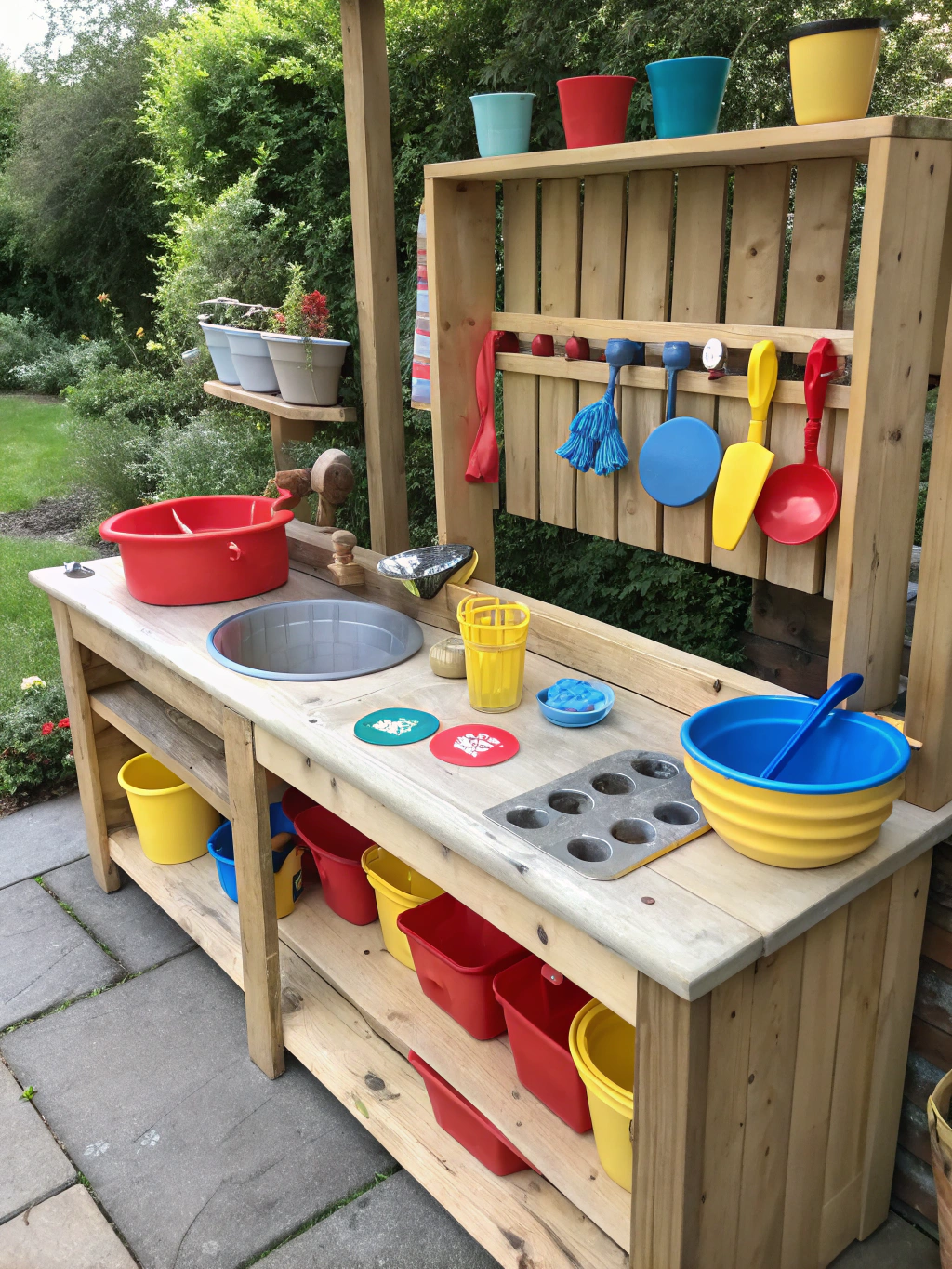
Bright accessories make mud kitchens feel more playful and exciting.
Best Toddler Accessories
- Plastic measuring cups
- Wooden spoons
- Colorful bowls
- Water pitchers
Why It Works
Simple tools encourage imaginative cooking and mixing games.
8. Create a Garden Mud Kitchen with Planters
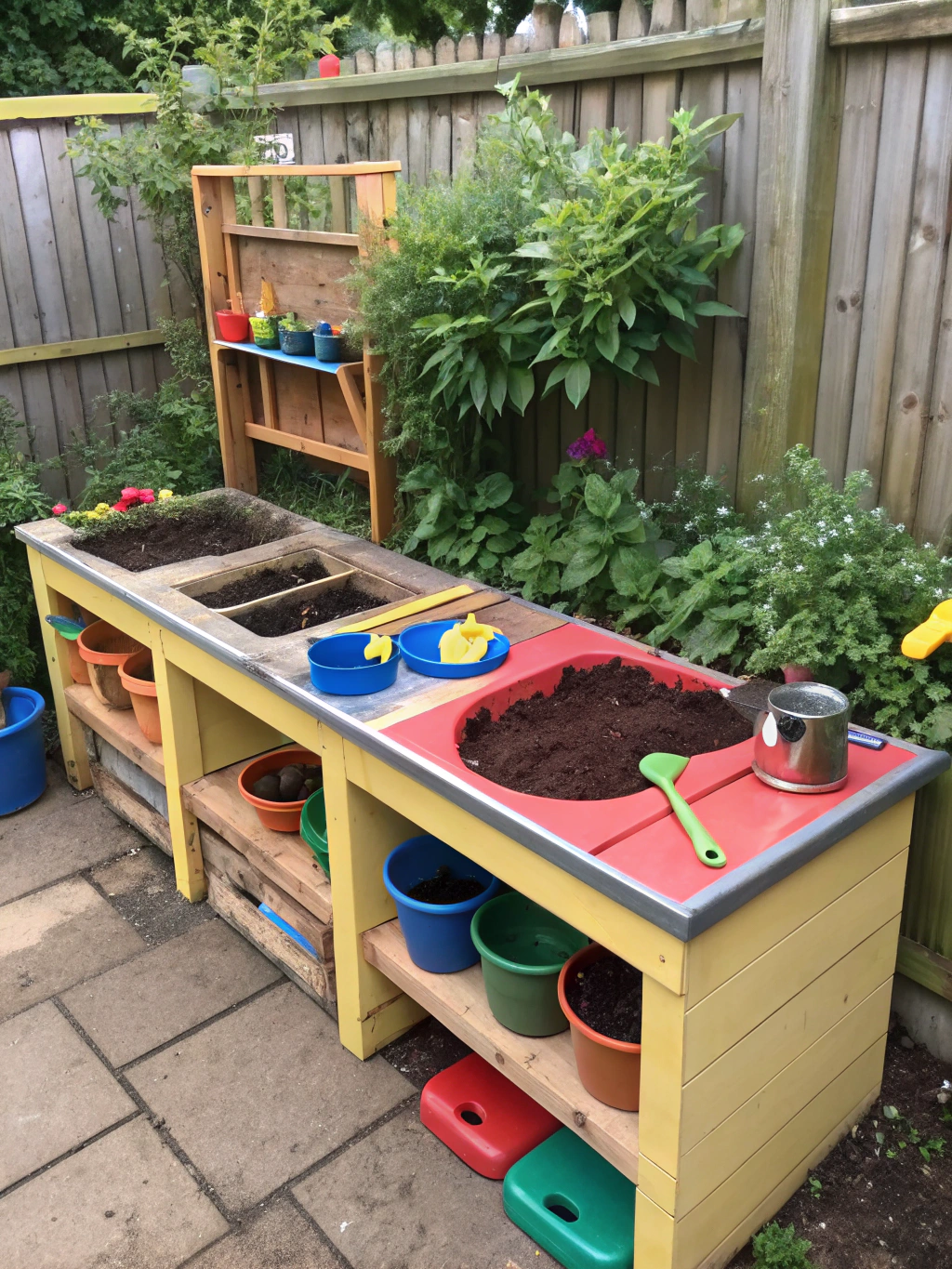
Adding plants helps toddlers connect with nature while playing.
Best Toddler-Friendly Plants
- Mint
- Basil
- Marigolds
- Sunflowers
Why It Works
Gardening and mud play naturally work together for sensory learning.
Keep Exploring
9. Add a Simple Running Water Feature
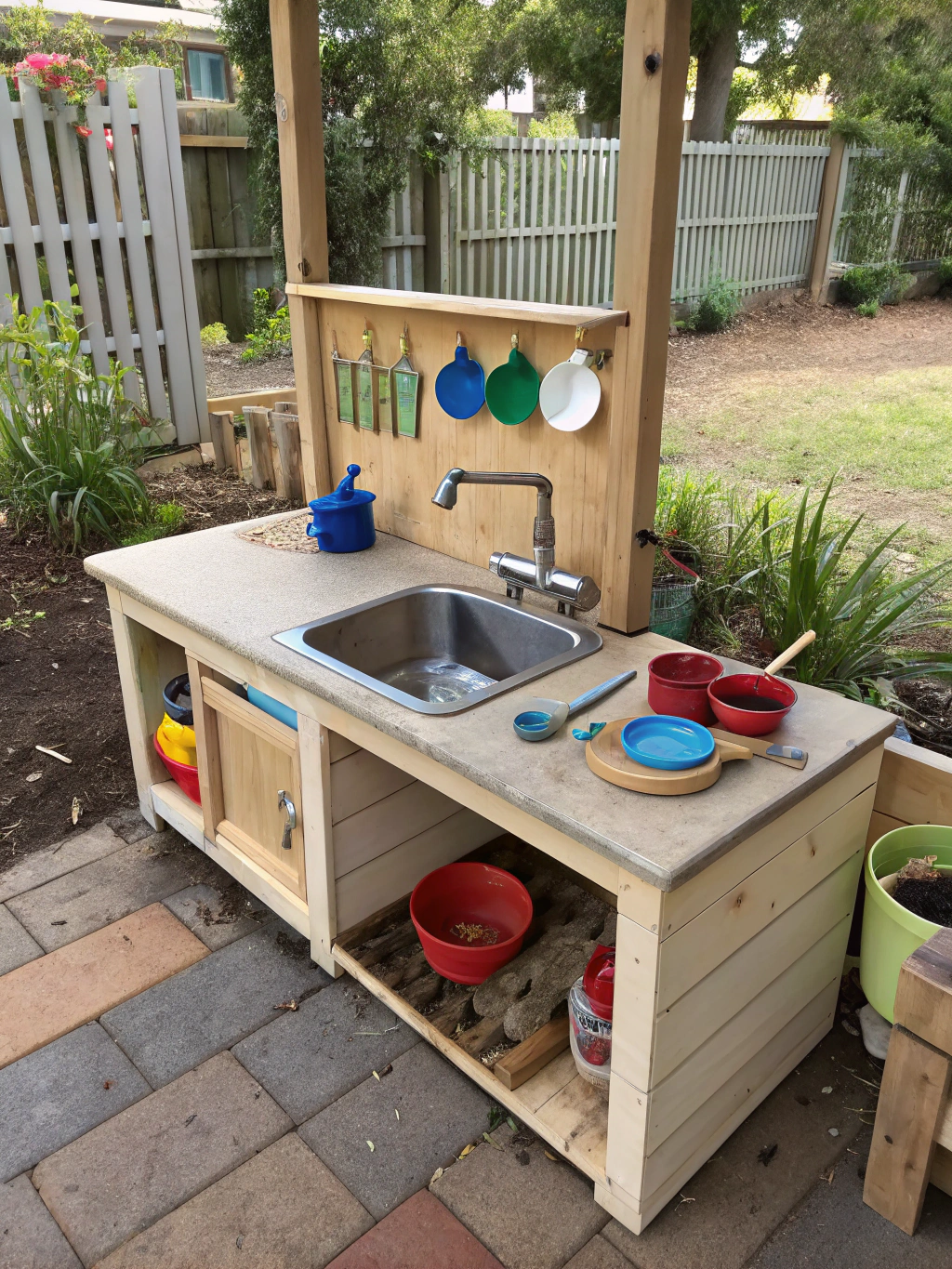
Even basic running water dramatically improves toddler sensory play.
Best Water Ideas
- Gravity-fed water jugs
- Small faucets
- Water dispensers
Why It Works
Pouring and splashing activities support motor skill development.
10. Create a Farmhouse-Style Toddler Mud Kitchen
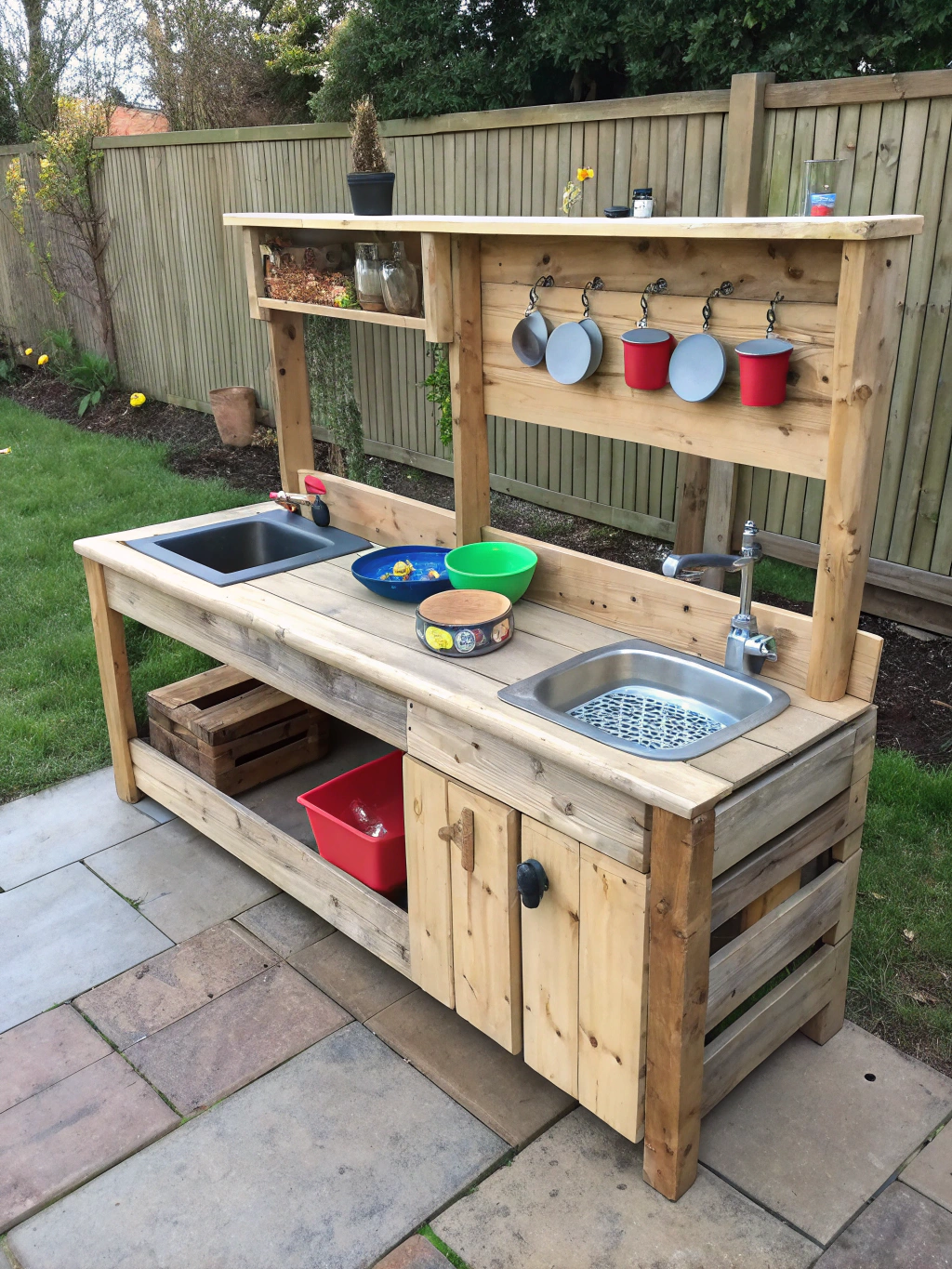
Farmhouse-style kitchens feel warm, cozy, and timeless.
Best Farmhouse Features
- White painted wood
- Rustic shelves
- Wooden countertops
- Hanging utensil hooks
Why It Works
Farmhouse kitchens blend beautifully into backyard landscapes.
11. Add Soft Outdoor Flooring Around the Kitchen
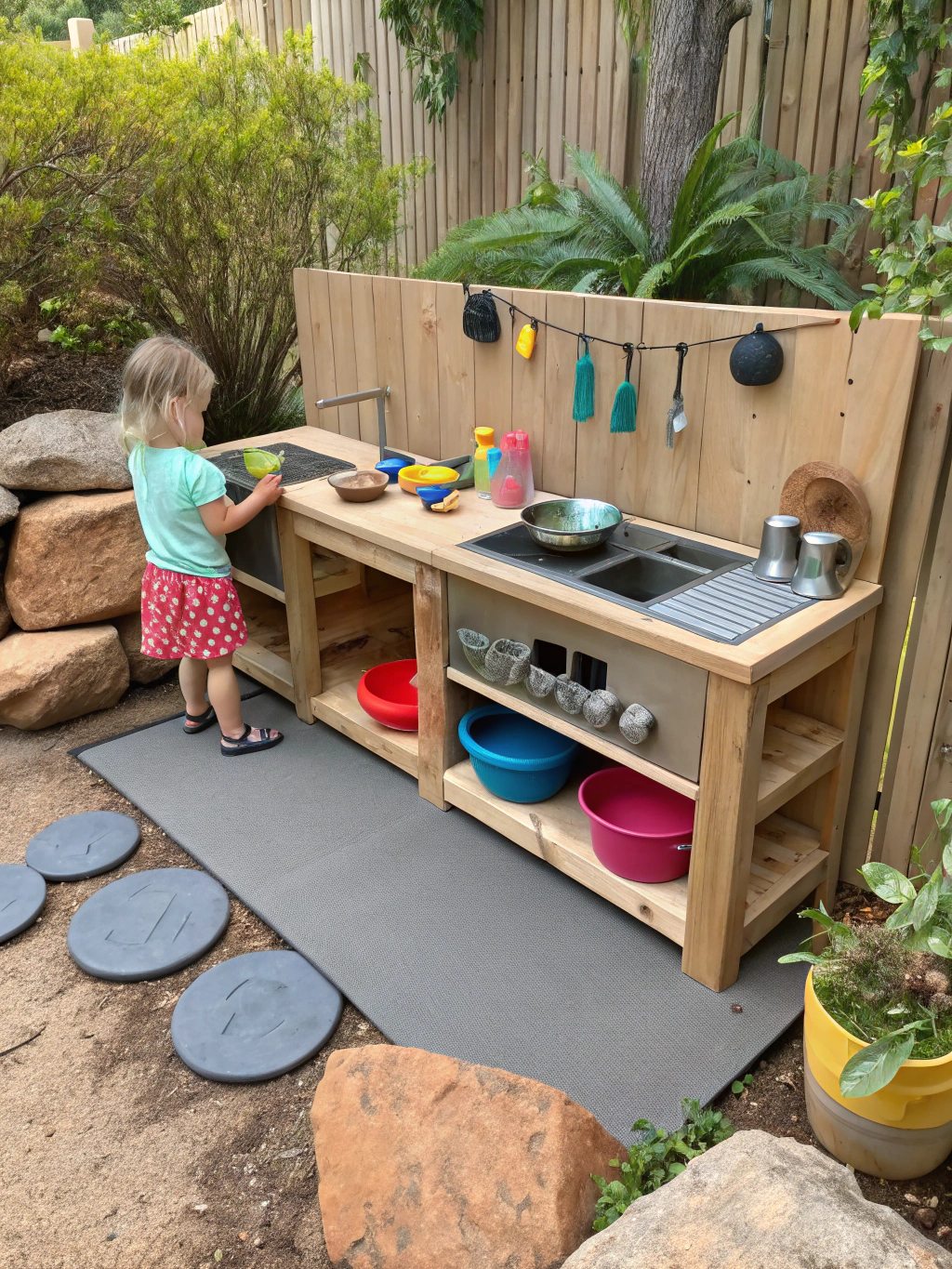
Comfortable ground surfaces make toddler play safer and cleaner.
Best Flooring Options
- Gravel
- Mulch
- Rubber mats
- Artificial grass
Why It Works
Soft surfaces improve drainage while reducing slips and mess.
Final Thoughts
Mud kitchens are one of the best outdoor play ideas for toddlers because they combine sensory learning, creativity, movement, and imaginative exploration in a natural backyard setting. By using simple toddler-friendly features like low counters, water stations, open storage, and nature-inspired play materials, you can create an engaging outdoor space that supports healthy and active play.
Whether you prefer rustic wooden kitchens, compact patio setups, colorful sensory stations, or garden-inspired play areas, the key is creating a safe and interactive environment where toddlers can freely explore and experiment. With thoughtful design and simple materials, a mud kitchen can quickly become a favorite backyard activity space for little ones.
FAQs
What age is best for a mud kitchen?
Mud kitchens are most popular for toddlers and young children between ages 1.5 and 6 years old.
Are mud kitchens good for toddlers?
Yes, mud kitchens support sensory play, creativity, fine motor skills, and outdoor exploration for toddlers.
What do toddlers play with in a mud kitchen?
Toddlers typically use bowls, spoons, water, mud, leaves, flowers, sticks, and pretend cooking tools during play.
How do you make a mud kitchen safe for toddlers?
Use smooth sanded wood, rounded edges, non-toxic materials, shallow water, and stable construction for safety.
What is the best surface under a mud kitchen?
Gravel, mulch, rubber mats, or grass work best because they improve drainage and reduce slippery mud buildup.
Do mud kitchens need running water?
No, but simple water dispensers or small sinks can make mud kitchens much more interactive and engaging for toddlers.