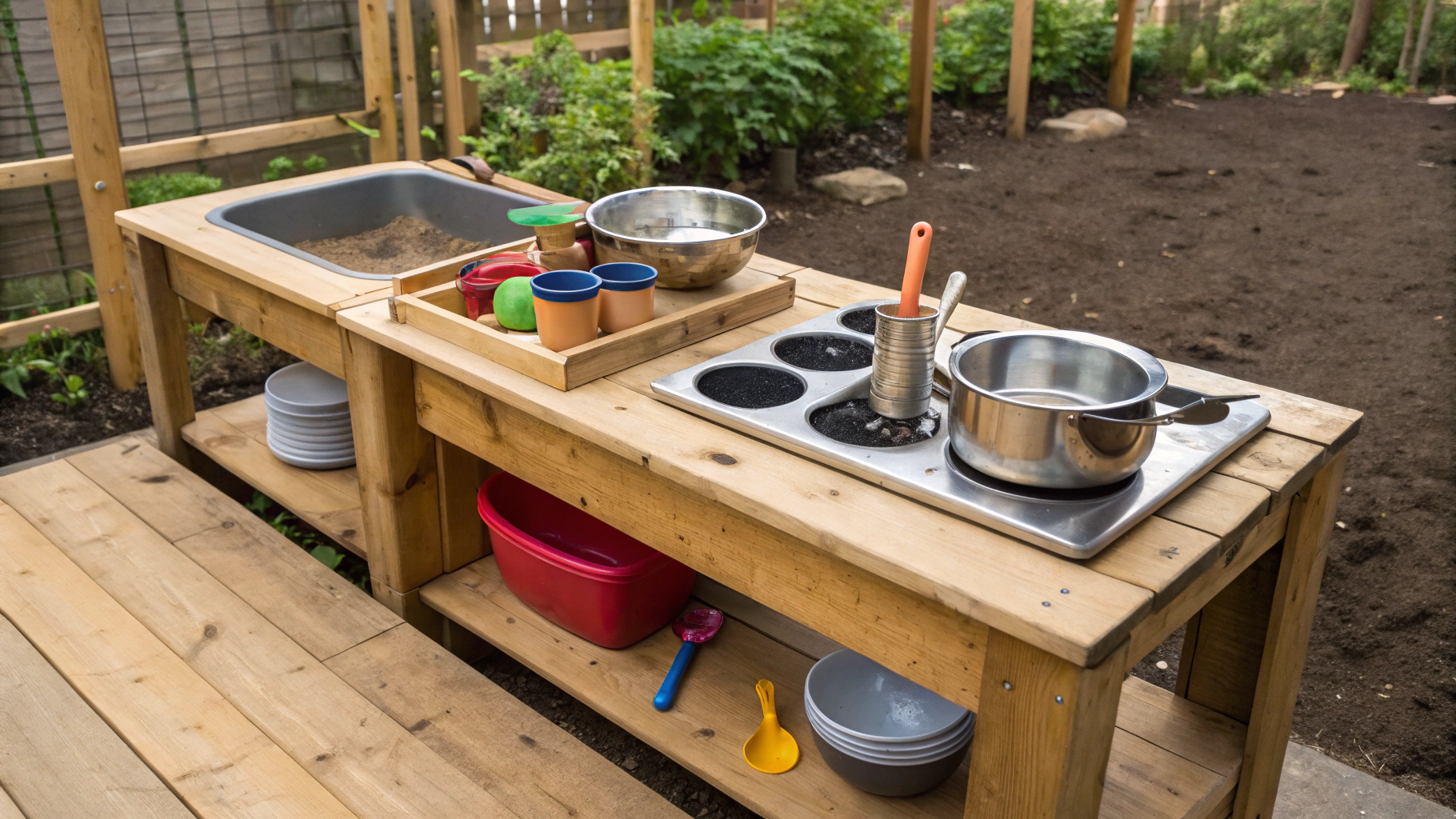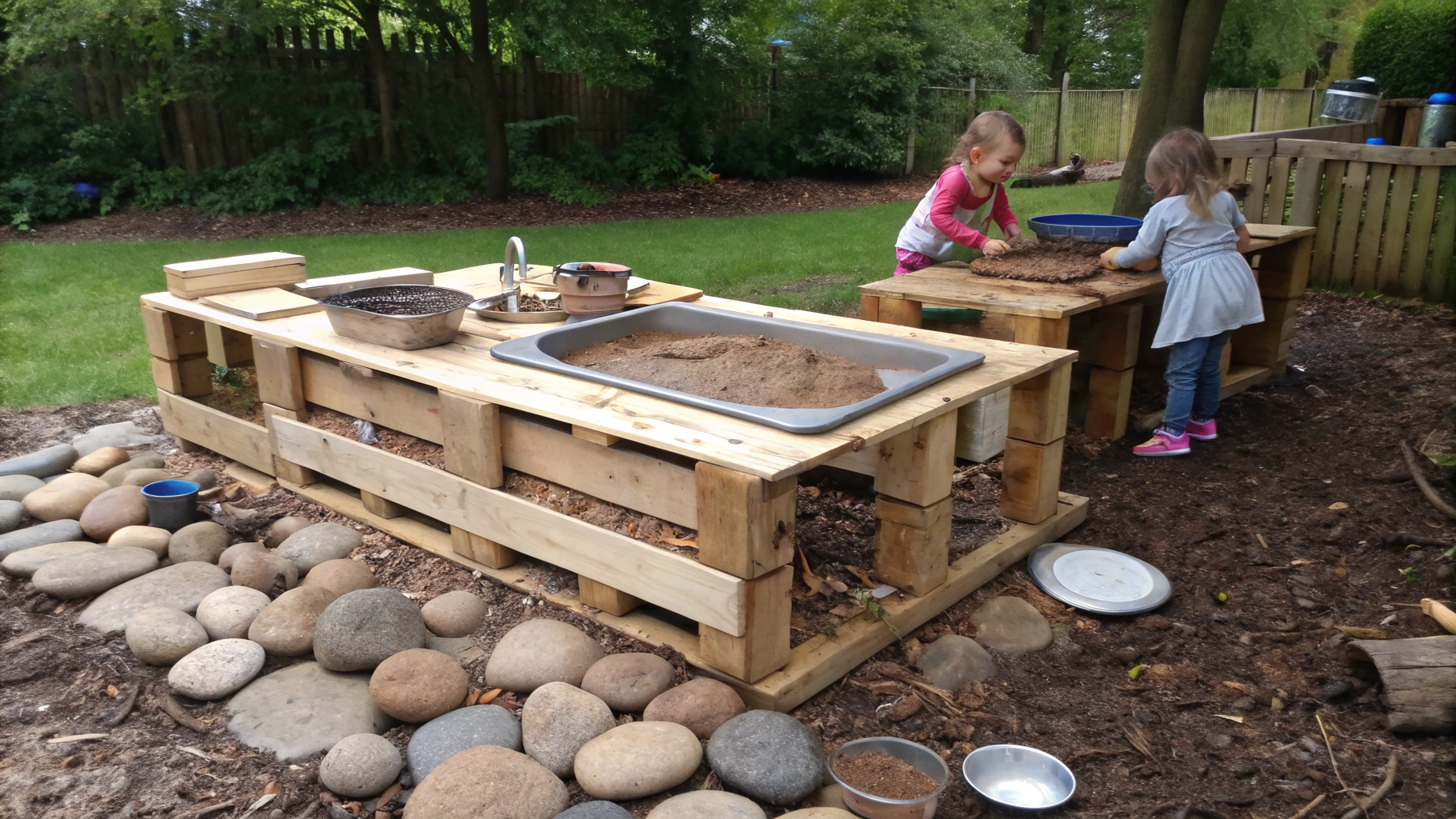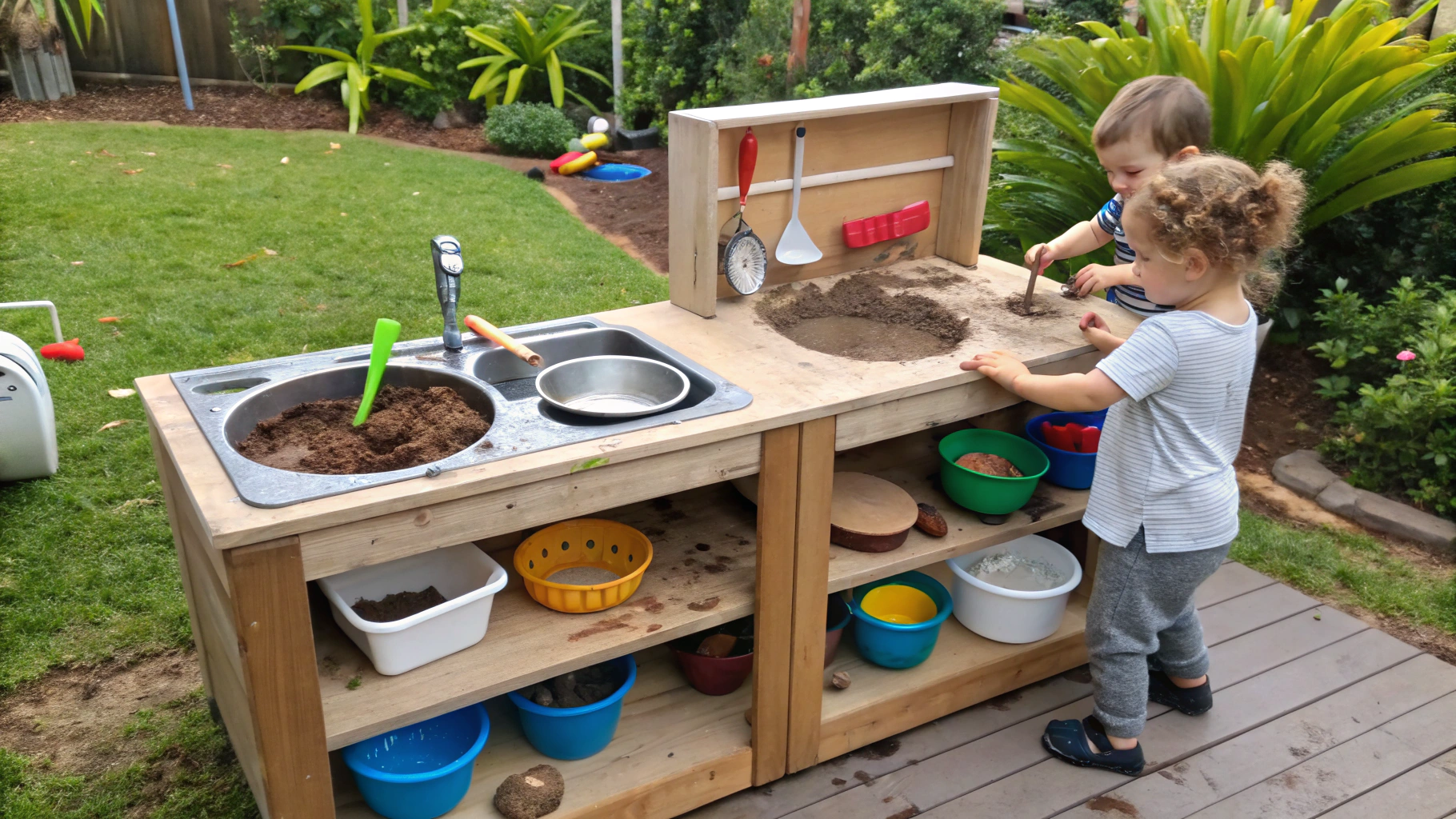
13+ Creative Mud Kitchen Sensory Play Ideas
Mud kitchens are one of the best outdoor sensory play activities for children because they combine texture, movement, creativity, water play, and imaginative exploration in one engaging space. From mixing muddy recipes and pouring water to collecting flowers and experimenting with natural materials, sensory mud kitchen play encourages kids to explore the world around them through touch, sight, smell, and movement.
Whether you want a nature-inspired backyard setup, a colorful sensory station, or an educational outdoor play area, these creative mud kitchen sensory play ideas will help you design an interactive space that keeps children engaged, curious, and creatively active outdoors.
Why Sensory Play Is Important in a Mud Kitchen
Sensory play helps children explore different textures, materials, sounds, and movements while supporting healthy development.
Benefits of mud kitchen sensory play include:
Love Chic Living Club?
Add us as one of your preferred Google sources and discover more home decor, DIY, outdoor, and lifestyle inspiration from us.
- Encourages creativity
- Supports fine motor skills
- Improves problem-solving
- Promotes outdoor exploration
- Develops sensory awareness
- Encourages independent play
Mud kitchens naturally create open-ended play opportunities where children can experiment freely using natural materials.
Best Sensory Materials for Mud Kitchens
| Sensory Material | Best For | Benefit |
| Mud | Mixing & sculpting | Texture exploration |
| Water | Pouring activities | Motor skill development |
| Sand | Sensory bins | Open-ended play |
| Flowers & Leaves | Nature play | Color and scent exploration |
| Pebbles & Sticks | Sorting activities | Texture variety |
How to Create an Engaging Sensory Mud Kitchen
Include Multiple Textures
Combine wet, dry, rough, smooth, soft, and natural materials.
Add Water Play Features
Water dramatically increases sensory interaction and engagement.
Encourage Open-Ended Exploration
Avoid strict rules so children can experiment creatively.
Rotate Materials Occasionally
Changing sensory items keeps the play experience exciting and fresh.
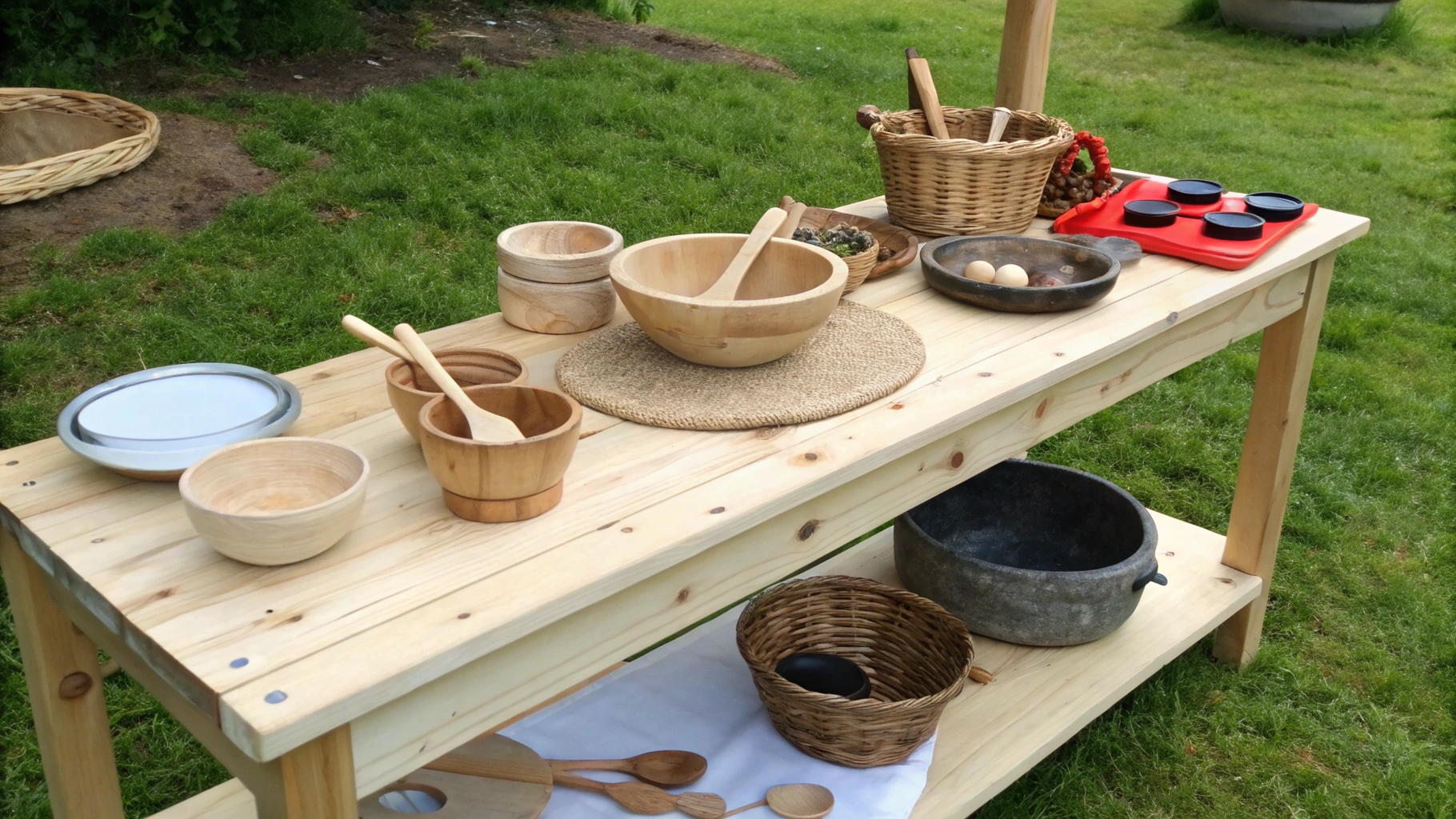
1. Create a Mud Mixing Station
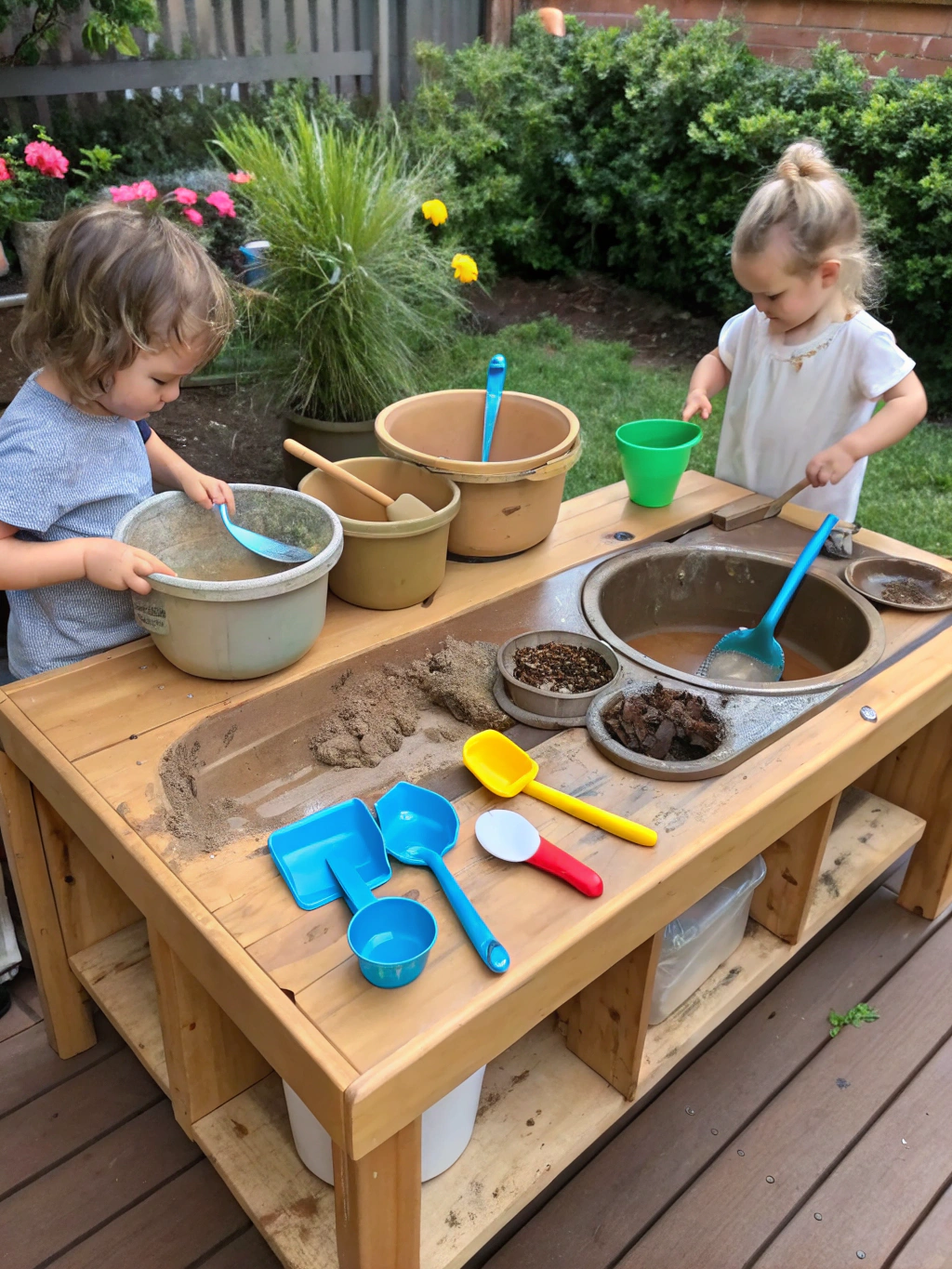
Mud mixing is one of the most classic and engaging sensory activities.
Best Features
- Large mixing bowls
- Wooden spoons
- Mud buckets
- Prep counters
Why It Works
- Encourages creativity
- Explores texture and consistency
- Supports imaginative cooking play
Design Tip
Use different soil textures to create more sensory variety.
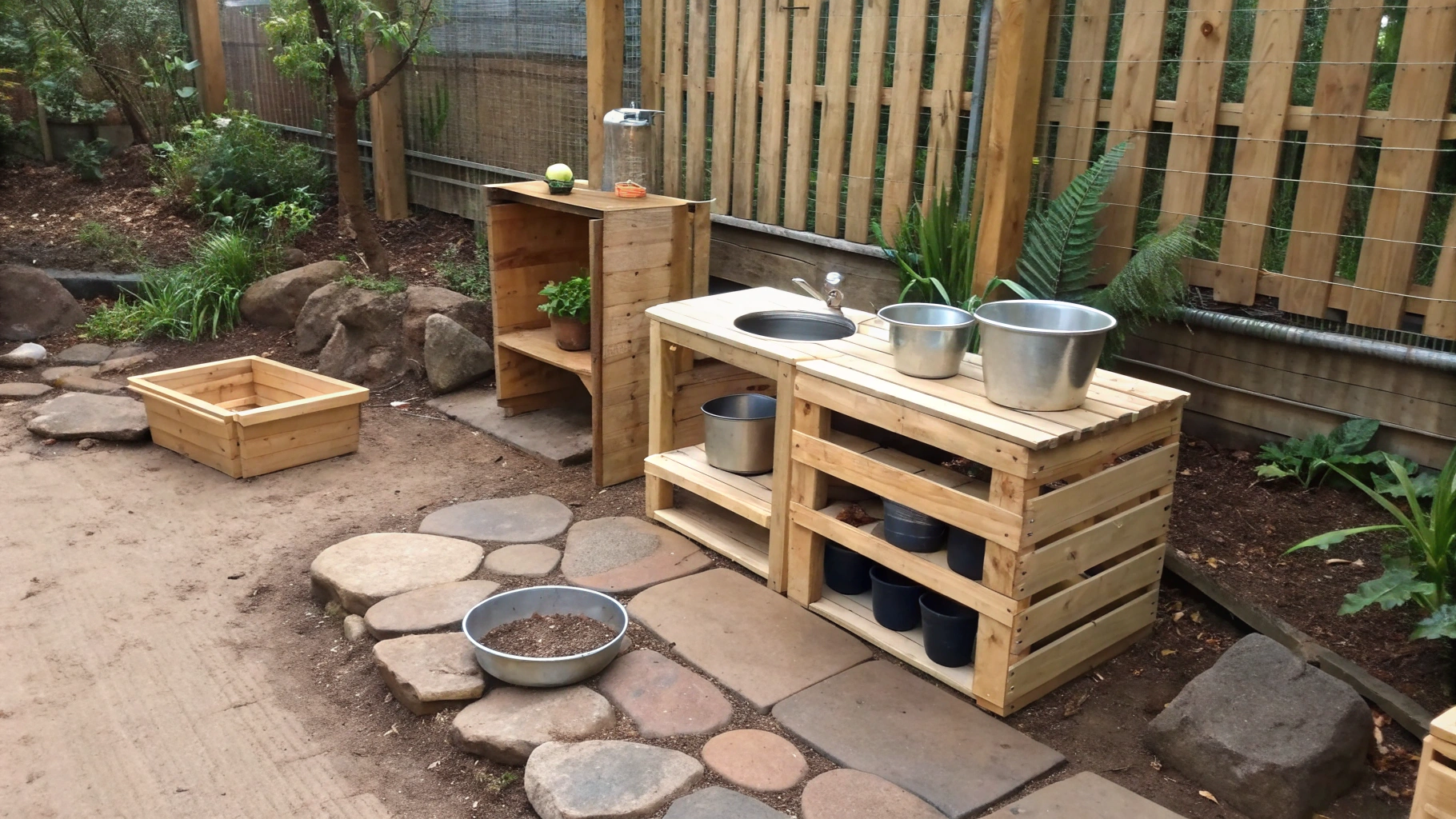
2. Add a Water Pouring & Splash Station
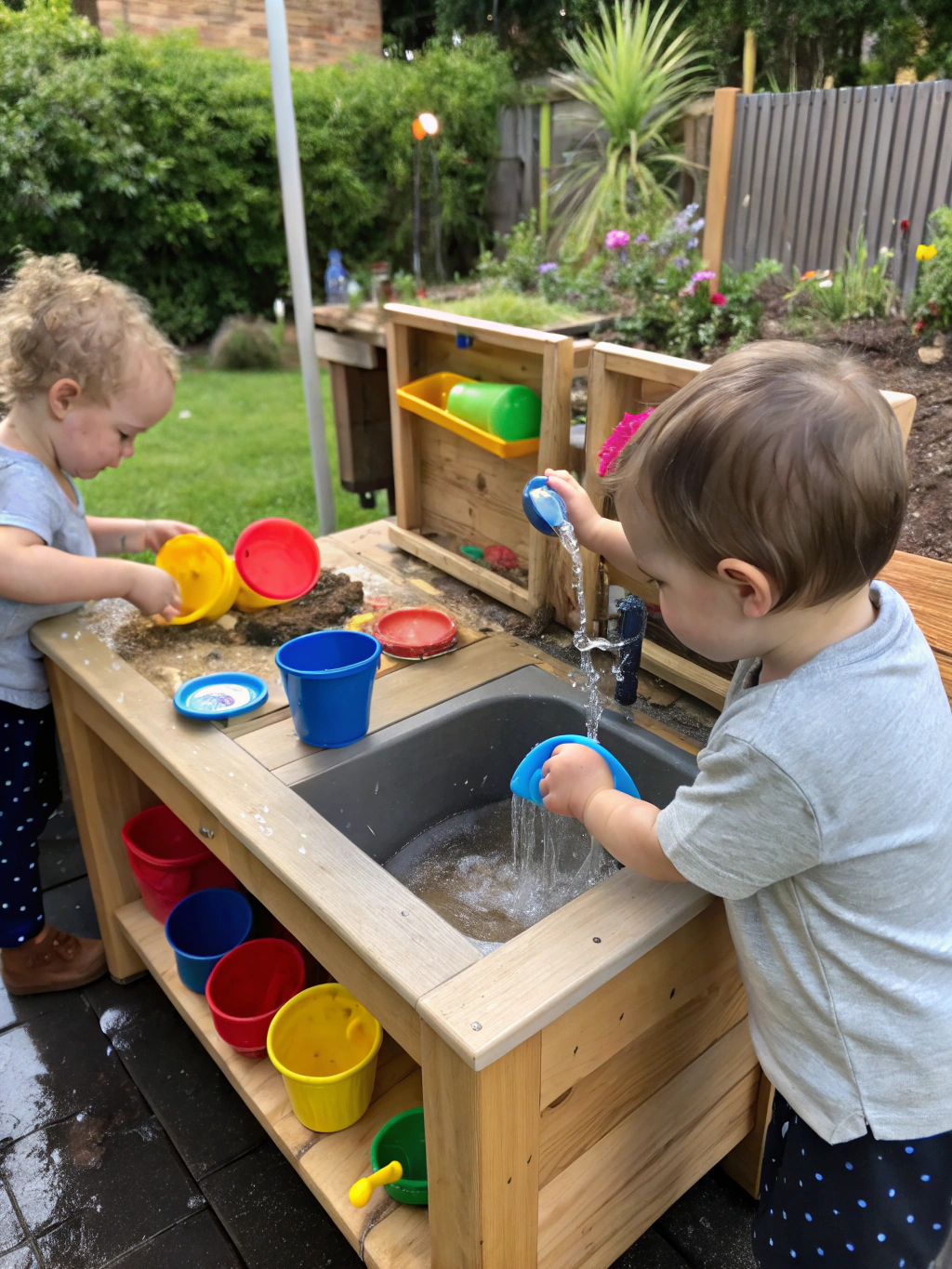
Water play creates endless sensory learning opportunities.
Best Water Accessories
- Funnels
- Measuring cups
- Water pitchers
- Small watering cans
Why Kids Love It
- Interactive movement
- Splashing and pouring fun
- Hands-on experimentation
Best Pairings
- Sink basins
- Water walls
- Buckets
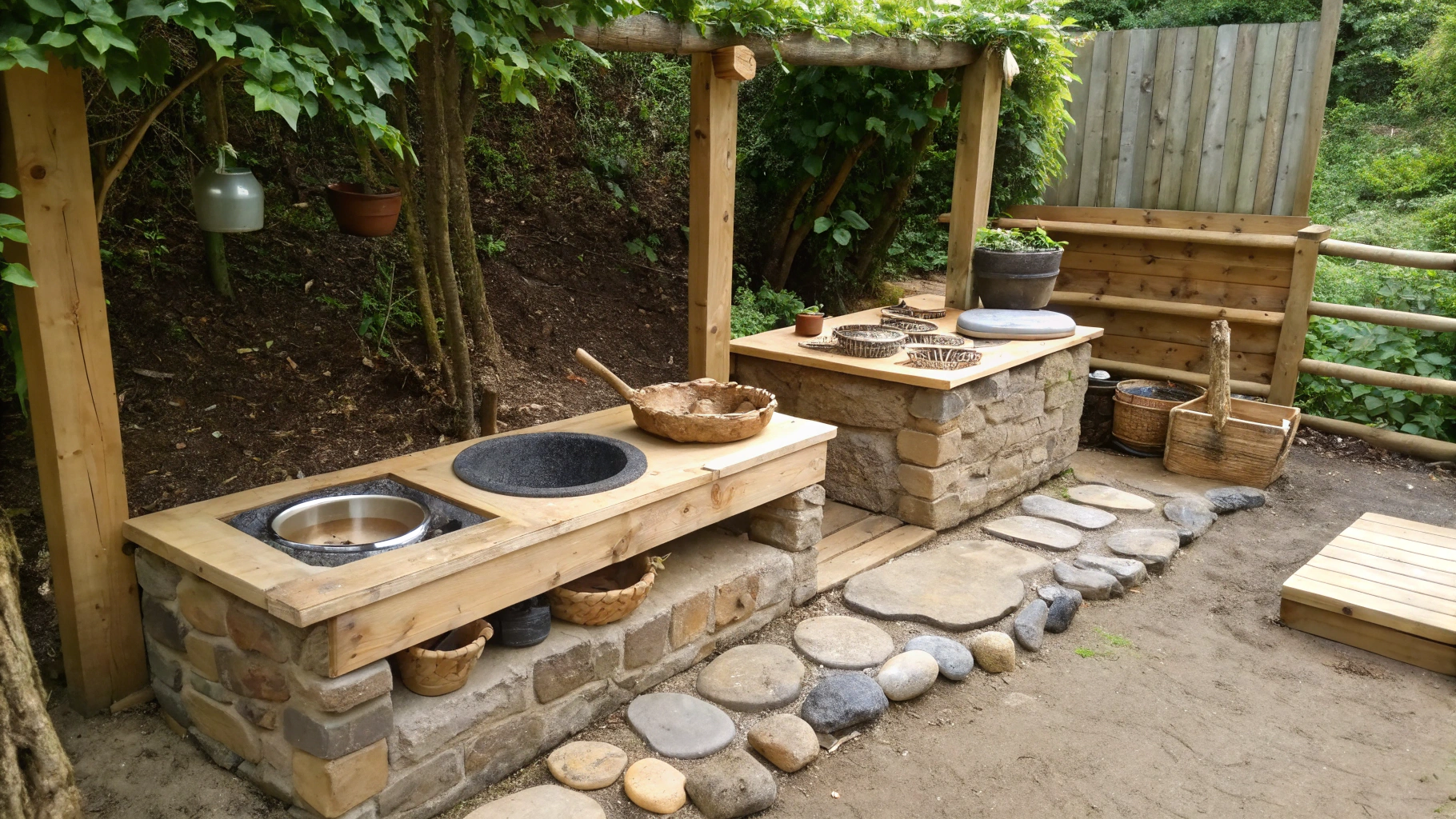
3. Create a Nature Ingredient Collection Area
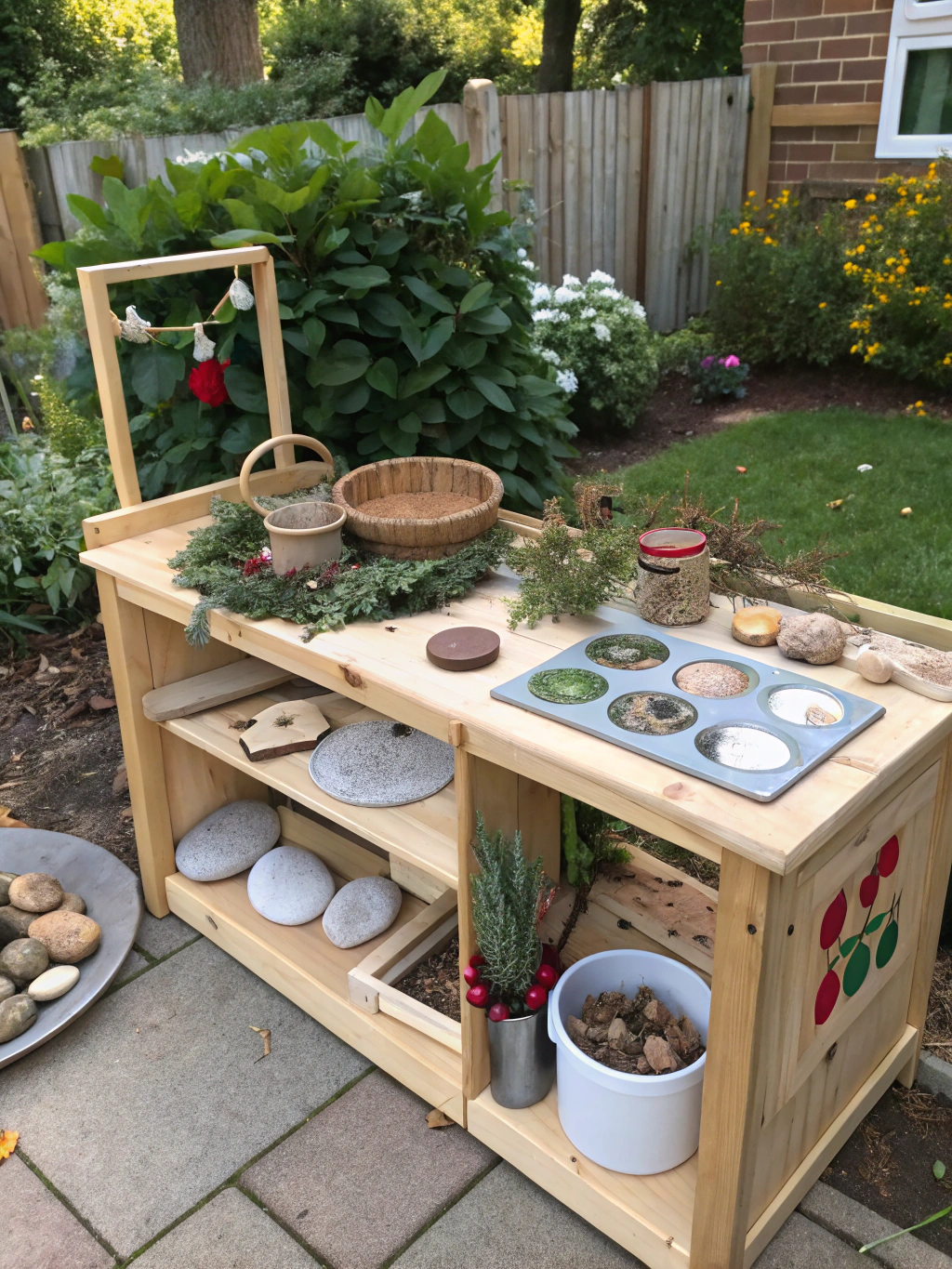
Nature collections encourage outdoor exploration and creativity.
Best Nature Materials
- Flowers
- Leaves
- Pinecones
- Pebbles
- Twigs
Why It Works
Natural materials add scent, texture, and visual variety.
4. Add a Sensory Herb Garden Beside the Kitchen
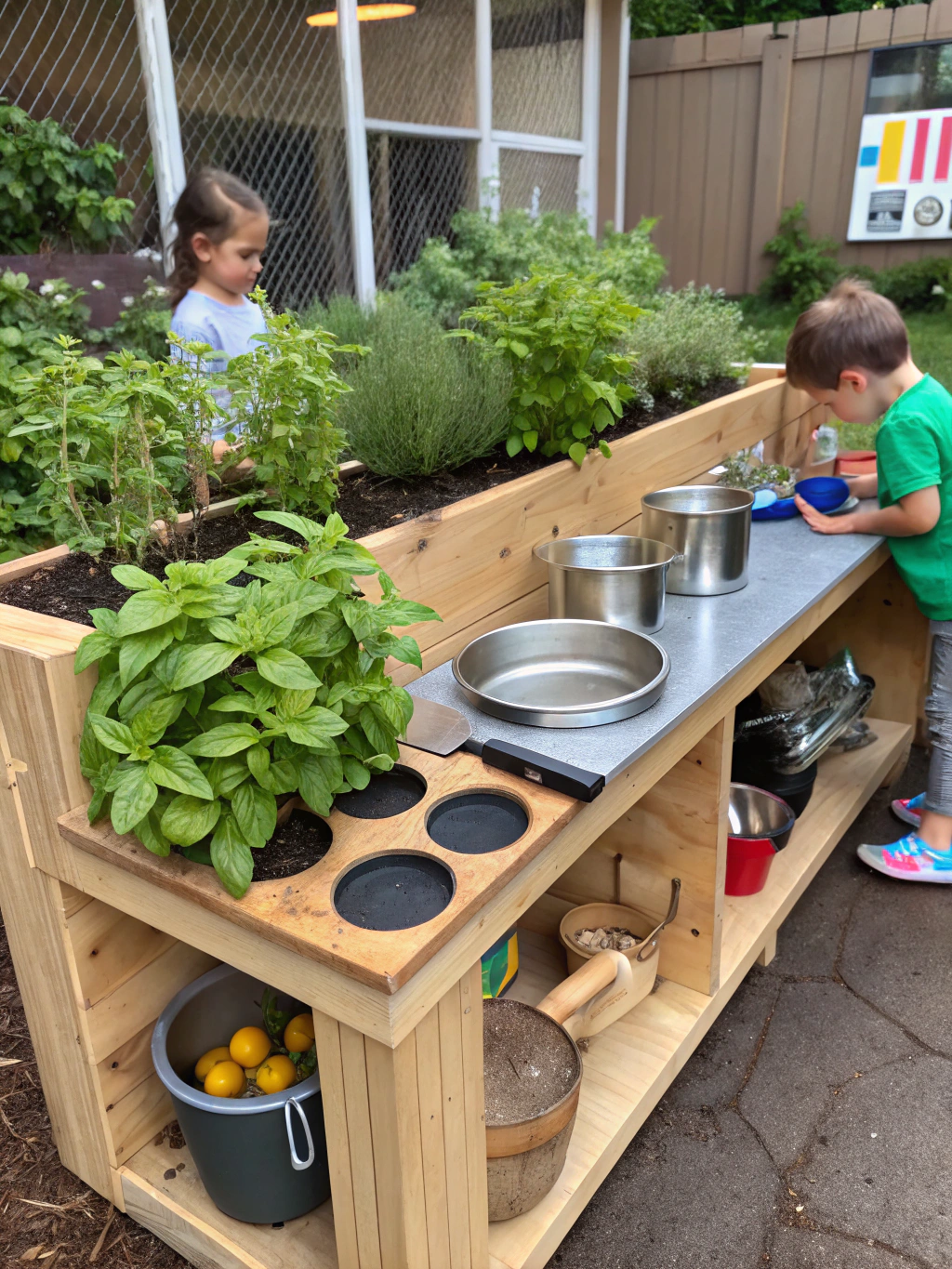
Herbs stimulate sensory learning through scent and touch.
Best Herbs for Sensory Play
- Mint
- Lavender
- Rosemary
- Basil
Why It Works
Children enjoy touching, smelling, and mixing herbs into pretend recipes.
5. Create a Sand & Mud Combination Play Station
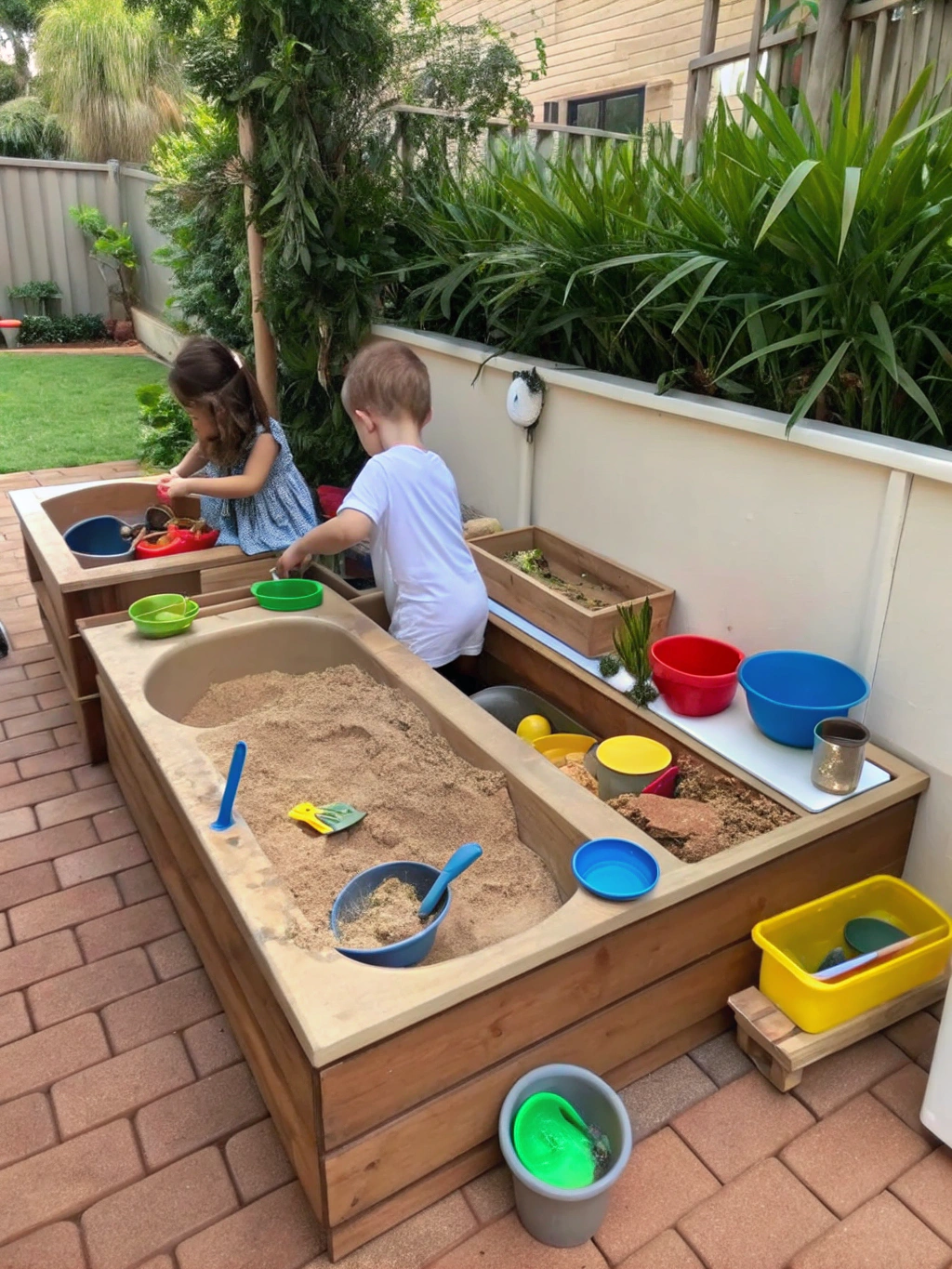
Mixing wet and dry textures creates richer sensory experiences.
Best Features
- Sand bins
- Water tubs
- Mixing trays
- Scooping tools
Why It Works
Texture contrast keeps children engaged longer.
6. Add a Water Wall for Interactive Movement
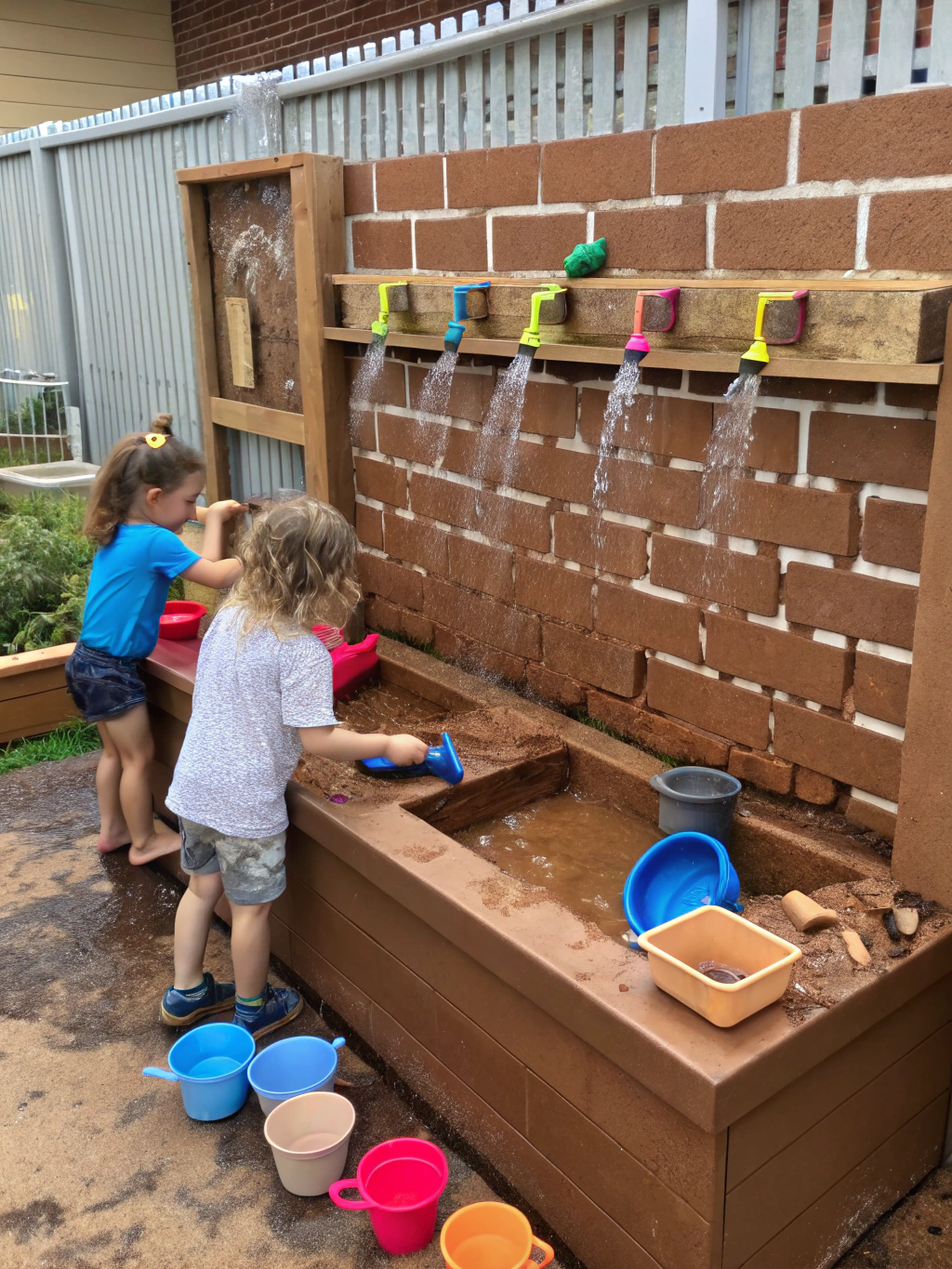
Water walls create visual and sensory stimulation.
Best Water Wall Features
- Funnels
- PVC pipes
- Bottles
- Buckets
Why It Works
Flowing water encourages experimentation and problem-solving.
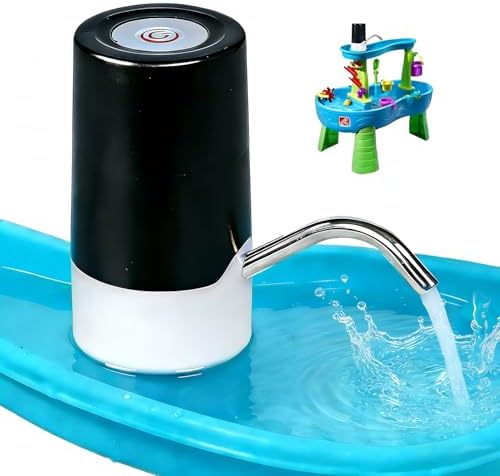
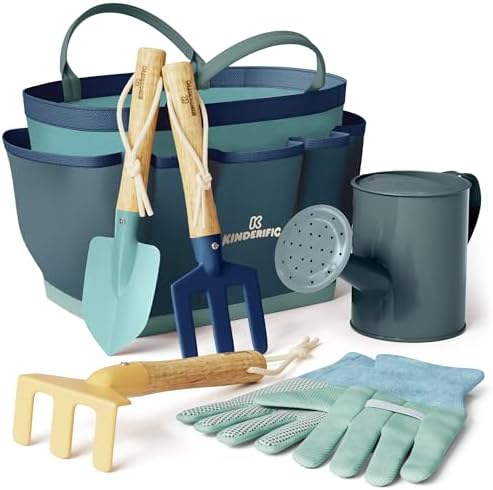
Here’s What You Need



7. Create a Flower Soup & Nature Café Station
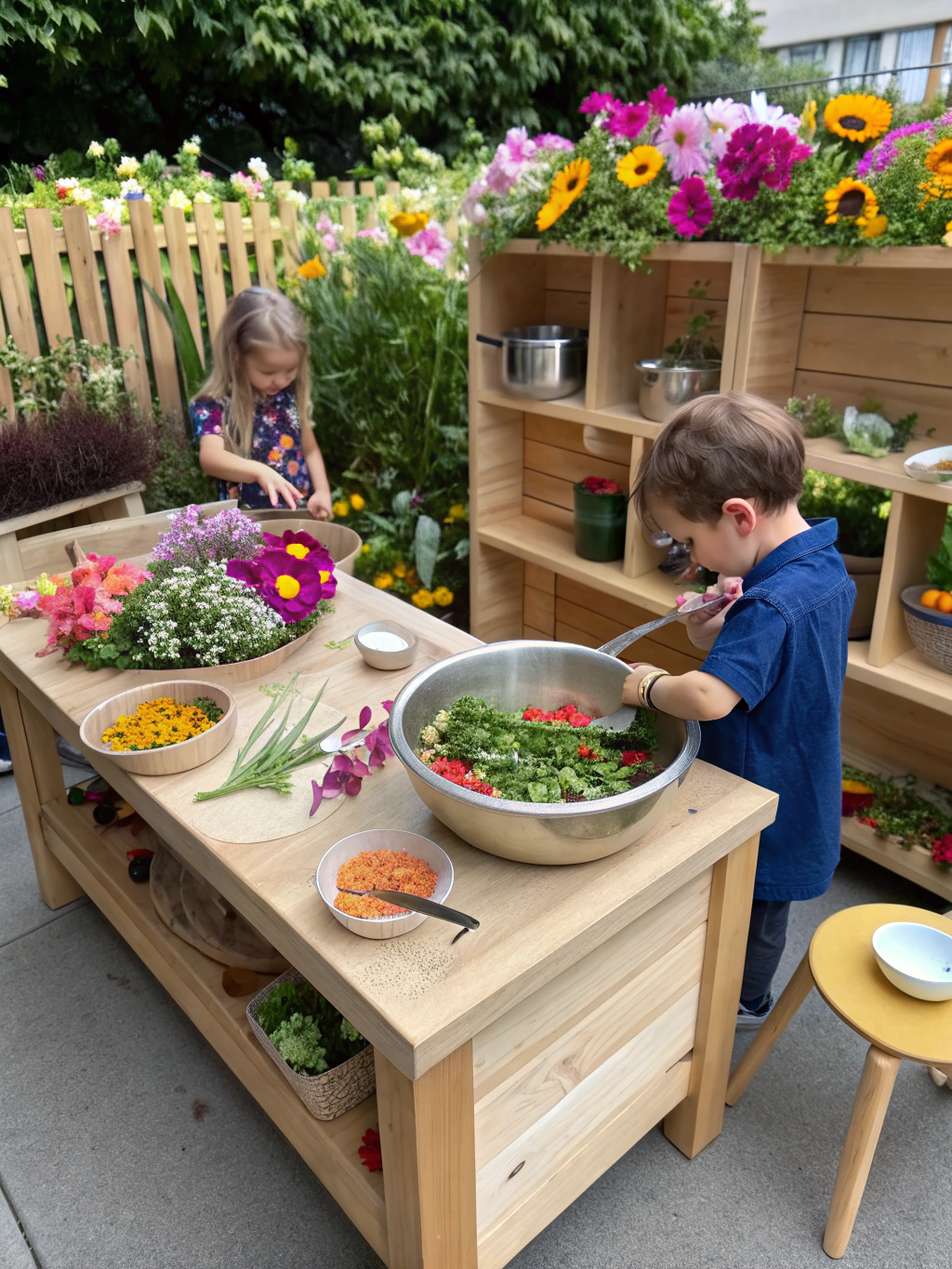
Nature-themed pretend cooking encourages imaginative storytelling.
Best Café Ingredients
- Flower petals
- Grass
- Herbs
- Leaves
- Mud “spices”
Why It Works
Creative pretend cooking combines sensory and imaginative play.
8. Add Sensory Scooping & Sorting Activities
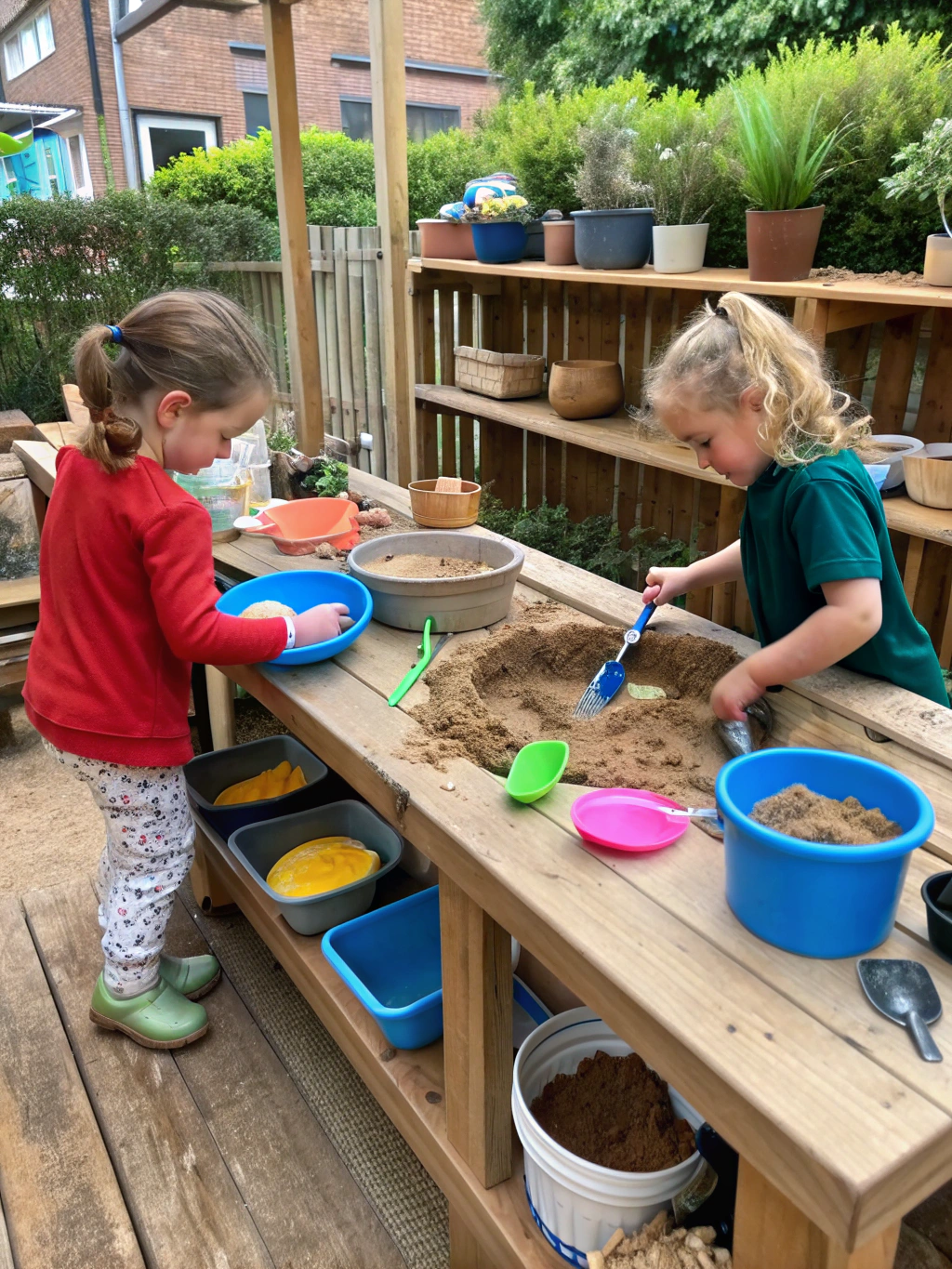
Scooping and sorting improve fine motor development.
Best Sorting Materials
- Pebbles
- Acorns
- Seeds
- Shells
Why It Works
Hands-on sorting encourages concentration and coordination.
9. Create a Mud Bakery Sensory Station
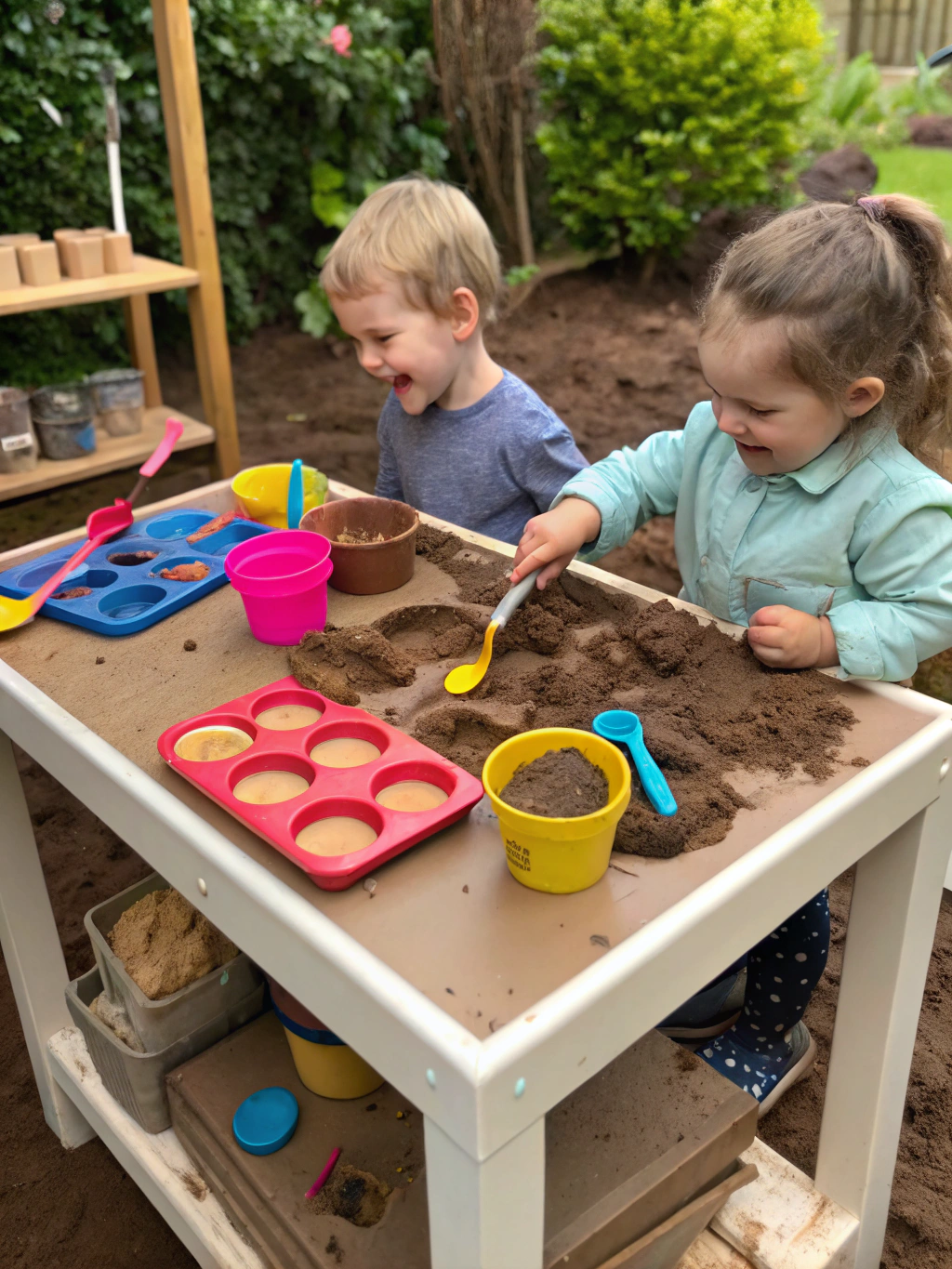
Pretend baking activities are especially popular with toddlers and preschoolers.
Best Bakery Accessories
- Muffin tins
- Rolling pins
- Baking trays
- Silicone molds
Why It Works
Baking play combines texture exploration with creativity.
10. Add Ice & Frozen Nature Play
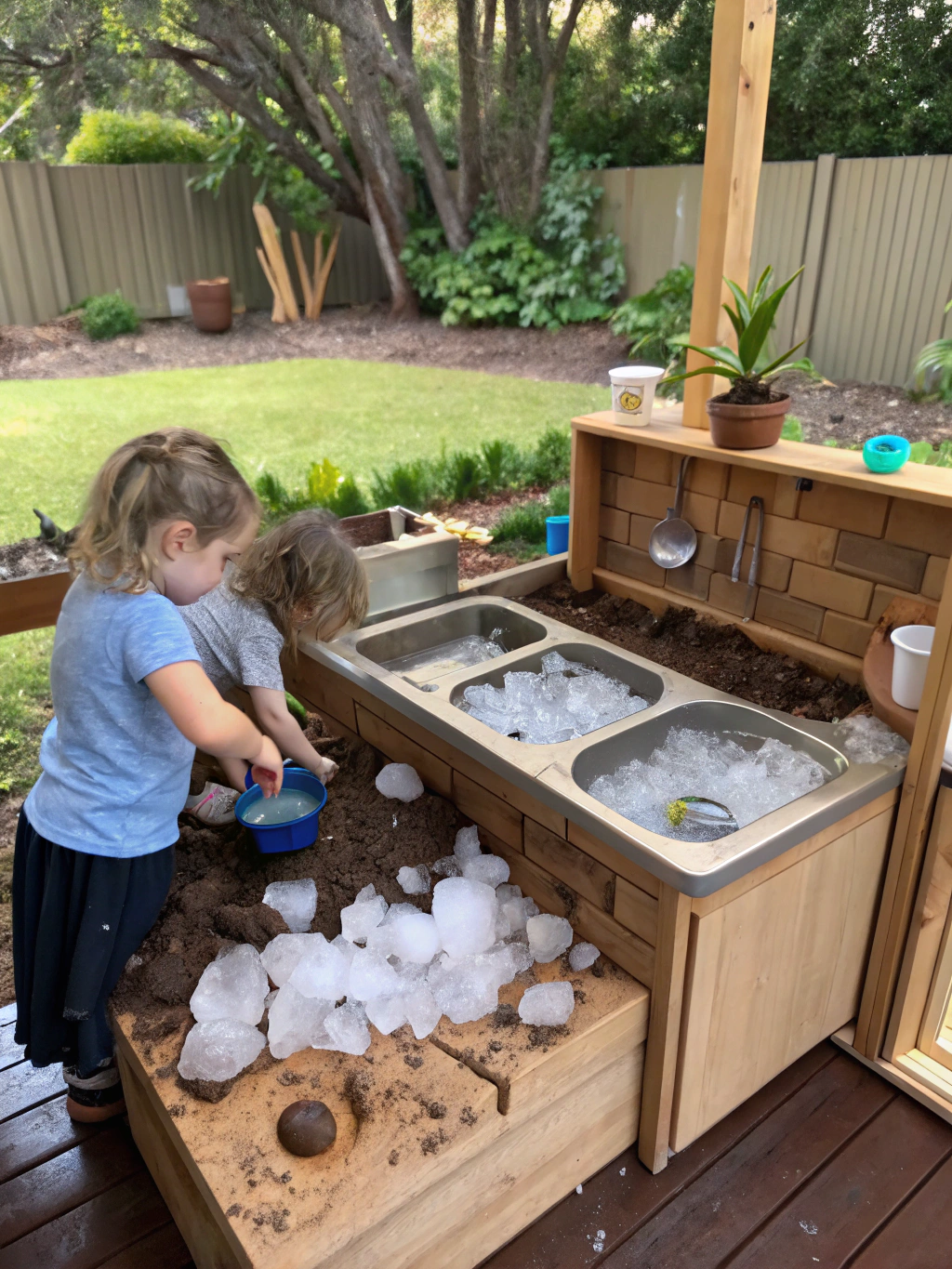
Frozen sensory activities add seasonal variety and excitement.
Best Frozen Materials
- Flower ice cubes
- Frozen herbs
- Colored ice
Why It Works
Cold textures create a unique sensory experience.
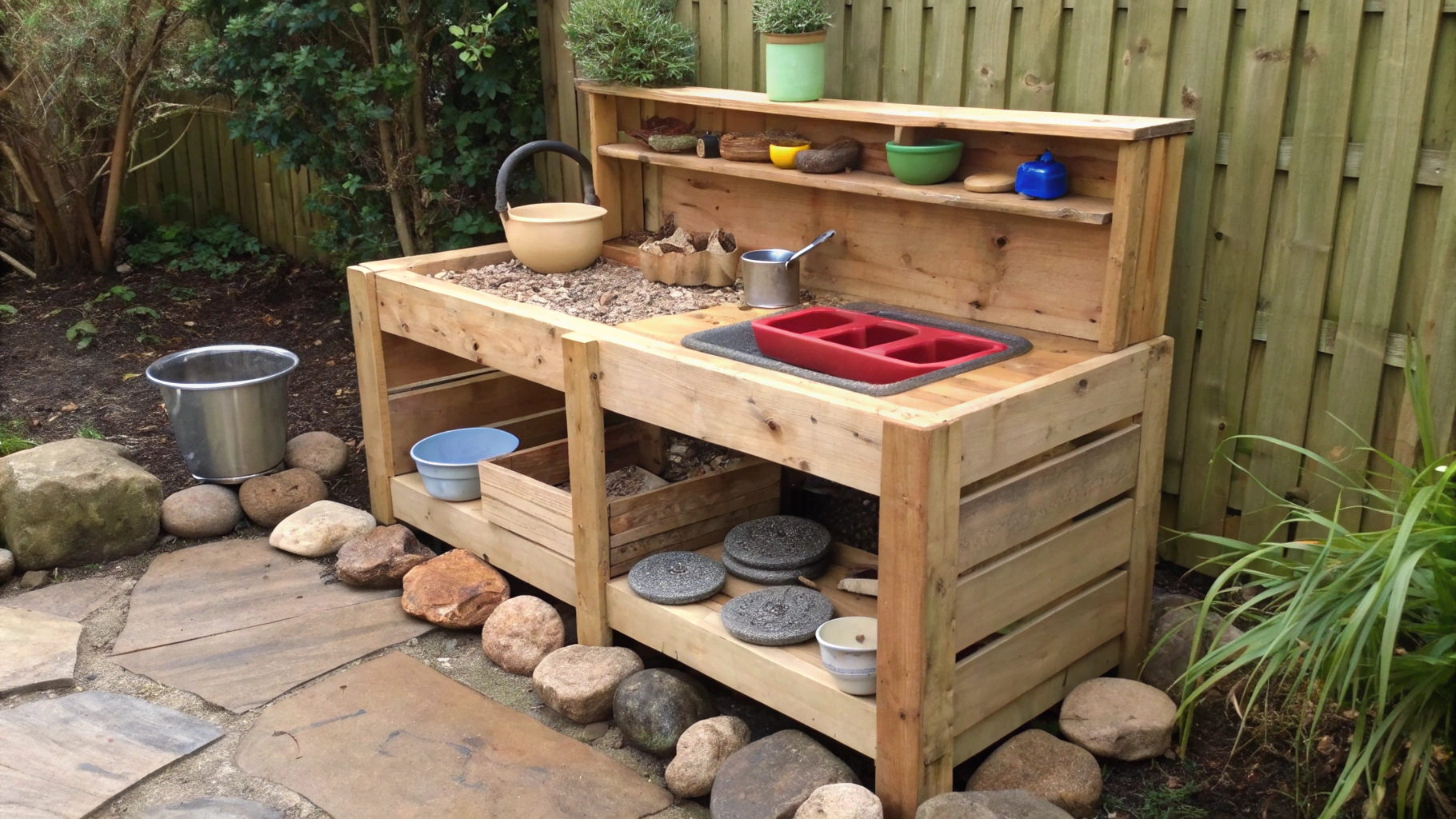
11. Create a Loose Parts Sensory Shelf
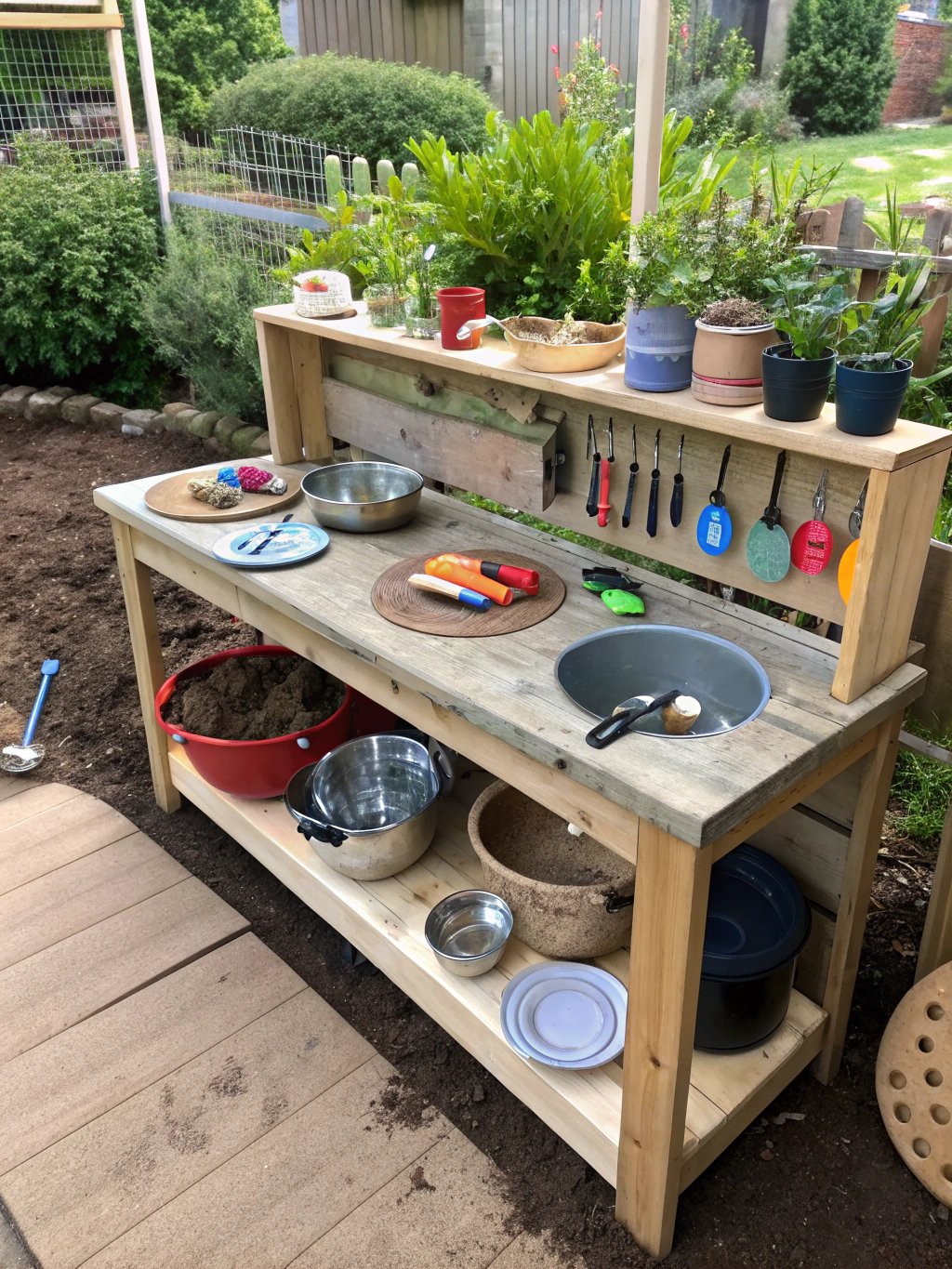
Loose parts encourage open-ended exploration and creativity.
Best Loose Parts
- Bottle caps
- Wooden rings
- Pebbles
- Pinecones
- Shells
Why It Works
Children can build, sort, stack, and invent freely.
12. Add Chalkboard Recipe & Drawing Areas
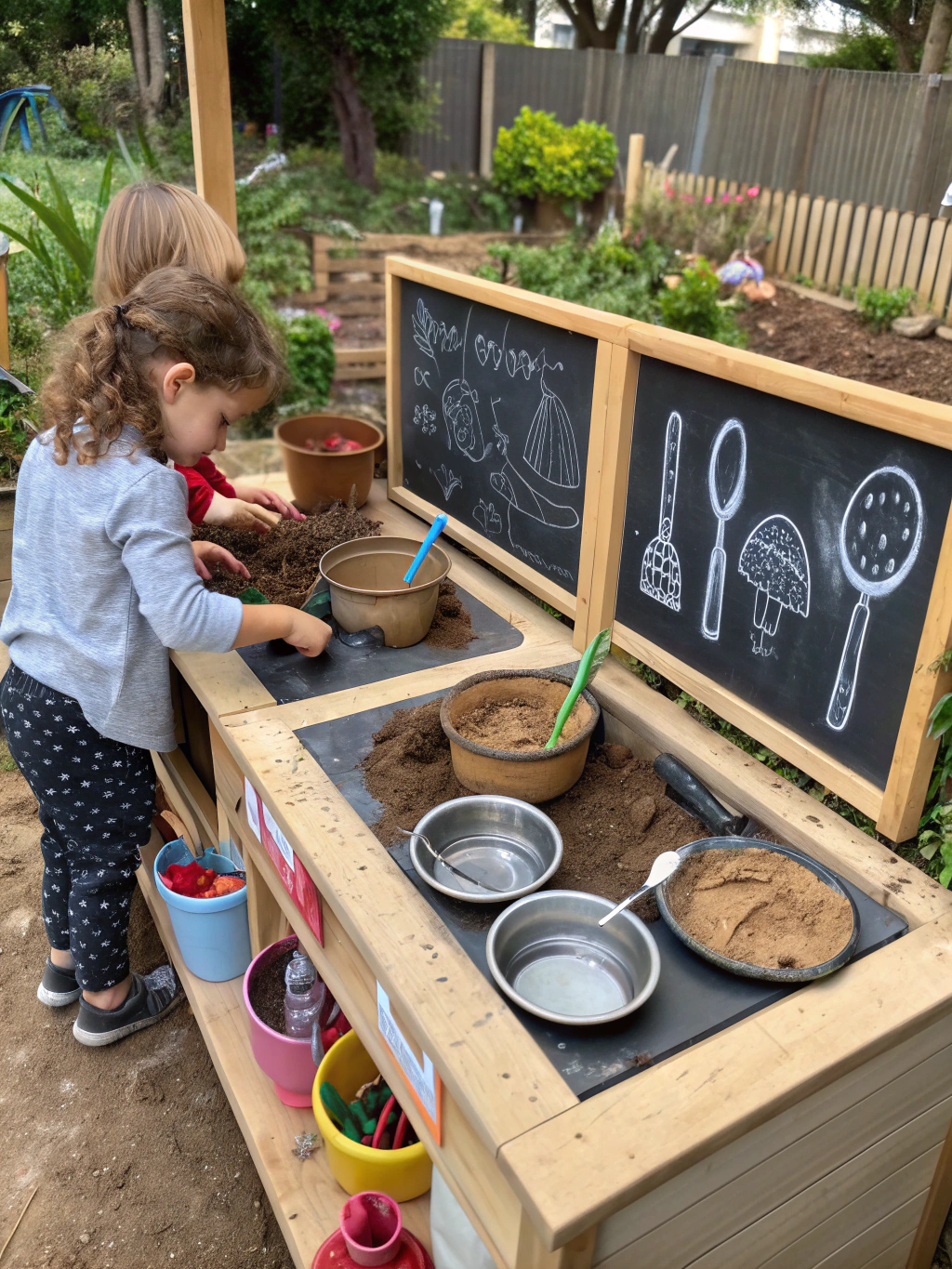
Chalkboards encourage creative expression alongside sensory play.
Best Chalkboard Uses
- Drawing recipes
- Labeling ingredients
- Pretend menus
Why It Works
Creative drawing expands imaginative storytelling.
13. Create a Multi-Level Sensory Play Kitchen
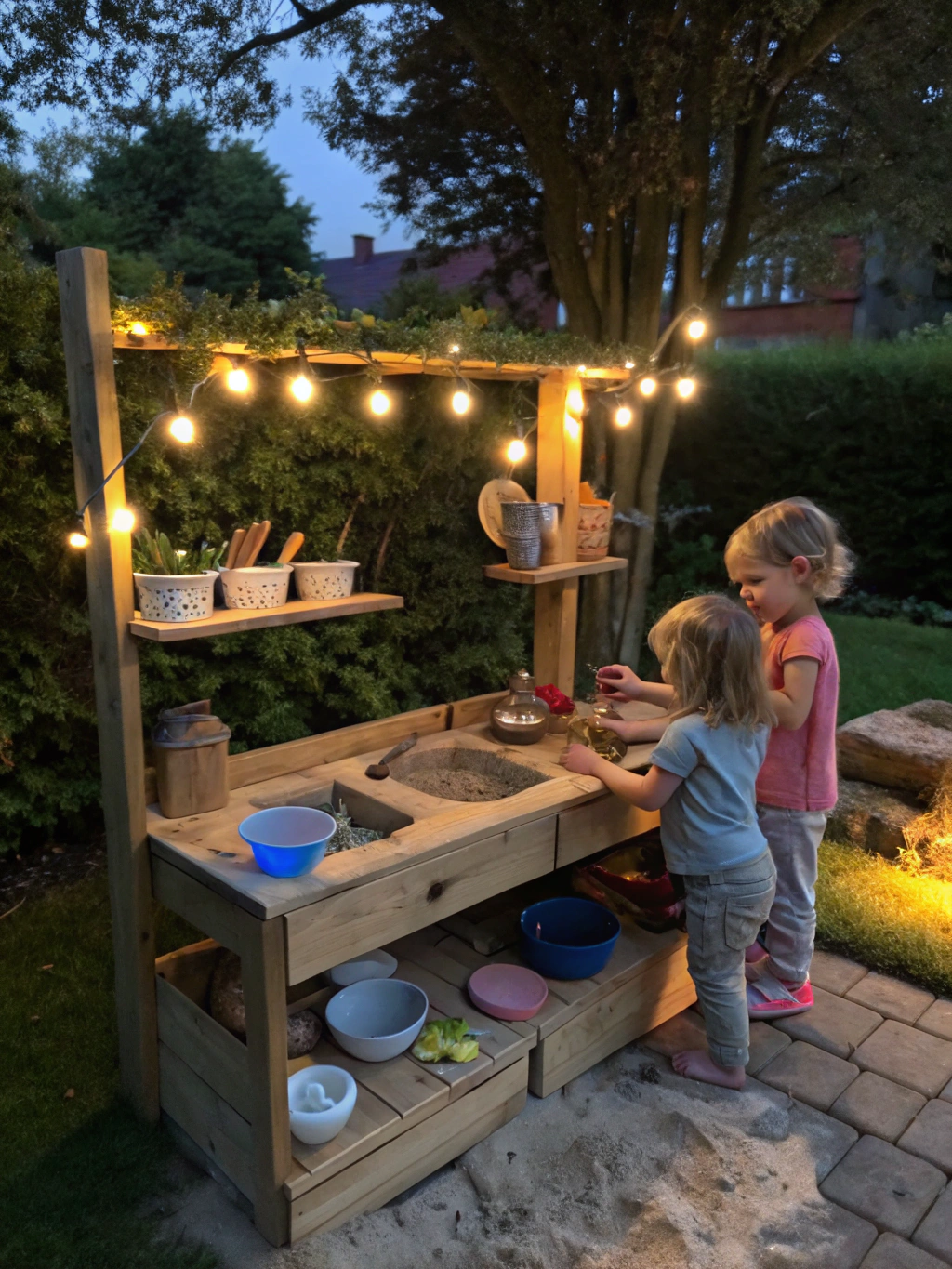
Different activity heights create more dynamic interaction.
Best Multi-Level Features
- Raised prep counters
- Lower toddler stations
- Elevated shelves
- Water zones
Why It Works
Layered play areas improve accessibility and engagement.
14. Add Soft Outdoor Lighting for Evening Play
Lighting creates a magical sensory atmosphere outdoors.
Best Lighting Ideas
- Fairy lights
- Solar lanterns
- Warm string lights
Why It Works
Soft lighting enhances mood and outdoor ambiance.
Final Thoughts
Mud kitchen sensory play ideas help create outdoor spaces where children can explore textures, creativity, movement, and imaginative storytelling in a natural and engaging way. By combining water play, mud mixing, nature collections, herbs, sensory tools, and open-ended activities, you can design a backyard play area that supports learning while keeping kids active and entertained.
Whether you prefer rustic nature-inspired kitchens, colorful sensory stations, compact toddler setups, or full outdoor play cafés, the key is encouraging curiosity and hands-on exploration. With thoughtful sensory elements and creative play opportunities, a mud kitchen can become one of the most valuable and exciting outdoor spaces for children.
FAQs
What is sensory play in a mud kitchen?
Sensory play involves activities that stimulate touch, sight, smell, movement, and creativity using materials like mud, water, sand, herbs, and natural objects.
Why is mud kitchen sensory play important?
It supports fine motor skills, creativity, problem-solving, sensory awareness, and outdoor exploration for children.
What materials are best for mud kitchen sensory play?
Mud, water, sand, flowers, leaves, herbs, pebbles, sticks, and loose parts are excellent sensory play materials.
Are mud kitchens good for toddlers?
Yes, mud kitchens are excellent for toddlers because they encourage safe sensory exploration and open-ended play.
How do you make a mud kitchen more sensory?
Add water features, textured materials, herbs, loose parts, nature collections, and multiple play stations for richer sensory interaction.
Can sensory mud kitchens work in small gardens?
Absolutely. Compact sensory stations with bowls, herbs, water tubs, and vertical storage work beautifully in smaller outdoor spaces.