14+ Earth-Toned Deck Decor Ideas That Feel Grounded
Earth-toned decor is having a genuine moment right now, and for good reason.
In a world that often feels overstimulating and relentlessly fast, a deck decorated in the warm, unhurried tones of the natural world offers something genuinely restorative. Terracotta, warm sand, muted sage, deep ochre, burnt sienna, and the quiet depth of natural stone.
These are colors that feel deeply right outdoors because they come from the outdoors, and designing around them creates a space that feels connected to the earth in the most literal and the most beautiful way.
Why Earth Tones Work So Powerfully in Outdoor Spaces
The appeal of earth-toned decor outdoors is not purely aesthetic. It operates at a more fundamental level than that and understanding why helps you apply the approach with more confidence and more intention.
Love Chic Living Club?
Add us as one of your preferred Google sources and discover more home decor, DIY, outdoor, and lifestyle inspiration from us.
They Belong to the Natural World
Earth tones are the colors of soil, rock, clay, sand, bark, and dried grass. They are the palette that the natural world has developed over millions of years and they work in harmony with everything else in the outdoor setting in a way that manufactured colors very rarely do. A terracotta pot against a green garden backdrop looks completely right because that relationship between warm clay and living green is one that the natural world has established without any human assistance. A bright pink planter against the same backdrop looks wrong for the same fundamental reason, it is not a relationship the natural world created.
When you decorate an outdoor space in earth tones, you are working with nature rather than against it and the result feels effortless and resolved in a way that more color-forward approaches have to work hard to achieve.
They Create Calm
There is substantial psychological evidence that the tones and textures of the natural world have a measurably calming effect on the human nervous system. The Japanese practice of shinrin-yoku, forest bathing, is based precisely on this effect and earth tones in an outdoor space extend that calming quality from the surrounding landscape directly into the designed space. An earth-toned deck does not just look grounded. It genuinely makes you feel more grounded when you are in it.
They Age and Weather Beautifully
Earth-toned materials age in a way that makes them more beautiful over time rather than less. Terracotta develops a patina of use and exposure that deepens its warmth. Natural timber weathers to a grey-brown that is more interesting than its original tone. Stone develops moss and mineral variation that adds depth and character. Clay and ceramic develop micro-cracks and surface variations that make each piece more individual. An earth-toned deck with ten years of outdoor life behind it looks more beautiful than a newly decorated one and this is one of the most compelling practical arguments for the approach.
They Work in Every Season
Earth tones are not a seasonal palette. The warm ochres and rusts of terracotta work as well in the late autumn sunshine as they do in full summer. The muted greens of sage and olive relate to the landscape in spring, summer, and the quieter winter months equally well. Unlike palette approaches built around bright seasonal color, an earth-toned deck looks completely appropriate and completely beautiful in every season of the year, which makes it a better investment than any approach that only works at its best for a few months at a time.
You May Also Love


Building an Earth-Toned Deck Palette
The earth tone family is broader and more varied than most people initially realise and building a cohesive palette within it requires understanding the different families and how they relate to each other.
The Warm Earth Family
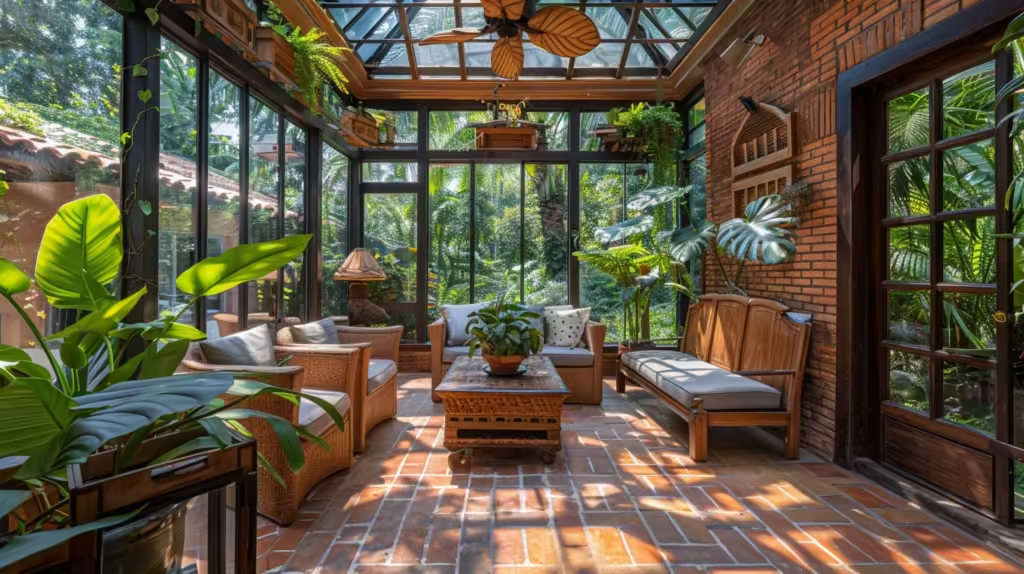
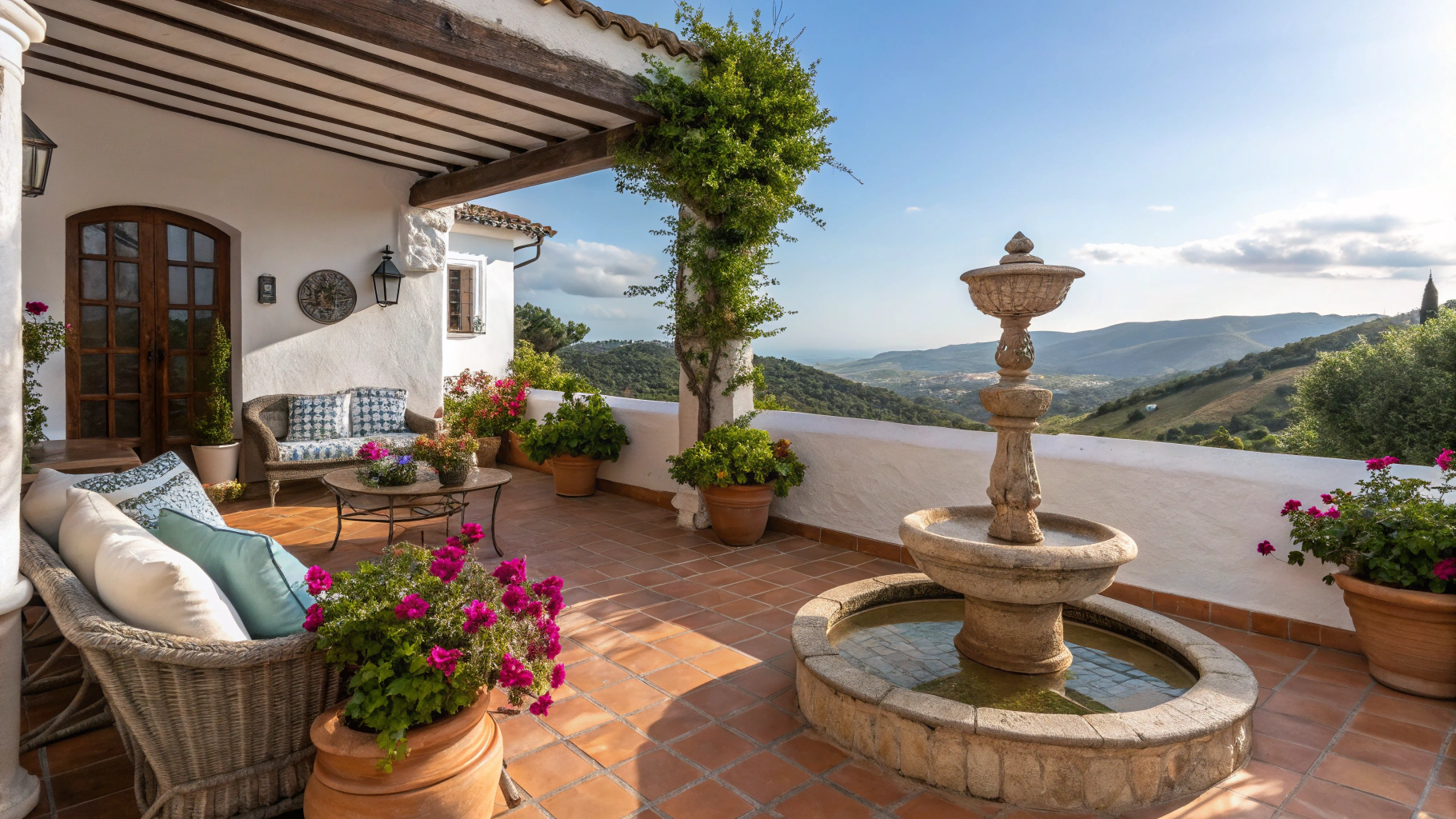
Warm earth tones are drawn from the red-orange-yellow part of the earth spectrum: terracotta, burnt sienna, ochre, saffron, warm rust, copper, and the warm amber of natural timber. These tones evoke the dry, sun-baked quality of Mediterranean and desert landscapes and they create the most immediately warm and welcoming outdoor atmosphere of any earth palette. They work particularly well with the greens of lush garden planting because warm-toned earth colors and cool-toned greens are natural complements.
The Cool Earth Family
Cool earth tones draw from the grey-blue-green part of the earth spectrum: slate grey, pale stone, sage green, dusty olive, blue-grey clay, and the silver tone of weathered timber. These tones evoke the cooler, damper quality of northern landscapes, forest floors, rocky shores, and misty hillsides. They create a more restrained and more contemporary earth-toned atmosphere than the warm family and work beautifully with pale natural timber, smooth concrete, and the clean white of sky and cloud.
Mixing Warm and Cool Earth Tones
The richest earth-toned palettes combine elements from both the warm and cool families but with a clear dominant direction. A predominantly warm palette with cool sage green and grey stone as the accent has a warmth and richness that is beautiful and accessible. A predominantly cool palette with terracotta as the single warm accent has a more sophisticated and more contemporary quality. Equal measures of warm and cool earth tones can feel muddy and unresolved, which is why establishing a dominant direction before introducing accents from the opposite family is important.
Natural Green as the Bridge
Living green from plants and planting is the element that most powerfully bridges all earth tone families because every green in the natural world has its own earth-toned quality. The warm yellow-green of new growth. The cool blue-green of eucalyptus and sage. The deep, dark green of evergreen foliage. The muted olive of drought-tolerant Mediterranean plants. All of these greens relate naturally to both the warm and cool earth tone families and planting is therefore the most powerful unifying element in any earth-toned outdoor scheme.
Don't miss: 16+ Patio Seating Remodel Ideas with Built-Ins →
Earth-Toned Deck Design for Different Climates
The right earth-toned approach depends significantly on your climate and the natural landscape your deck sits within.
Hot and Dry Climates
In hot, dry climates, the warm earth palette of terracotta, ochre, and warm sand is the most naturally appropriate and the most authentic. The colors of the Mediterranean, the American Southwest, and the Australian outback all belong to this warm earth family and using them in a hot dry climate creates a deck that feels completely at home in its landscape. Choose light-toned surfaces to reduce heat absorption. Prioritise drought-tolerant planting in terracotta and clay pots. Allow every material to develop its sun-bleached character naturally.
Temperate and Green Climates
In temperate climates with significant rainfall and lush green surroundings, the cool earth palette of slate, sage, and olive works most naturally because these tones relate to the cooler, greener quality of the landscape. Warm terracotta accents provide contrast and prevent the cool earth palette from feeling too grey or too cold in climates where the sky is often overcast.
Cold Climates
In cold climates, earth tones provide warmth and richness during the months when the landscape is bare and grey. A warm terracotta and ochre palette with deep forest green accents and the warmth of natural timber creates a deck that feels welcoming and visually warm even in the absence of summer planting and sunshine.
Keep Exploring

Earth-Toned Planting Guide
The planting choices on an earth-toned deck are as important as any other material or accessory decision and the right plants complete the scheme in a way that nothing else can.
Warm Earth Palette Plants
For a warm earth palette, choose plants that relate to the warm end of the plant spectrum. Orange and burnt yellow flowering plants in autumn like rudbeckia, helenium, and calendula. The warm olive green of Mediterranean herbs like rosemary, thyme, and sage. Ornamental grasses in their warm autumn tones. Succulents in terracotta pots with their warm blue-green against warm orange ceramic. The combination of living warm green with the terracotta and ochre of the decorating scheme creates a visual relationship that feels genuinely organic and connected.
Cool Earth Palette Plants
For a cool earth palette, choose plants that relate to the cooler, more muted end of the plant spectrum. Blue-grey succulents and agaves in smooth concrete or slate-grey pots. The silver-green of lavender and artemisia. The deep, cool green of evergreen structural plants like box, pittosporum, and Irish yew. The muted blue-green of ornamental grasses like blue fescue. These plants have a restrained, almost architectural quality that suits the cool earth palette’s more contemporary and more resolved character.
1. Terracotta Accents

Add terracotta planters, tiles, or cushions for a warm, rustic touch.
Pro Tip: Mix matte and glazed finishes to create natural depth and visual variety.
2. Wooden Furniture Base

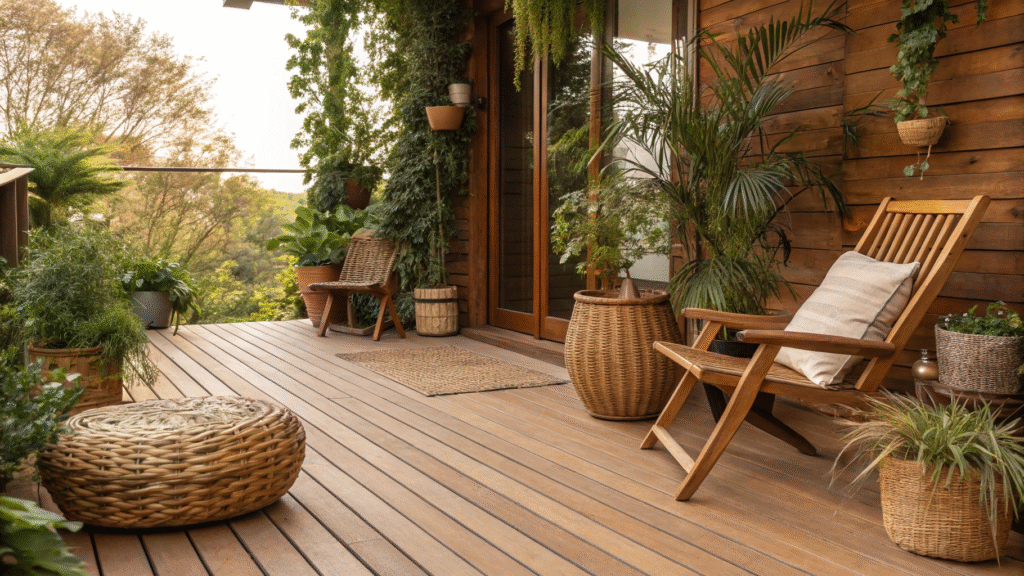
Use natural wood furniture to anchor your deck’s earthy palette.
Pro Tip: Choose oak, teak, or acacia and keep finishes matte for an authentic, organic feel.
3. Clay and Stone Decor

Incorporate stone vases, clay pots, or pebble accents for texture and grounding.
Pro Tip: Combine rough and smooth textures to give the setup a balanced, natural rhythm.
4. Muted Green Cushions

Olive or sage green cushions blend beautifully with outdoor surroundings.
Pro Tip: Pair green tones with beige or sand hues for a fresh yet grounded palette.
5. Woven Textures

Introduce jute, rattan, or wicker to add warmth and tactile charm.
Pro Tip: Use woven rugs or baskets to complement both modern and rustic furniture.
6. Sand-Colored Flooring

A soft sand or beige-toned deck floor sets a calm, earthy foundation.
Pro Tip: Layer it with a neutral outdoor rug for extra comfort and texture.
7. Rust-Toned Accessories

Touches of rust or burnt orange create richness without overwhelming the space.
Pro Tip: Use rust hues sparingly in pillows or ceramics to add warmth and balance.
8. Potted Greenery

Add plants that thrive outdoors, like ferns, succulents, or grasses.
Pro Tip: Place pots in groups of three for a natural and visually pleasing composition.
9. Earthy Linen and Cotton Fabrics

Use natural fabrics in soft, faded tones for a relaxed, organic look.
Pro Tip: Stick to shades like taupe, ivory, or muted brown to keep the palette soothing.
10. Stone Fire Feature

A small stone fire pit or tabletop burner adds both warmth and texture.
Pro Tip: Surround it with natural wood or clay decor for a cohesive, earthy mood.
11. Neutral Wall Planters

Wall-mounted planters in soft browns or grays create structure while saving space.
Pro Tip: Use a mix of hanging and trailing plants to soften edges and add dimension.
12. Ceramic Tableware

Add ceramic bowls, mugs, or trays for a handcrafted, grounded touch.
Pro Tip: Choose matte finishes in brown, beige, or speckled neutrals for a natural look.
13. Brick or Slate Details

Add brick steps, slate tiles, or small stone borders for rustic definition.
Pro Tip: Blend warm and cool earth tones for a dynamic yet balanced contrast.
14. Layered Lighting

Use warm-toned lanterns, candles, or string lights to enhance the earthy mood.
Pro Tip: Opt for amber bulbs or soft solar lights to keep the glow gentle and relaxing.
Final Thoughts
An earth-toned deck is one of the most genuinely restorative outdoor spaces you can create. It does not just look beautiful. It feels right in a way that more color-forward or more trend-driven approaches rarely sustain beyond their initial moment of freshness. Because the colors come from the natural world, they belong in the natural world, and a deck decorated in these tones will feel as grounded, as calm, and as completely right in ten years as it does on the day it is first put together.
Start with terracotta. Build with natural materials. Layer with texture and warmth. And let the deck become the most genuinely connected-to-the-earth space in your entire home.
Frequently Asked Questions
What are the main colors in an earth-toned deck palette?
The earth-toned palette draws from the natural landscape: terracotta, burnt sienna, warm ochre, sand, warm rust, and copper at the warm end; slate grey, pale stone, sage green, dusty olive, and the silver of weathered timber at the cool end. Natural timber tones span both families and provide the most fundamental earthy base. The living greens of plants bridge and complement all earth tones from every part of the spectrum.
How do I prevent an earth-toned deck from looking dull?
Textural variety is the most important tool for preventing an earth-toned scheme from feeling flat. Vary the surface finishes as aggressively as possible within the palette, combining rough, smooth, woven, glossy, and matte surfaces in the same scheme. Vary the tonal range from the palest to the darkest earthy tones available. Include at least one element with visual movement, whether ornamental grasses, trailing plants, or fabric that moves in the breeze. These three interventions reliably produce the rich, layered quality that prevents earth-toned schemes from feeling dull regardless of their restraint in color.
What accent color works best with an earth-toned deck?
The living green of plants is the most natural and most powerful accent for any earth-toned outdoor scheme. Beyond green, deep charcoal or warm black as a structural accent provides depth without disrupting the earthy quality. Aged brass and copper provide a warm metallic accent that relates beautifully to the warm earth tone family. Deep indigo blue, used very sparingly in a single cushion or ceramic piece, can provide a beautiful cool accent against a predominantly warm earth palette. In all cases, keep accent colors muted and naturalistic rather than bright and saturated.
How do I incorporate earth tones on a deck that already has bold colors?
Introduce earth tones gradually through the most easily changed elements, cushions, throws, planters, and accessories, before addressing fixed elements. Replace boldly colored cushions with earth-toned alternatives. Swap brightly colored planters for terracotta or stone equivalents. Add an earth-toned outdoor rug over the existing deck surface. Paint a boundary fence in a warm charcoal, warm grey-brown, or deep olive. Each of these changes moves the scheme progressively toward the earth-toned aesthetic without requiring any major construction or furniture replacement.
Do earth tones work with all home exterior styles?
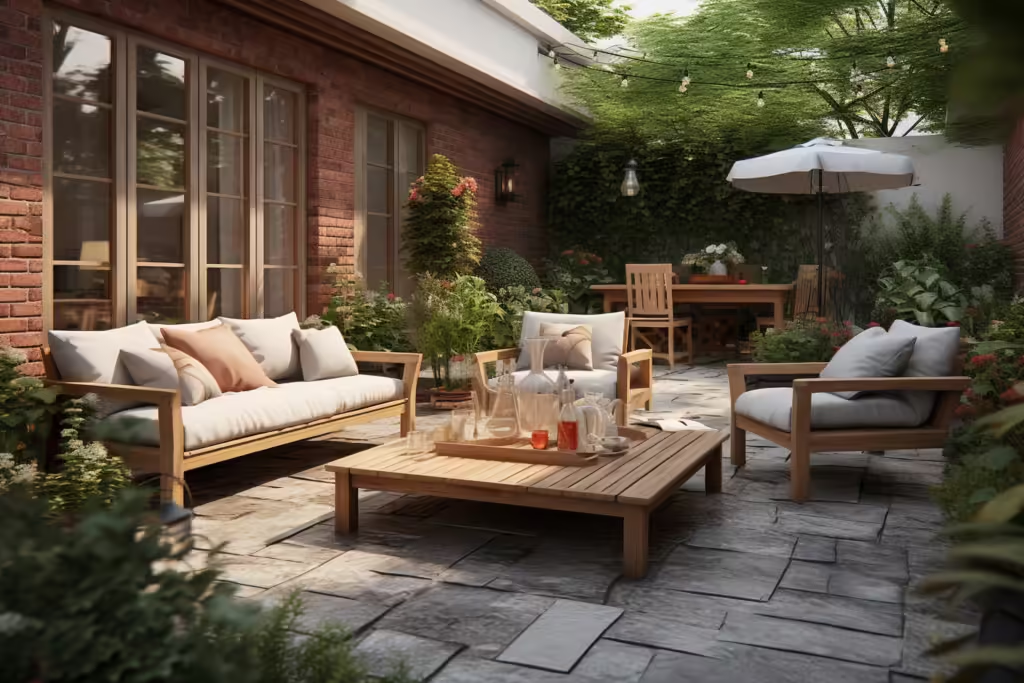
Earth tones work with virtually every home exterior style because they draw from the same natural material vocabulary that most traditional and contemporary architecture uses. Brick homes relate naturally to terracotta and warm earth tones. Rendered and painted homes suit the cool earth palette of stone and sage. Timber-clad homes work with any earth tone family. The only home exteriors that create some tension with a warm earth palette are those with very cool, contemporary grey or white render, where the cool earth palette of slate and sage is a more natural choice than the warm terracotta and ochre family.
What is the easiest way to start an earth-toned deck scheme?
Start with terracotta. A few terracotta pots in different sizes with well-chosen plants is the most immediate and most affordable introduction of the earth-toned aesthetic to any deck and it provides an anchor that every subsequent purchase can relate to. Add a jute or natural fiber outdoor rug as the second step. Then introduce earth-toned cushions. Each layer builds on the previous one and the scheme develops organically from the terracotta foundation rather than requiring everything to be decided and purchased at once.