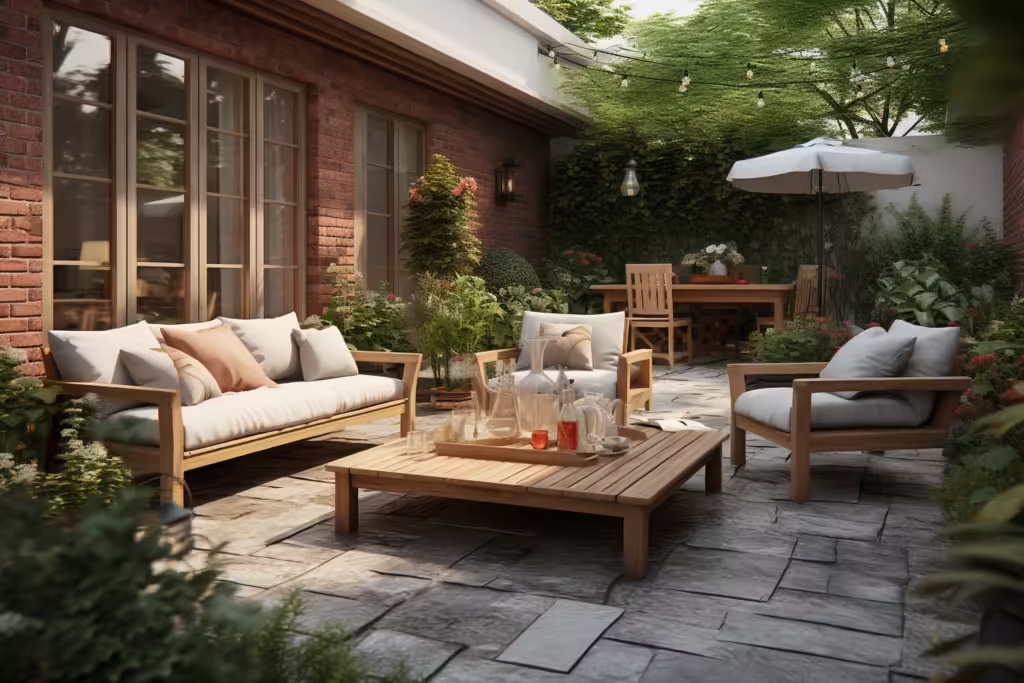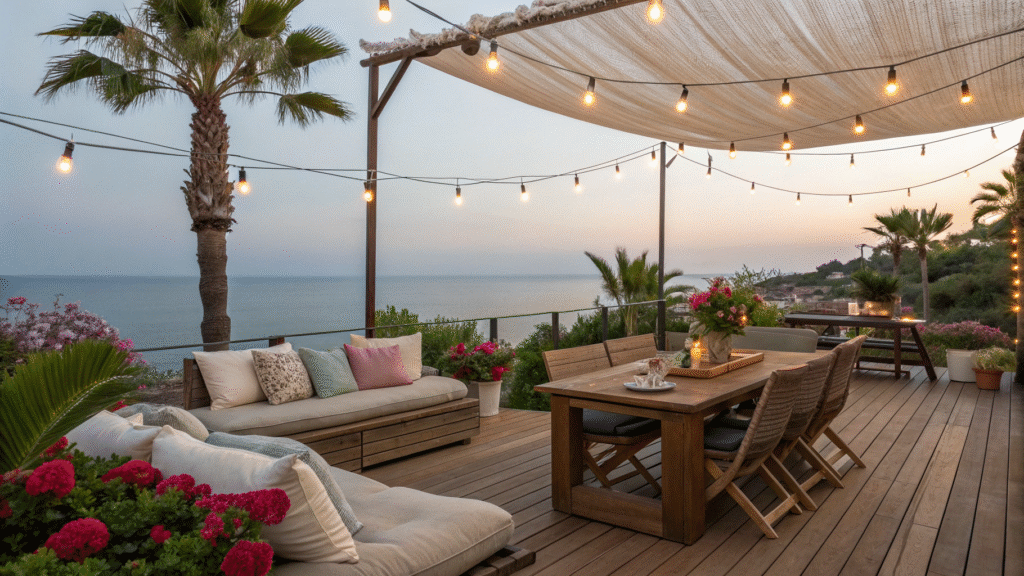
18+ Mediterranean Deck Inspirations for Laid-Back Evenings
There is something about a Mediterranean evening that feels like the rest of the world has slowed down.
The warm air, the scent of jasmine, a simple meal on the table, and no reason to be anywhere else. The good news is you do not need to book a flight to feel that way.
The right deck design can bring that same relaxed, sun-soaked energy right to your backyard. These ideas will show you how.
What Makes a Deck Feel Mediterranean
Before you start picking tiles and plants, it helps to understand what actually gives a Mediterranean outdoor space its character. It is not just about the look. It is about the feeling.
Love Chic Living Club?
Add us as one of your preferred Google sources and discover more home decor, DIY, outdoor, and lifestyle inspiration from us.
It Is Built for Long, Warm Evenings
Mediterranean design comes from places where people live outside for most of the year. Everything is designed to make that as comfortable and as enjoyable as possible. Shade for the hot afternoons. Warmth stored in stone and terracotta for cool evenings. Comfortable seating that invites you to stay. A table big enough for everyone. If your deck is designed around long, unhurried evenings with good food and good company, you are already thinking the right way.
Simple Materials Done Well
The materials that define a Mediterranean outdoor space are humble ones. Terracotta. Rough stone. Whitewashed plaster. Old timber. Wrought iron. Handmade ceramic tiles. None of these are expensive or complicated. What makes them look so beautiful in Mediterranean spaces is the quality of the light they sit in and the way they have been allowed to age naturally. Embrace imperfection. A slightly worn terracotta pot looks more Mediterranean than a perfect new one.
Generous Planting
A Mediterranean deck is not a minimalist space. It is full of plants. Lavender and rosemary tumbling over edges. Bougainvillea climbing up a wall. Olive trees in large terracotta pots. Jasmine trained around a pergola post. The planting is abundant, fragrant, and slightly informal. It looks like it has been growing happily for years and that is exactly the quality you are aiming for.
The Scent Matters as Much as the Look
One of the most underrated elements of Mediterranean outdoor design is fragrance. Lavender, jasmine, rosemary, citrus blossom, and roses. These scents are as much a part of the experience as anything visual. When you choose plants for a Mediterranean deck, always include at least one or two that are genuinely fragrant. On a warm evening, the scent does more for the atmosphere than any accessory you could buy.
The Mediterranean Color Palette
Getting the colors right is one of the most important steps in creating a deck that genuinely feels Mediterranean rather than just inspired by it.
White and Warm Neutrals as the Base
The foundation of a Mediterranean palette is always a warm neutral. Whitewashed white, soft cream, warm stone, and pale sand. These light, warm tones reflect heat, brighten the space, and make everything placed against them look more vivid and more beautiful. They also relate directly to the plastered and rendered walls that define Mediterranean architecture. This warm neutral base should cover the largest surfaces, the walls, the main furniture, and the floor if possible.
You May Also Love

Terracotta as the Hero Tone
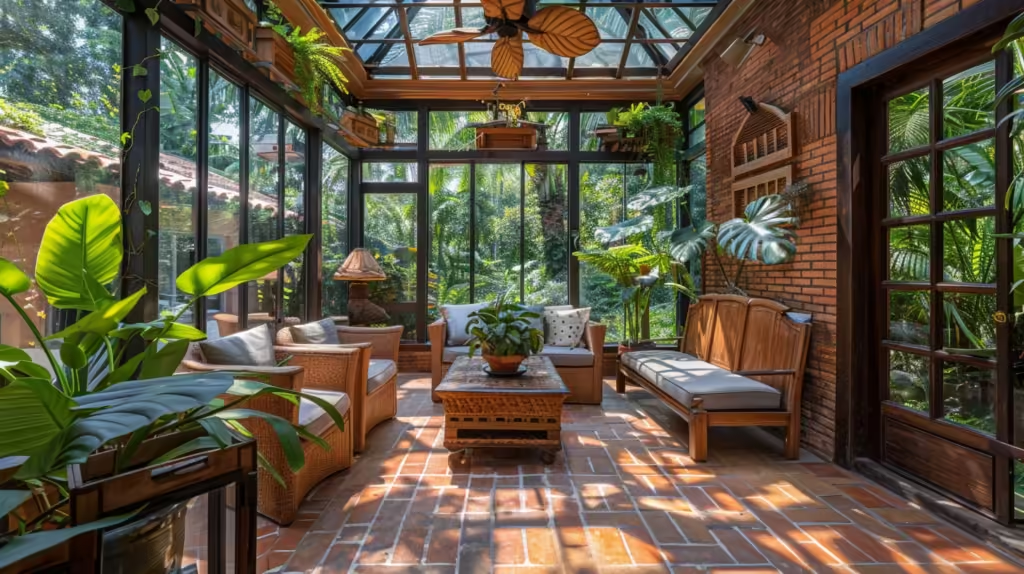
If there is one color that defines Mediterranean outdoor living more than any other, it is terracotta. The warm, red-brown-orange of fired clay appears in floor tiles, plant pots, roof tiles, and architectural details throughout the Mediterranean region and it is the single most powerful material you can introduce to bring that quality to a deck. Use it generously and in its most authentic form, actual terracotta rather than terracotta-toned synthetic alternatives wherever possible.
Blue as the Accent
Blue appears throughout the Mediterranean, in Greek island architecture, in Moroccan tilework, in the glazed ceramics of southern Spain and Portugal. It works as the perfect accent to the warm terracotta and cream base because the contrast between warm and cool creates the visual energy that makes Mediterranean spaces feel so alive. Use blue in tiles, cushions, ceramics, and soft furnishings rather than as the base color. A blue and white tile border, a row of blue glazed pots, or a set of blue linen cushions against warm stone provides exactly the right balance.
Deep Green From the Planting
The deep, lush green of Mediterranean planting, olive trees, lavender, cypress, rosemary, and bougainvillea leaves, is the fourth color in the palette and the one that ties everything together. The living green of generous planting is the element that makes the warm neutral, terracotta, and blue combination feel natural and connected to its outdoor setting rather than like a decorator’s exercise.
Mediterranean Deck Materials Guide
The right materials are what give a Mediterranean deck its authenticity. Here is what to use and why each one works.
Terracotta Tiles
Terracotta floor tiles are the most classic Mediterranean deck surface and the one that most immediately communicates the aesthetic. They absorb heat during the day and release it slowly in the evening, which is exactly why they have been used in Mediterranean architecture for centuries. Always use frost-resistant terracotta for any outdoor application in climates that experience freezing temperatures. Standard terracotta is highly porous and will crack when moisture inside it freezes.
Don't miss: 13+ Patio Kitchen DIY Ideas for Outdoor Cooking →
Natural Stone
Limestone, sandstone, and rough-cut granite are the most authentically Mediterranean hard surface options. These are the stones used in the courtyards, terraces, and pathways of the Mediterranean basin and they have a warmth and depth of character that manufactured stone look-alikes cannot fully replicate. Old or reclaimed stone is always more beautiful than new in a Mediterranean context.
Whitewashed and Rendered Surfaces
Rendered walls finished with whitewash or lime wash are the backdrop of Mediterranean architecture. If your deck has adjacent walls, painting or rendering them in a warm white creates the most immediate and most dramatic Mediterranean transformation available. A single whitewashed wall behind a seating arrangement changes the whole character of the space instantly.
Wrought Iron
Wrought iron in railings, furniture frames, lantern holders, and decorative details is one of the most characteristic Mediterranean materials. The deep black of wrought iron against whitewash, terracotta, and climbing plants is one of the most classically Mediterranean visual combinations available.
Keep Exploring

How to Get the Mediterranean Evening Atmosphere Right
The atmosphere of a Mediterranean evening is the goal of the whole design exercise. Here is how to achieve it.
Get the Lighting Right
Mediterranean evenings are lit by candles, lanterns, and the warm glow of string lights, never by harsh overhead floodlights. Layer your lighting with warm-toned sources at multiple levels. Candles on the dining table. Lanterns hanging from the pergola. String lights woven through the overhead structure. Low-level lights at the base of the larger plants. The goal is a warm, flickering, layered light that makes everyone at the table look beautiful and makes leaving feel genuinely difficult.
Make the Dining Table the Center of Everything
Mediterranean outdoor living is organized around the table. Not a sofa and a television. A proper dining table with enough room for everyone, comfortable chairs, a good tablecloth, real plates and glasses, and food that deserves to be eaten slowly. If your deck has one piece of furniture worth investing in, make it a generous outdoor dining table. Everything else on the deck serves this central social purpose.
Add the Sound of Water
A small fountain or water feature somewhere near the main seating area adds a dimension to the Mediterranean deck atmosphere that no amount of decorating can replicate. The sound of moving water is deeply calming, masks background noise, and creates exactly the sensory completeness that makes a Mediterranean terrace feel so far removed from ordinary daily life.
1. Terracotta Flooring

Classic terracotta tiles add warmth and instantly set a Mediterranean tone.
Pro Tip: Seal tiles with a matte finish to preserve their rustic charm and prevent fading.
2. Whitewashed Walls
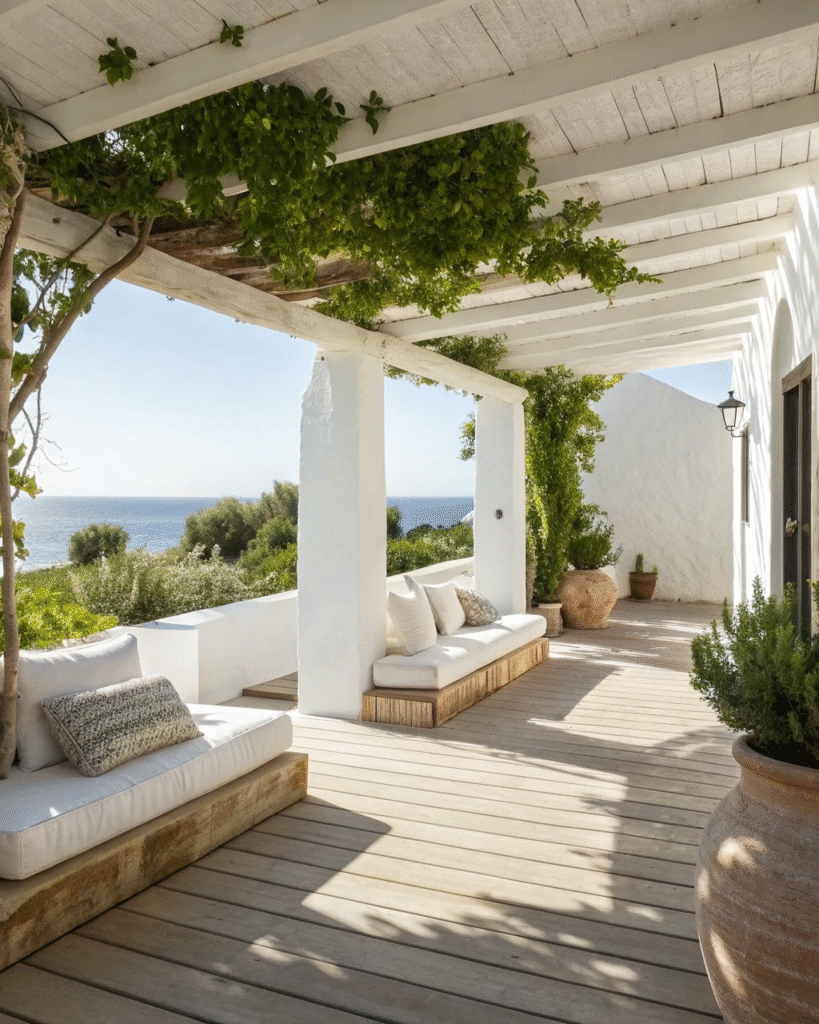
Bright white walls reflect sunlight beautifully and create an airy, coastal feel.
Pro Tip: Pair with blue or wooden accents for an authentic Mediterranean contrast.
3. Wrought-Iron Details

Wrought-iron railings or lanterns add texture and elegance to your deck.
Pro Tip: Choose black or bronze finishes for a timeless, handcrafted look.
4. Olive Trees in Pots

Potted olive trees bring Mediterranean authenticity and greenery to your deck.
Pro Tip: Use large terracotta or stone pots for a rustic, grounded appearance.
5. Soft Linen Textiles

Linen cushions and tablecloths add relaxed sophistication and comfort.
Pro Tip: Stick to natural shades like ivory, sand, or faded blue for an easy, breezy aesthetic.
6. Stone or Stucco Accents
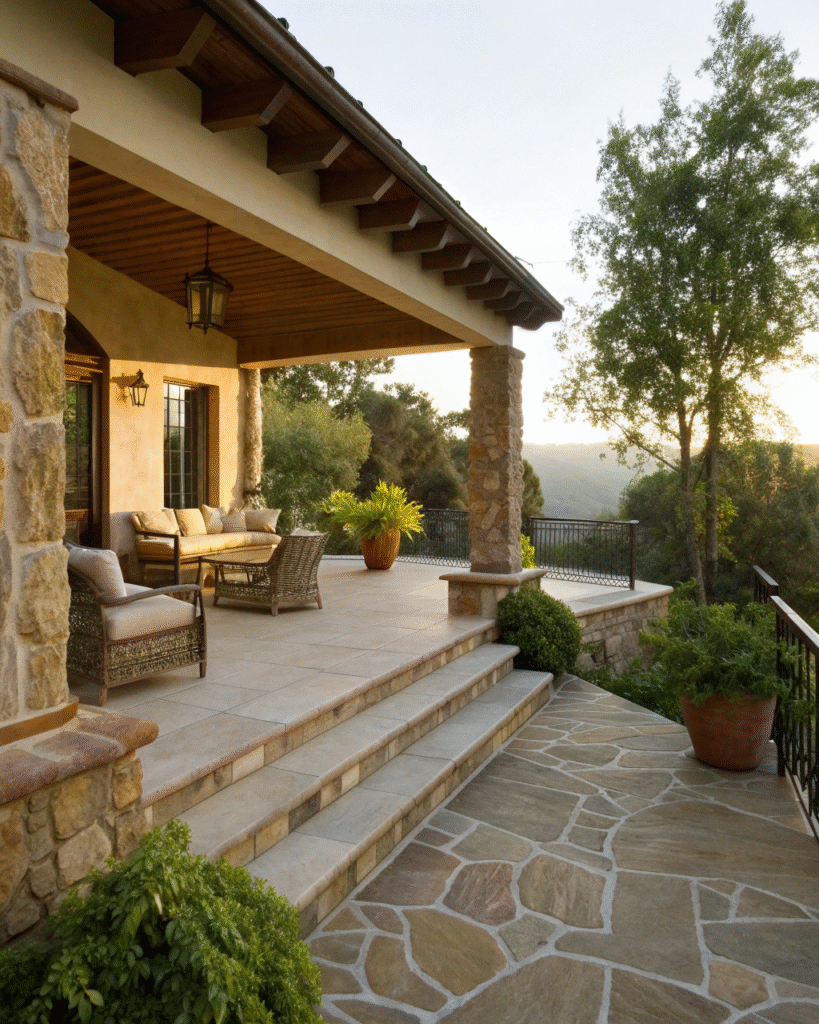
Add natural stone or stucco finishes for a sun-soaked, traditional vibe.
Pro Tip: Combine with wooden furniture for balance and warmth.
7. Mosaic Tabletops
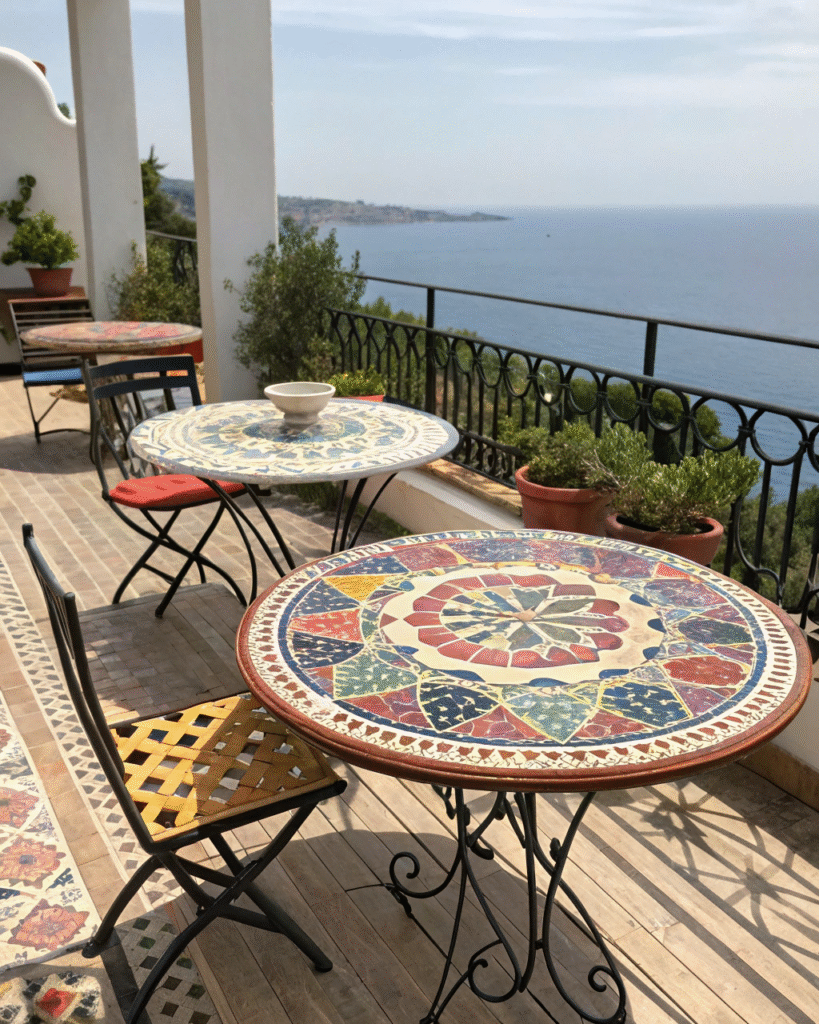
Colorful mosaic tiles bring pattern and artistry to dining or side tables.
Pro Tip: Use shades of blue, green, and ochre to capture the Mediterranean palette.
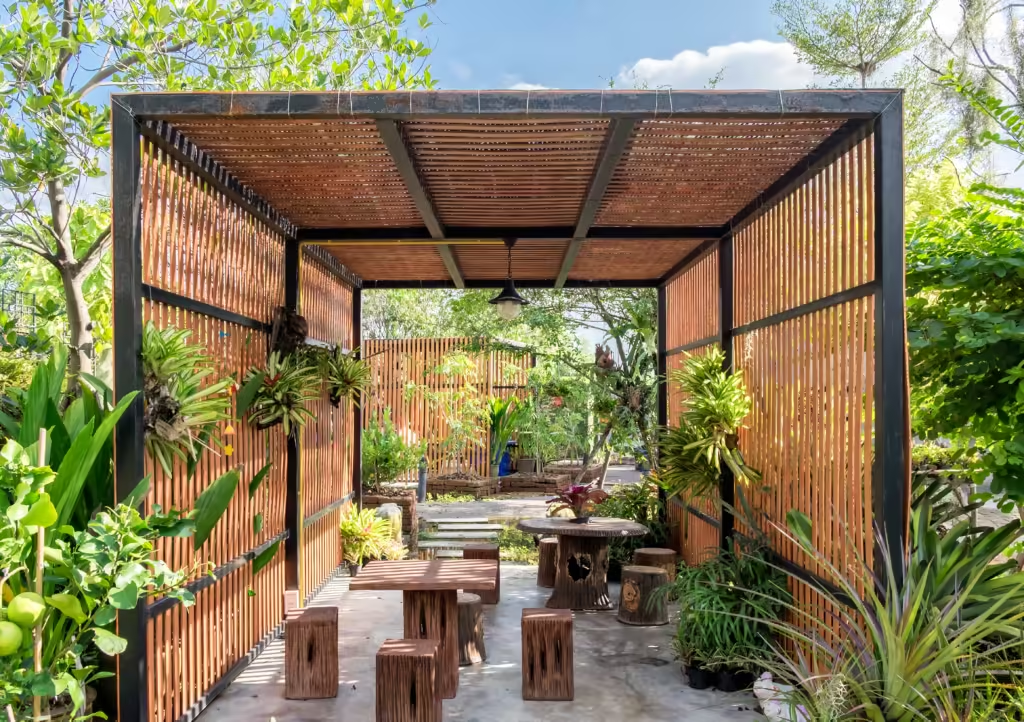
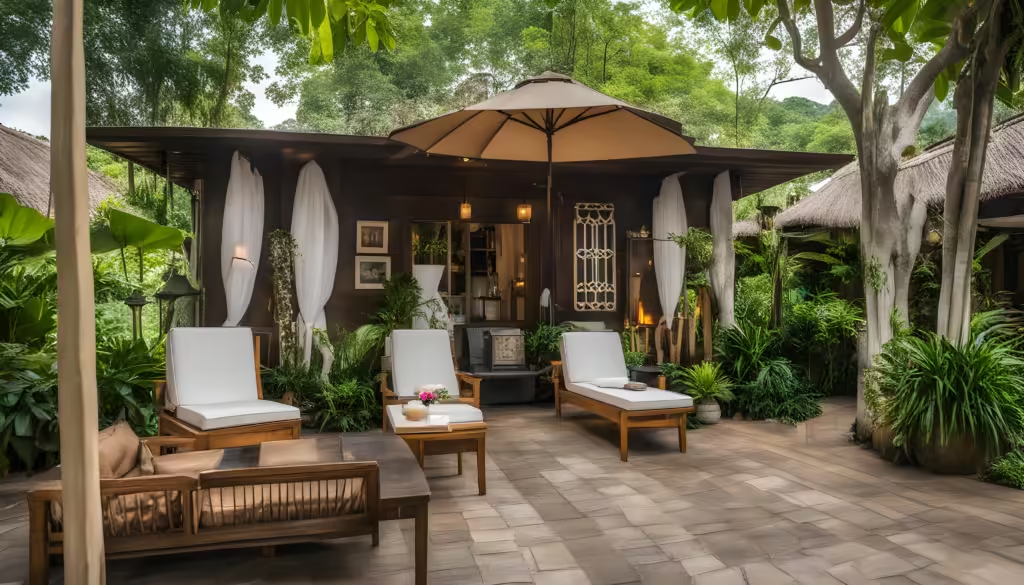
8. Pergola with Drapes

A wooden pergola creates shade and structure while feeling open and airy.
Pro Tip: Add flowing white drapes for soft movement and resort-style comfort.
9. Warm Ambient Lighting

Soft lighting turns your deck into a cozy retreat after sunset.
Pro Tip: Use lanterns, candles, or string lights for a golden Mediterranean glow.
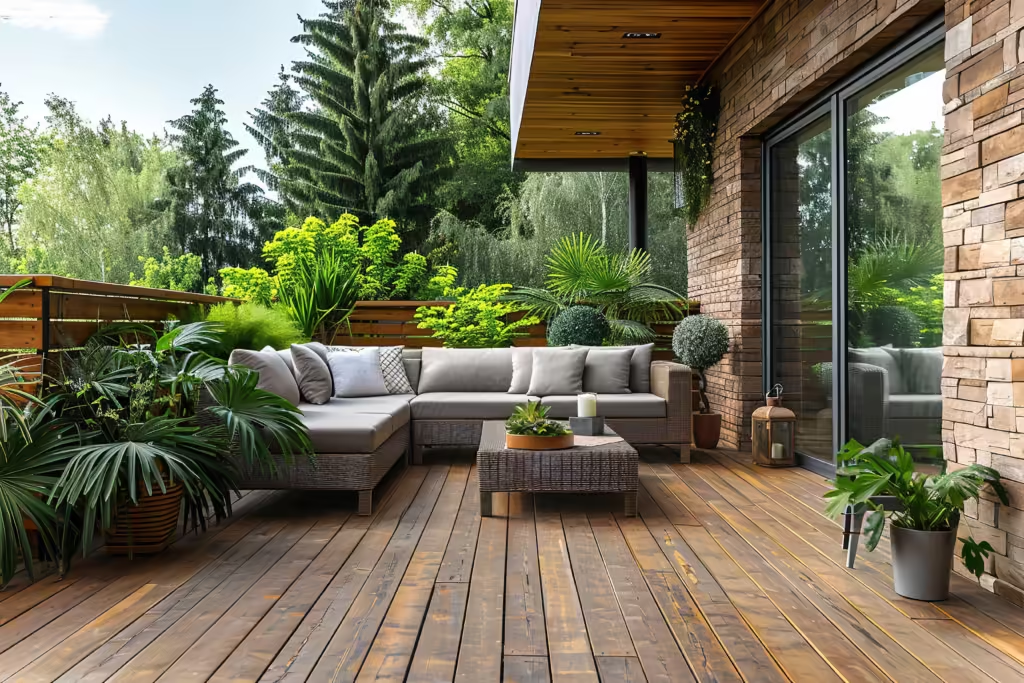
10. Rustic Wooden Furniture
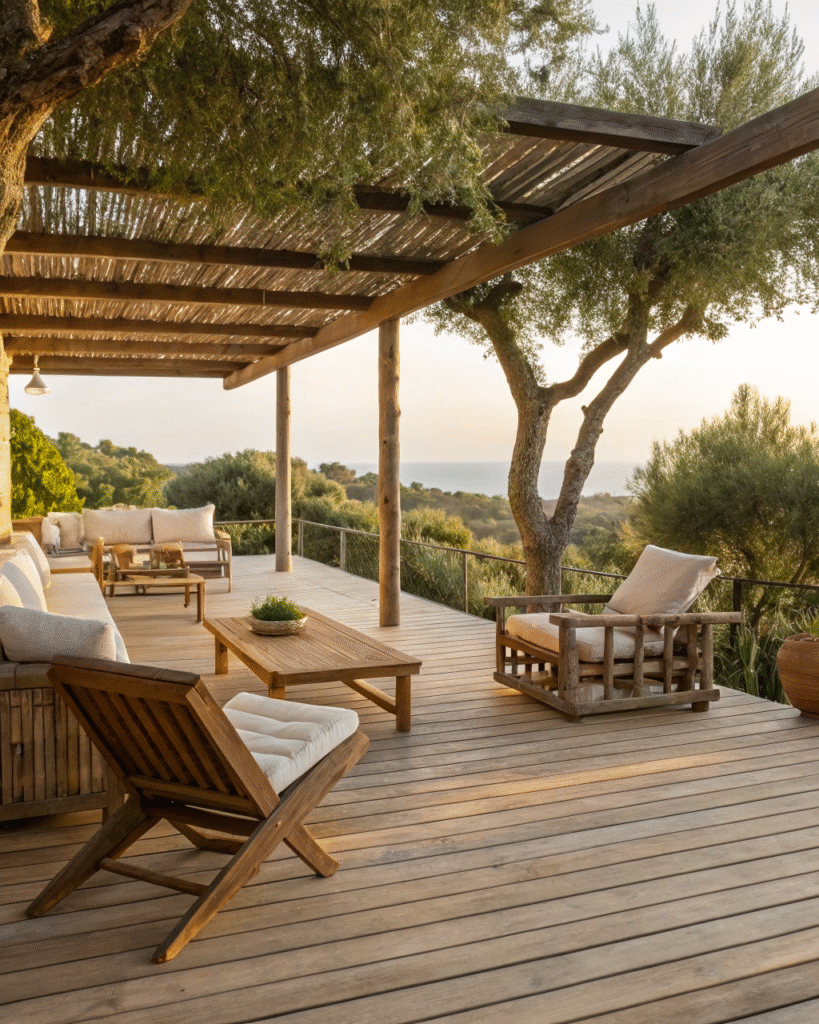
Weathered wood feels authentic and welcoming in outdoor Mediterranean spaces.
Pro Tip: Keep finishes matte and pair with woven or linen cushions.
11. Earthy Color Palette
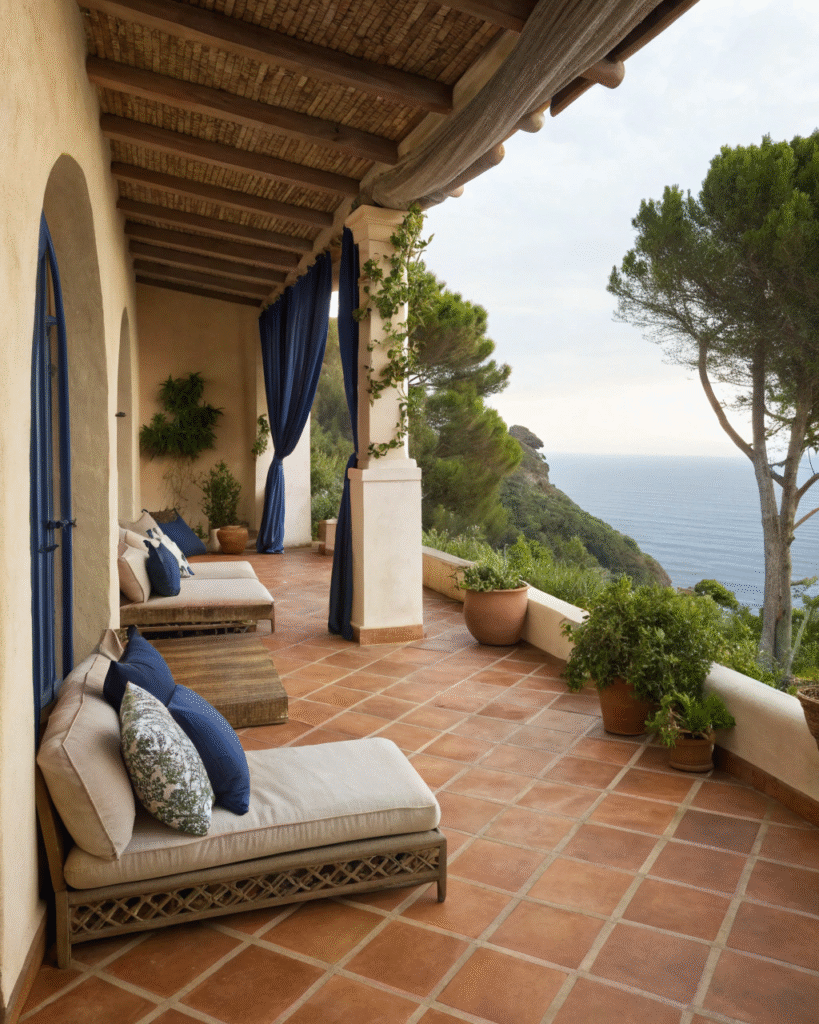
Terracotta, sandy beige, and deep blue define Mediterranean design.
Pro Tip: Use warm, sunbaked hues on decor and textiles for a cohesive look.
12. Ceramic Planters
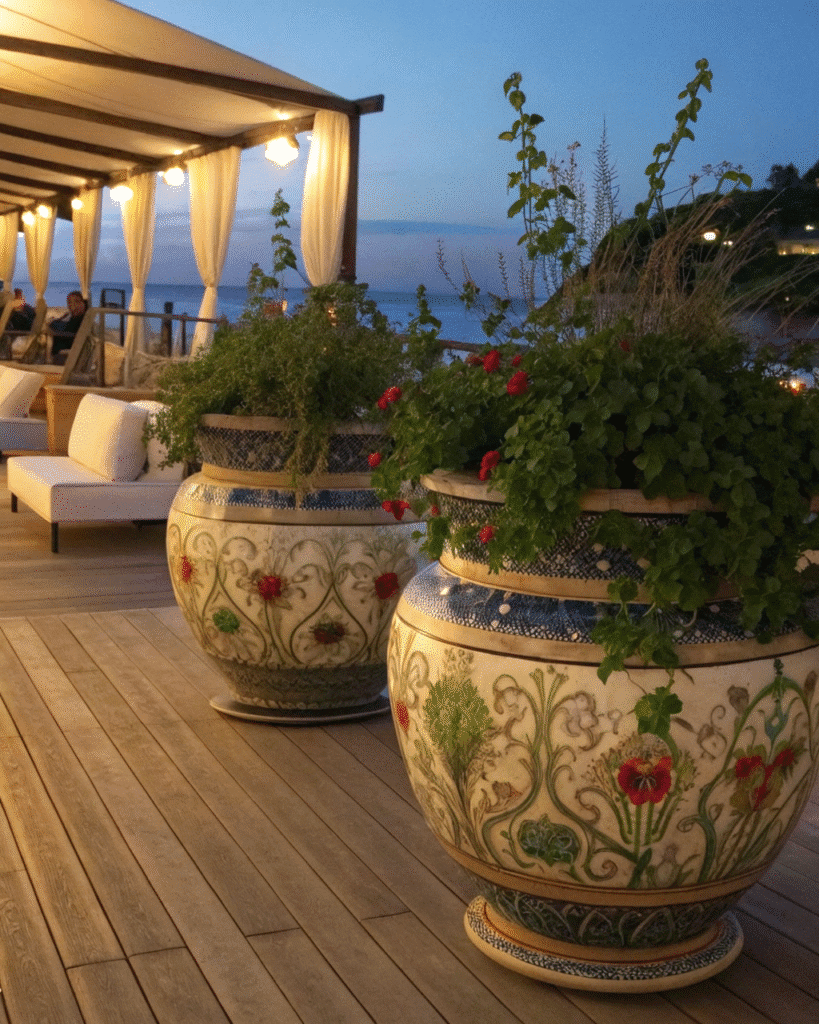
Large ceramic pots with painted details add charm and tradition.
Pro Tip: Group planters in threes for a balanced, curated aesthetic.
13. Built-In Seating
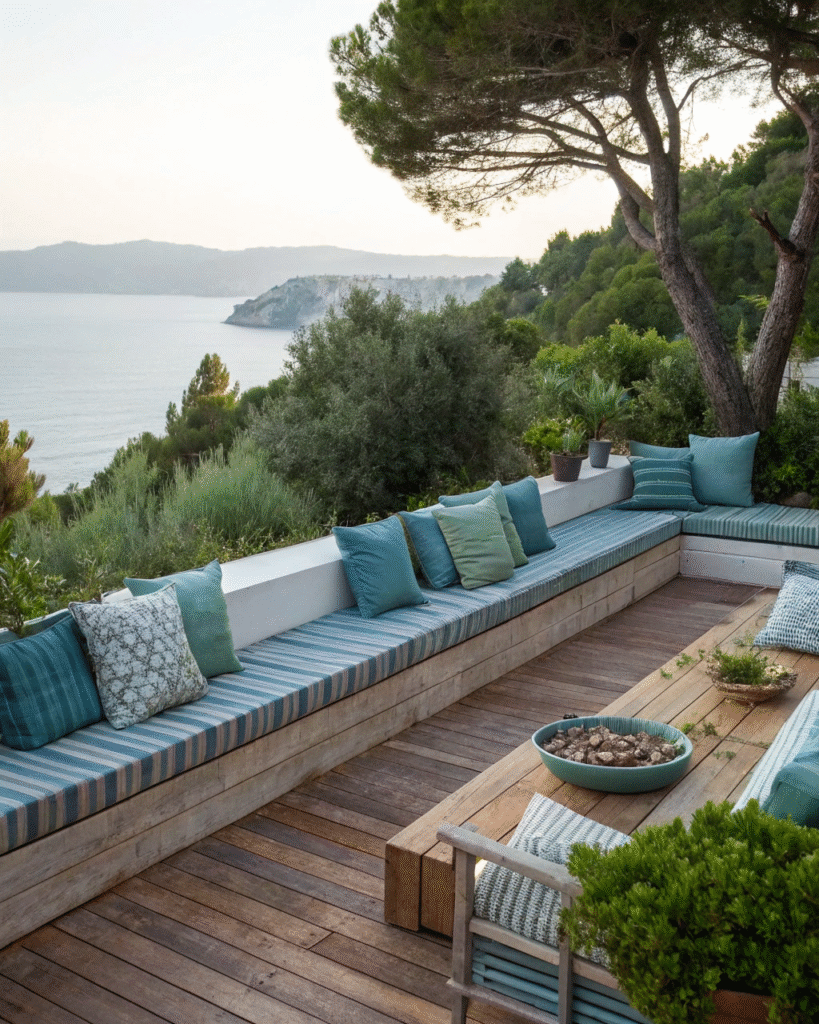
Create built-in benches with cushions for a relaxed, sociable atmosphere.
Pro Tip: Use white plaster or natural stone bases for a clean, coastal finish.
14. Bougainvillea Blooms

Add vibrant bougainvillea to infuse color and Mediterranean flair.
Pro Tip: Let it climb around pergolas or railings for a lush, romantic effect.
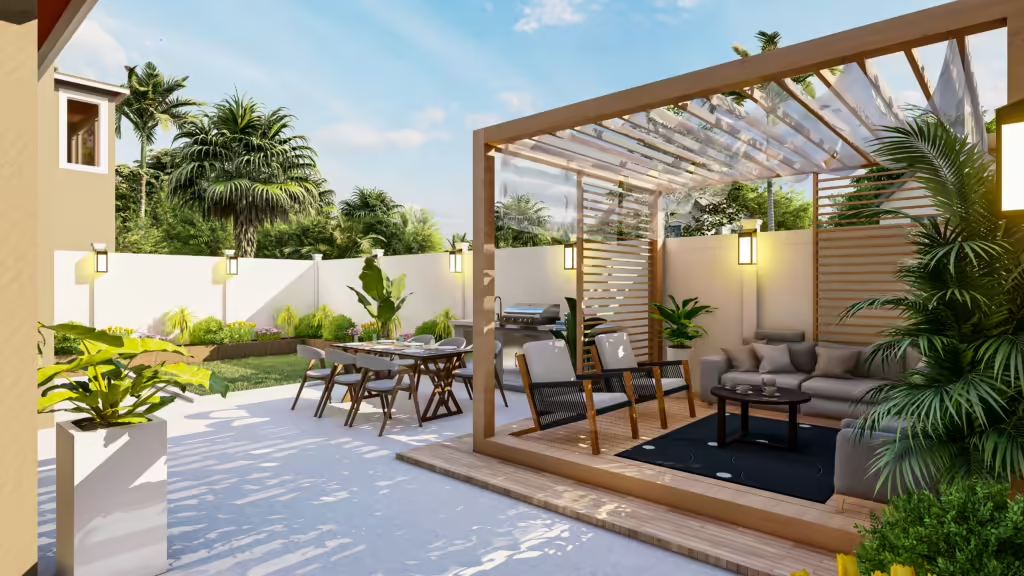
15. Outdoor Dining Zone
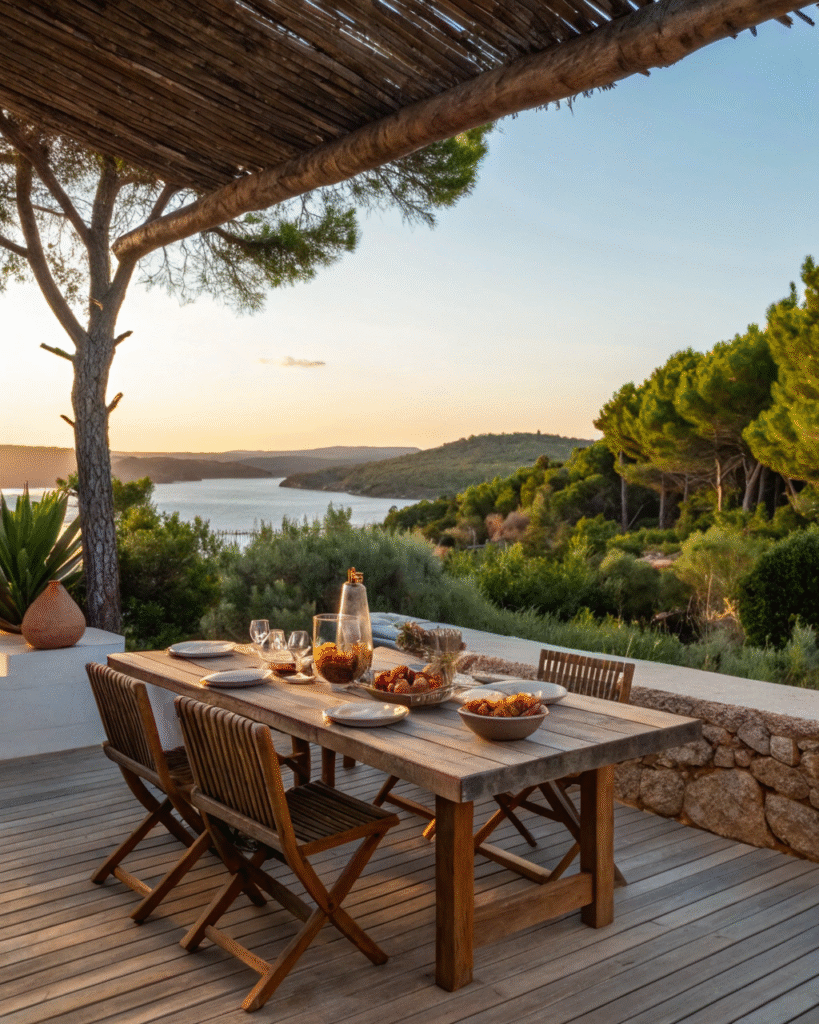
Set up a dining area with a rustic wooden table for sunset meals.
Pro Tip: Decorate with candles, glass pitchers, and woven placemats for an intimate touch.
16. Blue and White Accents

This classic pairing reflects the charm of Greek coastal design.
Pro Tip: Add soft pops of turquoise or navy for freshness and depth.
17. Water Feature Accent
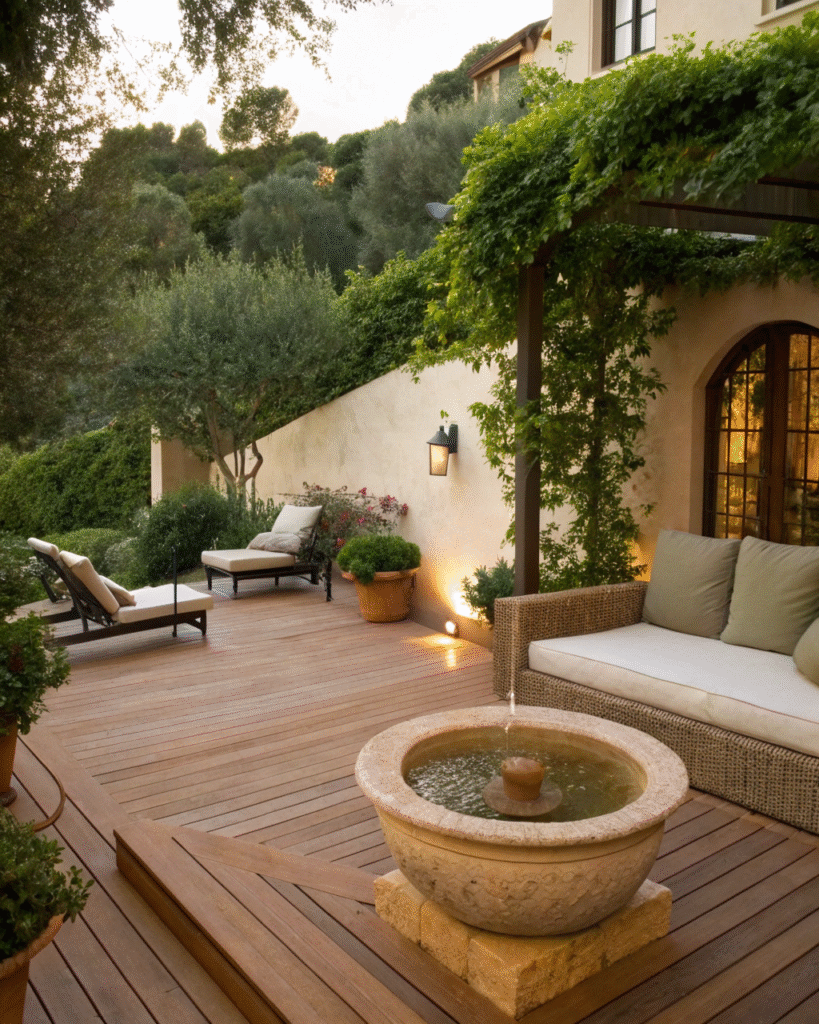
A small fountain or water bowl brings tranquility to your outdoor setup.
Pro Tip: Keep the design simple with stone or ceramic finishes for authenticity.
18. Tile Borders and Steps

Patterned tiles on steps or borders create a unique Mediterranean signature.
Pro Tip: Mix geometric and floral motifs for a handcrafted, artisanal touch.
Final Thoughts
A Mediterranean deck is not a complicated or expensive design project. It is a collection of simple, honest materials used generously and well, a table worth gathering around, lighting that makes evenings feel worth staying for, and planting that fills the air with fragrance and the space with life. Get those things right and the Mediterranean atmosphere follows naturally. The rest is just detail. Create your Mediterranean deck this season and discover what it feels like to have somewhere outside that genuinely makes you want to slow down.
Frequently Asked Questions
Do I need to live in a hot climate to create a Mediterranean deck?
Not at all. The Mediterranean aesthetic is about materials, colors, and the atmosphere of slow, unhurried outdoor living rather than a specific climate requirement. In cooler climates, you simply adapt the planting to hardy versions of Mediterranean plants like lavender, rosemary, and hardy olive varieties, choose frost-resistant terracotta, and add a pergola or covered area to extend the usable season. The warmth of the aesthetic comes from the materials and the lighting rather than from the actual weather.
What is the best flooring for a Mediterranean deck?
Frost-resistant terracotta tiles are the most authentically Mediterranean choice and the most immediately transformative. Natural limestone and sandstone are excellent alternatives with a similar warm, natural quality. Large format porcelain tiles in a terracotta or warm stone finish are the most practical low-maintenance option that still reads as Mediterranean. Avoid very dark, very cool, or very smooth polished surfaces as these sit outside the Mediterranean material vocabulary.
How do I add Mediterranean style without a big budget?
Start with three things that cost very little but deliver an enormous amount of atmosphere. Paint or whitewash a boundary wall or fence. Add two large terracotta pots with olive trees or rosemary. Install warm string lights above the main seating area. These three changes together create an immediately recognisable Mediterranean atmosphere for a very modest spend and provide the foundation that every subsequent addition builds on.
What plants work best on a Mediterranean deck in the US?
Lavender, rosemary, thyme, sage, and other Mediterranean herbs are the most practical and most universally available starting point. Olive trees in pots work well in most US climates with appropriate winter protection in frost-prone areas. Bougainvillea is excellent in warm southern states. Agapanthus, phormium, and ornamental grasses suit cooler or coastal US climates. Jasmine and climbing roses provide fragrance and the climbing plant quality that is essential to Mediterranean planting without requiring a tropical climate.
How important is the dining table to a Mediterranean deck design?
It is the most important single element. Mediterranean outdoor living is fundamentally organised around the shared meal and everything else on the deck exists to support that central experience. A generous dining table with comfortable seating for more people than you think you need, good lighting directly above it, and easy access to food and drinks from the house is the most important investment you can make in a Mediterranean deck regardless of budget.
How do I create shade on a Mediterranean deck without losing the open feel?
A pergola with widely spaced rafters that filter rather than block the sun is the most authentically Mediterranean shade solution. Fabric drapes on one or two sides add shade and privacy without fully enclosing the space. A mature climbing plant trained over the pergola creates natural, dappled shade that changes through the day in a way that fixed shade structures cannot. All of these approaches provide meaningful shade while keeping the open, connected-to-the-outdoors quality that is essential to the Mediterranean outdoor living experience.