How the rug layering size calculator works
Layering a smaller rug over a bigger one adds colour, pattern and warmth, but only if the sizes are right. If the top rug is too big the base disappears, and if it is too small it looks lost. Enter the size of your base rug, and the calculator gives the size of top rug to buy, and how much of the base will show. It has three tabs: one that sizes a top rug, one that checks the two rugs you have, and one that lists the standard top rugs for your base.
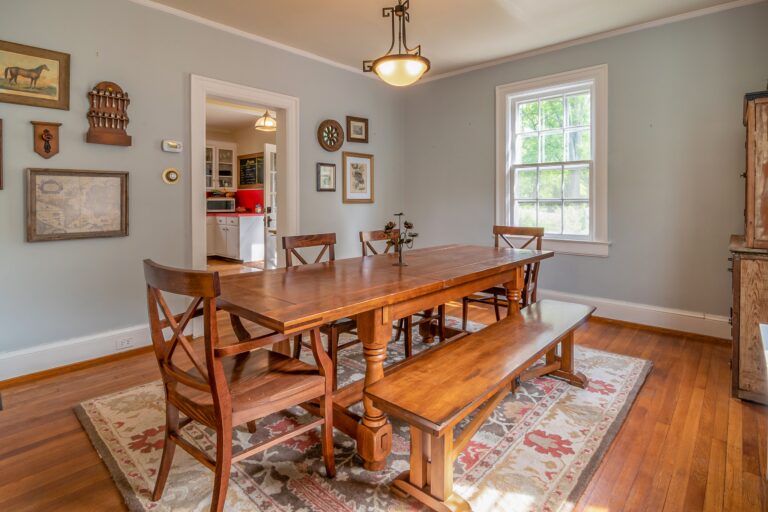
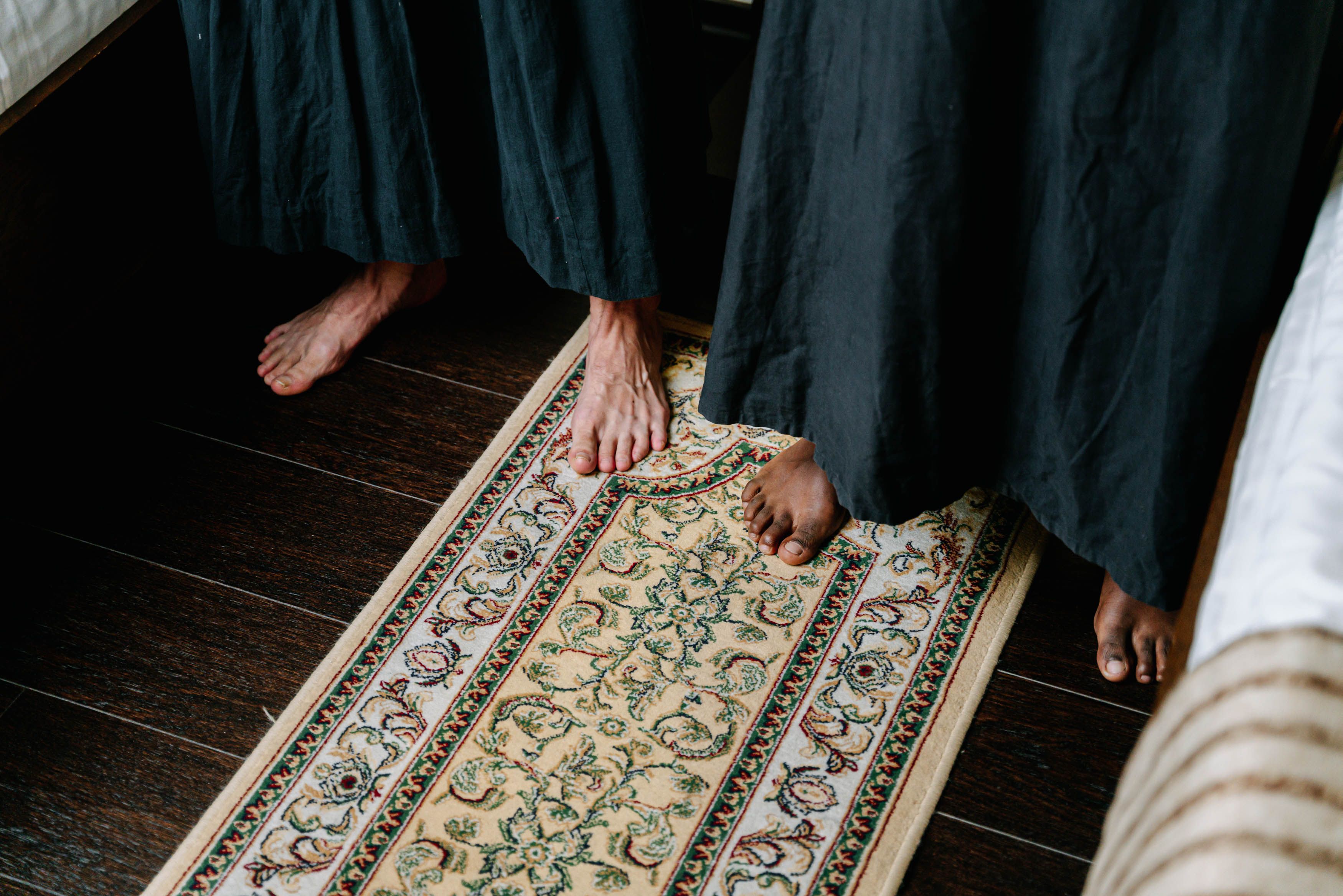
The base rug is usually a flat weave, such as jute or sisal, in a plain colour. The top rug is smaller, with a pattern or a colour of its own.
The rules it uses
| Part | Rule |
|---|---|
| Base showing at each side | 12 to 24 in, and 18 in is the classic look |
| Share of the base covered | 35 to 65% looks balanced |
| Centred and straight | The top rug is the base less the base showing on each side |
| Turned on a diagonal | The corners of the top rug count, which is the width plus the length, divided by 1.41 |
| A round rug on top | The width of the base, less the base showing on each side |
| Standard top rugs | 2 by 3, 3 by 5, 4 by 6, 5 by 7, 5 by 8, 6 by 9, 8 by 10, 9 by 12 and 10 by 14 ft |
Worked examples
A base rug of 8 ft by 10 ft, with 18 in showing, and the top rug centred
The top rug is 5 ft by 7 ft. It covers 44% of the base, and leaves 18 in of base at the sides and 18 in at the ends.
The same base, with the top rug turned on a diagonal
A turned rug needs more room, so only a rug of 2 ft by 3 ft fits. It covers only 8% of the base, so a diagonal layer suits a larger base.
The same base, with a round rug on top and 24 in showing
The round rug is 4 ft across. It covers 16% of the base, and leaves 24 in at the sides and 36 in at the ends.
A base rug of 5 ft by 7 ft
Only a rug of 2 ft by 3 ft fits, with 18 in showing, and it covers 17% of the base. The base is too small for a layer of any size.
A top rug of 5 ft by 7 ft on a base of 8 ft by 10 ft
It leaves 18 in at each side and each end and covers 44%, so every check is good. A top rug of 90 in by 130 in, turned, is too big, and covers 102%.
Standard top rugs for a base of 8 ft by 10 ft with 18 in showing
Four sizes fit: 2 by 3, 3 by 5, 4 by 6 and 5 by 7 ft. A rug of 5 by 8 ft is tight, and 6 by 9 ft is too crowded.
Common mistakes
- Choosing two rugs of the same pattern, so that the layers are lost.
- Choosing a top rug that is almost as big as the base.
- Putting a thick rug on a thick rug, which trips people.
- Forgetting a rug pad, so the layers slide.
- Laying the top rug at an angle without leaving enough room.