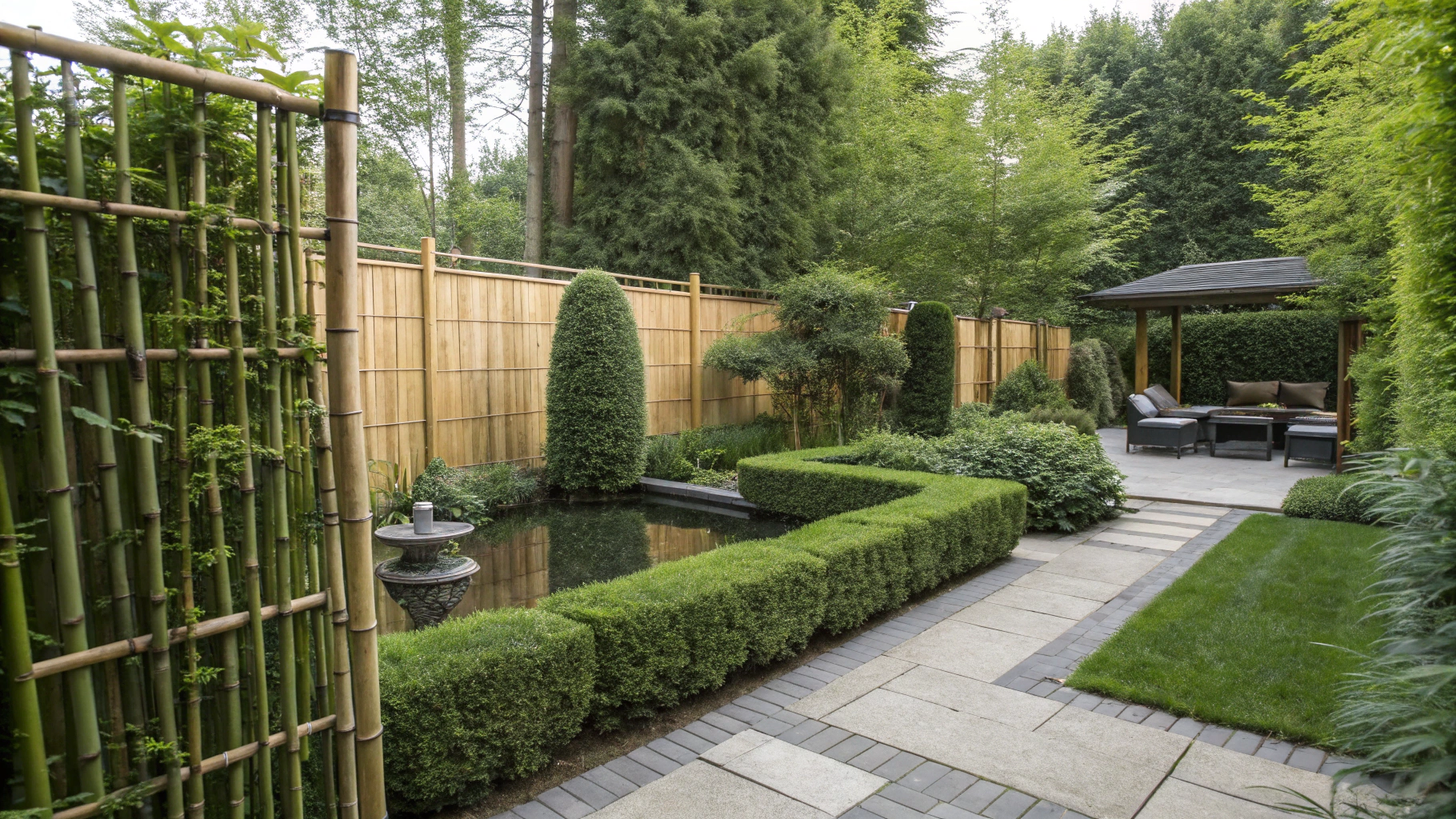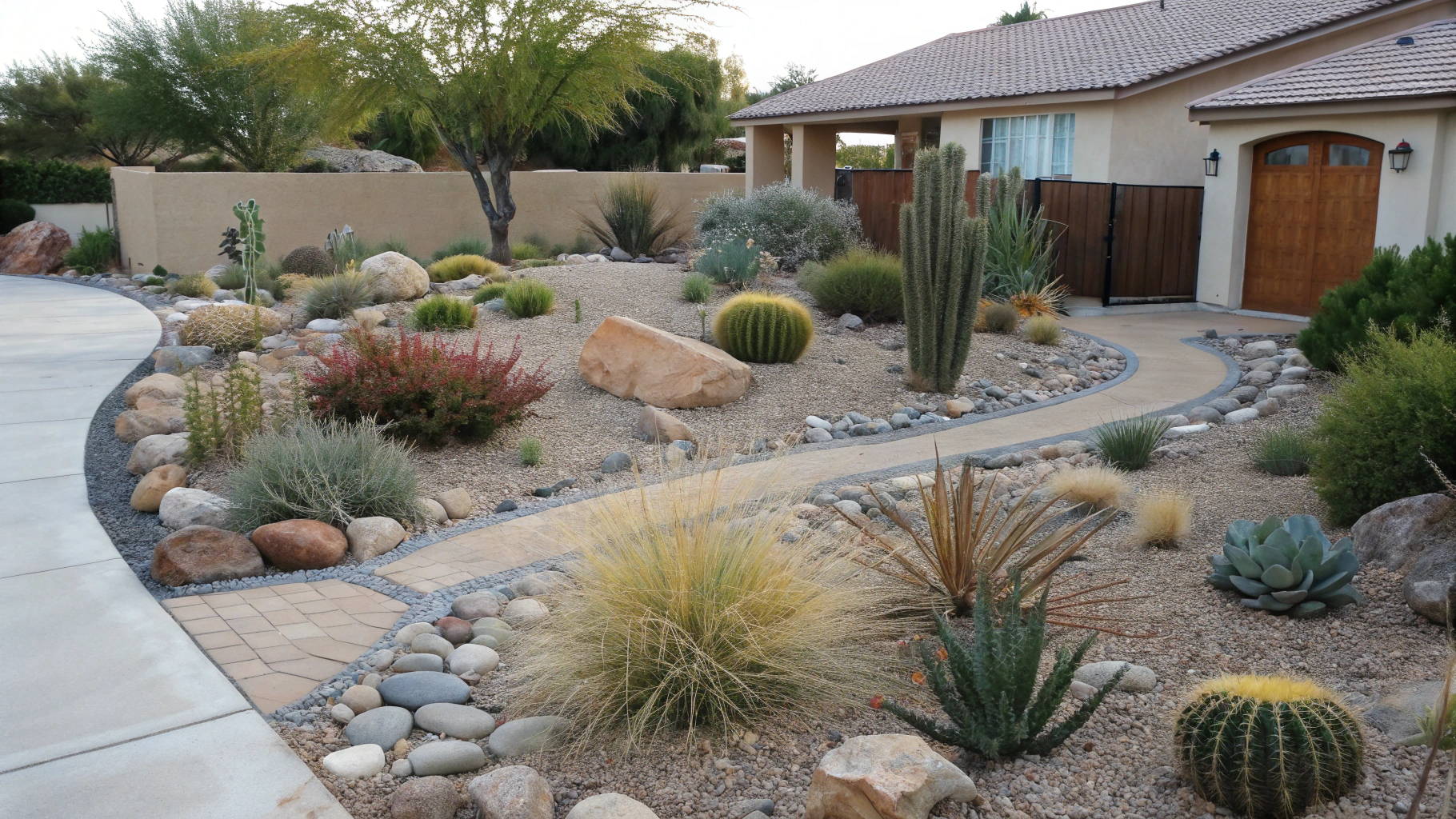
15+ Unique Xeriscape Landscaping Ideas for Dry Climates
Want a yard that looks beautiful without constant watering and maintenance? Xeriscape landscaping is one of the smartest ways to design a stunning outdoor space for dry climates while conserving water and reducing upkeep. Instead of relying on thirsty lawns and high-maintenance flower beds, xeriscaping uses drought-tolerant plants, decorative stone, gravel, and efficient layouts to create landscapes that thrive naturally in hot and arid conditions.
Whether you prefer modern minimalist yards, desert-inspired gardens, Mediterranean courtyards, or lush low-water retreats, these unique xeriscape landscaping ideas will help you create a stylish and sustainable outdoor space that stays attractive year-round.
Why Xeriscape Landscaping Works So Well in Dry Climates
Xeriscaping is specifically designed to reduce water use while still creating visually rich and functional landscapes. It’s especially popular in regions with hot summers, drought restrictions, or naturally dry environments.
Benefits of xeriscape landscaping include:
Love Chic Living Club?
Add us as one of your preferred Google sources and discover more home decor, DIY, outdoor, and lifestyle inspiration from us.
- Lower water bills
- Reduced maintenance
- Better drought resistance
- Less lawn care
- Improved drainage
- Long-lasting curb appeal
Xeriscaping also works beautifully in modern, rustic, desert, Mediterranean, and minimalist landscape styles.
How to Make Xeriscaping Look Stylish Instead of Bare
One misconception about xeriscaping is that it looks empty or overly rocky. The best xeriscape landscapes balance greenery, texture, and hardscaping to create a polished and inviting appearance.
Use Multiple Plant Layers
Mix tall plants, shrubs, grasses, and ground cover to create depth.
Add Decorative Stone & Gravel
Natural textures help define spaces while reducing maintenance.
Include Focal Points
Statement plants, boulders, fire pits, or water features add visual interest.
Combine Soft & Hard Materials
Mixing greenery with wood, stone, and gravel prevents the landscape from feeling harsh.
Best Materials for Xeriscape Landscaping
| Material | Best For | Benefits |
| Gravel | Ground cover | Excellent drainage |
| River Rocks | Decorative accents | Low maintenance |
| Mulch | Plant beds | Moisture retention |
| Natural Stone | Pathways & borders | Timeless texture |
| Concrete Pavers | Modern hardscaping | Durable and clean |
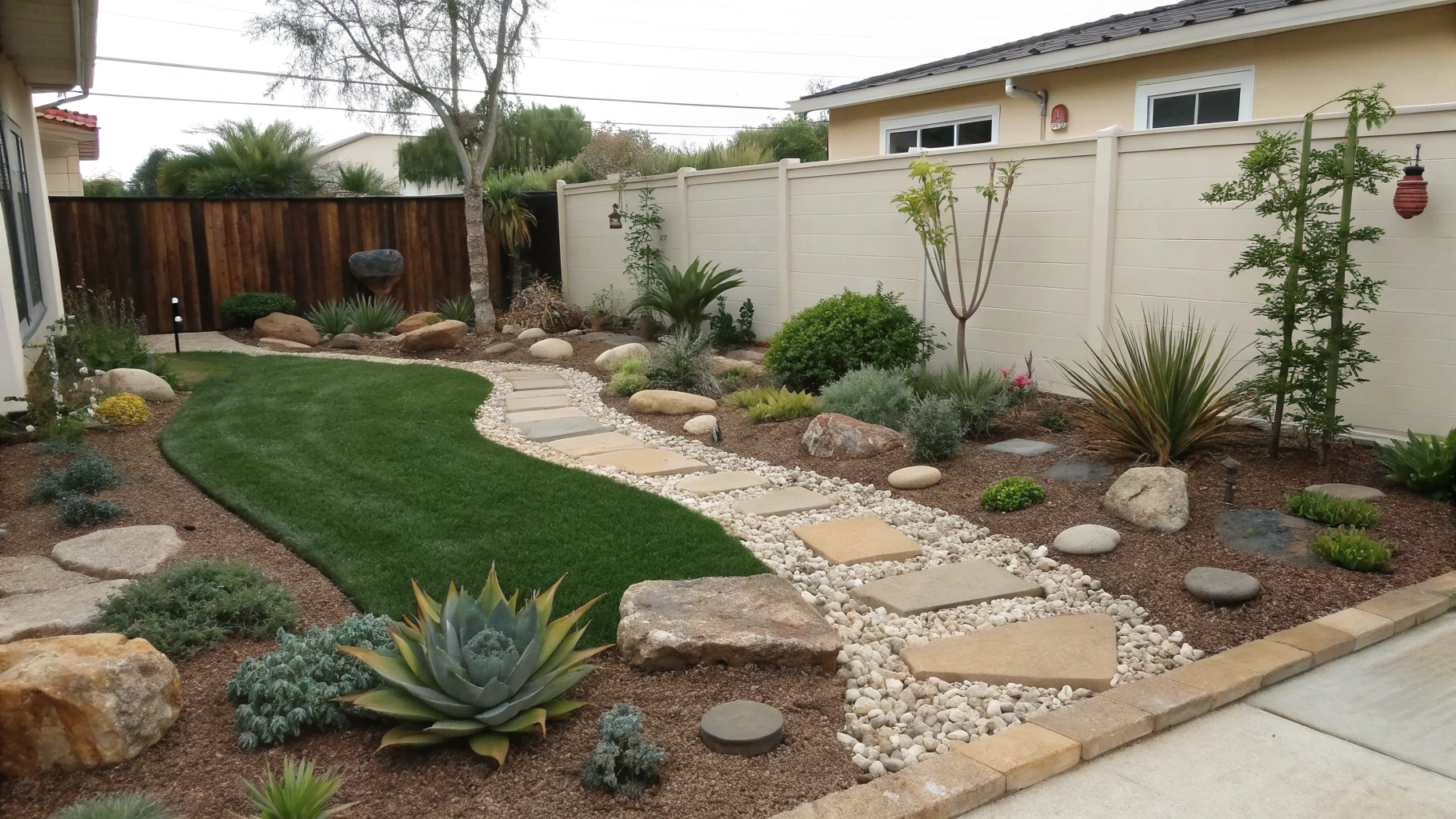
1. Create a Modern Gravel Landscape
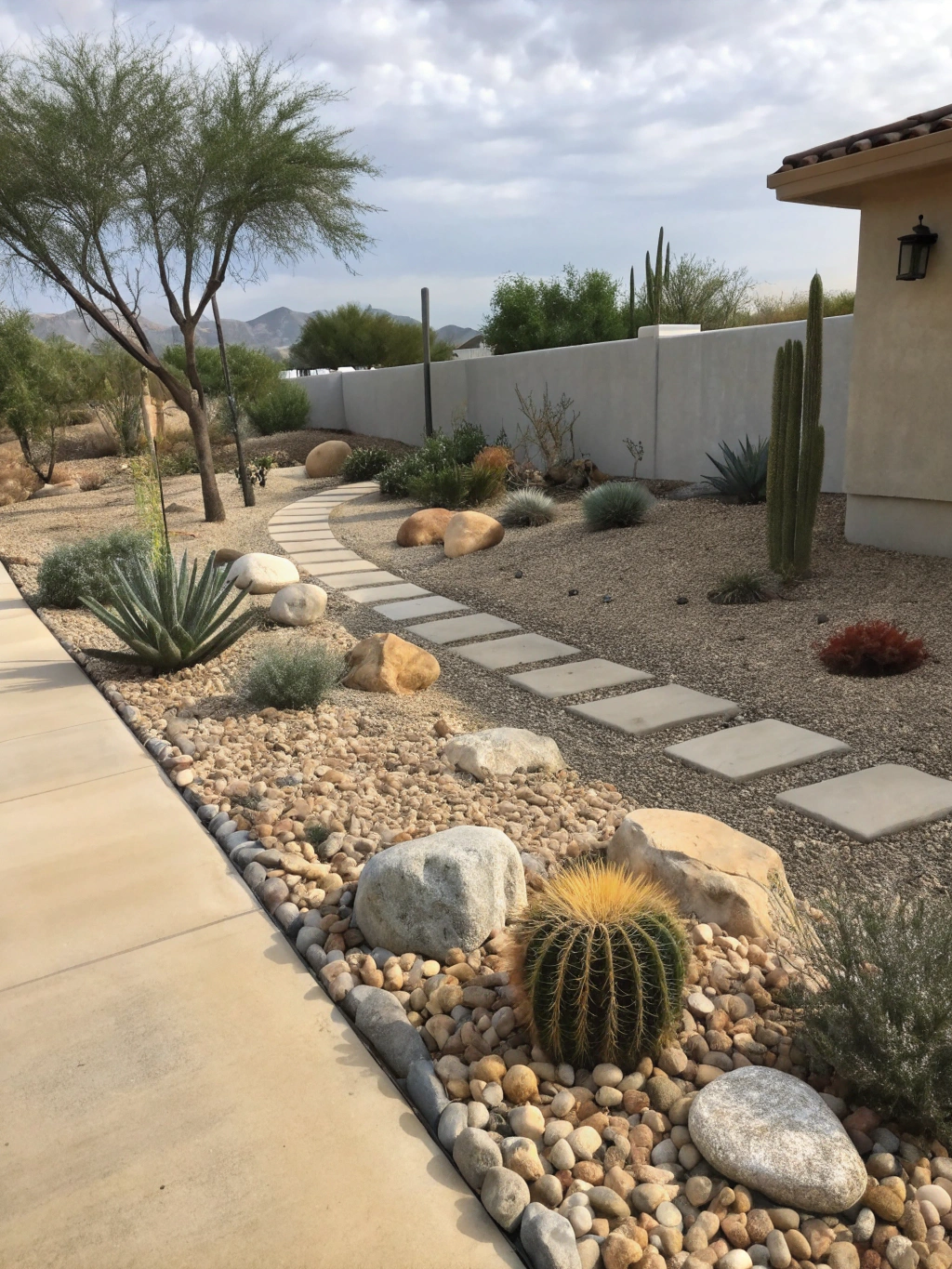
Gravel landscaping is one of the most popular xeriscape designs because it reduces water use while creating a clean and contemporary look.
Best Gravel Types
- Pea gravel
- Crushed granite
- Desert gravel
- Decorative stone
Why It Works
- Low maintenance
- Excellent drainage
- Affordable installation
- Modern aesthetic
Design Tip
Use large stepping stones throughout gravel areas to create visual structure.
2. Add Drought-Tolerant Succulents
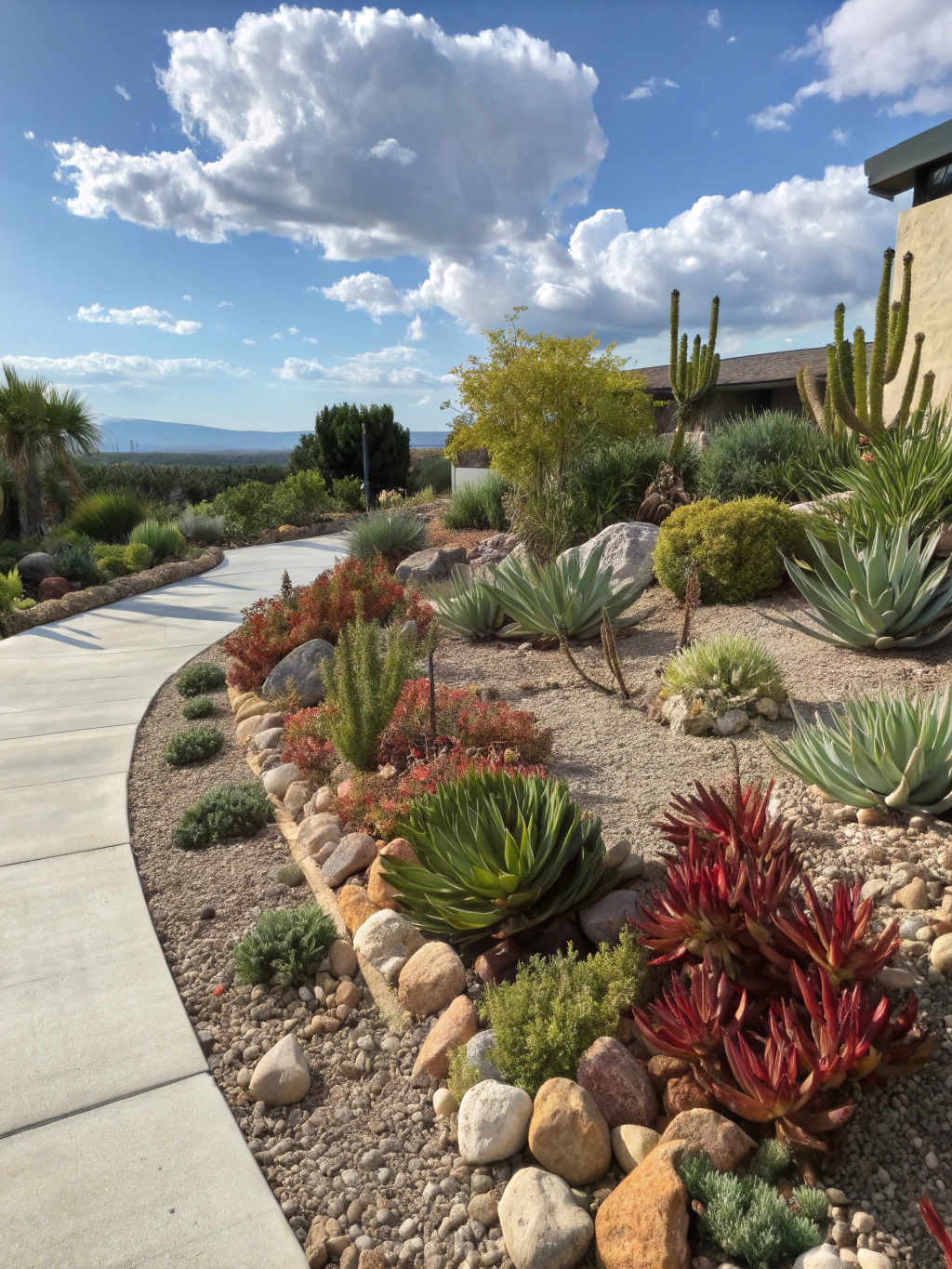
Succulents thrive in dry climates while adding sculptural texture and visual interest.
Best Succulents for Xeriscaping
- Agave
- Aloe
- Echeveria
- Sedum
- Hens and chicks
Why Homeowners Love It
- Minimal watering
- Unique shapes
- Easy maintenance
- Strong visual impact
Best Pairings
Succulents pair beautifully with gravel, river rocks, and modern hardscaping.
3. Replace Grass with Decorative Rock
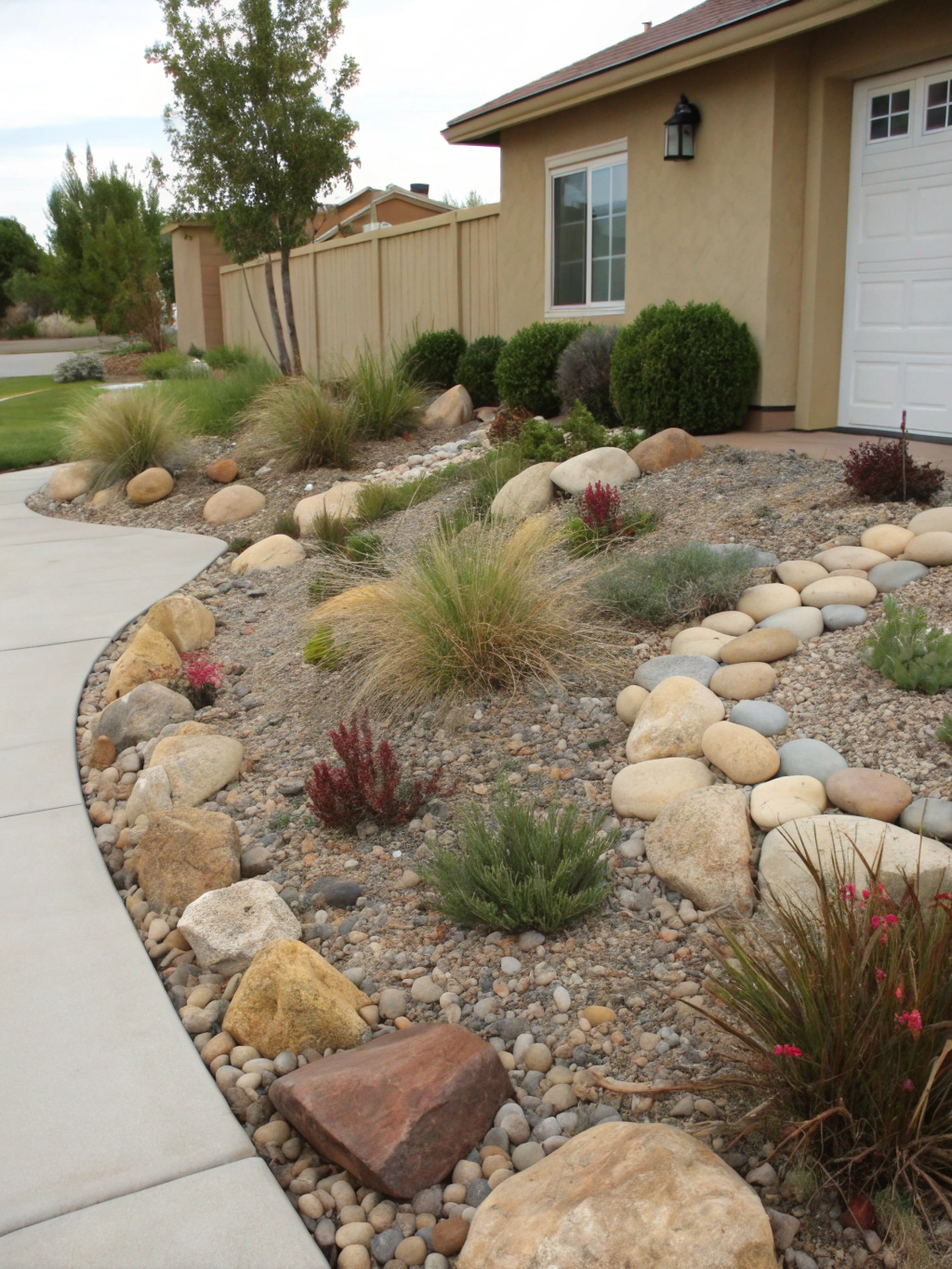
Traditional lawns require heavy watering, especially in dry climates. Decorative rock creates a low-maintenance alternative.
Best Decorative Rock Options
- River rocks
- Lava rocks
- Crushed stone
- Desert pebbles
Why It Works
Rock landscaping reduces water use while adding texture and contrast.
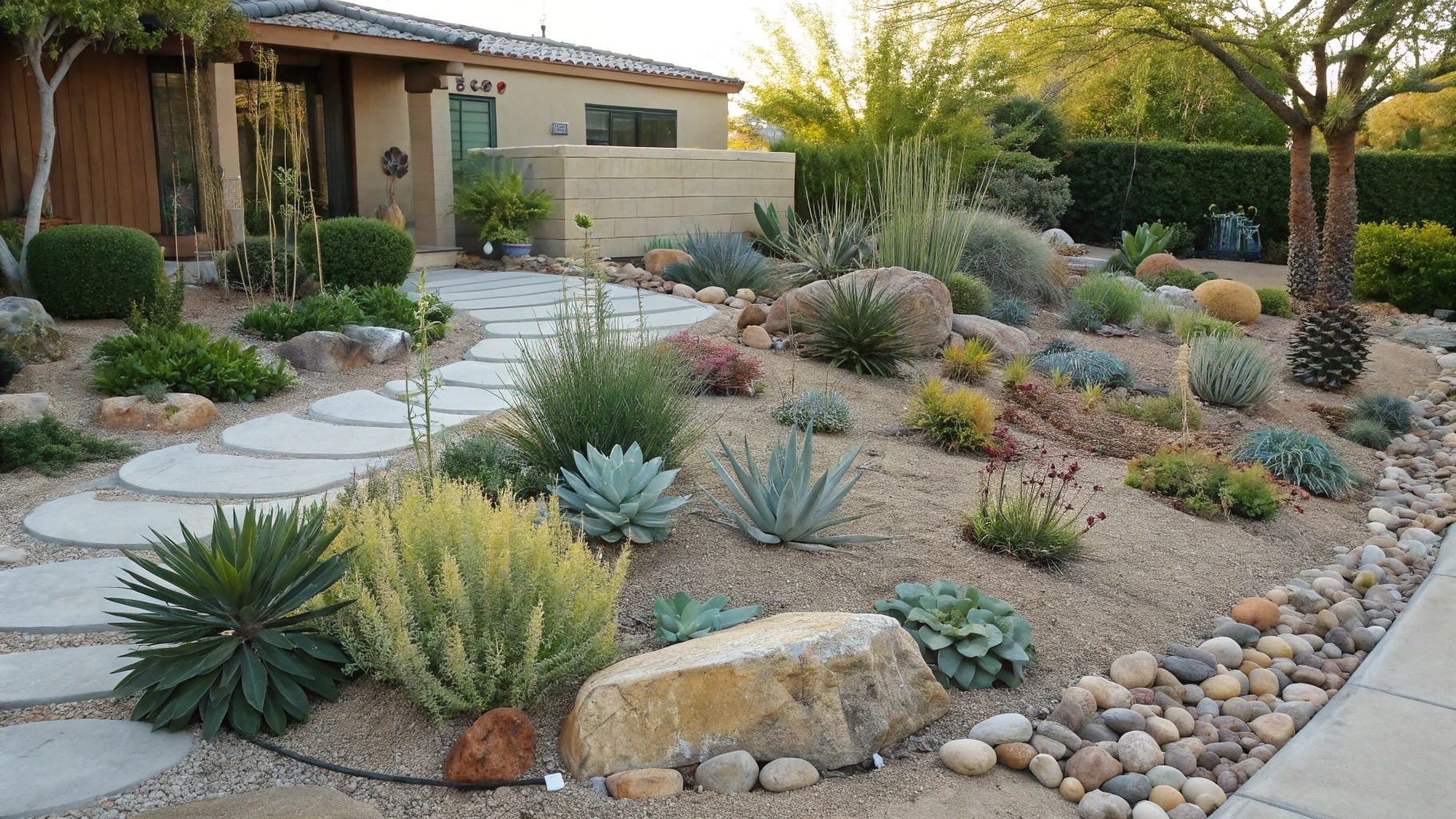
4. Create a Desert-Inspired Xeriscape Garden
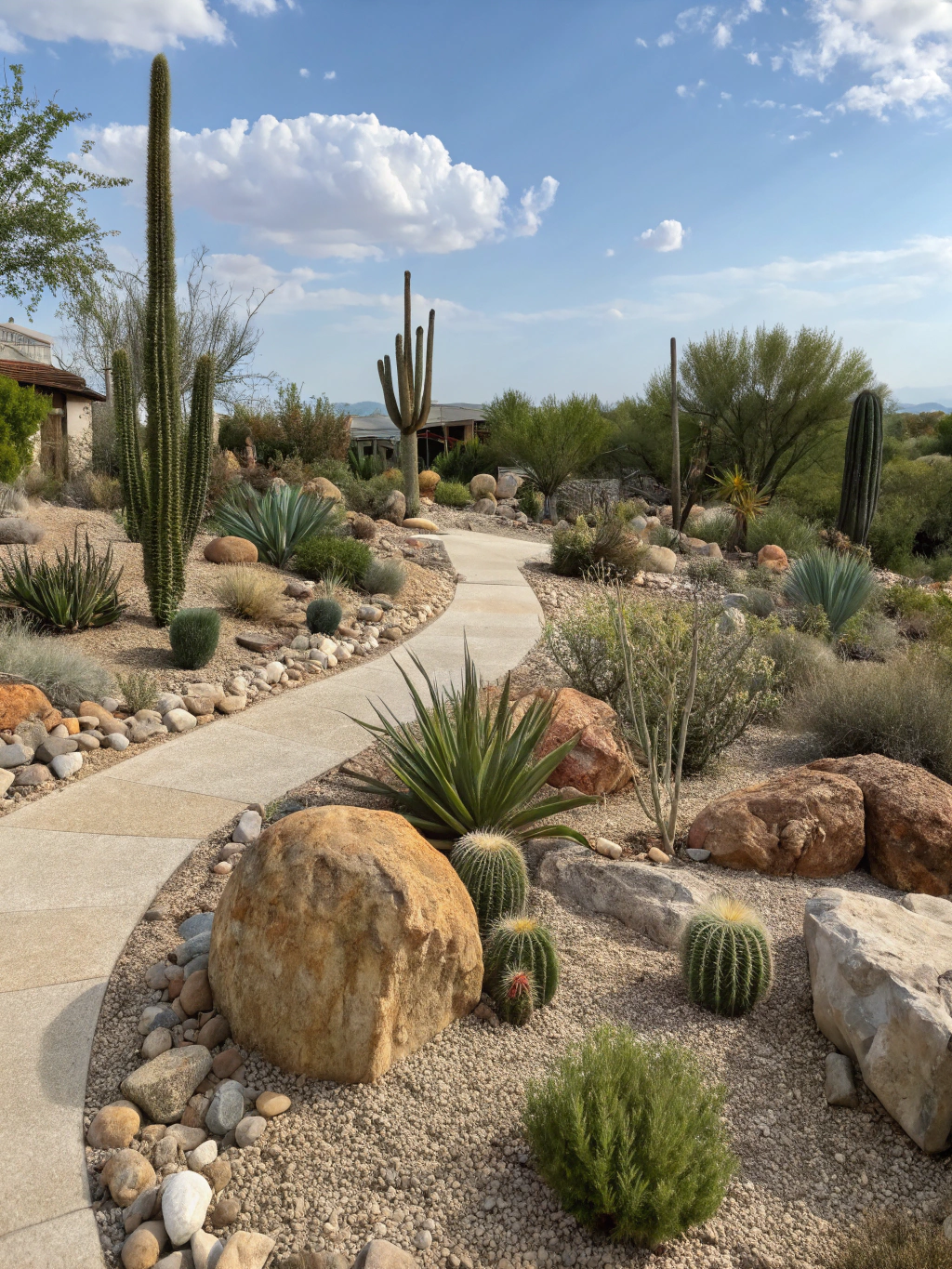
Desert gardens combine bold architectural plants with natural stone for a dramatic landscape appearance.
Best Desert Plants
- Cacti
- Agave
- Yucca
- Barrel cactus
Best Design Features
- Large boulders
- Gravel pathways
- Minimal greenery
- Natural stone accents
Why It Works
Desert-inspired landscapes thrive naturally in hot climates.
5. Add Ornamental Grasses for Movement & Texture
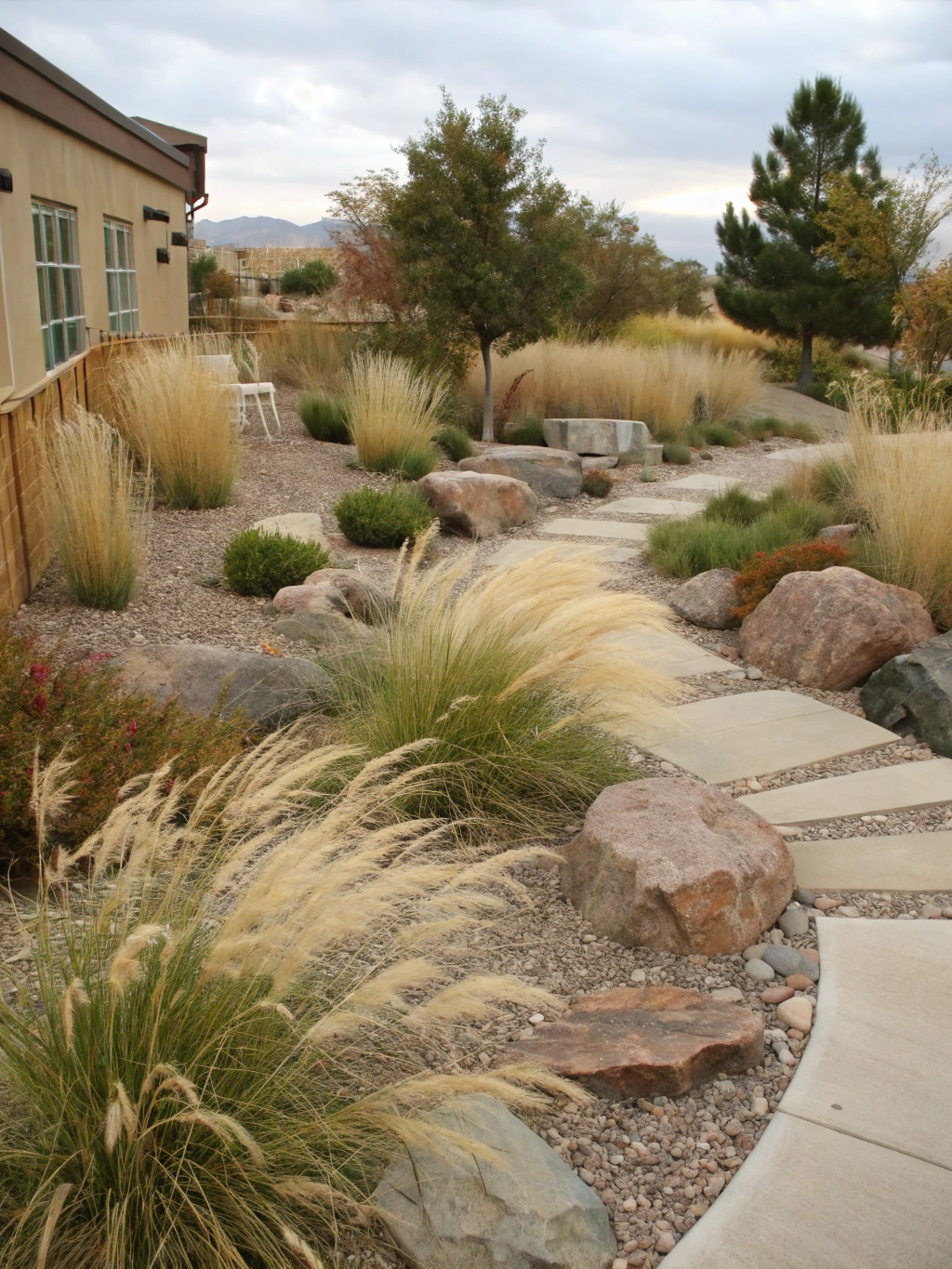
Ornamental grasses soften xeriscape landscapes while requiring very little water.
Best Ornamental Grasses
- Blue fescue
- Mexican feather grass
- Fountain grass
- Deer grass
Why It Works
Grasses create movement and visual softness among stone and gravel.
6. Use Native Plants Throughout the Landscape
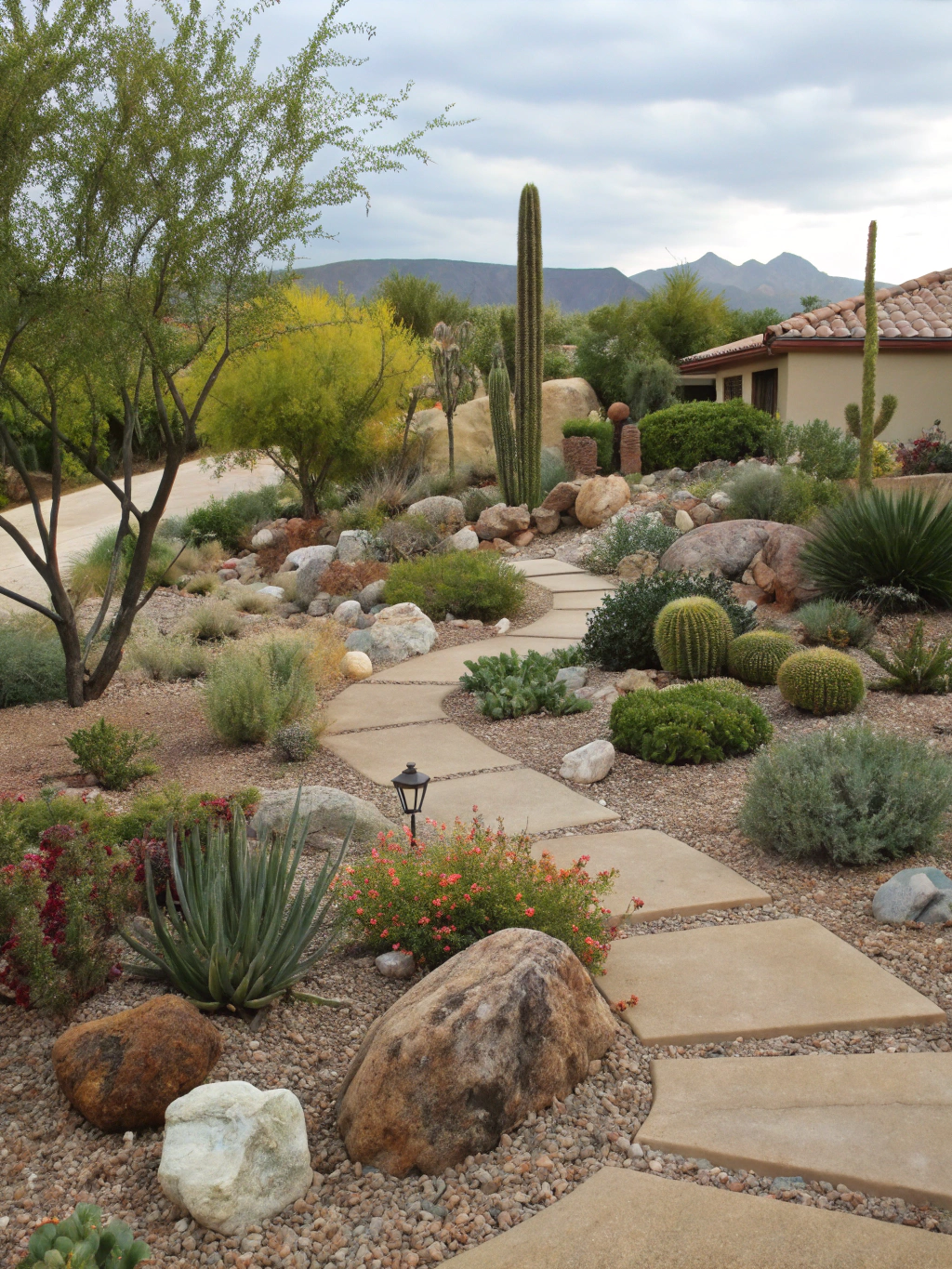
Native plants naturally adapt to local weather and require less irrigation.
Best Native Plant Ideas
- Salvia
- Lavender
- Yarrow
- Coneflowers
- Sage
Why It Works
Native landscaping is more resilient and eco-friendly.
7. Create a Xeriscape Front Yard
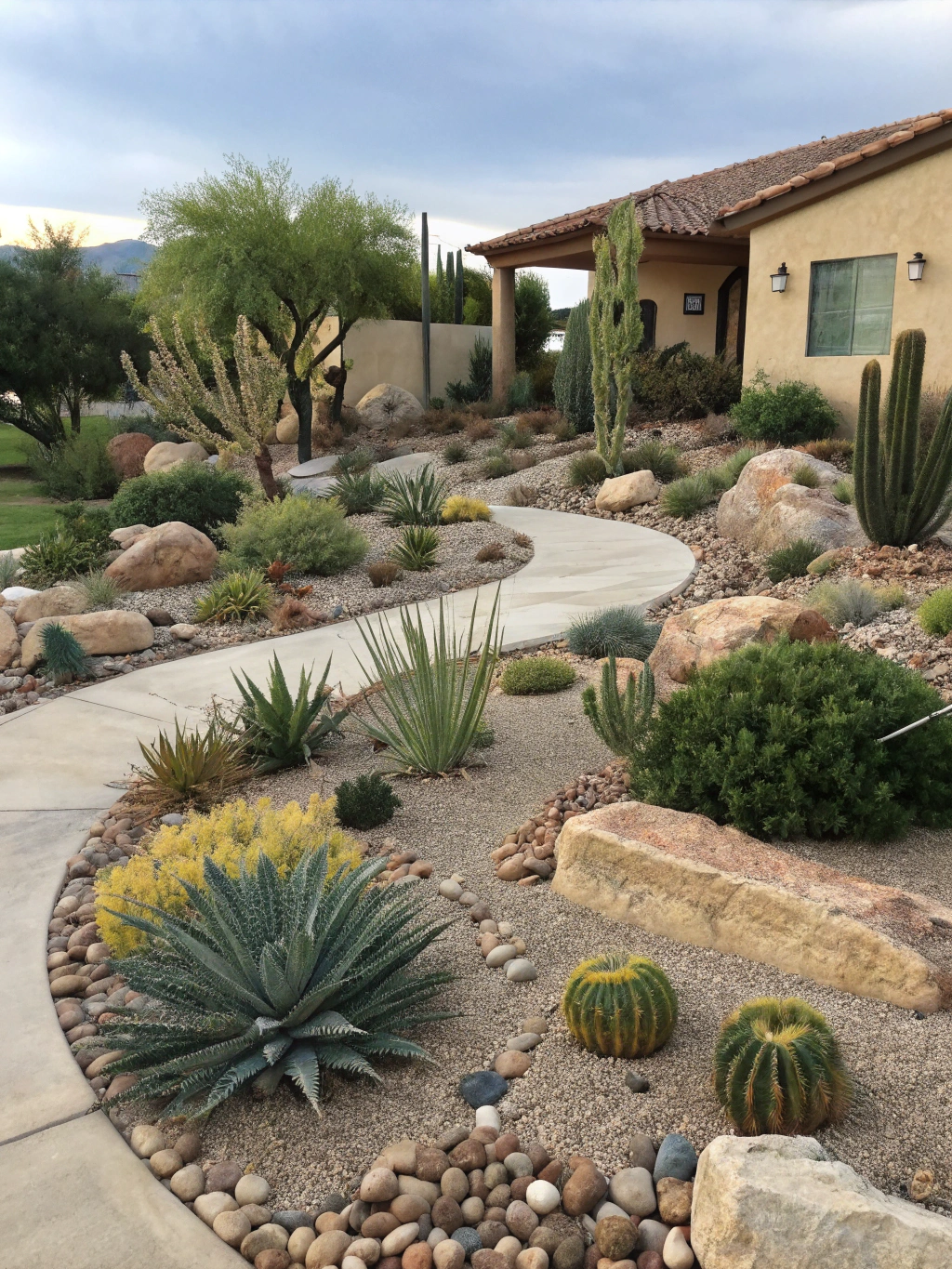
Front yard xeriscaping boosts curb appeal while dramatically reducing maintenance.
Best Front Yard Features
- Gravel beds
- Native shrubs
- Decorative boulders
- Drought-tolerant flowers
Why It Works
Simple low-water layouts often look cleaner and more modern.
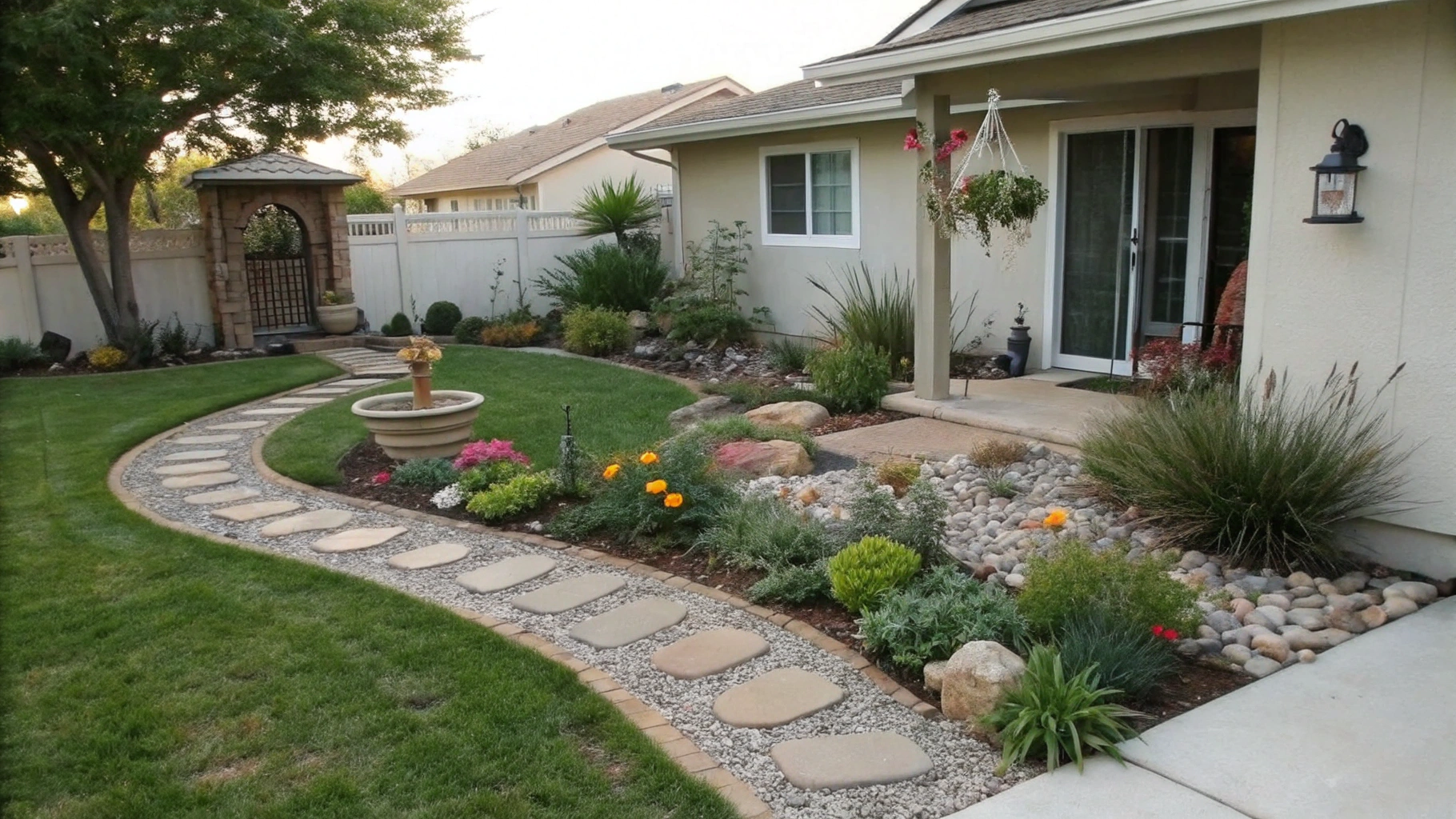
8. Add Stone Pathways Through the Landscape
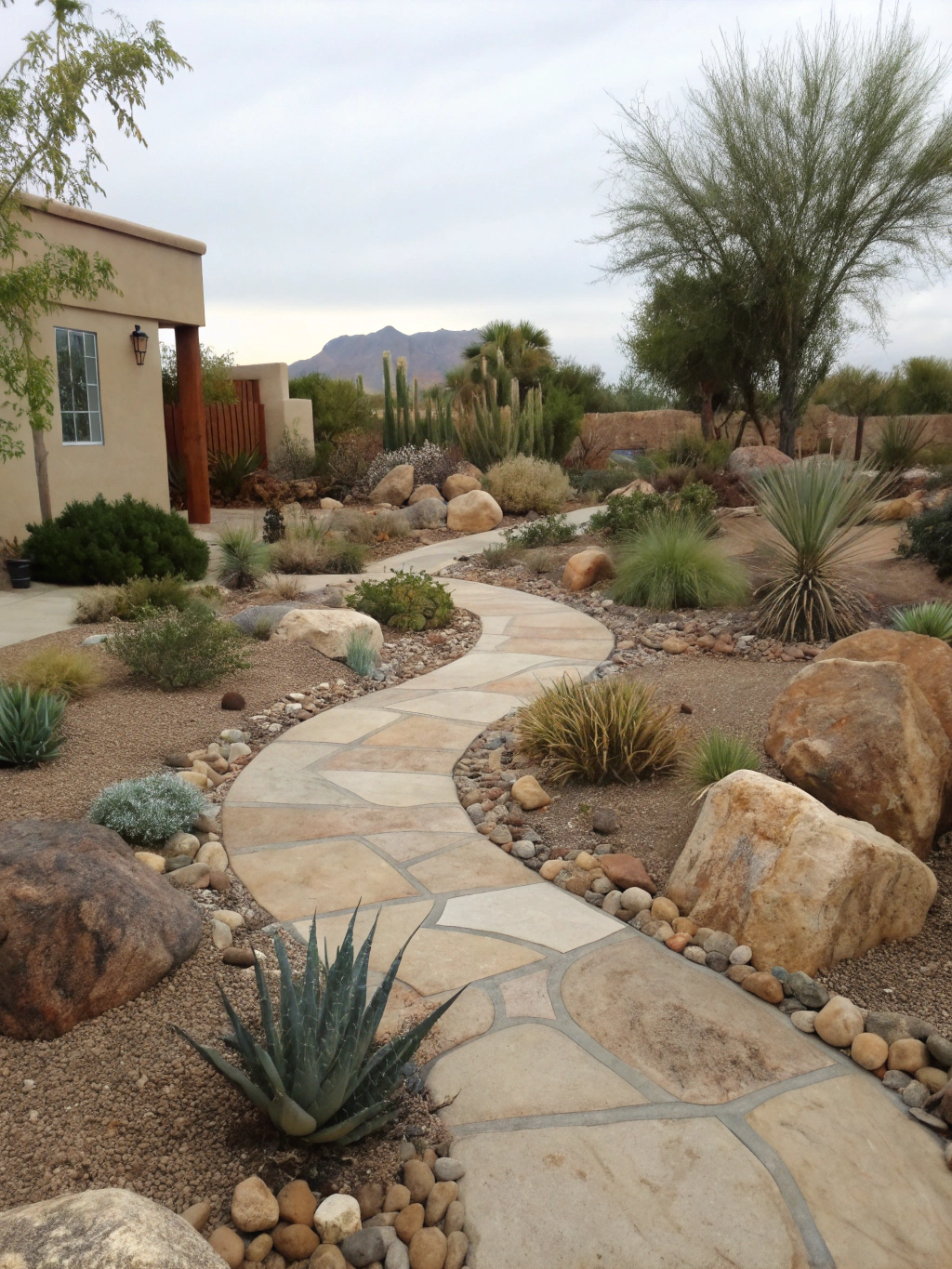
Stone walkways improve flow while adding structure to xeriscape gardens.
Best Pathway Materials
- Flagstone
- Gravel
- Stepping stones
- Concrete pavers
Why It Works
Pathways create contrast while reducing lawn space.
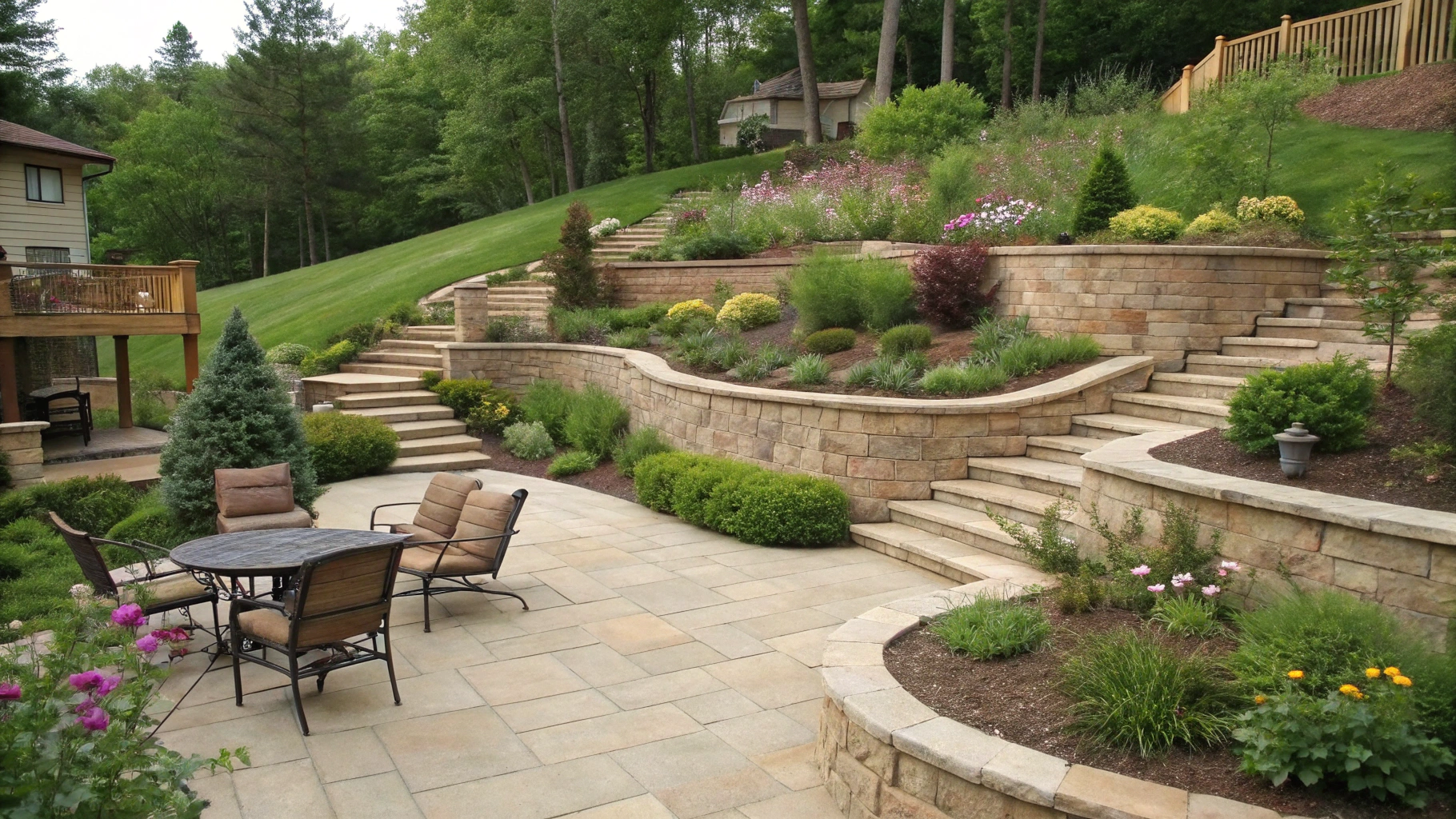
9. Build Raised Xeriscape Garden Beds
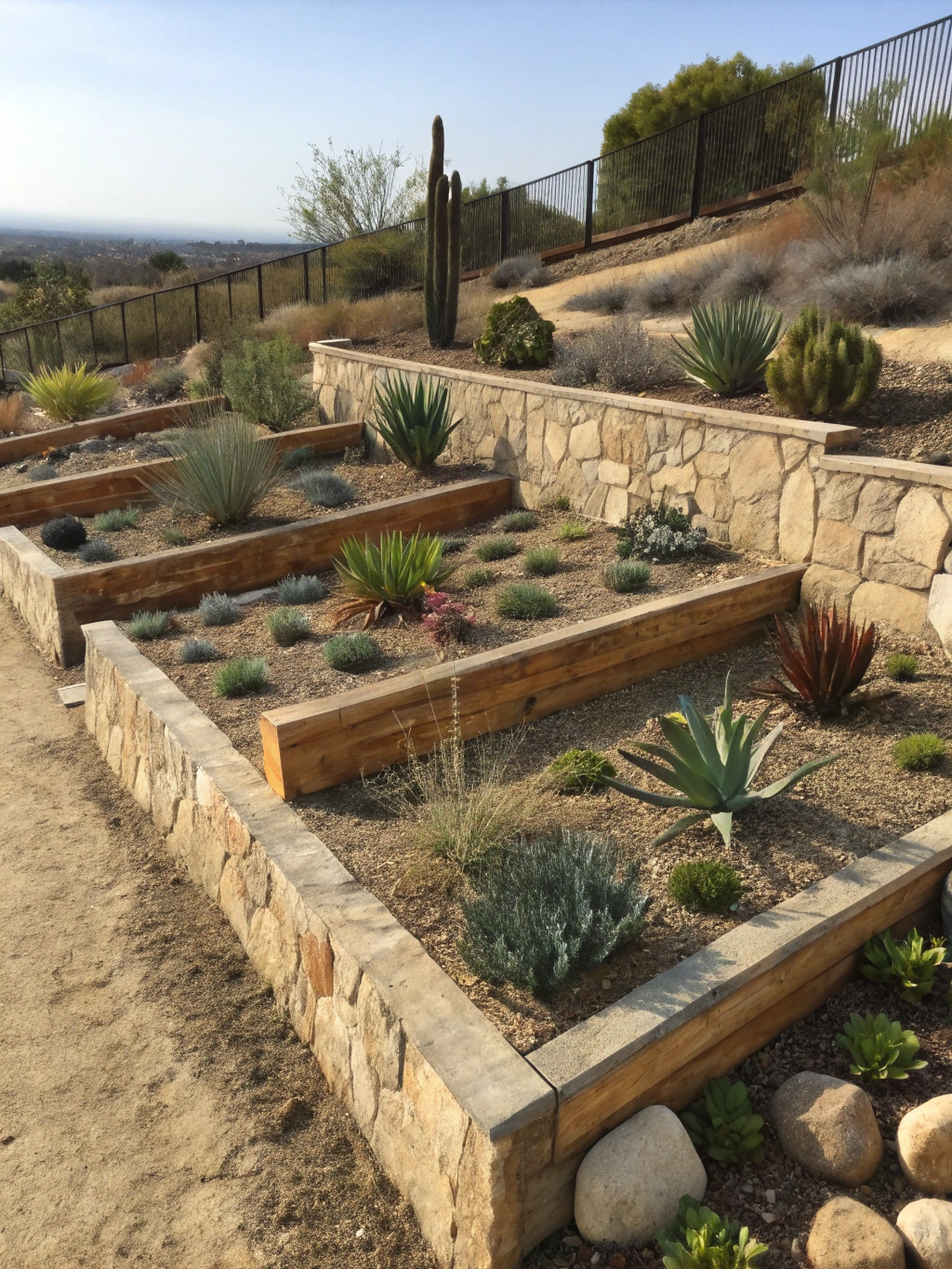
Raised beds help organize xeriscape plants while improving drainage.
Best Plants for Raised Beds
- Succulents
- Lavender
- Ornamental grasses
- Native perennials
Why It Works
Raised planters create visual layers and cleaner structure.
10. Add a Dry Creek Bed for Drainage & Texture
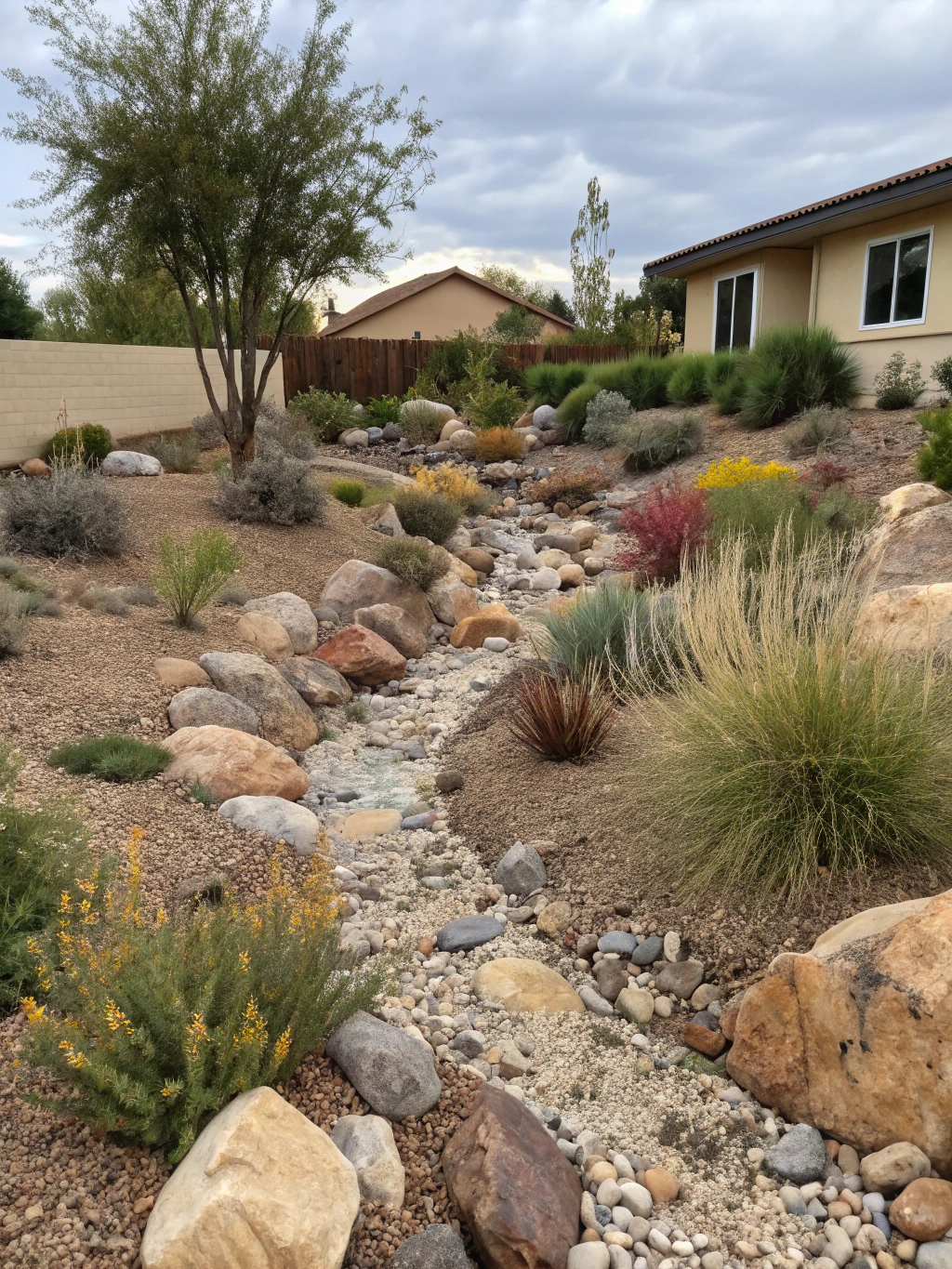
Dry creek beds mimic natural water flow using rocks and gravel.
Best Dry Creek Materials
- River rocks
- Decorative gravel
- Large accent stones
Why It Works
- Improves drainage
- Prevents erosion
- Adds natural movement
Design Tip
Curved creek bed layouts feel more natural and visually appealing.
11. Use Mulch Around Plants to Retain Moisture
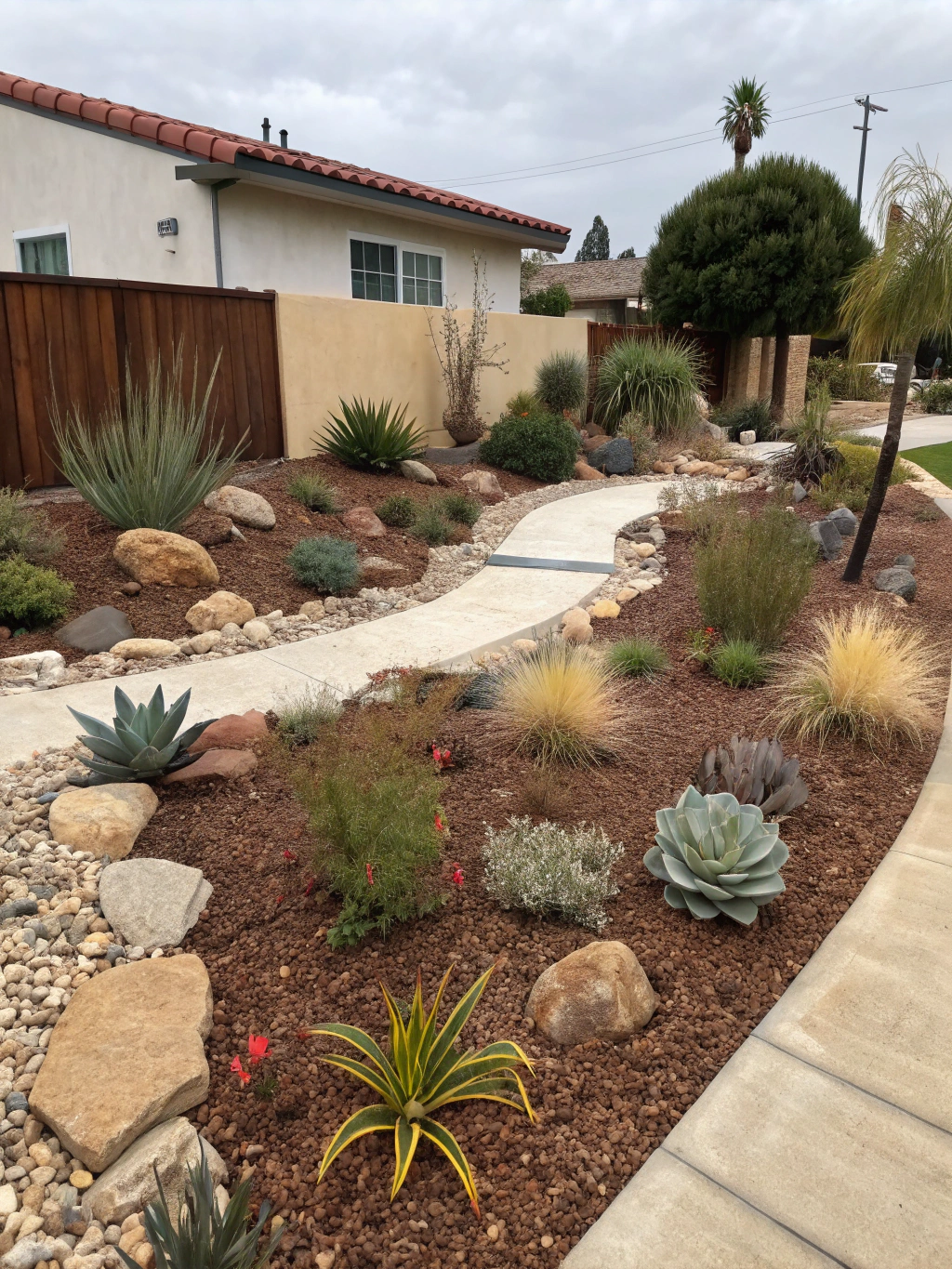
Mulch helps reduce evaporation while keeping plant roots cooler.
Best Mulch Types
- Bark mulch
- Cedar mulch
- Wood chips
Why It Works
- Conserves moisture
- Reduces weeds
- Improves soil health
12. Create a Mediterranean-Style Xeriscape
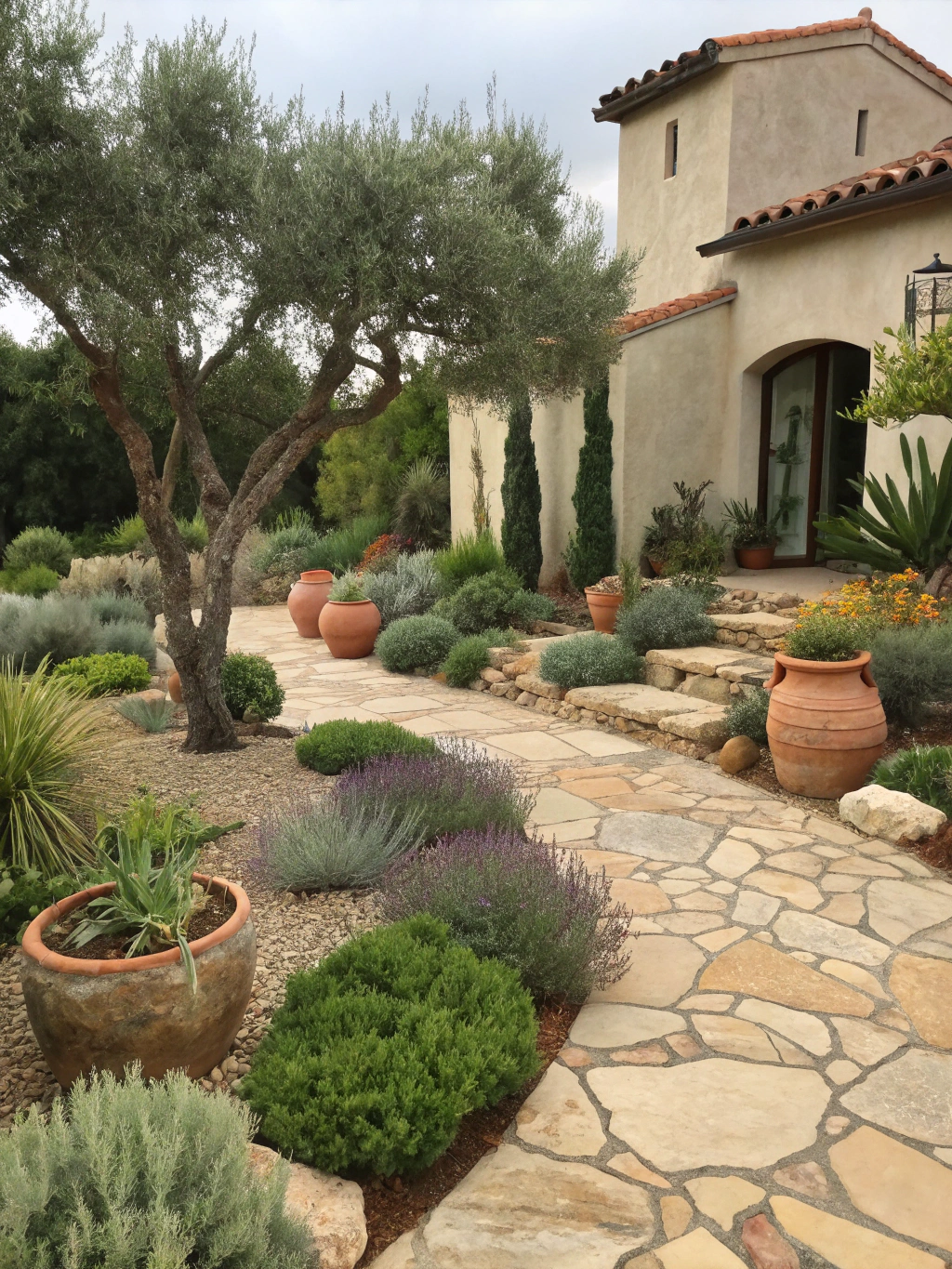
Mediterranean landscapes combine drought-tolerant plants with warm natural textures.
Best Mediterranean Plants
- Olive trees
- Lavender
- Rosemary
- Cypress
Best Design Features
- Terracotta planters
- Stone pathways
- Gravel courtyards
Why It Works
Mediterranean gardens feel timeless, warm, and elegant.
13. Add Shade Trees for Natural Cooling
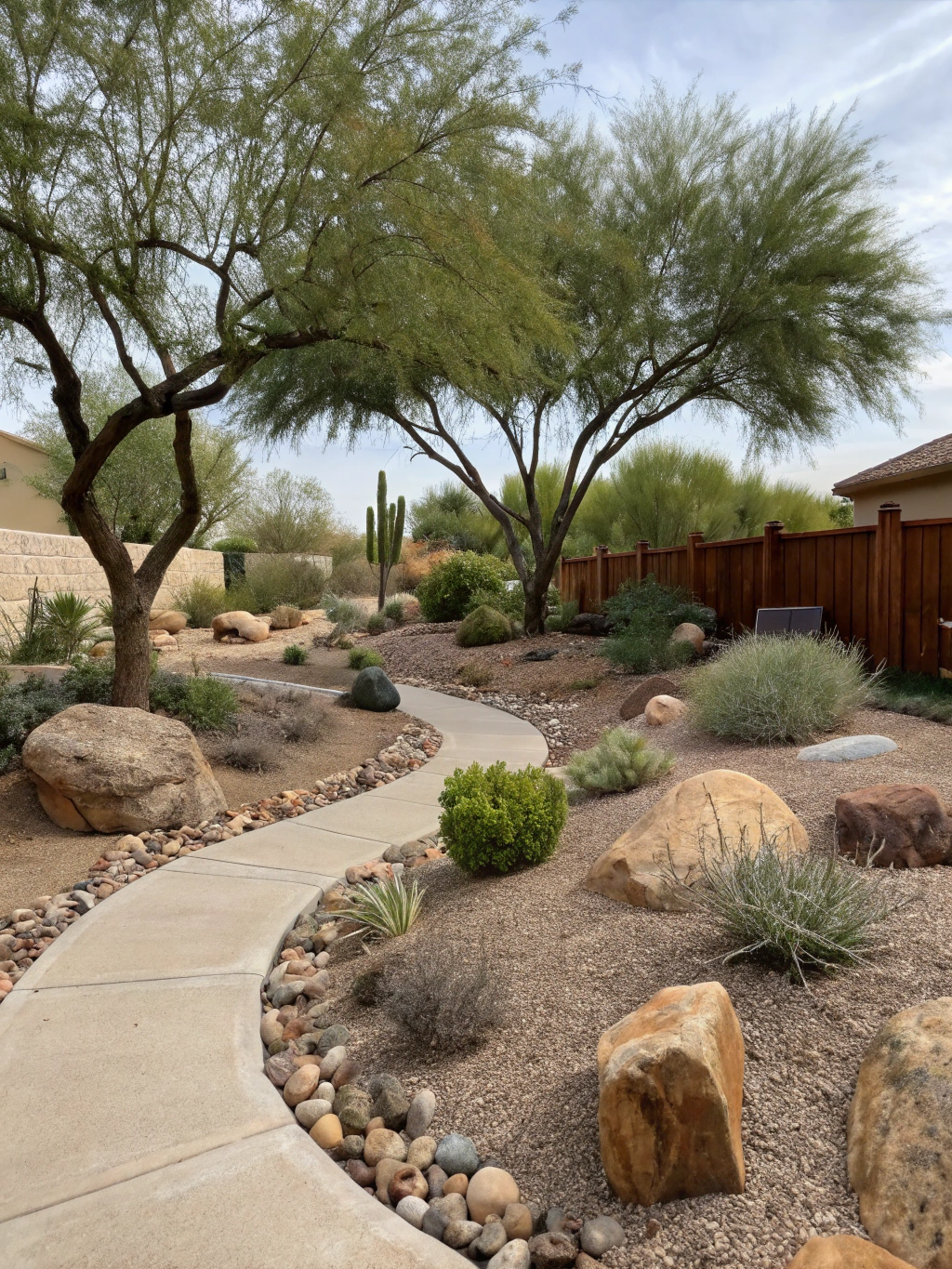
Trees help cool outdoor spaces and reduce soil drying.
Best Xeriscape Trees
- Olive trees
- Palo verde
- Desert willow
- Acacia
Why It Works
Shade improves comfort while protecting nearby plants.
14. Create a Minimalist Xeriscape Design
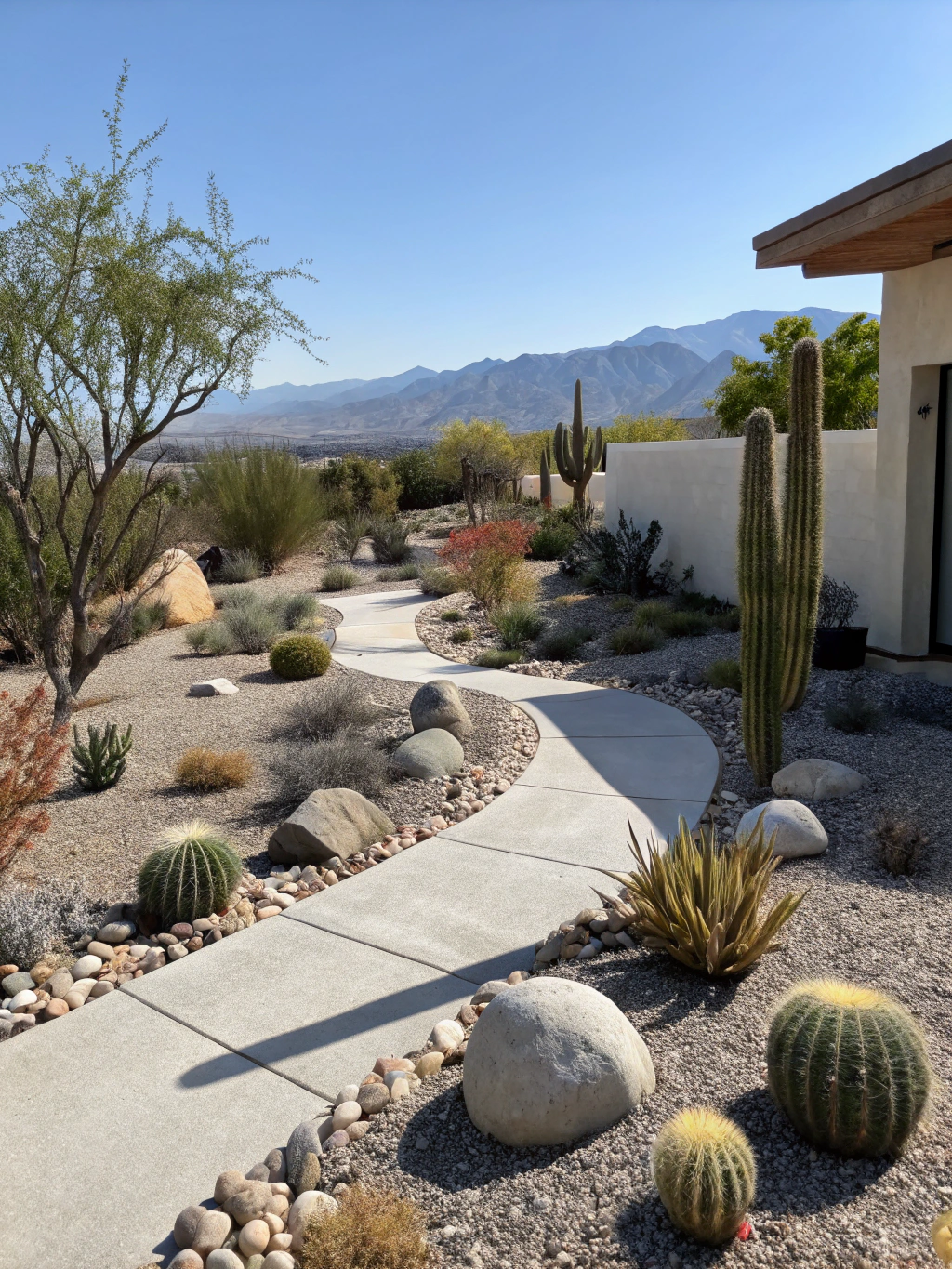
Minimalist xeriscaping focuses on simplicity, open space, and sculptural plant forms.
Key Minimalist Features
- Neutral gravel
- Geometric pavers
- Limited plant palette
- Clean lines
Why It Works
Minimalist layouts create a modern and calming landscape aesthetic.
15. Add Outdoor Lighting to Highlight Texture
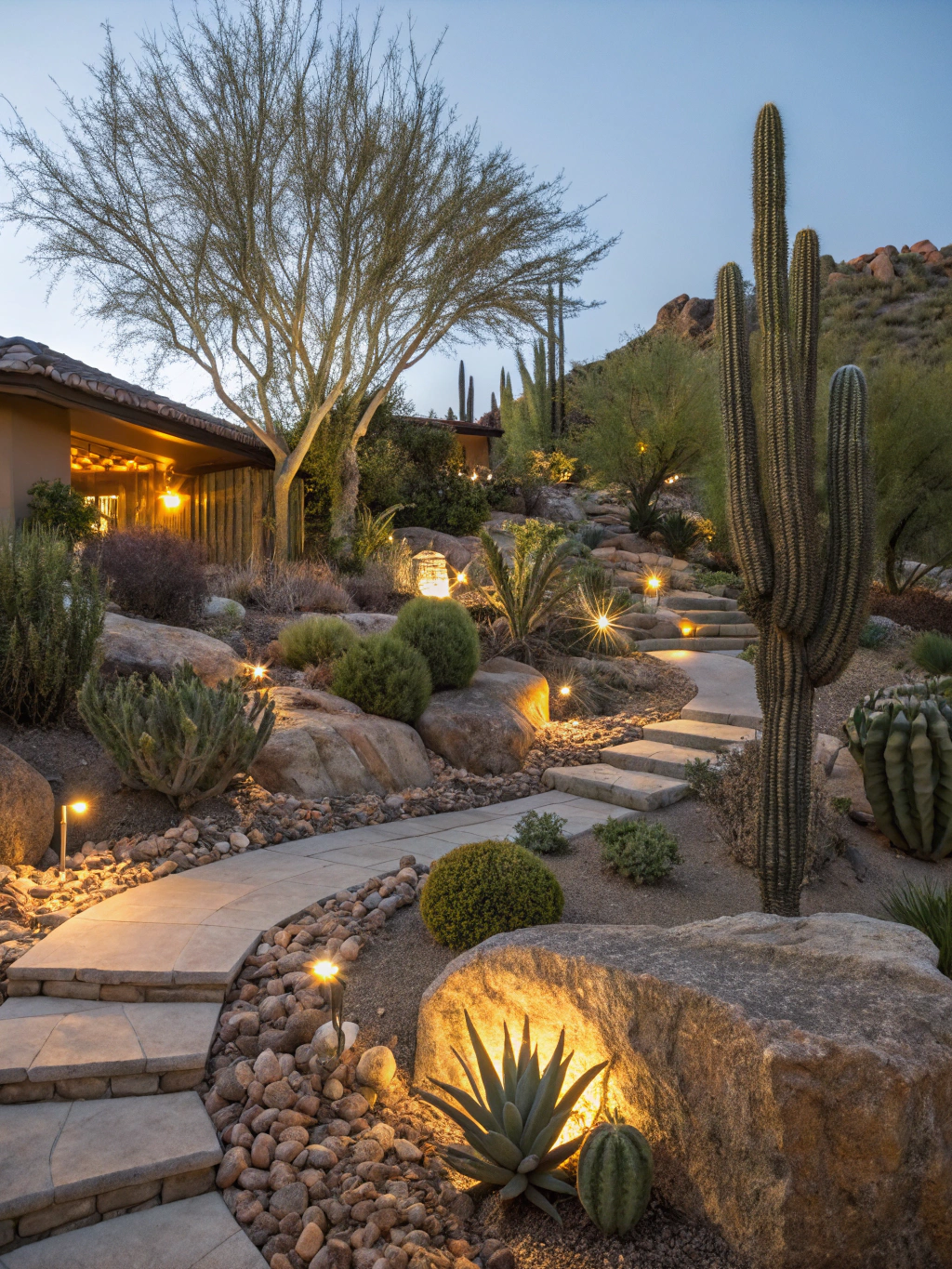
Lighting dramatically improves xeriscape landscapes after dark.
Best Lighting Ideas
- Uplighting for cacti
- Pathway lights
- Warm LED accents
- Lantern lighting
Why It Works
Lighting highlights texture and creates nighttime ambiance.
16. Create a Relaxing Xeriscape Patio Area
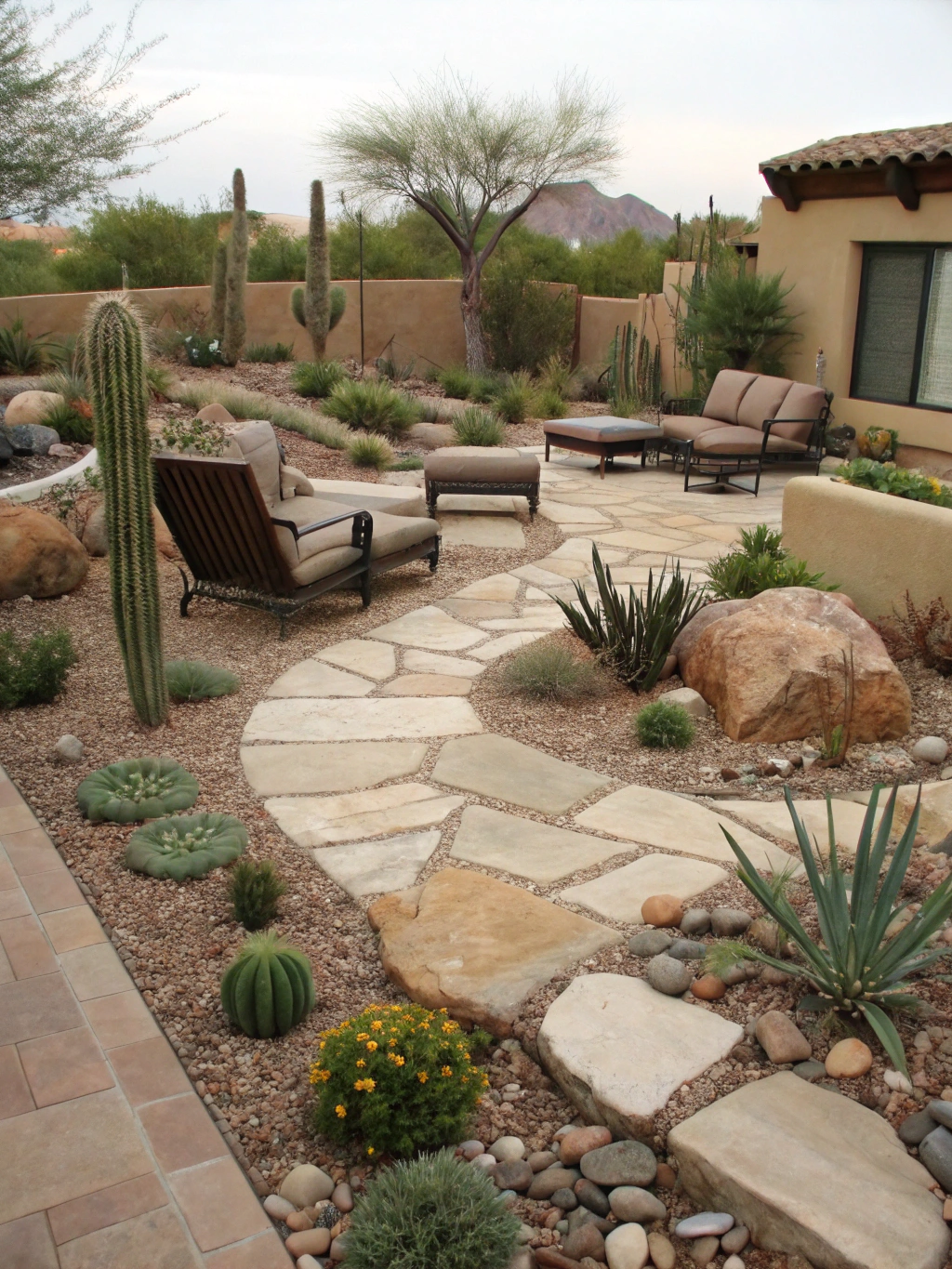
Outdoor seating helps xeriscape gardens feel more livable and inviting.
Best Patio Features
- Gravel flooring
- Fire pits
- Minimalist furniture
- Pergolas
Why It Works
Seating areas transform xeriscapes into functional outdoor retreats.
Final Thoughts
Xeriscape landscaping proves that low-water yards can still feel stylish, welcoming, and full of personality. By combining drought-tolerant plants, decorative gravel, natural stone, and thoughtful hardscaping, you can create a landscape that thrives beautifully in dry climates while requiring far less maintenance.
Whether you prefer modern minimalist layouts, Mediterranean-inspired courtyards, desert gardens, or lush drought-friendly retreats, the key is balancing texture, structure, and greenery. With smart design choices and climate-friendly materials, xeriscape landscaping can create an outdoor space that feels sustainable, functional, and visually stunning year-round.
FAQs
What is xeriscape landscaping?
Xeriscape landscaping is a water-efficient landscaping method that uses drought-tolerant plants, gravel, stone, and low-water design techniques.
What plants work best for xeriscaping?
Succulents, agave, lavender, ornamental grasses, sage, cacti, and native drought-tolerant plants work especially well in xeriscapes.
Is xeriscaping expensive?
Xeriscaping can cost more initially because of hardscaping materials, but it usually saves money long-term through lower water and maintenance costs.
Does xeriscaping require no water?
No landscape is completely maintenance-free, but xeriscaping significantly reduces watering needs compared to traditional lawns.
What is the difference between xeriscaping and desert landscaping?
Xeriscaping focuses on water-efficient landscaping overall, while desert landscaping is more specifically inspired by desert plant aesthetics.
Can xeriscaping look modern and luxurious?
Yes, modern xeriscape designs often use clean lines, decorative stone, sculptural plants, and minimalist layouts that feel very upscale and contemporary.