11+ Gorgeous Edible Landscape Ideas for Backyards
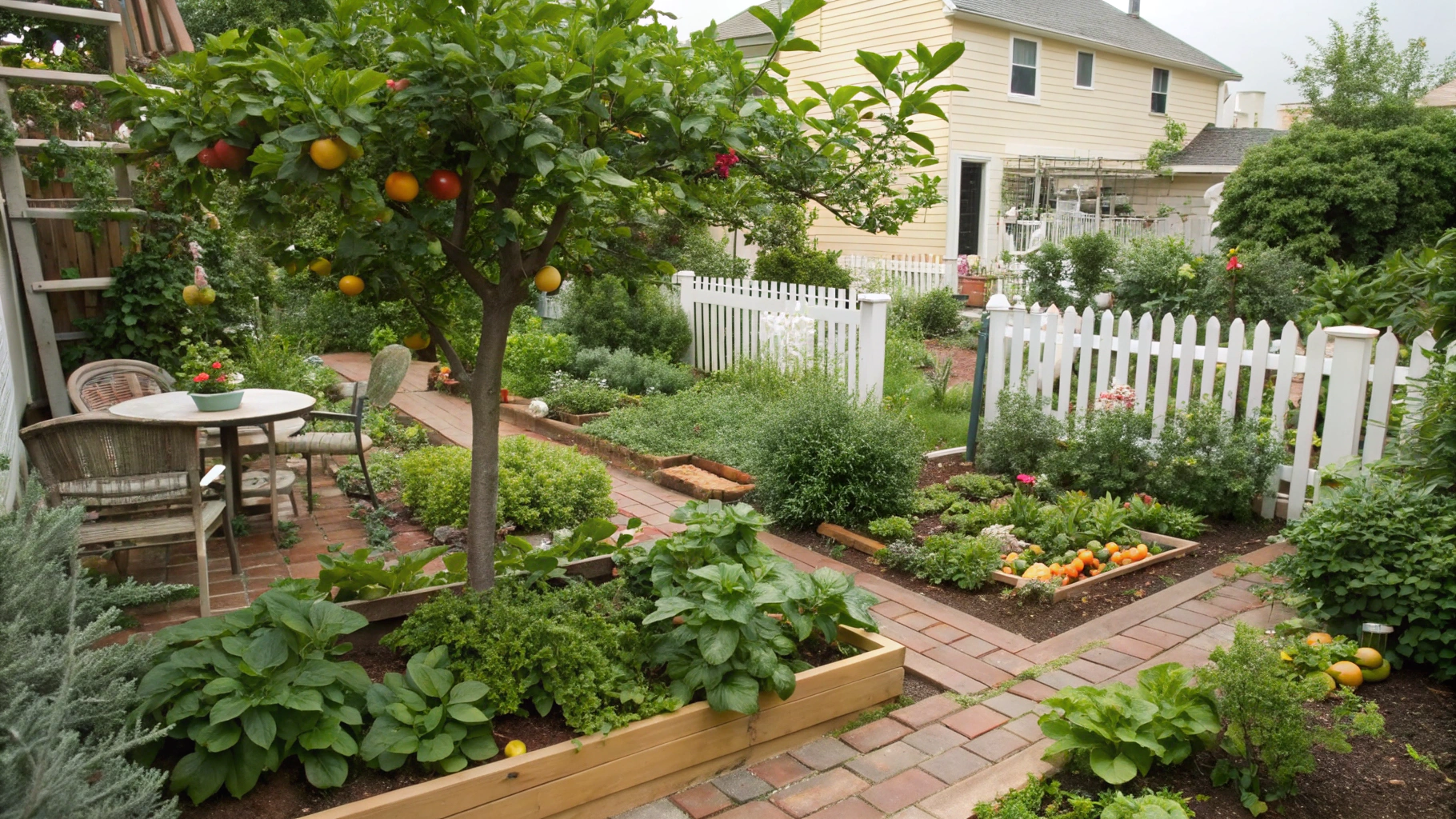
Why choose between a beautiful backyard and a productive garden when you can have both? Edible landscaping combines ornamental design with fruits, vegetables, herbs, and edible plants to create outdoor spaces that are both visually stunning and functional. Instead of hiding vegetable gardens in separate corners, edible landscapes blend food-producing plants naturally into patios, pathways, flower beds, and backyard seating areas.
Whether you want a modern raised bed garden, a cottage-style edible landscape, or a lush backyard filled with herbs and fruit trees, these gorgeous edible landscape ideas will help you create a backyard that feels stylish, inviting, and deliciously practical.
What Makes Edible Landscaping So Popular?
Edible landscaping has become increasingly popular because it combines sustainability, beauty, and functionality in one cohesive outdoor design.
Benefits of edible landscaping include:
Love Chic Living Club?
Add us as one of your preferred Google sources and discover more home decor, DIY, outdoor, and lifestyle inspiration from us.
- Fresh homegrown food
- Lower grocery costs
- More sustainable gardening
- Beautiful layered greenery
- Better use of backyard space
- Pollinator-friendly planting
The best edible landscapes don’t look like traditional vegetable gardens — they feel intentional, decorative, and seamlessly integrated into the backyard design.
Best Plants for Edible Landscaping
| Plant Type | Best For | Landscape Benefit |
| Herbs | Borders & pathways | Fragrance and texture |
| Fruit Trees | Focal points | Shade and seasonal harvest |
| Lettuce & Kale | Raised beds | Decorative greenery |
| Strawberries | Ground cover | Colorful edible layers |
| Blueberries | Shrub borders | Functional privacy planting |
How to Make an Edible Garden Look Beautiful
Mix Edibles with Ornamental Plants
Combining flowers and vegetables creates softer, more decorative garden beds.
Use Raised Beds & Defined Borders
Structure helps edible landscapes feel more organized and intentional.
Layer Plants by Height
Tall fruit trees, medium shrubs, and low herbs create visual depth.
Add Hardscaping
Stone pathways, gravel, pergolas, and seating areas elevate the overall landscape design.
1. Create Raised Garden Beds with Mixed Edibles
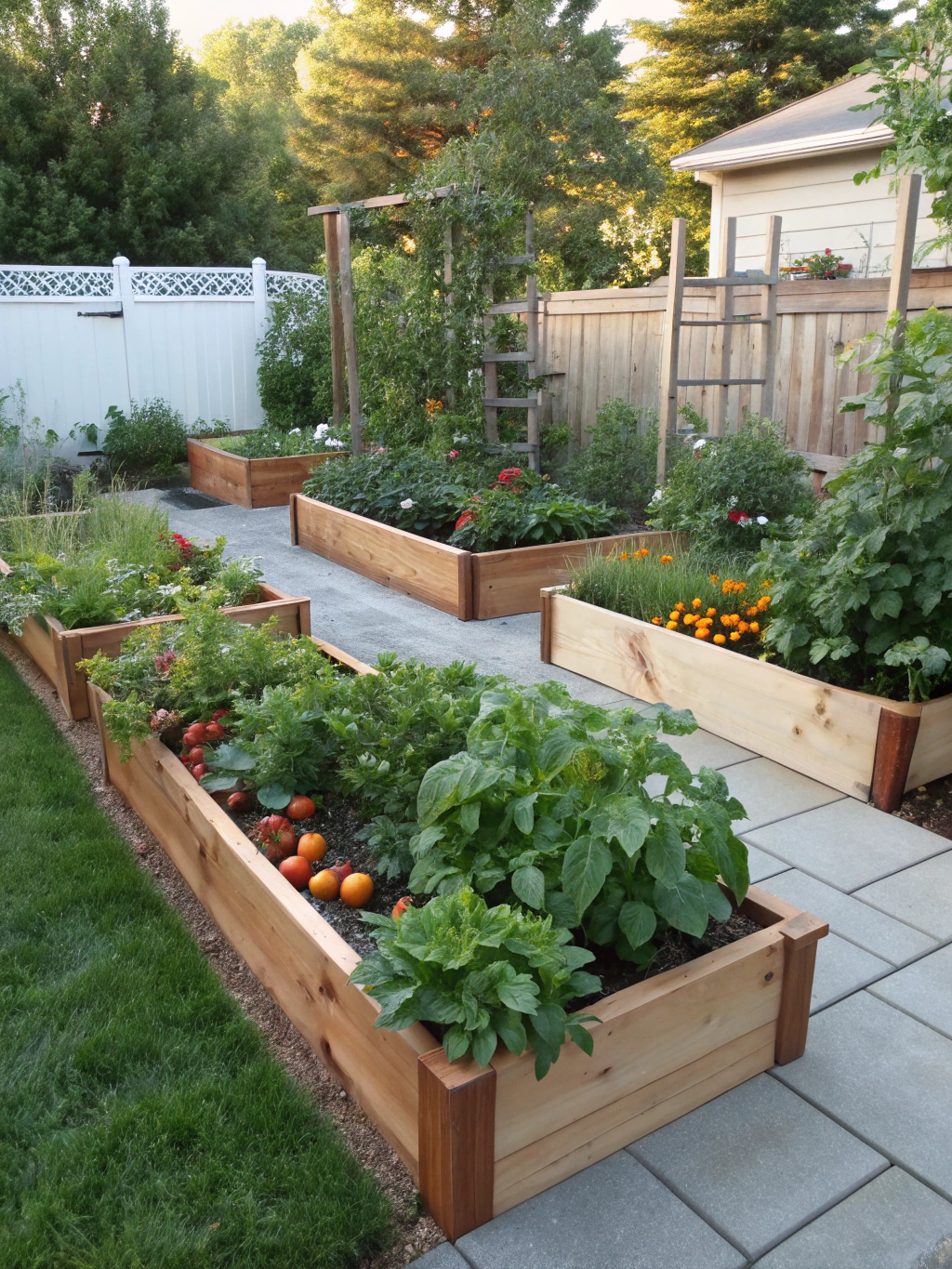
Raised beds instantly make edible gardens look cleaner and more structured.
Best Plants for Raised Beds
- Lettuce
- Kale
- Tomatoes
- Basil
- Peppers
Why It Works
- Improves drainage
- Reduces weeds
- Creates organized planting zones
Design Tip
Use matching raised bed materials throughout the yard for a cohesive look.
2. Add Fruit Trees as Landscape Focal Points
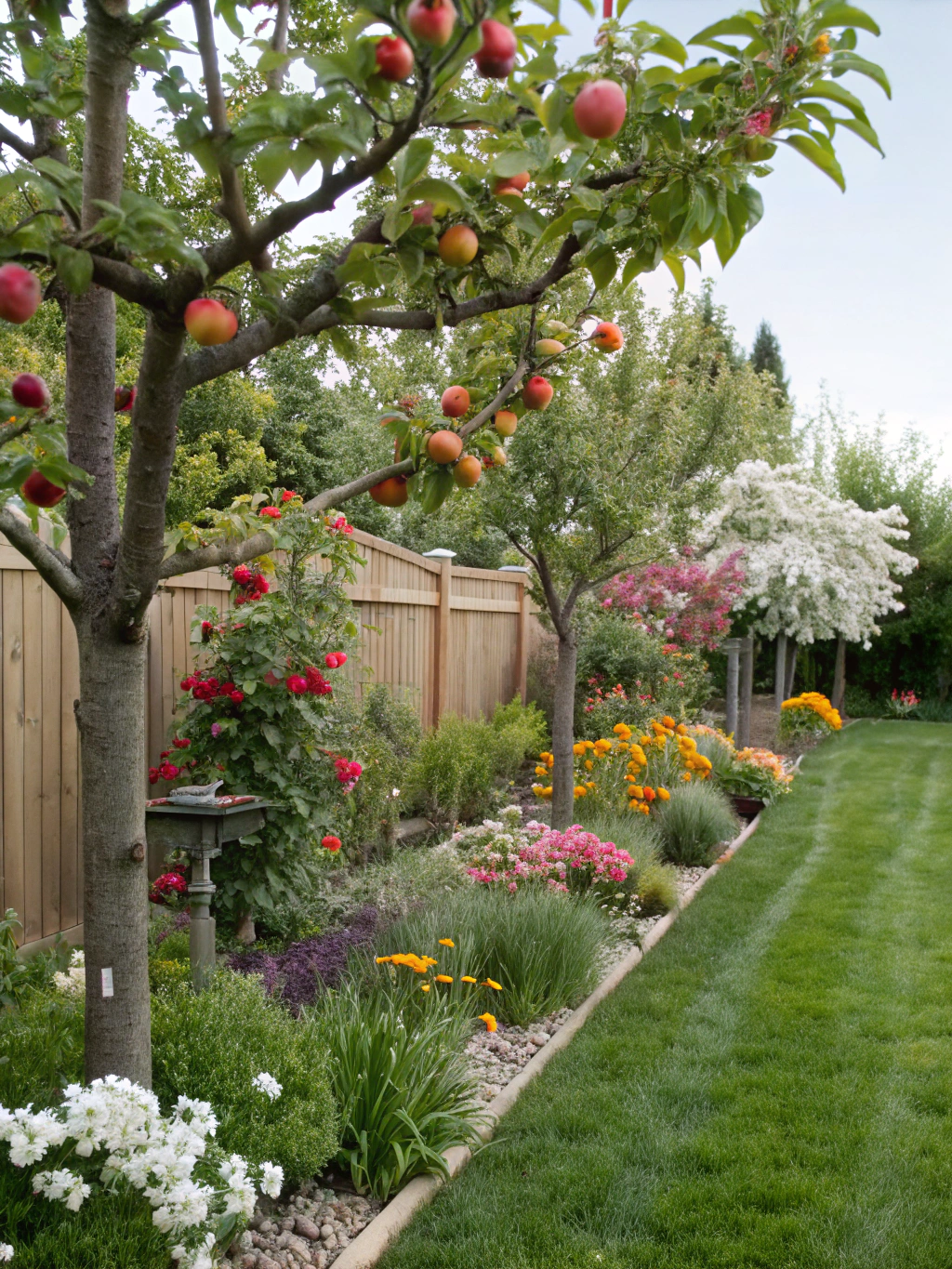
Fruit trees provide shade, structure, and seasonal harvests while enhancing backyard beauty.
Best Fruit Trees for Landscaping
- Lemon trees
- Apple trees
- Fig trees
- Peach trees
Why Homeowners Love It
- Decorative blossoms
- Seasonal fruit production
- Natural shade
Placement Tip
Plant fruit trees near seating areas for a more immersive garden experience.
3. Use Herbs Along Pathways & Borders
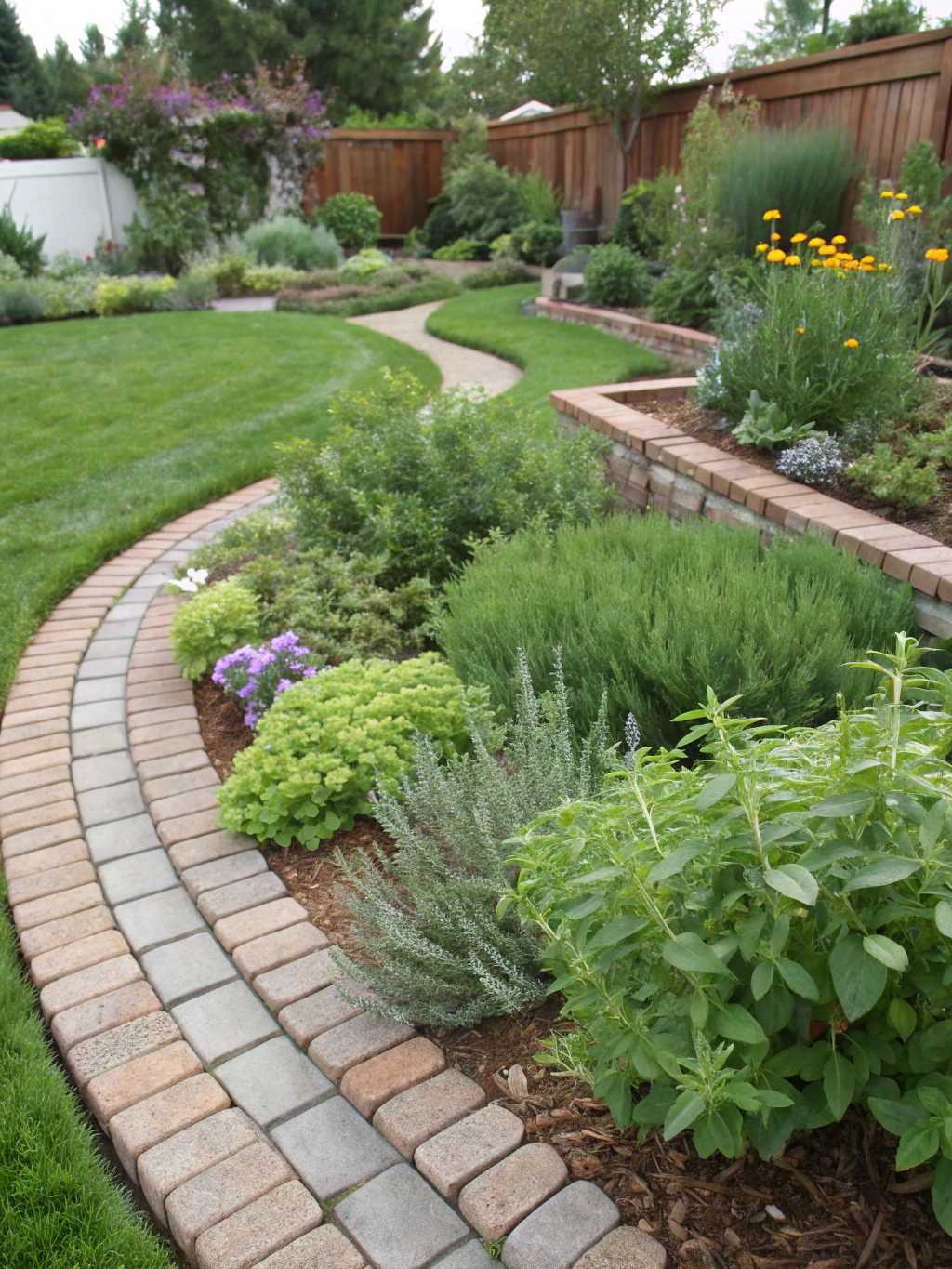
Herbs create fragrant and visually appealing borders throughout edible landscapes.
Best Culinary Herbs
- Rosemary
- Thyme
- Basil
- Mint
- Sage
Why It Works
Herbs soften pathways while adding texture and fragrance.
4. Create a Cottage-Style Edible Garden
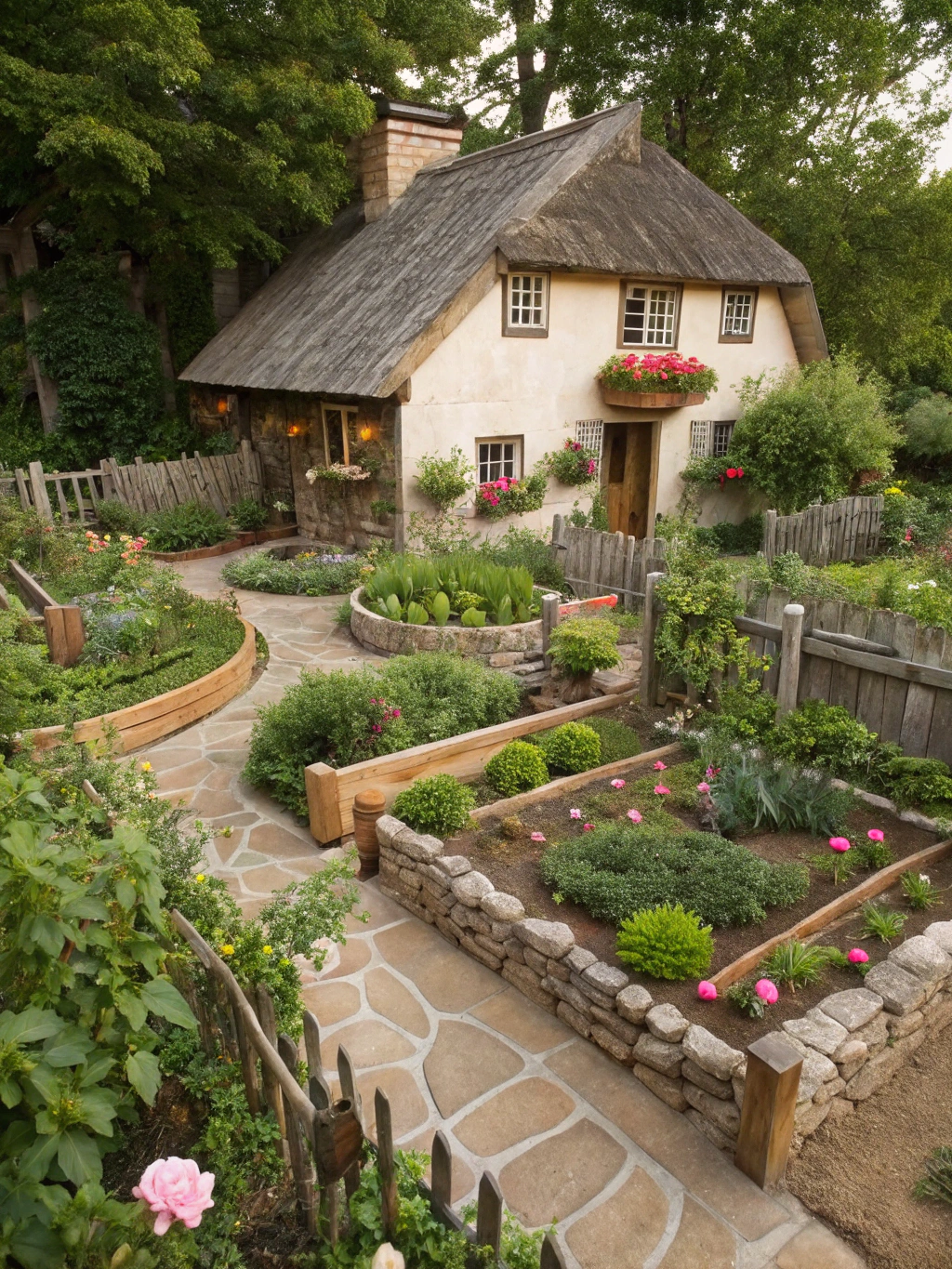
Cottage gardens pair beautifully with edible plants because they already embrace layered greenery and flowers.
Best Cottage Garden Edibles
- Strawberries
- Herbs
- Kale
- Nasturtiums
- Tomatoes
Why It Works
Mixing flowers and vegetables creates a lush and romantic backyard atmosphere.
5. Add Vertical Gardening for Small Spaces
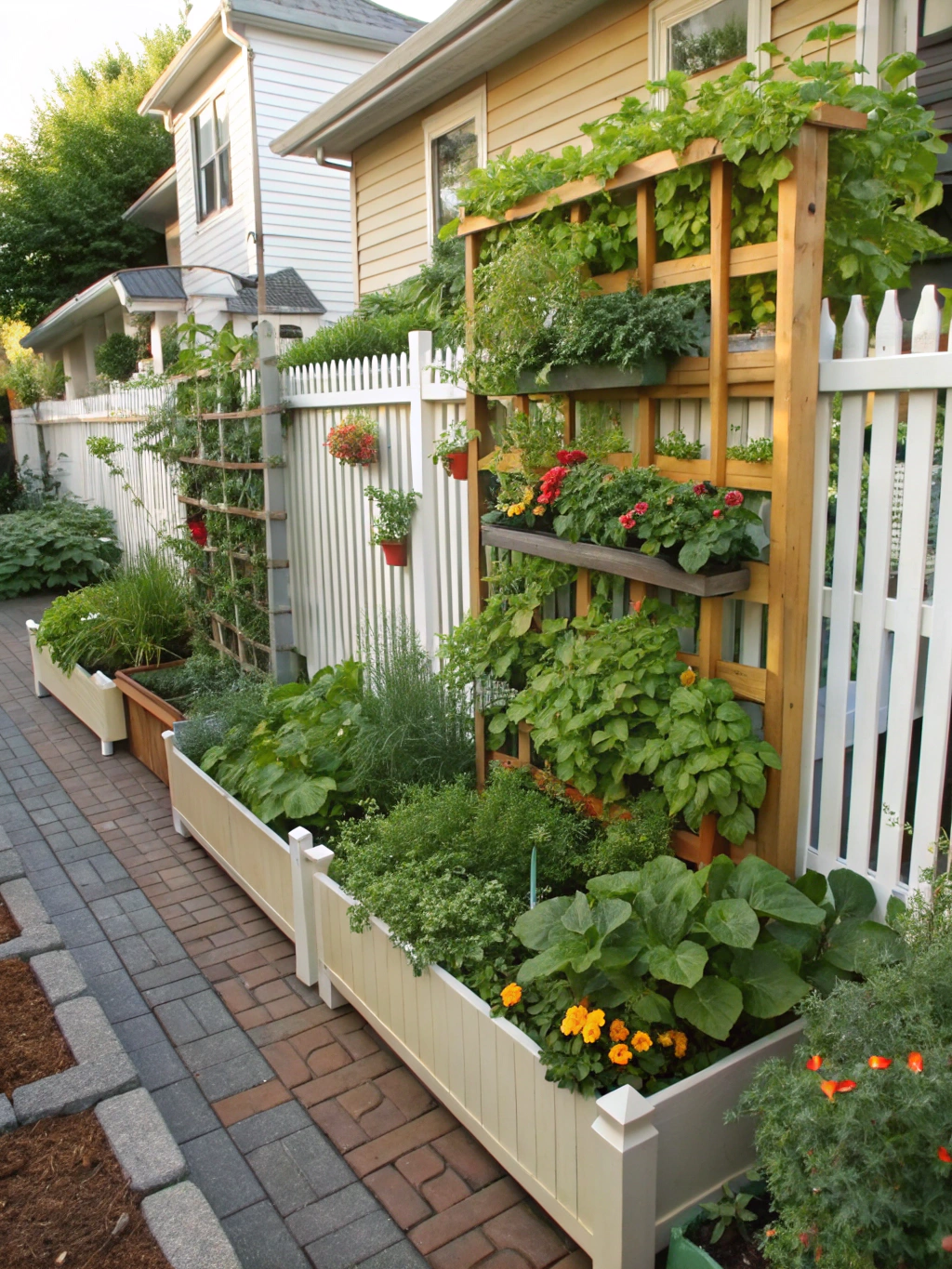
Vertical gardens maximize planting space while creating visual height.
Best Vertical Garden Plants
- Cucumbers
- Beans
- Strawberries
- Tomatoes
- Climbing peas
Best Structures
- Trellises
- Pergolas
- Wall planters
- Arbors
Why It Works
Vertical planting makes edible gardens feel fuller and more dynamic.
6. Use Blueberry Bushes as Decorative Shrubs
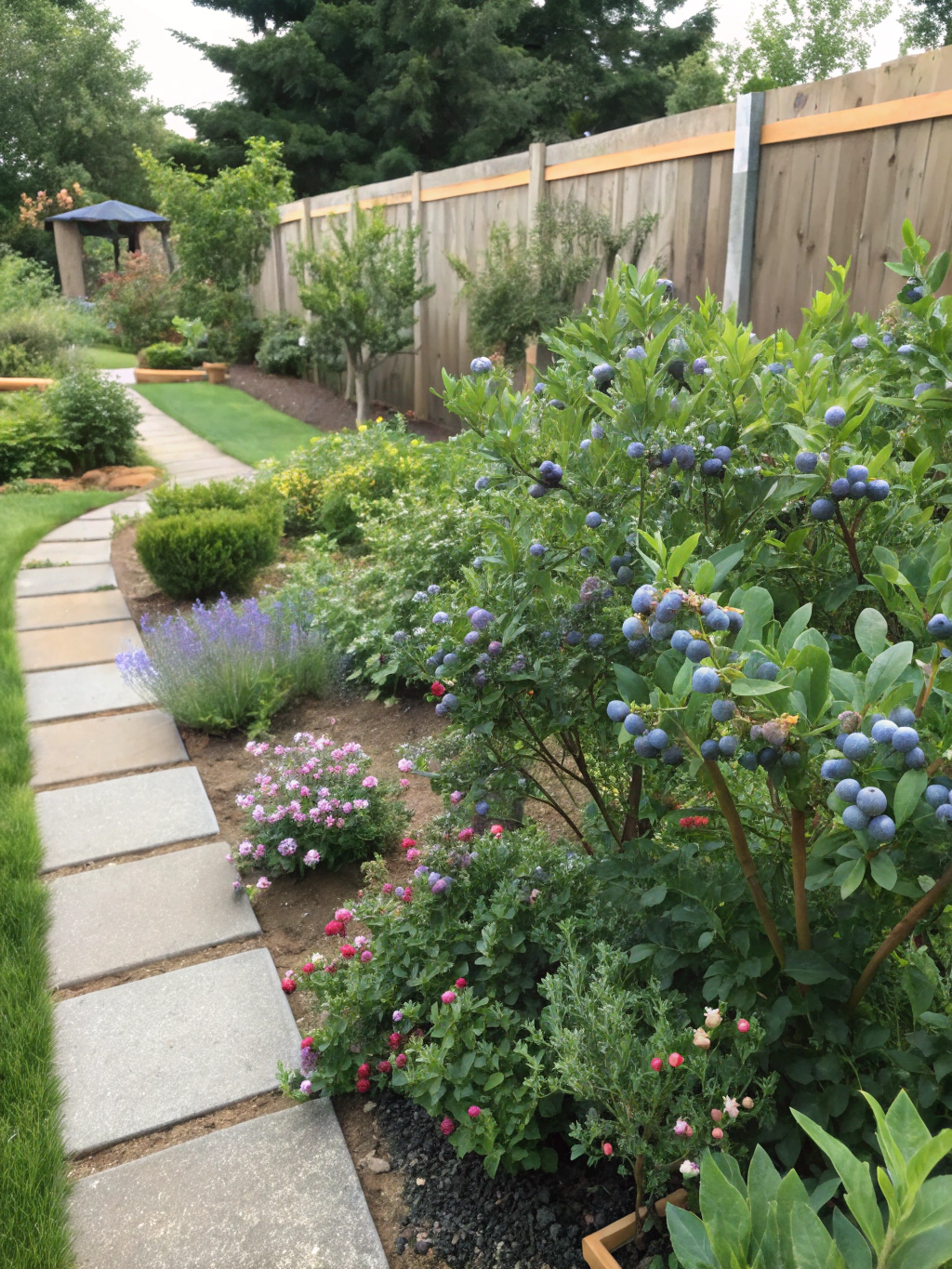
Blueberries work beautifully in landscaping because they look like ornamental shrubs while producing edible fruit.
Why It Works
- Seasonal berries
- Attractive foliage
- Low-maintenance appearance
Best Pairings
- Lavender
- Ornamental grasses
- Stone pathways
7. Create an Outdoor Dining Area Surrounded by Edibles
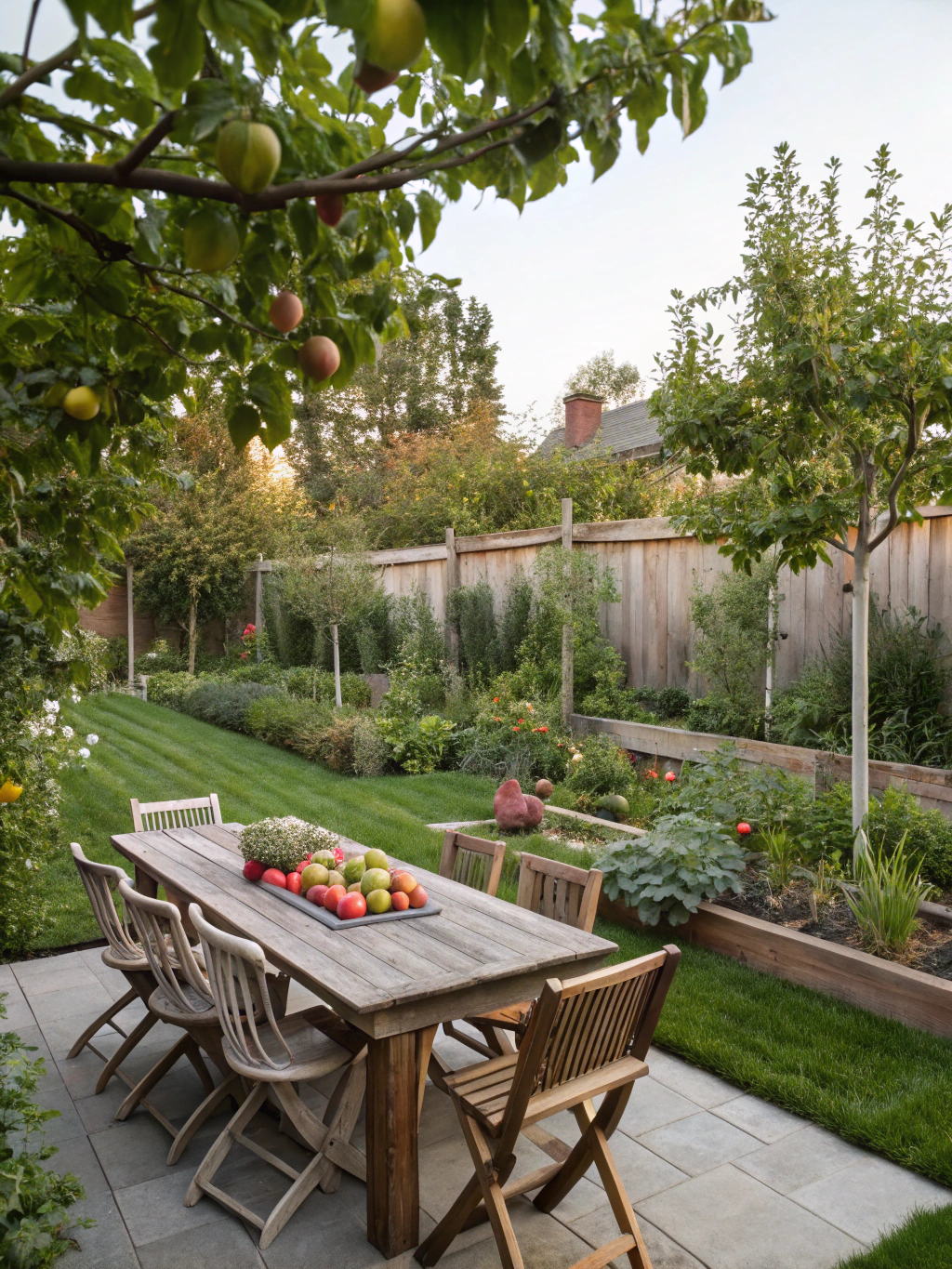
Dining spaces surrounded by herbs and edible plants create immersive backyard experiences.
Best Dining Features
- Wooden tables
- Herb planters
- String lighting
- Pergolas
Why It Works
Outdoor dining feels more connected to the garden environment.
8. Add Edible Ground Cover Plants
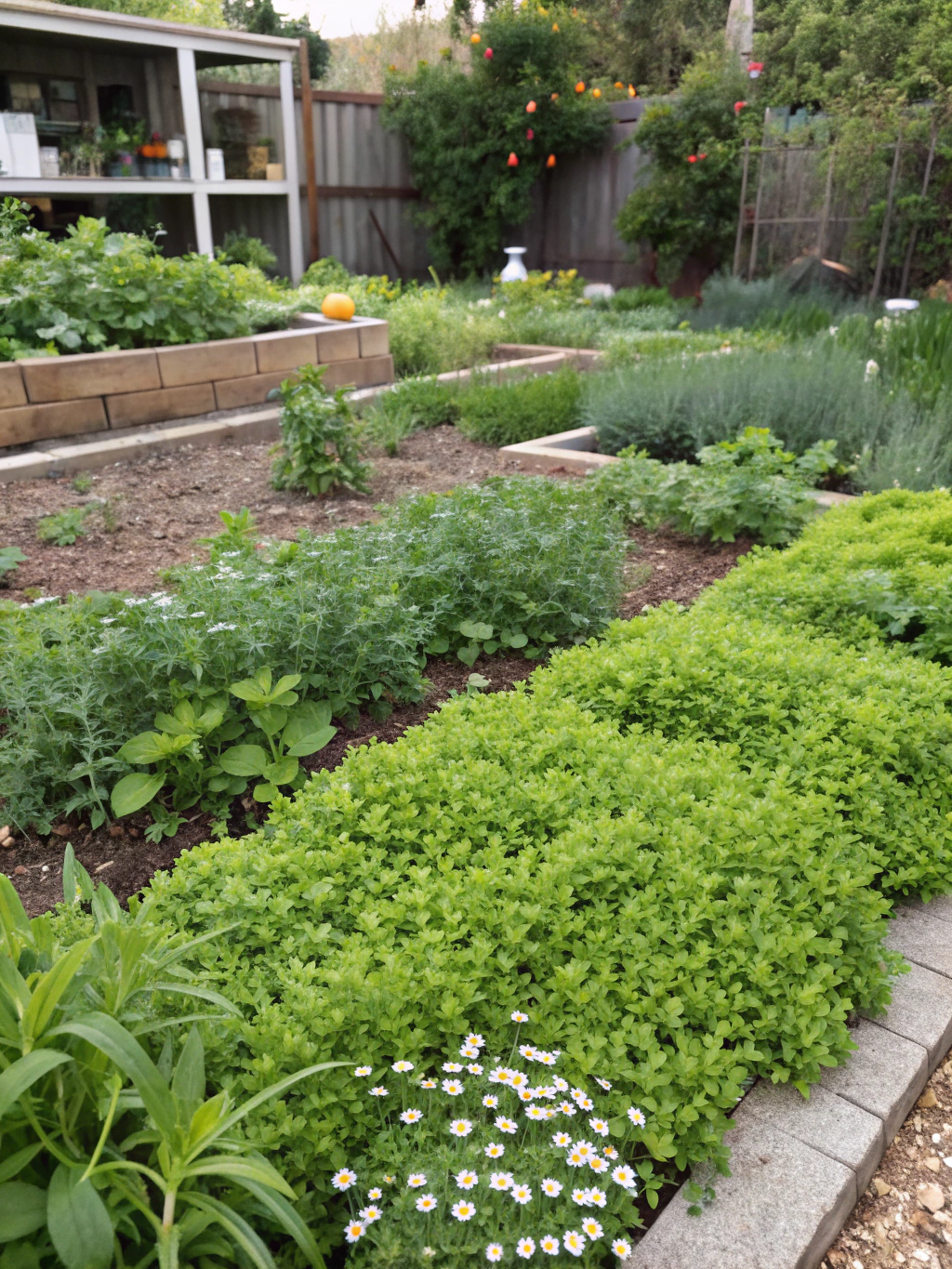
Ground cover plants reduce empty soil while adding greenery and edible harvests.
Best Edible Ground Covers
- Strawberries
- Creeping thyme
- Oregano
- Chamomile
Why It Works
Ground cover softens pathways and garden edges naturally.
9. Create a Modern Minimalist Edible Landscape
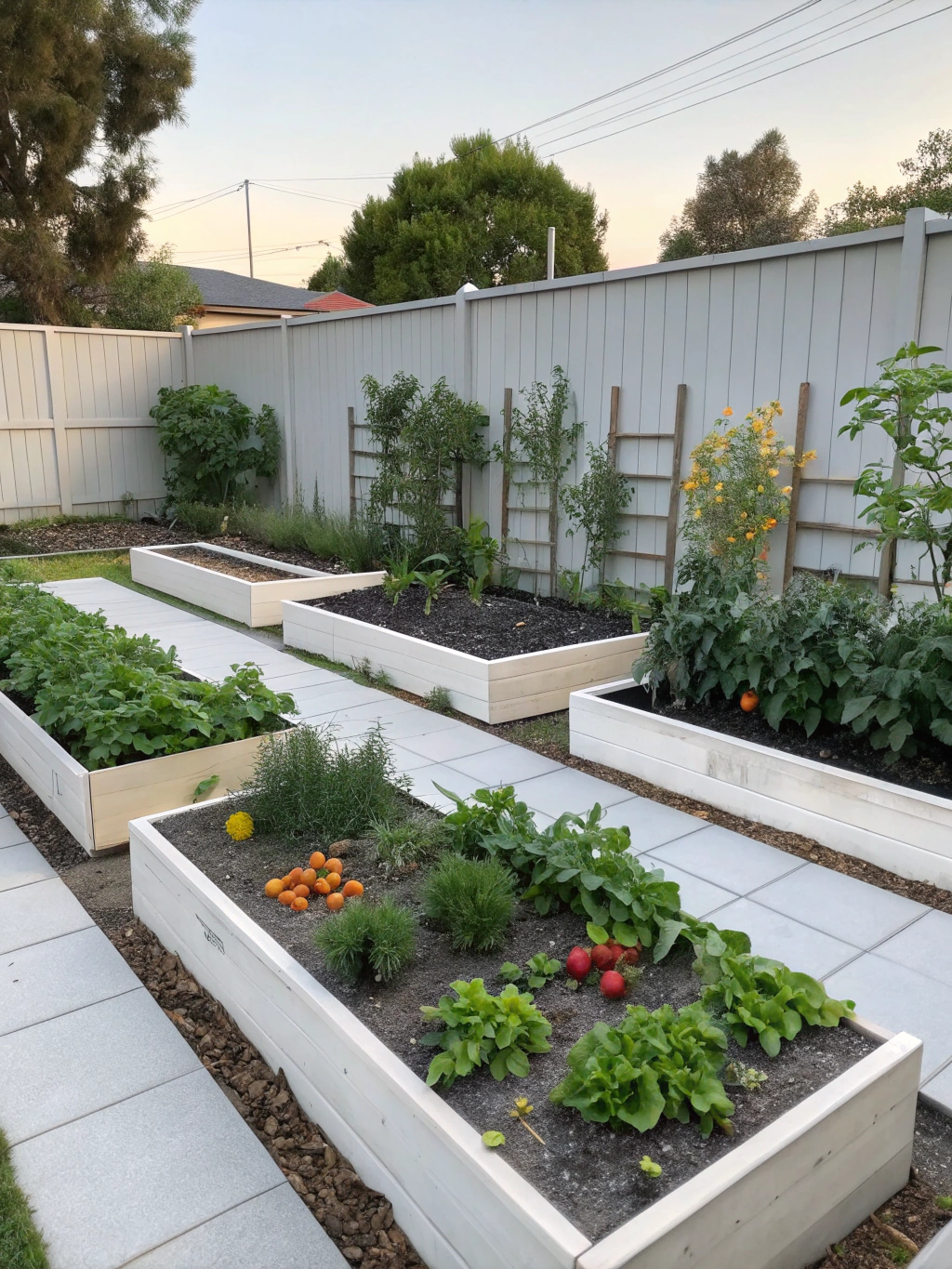
Modern edible gardens focus on clean lines and structured planting.
Key Modern Features
- Metal raised beds
- Gravel pathways
- Geometric layouts
- Minimal plant palettes
Why It Works
Simple layouts make edible gardens feel contemporary and organized.
10. Add Pergolas Covered with Grapevines
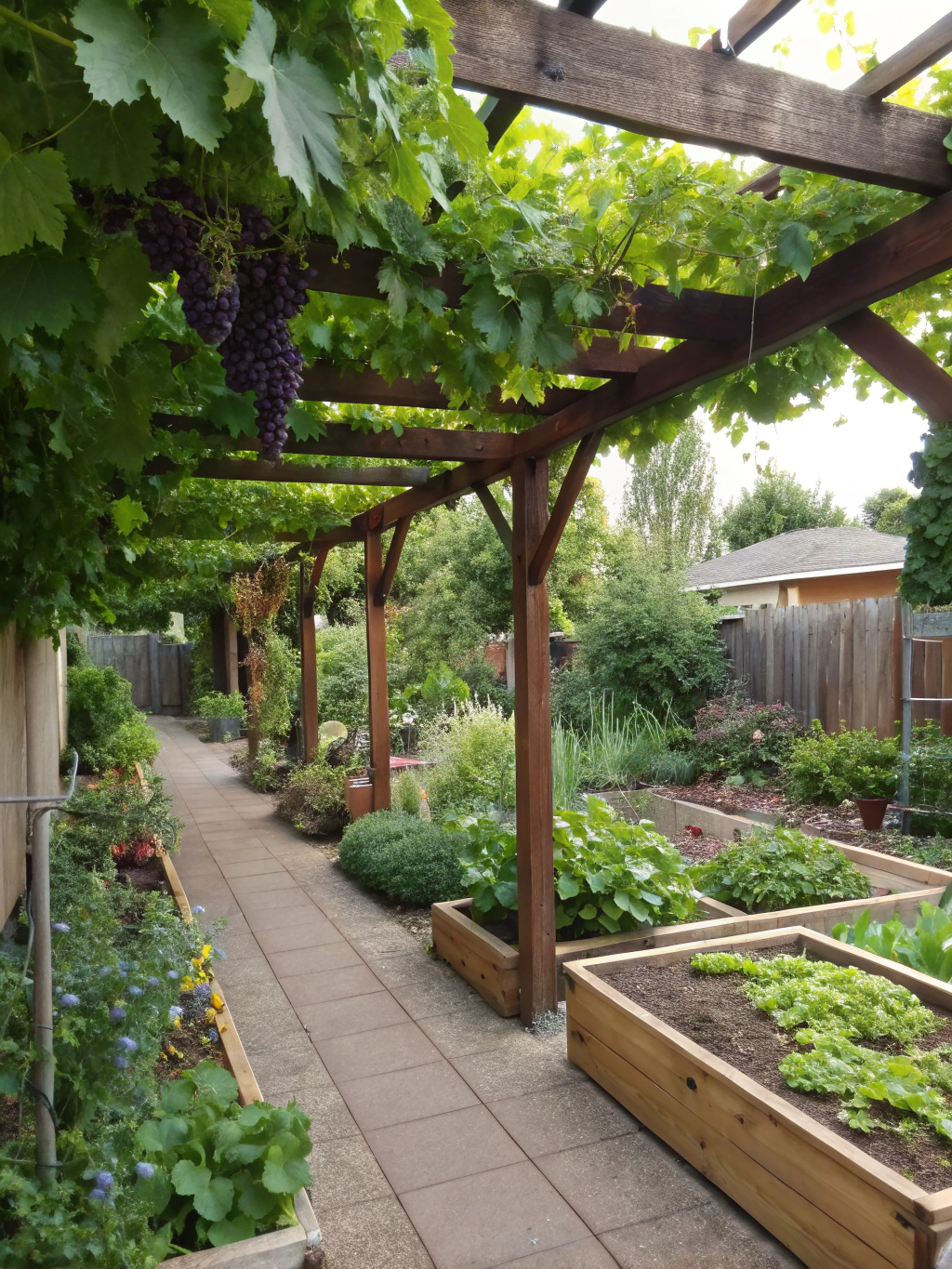
Grapevines create natural shade while enhancing backyard beauty.
Best Pergola Features
- Hanging lights
- Wooden beams
- Outdoor seating
- Gravel patios
Why It Works
Grapevines create a lush Mediterranean-inspired atmosphere.
11. Use Companion Planting for Beauty & Function
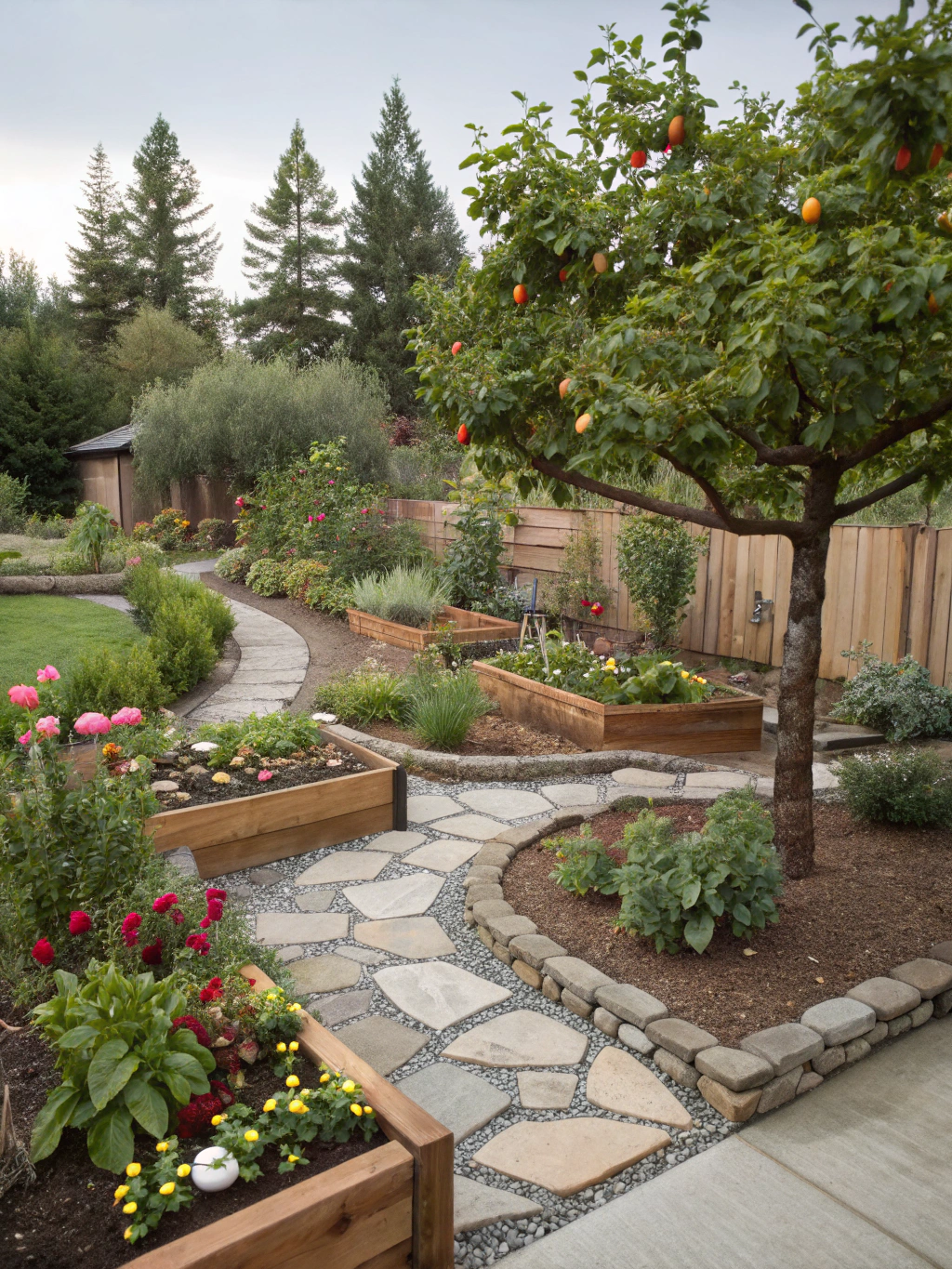
Companion planting combines vegetables, herbs, and flowers that support each other naturally.
Best Companion Pairings
- Tomatoes and basil
- Lettuce and marigolds
- Cucumbers and nasturtiums
Why It Works
Companion planting improves pollination and reduces pests while looking more decorative.
12. Create a Backyard Orchard Garden
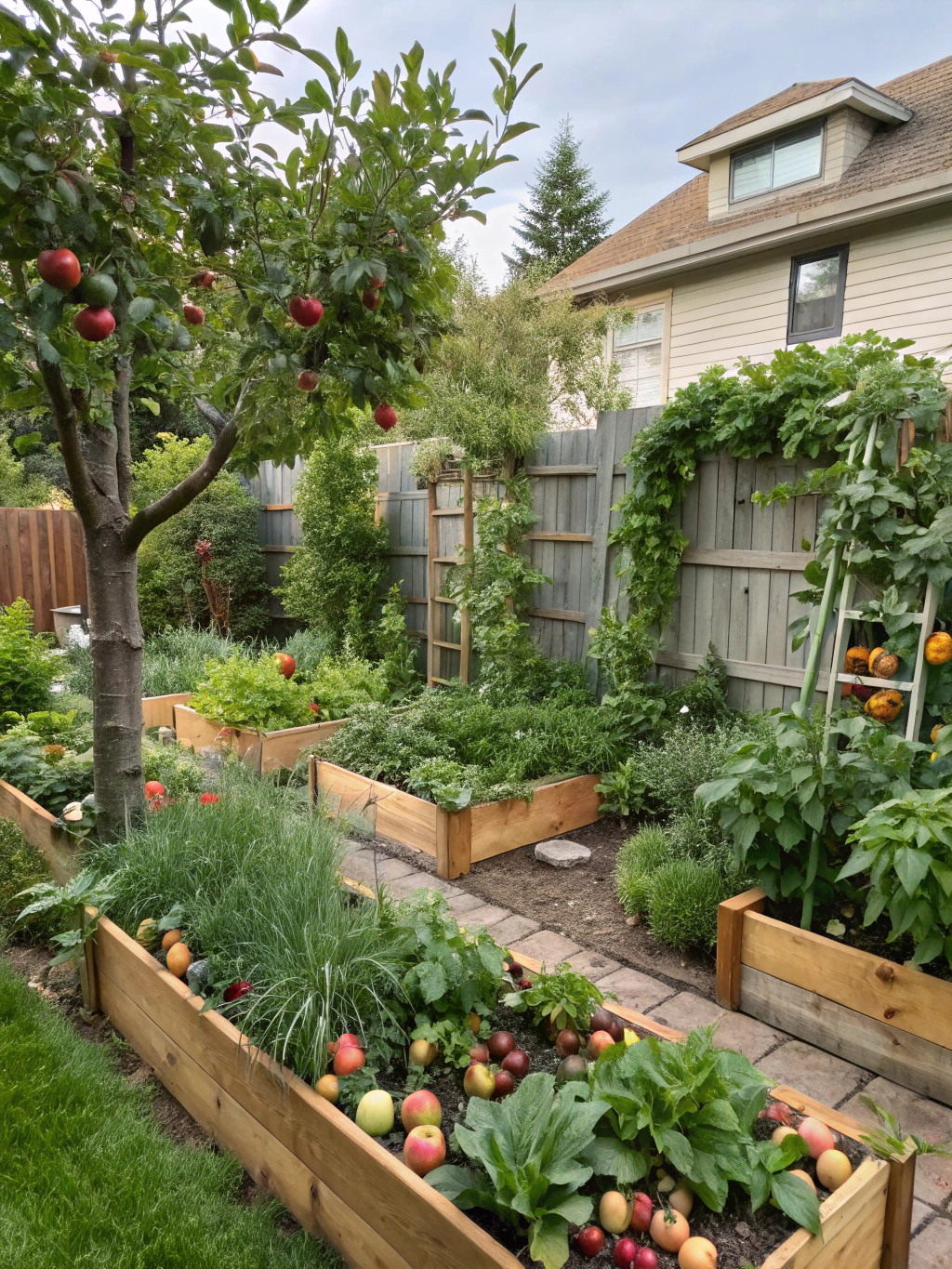
Small backyard orchards combine beauty, shade, and productivity.
Best Orchard Trees
- Citrus trees
- Apple trees
- Pear trees
- Plum trees
Why It Works
Orchards create a lush and layered edible landscape.
Final Thoughts
Edible landscaping proves that productive gardens can also be beautiful and stylish. By blending fruits, vegetables, herbs, flowers, and thoughtful hardscaping, you can create a backyard that feels inviting, functional, and visually rich.
The key to successful edible landscaping is balancing practicality with design — using structure, layering, and decorative elements to make edible plants feel integrated into the landscape rather than separated from it. Whether you prefer modern raised beds, cottage-inspired gardens, or lush fruit-filled backyards, edible landscaping creates outdoor spaces that nourish both the home and the eye.
FAQs
What is edible landscaping?
Edible landscaping combines ornamental landscape design with food-producing plants like vegetables, herbs, fruits, and edible flowers.
What plants work best in edible landscapes?
Herbs, fruit trees, berries, lettuce, kale, tomatoes, peppers, strawberries, and edible flowers work especially well.
Can edible landscaping look modern?
Yes, raised beds, geometric layouts, gravel pathways, and minimalist plant palettes create modern edible landscapes beautifully.
Is edible landscaping high maintenance?
Edible landscapes can require moderate care, but proper plant selection, raised beds, mulch, and drip irrigation reduce maintenance significantly.
What are the best edible plants for small backyards?
Herbs, strawberries, lettuce, tomatoes, blueberries, dwarf fruit trees, and vertical vegetables are excellent for small spaces.
Does edible landscaping increase home value?
Yes, attractive edible landscaping can improve curb appeal, sustainability, and outdoor functionality, making homes more appealing to buyers.