

If you’ve been looking for ways to give your home’s exterior a fresh, more distinctive appearance, board and batten siding is probably a style you’ve come across. It’s easy to see why so many homeowners are drawn to it. The clean vertical lines, subtle texture, and combination of wide boards and narrow battens give a home a look that feels both traditional and modern.
In this article:
- What Is Board and Batten Siding?
- How Does Board and Batten Siding Work?
- Use a Board and Batten Spacing Calculator Before Starting Your Project
- What Are the Different Types of Board and Batten Siding?
- What Are the Benefits of Board and Batten Siding?
- What Are the Disadvantages of Board and Batten Siding?
- How Much Does Board and Batten Siding Cost?
- How to Choose the Right Board and Batten Siding for Your Home
- How Do You Maintain Board and Batten Siding?
- Is Board and Batten Siding a Good Choice for Your Home?
- Frequently Asked Questions About Board and Batten Siding
You might have seen it on farmhouse-style homes, country cottages, contemporary houses, or even modern suburban properties. What makes this siding style interesting is how easily it adapts to different architectural designs. You can use it across the entire exterior or combine it with other materials to create a more personalized look.
But choosing exterior siding involves more than deciding what looks good. You also need to think about durability, maintenance, installation, material options, and overall cost.
So, is board and batten siding the right choice for your home?
Let’s take a closer look at how it works, the different materials available, its advantages and disadvantages, and what you should consider before making a decision.
What Is Board and Batten Siding?
Board and batten siding is a type of exterior cladding made by installing wide vertical boards alongside one another and covering the joints with narrower strips called battens.
The wide boards form the main surface, while the battens cover the seams and create the raised vertical lines that give this siding its recognizable appearance.
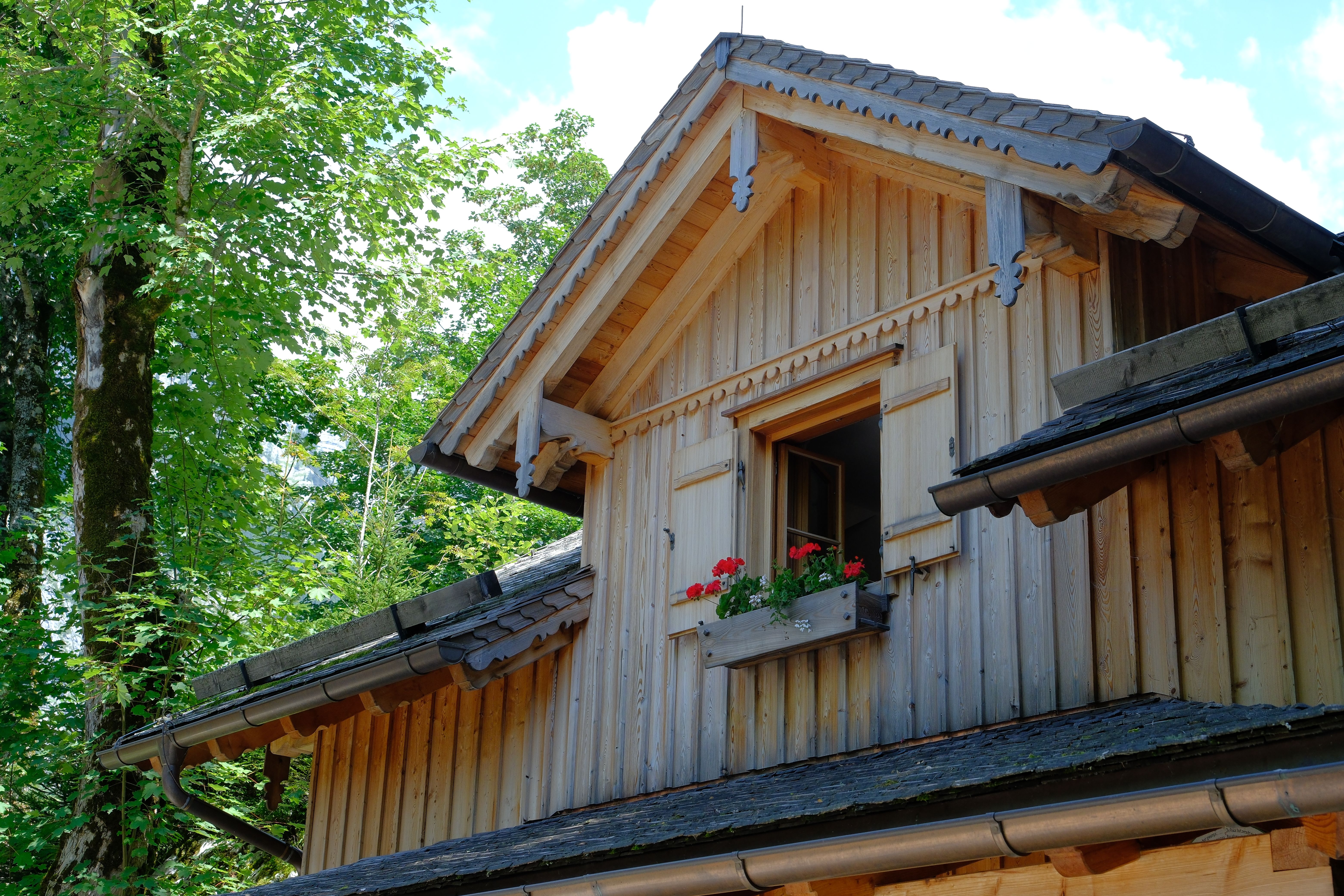
The style has been around for generations. It was traditionally used on barns, sheds, and rural buildings because it offered a relatively straightforward way to cover exterior walls using lumber.
Over time, homeowners and builders began incorporating the same design into residential architecture. Today, board and batten siding is especially popular in farmhouse, cottage, rustic, and contemporary home designs.
You’ll commonly see it used on:
- Modern farmhouse homes
- Traditional cottages
- Country-style properties
- Contemporary houses
- Coastal-inspired homes
- Front-facing gables and exterior accent walls
One of its biggest advantages is flexibility. You don’t have to cover every wall with board and batten siding to enjoy its appearance. Even using it on an entryway, porch, or upper-level gable can make a noticeable difference.
How Does Board and Batten Siding Work?
The traditional installation method involves placing wide boards vertically across an exterior wall and covering the joints with narrower battens.
The battens create the characteristic raised appearance while helping cover the seams between boards.
However, modern board and batten siding isn’t always installed using individual pieces of wood. Many manufactured products use panels and separate trim boards to recreate the same appearance.
A typical exterior wall assembly may include:
1. Wall sheathing: Provides the underlying surface attached to the home’s structural framing.
2. Weather-resistant barrier: Helps protect the wall assembly from water that gets behind the exterior cladding.
3. Flashing: Directs water away from vulnerable areas, particularly around windows, doors, roof intersections, and horizontal transitions.
4. Vertical siding boards or panels: Create the main board and batten surface.
5. Battens: Cover the vertical joints and add the raised detail.
It’s important to understand that siding isn’t the same thing as waterproofing. Even well-installed board and batten siding needs appropriate flashing, drainage, and moisture management behind it.
For homeowners who want to understand how these details work, the James Hardie installation and technical resource library provides useful examples of siding installation instructions, flashing details, and weather-management guidance.
Use a Board and Batten Spacing Calculator Before Starting Your Project
Planning the spacing between boards and battens is an important part of getting the finished look right. If the gaps are uneven or the boards aren’t positioned properly, the entire wall can look unbalanced, even when you’ve chosen the right siding material.
Before purchasing materials or starting installation, it’s worth working out the layout in advance.
A board and batten spacing calculator can make this process much easier. Simply enter your wall measurements and batten dimensions to estimate how many battens you’ll need and how much space to leave between them.
This is particularly helpful if you’re planning a full-wall installation, an exterior accent wall, or a half-wall design.
Using a calculator can help you:
- Estimate the number of battens required for your wall.
- Calculate consistent spacing between each batten.
- Determine the approximate length of each board.
- Plan the layout before cutting your materials.
- Reduce unnecessary material waste and avoid repeated adjustments.
For a balanced appearance, consider the size of your wall, the width of your battens, and the overall architectural style of your home. Wider spacing can create a cleaner, more contemporary look, while closer spacing may suit a more traditional design.
A quick tip: Don’t rely on measurements alone. Check the wall at multiple points, account for windows and doors, and make sure the layout works with your exterior trim and corners before cutting any materials.
Taking a little time to plan your board and batten spacing can make installation easier and help create a more polished, consistent finish.
What Are the Different Types of Board and Batten Siding?
Board and batten is an exterior design rather than a material on its own. This means you can achieve the look using several different siding materials.
Each option has its own appearance, maintenance requirements, and price considerations.
Let’s look at the most common choices.
1. Wood Board and Batten Siding
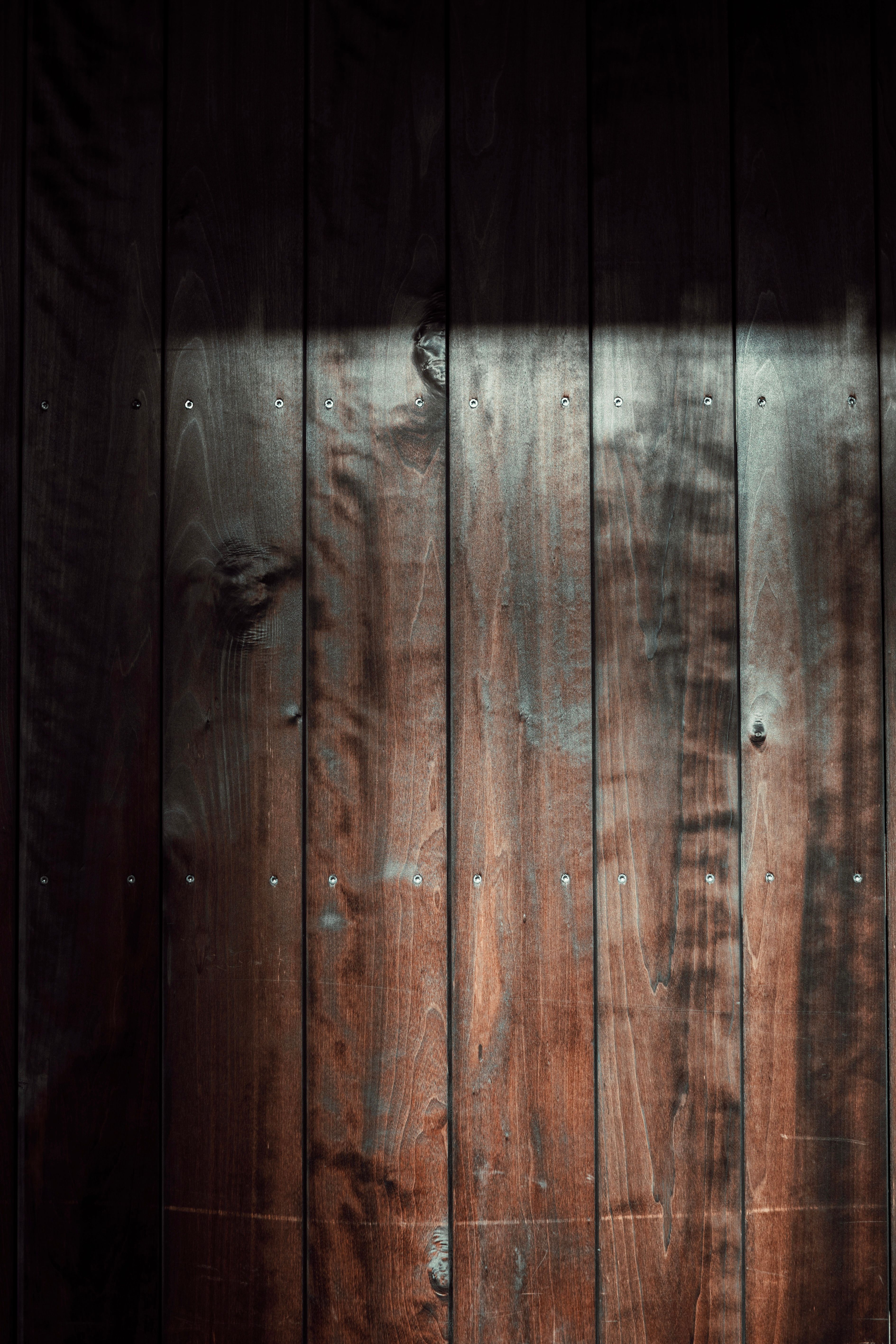
Wood is the traditional material used for board and batten siding. If you appreciate natural textures and the warmth of real timber, it’s an option worth considering.
Cedar is particularly popular because of its natural appearance and suitability for certain exterior applications. Other wood species can also be used depending on availability, climate, and the intended finish.
Why homeowners choose wood siding:
- Natural grain and texture
- Classic farmhouse appearance
- Can be painted or stained
- Offers flexibility in board widths and finishes
- Works well with rustic and traditional architecture
Things to consider:
Natural wood needs regular maintenance. Depending on the species and exposure, it may require periodic staining, sealing, or painting.
Moisture is another important consideration. Poor drainage, insufficient clearance from the ground, and damaged finishes can contribute to deterioration over time.
If you like the appearance of real wood and don’t mind maintaining it, wood board and batten siding can give your home a beautiful exterior.
2. Vinyl Board and Batten Siding
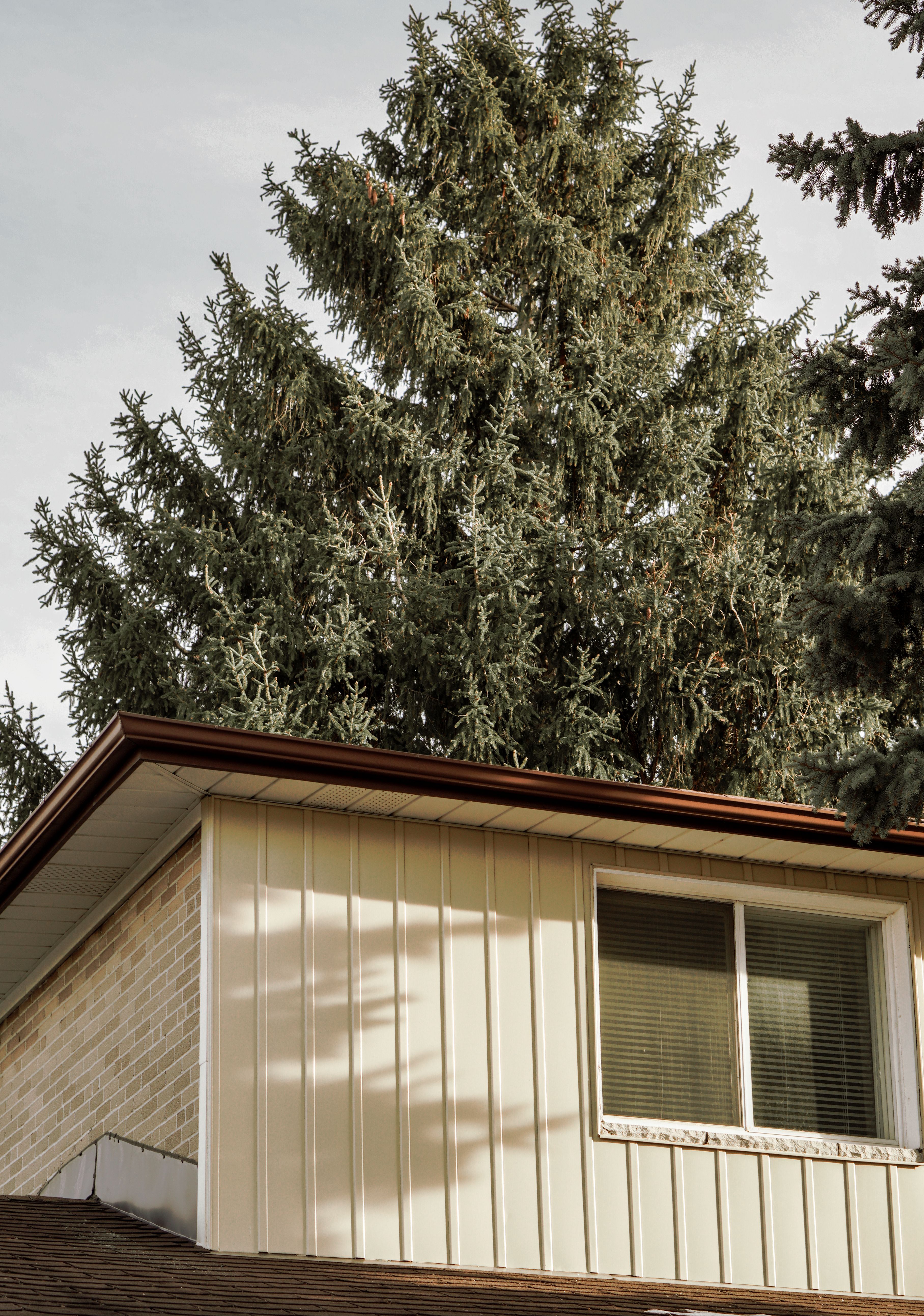
Vinyl board and batten siding is a popular alternative for homeowners who want the vertical siding appearance without the regular painting requirements associated with traditional wood.
It is generally available in manufactured panels designed to create a board and batten profile.
Why homeowners choose vinyl siding:
- Relatively low maintenance
- No routine painting required for many products
- Available in a variety of colors
- Does not rot like natural wood
- Often has a lower initial material cost than premium siding alternatives
Things to consider:
Vinyl siding isn’t indestructible. It can crack or become damaged from strong impacts, and prolonged exposure to certain environmental conditions can affect its appearance.
It also expands and contracts with temperature changes. This means correct fastening and installation clearances are important.
Before choosing a product, compare its thickness, warranty, color options, and installation specifications rather than assuming every vinyl siding product performs the same way.
3. Fiber Cement Board and Batten Siding
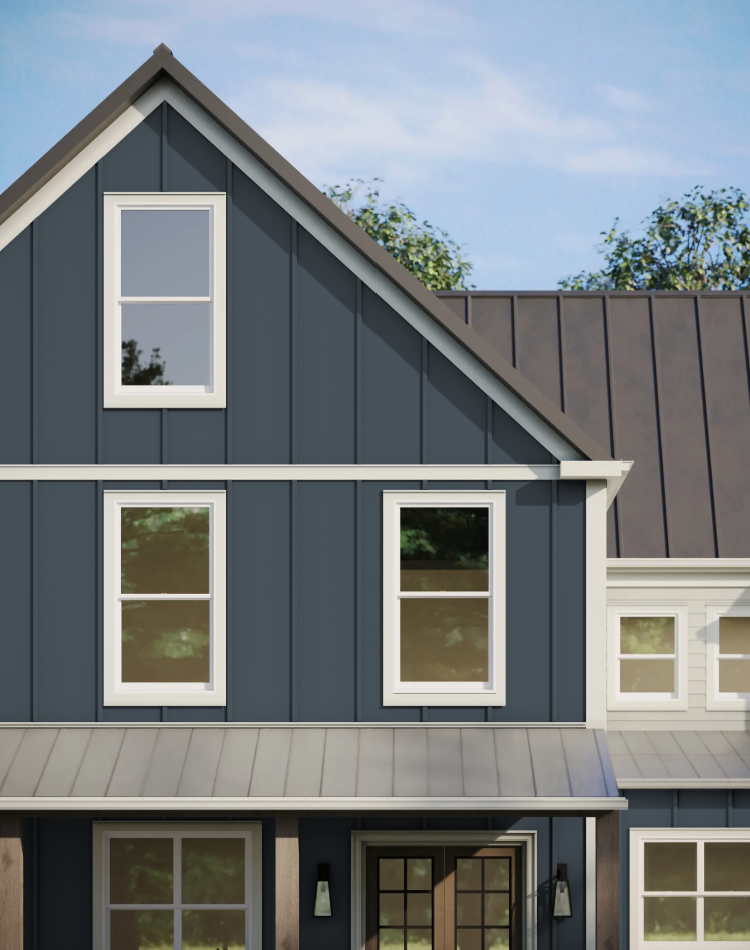
Fiber cement board and batten siding is worth considering if you want a durable exterior material with a painted wood-like appearance.
Fiber cement is manufactured using cementitious materials, sand, water, and reinforcing fibers. It is available in different siding profiles and can be used to create a board and batten design.
Manufacturers such as James Hardie offer fiber cement siding and trim products that can be used in vertical exterior designs.
Why homeowners choose fiber cement:
- Durable exterior material
- Resistant to termites and other wood-damaging insects
- Noncombustible material
- Available in different colors and finishes
- Can create a traditional painted wood appearance
Things to consider:
Fiber cement is heavier than vinyl, so handling and installation require care.
It is also important to follow the manufacturer’s requirements for cutting, fastening, clearances, flashing, and finishing.
For example, James Hardie’s installation documentation includes product-specific instructions and technical information that contractors should review before starting an installation.
4. Engineered Wood Board and Batten Siding
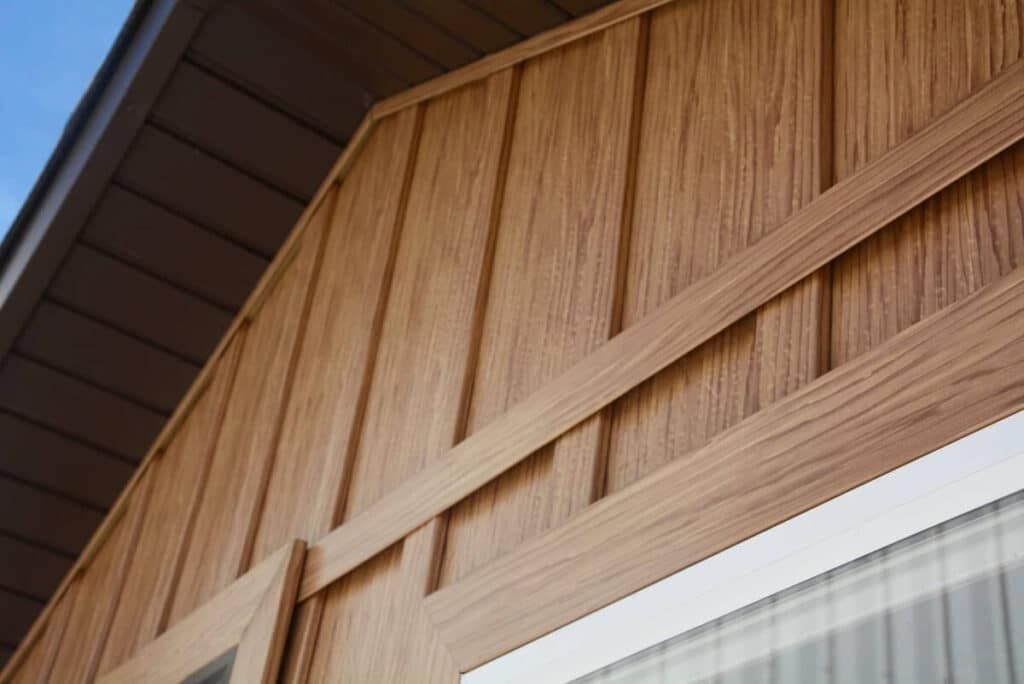
Engineered wood siding is designed to offer the appearance of traditional wood using manufactured wood-based materials.
One well-known option is LP SmartSide, which offers vertical siding products designed for board and batten applications.
Why homeowners choose engineered wood:
- Wood-like appearance
- Available in vertical siding profiles
- Can be factory-primed or factory-finished, depending on the product
- Works well with traditional and modern farmhouse designs
- Offers another option between traditional wood and other manufactured siding materials
Things to consider:
Engineered wood still needs proper moisture protection and maintenance.
Exposed cuts, clearances, fastening, and flashing details need to follow the product’s installation requirements.
If you’re considering this option, review LP SmartSide’s technical note for vertical board and batten applications. It explains important requirements for installing its vertical siding products.
5. Metal Board and Batten Siding
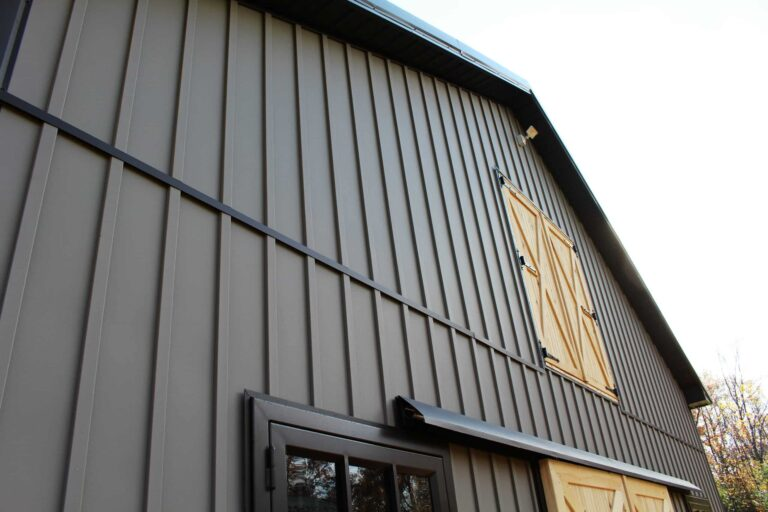
Metal board and batten siding gives a home a more contemporary, architectural appearance.
It’s commonly considered for modern farmhouse homes, agricultural-inspired buildings, and properties where homeowners want a clean vertical exterior design.
Depending on the product, metal siding can feature raised vertical ribs or panel profiles that recreate the board and batten look.
Why homeowners choose metal siding:
- Modern, clean appearance
- Low routine maintenance
- Available in different colors and finishes
- Resistant to rot and insect damage
- Suitable for certain contemporary and industrial-inspired designs
Things to consider:
The initial cost may be higher than some conventional siding options. Installation also requires attention to panel movement, fastening systems, flashing, and corrosion protection.
It’s worth comparing complete metal siding systems rather than choosing based on appearance alone.
What Are the Benefits of Board and Batten Siding?
There are several reasons board and batten siding continues to be a popular exterior design choice.
1. It Gives Your Home More Character
One of the first things people notice about board and batten siding is its texture.
Unlike flat exterior surfaces, the raised battens create depth and shadow lines. This gives the exterior a more detailed appearance without requiring elaborate architectural features.
Even a relatively simple home can look more distinctive with this siding style.
You May Also Love

2. It Works With Different Architectural Styles
Board and batten siding is no longer limited to traditional farmhouses or barns.
It can look equally attractive on modern homes, cottages, coastal properties, and traditional houses.
The material, color, board width, and trim details all influence the final appearance.
For example, natural wood can create a warm rustic look, while dark fiber cement siding can give a contemporary home a more dramatic exterior.
3. It Can Be Combined With Other Siding Materials
You don’t have to use board and batten across the entire house.
Many homeowners combine it with horizontal lap siding, brick, stone, or exterior shingles.
For example, using vertical board and batten on upper-level gables while keeping horizontal siding on the lower walls creates visual contrast without making the exterior look too busy.
4. It Comes in Several Material Options
Another advantage is the variety of materials available.
Whether you’re interested in traditional wood, vinyl, fiber cement, engineered wood, or metal, you can find products that recreate the board and batten appearance.
This makes it easier to compare different options based on appearance, maintenance, durability, and budget.
5. Vertical Lines Can Make a Home Look Taller
Vertical siding naturally draws the eye upward.
This can make certain exterior sections appear taller and help highlight features such as gables, entryways, and upper-level walls.
It’s a simple design detail, but it can make a noticeable difference in the overall appearance of a home.
What Are the Disadvantages of Board and Batten Siding?
Although board and batten siding offers plenty of design flexibility, there are a few potential disadvantages worth considering.
1. Installation Requires Attention to Detail
Vertical siding requires proper planning and installation.
The contractor needs to consider fastening, framing support, flashing, wall drainage, and manufacturer-specific requirements.
Poor installation can contribute to issues such as water intrusion, buckling, loose siding, or premature material damage.
This is one reason choosing an experienced siding contractor matters.
Don't miss: 17+ Modern Rustic Fall Decor Ideas for Living Rooms →
2. Maintenance Depends on the Material
Some board and batten materials require more maintenance than others.
Natural wood may need periodic staining or painting, while certain vinyl and factory-finished products require less routine attention.
Your maintenance schedule will also depend on sunlight exposure, rainfall, humidity, and the condition of the exterior.
3. It May Cost More Than Basic Horizontal Siding
The overall cost depends on the material, labor, wall preparation, and complexity of the project.
Additional trim, decorative battens, difficult wall layouts, and the removal of existing siding can all affect the final price.
It’s important to compare the total installed cost rather than looking only at the material price.
4. The Design May Not Suit Every Home
Board and batten can look beautiful, but proportions matter.
The width of the boards, spacing of the battens, exterior color, and surrounding architectural details all affect the finished appearance.
Before committing to the entire exterior, look at photographs of similar homes or ask your contractor for design samples.
How Much Does Board and Batten Siding Cost?
There isn’t one fixed price for board and batten siding because the total depends on several factors.
The biggest cost considerations include:
- Type of siding material
- Total wall area
- Cost of labor in your location
- Removal and disposal of existing siding
- Condition of the wall underneath
- Trim and corner details
- Window and door openings
- Flashing and additional moisture protection
- Installation complexity
For example, a vinyl board and batten installation may have a very different budget from a natural cedar or fiber cement project.
It’s also important to distinguish between material costs and installed costs.
A contractor’s estimate should ideally include the siding, battens or panels, labor, trim, wall preparation, flashing, removal of old materials, and any additional repairs.
Before making a decision, request at least two or three detailed quotes. Make sure each contractor is quoting the same material and scope of work.
That way, you can compare estimates fairly instead of choosing the lowest number without understanding what’s included.
How to Choose the Right Board and Batten Siding for Your Home
Choosing the right siding isn’t just about finding a color or material you like. You also need to consider how it will perform on your property.
Here are a few things worth thinking about.
Consider Your Local Climate
Does your area experience heavy rainfall, high humidity, freezing temperatures, strong winds, or intense sunlight?
Different siding materials have different performance characteristics.
For example, natural wood needs proper moisture management, while vinyl requires room for temperature-related movement.
Ask your contractor which products are appropriate for your local conditions and whether any additional installation considerations apply.
Think About Maintenance Requirements
Be honest about how much time you want to spend maintaining your home’s exterior.
If you enjoy natural wood and don’t mind periodic refinishing, cedar may be worth considering.
If you’d rather avoid routine painting, vinyl or a suitable factory-finished product may be more appealing.
There isn’t one right answer. It depends on what you’re comfortable maintaining over the years.
Keep Exploring

Look at the Entire Exterior Design
Your siding should work with the rest of your home.
Consider the roof color, windows, doors, trim, stonework, and landscaping before selecting a finish.
You can also combine different siding styles to create a more balanced exterior.
If you’re unsure about the final appearance, ask your contractor or designer to prepare a few exterior color and material combinations.
Compare Product Warranties
Don’t choose a siding material based on appearance alone.
Read the manufacturer’s warranty and check what it actually covers.
Look for information about product defects, finish performance, installation requirements, exclusions, and maintenance obligations.
Also remember that the manufacturer’s product warranty and the contractor’s workmanship warranty are two different things.
Hire an Experienced Siding Contractor
Even a good siding product can perform poorly if it isn’t installed correctly.
Ask contractors whether they’ve worked with vertical siding before and whether they’re familiar with the specific product you’re considering.
Request photographs of previous projects and check references.
You should also ask how they’ll handle moisture protection, window flashing, corners, and transitions between different siding materials.
How Do You Maintain Board and Batten Siding?
The maintenance required depends largely on the material, but there are a few habits that can help keep your exterior in good condition.
Inspect the siding regularly. Look for loose sections, damaged boards, cracks, peeling paint, and signs of moisture.
Keep gutters clean. Overflowing gutters can direct water down exterior walls and increase moisture exposure.
Maintain proper ground clearance. Soil, mulch, and landscaping should not cover the required clearance at the bottom of the siding.
Clean the surface gently. Use a cleaning method approved by the manufacturer. Avoid directing high-pressure water into joints or gaps.
Check flashing and sealant. Pay attention to windows, doors, corners, and transitions where water can enter the wall assembly.
Repaint or refinish when needed. This is particularly important for natural wood and painted siding products.
For manufactured products, always follow the recommended cleaning and maintenance instructions. For example, LP Building Solutions’ product literature provides access to product-specific care and maintenance documents.
The key is not to wait until you notice major damage. Regular inspections can help you identify smaller issues before they become expensive repairs.
Is Board and Batten Siding a Good Choice for Your Home?
For many homeowners, board and batten siding is an excellent way to improve the appearance of an exterior.
It offers a distinctive vertical design, works with a variety of architectural styles, and comes in several materials to suit different budgets and maintenance preferences.
However, the best choice depends on what matters most to you.
If natural texture is your priority, wood may be worth exploring. If you want a lower-maintenance option, vinyl could be a practical choice. If you’re looking for a durable painted exterior, fiber cement deserves a closer look.
Take your time comparing materials, ask contractors the right questions, and make sure the siding system is appropriate for your home’s construction and local climate.
A well-chosen and properly installed board and batten exterior can give your home a fresh appearance while providing the practical performance you expect from quality exterior siding.
Frequently Asked Questions About Board and Batten Siding
Is board and batten siding a good choice?
Yes, board and batten siding can be a good choice if you want a distinctive exterior with vertical lines and architectural character. Its suitability depends on the material, local climate, installation quality, and maintenance requirements.
Is board and batten siding more expensive than regular siding?
It can be. The price depends on the siding material, design, installation complexity, and labor costs. Decorative battens and additional trim details can also increase the overall project cost.
How long does board and batten siding last?
There isn’t one lifespan for all board and batten siding. Its longevity depends on the material, product quality, installation, weather exposure, and maintenance. Check the manufacturer’s published product information and warranty for the specific siding you’re considering.
Does board and batten siding keep water out?
Board and batten siding acts as exterior cladding, but it isn’t a complete waterproofing system. A properly installed weather-resistant barrier, flashing, drainage provisions, and appropriate installation details help protect the wall assembly from moisture.
Can you install board and batten siding over existing siding?
Sometimes, but it depends on the condition of the existing siding, wall structure, moisture management, and the installation requirements of the new product. Removing the old siding may be necessary to inspect and repair the wall underneath.
Is board and batten siding suitable for modern homes?
Absolutely. Its clean vertical lines work particularly well with contemporary architecture. Dark colors, simple trim, and combinations with stone or metal can create a modern exterior.
Does board and batten siding need to be painted?
That depends on the material and finish. Natural wood and many fiber cement or engineered wood products may require painting or refinishing. Many vinyl and factory-finished metal products don’t require routine repainting.
Can board and batten siding be installed horizontally?
Traditional board and batten is a vertical siding style. Some products have specific installation requirements that restrict their orientation. Always follow the manufacturer’s instructions rather than changing the direction of installation.
Is board and batten siding difficult to install?
It requires careful planning and attention to fastening, spacing, flashing, and moisture management. The difficulty depends on the material and wall design. Professional installation is worth considering, particularly for full-home projects.
Can you mix board and batten with other siding styles?
Yes. Many homeowners combine vertical board and batten with horizontal lap siding, stone, brick, or shingles. The combination can add depth and help different architectural sections stand out.