
Choosing the right siding color can completely change how your home looks from the outside. A simple color change can make a house feel brighter, more welcoming, more modern, or even more luxurious. And when it comes to board and batten siding, the color you choose matters even more because the vertical lines and raised battens naturally create shadows and texture.
In this article:
- Why Does Color Matter for Board and Batten Siding?
- 15 Beautiful Board and Batten Siding Colors to Consider
- Best Board and Batten Siding Color Combinations
- How to Choose the Right Board and Batten Siding Color
- Should Board and Batten Battens Be the Same Color as the Siding?
- Can You Mix Different Colors and Siding Styles?
- Plan Your Board and Batten Layout Along With Your Color Scheme
- Common Mistakes to Avoid When Choosing Board and Batten Siding Colors
- Final Thoughts: Which Board and Batten Siding Color Should You Choose?
- Frequently Asked Questions About Board and Batten Siding Colors
That’s one reason this siding style works so well with different color palettes. You can go with classic white for a farmhouse-inspired appearance, choose black for a bold modern exterior, or explore softer shades like sage green, warm beige, and muted blue for something a little different.
But with so many options available, how do you know which color will actually look good on your home?
The trick is to look beyond the siding itself. Your roof, windows, exterior trim, front door, stonework, and surrounding landscape all influence how the final color combination will look.
In this guide, we’ll explore 15 beautiful board and batten siding colors, attractive exterior combinations, and practical tips to help you choose a shade you’ll be happy with for years.
Why Does Color Matter for Board and Batten Siding?
Board and batten siding already has a distinctive appearance because of its vertical boards and raised battens. The pattern creates depth and gives the exterior more architectural detail than a completely flat surface.
Color adds another layer to that design.
For example, white board and batten siding can make a farmhouse look bright and traditional, while dark charcoal or black can give the same architectural style a much more contemporary feel.
The vertical lines also interact with natural light. During different times of the day, the raised battens create subtle shadows that can make the siding appear slightly different depending on the angle of the sunlight.
This is why choosing a color from a small paint chip alone isn’t always a good idea. It’s better to look at larger samples and see how the shade works with the other materials on your exterior.
If you’re exploring manufactured siding colors, James Hardie’s ColorPlus collections are a useful reference. They include a broad range of finishes, from neutral whites and grays to blues, greens, and darker shades.
15 Beautiful Board and Batten Siding Colors to Consider
If you’re unsure where to start, these colors offer a good mix of traditional, modern, and nature-inspired exterior styles.
1. White Board and Batten Siding
White is one of the most recognizable choices for board and batten exteriors, especially on modern farmhouse homes.
It creates a clean, bright appearance and makes the vertical siding details stand out without making the exterior feel too busy.
White also gives you plenty of flexibility when choosing other exterior materials.
You can pair it with:
- Black window frames
- Dark gray roofing
- Natural wood front doors
- Stone or brick accents
- Black or bronze exterior lighting
If you want a timeless exterior that doesn’t feel overly complicated, white is a safe starting point.
For a slightly softer appearance, consider warm whites and creamy shades instead of an extremely bright white.
2. Black Board and Batten Siding
Black board and batten siding is a bold option that works particularly well with modern farmhouse and contemporary architecture.
Dark siding emphasizes the raised battens and creates a dramatic appearance, especially when paired with contrasting trim.
It can also make a home look more distinctive without requiring complicated architectural details.
Some attractive combinations include:
- Black siding with natural wood accents
- Black siding with white trim
- Charcoal siding with bronze windows
- Black siding with light stone
- Dark siding with a warm wooden front door
One thing worth considering is how much sunlight your exterior receives. Dark surfaces generally absorb more solar energy than lighter ones.
If you’re choosing dark vinyl siding, check that the manufacturer offers the selected color for your specific product. Some dark colors may require specially formulated materials or coatings.
3. Gray Board and Batten Siding
Gray is a versatile choice for homeowners who want something neutral without going completely white or black.
Light gray can create a soft, understated appearance, while darker shades give the exterior a more defined and contemporary look.
Gray also works particularly well with stone, brick, and natural wood.
You could consider:
- Light gray with white trim
- Charcoal gray with black windows
- Warm gray with a wooden front door
- Slate gray with light stone accents
If your home already has gray roofing, look for a siding shade with a complementary undertone rather than choosing two nearly identical grays that clash.
For inspiration, James Hardie’s siding color options include shades such as Pearl Gray, Gray Slate, Iron Gray, and Light Mist.
4. Sage Green Board and Batten Siding
Sage green has become a popular choice for homeowners who want a natural-looking exterior without using a very bright color.
It has a softer appearance than traditional forest green and works beautifully with wood, stone, and neutral trim.
Sage green board and batten siding is particularly attractive on cottages, farmhouse homes, and properties surrounded by trees or gardens.
Consider pairing it with:
- Cream or off-white trim
- Natural wood doors
- Dark bronze fixtures
- Brown or charcoal roofing
- Stone foundation accents
It’s a lovely option if you want your home to feel connected to its surroundings.
5. Navy Blue Board and Batten Siding
Navy blue offers a nice balance between bold and classic.
It’s darker than traditional blue but usually feels less dramatic than black. This makes it a good option for homeowners who want a distinctive exterior without going too far outside traditional color choices.
Navy blue looks particularly good with white trim and lighter roofing.
You can also combine it with natural wood accents for a slightly warmer appearance.
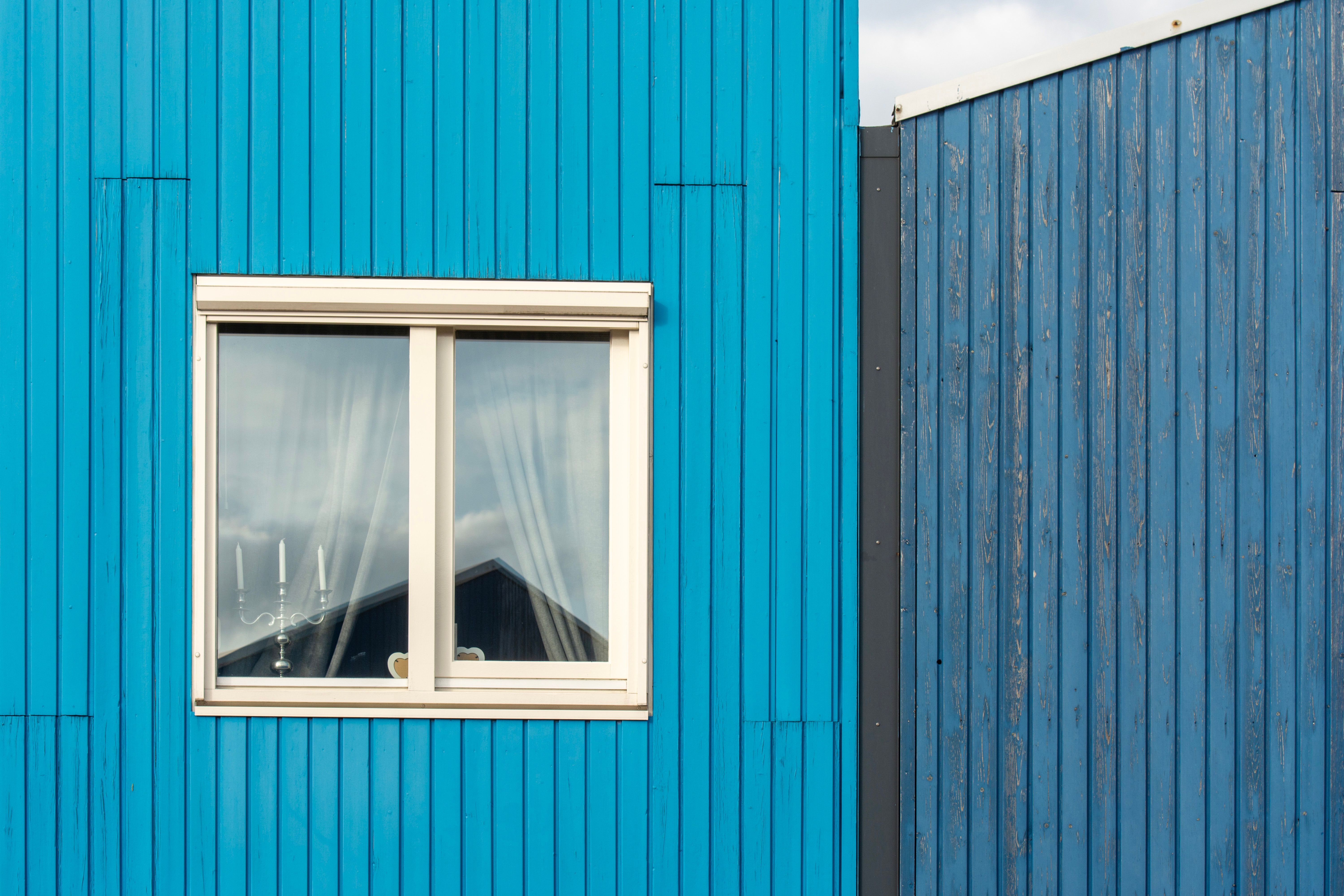
6. Beige Board and Batten Siding
Beige is a practical choice if you prefer warm, neutral exterior colors.
It creates a welcoming appearance and works well with traditional, rustic, and farmhouse-inspired homes.
Unlike bright white, beige can add warmth to the exterior, especially when paired with brown roofing, wood doors, or natural stone.
Look at different shades before deciding. Some beige colors have yellow undertones, while others lean toward gray or taupe.
The undertone can make a surprisingly big difference once the color covers an entire wall.
7. Charcoal Board and Batten Siding
Charcoal is a great alternative to pure black.
It provides much of the same dramatic appearance but can feel a little softer, especially when combined with lighter trim and warm natural materials.
Charcoal board and batten siding works particularly well with:
- White or cream trim
- Natural cedar accents
- Light gray stone
- Black windows
- Contemporary roofing materials
If you like dark exteriors but aren’t sure about committing to black, charcoal is worth considering.
8. Cream Board and Batten Siding
Cream is another beautiful option for homeowners who want a lighter exterior without the sharp contrast of bright white.
It has a warmer appearance and pairs naturally with brown roofing, wooden doors, and traditional exterior details.
Cream board and batten siding works especially well on cottages, farmhouse homes, and traditional residential properties.
It can also make a large exterior feel a little softer and more inviting.
You May Also Love

9. Light Blue Board and Batten Siding
Light blue is a lovely choice for coastal-inspired homes and properties where you want a relaxed exterior appearance.
It works particularly well with white trim, light gray roofing, and natural wood accents.
If you don’t want a very bright blue, look at muted blue-gray shades.
These tend to be easier to coordinate with other exterior materials and create a more understated finish.
10. Forest Green Board and Batten Siding
Forest green offers a deeper, richer alternative to sage green.
It can give a home a traditional, nature-inspired appearance and works particularly well with natural surroundings.
Pair it with cream trim, brown roofing, wooden doors, or stone accents for a balanced exterior.
If your property has plenty of trees or mature landscaping, forest green can help the home feel visually connected to its surroundings.
11. Brown Board and Batten Siding
Brown is worth considering if you like warm, earthy exterior colors.
It can create a rustic appearance, particularly when combined with stone, wood, and other natural materials.
Depending on the shade, brown siding can look traditional, modern, or even slightly industrial.
Lighter browns and taupes create a softer appearance, while deeper chocolate and espresso shades add more visual weight.
12. Greige Board and Batten Siding
Greige is a combination of gray and beige.
It has become a popular exterior color because it offers the flexibility of a neutral shade without feeling too cool or too warm.
Greige board and batten siding works well with white trim, black windows, natural wood, and stone accents.
It’s a particularly useful option if you’re struggling to decide between gray and beige.
13. Red Board and Batten Siding
If you want something more traditional and distinctive, muted red can be an interesting option.
Deep barn red, brick red, and earthy reddish-brown shades work especially well on farmhouse-inspired and rustic properties.
Rather than choosing an extremely bright red, consider a more muted tone that complements the roof and surrounding landscape.
Cream trim and dark roofing can help create a balanced appearance.
14. Taupe Board and Batten Siding
Taupe sits somewhere between brown and gray, making it a versatile neutral for exterior design.
It can work particularly well when you want a warm-looking exterior without choosing a traditional beige.
Taupe siding pairs nicely with:
- White trim
- Bronze windows
- Dark brown roofing
- Natural stone
- Wooden exterior accents
It’s also a good option if you prefer understated colors that won’t overpower the home’s architecture.
Don't miss: 20+ Outdoor Dining Ideas with Water Features for a Serene Ambience →
15. Two-Tone Board and Batten Siding
You don’t always have to choose one color for the entire exterior.
Two-tone siding can create a more customized appearance and help highlight different architectural sections.
For example, you could use white board and batten on the upper gables and gray horizontal siding on the lower walls.
Another option is to use a dark siding color with lighter trim and natural wood accents.
The important thing is to keep the combination balanced. Too many competing colors can make the exterior look unnecessarily busy.
Best Board and Batten Siding Color Combinations
Sometimes the challenge isn’t choosing the siding color itself. It’s figuring out what to pair it with.
Here are some combinations that work particularly well.
| Siding color | Trim color | Accent material | Overall appearance |
|---|---|---|---|
| White | Black | Natural wood | Modern farmhouse |
| Black | White | Light stone | Contemporary |
| Sage green | Cream | Natural wood | Cottage-inspired |
| Navy blue | White | Gray stone | Coastal |
| Charcoal | Warm white | Cedar | Modern rustic |
| Beige | Dark brown | Brick | Traditional |
| Gray | White | Black windows | Transitional |
| Forest green | Cream | Natural stone | Nature-inspired |
| Greige | White | Bronze accents | Classic and understated |
| Taupe | Cream | Wood | Warm and welcoming |
These are starting points rather than strict design rules. The right combination will depend on the existing features of your home.
How to Choose the Right Board and Batten Siding Color
Choosing an attractive color is one thing. Making sure it actually works with your house is another.
Before ordering siding, consider the following factors.
1. Start With Your Roof Color
Your roof is one of the largest permanent features of your home’s exterior.
If you already have a roof you’re not planning to replace, use it as a starting point when selecting your siding color.
For example:
- Black or charcoal roofing works with white, gray, beige, and sage siding.
- Brown roofing pairs naturally with cream, tan, taupe, and earthy green.
- Gray roofing offers flexibility with blue, white, charcoal, and neutral colors.
You don’t necessarily need to match your siding to the roof. In fact, a little contrast often creates a more attractive exterior.
2. Consider Your Windows and Exterior Trim
Windows and trim have a big influence on the final appearance.
Black windows can look particularly striking against white, cream, sage, or light gray board and batten siding.
White trim offers a classic contrast with dark siding, while bronze and brown finishes can make warm exterior colors feel more cohesive.
Try to consider the windows, doors, fascia, and corner trim as part of the same overall color scheme.
For more ideas on coordinating siding and trim, BEHR’s exterior color inspiration guide offers examples of how body colors, trim, roofing, and front doors can work together.
3. Think About Your Home’s Architectural Style
Not every color works equally well with every architectural style.
For example, white, cream, and sage are common choices for farmhouse and cottage-inspired homes.
Modern properties may look better with charcoal, black, deep green, or muted gray.
Traditional homes often work beautifully with beige, taupe, warm gray, and classic white.
There are no absolute rules, but considering your home’s architecture can help narrow down the options.
4. Look at the Surrounding Landscape
Your surroundings can influence how an exterior color feels.
A home surrounded by mature trees may look particularly attractive with sage, forest green, or warm neutral siding.
A coastal property might suit light blue, white, or soft gray.
If your landscaping includes lots of colorful flowers and greenery, a more neutral siding color can provide a balanced background.
5. Consider Sunlight and Shade
A color that looks beautiful on a small sample may appear very different across an entire exterior wall.
Direct sunlight can make some colors appear brighter, while shaded sections may look darker or cooler.
This is particularly important when choosing white, gray, and dark charcoal shades.
Test samples on different sides of the house and observe them at different times of the day.
Keep Exploring

Should Board and Batten Battens Be the Same Color as the Siding?
This is a common design question.
In many residential projects, the boards and battens are finished in the same color.
This creates a consistent appearance and allows the vertical pattern to stand out through shadows and texture rather than color contrast.
However, contrasting battens can also be used for a more distinctive appearance, particularly in certain traditional or decorative designs.
For most modern farmhouse and contemporary exteriors, using one color across the siding and creating contrast through the windows, doors, and trim is a simple way to achieve a balanced look.
Can You Mix Different Colors and Siding Styles?
Absolutely.
In fact, mixing siding styles can be one of the best ways to add character to your home’s exterior.
You could use white board and batten on the upper gables and horizontal lap siding on the main walls.
Or you could combine dark vertical siding with light-colored stone around the entrance.
The key is to create a clear visual hierarchy.
Choose one primary exterior color, then use one or two complementary materials or accent colors.
This helps the exterior look intentional rather than like several unrelated design ideas put together.
Plan Your Board and Batten Layout Along With Your Color Scheme
Choosing a beautiful siding color is only part of creating an attractive exterior. The proportions of the vertical boards and battens also influence the final result.
For instance, a narrower pattern can create a more detailed appearance, while wider spacing may give the wall a simpler, more contemporary feel.
Before settling on your design, measure the wall and consider how the vertical sections will line up around windows, doors, corners, and trim.
You can use this board and batten spacing planning calculator to experiment with different measurements and work out a more balanced layout before purchasing materials.
If you’re using manufactured siding panels, remember that the actual panel profile and manufacturer’s specifications should determine the final installation layout.
Common Mistakes to Avoid When Choosing Board and Batten Siding Colors
A beautiful color combination can still look disappointing if a few important details are overlooked.
Here are some mistakes worth avoiding.
Choosing a Color Without Testing a Sample
Don’t make a final decision based only on a small online color swatch.
Colors can look different under natural light, and digital screens don’t always represent the actual finish accurately.
Request physical samples and view them against your home’s exterior.
For example, James Hardie’s siding sample service allows homeowners to explore actual product colors before making a final selection.
Ignoring the Roof Color
Your siding and roof should complement one another.
A siding color that looks attractive on its own may clash with the existing roofing material.
Always consider both together.
Using Too Many Contrasting Colors
It’s tempting to combine several colors, but too much contrast can make the exterior feel cluttered.
Start with a primary siding color, a trim color, and one accent material.
You can always introduce smaller decorative details later.
Choosing Dark Vinyl Without Checking Product Requirements
Dark vinyl siding may have specific product and installation limitations.
Some manufacturers offer specialized formulations for darker colors, while others restrict which colors can be used with certain products.
Check the manufacturer’s recommendations and warranty before making a selection.
For example, Georgia-Pacific’s board and batten vinyl siding collection offers several standard, dark, and premium color choices. Checking the available colors for the actual product is more useful than assuming every vinyl profile comes in every shade.
Following Trends Without Considering Your Home
Trendy colors can be fun, but your home’s architecture and surrounding materials should always come first.
Choose something you genuinely enjoy looking at rather than selecting a shade simply because it’s popular at the moment.
Final Thoughts: Which Board and Batten Siding Color Should You Choose?
The best board and batten siding color is one that complements your home’s architecture, works with the existing exterior materials, and matches the overall appearance you’re trying to create.
White remains a classic choice for farmhouse-inspired homes. Black and charcoal are excellent for bold contemporary designs. Sage green, navy, beige, and taupe offer softer alternatives that can look equally beautiful.
Before making your final decision, compare samples, consider your roof and windows, and think about how the color will look in different lighting conditions.
Most importantly, don’t rush the decision. Your siding will be one of the most visible parts of your home, so it’s worth taking the time to get the combination right.
A thoughtful color choice can make even a simple exterior feel more polished, welcoming, and complete.
Frequently Asked Questions About Board and Batten Siding Colors
What is the most popular color for board and batten siding?
White is one of the most recognizable choices, particularly for modern farmhouse homes. Gray, black, sage green, and beige are also popular options depending on the architectural style.
Is black board and batten siding a good idea?
Yes. Black board and batten siding can create a dramatic, contemporary exterior. It works particularly well with natural wood, white trim, and lighter stone. For vinyl products, check the manufacturer’s recommendations for dark colors.
What trim color looks best with board and batten siding?
White trim is a versatile option that works with many siding colors. Black trim can create a stronger contrast, while cream, bronze, and brown can complement warmer exterior palettes.
Does white board and batten siding get dirty easily?
White siding can make dirt, dust, and certain stains more noticeable than darker colors. Regular cleaning and proper maintenance can help keep it looking fresh.
Is gray board and batten siding still in style?
Gray remains a versatile exterior color, although preferences vary. Warm gray, greige, and muted charcoal shades are useful alternatives if you want something softer or warmer than traditional cool gray.
What roof color goes with white board and batten siding?
Black, charcoal, dark gray, and certain brown roofing colors can all complement white board and batten siding. The best option depends on the home’s architecture and other exterior materials.
Can you paint vinyl board and batten siding a different color?
Some vinyl siding products can be painted using compatible coatings, but not all paints or colors are suitable. Always check the manufacturer’s recommendations, especially when considering a darker color.
What colors make a farmhouse exterior look modern?
Black, charcoal, sage green, warm white, and muted gray can give a farmhouse exterior a more contemporary appearance. Combining these colors with natural wood and simple trim can create a balanced design.
Should board and batten siding match the roof?
It doesn’t have to match exactly. In most cases, complementary colors create a more attractive exterior. For example, a charcoal roof can work beautifully with white, sage, or light gray siding.
What color is best for board and batten siding on a small house?
Lighter shades such as white, cream, pale gray, and soft beige can help a small home feel brighter and more open. However, darker colors can also look attractive when used thoughtfully.
Can board and batten siding be two different colors?
Yes. You can use different colors on separate sections of the exterior or combine contrasting siding materials. Just make sure the colors work together and don’t compete with the home’s architectural details.
How do I choose between warm and cool exterior siding colors?
Start by looking at the undertones of your roof, brick, stone, and other permanent exterior materials. Warm colors generally complement brown, cream, and earthy materials, while cooler shades often work with gray stone, black windows, and blue-gray roofing.